
Cotton Polyester Clothing Manufacturer for Collections That Repeat
EDVORIN is a cotton polyester clothing manufacturer that develops, samples and delivers branded apparel from concept through controlled bulk production.
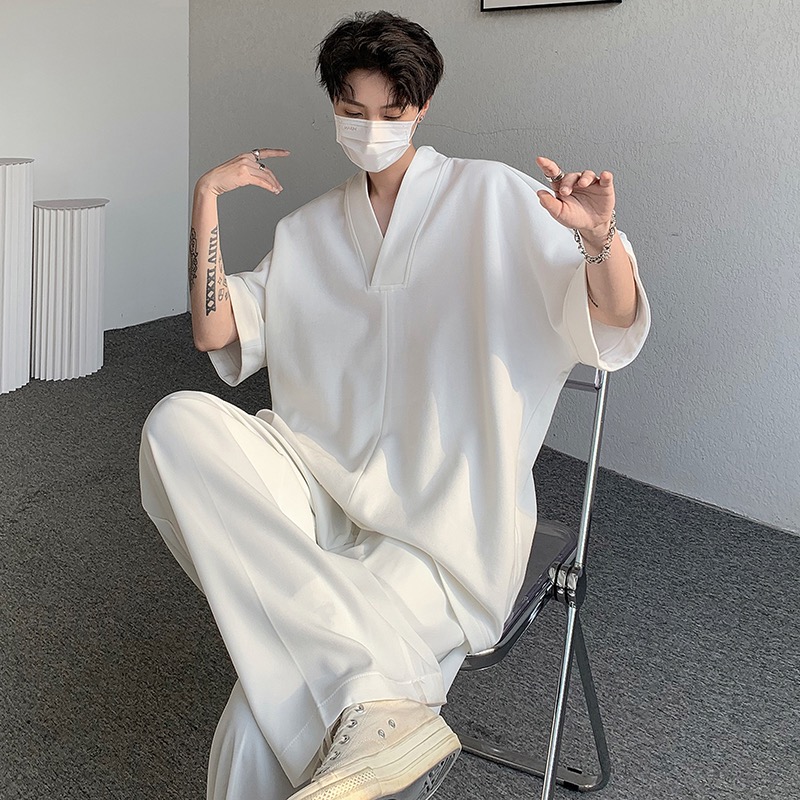
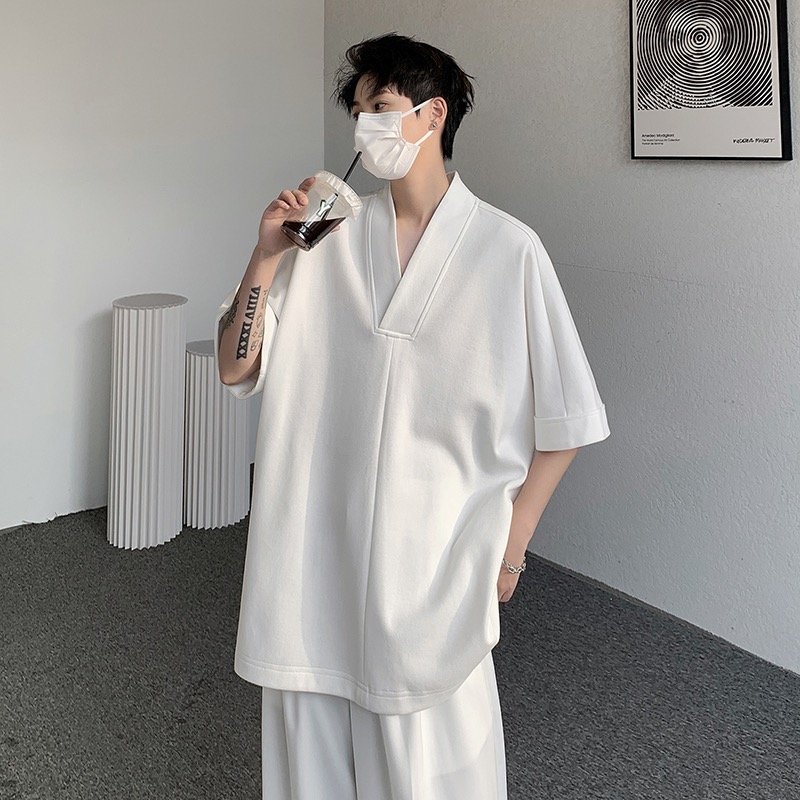
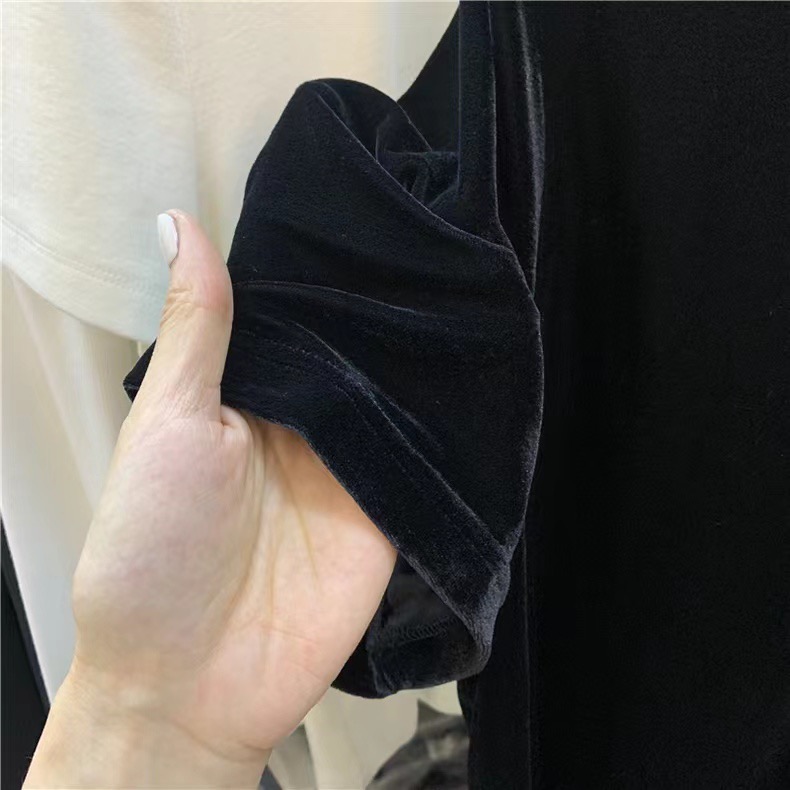
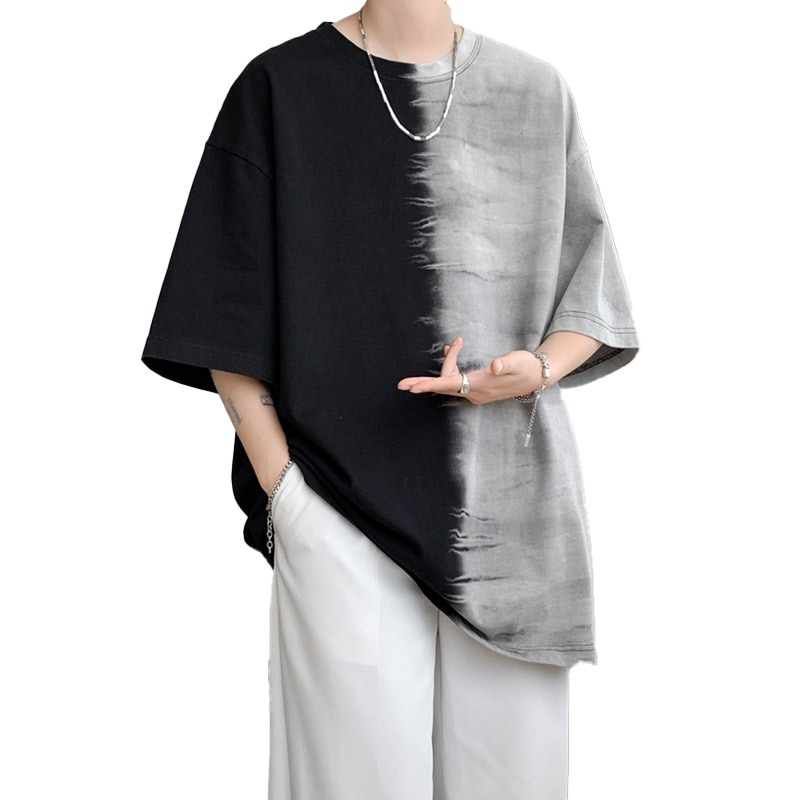
Featured Cotton-Polyester Apparel Options
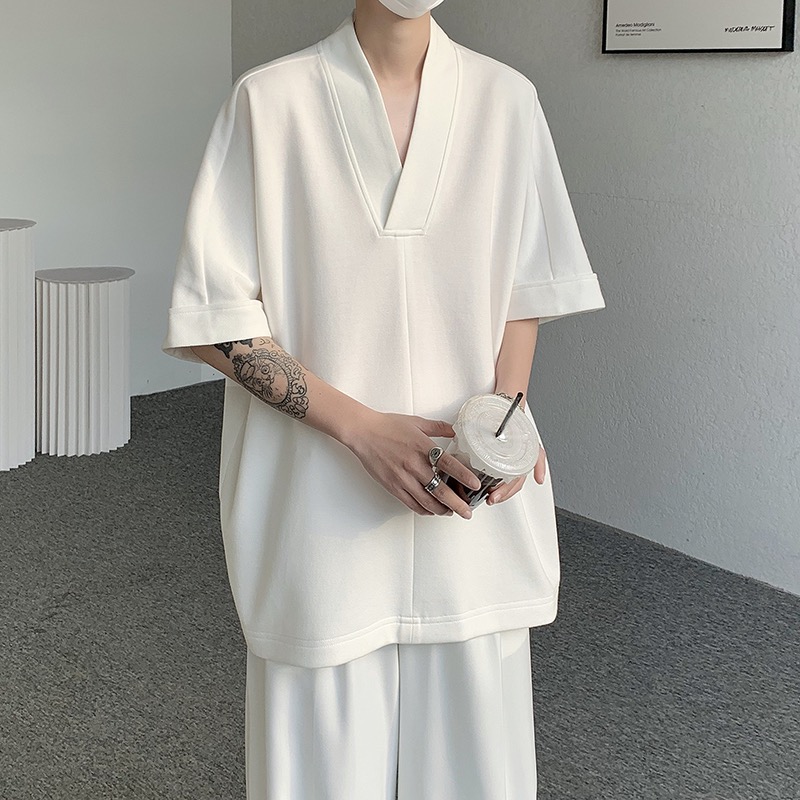
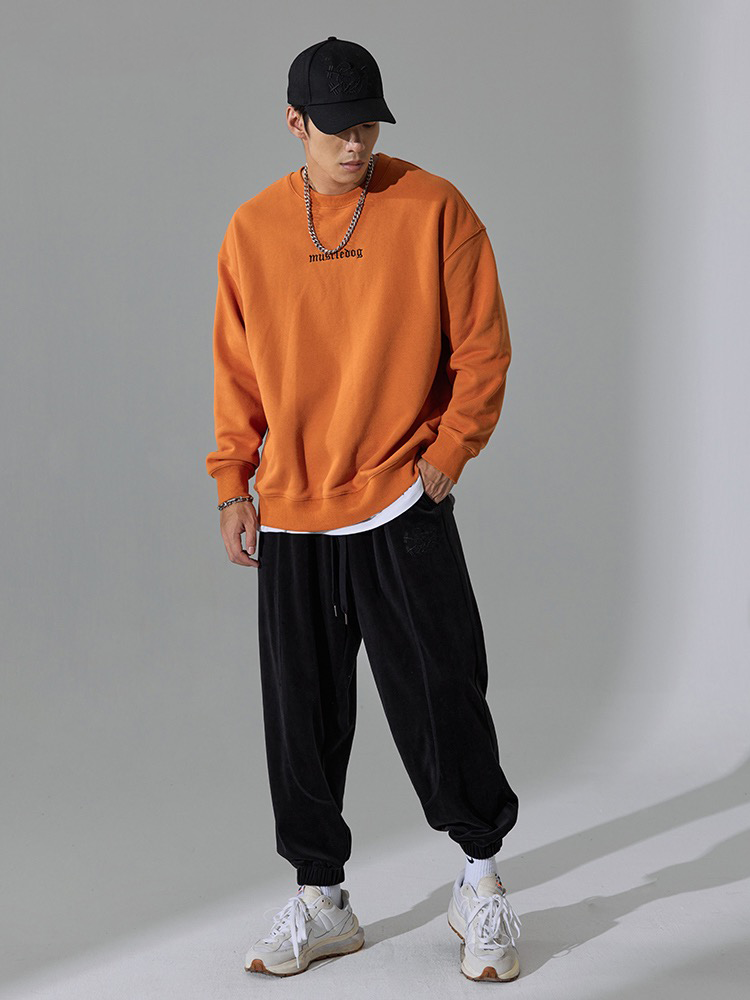
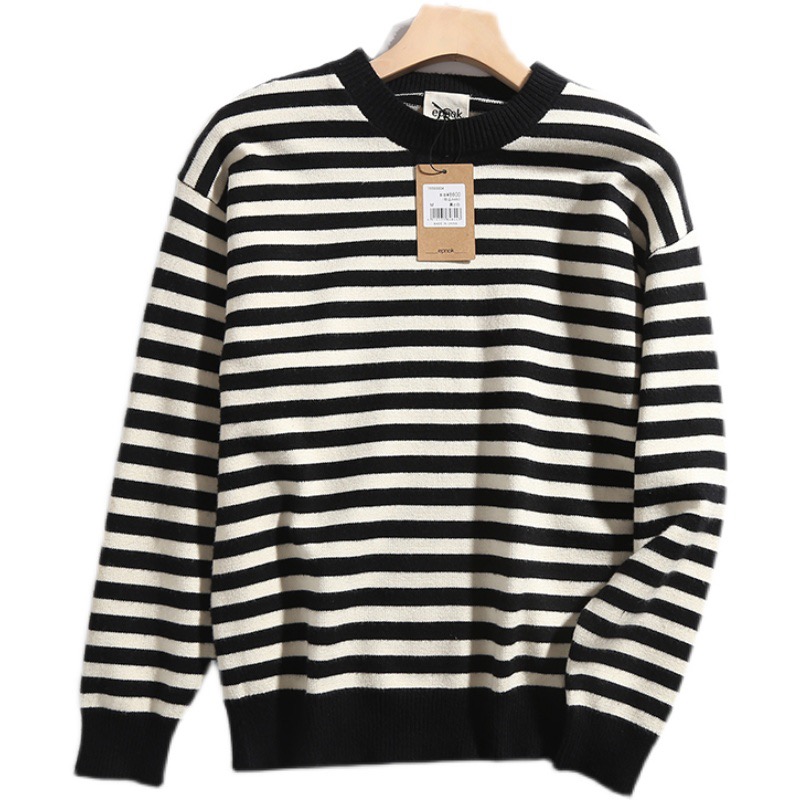
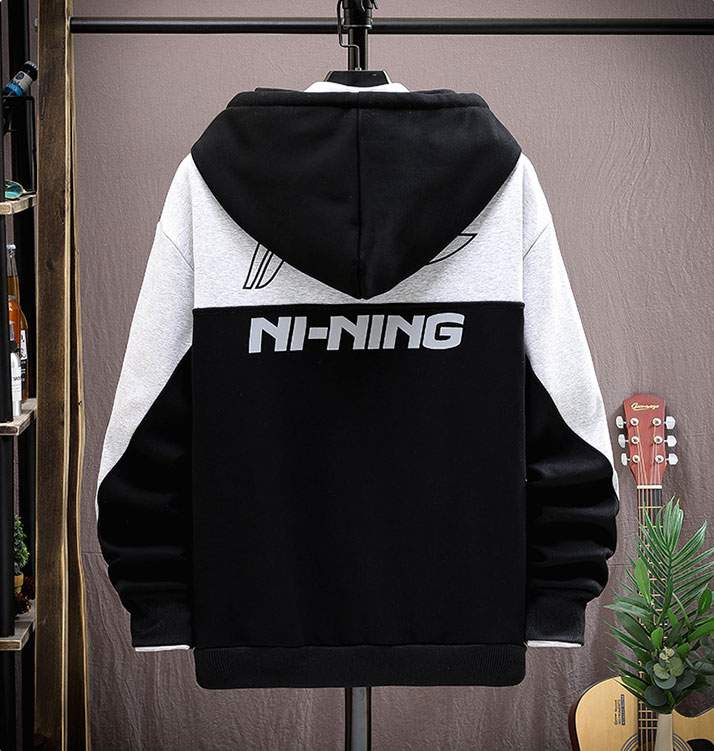
Why Choose a Cotton Polyester Clothing Manufacturer?
EDVORIN develops cotton-polyester apparel around the comfort, durability, care and decoration requirements of your collection.
Balanced Everyday Comfort
Select blend ratios and fabric weights that support a comfortable hand feel while meeting the intended use of each garment.
Built-In Durability
Develop casualwear, teamwear and streetwear fabrics for dependable wear, with construction details documented for repeatable bulk production.
Reliable Shape Retention
Coordinate fabric selection, patterns and finishing to help garments maintain their intended fit and proportions through regular wear.
Easy-Care Product Options
Choose cotton-polyester constructions suited to practical care expectations, then validate wash performance during the sample approval process.
Decoration-Ready Development
Align fabric, artwork and application methods for printing, embroidery or patches, with placement and approvals recorded before bulk production.
Related Apparel Manufacturing Capabilities
Compare product categories, development options and decoration requirements across casualwear, outerwear, teamwear and private-label programs.
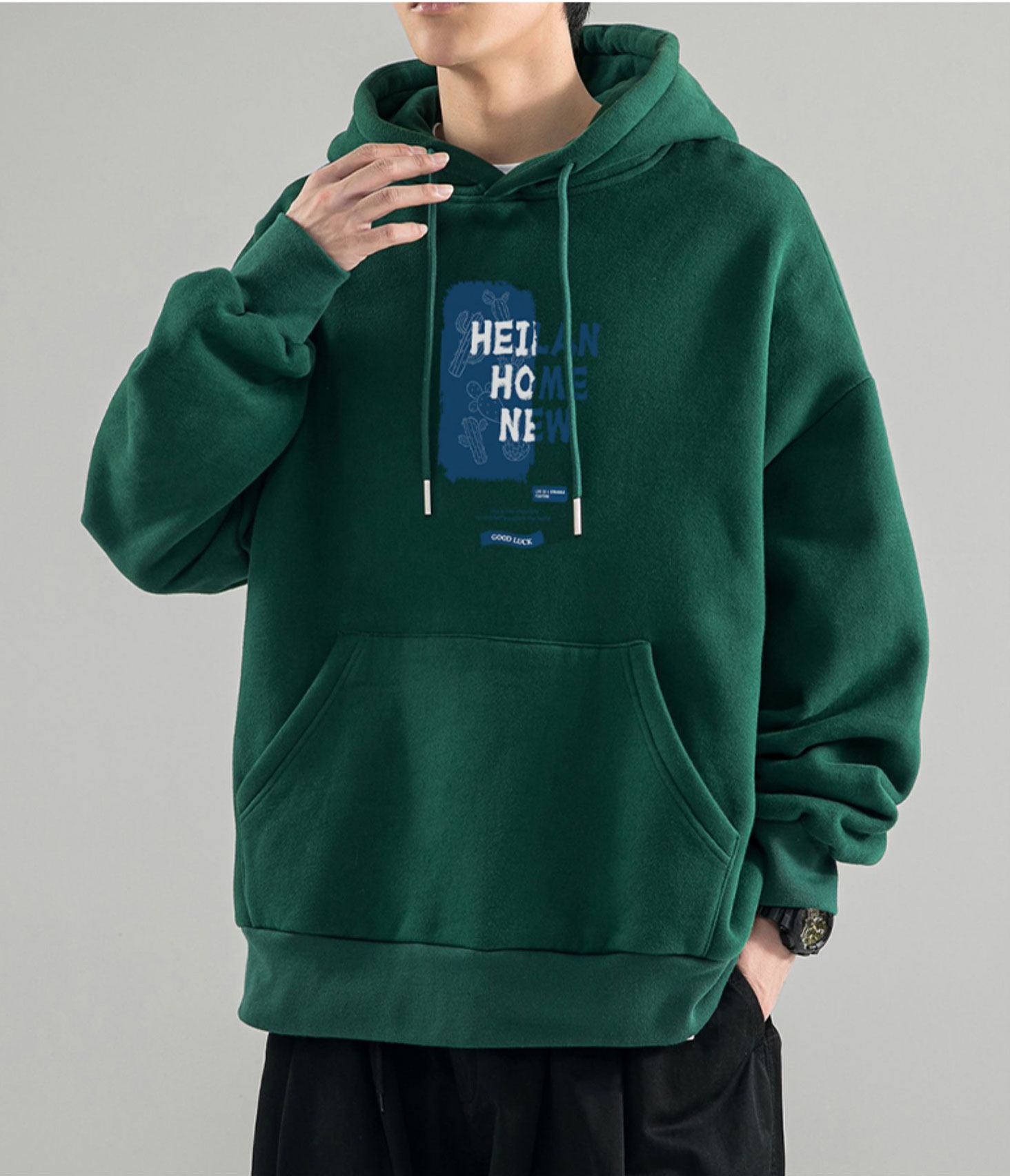
Custom Hoodies
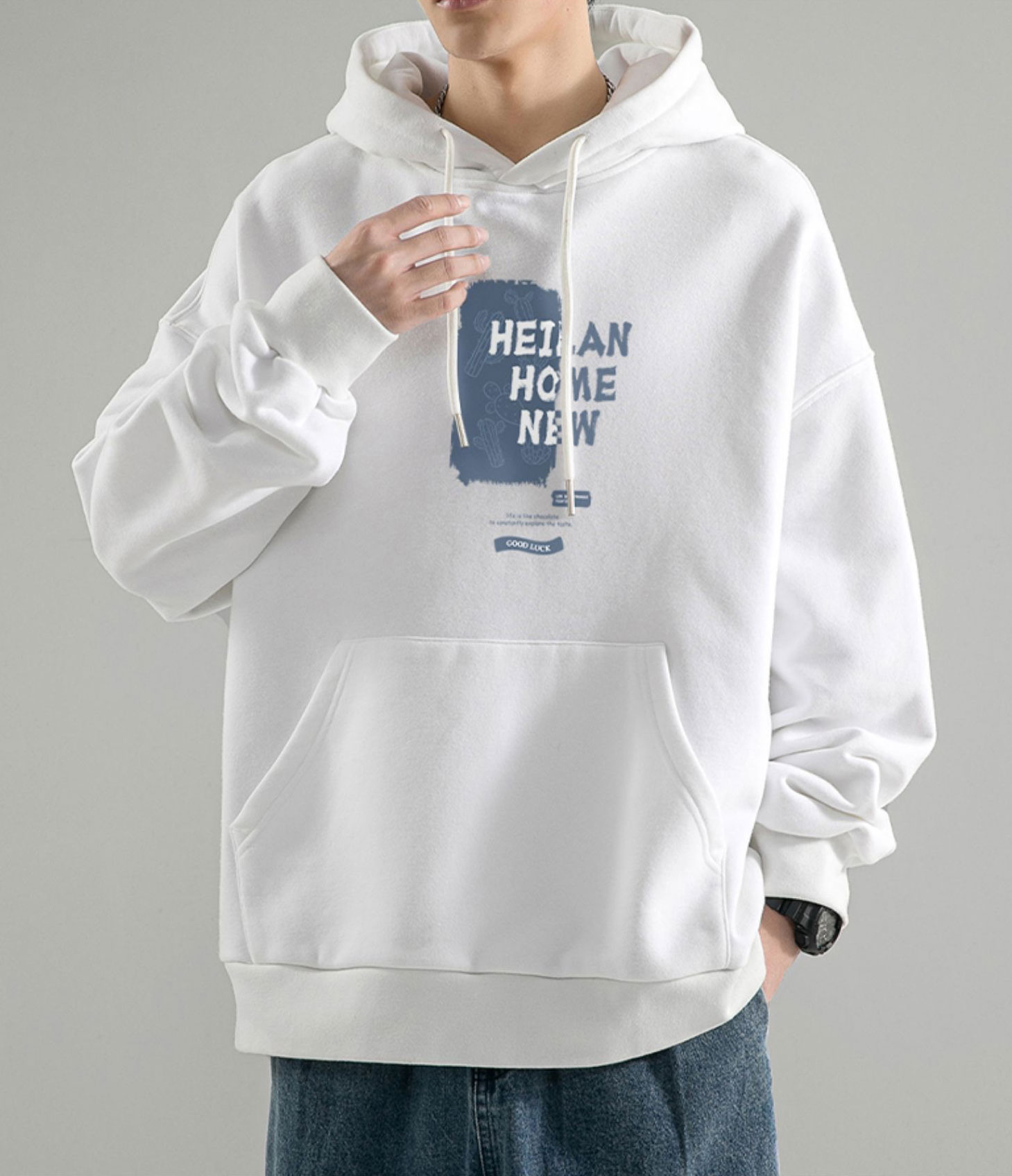
EDVORIN develops custom hoodies from fleece selection and fit blocks through rib construction, drawcords, printing, embroidery, labels and packaging. Approved samples establish the production standard for repeatable men’s and women’s hoodie programs.
Get a Quote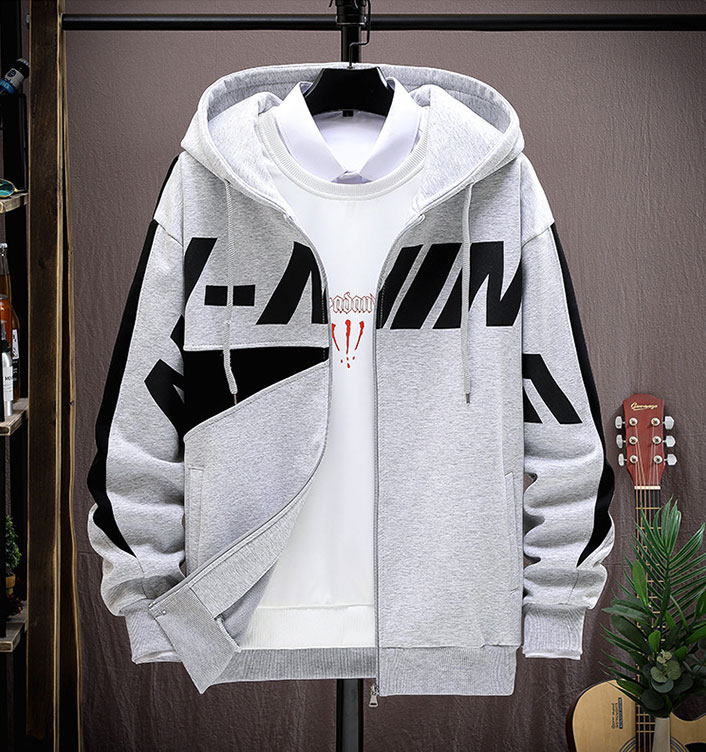
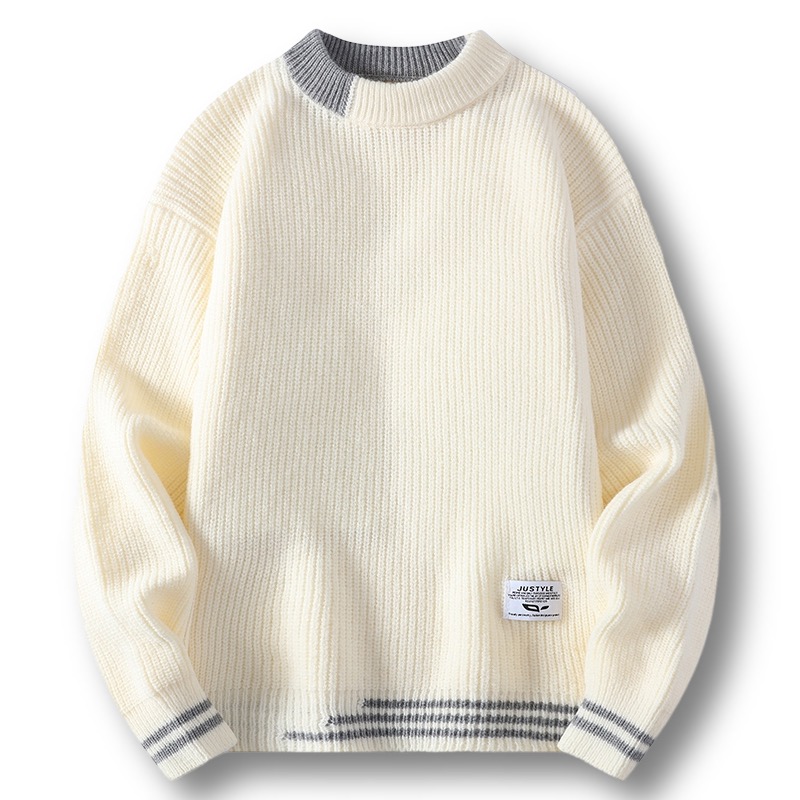
Pullover Sweatshirts
As a sweatshirt manufacturer, EDVORIN supports pullover styles with specified fabric weight, neck rib, cuffs, hem, seam construction and decoration placement. Men’s and women’s fits can be developed separately for retail, wholesale and private-label collections.
Get a Quote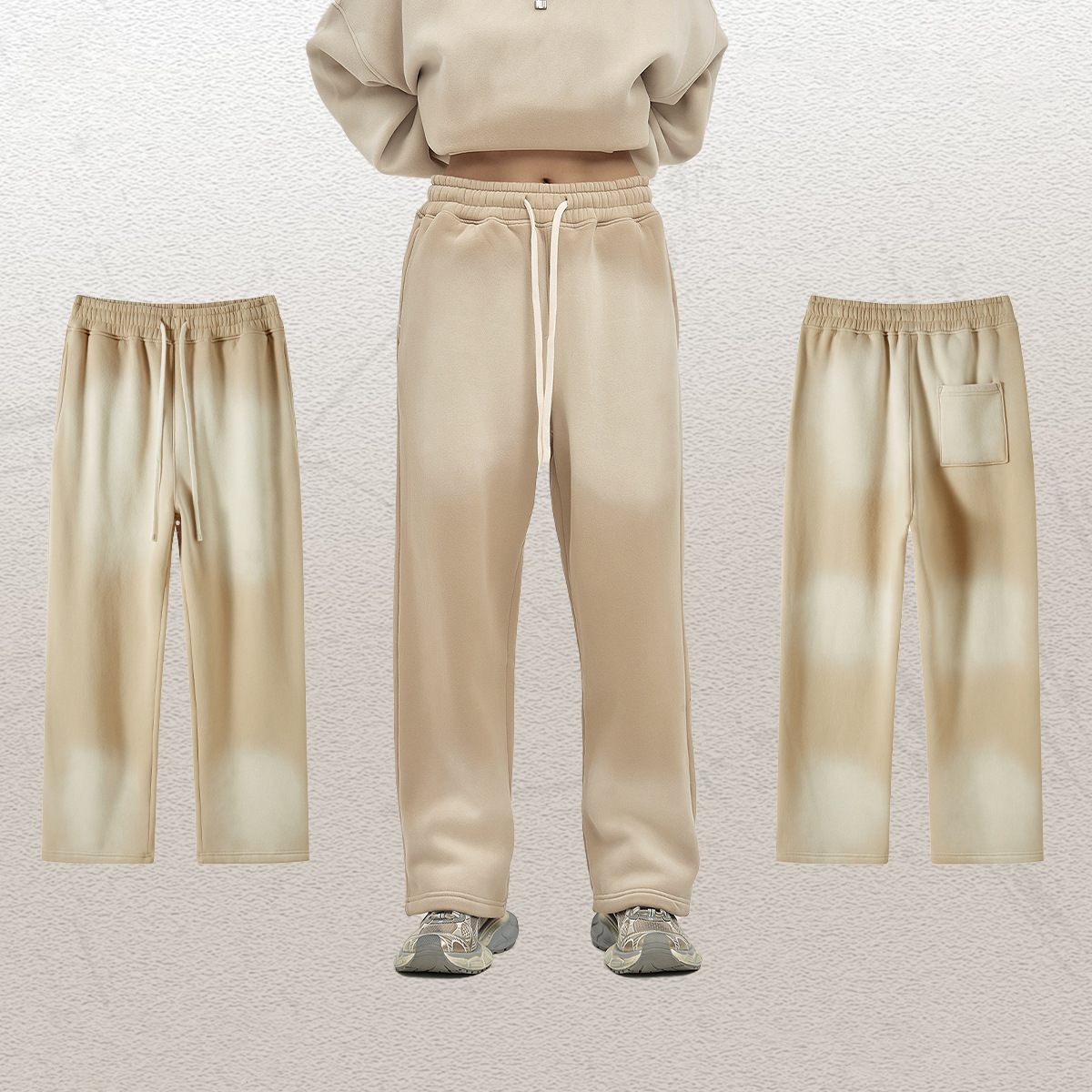
Sweatpants & Joggers
EDVORIN manufactures sweatpants and joggers with coordinated fleece, waistband, pocket, cuff and drawcord specifications. Development can align fit, grading and decoration with matching hoodies or sweatshirts for complete casualwear programs.
Get a Quote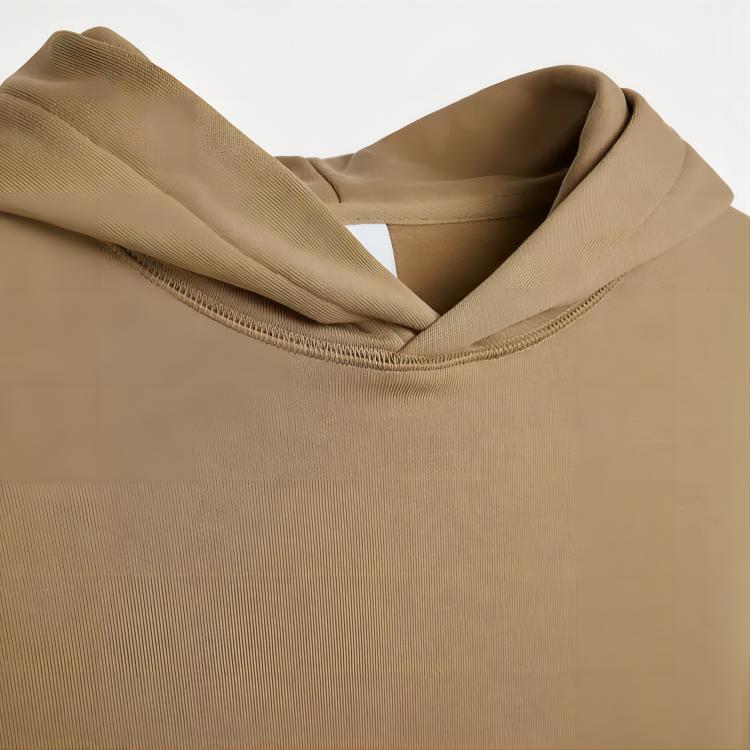
Custom Shorts
Custom shorts programs can be developed around jersey, fleece, woven or performance fabrics, with defined inseams, waist treatments, pockets, linings and print placements. EDVORIN supports men’s and women’s shorts for branded collections and teamwear.
Get a Quote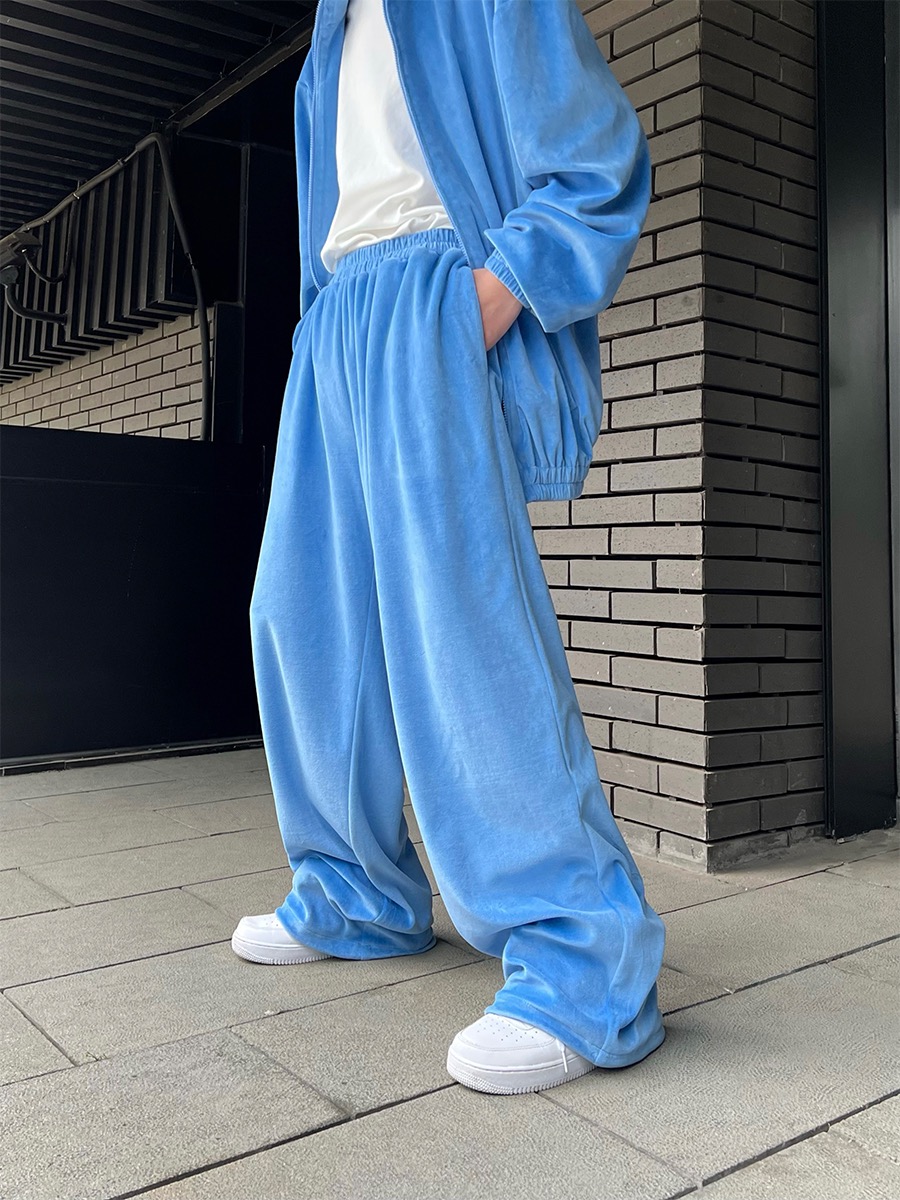
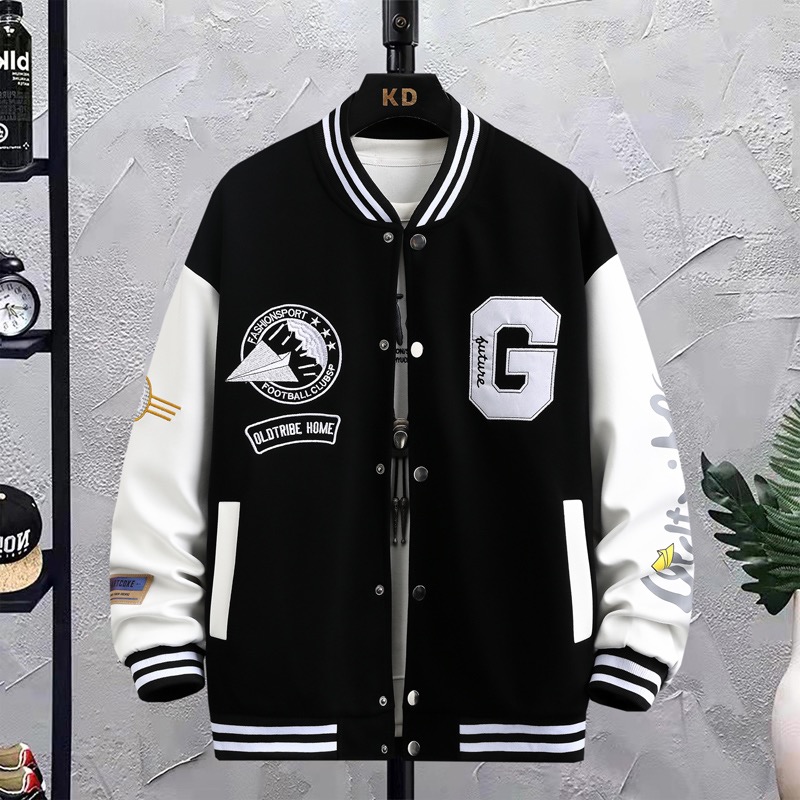
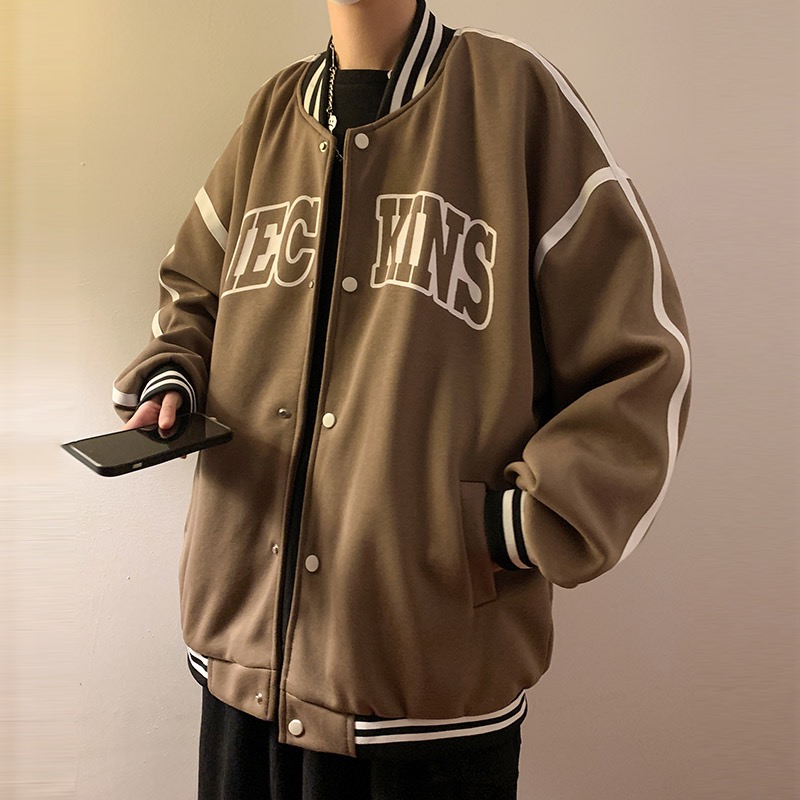
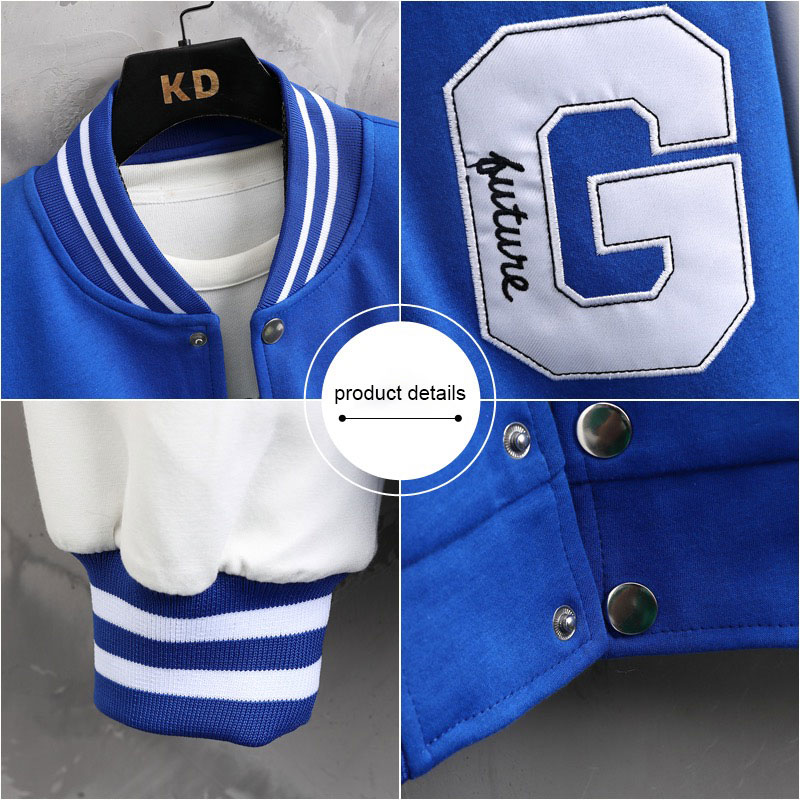
Varsity & Baseball Jackets
EDVORIN develops varsity and baseball jackets by coordinating body and sleeve materials, lining, rib, snaps, patches, embroidery and fit. Samples verify the balance of construction and decoration before bulk production begins.
Get a Quote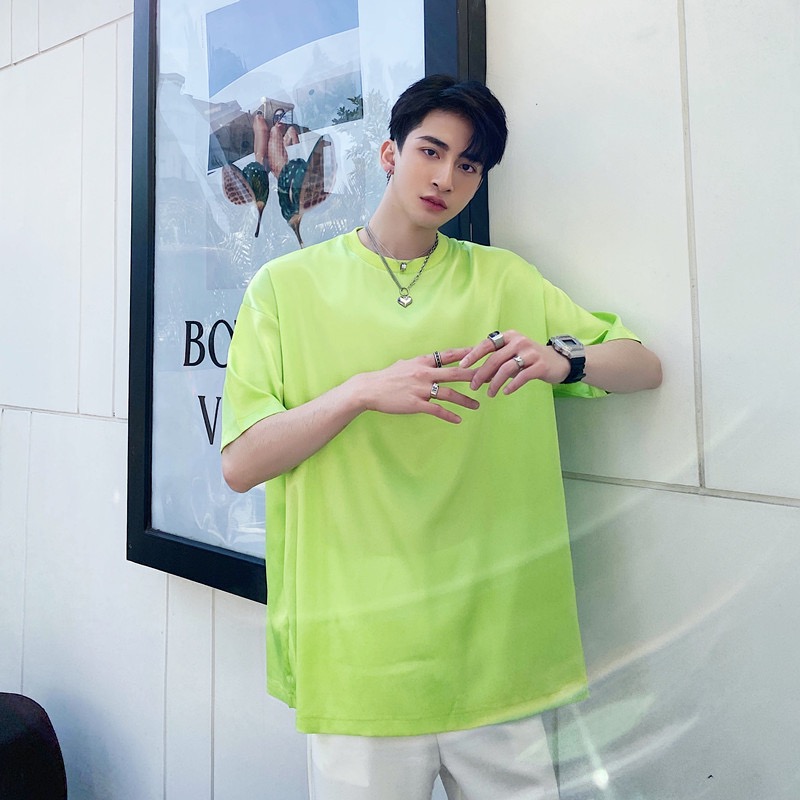
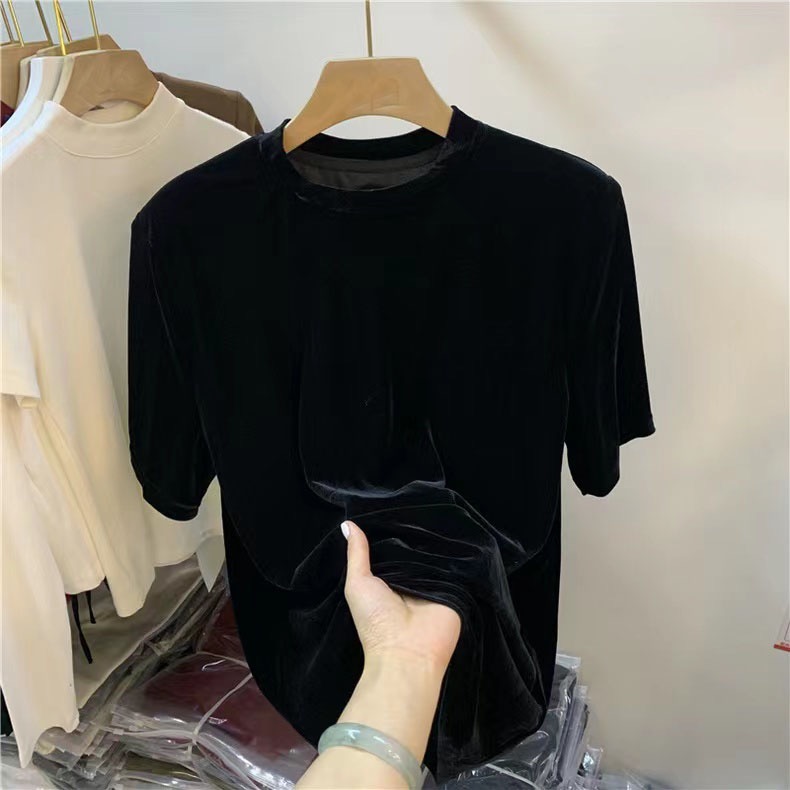
Custom T-Shirts
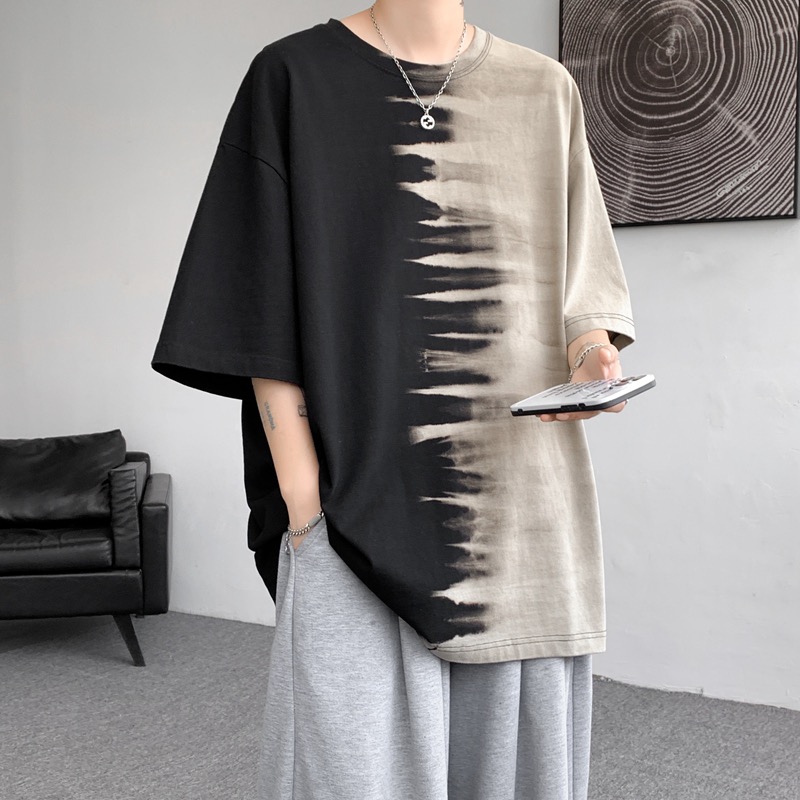
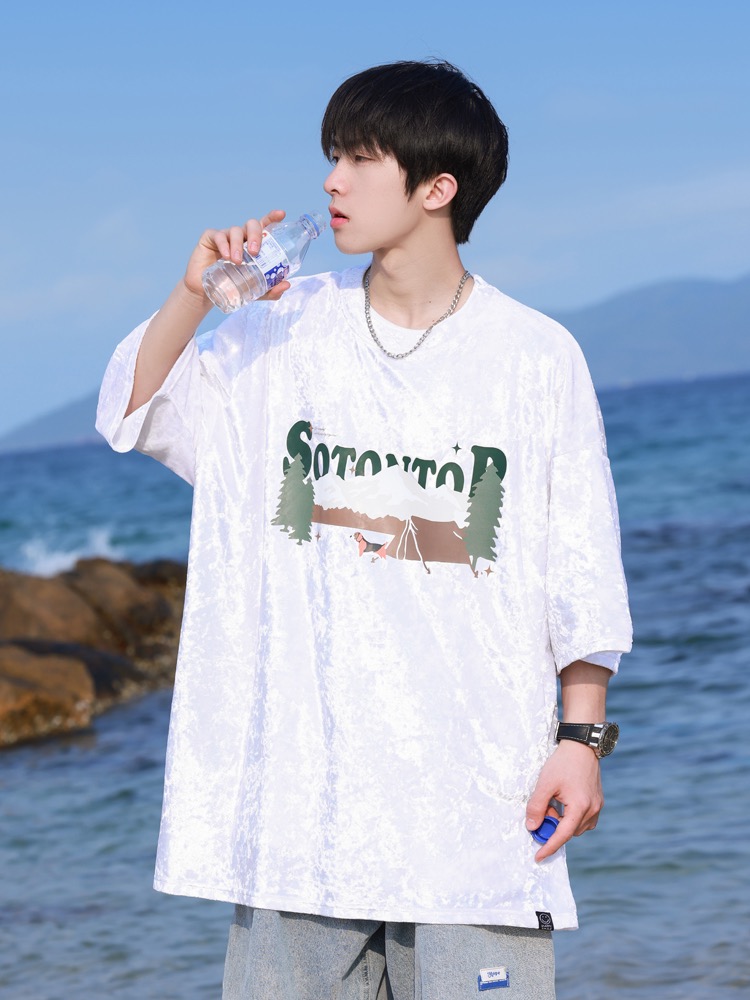
As a custom T-shirt manufacturer, EDVORIN supports fabric selection, neckline construction, fit, grading, garment wash and print methods. Men’s and women’s T-shirts can be built as standalone styles or coordinated within broader collections.
Get a Quote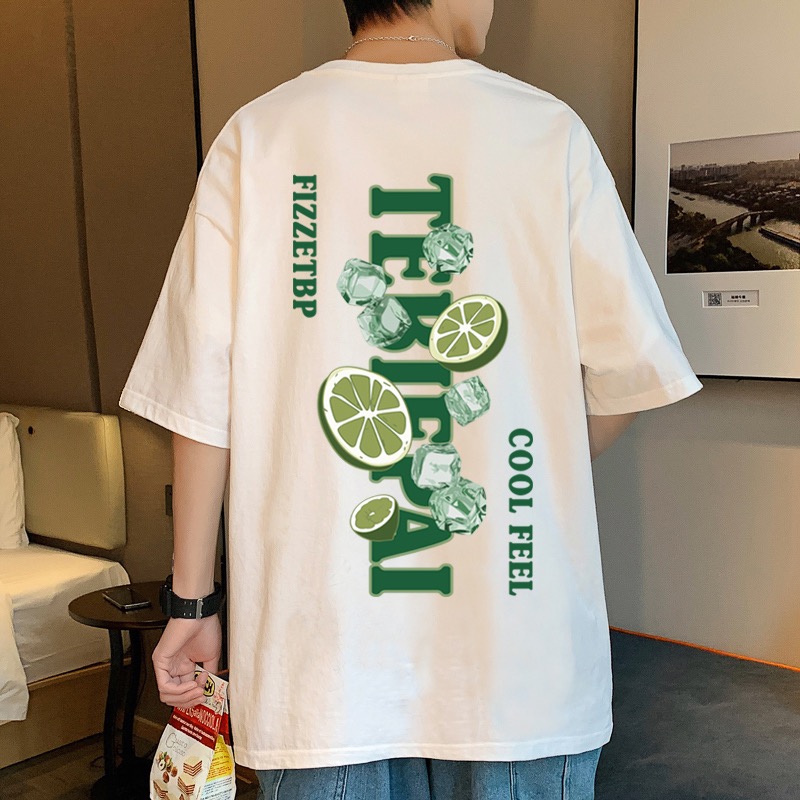
Custom Polo Shirts
Custom polo shirt development covers knit fabric, collar and placket construction, buttons, cuffs, embroidery and color matching. EDVORIN supports branded uniform, corporate, school and retail programs with documented specifications for bulk production.
Get a Quote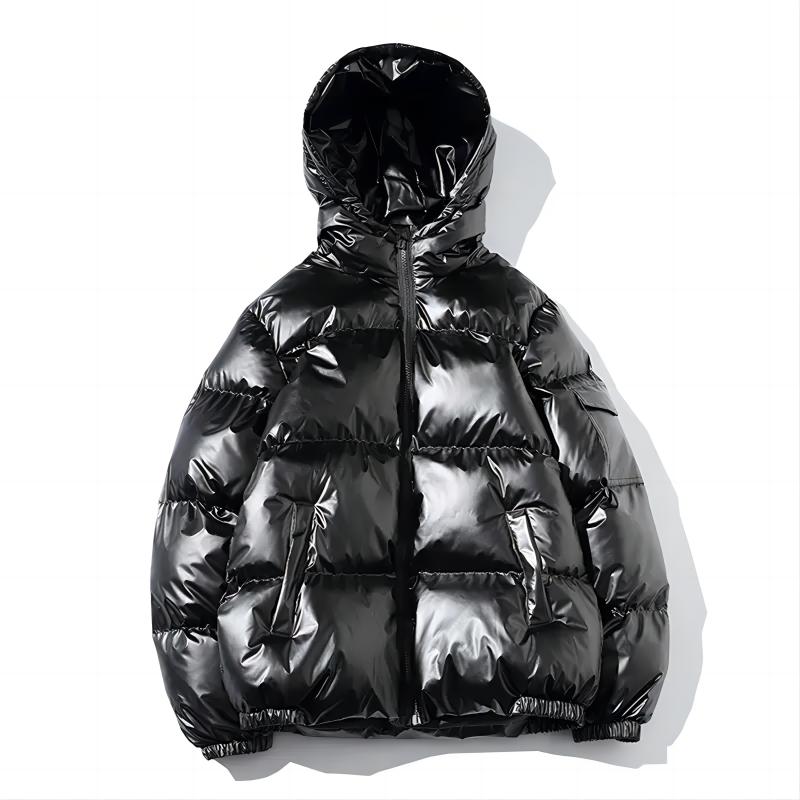
Windbreaker Jackets
EDVORIN manufactures windbreakers with shell fabric, lining, mesh, zippers, hoods, ventilation and print or embroidery requirements coordinated during development. Construction and fit are reviewed through samples before scaling the approved style.
Get a Quote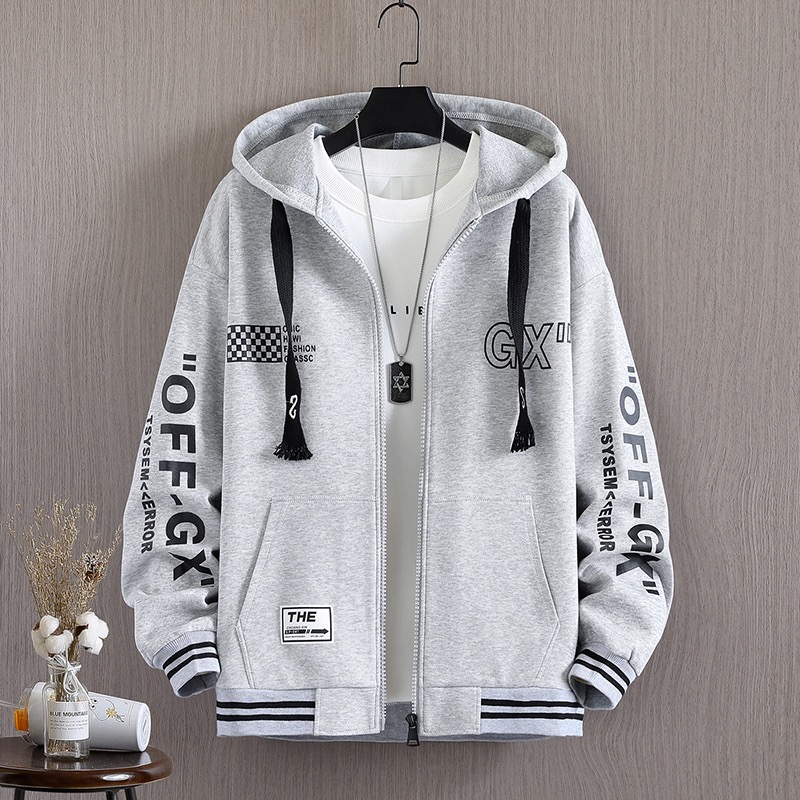
Quilted Jackets
Quilted jacket programs require coordination of shell, lining, insulation, quilting pattern, pockets, closures and labeling. EDVORIN documents these components in development to help maintain warmth, appearance and construction consistency in bulk orders.
Get a Quote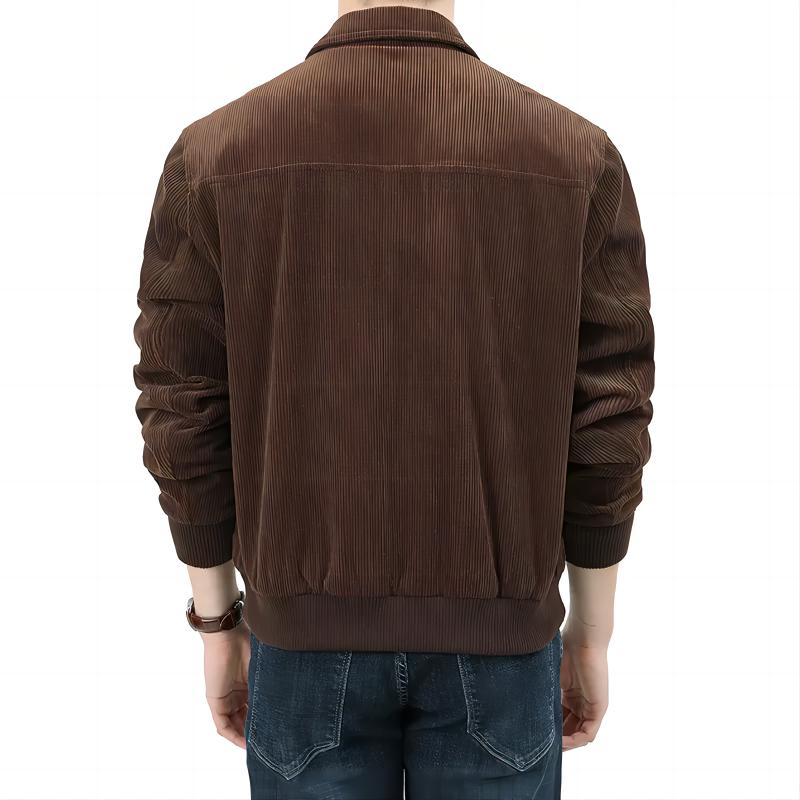
Bomber Jackets
EDVORIN develops bomber jackets with specified shell materials, lining, rib, zippers, pockets, patches and embroidery. Men’s and women’s fit blocks can be adjusted independently while preserving the approved construction standard.
Get a Quote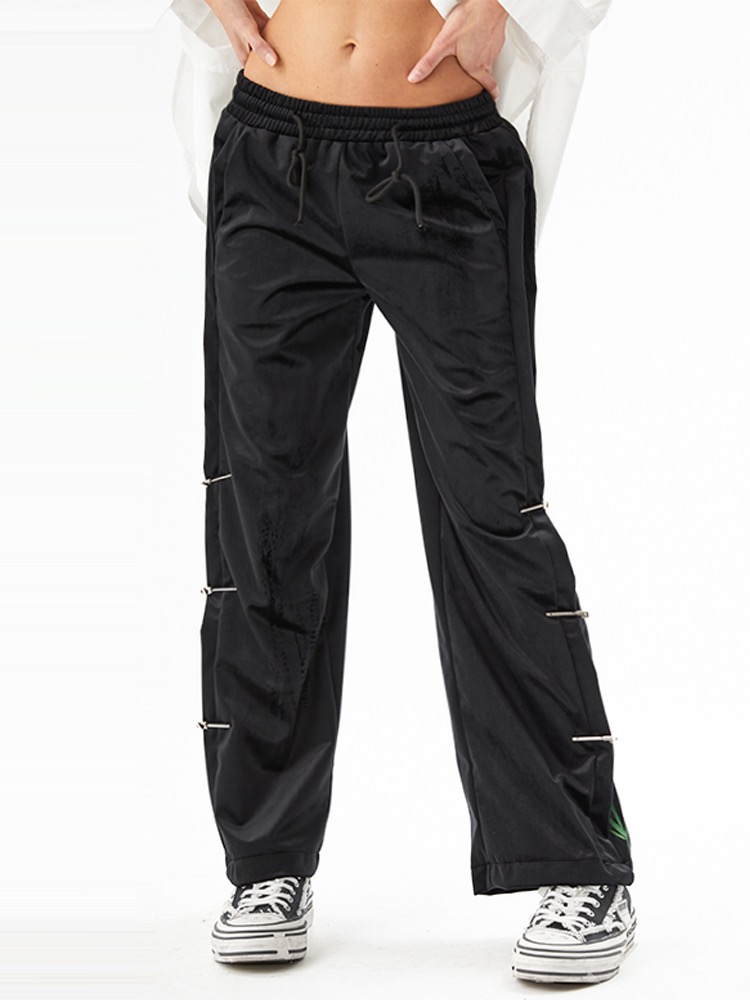
Custom Shirts
As a custom woven shirt manufacturer, EDVORIN supports fabric sourcing, collar construction, plackets, cuffs, buttons, pockets, fit and branding details. Programs can be developed for men’s and women’s private-label, uniform and retail applications.
Get a Quote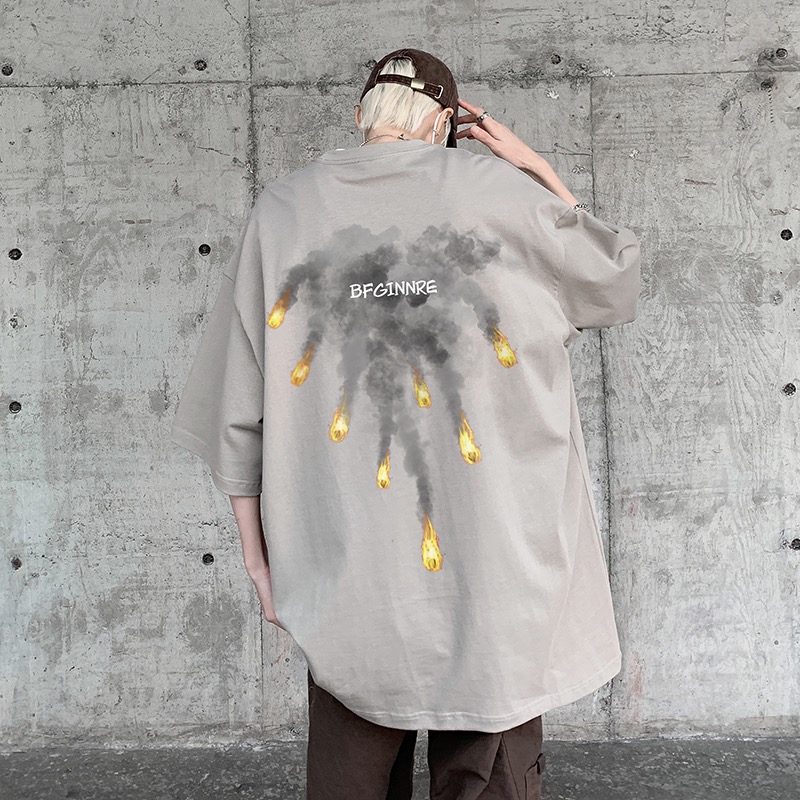
Custom Jerseys
Custom jerseys are developed around breathable fabric, color control, panel construction, name and number placement, sizing and decoration durability. EDVORIN supports repeatable jersey programs for clubs, schools, academies and branded teamwear buyers.
Get a Quote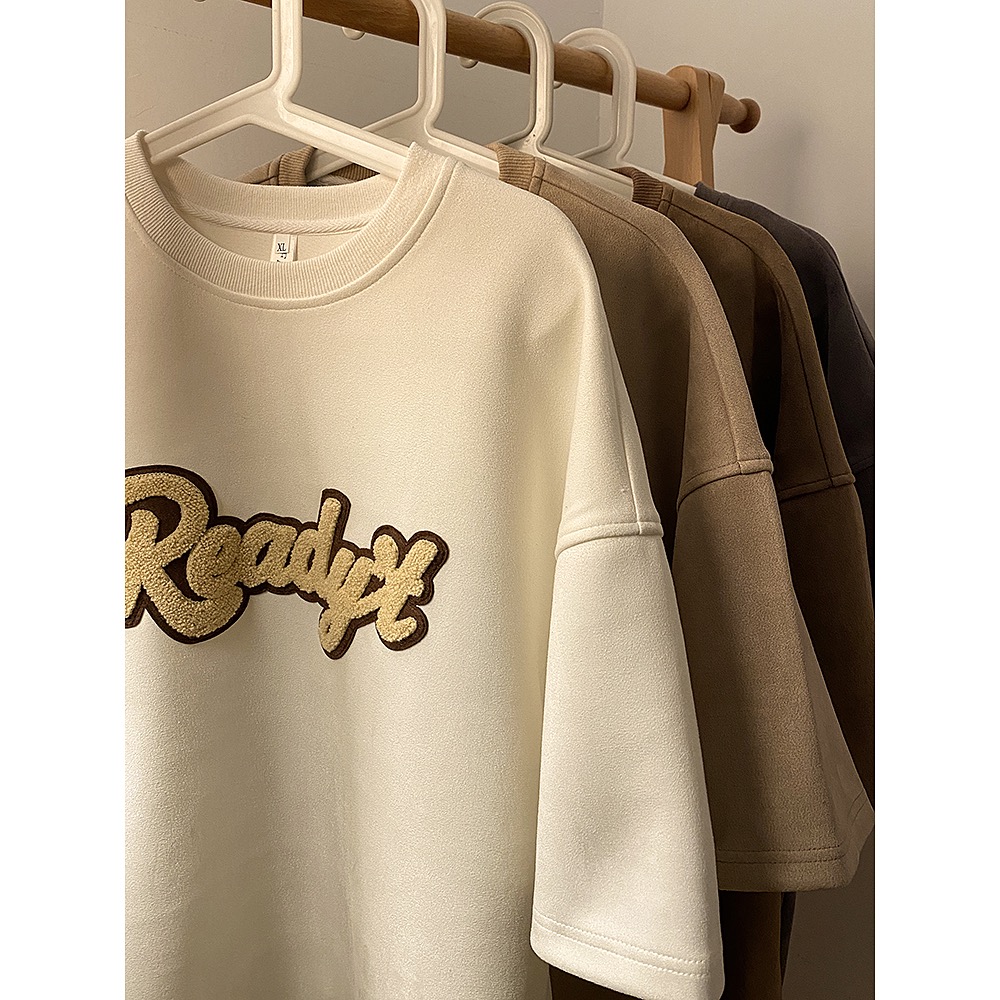
Tank Tops
EDVORIN manufactures custom tank tops in jersey, performance and rib fabrics, with defined armhole, neckline, fit, binding and decoration requirements. Men’s and women’s programs can be developed for training, casualwear and streetwear ranges.
Get a Quote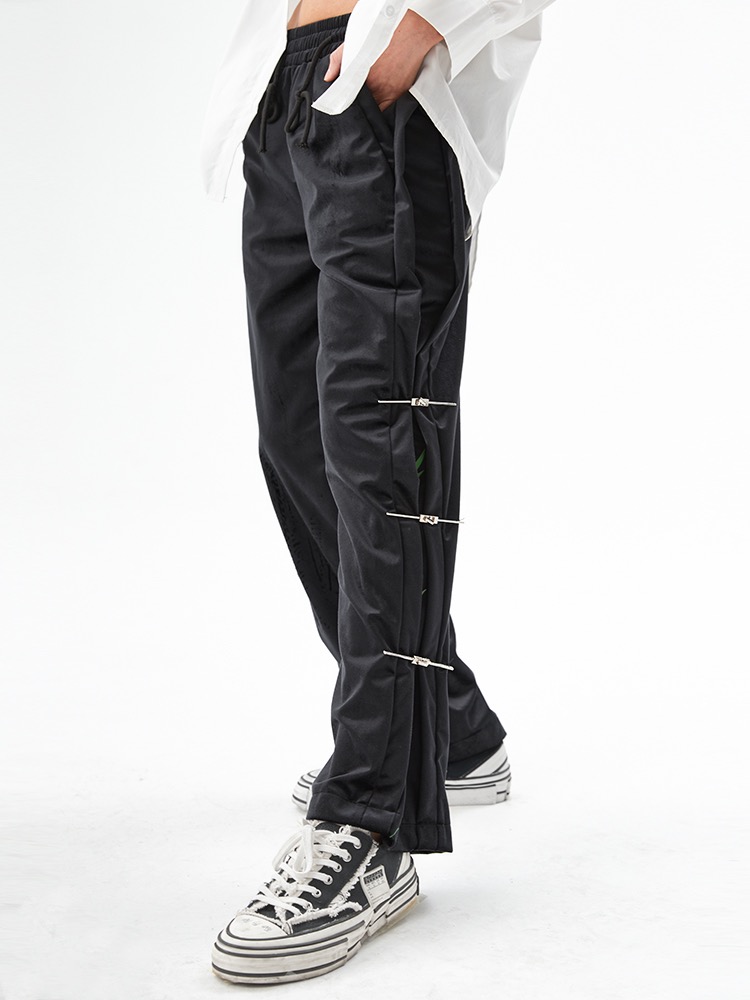
Soccer Uniforms
Soccer uniform development includes jersey and short fabrics, breathable paneling, team colors, crests, names, numbers and size-set control. EDVORIN organizes approved specifications for coordinated repeat orders across teams and academies.
Get a Quote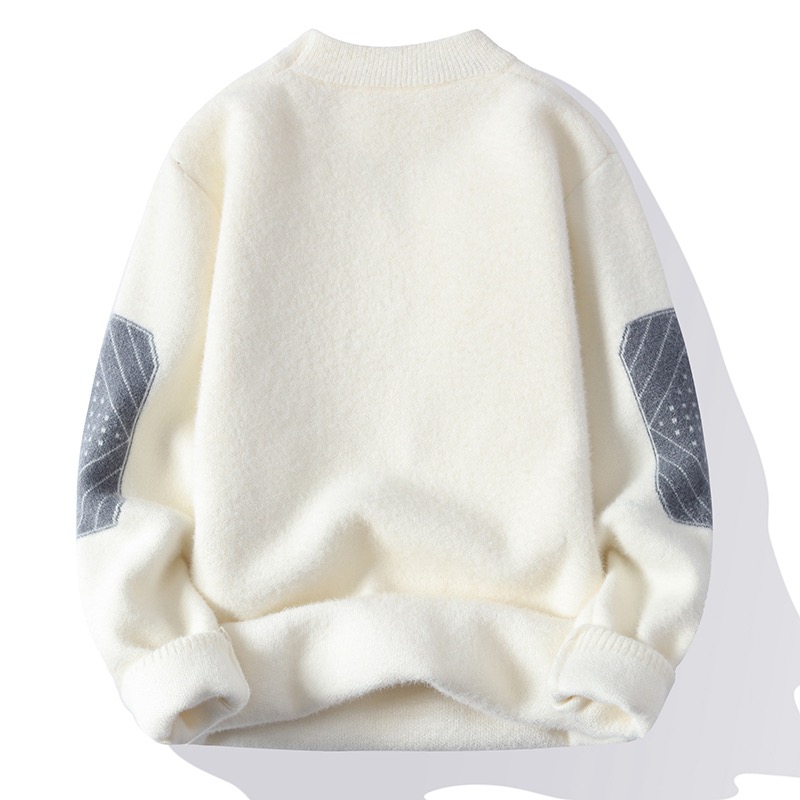
Basketball Uniforms
Basketball uniform programs cover jerseys and shorts with performance fabric, armhole and neckline construction, color blocking, player numbers, names and logo placement. Samples establish fit, decoration and color standards before team-scale production.
Get a Quote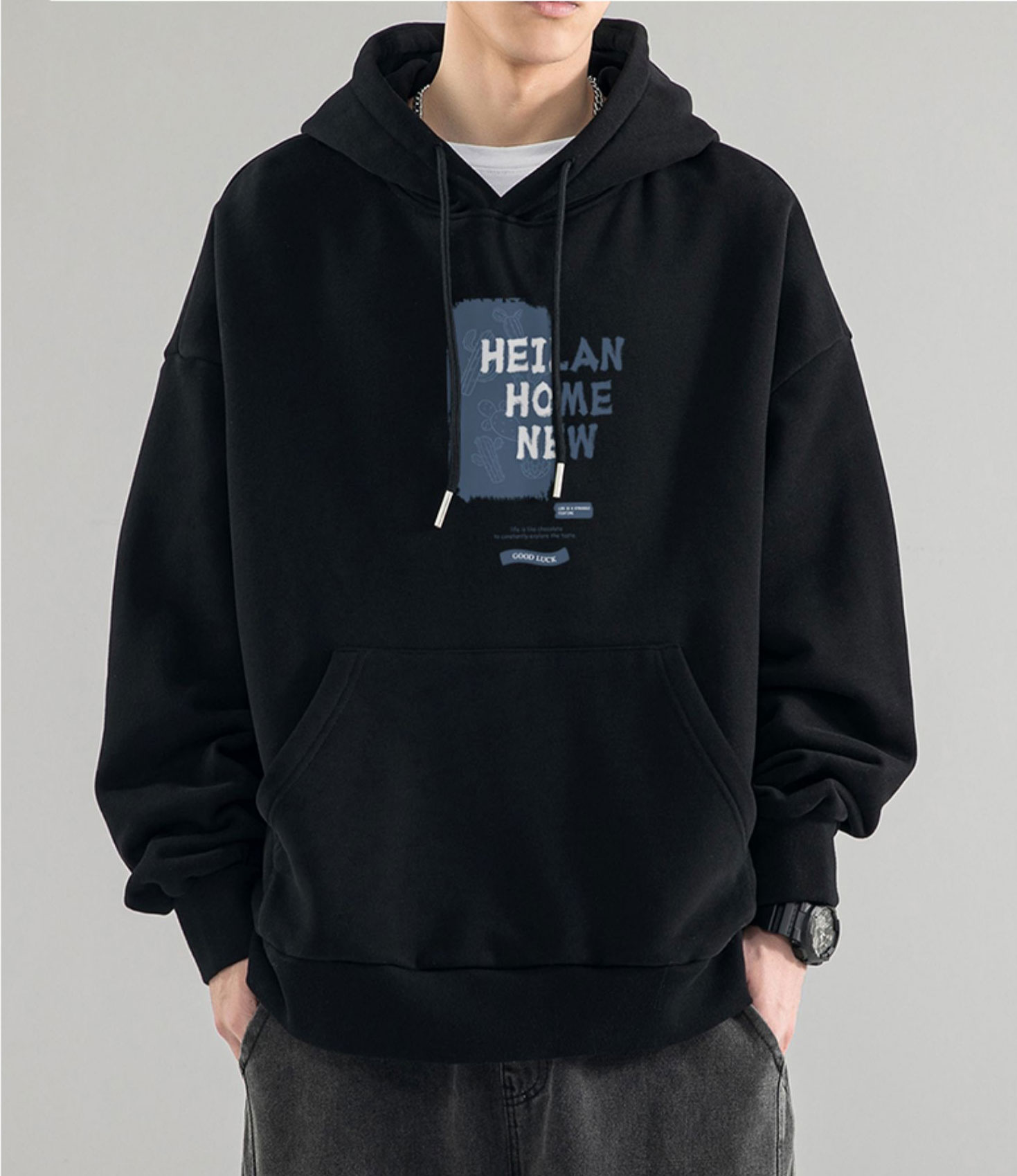
Streetwear Collections
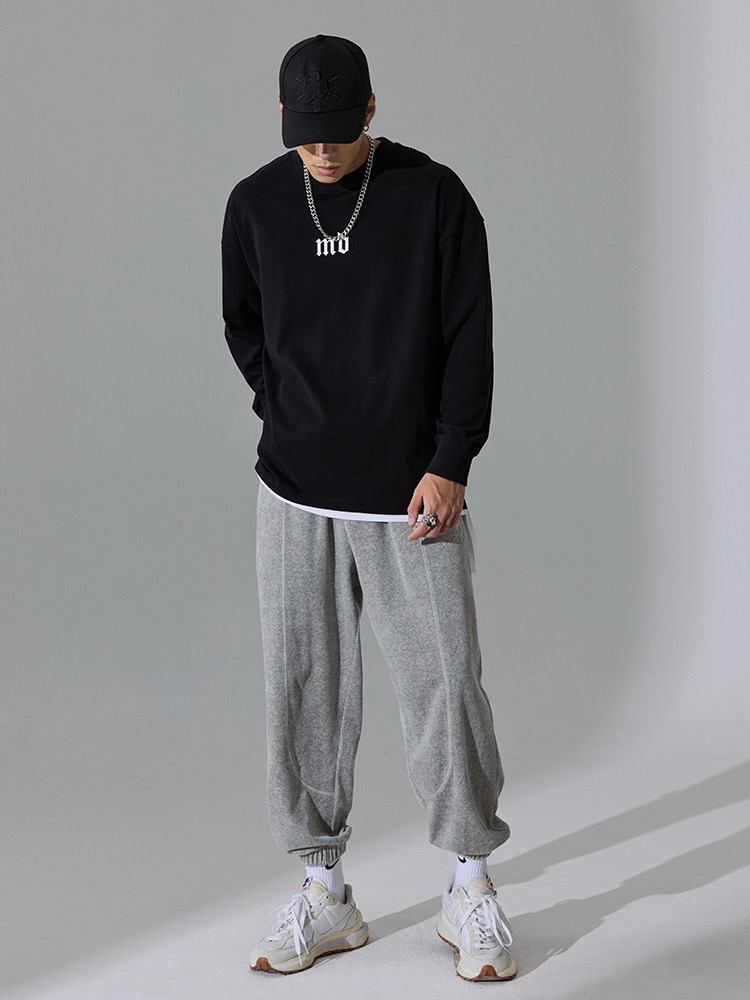
EDVORIN develops streetwear collections across hoodies, tees, sweatpants, jackets, shorts and coordinated layers. Product development connects fabrics, trims, washes, decoration and packaging into documented standards that can move from sample approval to repeat bulk production.
Get a QuoteFounder-Led Apparel Manufacturing Since 2000
EDVORIN was founded in 2000 by Edvorin Zeng with a production-floor focus: turn apparel ideas into clear standards that can be made consistently. As a cotton polyester clothing manufacturer, we help brands balance hand feel, durability, fit, decoration and wash requirements before bulk production begins.
Our connected OEM, ODM and private-label workflow coordinates fabric and trims, patterns, samples, printing, embroidery, washing, labeling and packaging. We develop casualwear, streetwear, outerwear and teamwear for men’s and women’s programs, supporting emerging labels, wholesale buyers and established brands from 200 pieces per style.
What makes EDVORIN different is accountability after sample approval. We document measurements, materials, artwork placement and construction details, then use approved standards to guide in-line checks and final inspection. The result is a production path designed to protect your collection’s intent across repeat orders.

Development Controls for Cotton-Polyester Apparel
Select the Right Blend Ratio
As your cotton polyester clothing manufacturer, EDVORIN helps translate intended wear, hand feel, durability and care expectations into a blend direction before sampling. We review the garment category and decoration plan so the selected fabric supports the collection rather than simply meeting a composition target.
- Compare cotton-forward, balanced and performance-led blend options
- Align blend selection with casualwear, streetwear or teamwear use
- Record approved composition and material references for bulk
- Coordinate fabric sourcing with your target product position
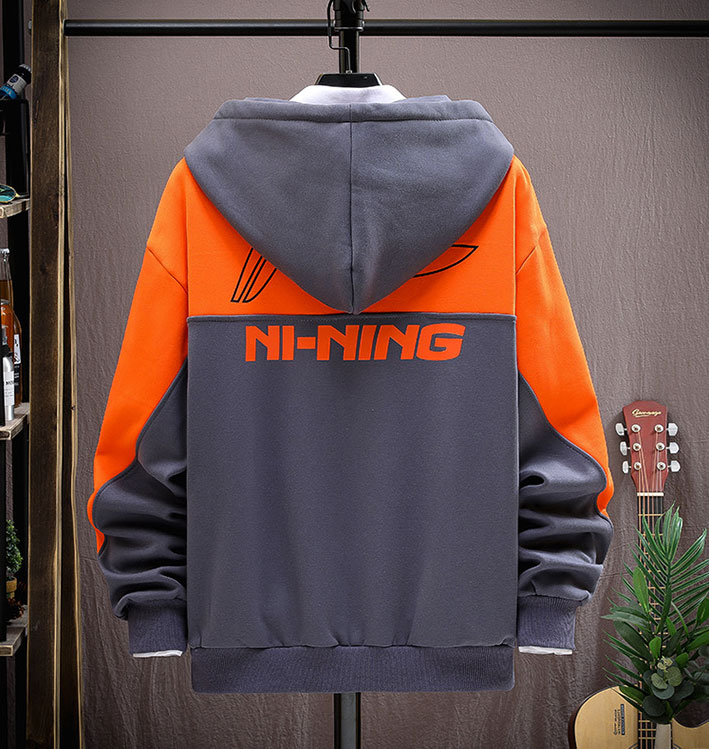
Define Weight and Hand Feel
Fabric weight and surface character change how a hoodie, T-shirt, jogger or uniform is perceived and worn. EDVORIN develops these details through sample review, considering structure, drape, warmth, softness and the visual finish needed for your men’s or women’s program.
- Set the target weight for the product’s intended season
- Review softness, body, stretch and recovery in hand
- Match knit or woven construction to the silhouette
- Approve a physical material reference before bulk production
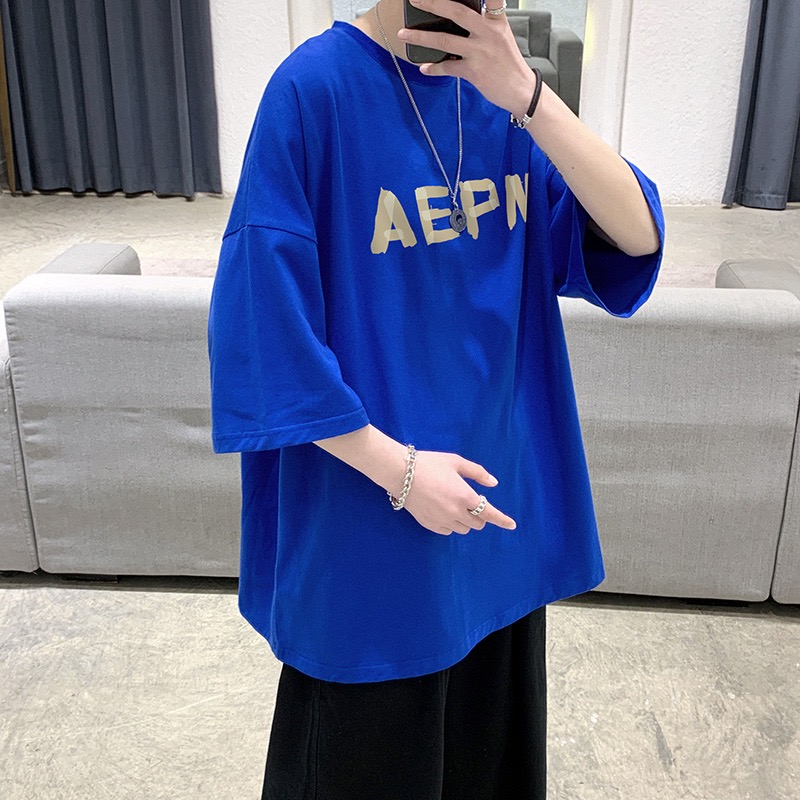
Review Fit and Wash Stability
A sample must confirm more than appearance. EDVORIN reviews fit blocks, measurements, grading and post-wash behavior before production, turning accepted results into a clear standard. This helps keep proportions and construction consistent as an order moves from approved sample to bulk.
- Check measurements against the approved size specification
- Review men’s and women’s fit requirements separately
- Evaluate shrinkage and shape retention during sample review
- Document revisions for patterns, grading and sewing teams
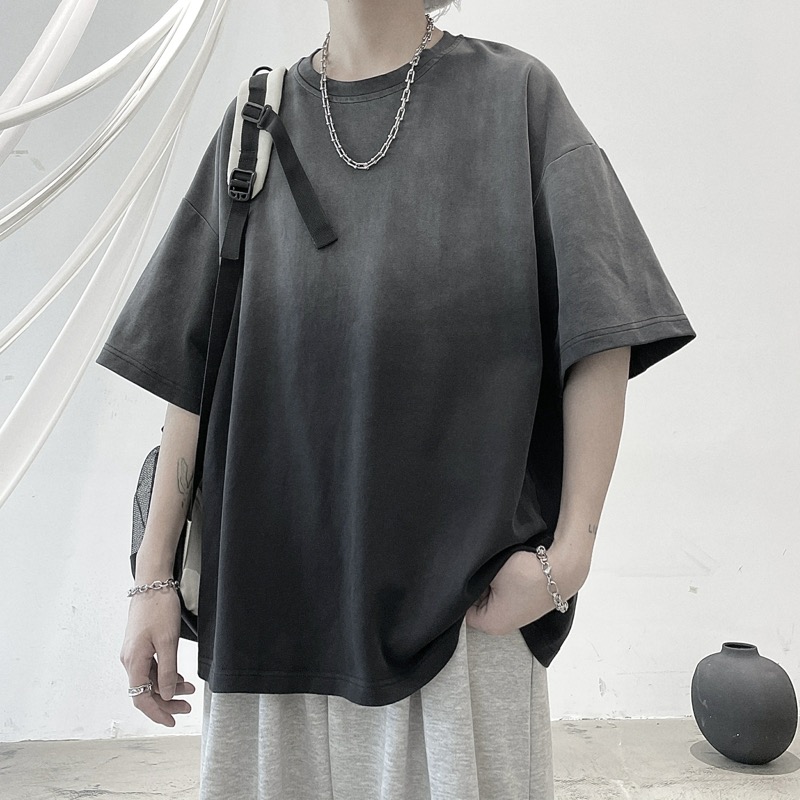
Test Decoration Before Approval
Printing, embroidery and washes should be evaluated on the selected cotton-polyester base fabric, not decided in isolation. EDVORIN coordinates artwork placement, decoration method and construction details during development, giving buyers a production-ready reference for repeat orders and private-label programs.
- Review print compatibility with fabric surface and stretch
- Confirm embroidery placement, backing and stitch detail
- Set artwork measurements and placement references
- Approve decoration with the complete garment sample
Cotton-Polyester Blends vs. Pure Cotton
Choose a cotton-polyester blend when your collection needs cotton comfort with improved shape retention, while retaining a clear process for fabric, decoration and bulk approvals.
← Swipe left or right to view →
Our Cotton-Polyester Apparel Process
EDVORIN documents each decision from blend selection through final inspection, so approved samples become dependable standards for repeatable production.
Define Blend Requirements
We review your garment concept, target wearer, fit, fabric composition, weight, color, performance needs, trims, labels, and order requirements before development begins.
Source and Approve Materials
Our team coordinates cotton-polyester fabric, rib, lining, hardware, and trims, then confirms hand feel, color, weight, and construction against your intended product.
Develop Patterns and Samples
Patterns, measurements, grading, and construction details are translated into a sample for your review, with revisions recorded to establish an approved production standard.
Test Decoration and Finishing
We evaluate print, embroidery, patches, washing, and finishing on the selected base fabric to confirm placement, appearance, and compatibility before bulk production.
Control Bulk Production
Cutting, sewing, decoration, and finishing follow approved specifications, while in-line checks monitor measurements, workmanship, color consistency, and artwork execution across the order.
Inspect Pack and Release
Final inspection verifies the finished garments against the approved standard before labeling, packaging, and shipment preparation, helping protect consistency for your repeatable collection.
Develop Your Cotton-Polyester Apparel Program
Move from concept to approved bulk production through a clear, accountable development path.
Share Your Direction
Send your tech pack, reference garment or concept, and EDVORIN reviews construction, fit direction and end-use needs for your apparel program.
Confirm Specifications
Confirm blend, weight, color, trims and print or embroidery requirements; as your cotton polyester clothing manufacturer, we align materials and decoration with end use.
Approve Your Sample
Review the developed sample against approved measurements, artwork placement and finishing details, then record revisions as the standard for repeatable production.
Release Bulk Production
Release approved specifications for bulk production. Starting MOQ is 200 pieces per style, with in-line and final checks tied to your approved sample.
Buyer Results with EDVORIN
EDVORIN helped us lock the fit and print placement for a 60/40 fleece hoodie program. Across our 1,200-piece first run, the size set matched the approved sample closely, and the screen prints stayed clean after our 20-wash test.
For our academy polos, the team documented color, logo placement and grading clearly before bulk. We reordered 800 pieces six months later, and the second delivery matched the first closely enough to combine stock without separating production batches.
We came with reference garments rather than a complete tech pack. EDVORIN turned them into production-ready joggers and tees, then coordinated embroidery and labels. Our 2,400-piece wholesale order arrived with only 7 units flagged during receiving inspection.
Cotton-Polyester Apparel FAQ
Practical answers for planning a repeatable cotton-polyester apparel program with EDVORIN.
What products can a cotton polyester clothing manufacturer make?
How do I choose the right cotton-to-polyester blend for my collection?
Can a cotton polyester clothing manufacturer combine printing, embroidery and patches?
What is the MOQ for custom cotton-polyester clothing?
What do I need to provide to start a cotton polyester clothing manufacturer order?
How are samples and bulk quality controlled?
Can a cotton polyester clothing manufacturer support certified material programs?
How should I plan lead time for a custom cotton-polyester order?
Complete Guide to Cotton Polyester Clothing Manufacturer Selection
Use this practical framework to compare blend specifications, garment quality, customization, supplier fit, and production costs—so you can select confidently, validate claims, and avoid expensive sourcing mistakes.
1. What Is a Cotton Polyester Clothing Manufacturer?
65/35 and 50/50 are common cotton-polyester blend ratios for fleece, French terry, jerseys, polos and uniform fabrics. A cotton polyester clothing manufacturer turns those materials into OEM, private-label or bulk garments against an approved specification.
4 supplier roles are often confused: a fabric mill makes or finishes yardage; a cut-and-sew factory converts supplied materials into garments; a trading company coordinates suppliers; and a full-package partner manages development through packing. Their quotes are comparable only when their material, pattern, decoration, trim and quality-control responsibilities match.
EDVORIN, founded in 2000, operates as a connected manufacturing partner for buyers who need development, sourcing, sampling, production and finishing coordinated in one path. Choose a mill for fabric only, a factory for production-ready inputs, or a full-package partner when the program still needs its manufacturing standard defined before quotation.
2. Cotton Polyester Clothing Manufacturer: Evolution and Market Fit
50/50 and 65/35 cotton-polyester ratios became practical standards where repeated laundering, uniform appearance, and service life mattered—first in workwear and uniforms, then in casualwear and team apparel. Buyers use the blend to retain more cotton hand feel than all-polyester fabric while gaining easier care and better wrinkle and shape resistance; source: https://sinofinetex.com/what-are-the-key-benefits-of-cotton-polyester-blend-fabric
2–5% is a commonly cited shrinkage range for untreated cotton after washing, so blend selection and pre-shrinkage testing matter when measurements must repeat across sizes and reorders. A cotton polyester clothing manufacturer should confirm the target ratio, finished GSM, wash method, and tolerance before sampling rather than treating a blend name as a complete specification; source: https://www.whitecotton.pt/blog/cotton-vs-polyester
3 buyer questions clarify market fit: how soft must the garment feel, how often will it be washed, and must it hold a uniform or team-ready appearance? Higher cotton content generally suits comfort-led tees and fleece, while higher polyester content better supports durable, easy-care programs where appearance retention is the priority.
3. Types of Cotton Polyester Clothing Manufacturer Programs
Five sourcing programs distribute design ownership, speed, and control differently. A cotton polyester clothing manufacturer can support each when specifications, branding, and volume expectations are defined early.
OEM Development
OEM keeps the buyer’s design ownership. Tech packs, patterns, samples, and approvals require more input, but deliver the greatest control for established labels.
ODM Collections
ODM starts with factory-developed silhouettes. Buyers customize colors, fabrics, and selected details, gaining faster development while accepting less exclusive construction.
Private Label Programs
Private label applies buyer branding to proven garments. Labels, hangtags, packaging, and decoration create market identity with lower development risk for newer brands.
Contract Uniform Production
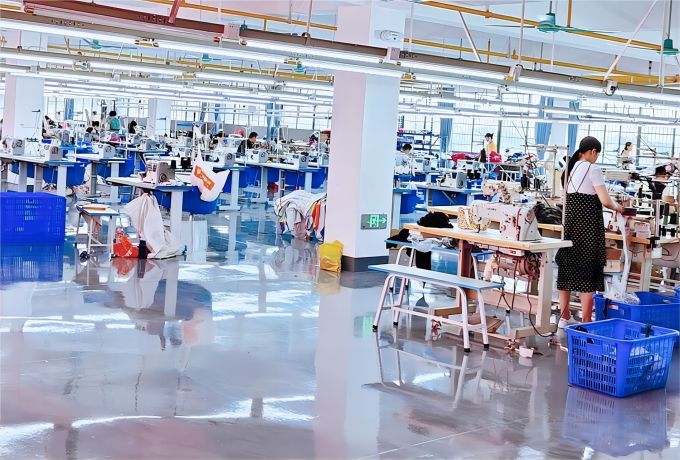
Contract uniforms follow controlled logos, color standards, and size runs. Schools, clubs, and corporate buyers prioritize repeatability over seasonal design freedom.
Customized Wholesale Blanks
Wholesale-ready blanks offer the quickest launch path. Prints or embroidery add differentiation, although fabric, fit, and construction choices remain constrained by stocked options.
4. Cotton Polyester Clothing Manufacturer Fabric Options
Three blend ratios set the starting point for hand feel, care, and service life. A cotton polyester clothing manufacturer should approve both the fiber mix and fabric construction before sampling.
| Blend | Construction | Weight | Recommended Applications |
|---|---|---|---|
| 50/50 | Single jersey | 160–200 GSM | Tees, sportswear |
| 60/40 | Pique or French terry | 220–320 GSM | Polos, hoodies |
| 65/35 | Twill or brushed fleece | 250–360 GSM | Uniforms, joggers |
Blend Ratio Trade-Offs
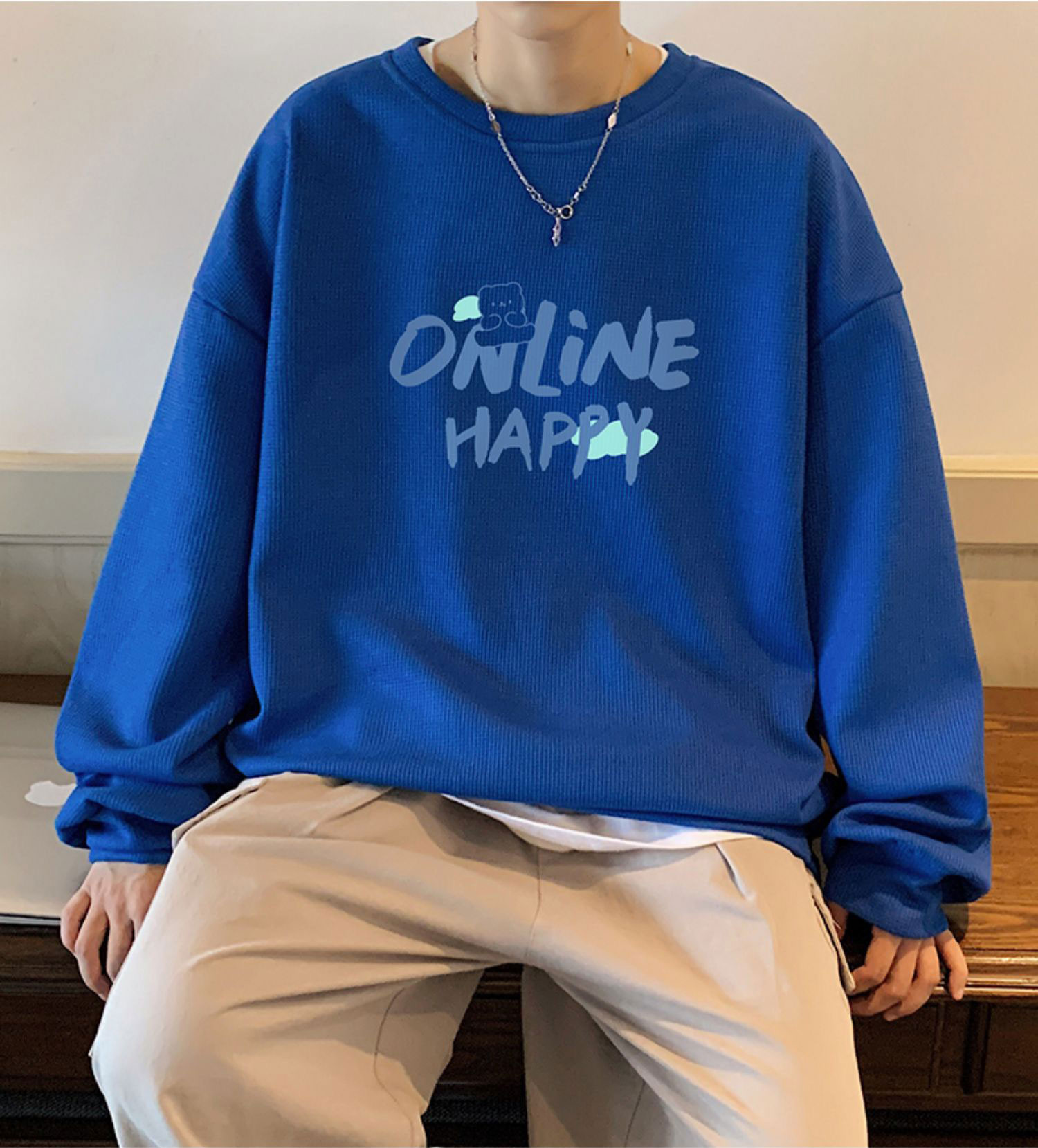
50/50 balances a soft hand with durable, wrinkle-resistant easy care.
60/40 adds cotton feel and breathability; 65/35 prioritizes a more natural hand.
Construction Determines Use
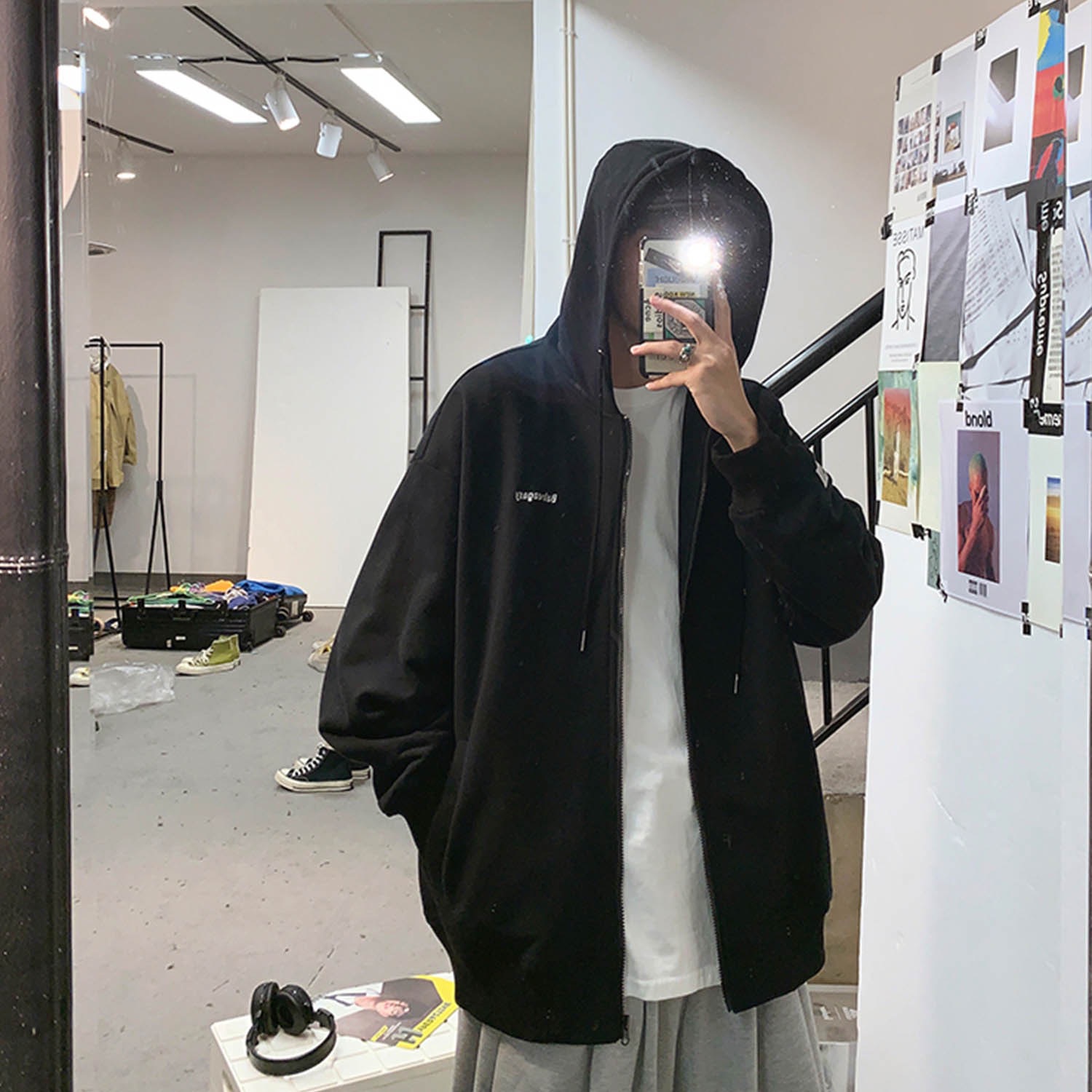
160–220 GSM single jersey suits tees, while pique supports polos and uniforms.
280–360 GSM French terry or brushed fleece gives hoodies warmth and structure.
Confirm Wash Performance
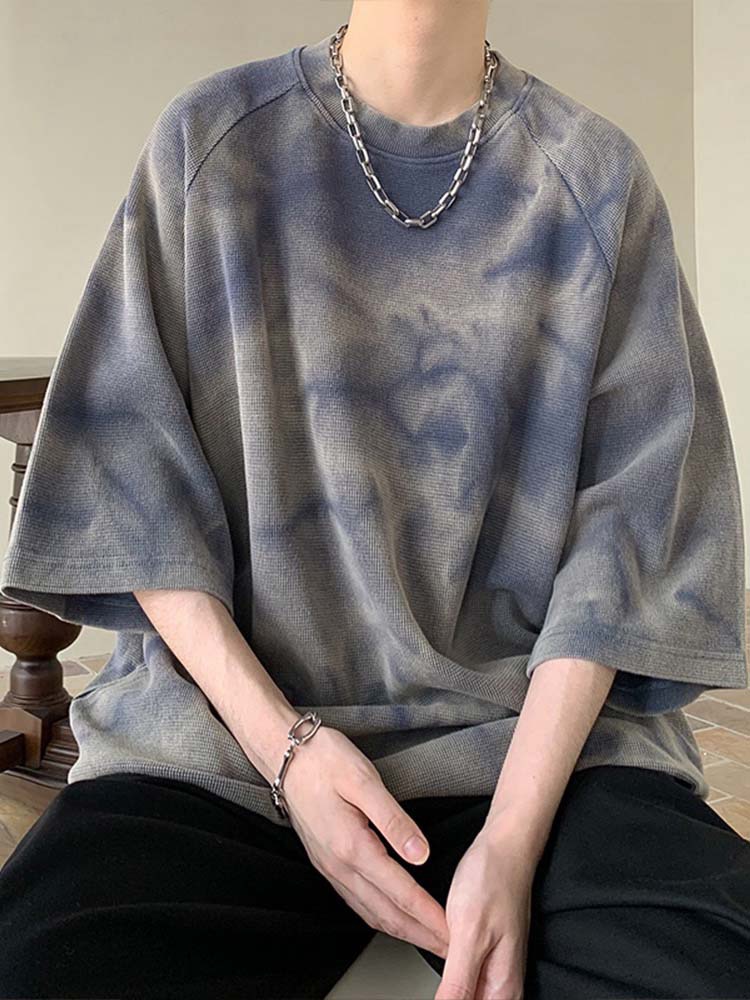
2–5% shrinkage can occur in cotton-rich fabric without controlled finishing.
Pre-production wash testing should confirm shrinkage, pilling, twist, and color retention.
5. Customization and Decoration Options
Four decoration routes cover most blend programs: print, embroidery, transfers, and sublimation. EDVORIN records approved colors, patterns, trims, labels, hangtags, and packaging as production specifications.
| Method | Best Blend | Artwork | Setup |
|---|---|---|---|
| Screen print | Cotton-rich | Solid to detailed | Screens favor volume |
| Embroidery | Most blends | Logo-focused | Digitizing required |
| Heat transfer | Most blends | Detailed small runs | Low setup |
| DTG | Cotton-rich | Photographic | Pretreatment needed |
| Sublimation | Polyester-rich | All-over color | White base required |
Match Method To Blend
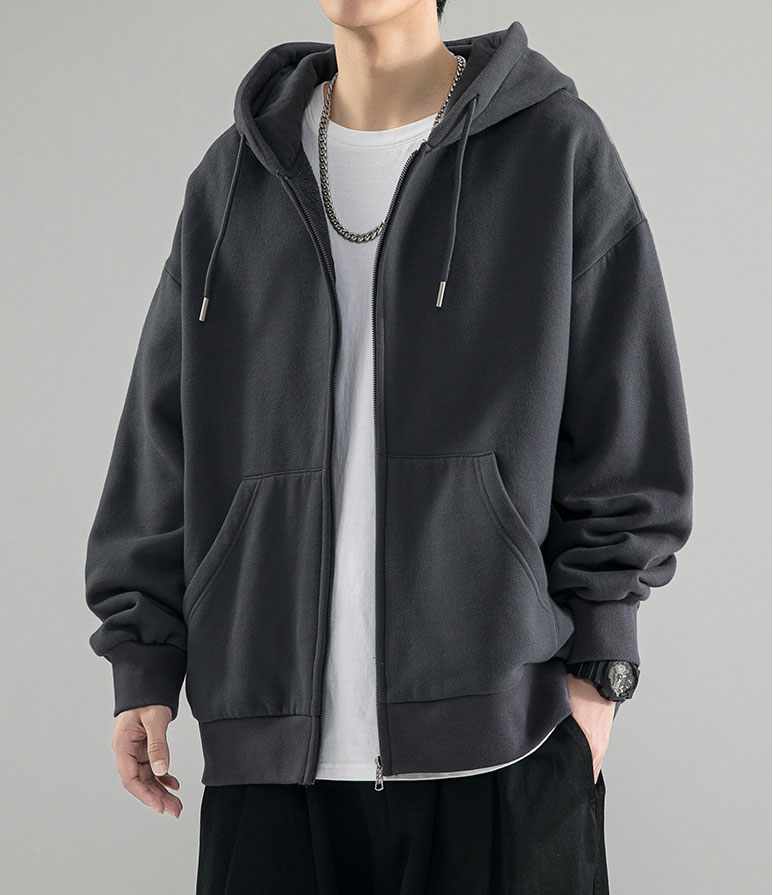
Screen printing suits cotton-rich fleece and broad solid artwork; embroidery adds dimension to logos. Sublimation requires a polyester-rich white base for all-over color.
Provide Production Files
Pantone references, vector artwork, and placement measurements prevent avoidable interpretation. EDVORIN also needs garment color, print dimensions, size-specific positions, label copy, hangtag artwork, and packing requirements.
Approve Repeatable Details
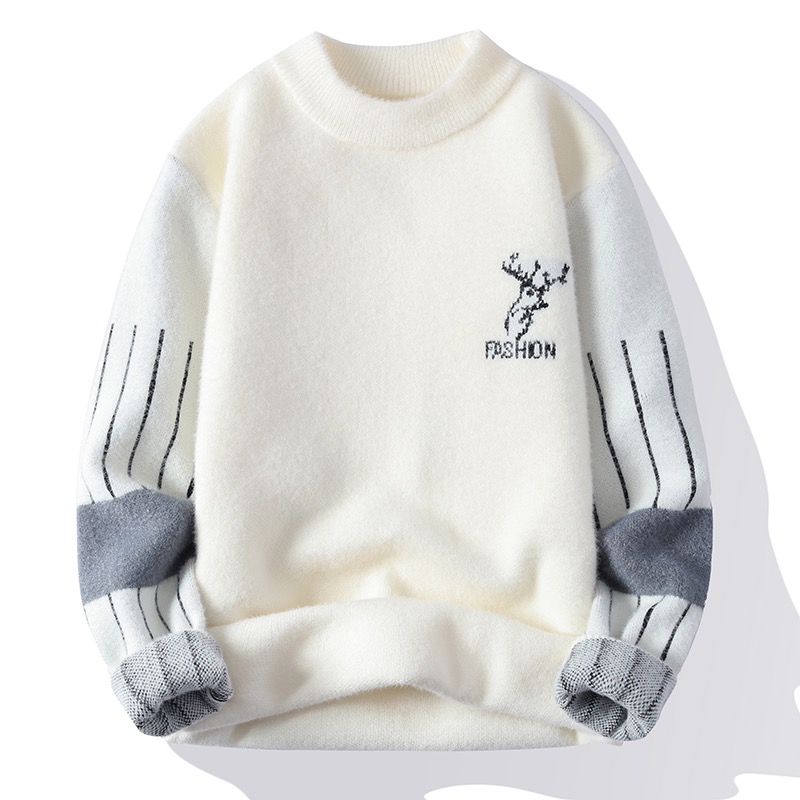
One approved sample should lock custom pattern changes, thread colors, backing, transfer finish, fold method, polybag, and carton marks. Bulk production needs the same placement and color standard across every size.
6. Construction Quality for Cotton-Polyester Garments
A cotton polyester clothing manufacturer should receive measurable approval criteria, not subjective comments. Lock the approved sample, measurement chart, and test method before cutting bulk fabric.
Fabric And Seam Controls
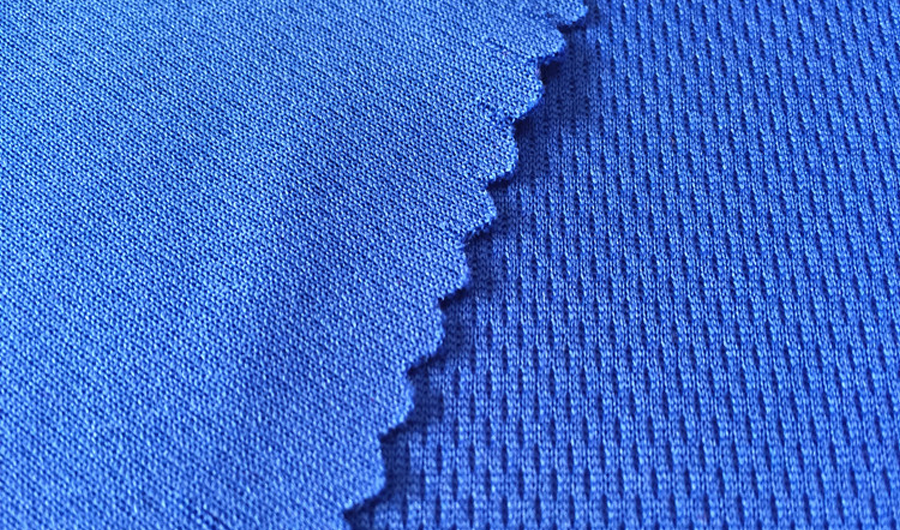
±5% GSM tolerance is a practical starting point; confirm actual fabric weight before cutting. Specify stitch density, seam type, seam allowance, and bartacks at pockets, crotches, and stress points.
Recovery And Wash Tests
5 wash-and-dry cycles should verify shrinkage, rib recovery, collar shape, colorfastness, and print adhesion. Record the wash method, allowable change, and pass/fail result against the sealed sample.
Size Set And Final Inspection
A full graded size set exposes inconsistencies that one prototype cannot show. Check key points of measure, print placement, loose threads, stains, shade variation, labeling, and packing against the approved specification.
7. How to Choose a Cotton Polyester Clothing Manufacturer
Three comparable quotes rarely reveal the safer cotton polyester clothing manufacturer. Shortlist suppliers by evidence that their development, control, and delivery systems match your garment program.
Verify Relevant Product Experience
Two recent, comparable samples reveal more than a factory brochure. Ask for hoodies, jerseys, or polos matching your GSM, decoration, fit block, and wash requirements; request measurement sheets and wash-test records.
Audit The Development Path
One approved sample must become a controlled bulk standard. Ask who owns pattern revisions, how Pantone, artwork placement, trims, and shrinkage tolerances are recorded, and whether pre-production samples are signed off.
Confirm Commercial Controls
EDVORIN’s MOQ starts at 200 pieces per style. Three documents should precede a deposit: MOQ by color and style, inspection procedure, and Incoterms. Request capacity timing, compliance certificates applicable to the order, packing specifications, payment milestones, and a written remedy for defects.
8. Common Buyer Mistakes to Avoid
A 200-piece order can magnify a small approval gap into repeatable rework. A cotton polyester clothing manufacturer should receive measurable decisions before cutting, not assumptions based on the lowest quote.
Price Before Performance
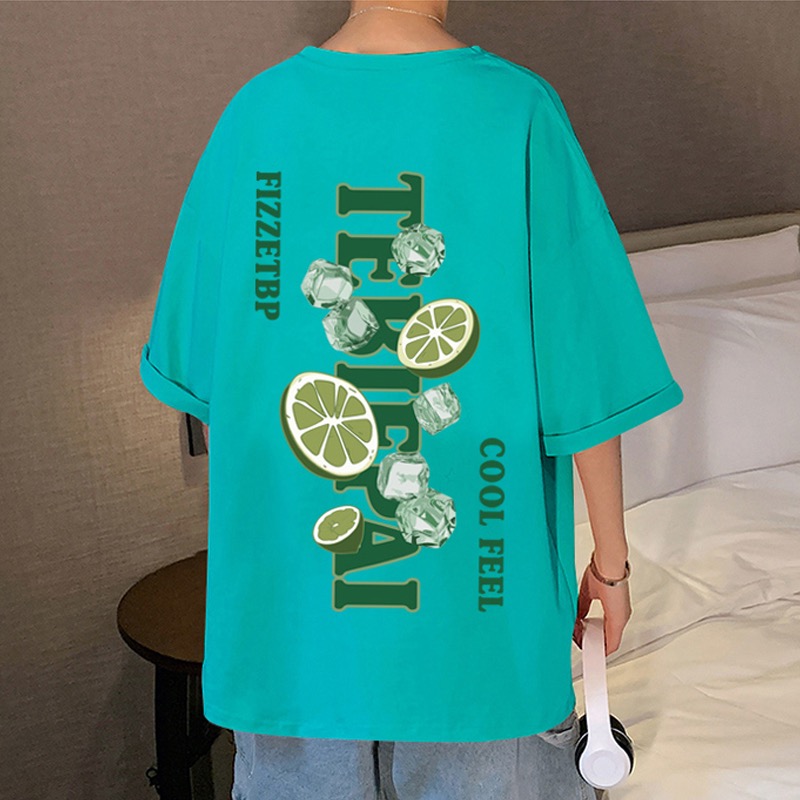
A 60/40 blend may cost less than a ring-spun alternative yet behave differently after washing. Approve a wash-tested fabric swatch, including shrinkage, pilling, hand feel, and color change, before committing bulk yardage.
Incomplete Production Standards
A 2 cm grading error can distort fit across a size run. Lock the tech pack, size chart, grade rules, measurement tolerances, labeling, and written acceptance criteria against the approved sample.
Unverified Color And Decoration
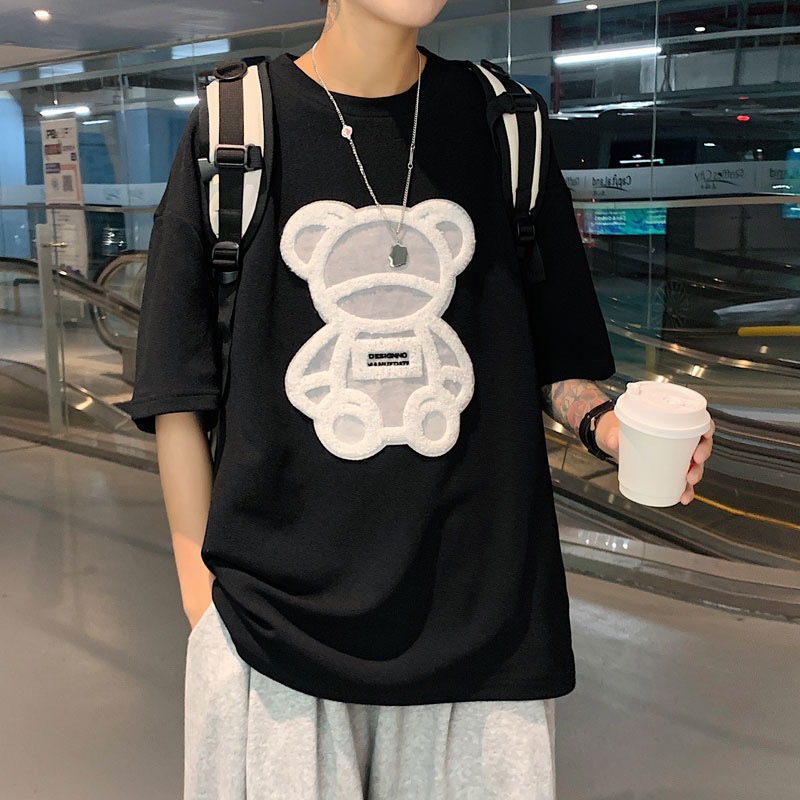
EDVORIN’s MOQ starts at 200 pieces per style. One Pantone reference is not enough when fabric, rib, thread, and print must match. Approve lab dips and strike-offs, confirm decoration compatibility, and clarify MOQ separately for every colorway before placing the PO.
9. Steps to Launch a Blend Apparel Program
A 200-piece launch works best when commercial intent, approved specifications, and delivery dates are locked before fabric is ordered. EDVORIN can convert either a finished tech pack or a reference-led brief into one controlled production path.
Define The Brief
One buyer profile should drive the brief: a fashion label defines retail fit, while a school or team defines sizes, colors, names, and numbers. Submit target customer, garment category, size range, quantity by color, artwork, target cost, and required delivery date.
Approve Materials And Sample
One blend decision gate compares hand feel, weight, recovery, shrinkage, and decoration compatibility before sampling. Approve the fabric swatch, Pantone references, measurement chart, bill of materials, artwork-placement sheet, and revised sample comments.
Two approvals matter before bulk: the final fit sample and a pre-production sample matching the selected fabric, trims, labels, decoration, and packing method.
Control Bulk And Delivery
During bulk production, use the approved pre-production sample as the inspection standard for measurements, workmanship, color, prints, embroidery, labels, and carton counts. Confirm purchase order, inspection plan, carton marks, shipping mode, consignee details, and freight cutoff before goods are packed.
After launch, collect returns, wash feedback, size demand, and reorder data. Use that record to adjust grading, blend choice, or color quantities for the next private-label, wholesale, or club program.
10. Cotton Polyester Clothing Manufacturer Pricing and Cost
200 pieces is a practical starting tier for a custom cotton polyester clothing manufacturer quote; unit cost typically falls as fixed development, pattern, and decoration setup are spread across more garments. EDVORIN should quote against an approved specification rather than a target price alone.
7 inputs can materially change the cost: blend ratio, GSM, construction, trims, print coverage, packaging, sampling, and shipping. Ring-spun yarn, brushed fleece, YKK hardware, Pantone matching, and individual polybags add cost differently, so compare like-for-like quote sheets.
| Quantity tier | Indicative unit-cost direction | Primary cost drivers | Lead-time direction |
|---|---|---|---|
| 200–499 units | Highest | Sampling allocation, custom fabric, print screens | Allow development plus bulk scheduling |
| 500–999 units | Lower | Fabric yield, colorways, trims, decoration coverage | Bulk planning becomes more efficient |
| 1,000+ units | Lowest relative level | Material volume, fewer split runs, consolidated packing | Confirm capacity and shipping window |
Start Your Cotton Polyester Collection with EDVORIN
Send your artwork, specifications, or concept for a production-ready quote on fashion, streetwear, teamwear, or private-label apparel.