
Jersey Knit Clothing Manufacturer for Private-Label Collections
EDVORIN turns approved concepts into consistent T-shirts, jerseys and teamwear, with development support from initial specification through bulk production.
Featured Jersey Knit Apparel Development
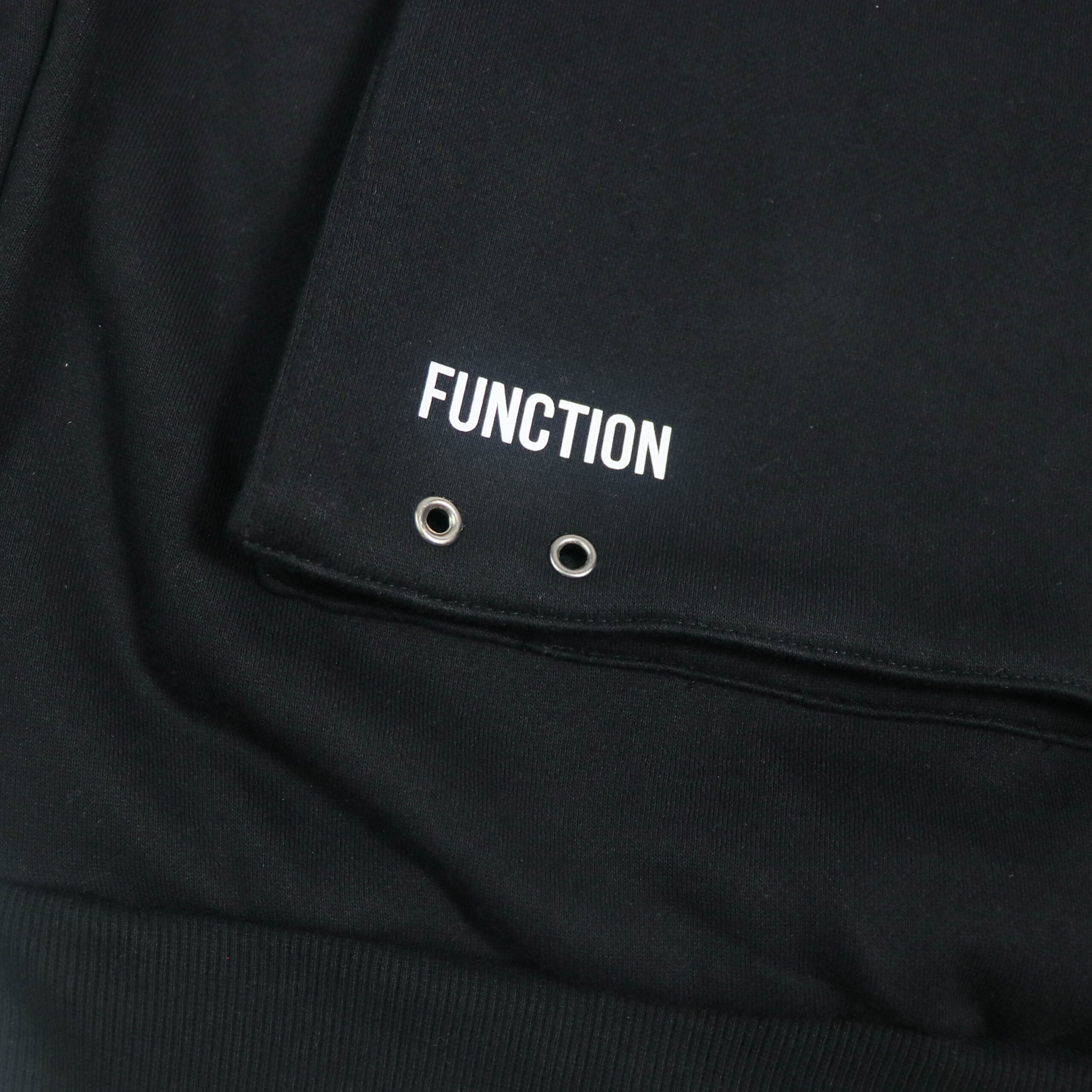
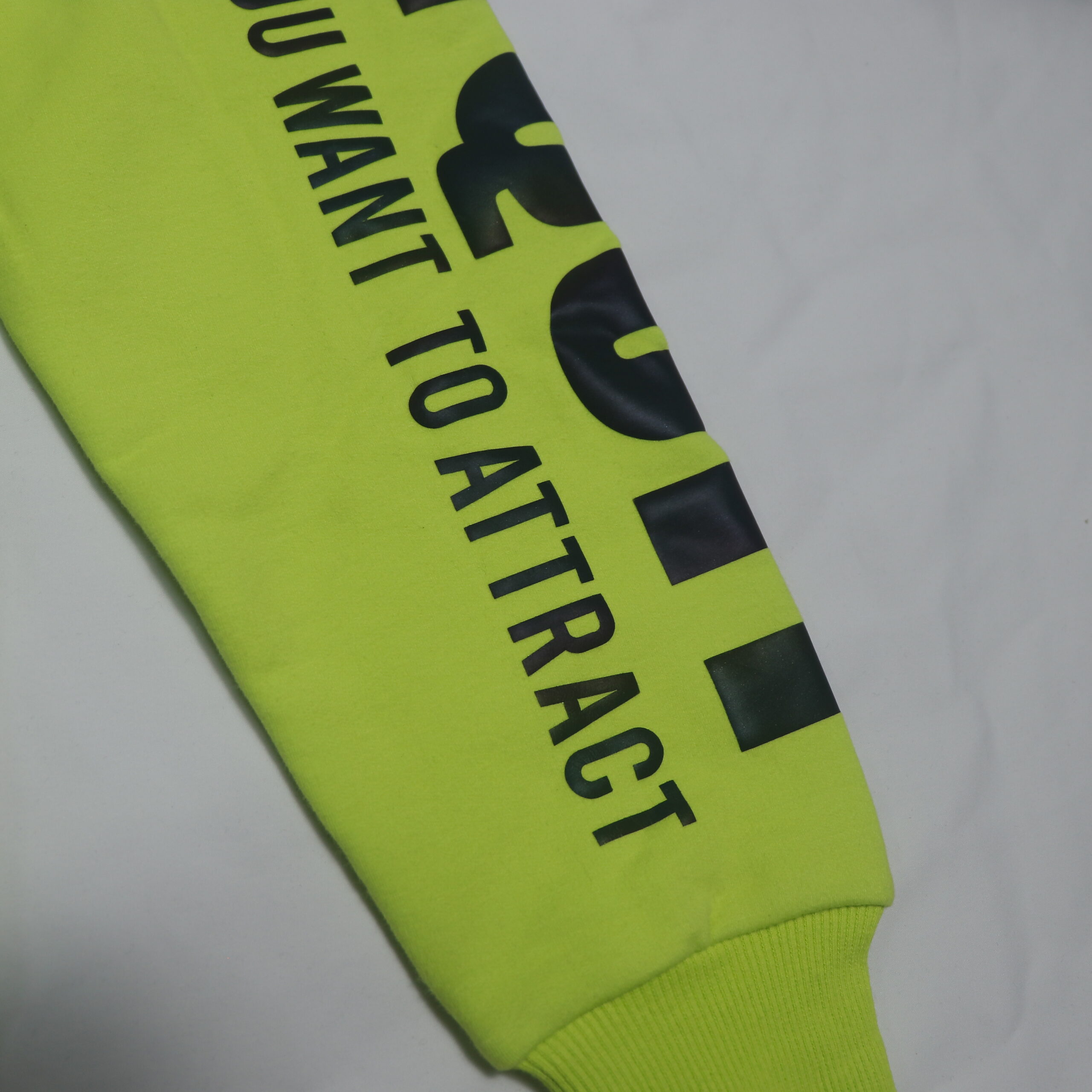
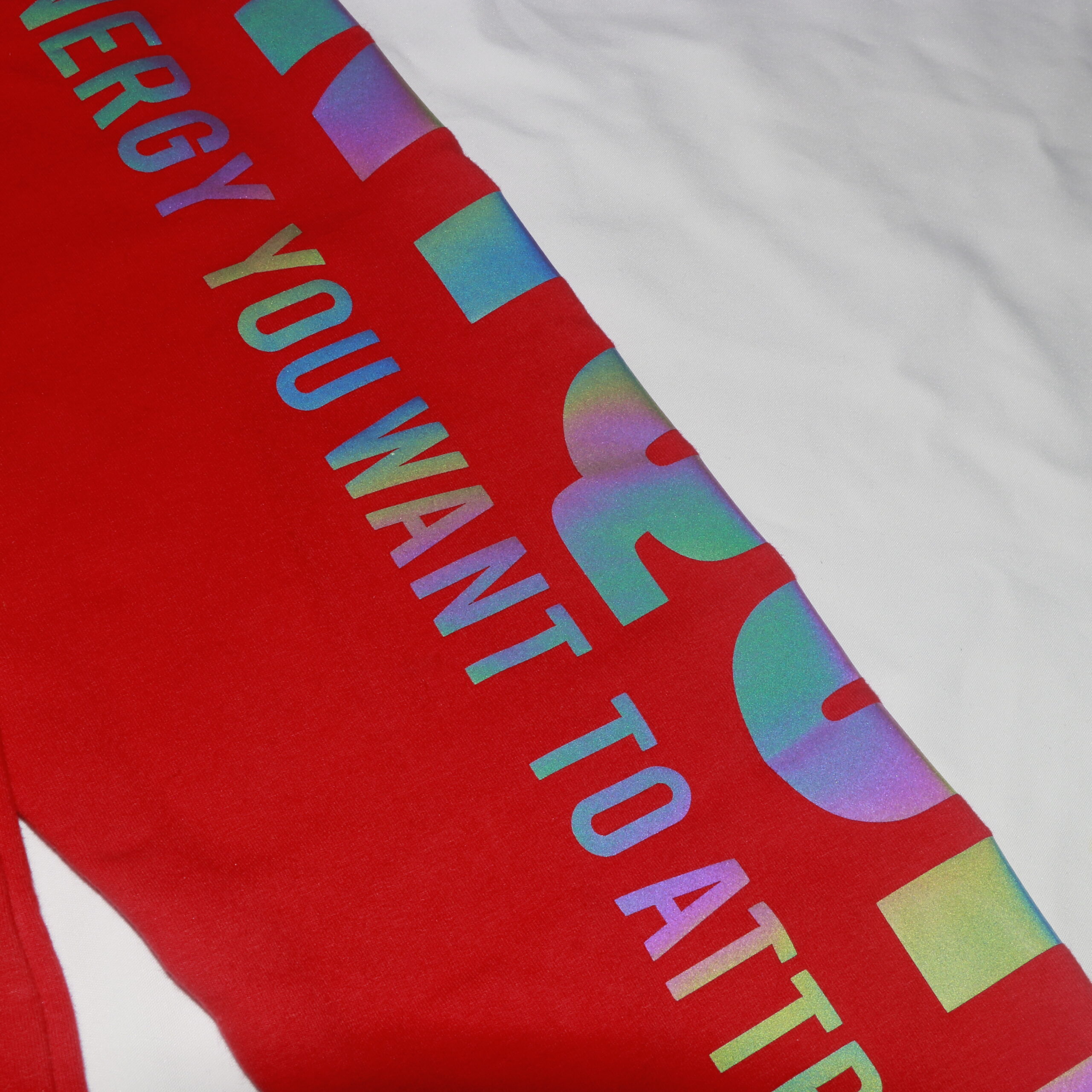
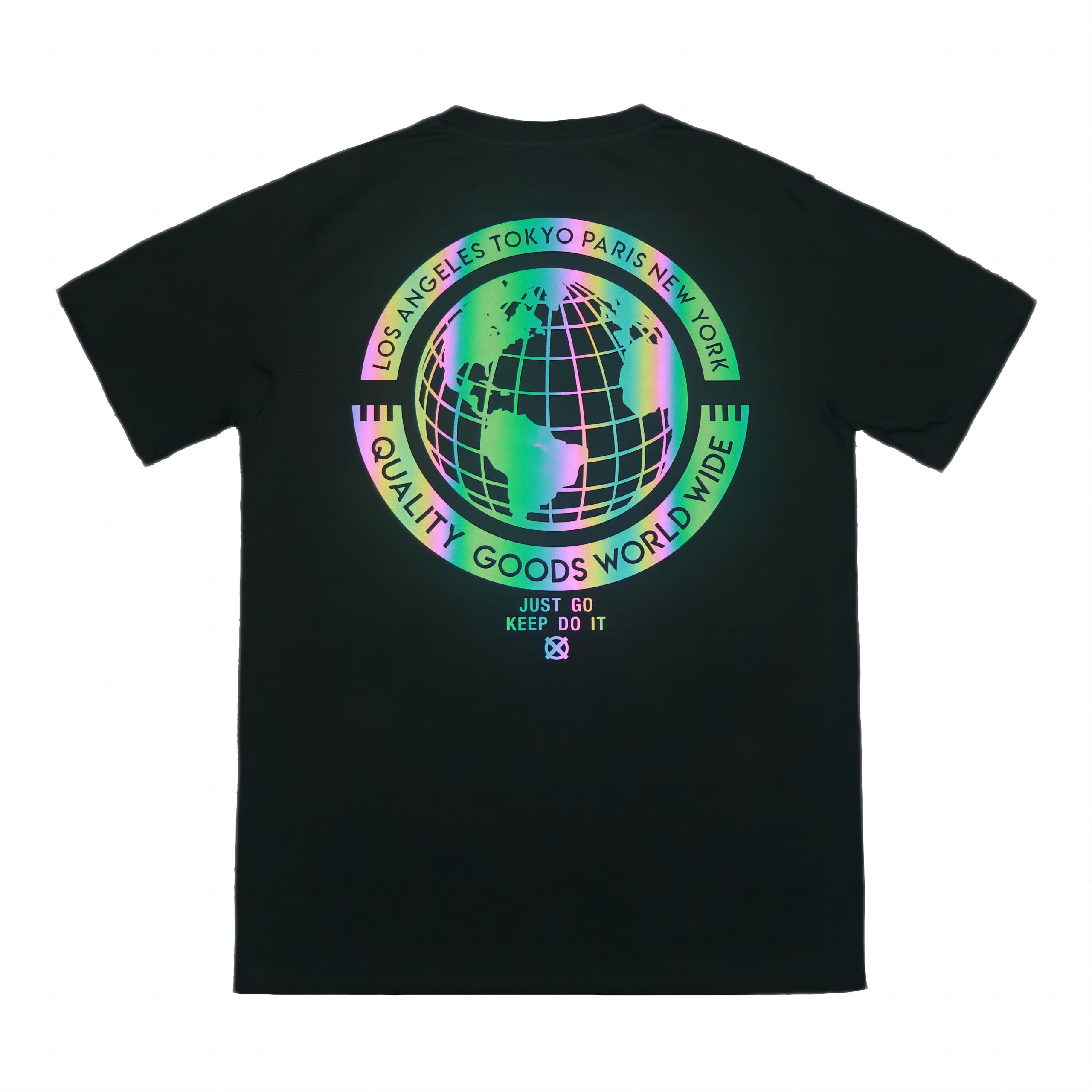
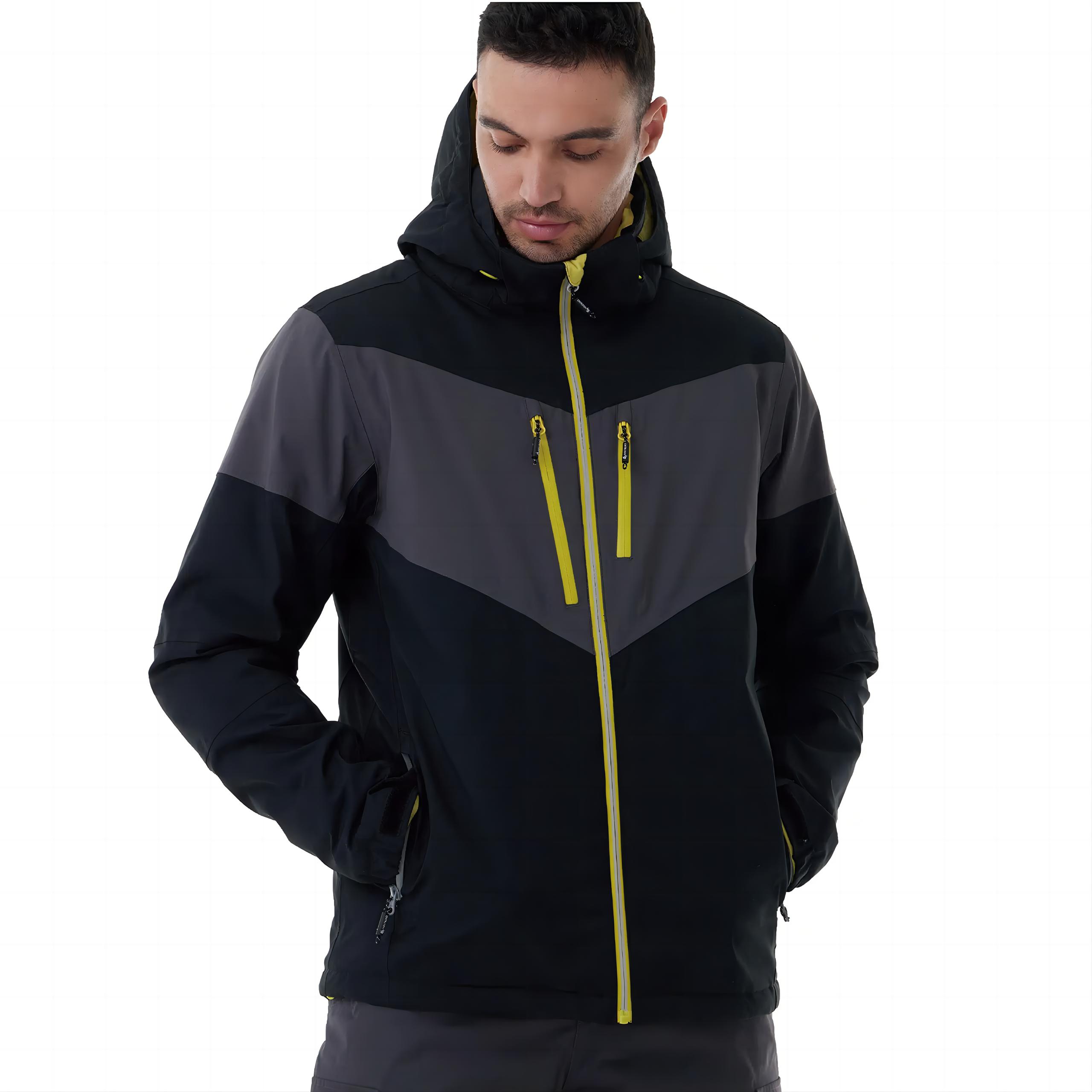
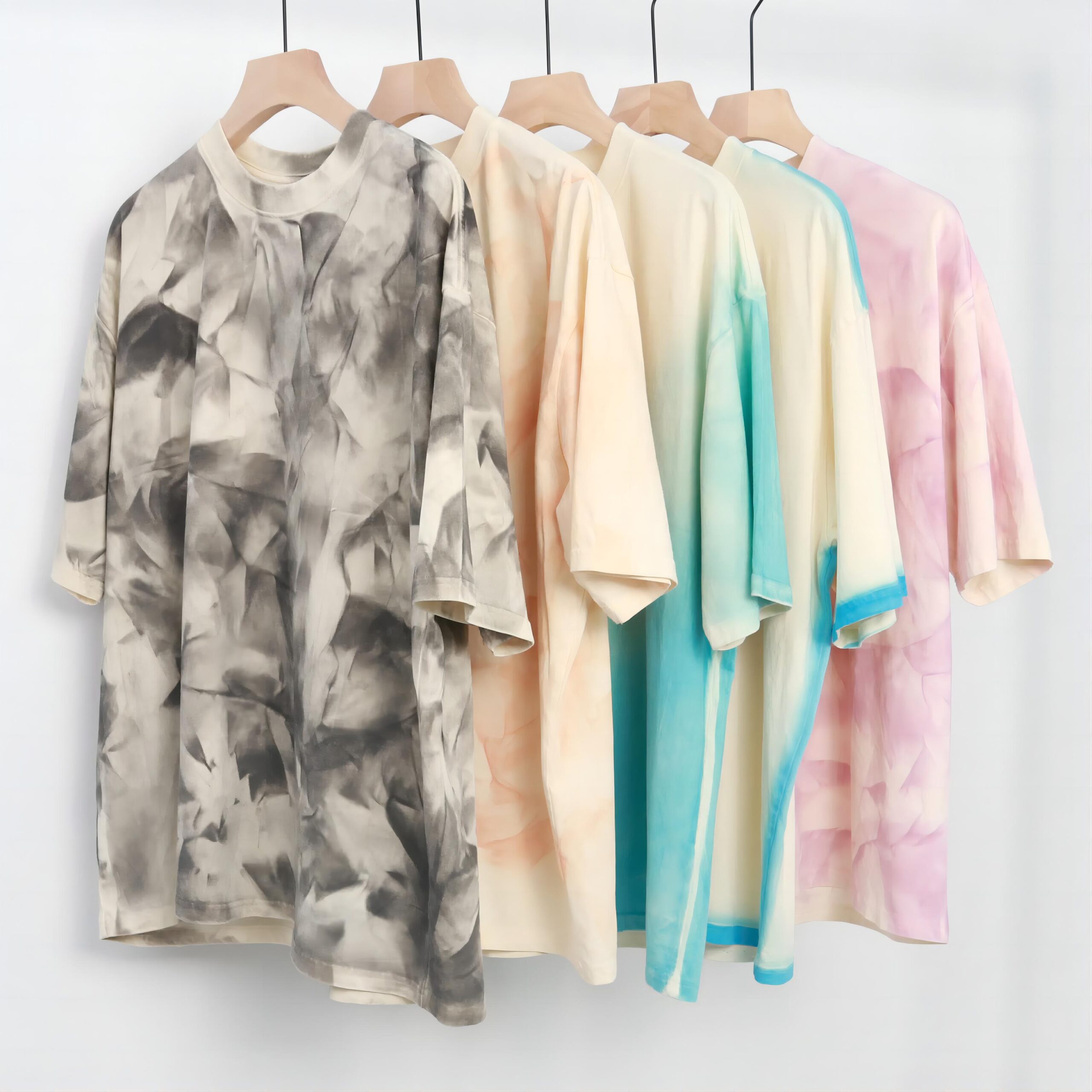
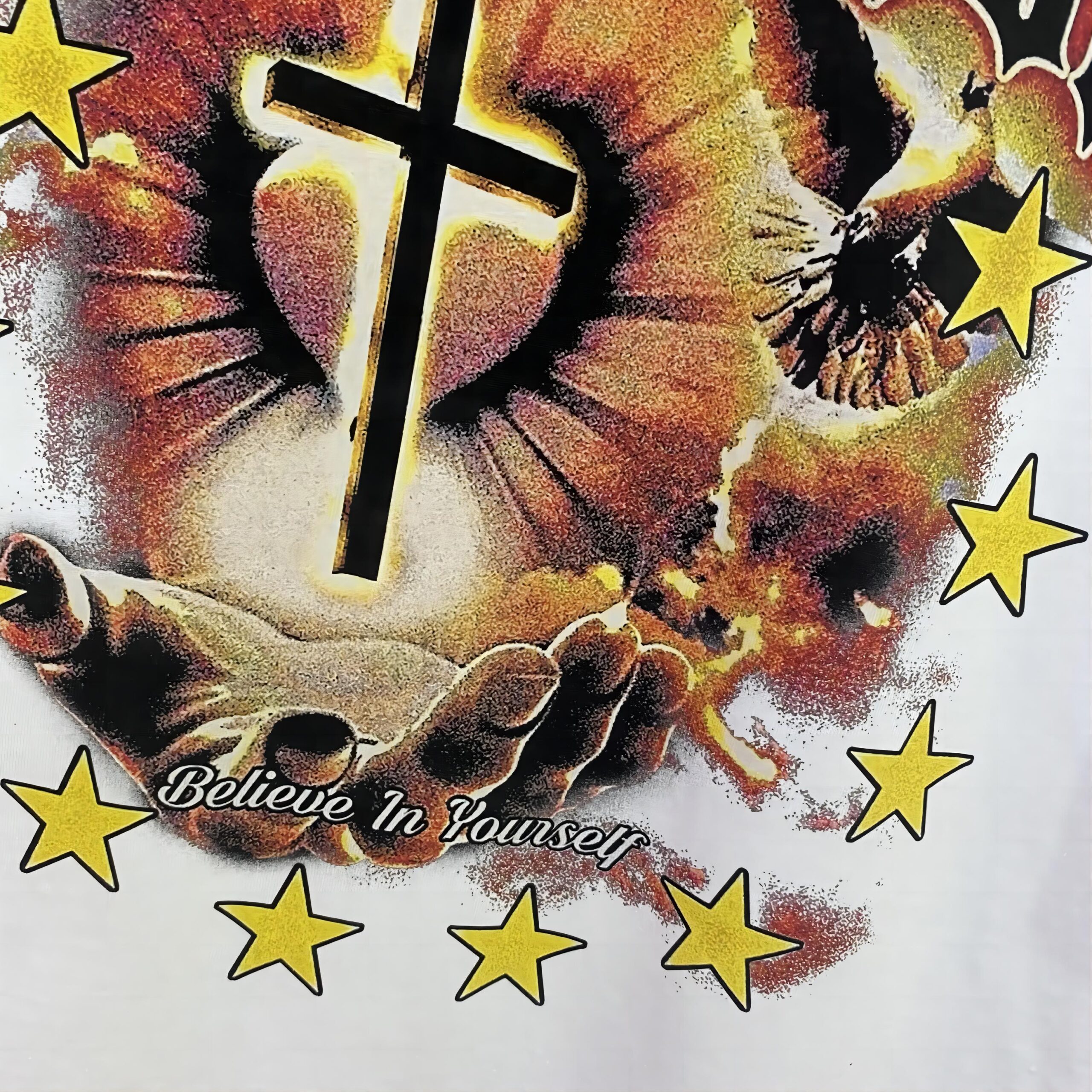



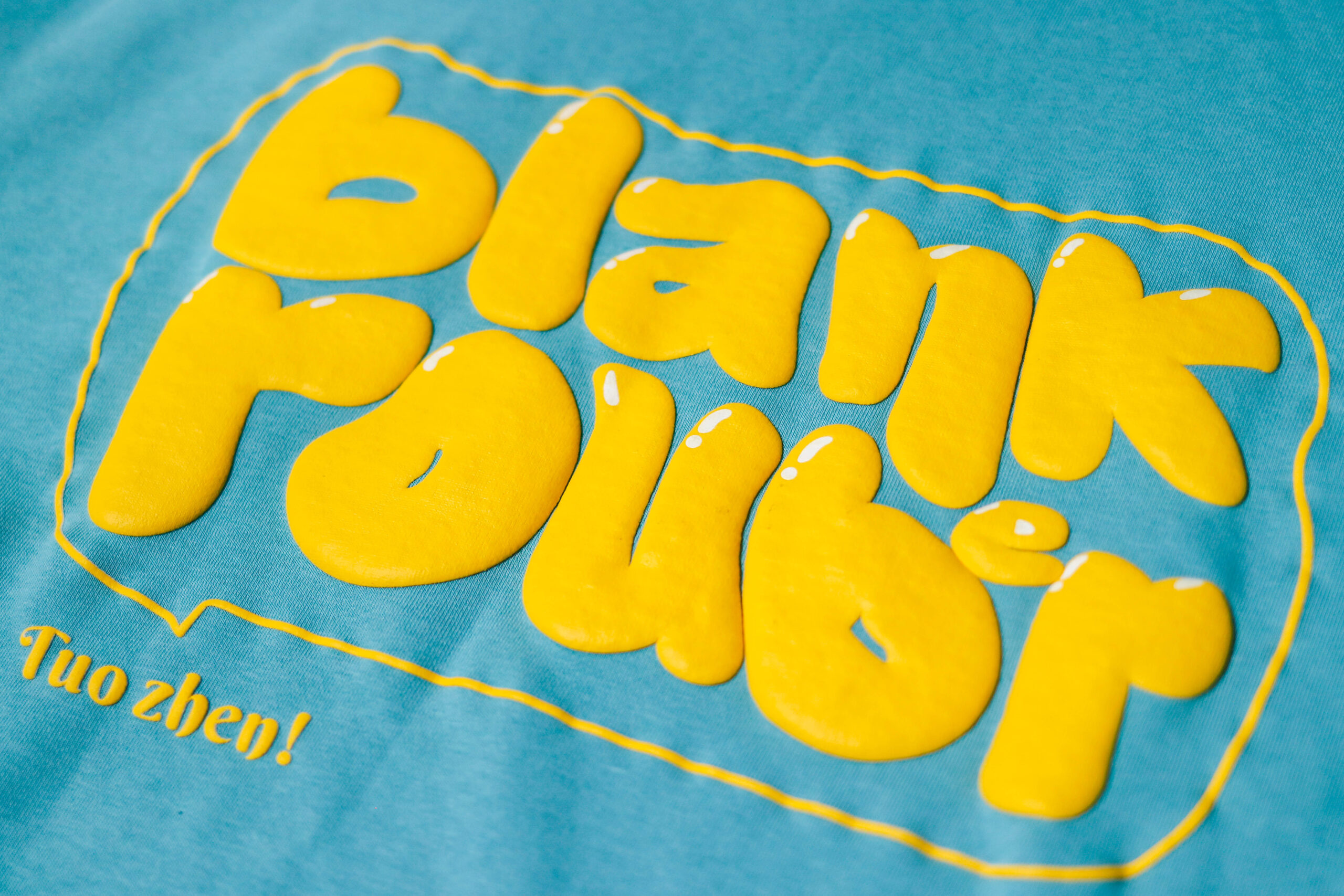
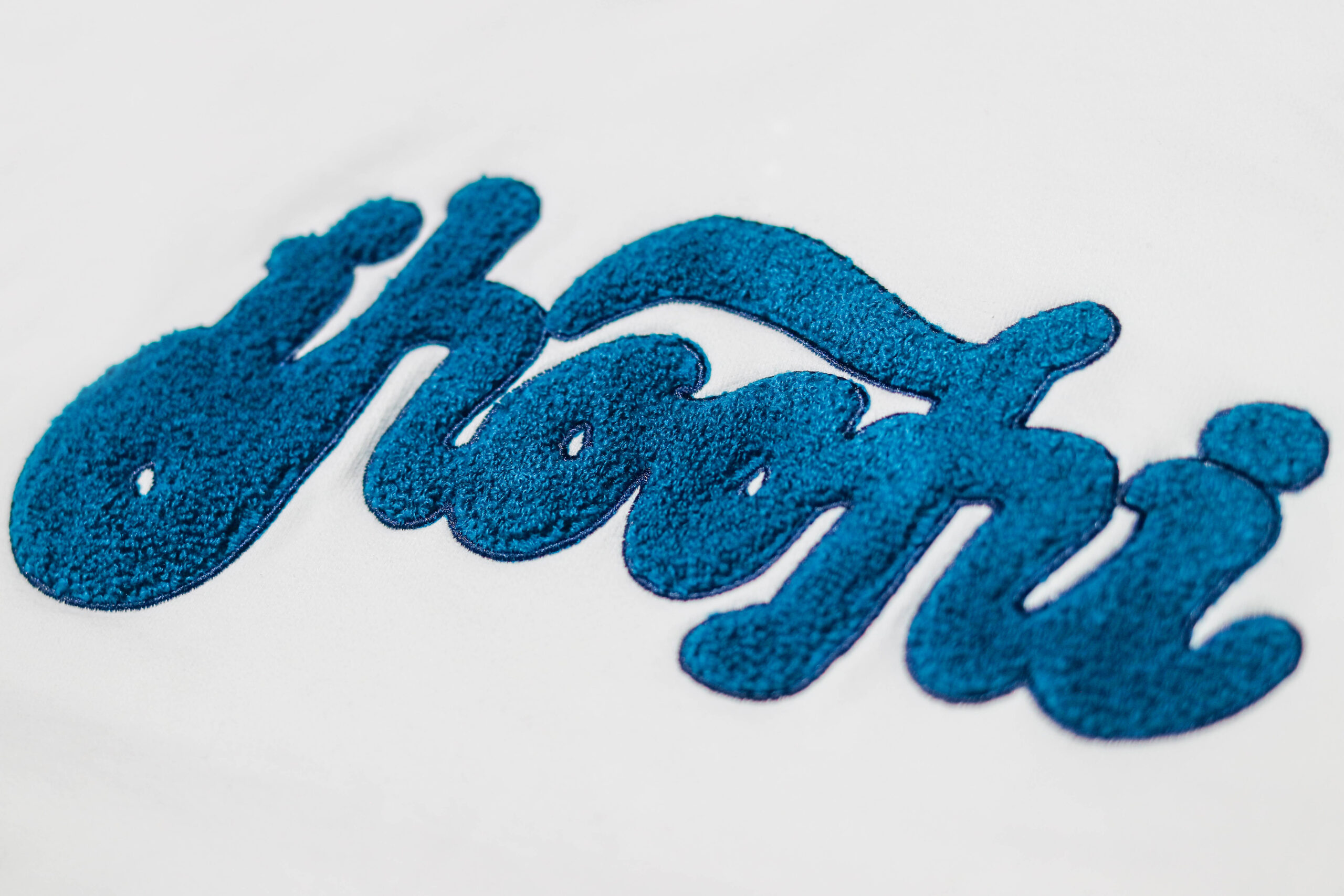
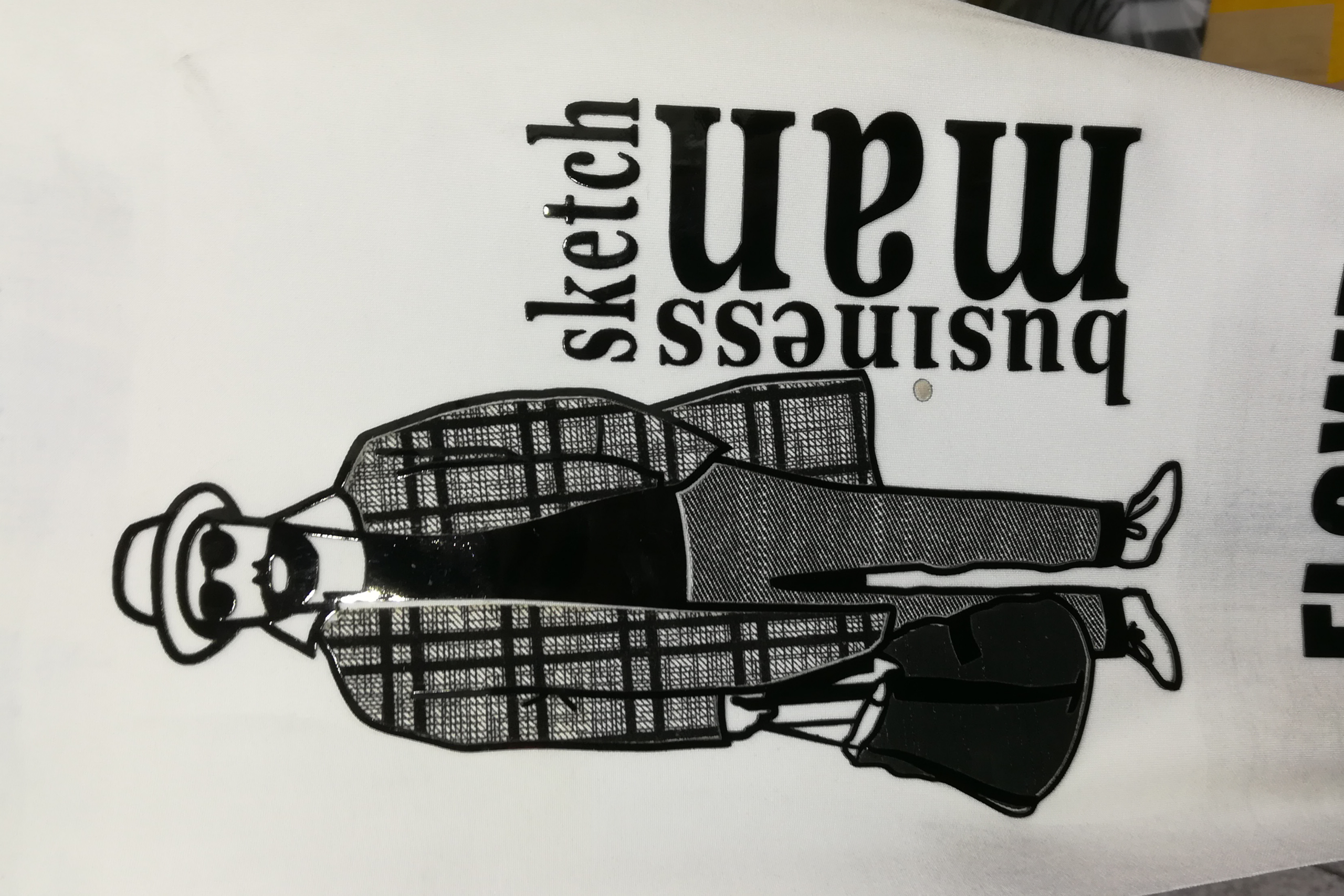
Jersey Knit Apparel Manufacturing Capabilities for Your Collection
EDVORIN coordinates fabric, fit, decoration and production standards so jersey programs are ready to repeat across future orders.
Flexible Fabric Development
Select jersey weights, blends and finishes around your intended handfeel, drape, stretch and wear requirements before sampling begins.
Men’s and Women’s Fits
Develop fit blocks, proportions and grading for men’s or women’s programs instead of relying on one universal garment specification.
Decoration Coordination
Coordinate custom apparel printing, custom apparel embroidery, labels and placement details with the selected jersey base fabric to protect appearance and production consistency.
Approved Sample Standards
Turn approved measurements, materials and artwork into clear references that guide in-line checks and bulk production decisions.
Built for Repeat Orders
Create production-ready jersey knit clothing with documented specifications designed to support dependable reorders as your collection grows.
Explore Apparel Manufacturing Capabilities
Develop coordinated casualwear, outerwear, teamwear and private-label programs through one production system, from approved sample to repeatable bulk delivery.
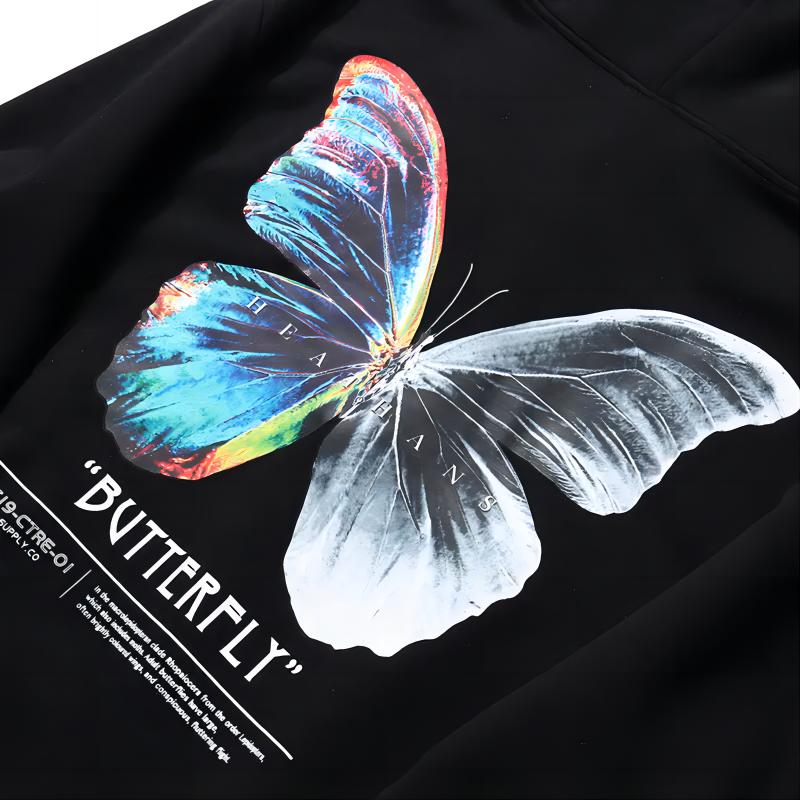
Custom Hoodies
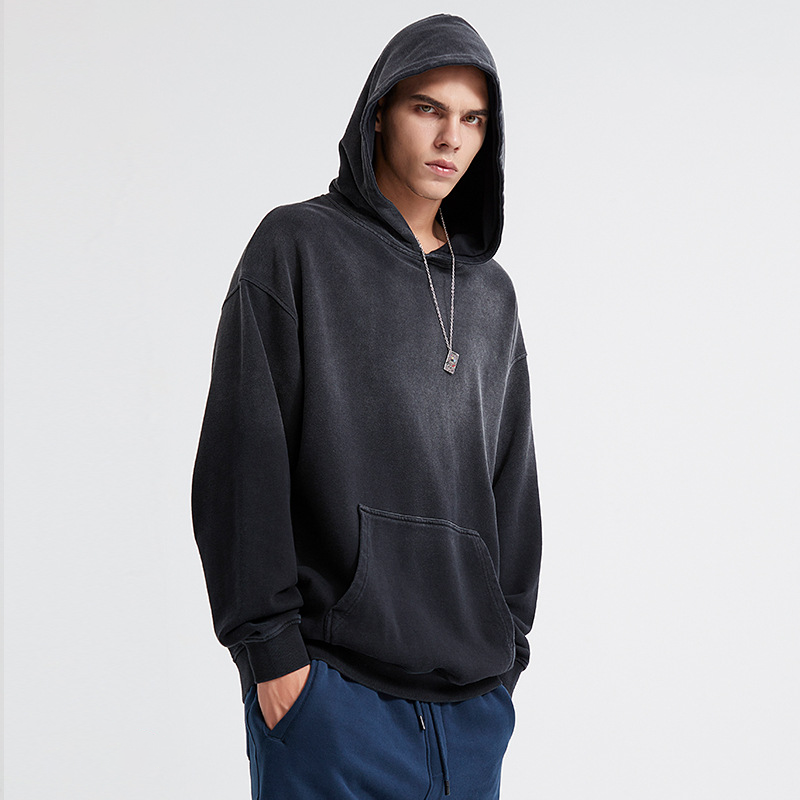
Custom hoodie manufacturing for men’s and women’s programs, including fleece selection, fit blocks, rib construction, drawcords, pockets, labels and print or embroidery placement. EDVORIN supports OEM, ODM and private-label hoodie development from sample through bulk production.
Get a Quote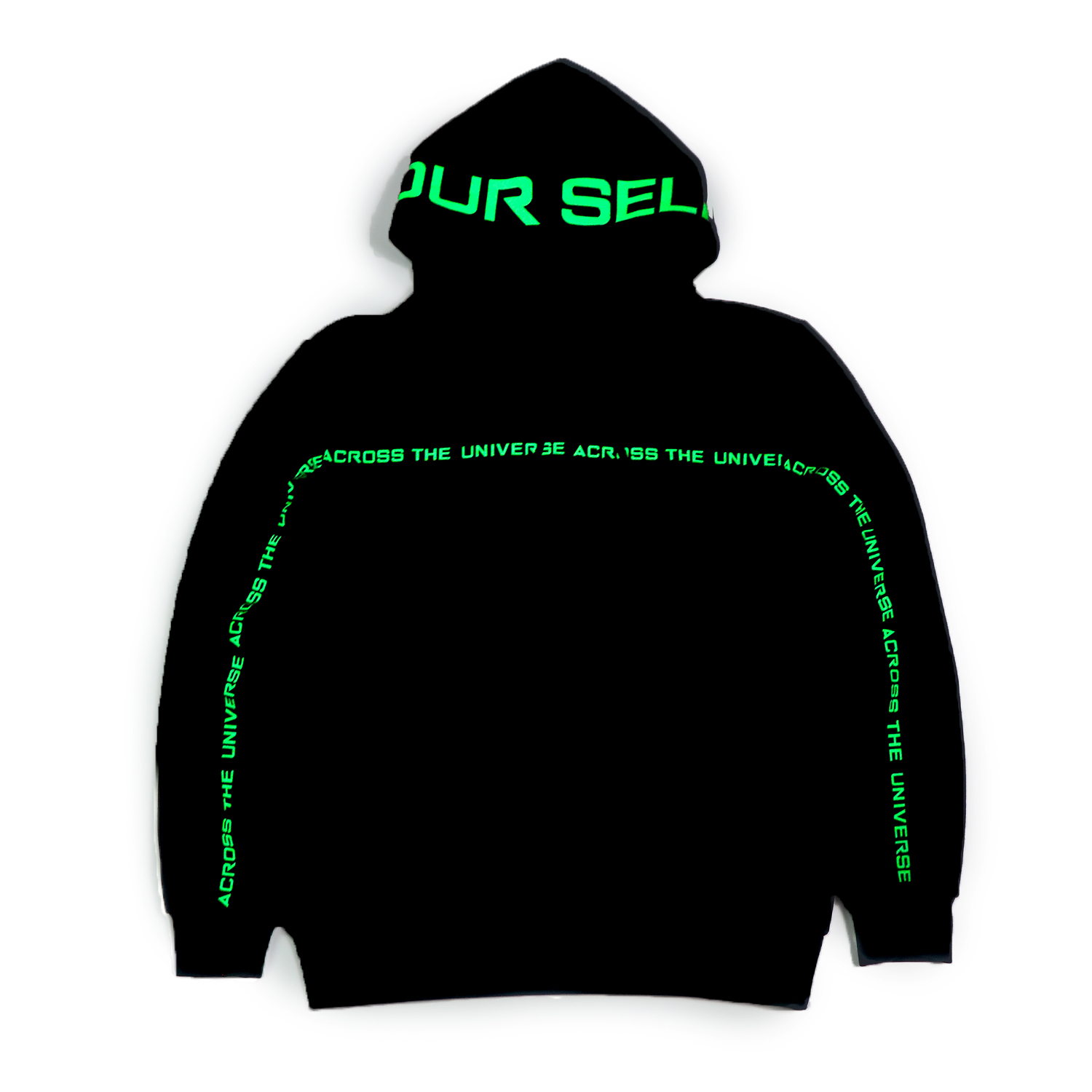
Pullover Sweatshirts
Pullover sweatshirt development with options for crewneck construction, brushed fleece, French terry, rib specifications, washes and decoration methods. Measurements, grading and approved samples are documented to maintain consistent production across repeat orders.
Get a Quote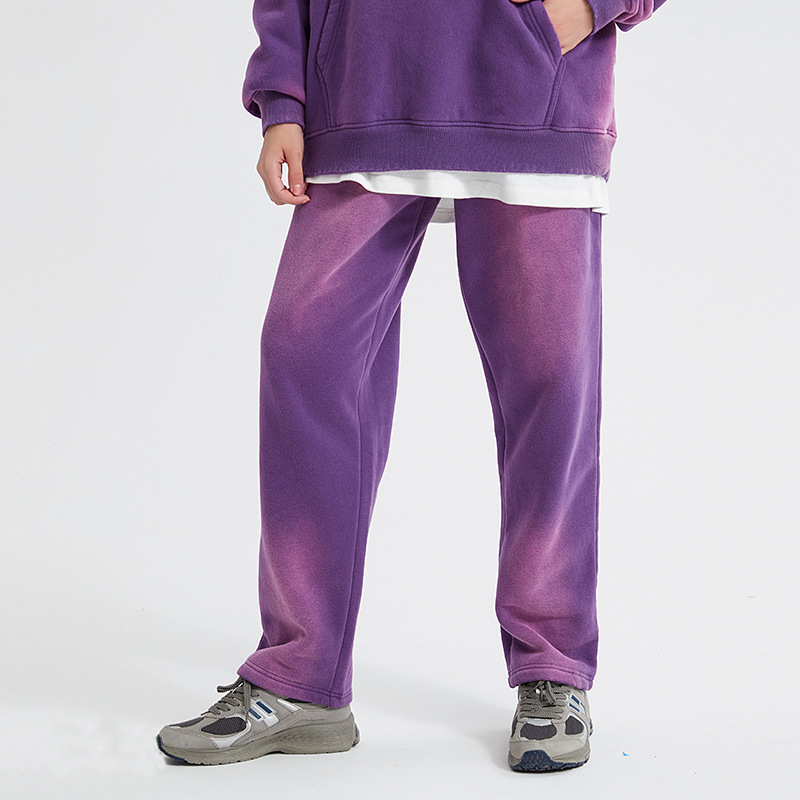
Sweatpants & Joggers
Custom sweatpants and joggers developed around fabric weight, waistband construction, drawcords, cuffs, pockets and fit requirements. Men’s and women’s blocks can be adjusted for casualwear, streetwear or coordinated sets, with labeling and packaging managed alongside production.
Get a Quote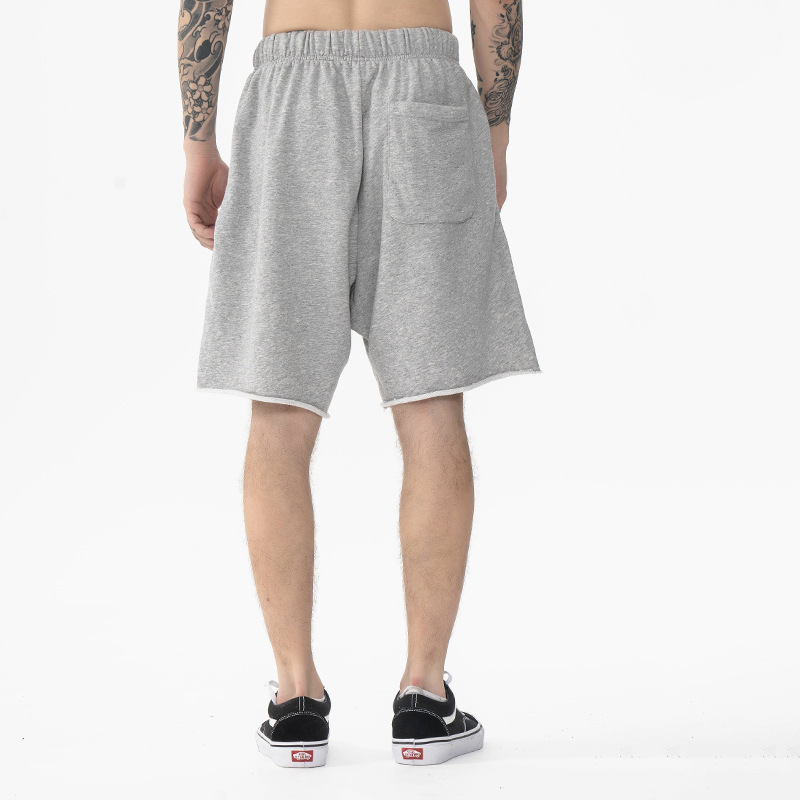
Custom Shorts
Custom shorts manufacturing for fleece, jersey, woven and performance programs. Specify inseam, rise, waistband, pockets, mesh lining, prints, embroidery and trims, then confirm the approved construction before bulk production begins.
Get a Quote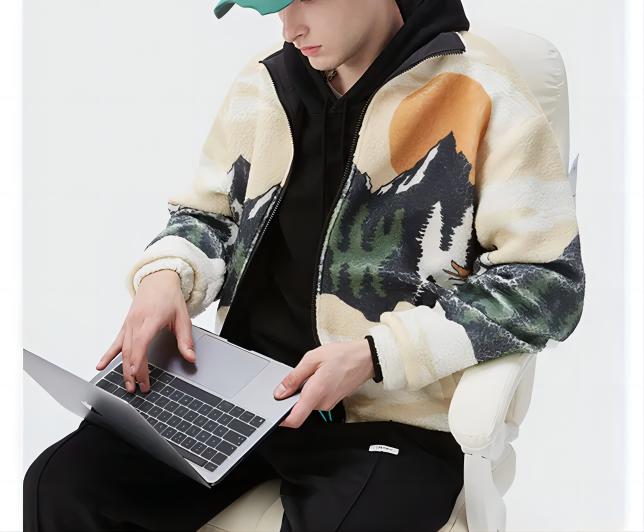
Varsity & Baseball Jackets
Varsity and baseball jacket manufacturing that coordinates body fabric, sleeves, rib, lining, snaps, patches, embroidery and appliqué. EDVORIN develops each component as one construction standard for fashion, school, club and private-label programs.
Get a Quote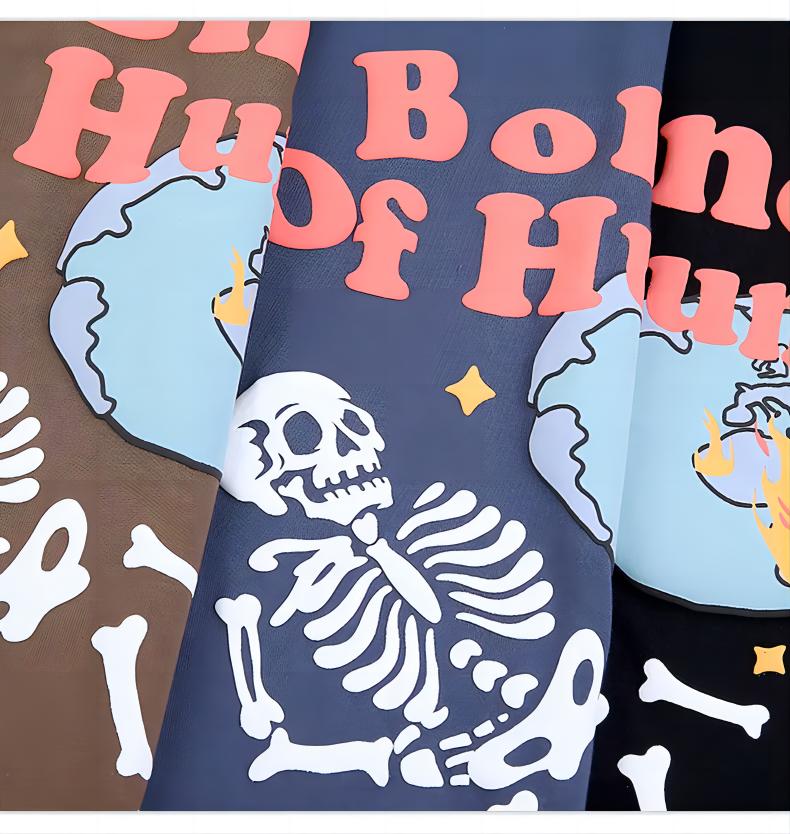
Custom T-Shirts
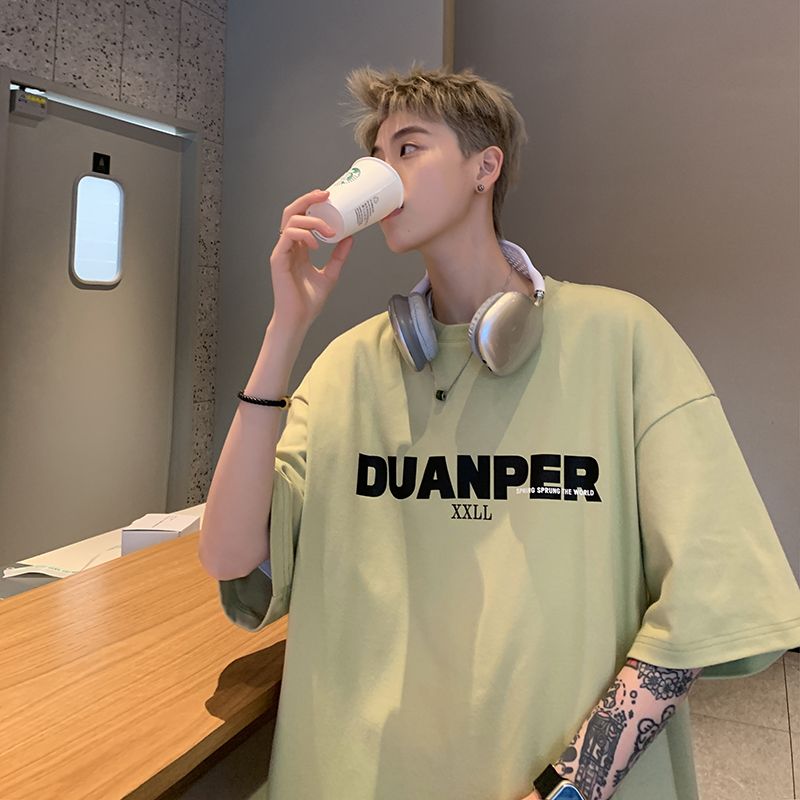
Custom T-shirt manufacturing for fashion basics, promotional programs and streetwear drops. Choose jersey weight, neck rib, fit, sleeves, wash effects, labels and decoration, with samples used to set the bulk-production standard.
Get a Quote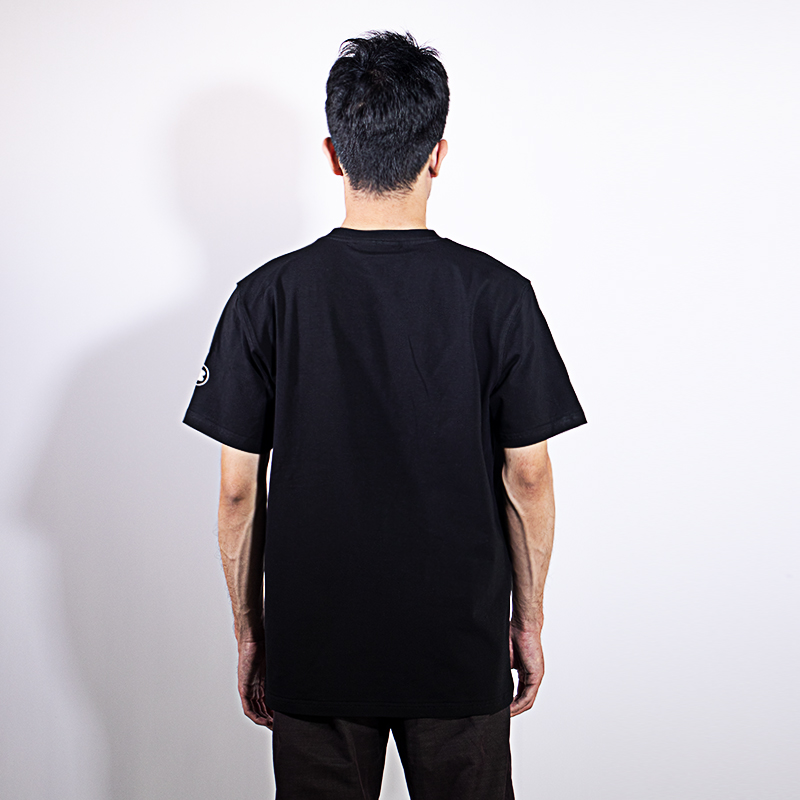
Custom Polo Shirts
Custom polo shirt development for corporate, retail, school and teamwear needs. Fabric, collar structure, placket, cuffs, color blocking, embroidery and size grading are coordinated for consistent presentation across the order.
Get a Quote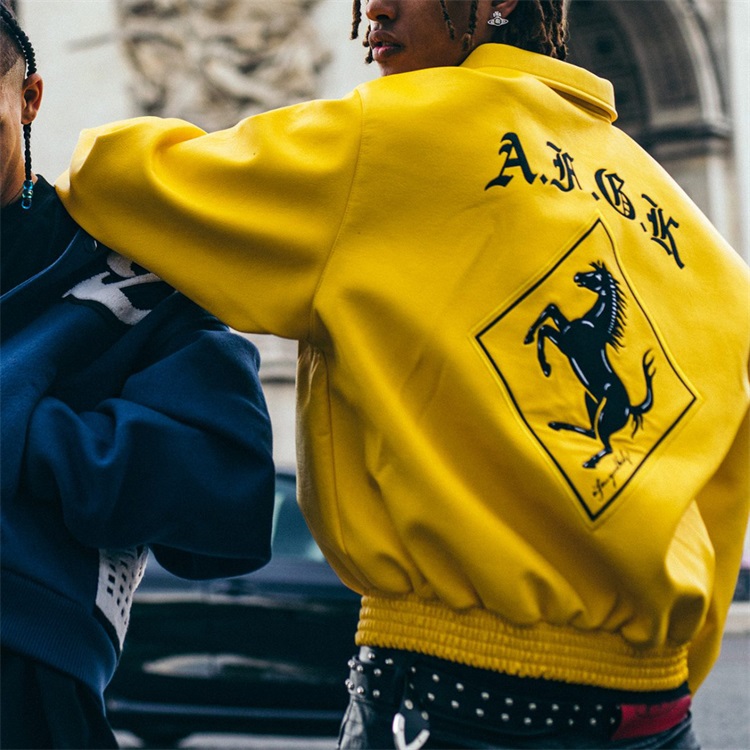
Windbreaker Jackets
Windbreaker manufacturing for lightweight outerwear with shell fabric, lining, ventilation, zippers, hoods, elastic details and print or embroidery requirements. Construction and finishing are reviewed during sampling before production is released.
Get a Quote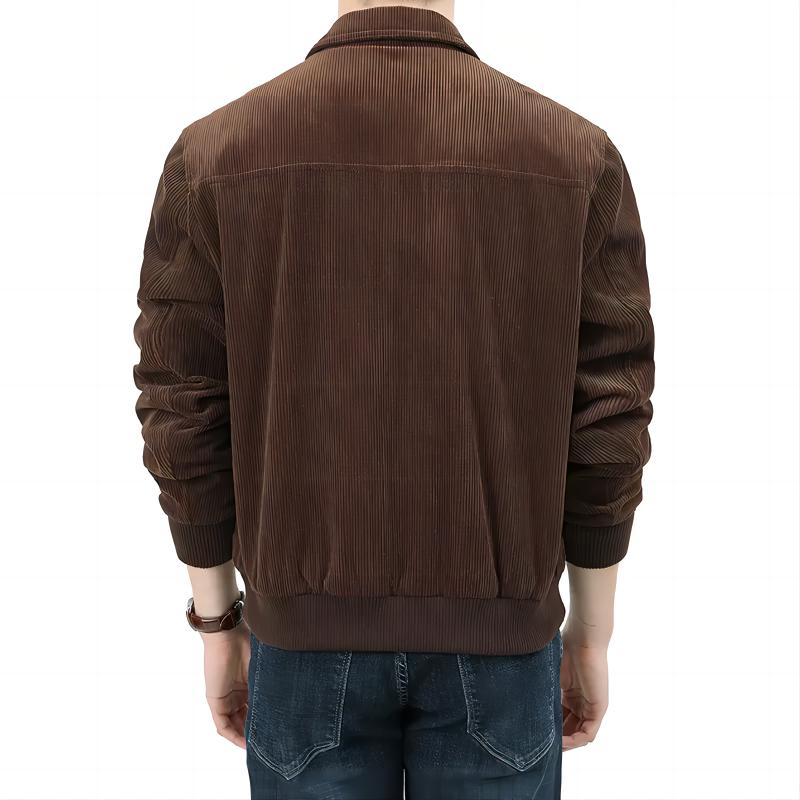
Quilted Jackets
Quilted jacket manufacturing that brings together shell fabric, lining, insulation, quilting pattern, pockets, closures and labeling. EDVORIN helps convert outerwear concepts into production-ready specifications for repeatable bulk orders.
Get a Quote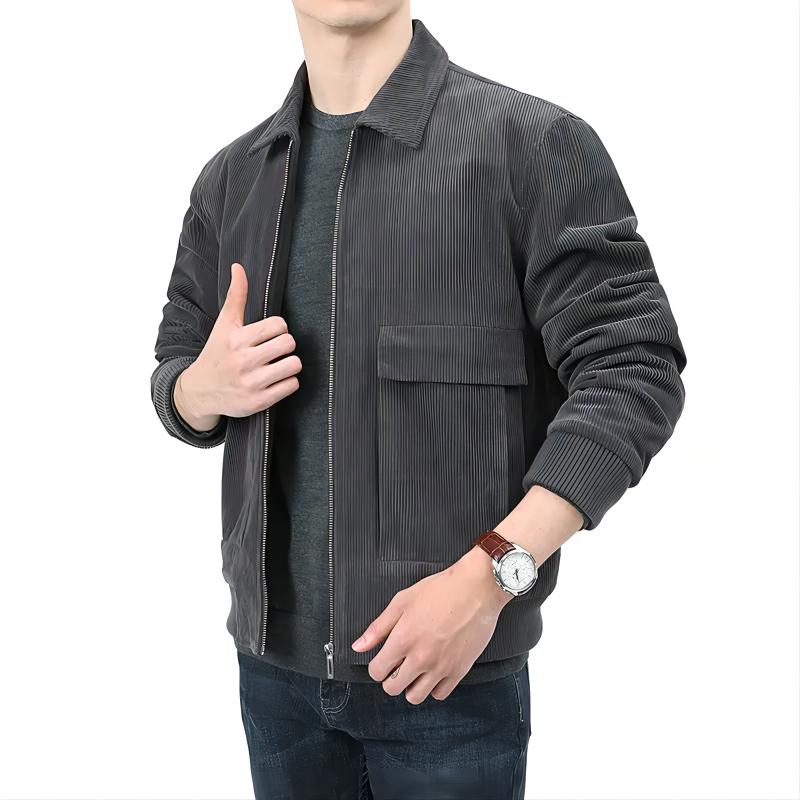
Bomber Jackets
Bomber jacket development with coordinated shell, lining, rib, zipper, pockets, padding, patches and embroidery. Fit proportions and construction details can be tailored for men’s and women’s fashion, streetwear or private-label collections.
Get a Quote
Custom Shirts
Custom woven shirt manufacturing for button-front styles, overshirts and uniform programs. Select fabric, collar, cuffs, placket, pocket, hem, buttons and labeling, then approve samples that guide cutting, sewing and final inspection.
Get a Quote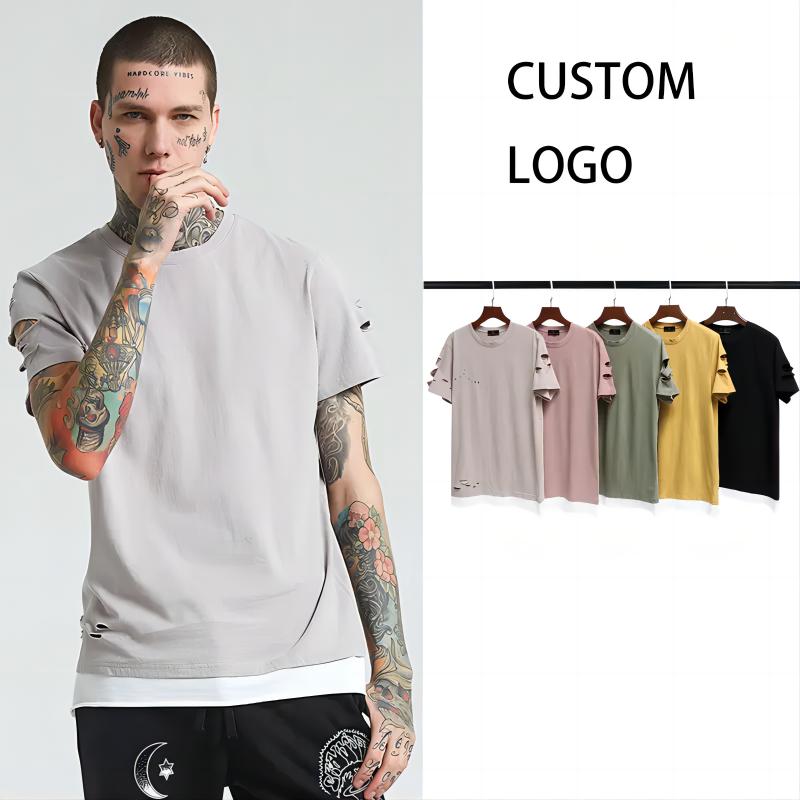
Custom Jerseys
Custom jersey manufacturing for clubs, schools, brands and promotional programs. Fabrics, color panels, sublimation, heat transfers, embroidery, names, numbers and size sets are controlled against approved artwork and placement standards.
Get a Quote
Tank Tops
Custom tank top manufacturing for athletic, lifestyle and streetwear programs. Develop jersey or performance fabrics, armhole and neckline proportions, fit, color blocking, prints and labels for men’s and women’s product ranges.
Get a Quote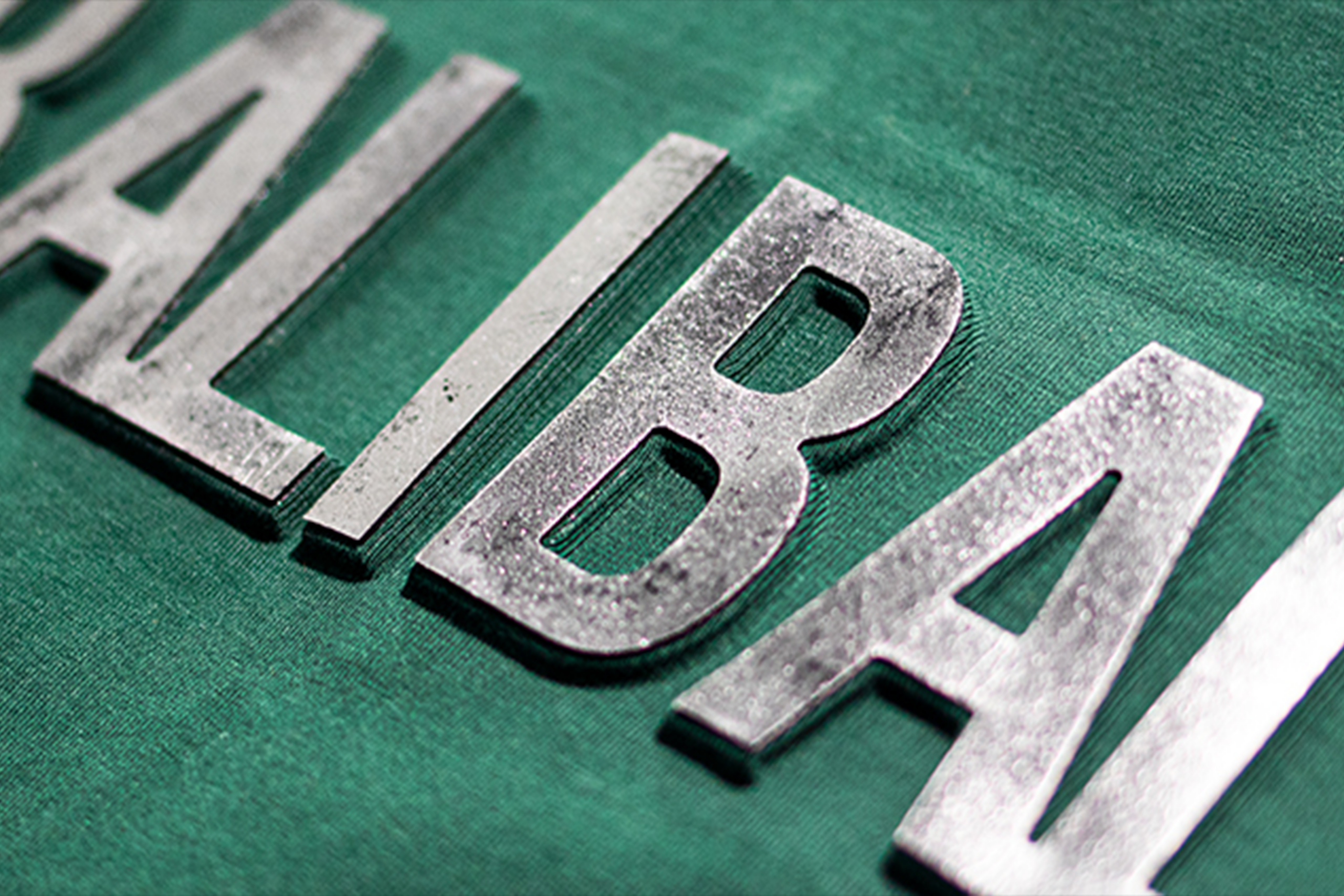
Soccer Uniforms
Soccer uniform manufacturing for coordinated jerseys, shorts and socks, with breathable fabric options, team colors, badges, player names and numbers. Size grading and decoration placement are organized for accurate team sets and repeat orders.
Get a Quote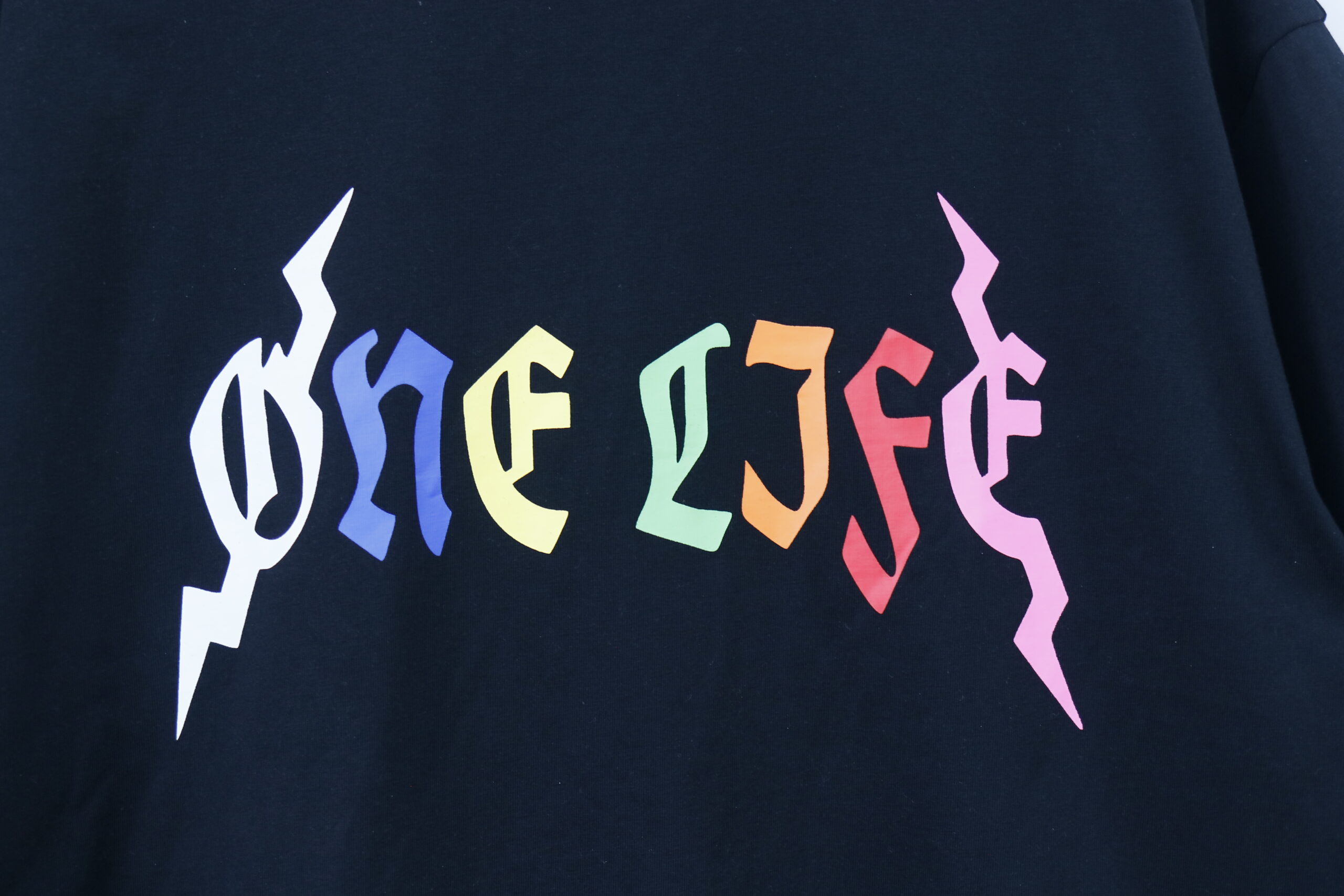
Basketball Uniforms
Basketball uniform manufacturing for jerseys and shorts with performance fabrics, mesh panels, color blocking, sublimation, names, numbers and team branding. EDVORIN coordinates garment construction and decoration standards across complete roster orders.
Get a Quote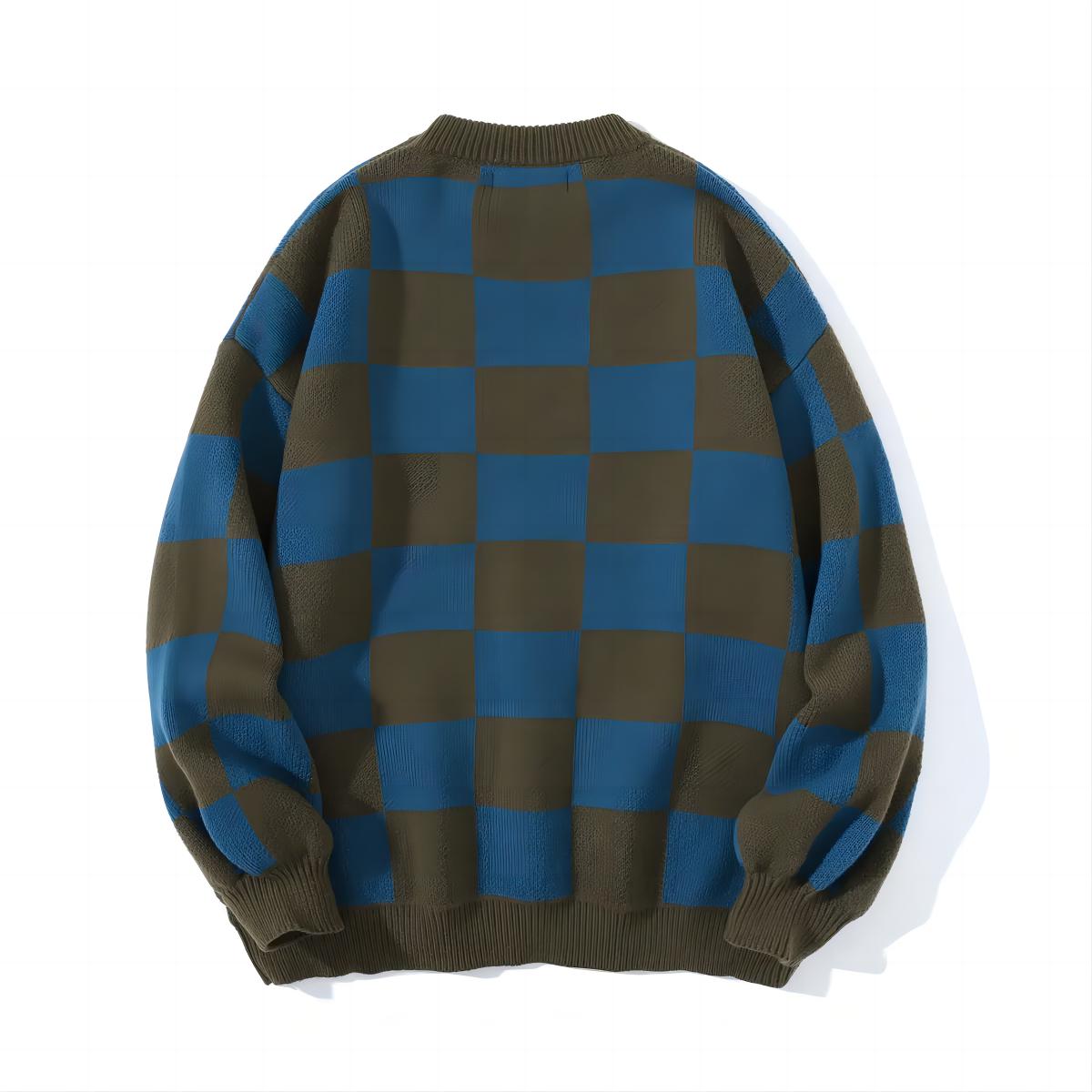
Streetwear Collections
Streetwear collection manufacturing for connected hoodies, tees, sweatpants, jackets, shorts and accessories. Product development aligns fabrics, fits, trims, washes, artwork, labels and packaging so each style can move from concept to repeatable production.
Get a QuoteYour Jersey Knit Clothing Manufacturer
EDVORIN has helped brands turn apparel concepts into production-ready collections since 2000. As a founder-led jersey knit clothing manufacturer, we support OEM, ODM, and private-label programs from initial sketches or tech packs through materials, patterns, sampling, and bulk production.
Our connected production system coordinates fabric and trims with custom apparel printing, custom apparel embroidery, garment wash services, and custom clothing labels and packaging for casualwear, streetwear, outerwear and teamwear. Men’s and women’s programs are developed around their intended fit, construction, proportions and performance requirements, with flexible MOQs starting at 200 pieces per style.
What distinguishes EDVORIN is the discipline behind repeatability. Approved samples become the reference for measurements, artwork placement, trims, and finishing, while in-line and final quality checks help protect the standard through packed delivery. Certification programs include ISO 9001, BSCI, WRAP, SEDEX, OEKO-TEX Standard 100, GRS, and GOTS.
Jersey Knit Apparel Controls That Protect Your Standard
Fabric Weight With Purpose
As a jersey knit clothing manufacturer, EDVORIN aligns fiber content, knit structure, weight, handfeel and stretch expectations with the intended garment. Development considers how the fabric supports the silhouette, movement, decoration and wash result before bulk materials are confirmed.
- Review lightweight, midweight or heavier jersey against the intended use
- Match stretch and recovery expectations to the fit and construction
- Coordinate fabric choices with wash, print and embroidery requirements
- Approve material references before production ordering
Fit Blocks Built to Grade
Men’s and women’s jersey programs require more than scaling one base pattern. EDVORIN develops fit blocks, proportions, measurements and grading around the intended wearer, then uses the approved sample to establish a practical standard for every size in the order.
- Develop men’s and women’s fits for each product category
- Set measurement points and tolerances in the approved specification
- Review size grading before bulk cutting begins
- Use samples to confirm drape, balance and wearing ease
Decoration Matched to Jersey
Jersey surfaces respond differently to screen printing, embroidery, heat-applied details and washes. EDVORIN coordinates artwork placement, decoration method and base material during development, helping protect clarity, handfeel and placement consistency when the garment moves from sample to production.
- Assess decoration compatibility with jersey weight and stretch
- Record artwork size and placement measurements
- Coordinate prints, embroidery and wash effects with construction
- Confirm decorated samples before production release
Approved Standards Through Bulk
A strong sample becomes useful only when its decisions are carried into bulk production. EDVORIN records approved materials, measurements, trims, artwork and packing details, then applies in-line and final quality checks to keep the finished order aligned with the agreed standard.
- Translate approvals into clear production specifications
- Check materials, construction and measurements during production
- Control labels, trims and packing against approved details
- Inspect finished goods before final packing
Jersey Knit vs. Fleece Knit Construction
Choose the knit structure that supports your intended weight, drape, decoration, and collection use.
← Swipe left or right to view →
Jersey Knit Apparel Production Process
A controlled development path that turns approved jersey knit details into repeatable bulk production.
Review the Product Brief
We review your tech pack, sketch, reference garment, fit intent, size range, decoration requirements, and target order quantity before development begins.
Source Materials and Trims
Our team aligns jersey fabric, rib, labels, drawcords, thread, and packaging with the garment’s hand feel, stretch, recovery, and intended market.
Develop Patterns and Samples
Patterns, grading, construction details, and sample revisions are developed for the selected men’s or women’s fit block until the approval standard is clear.
Confirm Decoration and Washing
We document print, embroidery, applique, wash, color, and placement specifications so decoration methods work reliably with the selected jersey knit garment.
Produce, Inspect, and Pack
After approval, cutting, sewing, in-line checks, final inspection, labeling, and packing follow the recorded standard for consistent 200-piece-plus production orders.
How to Work With a Jersey Knit Apparel Manufacturer
Give EDVORIN the inputs needed to turn your jersey knit concept into a documented, approval-led standard for repeatable production.
Share Your Product Brief
Send your tech pack, sketch, reference garment, artwork, measurement chart, target fabric, size run, labels, and intended market requirements for initial production review.
Define Construction Details
Confirm jersey weight, composition, fit block, grading, trims, decoration placement, wash effects, packaging, and men’s or women’s specifications before sampling begins.
Review and Approve Samples
Assess the sample against your measurements, fabric hand feel, artwork, labels, and finish requirements. Record revisions so the approved version becomes the bulk standard.
Launch Controlled Bulk Production
EDVORIN coordinates materials, cutting, sewing, decoration, inspections, labeling, and packing against approved specifications, helping your collection remain consistent from order to reorder.
Jersey Knit Clothing Buyer Results
EDVORIN tightened our women’s tee fit across 12 sizes and documented every revision. On the repeat order, our measurement pass rate reached 98%, which made our wholesale replenishment far easier to manage.
Our club needed 480 training jerseys with names, numbers and consistent color. The print placement stayed aligned across the full size run, and the order arrived in time for our preseason launch.
We moved from a single sample into a 1,200-piece streetwear drop without losing the soft hand feel we approved. After multiple washes, the screen prints remained clean, and customer returns for print issues fell by 32%.
Jersey Knit Clothing Manufacturer FAQ
Clear answers on fabrics, decoration, development, minimums and repeatable bulk production.
Which fabric standards and certification programs can support custom jersey knit apparel?
What jersey weight should I choose for T-shirts, teamwear or fitted styles?
Can a jersey knit clothing manufacturer add printing, embroidery or patches?
EDVORIN’s MOQ starts at 200 pieces per style. What is the minimum order quantity for custom jersey knit clothing?
What files do I need to send a jersey knit clothing manufacturer?
How does sampling work before jersey knit clothing goes into bulk production?
How do you control quality on repeat jersey knit clothing orders?
Can you develop jersey knit clothing for both men’s and women’s programs?
Complete Guide to Choosing a jersey knit clothing manufacturer
Use this practical framework to compare jersey constructions, fabric specifications, customization choices, supplier capabilities, quality controls, and pricing drivers—while avoiding sourcing mistakes that delay launches or compromise your brand’s product standards.
1. What Is a jersey knit clothing manufacturer?
EDVORIN’s MOQ starts at 200 pieces per style. One jersey knit clothing manufacturer converts a tech pack, approved sample, or reference concept into repeatable finished apparel: fabric selection, patterns, cutting, sewing, decoration, quality control, labels, and packing. The first sourcing question is whether its production scope matches the garment, performance, and development support required.
Three supplier models serve different jobs. A fabric mill knits and finishes yardage; a cut-and-sew factory assembles buyer-supplied materials and specifications; a full-package partner coordinates development through packed goods, reducing handoffs between those stages.
EDVORIN supports 200-piece MOQ programs for fashion labels, streetwear brands, teams, schools, wholesalers, and private-label buyers. Typical jersey-knit outputs include T-shirts, polos, tank tops, jerseys, soccer and basketball uniforms, plus coordinated casualwear where fit blocks, grading, artwork placement, and material behavior must be documented for repeat production.
2. Evolution of Jersey Knit Apparel
Single jersey is built from continuous knit stitches, creating a smooth face, a textured reverse, and natural crosswise stretch; that practical comfort helped knit apparel move beyond underwear and basics. Circular knitting made consistent jersey suitable for repeatable T-shirts, casual separates, and uniform programs (https://runtangtex.com/jersey-knit-fabric).
Cotton, polyester, viscose, and elastane blends expanded the brief from soft everyday layers to quicker-drying teamwear and body-following activewear. Interlock offers a more stable, heavier knit with stronger recovery, while rib knit remains useful where cuffs and waistbands must contract and stretch (https://omniteksas.eu/jersey-fabrics).
Today, a jersey knit clothing manufacturer must translate those options into a reproducible specification: knit structure, fiber ratio, weight, recovery target, color standard, and compatible decoration. Screen print, embroidery, heat transfer, and sublimation each interact differently with fabric stretch, surface texture, and end use.
3. Jersey Knit Clothing Manufacturer Product Types
Three product families determine whether a jersey knit clothing manufacturer matches a brief: casual tops, stretch performance pieces, or repeat-controlled teamwear. EDVORIN develops each through category-specific patterns, materials, trims, and production records.
Tops, Polos, And Fleece
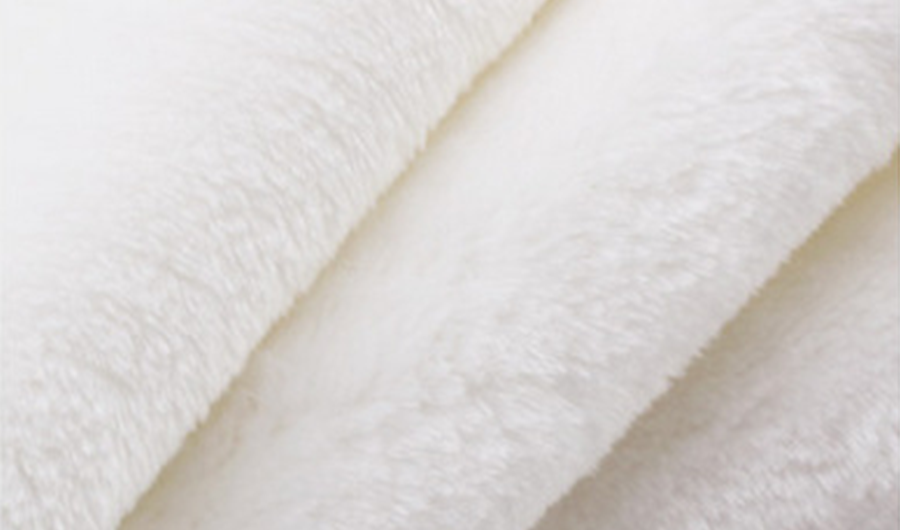
140–220 GSM single jersey suits T-shirts and tops; neck rib recovery, shoulder tape, and coverstitch hems protect shape.
280–360 GSM French terry or fleece suits hoodies and sweatshirts; specify hood depth, rib ratio, pocket construction, and brushed versus loopback interior.
Leggings And Base Layers
180–260 GSM stretch jersey needs elastane recovery, squat-opacity testing, flatlock seams, and an elasticated waistband.
2-way versus 4-way stretch changes pattern ease and panel placement; base layers also need seam positions that avoid friction under equipment.
Teamwear And Comfort Programs
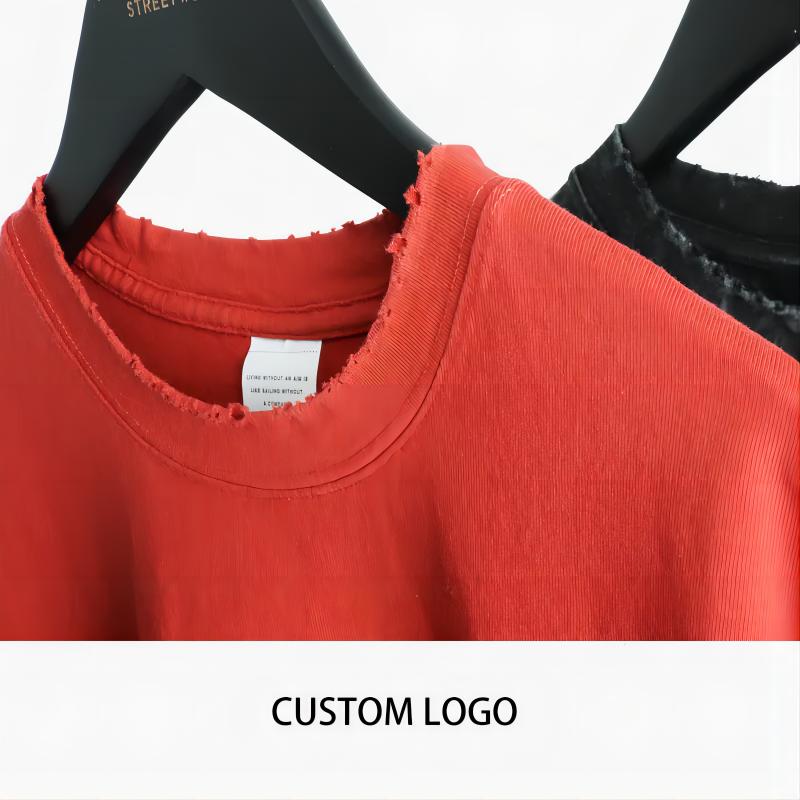
150–200 GSM polyester jersey supports soccer and basketball uniforms; confirm color matching, number placement, mesh panels, and size-set grading before bulk cutting.
160–220 GSM interlock or soft single jersey fits children’s and loungewear programs; prioritize gentle seams, stable neck openings, durable washes, and age-appropriate trims.
4. Jersey Knit Fabrics: Materials and GSM
100% cotton, blends, and knit construction set the garment’s hand, airflow, opacity, and durability. A jersey knit clothing manufacturer should approve fabric by weight, usable width, stretch, recovery, shrinkage, and pilling—not composition alone.
| Fabric | Approx. GSM | Best Use | Key Trade-Off |
|---|---|---|---|
| Cotton | 160–220 | T-shirts | Breathable; shrinkage risk |
| Cotton-polyester | 160–240 | Uniforms, tees | Durable; less natural hand |
| Polyester | 140–200 | Training jerseys | Quick-drying; lower absorbency |
| Viscose/modal blend | 140–190 | Draped tops | Soft; lower abrasion resistance |
| Elastane blend | 180–240 | Fitted jerseys | Recovery depends on construction |
Construction And Width
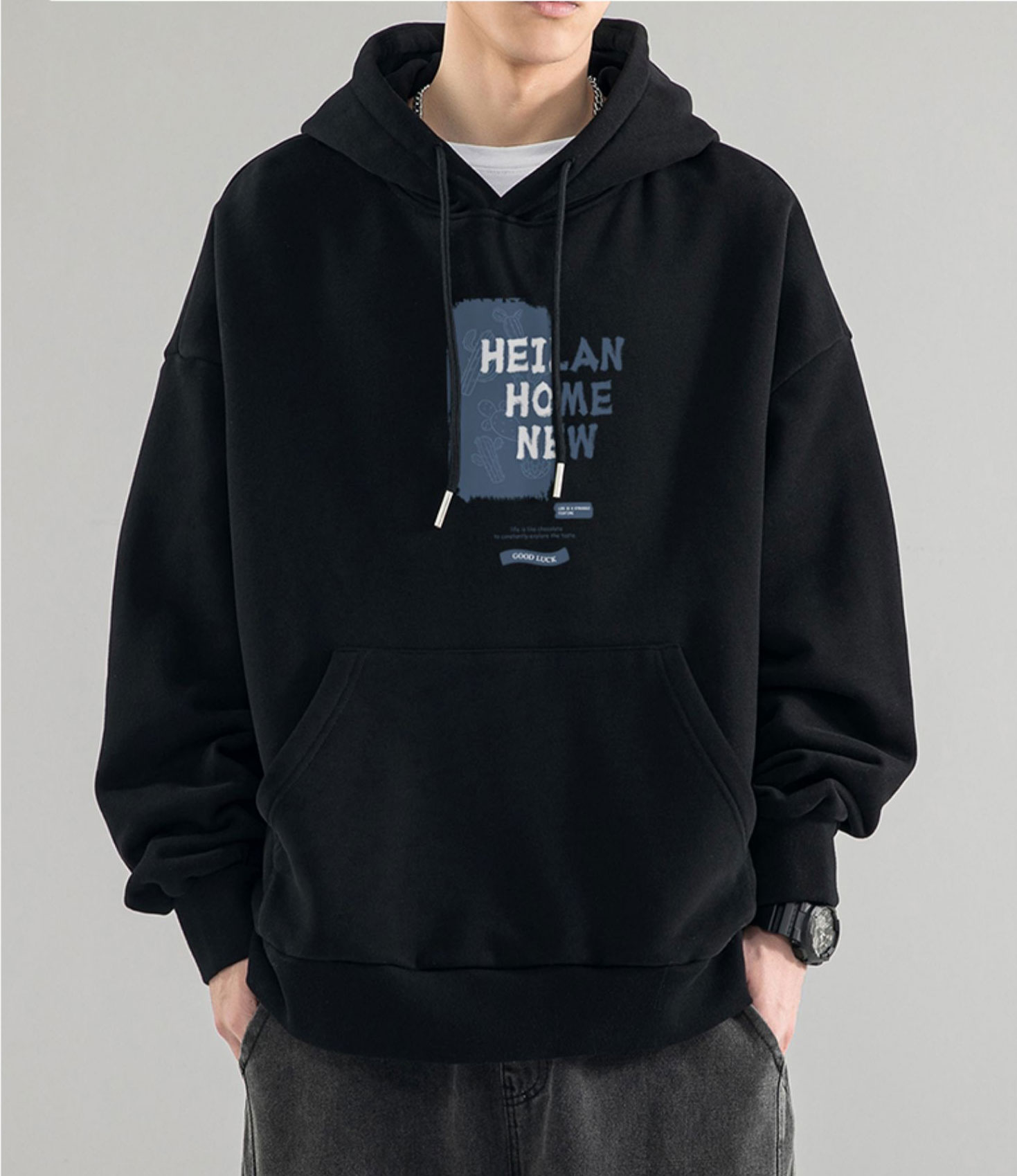
Single jersey has a smooth face and natural crosswise stretch; interlock is denser, more stable, and more opaque. Confirm finished width after shrinkage, because marker yield and panel proportions depend on it.
Performance Checks
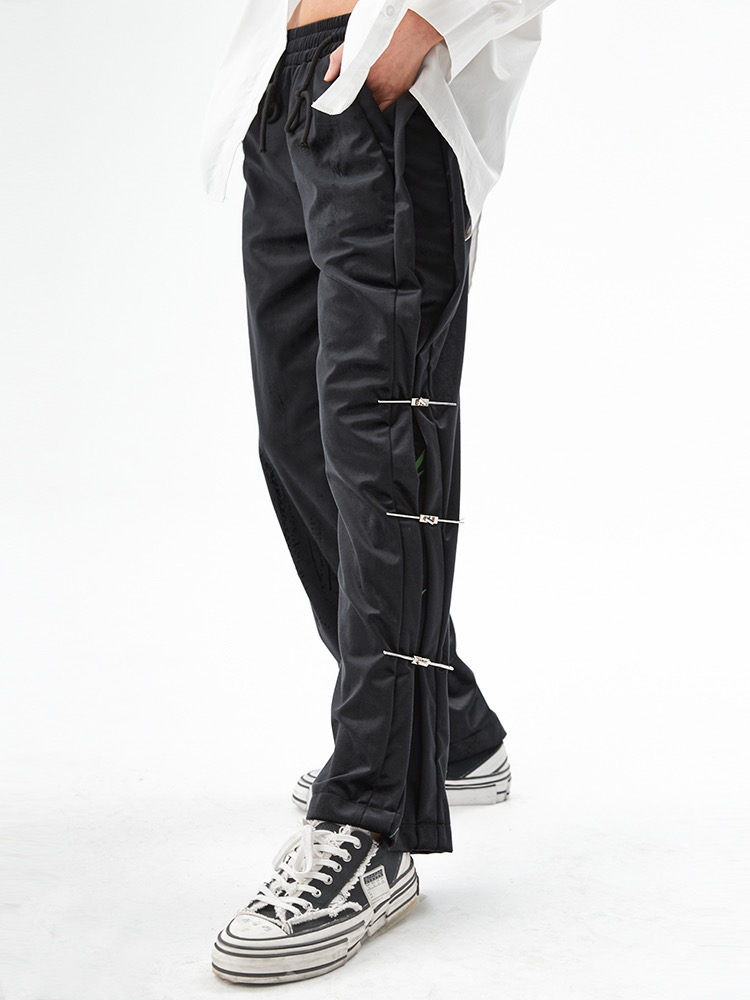
5% elastane can improve fit recovery, while higher stretch does not automatically mean better shape retention. Test wash shrinkage, pilling, colorfastness, and recovery on the approved fabric and decoration combination.
Material Selection Matrix
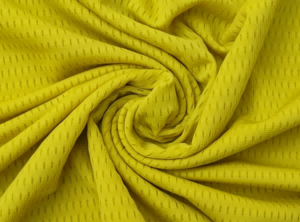
140–180 GSM suits light layers; 180–240 GSM adds coverage and structure. Ring-spun yarn generally gives a cleaner hand than open-end yarn, while viscose/modal blends increase softness and drape.
5. Customization From a Jersey Knit Clothing Manufacturer
A jersey knit clothing manufacturer should receive a production-ready customization brief before sampling. EDVORIN turns approved silhouette, grading, color, trim, and private-label decisions into repeatable bulk standards.
| Route | Best Base | Check Before Approval |
|---|---|---|
| Screen print | Cotton jersey | Ink hand and opacity |
| Embroidery | Stable jersey | Backing and puckering |
| Heat transfer | Smooth knit | Adhesion and stretch |
| Sublimation | Polyester jersey | Color yield and alignment |
Specify The Garment Standard
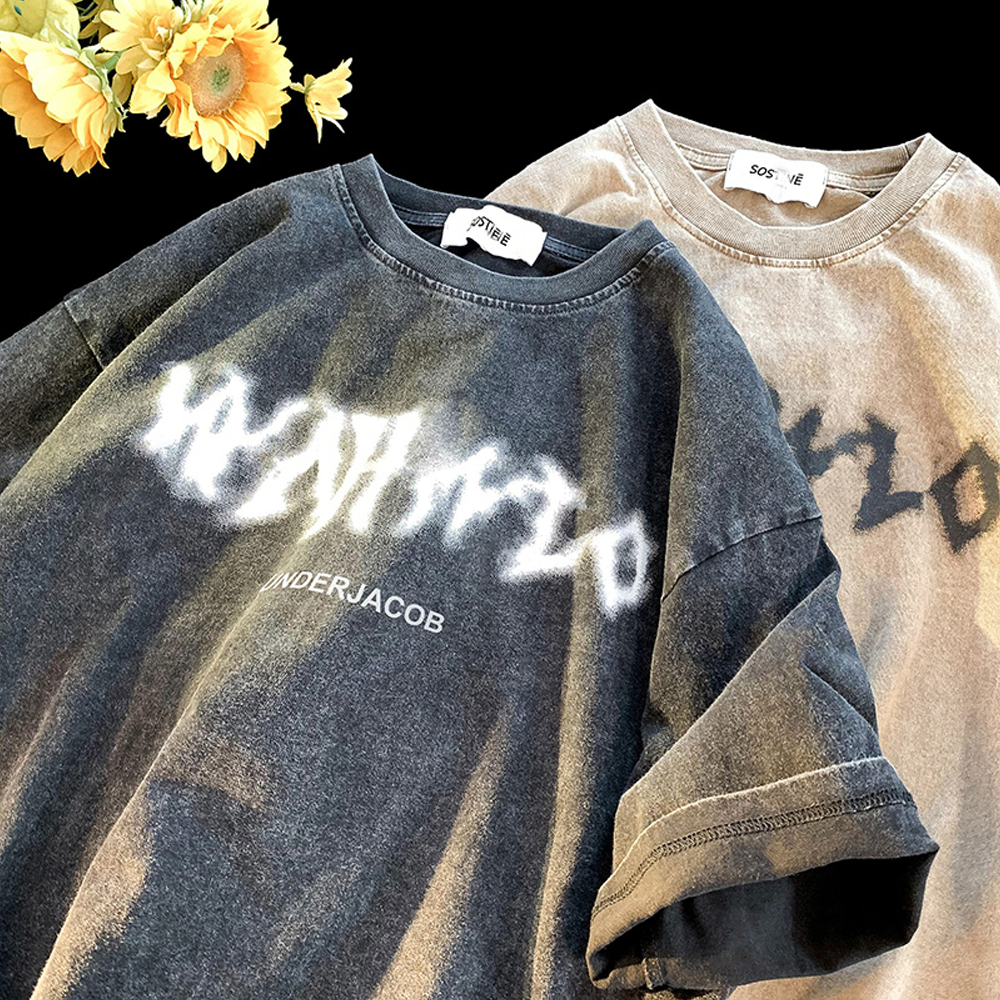
One tech pack should define silhouette, men’s or women’s fit block, size grading, Pantone colors, fabric-dyed versus garment-dyed finish, labels, neck tape, trims, and packaging.
Match Decoration To Fabric
Four routes cover most programs: screen print suits cotton graphics; embroidery needs stable backing; heat transfer suits detailed small runs; sublimation requires polyester-rich fabric.
Approve Physical References
One strike-off confirms color, ink coverage, hand feel, and placement before bulk. One approved size sample should also lock fit, label position, trims, and packing presentation.
6. Construction Details That Signal Quality
Two sample stages—pre-production and washed approval—should expose construction faults before bulk cutting. Jersey stretch makes stitch, seam, and recovery choices inseparable from intended movement.
Stitch And Seam Review
3 checkpoints matter first: even stitch density, seam type, and consistent seam allowance. Use overlock for enclosed jersey seams and coverstitch where a flexible hem must stretch without popped threads.
- Inspect skipped stitches and seam waviness
- Stretch seams by hand before approving
- Confirm seam allowances match the tech pack
Stress Point Inspection
2 high-stress zones are the neckline and shoulder. Check rib is evenly attached without twisting, returns after repeated stretching, and that shoulder tape or reinforcement supports the garment’s use.
- Match rib stretch to neck opening
- Check shoulder seams for puckering
- Verify stripes, panels, and labels align
Wash-Test Approval
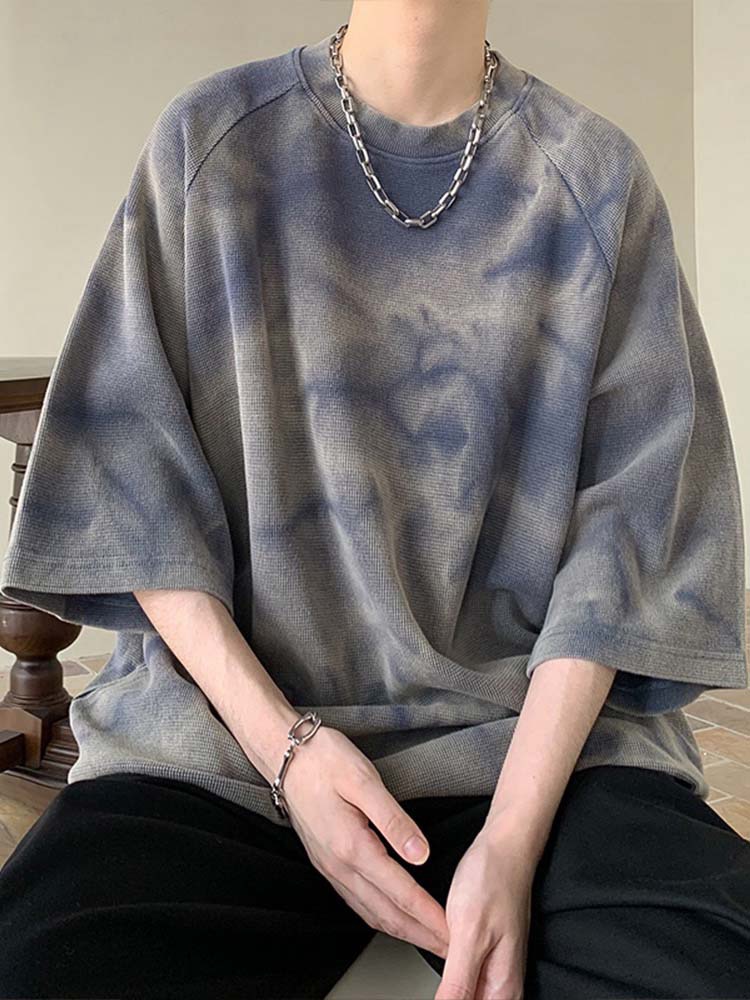
1 wash test should compare the garment against its approved measurements after care conditions are defined. Record shrinkage, torque, hem roping, loose threads, print condition, and measurement tolerances before releasing bulk production.
- Measure chest, length, and neck opening
- Check hems remain flat after washing
- Photograph defects for production reference
7. How to Choose a jersey knit clothing manufacturer
Compare every shortlisted factory against one written brief, not sales claims. For a 200-piece launch, a jersey knit clothing manufacturer should show how specifications move from development into repeatable bulk controls.
Match Product Experience
3 comparable samples reveal more than a capability list: inspect neckline recovery, seam stretch, print hand, wash change, and size consistency. Request references for similar T-shirts, jerseys, or performance programs.
Test Development Control
1 approved sample is insufficient without a revision record. Ask for the tech pack, measurement tolerance, Pantone reference, fabric composition and GSM, artwork placement sheet, and pre-production approval path.
Score Operational Evidence
EDVORIN’s MOQ starts at 200 pieces per style. 4 checkpoints make comparisons consistent: MOQ by color, confirmed capacity, inspection procedure, and shipping documents. Require dated lead-time milestones and any needed OEKO-TEX, GOTS, WRAP, or BSCI documentation in writing.
8. Common Jersey Knit Sourcing Mistakes
Eight recurring errors turn an otherwise viable jersey program into rework, late approvals, or inconsistent bulk output. A jersey knit clothing manufacturer needs measurable specifications, not visual references alone.
Specify Fabric Beyond Color
160 GSM can look similar across mills yet differ in hand, opacity, and yield. State composition, GSM, color standard, stretch recovery, and wash-shrinkage test; otherwise fit and replenishment consistency suffer.
Control Approval Documents
1 prototype proves construction, not bulk repeatability. Freeze measurements, tolerances, artwork placement, stitch details, and revision dates in a production-ready tech pack before approving a pre-production sample.
Price The Complete Program
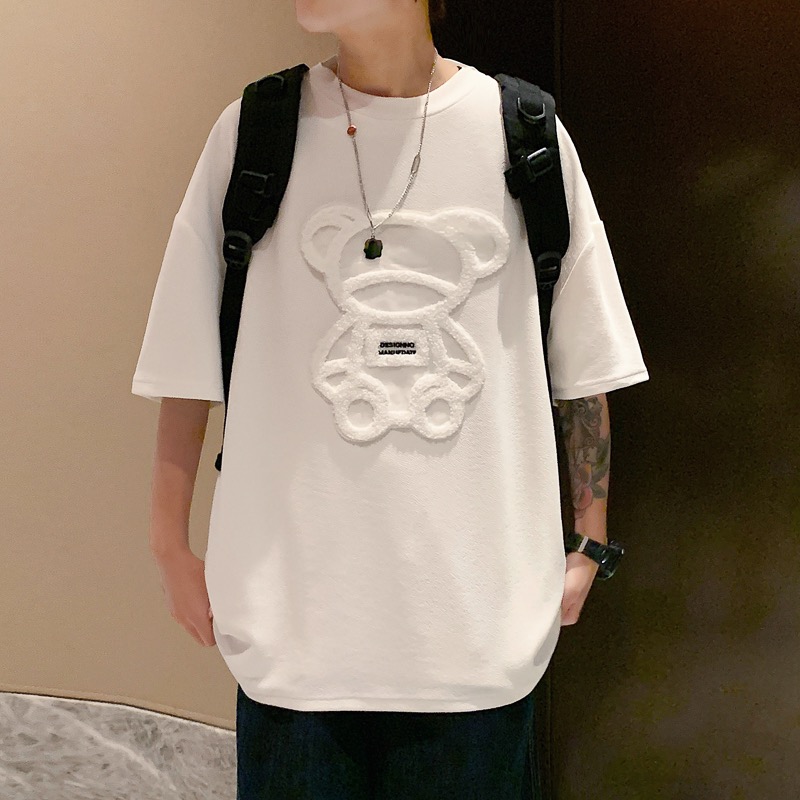
3 decoration variables—fabric, ink system, and print size—can cause cracking, dye migration, or poor hand feel. Test decoration on final fabric, specify labels and packing, and compare quoted cost with quality controls, lead time, and defect risk.
9. Launching a Jersey Knit Collection
Two approvals should separate development from production: one for fit and fabric, another for the production-ready sample. This sequence keeps a jersey knit clothing manufacturer aligned with the selling plan.
Define Buyer And Brief
First, define wearer, channel, size run, target retail price, and launch date. A fashion label may prioritize silhouette; a school needs roster counts and durable identification.
One brief should lock artwork, Pantone references, measurements, labels, and packaging before sampling. Private-label buyers should also assign approval owners and revision deadlines.
Approve Development Gates
One prototype tests fabric hand, construction, decoration, and wash response. Two fit rounds are often safer than changing a graded pattern after material booking.
Before cutting, approve a pre-production sample against the tech pack, placement map, and size set. Teamwear programs must freeze names, numbers, and sponsor artwork at this gate.
Produce Deliver Learn
During bulk production, use in-line measurement and decoration checks, then final inspection before packing. A 200-piece private-label run benefits from carton counts matched to size ratios.
Before dispatch, confirm carton marks, freight cutoff, destination documents, and buffer stock. After launch, record returns, fit comments, and reorder changes for the next brief.
10. Jersey Knit Clothing Manufacturing Costs
200-piece orders usually carry the highest unit cost because development, cutting setup, and approvals are spread across fewer garments. A jersey knit clothing manufacturer should quote each specification in writing, not a generic per-piece figure.
3 cost buckets deserve separate review: product, development, and delivery. Fabric composition and GSM, pattern complexity, decoration, trims, labels, packaging, sampling, and freight can change the result at every tier.
| Illustrative order tier | Unit-cost direction | Typical lead-time direction | Main cost drivers |
|---|---|---|---|
| 200–499 pieces | Highest | Longer per unit | Sampling, custom fabric, decoration |
| 500–999 pieces | Moderates | More efficient | Colorways, trims, labels, packaging |
| 1,000+ pieces | Lowest potential | Bulk scheduling required | Fabric yield, repeat artwork, freight |
Request a Jersey Knit Clothing Manufacturer Quote
Send your tech pack, reference garment, or collection concept for a jersey knit sample plan and production quote from 200 pieces per style.