
Fleece Clothing Manufacturer for Repeatable OEM Collections
EDVORIN develops production-ready hoodies, sweatshirts, joggers, and coordinated fleece programs from approved standards, with MOQ starting at 200 pieces per style.
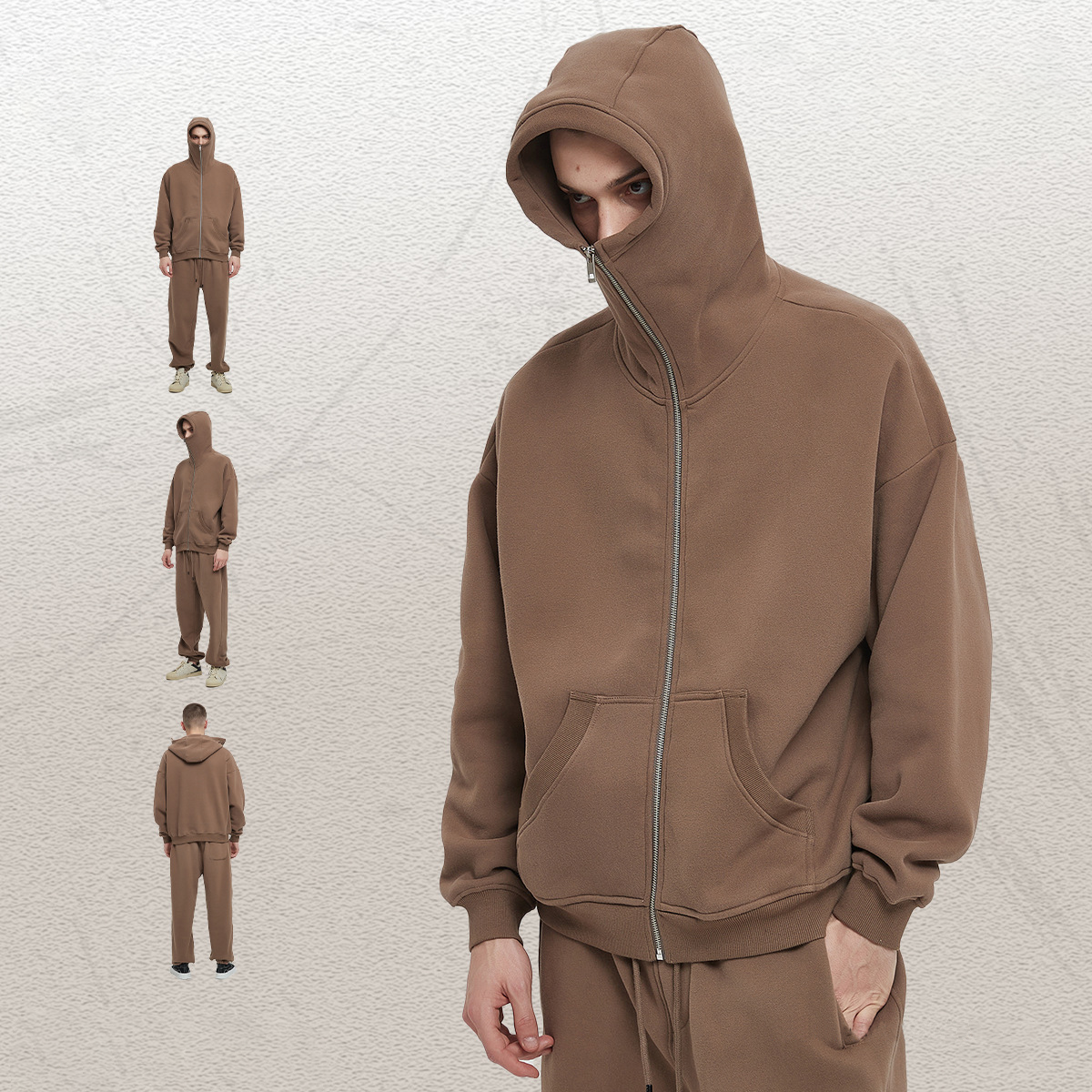
Featured Fleece Materials and Product Details
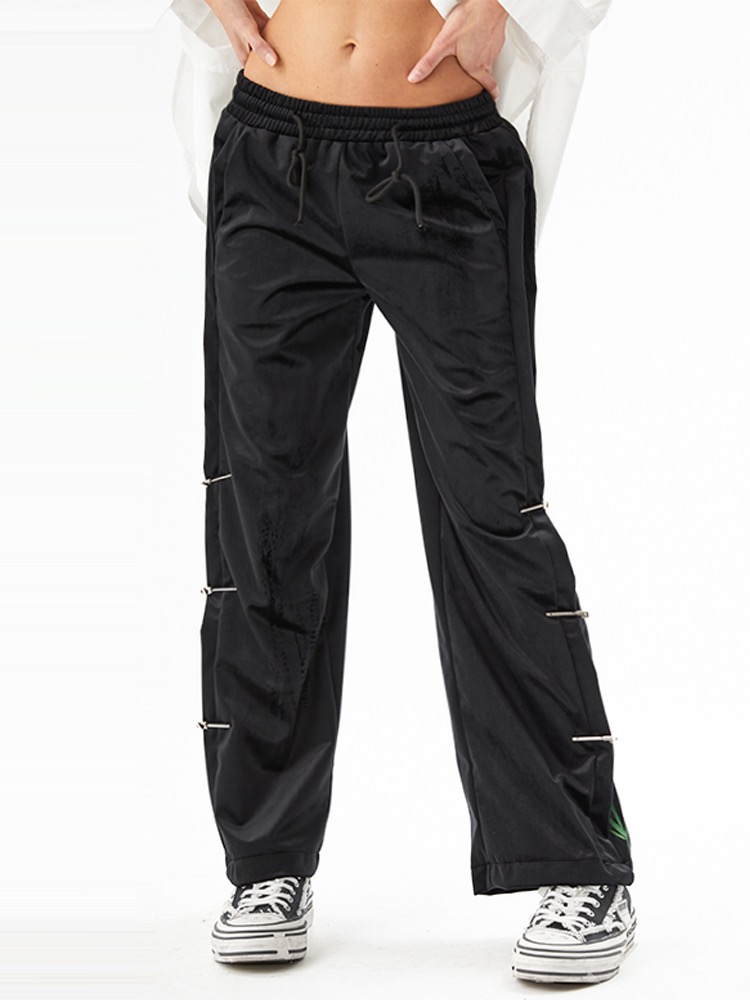
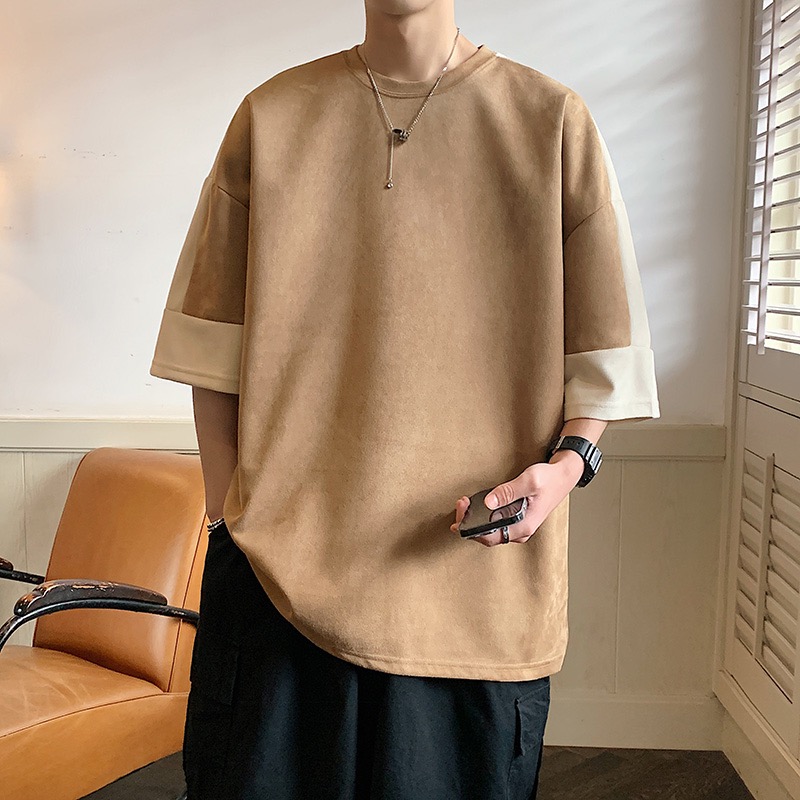
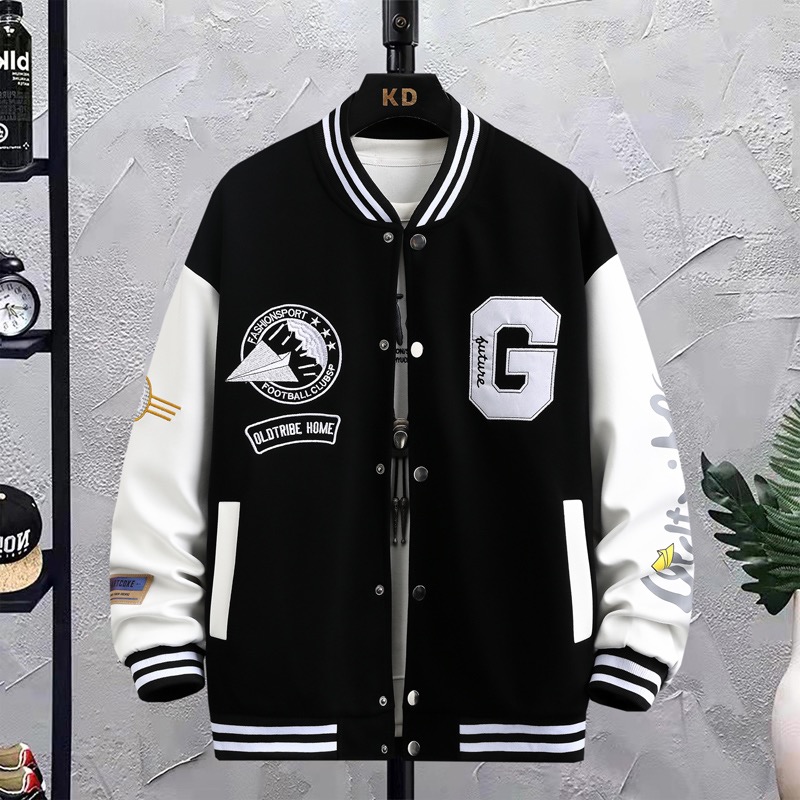
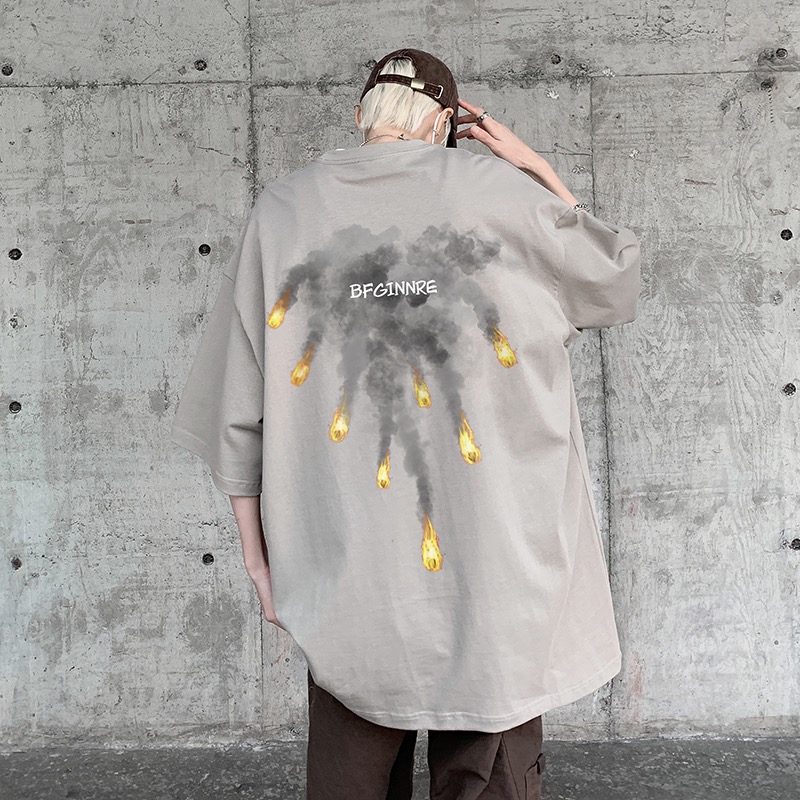
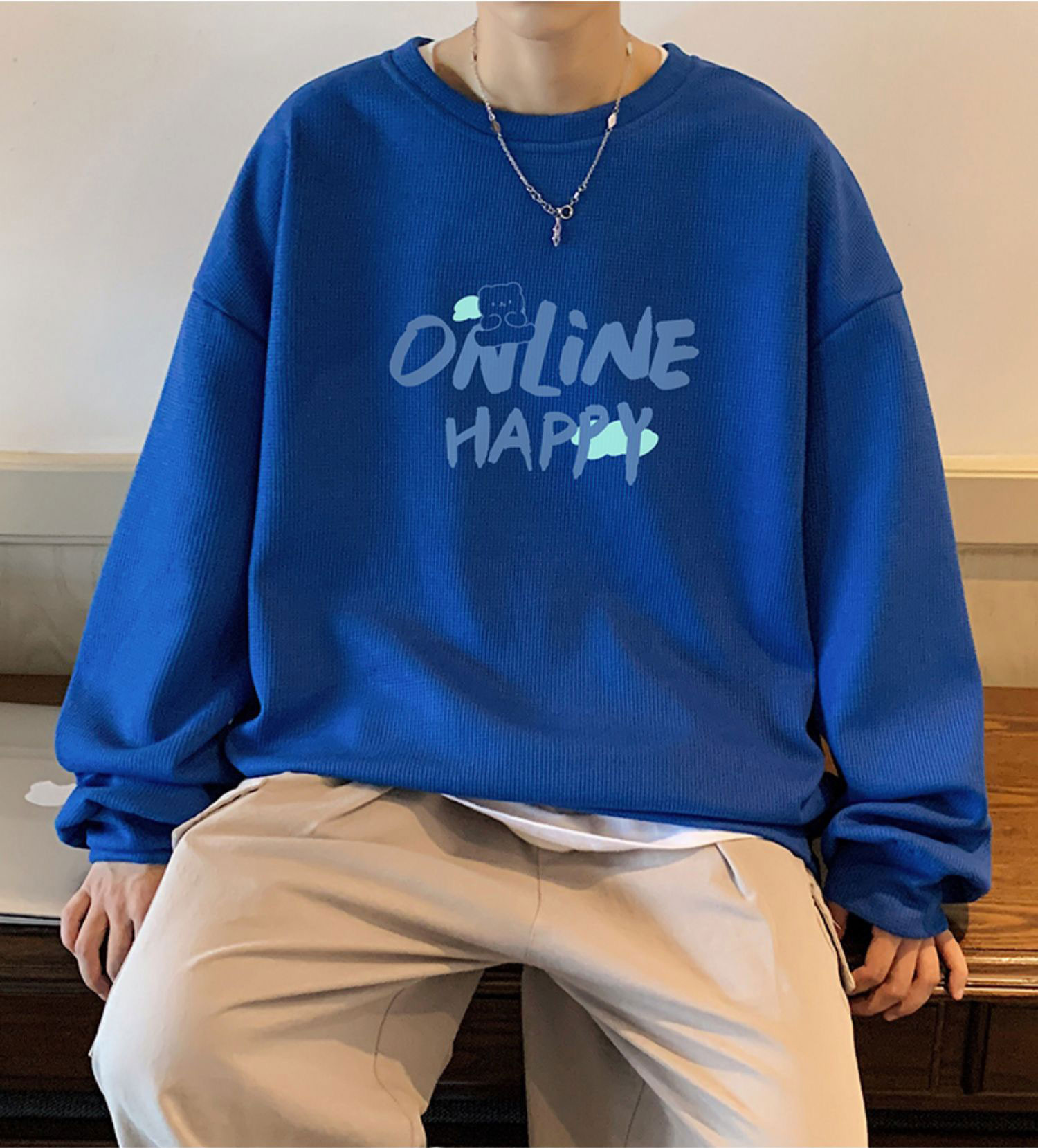
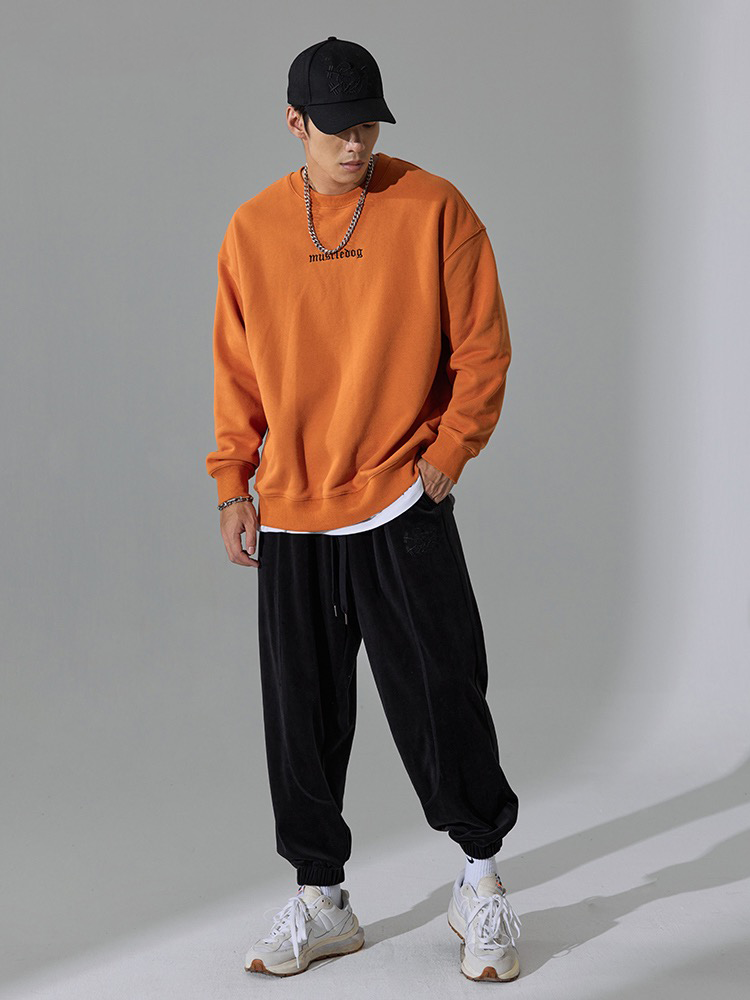
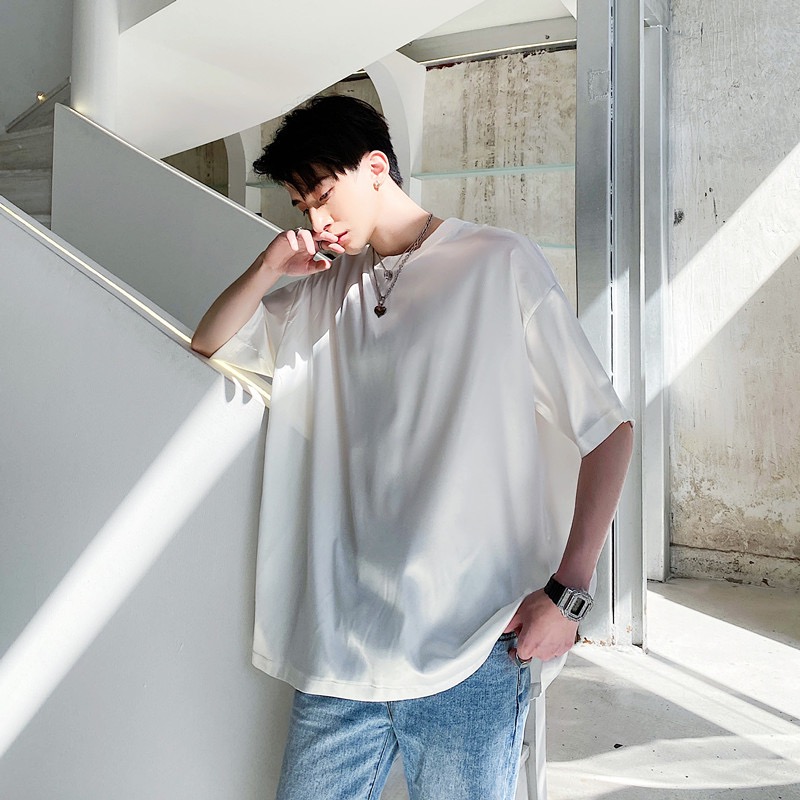
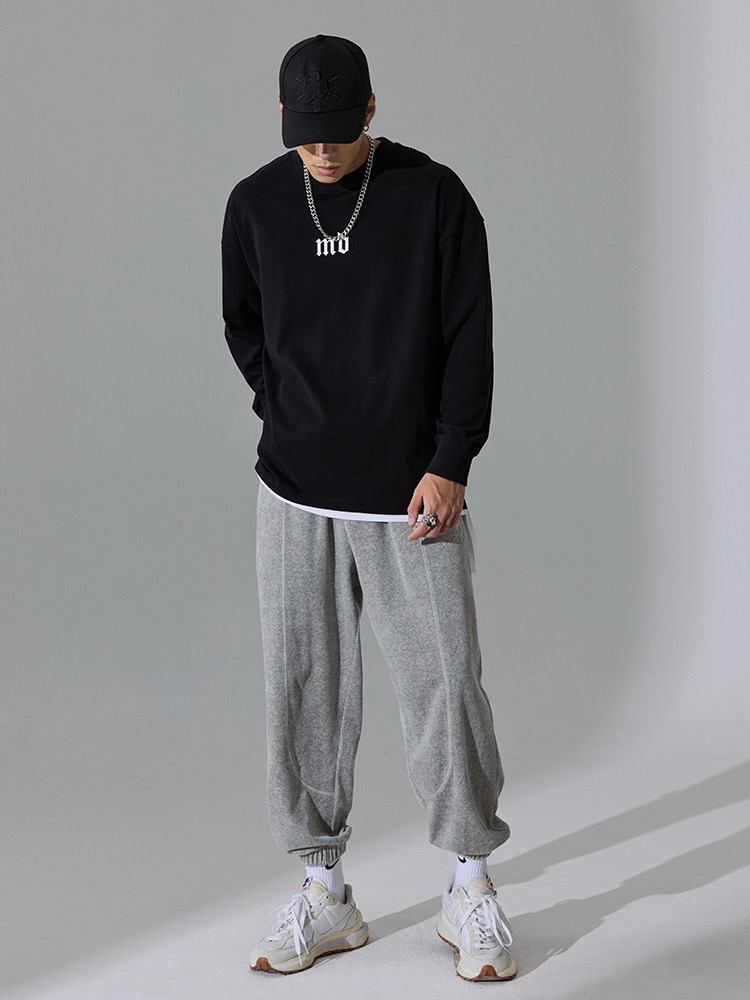
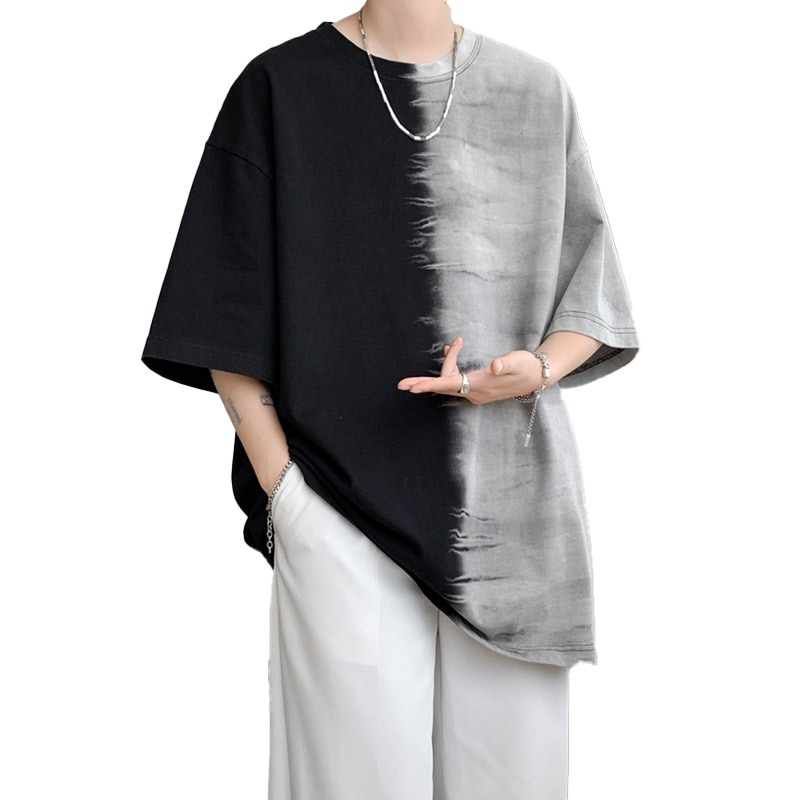
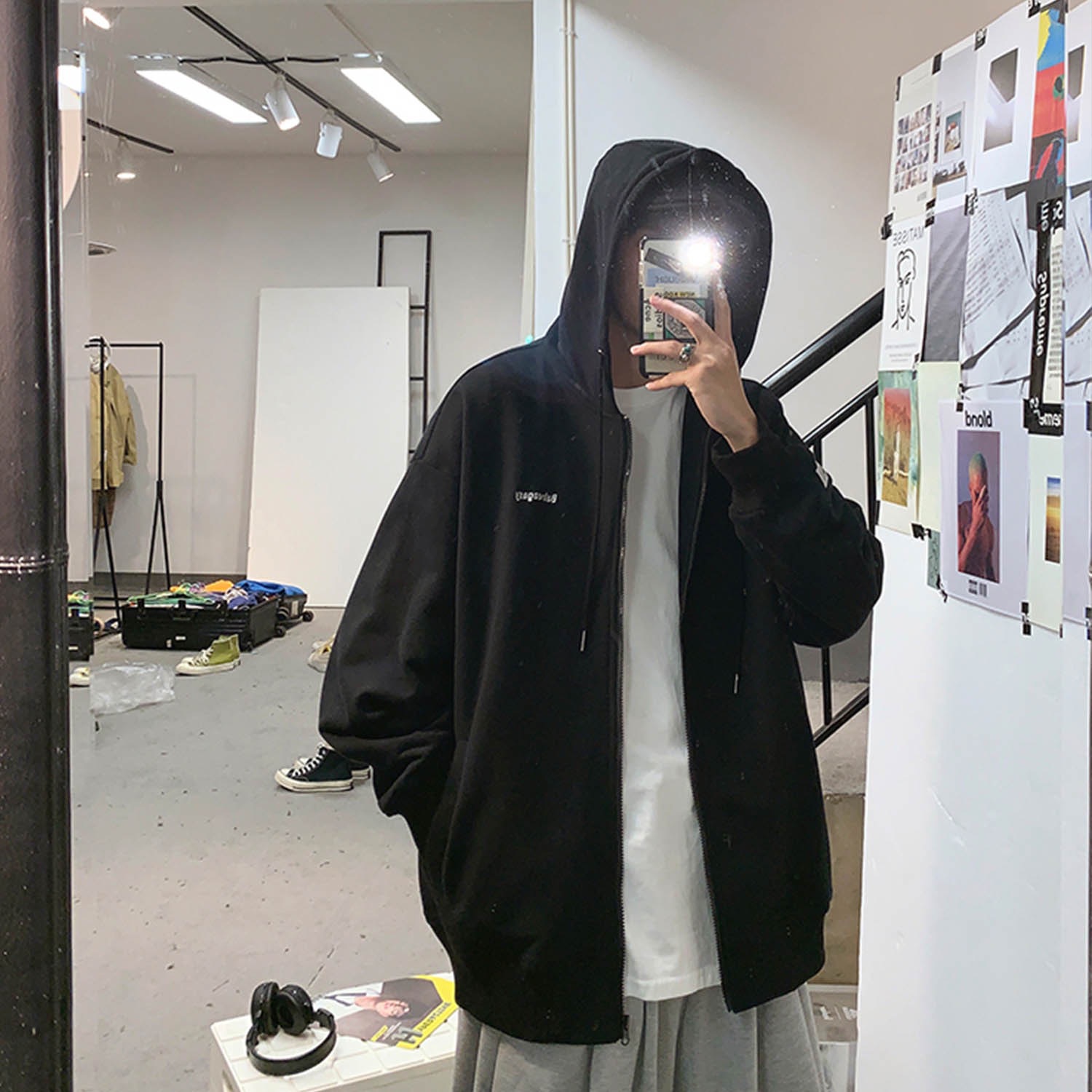
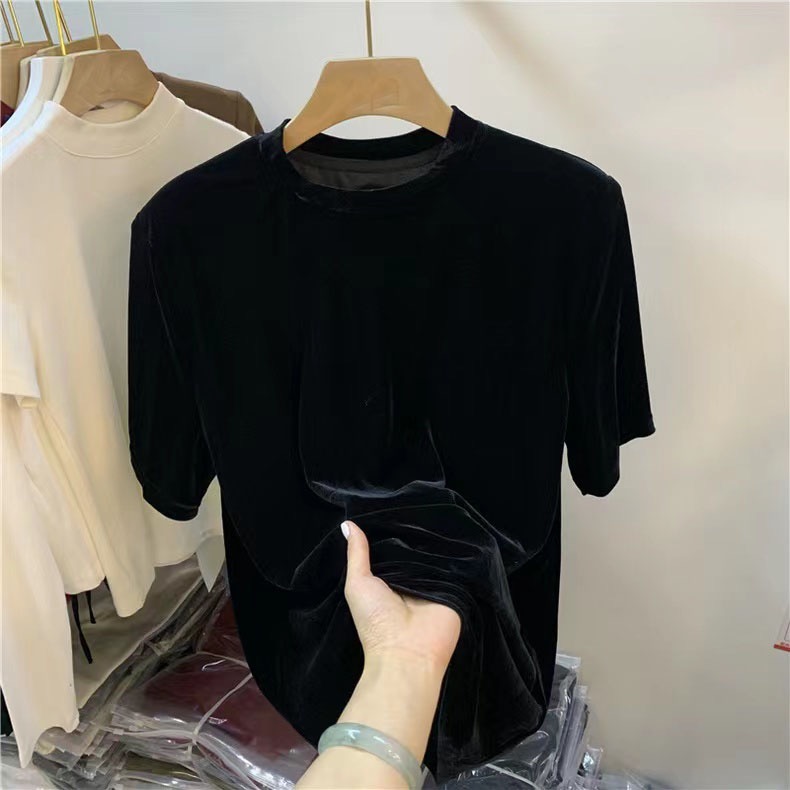
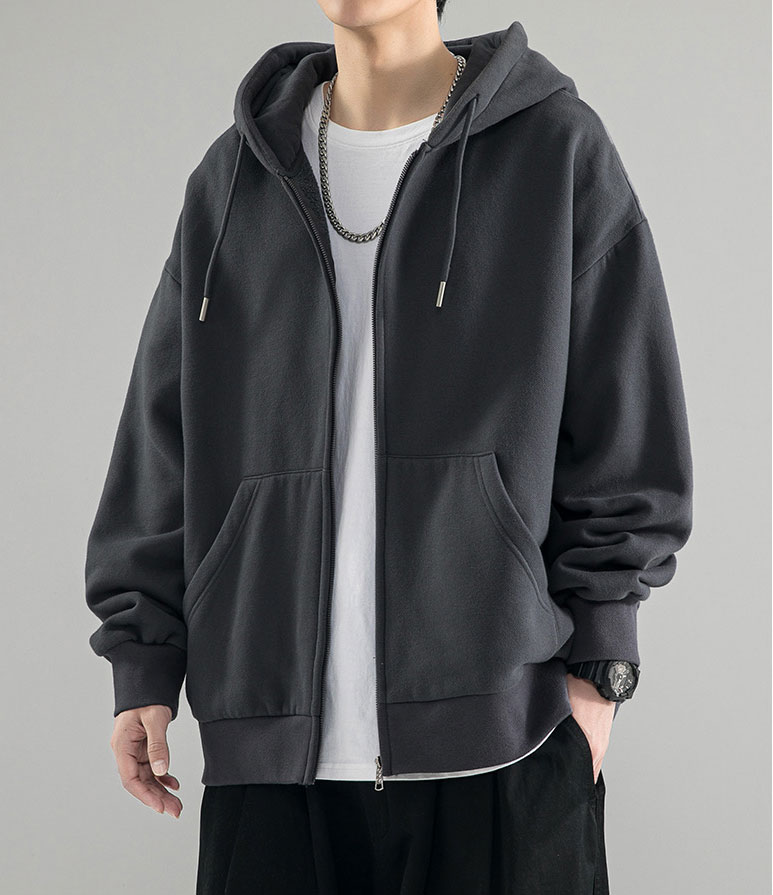
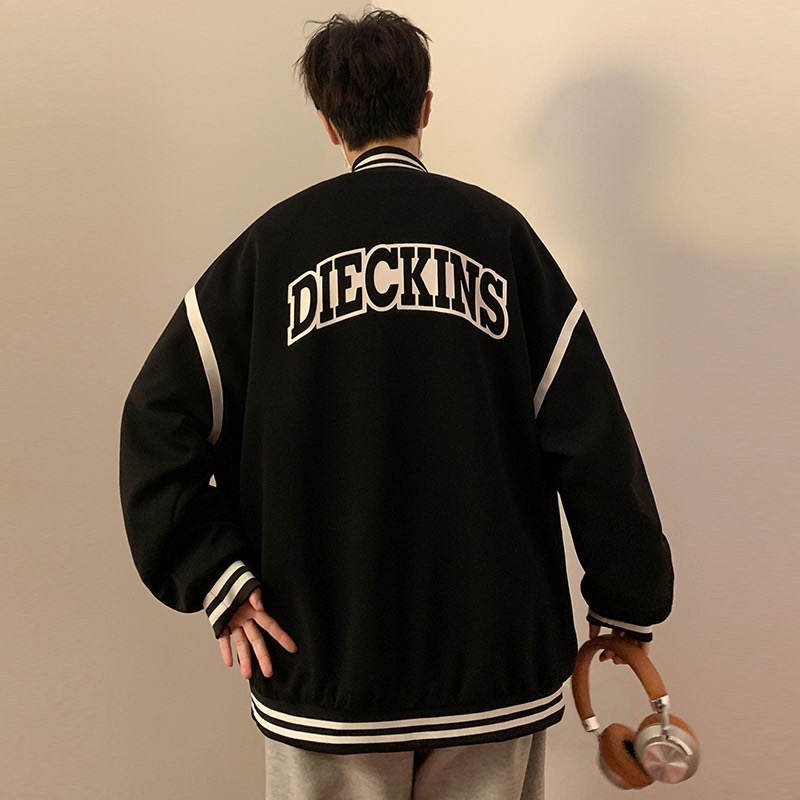
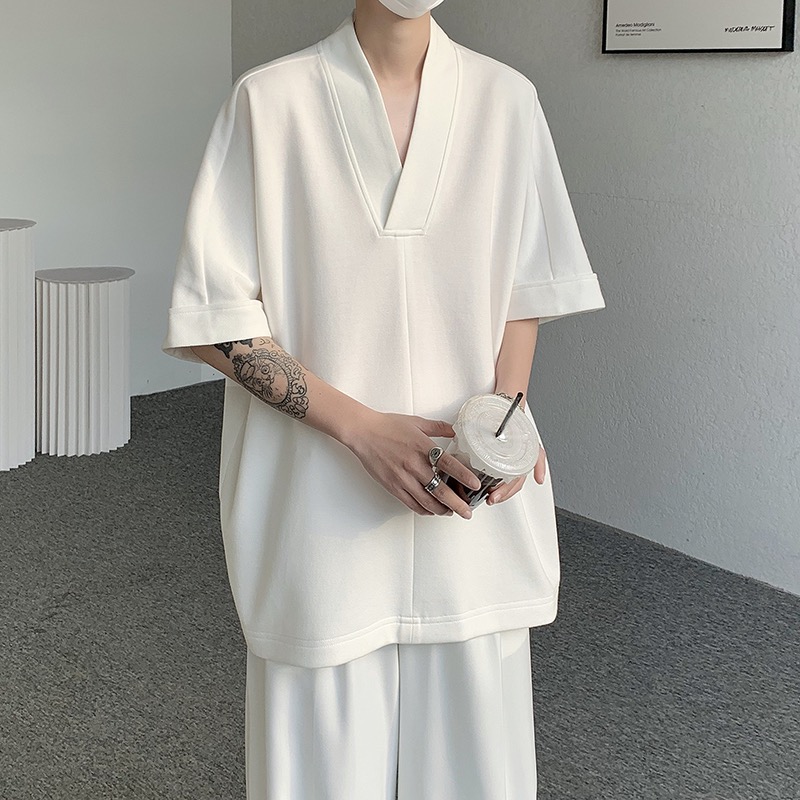
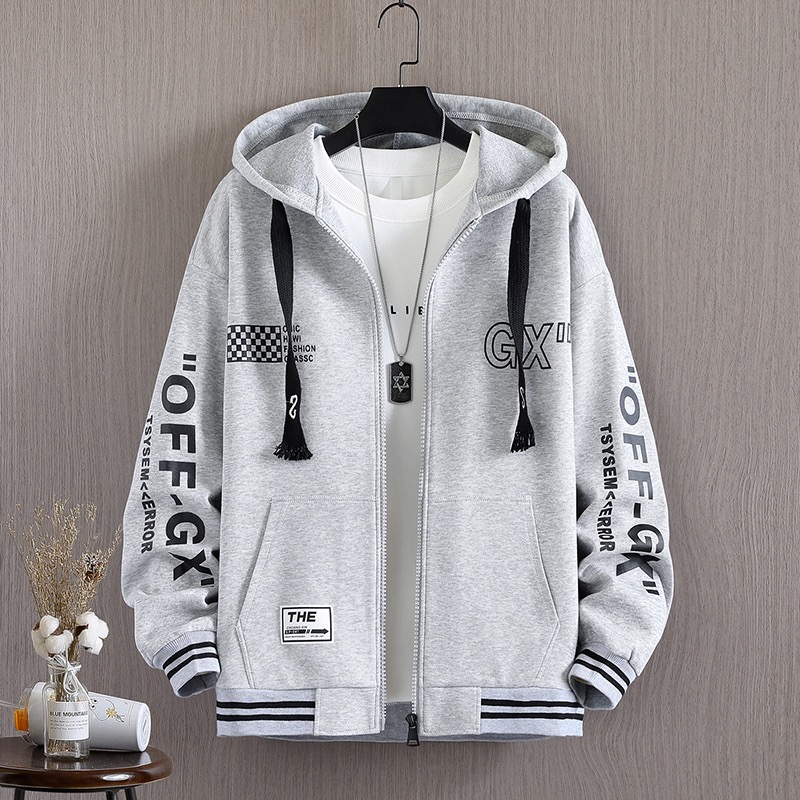
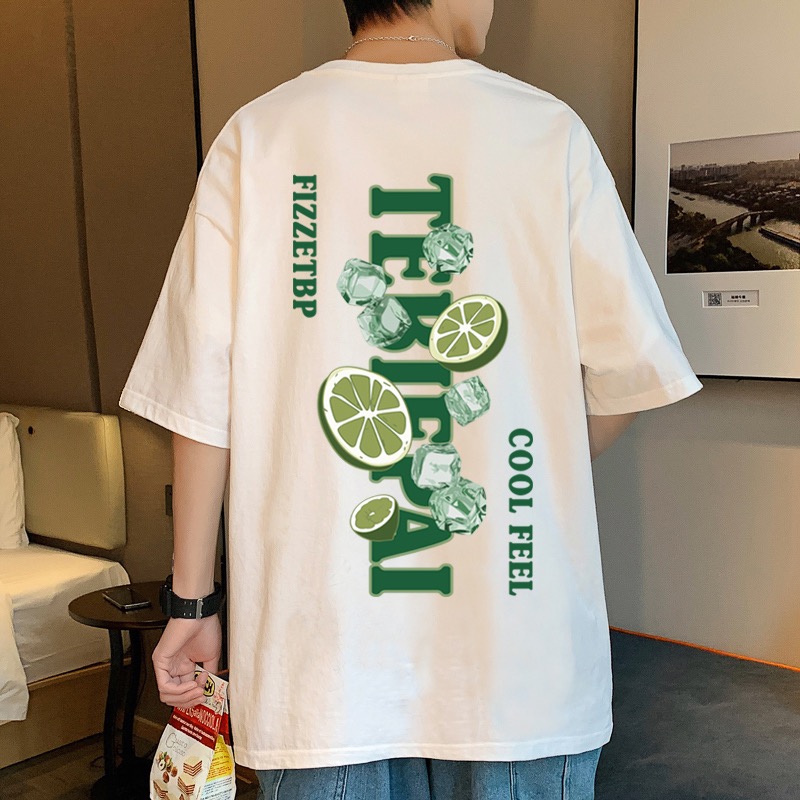
Fleece Clothing Manufacturer Capabilities That Protect Your Standard
EDVORIN connects development decisions to documented bulk-production controls, so your fleece program stays true to the approved product.
Fabric Selection
Choose fleece weight, composition, hand feel, rib pairing and wash direction around the intended fit, season and end use.
Fit Development
Turn sketches, reference garments or tech packs into reviewed patterns, measurement standards and graded men’s or women’s fleece styles.
Decoration Coordination
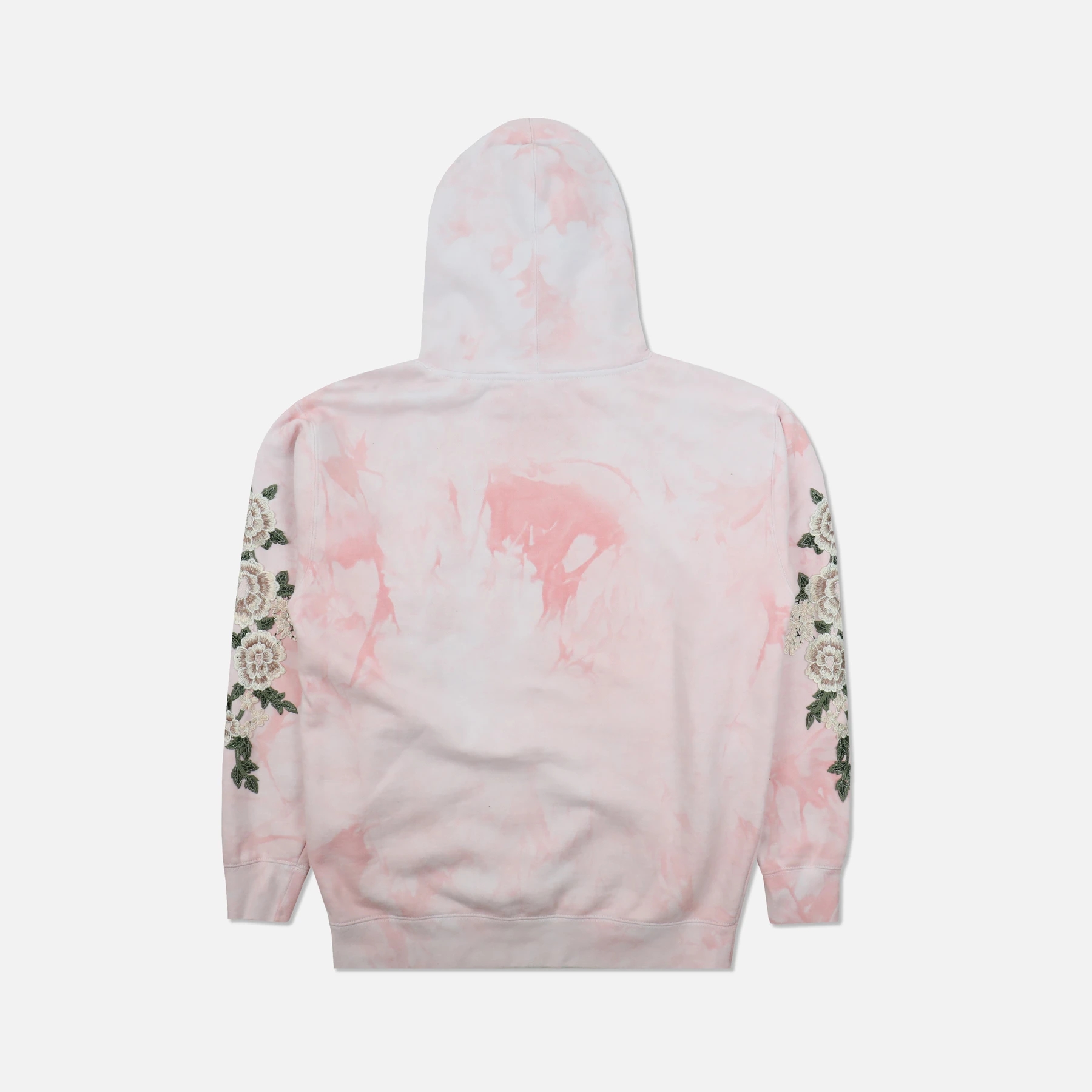
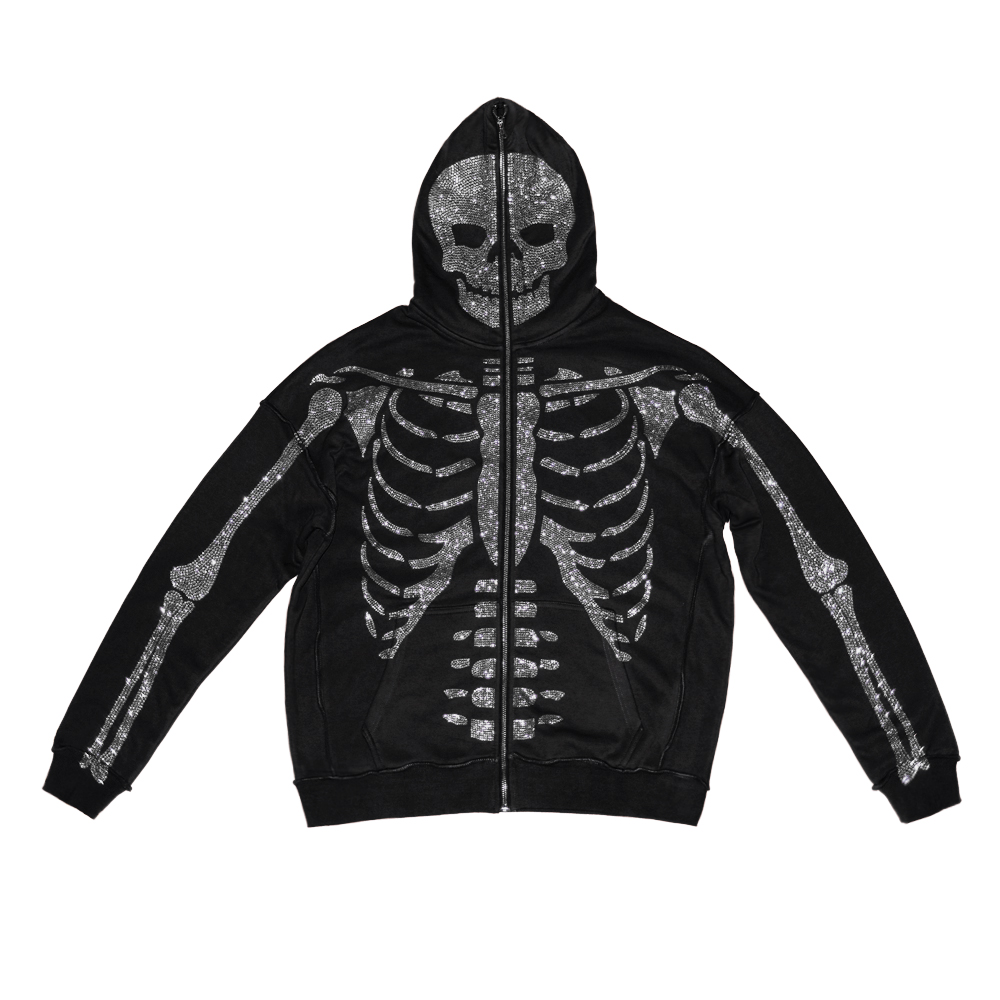
Align printing, embroidery, patches and appliqué with fabric behavior, placement specifications and the visual requirements of your collection.
Approved Sample Control
Use the approved sample as the production reference for construction, measurements, materials, decoration details and finishing across bulk orders.
Labeling and Packaging
Coordinate neck labels, care labels, hangtags, folding and packaging details so finished fleece garments arrive ready for your sales channel.
Fleece Manufacturing and Product Capabilities
Compare adjacent product categories, construction options and decoration methods for fleece programs, coordinated collections and teamwear development.
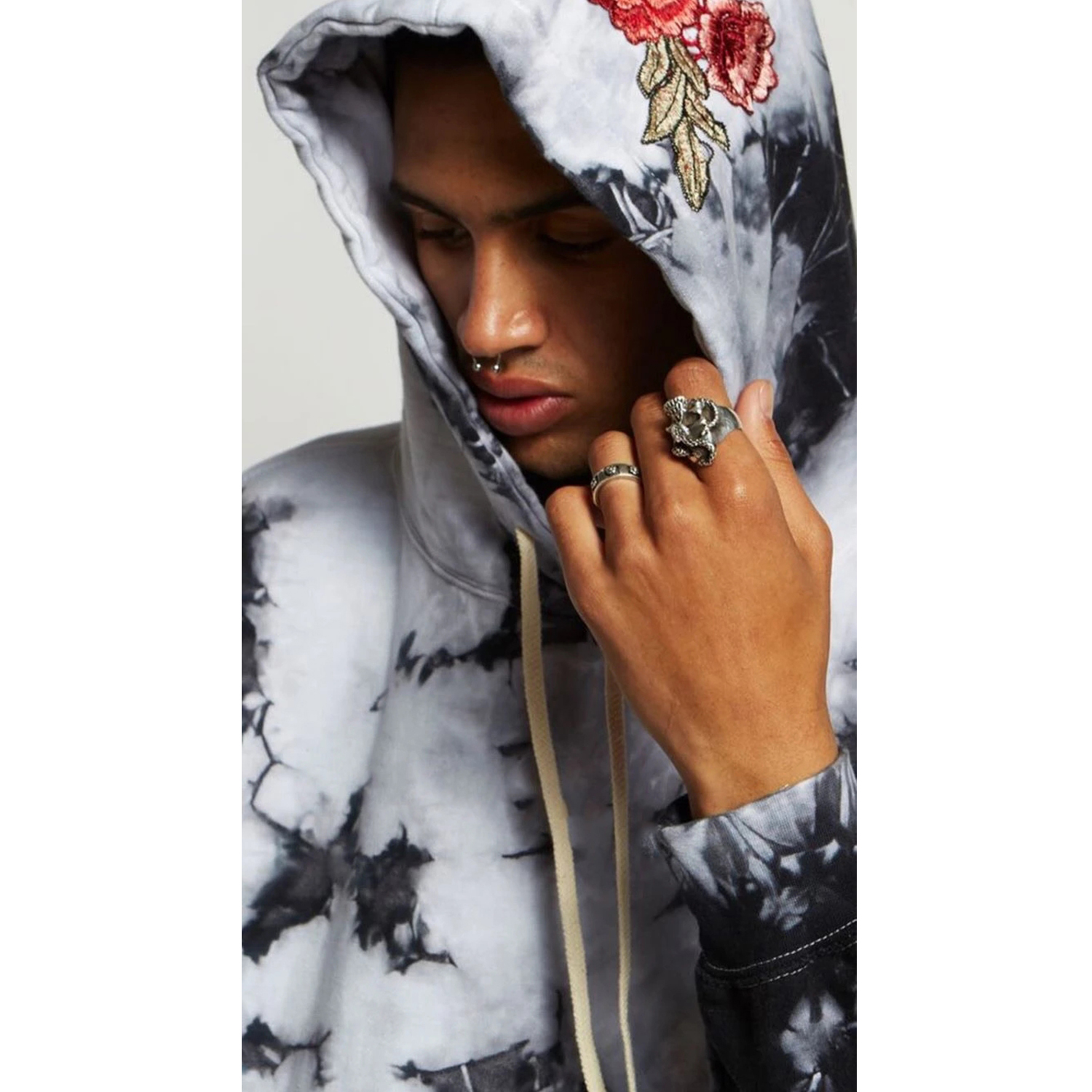
Custom Hoodies
Custom hoodie manufacturer support includes fleece selection, hood construction, rib specifications, drawcords, pockets, screen printing, embroidery and wash options. Approved samples document fit, measurements and artwork placement before bulk production.
Get a Quote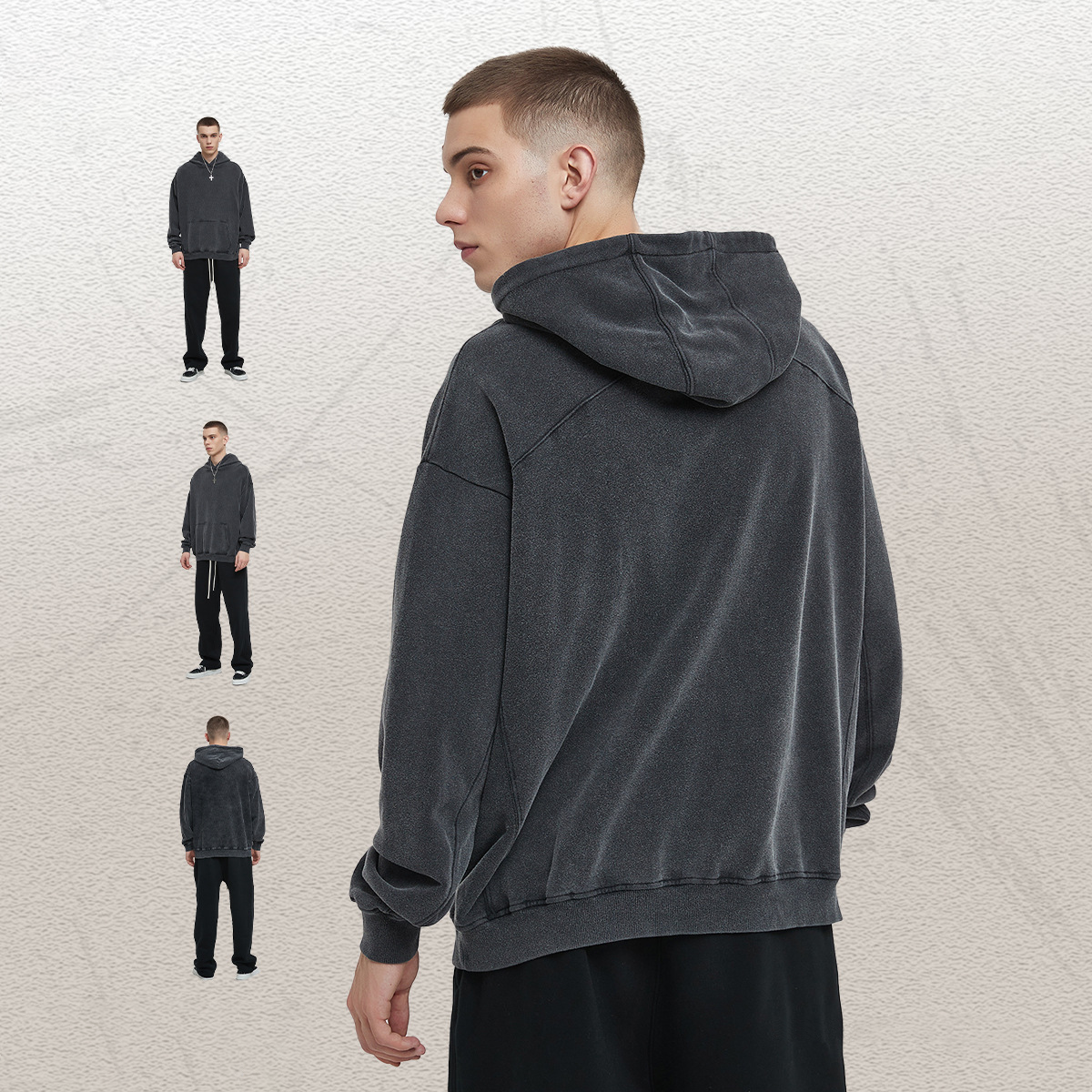
Pullover Sweatshirts
As a sweatshirt manufacturer, EDVORIN develops crewnecks and pullover styles with specified fleece weights, neck ribs, cuffs, hems, seams and decoration methods. Men’s and women’s fit blocks can be developed from the same collection direction.
Get a Quote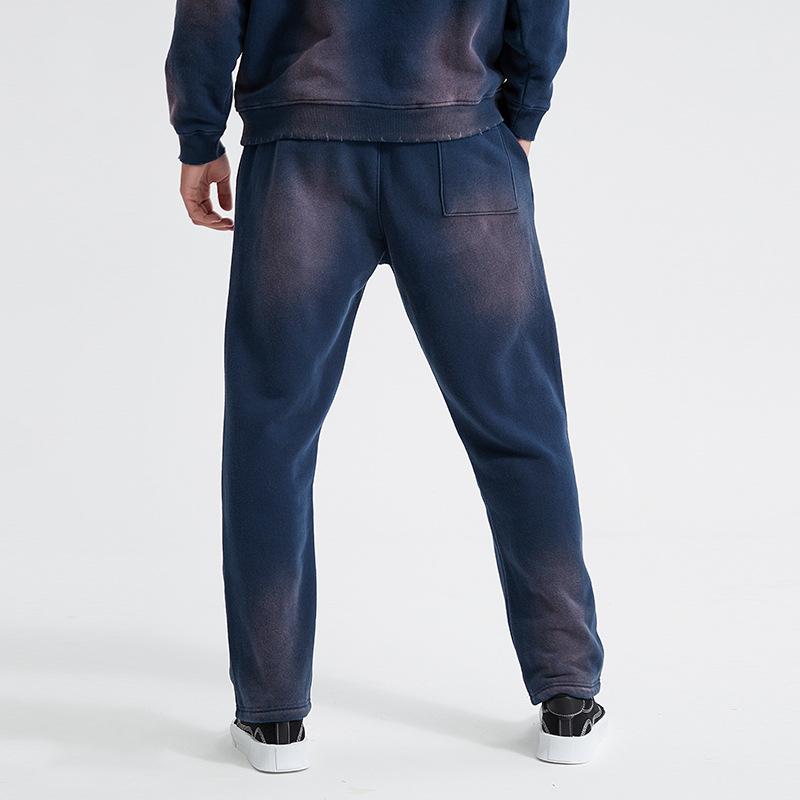
Sweatpants & Joggers
Sweatpants manufacturer services cover joggers, open-hem pants and coordinated fleece bottoms. Development can include fabric weight, elastic waistbands, drawcords, pocket construction, rib cuffs, grading and matched color standards for sets.
Get a Quote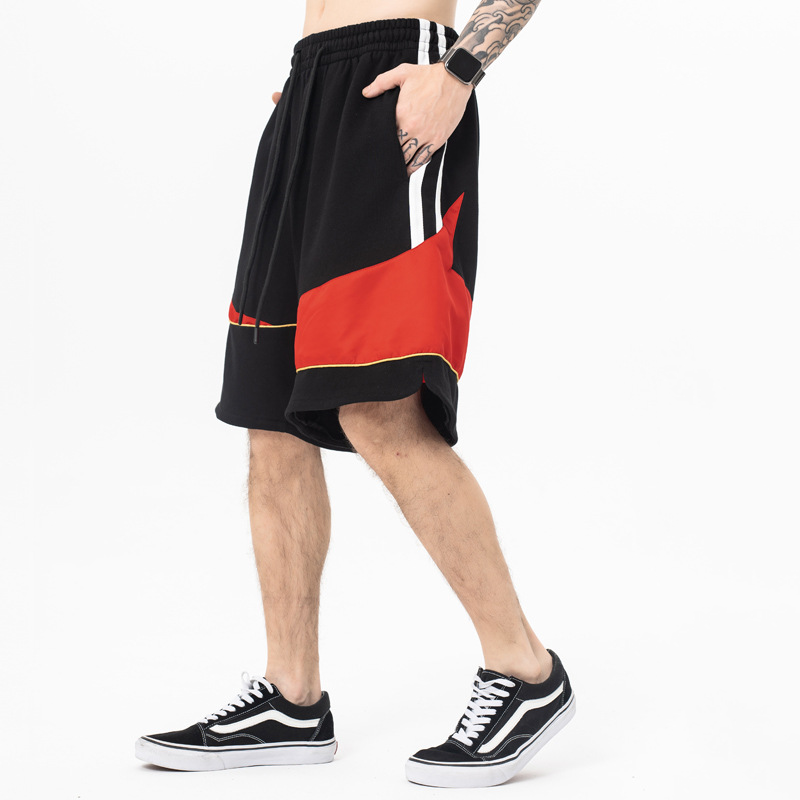
Custom Shorts
Custom shorts manufacturer programs include fleece, jersey and woven short constructions. EDVORIN coordinates inseam, waistband, pockets, mesh or lining requirements, decoration placement, labels and packaging for brand, wholesale and private-label orders.
Get a Quote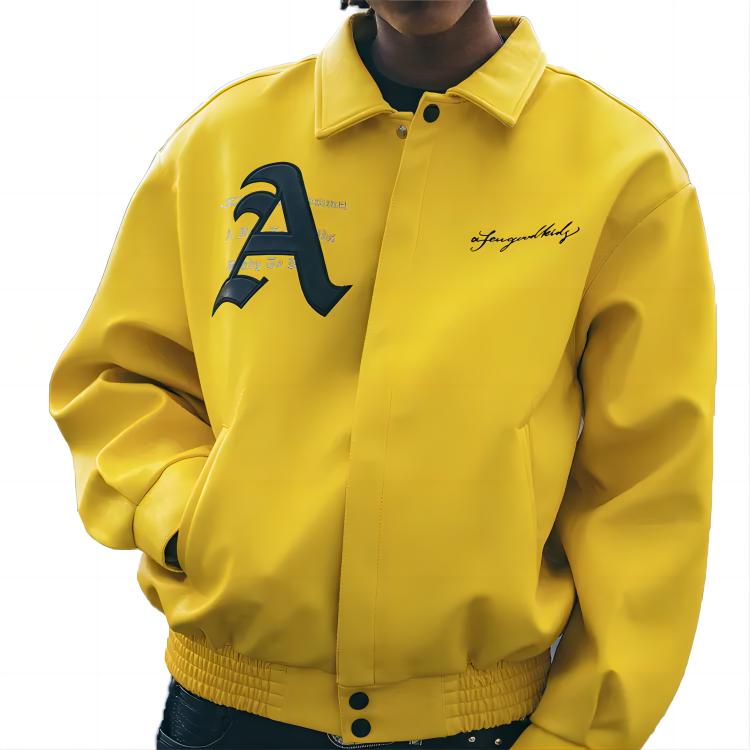
Varsity & Baseball Jackets
Varsity jacket manufacturer development coordinates body and sleeve materials, rib trim, snaps, lining, patches, embroidery and chenille applications. Construction details are documented during sampling to support consistent repeat orders.
Get a Quote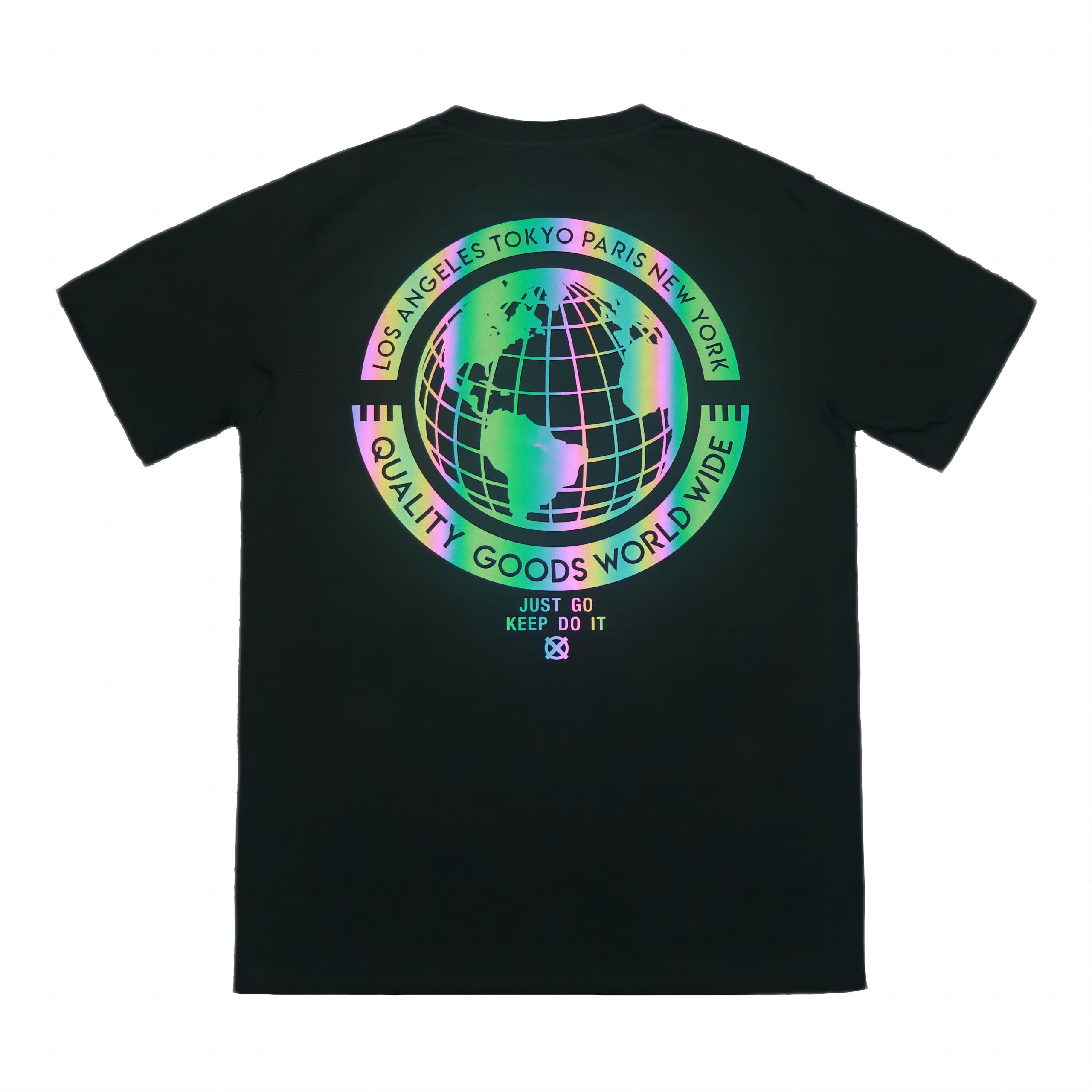
Custom T-Shirts
Custom T-shirt manufacturer services cover jersey weight, neckline construction, fit, sleeve proportions, print compatibility, embroidery placement, labels and wash finishing. Programs can be developed for men’s and women’s assortments.
Get a Quote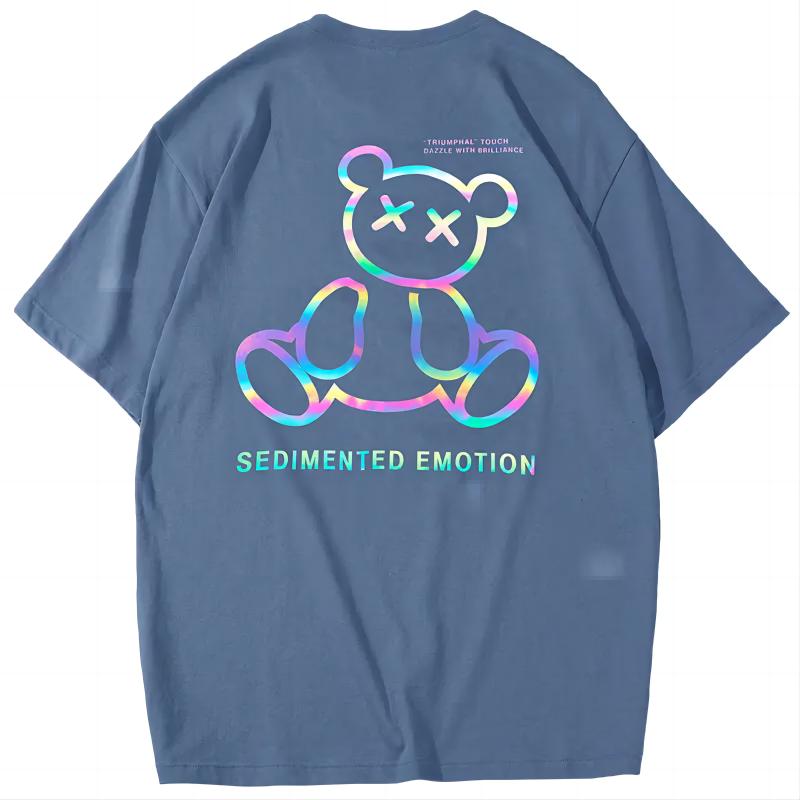
Custom Polo Shirts
Polo shirt manufacturer programs include pique or jersey fabrics, collar and placket construction, buttons, cuffs, embroidery, printing and color matching. EDVORIN supports uniform, corporate, retail and private-label specifications.
Get a Quote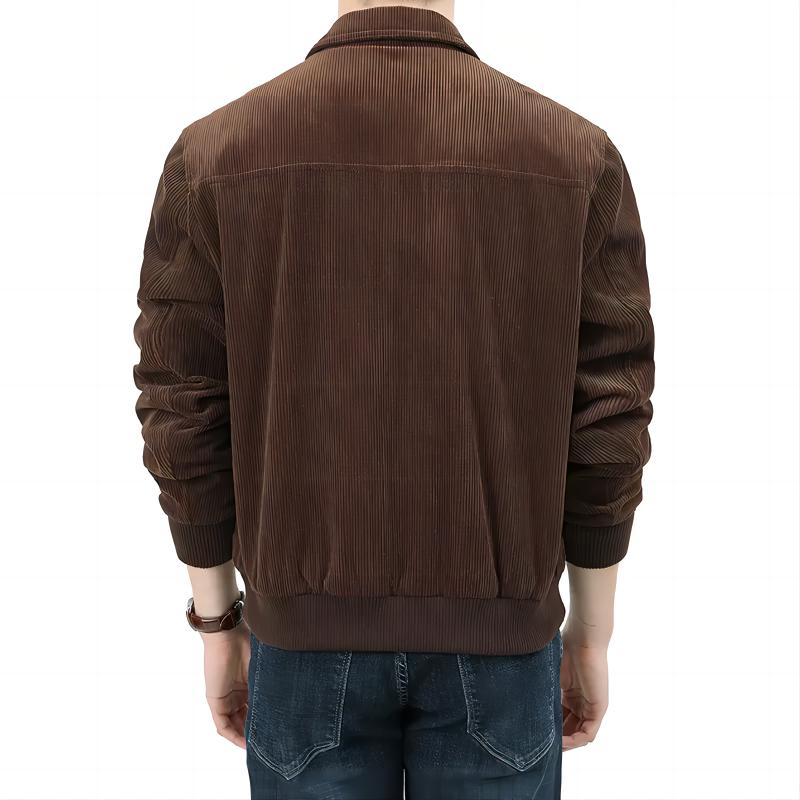
Windbreaker Jackets
Windbreaker manufacturer development covers shell fabric, mesh or lining options, zippers, hoods, pockets, elastic details, water-repellent requirements and decoration methods. Samples verify construction and print or embroidery compatibility before production.
Get a Quote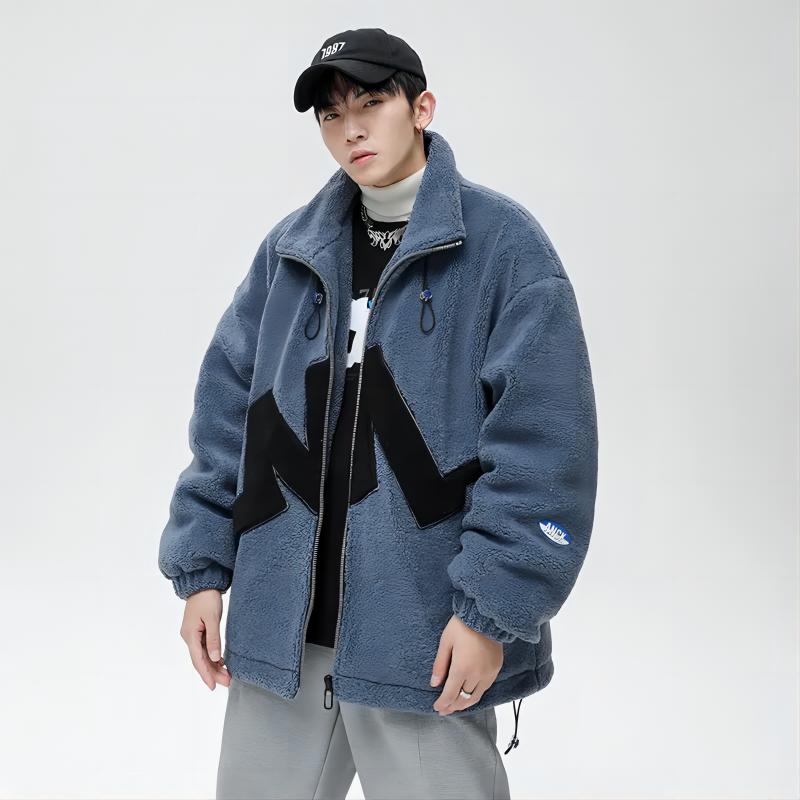
Quilted Jackets
Quilted jacket manufacturer services coordinate shell fabric, insulation, lining, quilt patterns, binding, zippers, pockets and labels. EDVORIN develops samples to confirm bulk-ready construction, warmth requirements and finish quality.
Get a Quote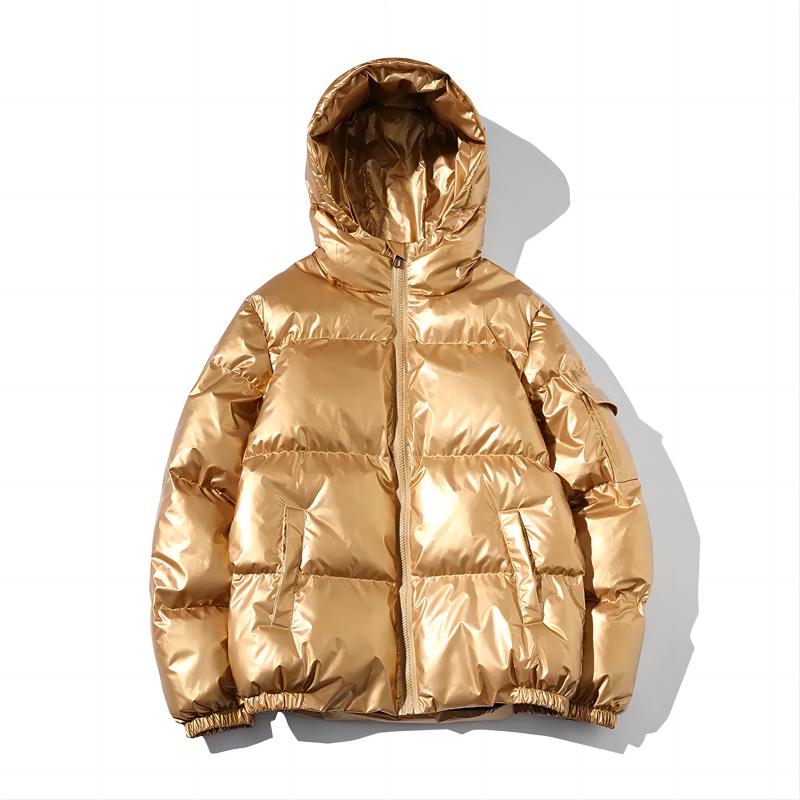
Bomber Jackets
Bomber jacket manufacturer programs cover shell and lining selection, rib collar, cuffs and hem, zipper or snap closures, pocket construction, insulation and decoration. Material and trim choices are reviewed against the intended fit and market.
Get a Quote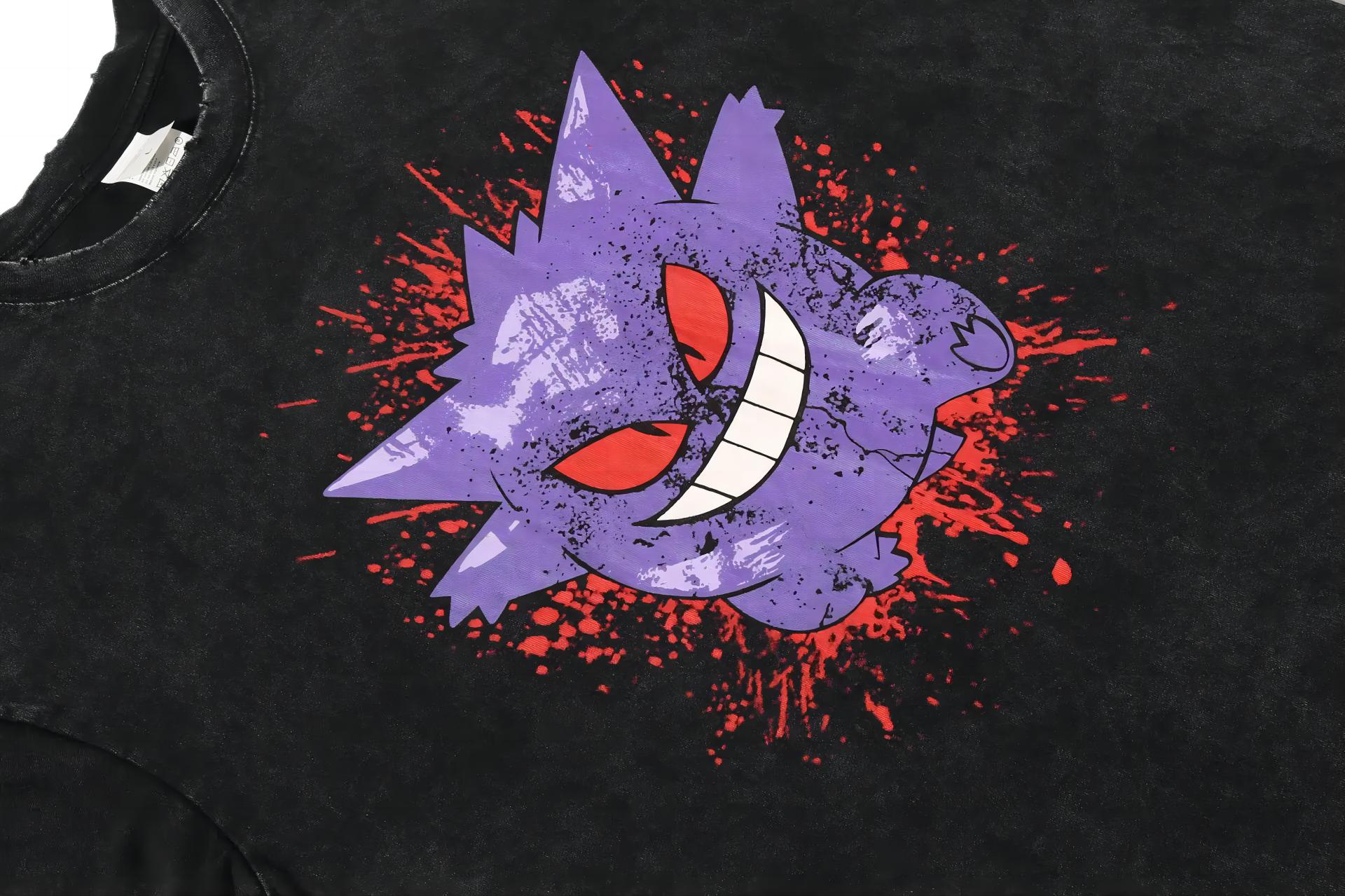
Custom Shirts
Custom woven shirt manufacturer development includes fabric selection, collar and placket construction, buttons, pockets, sleeve details, fit blocks, embroidery and labels. Specifications can be adapted for casual, uniform and private-label shirt programs.
Get a Quote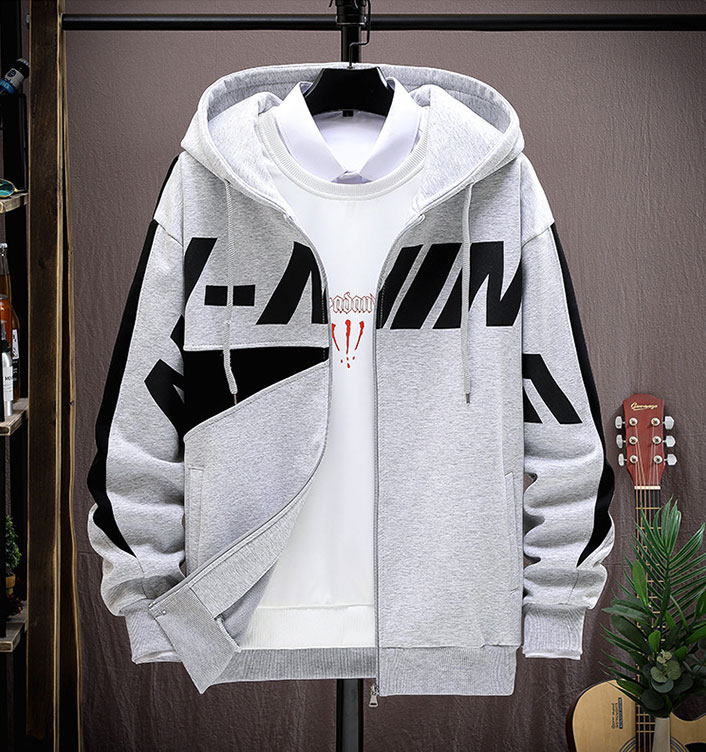
Custom Jerseys
Custom jersey manufacturer support includes breathable fabrics, color control, panel construction, sublimation, screen printing, embroidery and name-and-number placement. Size grading and approved artwork standards help maintain consistency across team orders.
Get a Quote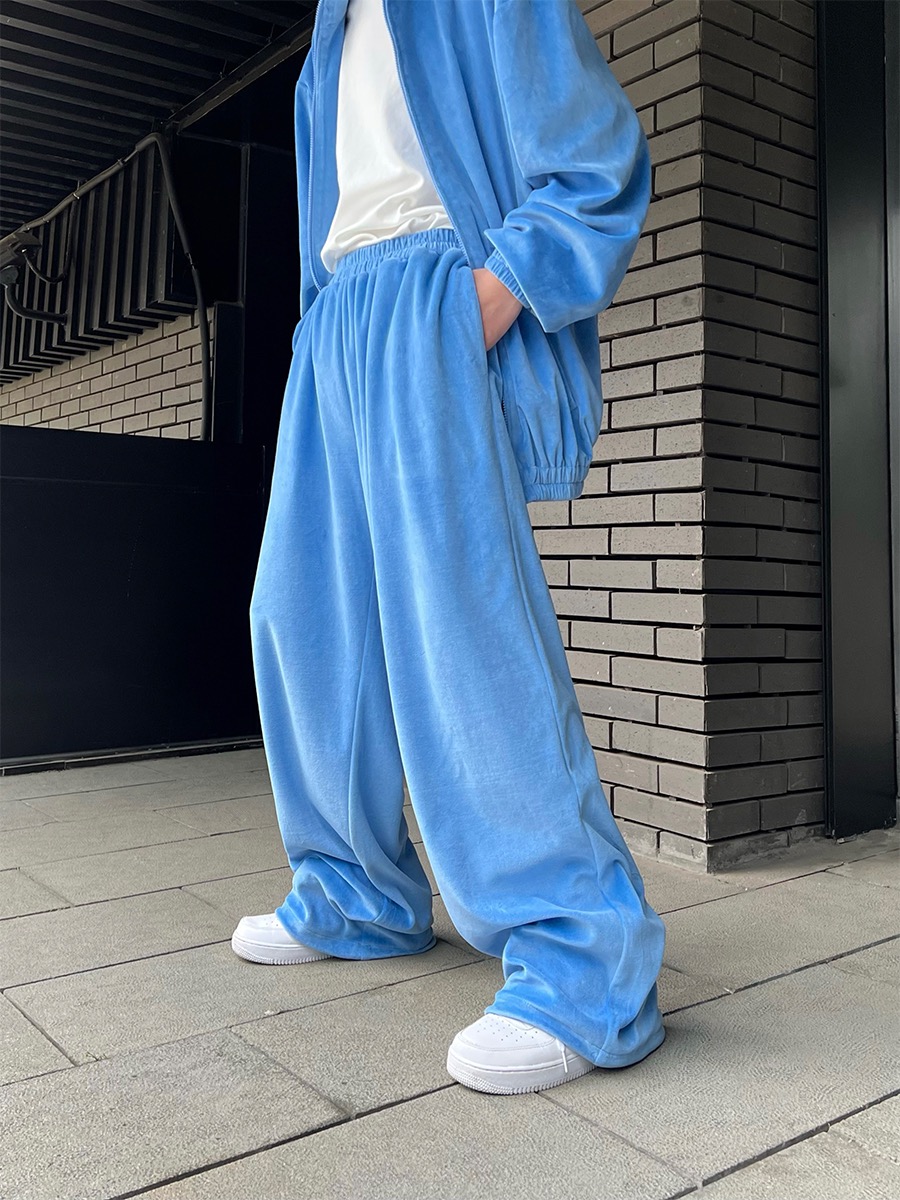
Tank Tops
Custom tank top manufacturer programs include jersey and performance fabrics, armhole and neckline binding, fit, paneling, print placement and labeling. EDVORIN supports men’s and women’s development based on the intended sport or retail use.
Get a Quote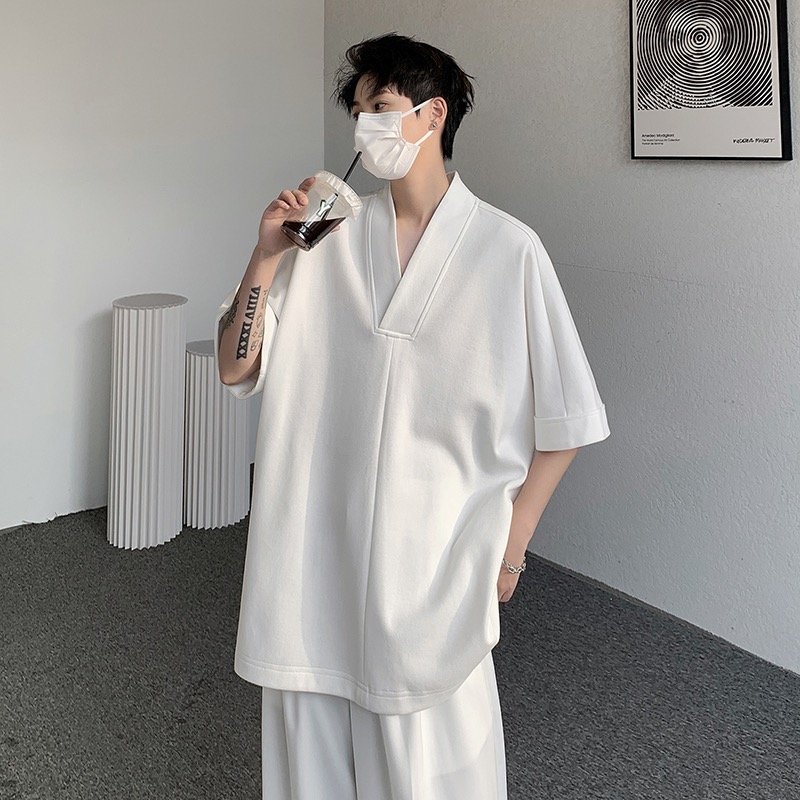
Soccer Uniforms
Soccer uniform manufacturer services cover jerseys, shorts and coordinated sets with performance fabrics, sublimation, color matching, crests, sponsor graphics, names and numbers. Production standards are organized for club, academy and repeat-season programs.
Get a Quote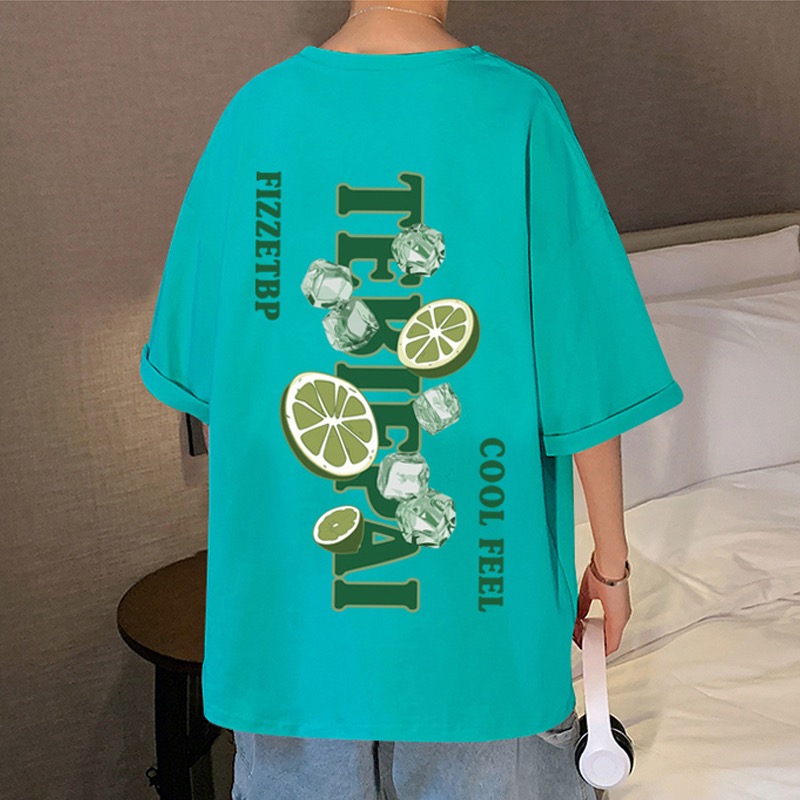
Basketball Uniforms
Basketball uniform manufacturer development includes jersey and short construction, breathable mesh or performance fabrics, contrast panels, sublimation, screen printing, embroidery and number placement. Size sets and artwork approvals support organized team ordering.
Get a Quote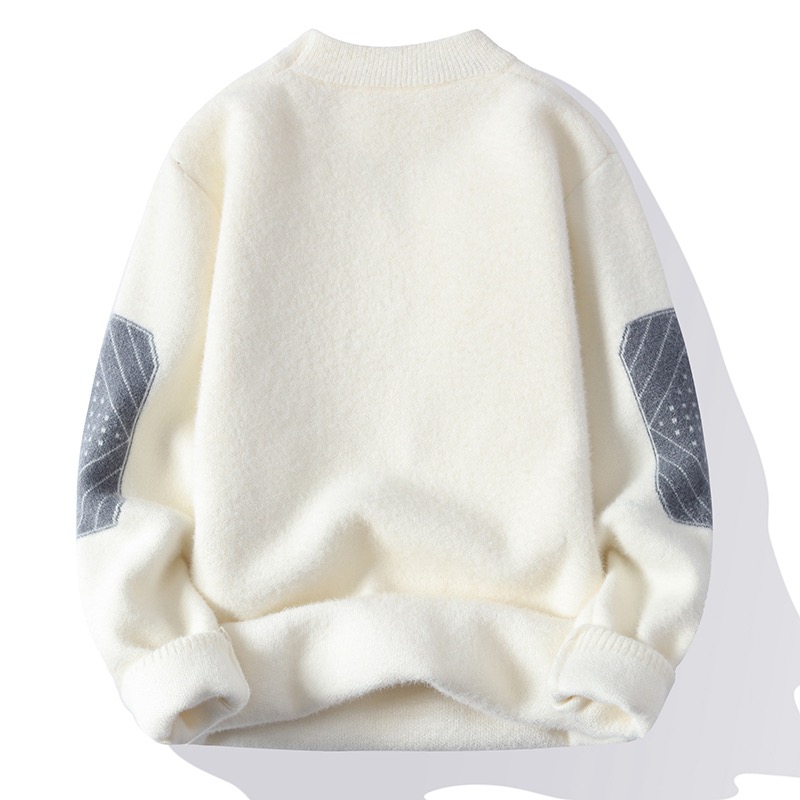
Streetwear Collections
Streetwear clothing manufacturer support connects hoodies, sweatshirts, bottoms, T-shirts, outerwear and trims into one production system. EDVORIN coordinates development, sampling, decoration, wash treatments, labeling and packaging for repeatable collections.
Get a QuoteYour Fleece Clothing Manufacturer
EDVORIN has been founder-led since 2000, helping buyers translate fleece apparel concepts into production-ready standards. As a fleece clothing manufacturer, we develop hoodies, sweatshirts, joggers, sweatpants and coordinated collections for fashion, streetwear, teamwear and private-label programs.
Our integrated OEM and ODM workflow connects fabric and trim sourcing, pattern development, sampling, printing, embroidery, washing, labeling and packaging. Men’s and women’s fit requirements are developed around the intended wearer, while flexible programs start at 200 pieces per style.
What makes EDVORIN different is the discipline after sample approval. We document materials, measurements, artwork placement and construction details, then use approved standards to guide in-line checks and final inspection—so your collection is prepared for dependable bulk production and future repeat orders.

Fleece Fabric Programs vs. Jersey Fabric Programs
Fabric Weight and Hand Feel
EDVORIN develops fleece around the intended weight, softness, structure, and end use, then records the approved material standard before bulk production. This helps fashion, streetwear, and teamwear programs maintain the intended feel across repeatable orders.
- Align fleece weight and composition with the product brief
- Review brushed or loopback surfaces during sampling
- Coordinate color, wash, and shrinkage expectations
- Approve a material standard before bulk cutting
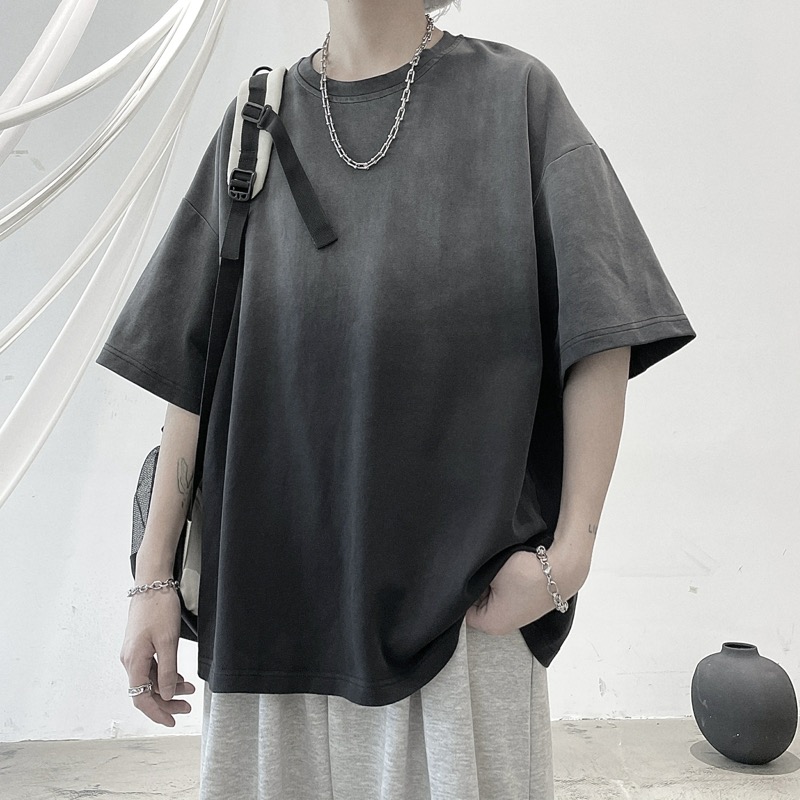
Fit Blocks and Grading
A fleece clothing manufacturer must turn the desired silhouette into measurements that can be reproduced. EDVORIN adjusts men’s and women’s fit blocks, proportions, and grading to the target wearer, then uses the approved sample and specification set to guide production.
- Develop from tech packs, sketches, or reference garments
- Set key measurements for body, sleeve, rise, and inseam
- Adjust fit blocks for men’s and women’s programs
- Document approved revisions for bulk production
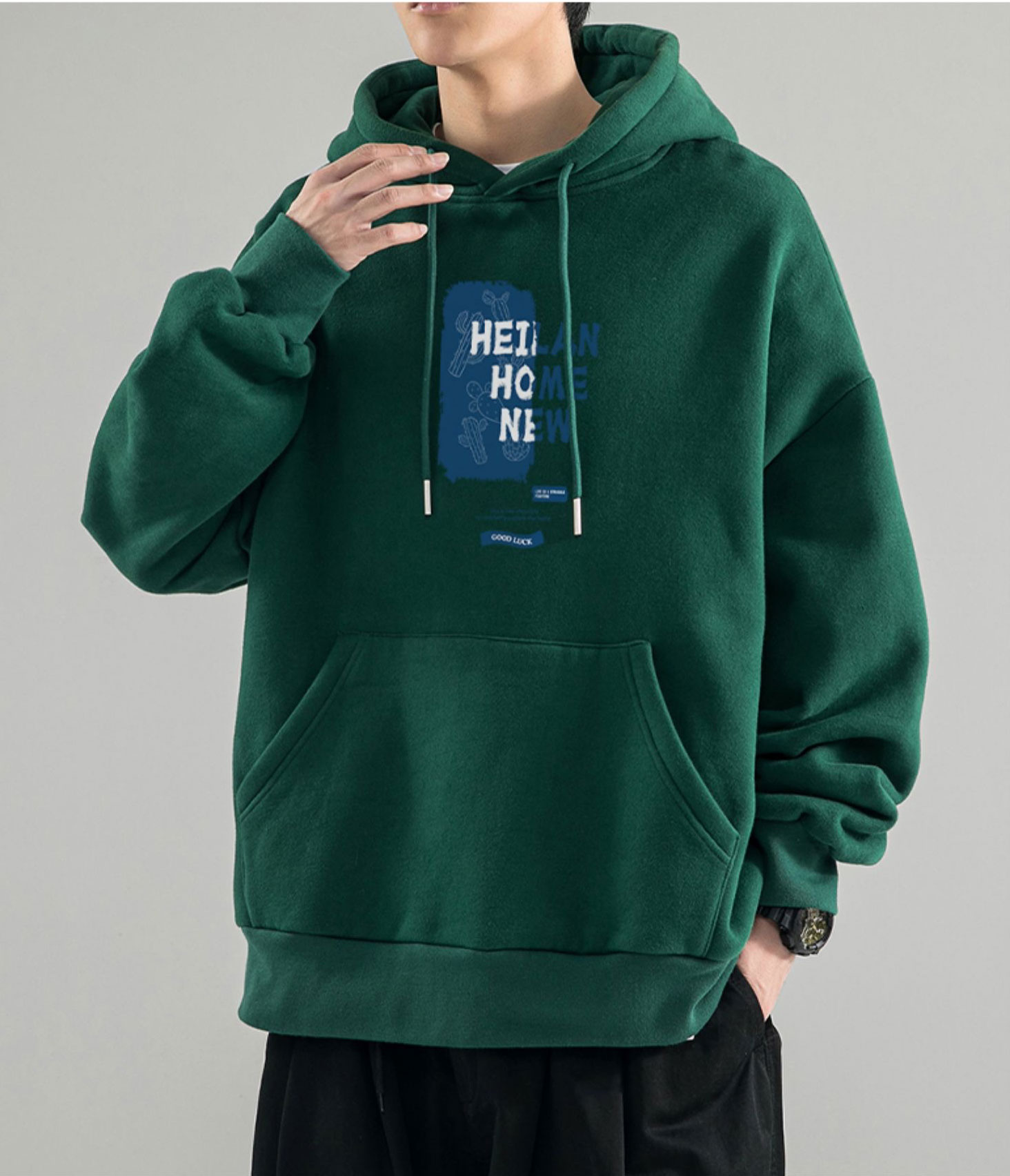
Rib and Trim Performance
Rib, drawcords, labels, zippers, snaps, and other trims affect how fleece garments wear and retain their shape. EDVORIN coordinates these components during development so their construction, placement, and finish support the approved garment rather than compromise it.
- Match rib construction to cuffs, hems, and necklines
- Specify drawcord, hardware, and label details clearly
- Check trim placement against approved measurements
- Coordinate trims with the full garment construction
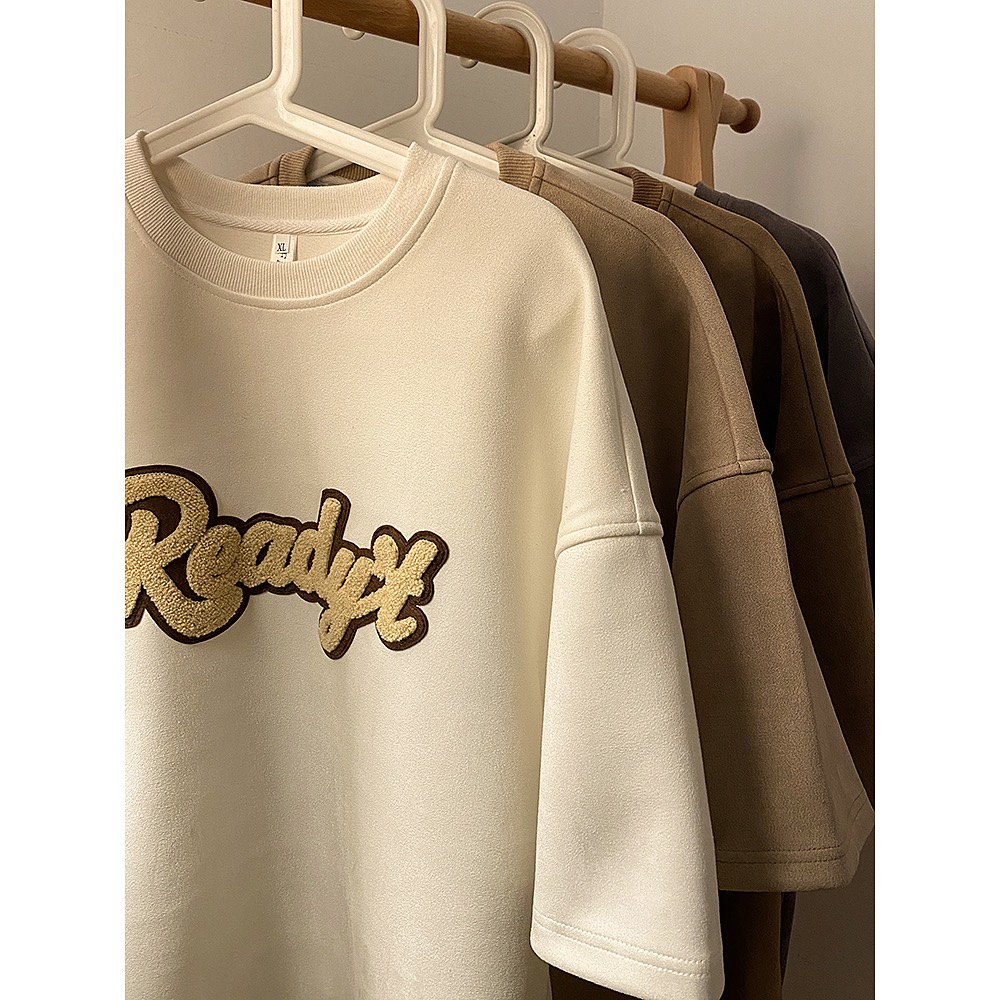
Decoration Compatibility
Printing, embroidery, patches, and washing must be considered with the selected fleece, not added as an afterthought. EDVORIN evaluates decoration placement and production requirements during sampling, then records the approved execution for clearer sample-to-bulk quality control.
- Review artwork placement on the actual garment
- Coordinate print, embroidery, patch, and wash requirements
- Confirm decoration details with the approved sample
- Use recorded standards during in-line and final checks
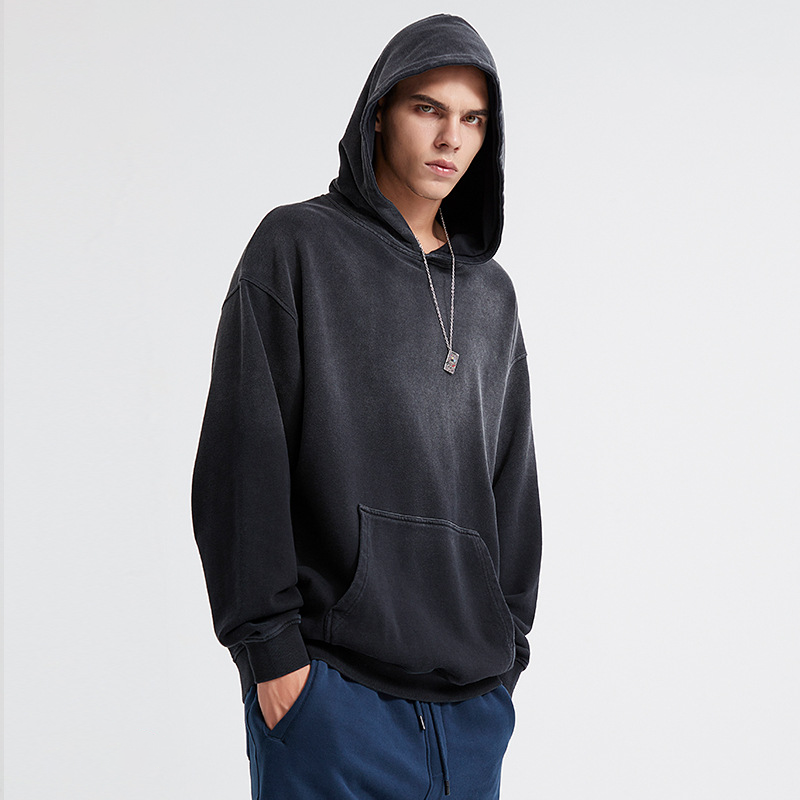
Fleece Clothing Manufacturer vs Jersey Apparel Production
Choose the construction path that supports your collection’s weight, finish and repeat-order standard.
← Swipe left or right to view →
Our Fleece Clothing Manufacturer Production Process
A controlled development path that records approved standards and carries them through repeatable bulk production.
Review Concepts and Specifications
We translate your tech pack, sketch, or reference garment into construction details, measurements, fit requirements, decoration placements, and a workable production plan.
Source Fleece and Trims
Our team aligns fleece weight, composition, brushing, rib recovery, drawcords, zippers, labels, and color references with your product and intended market.
Develop and Approve Samples
Patterns, samples, washes, prints, and embroidery are tested and revised until the approved garment establishes a clear standard for bulk production.
Record Production Control Points
Approved measurements, artwork placements, trim specifications, and workmanship requirements are documented so cutting, sewing, decoration, and finishing follow the same reference.
Run Controlled Bulk Production
Materials, in-line workmanship, sizing, and decoration are checked throughout production to identify variation before it affects the full fleece clothing order.
Inspect Label and Pack
Final inspection confirms the packed garments match approved standards before private-label labeling, size assortment sorting, packaging, and shipment preparation.
Start Your Program With a Fleece Clothing Manufacturer
Bring a sketch, reference garment, or complete tech pack. EDVORIN organizes fit, fleece, artwork, trims, and packaging into an approved production standard.
Share Your Product Direction
Send your sketch, reference garment, tech pack, target quantity, and intended market so we can align the fleece style, fit, and development path.
Define Materials and Construction
Confirm fleece composition and weight, fit measurements, rib details, drawcords, pockets, seams, wash effects, and other construction requirements before sampling begins.
Approve Branding and Packaging
Provide artwork, placement dimensions, print or embroidery preferences, labels, hangtags, size markings, folding instructions, and carton requirements to protect brand consistency.
Review Samples Before Bulk
Evaluate the developed sample against approved specifications, record revisions, and authorize bulk production only when the product standard is clear and repeatable.
Fleece Clothing Manufacturer Results for B2B Buyers
EDVORIN turned our hoodie references into an approved production standard within two sample rounds. Across our 1,200-piece launch, the fit stayed consistent from XS to 3XL, and the puff-print placement matched the signed-off sample.
Our academy needed 480 fleece sets with 16 size options and individual embroidery details. The size breakdown was organized clearly, every crest held up after team wash testing, and delivery arrived in time for our preseason distribution.
EDVORIN’s MOQ starts at 200 pieces per style. We launched matching women’s and men’s jogger and sweatshirt programs at a 200-piece MOQ per style. EDVORIN documented the fabric, rib, labels, and wash finish well enough that our second order required no redevelopment changes.
The Complete Buyer’s Guide to Fleece Clothing Manufacturing
Clear answers for brands planning custom fleece development, decoration, sampling and bulk production with EDVORIN.
What types of fleece garments can EDVORIN manufacture?
How do I choose the right fleece clothing manufacturer for a private-label collection?
Can a fleece clothing manufacturer help if I only have a sketch or reference garment?
What fleece fabrics and weights can be used for custom hoodies and sweatpants?
Can I combine screen printing, embroidery, patches and washes on fleece apparel?
What is the MOQ for a fleece clothing manufacturer program?
What files do I need to request a fleece sample?
How does EDVORIN control fleece quality from sample to bulk production?
The Complete Buyer’s Guide to fleece clothing manufacturer
Use this practical framework to evaluate fleece programs, compare fabric and production criteria, shortlist capable suppliers, control costs, and avoid the sourcing mistakes that delay launches or weaken product quality.
1. What Is a fleece clothing manufacturer?
EDVORIN’s MOQ starts at 200 pieces per style. 200-piece programs often require more than a fleece fabric source: a fleece clothing manufacturer is the B2B partner that turns an approved garment specification into repeatable hoodies, sweatpants, or jackets. Fabric mills sell knitted and finished yardage; blank suppliers suit buyers adding stock prints or embroidery.
OEM means the factory produces to the buyer’s specification, while private label adds the buyer’s branding to a supplied or custom product. Cut-and-sew factories are appropriate when a brand already sources materials and controls development; a full-package OEM partner coordinates materials, patterns, samples, decoration, labeling, and bulk production.
1 tech pack records measurements, construction, fabric, colors, artwork, and trims so sampling can test the design before approval. MOQ is the minimum order quantity; bulk production is the repeat run made against the approved sample—useful for brands, teams, schools, and wholesalers needing consistent specifications.
2. How Fleece Apparel Manufacturing Evolved
1979 marked a turning point when polyester fleece entered mainstream outdoor apparel, shifting insulation toward lighter, quick-drying knit constructions. For buyers, that legacy still separates brushed knit fleece from French terry and requires a defined weight, fiber blend, and hand-feel target.
280–400 GSM fleece now commonly supports premium hoodies and joggers, while lighter constructions suit layering, training, and teamwear. Recycled polyester, cotton-poly blends, anti-pilling finishes, moisture management, and mechanical stretch must be written into material and testing requirements rather than requested generically.
2020s streetwear programs have pushed oversized blocks, dropped shoulders, dense ribs, garment dyeing, puff prints, embroidery, woven labels, and custom packaging into the fleece brief. A fleece clothing manufacturer should convert those details into approved artwork placements, Pantone references, trim specifications, and a production sample standard before bulk cutting.
3. Types of fleece clothing manufacturer Programs
Five common fleece clothing manufacturer programs trade speed against control. EDVORIN can translate each route into documented materials, fit, decoration, labels, and packing standards.
Decorated Blanks
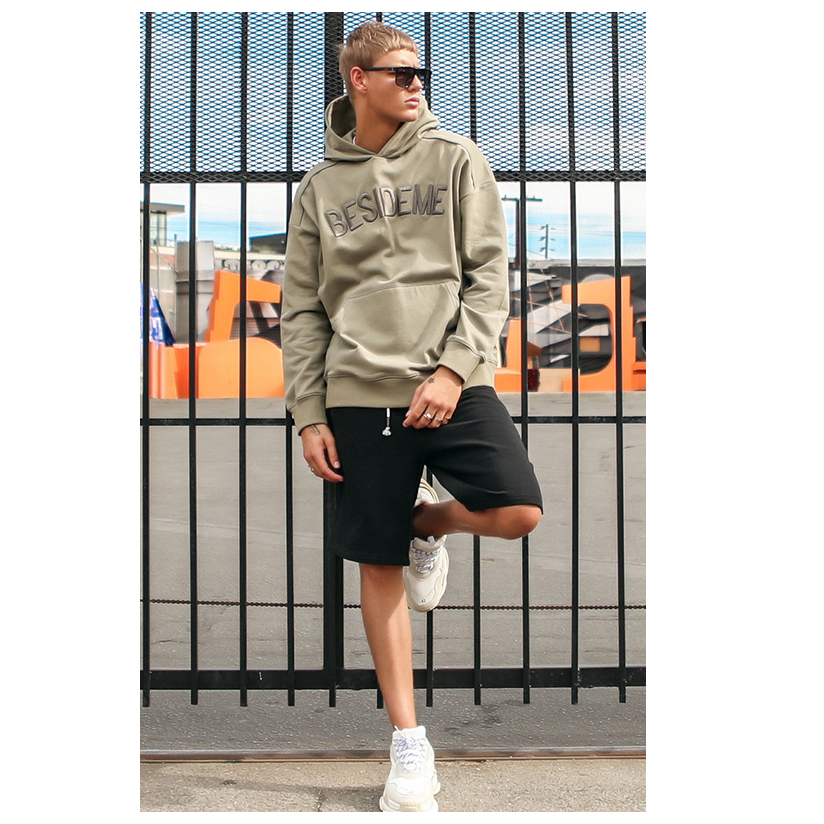
1 existing blank style suits event teams and quick merchandise drops. Design control is limited to print or embroidery; speed improves, but differentiation stays low.
Private-Label Customization
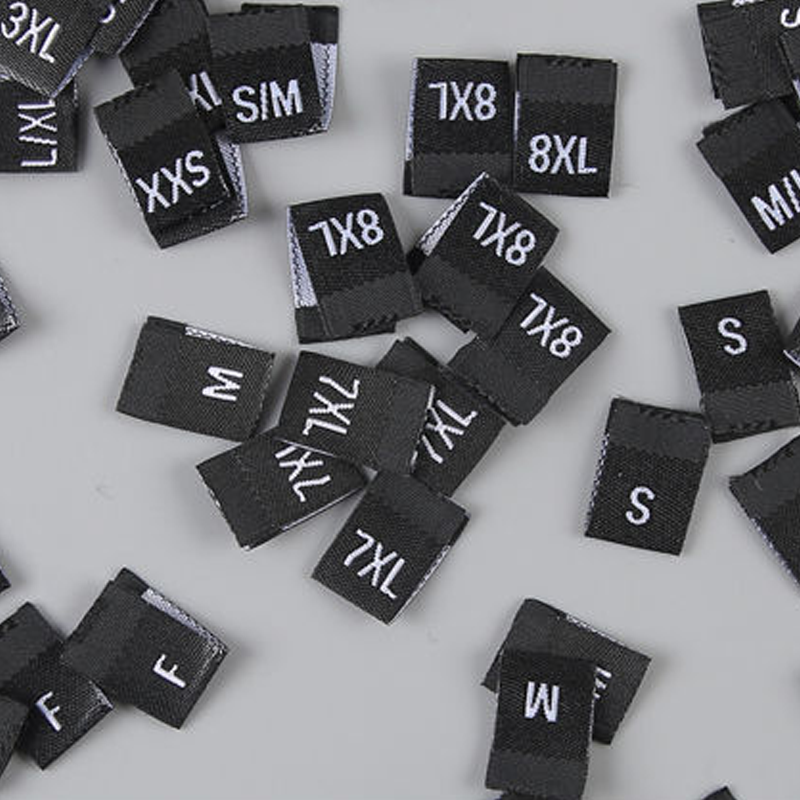
2 branding layers—neck labels and packaging—fit wholesalers and emerging labels. Control is moderate, with lower development investment than a new pattern.
Cut-And-Sew OEM
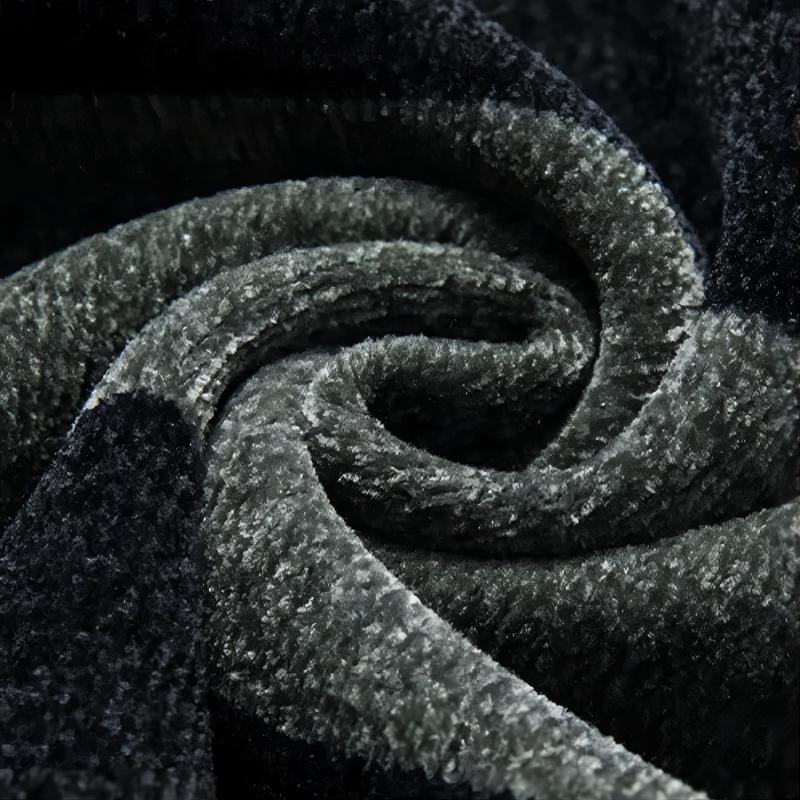
EDVORIN’s MOQ starts at 200 pieces per style. 3 core inputs—tech pack, measurements, and fabric target—serve brands protecting a distinct silhouette. Control and differentiation rise, alongside sampling time and MOQ commitment.
Full-Package Development
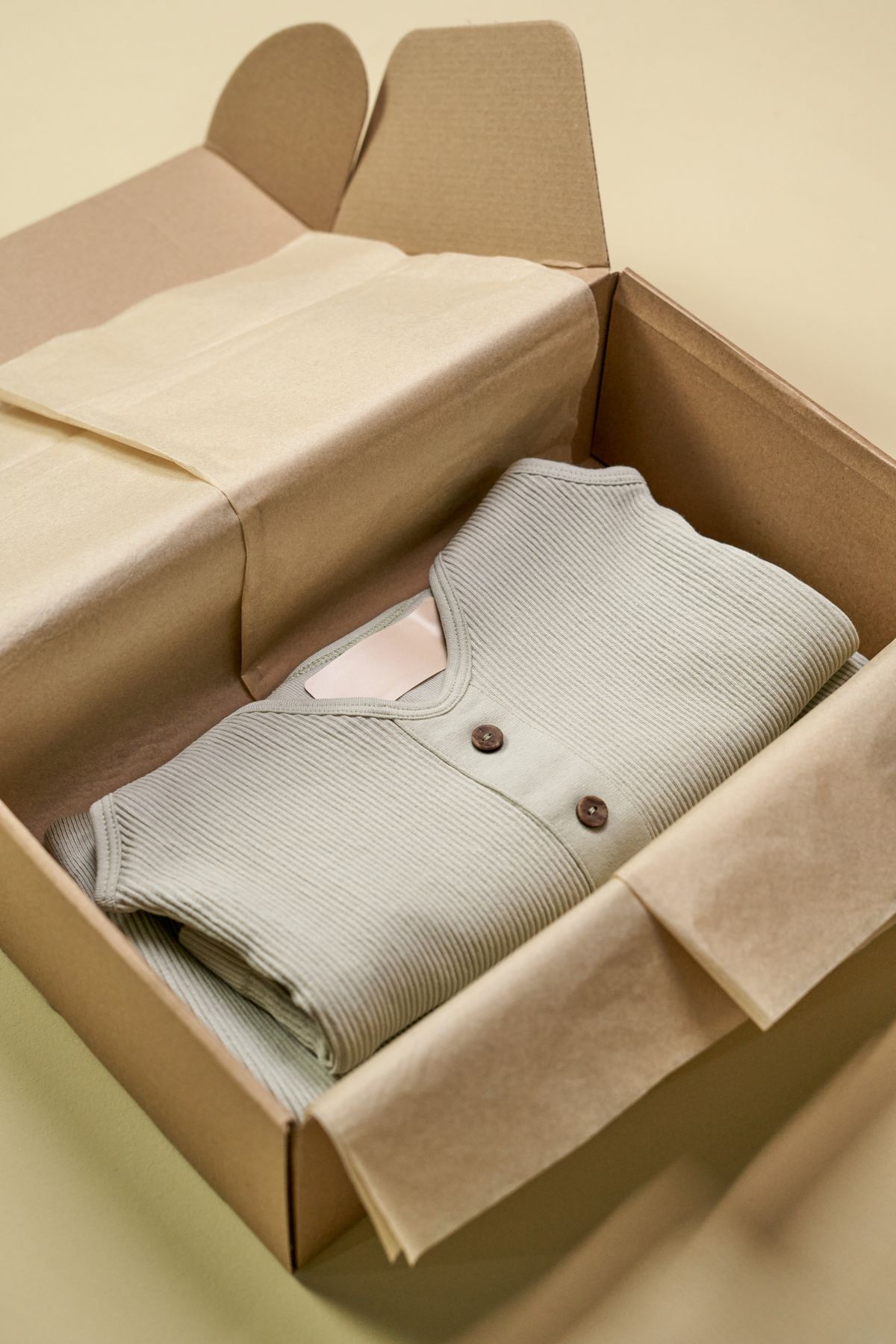
4 linked stages—sourcing, patterns, samples, and bulk production—help buyers starting from sketches. It requires the highest development collaboration, yet reduces handoffs between suppliers.
Technical Performance Fleece
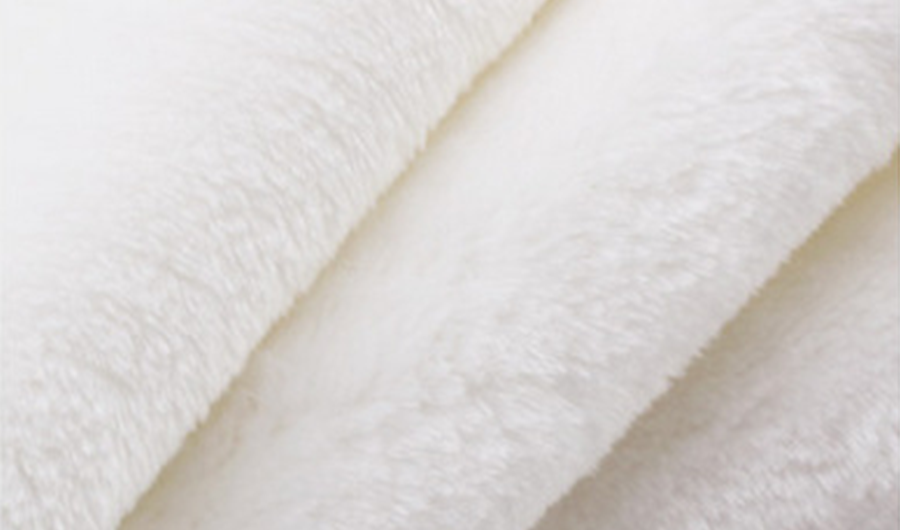
5 performance specifications, such as stretch recovery or anti-pilling, suit sports and outdoor programs. Testing and specialized materials increase investment, while creating clearer functional differentiation.
4. Fleece Fabrics, Weights, and Performance
280–360 GSM is a common starting range for premium fleece, but fiber mix and construction determine comfort more than weight alone. Specify the target hand, recovery, shrinkage, pilling, and end use before sampling.
| Fabric | Typical GSM | Best Use |
|---|---|---|
| French terry | 250–320 | Hoodies, joggers |
| Brushed cotton-poly | 280–360 | Sweats, uniforms |
| Polar recycled polyester | 200–300 | Team jackets |
| Sherpa | 300–450 | Warm jackets |
| Bonded stretch fleece | 280–380 | Performance teamwear |
Fiber Selection
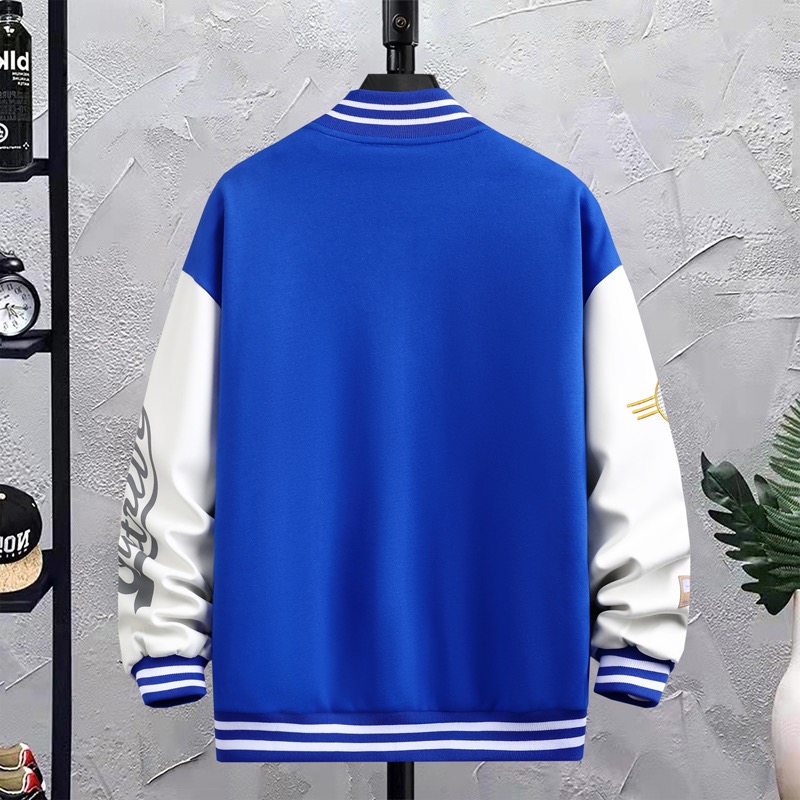
100% cotton offers a natural hand and breathability but needs shrinkage control. Cotton-poly blends improve durability and drying; recycled polyester supports recycled-content programs, while elastane blends add recovery.
Construction And Use
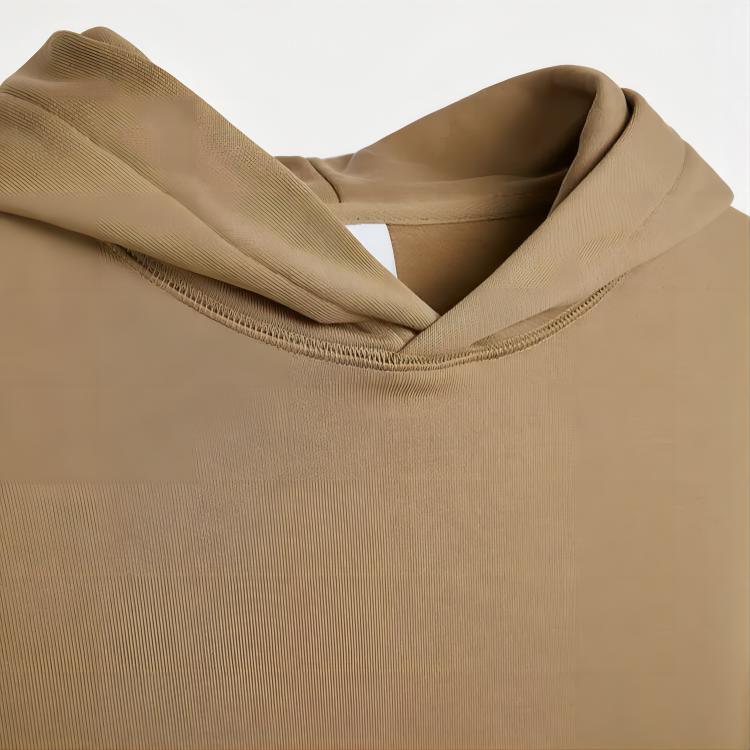
French terry has unbrushed loops for breathable hoodies and sweatpants. Brushed fleece increases warmth; polar fleece and sherpa suit jackets, while bonded fleece adds wind-resisting structure for teamwear.
5. Customization and Decoration Options
For a 200-piece program, specify silhouette, men’s or women’s fit block, Pantone color, fabric, dye method, labels, hangtags, and packaging before sampling. A fleece clothing manufacturer should lock these choices alongside artwork files and placement measurements.
| Method | Best Artwork | Feel | Cost Driver |
|---|---|---|---|
| Screen print | Bold spot colors | Soft to raised | Color count |
| DTG/DTF | Detailed multicolor | Variable film feel | Artwork coverage |
| Embroidery | Logos and lettering | Textured | Stitch count |
| Patches/appliqué | Heritage graphics | Dimensional | Material and labor |
| Heat transfer | Names and numbers | Smooth film | Placement count |
Decoration Selection
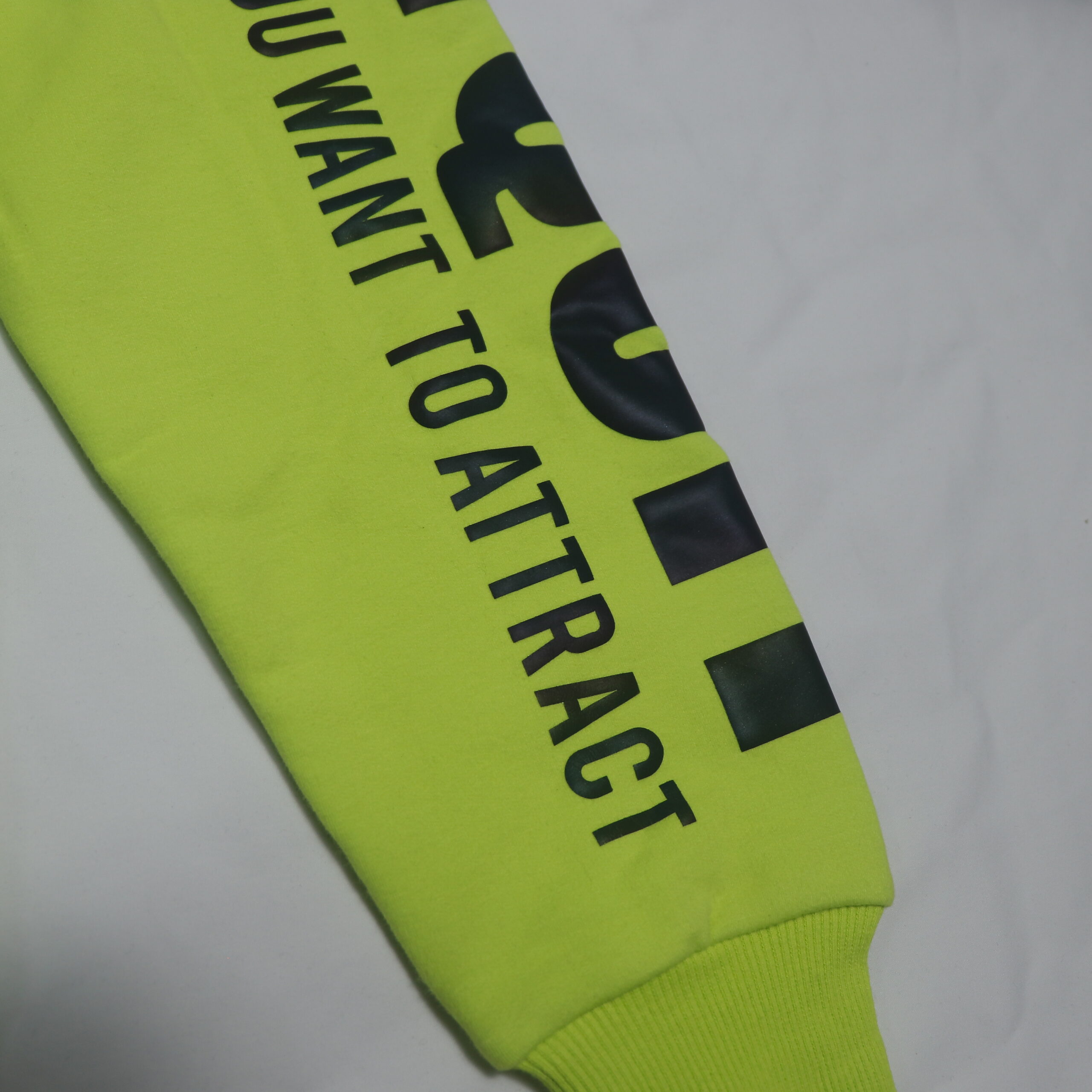
Six common methods balance visual effect against production cost. Screen print suits bold spot-color artwork; DTG or DTF supports detailed multicolor graphics, while embroidery, patches, appliqué, and heat transfer add dimension.
Sequence And Approval
Two approvals should precede bulk cutting: a fit sample and a decorated pre-production sample. Embroidery, patches, and appliqué require early placement decisions because they are commonly applied before final assembly; prints and transfers may follow garment completion.
6. fleece clothing manufacturer Quality Checks
100% of bulk fabric should be checked against the approved sample before cutting. A dependable fleece clothing manufacturer records measurable standards, then verifies them at fabric, sewing, finishing, and packing stages.
Fabric And Wash Testing
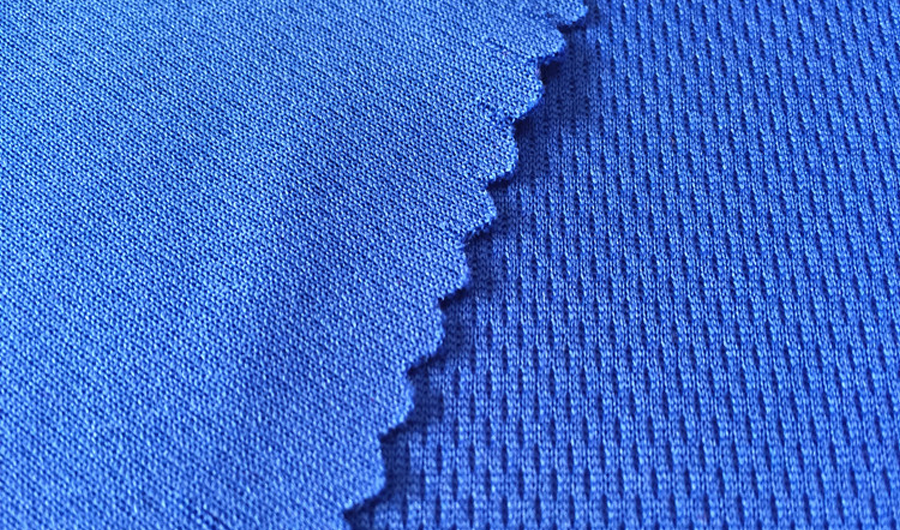
280–420 GSM fleece should meet the approved weight and shade band by lot. Record composition, brushed-face direction, shrinkage after the agreed wash method, pilling test requirement, and colorfastness target in the tech pack.
Construction And Fit Control
2–3 cm rib bands need specified recovery, stitch type, and finished dimensions. Document graded measurements, tolerances, seam allowance, flatlock or coverstitch details, zipper brand and gauge, drawcord length, and placement points in sample comments.
Inline And Final Inspection
AQL-style final review should compare packed garments with the approved sample and measurement chart. Inspect inline for skipped stitches, uneven seams, zipper operation, drawcord security, shade variation, print defects, and correct labels before defects compound.
7. Choosing a fleece clothing manufacturer
A 200-piece program needs more than an attractive quote: select a fleece clothing manufacturer by its ability to document, sample, and repeat your approved standard. Compare like-for-like specifications before discussing deposits.
Match Category Experience
EDVORIN’s MOQ starts at 200 pieces per style. 2 reference orders should match your product type—heavyweight hoodie, team fleece, or private-label jogger—and intended market.
1 development contact should explain pattern revisions, grading, decoration limits, and MOQ by colorway without vague promises.
- Ask for comparable product photos and buyer references.
- Confirm sample stages, approvals, and revision costs.
- Request fabric composition, GSM, and trim specifications.
Verify Production Controls

3 written checkpoints—pre-production, in-line, and final inspection—make quality expectations auditable.
1 current certificate is evidence, not a claim: verify OEKO-TEX, GOTS, WRAP, BSCI, or GRS scope and expiry directly with the issuer.
- Ask who sources fabric and approves substitutions.
- Confirm monthly capacity and realistic lead times.
- Set one named communication owner and escalation path.
Clarify Commercial Terms
100% of shipping terms should be written: Incoterms, freight responsibility, duty exposure, payment milestones, and claims procedure.
2 reference checks should cover on-time delivery, repeat-order consistency, and how the supplier resolved defects before you pay a deposit.
- Request a pro forma invoice matching the approved sample.
- Confirm packaging, labels, carton marks, and delivery destination.
- Document tolerance, rework, and late-delivery remedies.
8. Common Fleece Sourcing Mistakes
Three documents—specification, approved sample, and production calendar—prevent most fleece sourcing losses. Quote price alone rarely captures rework, delayed freight, or inconsistent repeat orders.
Price Before Specification

One low quote can exclude fabric weight, decoration, testing, or packaging. Compare like-for-like cost sheets before selecting a fleece clothing manufacturer.
Two MOQ rules matter: total order quantity and color-size splits. Confirm both before allocating 200 pieces across variants.
Sample And Color Assumptions
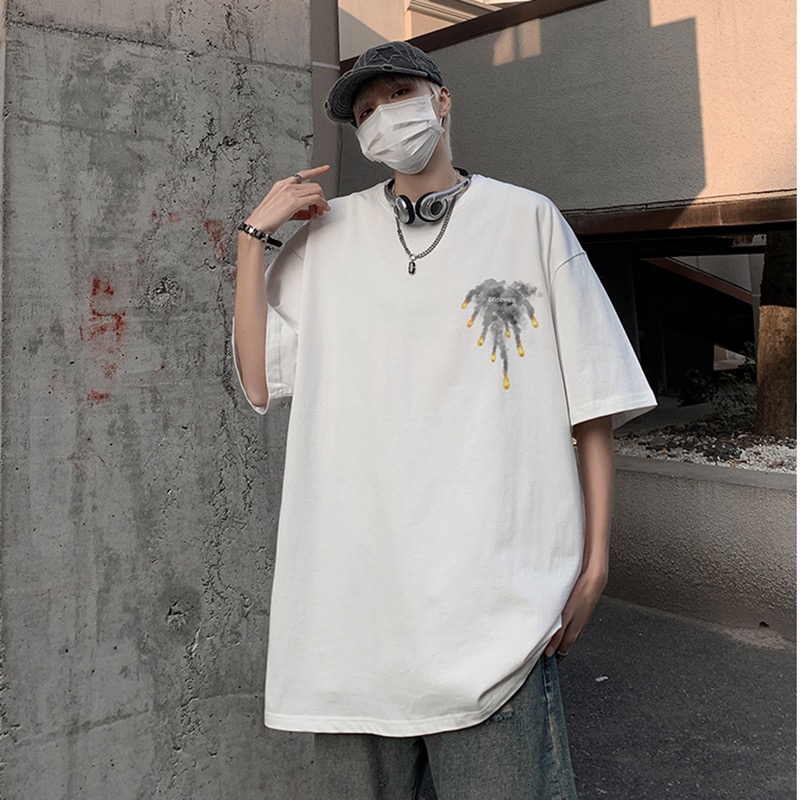
One unwashed sample cannot confirm shrinkage, pilling, print durability, or rib recovery. Wash-test the approved size sample and record the method.
One screen image cannot serve as a color approval. Approve Pantone references, physical fabric swatches, and trim colors under agreed lighting.
Late Changes And Logistics
One vague tech pack leaves measurements, tolerances, hardware, labels, and artwork placement open to interpretation. Set measurement tolerances and trim specifications before bulk cutting.
One late artwork revision can require new screens, embroidery files, or approvals. Lock artwork before production and plan freight, customs time, and reorder fabric availability.
9. Launching a Fleece Collection Step by Step
A 200-piece OEM launch moves fastest when each approval becomes the next production standard. EDVORIN can translate the collection concept into a controlled path from first brief through replenishment review.
Define The Assortment
1 target customer, 2–4 core styles, intended price tier, and size range should be set before development. Gather reference garments, color direction, and required decoration details, then convert them into a tech pack with measurements and construction notes.
Approve Development Gates
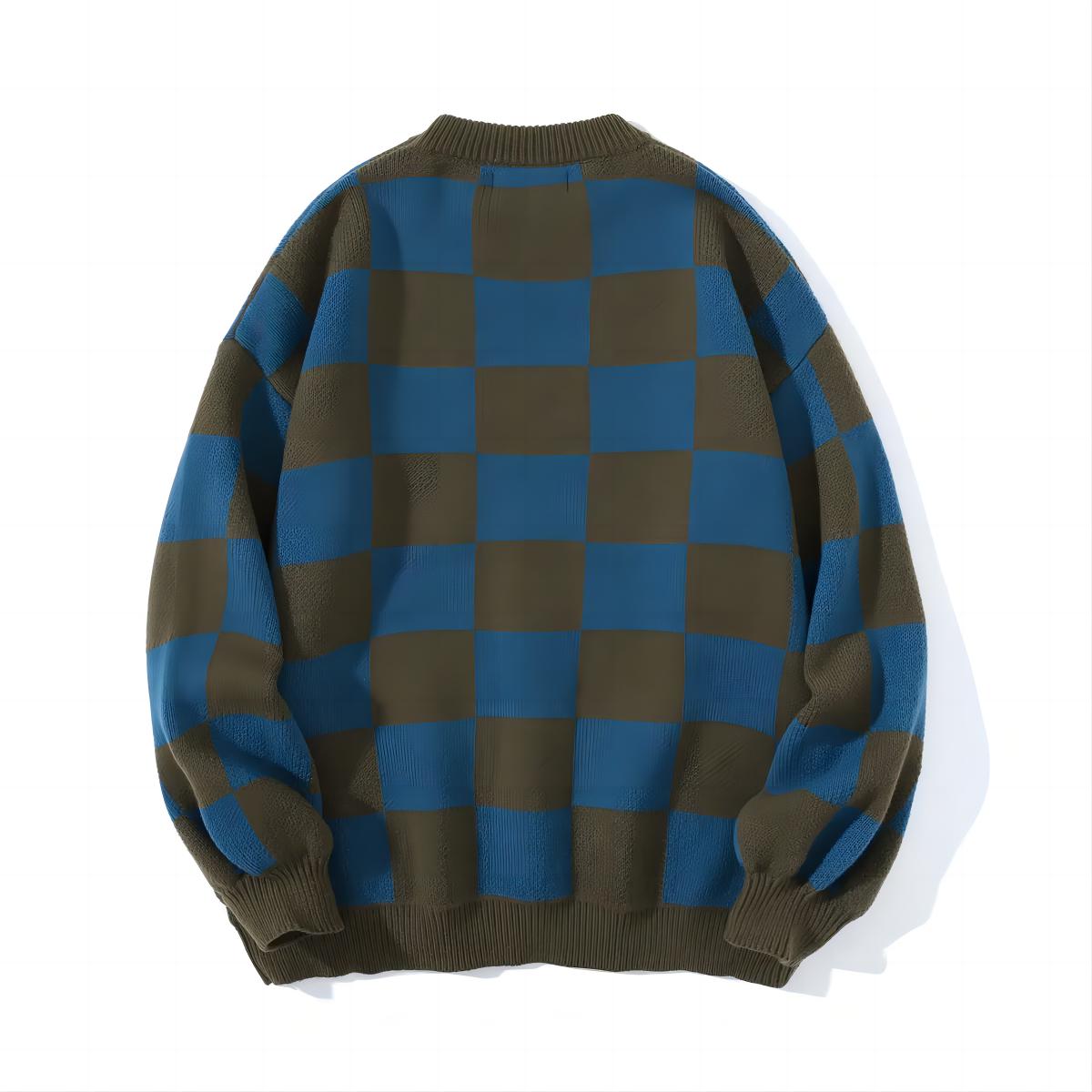
280–400 GSM fleece, rib specification, drawcords, labels, and packaging must be selected before a firm quotation. Approve the fit sample, then lock Pantone colors, artwork placement, wash result, and test requirements before issuing the purchase order.
Control Bulk And Reorders
1 pre-production sample should match the approved specification before cutting begins. Use in-line and final checks, book freight early, inspect received cartons against packing lists, then review sell-through, returns, and repeat-order changes before replenishment.
10. fleece clothing manufacturer Pricing and Costs
200-piece OEM programs are typically priced from the approved specification, not a universal rate. A fleece clothing manufacturer will quote differently by market, currency, Incoterm, and the selected fabric, construction, decoration, labels, packaging, sampling, and freight.
280–350 GSM fleece, oversized patterns, full-zip construction, embroidery, and multi-location prints usually raise unit cost. Sampling is normally quoted separately, while freight should remain a distinct line rather than being hidden in the garment price.
3 quote checks prevent false savings: match GSM and composition, measurement tolerances and trim specifications; then compare decoration coverage, packaging, quality standard, lead time, payment terms, and Incoterm on the same basis.
| Illustrative order tier | Indicative unit range | Typical production lead time |
|---|---|---|
| 200–499 pieces | US$14–28 | 30–45 days |
| 500–999 pieces | US$11–23 | 35–50 days |
| 1,000+ pieces | US$9–19 | 40–60 days |
Partner With a Fleece Clothing Manufacturer Built to Repeat
Send your concept, tech pack, or reference garment for a focused OEM quote and a production path from sample to bulk.