
Custom Patch Clothing Manufacturer for Apparel That Repeats
EDVORIN turns approved patch concepts into production-ready fashion, streetwear, teamwear, and private-label collections built for repeat orders.
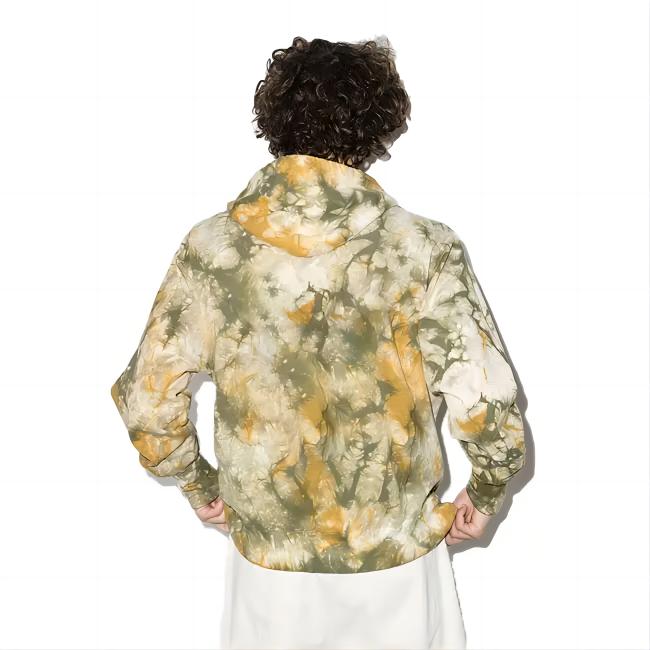
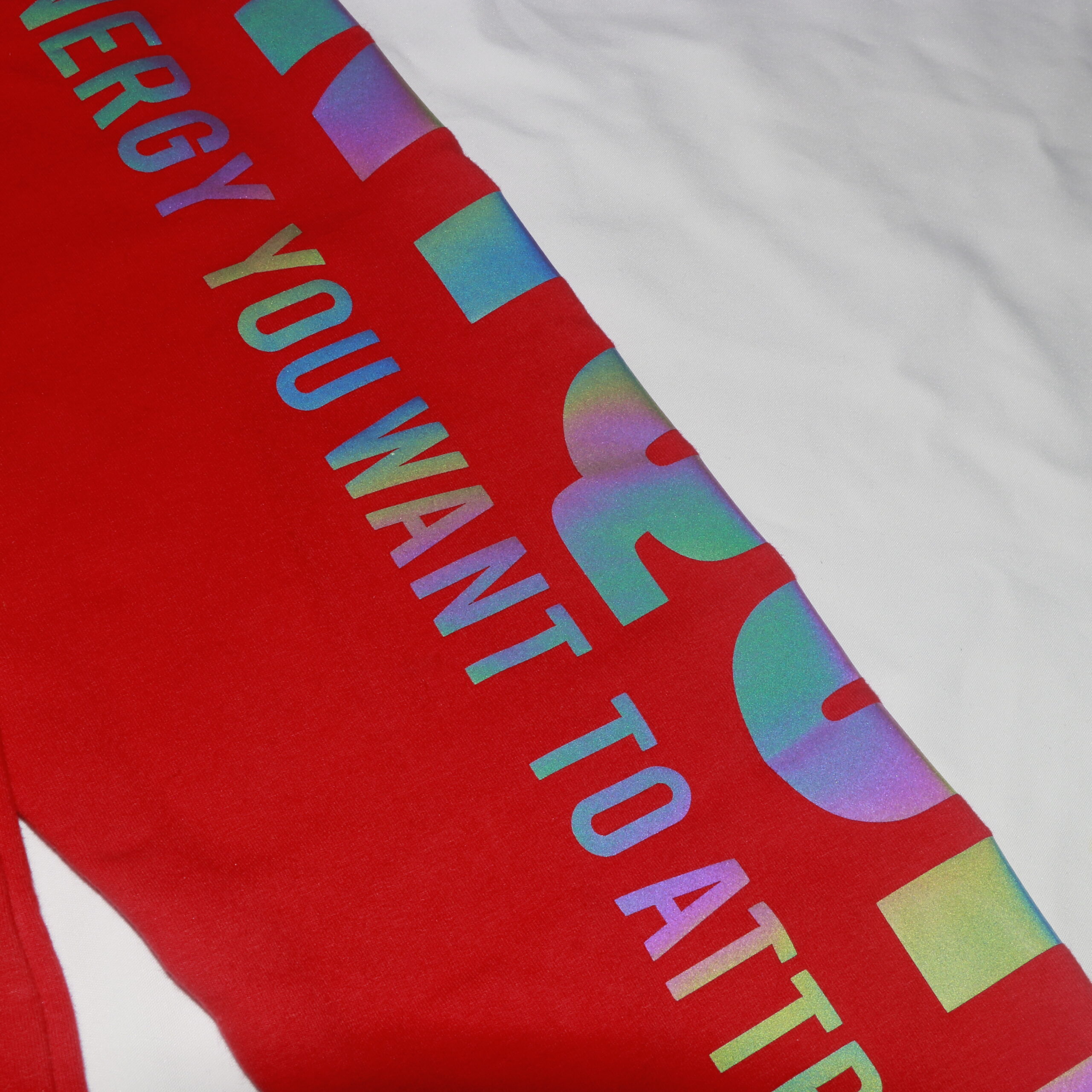
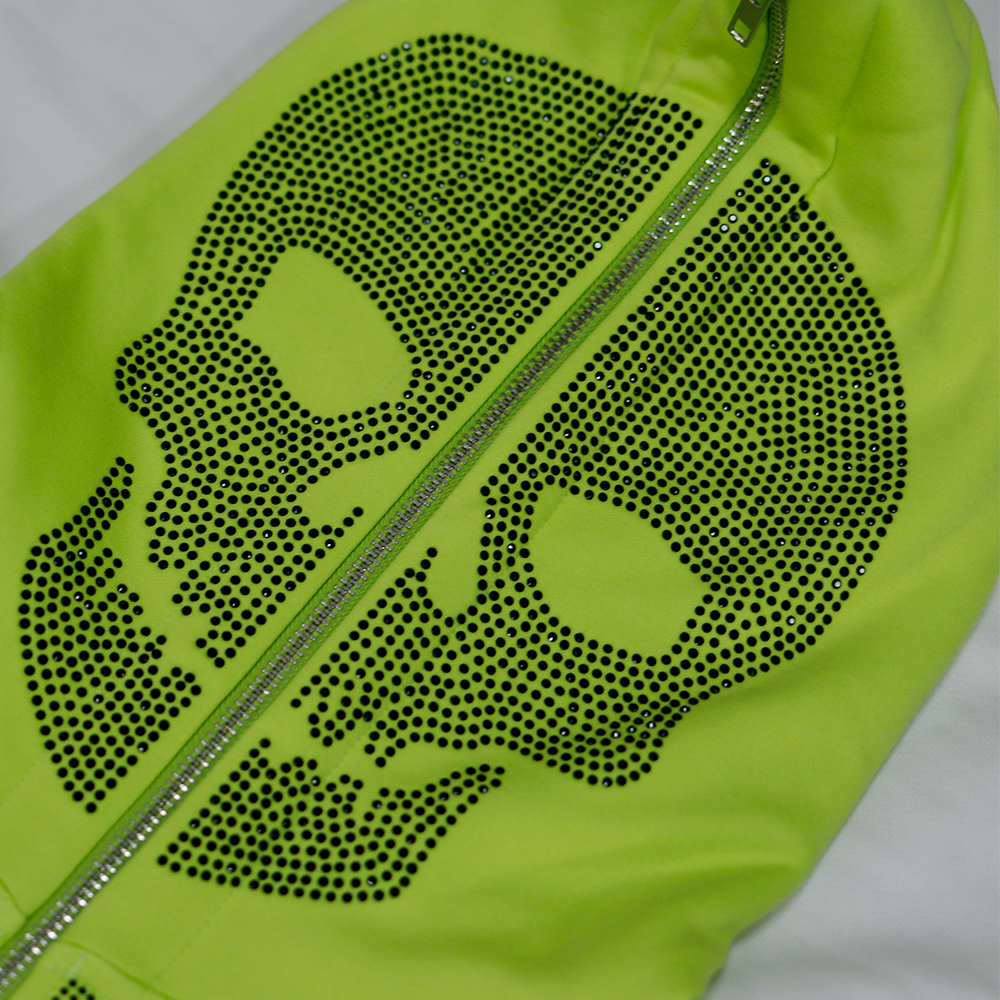
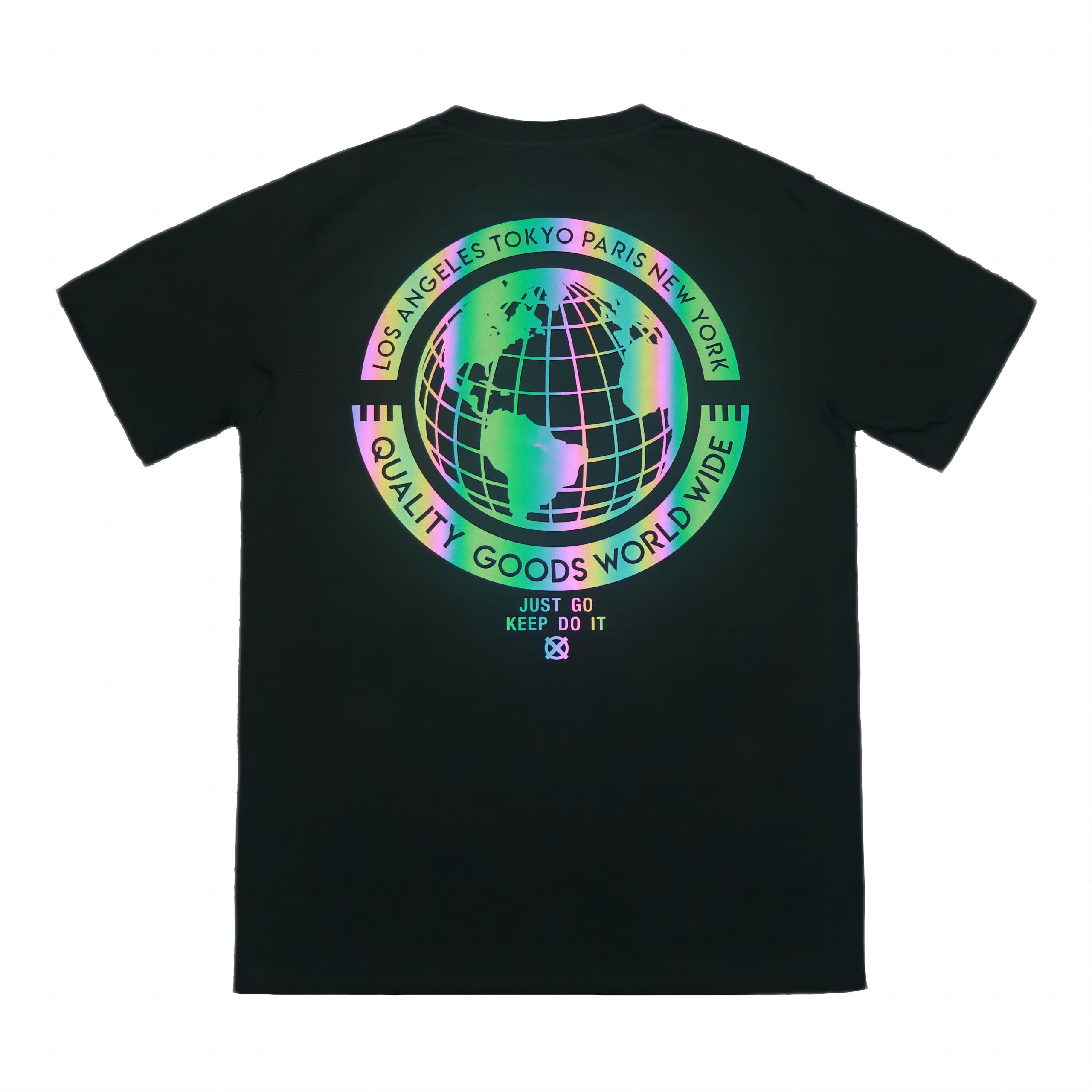
Featured Products for Patch Apparel Development
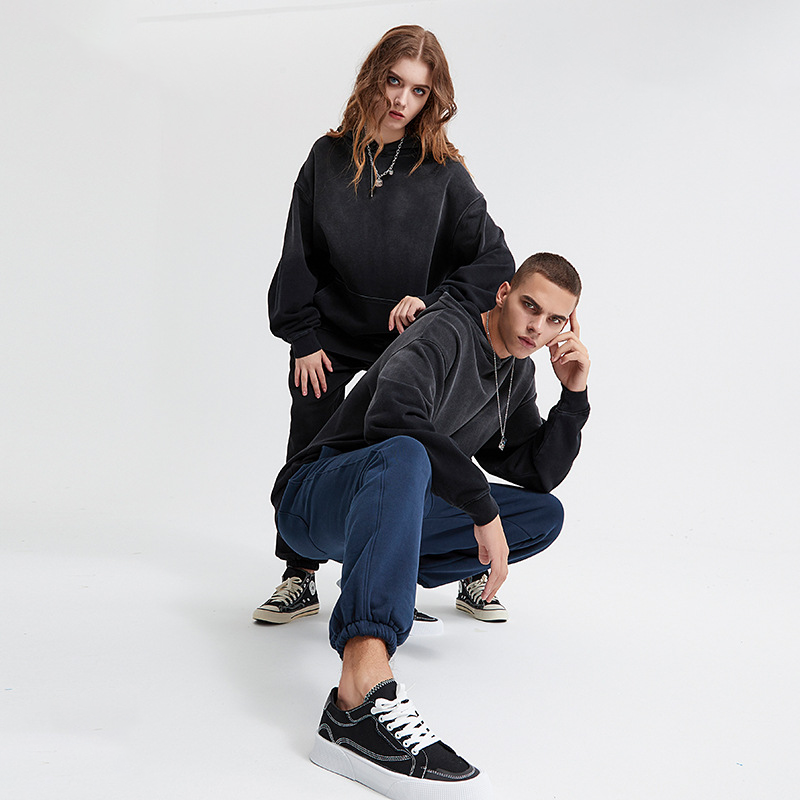
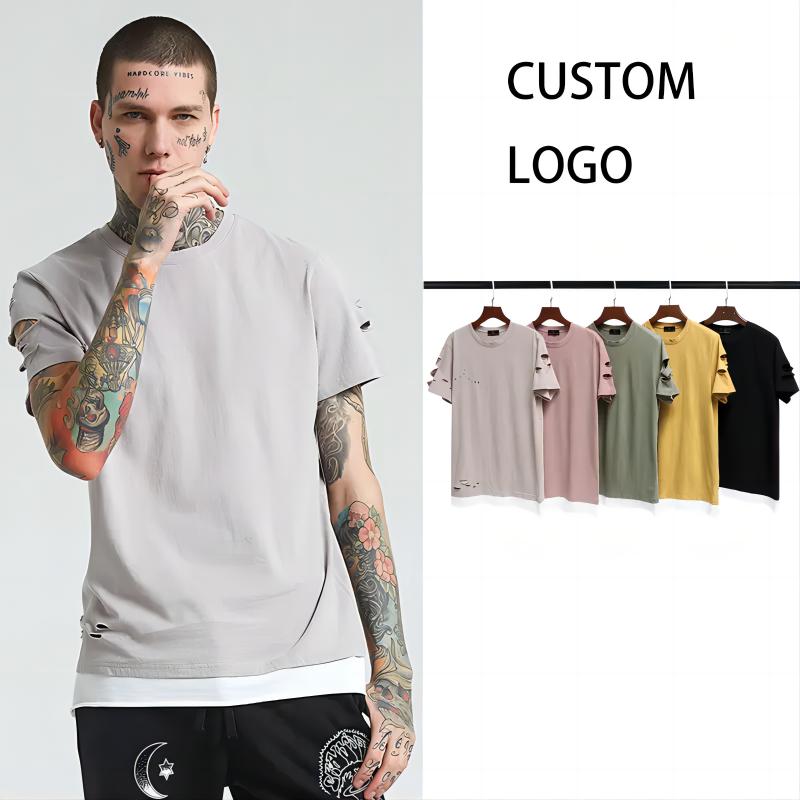
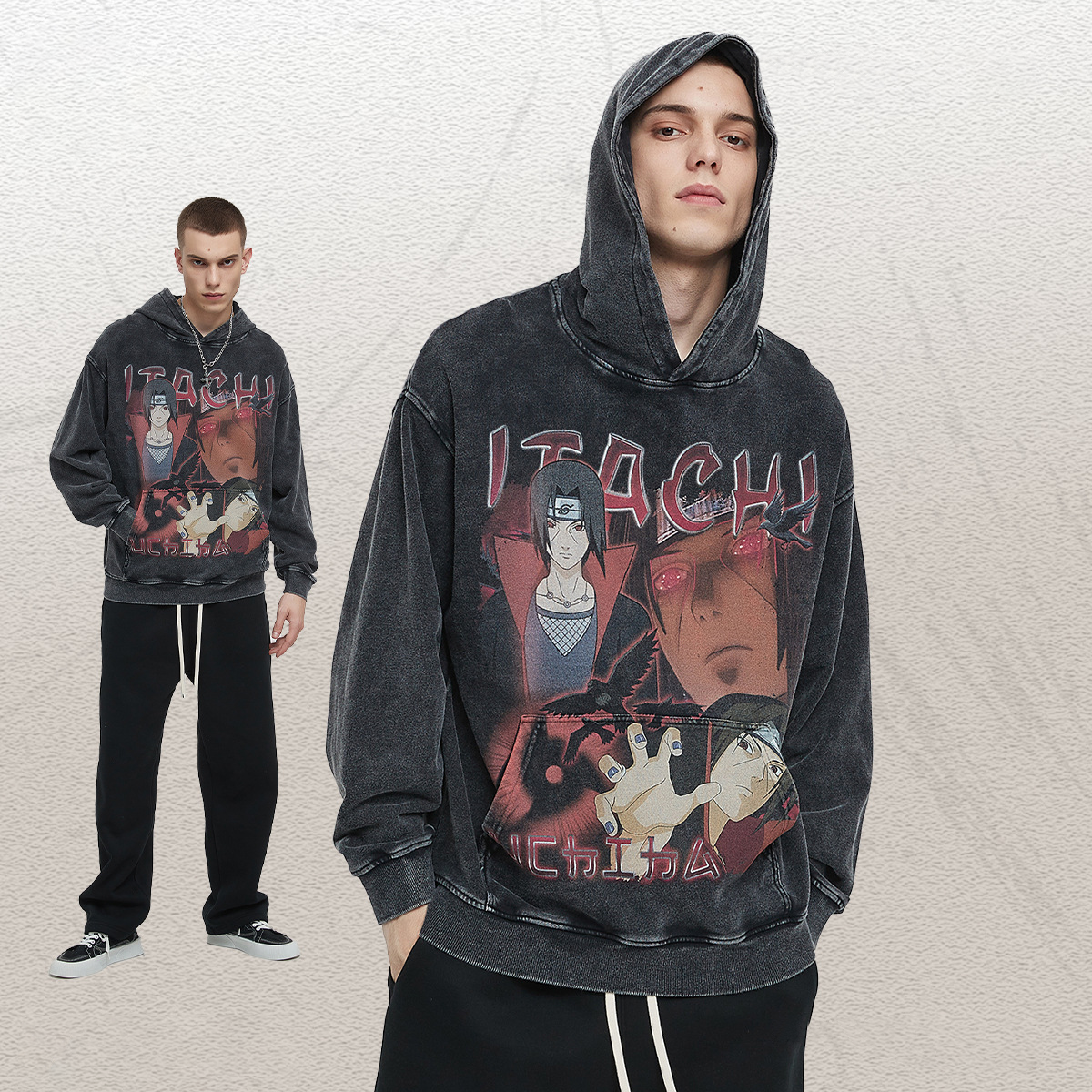
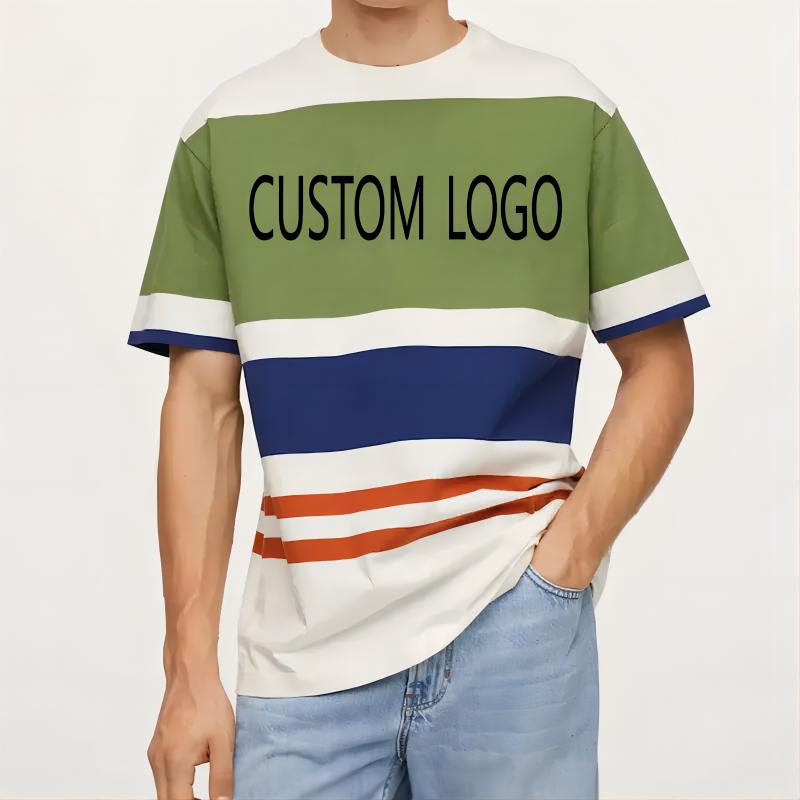
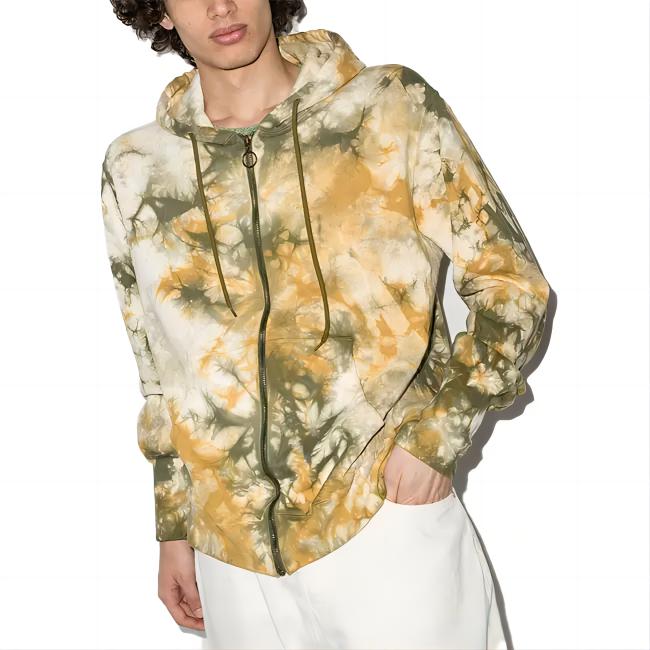
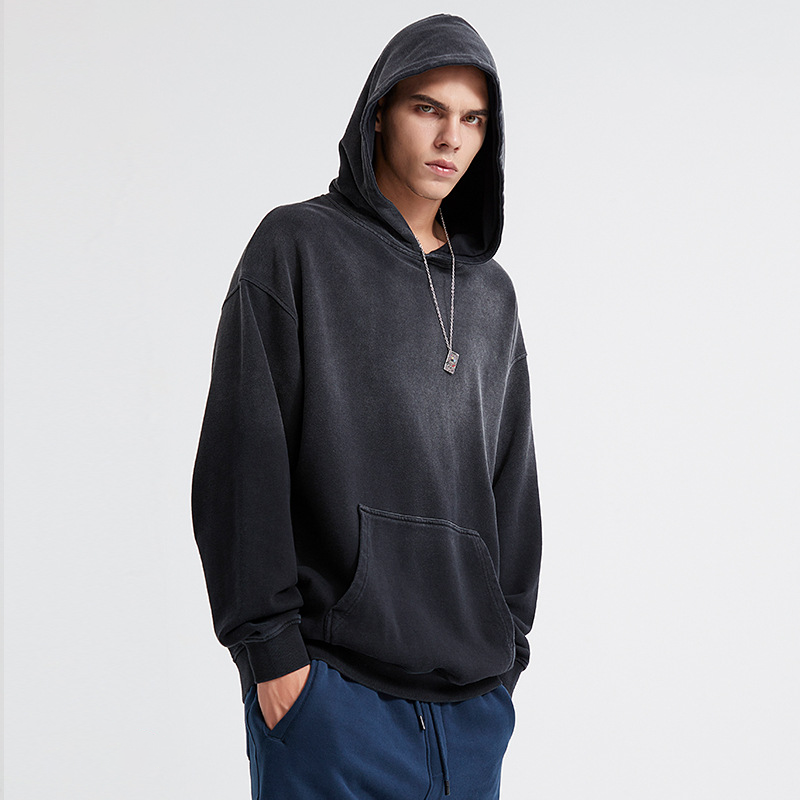
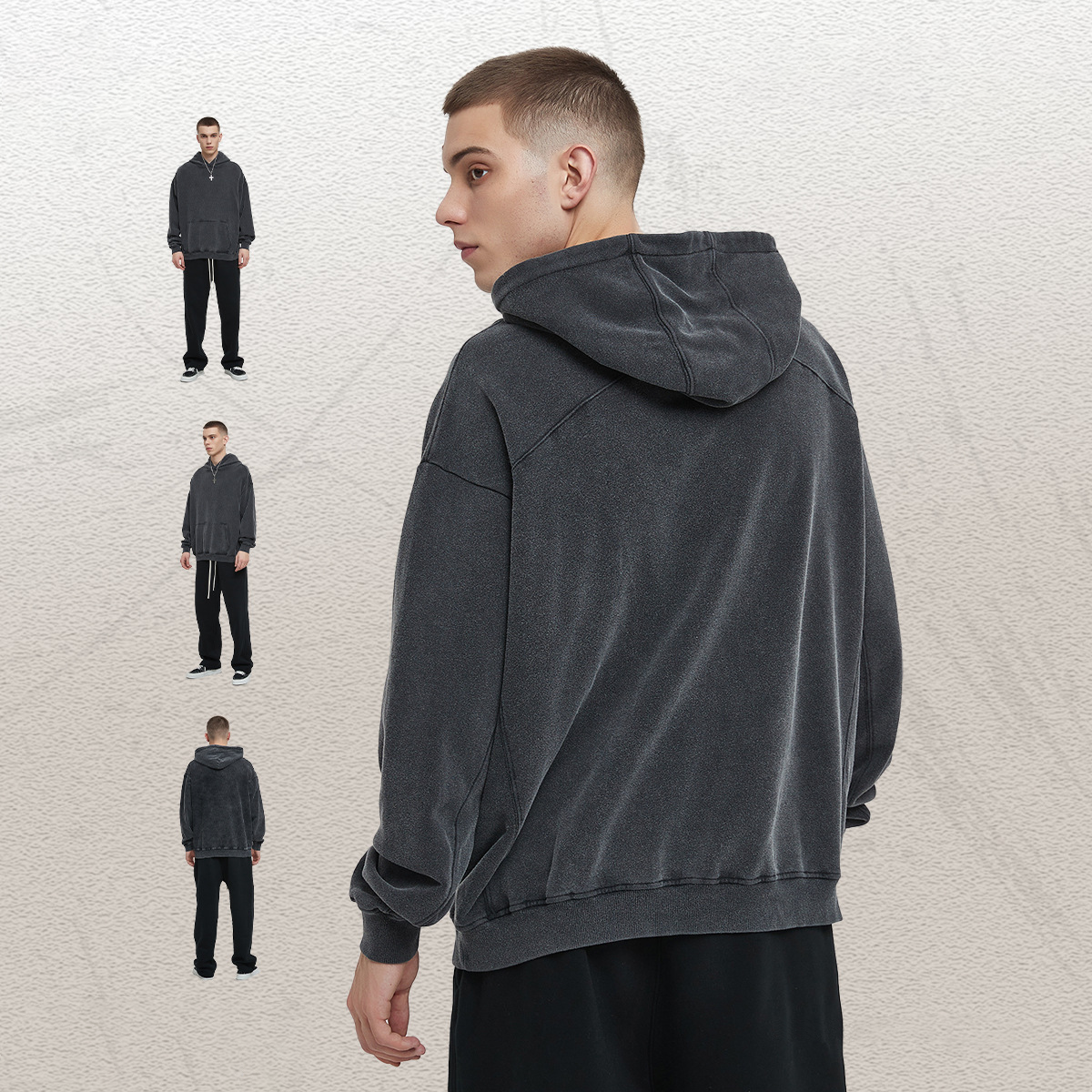
Custom Patch Clothing Manufacturer Capabilities That Protect Your Design
From material compatibility to bulk placement control, EDVORIN turns approved patch details into repeatable apparel standards.
Patch-to-Fabric Compatibility
We match patch materials, backing and attachment methods to garment fabrics so construction, hand feel and wear performance stay aligned.
Artwork Placement Control
Placement dimensions, reference points and approval records help keep chest, sleeve and back patches consistent across every size and bulk run.
Construction-Led Sampling
Samples test patch scale, edge finish, stitch density and garment balance before those decisions become the standard for production.
Decoration Coordination
Printing, embroidery, wash effects and trims are planned together so patches support the collection rather than compete with its construction.
Repeatable Bulk Standards
Approved samples, measurement points and in-line checks give production a visible benchmark for maintaining patch quality throughout the order.
Men’s and Women’s Fits
Patch proportions and placements can be adjusted to each fit block, helping men’s and women’s styles retain their intended visual balance.
Explore Patch-Ready Apparel Manufacturing
Compare garment categories, decoration options, and production support for patch programs that need consistent sampling, placement, and repeat bulk quality.
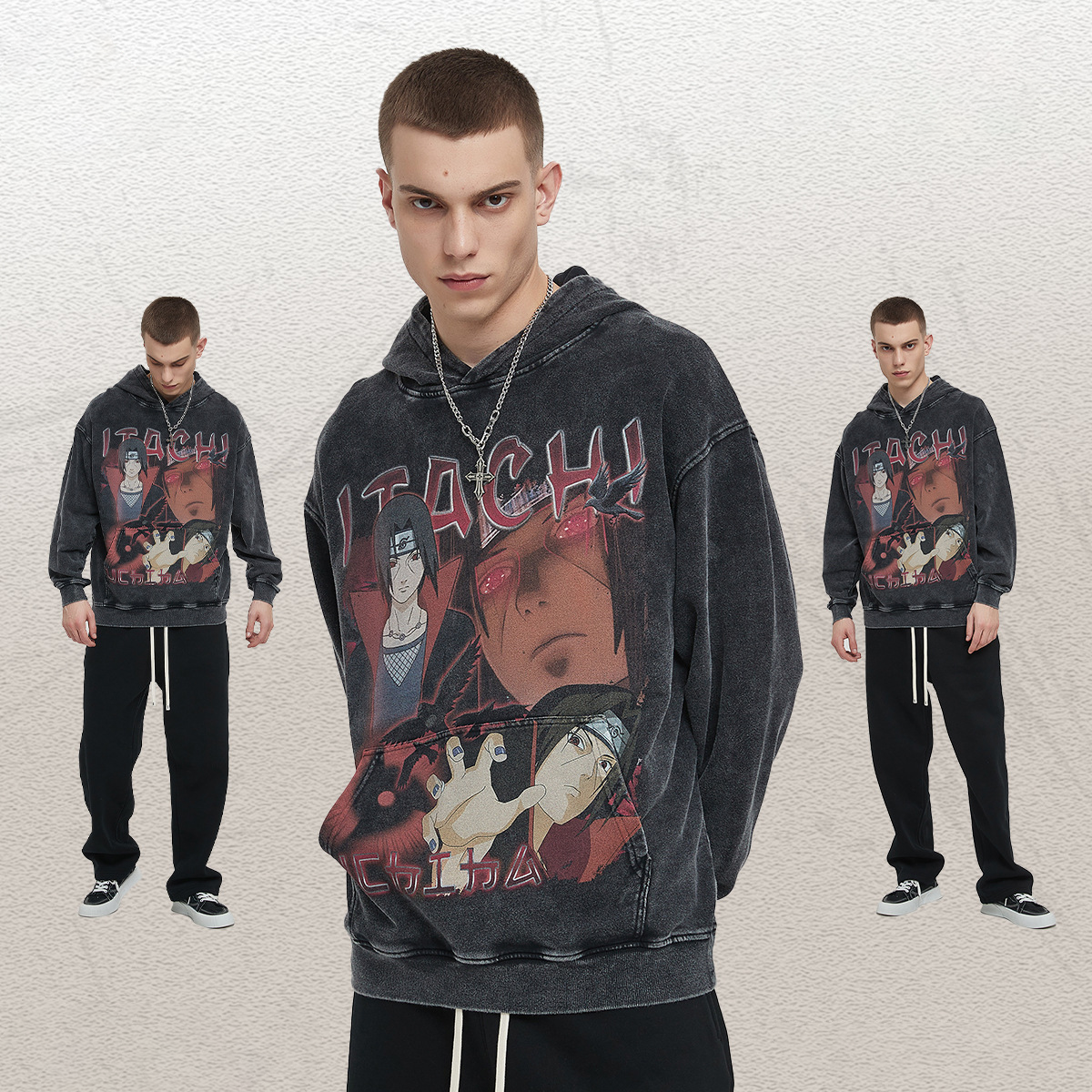
Custom Hoodies
EDVORIN develops custom hoodies with fleece selection, fit blocks, rib specifications, drawcord details, and patch placement standards. As a custom hoodie manufacturer, we support embroidered, woven, chenille, and appliqué patch applications from sample through bulk production.
Get a Quote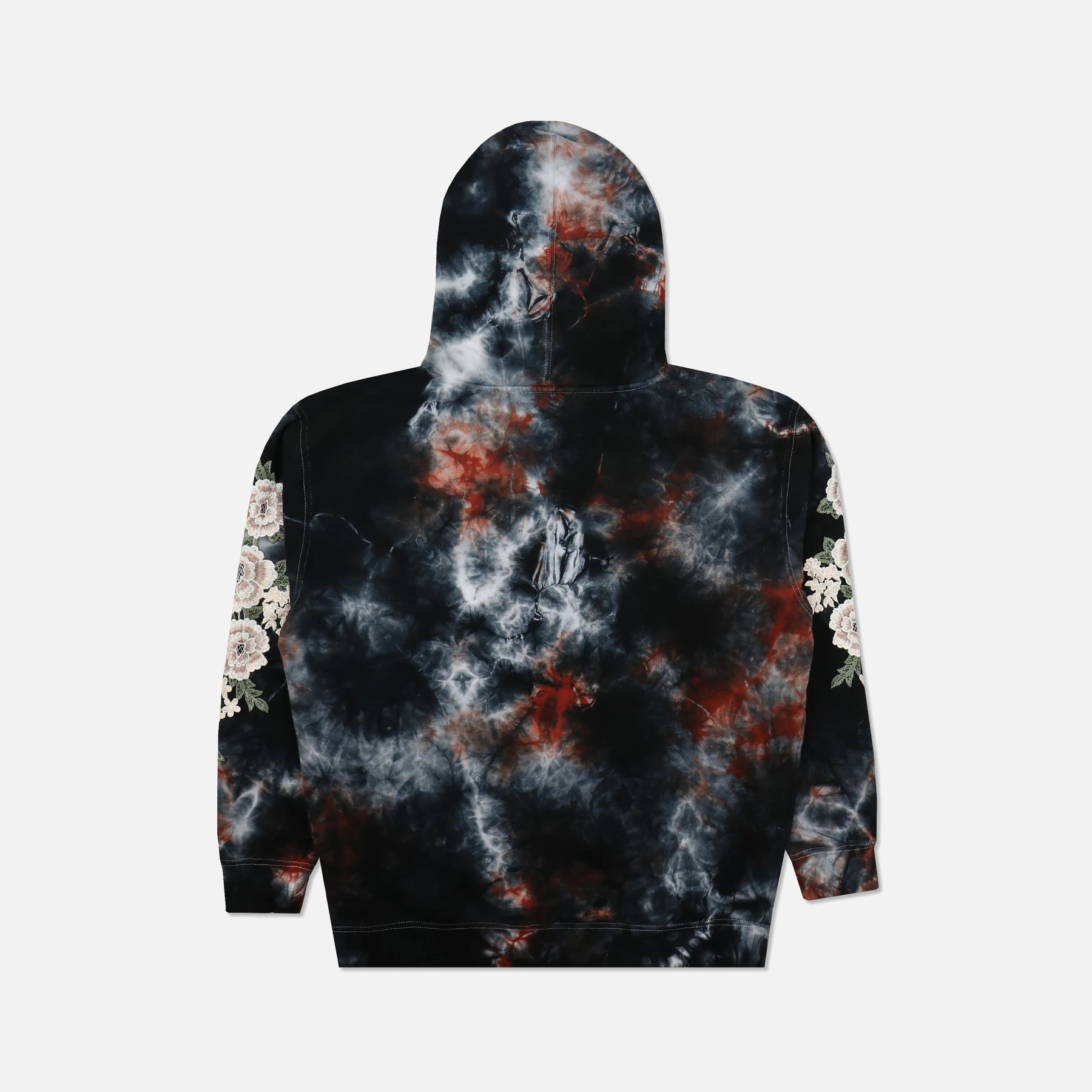
Pullover Sweatshirts
Our pullover sweatshirt programs cover fabric weight, brushed or loopback constructions, neck rib recovery, grading, and decoration placement. Patch specifications are documented against approved samples so repeat orders retain the intended look and construction.
Get a Quote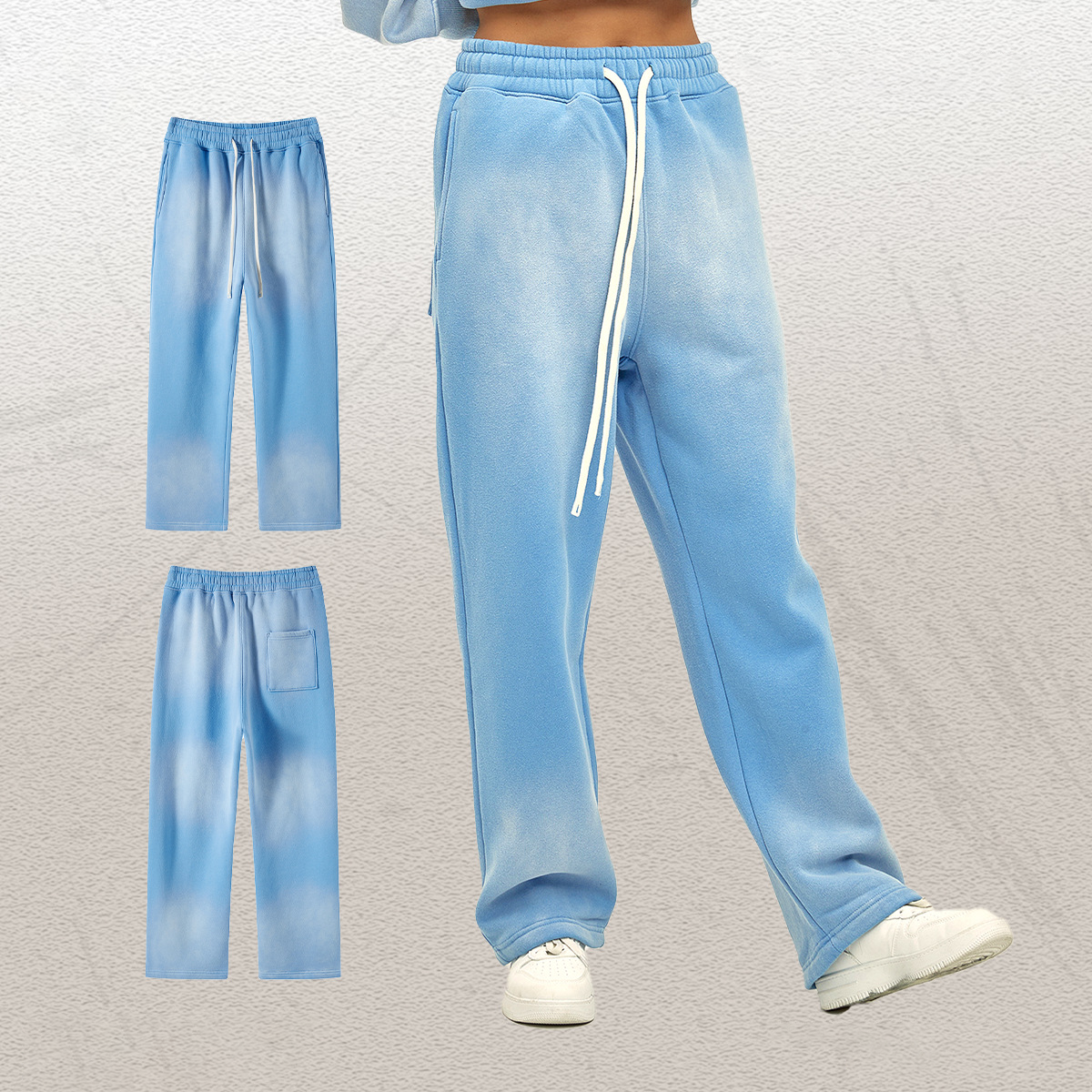
Sweatpants & Joggers
EDVORIN manufactures sweatpants and joggers with coordinated fabric, waistband, cuff, pocket, and fit specifications. Custom patches can be positioned on thighs, hips, back pockets, or side panels, with placement controls carried from sample approval into bulk production.
Get a Quote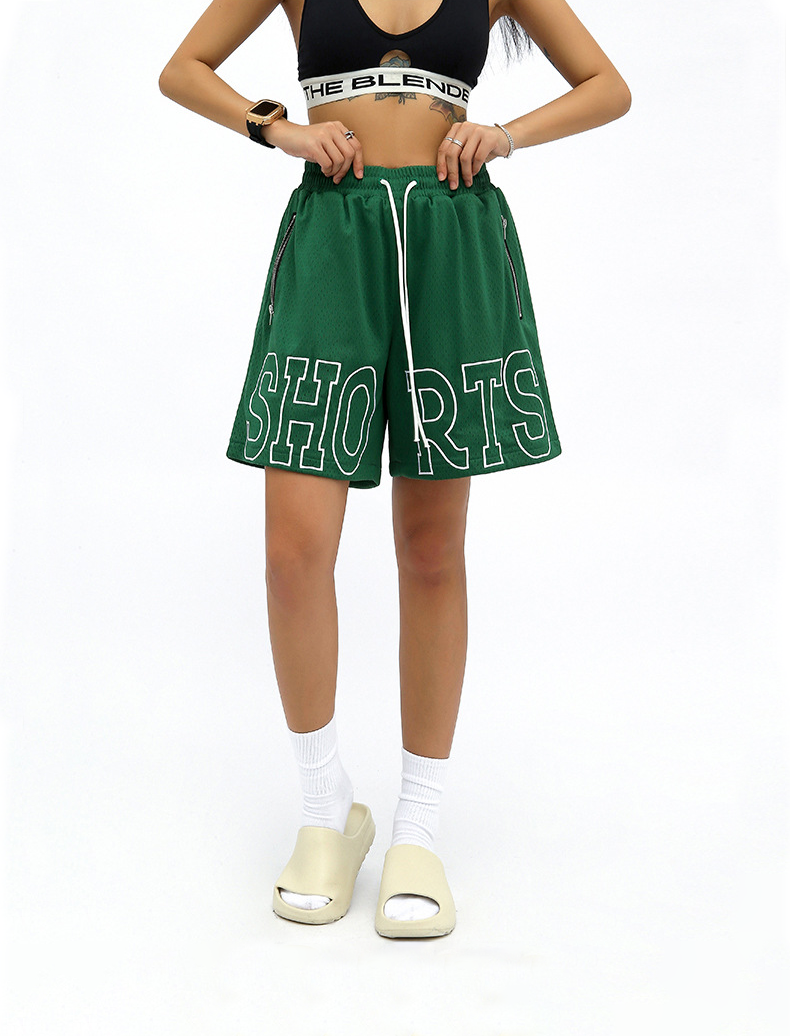
Custom Shorts
Custom shorts are developed around inseam, rise, waistband construction, pocket layout, and material performance. For patch programs, EDVORIN coordinates base fabric and attachment method for fleece, mesh, twill, woven, and activewear short styles.
Get a Quote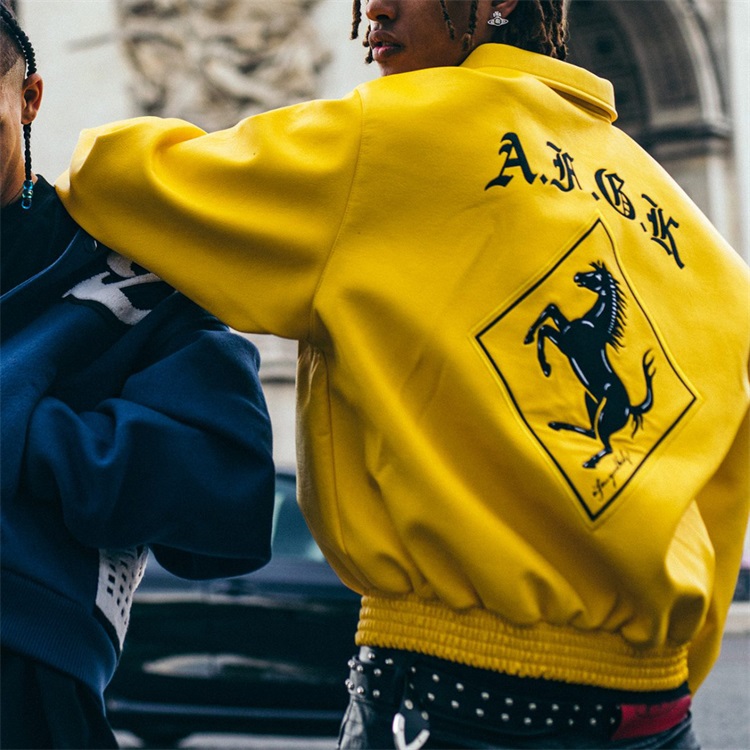
Varsity & Baseball Jackets
As a varsity jacket manufacturer, EDVORIN coordinates wool or fleece bodies, leather or synthetic sleeves, rib, snaps, lining, and patches. Chenille, embroidery, appliqué, and woven badges are developed as part of one approved jacket standard.
Get a Quote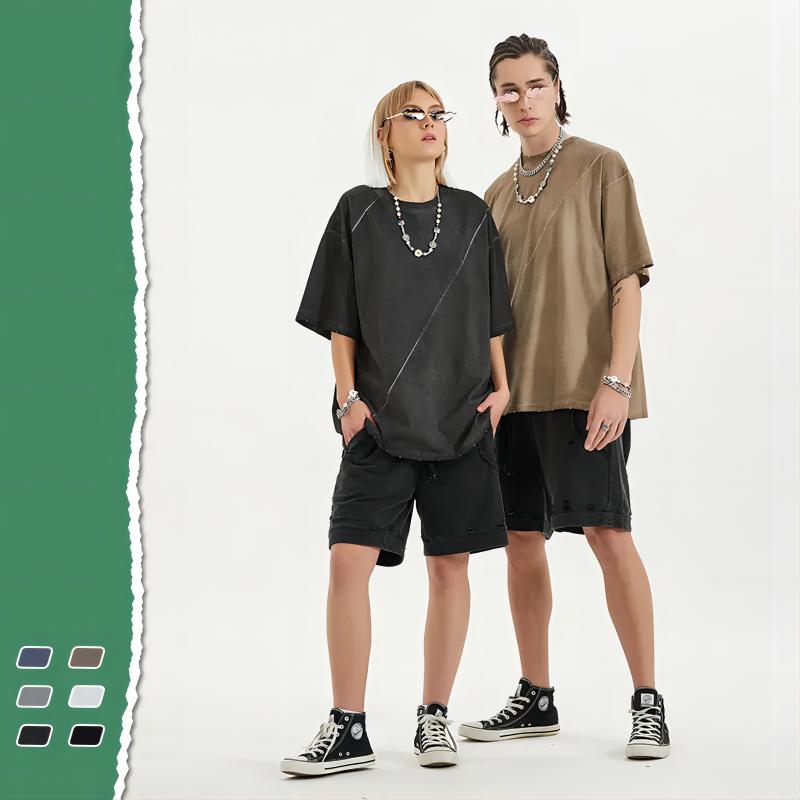
Custom T-Shirts
EDVORIN produces custom T-shirts with jersey weight, collar construction, fit, printing, and labeling defined for the target market. Patch options include woven labels, small embroidered badges, and appliqué details suited to chest, sleeve, or hem placement.
Get a Quote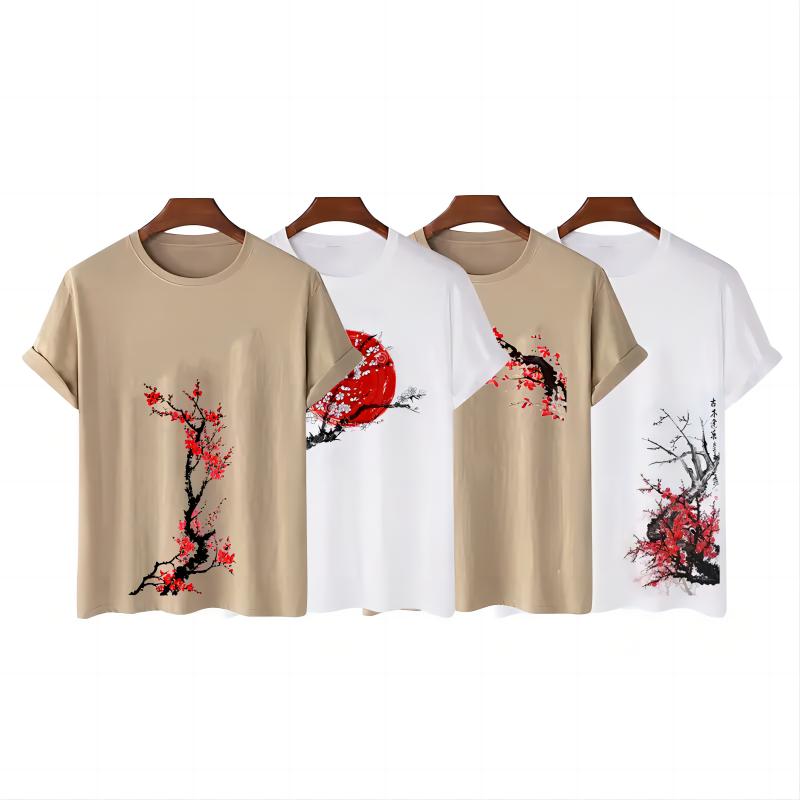
Custom Polo Shirts
Our polo shirt manufacturing covers pique or jersey fabric, collar and placket construction, sleeve finishes, fit grading, and decoration. Embroidered or woven patches can be specified for chest, sleeve, and team or corporate identity applications.
Get a Quote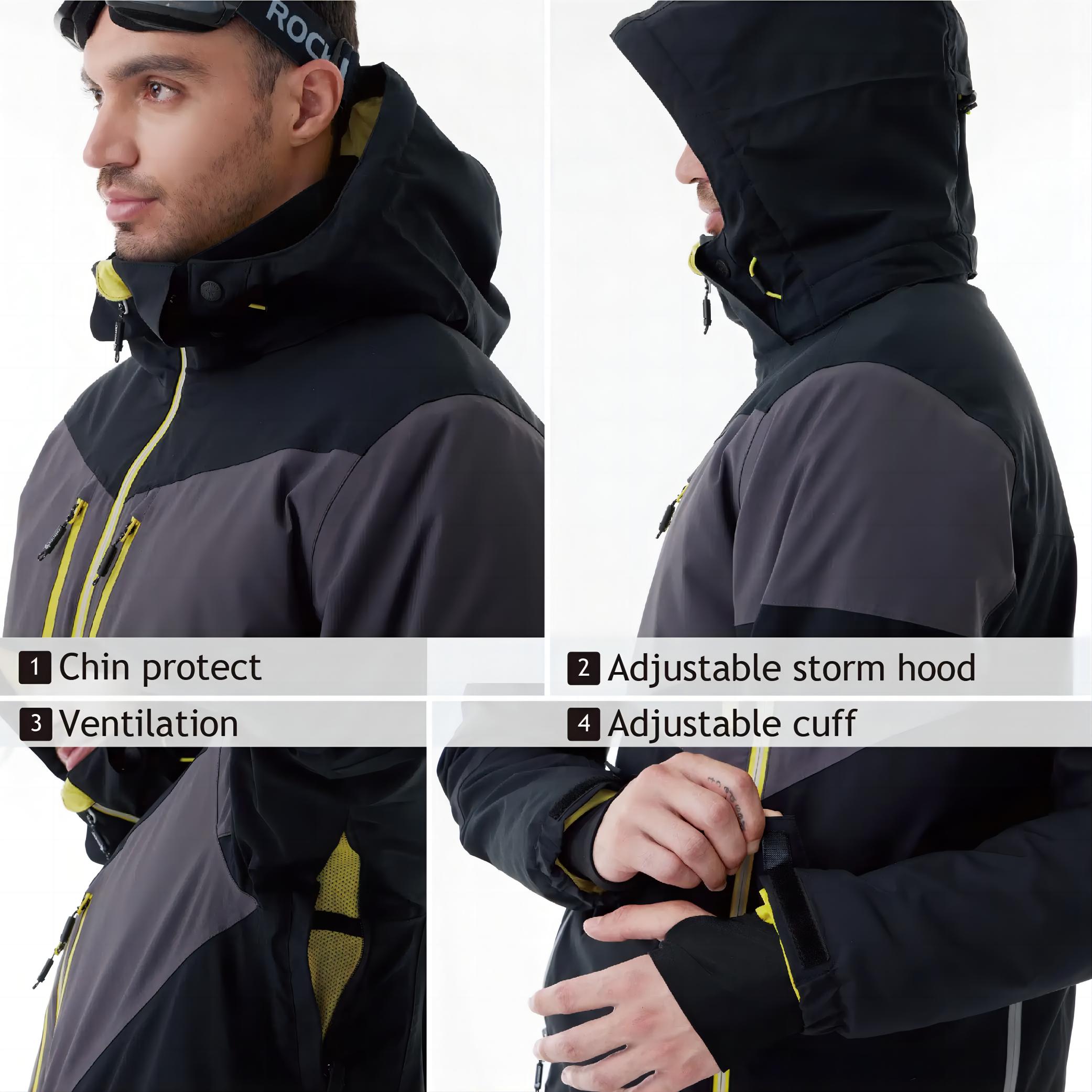
Windbreaker Jackets
EDVORIN develops windbreakers with shell fabric, lining, zippers, hoods, elastic details, and weather-related performance requirements. Patch attachment is evaluated against lightweight woven materials to maintain clean placement and durable construction.
Get a Quote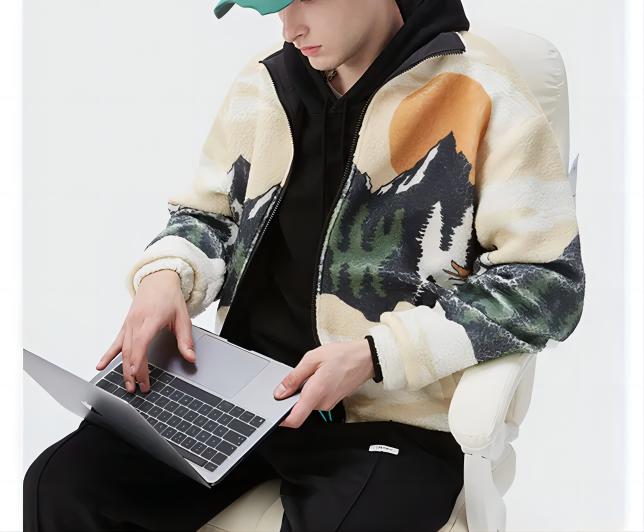
Quilted Jackets
Quilted jacket programs require coordination of shell, insulation, lining, quilting pattern, hardware, and finishing. EDVORIN develops patch placements that work with quilt lines, padded panels, and outerwear construction without compromising the approved appearance.
Get a Quote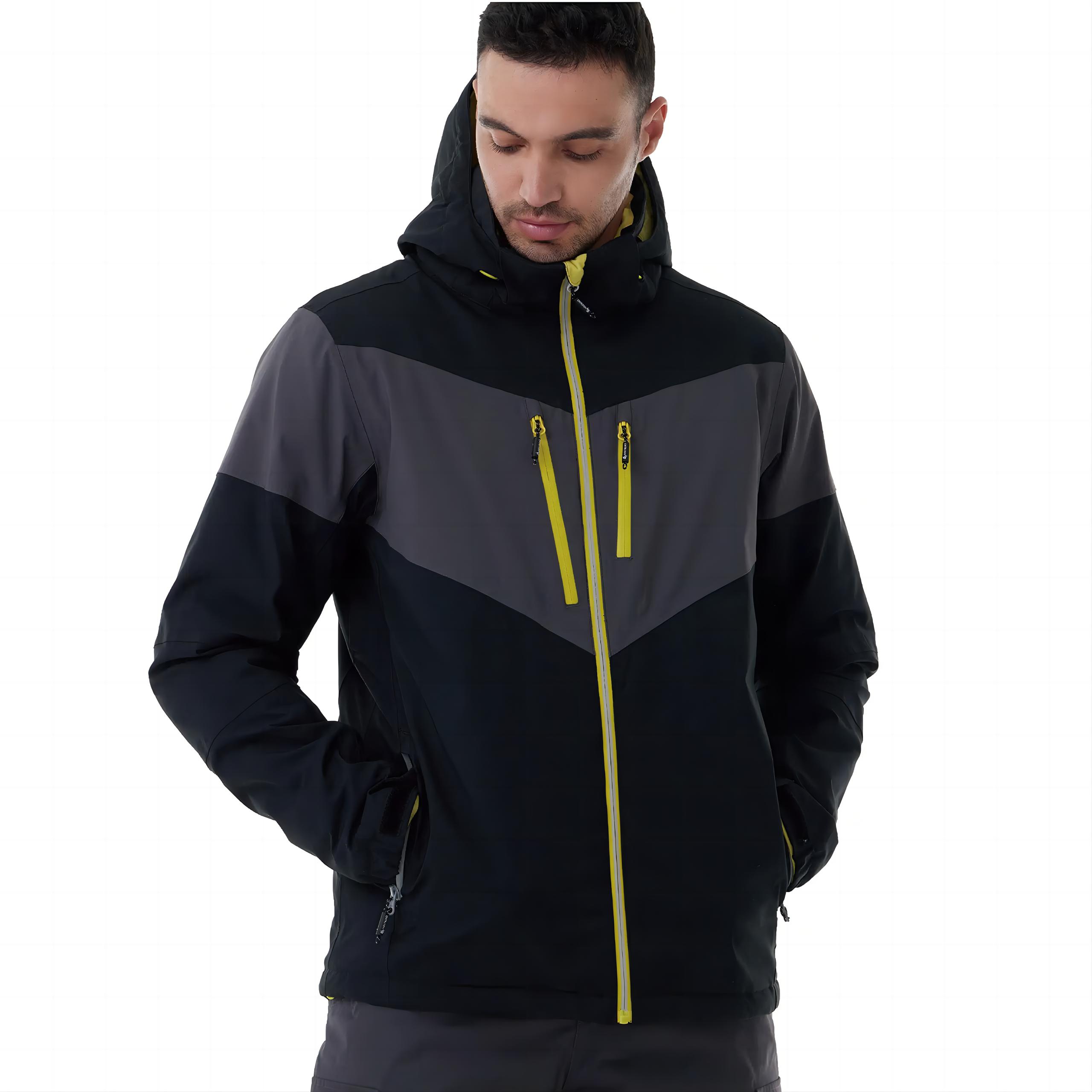
Bomber Jackets
As a bomber jacket manufacturer, EDVORIN manages shell material, lining, rib, zipper, pockets, and silhouette details. Embroidered, chenille, woven, and appliqué patches can be developed for chest, sleeve, and back applications.
Get a Quote
Custom Shirts
EDVORIN manufactures custom woven shirts with fabric selection, collar construction, plackets, cuffs, pocket details, and fit requirements. Patches and badges are specified for the chosen fabric weight and placement, supporting workwear, uniform, and fashion programs.
Get a Quote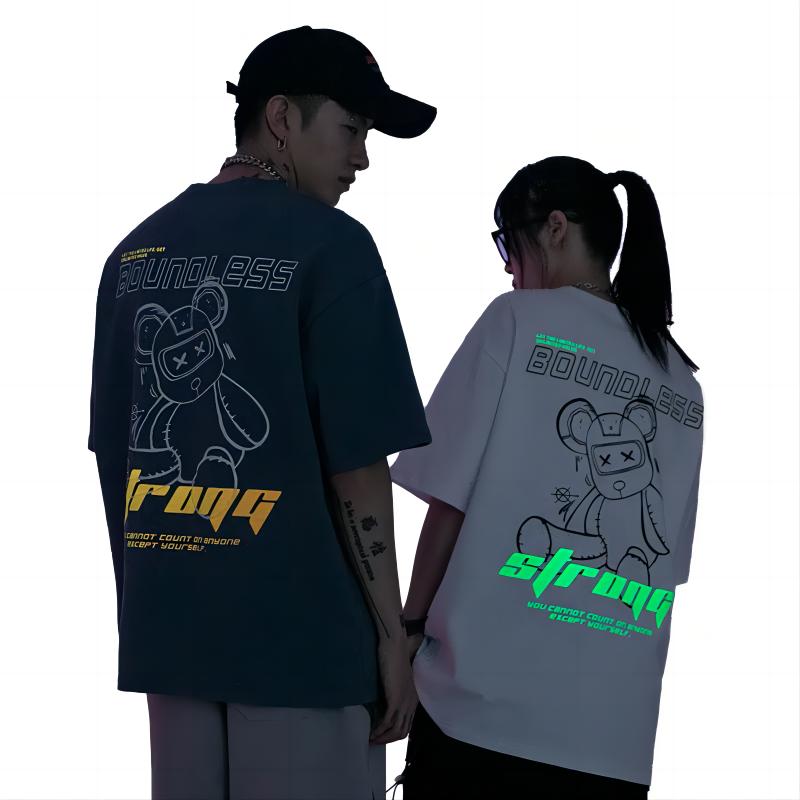
Custom Jerseys
Custom jerseys are developed for fabric breathability, color consistency, panel construction, name and number control, and repeat sizing. EDVORIN coordinates patches alongside printing or embroidery for clubs, schools, promotional programs, and branded teamwear.
Get a Quote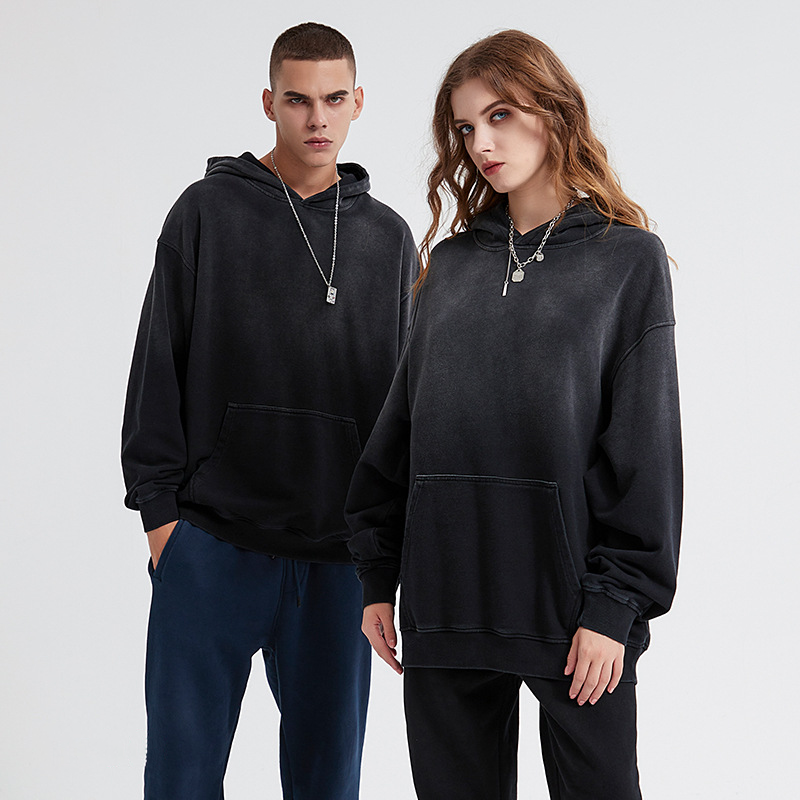
Tank Tops
Our tank top manufacturing supports jersey, mesh, rib, and performance fabrics with tailored proportions for men’s and women’s programs. Patch placement, edge finish, and attachment method are matched to lightweight constructions and intended wear.
Get a Quote
Soccer Uniforms
EDVORIN produces soccer uniforms with moisture-management fabrics, team colors, player numbering, crest placement, and coordinated shorts. Woven or embroidered patches are controlled alongside heat-transfer and print specifications for organized team and club orders.
Get a Quote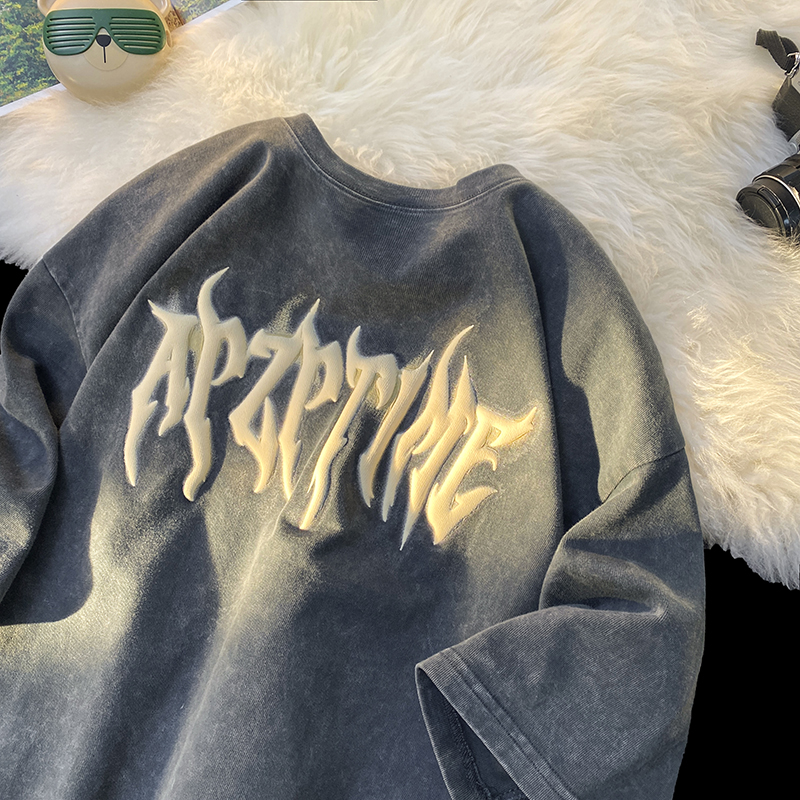
Basketball Uniforms
Basketball uniform programs include breathable fabric selection, reversible or single-layer construction, side panels, player names, numbers, and team branding. EDVORIN coordinates patches with sublimation, screen printing, or embroidery based on garment construction and use.
Get a Quote
Streetwear Collections
EDVORIN supports streetwear collections from concept, patterns, materials, samples, washing, and decoration through packaging. Patch applications can be coordinated across hoodies, tees, jackets, bottoms, and accessories to create a consistent private-label collection.
Get a QuoteWhy EDVORIN Is a Custom Patch Clothing Manufacturer
Founded by Edvorin Zeng in 2000, EDVORIN was built around a practical mission: help brands carry a garment idea reliably from development to bulk production. As a custom patch clothing manufacturer, we align product construction, fabric, patch decoration, trims and finishing before the order reaches the production line.
Our OEM, ODM and private-label workflow supports casualwear, streetwear, outerwear and teamwear for men’s and women’s programs. Whether you provide a finished tech pack or an early concept, EDVORIN coordinates patterns, samples, embroidery, printing, washing, labeling and packaging through one accountable production path.
What makes EDVORIN different is the discipline after sample approval. We document materials, measurements, patch placement, artwork and trims so bulk production follows a clear standard. In-line checks and final inspection help protect consistency across orders, giving emerging labels and established buyers a foundation for repeatable growth.
Custom Patch Clothing Manufacturer Quality Controls
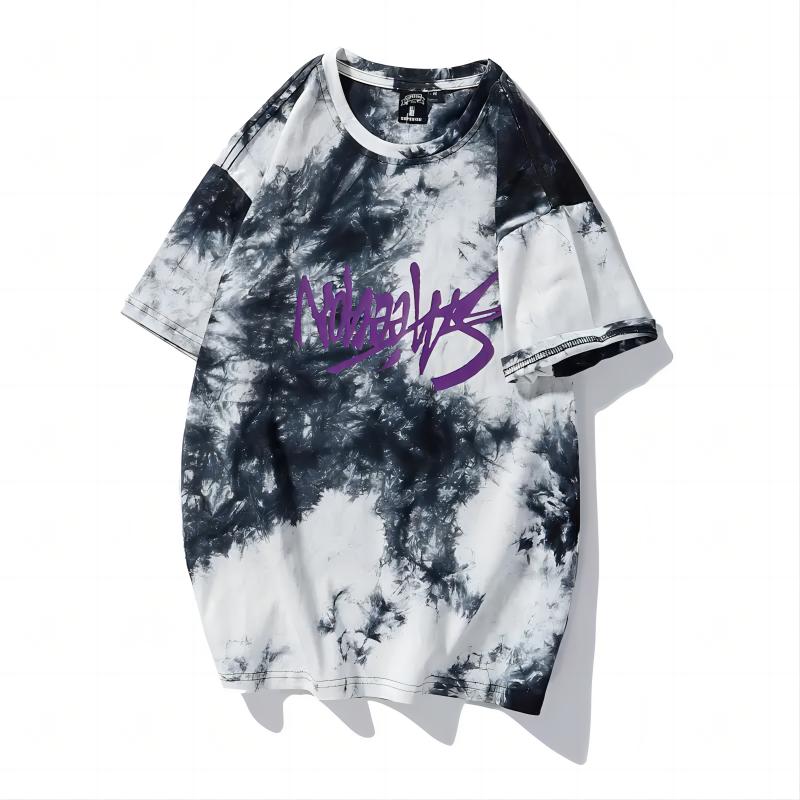
Match Backing to Wear
EDVORIN evaluates patch backing against the garment’s intended use, base fabric and care requirements before bulk production. The goal is a patch that supports the design without adding unwanted stiffness, show-through or movement on the finished piece.
- Select backing for knit, fleece, woven or performance fabric behavior
- Review edge structure, thickness and flexibility with the garment
- Confirm how the patch will perform through intended wash and wear
- Keep backing specifications tied to the approved sample
Choose the Right Attachment
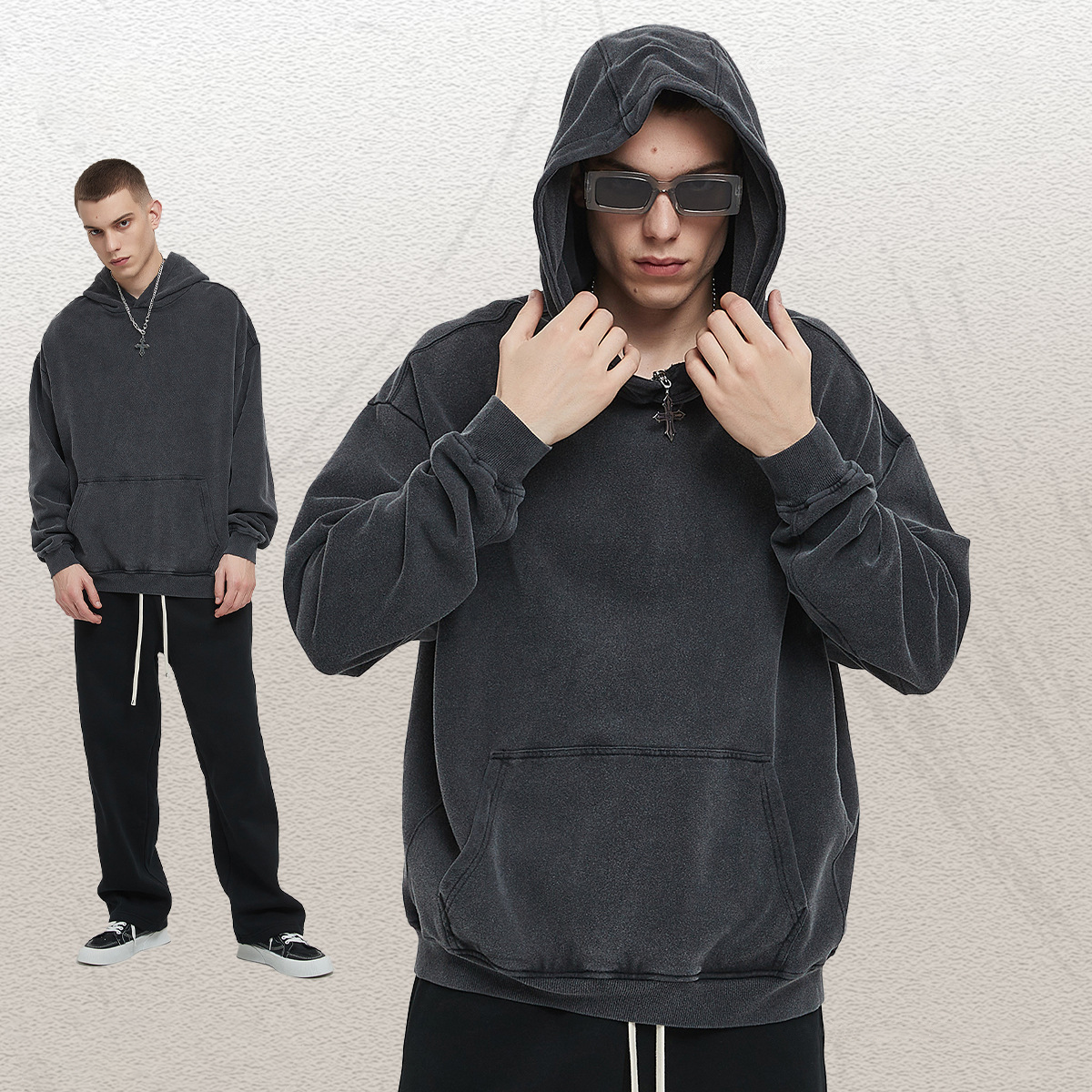
A patch is only as reliable as its attachment method. For each custom patch clothing manufacturer program, EDVORIN aligns sew-on, heat-applied or other specified attachment approaches with construction access, placement area and the product’s expected use.
- Assess attachment options during development, not after cutting
- Plan attachment around seams, pockets, linings and panel construction
- Test the method on the actual garment material and patch build
- Record the approved application process for bulk consistency
Lock Placement Standards
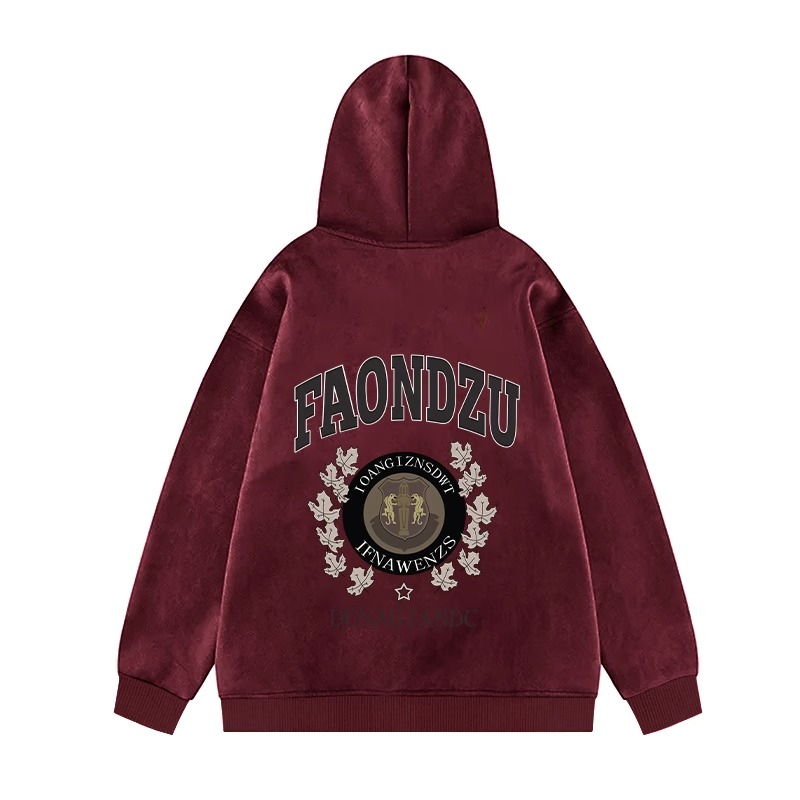
Patch placement is documented as a measurable production standard, not a visual guess. EDVORIN uses approved references to guide position, orientation and spacing across size runs, helping fashion, teamwear and private-label programs retain a consistent branded appearance.
- Set placement measurements from stable garment reference points
- Define orientation and spacing relative to seams and panels
- Review placement across the full size range where needed
- Use approved samples as the on-line comparison standard
Test the Complete Build
Patch quality depends on the relationship between decoration and garment construction. EDVORIN reviews fabric weight, stretch, seam structure, wash treatment and patch dimensions together, then carries approved details into production control for a more repeatable finished result.
- Check patch scale against the garment’s fit and construction
- Consider stretch, drape and reinforcement needs at the placement area
- Coordinate patch details with fabrics, trims, washing and labels
- Inspect bulk output against approved material and placement standards
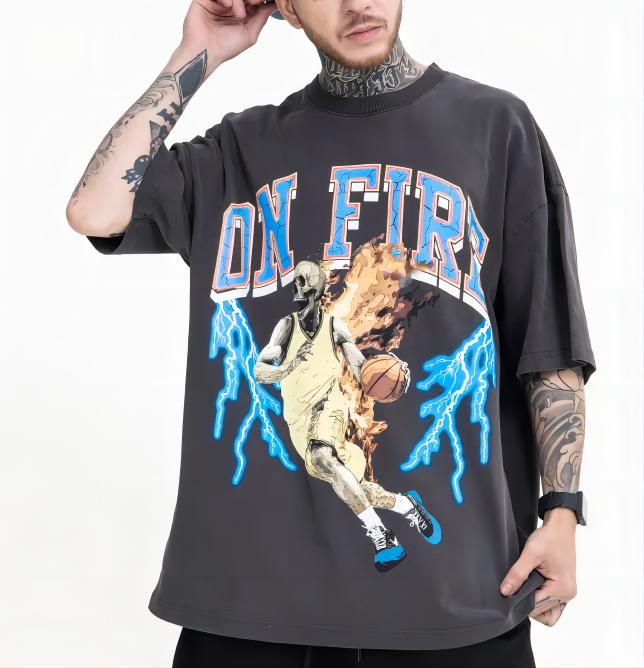
Custom Patch Clothing Manufacturer: Patches vs. Direct Embroidery
Choose the decoration route that best fits your fabric, artwork, placement and repeat-production requirements.
← Swipe left or right to view →
Custom Patch Clothing Manufacturer Production Process
EDVORIN turns approved patch and garment specifications into repeatable production standards, with placement and quality checks carried through bulk packing.
Review Artwork and Specifications
We review garment construction, patch artwork, dimensions, backing, colors, placement measurements, attachment method, labels, and packaging requirements before development begins.
Develop Patch and Garment
Our team coordinates materials, patterns, patch technique, and sewing or heat-application details to create a production-ready sample for your approval.
Approve the Production Standard
Approved samples, measurement charts, color references, and patch placement records become the documented standard used to guide repeatable bulk production.
Control Attachment and Placement
During production, in-line checks verify patch alignment, stitch or application quality, garment measurements, and overall appearance against the approved reference.
Inspect Before Final Packing
Final quality control reviews finished garments, patch security, decoration consistency, labeling, sizing, and packaging before the order is prepared for shipment.
How to Order From a Custom Patch Clothing Manufacturer
Move from concept to a repeatable custom patch clothing program with clear specifications, sample approval, and controlled bulk production.
Share Your Product Direction
Send a tech pack, sketch, reference garment, or collection brief with garment style, target fit, quantities, and intended market for men’s or women’s development.
Define Patch Specifications
Provide vector artwork and confirm patch dimensions, colors, material, edge finish, backing requirements, attachment method, and exact placement measurements for every garment size.
Review the Development Sample
EDVORIN coordinates materials, trims, garment construction, and decoration, then develops a sample for your review before documenting approved revisions as the production standard.
Approve and Release Bulk
Confirm the final sample and specifications, then release bulk production. In-line and final checks follow the approved standards before labeling, packing, and shipment preparation.
Custom Patch Clothing Manufacturer Programs Built for Brand Consistency
EDVORIN recorded every patch location and construction note during sampling. Across our 1,200-piece hoodie launch, placement stayed consistent from XS through 3XL, and the patches held cleanly after our wash testing.
We needed matching varsity jackets for 14 academy squads. The approved sample became a clear production standard, so our crest patches, snaps, and sizing arrived consistent across 560 jackets and ready for distribution on schedule.
For our second reorder, EDVORIN matched the original patch scale, color direction, and placement measurements without us having to rebuild the specifications. That saved our team nearly two weeks of development time for a 900-piece program.
The Complete Buyer’s Guide to Custom Patch Clothing Manufacturing
Clear answers on materials, decoration coordination, sampling, MOQs and production readiness for patch apparel programs.
What fabrics work best for custom patch clothing?
Can a custom patch clothing manufacturer combine patches with embroidery or prints?
What patch attachment options are available for custom clothing?
What is the MOQ for a custom patch clothing manufacturer?
Can you make a sample before my custom patch clothing order goes into bulk production?
How should I prepare artwork for custom patch garments?
How do you keep patch placement consistent across a bulk order?
Can you develop custom patch clothing for men’s and women’s collections?
The Complete Buyer’s Guide to custom patch clothing manufacturer
Use this practical framework to compare patch formats, garment materials, construction standards, supplier capabilities, pricing drivers, and launch steps—while avoiding specification, sampling, timeline, and quality-control mistakes that can disrupt your collection.
1. What Is a Custom Patch Clothing Manufacturer?
200 pieces is a practical starting scale for a custom patch clothing manufacturer: it develops the garment itself, then applies or integrates approved patches into a repeatable production specification. The result can be a hoodie, varsity jacket, jersey, or woven style whose base fabric, fit, patch placement, labels, and packaging are controlled together.
Three supplier models are often confused. A patch maker supplies the badge; an apparel decorator adds a supplied patch to ready-made blanks; a full-service manufacturer coordinates product development, sourcing, patterns, sampling, production, decoration, and final packing for the finished garment.
EDVORIN serves buyers who need that connected model across fashion drops, schoolwear, club uniforms, team merchandise, wholesale assortments, and private-label collections. It is especially useful when men’s and women’s fits, grading, materials, or placement standards must remain consistent beyond a single run.
2. Evolution of Patch-Decorated Apparel
20th-century military and institutional uniforms established the patch as a fast visual marker of role, unit, and membership; that identification logic later moved into organized apparel programs (https://patchsuperstore.com). Varsity jackets turned lettering, chenille, and achievement emblems into wearable records, while sports uniforms standardized crests, numbers, and sponsor marks.
1970s workwear and subsequent streetwear adopted patches as a durable branding layer rather than a fixed uniform requirement. A chest, sleeve, back, or hem placement can now distinguish a core logo from a limited-drop graphic without redesigning the garment pattern.
200-piece programs require the same artwork, placement measurements, thread or material callouts, backing, and attachment method to be approved before bulk production. For a custom patch clothing manufacturer, repeatable decoration supports scalable branding, collectible seasonal variants, and reliable reorders across apparel categories.
3. Types of Custom Patch Clothing Manufacturer Services
Five service models divide control differently across the garment, patch, and production record. A 200-piece program usually benefits from fewer supplier handoffs when fit, trims, and decoration must repeat.
| Model | Controls | Best Fit |
|---|---|---|
| Patch-only | Patch | Approved blanks |
| Blank decorator | Decoration | Fast programs |
| Cut-and-sew | Garment and patch | Custom collections |
| Private-label | Brand finish | Launch-ready lines |
| Coordinated partner | Sourcing to packing | Repeat programs |
Patch-Only Suppliers
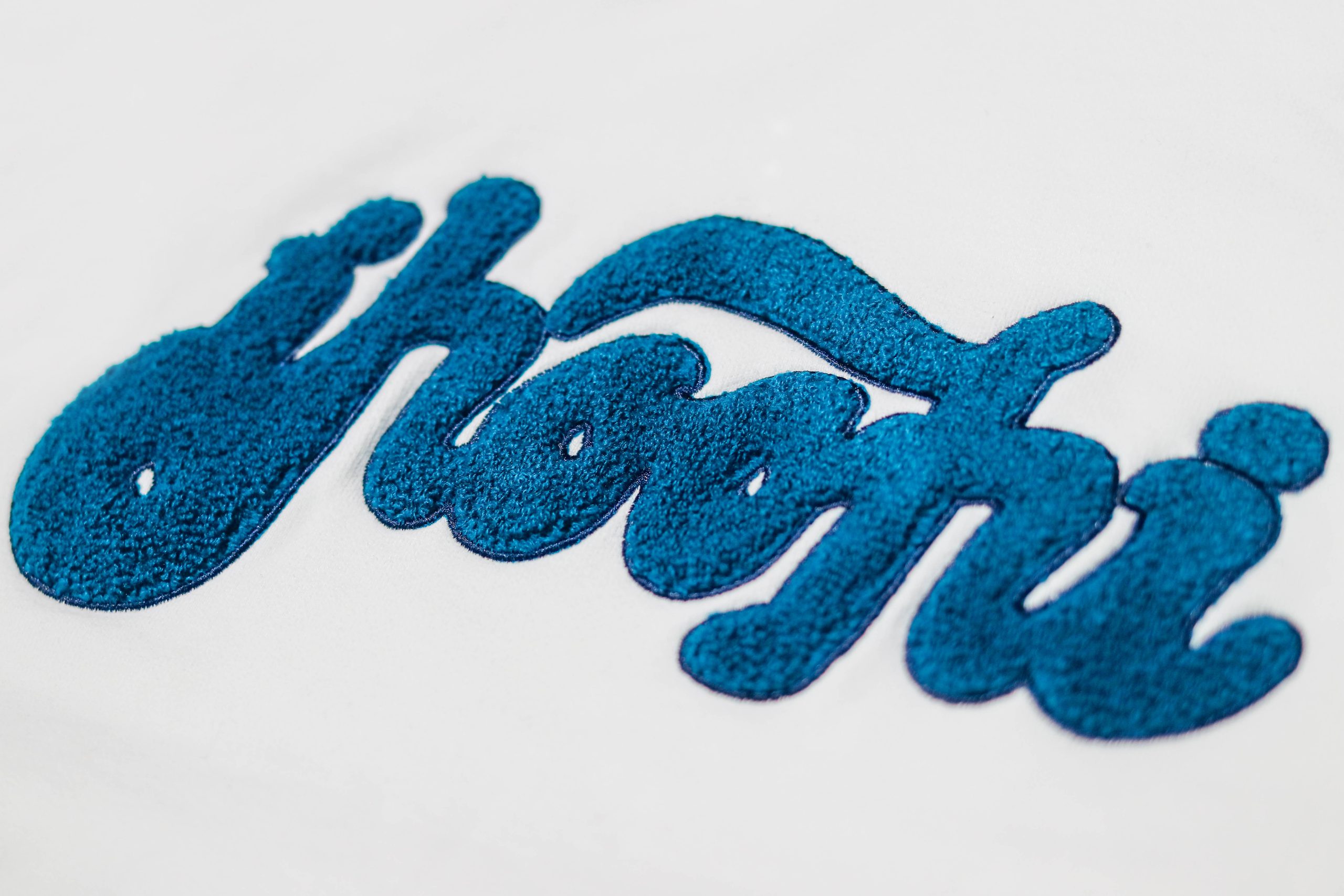
Patch-only suppliers control patch type, backing, and artwork conversion, not the garment.
Small runs suit buyers with approved blanks; buyers manage blank procurement, placement, attachment, and wash-risk testing.
Blank-Garment Decorators
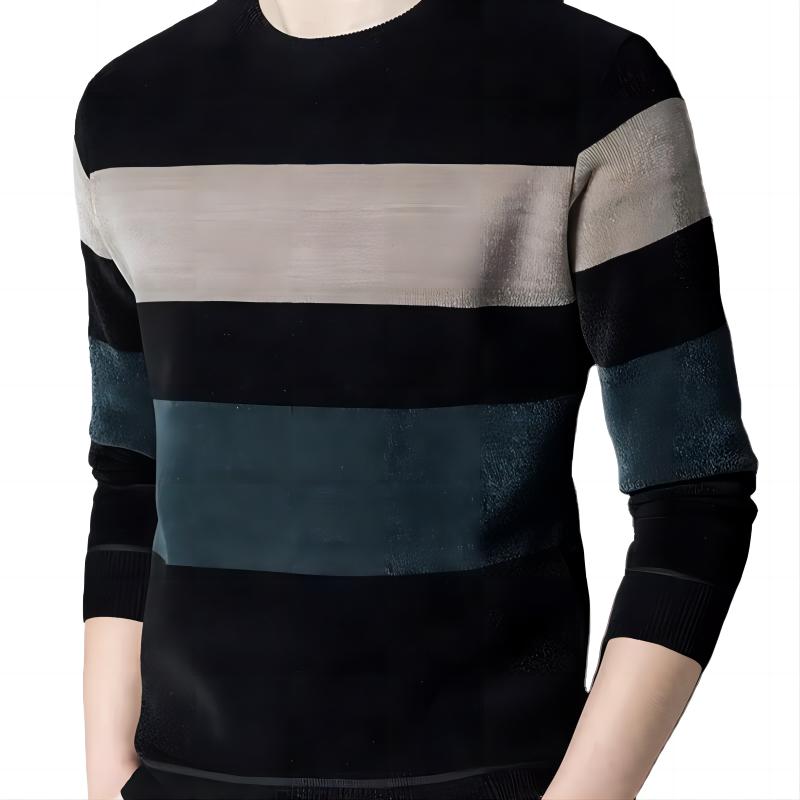
Blank decorators add patches to stock hoodies, tees, or jackets with fast style selection.
Stock programs suit events and uniforms; buyers accept fixed fabrics, fits, colors, and seasonal availability.
Cut-And-Sew And Coordinated Partners
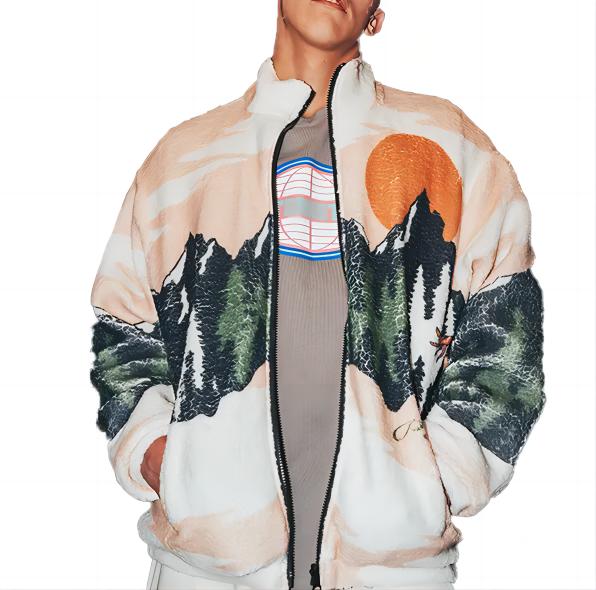
Cut-and-sew manufacturers control patterns, fabric specifications, construction, and patch application from a tech pack.
Private-label and vertically coordinated partners extend control to labels, packaging, sourcing, and inspection; EDVORIN organizes these handoffs through one production path.
4. Materials and Fabrics for Patch Clothing
Fabric weight, stretch, surface texture, wash target, and end use should be specified before a custom patch clothing manufacturer selects the patch and attachment method. The base garment controls puckering, edge lift, and long-term appearance.
| Base Fabric | Best Use | Patch Guidance |
|---|---|---|
| Cotton jersey | T-shirts | Light woven or print |
| Fleece | Hoodies | Embroidery or chenille |
| Denim/twill | Jackets | Leather alternative or embroidery |
| Polyester blend | Teamwear | Flexible print or low-profile embroidery |
Match Patch To Base
160–220 GSM cotton jersey needs light woven or printed patches; dense embroidery can distort soft knits. Brushed fleece and French terry support embroidery, chenille, and appliqué when stabilizer and placement are approved.
Plan For Movement And Washing
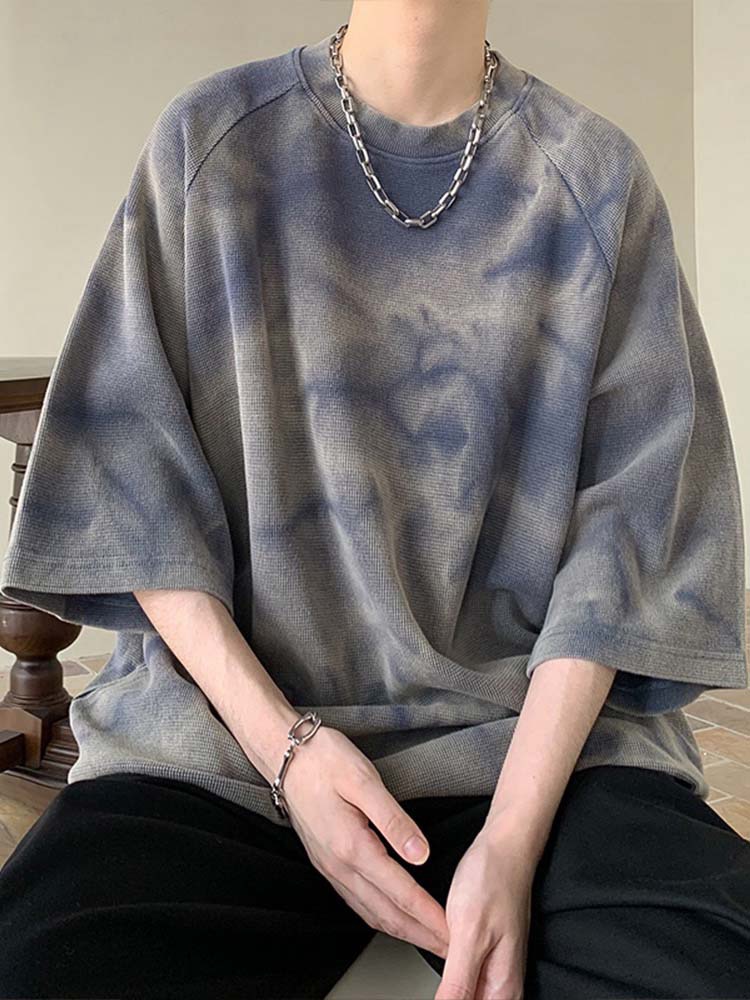
2-way or 4-way stretch polyester performance blends need flexible printed patches or low-profile embroidery. PVC is best reserved for structured outerwear or bags, because its stiffness can pull on stretch panels.
30–40°C wash testing should assess shrinkage, thread colorfastness, adhesive lift, and patch-edge curling before bulk approval.
Specify Patch Materials
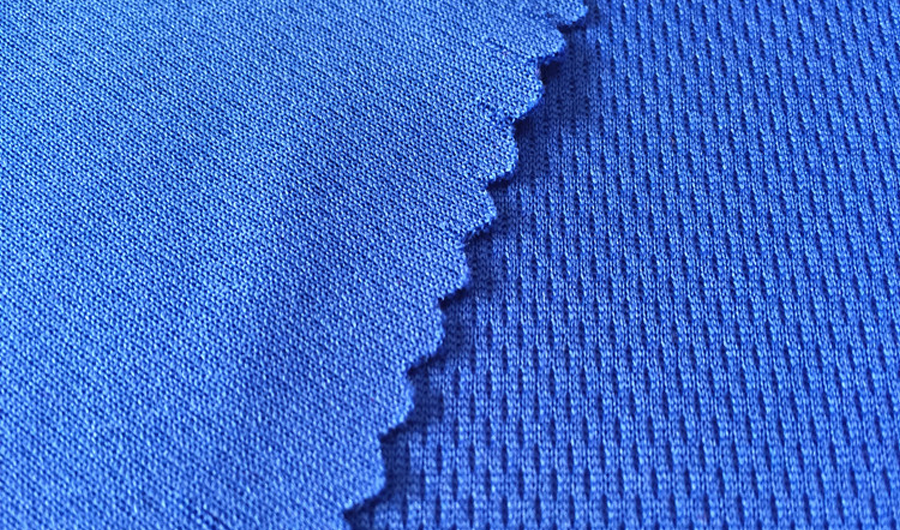
100% polyester embroidery thread offers durable color; woven fabric captures finer lettering. Chenille suits varsity styling, while leather alternatives and printed patches reduce bulk on denim, twill, and lightweight garments.
5. Custom Patch Clothing Manufacturer Decoration Options
A custom patch clothing manufacturer should match patch construction to artwork scale, garment weight, and intended wear. EDVORIN records placement, edge finish, and decoration sequence before sampling.
| Patch Type | Best Use | Surface Effect | Decoration Pairing |
|---|---|---|---|
| Woven | Fine logo | Flat | Embroidery |
| Chenille | Oversized letter | Plush | Screen print |
| PVC | Outdoor crest | Dimensional | Embroidery |
| Printed | Detailed graphic | Smooth | Applique |
Logos And Fine Detail
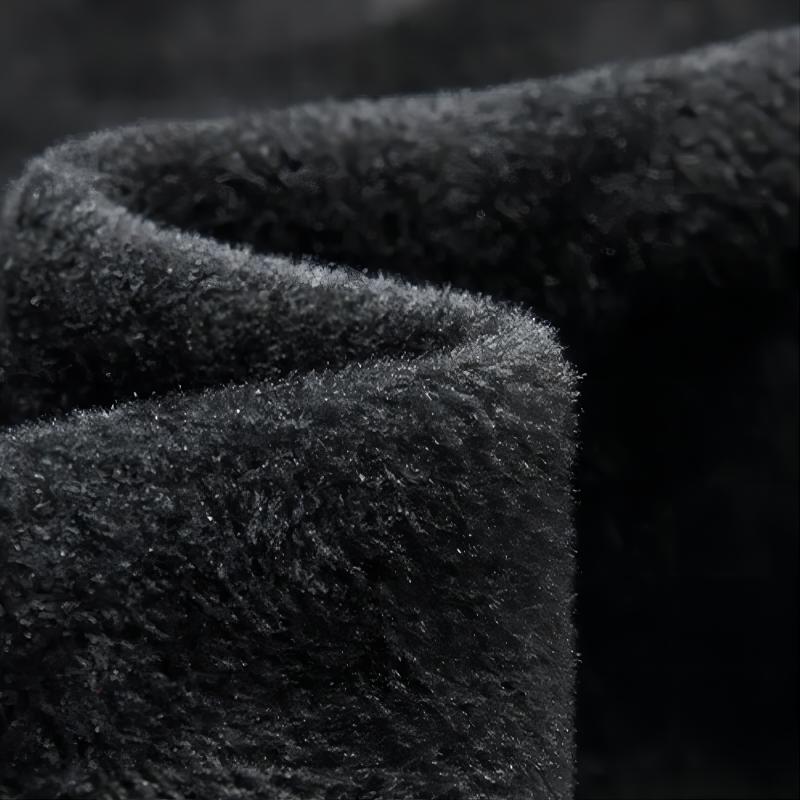
1 woven patch suits small type, fine lines, and flat crests. Embroidered patches add raised texture but need simplified details and adequate stitch spacing.
Uniforms And Heritage
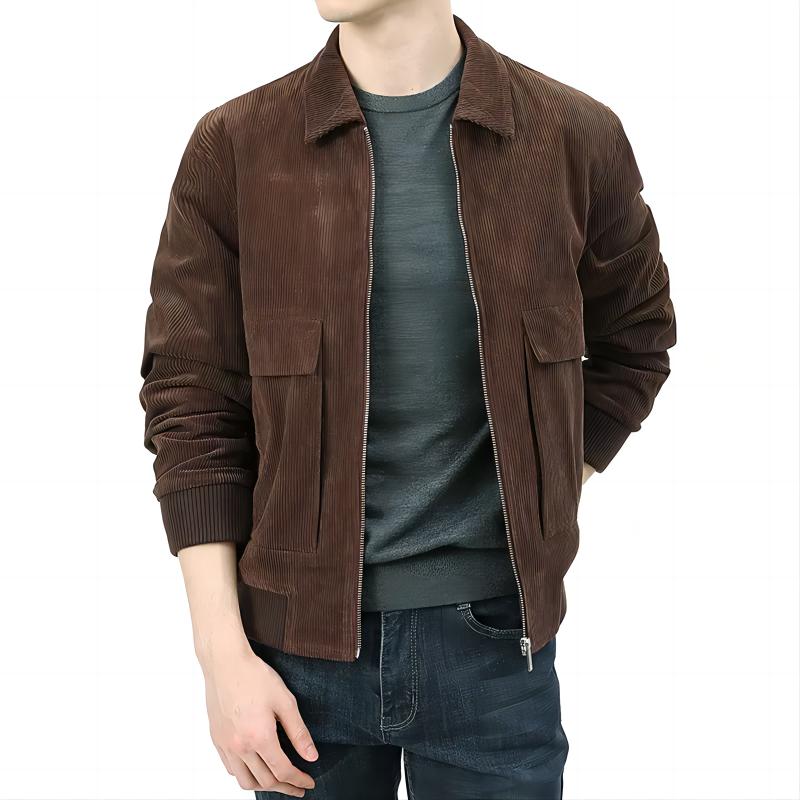
2 chenille patches create varsity depth for large letters, while PVC handles flexible, weather-exposed badges. Sew-on placement is usually more durable than adhesive backing on active uniforms.
Fashion-Led Layering
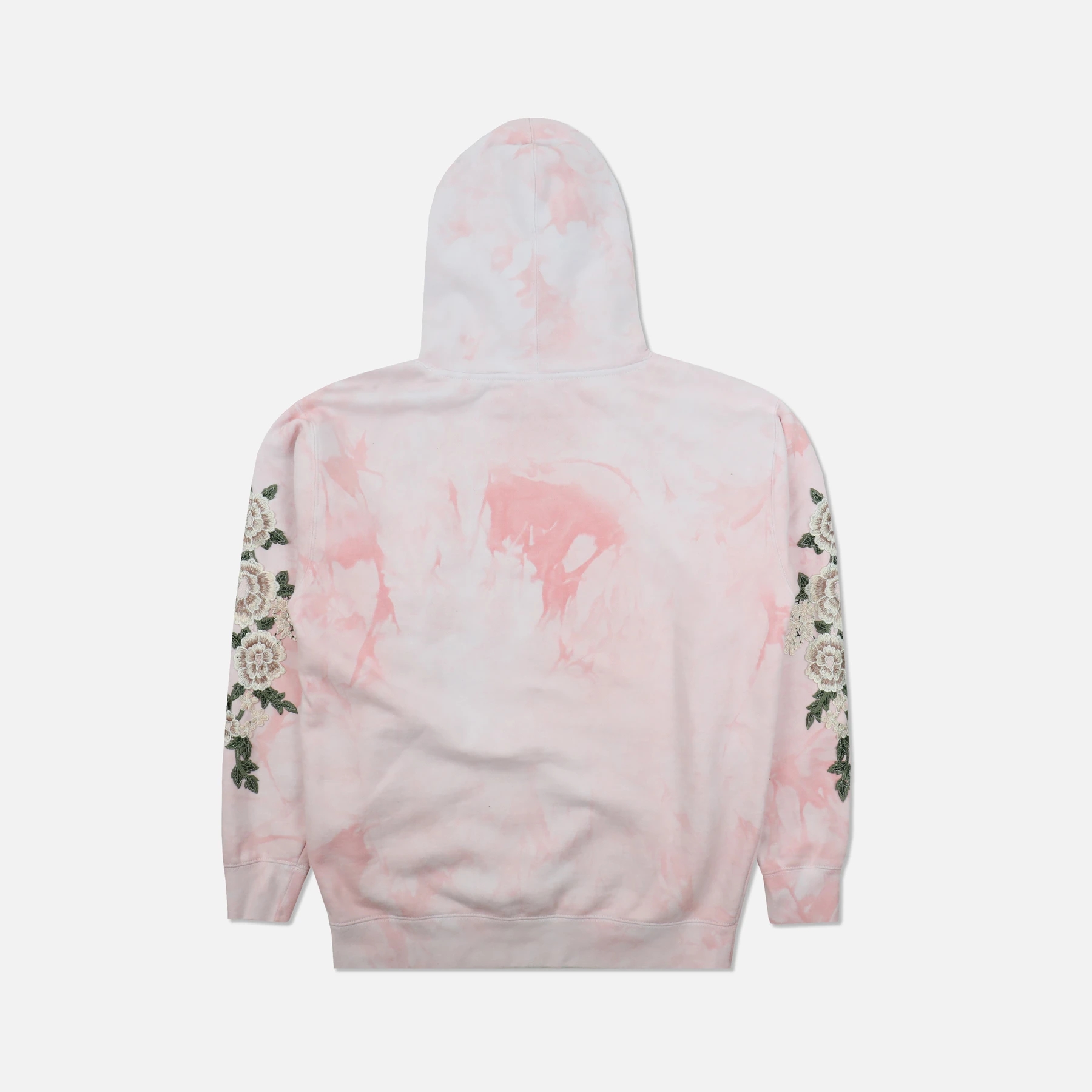
3 applique and leather-look patches work well on jackets and heavyweight fleece. Mixed-media layouts can pair patches with screen printing or direct embroidery when overlap and sewing order are approved.
6. Construction Quality Elements to Inspect
A patch can look approved at first inspection yet fail after wear or laundering. A custom patch clothing manufacturer should turn each visible and structural requirement into a sample check and written tolerance.
Patch Finish And Attachment
100% edge coverage should be visually checked for exposed base, loose thread tails, uneven satin borders, or fraying. Confirm whether the backing is sew-on, heat-applied, hook-and-loop, or another specified construction.
Two attachment checks matter: adhesion must remain stable where heat backing is used, while sewn patches need secure perimeter stitching without puckering or needle damage.
Placement And Fabric Stability
1 approved placement measurement from garment landmarks prevents drifting logos across sizes. Record the patch location, orientation, size, and allowable tolerance on the tech pack.
2 layers can behave differently under a patch: test whether the shell, fleece, or jersey needs stabilizer to avoid distortion, show-through, or seam rippling.
Color And Wash Approval
1 pre-production sample should match approved artwork, thread coverage, patch colors, and garment shade before bulk cutting. Compare production colors under a defined light condition against the approved reference.
3 wash checkpoints—edge condition, color change, and attachment strength—show whether the decorated garment still meets the agreed appearance after care testing.
7. How to Choose a Custom Patch Clothing Manufacturer
EDVORIN’s MOQ starts at 200 pieces per style. A 200-piece MOQ is only one decision point. Choose a custom patch clothing manufacturer by comparing relevant garment experience, written specifications, approved samples, and repeat-order controls—not the lowest quotation alone.
| Evaluation Area | Evidence | Decision Signal |
|---|---|---|
| Technical guidance | Written recommendations | Material and patch choices fit use |
| Sampling | Approved sample | Bulk reference is documented |
| Quality and reorder | Inspection records | Specifications can be repeated |
Questions to Ask
Ask for category-specific experience, capacity, production lead time, shipment options, and the process for Pantone, placement, backing, and revision approval.
- What is included in the quoted MOQ?
- Who approves artwork before sampling?
- How are reorders matched to approvals?
Evidence to Request
Request a dated tech pack, digital proof, sample photos, measurement tolerance, inspection checklist, packaging specification, and shipping plan. An approved physical sample should become the bulk-production reference.
- Comparable patch garment samples
- Written timeline and revision record
- QC and final-packing documentation
Compare The Production Path
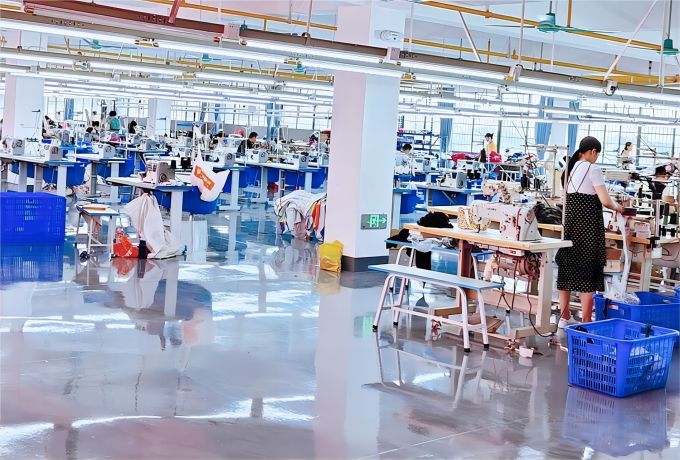
Compare each supplier against the same written brief. EDVORIN’s value is a connected path from development through labeling, packaging, and quality control.
8. Common Patch Clothing Sourcing Mistakes
Avoidable patch failures usually start before sampling: the brief omits use conditions, dimensions, attachment, and replenishment requirements. A custom patch clothing manufacturer needs those decisions documented before pricing or proof approval.
Match Patch To Wear
One wear map should define abrasion, laundering, stretch, and removal needs before choosing embroidery, chenille, woven, or PVC.
For clubs and schools, test the selected patch on the actual uniform fabric after laundering.
Specify Artwork And Placement
Two dimensions matter: finished patch size and placement measured from a stable garment point. Artwork alone cannot control scale across sizes.
For corporate programs, state backing, stitch color, orientation, left-chest location, and acceptable placement tolerance.
Slow Down Proof Approval
One digital proof should be checked against a size rule, color reference, backing, and garment placement before approval.
For launches, reserve time for a physical sample, revisions, bulk production, and freight; do not treat approval as shipment readiness.
Compare Complete Quotes
Three quote lines—garment, patch, and application—make supplier comparisons more reliable than a single unit price.
For reorders, retain approved artwork, patch specifications, fabric codes, placement records, size breakdowns, and packaging requirements.
9. Steps to Launch a Patch Clothing Collection
EDVORIN’s MOQ starts at 200 pieces per style. A 10-step launch path turns a patch concept into a controlled production order. Start with intended wearer, garment use, sales channel, and a 200-piece MOQ plan.
Define The Product Brief
1. Identify audience, wear conditions, fit, colorways, and launch date.
2. Deliver a one-page brief with target quantities and size breakdown.
Build The Specification Sheet

3. Record garment measurements, fabric, trims, patch size, placement, backing, labels, and packaging.
4. Choose compatible materials, such as fleece with embroidery or twill with chenille.
Approve Artwork And Samples
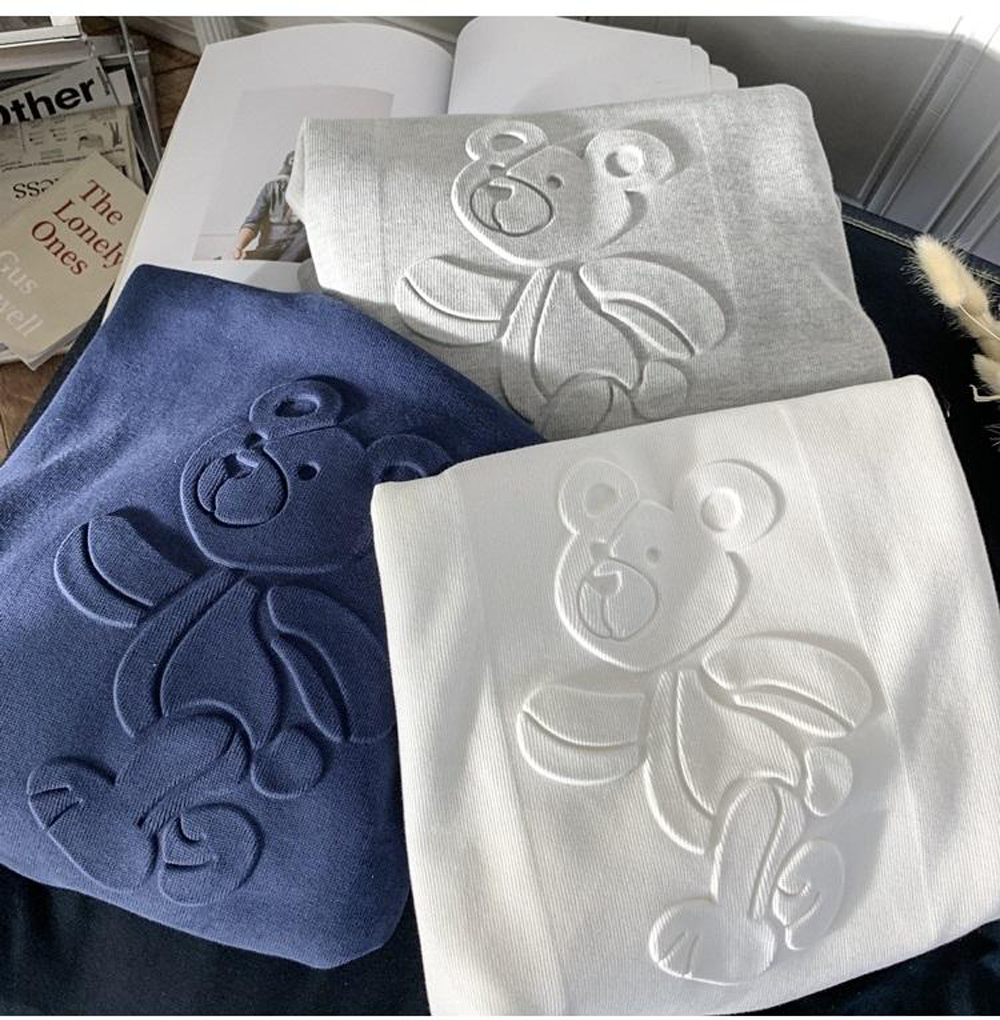
5. Supply vector artwork, Pantone references, and placement dimensions for a production-ready proof.
6. Review the digital proof, then approve a sample for fit, patch attachment, color, and workmanship.
Control Production And Launch
7. Request a quote covering quantities, materials, decoration, packaging, and delivery terms.
8. Place production after sample approval; inspect measurements, patch placement, labels, and packed counts before fulfillment or retail release.
10. Custom Patch Clothing Pricing and Cost
200-piece programs generally spread pattern, patch setup, and sampling costs more efficiently than micro-runs. A custom patch clothing manufacturer should quote garment construction, decoration, packaging, sampling, and delivery destination separately.
1 itemized quote should identify revision limits, sample charges or credits, freight terms, duties, and what shipping includes. Confirm whether lead time begins after artwork, material, and pre-production sample approval.
| Quantity tier | Garment and patch complexity | Cost drivers | Typical production planning |
|---|---|---|---|
| 200–499 units | T-shirt or fleece; woven or simple embroidered patch | Fabric weight, stitch count, placement, labels | Allow sampling plus bulk scheduling |
| 500–999 units | Hoodie or jogger; multi-color embroidery or chenille | GSM, rib, appliqué, wash, multiple placements | Approve all components before bulk |
| 1,000+ units | Jacket or teamwear; layered patches and hardware | Shell, lining, insulation, backing, individual names or numbers | Plan longer when materials require sourcing |
| Any tier | PVC, leather, or complex shaped patch | Mold or tooling, edge finish, backing, attachment method | Confirm artwork and sample-revision timing |
Partner With a Custom Patch Clothing Manufacturer
Send your artwork, garment requirements, and target quantities to receive a production-focused quote for your next collection.