
Private Label Clothing Manufacturer for Collections Built to Repeat
EDVORIN develops and produces fashion, streetwear and teamwear programs with OEM/ODM support, coordinated finishing and MOQs from 200 pieces per style.
Featured Private-Label Apparel
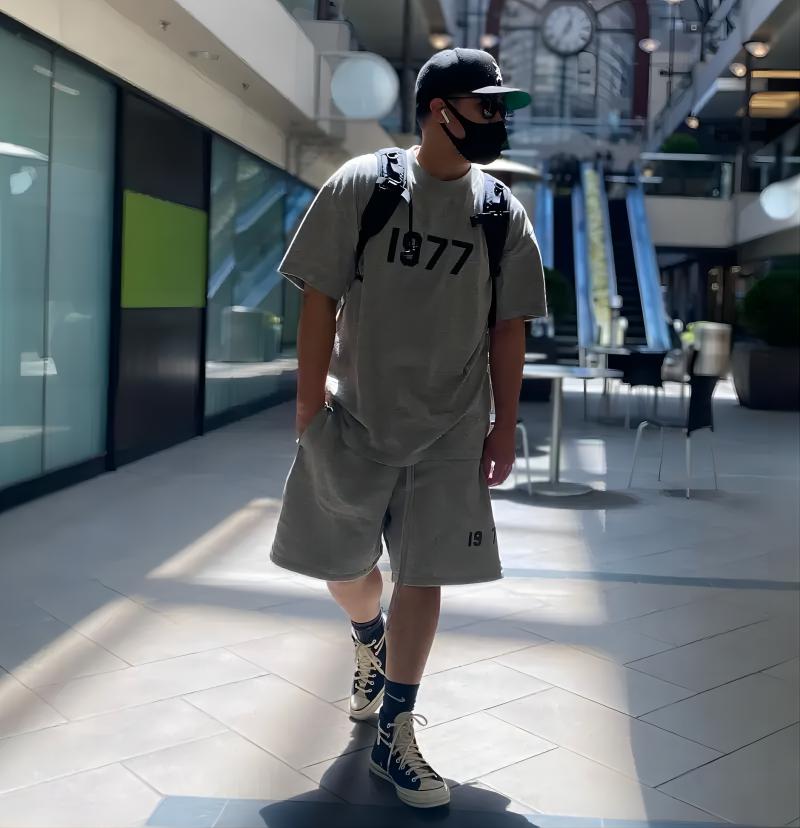
Why Choose EDVORIN as Your Private Label Clothing Manufacturer
A private label clothing manufacturer built to turn approved apparel concepts into controlled, repeatable collections.
Founder-Led Since 2000
Founder-led apparel manufacturing brings direct accountability to the decisions that move your collection from construction review through finished production.
Connected Development to Bulk
Fabric, patterns, trims, samples, decoration, labeling and packaging are coordinated in one production path, reducing handoffs and specification gaps.
Decoration by Category
Printing, embroidery, washes and team identifiers are selected around the garment’s fabric, construction, intended use and visual direction.
Support That Scales
Whether you arrive with a complete tech pack or an early concept, EDVORIN helps organize clear, production-ready standards.
Approved Standards, Checked
Approved samples, measurement records, artwork placements and trim specifications guide in-line checks and final inspection before packing.
Apparel Programs Built for Your Market
From single styles to coordinated collections, EDVORIN develops production-ready apparel for fashion, streetwear, outerwear and teamwear programs.
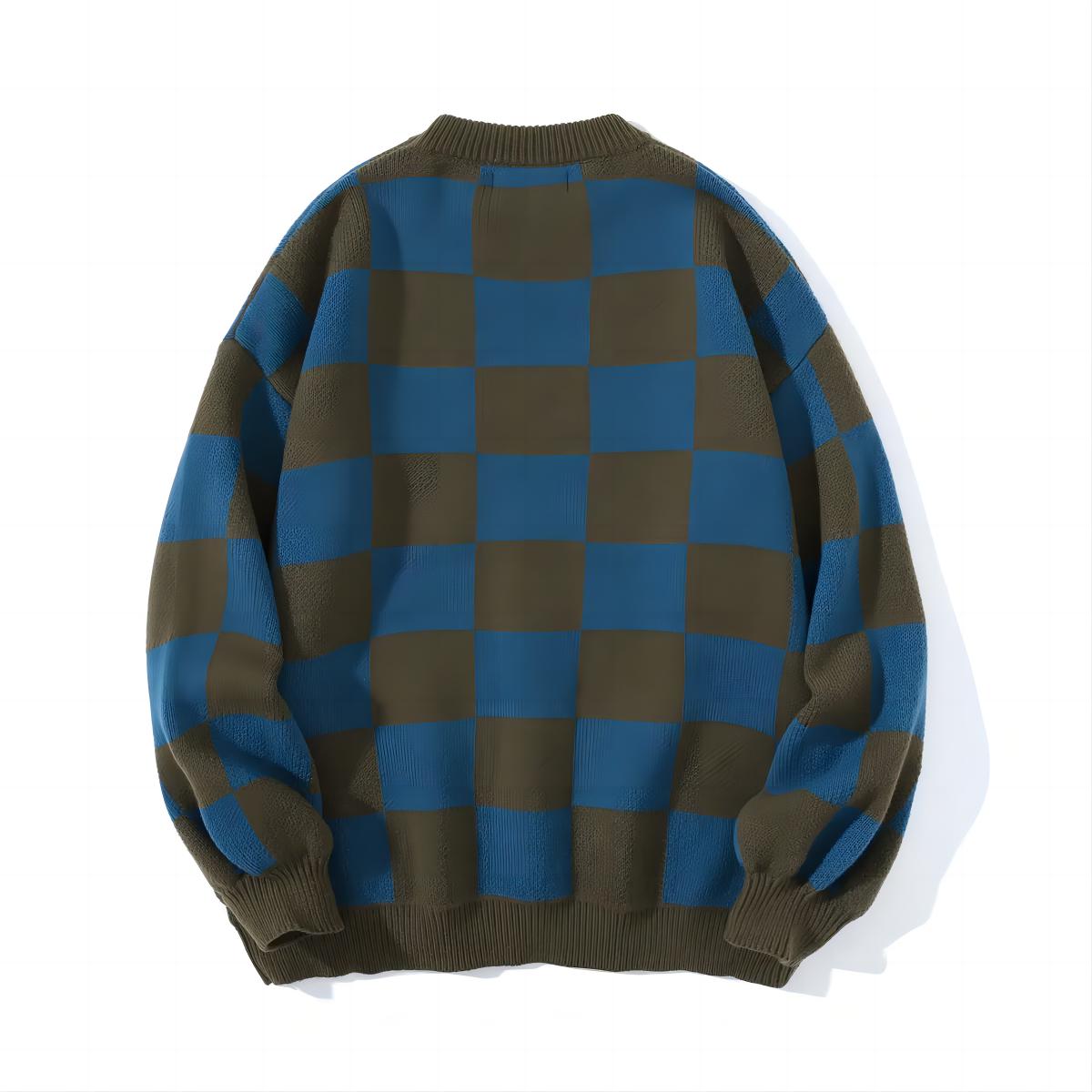
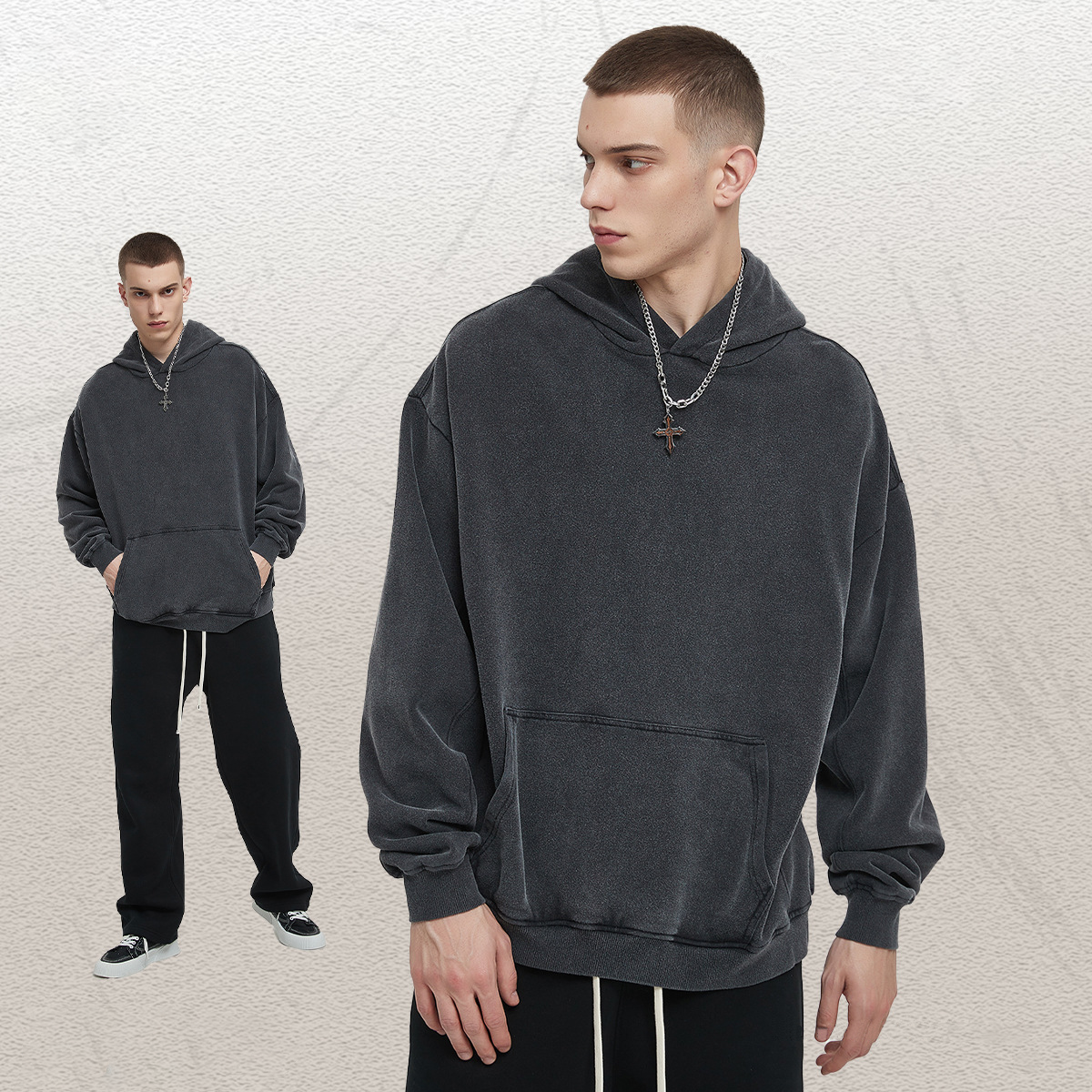
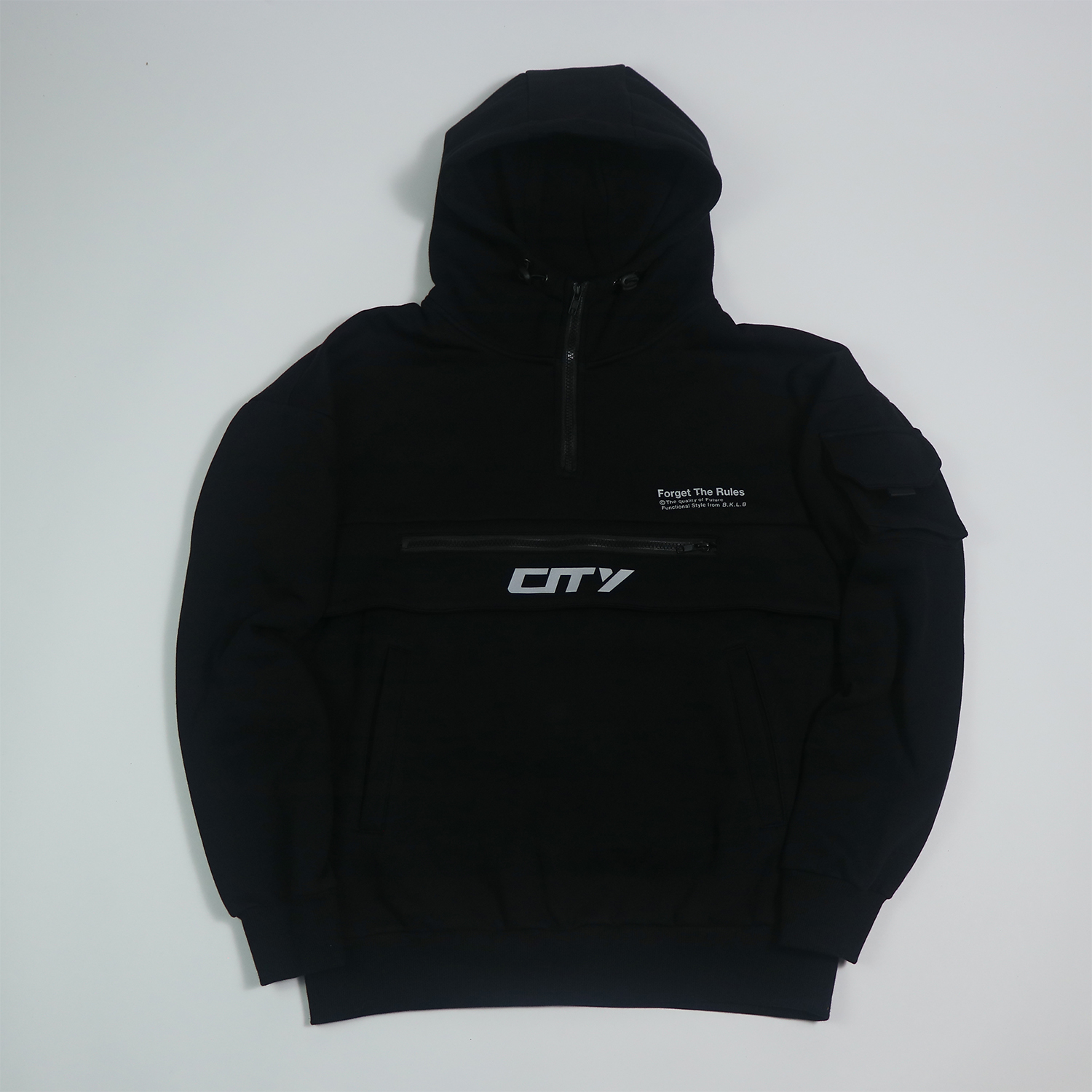
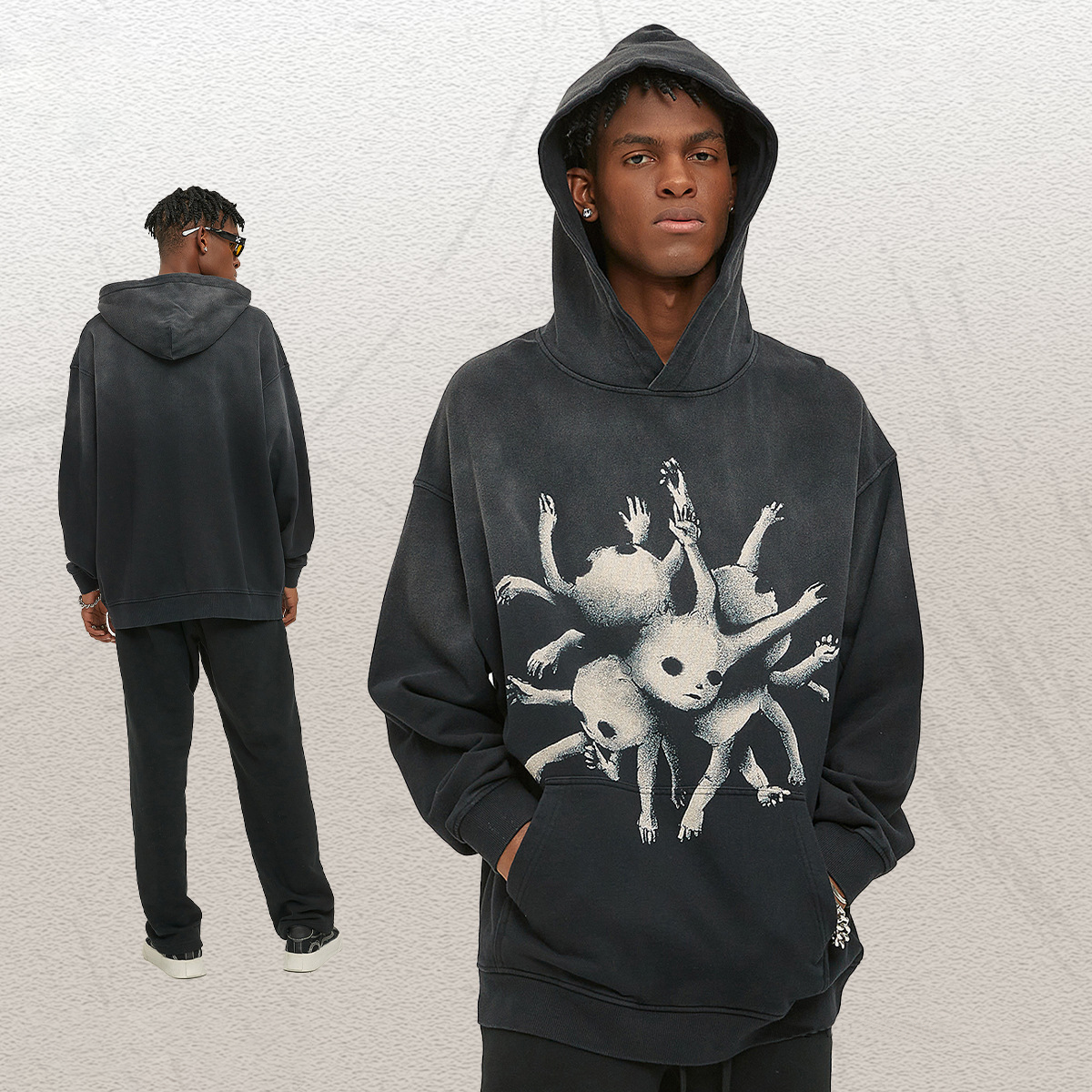
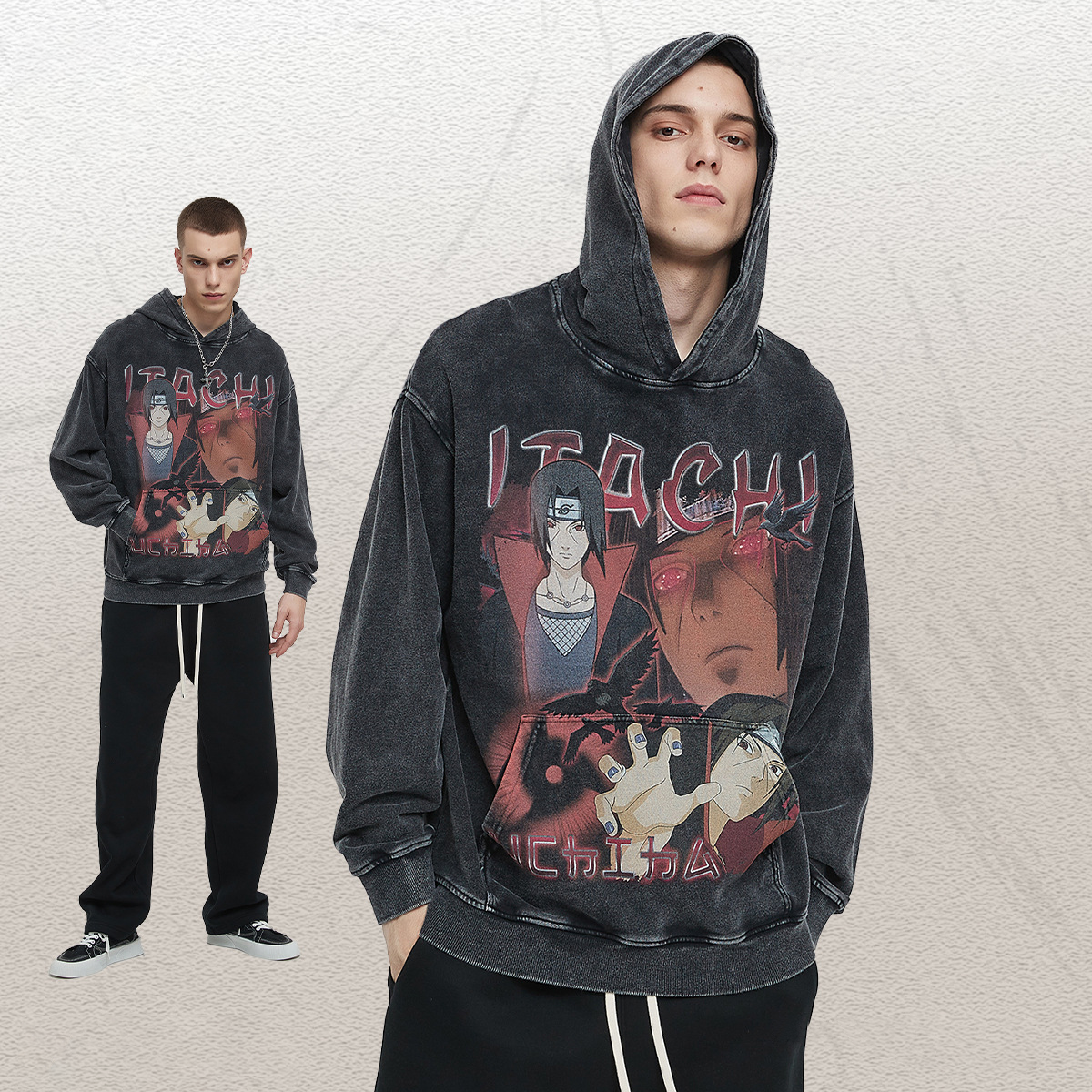
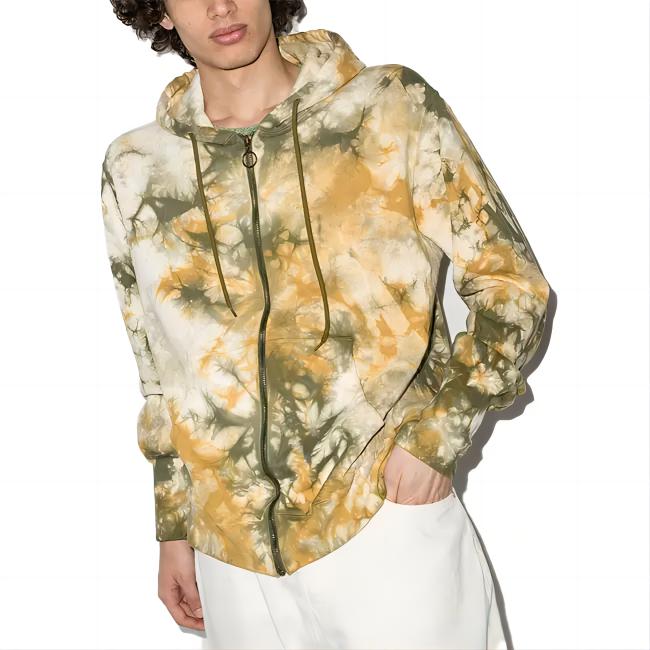
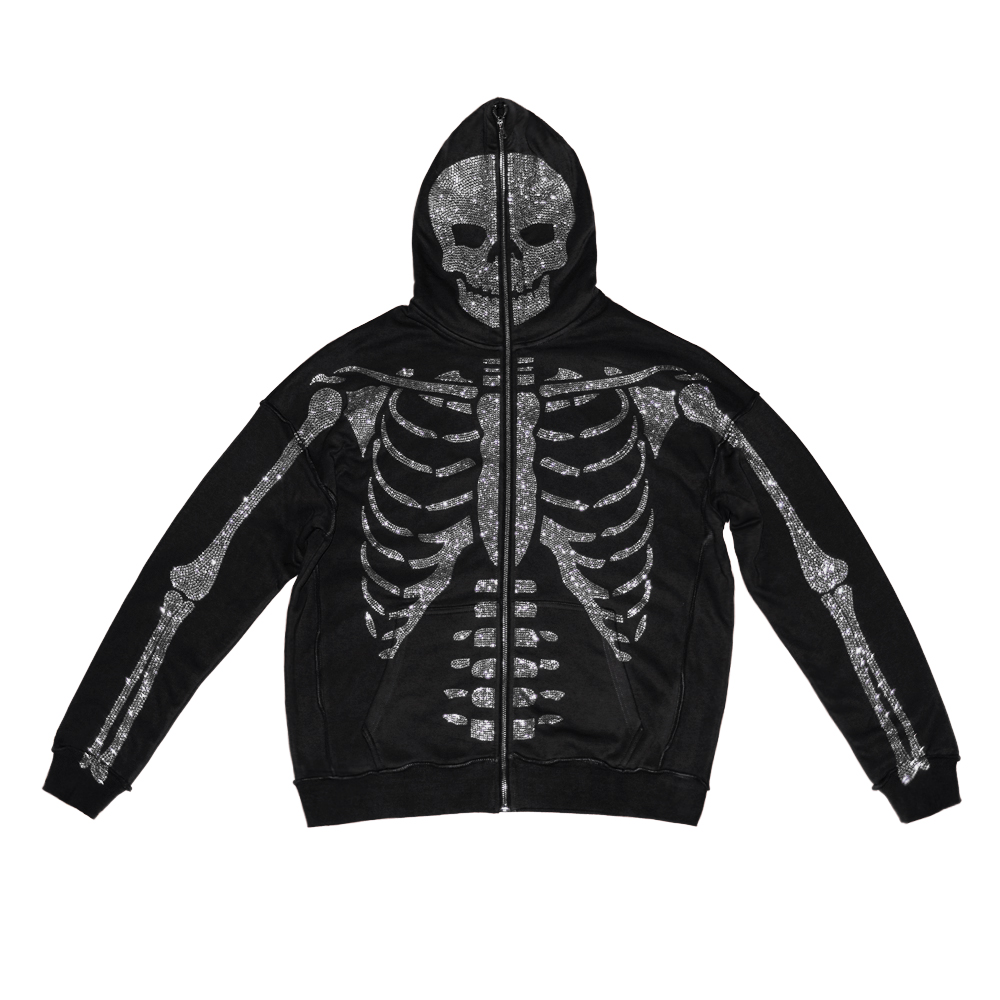
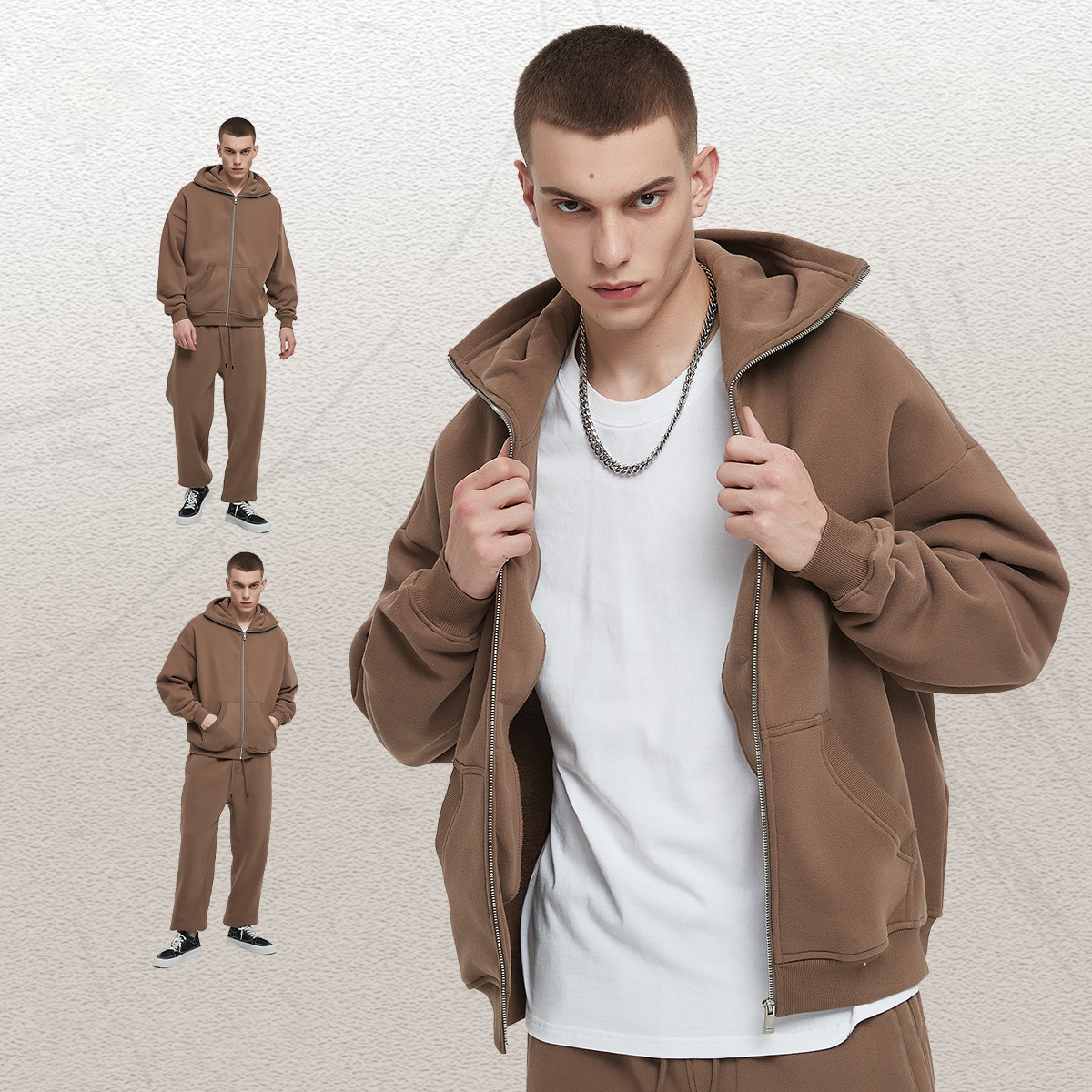
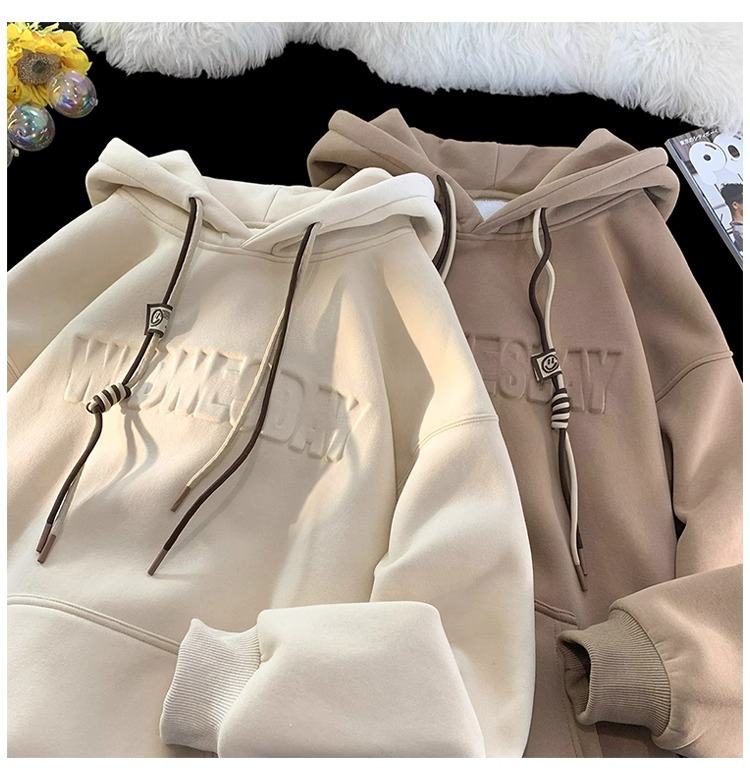
Custom Hoodies
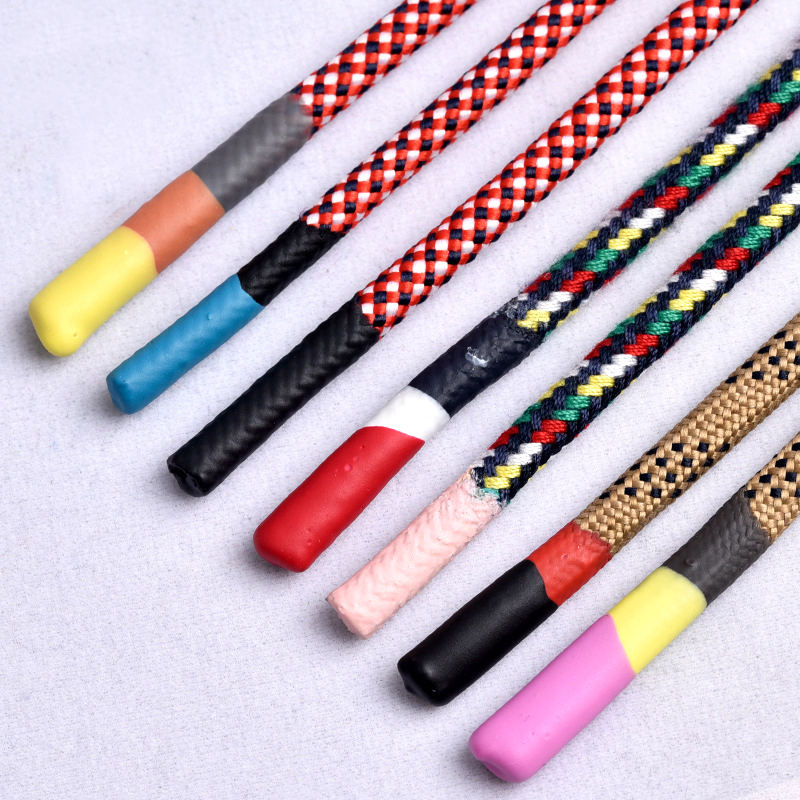
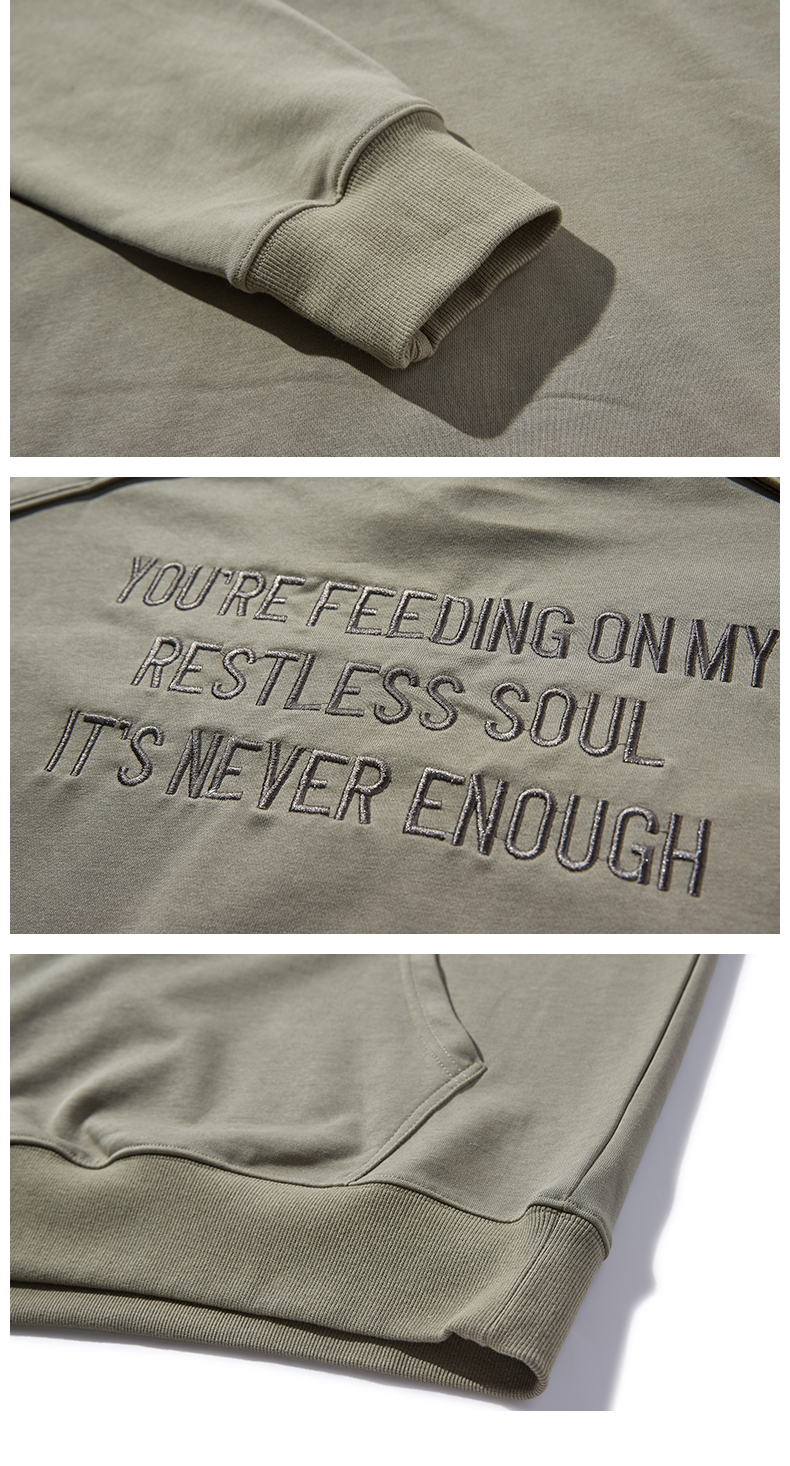
EDVORIN develops custom hoodies with defined fleece weight, fit blocks, rib specifications, drawcords, pockets and decoration placement. Samples establish the approved standard for repeatable bulk production across men’s and women’s programs.
Get a Quote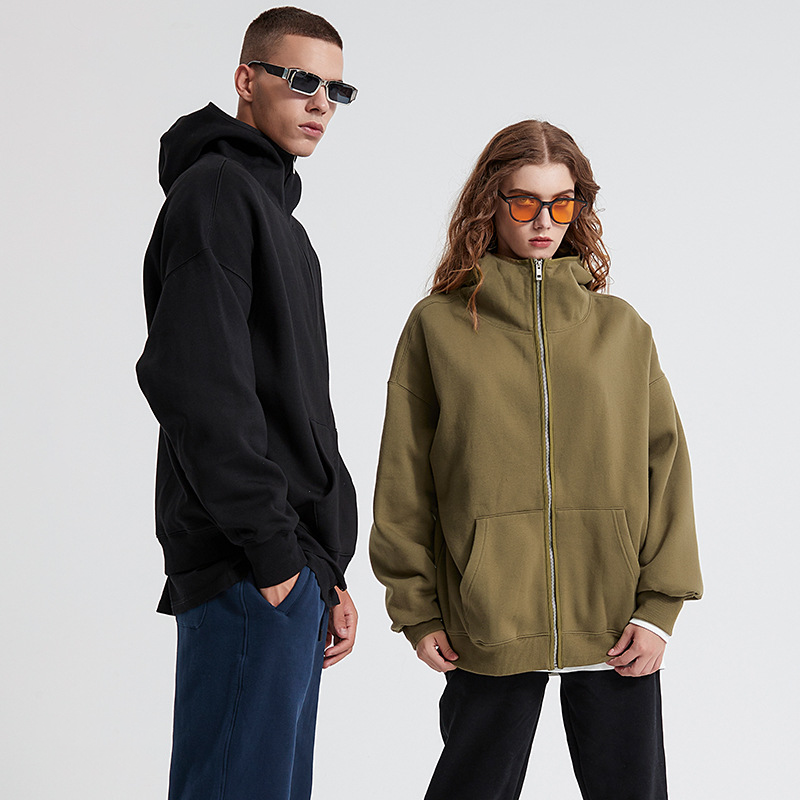
Pullover Sweatshirts
As a sweatshirt manufacturer, EDVORIN builds pullover styles around fabric weight, neckline construction, rib recovery, seam details, washes and print or embroidery requirements. Each approved sample is documented for consistent bulk runs.
Get a Quote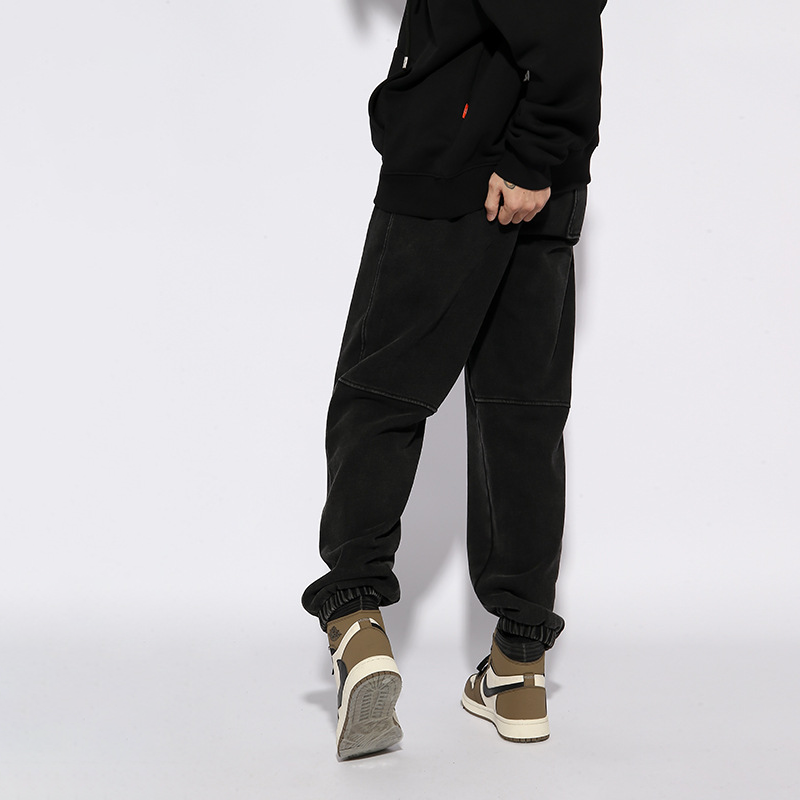
Sweatpants & Joggers
Our sweatpants manufacturing covers joggers, straight-leg and relaxed silhouettes, with attention to fabric weight, waistband construction, pocket details, cuffs, grading and coordinated sets. Men’s and women’s specifications are developed separately when required.
Get a Quote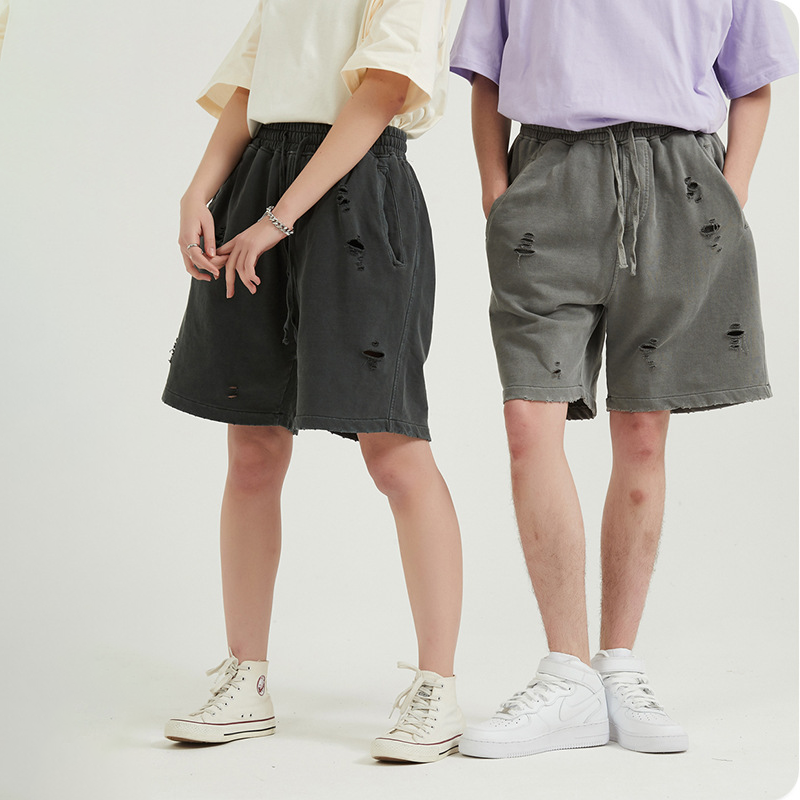
Custom Shorts
EDVORIN produces custom shorts for casualwear, streetwear and team programs, coordinating fabric, inseam, waistband, pocket construction, liners, decoration and size grading. Development can begin from a tech pack, reference garment or concept.
Get a Quote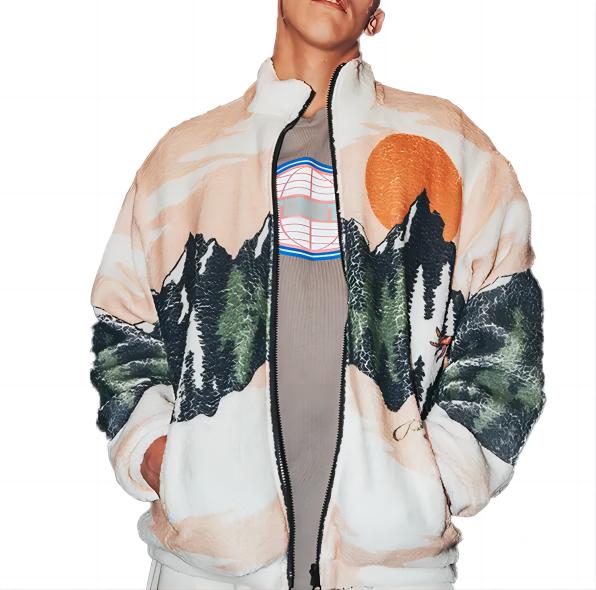
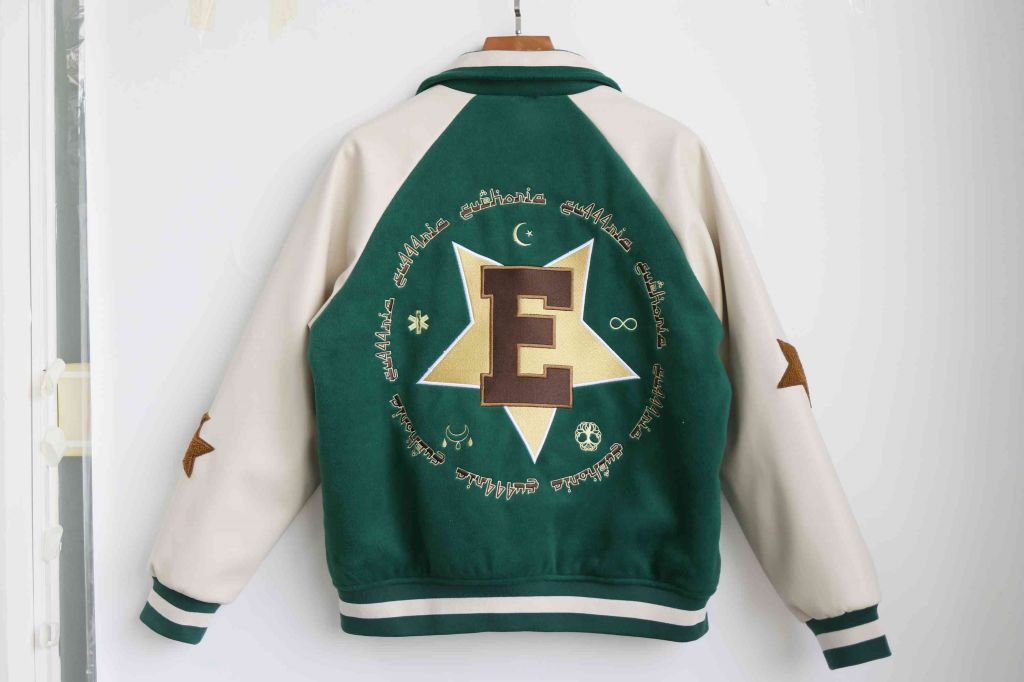
Varsity & Baseball Jackets
For varsity and baseball jackets, we coordinate body and sleeve materials, lining, rib, snaps, patches, embroidery and fit. Construction details are sampled and recorded before bulk production to protect the intended character of each style.
Get a Quote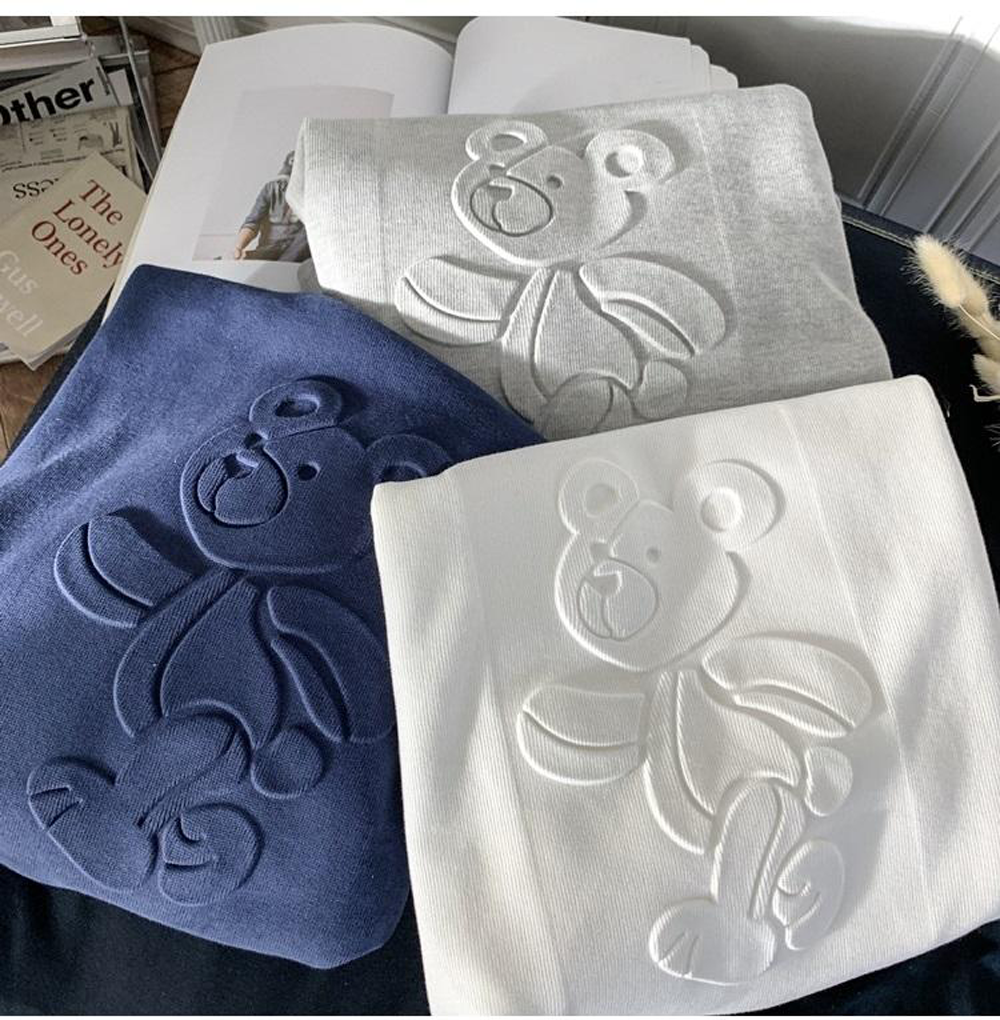
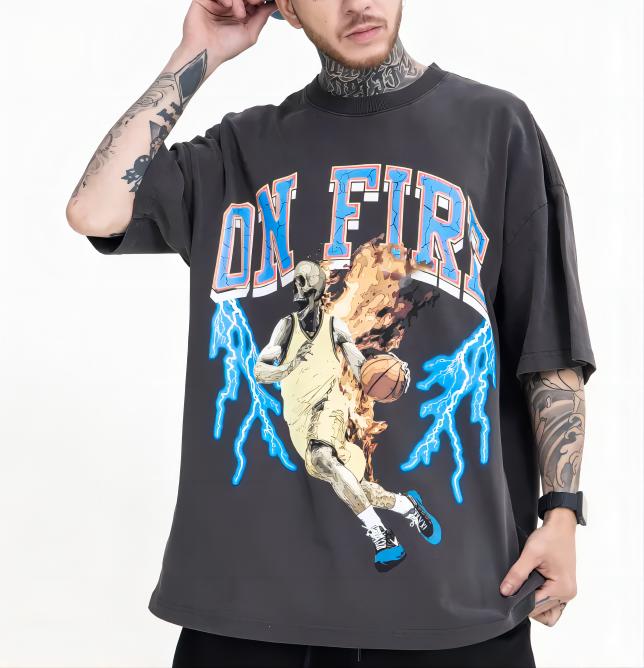
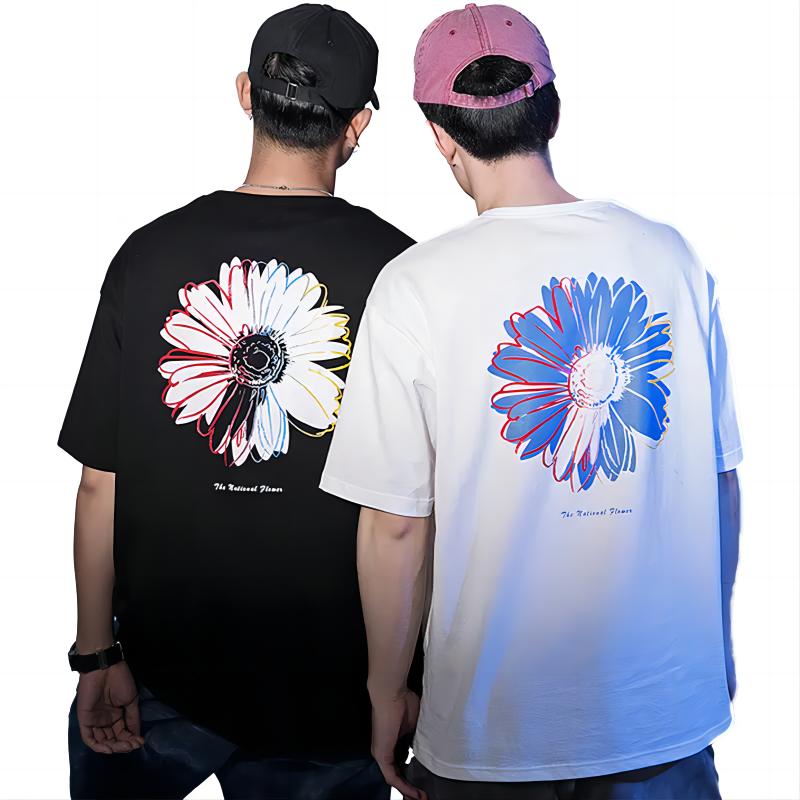
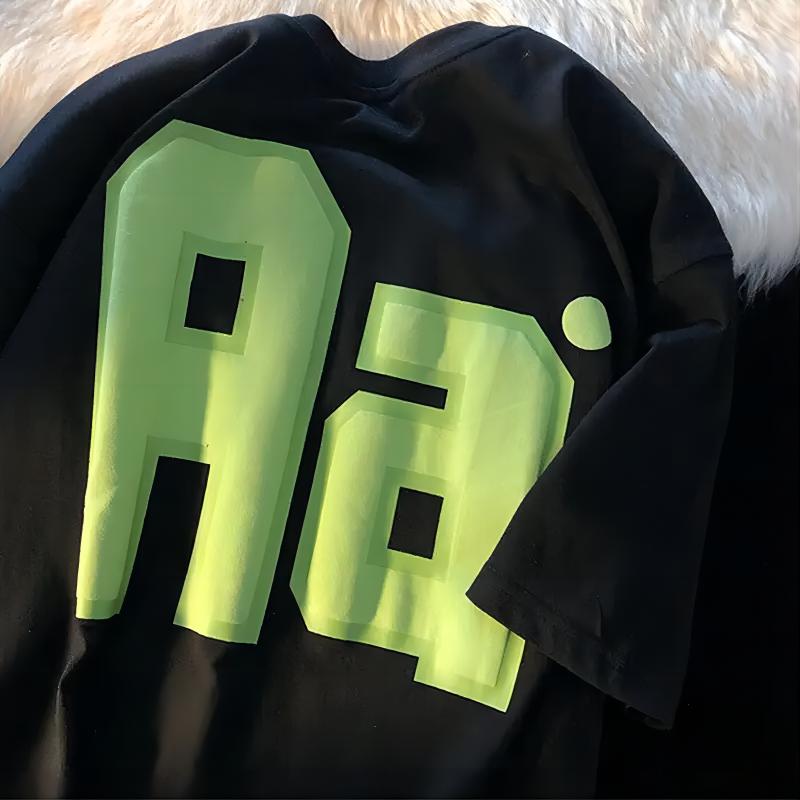
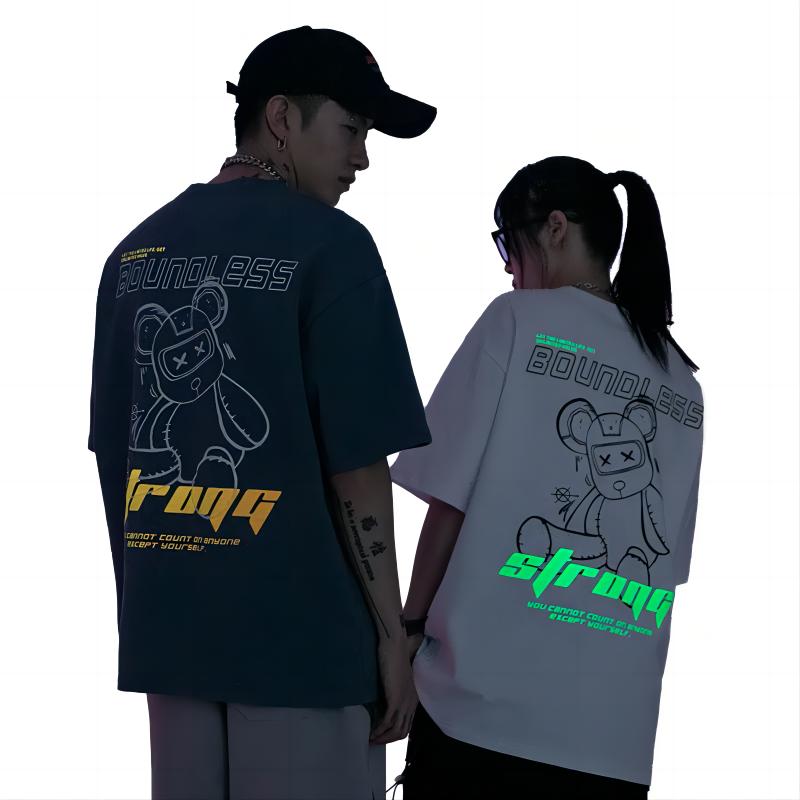
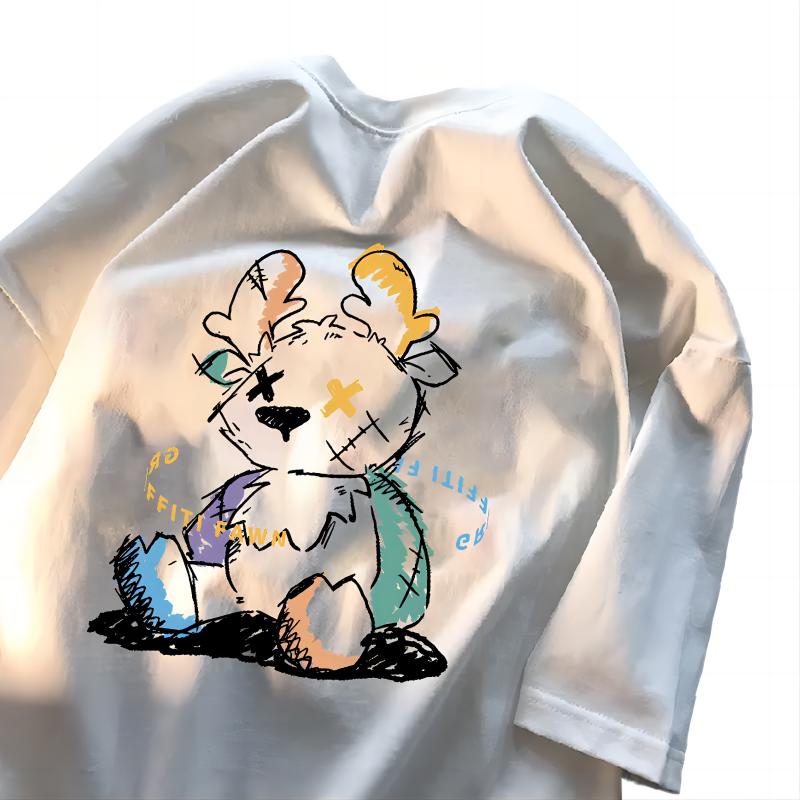
Custom T-Shirts
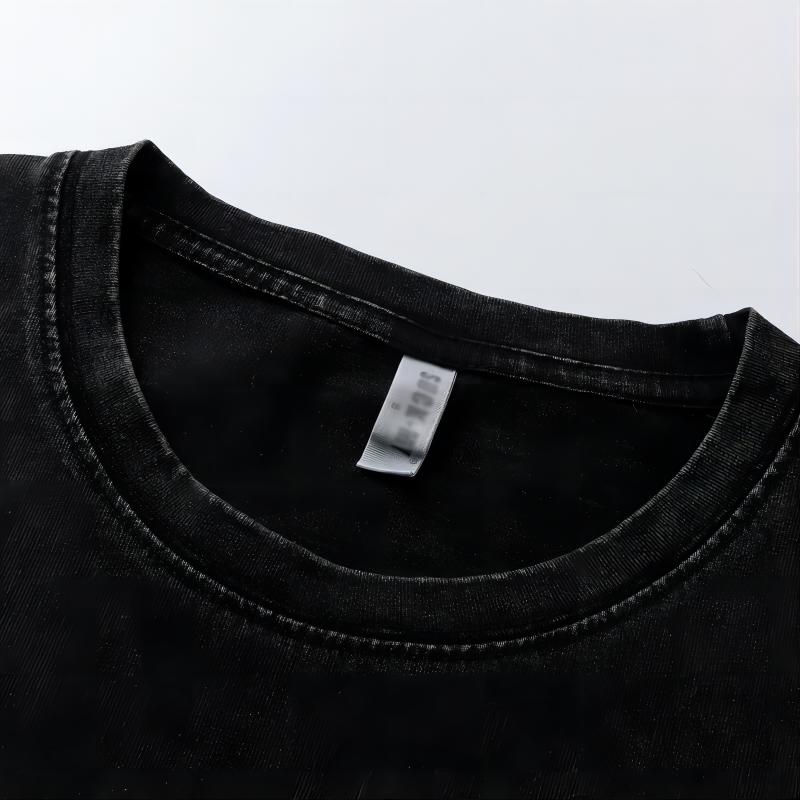
As a custom T-shirt manufacturer, EDVORIN develops jersey and heavyweight styles with controlled fit, neck rib, stitching, washes, labels and artwork placement. Material and decoration choices are tested against the intended hand feel and use.
Get a Quote
Custom Polo Shirts
Our polo shirt manufacturing supports piqué, jersey and performance fabrics, with collar construction, plackets, buttons, cuffs, embroidery and fit specified for the target market. Programs can be developed for men’s and women’s wear.
Get a Quote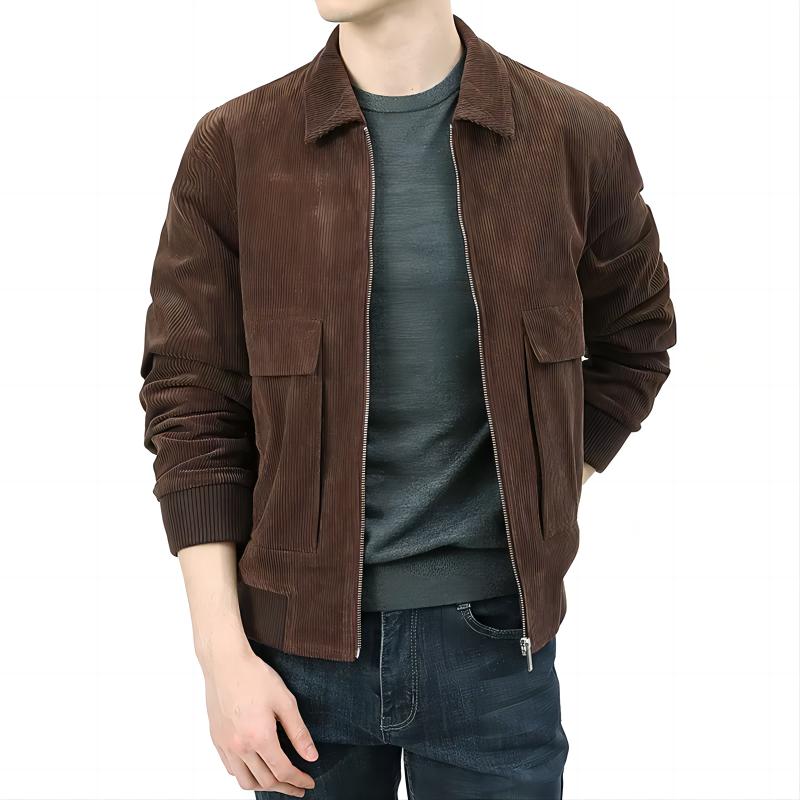
Windbreaker Jackets
EDVORIN manufactures windbreaker jackets with shell, lining, mesh, zippers, pockets, hoods and print or embroidery considered as one system. We help buyers define lightweight protection, packability and construction requirements before production.
Get a Quote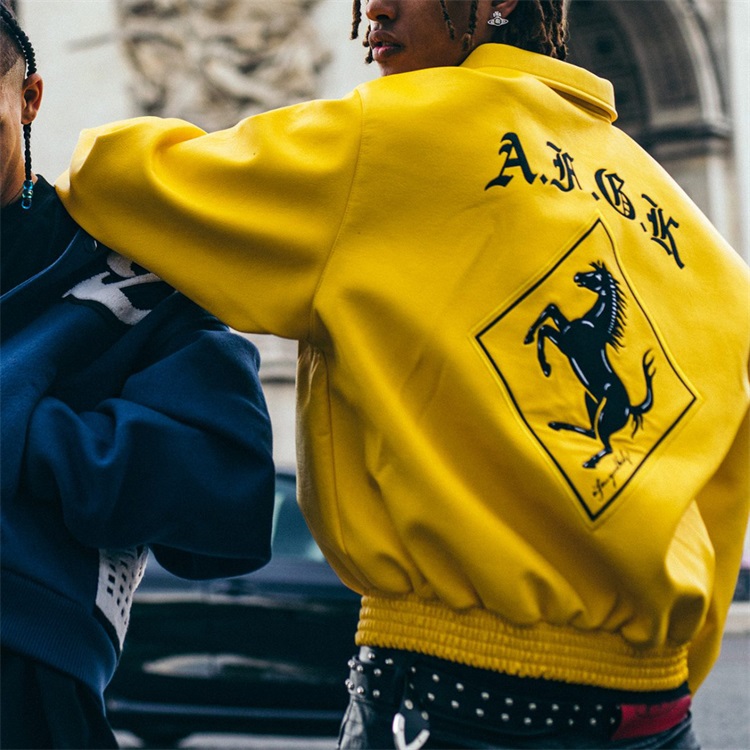
Quilted Jackets
Quilted jacket development brings together shell fabric, lining, insulation, quilting pattern, binding, closures and pockets. EDVORIN samples the full construction to confirm warmth, shape and finishing before the bulk order is released.
Get a Quote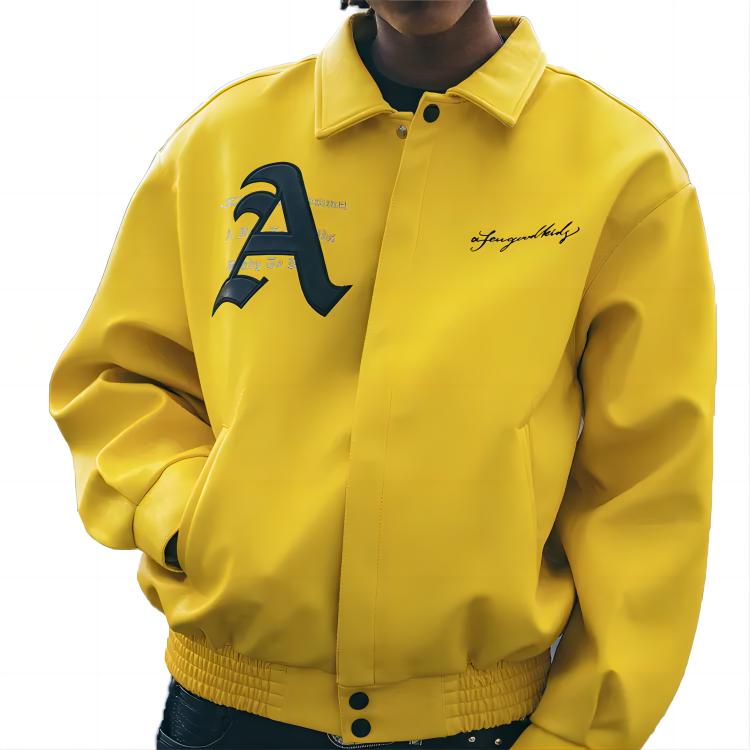
Bomber Jackets
As a bomber jacket manufacturer, EDVORIN coordinates shell material, lining, padding, rib, zipper, pockets and decoration with the required silhouette. Approved samples provide the benchmark for measurements, workmanship and finishing during production.
Get a Quote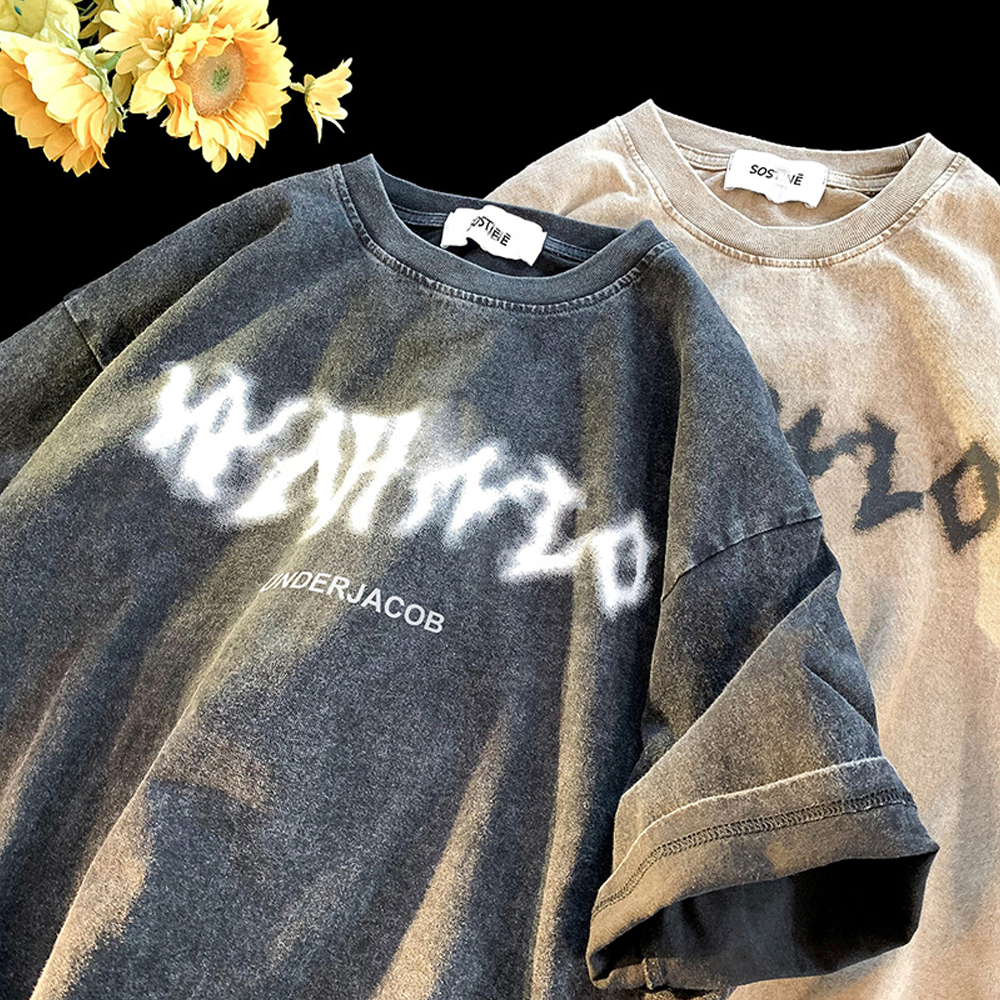
Custom Shirts
EDVORIN produces custom woven shirts for fashion, corporate and private-label programs, including fabric selection, collar and cuff construction, plackets, buttons, pockets, fit and labeling. Patterns and grading are adjusted for men’s or women’s programs.
Get a Quote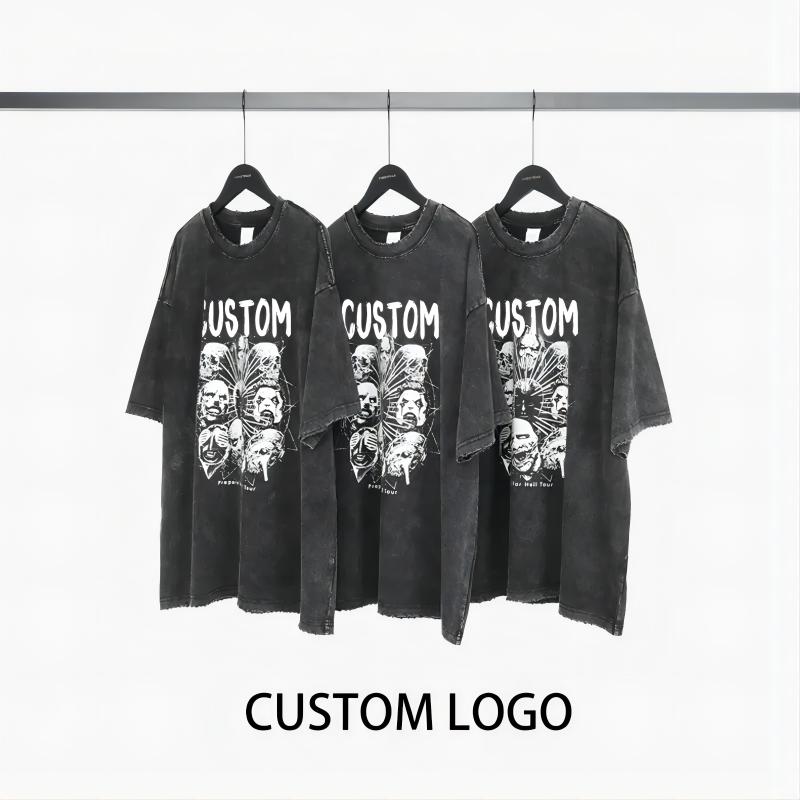
Custom Jerseys
Our custom jersey manufacturing supports club, school, promotional and private-label needs with fabric selection, color control, panels, trims, logos, names and numbers. Size sets and artwork placement are organized for repeatable order fulfillment.
Get a Quote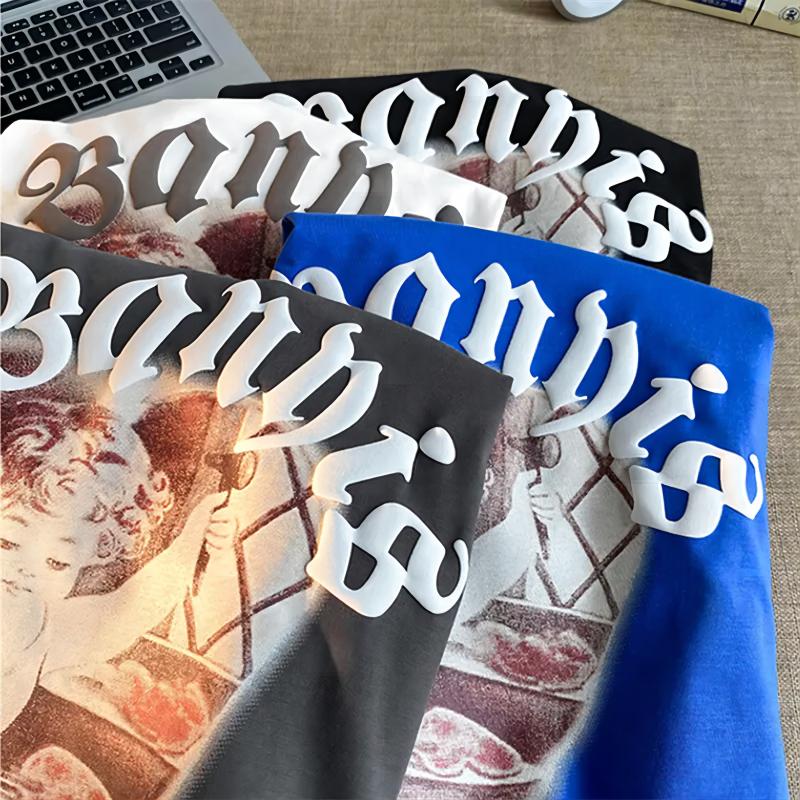
Tank Tops
EDVORIN develops custom tank tops in jersey, rib and performance materials, with attention to armhole shape, neckline, binding, length, fit and decoration. Men’s and women’s versions can use distinct proportion and grading standards.
Get a Quote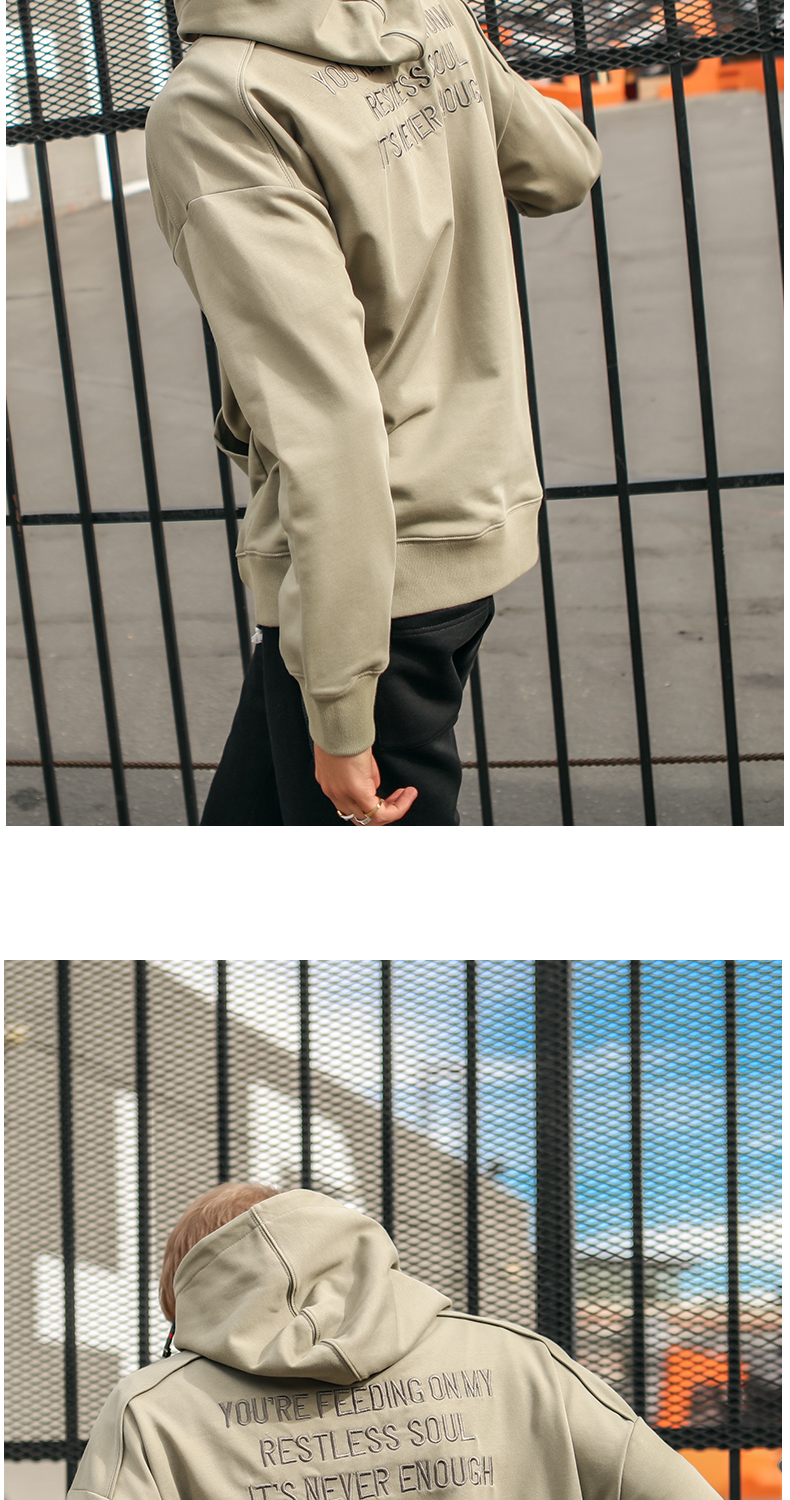
Soccer Uniforms
For soccer uniforms, EDVORIN coordinates breathable performance fabrics, team colors, panel construction, badges, sponsor artwork, player names, numbers and matching shorts. Specifications are controlled from approved sample through packed team sets.
Get a Quote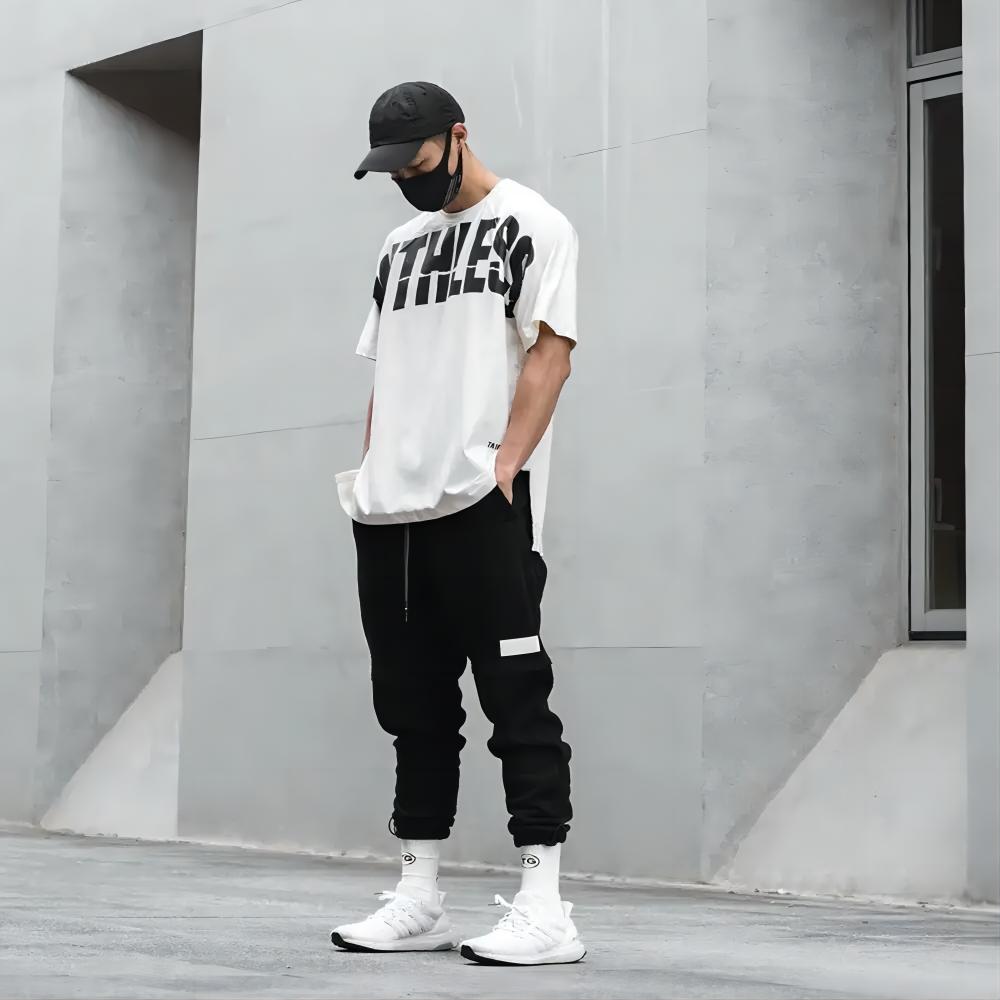
Basketball Uniforms
Basketball uniform programs include jerseys and shorts developed around lightweight fabric, mobility, color blocking, piping, trim, logos, names and number placement. EDVORIN manages size grading and decoration control for teams, schools and clubs.
Get a Quote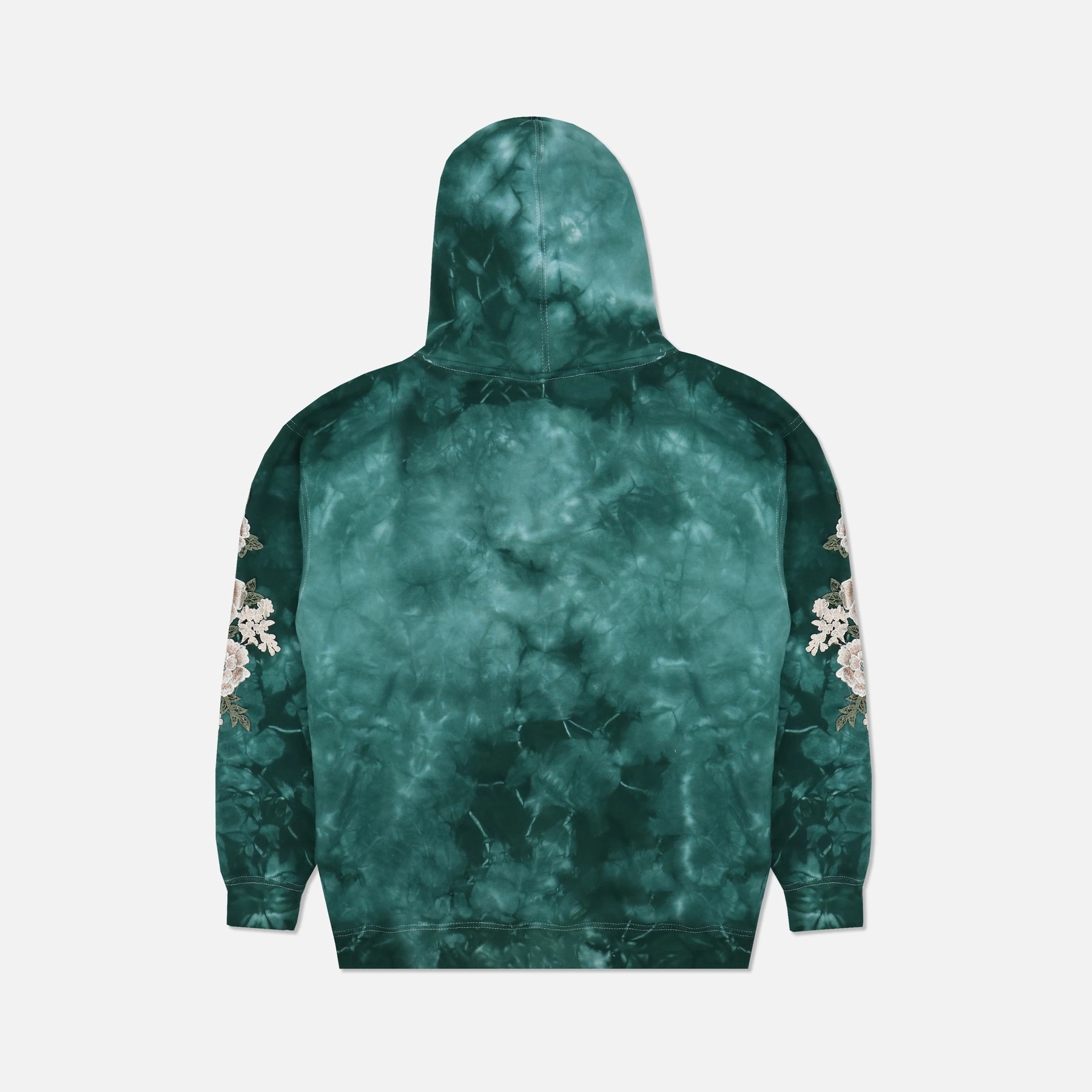
Streetwear Collections
EDVORIN develops coordinated streetwear collections across hoodies, T-shirts, sweatpants, jackets, shorts and accessories-ready packaging. Fabric, fit, washes, trims and decoration are aligned across styles so the collection can move from concept to repeatable production.
Get a QuoteMaterials Developed for Your Apparel Program
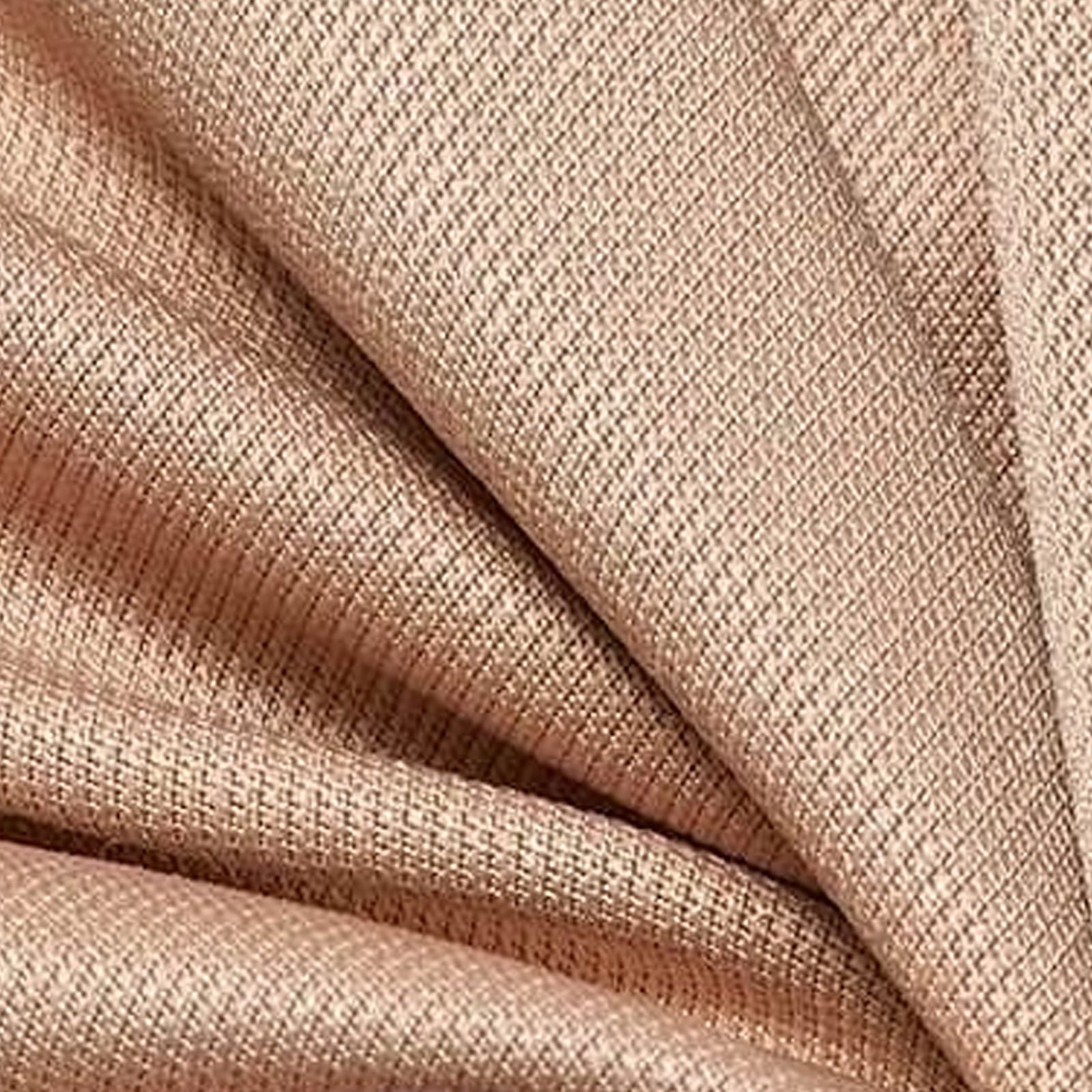
Cotton Jersey
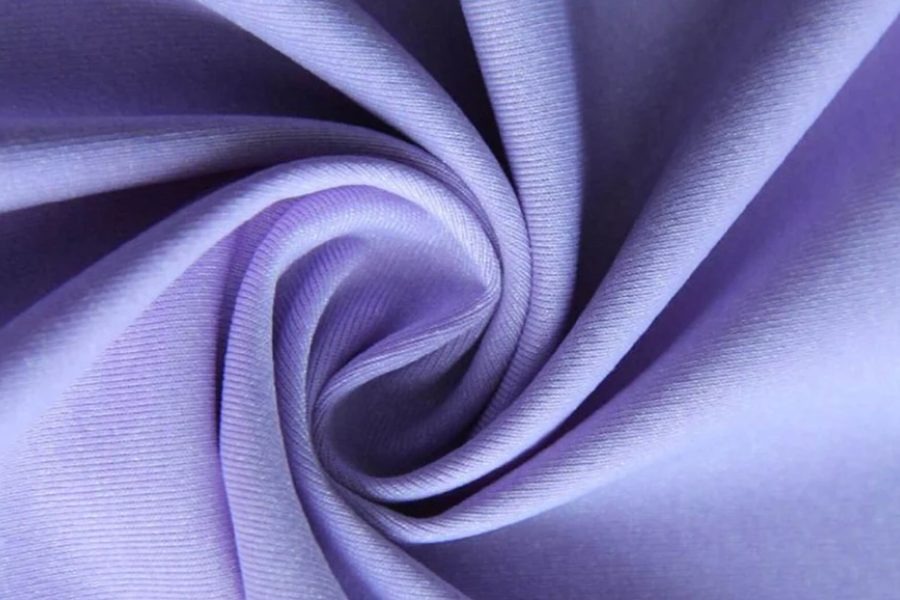
Soft, breathable knit for T-shirts, polos and lightweight layers. Developed in a range of weights, cotton jersey offers a smooth print-ready face and a familiar everyday hand-feel for branded basics.
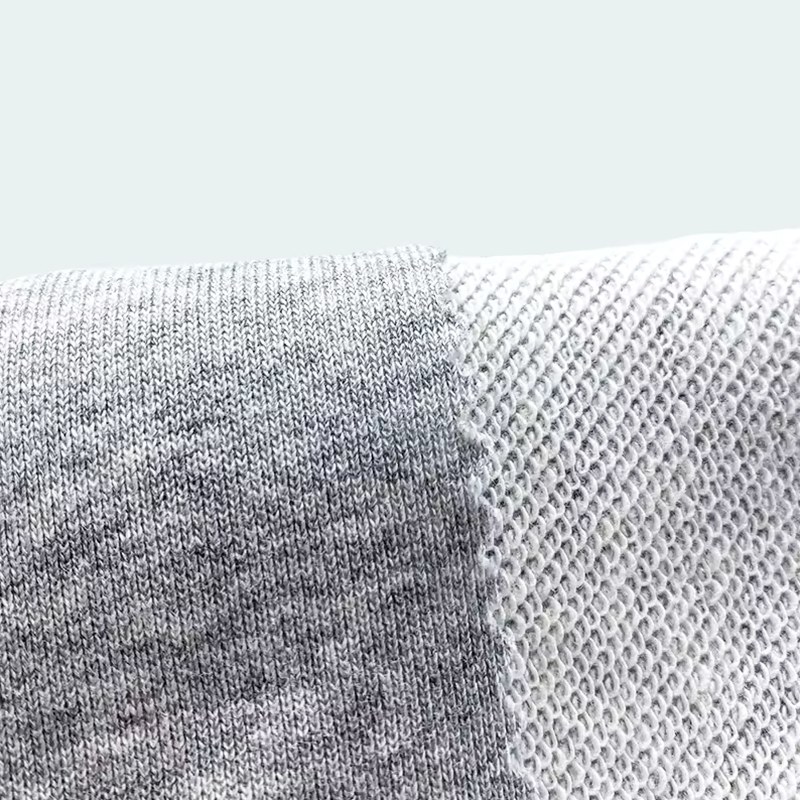
French Terry
Loopback knit with a comfortable midweight feel for hoodies, pullovers, shorts and joggers. Its absorbent inner texture supports casualwear programs needing structure without the brushed warmth of fleece.
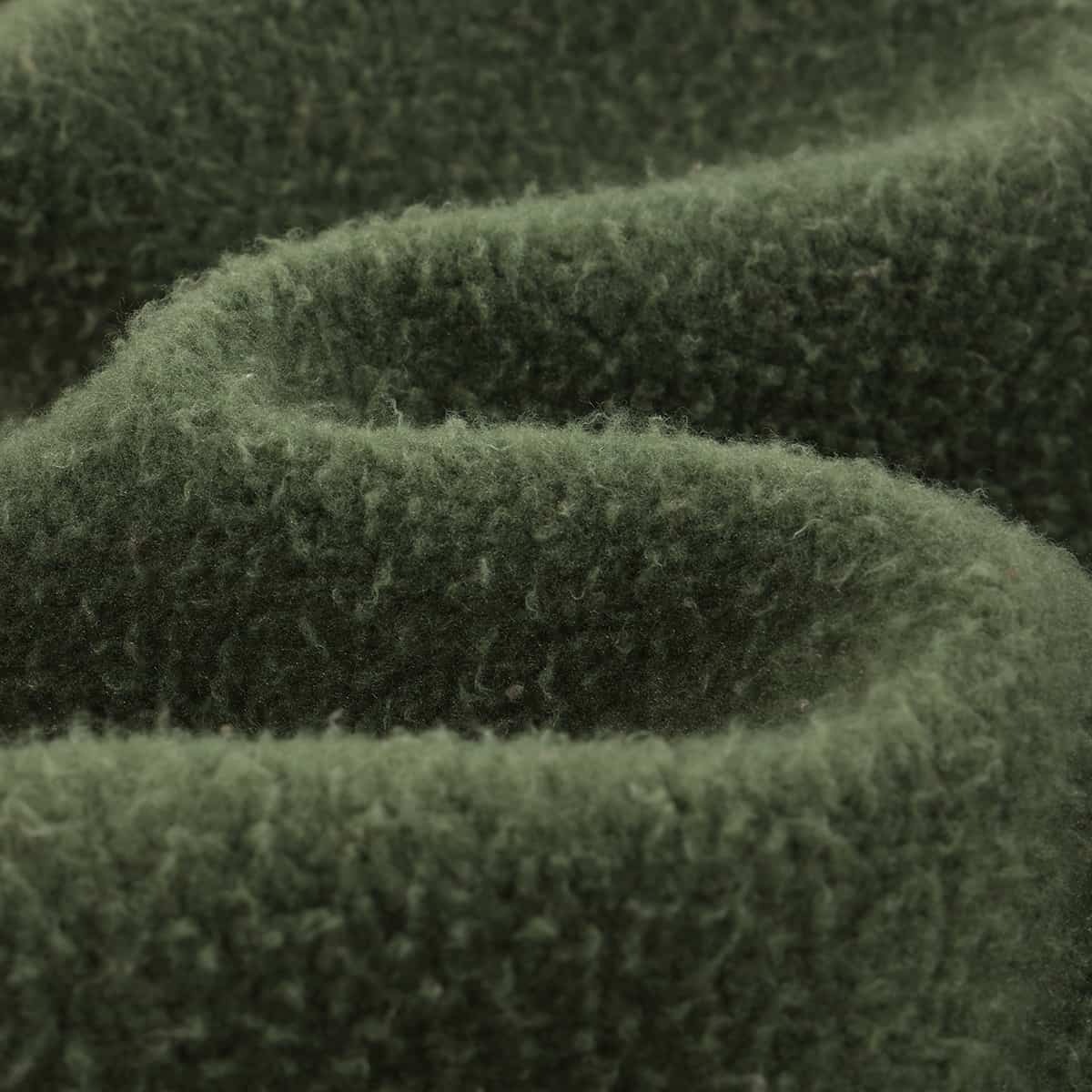
Brushed Fleece
Warm, soft-backed fabric suited to heavyweight hoodies, sweatpants and cold-weather streetwear. Brushed fleece can be specified by weight and rib pairing to balance insulation, drape and repeatable recovery.
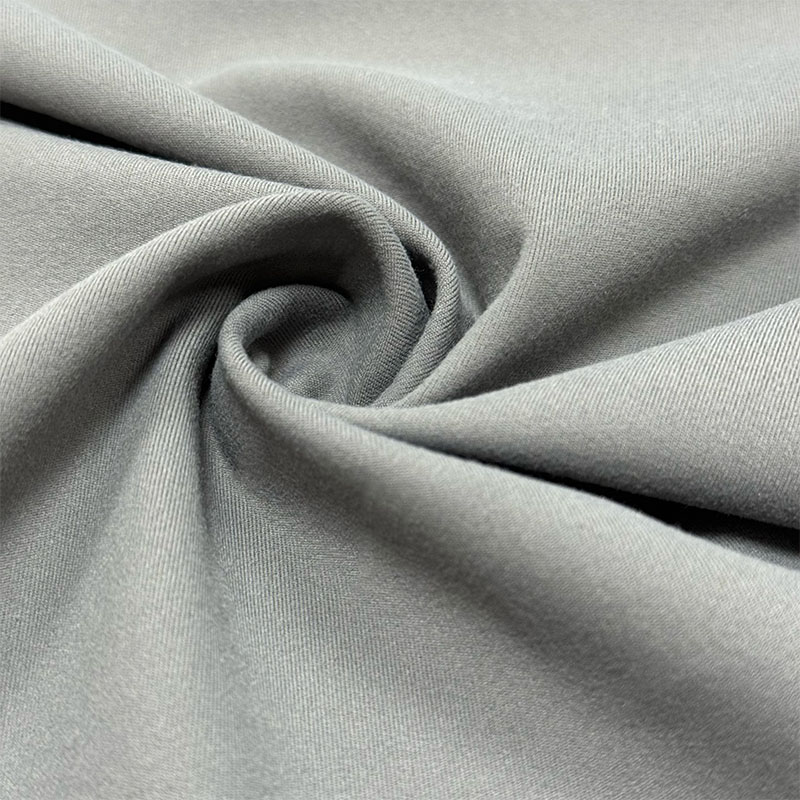
Performance Polyester
Lightweight, quick-drying fabric for jerseys, training tops and teamwear. Performance polyester can be developed with stretch, breathable constructions and color-focused decoration requirements for active use across coordinated uniforms.
Organic Recycled Options
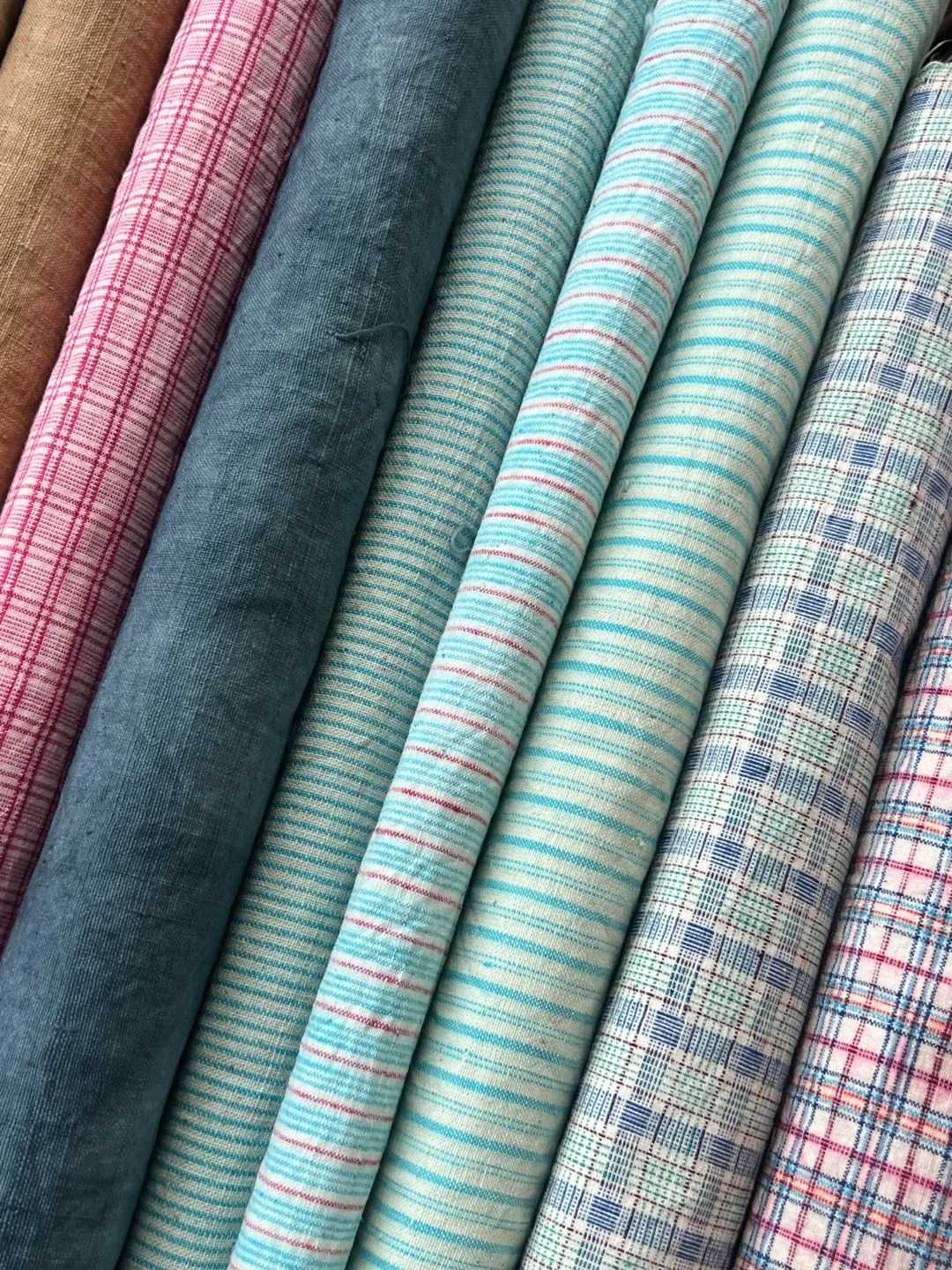
Material options for programs built around organic or recycled fiber preferences. EDVORIN can coordinate suitable fabric choices, trims and documentation requirements while preserving the intended weight, feel and garment construction.
Decoration and Finishing That Fits the Garment
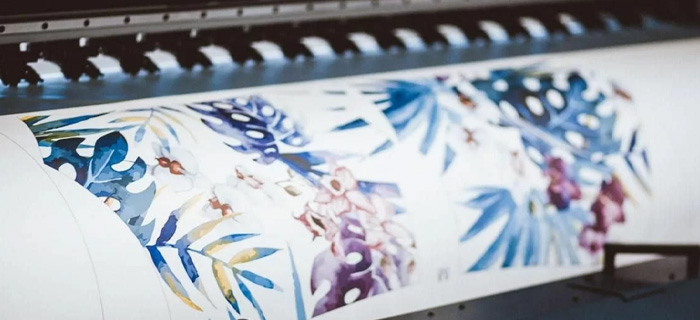
Dye Sublimation
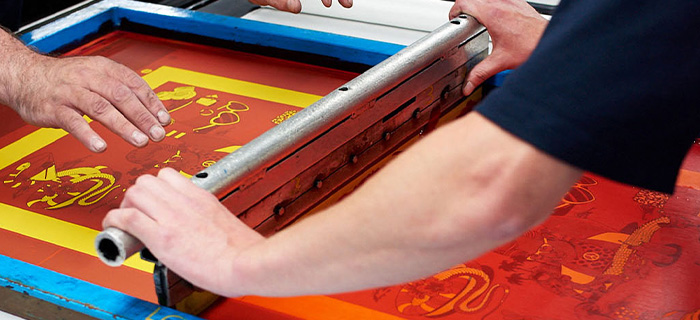
Dye sublimation supports all-over color, graphics, names and numbers on suitable performance fabrics. It is especially relevant for coordinated sports uniforms where repeatable color placement and garment-specific panel layouts matter across size runs.
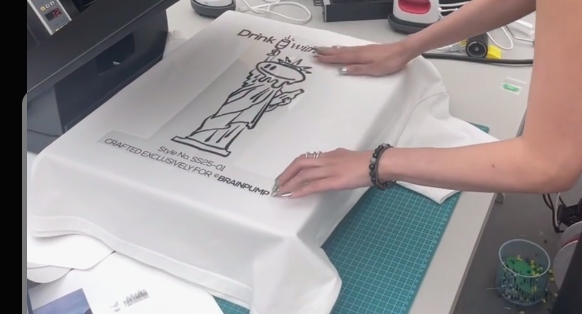
Heat Transfer
Heat transfer is suited to detailed artwork, player names, numbers and targeted branding applications. EDVORIN assesses the base fabric and intended use so the selected transfer method fits the garment’s stretch, surface and wear requirements.
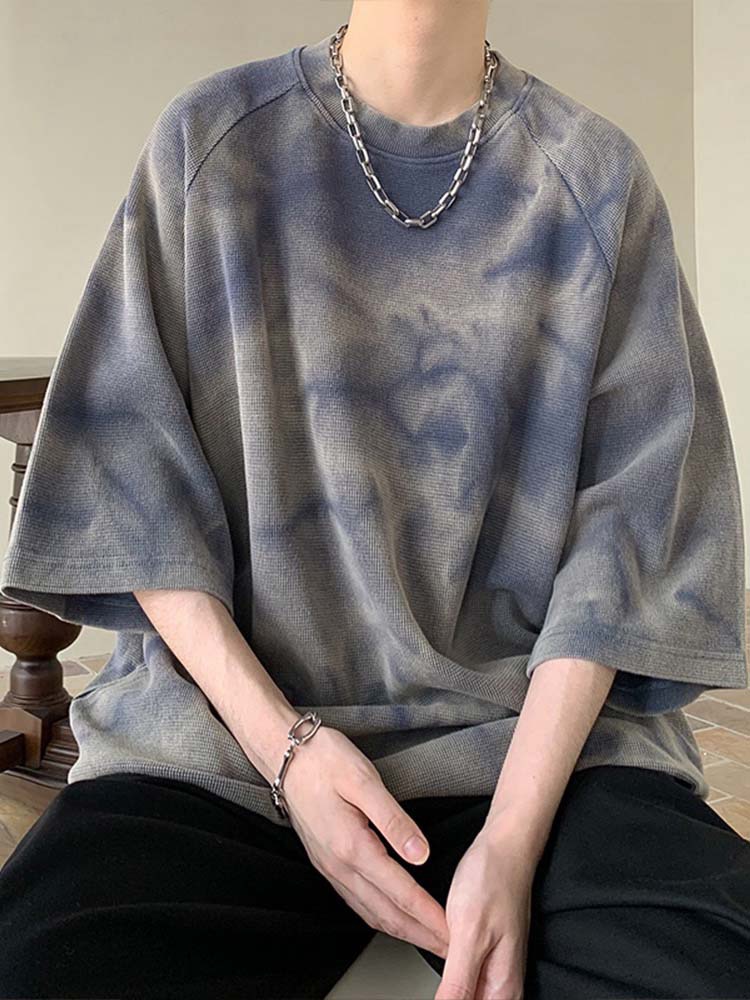
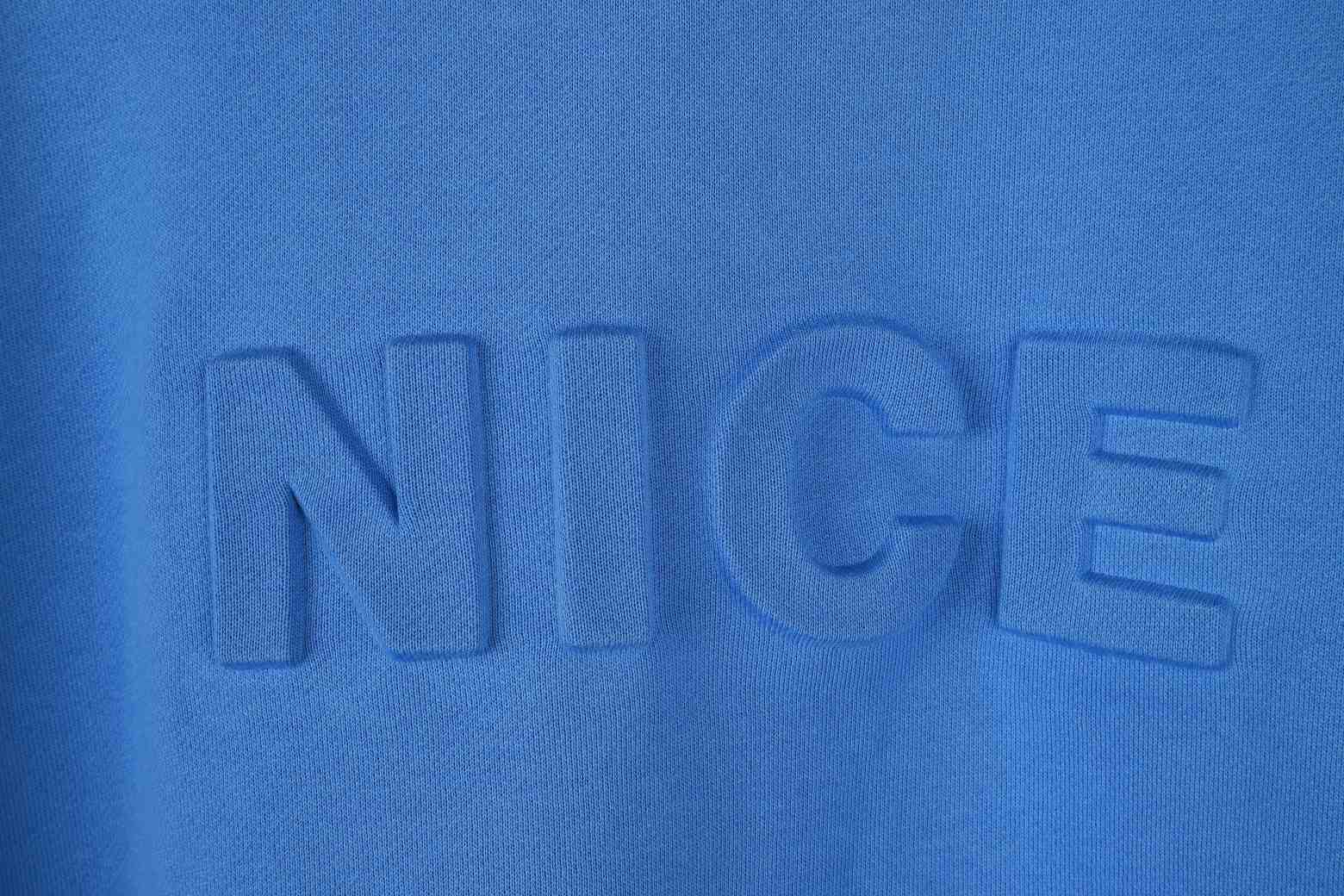
Specialty Applications
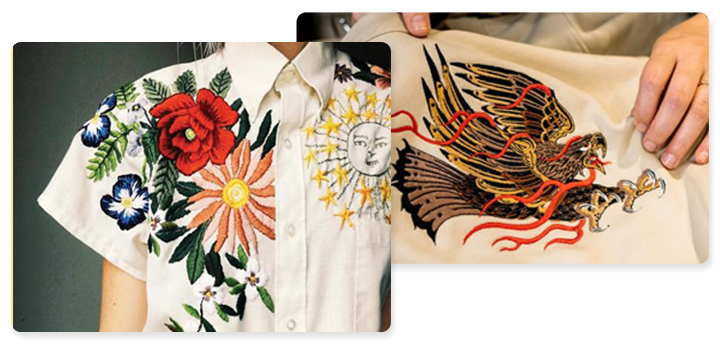
Patches, appliqué, woven labels and other specialty details can be coordinated with the garment’s fabric and construction. Each application is sampled and documented to protect placement, appearance and repeatability in bulk.
Trims and Branding Details That Complete the Product
Snap Buttons
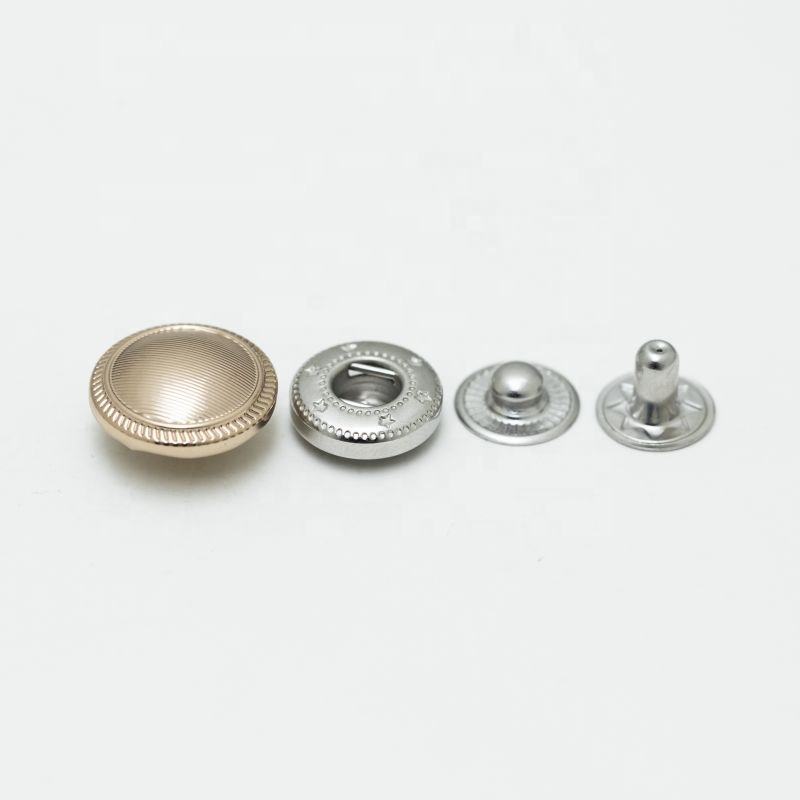
Specify snap finishes, colors, logos and pull strength for varsity jackets, outerwear and workwear-inspired styles, balancing daily function with a consistent visual identity across the collection.
YKK Zippers
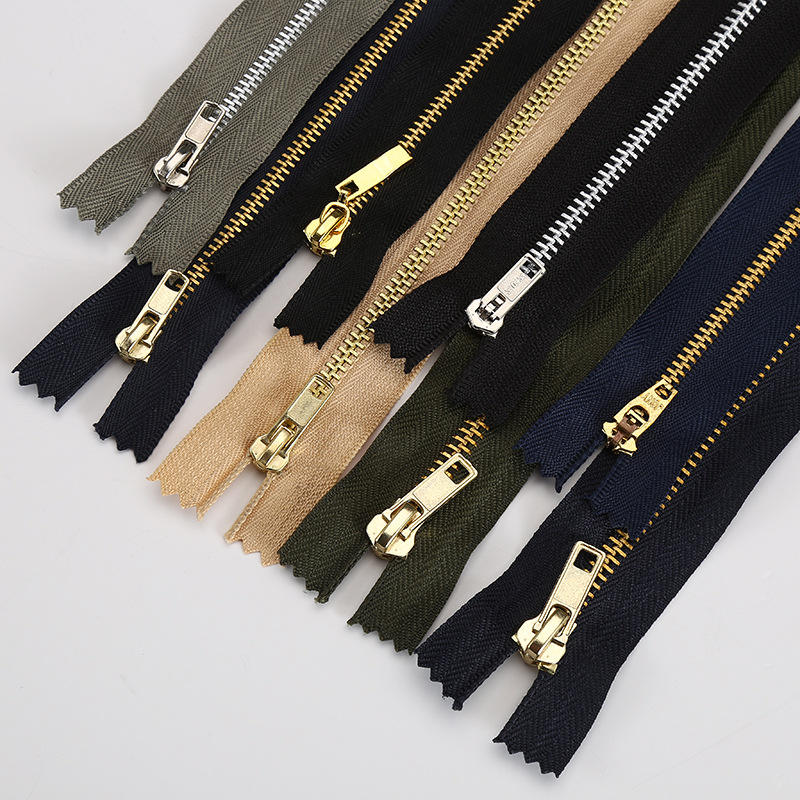
Select zipper type, gauge, finish and placement for jackets, windbreakers, hoodies and pockets, with hardware choices documented against the approved sample before bulk production begins.
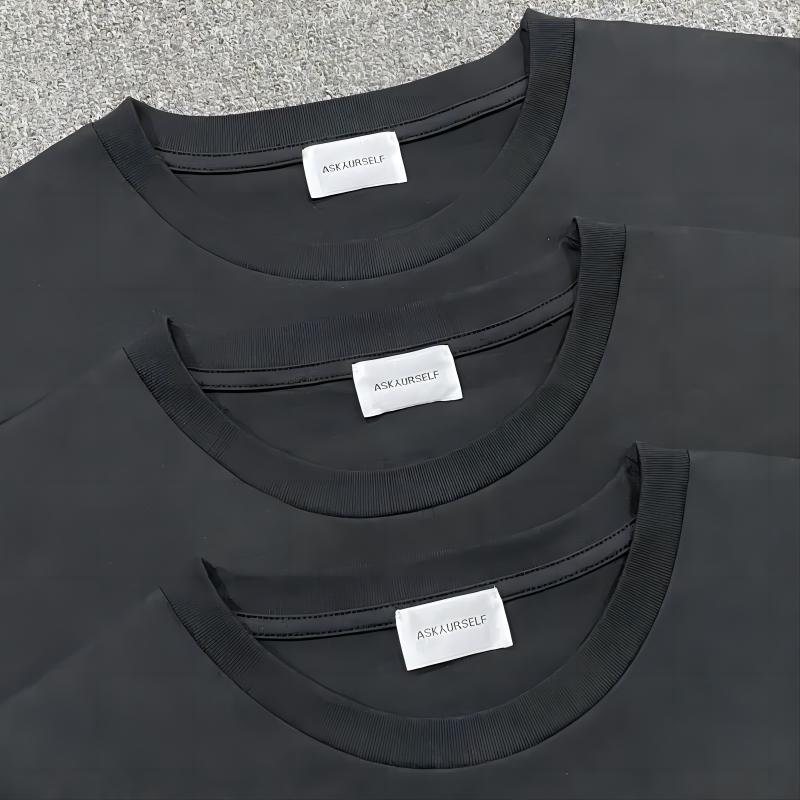
Woven Labels
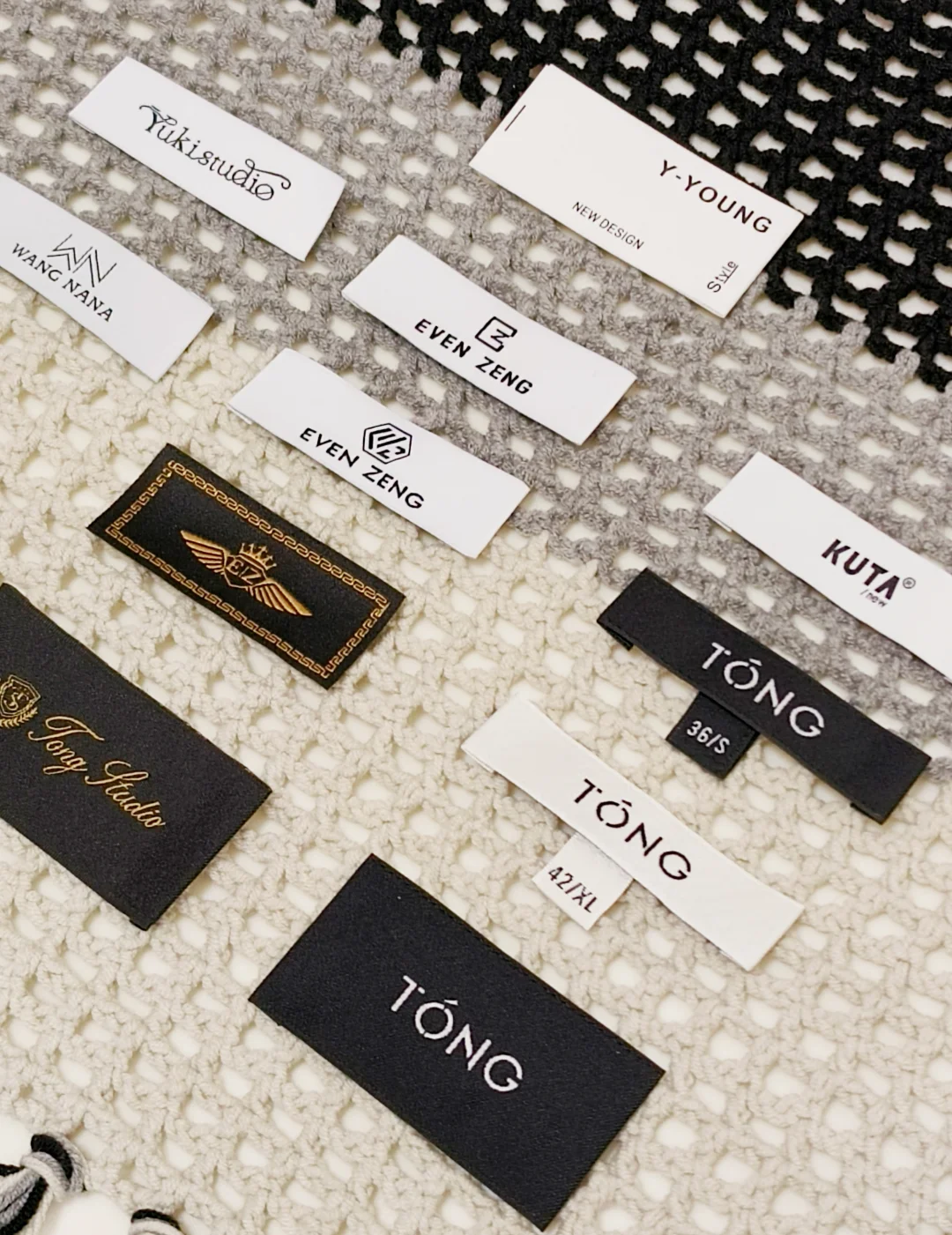
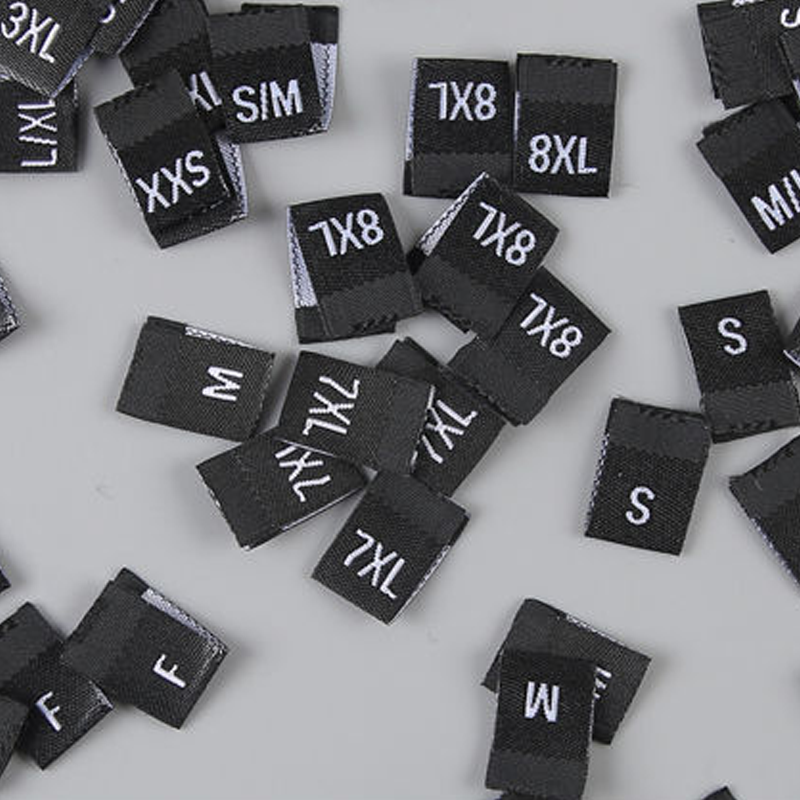
Add woven neck labels, hem labels and size labels that carry your logo and essential garment information, coordinated with placement, stitch method and fabric hand for a finished branded result.
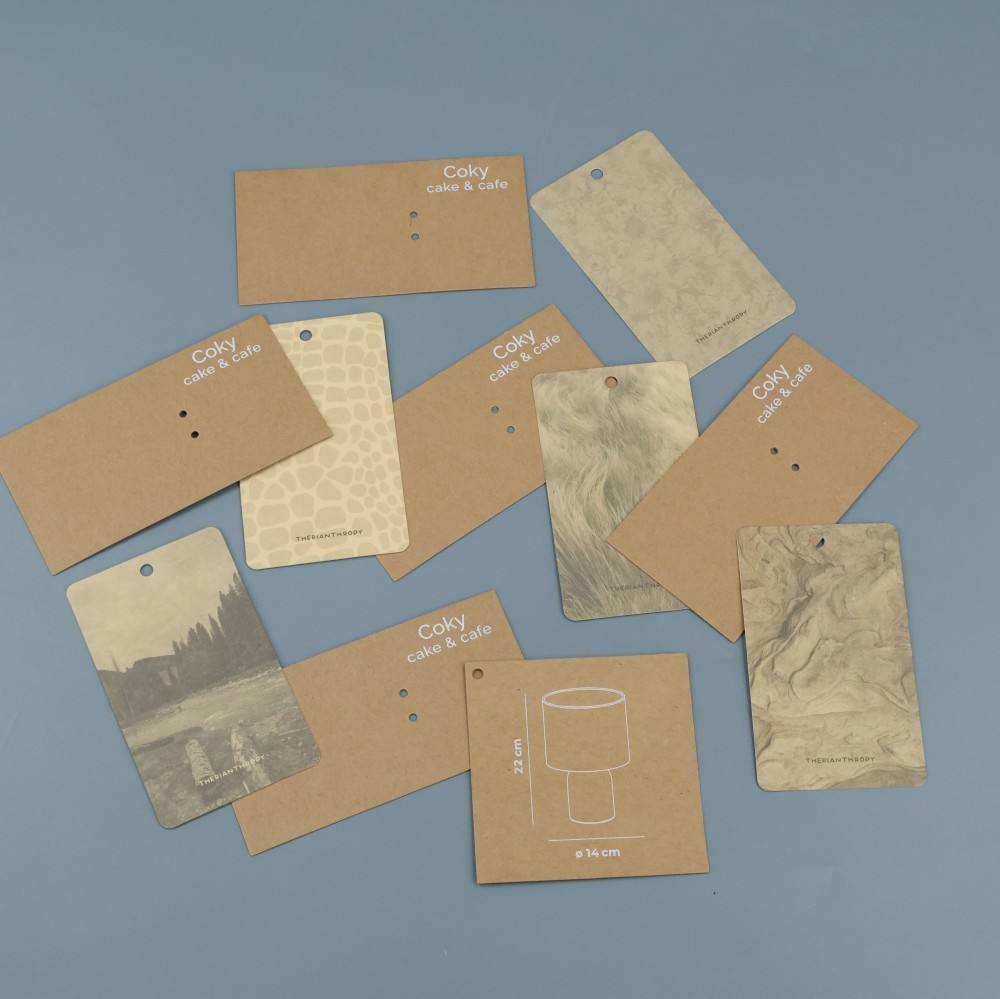
Custom Hangtags
Use custom hangtags to present brand messaging, product details and care information at retail, with card stock, finishes, strings and attachment points aligned to your packaging requirements.
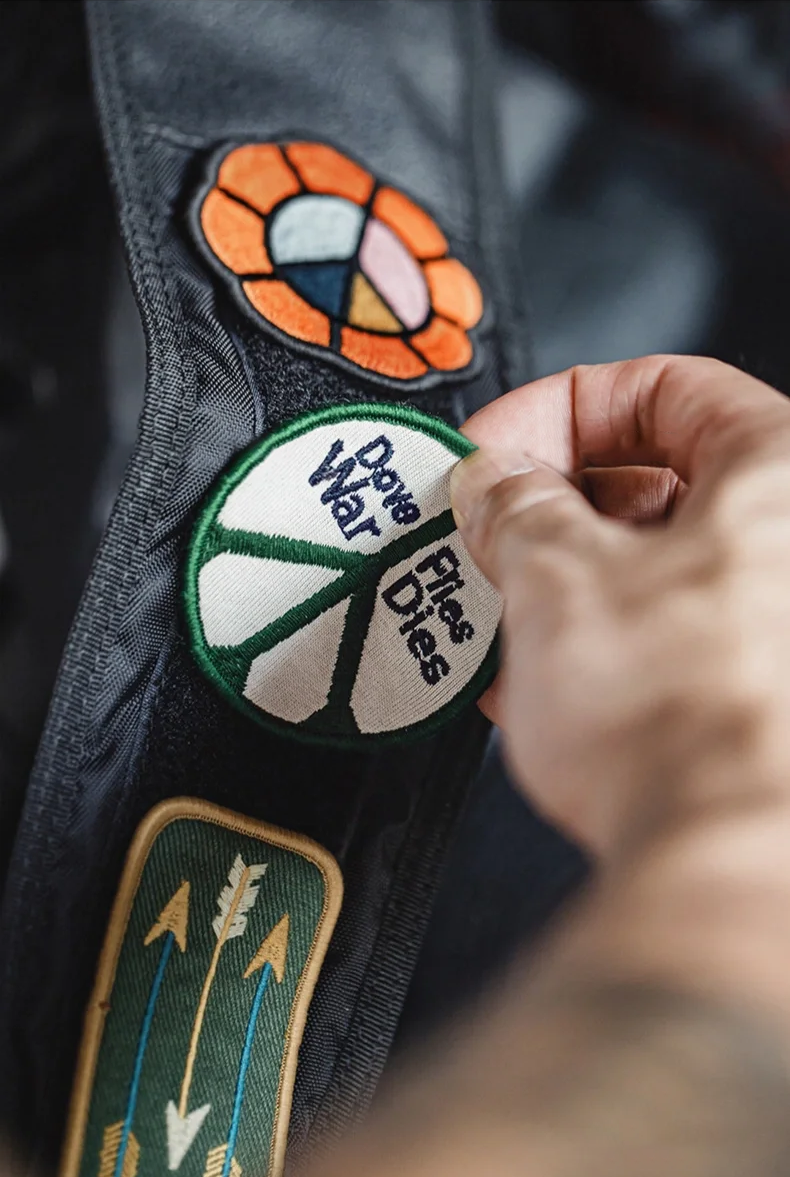
Embroidered Patches
Develop embroidered, woven or heat-applied patches for streetwear, varsity and teamwear programs, defining artwork, edge treatment, backing and placement so repeat orders retain the approved look.
About EDVORIN, Private Label Clothing Manufacturer
Founded by Edvorin Zeng in 2000, EDVORIN was built around one responsibility: translating apparel ideas into garments that can be made accurately again and again. As a private label clothing manufacturer, we help buyers move from a sketch, reference piece, or complete tech pack to a clear production standard.
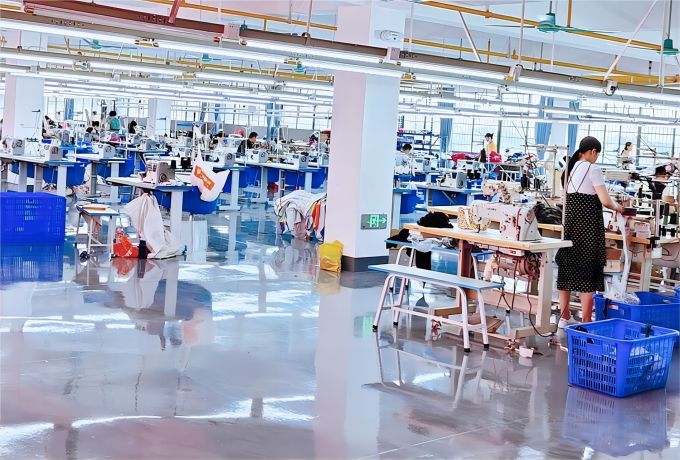
Our connected OEM and ODM system brings product development, fabric and trim sourcing, patterns, sampling, decoration, washing, bulk production, quality control, labeling, and packaging into one accountable path. We develop casualwear, streetwear, outerwear, and teamwear for men’s and women’s programs, with each category built around its intended fit, construction, and performance needs.
What sets EDVORIN apart is the discipline after sample approval. We document measurements, materials, placements, trims, and finishing details so the approved garment can guide bulk production and future reorders. With flexible support from 200 pieces per style, we help emerging labels and established buyers build collections made to grow.
Production Details, Controlled
Develop the Standard First
EDVORIN turns a sketch, reference garment or complete tech pack into a documented production standard. Pattern decisions, measurements, fit intent and construction details are clarified before sampling so the approved garment gives bulk production a clear, usable benchmark.
- OEM, ODM and private-label development support
- Men’s and women’s fit blocks and grading
- Patterns, measurements and construction callouts
- MOQ starts at 200 pieces per style
Coordinate Materials and Trims
Fabric, rib, lining, hardware, labels and packaging affect both the garment’s character and its repeatability. EDVORIN coordinates these components as one specification, helping buyers align hand feel, durability, color, function and branded finishing before production begins.
- Fabric and trim sourcing coordination
- Ribs, drawcords, snaps and zipper specifications
- Woven labels, heat transfers and hangtags
- Packaging planned with the finished product
Build for Each Category
A hoodie, varsity jacket and team jersey should not be developed through one generic process. EDVORIN applies category-specific construction, material and decoration decisions across casualwear, streetwear, outerwear and teamwear to protect the intended look, comfort and performance.
- Knit, woven, outerwear and teamwear programs
- Printing, embroidery and wash matched to fabric
- Construction adapted to garment use and styling
- Coordinated collections across key apparel categories
Carry Approval Into Bulk
A good sample becomes valuable when its decisions remain visible on the production line. EDVORIN uses approved standards to guide material checks, measurement control, artwork placement, in-line inspection and final review, reducing the gaps between sample approval and packed order.
- Approved samples guide bulk production
- In-line checks identify variation early
- Measurement, artwork and trim verification
- Final inspection before labeling and packing
Why Buyers Choose EDVORIN as Their Private Label Clothing Manufacturer
One accountable path connects development, decoration, quality control and repeat orders.
← Swipe left or right to view →
From Concept to Shipment
One accountable path turns approved details into consistent bulk production, packed to your specifications.
Develop the Product
Share a tech pack, sketch or reference garment. EDVORIN aligns fit, construction, materials, trims and decoration requirements for men’s or women’s programs.
Source Materials and Trims
Fabric weights, color references, rib, hardware, labels and packaging components are selected and documented to support the intended look, feel and performance.
Approve Patterns and Samples
Patterns and samples translate the concept into a physical standard. Revisions are reviewed before approved measurements, artwork placement and construction guide bulk production.
Cut, Sew and Decorate
Approved materials move through cutting, sewing, printing, embroidery, washing and finishing, with each process coordinated around the established product specification.
Monitor Bulk Quality
In-line checks compare workmanship, measurements, materials and decoration against the approved sample, helping identify variation while production remains in progress.
Inspect, Pack and Ship
Final inspection confirms the finished order reflects approved standards before labeling, folding, packaging and shipment preparation for your wholesale, retail or teamwear program.
How to Start Your Private-Label Apparel Program
Move from concept to a documented production standard with one coordinated path from development through delivery.
Share Your Product Direction
Send a tech pack, sketch, reference garment, or collection brief. EDVORIN reviews construction, fit, materials, decoration, branding, and target quantities.
Align Scope and Sampling
EDVORIN’s MOQ starts at 200 pieces per style. Confirm the quotation, MOQ, development requirements, and sample plan. Our team coordinates fabrics, trims, patterns, and production details before sampling begins.
Approve the Production Standard
Review the sample and record approved measurements, materials, colors, artwork placement, washes, labels, and packaging so every decision can guide bulk production.
Produce and Inspect Your Order
EDVORIN manages cutting, sewing, decoration, finishing, and in-line checks against approved standards, then completes final inspection before packing and delivery.
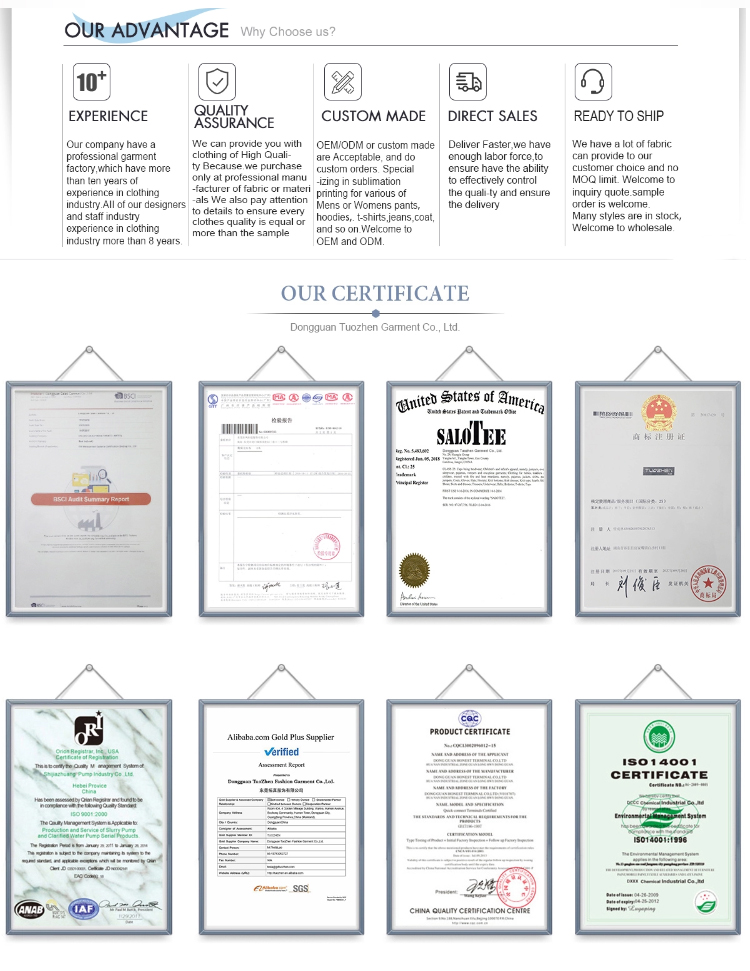
Certified Standards for Responsible Apparel Production


Certification and Compliance Programs
EDVORIN turned our hoodie references into a clear sample standard. We approved the second revision, then repeated the same construction across two 600-piece drops with consistent measurements, labels, and screen-print placement.
For our academy uniform program, the team organized fabrics, player names, numbers, and size sets in one production path. Our 420-piece order arrived with every roster detail matched to the approved artwork files.
We needed a supplier that could support a 200-piece launch without treating it like a one-off. EDVORIN helped finalize the fit, woven labels, and packaging, and our reorder required no new sampling changes.
Private Label Clothing Manufacturer FAQs
Clear answers for buyers planning a 200-piece apparel program with EDVORIN.
What is the minimum order for a private label clothing manufacturer?
Can a private label clothing manufacturer help if I only have an idea or reference garment?
Do I need to approve a sample before bulk production?
How long does private label clothing production take?
Can I provide my own tech pack to a private label clothing manufacturer?
How does EDVORIN control quality from sample to shipment?
Can you protect my designs and brand information?
What payment and shipping details should I confirm before ordering?
The Complete Private Label Clothing Manufacturer Buyer’s Guide
Use this decision framework to compare supplier models, fabrics, customization options, quality controls, order economics, and launch workflows—while avoiding costly sourcing mistakes before committing to production.
1. What Is a Private Label Clothing Manufacturer?
EDVORIN’s MOQ starts at 200 pieces per style. EDVORIN treats private-label manufacturing as a brand-owned product program: the buyer defines the market, design direction, label identity, target cost, and final approvals; the factory turns those decisions into repeatable garments. The purchased service can include development, material sourcing, patterns, samples, decoration, bulk production, inspection, labeling, packaging, and delivery coordination.
3 common models differ in starting point. White label applies branding to a shared, ready-made style; OEM makes to the buyer’s established specification; ODM adapts a factory-developed design; fully custom cut-and-sew creates a new pattern, construction, and specification from the buyer’s concept.
200-piece MOQ programs still need an approved production standard before cutting begins. The buyer signs off on fit, fabric, color, artwork, trims, and sample revisions, while the manufacturer controls execution, records specifications, checks production, and packs the approved result under the buyer’s label.
2. How Private Label Clothing Manufacturing Evolved
EDVORIN’s MOQ starts at 200 pieces per style. Before 2000, many retailer-owned programs relied on standardized blanks, then differentiated them with labels, hangtags, and limited decoration. That model prioritized replenishment and catalog selection over proprietary fit, fabric, and construction.
By 2010, e-commerce let smaller labels test launches without a store network, increasing demand for shorter runs and globally sourced materials. A private label clothing manufacturer increasingly had to translate a concept into tech packs, measurement charts, bills of materials, Pantone references, and approved samples—not simply offer a blank.
By 2020, buyers also expected digital revision control and traceability across fabric, trims, decoration, and packing. Supplier selection therefore depends on development discipline, communication, quality records, and repeatability alongside MOQ and catalog range.
3. Types of Private Label Clothing Manufacturer Services
Five service models trade speed and simplicity against design control. A private label clothing manufacturer should match the model to the buyer’s product maturity, volume, and internal development capacity.
| Model | Customization | Speed | Best Fit |
|---|---|---|---|
| Blank branding | Labels and decoration | Fastest | Teams, promotions |
| Made-to-order | Color, fabric, trims | Fast | Startup collections |
| OEM | Buyer-owned specification | Moderate | Established fashion lines |
| ODM | Supplier base design | Moderate | Buyers needing direction |
| Custom cut-and-sew | New patterns and construction | Slowest | Distinctive premium programs |
Blank Garment Branding
Blank garments accept labels, hangtags, or decoration on existing styles. This is the quickest, lowest-complexity route for event merchandise, club basics, and early market tests.
Made-To-Order Private Label
Made-to-order private label adapts a supplier’s proven block with selected fabrics, colors, and branding. It suits startups and wholesale ranges seeking differentiation without building every pattern.
OEM, ODM, And Cut-And-Sew
OEM follows the buyer’s tech pack, while ODM begins from supplier-led designs. Custom cut-and-sew gives established labels maximum ownership but requires disciplined approvals and production documentation.
4. Private Label Clothing Manufacturer Fabric Choices
160–220 GSM cotton jersey suits breathable tees, while 280–400 GSM fleece supports structured hoodies. A private label clothing manufacturer should match fabric performance and retail position before sampling.
| Fabric | Typical GSM | Strengths | Tradeoffs | Best Uses |
|---|---|---|---|---|
| Cotton jersey | 160–220 | Soft, breathable | May shrink | T-shirts |
| Cotton-poly fleece | 280–400 | Warm, durable | Less breathable | Hoodies, joggers |
| Poly performance knit | 140–200 | Moisture management | Pilling risk | Teamwear |
| Responsible blends | Varies | Material options | Documentation needed | Premium basics |
Read The Specification

Composition states fiber percentages; GSM is fabric weight per square meter. Both affect hand feel, drape, opacity, warmth, and cost.
Test Wear And Care
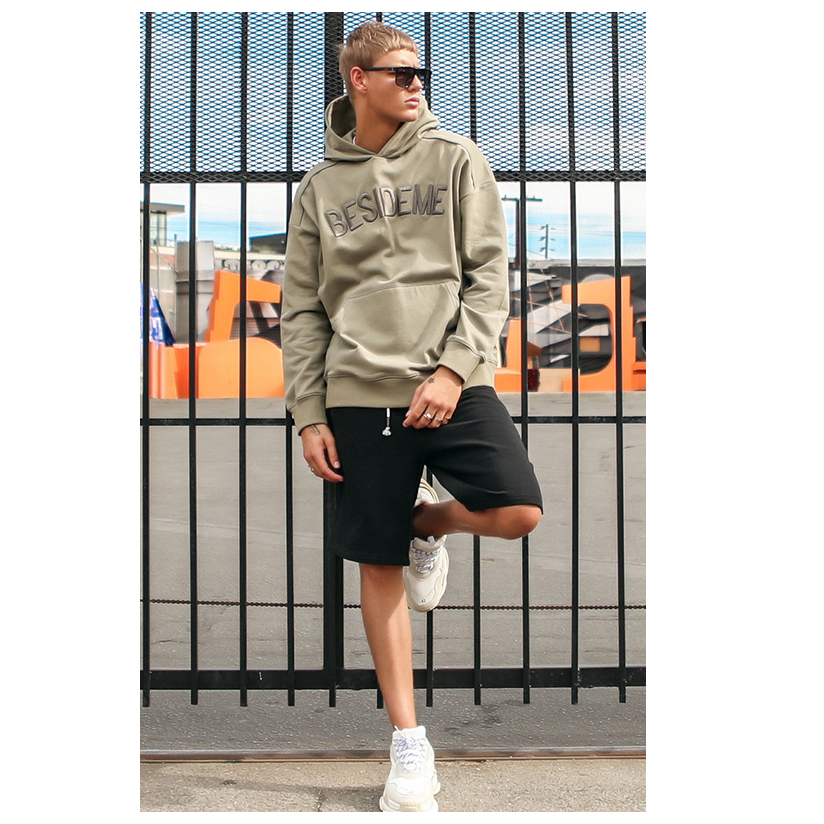
3–5% shrinkage can change fit after laundering, so test wash results before grading. Pilling measures surface fiber balls; colorfastness checks whether dye resists washing, rubbing, and light.
Match Fabric To Positioning
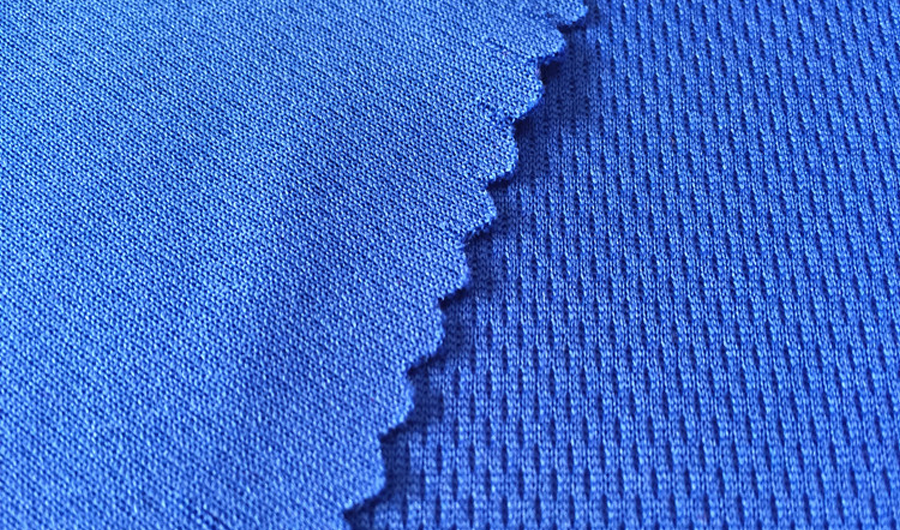
100% cotton favors a natural premium hand; cotton blends improve recovery and durability. Recycled polyester or certified organic cotton can support responsible-material programs when documentation is available.
5. Customization and Decoration for Private Labels
EDVORIN’s MOQ starts at 200 pieces per style. A private label clothing manufacturer turns a base garment into a recognizable SKU through silhouette, Pantone color, trims, labels, hangtags, and packaging. Decoration must be selected with fabric, wash testing, and reorder requirements in mind.
| Method | Visual Effect | Best Fabric | Volume And Setup | Durability |
|---|---|---|---|---|
| Screen print | Opaque, bold | Cotton, fleece | Efficient at volume; screen setup | High when cured |
| DTG | Detailed, soft | Cotton-rich | Low-volume flexibility; file prep | Good with correct pretreatment |
| Embroidery | Textured, premium | Knits, wovens | Digitizing setup; slower | Very high |
| Transfer | Crisp, versatile | Cotton or polyester | Fast changes; transfer setup | Varies by film and press |
| Sublimation | All-over color | Polyester | Best for repeat runs; artwork setup | Excellent; dye bonds to fiber |
| Wash finish | Vintage or faded | Cotton garments | Requires sample testing | Garment-dependent |
Build The Brand System
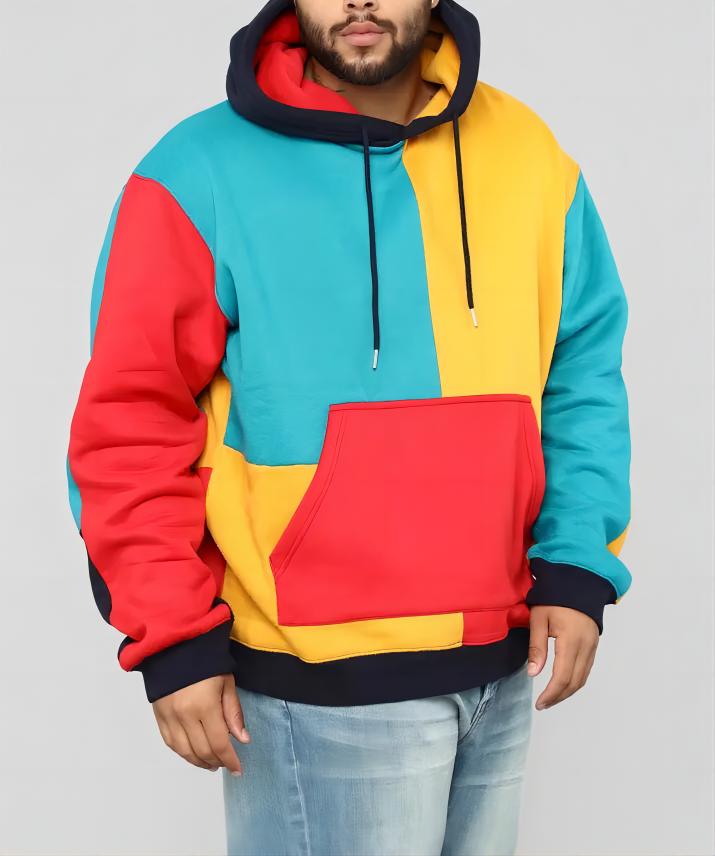
One fit block can be adjusted for men’s or women’s proportions, while custom neck labels, size labels, hangtags, and mailers complete the retail presentation.
Two artwork files are needed: production-ready vector art and a placement sheet showing dimensions, colors, and distances from seams.
Match Decoration To Fabric
100% cotton jerseys and fleece suit screen printing, DTG, embroidery, and heat transfers; sublimation requires polyester-rich fabric.
One pre-production sample should confirm hand feel, stretch recovery, color, and wash performance before bulk cutting.
Approve Before Bulk
1 approved sample is the physical standard for artwork scale, Pantone references, print placement, thread color, wash effect, and label position.
2 placement measurements from stable seams prevent logo drift between sizes and production lines.
6. Private Label Clothing Manufacturer Quality Standards
Retail readiness is controlled through documented standards, not a visually acceptable sample. A private label clothing manufacturer should convert the approved garment into measurable construction, decoration, finishing, and packing requirements.
Approval Before Bulk
One pre-production sample should match the approved fabric, trims, artwork, measurement chart, and packaging before bulk cutting. EDVORIN can use this reference to record pattern revisions and production callouts.
- Approved fabric composition and color
- Graded measurement chart and tolerances
- Artwork size, placement, and color reference
Construction And Measurements
Every seam specification should identify seam type, stitch density, and reinforcement points; flatlock, coverstitch, bartacks, and neck tape serve different garments. Measurement checks should compare finished pieces against the approved tolerance chart across sizes.
- Inspect fabric for shade, flaws, and shrinkage
- Check pattern balance and size grading
- Verify labels, stitch security, and loose threads
Inspection And Defects
In-line checks catch cutting, sewing, print-alignment, and trim issues before they multiply. Final inspection should review measurements, stains, finishing, labeling, folding, polybags, carton marks, and a defect report with quantities and corrective action.
- Request in-line and final inspection records
- Define major and minor defect criteria
- Approve packing sample before shipment
7. How to Choose a Private Label Clothing Manufacturer
EDVORIN’s MOQ starts at 200 pieces per style. A 200-piece MOQ is only useful when it is stated by style, color, and size run. Choose a private label clothing manufacturer whose product expertise, controls, and capacity match the next collection—not merely the first order.
Qualify The Production Fit
200 pieces can mean one style or several colorways; confirm the allocation before costing.
2 comparable references should show relevant hoodie, outerwear, jersey, or teamwear construction—not only generic basics.
- MOQ by style, color, and fabric
- Monthly capacity and peak-season loading
- Pattern, decoration, and wash capability
Test The Working Process
1 discovery call should establish sample stages, revision ownership, lead-time milestones, payment schedule, and shipment support.
2 material options should be quoted with composition, GSM, mill origin, Pantone method, and available test or certification documents.
- Ask who approves each sample
- Ask how in-line defects escalate
- Ask whether sourcing is disclosed
Compare Like For Like
1 quotation comparison should use the same tech pack, fabric, trims, quantities, decoration, packaging, Incoterm, and inspection scope.
30 days saved on sampling matters less than repeatable measurements, responsive communication, and a documented bulk standard.
- Separate development from bulk costs
- Confirm freight and duty exclusions
- Choose capacity for planned growth
8. Common Private Label Sourcing Mistakes
One incomplete specification can turn a promising first order into delayed, non-repeatable bulk. A private label clothing manufacturer needs decisions production can measure, cost, and preserve after approval.
Freeze the Product Standard
One tech pack missing composition, GSM, measurements, grading, trims, or stitch callouts invites quote gaps and rework. Use a BOM and revision-controlled approval file.
Two approval stages—development sample and pre-production sample—prevent scope creep. Freeze fabric, color, construction, artwork, packing, and tolerances before cutting.
Validate Cost and Materials
One lowest quote can omit testing, packaging, difficult decoration, or trim upgrades, creating later charges. Compare like-for-like cost sheets and responsibilities.
Three checks—shrinkage, colorfastness, and pilling—can expose fabric risk before bulk. Test the actual production fabric, not only a swatch.
Plan Capacity and Approvals
EDVORIN’s MOQ starts at 200 pieces per style. A 200-piece MOQ may apply per style, color, fabric, or decoration, not the total purchase order. Confirm MOQ rules and a dated critical path before commitment.
One unclear logo file or undocumented change can cause wrong placement, labels, or repeats. Approve Pantone references, placement dimensions, care-label content, and every revision in writing.
9. Steps to Launch a Private Label Clothing Brand
One launch brief should define customer, price tier, channel, size range, and first-drop quantity before development begins. EDVORIN can translate a sketch, reference garment, or complete specification into a reviewable production standard.
Set The Product Brief
EDVORIN’s MOQ starts at 200 pieces per style. Three decisions come first: target wearer, intended use, and retail price. Fashion labels define silhouette; teams and schools lock colors, roster needs, and delivery date; wholesalers confirm pack ratios.
A 200-piece MOQ requires a disciplined style-and-color plan. Approve the brief only after quantities, size curve, branding locations, and required performance are fixed.
Quote, Sample, And Approve
EDVORIN’s MOQ starts at 200 pieces per style. Two to four qualified suppliers should quote the same tech pack, bill of materials, decoration files, and Incoterm. Compare exclusions, sample timing, MOQ by style and color, and payment milestones—not unit price alone.
One approved sample becomes the physical reference for fit, handfeel, color, artwork placement, labels, and packaging. Record every revision before issuing the purchase order.
Control Bulk And Reorder
One pre-production approval gate should confirm bulk materials, graded measurements, decoration, and packing before cutting. EDVORIN then coordinates production checks and final inspection against the approved standard.
Thirty days after launch, review sell-through by size, color, channel, and return reason. Reorder proven variants early enough to account for material sourcing, production, inspection, and freight.
10. Private Label Clothing Manufacturer Pricing and Costs
200 pieces is the stated MOQ, but unit cost still depends on garment complexity: a lined varsity jacket, custom pattern, or flatlock construction carries more labor than a basic tee.
2 fabric decisions can move cost quickly: fiber composition and weight. French terry or fleece at 280–400 GSM, custom-dyed Pantone colors, YKK hardware, woven labels, wash effects, packaging, sampling, freight, and import duties should each appear separately.
1 itemized quotation should identify sample charges, development assumptions, material and trim specifications, decoration setup, per-unit production, packaging, Incoterm, freight estimate, duties responsibility, and reorder pricing. A private label clothing manufacturer should also state what changes when quantities or colorways change; a detailed tech-pack checklist is described at https://www.kokoquest.com/companies/textiles-apparel/private-label-clothing-manufacturers.
| Order tier | Unit-cost direction | Lead-time consideration |
|---|---|---|
| 200–499 units | Highest; fixed development spreads less | Allow sampling and material confirmation |
| 500–999 units | Usually lower | Consolidate colors and trims |
| 1,000+ units | Often lower again | Confirm mill capacity and reorder timing |
Start Your Private Label Clothing Manufacturer Program
Send your tech pack or concept to get sampling guidance, production direction, and a quote for your next collection.