
Cut and Sew Clothing Manufacturer for Repeatable Collections
EDVORIN is a cut and sew clothing manufacturer delivering development, sampling, and controlled bulk production from 200 pieces per style.
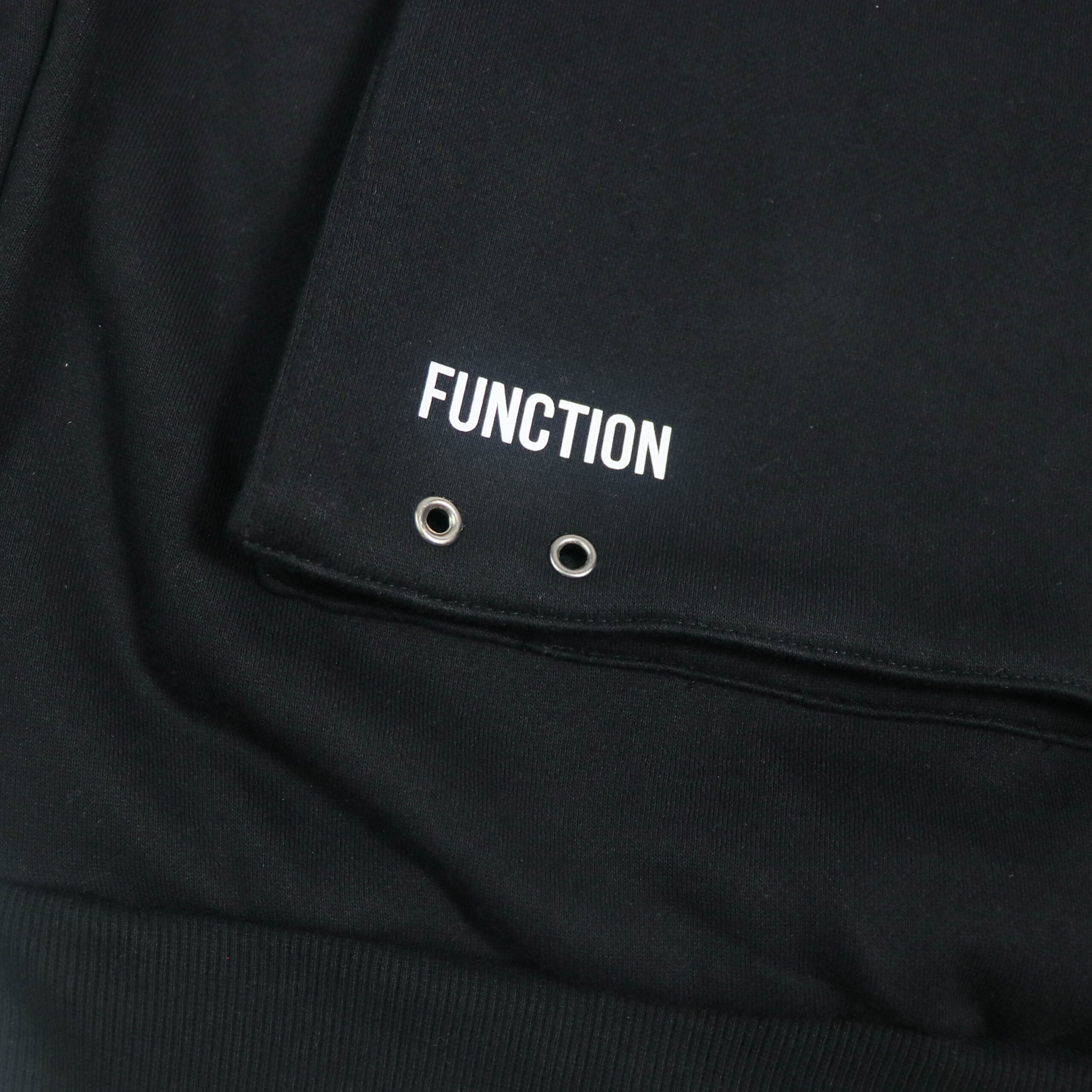
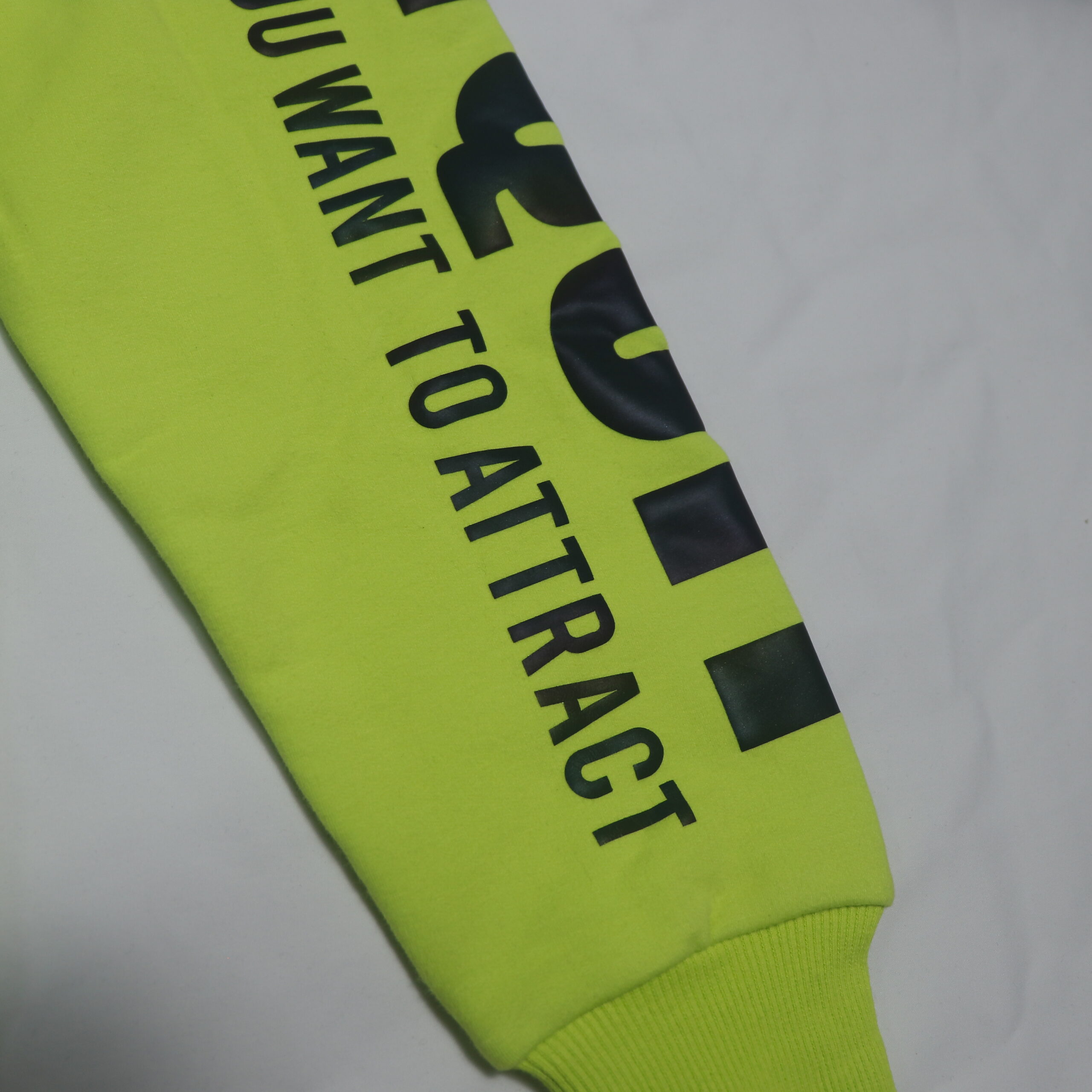
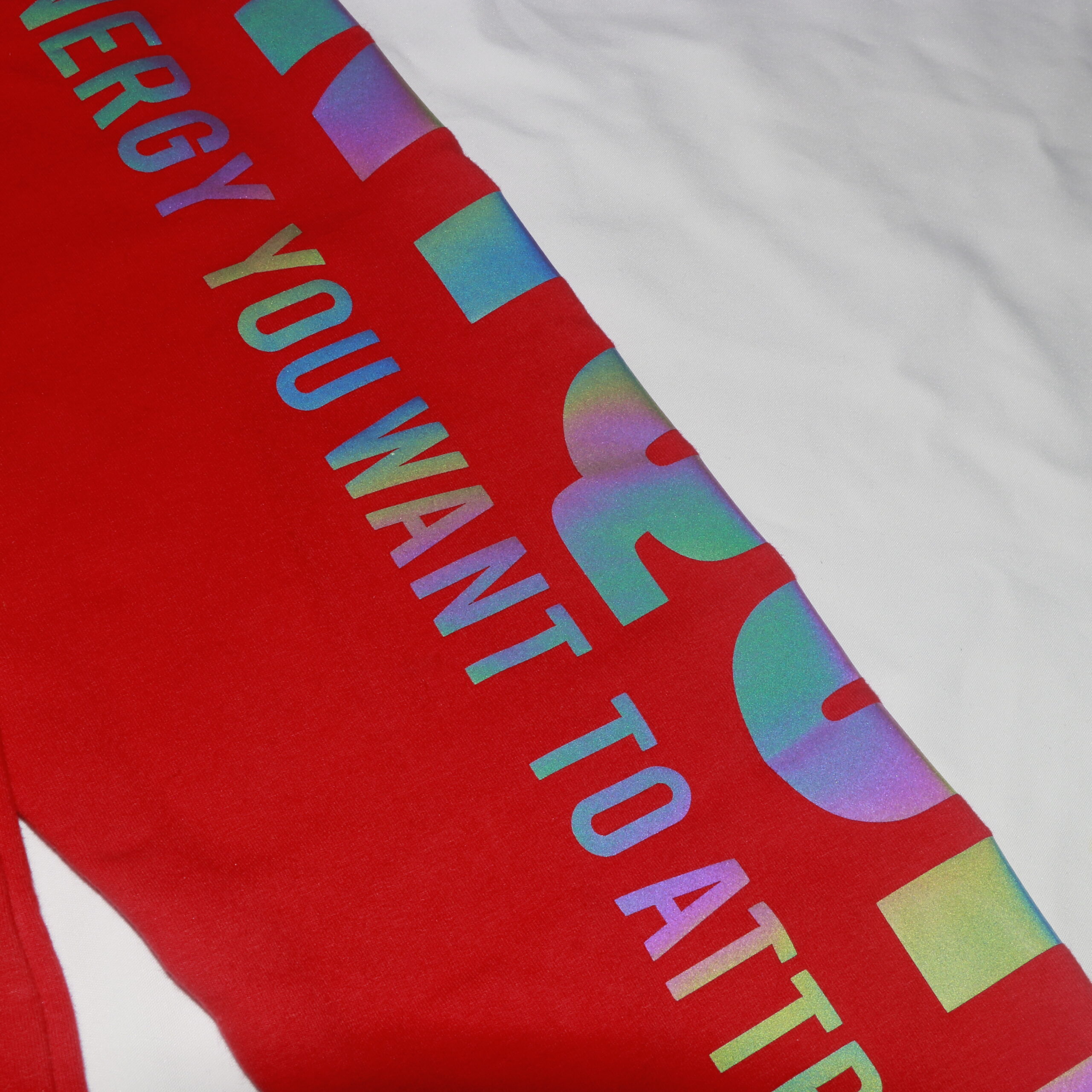
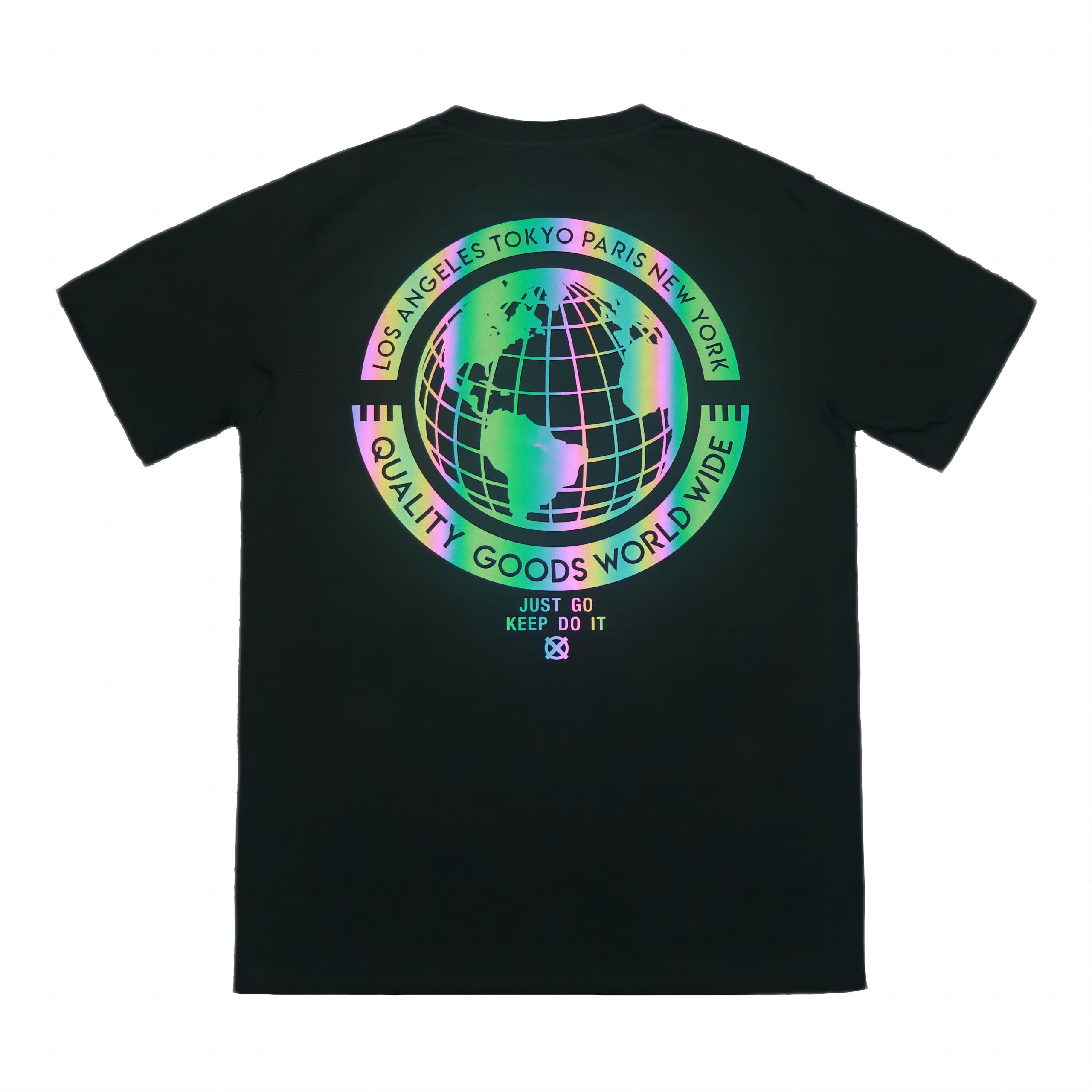
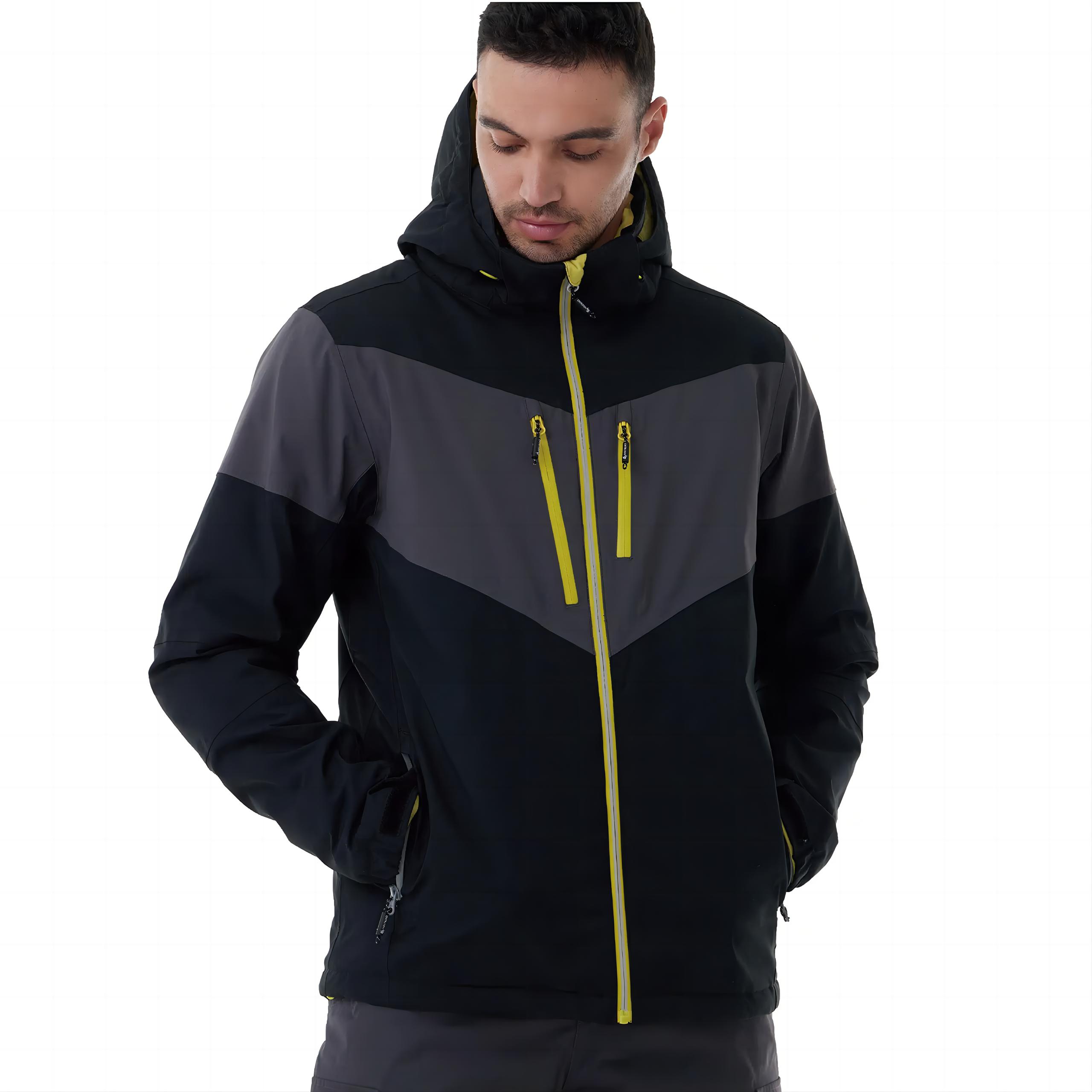
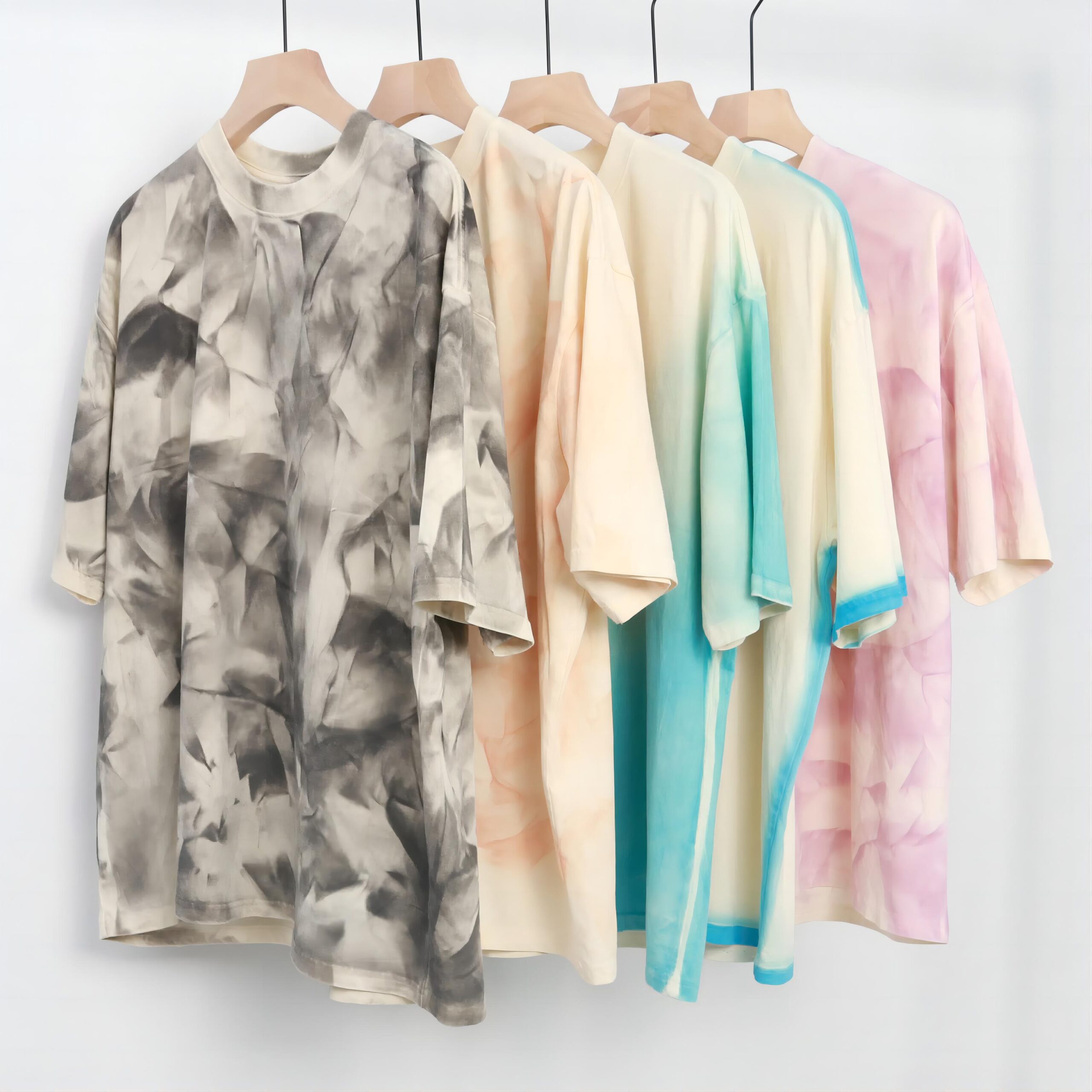
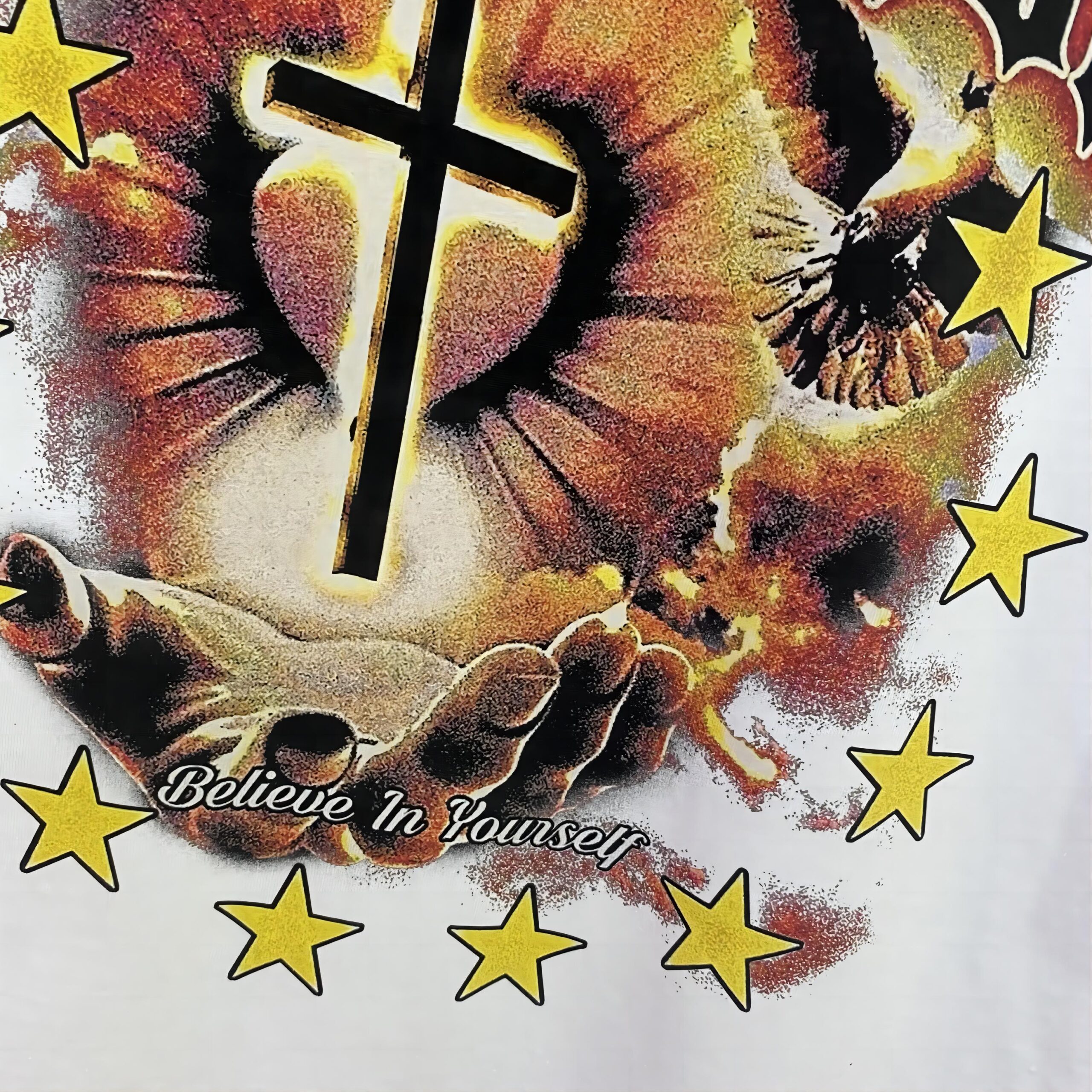
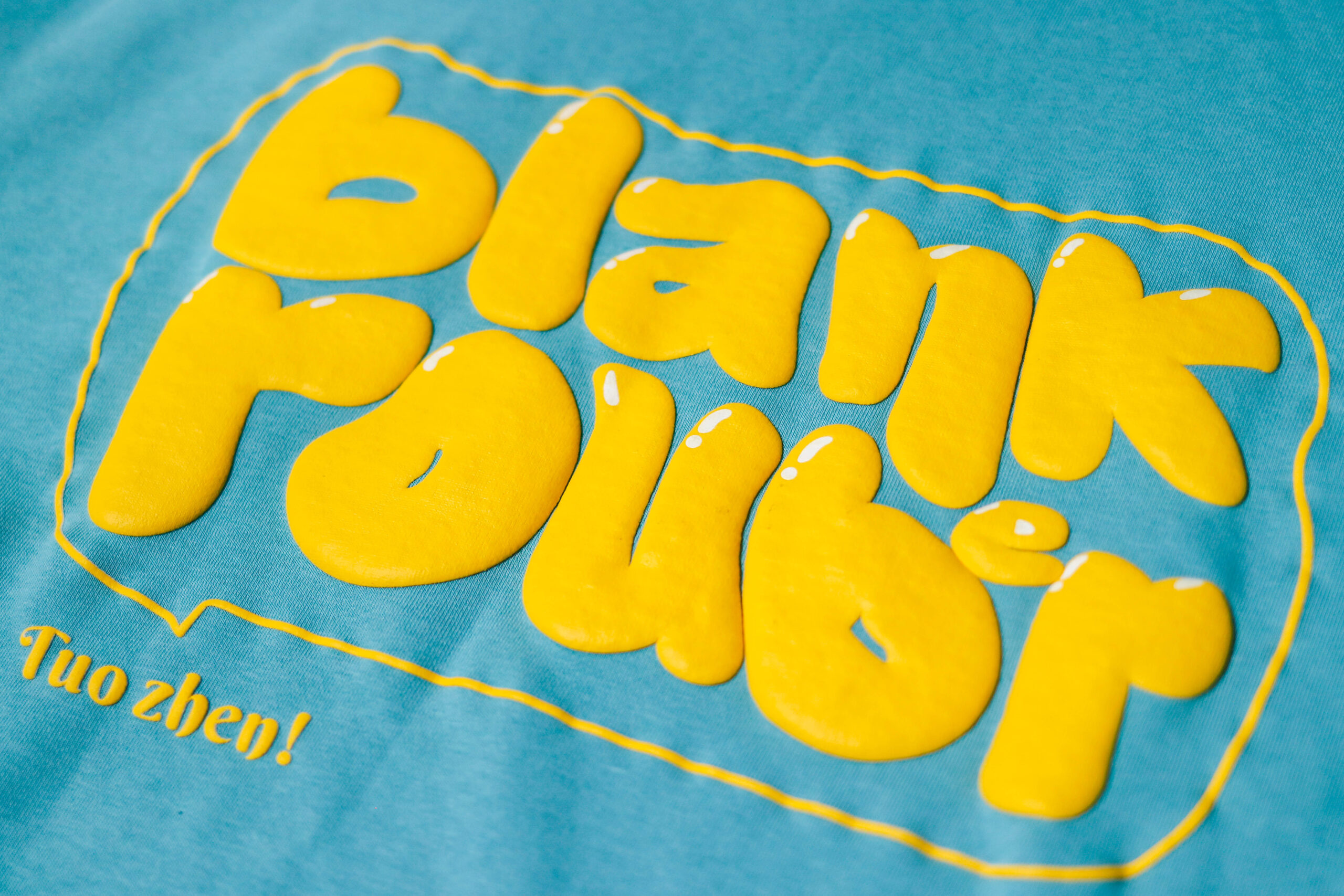
Featured Cut-and-Sew Apparel Development




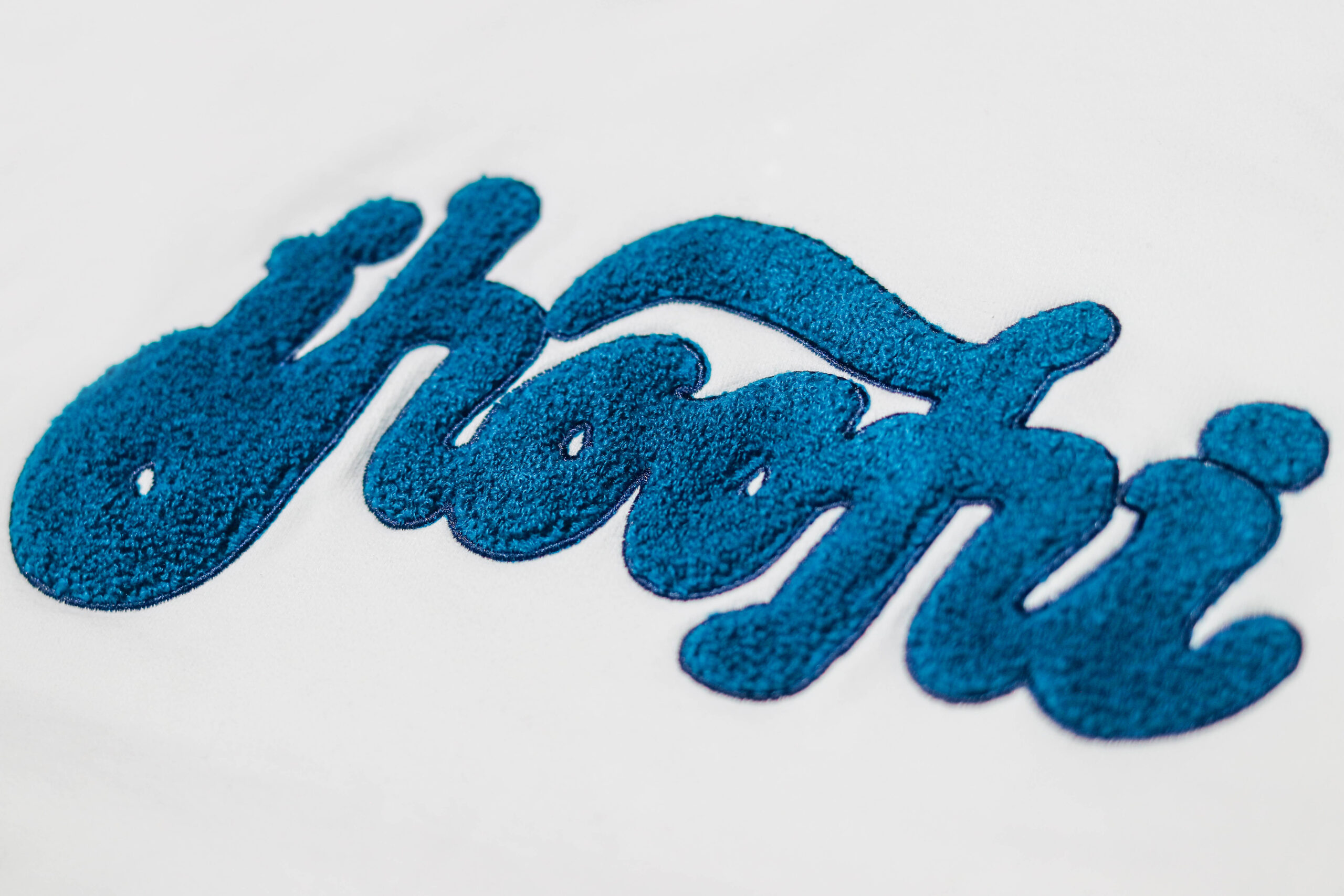
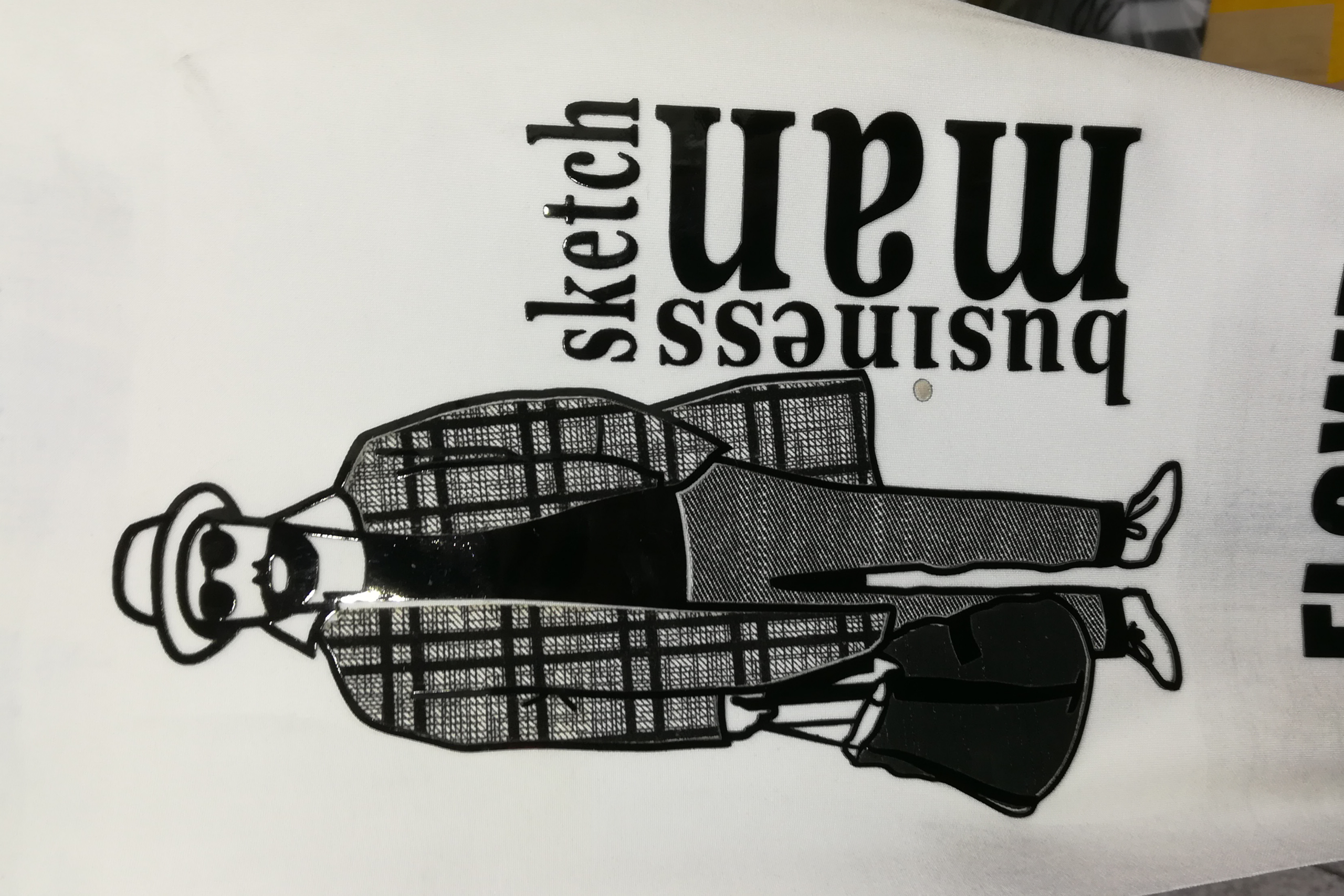
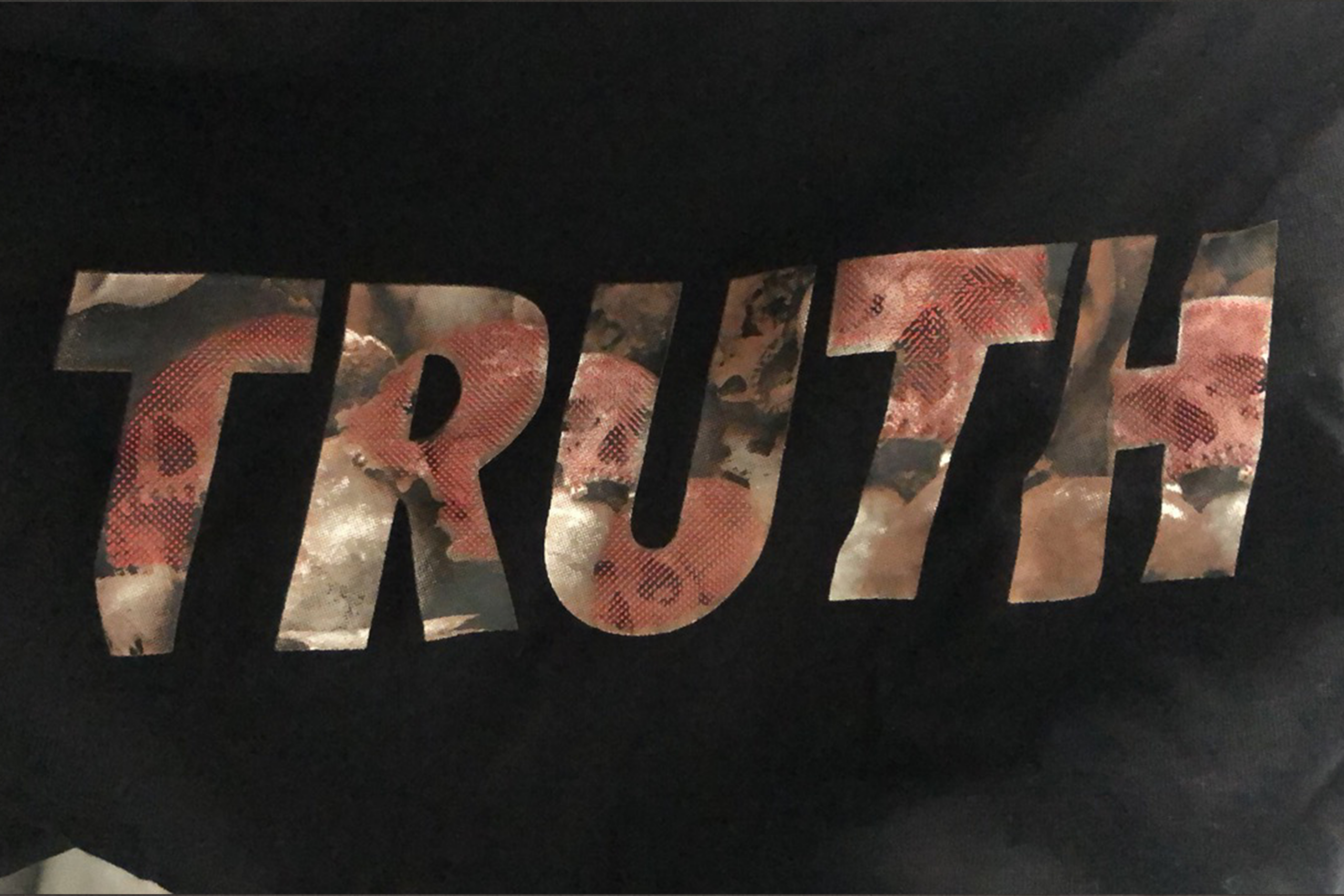

Cut and Sew Clothing Manufacturer Advantages That Protect Your Design
EDVORIN connects development, production, decoration and quality control into one accountable path for repeatable apparel programs.
Founder-Led Accountability
Since 2000, EDVORIN has guided production decisions with direct responsibility from concept development through final packed order.
Category-Specific Development
Hoodies, outerwear, streetwear and teamwear receive construction, fit, material and performance decisions matched to their intended use.
Coordinated Materials and Decoration
Fabric, trims, printing, embroidery, washing, labels and packaging are aligned so every detail supports the approved garment.
Approved-Standard Quality Control
Samples, measurements, artwork placement and trims become documented references for in-line checks and final inspection before packing.
Flexible Buyer Support
From early sketches to complete tech packs, EDVORIN supports emerging labels, wholesale programs and established private-label buyers from 200 pieces per style.
Apparel Categories Built for Repeat Production
From single styles to coordinated programs, EDVORIN develops category-specific specifications that carry from approved sample through bulk production.
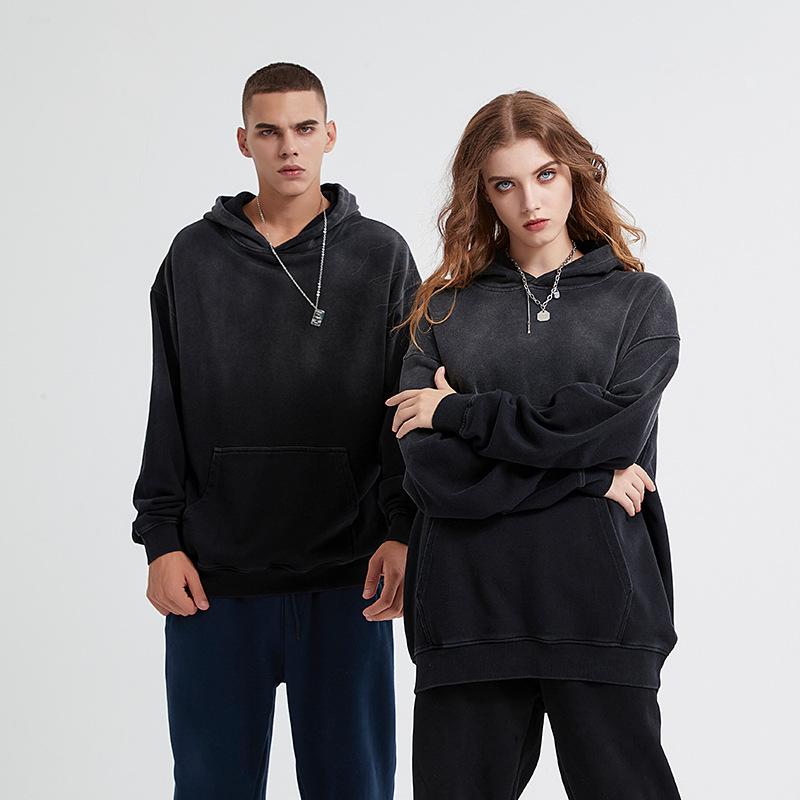
Custom Hoodies
EDVORIN develops custom hoodies around fleece weight, fit block, hood shape, rib recovery, pockets, drawcords and decoration placement. As a custom hoodie manufacturer, we document approved construction and measurements for consistent repeat orders.
Get a Quote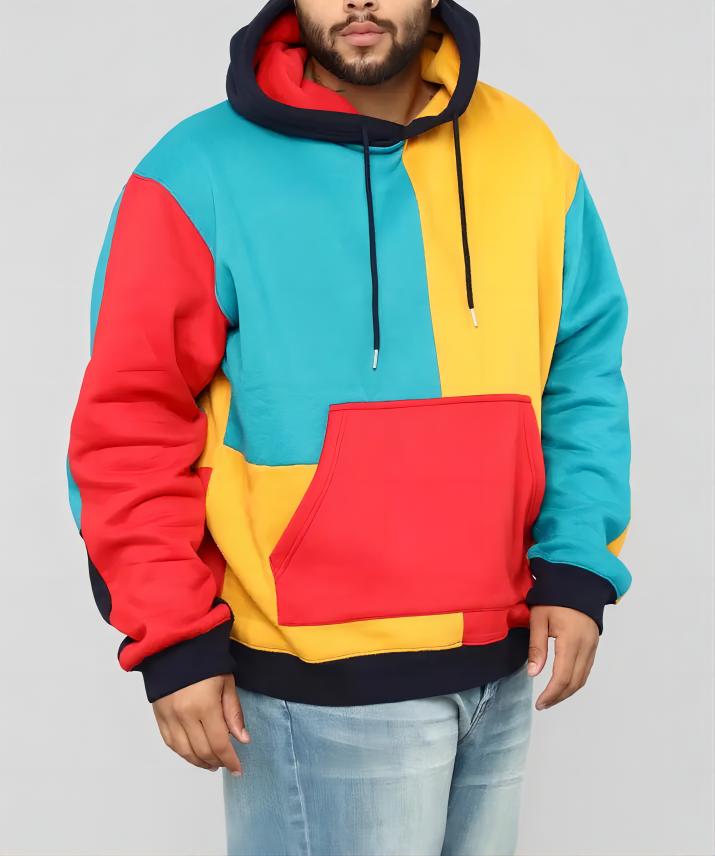
Pullover Sweatshirts
Pullover sweatshirts are developed with attention to fabric weight, neckline, shoulder construction, cuffs, hem ribs and print or embroidery compatibility. We help brands convert reference styles or tech packs into clear, production-ready sweatshirt specifications.
Get a Quote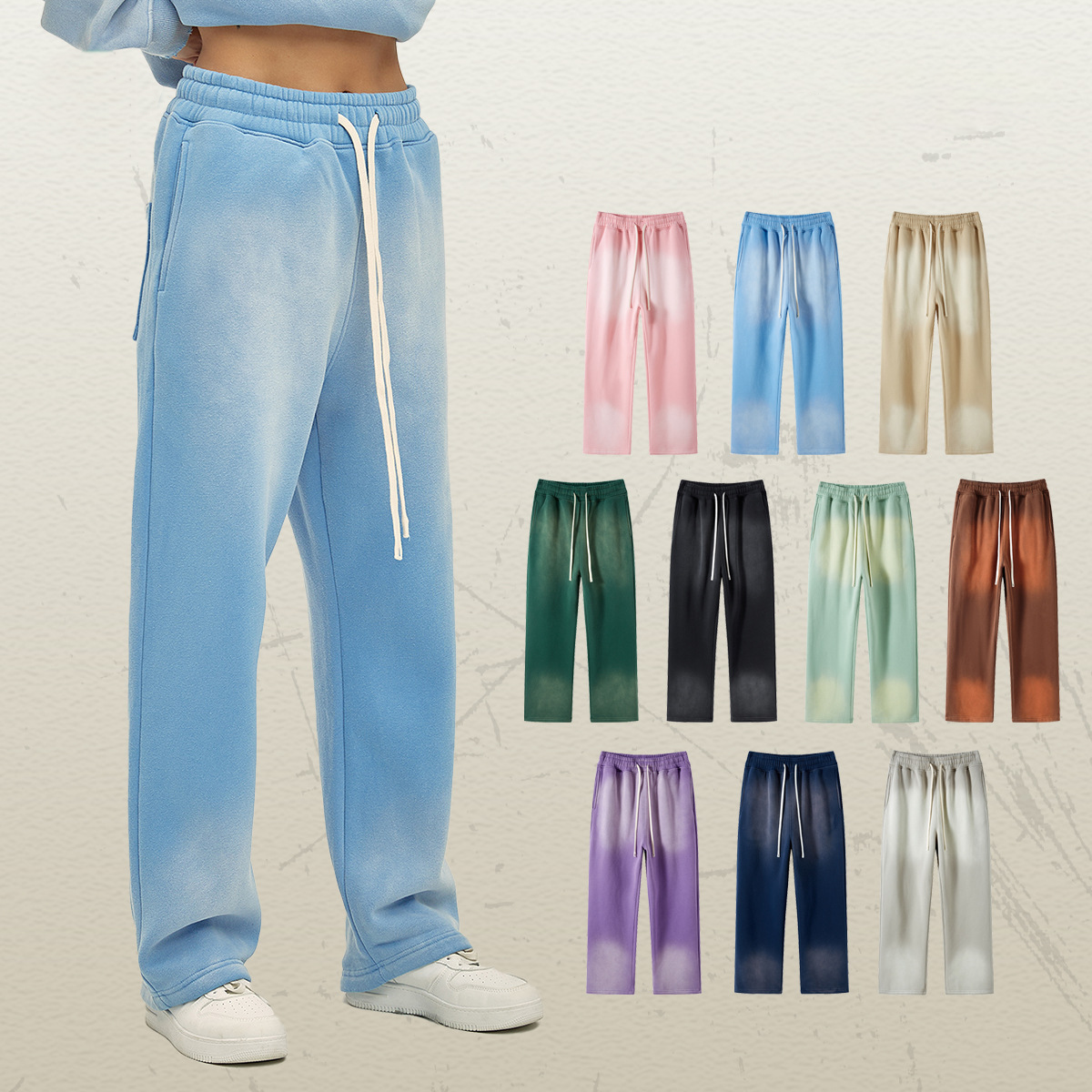
Sweatpants & Joggers
Our sweatpants and joggers programs cover relaxed, tapered and performance-informed fits, with coordinated waistband, pocket, cuff and drawcord details. Material selection, grading and wash requirements are established during sampling before bulk manufacturing begins.
Get a Quote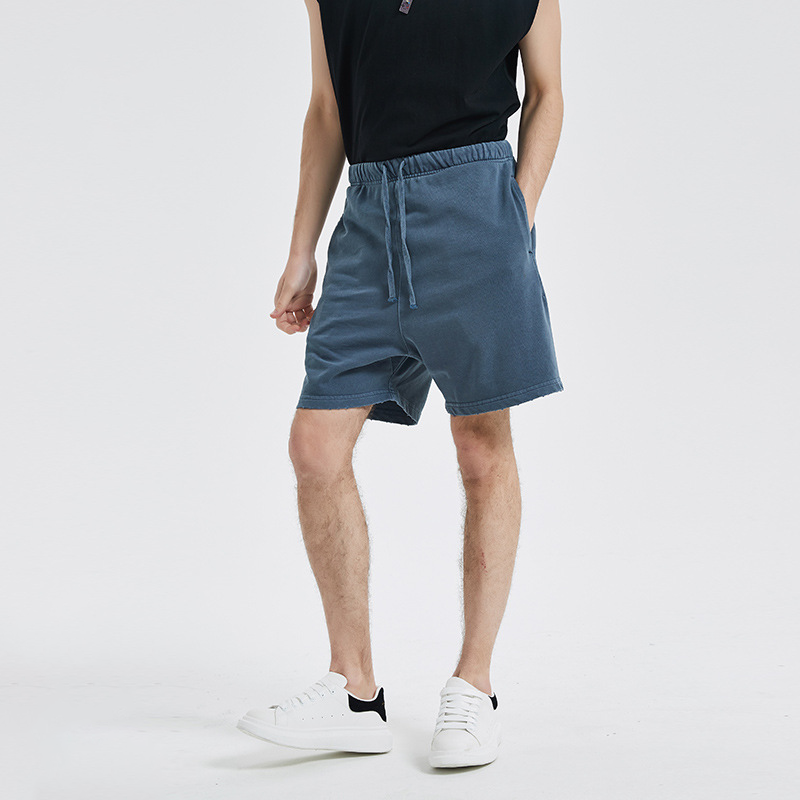
Custom Shorts
Custom shorts can be developed for casualwear, streetwear, training or uniform programs. We coordinate inseam, rise, pocket construction, waistband systems, lining, decoration and fabric performance to match the intended use and wearer.
Get a Quote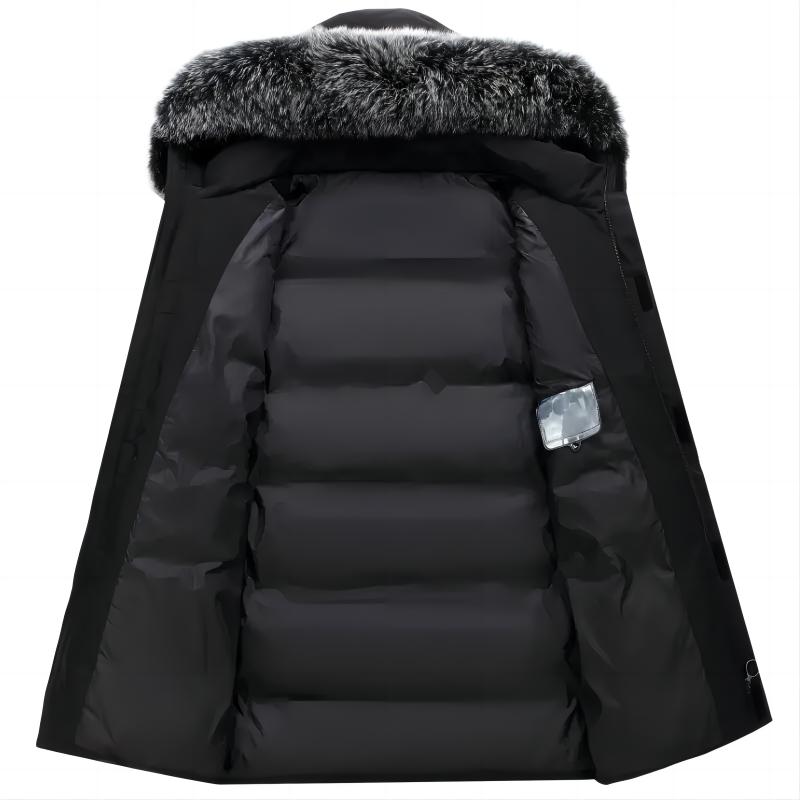
Varsity & Baseball Jackets
Varsity and baseball jackets require balanced body fabric, sleeves, rib, snaps, lining and patch applications. EDVORIN manages these connected components so the approved jacket standard remains controlled across bulk production.
Get a Quote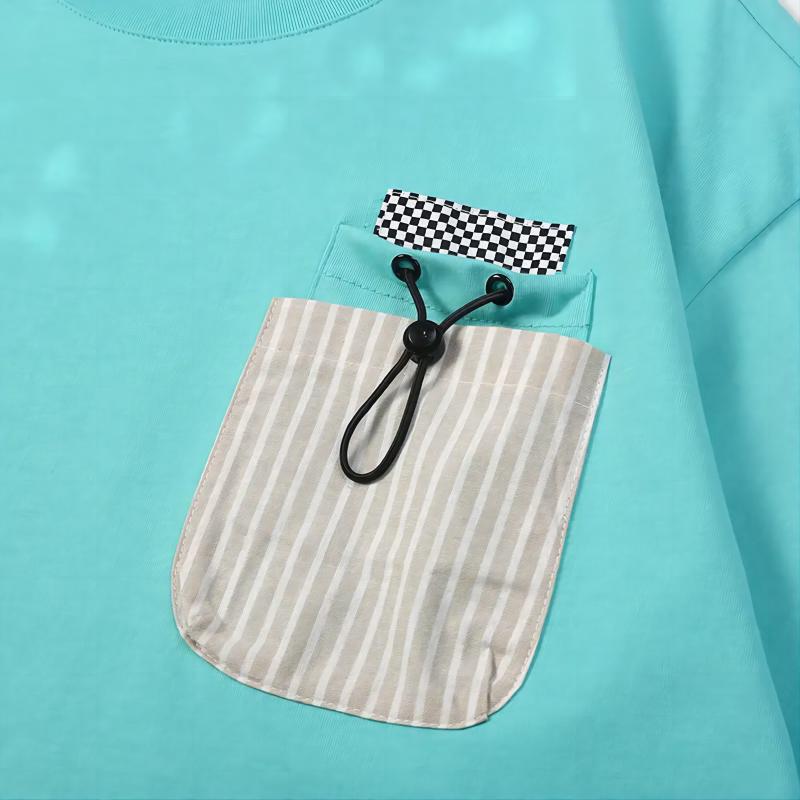
Custom T-Shirts
Custom T-shirts are developed around fit, fabric weight, collar construction, stitching, print method, wash effect and labeling. Men’s and women’s blocks can be adjusted to the brand’s target market and size range.
Get a Quote
Custom Polo Shirts
Polo shirt development includes collar and placket construction, fabric selection, rib specifications, button choices, embroidery placement and grading. We support corporate, retail and private-label programs with repeatable production standards.
Get a Quote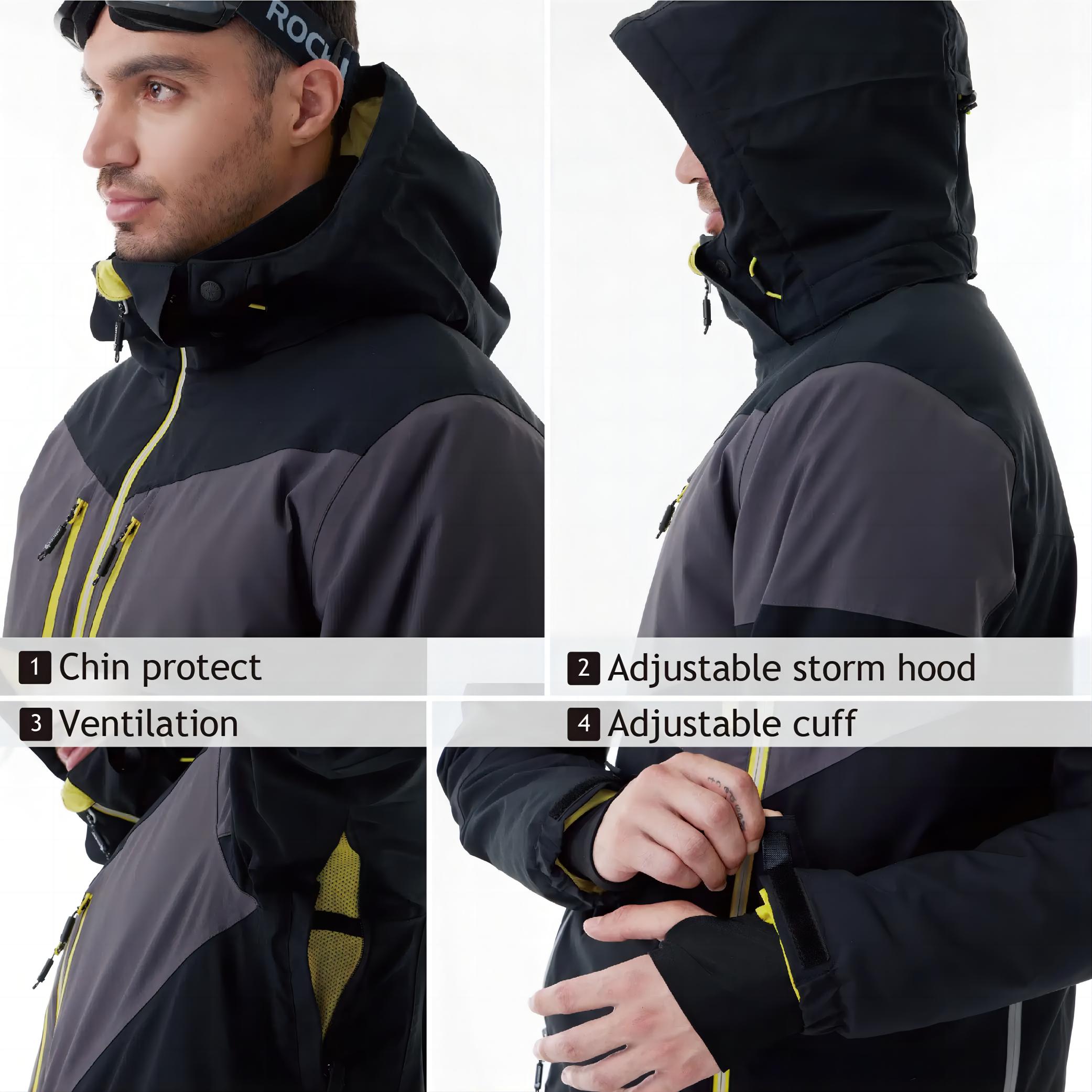
Windbreaker Jackets
Windbreaker jackets are developed around shell weight, lining, zipper selection, pocket design, hood construction and weather-focused details. We coordinate functional fabrics and decoration methods to preserve both appearance and wearability.
Get a Quote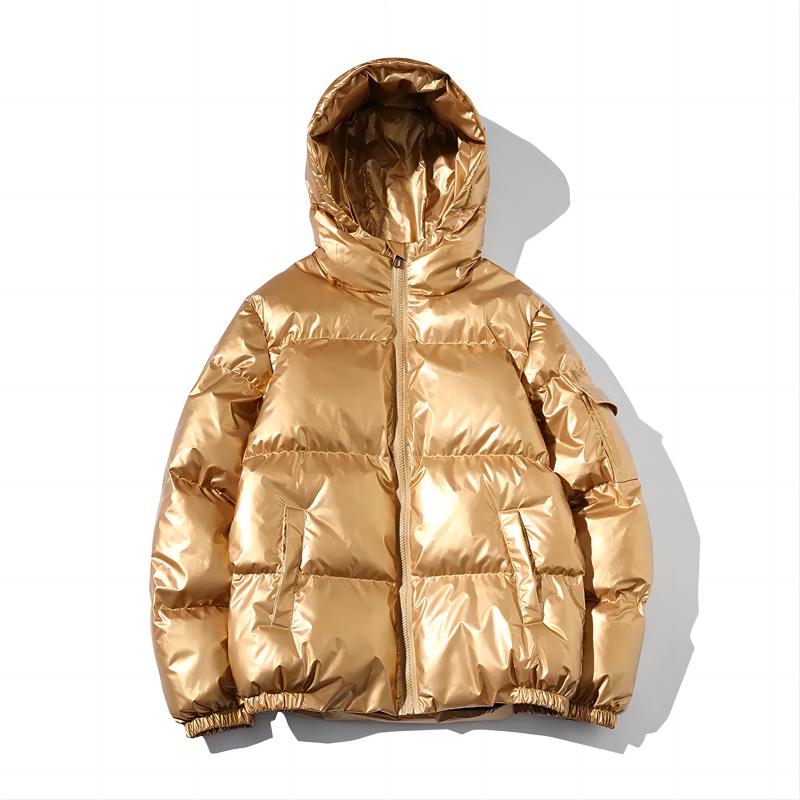
Quilted Jackets
Quilted jackets combine shell fabric, lining, insulation, quilting pattern, hardware and finishing requirements. EDVORIN develops each layer as one specification, helping buyers control warmth, bulk, construction and appearance in production.
Get a Quote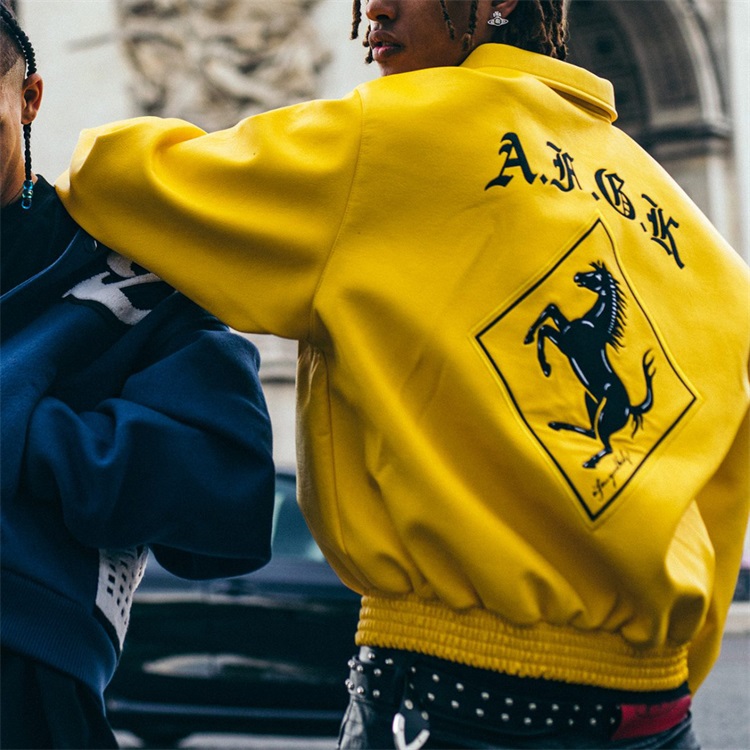
Bomber Jackets
Bomber jackets are built around silhouette, shell fabric, lining, rib, zipper, pocket and decoration requirements. Sampling confirms balance and construction details before the approved standard moves into bulk manufacturing.
Get a Quote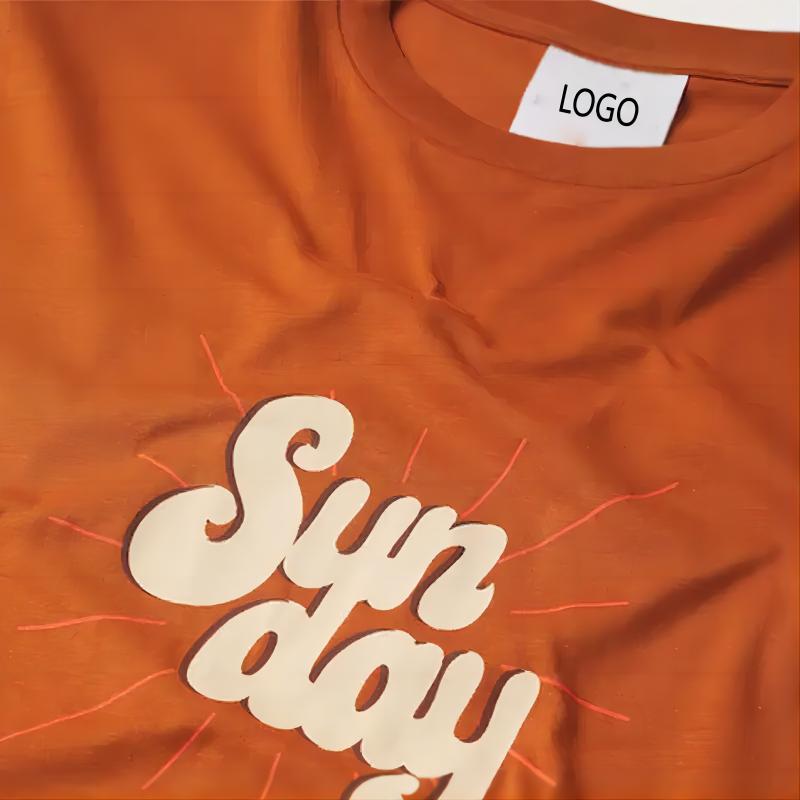
Custom Shirts
Custom woven shirts can be developed for casual, workwear or private-label programs, with collar, placket, cuff, pocket and fabric details specified for the intended market. We support both men’s and women’s fit development.
Get a Quote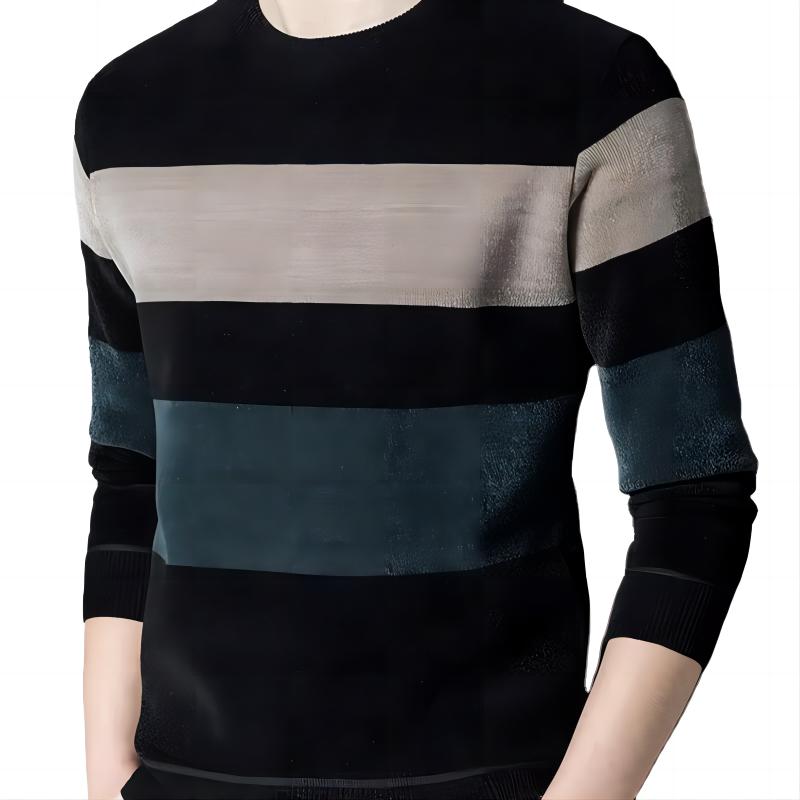
Custom Jerseys
Custom jerseys are developed for team identity, fit, color control, numbers, names and decoration durability. We coordinate breathable fabrics, panel construction and size sets to support organized team and repeat-order programs.
Get a Quote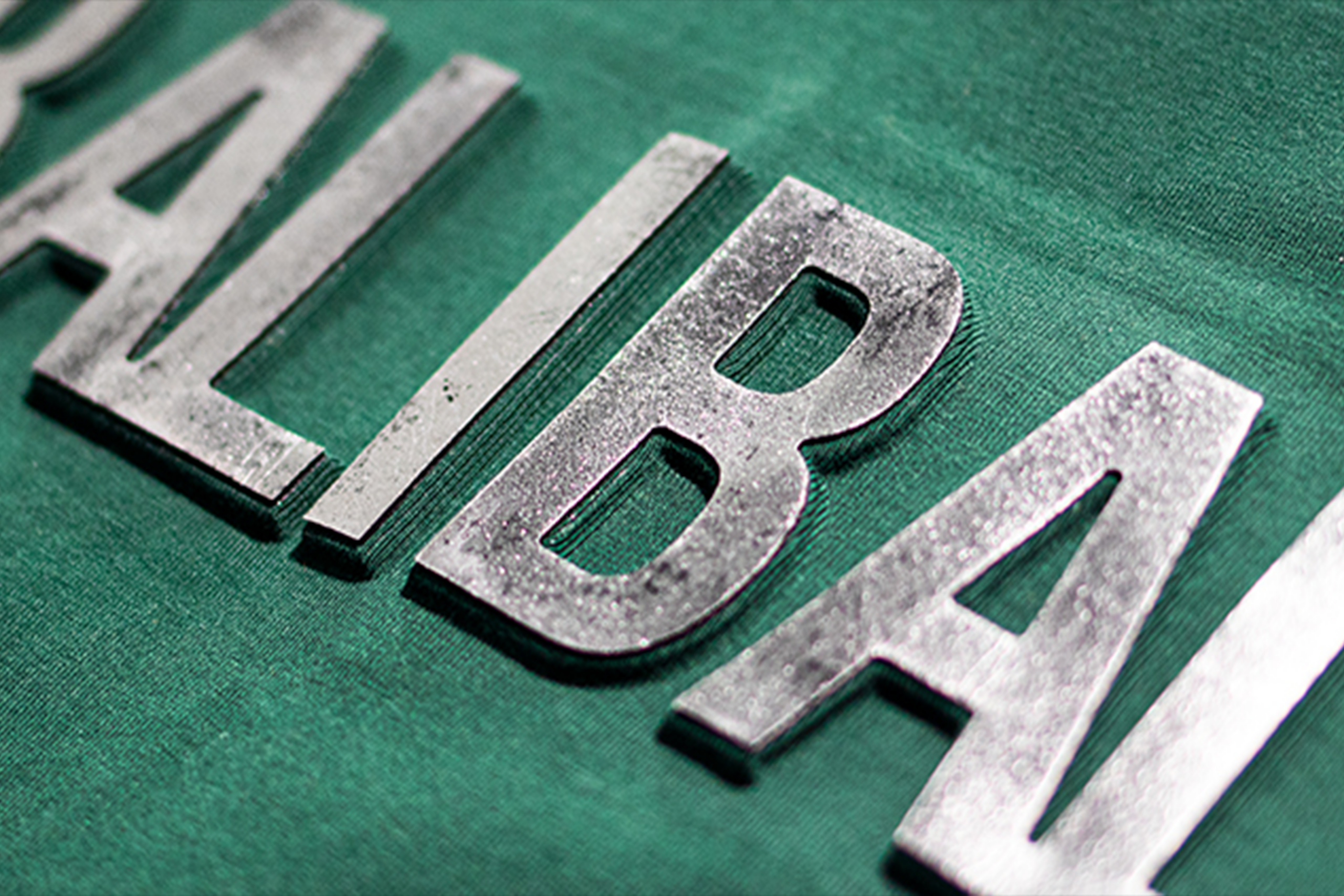
Tank Tops
Tank tops are developed for casualwear, training, streetwear or team use, with attention to fabric weight, armhole shape, neckline finish, fit and decoration placement. Men’s and women’s proportions are developed to the intended program.
Get a Quote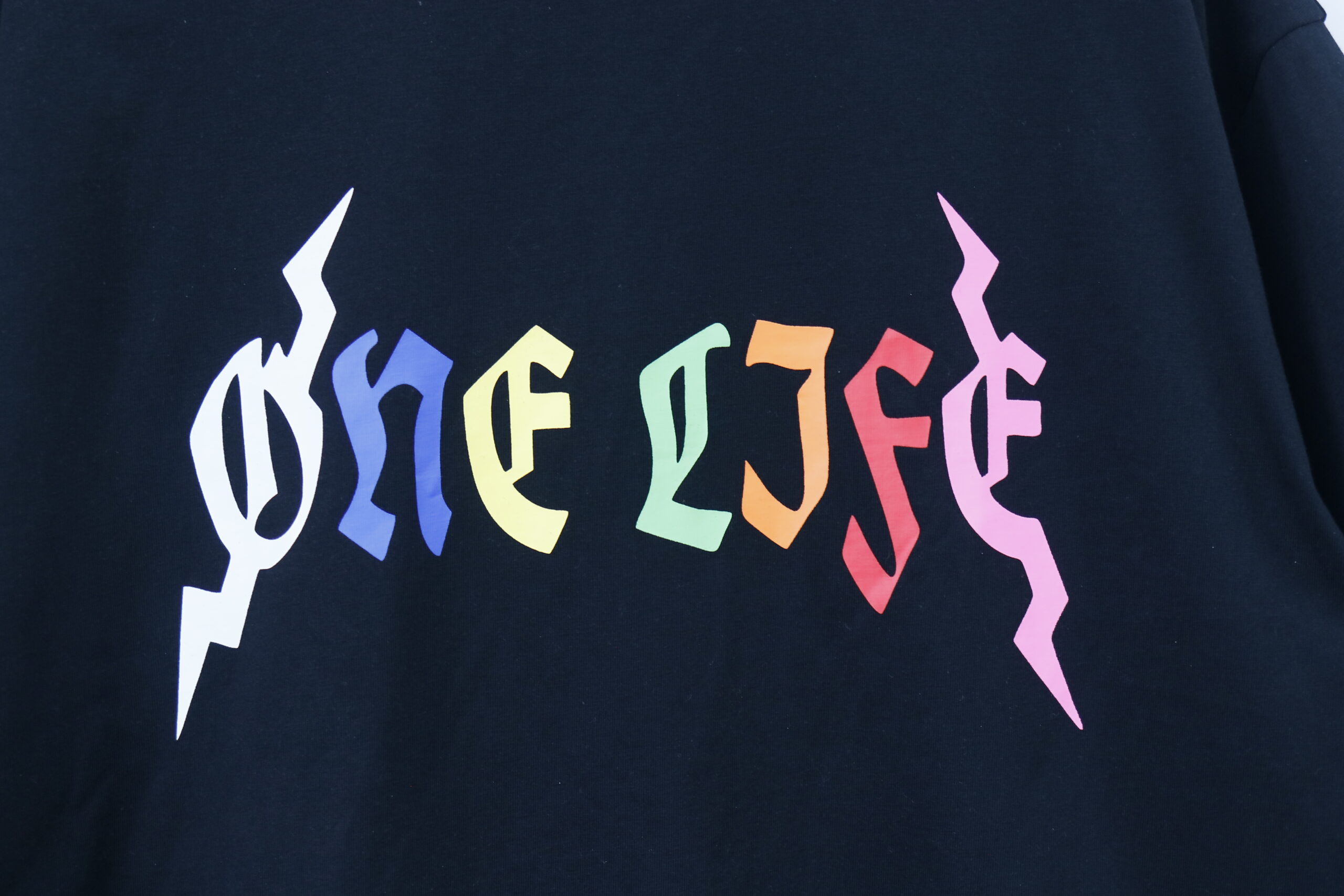
Soccer Uniforms
Soccer uniforms are developed as coordinated kits with jerseys, shorts and optional warm-up pieces. We manage breathable materials, color matching, crest placement, player names, numbers and size grading for consistent team delivery.
Get a Quote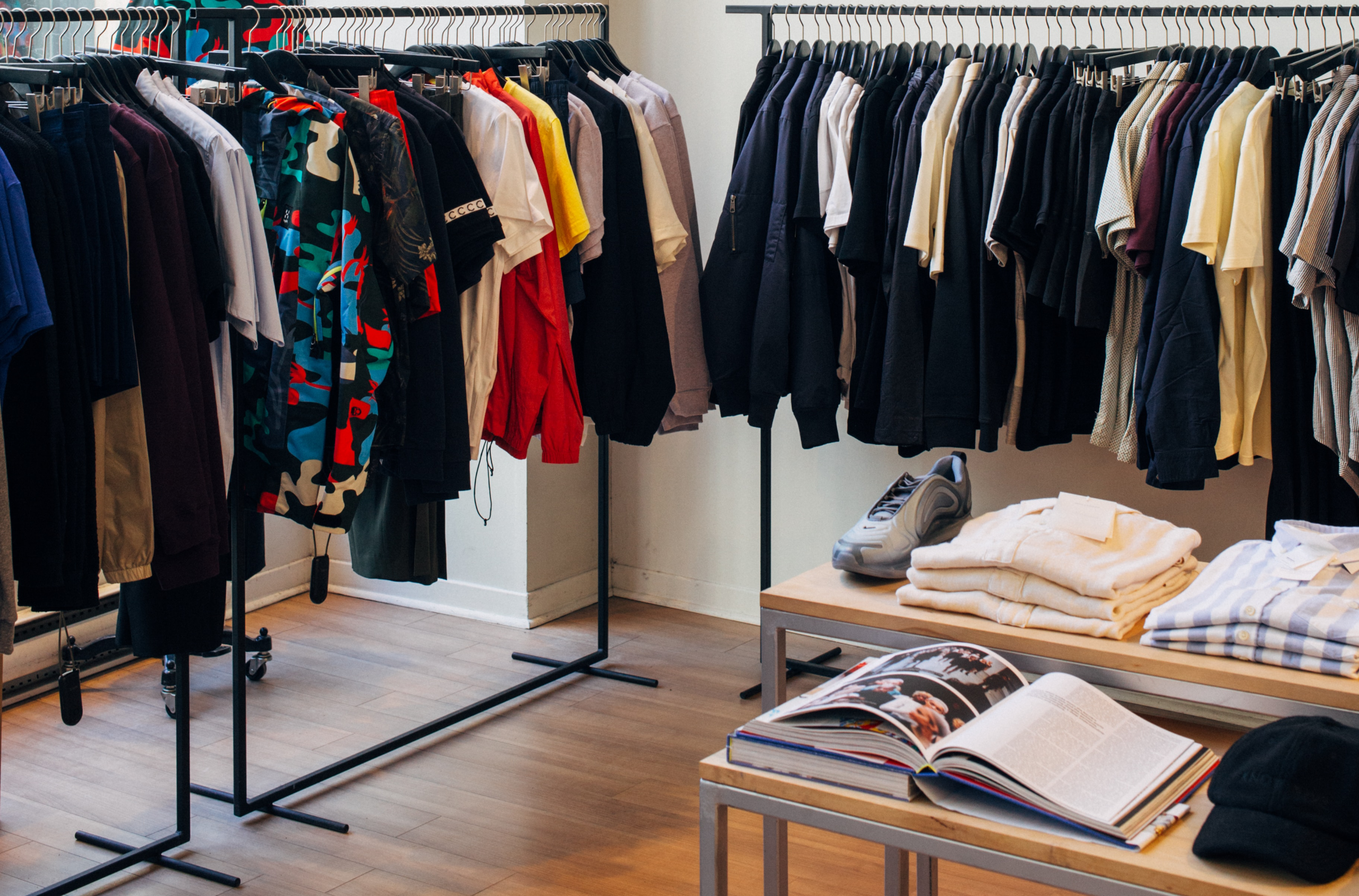
Basketball Uniforms
Basketball uniforms require coordinated jerseys and shorts, durable decoration, breathable fabrics and movement-focused proportions. EDVORIN records color, number, name and placement standards to support accurate team sets and future reorders.
Get a Quote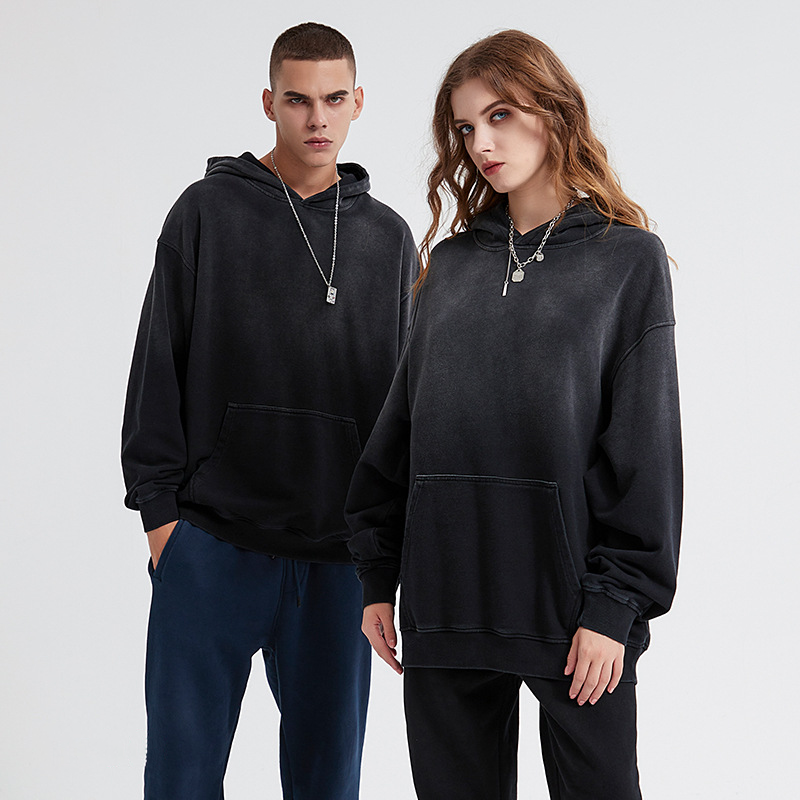
Streetwear Collections
Streetwear collections bring hoodies, tees, bottoms, outerwear and accessories into one production path. EDVORIN coordinates fabrics, trims, washes, graphics, labeling and packaging so each style supports a cohesive, repeatable collection.
Get a QuoteMaterials Selected for Fit, Performance and Repeat Orders
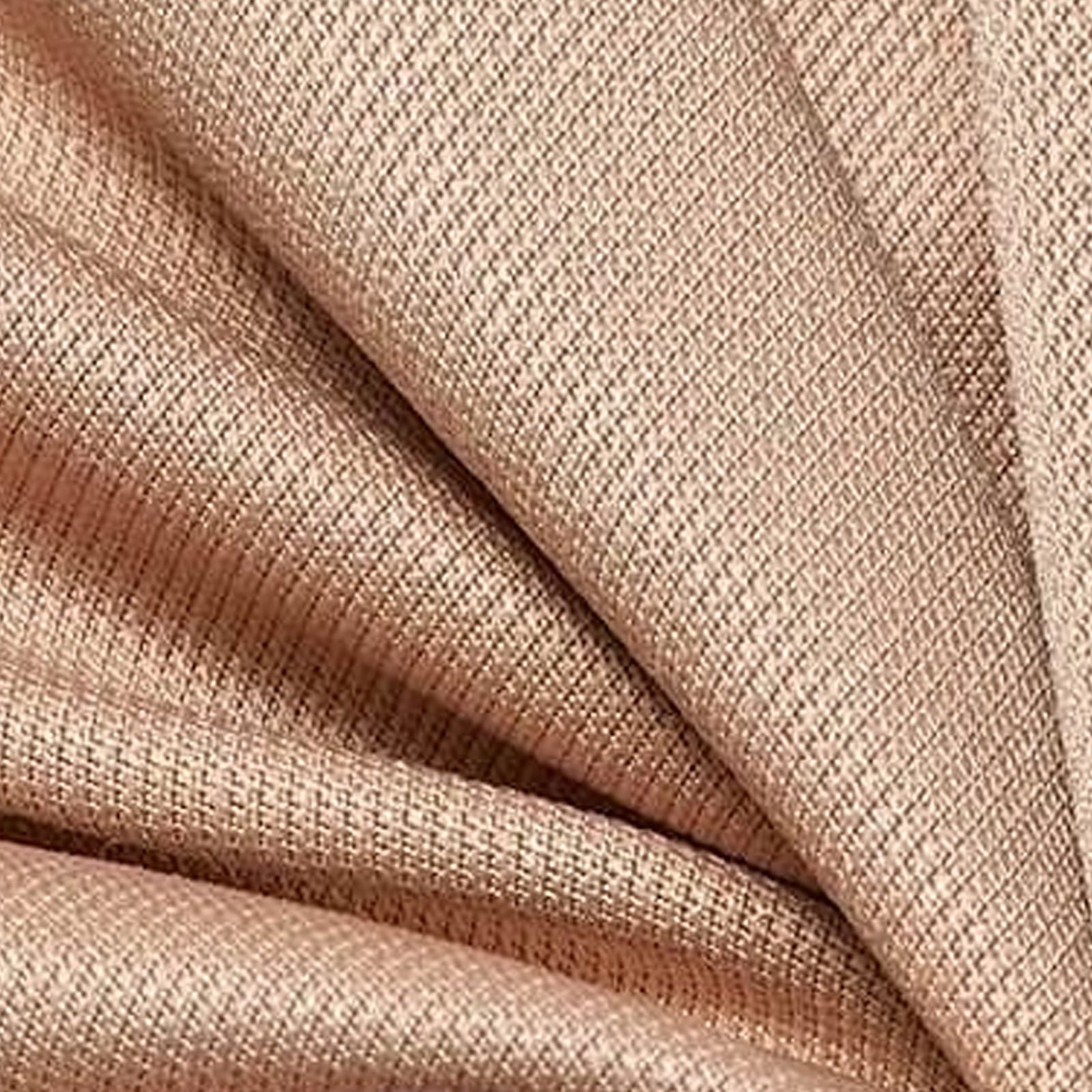
Cotton Jersey
Soft, breathable knit for T-shirts, polos and lightweight layers. Cotton jersey offers a familiar smooth hand-feel and natural stretch, with weight and finish selected to suit the intended fit and decoration method.
French Terry
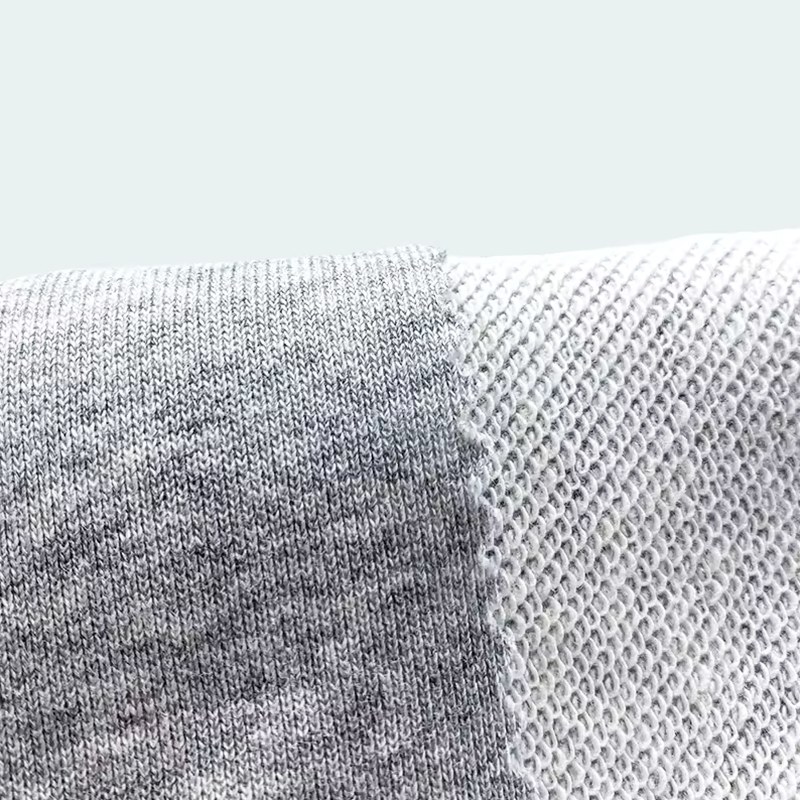
A loopback knit with a substantial yet breathable feel for hoodies, sweatshirts, joggers and shorts. Its midweight structure supports relaxed silhouettes while providing a clean face for printing, embroidery or custom washes.
Brushed Fleece
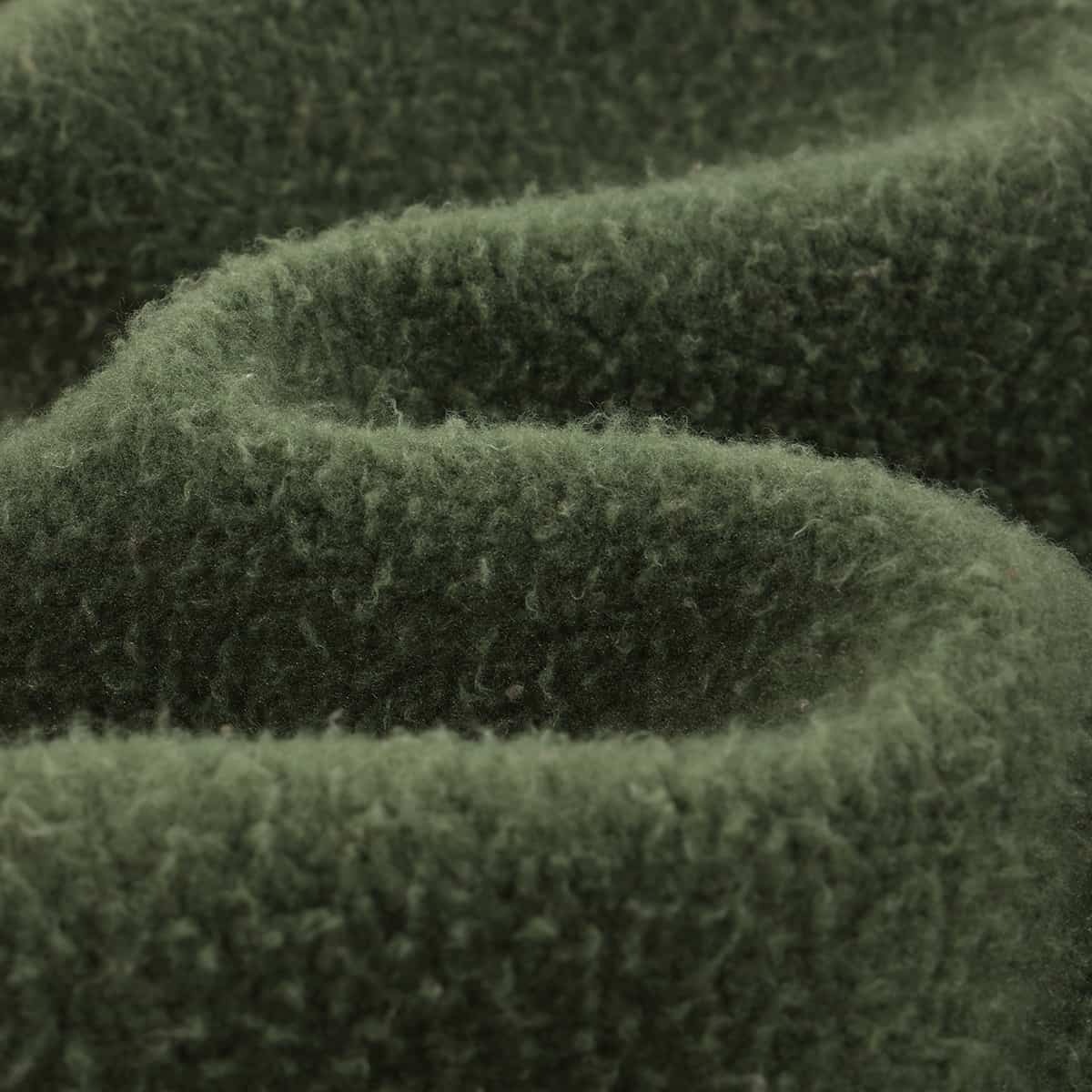
Warm, soft-backed fleece developed for heavyweight hoodies, pullover sweatshirts and cold-weather casualwear. The brushed interior adds insulation and comfort, while rib coordination and fabric weight are specified during sample development.
Performance Polyester
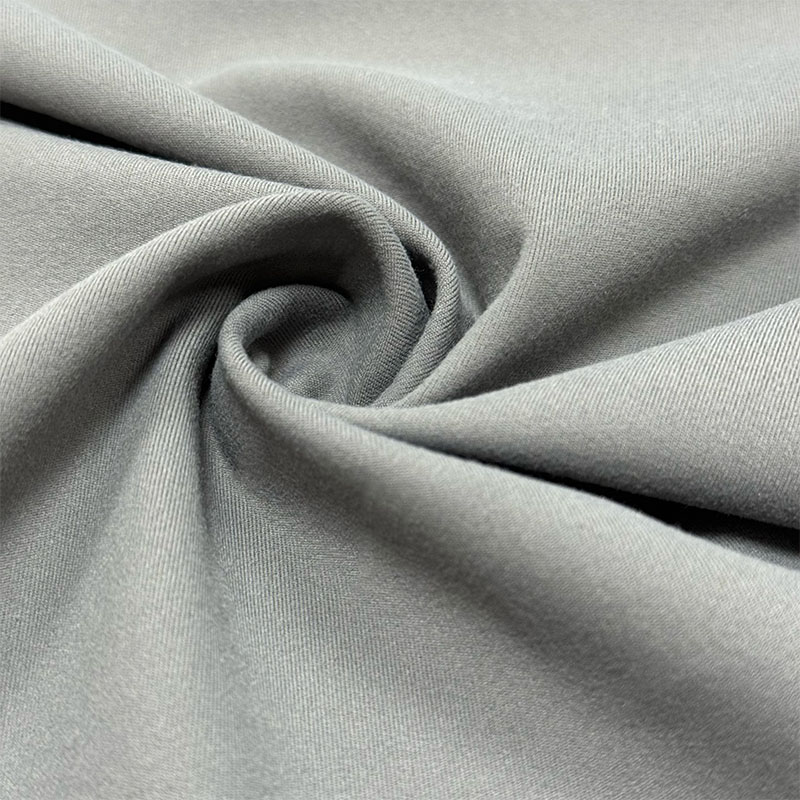
Lightweight performance fabric for jerseys, soccer uniforms, basketball uniforms and active teamwear. It can be selected for moisture management, breathable construction or controlled stretch, helping teams stay comfortable through training and competition.
Woven Cotton Twill
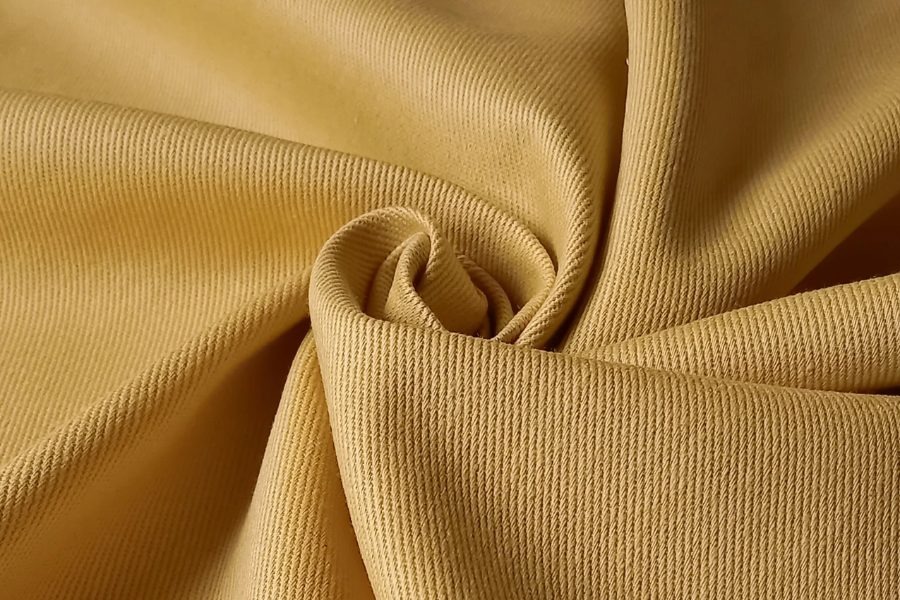
Durable woven cotton suited to overshirts, workwear-inspired styles, shorts and structured streetwear. Its firm hand and visible diagonal weave provide shape retention, while weight can be adjusted for seasonal comfort and garment washing.
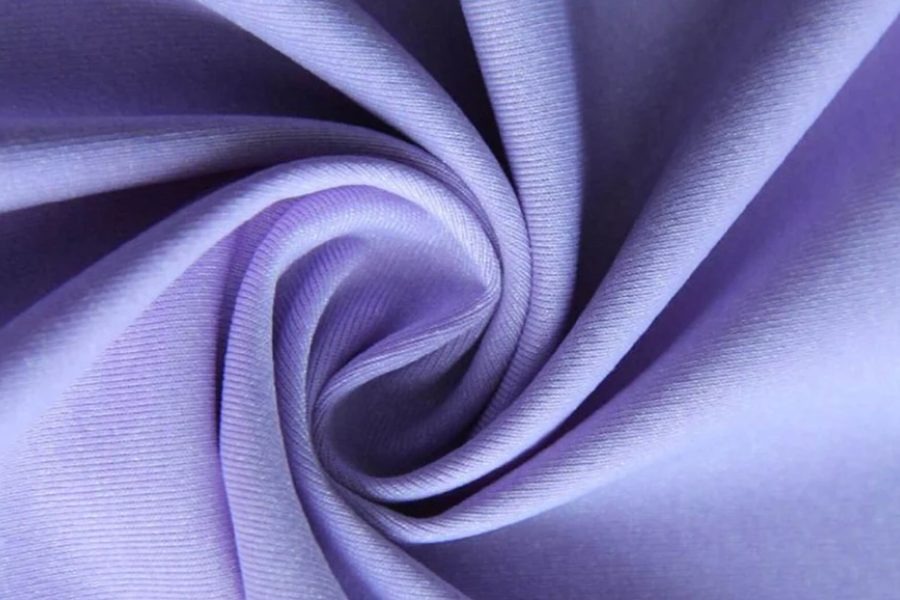
Cut and Sew Clothing Manufacturer Processes for Brand-Ready Apparel
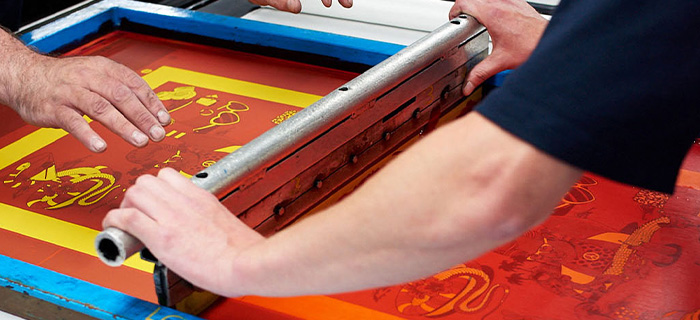
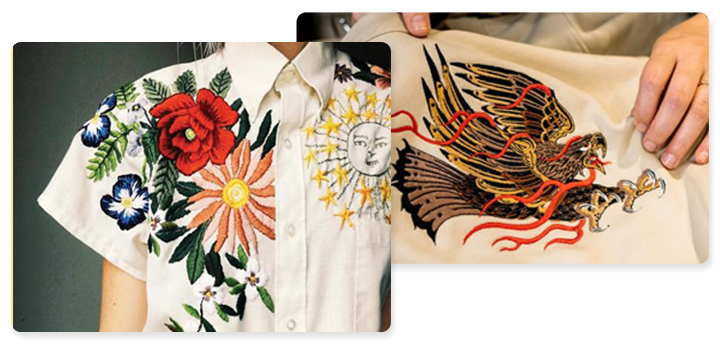
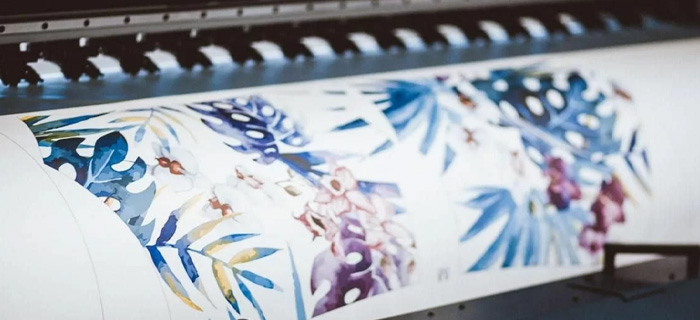
Sublimation Printing
Sublimation printing supports vivid, all-over graphics on compatible performance fabrics. Artwork alignment is planned before cutting, allowing jerseys and teamwear to maintain color clarity, panel continuity, and repeatable logo or number placement.
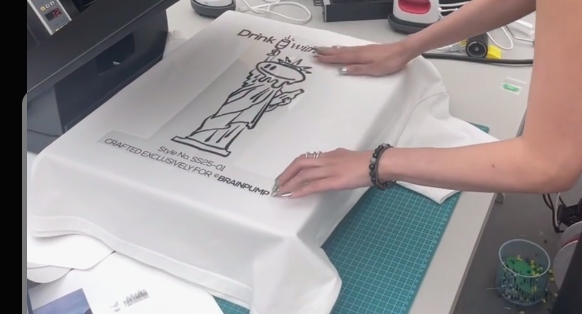
Heat Transfer
Heat transfer decoration is suited to precise graphics, names, numbers, and smaller-run personalization. EDVORIN reviews transfer type, fabric compatibility, and application settings to help preserve adhesion, flexibility, and a clean finished appearance.
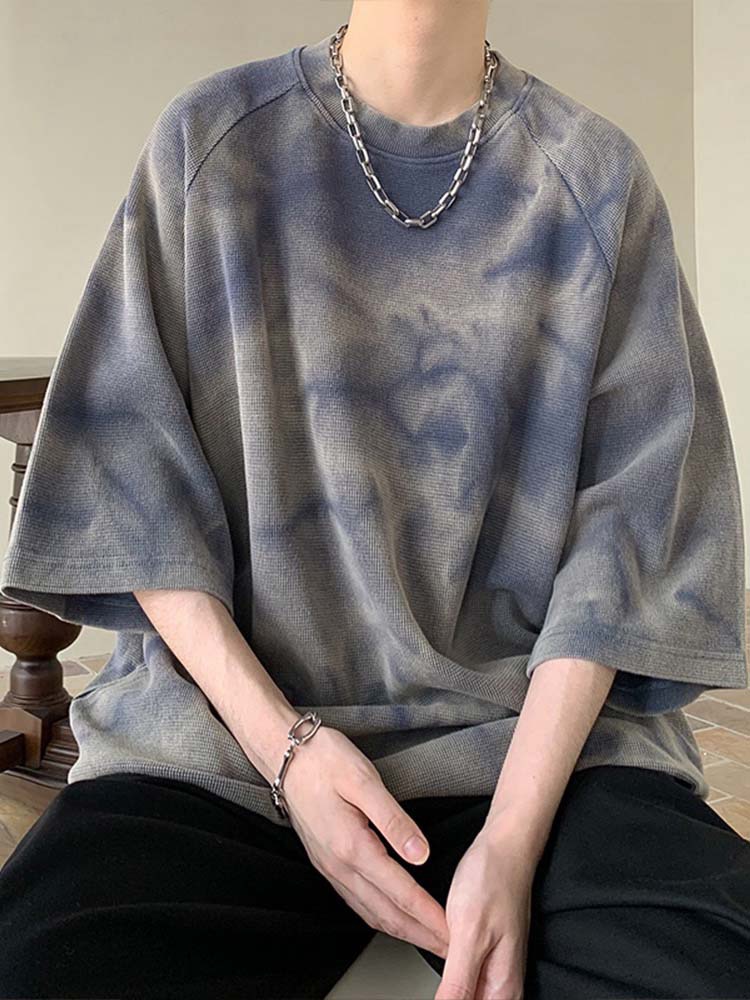
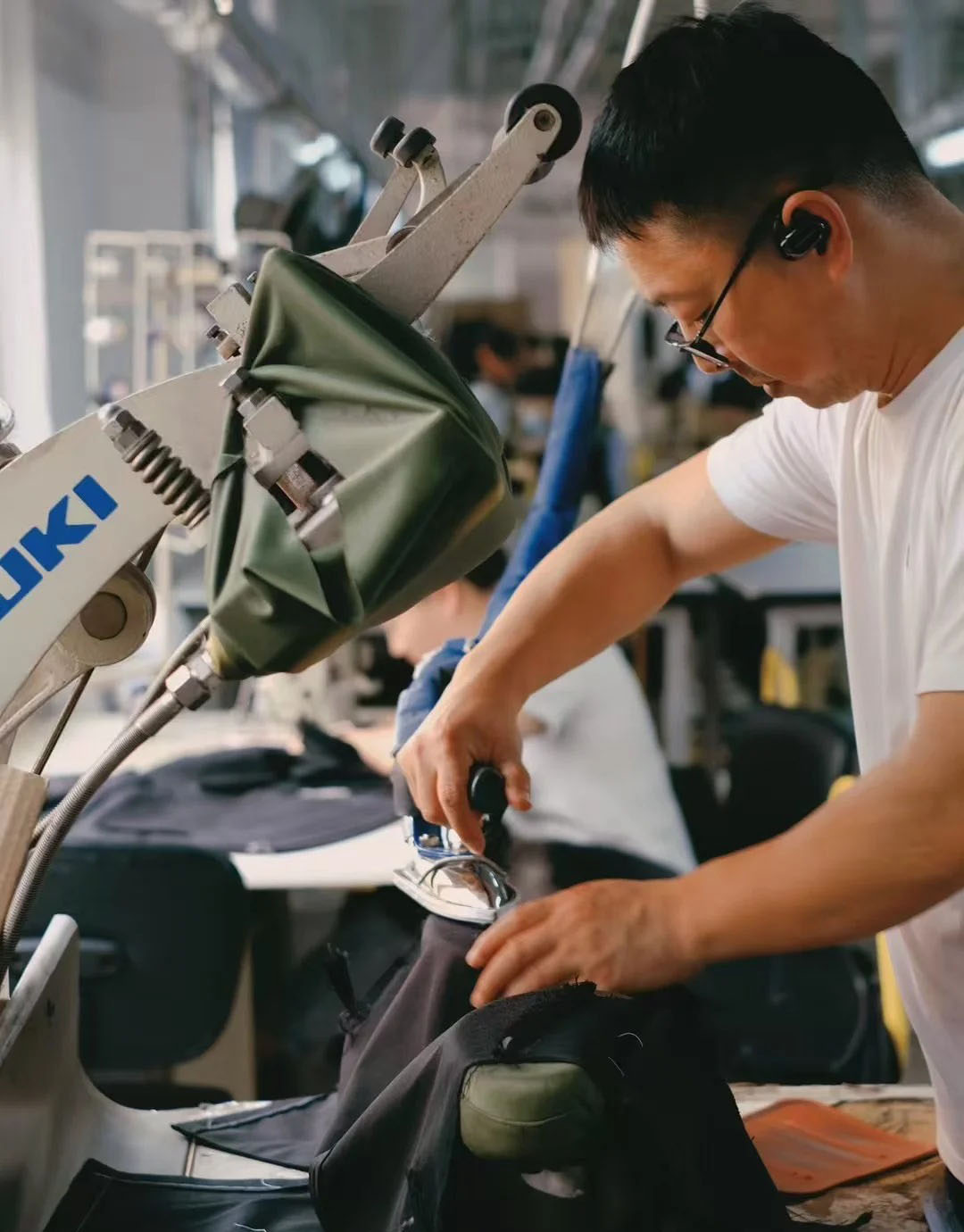
Final Finishing
Final finishing brings together pressing, measurement checks, label attachment, folding and packaging. Each detail follows the approved production standard, helping deliver consistent garments ready for retail, team or distribution programs.
Trims and Private-Label Details That Complete the Garment
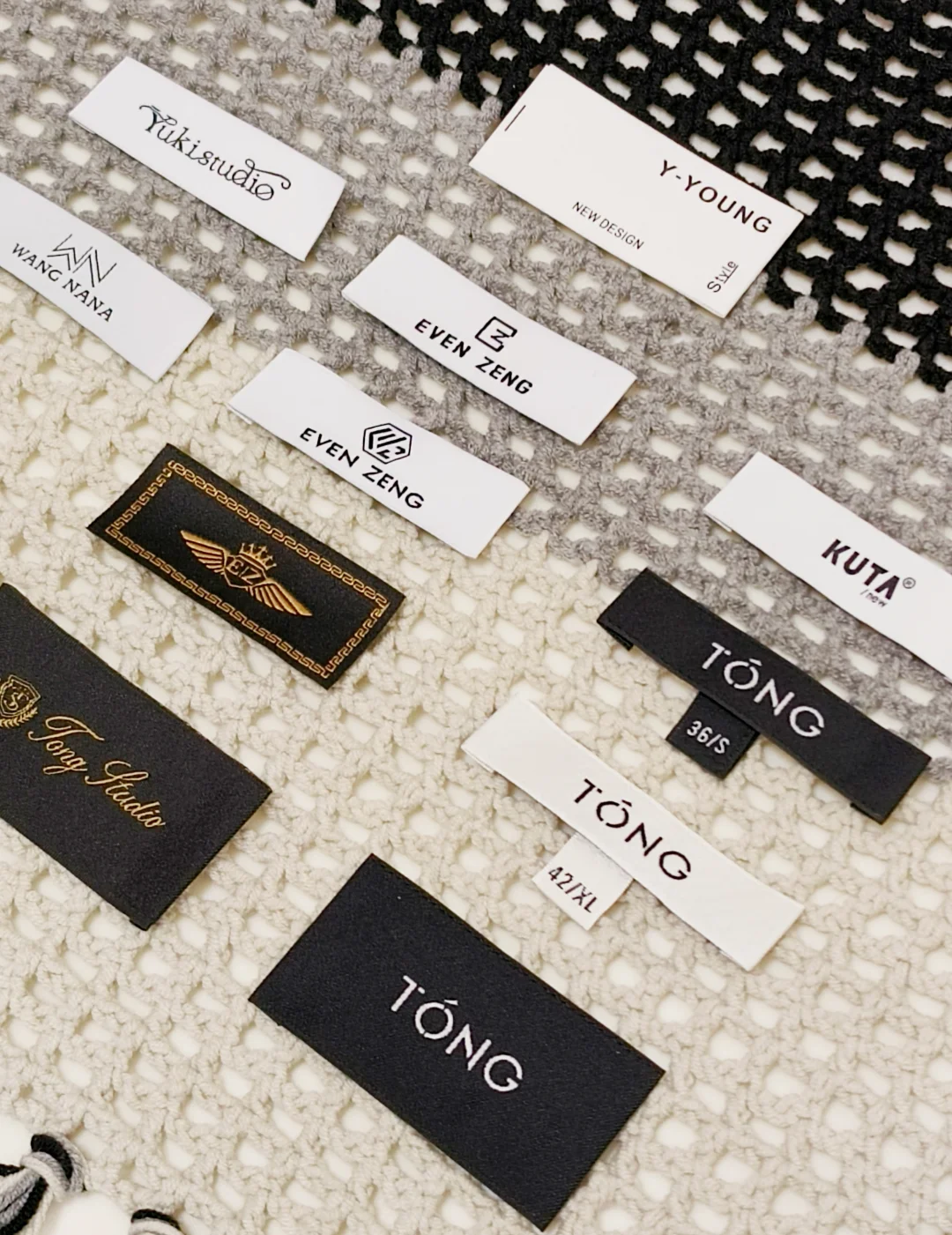
Woven Labels
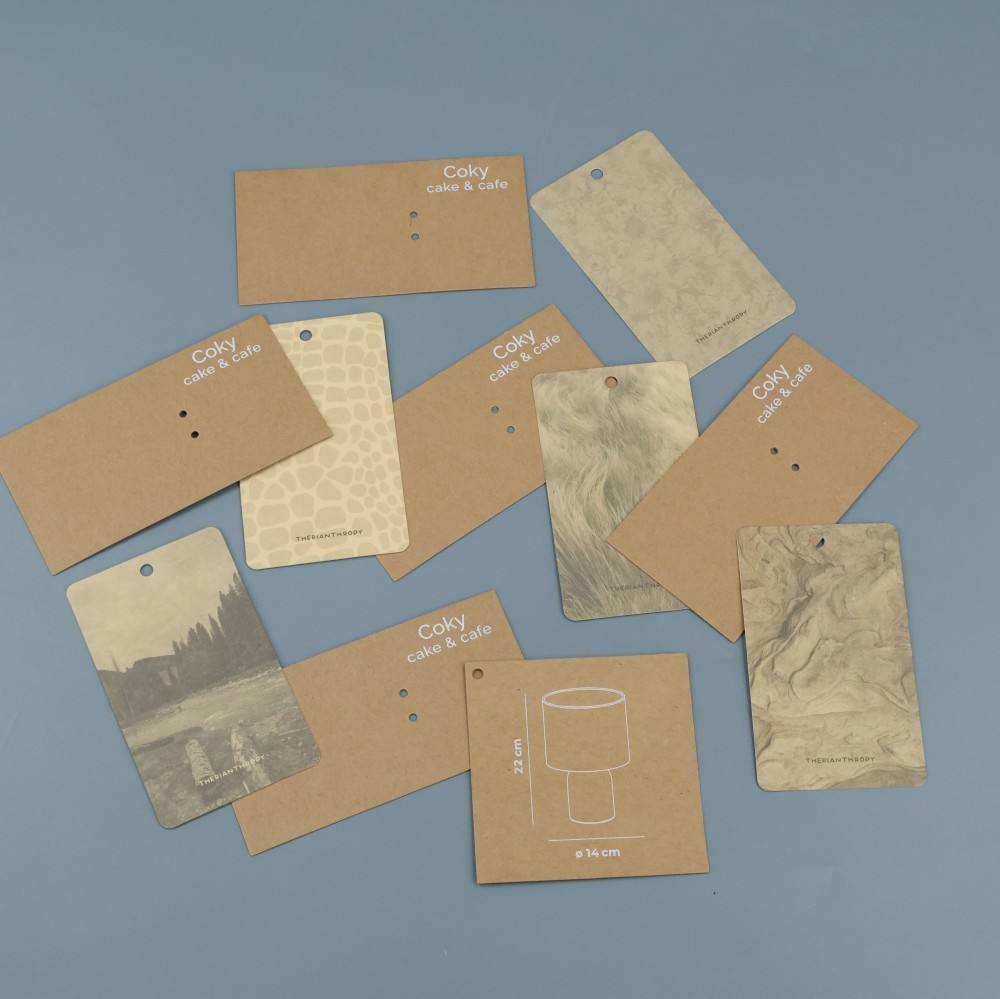
Custom woven main labels, size labels and care labels give each garment a clear private-label identity. We coordinate label dimensions, fold type, placement and attachment method with the approved construction specification.
Branded Zippers
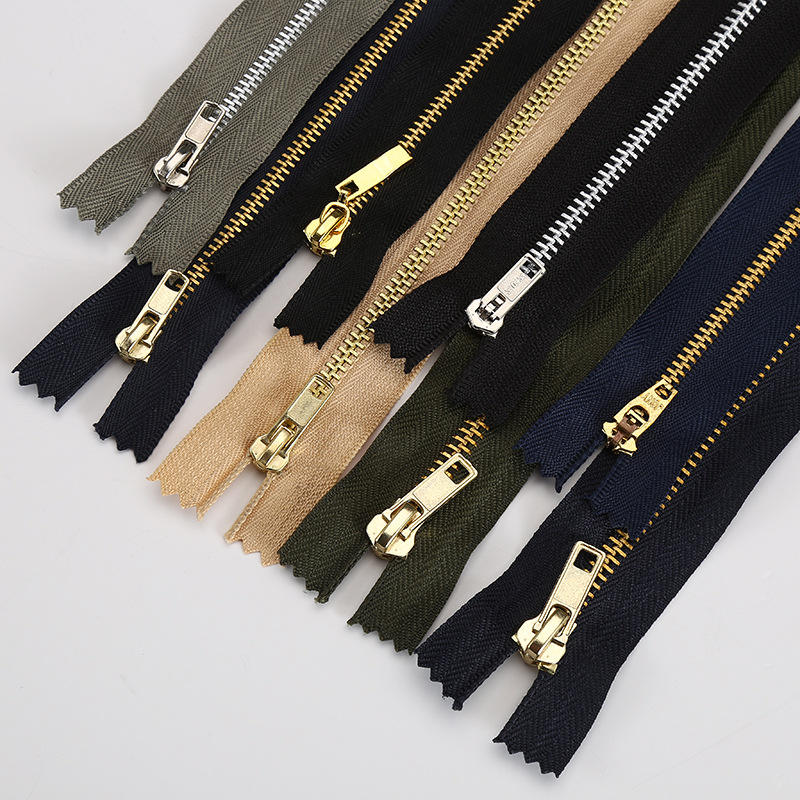
Zipper selection is matched to the garment’s use and construction, from hoodies and windbreakers to outerwear. We document zipper type, finish, puller and placement so function and visual character stay consistent in production.
Snap Buttons
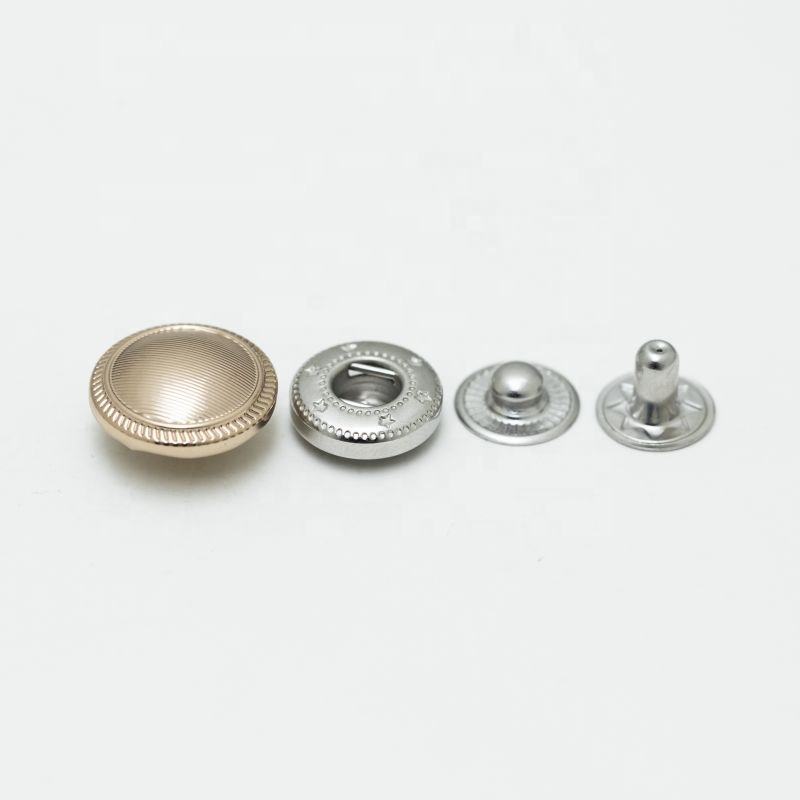
Custom snaps add durable closure and a considered finish to varsity jackets, outerwear and workwear-inspired styles. Cap finish, logo treatment, color, size and placement are coordinated against the approved sample and bill of materials.
Drawcord Tipping
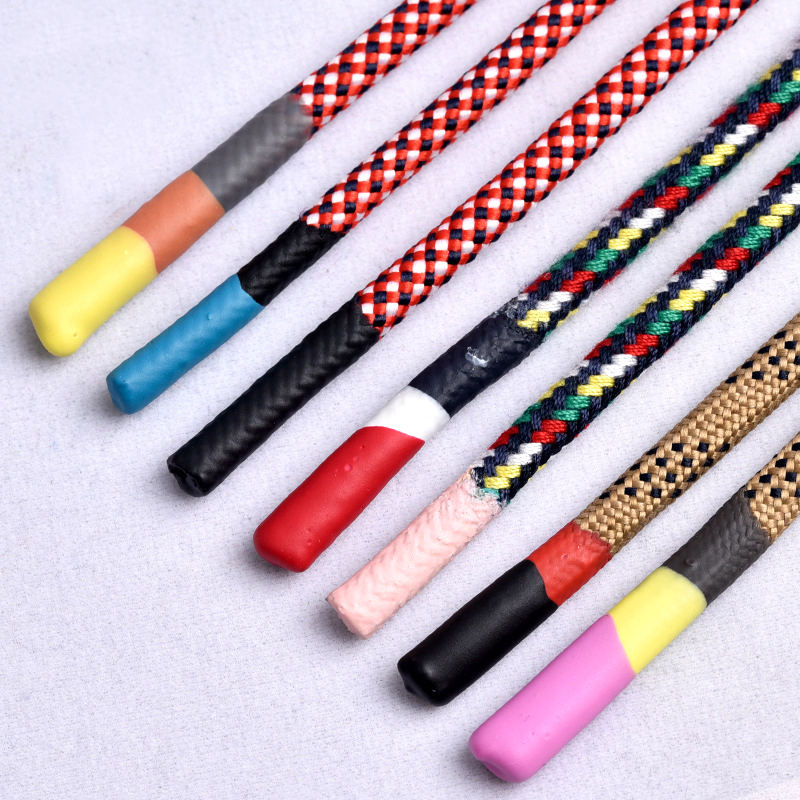
Drawcords, aglets and cord ends help define hoodies, sweatpants and joggers. EDVORIN aligns cord material, thickness, color, tipping finish and exit placement with the garment’s fit, fabric weight and intended market.
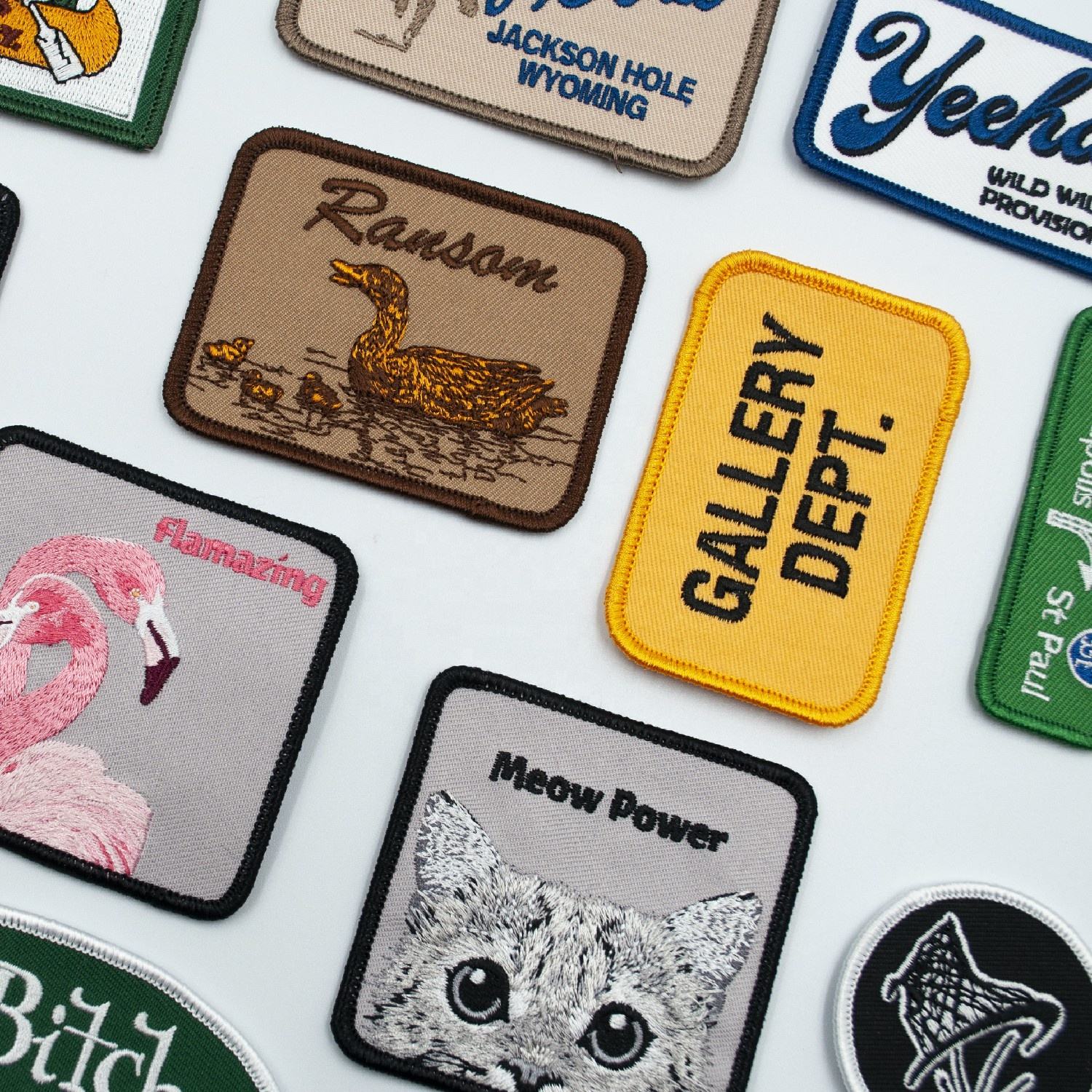
Custom Patches
Embroidered, woven, chenille or printed patches create recognizable decoration for streetwear, varsity and teamwear programs. We confirm patch material, edge finish, backing and placement measurements before bulk production begins.
EDVORIN, Cut and Sew Clothing Manufacturer
Founded in 2000 by Edvorin Zeng, EDVORIN was built from the production floor outward. We help fashion brands, streetwear labels, teamwear buyers and private-label programs turn ideas, sketches, reference garments or complete tech packs into clear, production-ready apparel standards.
As a cut and sew clothing manufacturer, we coordinate product development, fabric and trim sourcing, patterns, samples, decoration, washing, bulk production, quality control, labeling and packaging. Our connected system supports casualwear, streetwear, outerwear and teamwear, with men’s and women’s development available across every listed category.
What makes EDVORIN different is the discipline after sample approval. We record the materials, measurements, artwork placement and finishing details that protect your design through bulk production, with checks built around the approved standard. That creates apparel programs made to repeat and ready to grow.
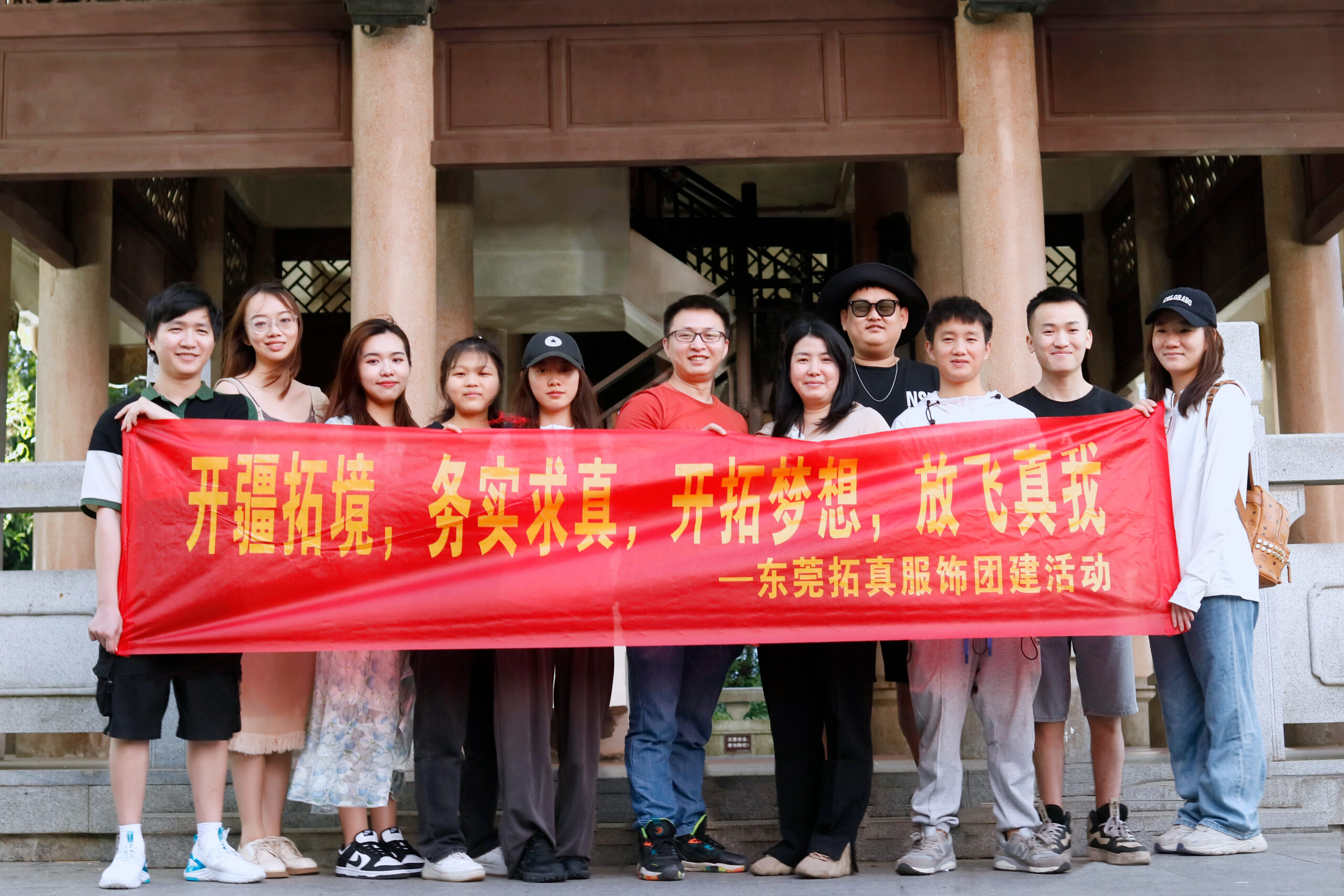
How Our Cut and Sew Clothing Manufacturer Controls Bulk Production
Develop for Production
EDVORIN translates a sketch, reference garment or complete tech pack into patterns, measurements, construction details and graded fit standards. We develop men’s and women’s programs with the technical clarity needed to move confidently into sampling.
- Pattern and fit-block development
- Measurement charts and grading guidance
- Construction details defined before sampling
- OEM, ODM, and private-label support
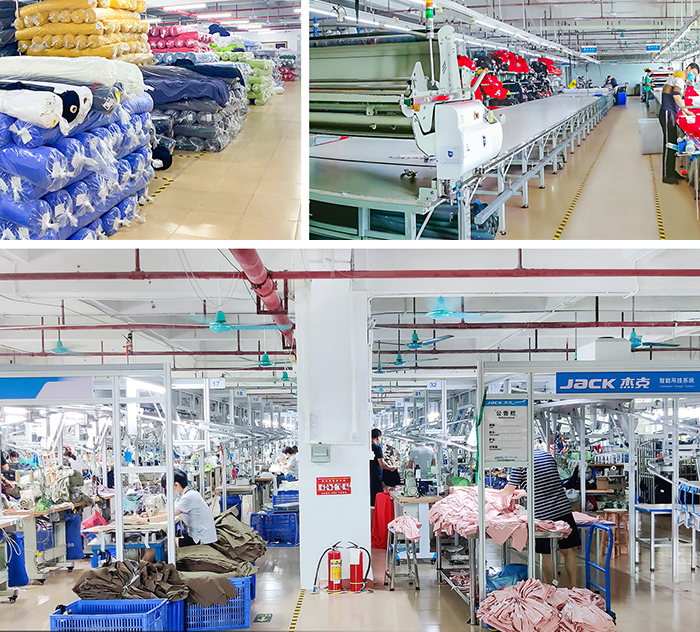
Coordinate Every Garment Layer
A hoodie, varsity jacket, jersey, or windbreaker needs more than the right silhouette. EDVORIN coordinates fabric weight, trims, decoration, washing, labels, and packaging around the requirements of each category, so design details work together in the finished garment.
- Fabric and trim selection coordination
- Print and embroidery matched to materials
- Category-specific construction planning
- Brand labels and packaging specified
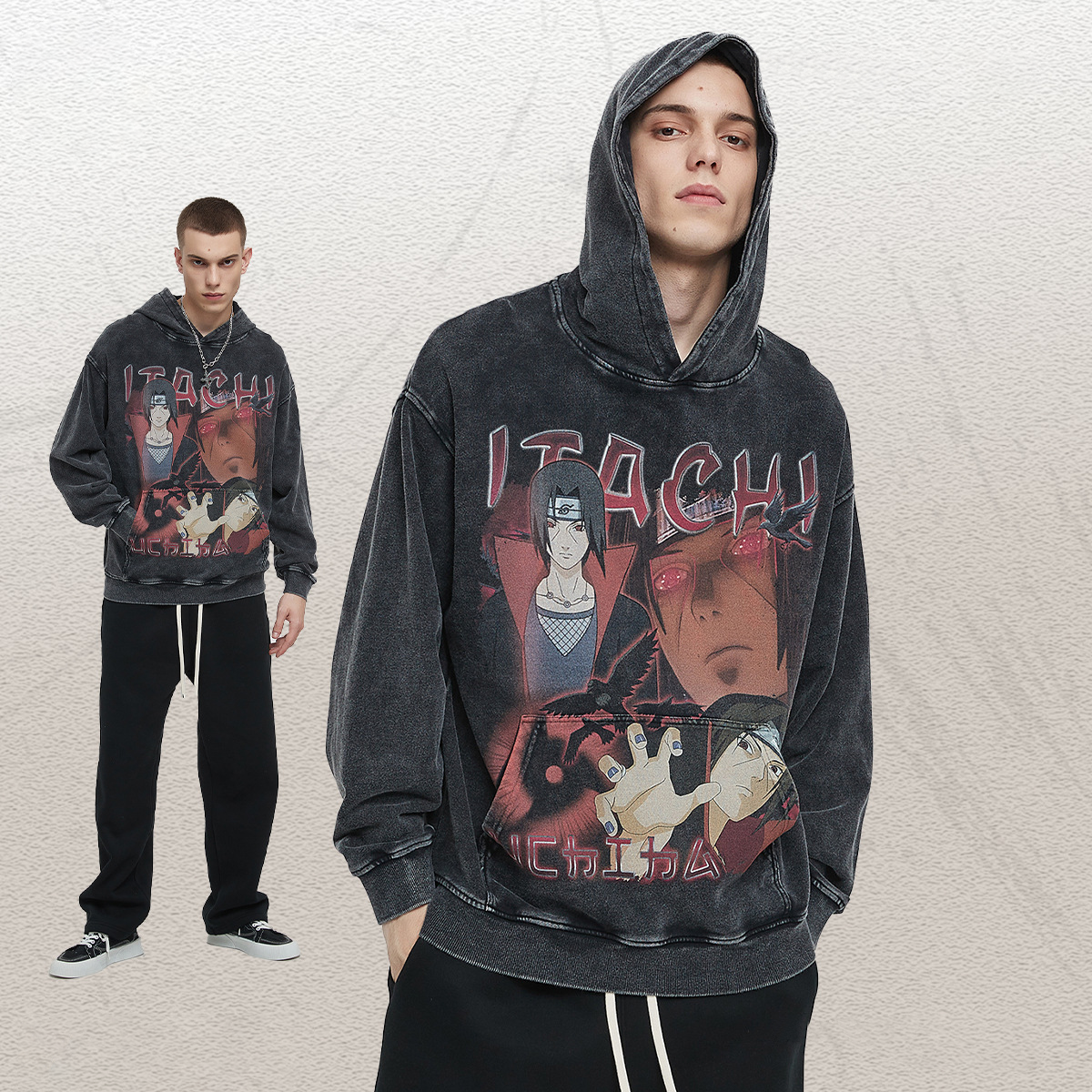
Approve a Repeatable Standard
Sampling is where decisions become visible and measurable. EDVORIN records approved fit, materials, colors, placement, trims, and finishing details so the sample becomes a usable production reference—not simply a one-off garment that is difficult to reproduce at bulk scale.
- Sample revisions tracked clearly
- Artwork placement measurements documented
- Approved materials and trims referenced
- Bulk standards built from approval
Inspect Before Packing
EDVORIN applies sample-to-bulk quality control through in-line checks and final inspection. Measurements, construction, decoration, and finishing are reviewed against approved standards before packing, helping buyers protect consistency across repeatable orders starting at 200 pieces per style.
- In-line checks during production
- Measurement and workmanship review
- Decoration and finishing verification
- Final inspection before packing
Why Choose EDVORIN as Your Cut and Sew Clothing Manufacturer
A connected production path that turns approved concepts into controlled, repeatable apparel programs.
← Swipe left or right to view →
From Approved Sample to Shipment
A controlled production path that turns your approved garment into a repeatable apparel program.
Develop and Source
We review your tech pack, sketch, or reference garment; align construction; and coordinate fabrics, trims, labels, decoration requirements, and packaging specifications.
Pattern and Sample Approval
Patterns, grading, fit details, and sample revisions are developed into an approved physical standard before bulk production decisions are released.
Cut and Prepare Components
Approved materials are checked, cut to confirmed patterns, and prepared with the placements, trims, panels, and components required for each style.
Decorate and Sew Bulk
Printing, embroidery, washing, and sewing are coordinated around the approved sample, with construction details and artwork placement documented for production.
Inspect, Pack, and Prepare
In-line and final checks verify measurements, workmanship, decoration, labeling, and packing before shipment preparation for your wholesale, retail, or teamwear program.
Work With Our Cut and Sew Clothing Manufacturer Team
Move from concept to controlled bulk production with one accountable process for development, approval and repeat orders.
Send Your Design Brief
Share a tech pack, sketch or reference garment with your target quantities, fit direction and required decoration, materials or private-label details.
Review Specifications and Quote
We clarify construction, fabric, trims, sizing, decoration and packaging, then prepare a production quotation for programs starting at 200 pieces per style.
Develop and Approve Samples
Our team develops patterns and samples, records revisions and confirms fit, materials, artwork placement and finishing before the approved standard moves forward.
Confirm Bulk Production Details
Approve final specifications, size breakdowns, labels and packaging so every production requirement is clear before cutting and sewing begins.
Produce and Inspect Your Order
We coordinate materials, production, decoration and in-line checks against the approved sample, then complete final inspection before packing your order.
Certified Standards for Responsible Apparel Production



Testimonials Available Upon Verification
Verified client testimonial to be added before publication.
Approved client testimonial pending. Please provide a verified customer quote and documented outcome before publishing this testimonial on the EDVORIN cut and sew clothing manufacturer page.
Approved client testimonial pending. Please provide a verified customer quote and documented outcome before publishing this testimonial on the EDVORIN cut and sew clothing manufacturer page.
Cut and Sew Clothing Manufacturer FAQ
EDVORIN’s MOQ starts at 200 pieces per style. Practical answers on MOQ, development, production coordination and delivery for private-label apparel programs.
What is EDVORIN’s minimum order quantity?
Can a cut and sew clothing manufacturer work from my sketch instead of a tech pack?
What should I send a cut and sew clothing manufacturer to request a quote?
How does EDVORIN handle sampling before bulk production?
How long does cut and sew clothing production take?
Can you source fabrics, trims, labels and packaging for my private-label order?
How are payments and shipping handled for custom apparel orders?
How does EDVORIN protect my designs and control bulk quality?
Complete Guide to a Cut and Sew Clothing Manufacturer
Use this decision framework to compare cut-and-sew suppliers, evaluate fabrics, construction, customization, minimums, and pricing, and avoid costly development, quality-control, and sourcing mistakes before placing production orders.
1. What Is a Cut and Sew Clothing Manufacturer?
200 pieces per style is a practical starting point for a custom program: a cut and sew clothing manufacturer builds the garment from selected fabric, a dedicated pattern, measurement specifications, trims, and sewing operations. It differs from decorating ready-made blanks because fit, construction, panel layout, and finish are set before cutting.
Three service levels are common. Cut-and-sew-only suits buyers supplying approved patterns, graded measurements, and materials; development-supported work adds patternmaking and sampling; full-package production coordinates sourcing, development, decoration, labeling, packing, and bulk quality control.
Five buyer groups benefit most: fashion labels, streetwear brands, teams, schools, wholesalers, and private-label programs needing a recognizable product rather than a generic blank. The added development effort is worthwhile when custom fit, fabric weight, performance, repeatability, or coordinated collection details materially affect the sale.
2. How Cut and Sew Manufacturing Evolved
EDVORIN’s MOQ starts at 200 pieces per style. Before the 1990s, many labels relied on local workshops or standardized ready-to-wear blocks, limiting control over silhouette, components, and repeatable branding. Production instructions often moved through paper patterns, physical swatches, and in-person approvals.
By the 2000s, global sourcing connected design teams with specialized mills, trim suppliers, and sewing capacity across regions. Digital tech packs made measurements, stitch callouts, Pantone references, bill-of-materials details, and artwork placement easier to share, revise, and retain alongside samples.
Today, a cut and sew clothing manufacturer is expected to support development in stages: prototype, fit sample, pre-production sample, then scalable bulk output. Buyers want distinctive fits, custom labels and hardware, quicker revision cycles, and small-batch validation before committing to larger runs; current suppliers commonly advertise development and production options from low quantities to scale. Source: https://www.carina-ny.com/cut-and-sew-manufacturing-nyc
3. Types of Cut and Sew Clothing Manufacturer Services
Five service models match different levels of buyer readiness. EDVORIN can connect development, sourcing, production, decoration, labeling, and packing within one accountable path.
Cut And Sew Only
100% buyer-supplied patterns, graded files, fabrics, trims, and approved specifications give the buyer maximum control. This model suits established teams; incomplete inputs can delay cutting.
Development And Sampling
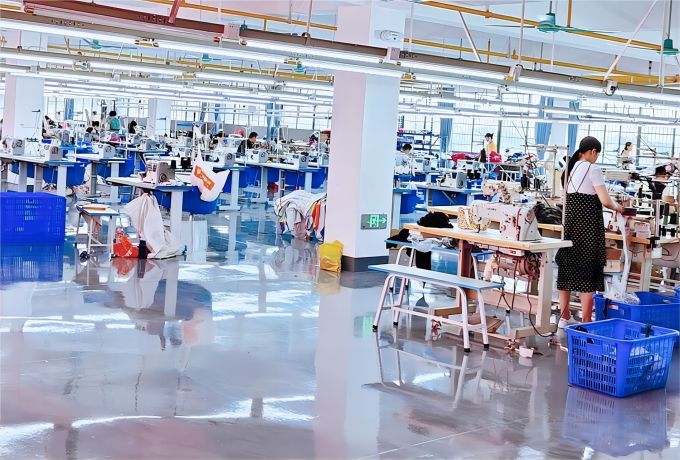
1 development path may begin with a sketch, reference garment, or tech pack. EDVORIN can coordinate patterns, fit revisions, material choices, and samples before bulk approval, adding upfront time but reducing production assumptions.
Full Package And Private Label
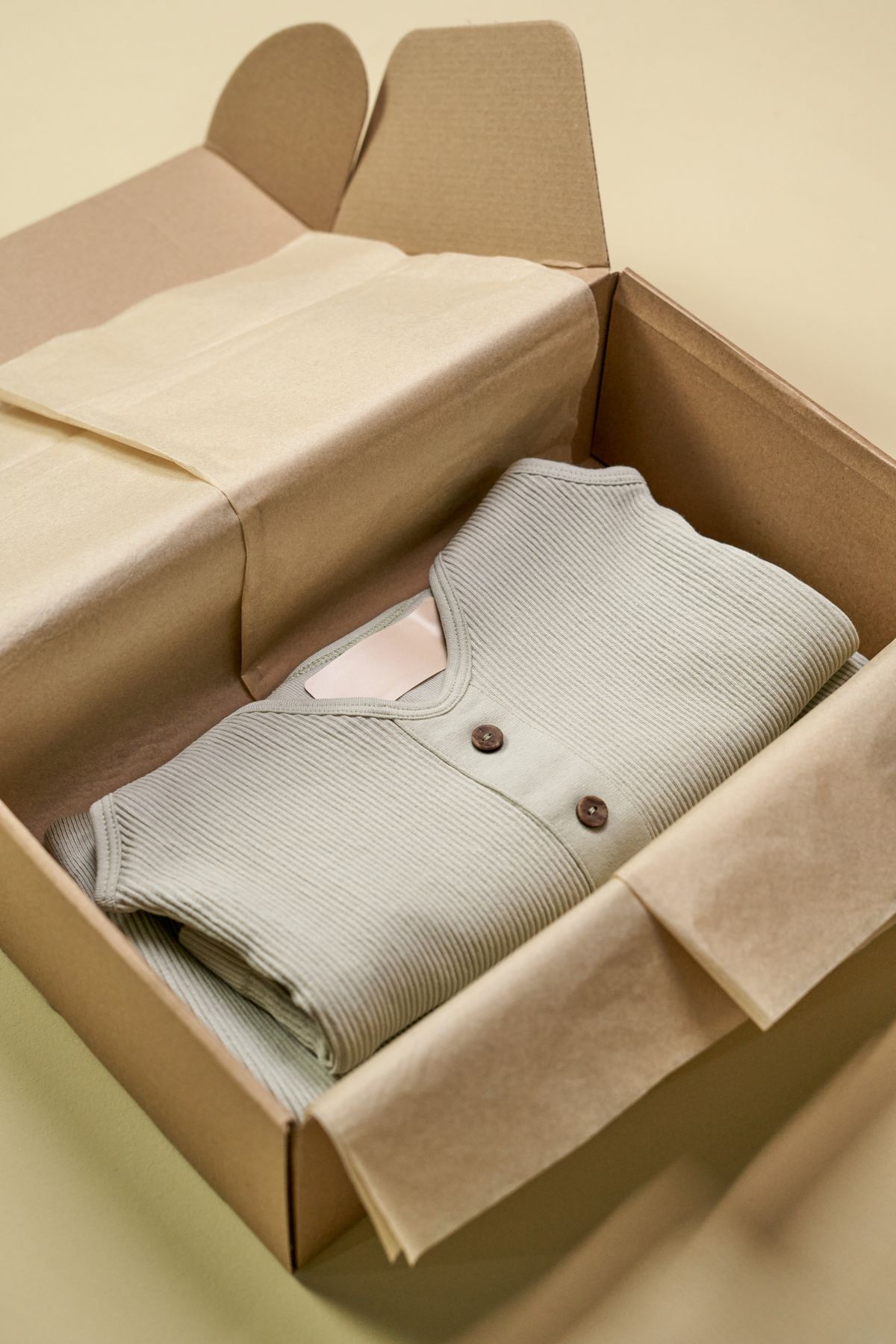
EDVORIN’s MOQ starts at 200 pieces per style. 200-piece MOQ programs benefit from coordinated fabric sourcing, patterns, samples, decoration, labels, packaging, quality control, and bulk production. Full-package work suits startups needing technical support; private-label programs suit buyers adapting a proven product direction faster.
4. Fabrics for Cut and Sew Clothing Manufacturer Projects
160–220 GSM cotton jersey suits tees, while 280–450 GSM fleece supports sweatshirts. A cut and sew clothing manufacturer should match hand feel, stretch, recovery, care, and decoration to end use before locking specifications.
| Fabric | Typical GSM | Strengths | Limits | Best Uses |
|---|---|---|---|---|
| Cotton jersey | 160–220 | Soft, breathable | Can shrink | T-shirts |
| Fleece | 280–450 | Warm, substantial | Bulky | Hoodies |
| Polyester knit | 140–220 | Wicking, durable | Less natural feel | Jerseys |
| Woven cotton | 120–200 | Crisp, breathable | Limited stretch | Shirts |
| Nylon | 70–160 | Light, abrasion-resistant | Can retain heat | Windbreakers |
| Cotton blend | 180–360 | Balanced recovery | Fiber trade-offs | Joggers |
Match Fabric To Wear
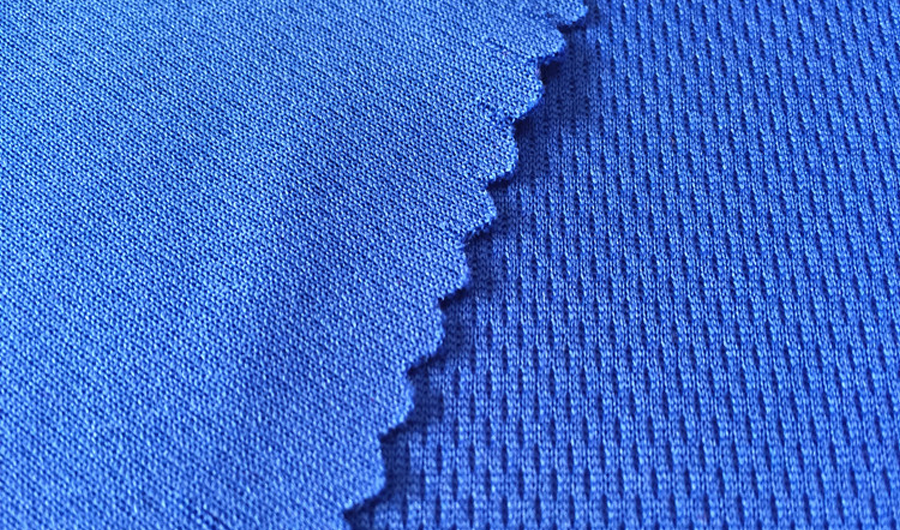
2-way stretch suits casualwear; 4-way recovery matters for training kits. Nylon shells need abrasion, water-repellent, and care testing.
Approve The Production Standard
1 approved sample should be washed, measured, and decorated before bulk release. Confirm shrinkage, pilling, colorfastness, print adhesion, and embroidery stability on the exact lot.
5. Customization Options From a Cut and Sew Clothing Manufacturer
A 200-piece program can become proprietary through its pattern, components, branding, and size specification. A cut and sew clothing manufacturer should convert each choice into approved, repeatable production instructions.
| Customization | Key Specification | Production Risk |
|---|---|---|
| Silhouette | Measurements and grading | Inconsistent fit |
| Decoration | Method, size, placement | Distortion or poor adhesion |
| Labels and packaging | Artwork and position | Branding mismatch |
Silhouette And Components
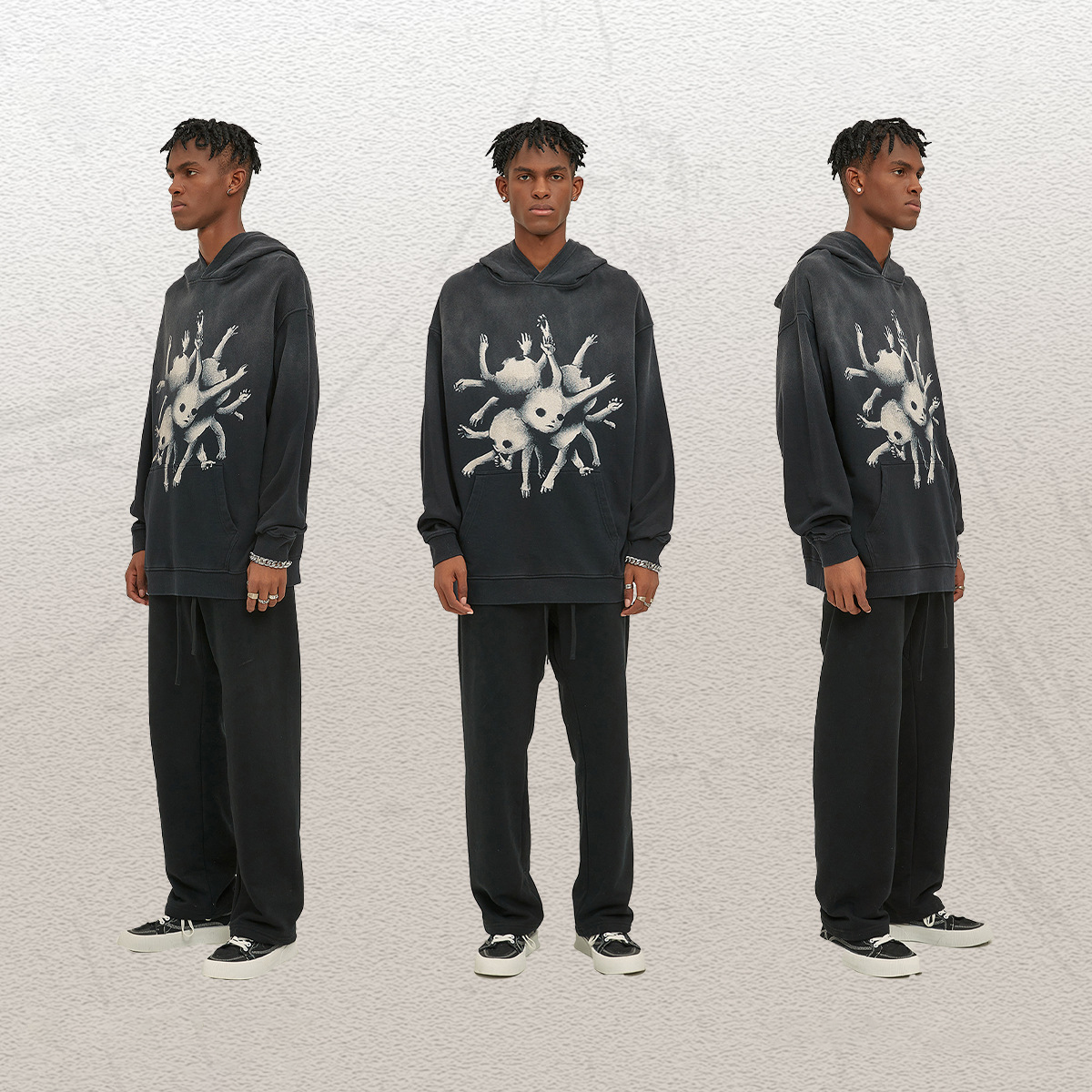
A custom block can change shoulder width, body length, rise, and grading by gender or market. Panels, color blocking, pocket shape, linings, zippers, ribs, drawcords, and snaps should be specified by material and color.
Decoration Selection
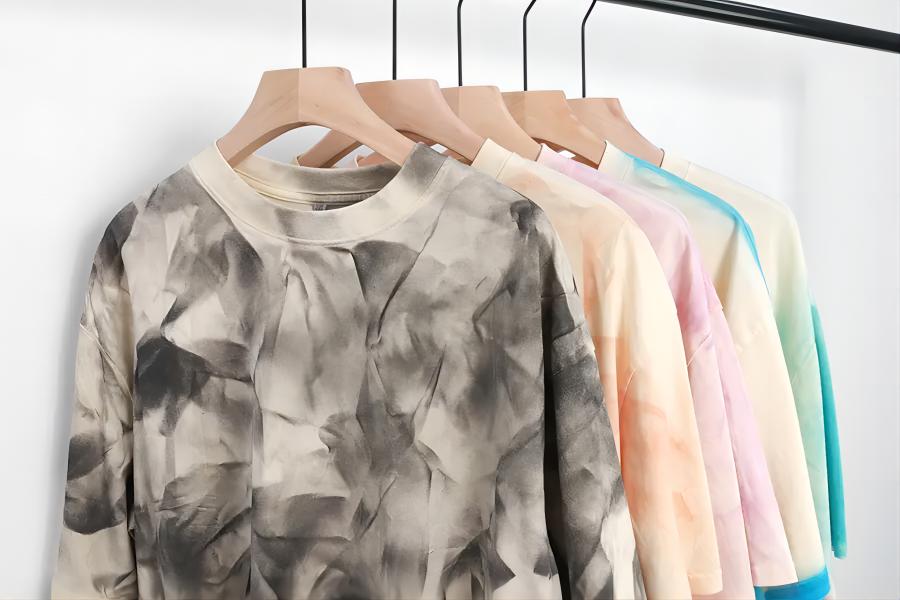
Screen print suits broad artwork on stable fabric; embroidery adds texture but can pucker lightweight knits. Patches, heat transfers, and appliqué require placement testing because seams, stretch, pile, and lining affect adhesion and appearance.
Tech Pack Controls
A complete tech pack should show Pantone references, artwork files, print dimensions, and placement points measured from fixed seams. Add label artwork, label positions, packaging layout, size chart, and grading tolerances before sample approval.
6. Construction Details That Signal Quality
A sample should be inspected as a production standard, not merely a design proof. Construction choices affect fit, comfort, durability, and the return risk a cut and sew clothing manufacturer must help buyers control.
Fit, Shrinkage, And Grading

1 approved base size should match the measurement chart at key points; check shoulder pitch, sleeve balance, rise, and pocket position before grading.
5% shrinkage can materially change a tee length or hoodie body fit; ask for wash-tested measurements and inspect whether size increments preserve proportions across the range.
Seams, Recovery, And Reinforcement
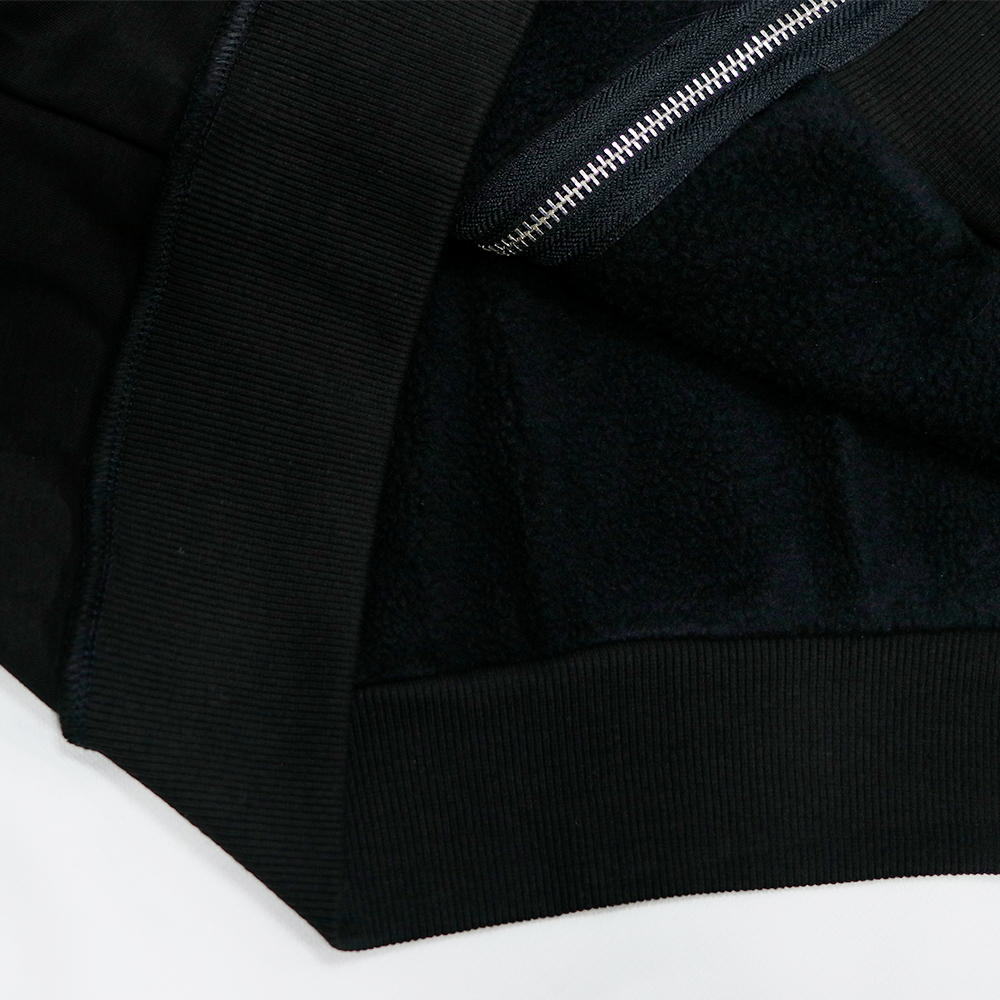
2 seam types often reveal intended use: overlock suits many knit seams, while flatlock can reduce bulk in activewear. Check stitch density, seam allowance, loose ends, and reinforcement at crotches, pocket corners, and stress points.
10 stretch-and-release cycles are a practical rib check for hoodie cuffs and neckbands. Ask whether the rib recovers evenly, seams remain flat, and uniform or activewear panels avoid abrasion.
Hardware And Final Finish
1 hardware pull test should be agreed for snaps, zippers, and drawcord ends on structured garments. Inspect attachment alignment, zipper travel, bartacks, and whether decoration or lining catches in use.
100% of a sample should be reviewed under normal light for puckering, stains, skipped stitches, and uneven pressing. Ask whether tees, uniforms, and jackets remain clean, symmetrical, and comfortable after handling.
7. Choosing a Cut and Sew Clothing Manufacturer
Fit evidence matters more than a polished factory list. Select a cut and sew clothing manufacturer whose documented process matches your category, order quantity, and delivery route.
Category And Development
Two comparable samples—a hoodie and a jersey, for example—show relevant construction and decoration control.
Written pattern revisions, graded measurements, and pre-production approval prove development can move beyond a sketch.
Quote And Capacity
EDVORIN’s MOQ starts at 200 pieces per style. Every quote should state fabric composition, GSM, trims, decoration, packaging, MOQ, Incoterm, and sampling charges.
A 200-piece MOQ must be compared by style, color, and size ratio; confirm available line capacity and production dates in writing.
Controls And Handover
Final approval should lock the approved sample, Pantone references, placement dimensions, tolerances, AQL inspection plan, and label artwork.
Reference checks should ask about response time, defect resolution, lead-time reliability, and shipping documents; obtain a written production timeline before deposit.
8. Common Buyer Mistakes to Avoid
One unclear approval can turn a workable sample into an expensive bulk correction. A cut and sew clothing manufacturer needs measurable standards before cutting starts, especially when delivery dates are fixed.
Lock the Tech Pack
Every style needs a measurement chart, Pantone references, artwork placement, trim list, and construction notes. Vague packs create assumptions; prevent them with dated revision control and a signed pre-production sample.
Test Before Scaling
Two wash-and-wear checks can reveal shrinkage, twisting, print cracking, or poor recovery before bulk. Approving too quickly—or launching too many untested fashion-drop styles—risks returns; test fit, wash results, and grading first.
Define Commercial Controls
One low unit price can conceal weaker fabric, missed tolerances, or incomplete inspection. Define acceptable defects, AQL approach, payment milestones, rework responsibility, and delivery terms; verify names, numbers, and sizes for teamwear, schools, and wholesale reorders.
9. Launching With a Cut and Sew Clothing Manufacturer
EDVORIN’s MOQ starts at 200 pieces per style. One launch calendar should lock the target wearer, sales channel, size range, delivery date, and 200-piece MOQ before development begins. A cut and sew clothing manufacturer needs one approved record at every decision gate.
Define The Brief
Stage 1 requires a concept brief, line plan, target cost, color direction, and customer profile. Submit a tech pack with flats, points of measure, bill of materials, artwork files, Pantone references, and label copy.
Approve Materials And Fit
Stage 2 starts with material swatches and a prototype; record fabric composition, weight, shrinkage method, trim approvals, and fit comments. Revise the pattern until the size sample matches the approved measurement chart.
Release Bulk Production
Stage 3 begins only after pre-production sample approval, signed purchase order, quantity breakdown, packing instructions, and freight plan. Check materials, in-line workmanship, measurements, decoration placement, and final packed units against the approved sample.
Review The Reorder
Stage 4 uses post-launch sales, return reasons, size sell-through, and delivery performance to revise the next order. Keep the approved tech pack, graded pattern, color standard, inspection notes, and reorder changes under one version-controlled file.
10. Cut and Sew Clothing Manufacturer Pricing
Two cost layers apply before bulk production: pattern work and samples are development charges, while fabric, labor, trims, decoration, packaging, freight and testing drive the order cost. A 280–400 GSM fleece, lined jacket, flatlock seams, embroidery, or custom YKK hardware each add material or operation time.
Three illustrative quantity tiers show why unit cost falls as fixed setup is spread across more garments. They are planning ranges, not EDVORIN prices.
One itemized quote should follow an approved tech pack, measurement chart, artwork, Pantone references, packaging specification and Incoterm. Separate development, fabric, cut-and-sew labor, trims, decoration, testing, freight and duties so revisions and landed-cost comparisons remain visible.
| Order quantity | Relative unit cost | Typical production lead time |
|---|---|---|
| 200–499 units | Highest | Longer; setup dominates |
| 500–999 units | Lower | Moderate |
| 1,000+ units | Lowest | Often more efficient |
Start Your Next Collection With a Cut and Sew Clothing Manufacturer
Send your tech pack, reference garment or concept to EDVORIN for coordinated development, sampling and bulk production from 200 pieces per style.