
Small Batch Clothing Manufacturer for Repeatable Apparel
EDVORIN’s MOQ starts at 200 pieces per style. EDVORIN takes your concept from OEM/ODM development to controlled bulk production, with 200-piece MOQ support per style.
Featured Products for Small-Batch Apparel Development
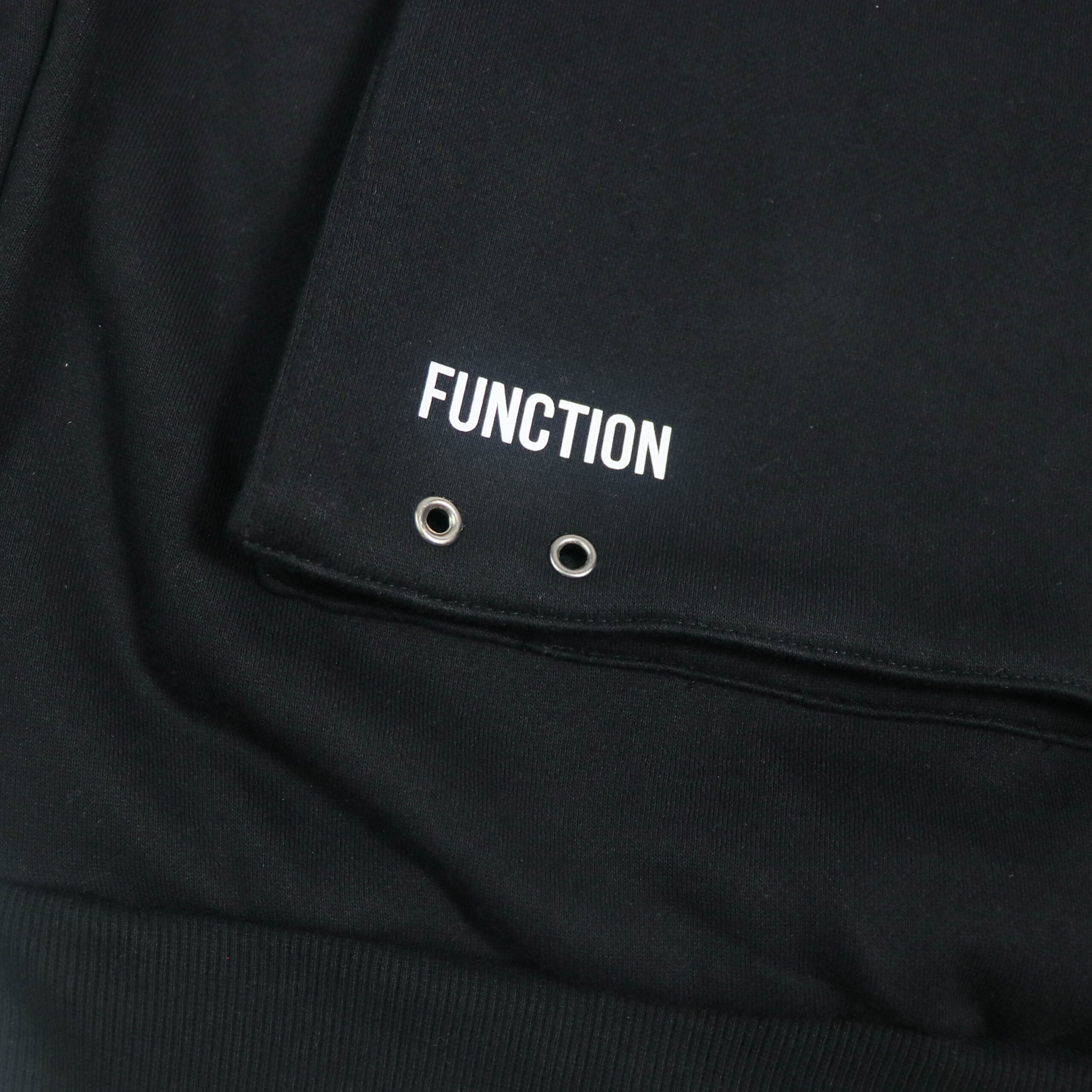
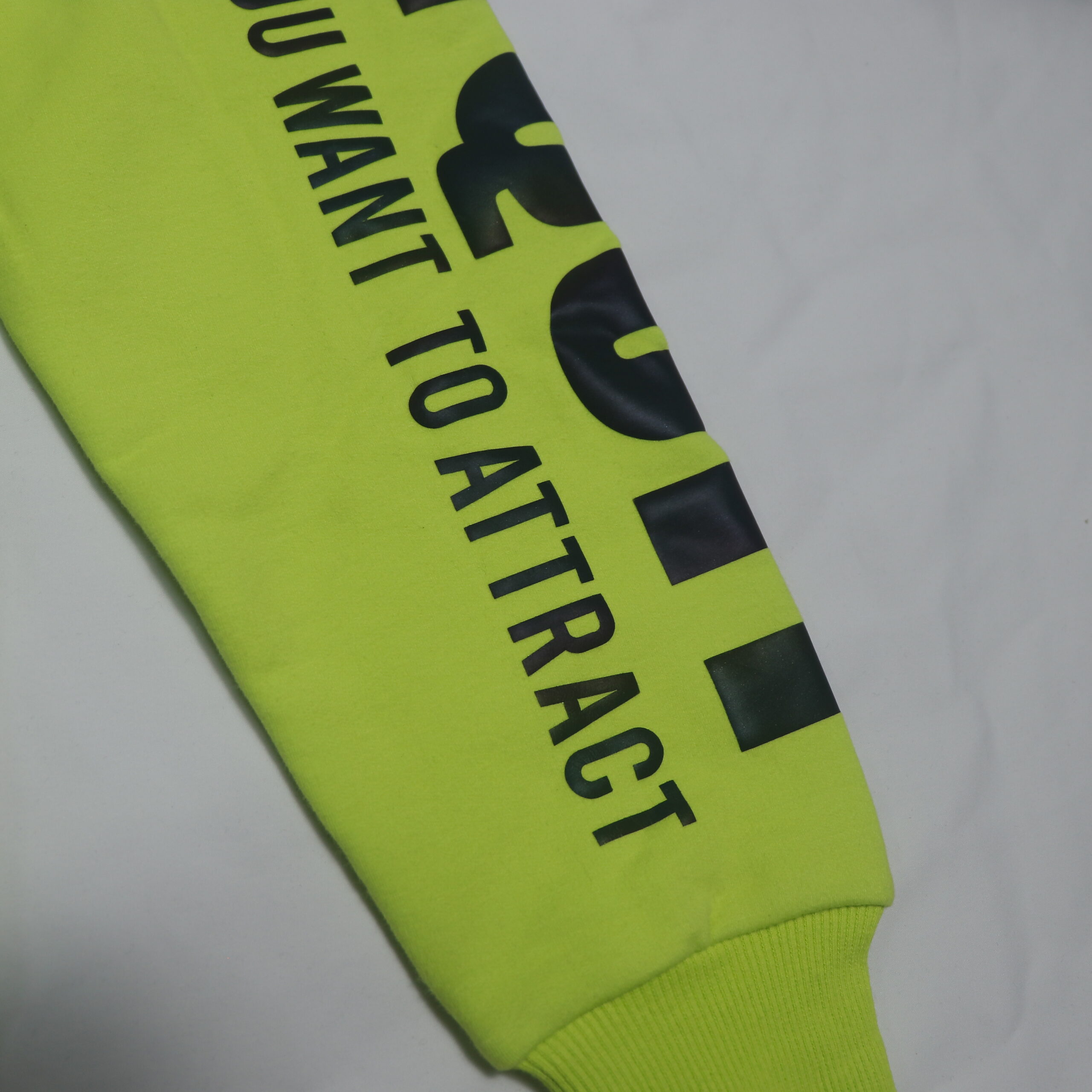
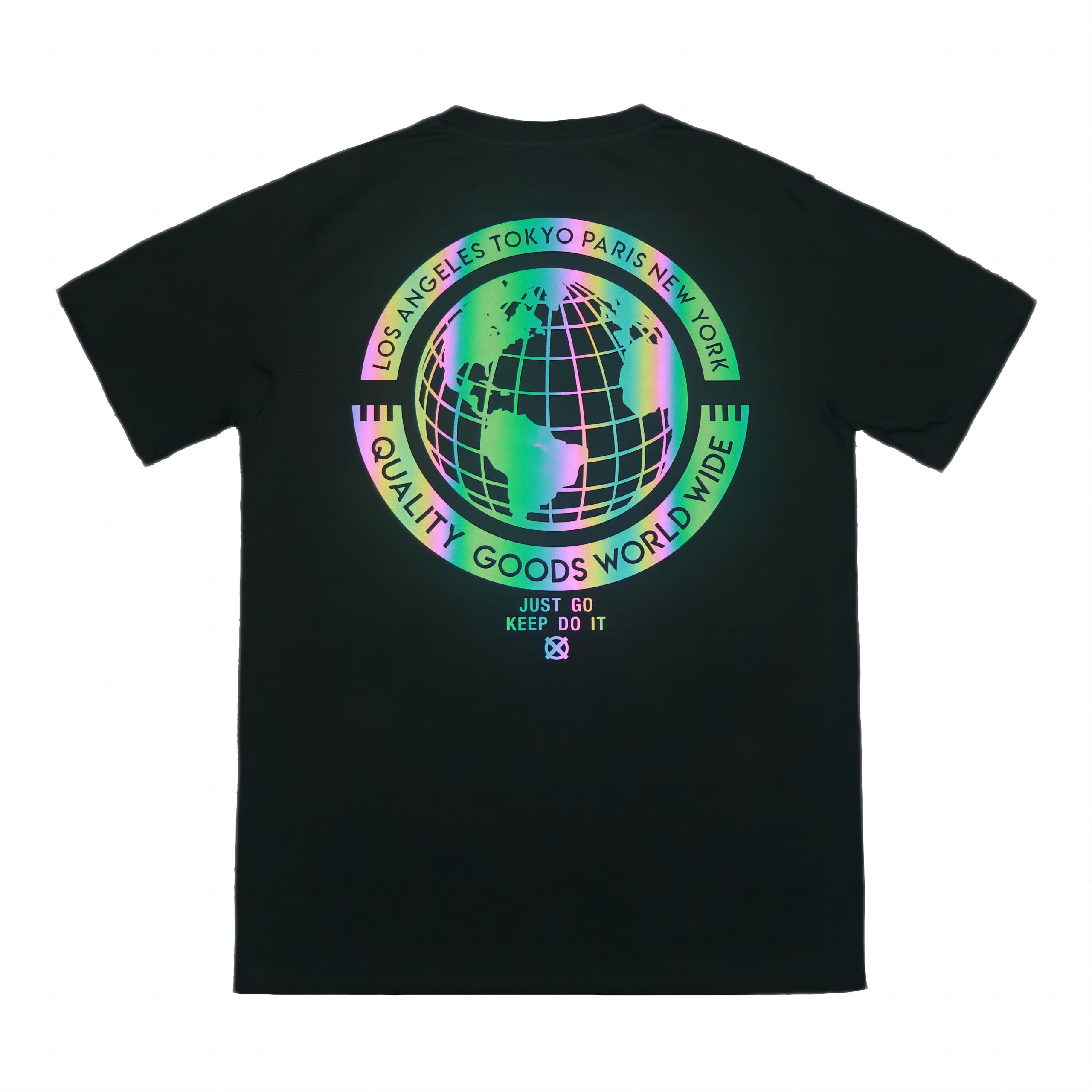
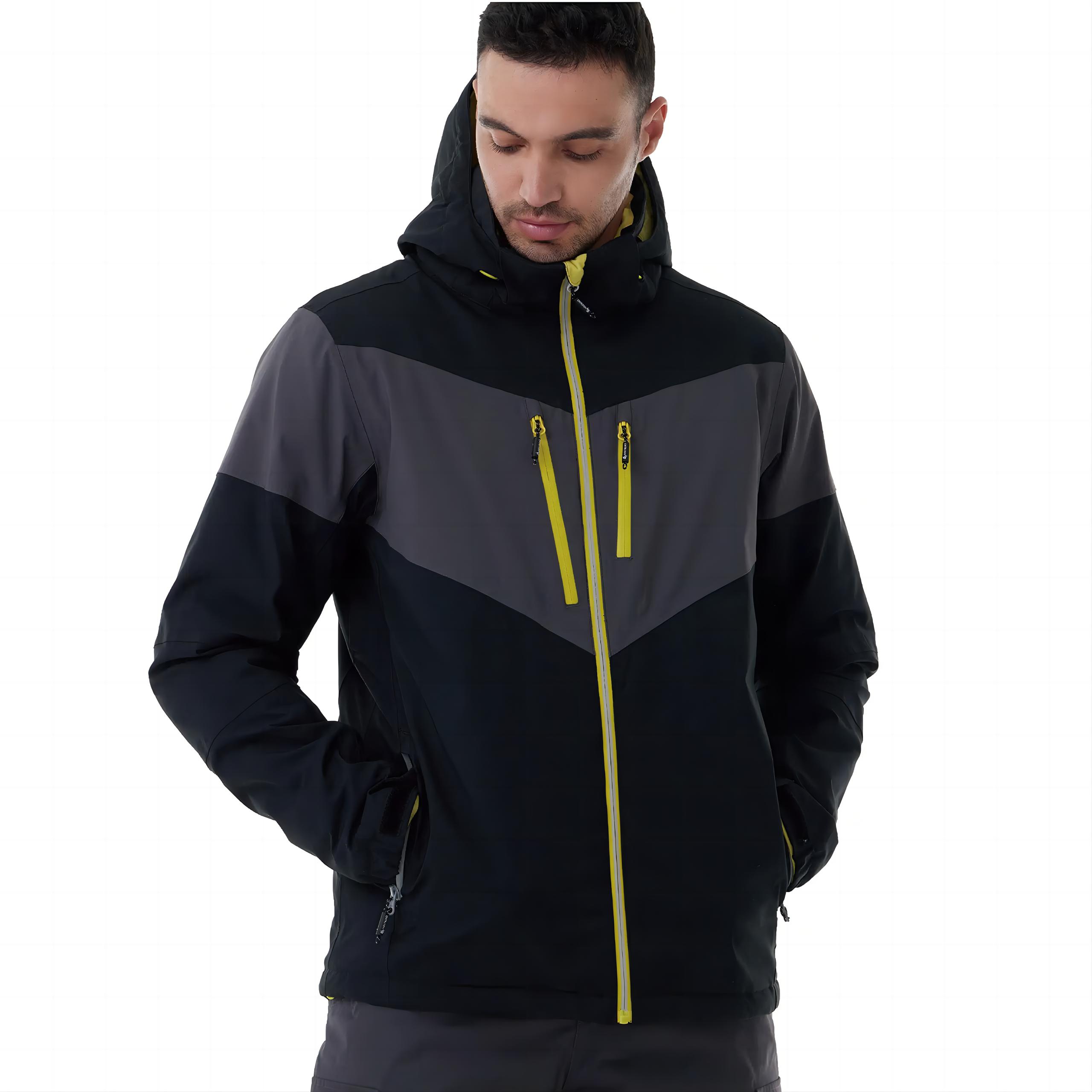
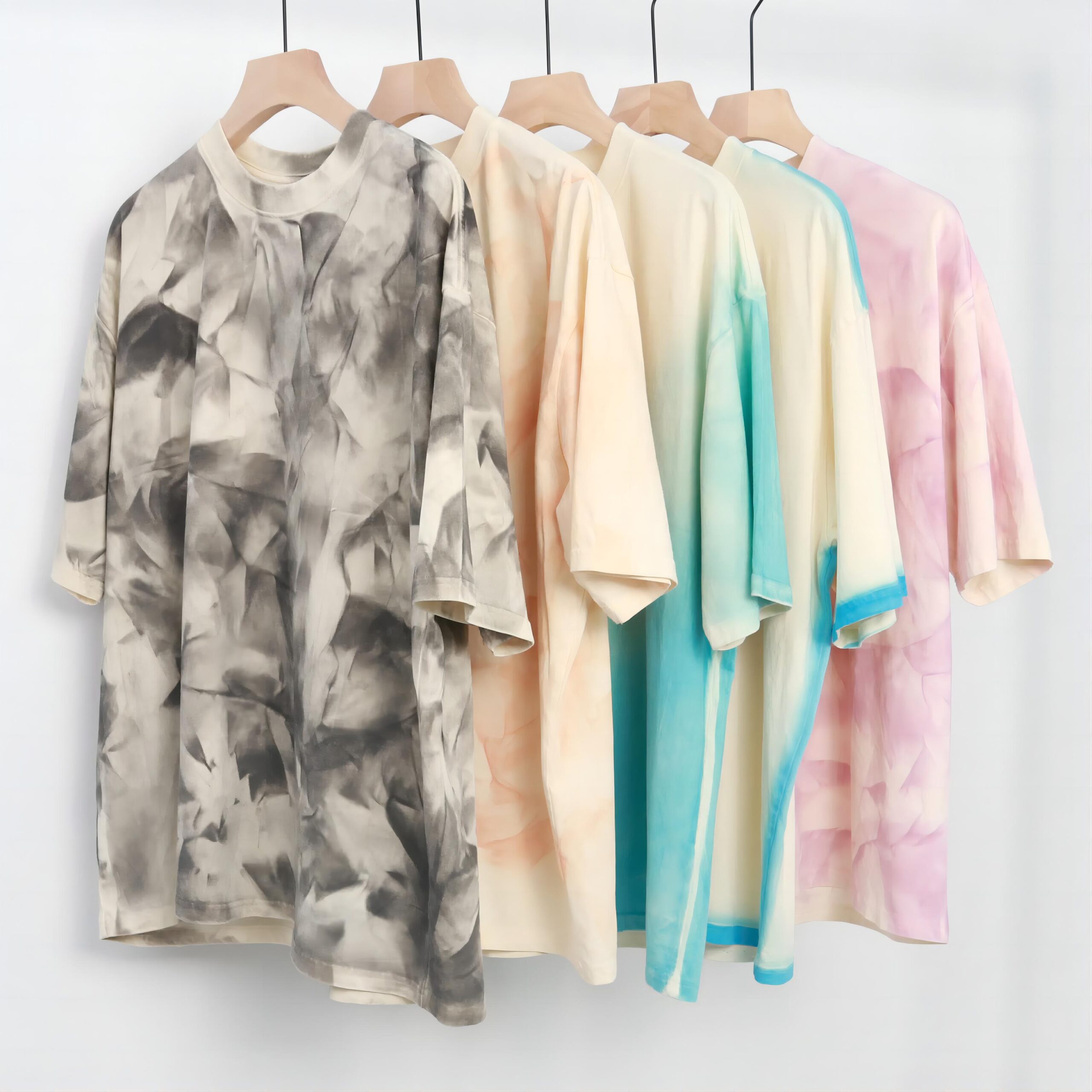
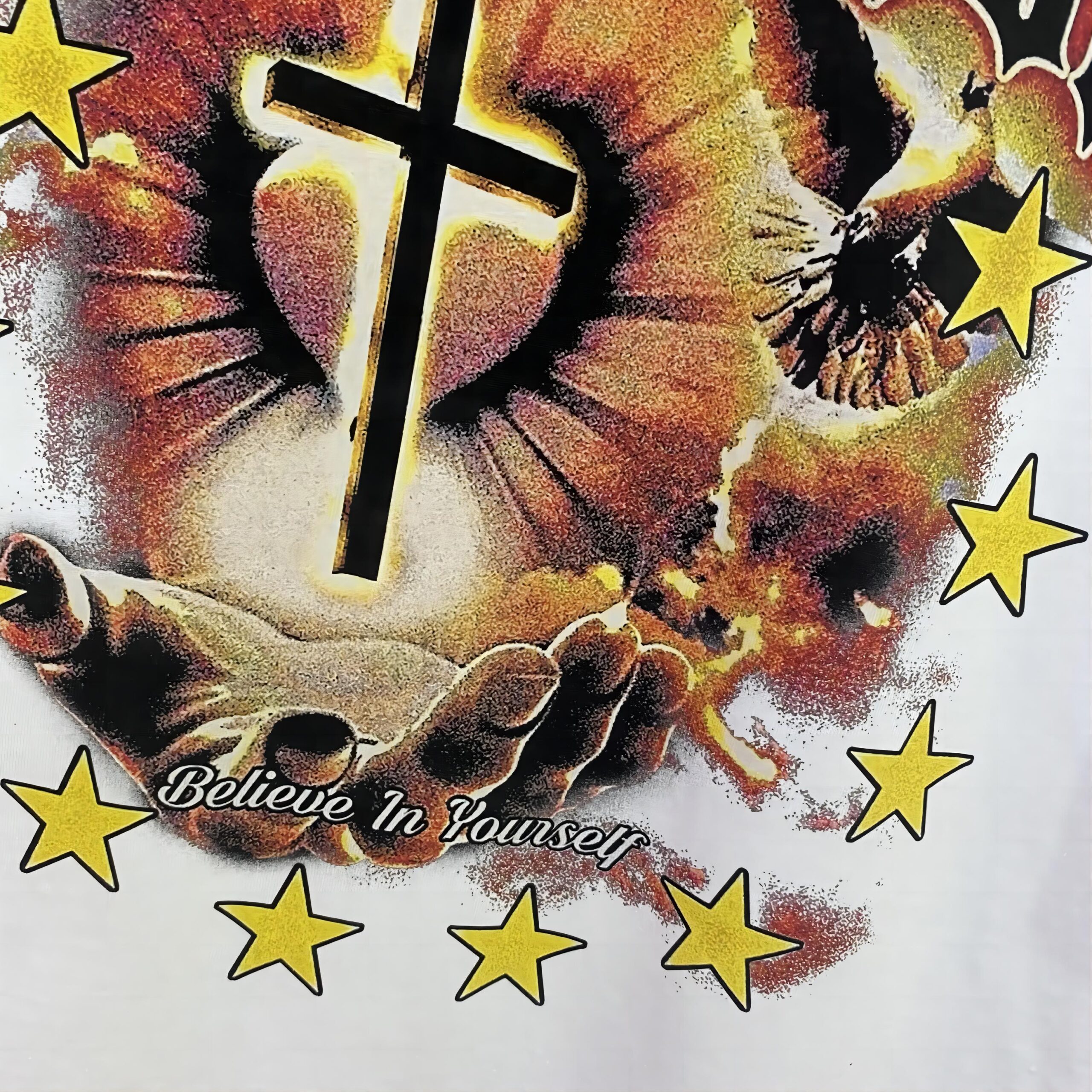





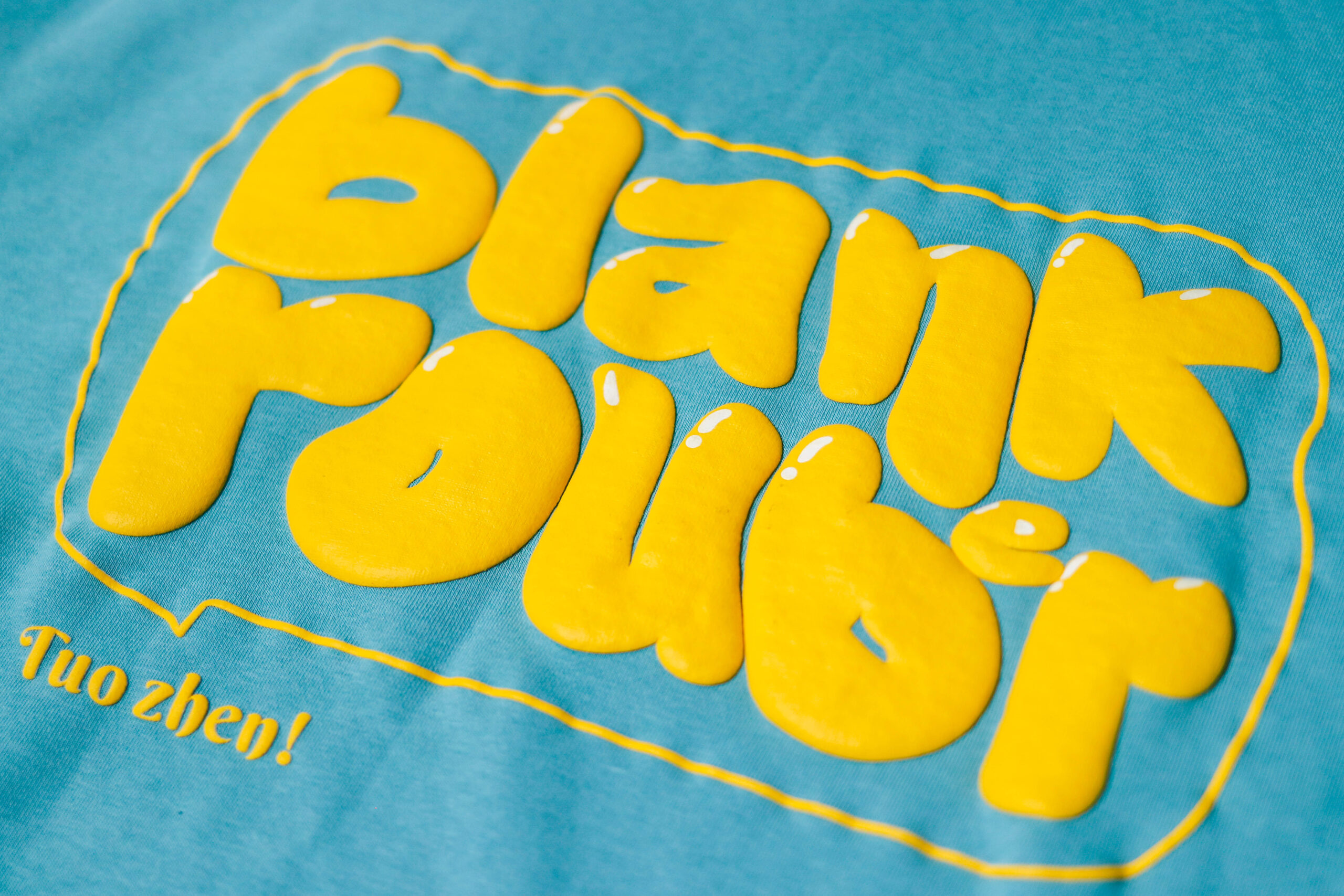
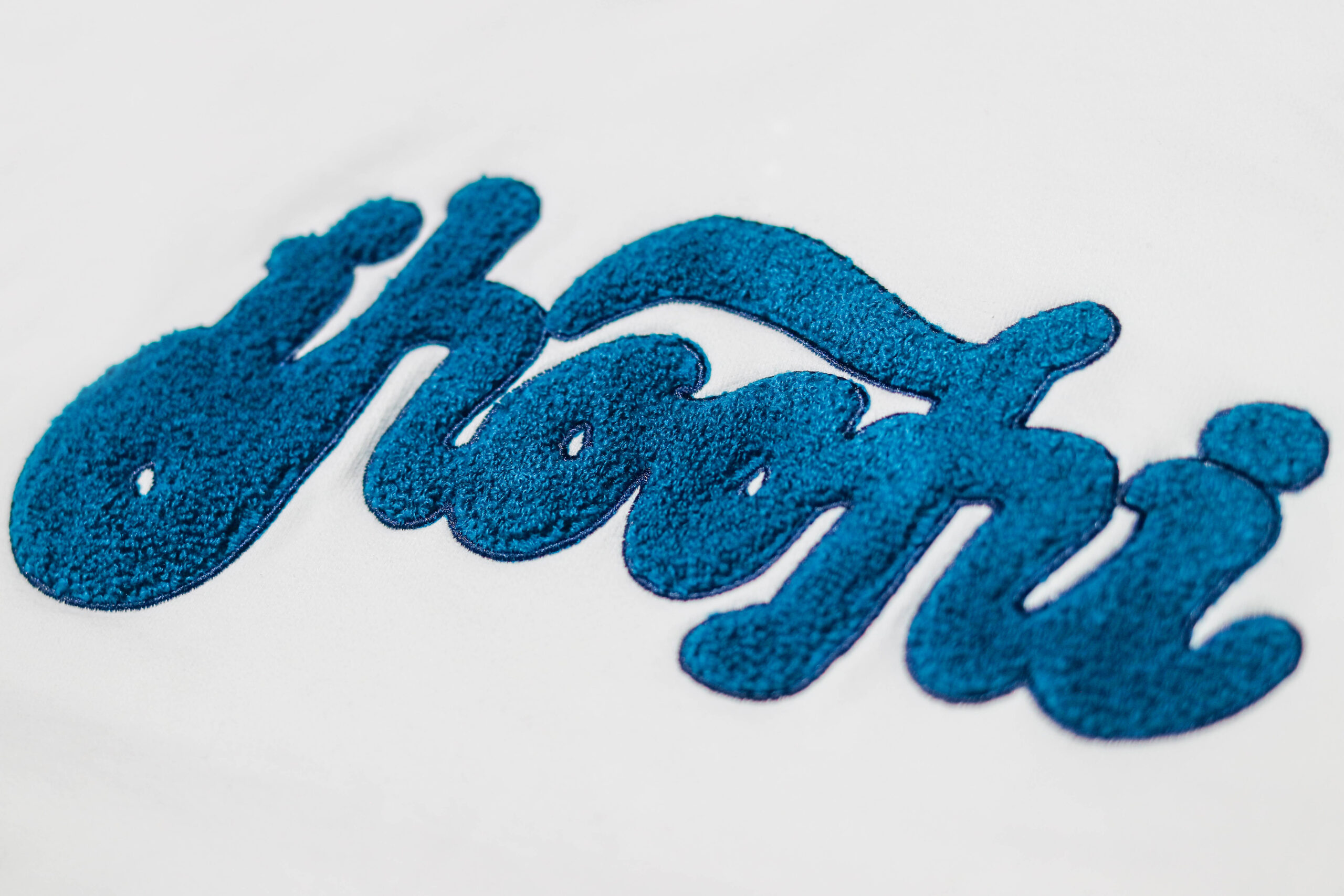

Built to Repeat, Made to Grow
A small batch clothing manufacturer that turns approved concepts into clear, repeatable production standards for emerging labels and established apparel programs.
Flexible Product Development
Bring a tech pack, sketch, or reference garment. We develop patterns, materials, fit, and construction into a production-ready specification.
Category-Specific Construction
Hoodies, outerwear, jerseys, and streetwear are developed around the construction, fabric, performance, and finishing details each category requires.
Coordinated Decoration
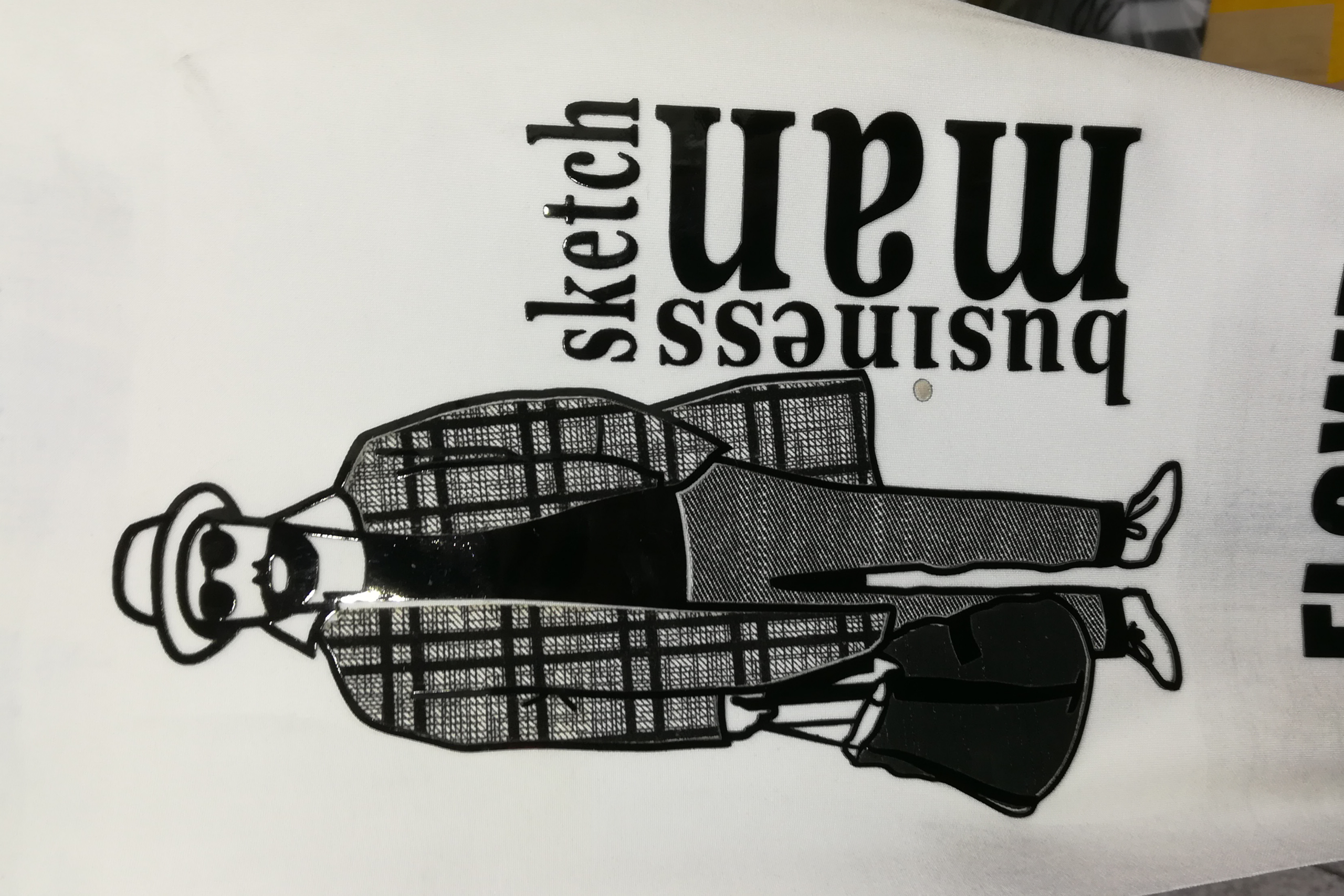
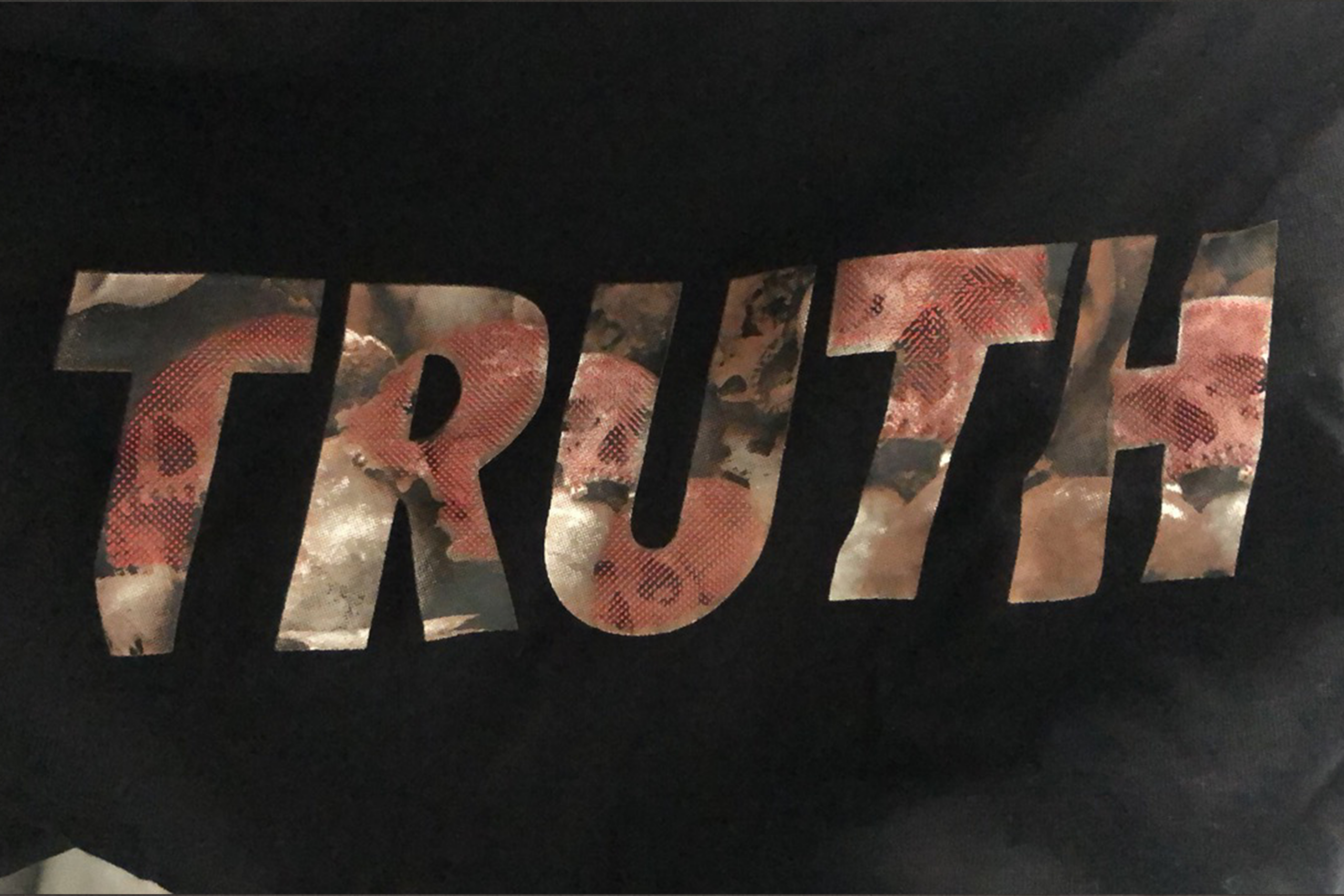
Printing, embroidery, washes, labels, trims, and packaging are coordinated with the base garment so every detail supports the intended result.
Approved-Standard Quality Control
Samples, measurements, artwork placement, and trim specifications establish a visible standard for in-line checks and final inspection before packing.
Support at Every Stage
From first capsule collections to wholesale replenishment, EDVORIN supports flexible OEM, ODM, and private-label programs from 200 pieces per style.
Small-Batch Apparel Categories We Build
From one core style to coordinated collections, EDVORIN develops production-ready apparel programs with clear specifications, approved samples and repeatable bulk standards.
Custom Hoodies
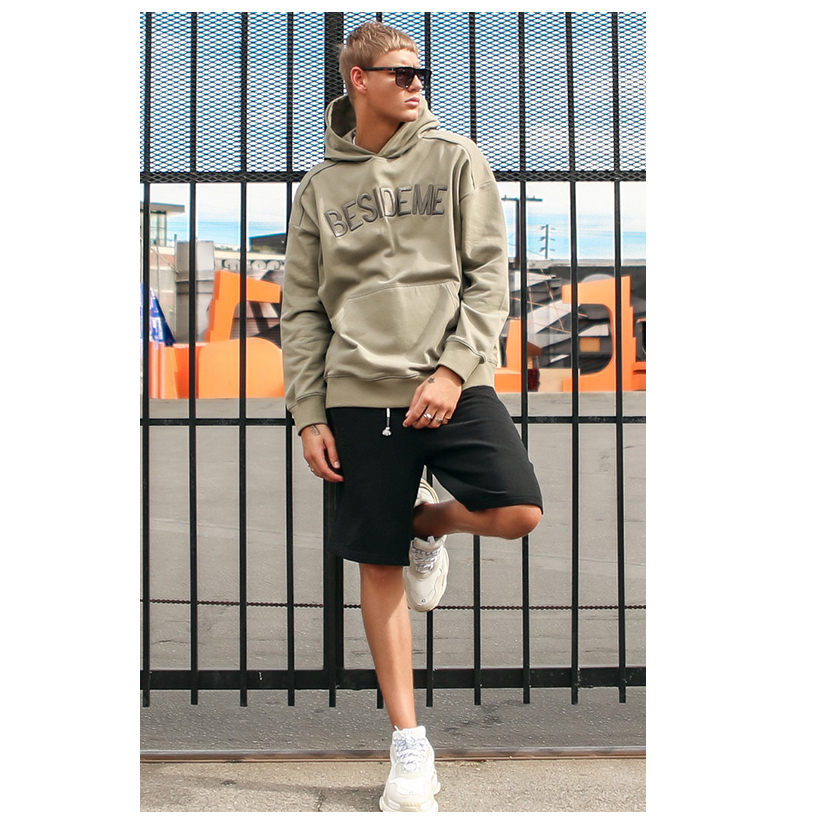
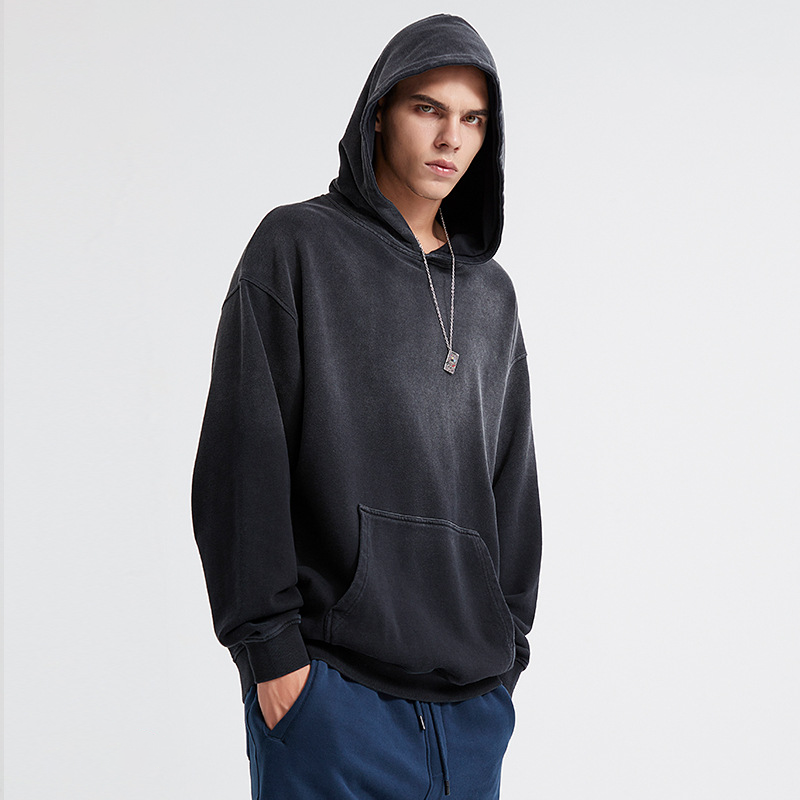
EDVORIN develops custom hoodies from fleece selection and fit blocks through rib, hood construction, drawcords, printing, embroidery and labels. As a custom hoodie manufacturer, we convert approved details into a controlled bulk standard for men’s and women’s programs.
Get a Quote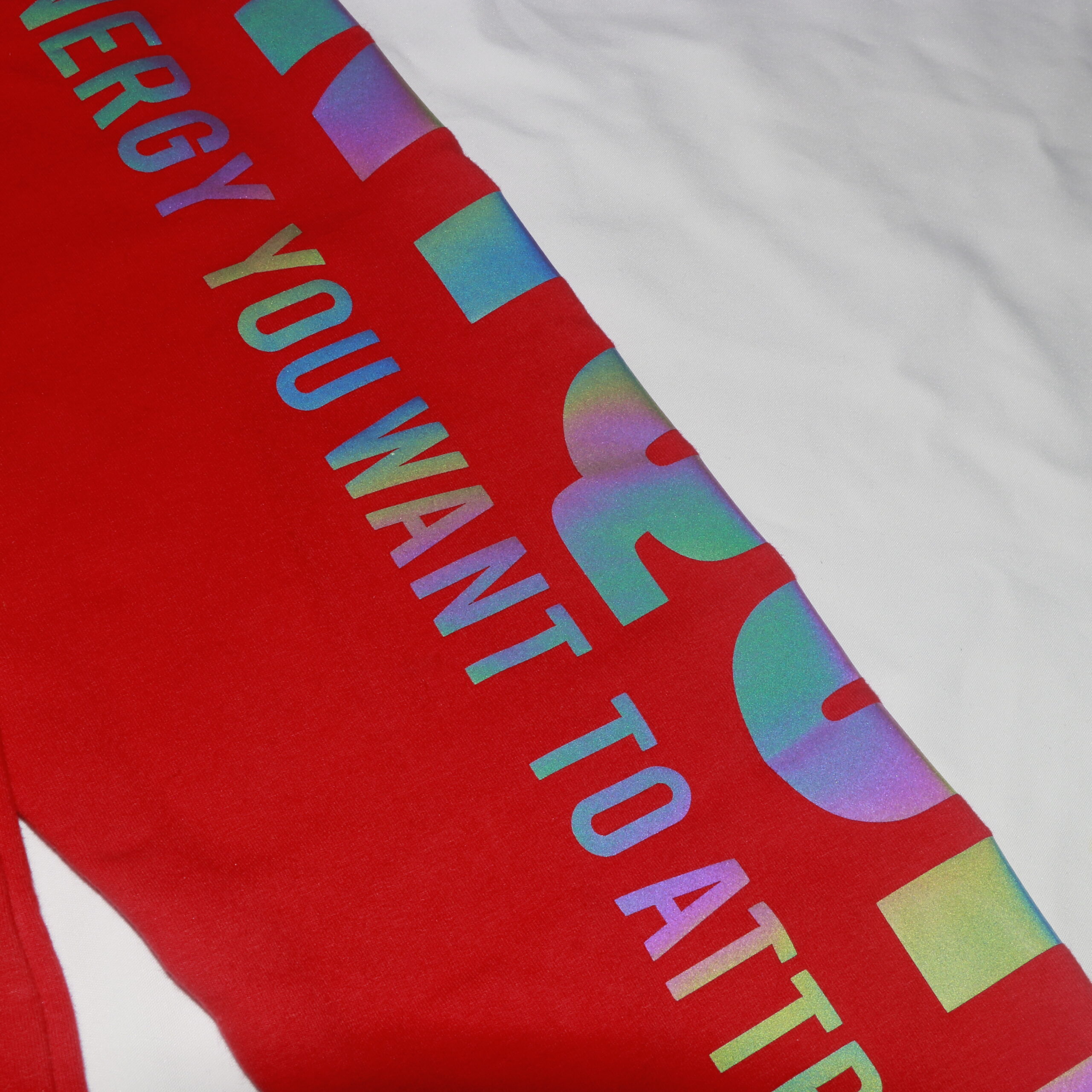
Pullover Sweatshirts
Our pullover sweatshirt development covers fabric weight, neck rib recovery, shoulder construction, grading, wash effects and decoration placement. Buyers receive samples and documented specifications that help a sweatshirt program remain consistent from first order through repeat production.
Get a Quote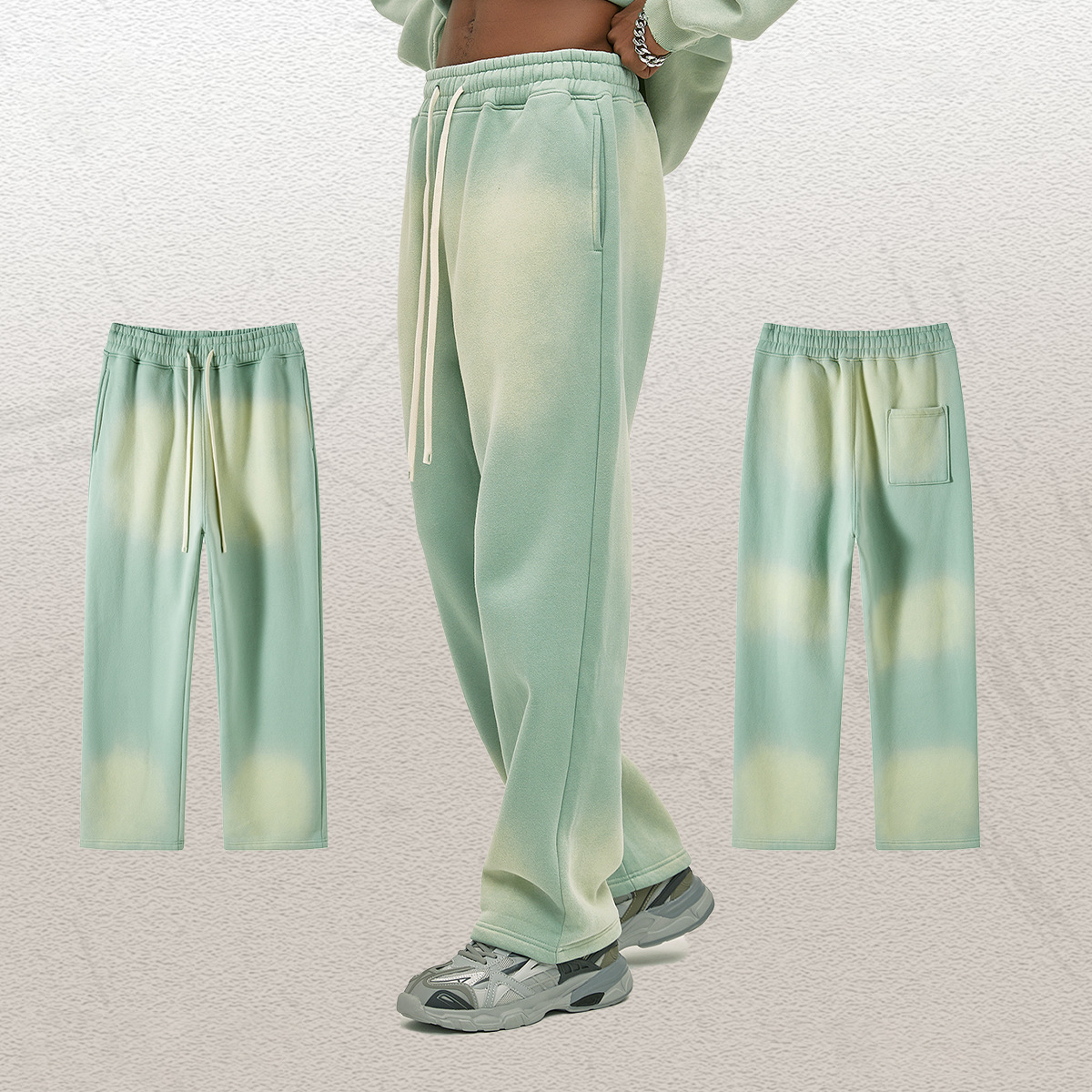
Sweatpants & Joggers
Custom sweatpants and joggers are developed around silhouette, waistband construction, pocket layout, cuff finish, drawcords and fabric performance. As a sweatpants manufacturer, EDVORIN aligns fit, trims and decoration with the intended casualwear, streetwear or teamwear program.
Get a Quote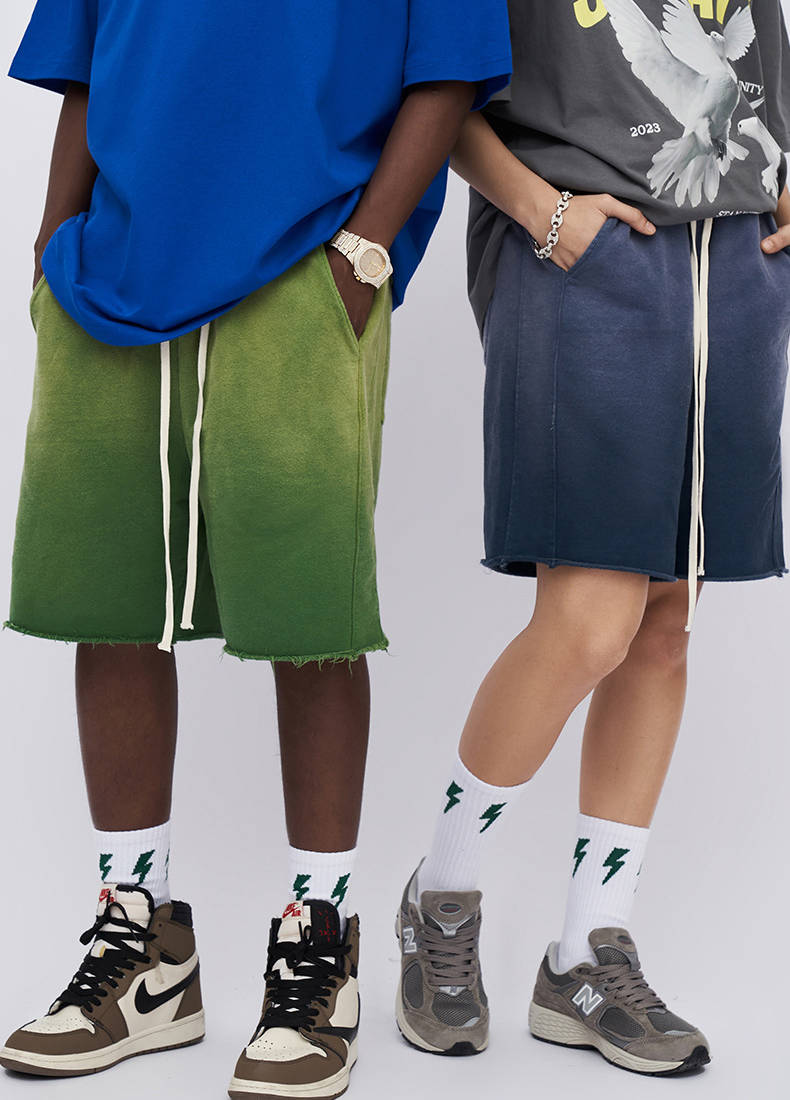
Custom Shorts
We manufacture custom shorts for fleece, jersey, woven and performance applications. Inseam, rise, waistband, pocket construction, lining, print or embroidery placement and size grading are specified before bulk production, supporting seasonal collections and coordinated sets.
Get a Quote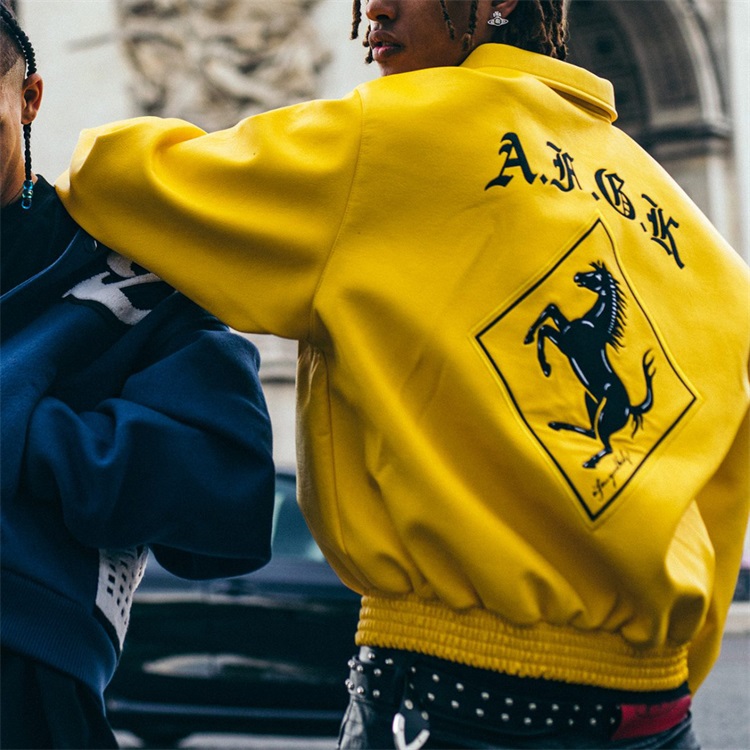
Varsity & Baseball Jackets
Varsity and baseball jackets require coordination across body fabric, sleeves, rib, lining, snaps, patches and embroidery. EDVORIN develops these components as one approved construction standard, helping buyers preserve the jacket’s intended balance in bulk production.
Get a Quote
Custom T-Shirts
Custom T-shirt programs begin with fabric composition, weight, fit, collar construction and finishing. We coordinate screen printing, embroidery, labels, washes and packaging, giving brands a repeatable custom T-shirt manufacturer workflow for core basics, graphics and merchandise.
Get a Quote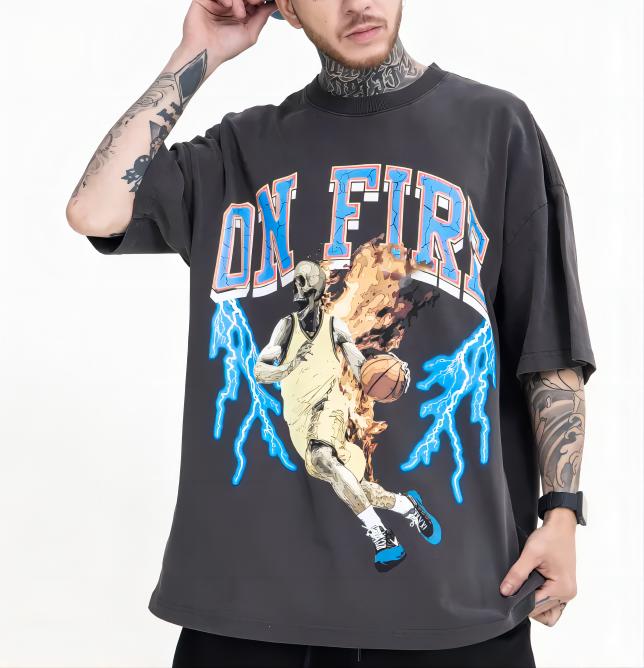
Custom Polo Shirts
Our polo shirt development covers pique or jersey selection, collar and cuff construction, plackets, buttons, embroidery and fit grading. EDVORIN supports branded uniforms, corporate apparel and private-label ranges with clear specifications for repeat production.
Get a Quote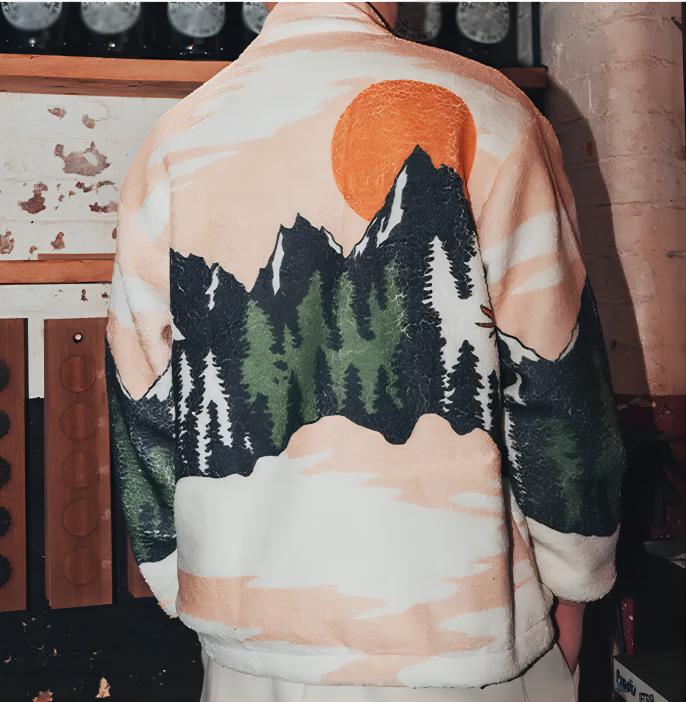
Windbreaker Jackets
Windbreaker jackets are developed around shell fabric, lining or mesh, zipper selection, pocket construction, hood details, ventilation and water-resistant performance needs. We document construction and decoration placement to keep functional outerwear consistent across the order.
Get a Quote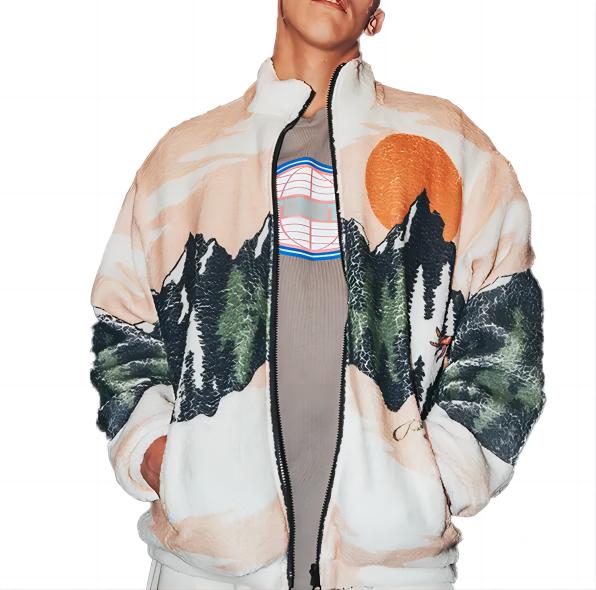
Quilted Jackets
Quilted jacket programs require controlled coordination of shell, lining, insulation, quilting pattern, binding, closures and labels. EDVORIN samples the construction before production so warmth, appearance and sizing can be reviewed against the buyer’s approved standard.
Get a Quote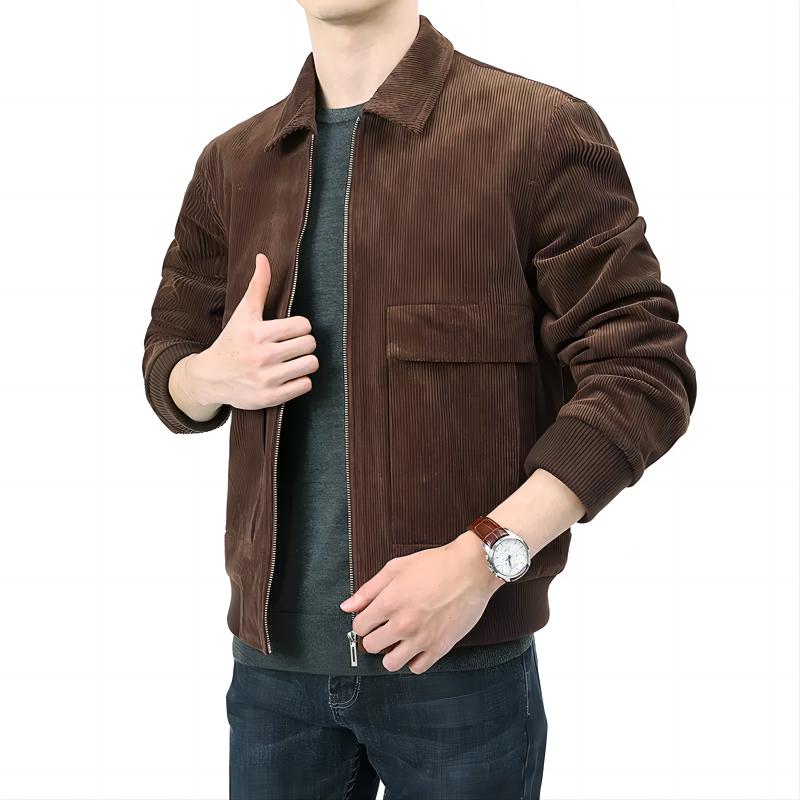
Bomber Jackets
Custom bomber jackets combine fabric, lining, rib, hardware, pockets, embroidery and finishing into one defined production specification. We support fashion, streetwear and private-label buyers with samples that establish the intended fit, weight and construction before bulk manufacturing.
Get a Quote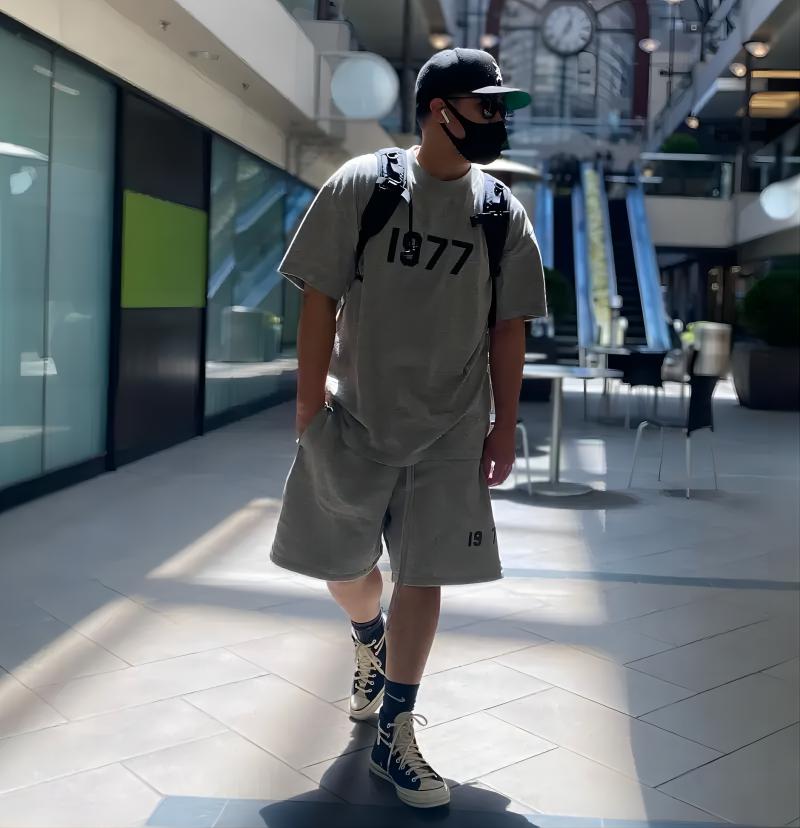
Custom Shirts
EDVORIN produces custom woven shirts with selected fabric, collar, cuff, placket, pocket, button and fit specifications. Men’s and women’s blocks can be developed separately, with samples used to confirm construction, proportions and finishing before repeat orders.
Get a Quote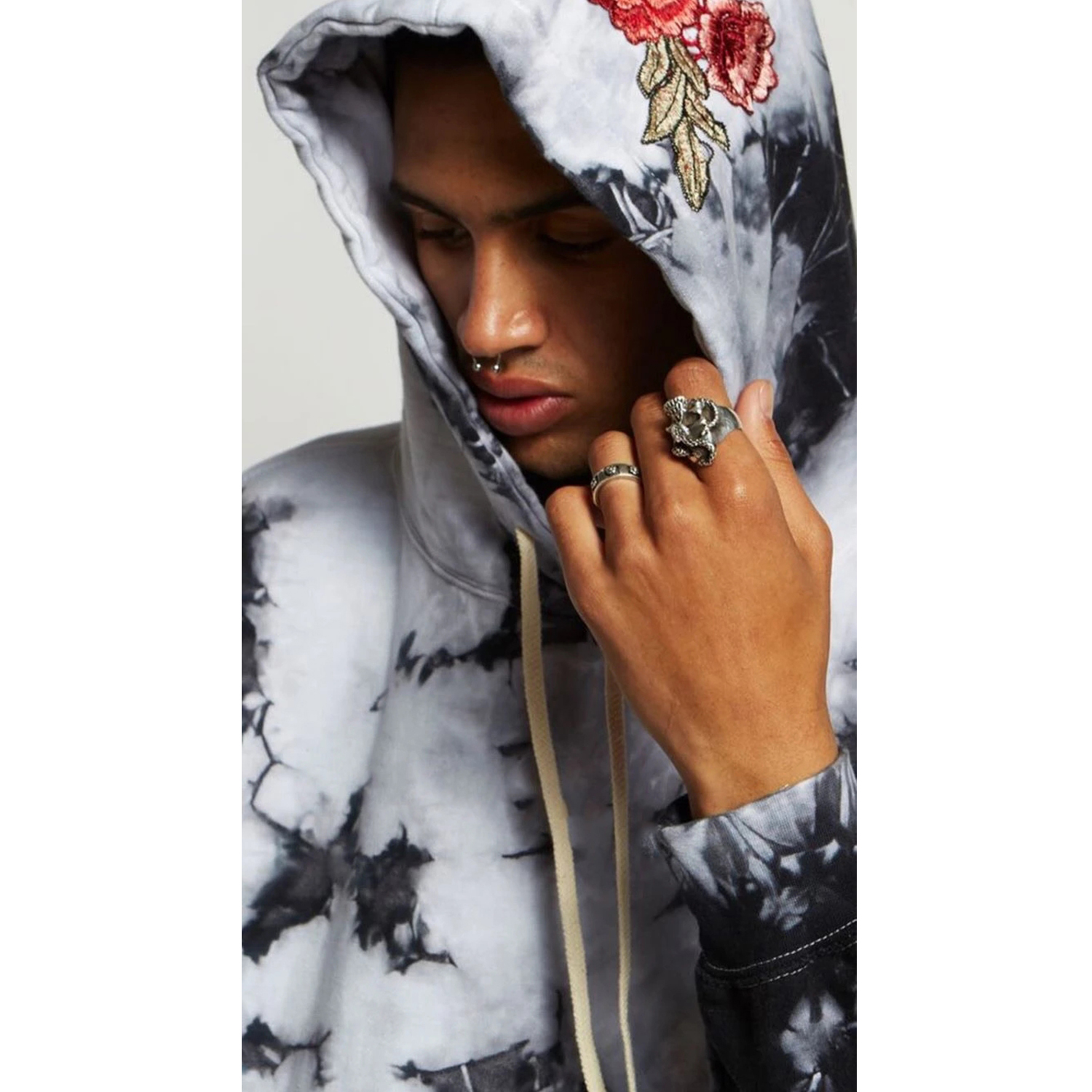
Custom Jerseys
Custom jerseys are developed for team identity, comfort and repeat accuracy. We coordinate breathable fabrics, color application, name and number personalization, trim, sizing and decoration methods so club, school and brand programs can move from sample approval to organized bulk delivery.
Get a Quote
Tank Tops
Tank tops can be developed in jersey, rib or performance fabrics for training, casualwear and streetwear programs. We specify armhole and neckline finish, fit, fabric weight, decoration and labels to create a production-ready standard for men’s or women’s ranges.
Get a Quote
Soccer Uniforms
Soccer uniforms are developed as coordinated kits with jersey, shorts and optional training pieces. EDVORIN manages breathable fabric selection, color consistency, crest application, names, numbers and size sets, helping clubs and academies maintain a dependable standard across orders.
Get a Quote
Basketball Uniforms
Basketball uniform programs are built around mobility, breathable materials, jersey and short proportions, trim, color blocking, player numbers and team marks. We develop and approve the full set before bulk production to support consistent sizing and visual identity.
Get a Quote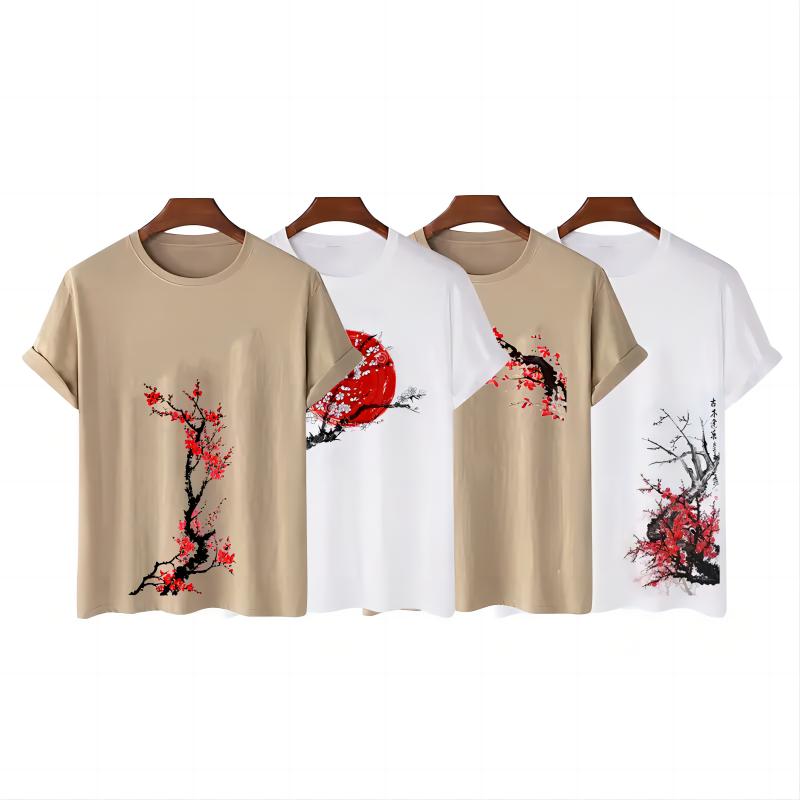
Streetwear Collections
EDVORIN develops streetwear collections as connected programs rather than isolated styles. Hoodies, tees, sweats, jackets, bottoms and accessories can be coordinated through fabrics, washes, trims, graphics, labels and packaging, then documented for repeatable OEM, ODM or private-label production.
Get a QuoteMaterials Selected for Your Apparel Program
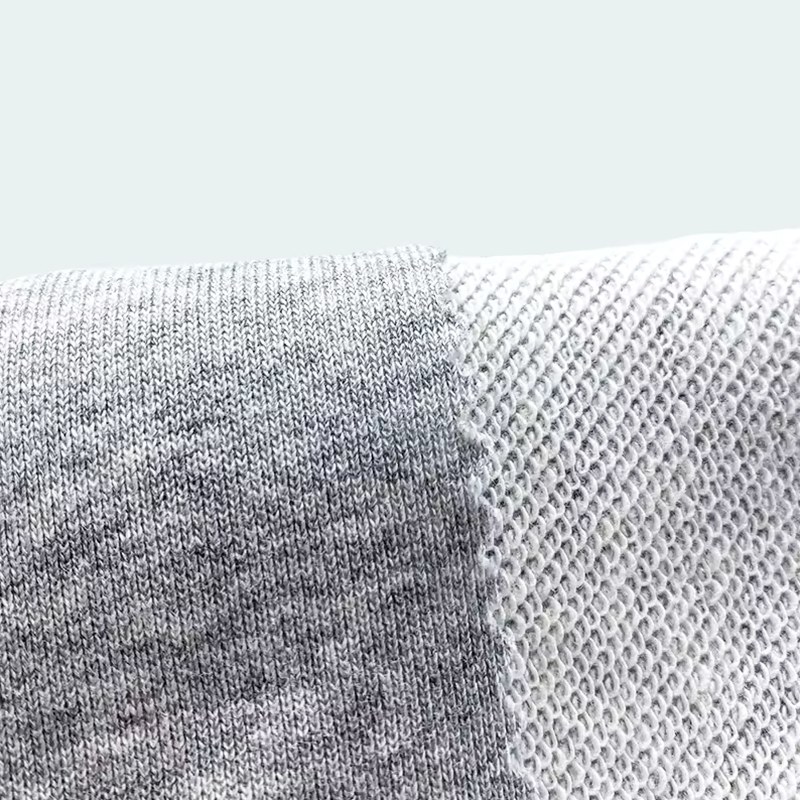
Cotton French Terry
A soft loopback knit with a substantial yet breathable hand, suited to premium hoodies, sweatshirts, and joggers. Weight can be specified for seasonal use, while cotton content supports a natural feel and dependable decoration results.
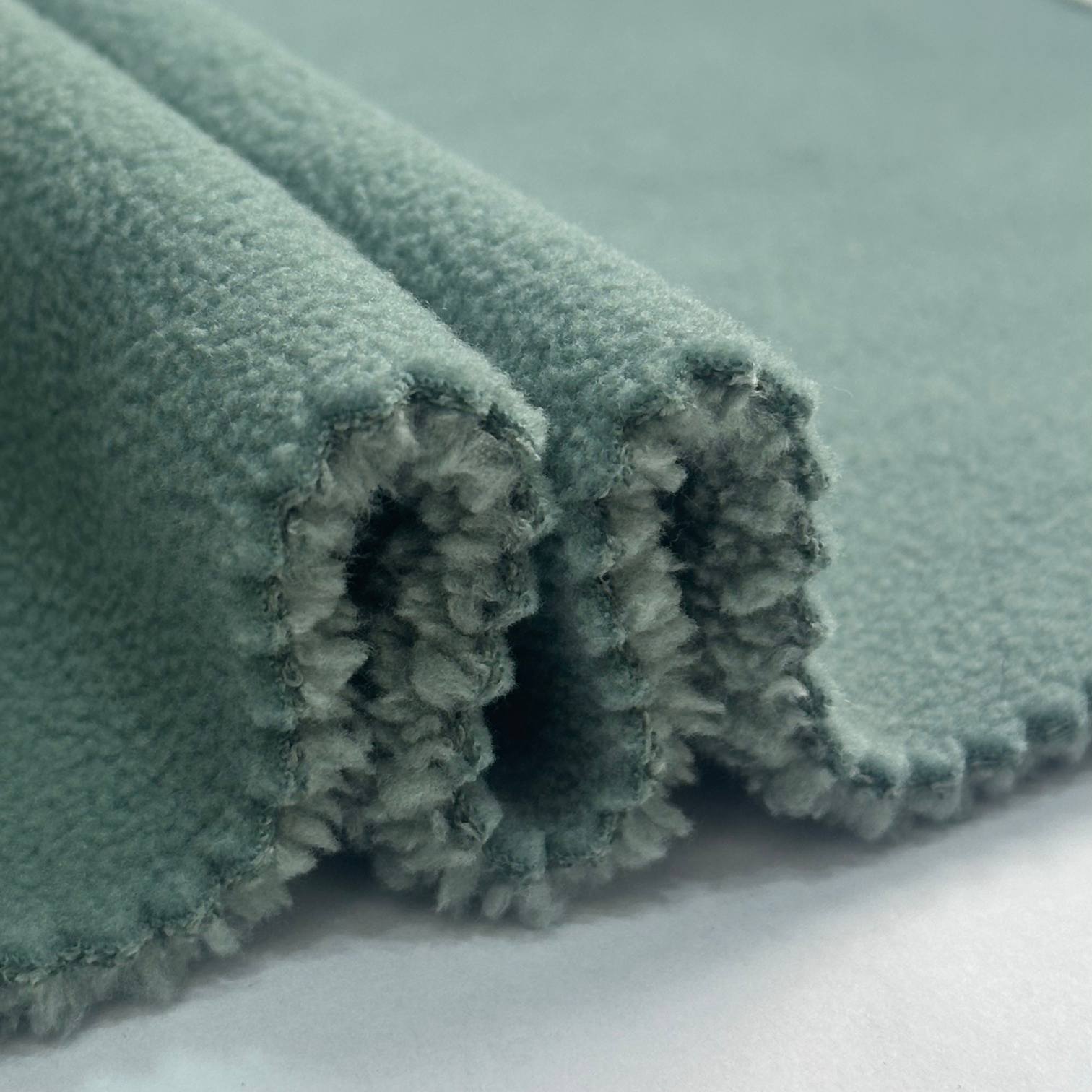
Brushed Polar Fleece
Warm, soft, and insulating, this knit is a strong option for cold-weather hoodies, sweatpants, and lined outerwear. Brushed surfaces create a plush hand-feel, and fabric weight can be adjusted to balance warmth with bulk.
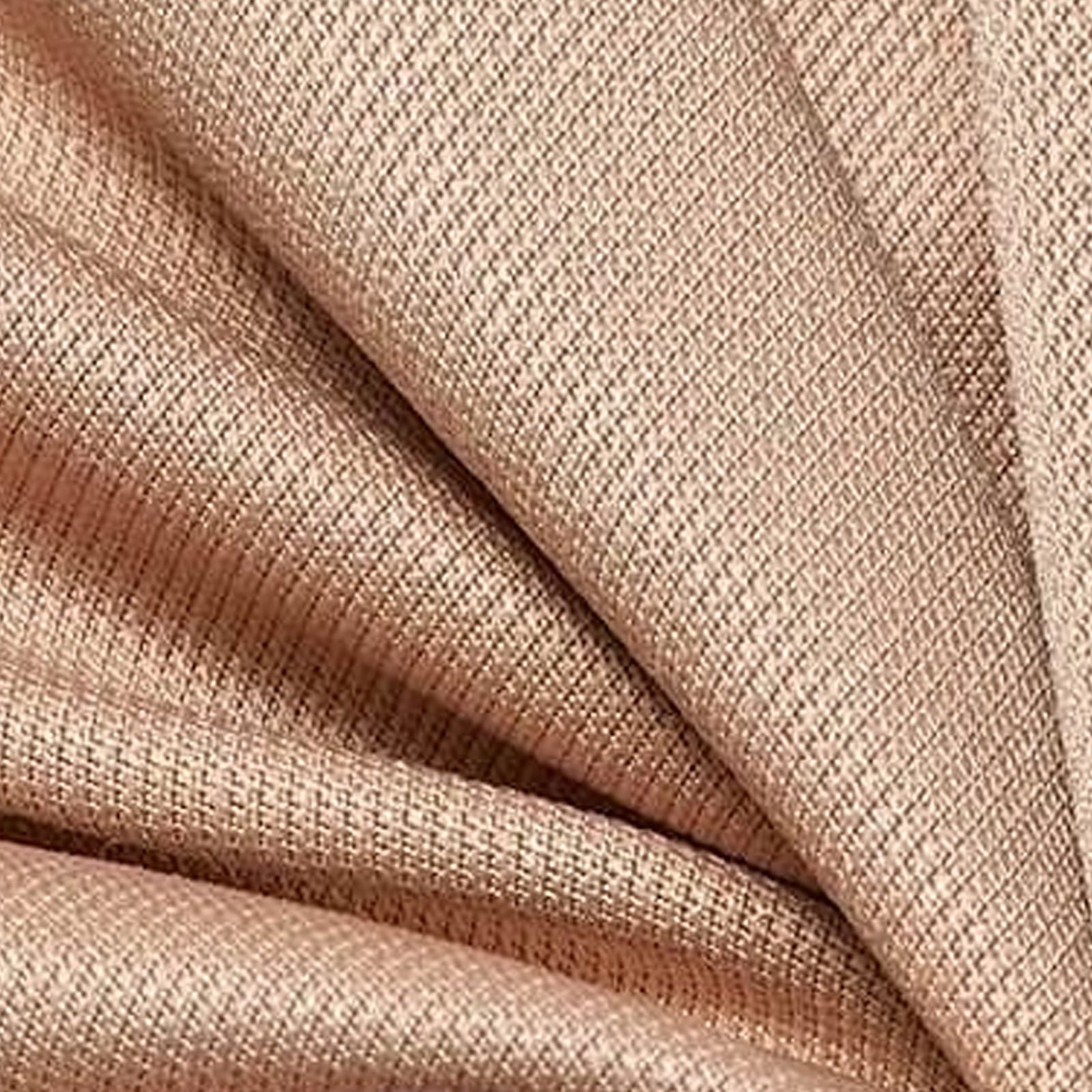
Heavyweight Cotton Jersey
A dense, structured knit for elevated T-shirts, rugby-inspired styles, and streetwear layers. Its firmer hand helps garments hold shape, while available weights support choices from everyday tees to more substantial premium silhouettes.

Polyester Performance Mesh
A lightweight, breathable fabric designed for jerseys, training tops, and teamwear. Open or engineered knit structures help manage airflow, while polyester fibers support color consistency, quick drying, and repeatable name-and-number decoration.
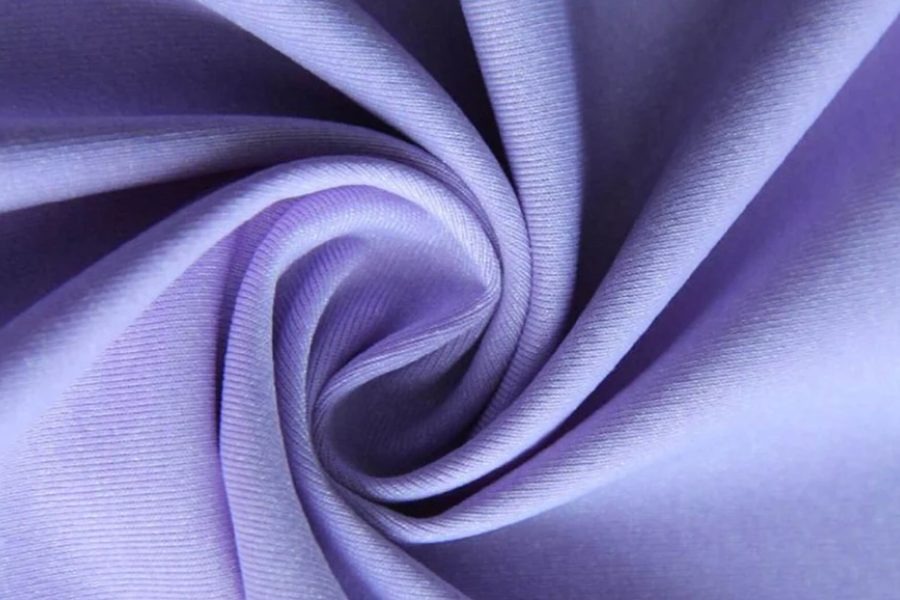
Nylon Woven Shell
A smooth, durable shell fabric for windbreakers, bomber jackets, and lightweight outerwear. It offers a crisp technical hand and can be specified with coatings, linings, or insulation to align weather resistance and garment weight.
Decoration and Finishing for Small-Batch Apparel Programs
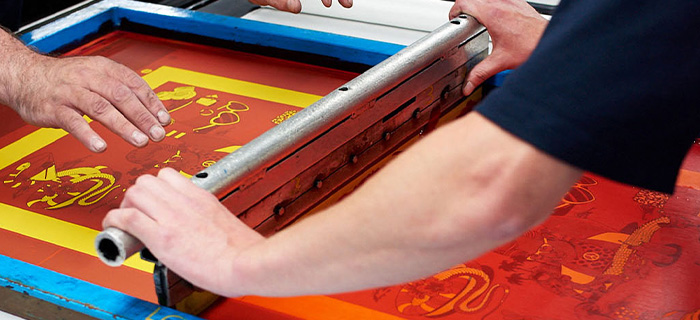
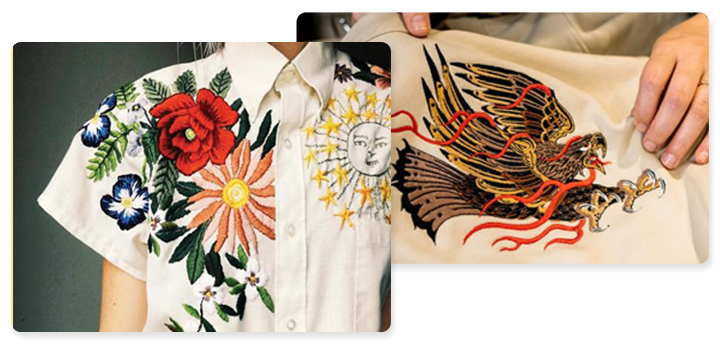
Embroidery Details
Embroidery adds dimensional logos, crests, lettering, and premium identity to polos, varsity jackets, outerwear, caps, and fleece. Stitch density, backing, thread color, and garment weight are coordinated so decoration remains clean, stable, and repeatable.
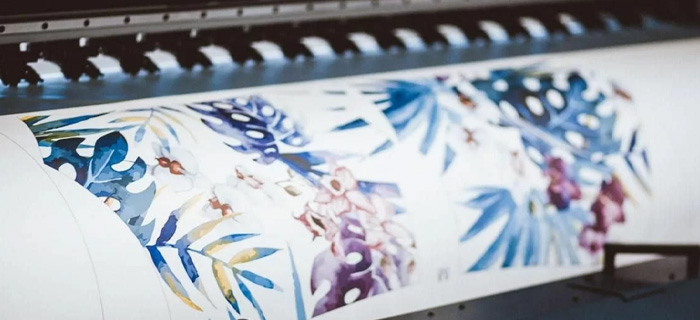
Sublimation Printing
Sublimation is suited to polyester-based jerseys and performance teamwear where full-color graphics, names, numbers, and all-over layouts are required. Artwork is prepared around panel shapes and construction so color and visual alignment carry through the finished garment.
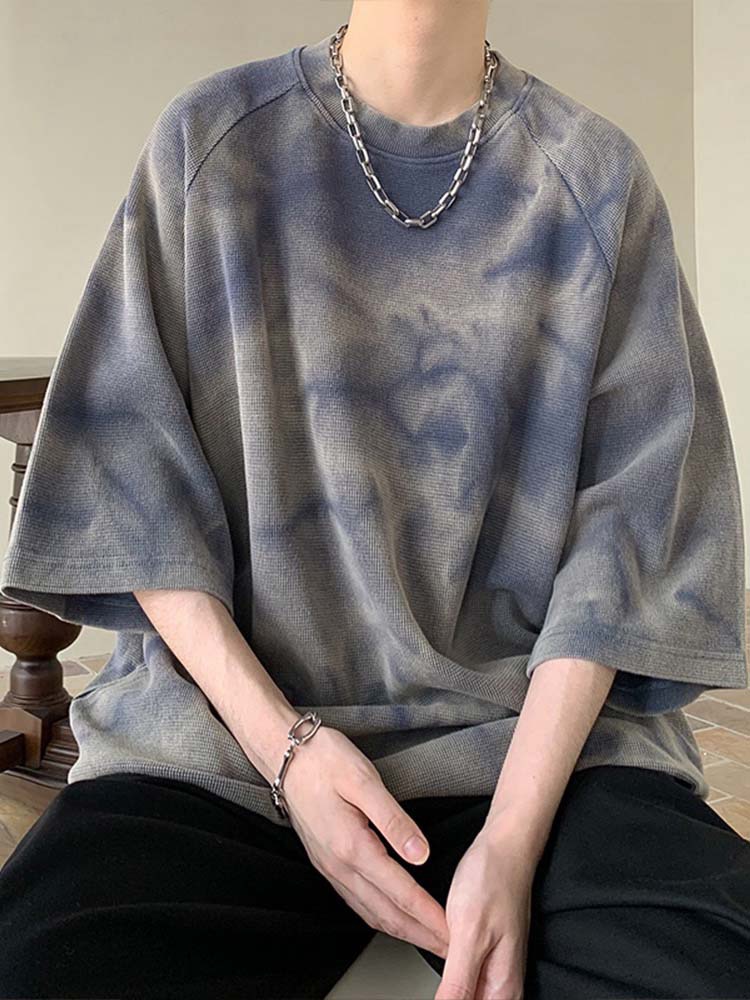
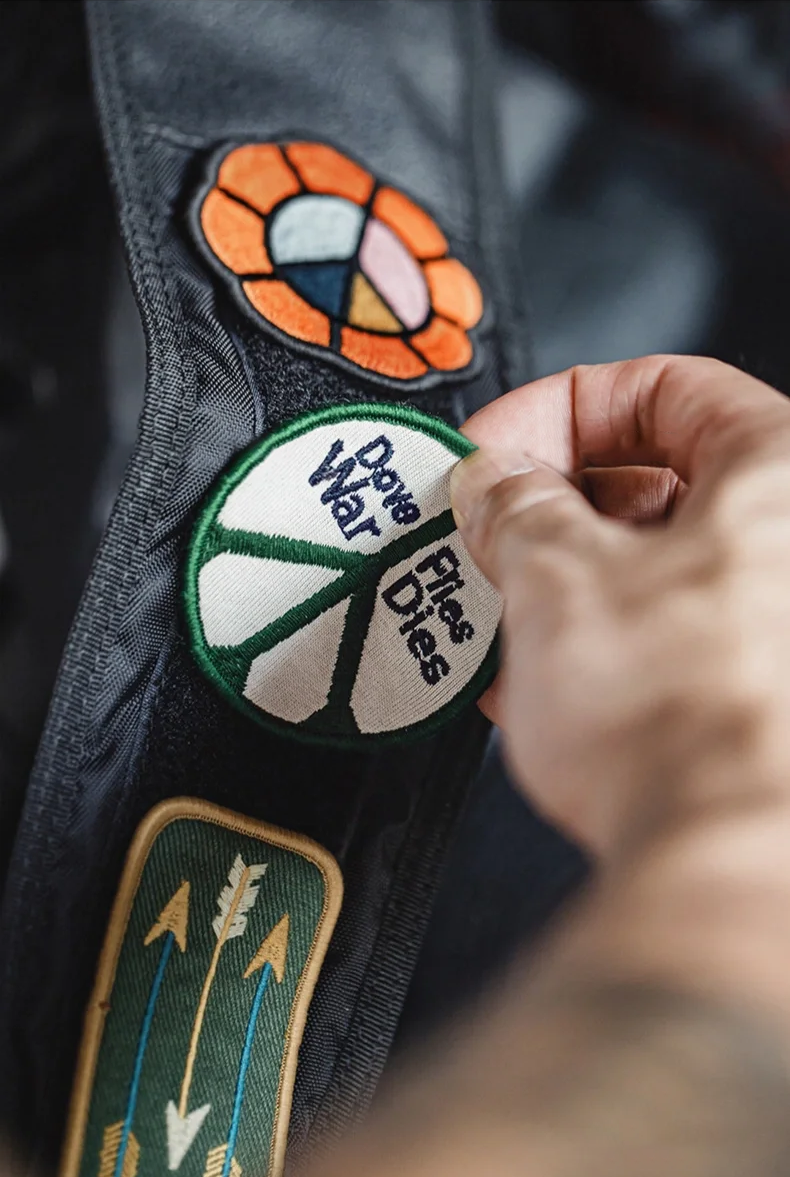
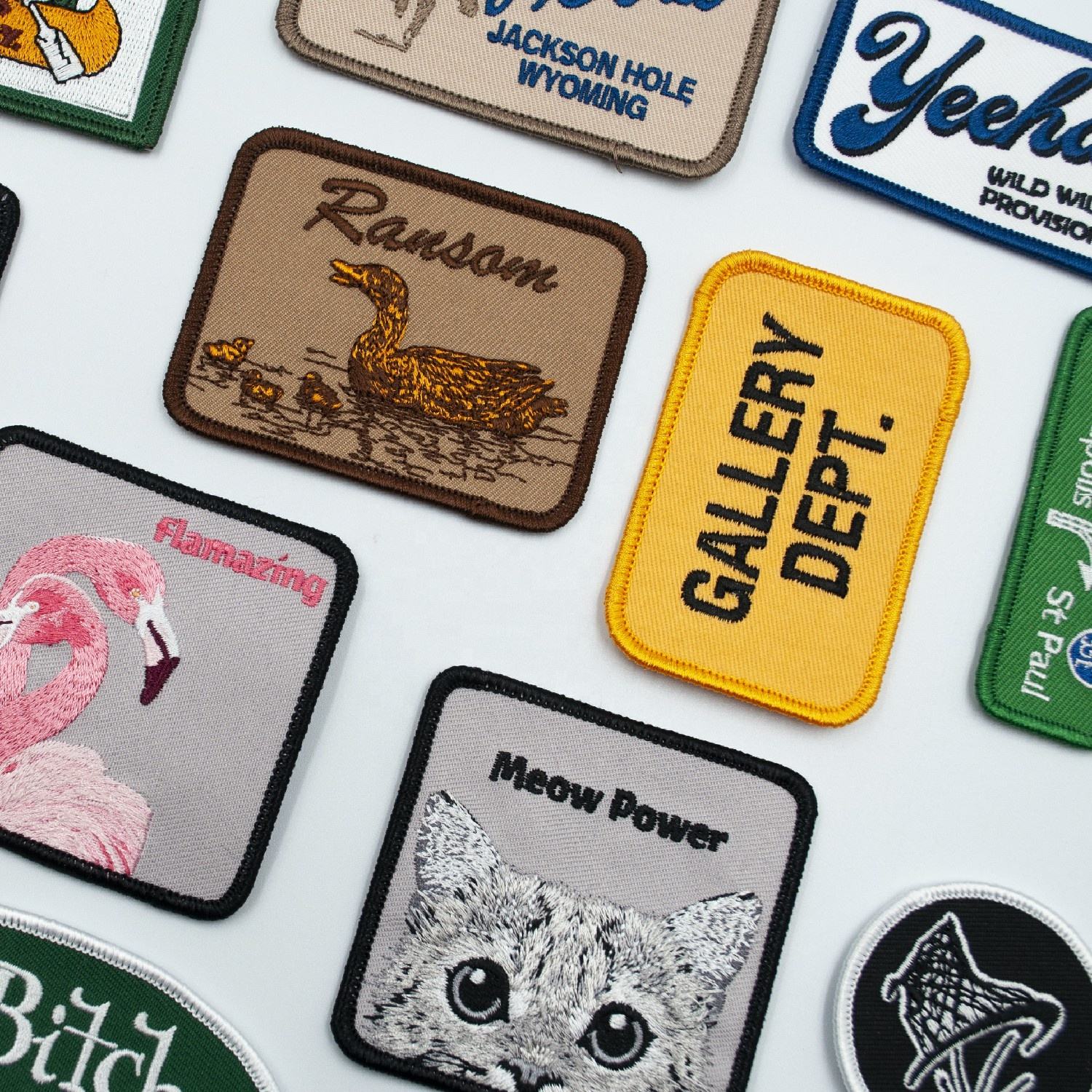
Patch Application
Patch application combines woven, embroidered, chenille, or printed badges with selected garments for layered brand detail. Placement, attachment method, base fabric, and edge finish are specified to support a balanced appearance and dependable wear.
Trims and Accessories That Complete the Specification
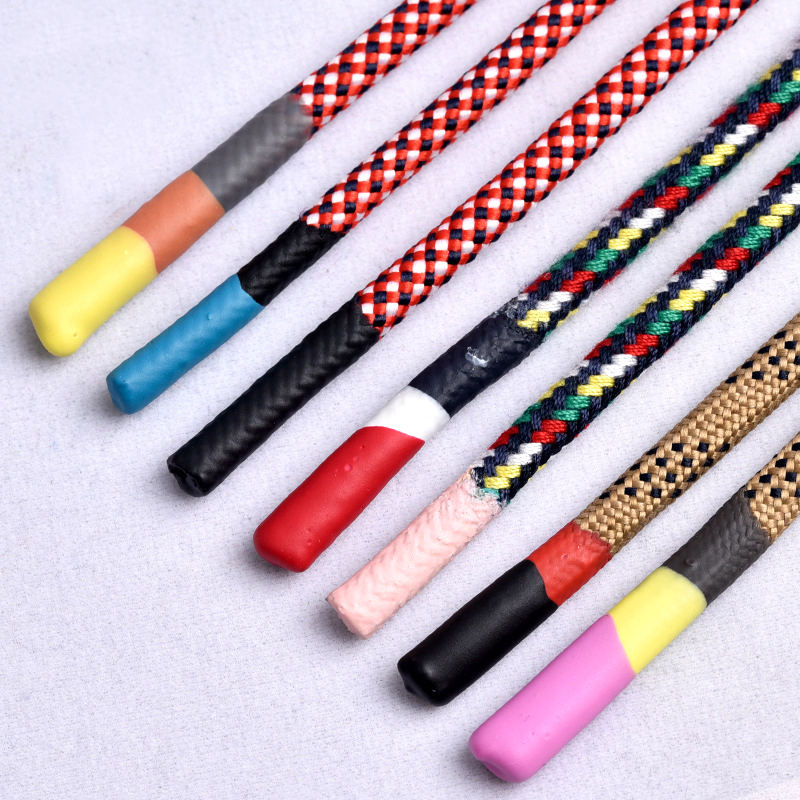
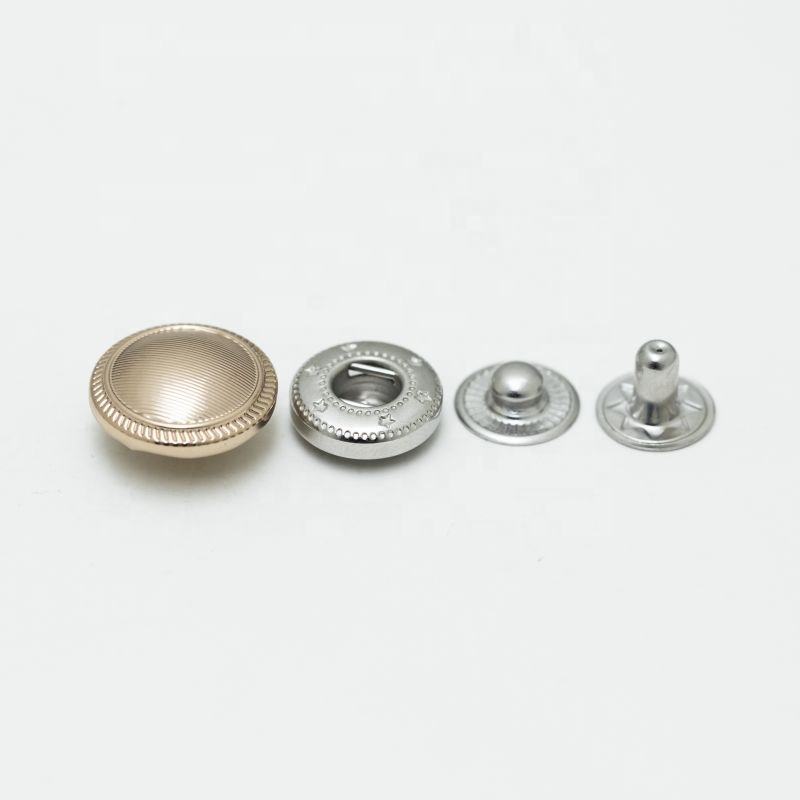
Snap Buttons
Coordinate snap finishes, cap styles, colors, and placement for varsity jackets, outerwear, and workwear-inspired pieces. Clear trim specifications help keep closures functional, visually consistent, and aligned with the collection design.
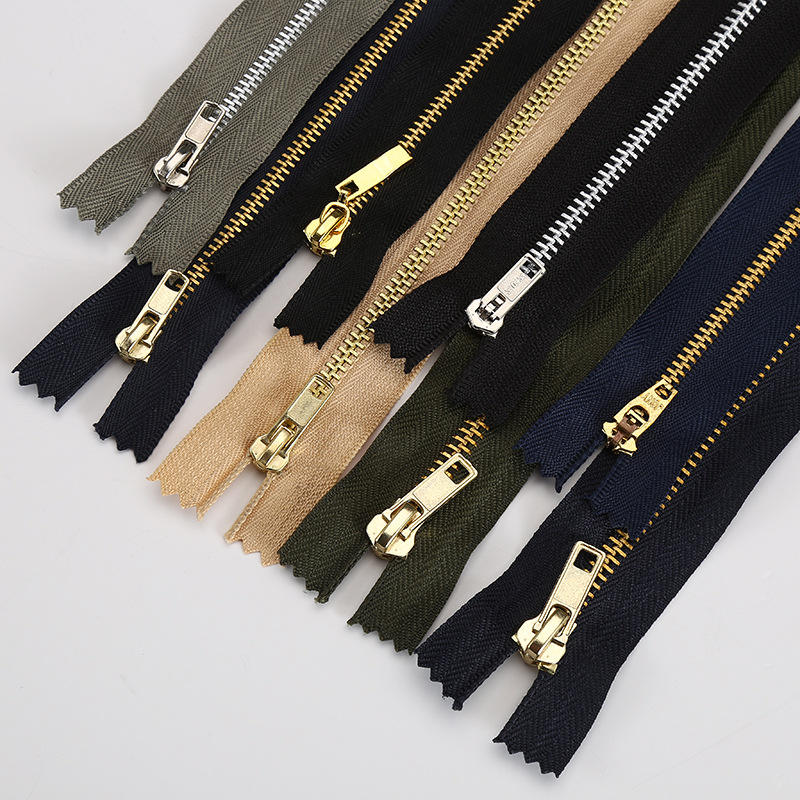
YKK Zippers
Specify zipper type, finish, puller, tape color, and length for jackets, hoodies, and outerwear. EDVORIN coordinates zipper selection with garment construction to support smooth operation and a considered final appearance.
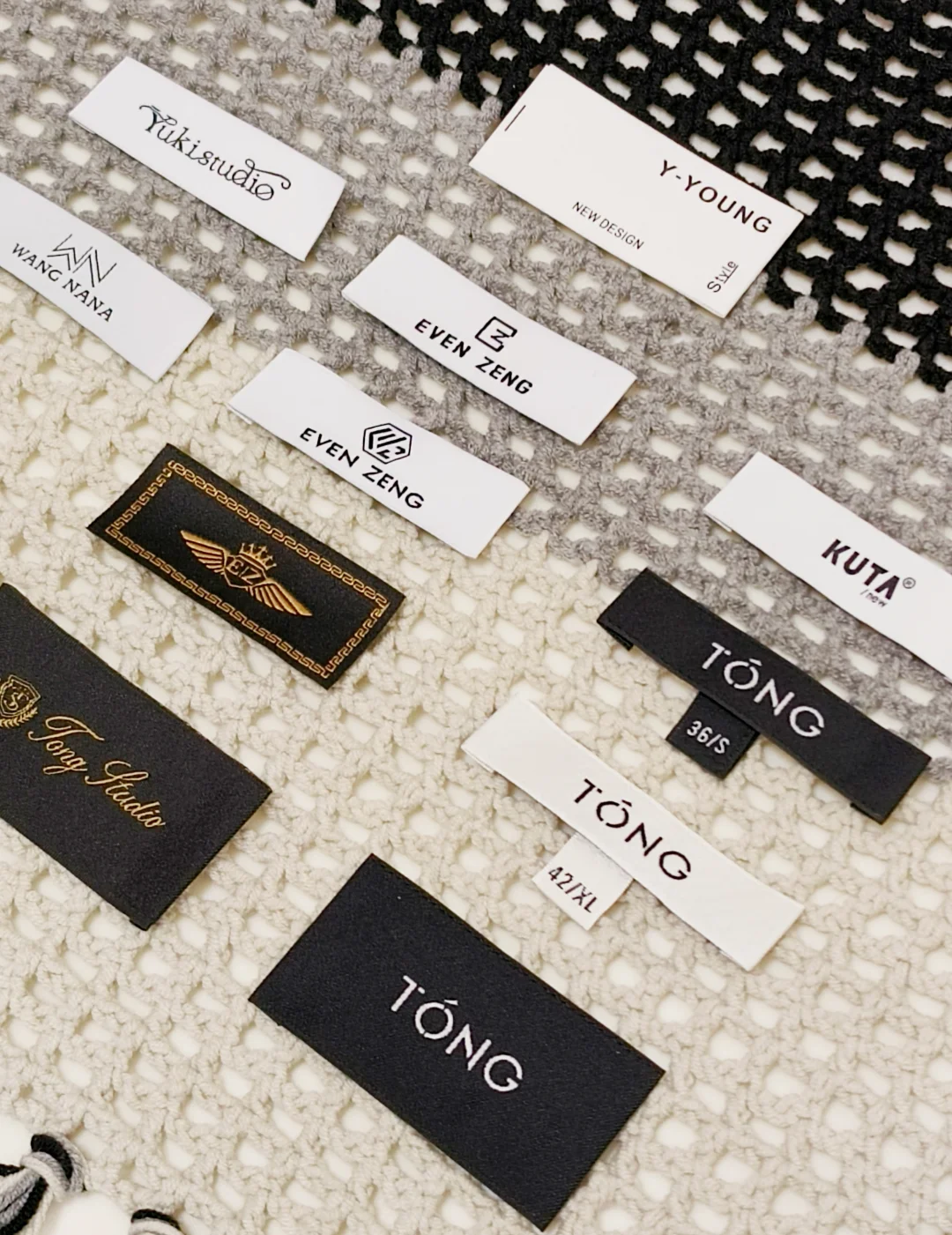
Woven Labels
Develop woven main labels, size labels, care labels, and side flags that carry your brand information clearly. Label placement and attachment methods are recorded to make repeat orders easier to manage.
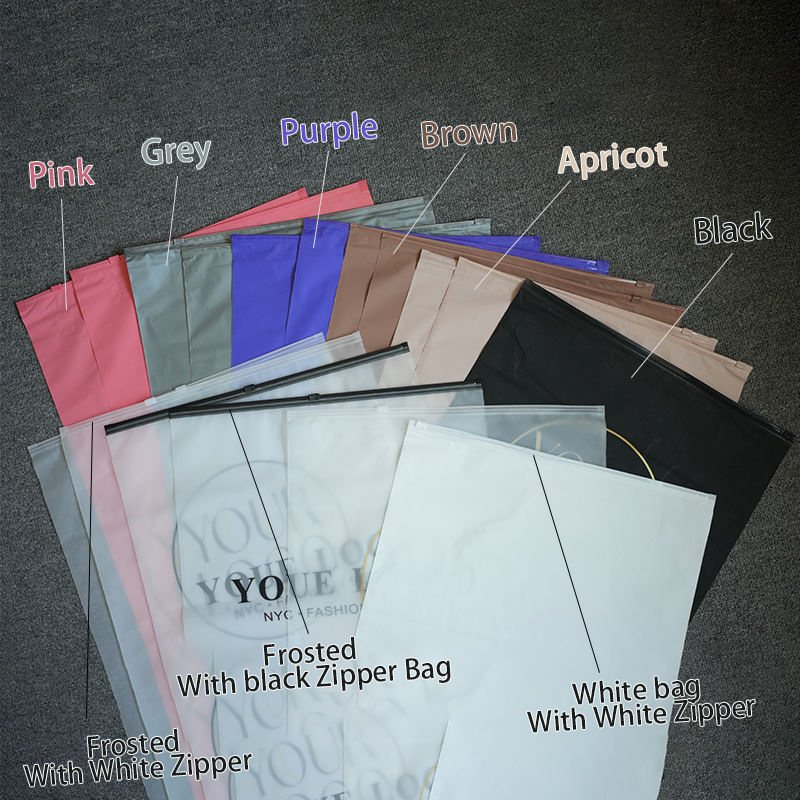
Branded Packaging
Coordinate hangtags, polybags, tissue, stickers, folding instructions, and carton marks for a finished private-label presentation. Packaging requirements are organized with the garment specification to help protect accuracy through final packing.
About EDVORIN
EDVORIN was founded in 2000 by Edvorin Zeng with a practical mission: help apparel ideas survive the transition from concept to production. As a small batch clothing manufacturer, we support fashion, streetwear, teamwear and private-label buyers with clear development standards that can be reviewed, approved and repeated.
Our connected workflow brings together fabric and trim sourcing, patterns, sampling, printing, embroidery, washing, bulk production, labeling, packaging and quality control. From hoodies and jerseys to outerwear and coordinated collections, men’s and women’s programs are developed around the intended fit, construction and performance requirements.
What makes EDVORIN different is the discipline after the sample is approved. We record the materials, measurements, artwork placement and finishing details that protect the approved standard in bulk production and future reorders. With MOQ starting at 200 pieces per style, buyers gain flexible manufacturing without losing production accountability.
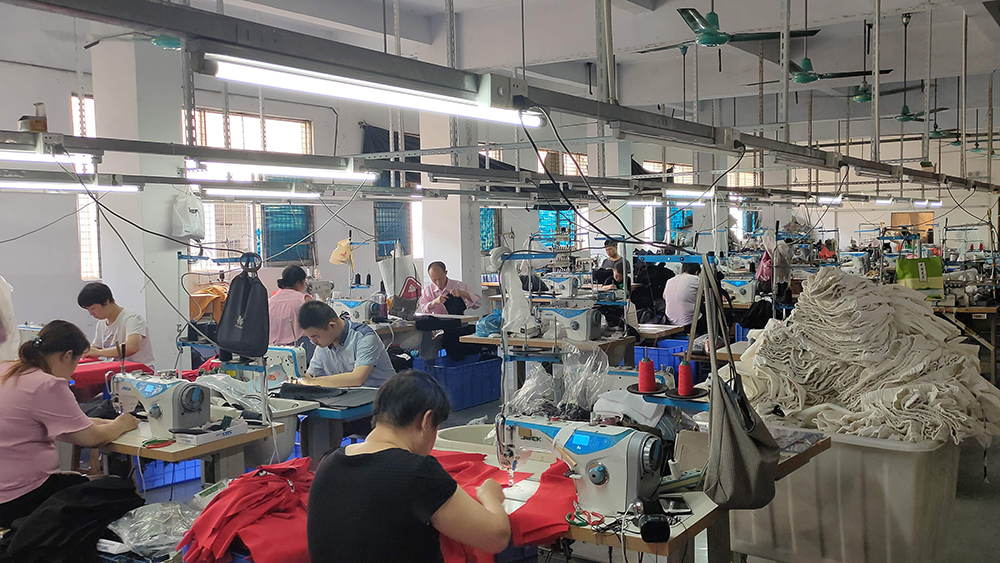
Capabilities That Protect Approved Standards
Technical Development That Holds
EDVORIN turns sketches, reference garments, or finished tech packs into clear production specifications. Patterns, measurements, fit comments, and construction details are aligned before bulk work begins, giving procurement teams an approval record that supports repeatable orders.
- Pattern, grading, and measurement-chart development
- Sample revisions documented against buyer feedback
- Men’s and women’s fit requirements developed by category
- Construction details clarified before production release
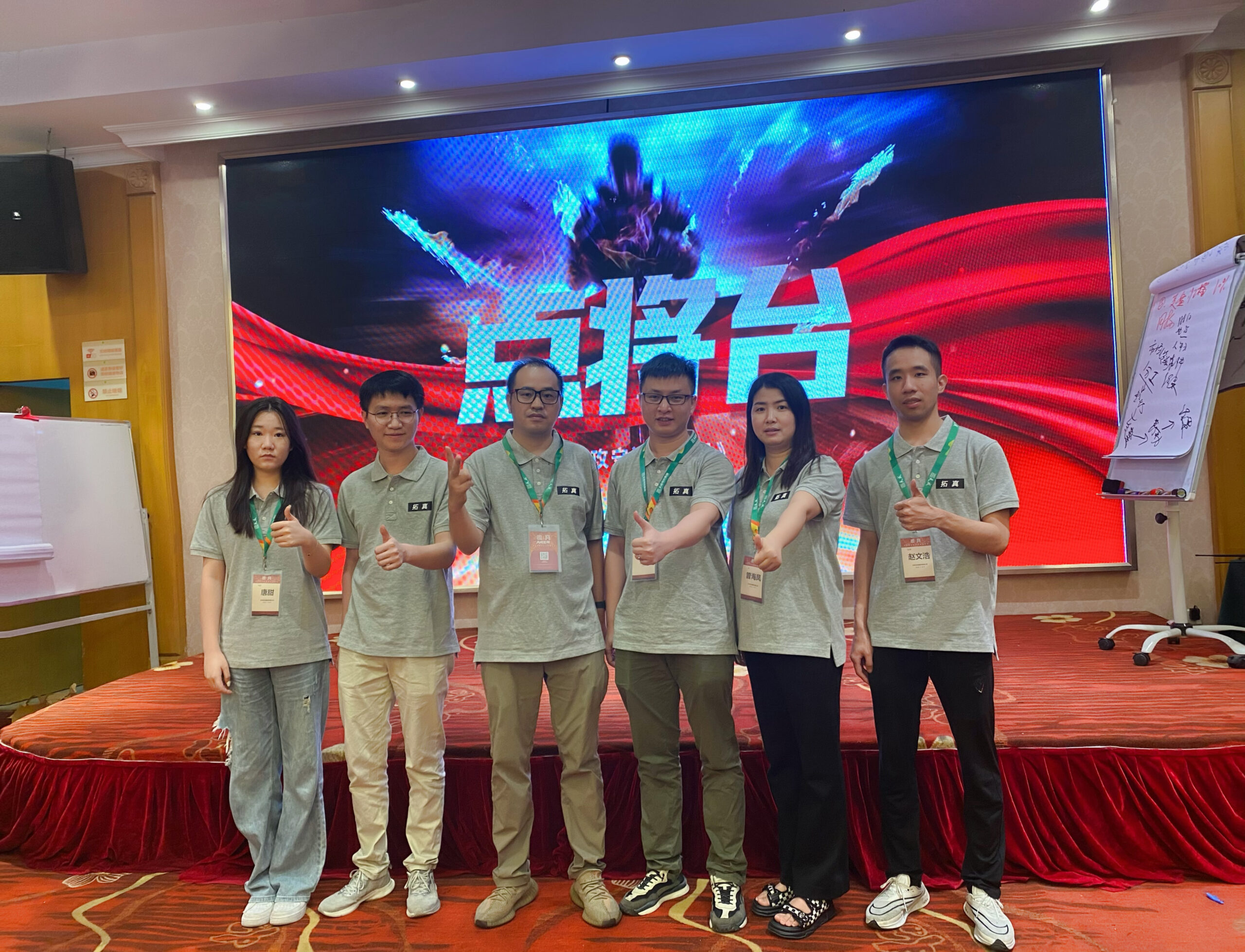
Sourcing Built Around Category
A hoodie, varsity jacket, jersey, and windbreaker do not share the same material priorities. EDVORIN coordinates fabrics, trims, linings, and performance requirements around the intended product, so sourcing decisions support the approved look, hand feel, function, and construction.
- Fabric weight and composition matched to the garment
- Ribs, hardware, linings, and labels specified together
- Teamwear performance and color requirements considered
- Streetwear washes and outerwear components coordinated
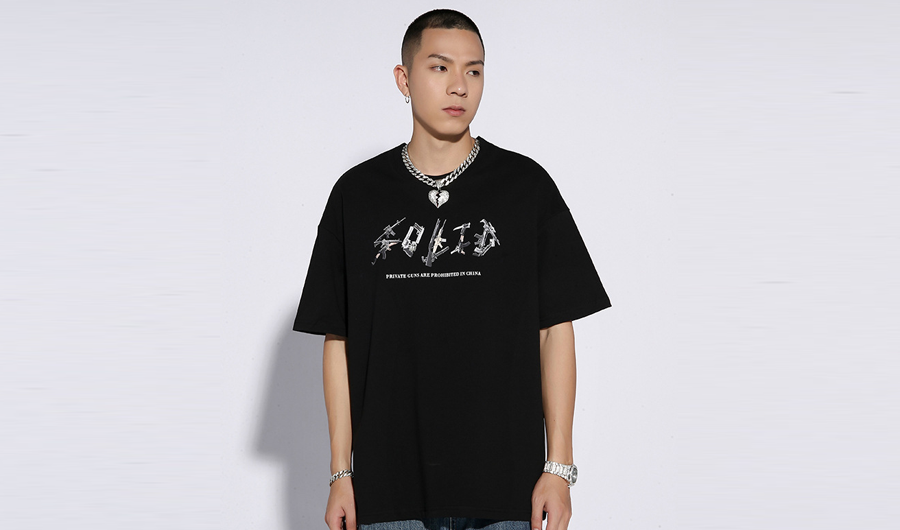
Decoration Managed With Construction
Printing, embroidery, patches, washing, and other finishes are considered alongside the base fabric and garment build. EDVORIN records artwork placement, decoration methods, and relevant production details so the finished small-batch order reflects the approved sample instead of relying on memory.
- Artwork placement measured from stable garment points
- Print and embroidery methods reviewed with fabric choice
- Patch, appliqué, and wash details coordinated early
- Labels and packaging integrated into the specification
Controls From Sample to Bulk
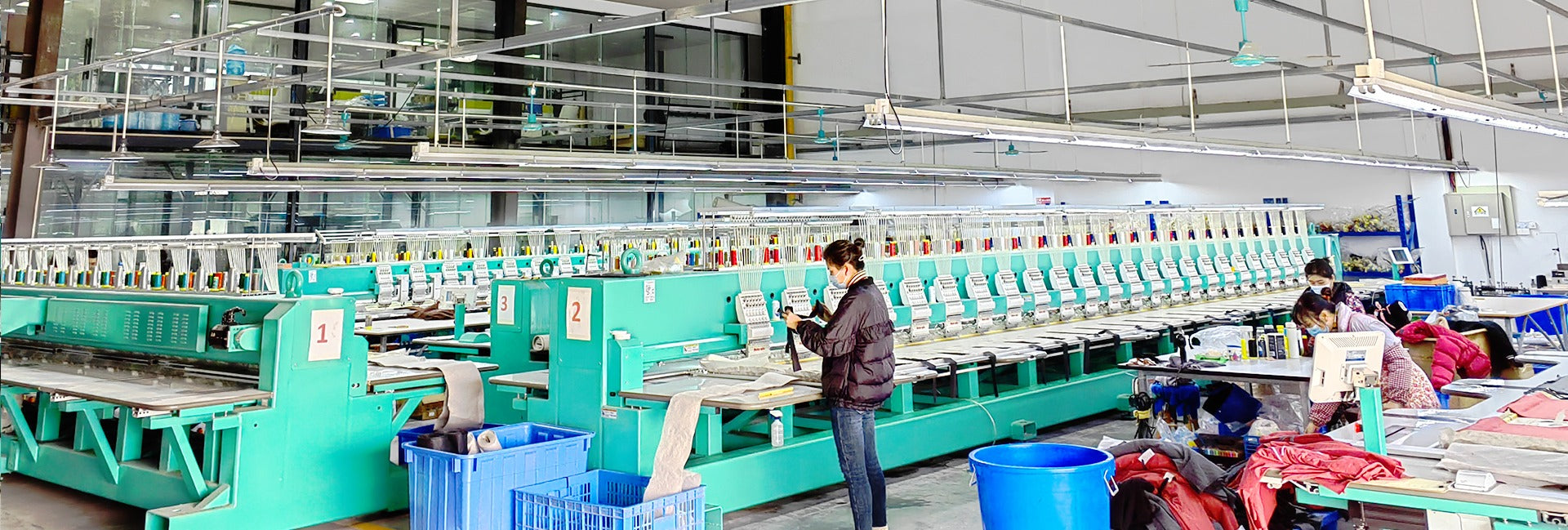
As a small batch clothing manufacturer with production support starting at 200 pieces per style, EDVORIN uses approved samples as working standards for bulk production. Material checks, in-line inspection, measurement review, and final checks create clear checkpoints before packing.
- Approved samples guide production-line expectations
- In-line checks identify variation during production
- Measurements and visual details reviewed before packing
- Bulk orders prepared for repeatable future programs
Why Choose EDVORIN as Your Small Batch Clothing Manufacturer
One accountable production path from development through packed order.
← Swipe left or right to view →
From Concept to Packed Order
A documented workflow that carries approved decisions through development, bulk production and shipment preparation.
Review Technical Requirements
We review tech packs, sketches or reference garments, then clarify fit, measurements, construction, materials, artwork and target quantities before development begins.
Source Materials and Trims
Fabric, ribs, linings, labels, hardware and packaging are coordinated against the intended product, performance needs, decoration method and approved visual direction.
Develop and Approve Samples
Patterns, grading and samples translate the specification into a physical standard. Revisions are recorded so the approved garment can guide bulk production.
Cut, Sew and Decorate
Production teams coordinate cutting, sewing, printing, embroidery, washing and finishing according to documented construction details, placement references and material specifications.
Inspect, Pack and Prepare
In-line inspections and final quality checks compare bulk goods with approved standards before labeling, packing and shipment preparation for your order.
How to Start Your Apparel Program
Move from an initial concept to an approved production standard with one accountable workflow.
Share Your Concept
Send a tech pack, sketch, or reference garment with target quantities, fit notes, fabrics, colors, decoration, and delivery needs so we can assess development requirements.
Review Your Development Plan
EDVORIN’s MOQ starts at 200 pieces per style. Review proposed specifications, pricing, MOQ, materials, trims, and the development plan. We create a sample for evaluating fit, construction, and decoration.
Approve the Standard
Confirm sample revisions, measurements, artwork placement, colors, trims, labels, and packaging. Your approval becomes the documented standard used to guide consistent bulk production.
Move Into Bulk Production
Move forward with bulk production after approval. EDVORIN coordinates materials, cutting, sewing, decoration, inspections, labeling, and packing against the approved production standard.
Certified Standards for Responsible Apparel Production



Buyer Testimonials
Approved customer testimonial and substantiated order outcome to be added after written buyer approval. This space is reserved for a verified account of development, production, and repeat-order results.
Approved customer testimonial and substantiated order outcome to be added after written buyer approval. This space is reserved for a verified account of fit development, decoration control, and bulk-production performance.
Approved customer testimonial and substantiated order outcome to be added after written buyer approval. This space is reserved for a verified account of teamwear or private-label production and reorder consistency.
Small Batch Clothing Manufacturer FAQ
Clear answers for brands planning a 200-piece-per-style apparel program with EDVORIN.
What is EDVORIN’s minimum order quantity?
Can EDVORIN make samples before bulk production?
How long does small-batch clothing manufacturing take?
What affects the price of a 200-piece apparel order?
Can EDVORIN work from a sketch or incomplete clothing idea?
What should I send EDVORIN for an accurate quote?
How are quality standards controlled from sample to bulk order?
Can EDVORIN handle shipping, labels and private-label packaging?
The Complete Guide to Small-Batch Clothing Manufacturing
Use this practical framework to compare supplier models, materials, customization, quality controls, and costs—so you can select the right production partner, prepare a stronger brief, and avoid expensive small-run sourcing mistakes.
1. What Is a Small Batch Clothing Manufacturer?
200 pieces is EDVORIN’s stated MOQ for a small-batch production order, not necessarily 200 pieces of every size. A practical order allocates that total across an agreed style, colorway, and size curve; a separate development sample is used to approve fit, fabric, construction, and artwork before bulk cutting.
1 custom cut-and-sew run differs from a high-volume factory program because the pattern, materials, trims, and production standard are built around the buyer’s specification. It also differs from decorating stock blanks, print-on-demand fulfillment, and made-to-order production, where garment construction, inventory ownership, or unit-by-unit fulfillment follows a different model.
2 benefits make smaller runs useful: they let a brand test sell-through and refine a repeat order before committing to deeper inventory. Per-unit cost is usually higher because pattern work, sampling, setup, and material minimums are spread across fewer garments, so this model fits validation launches, capsules, teams, and controlled private-label programs.
2. How Small Batch Clothing Manufacturing Evolved
EDVORIN’s MOQ starts at 200 pieces per style. Before digital product development, local garment workshops relied on paper patterns, physical markers and manual cut-and-sew coordination; changes often required another sample and updated instructions. That traditional workflow suited established repeat programs but made small runs comparatively labor-intensive.
Since the 2000s, digital pattern files, shared measurement charts and photographed sample comments have shortened the handoff between concept, fit review and production. These tools made niche private-label launches and demand-led capsules more practical by letting buyers test a silhouette, colorway or decoration before expanding an order; this model is widely associated with reduced unsold-inventory exposure. https://gabeclothing.ca/blogs/building-a-clothing-brand/small-batch-clothing-manufacturing
Today, a 200-piece MOQ can support a focused launch when each approved detail is recorded: fabric specification, size grading, Pantone reference, artwork placement, labels and packing method. Emerging labels gain faster learning cycles, while established buyers expect the same customization and traceability to support replenishments and accountable repeat production.
3. Types of Small Batch Clothing Manufacturer
EDVORIN’s MOQ starts at 200 pieces per style. A small batch clothing manufacturer may manage the whole product or only one production stage. Select the model by the assets your team can control, not by MOQ alone.
| Model | Supplies Inputs | Buyer Involvement | Best Fit And Limitation |
|---|---|---|---|
| Full-package cut-and-sew | Buyer design; factory patterns, fabrics, trims, packaging | Moderate approvals | Fashion labels; less direct sourcing control |
| CMT contractor | Buyer designs, patterns, fabrics, trims, packaging | High | Experienced wholesalers; buyer manages every input |
| Private-label manufacturer | Factory base styles; buyer branding and selected options | Low | Fast branded basics; limited originality |
| Blank-garment decorator | Blank supplier; buyer artwork and packaging direction | Low | Events and merch; fit and fabric are predetermined |
| Performance or uniform specialist | Shared specifications; specialist materials and trims | Moderate | Teams and schools; narrower product scope |
Full-Package And CMT
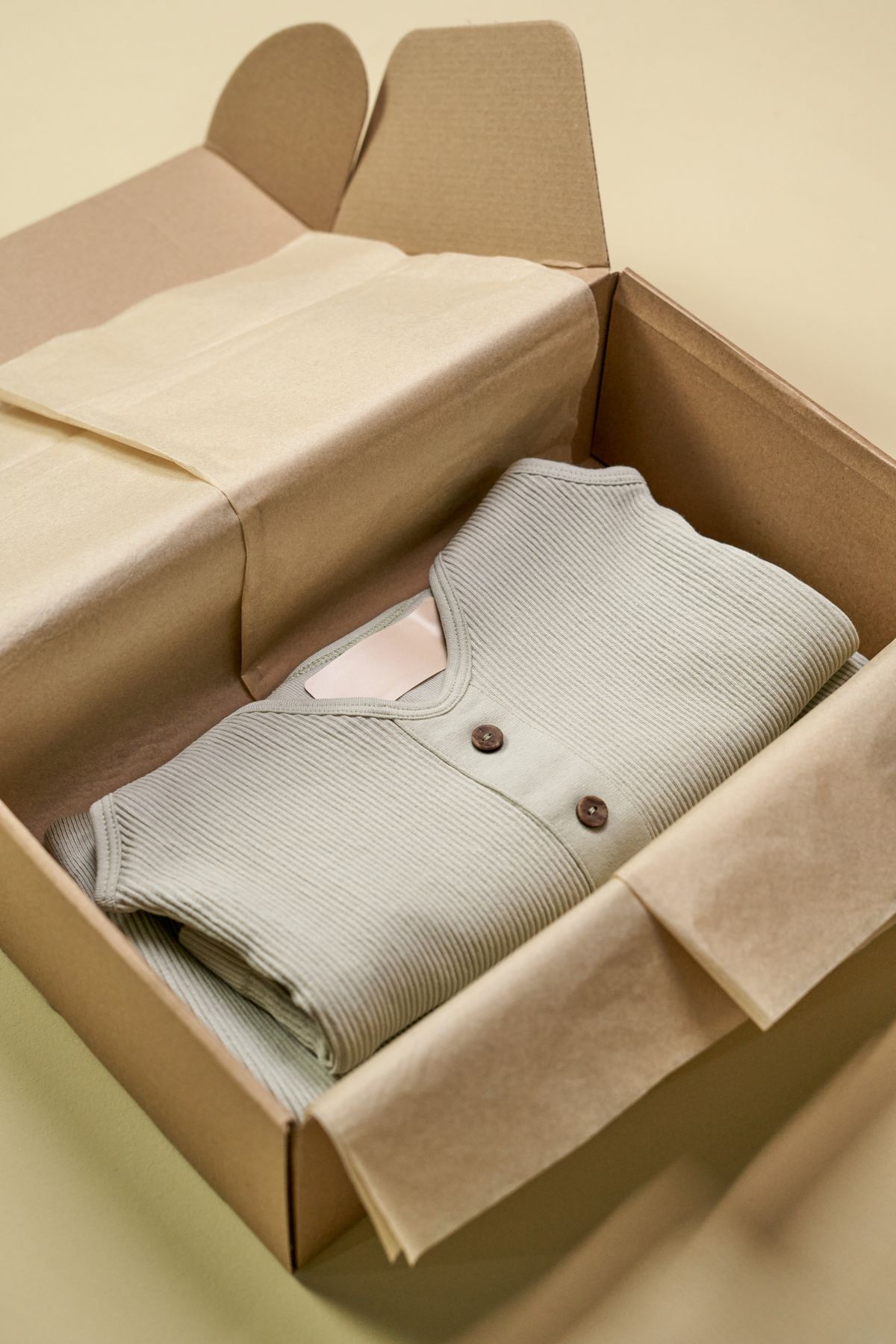
Full-package factories coordinate development through packing, reducing handoffs for new labels. CMT contractors cut, make, and trim buyer-supplied inputs, giving experienced sourcing teams tighter control.
Ready-Made Or Custom
Private-label and blank-decoration programs shorten development when speed matters. They limit silhouette and material control, so they suit tested graphics or straightforward merchandise better than signature garments.
Match The End User
Performance and uniform specialists suit repeat team orders requiring coordinated sizing, numbers, and functional materials. EDVORIN can translate either a complete tech pack or a reference concept into an accountable production standard.
4. Fabrics From a Small Batch Clothing Manufacturer
180–220 GSM jersey feels lighter and prints cleanly; 300–460 GSM fleece adds warmth, structure, and higher freight weight. A small batch clothing manufacturer should lock fiber content, GSM, Pantone reference, shrinkage allowance, and stretch before sampling.
| Fabric | Typical GSM | Strengths | Cautions | Best Garments |
|---|---|---|---|---|
| Cotton | 160–240 | Breathable, soft | Can shrink | T-shirts |
| Organic cotton | 160–300 | Natural handfeel | Higher sourcing cost | Premium tees |
| Polyester | 140–220 | Colorfast, quick-dry | Lower breathability | Jerseys |
| Cotton-poly blend | 280–360 | Stable, durable | Fiber ratio affects print | Hoodies |
| Fleece | 300–460 | Warm, structured | Bulkier freight | Sweats |
| Jersey | 160–220 | Drape, comfort | May twist | Tees |
| Pique | 180–260 | Textured, breathable | Snag risk | Polos |
| Performance knit | 140–200 | Stretch, moisture control | Test decoration | Teamwear |
Specify Before Sampling
3–5% shrinkage after wash can change a fitted tee or graded uniform. Approve a washed fabric swatch, color lot, handfeel, and recovery target before cutting.
Match Fabric To Use
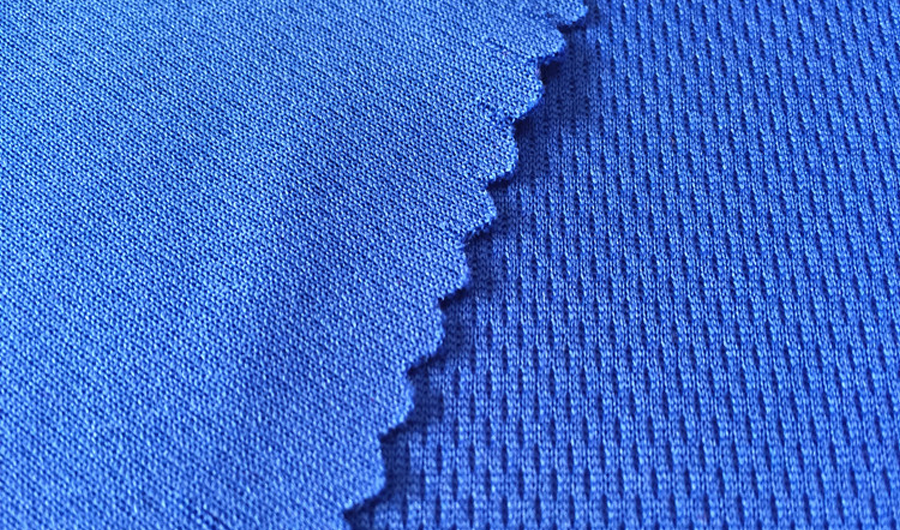
100% cotton favors breathable casualwear; ring-spun yarn is smoother than open-end for print detail. Polyester and performance knits dry faster, but require compatible inks and heat settings.
5. Customization and Decoration Options
At EDVORIN, decoration should be specified before sampling because fabric, artwork, and placement determine the production route. A 200-piece program can mix identity trims with scalable graphic methods.
| Method | Best Use | Hand Feel | Setup |
|---|---|---|---|
| Screen print | Bold cotton graphics | Soft to medium | Screens per color |
| DTG or DTF | Detailed multicolor art | DTG soft; DTF film | Low artwork setup |
| Embroidery | Logos and patches | Raised | Digitizing required |
| Heat transfer | Names and numbers | Film-like | Low setup |
| Sublimation | Polyester jerseys | No surface layer | Artwork-ready |
Match Method To Artwork
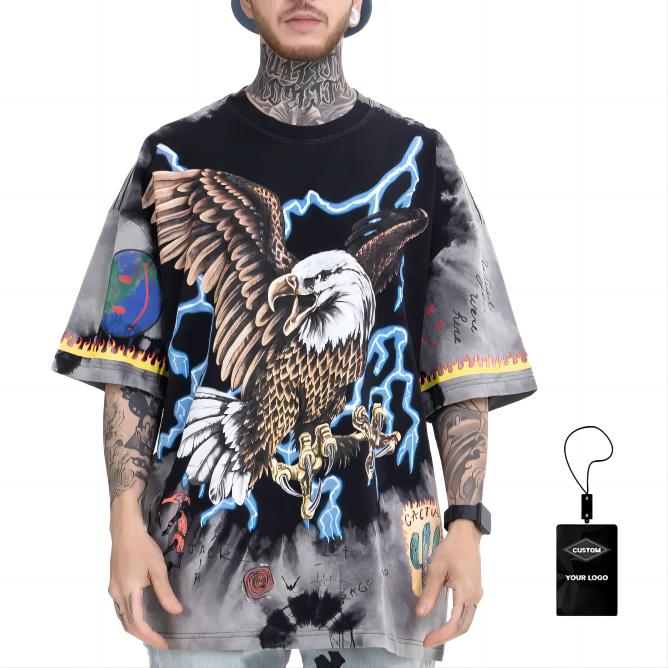
Screen printing suits bold spot-color graphics; DTG or DTF handles detailed, multicolor artwork. Embroidery adds dimension on caps, polos, fleece, and jackets, while heat transfer suits names and numbers.
Specify Identity Components
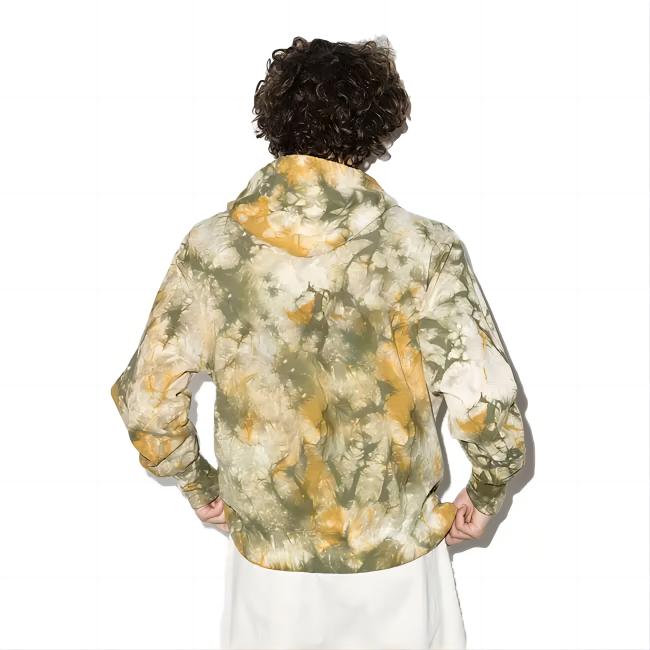
Woven labels, printed neck labels, patches, hangtags, and custom packaging need artwork, dimensions, fold type, attachment point, and color references. Pantone references reduce avoidable variation across repeat orders.
Choose For Fabric And Positioning
Sublimation performs best on polyester-rich teamwear; garment dyeing changes shade and requires approval on the actual fabric. Premium positioning may justify embroidery or patches, while budget-led graphics favor efficient print placement.
6. Construction Quality Checks That Matter
A dependable garment is controlled before cutting, not merely inspected at packing. Ask a small batch clothing manufacturer to translate the approved sample into measurable construction and defect standards.
Approve Pattern And Grade

One base-size sample should match the approved pattern, balance, and intended fit. Review grade rules across the full size range; neckline, rise, sleeve length, and pocket placement often reveal poor scaling.
Check Seams And Materials
Fabric inspection should precede cutting, with shrinkage testing after the specified wash or finish. Compare color to the approved Pantone reference under consistent lighting, then inspect seam type, stitch density, skipped stitches, puckering, and bartack reinforcement.
Set Measurable QC
A pre-production sample should record measurement points and tolerances, commonly ±1 cm for key garment dimensions unless the specification requires tighter control. Define defect handling before bulk: isolate, repair only when approved, re-inspect, and reject unrecoverable pieces.
7. How to Choose a Small Batch Clothing Manufacturer
EDVORIN’s MOQ starts at 200 pieces per style. A capable small batch clothing manufacturer should fit the product, order size, and next production stage. Evaluate documented controls before comparing the lowest quote.
| Check | Request | Decision Signal |
|---|---|---|
| MOQ and capacity | Style-color breakdown | Fits launch and repeat orders |
| Communication | Revision schedule | Clear owner and response path |
| Lead time | Sample and bulk dates | Dependencies stated upfront |
Match Product Capability
200-piece programs need category-specific proof: inspect comparable hoodies, jerseys, or outerwear samples. Confirm sourcing options, decoration capability, fit development, and grading for the intended market.
Test The Production Process
1 approved sample should become the measurable bulk standard, including fabric, trims, artwork placement, and packaging. Ask how in-line and final inspections are recorded, and request applicable OEKO-TEX, GOTS, WRAP, or BSCI documentation where required.
Send A Complete Brief
2 clear inputs reduce quoting delays: send a tech pack, reference images, quantities by color and size, target price, delivery timeline, and sample expectations. Confirm payment milestones, shipping support, capacity after launch, and written lead-time assumptions.
8. Common Small-Batch Buying Mistakes
EDVORIN’s MOQ starts at 200 pieces per style. A 200-piece MOQ is a production threshold, not a complete landed-cost forecast. Before issuing a purchase order, buyers should convert every approval and delivery assumption into written production inputs.
Cost Beyond MOQ
A 200-piece order can carry fixed sampling, pattern, freight, duty, and packaging costs that distort unit economics. Build a landed-cost sheet and development budget before approving quantities.
Specifications And Testing
One incomplete tech pack can create incorrect measurements, artwork placement, trims, or construction in bulk. Submit graded measurements, Pantone references, placement dimensions, and a written quality standard.
Two wear tests—washing and active use—can expose shrinkage, pilling, seam failure, or print issues before bulk approval. Approve only after revisions are recorded against the sample.
Materials, Sizes, And Delivery
A late fabric substitution can change hand feel, color, shrinkage, and production timing. Confirm stock availability, reserve materials, and lock the size breakdown before the purchase order.
One missing freight or duty estimate can erase margin after goods ship. Confirm Incoterms, destination charges, delivery window, and final inspection requirements in writing.
9. Launching With a Small Batch Clothing Manufacturer
One approved product brief converts customer feedback into a buildable launch plan. Use a small batch clothing manufacturer after demand, target retail price, quantities, and delivery window are defined.
Validate The First Assortment
Two to three core SKUs keep a capsule drop easier to test and replenish. Compare preorder interest, past sales, and size demand before committing colors.
One team or school order needs roster deadlines, number ranges, and replacement-piece planning. Private-label programs need the intended channel, margin target, and branding scope.
Document And Compare
EDVORIN’s MOQ starts at 200 pieces per style. Six specifications belong in the tech pack: measurements, fabric, color, construction, decoration, and trims. Record Pantone references, artwork placement, label copy, packaging, and graded size charts.
Three supplier quotes should use the same quantities and specification sheet. Compare sample fees, material assumptions, MOQ, lead time, inspection scope, and freight terms.
Approve Before Bulk
One signed pre-production sample should lock fit, fabric hand, shade, print or embroidery, measurements, and packing. Log revisions by date so production follows the latest approved standard.
200 pieces can require staged monitoring, final QC, and freight booking before the required arrival date. Track launch returns, sell-through, and missing sizes to define the reorder.
10. Small Batch Clothing Manufacturer Pricing and Costs
200 pieces is a useful planning point, but unit cost typically falls as fixed development, cutting, and setup work is spread across more garments. Complex jackets, multi-panel color blocking, specialty fabric, YKK hardware, and multiple decoration locations raise labor and material cost.
1 approved sample does not eliminate development expense: pattern work, grading, sample revisions, print screens or embroidery digitizing can remain separate charges. Labels, hangtags, folding, polybags, testing, freight, duties, and revision-driven rework should be identified before approval.
8 quote fields make comparisons meaningful: style, quantity by color and size, fabric specification, trims, decoration, labels, packing, development charges, and delivery terms. Send the same tech pack, Pantone references, measurement chart, artwork files, destination, and target delivery date to every supplier.
| Illustrative order tier | Unit-cost direction | Setup-cost exposure | Lead-time consideration |
|---|---|---|---|
| 200–299 pieces | Highest | High per unit | Allow sampling and approvals |
| 300–499 pieces | Moderate | Shared across more units | Confirm material availability |
| 500+ pieces | Lower | Lower per unit | Book production and freight early |
Start Your Small-Batch Apparel Program
EDVORIN’s MOQ starts at 200 pieces per style. Send your tech pack, reference garment, or collection brief to discuss a 200-piece MOQ and receive a production-focused quote.