
Custom Clothing Manufacturer for OEM, Private Label & Teamwear
EDVORIN is a bulk clothing manufacturer with 200-piece starting MOQs, guiding B2B apparel programs from development and sampling through controlled production.
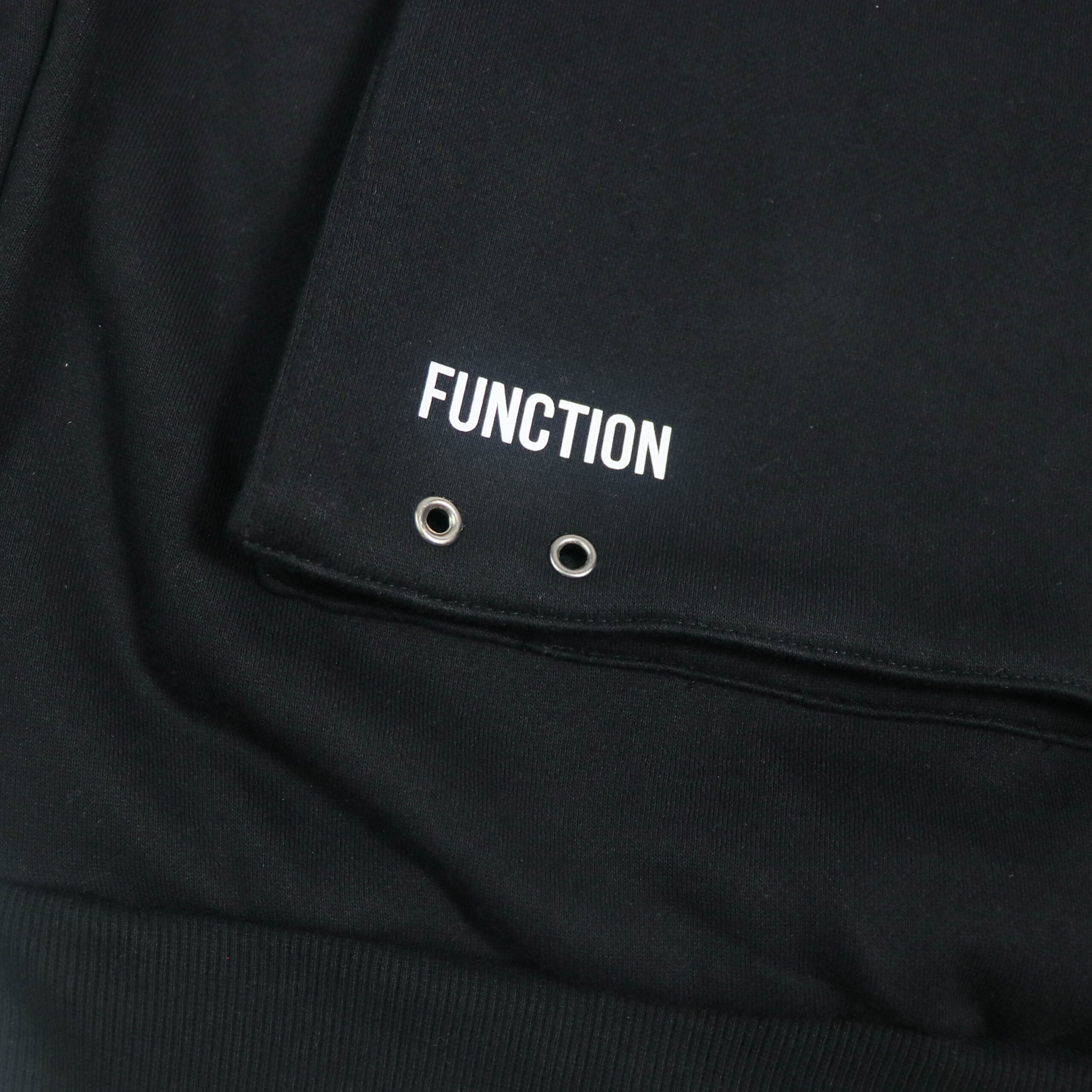
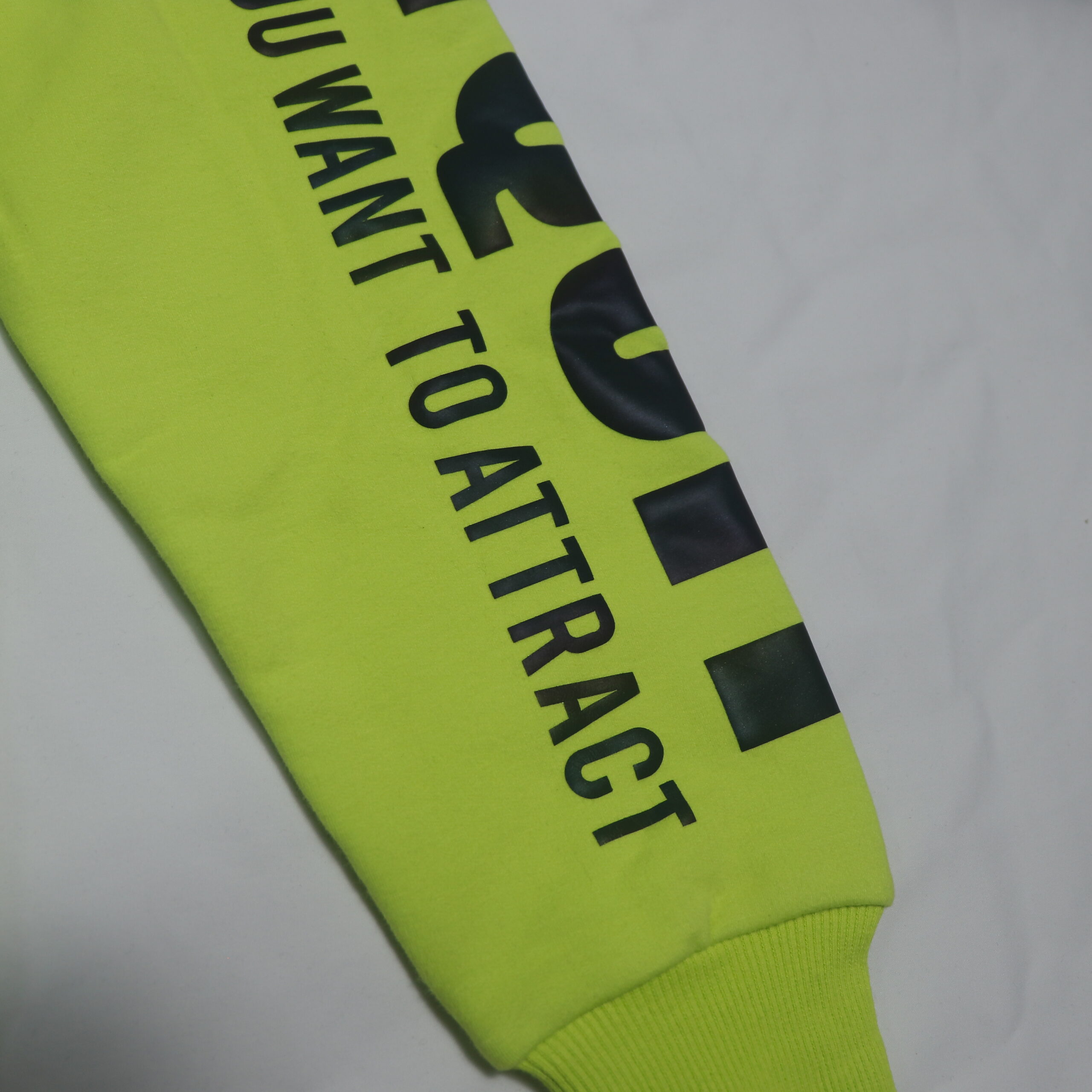
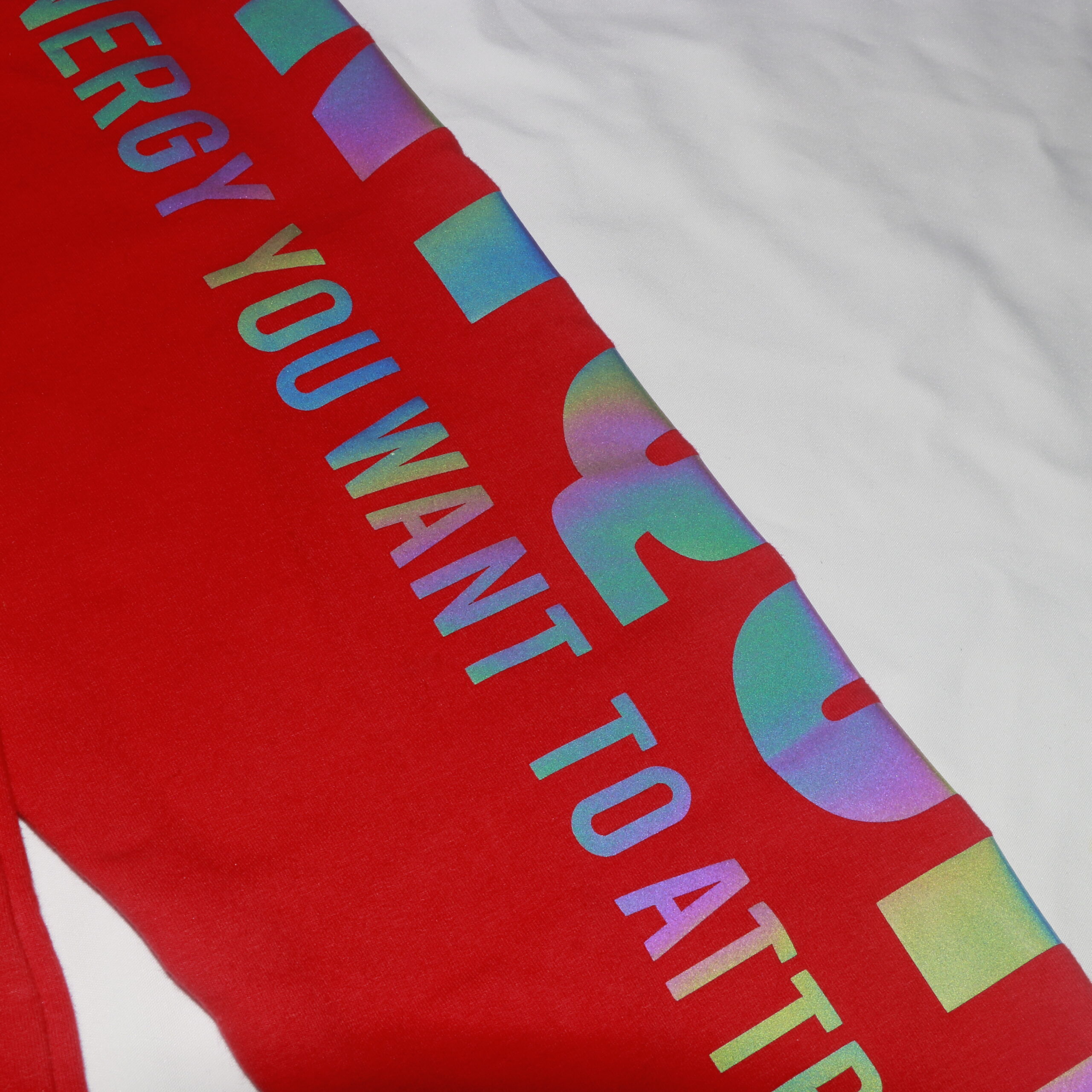
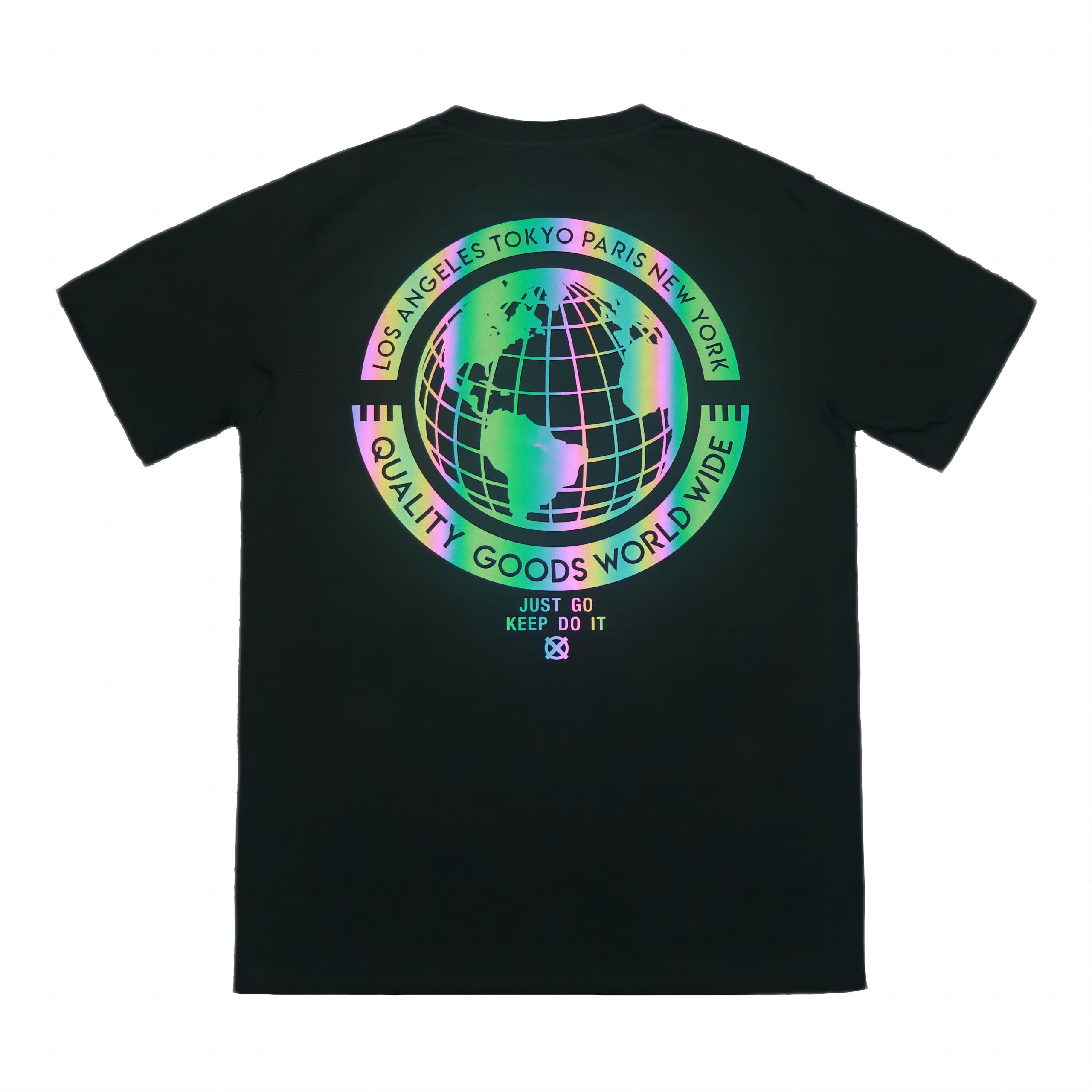
Featured Apparel Development Examples
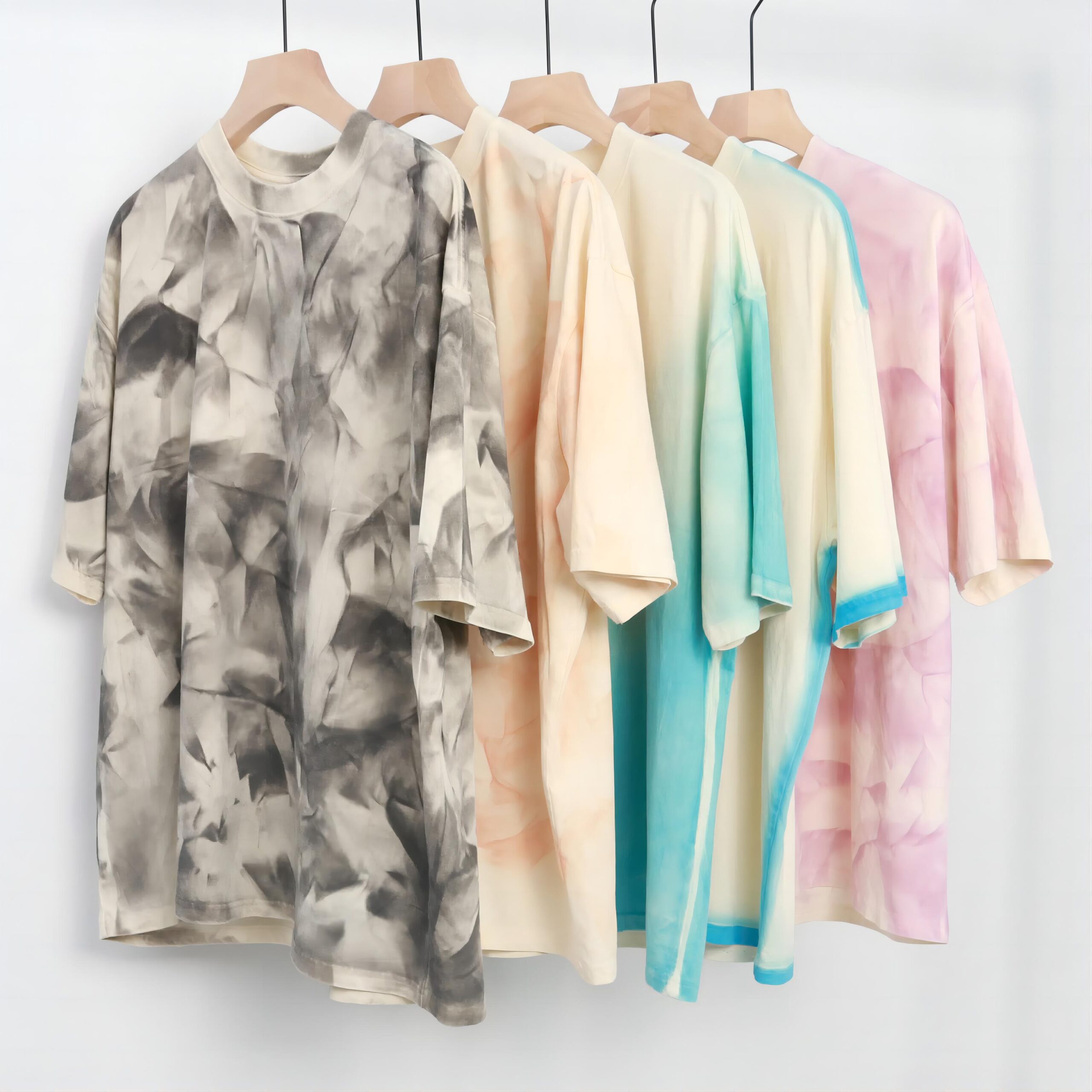
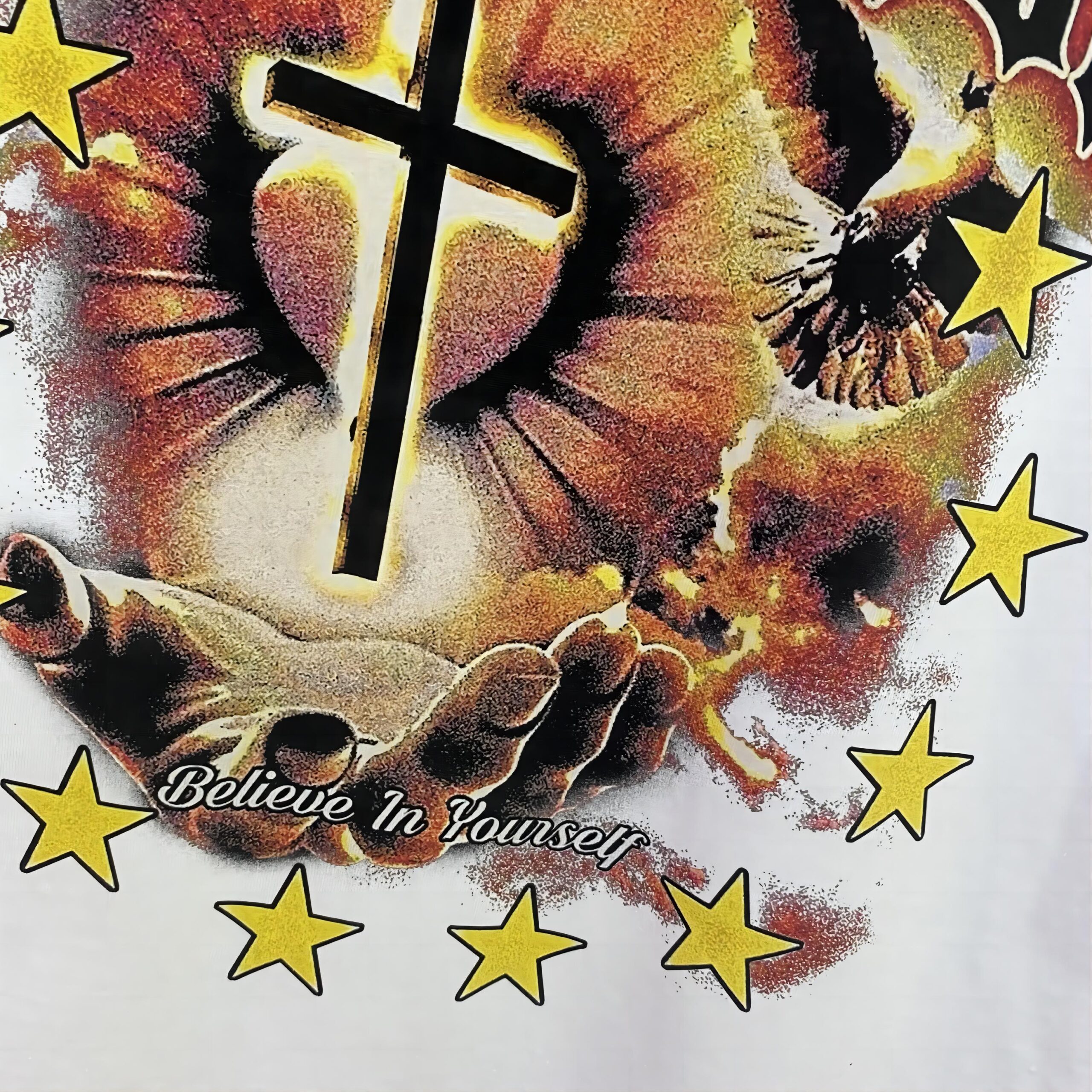



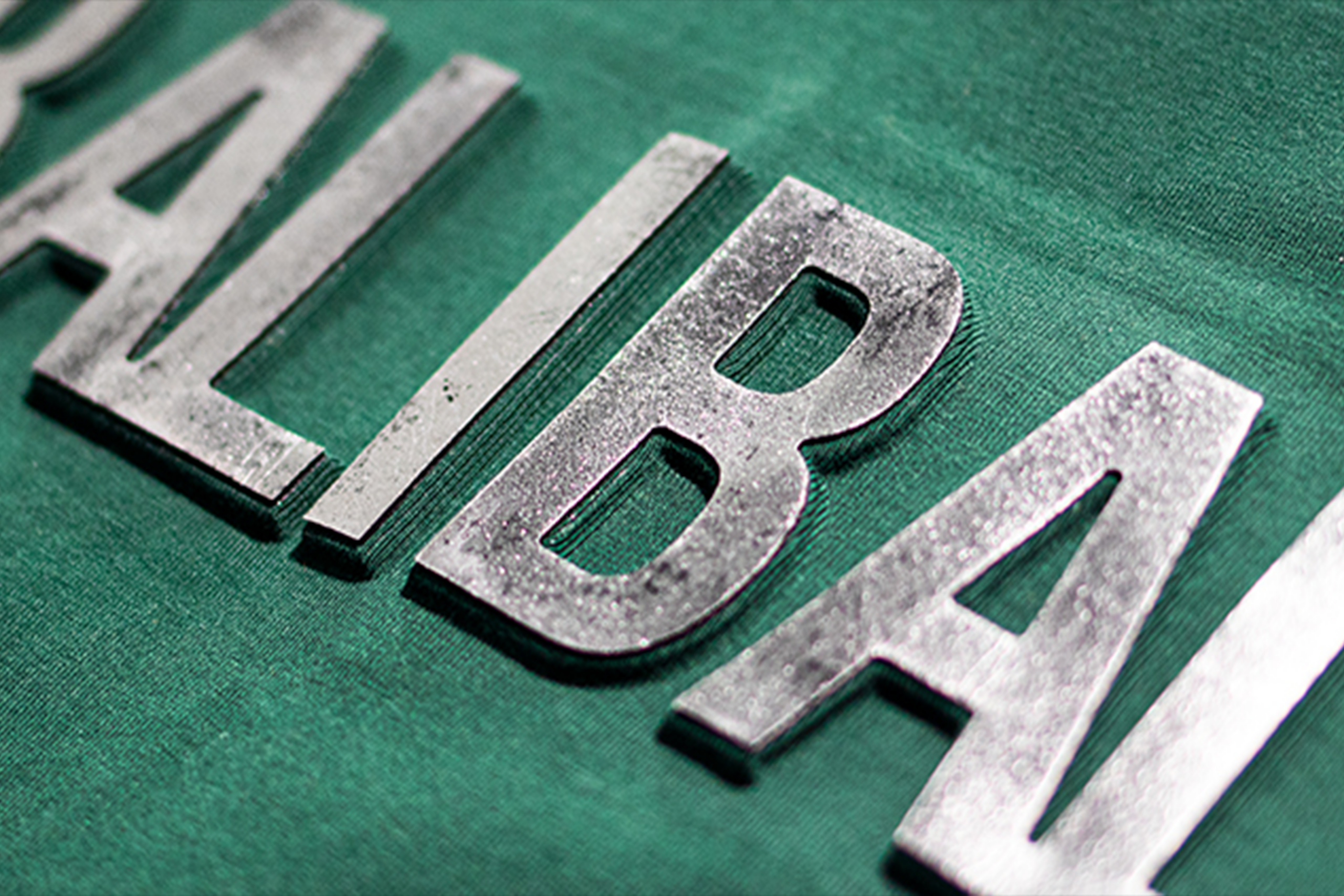
A Manufacturing Partner Built to Repeat
Production discipline that carries your approved concept from development through consistent bulk delivery.
Founder-Led Since 2000
Work with a manufacturing partner built from garment construction knowledge, direct accountability, and long-term production responsibility.
Flexible OEM and ODM
Bring a complete tech pack or an early concept; EDVORIN helps clarify specifications for production-ready private-label apparel.
Category-Specific Development
Develop casualwear, streetwear, outerwear, and teamwear around the materials, construction, fit, decoration, and performance each category requires.
Approved Standards, Controlled
Samples, measurements, artwork placement, trims, and finishing details become visible standards for in-line checks and final inspection.
Men’s and Women’s Programs
Adapt fit blocks, grading, proportions, materials, and styling details to the intended wearer across every listed product category.
Low MOQ Clothing Manufacturer Support
Start at 200 pieces per style while building repeatable collections for emerging labels, wholesale programs, and established buyers.
Bulk Apparel Built for Repeat Production
From single styles to coordinated collections, EDVORIN develops category-specific specifications that carry approved samples into controlled bulk production.
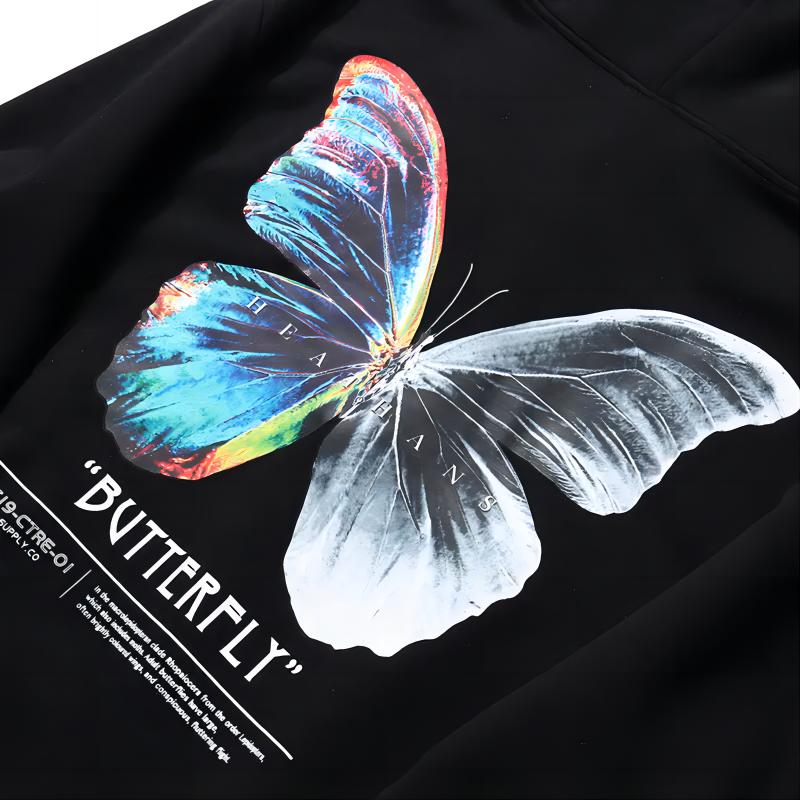
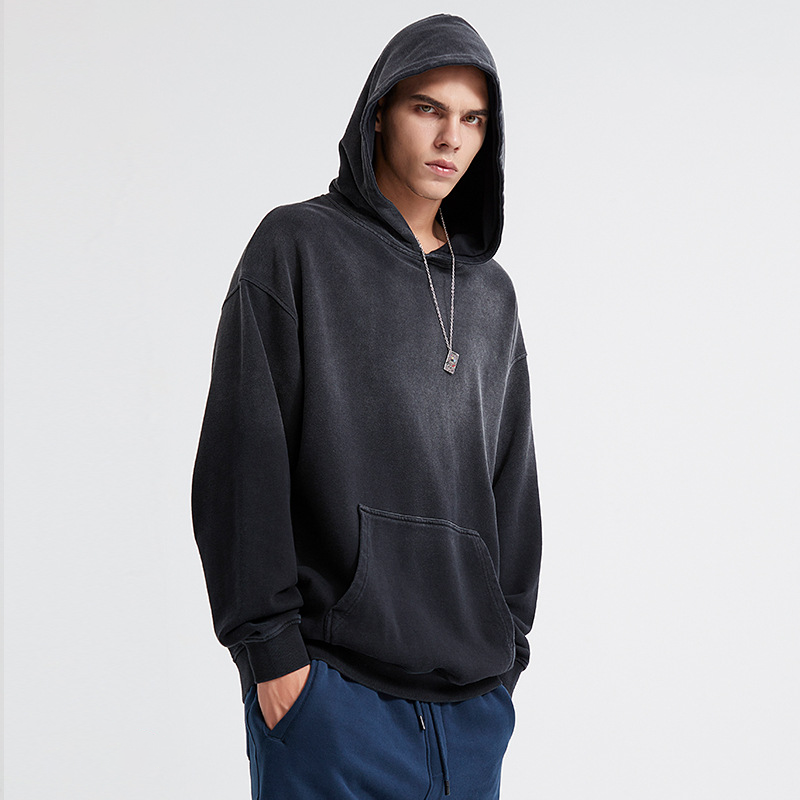
Custom Hoodies
As a custom hoodie manufacturer, EDVORIN develops fleece weight, fit blocks, rib construction, hoods, drawcords, pockets, labels and decoration placement into a documented standard for men’s and women’s bulk programs.
Get a Quote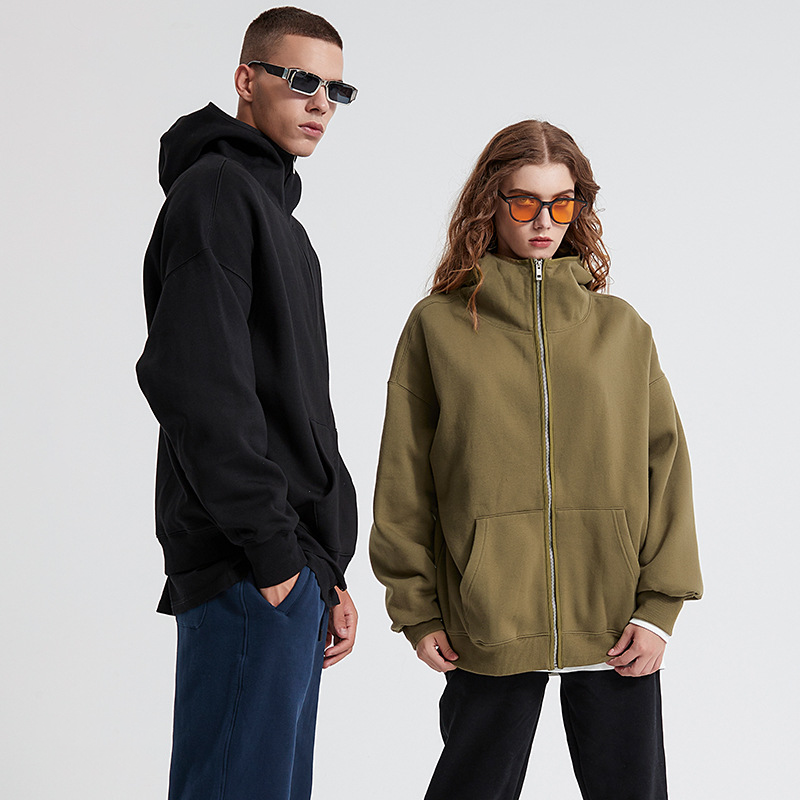
Pullover Sweatshirts
Our sweatshirt manufacturer process covers pullover silhouettes, brushed or unbrushed fleece, neckline and rib recovery, wash effects, embroidery and printing. Samples establish the approved hand feel, measurements and finish before production begins.
Get a Quote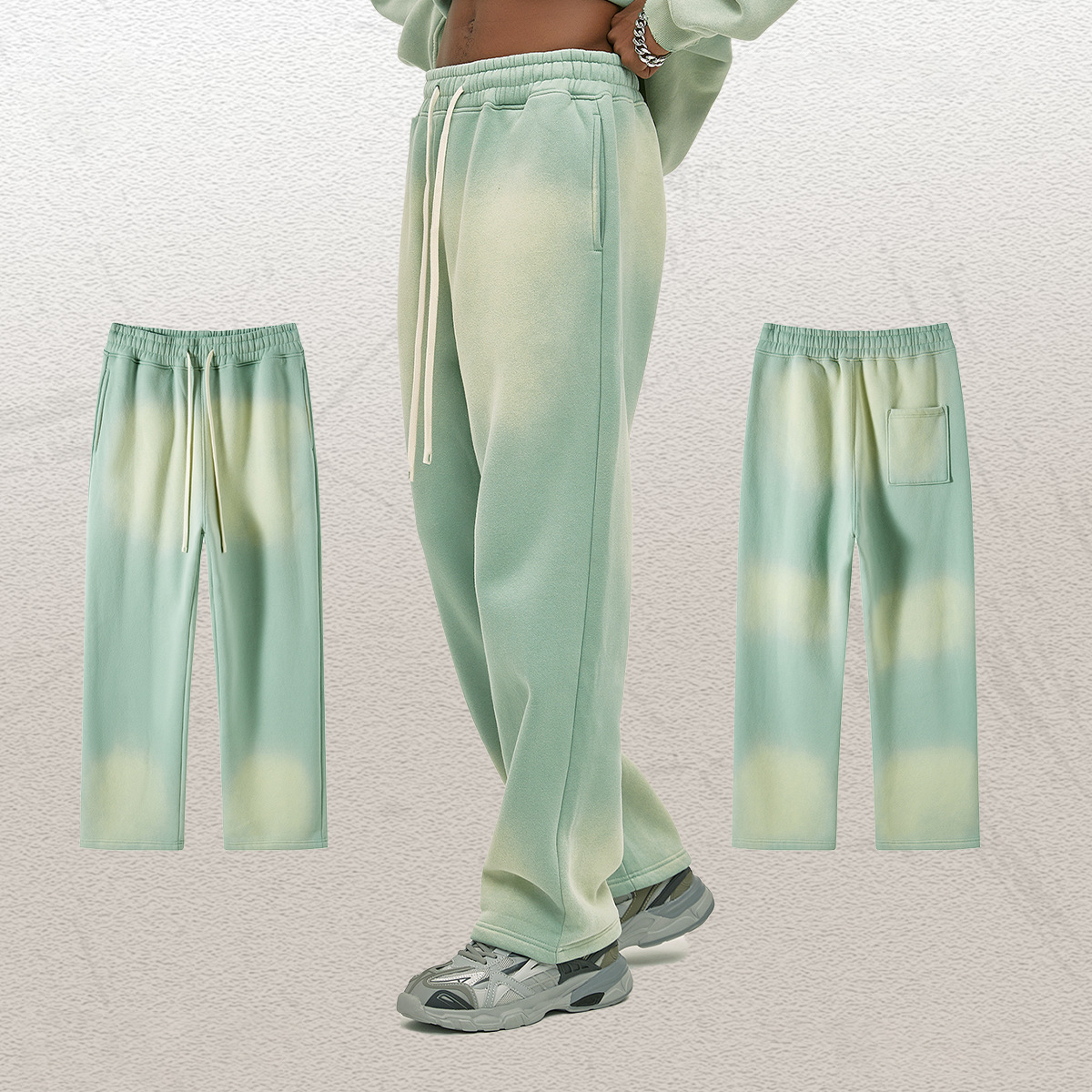
Sweatpants & Joggers
EDVORIN works as a sweatpants manufacturer for joggers, straight-leg pants and coordinated sets. We coordinate fabric weight, elastic, drawcords, pockets, cuffs, grading and decoration so bottoms match the intended hoodie or sweatshirt program.
Get a Quote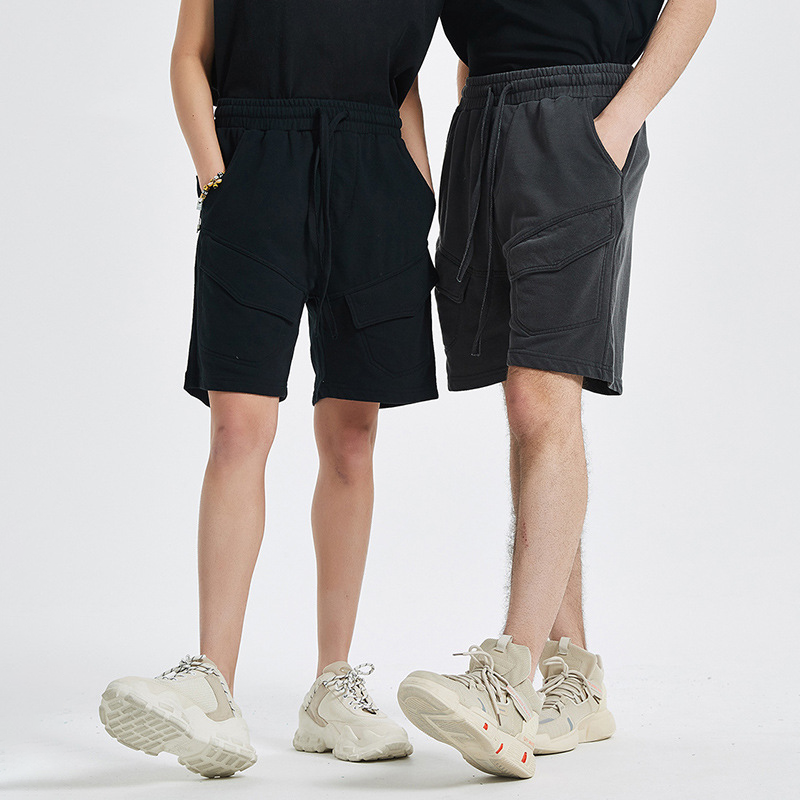
Custom Shorts
As a custom shorts manufacturer, we develop fleece, jersey, woven and performance shorts around inseam, rise, waistband, pockets and movement requirements. Material selection and print or embroidery placement are reviewed during sampling for consistent bulk execution.
Get a Quote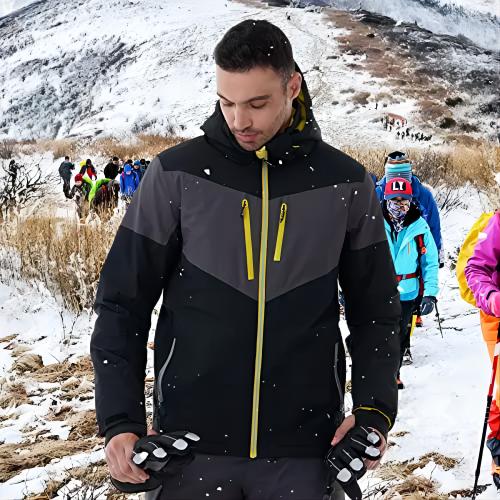
Varsity & Baseball Jackets
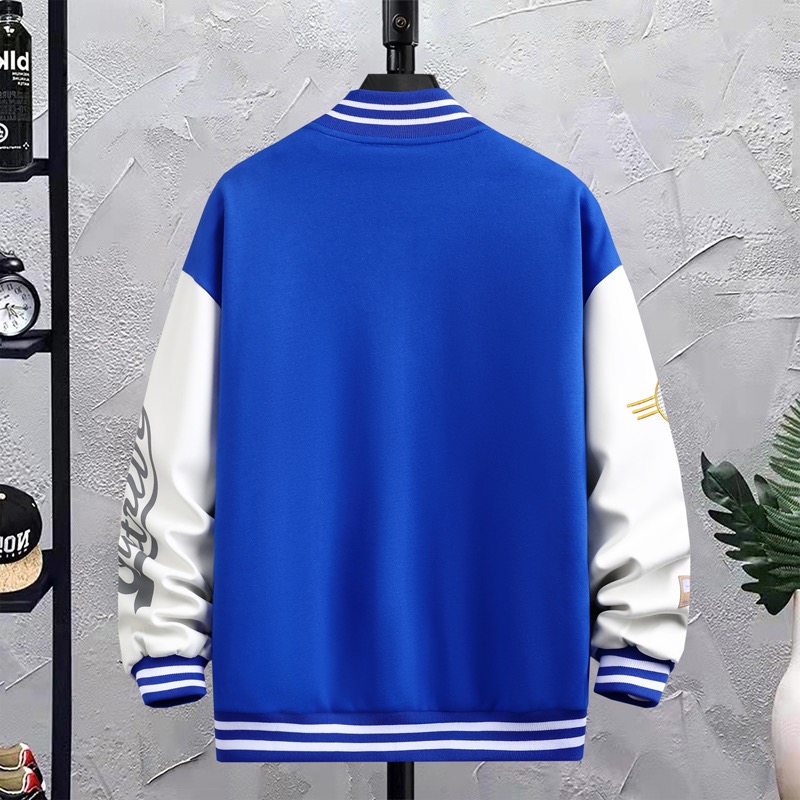
Our varsity jacket manufacturer capability coordinates body fabric, sleeves, lining, rib, snaps, patches and embroidery as one construction system. Each component is specified to preserve the jacket’s balance through sampling and repeat orders.
Get a Quote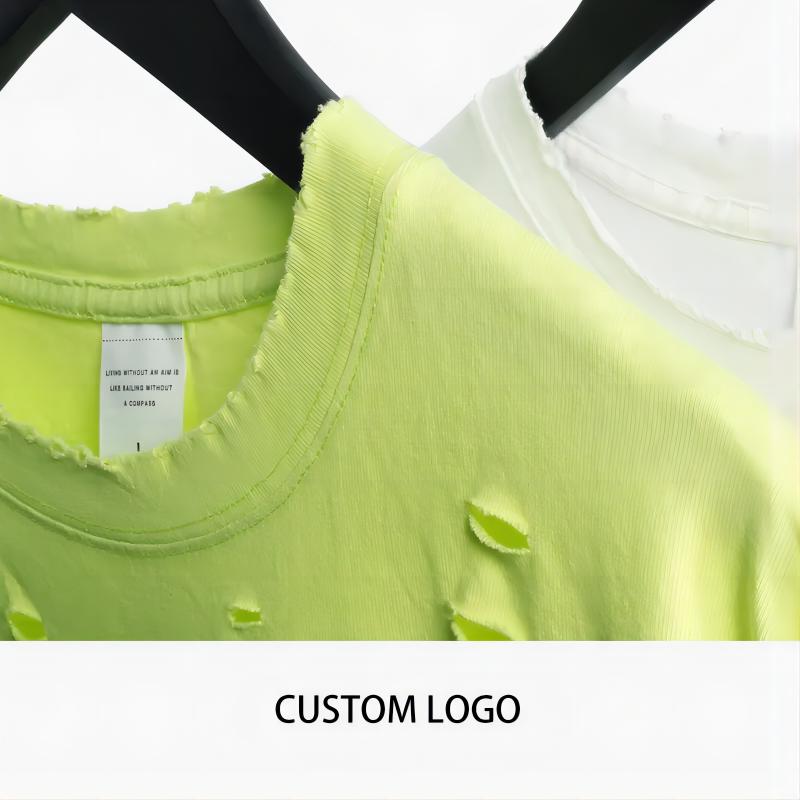
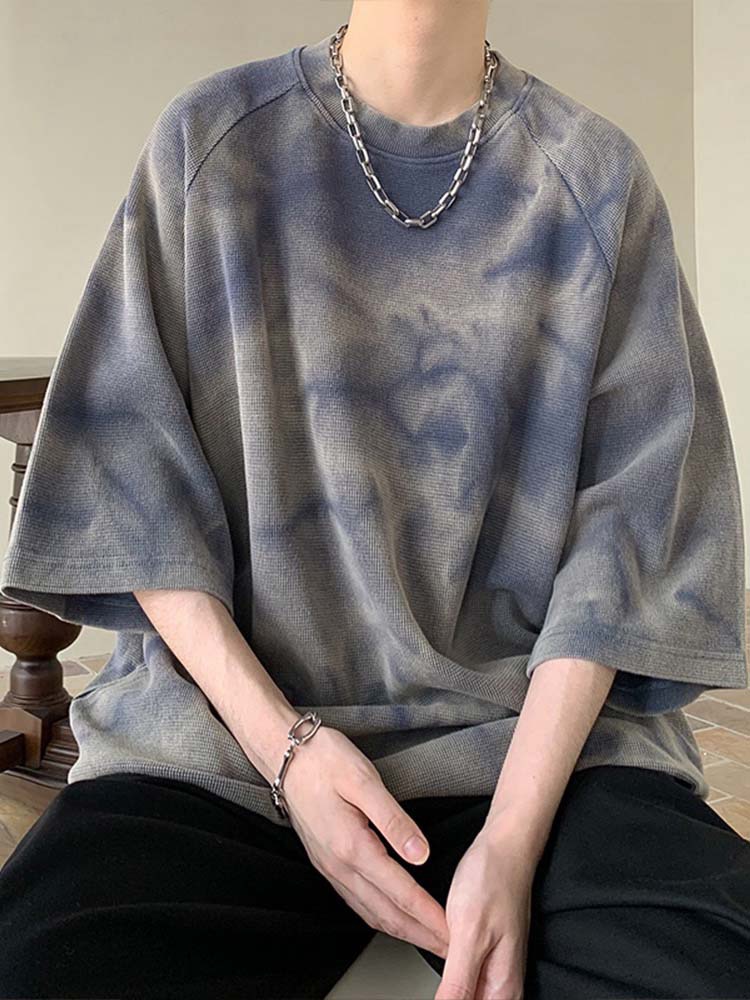
Custom T-Shirts
As a custom T shirt manufacturer, EDVORIN supports core basics, heavyweight streetwear tees and promotional programs. Fabric weight, neckline, fit, print method, wash treatment and label details are aligned to the buyer’s target market.
Get a Quote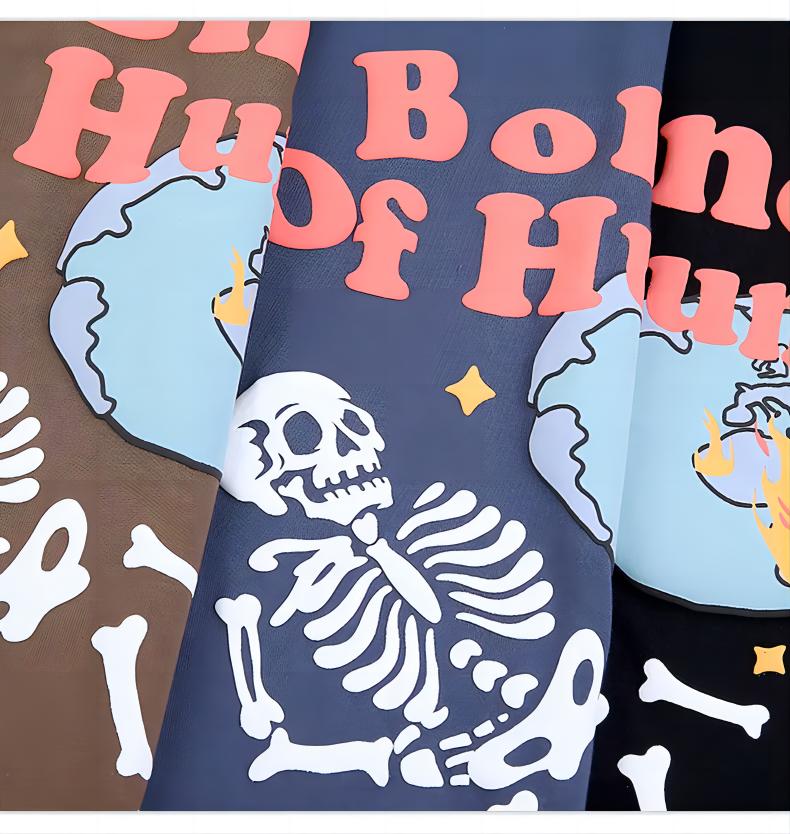
Custom Polo Shirts
Our polo shirt manufacturer programs cover piqué and jersey constructions, collars, plackets, buttons, cuffs, embroidery and color blocking. We develop men’s and women’s proportions separately when the program requires distinct fits.
Get a Quote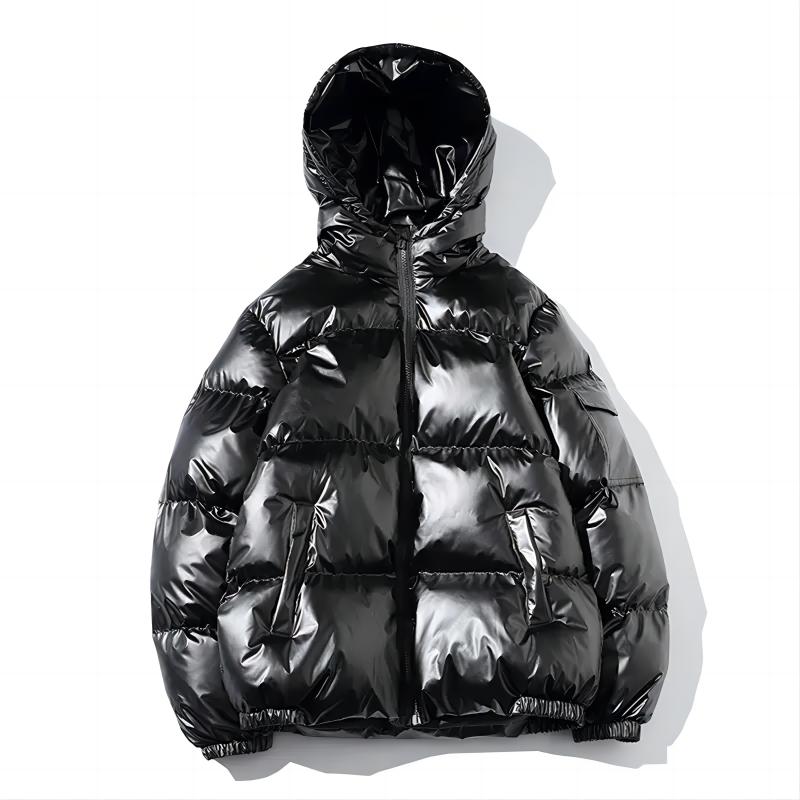
Windbreaker Jackets
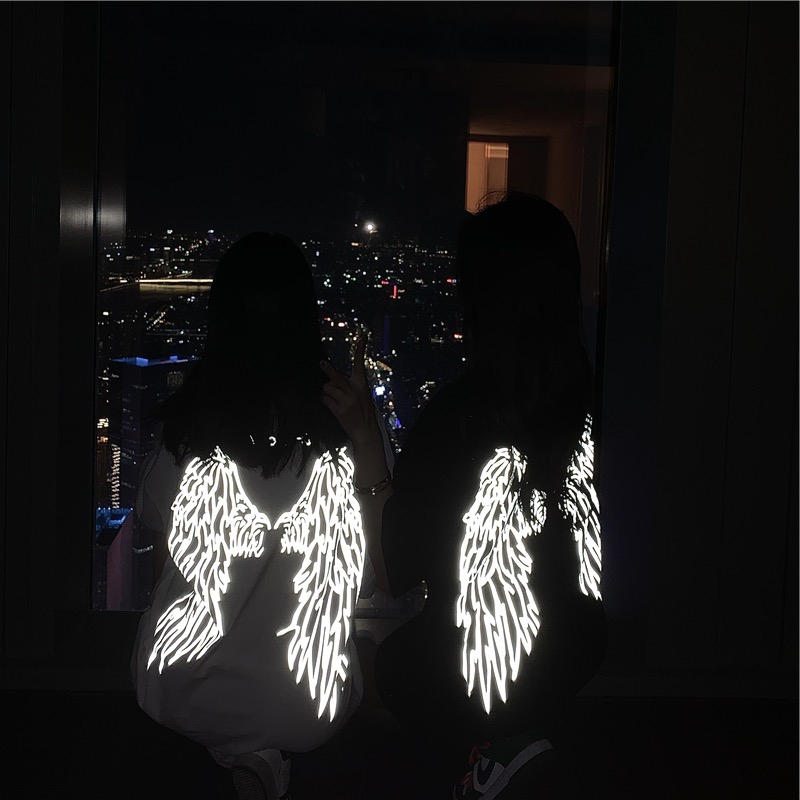
As a windbreaker manufacturer, EDVORIN develops lightweight shells with lining, mesh, zippers, hoods, pockets and reflective or printed details. Fabric performance, construction and decoration are tested together before bulk production.
Get a Quote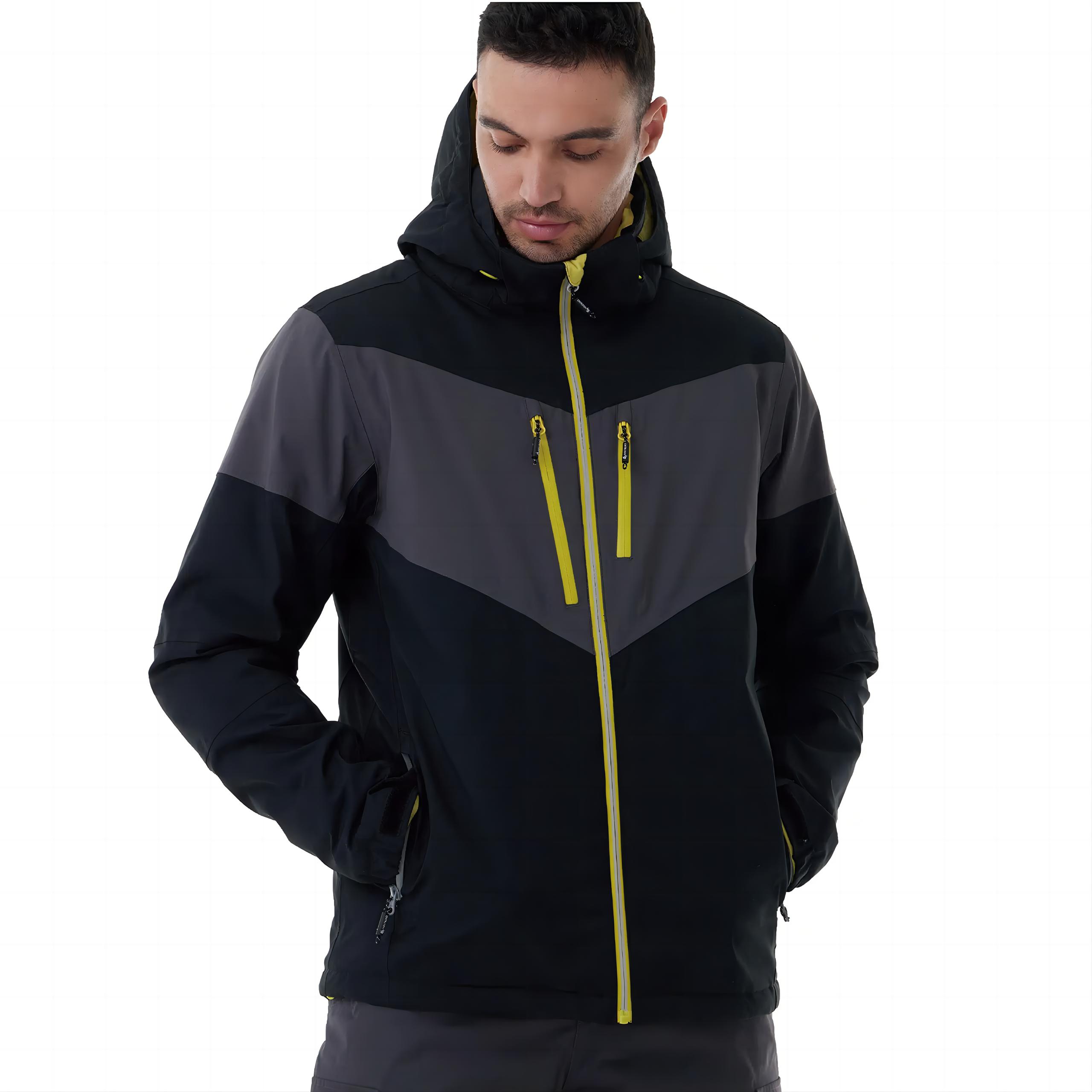
Quilted Jackets
Our quilted jacket manufacturer process manages shell fabric, lining, insulation, quilting layout, closures and finishing. Sampling verifies warmth, bulk distribution and garment shape so the approved outerwear standard can be reproduced consistently.
Get a Quote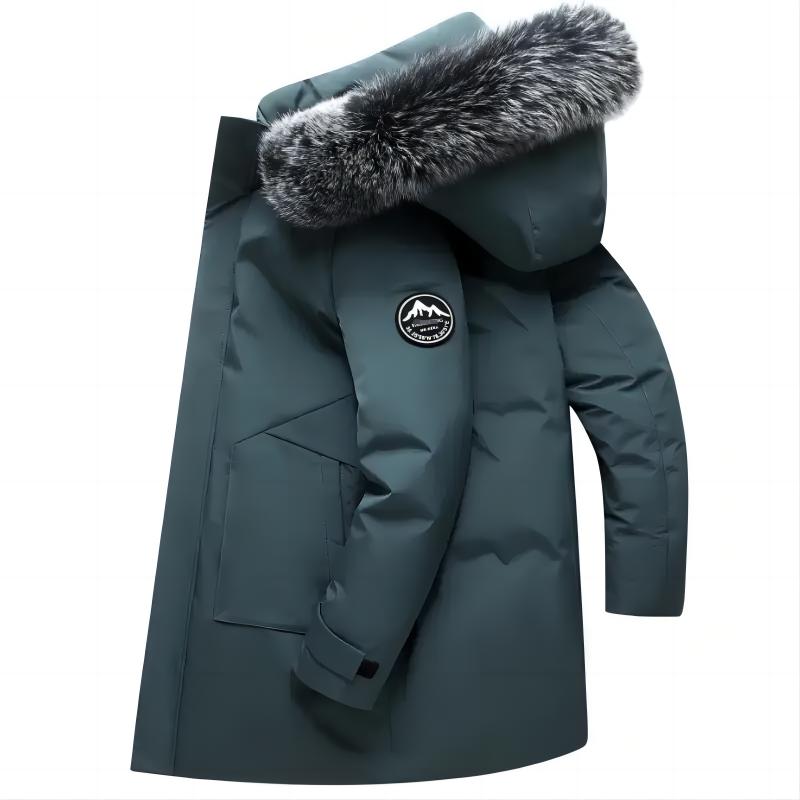
Bomber Jackets
As a bomber jacket manufacturer, EDVORIN coordinates shell, lining, rib, zipper, pocket construction, insulation and embroidery or patches. The development process documents the details that determine silhouette, durability and a consistent production result.
Get a Quote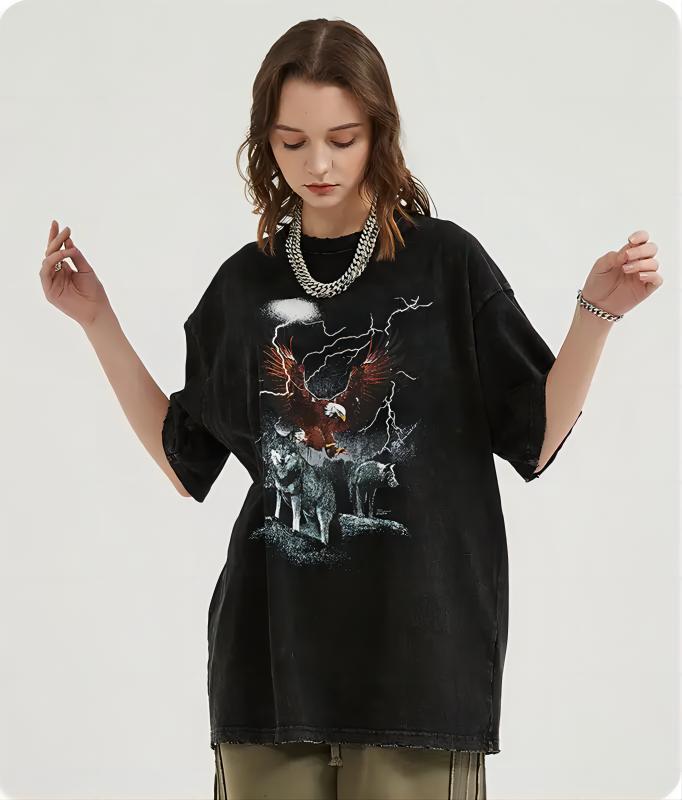
Custom Shirts
Our custom woven shirt manufacturer capability covers overshirts, button-downs and fashion woven styles. We control fabric selection, collar and cuff construction, plackets, buttons, grading and garment finishing for clearly specified bulk orders.
Get a Quote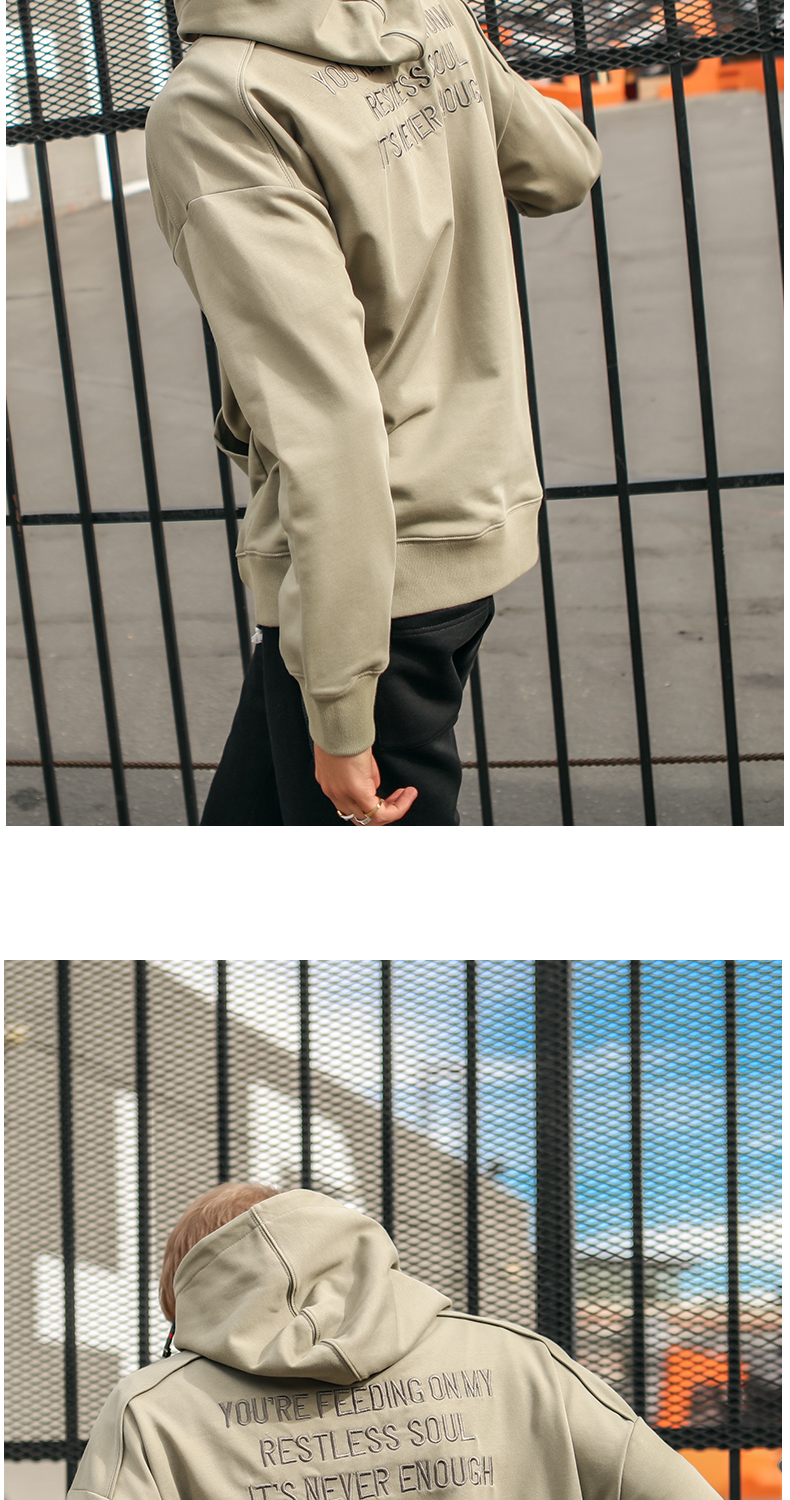
Custom Jerseys
As a custom jersey manufacturer, EDVORIN develops team and fan jerseys with breathable fabrics, color panels, crests, names and numbers. Artwork placement, sizing and decoration methods are recorded to support organized repeat production.
Get a Quote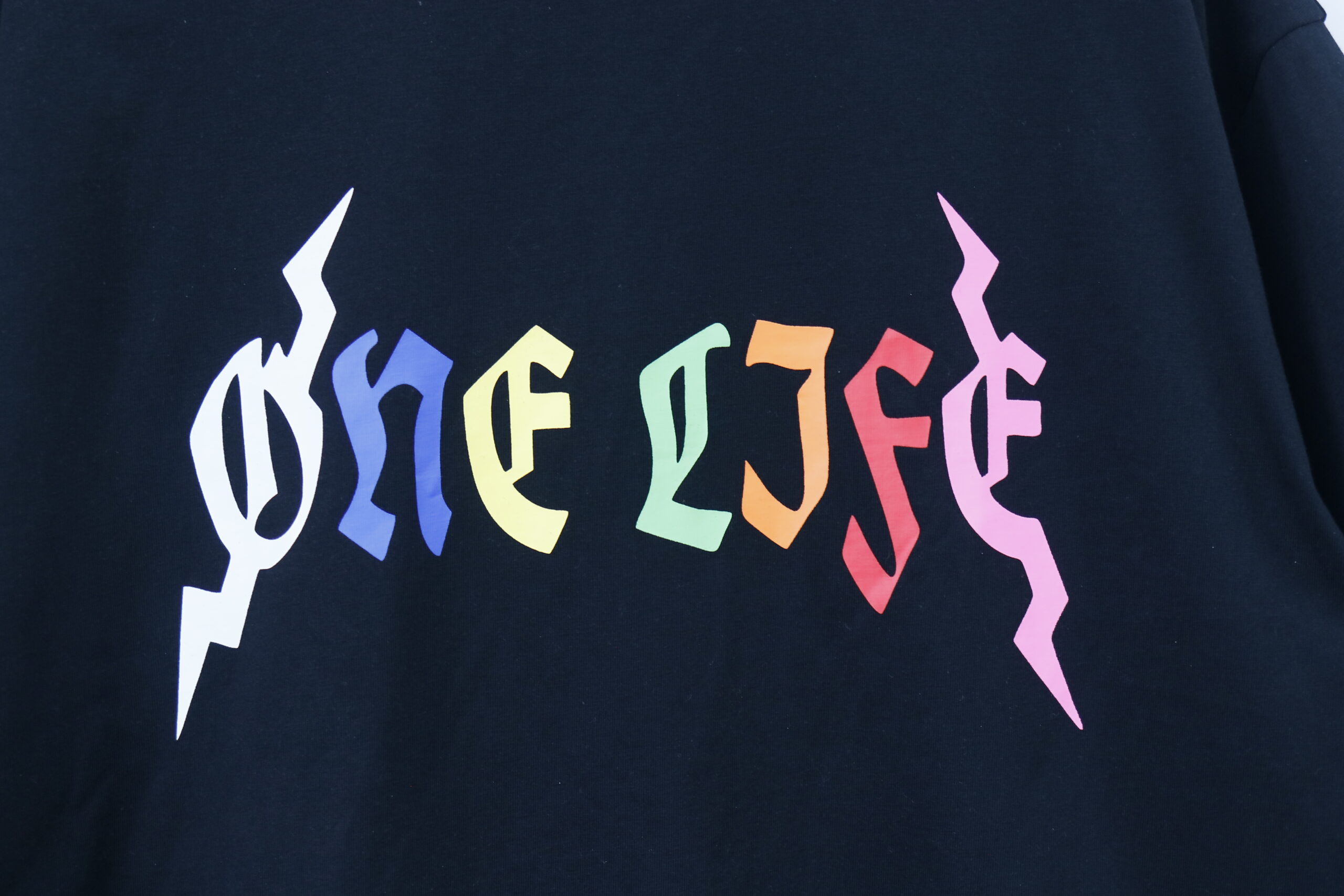
Tank Tops
Our custom tank top manufacturer programs include athletic, casual and streetwear silhouettes. We develop fabric weight, armhole and neckline proportions, binding, fit, color blocking and decoration to meet the garment’s intended use and wearer.
Get a Quote
Soccer Uniforms
As a soccer uniform manufacturer, EDVORIN coordinates jerseys, shorts and optional training pieces with moisture-management fabrics, team colors, badges, player names and numbers. Size sets and decoration references are controlled from sample approval through packing.
Get a Quote
Basketball Uniforms
Our basketball uniform manufacturer capability covers jerseys and shorts built for movement, breathable performance fabrics and coordinated color systems. We manage panel construction, trims, team marks, player numbering and grading across full squad orders.
Get a Quote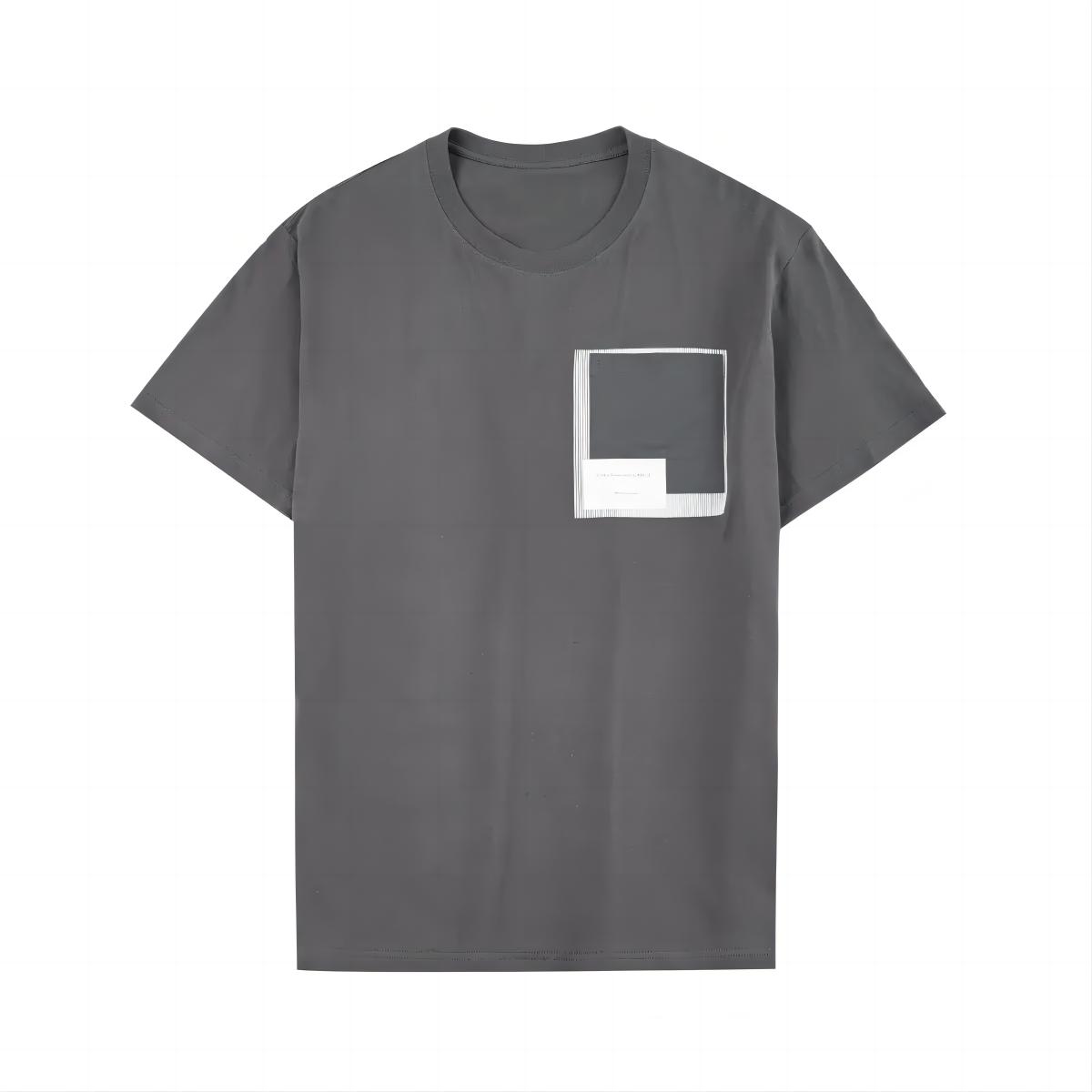
Streetwear Collections
As a streetwear clothing manufacturer, EDVORIN connects hoodies, tees, bottoms, jackets and woven styles into production-ready collections. Fabric, trims, washes, labels and decoration are coordinated across styles, with MOQ starting at 200 pieces per style.
Get a QuoteFabric Options Matched to Your Product
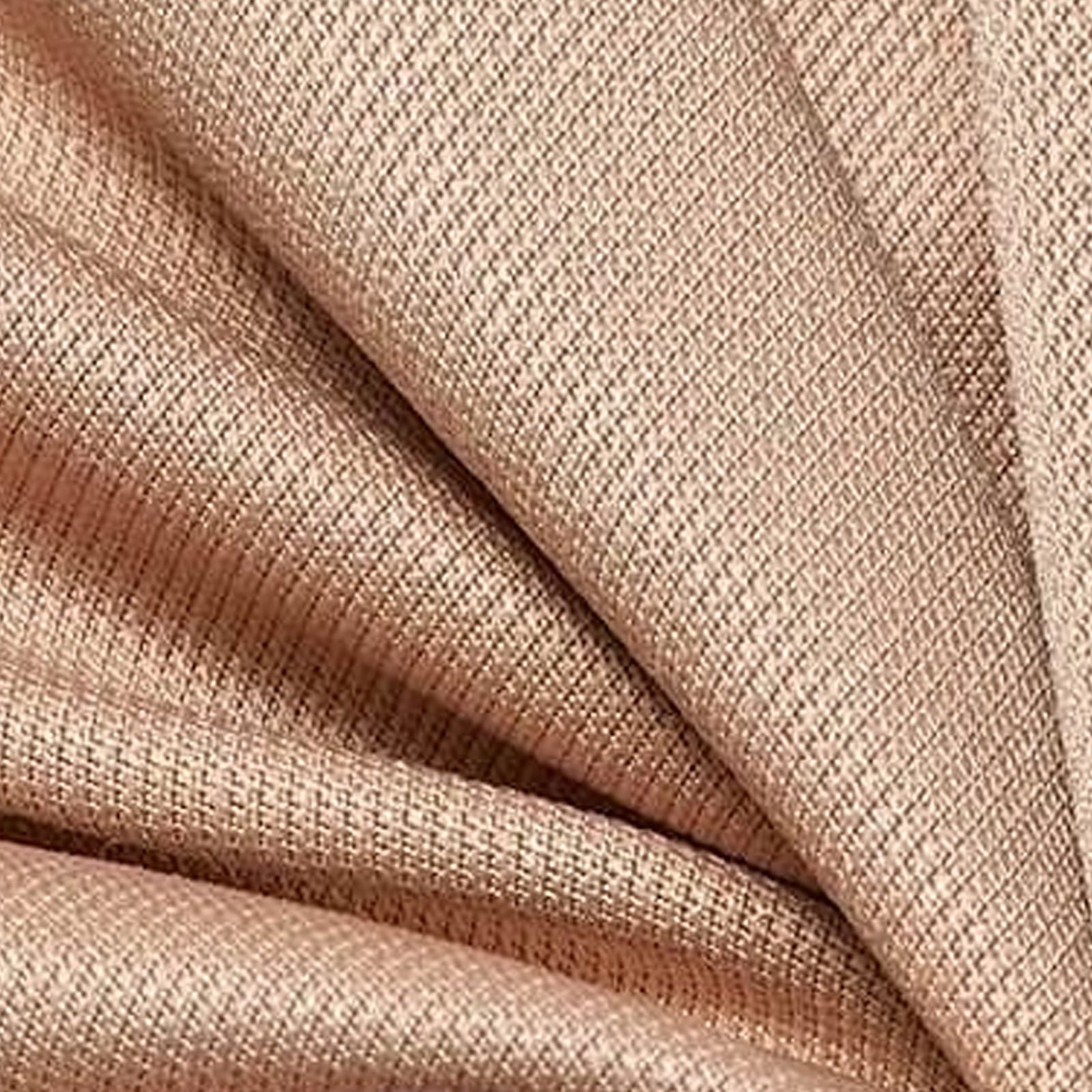
Cotton Jersey
A soft, breathable knit with a clean everyday hand feel, commonly used for T-shirts, polos and lightweight layers. Weight, fiber blend and stretch recovery can be selected to suit men’s or women’s programs.
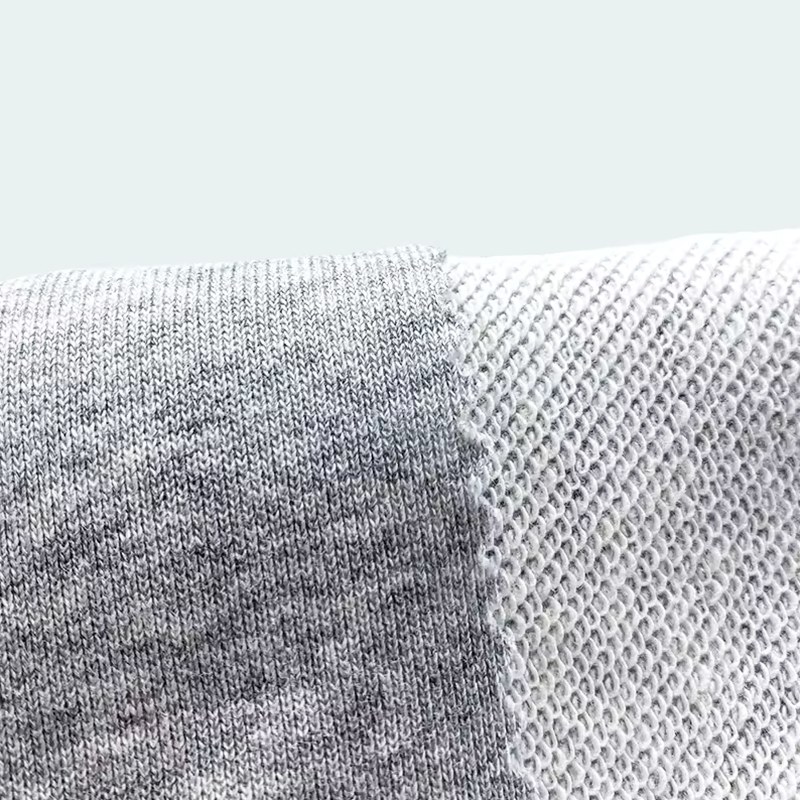
French Terry
Loop-backed and comfortable without excessive bulk, French terry suits premium hoodies, sweatshirts, joggers and shorts. Its midweight structure offers breathable warmth and a stable base for printing, embroidery and garment washing.
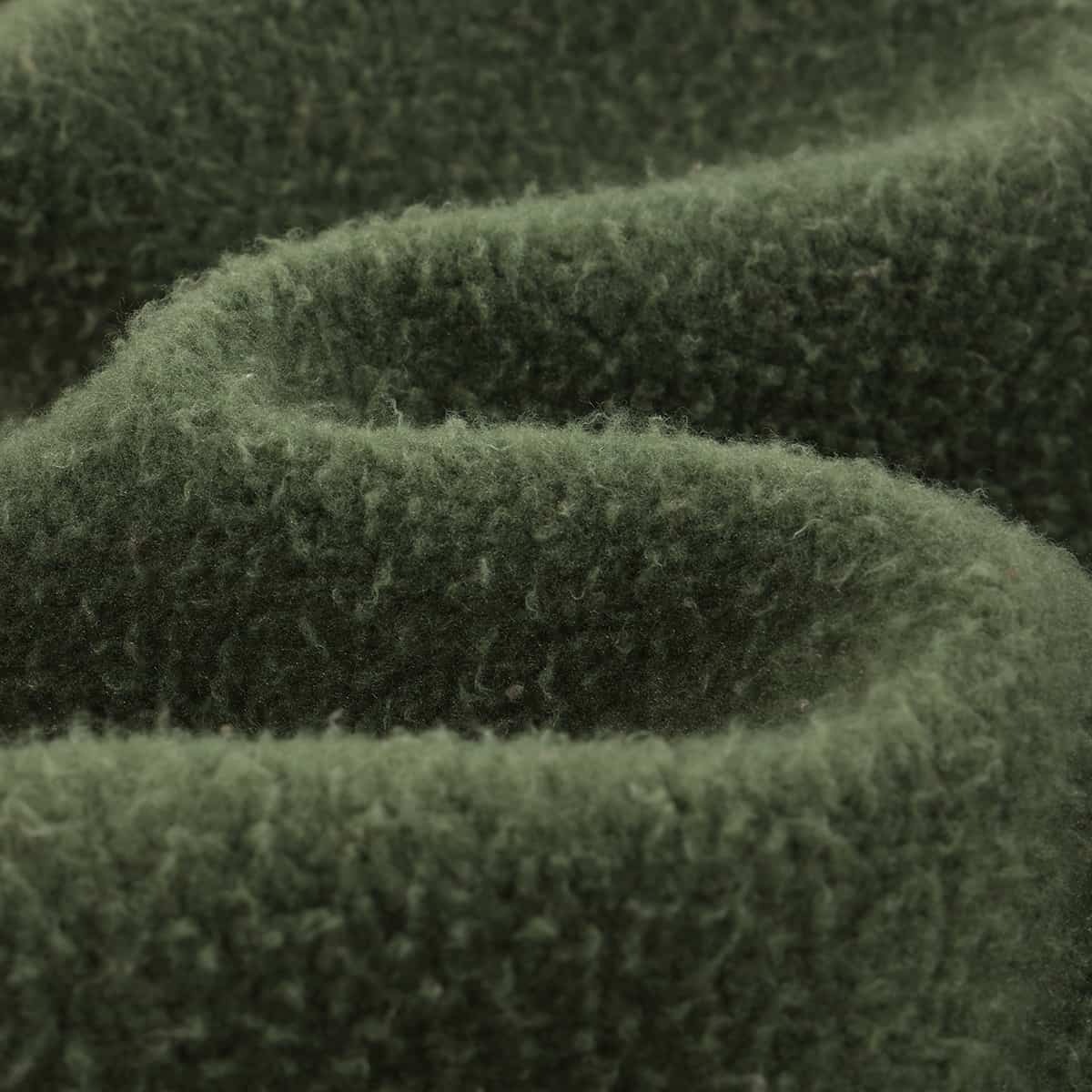
Brushed Fleece
Soft and insulating on the inside, brushed fleece is a reliable choice for colder-weather hoodies, sweatpants and pullover sweatshirts. Fabric weight and rib pairing can be specified to balance warmth, shape retention and drape.
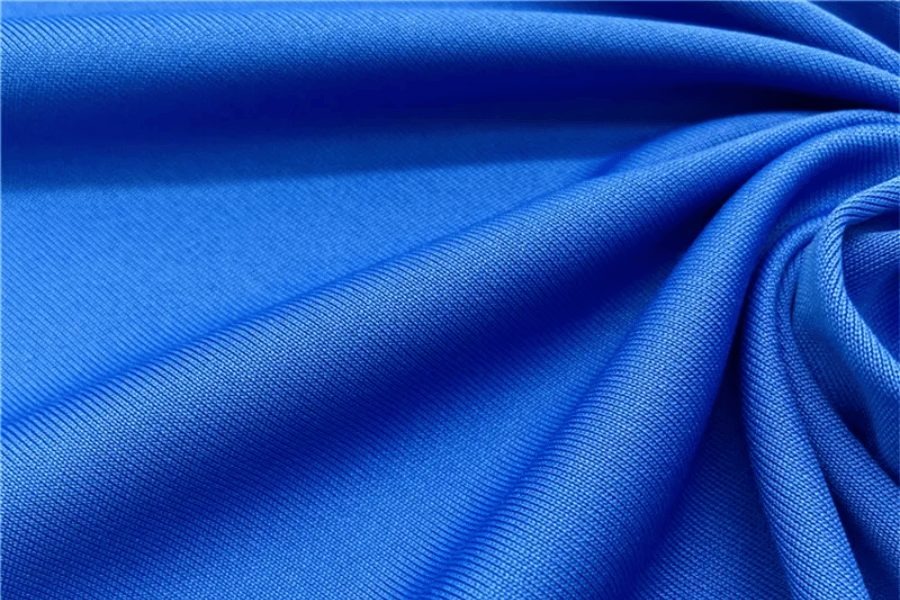
Polyester Interlock
Smooth-faced with a comfortable stretch hand, polyester interlock is widely used for jerseys, soccer uniforms and basketball uniforms. Its durable knit construction supports active movement, color application and repeated teamwear use.
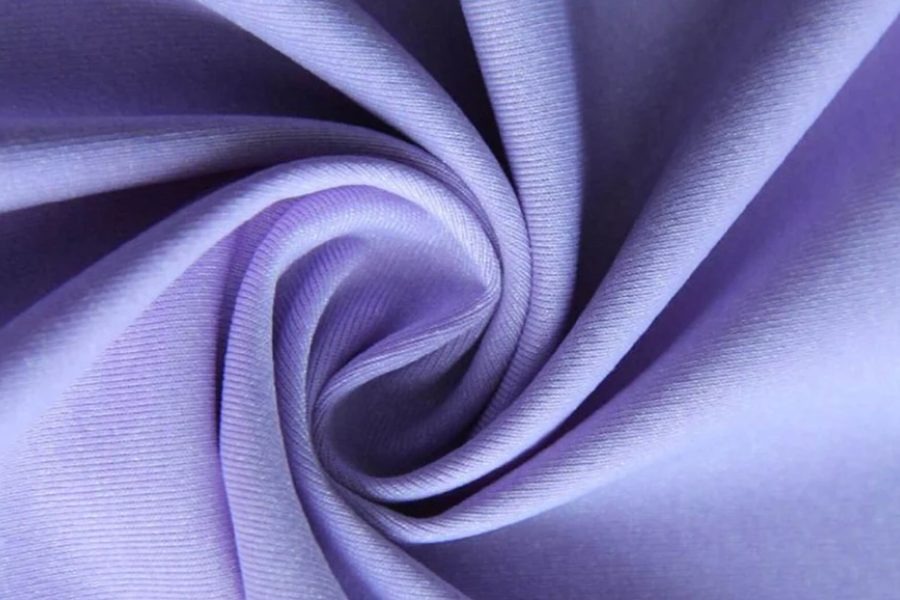
Nylon Woven
A crisp, lightweight woven fabric suited to windbreakers, bomber jackets and outerwear shells. Coating, lining and insulation choices can be coordinated to create the intended wind resistance, structure and finished appearance.
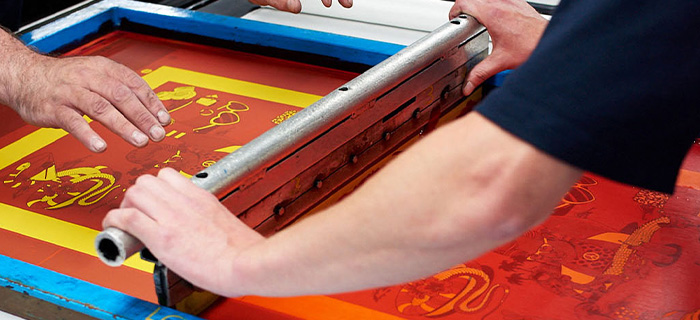
Custom Apparel Printing, Embroidery & Garment Wash Services
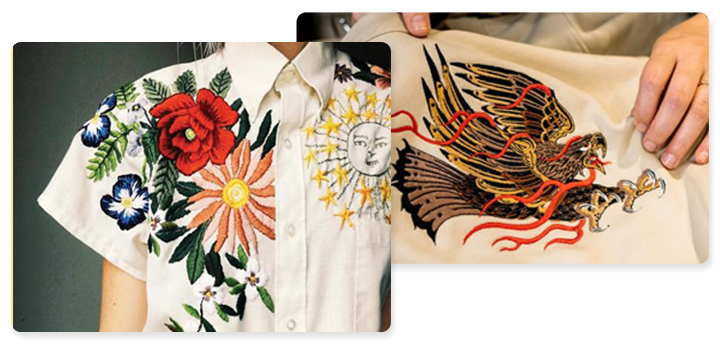
Embroidery Details
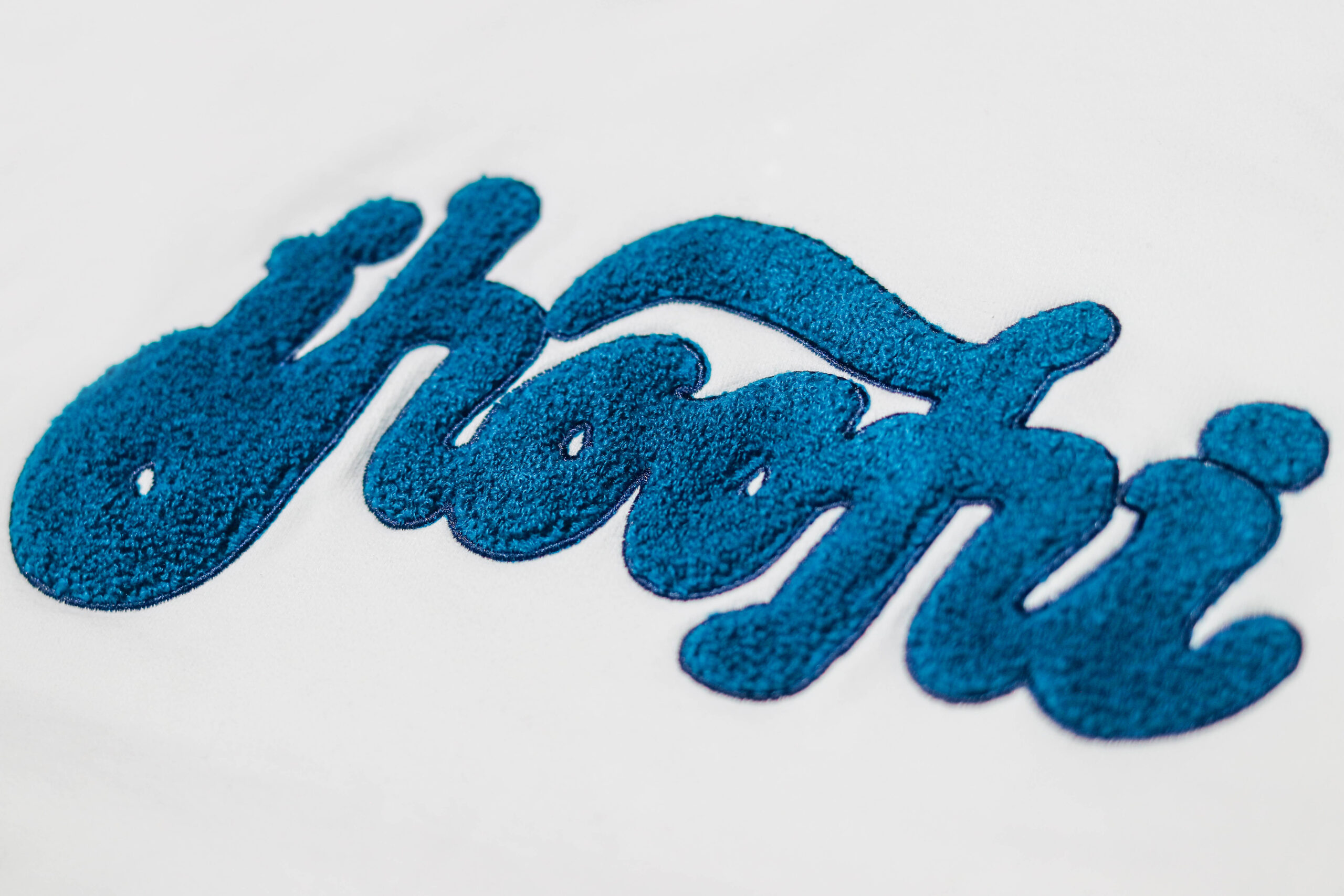
Embroidery adds dimensional logos, lettering and crest work for polos, jackets, caps and teamwear. Backing, stitch density and placement are matched to the garment so the finished detail remains defined without distorting the base.
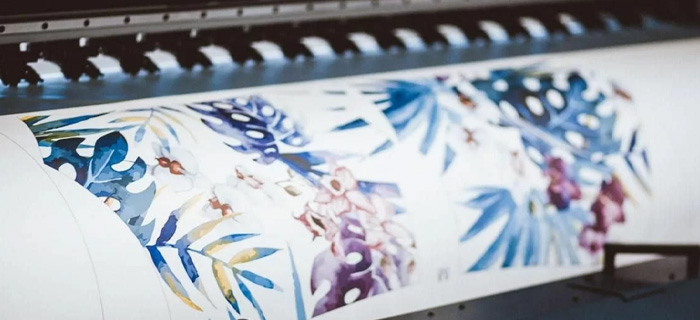
Sublimation Printing
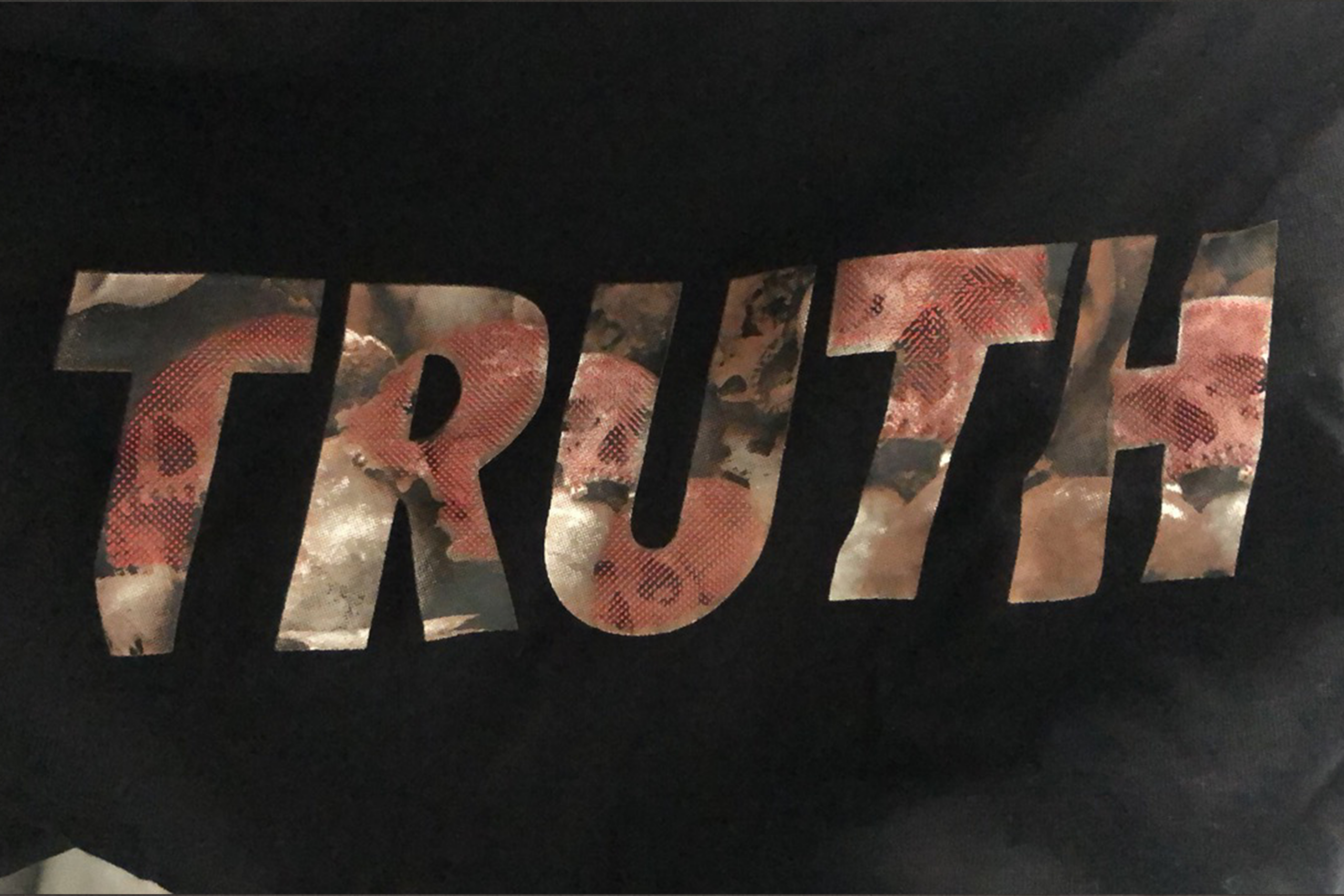
Sublimation integrates all-over color, graphics, names and numbers into compatible performance fabrics. It creates a lightweight finish with no added print layer, making it well suited to jerseys and active team collections.
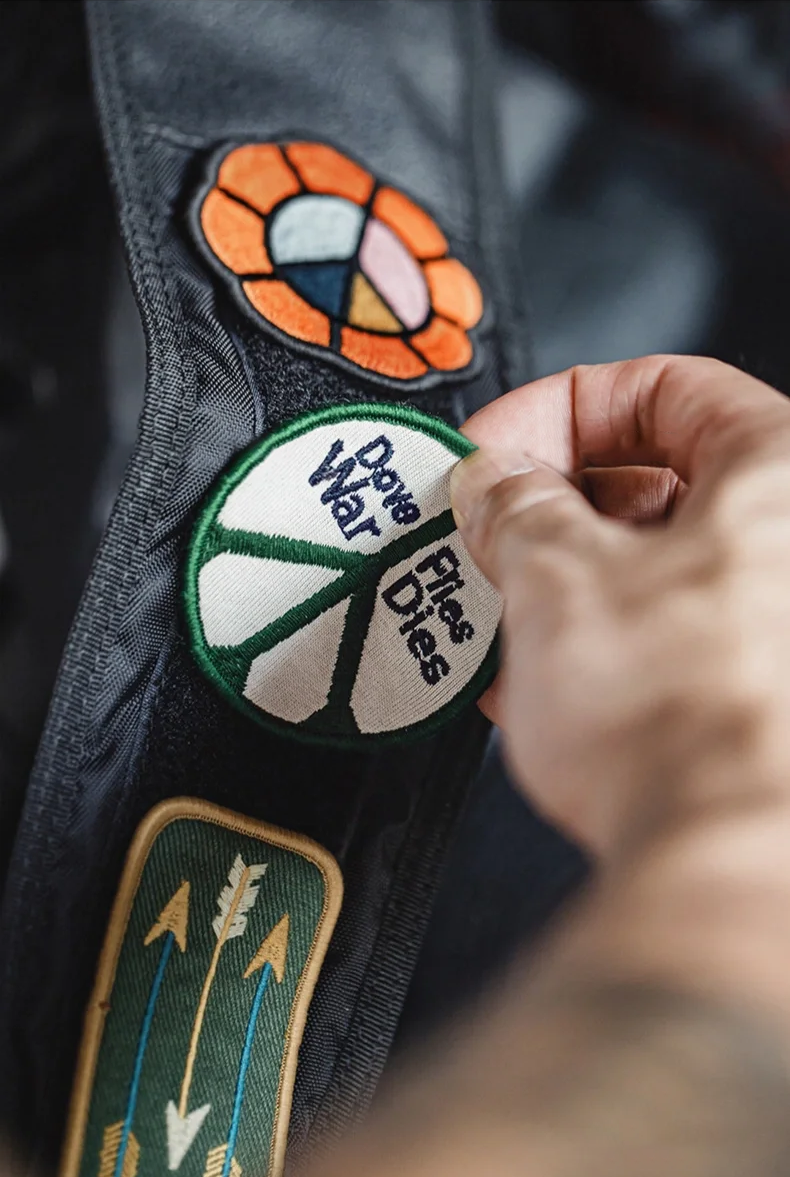
Patch Application
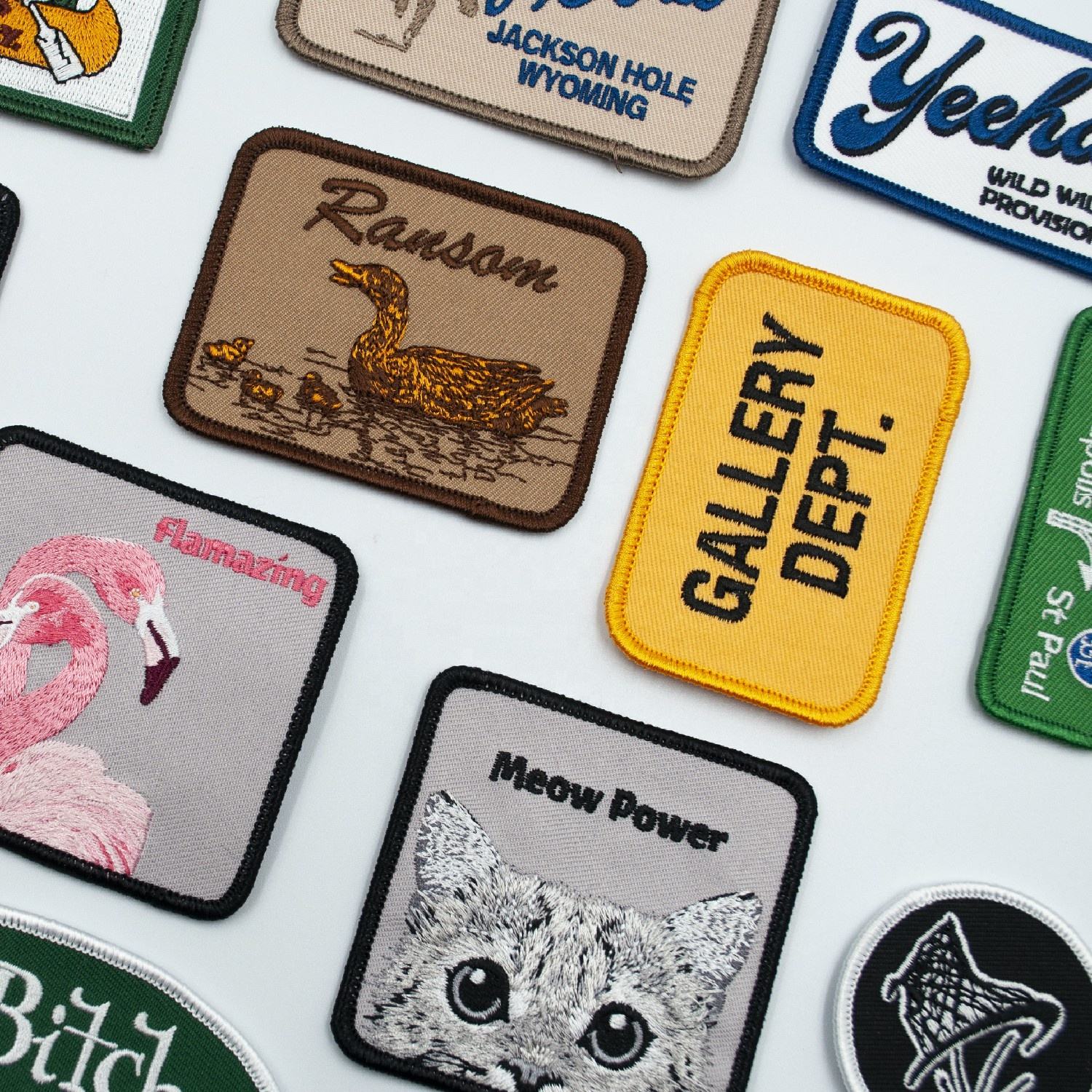
Woven, embroidered and chenille patches create layered branding for varsity jackets, outerwear and premium streetwear. EDVORIN coordinates patch construction, edge finish and attachment method for a secure, intentional final appearance.
Custom Clothing Labels and Packaging
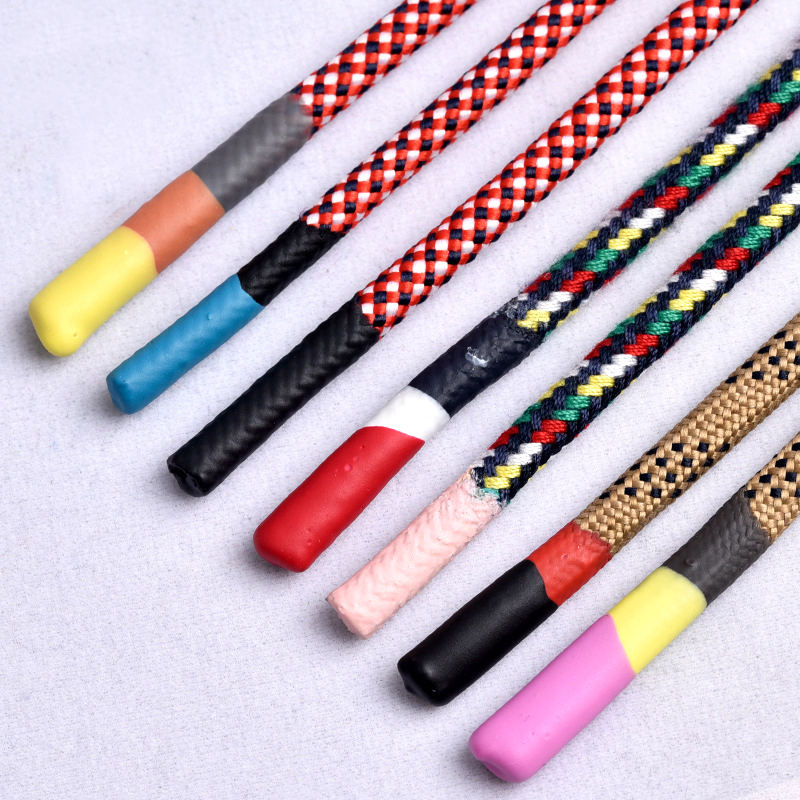
Drawcords & Tipping
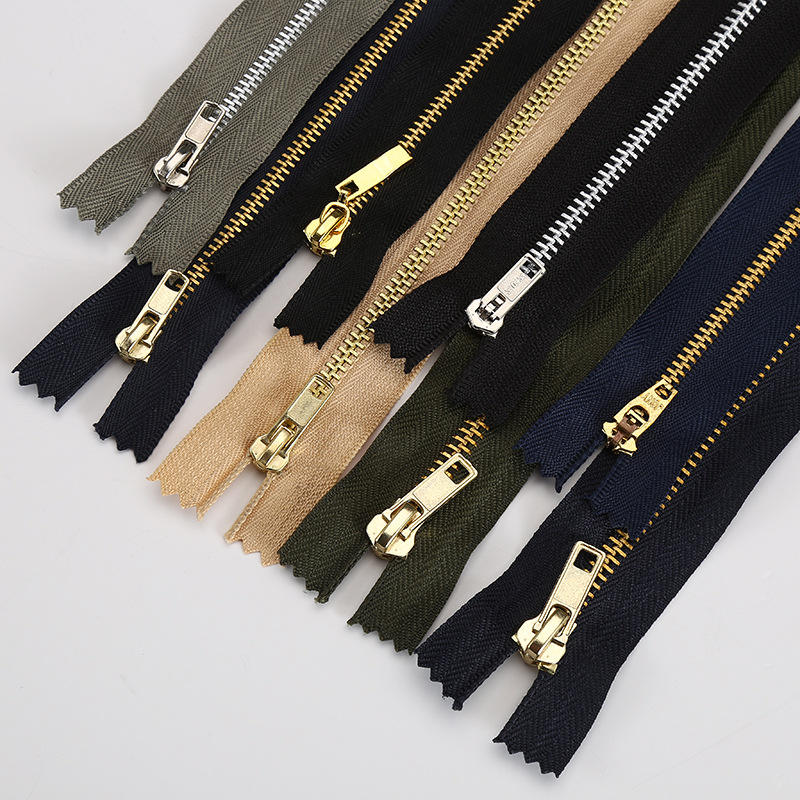
Choose drawcord material, thickness, aglets and contrast tipping for hoodies, joggers and shorts. These details reinforce your color story while giving fit-adjustment points a controlled, production-ready specification.
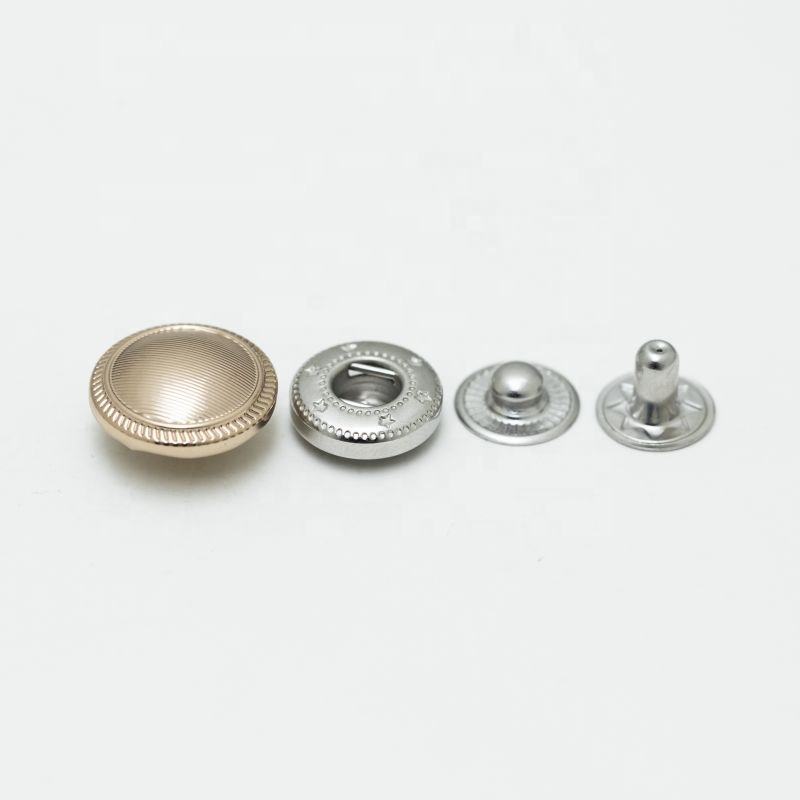
Snap Buttons
Specify snap finish, size, logo treatment and placement for varsity jackets, outerwear and workwear-inspired pieces. EDVORIN coordinates hardware with the garment construction so closures support both function and the intended visual character.
Woven Labels
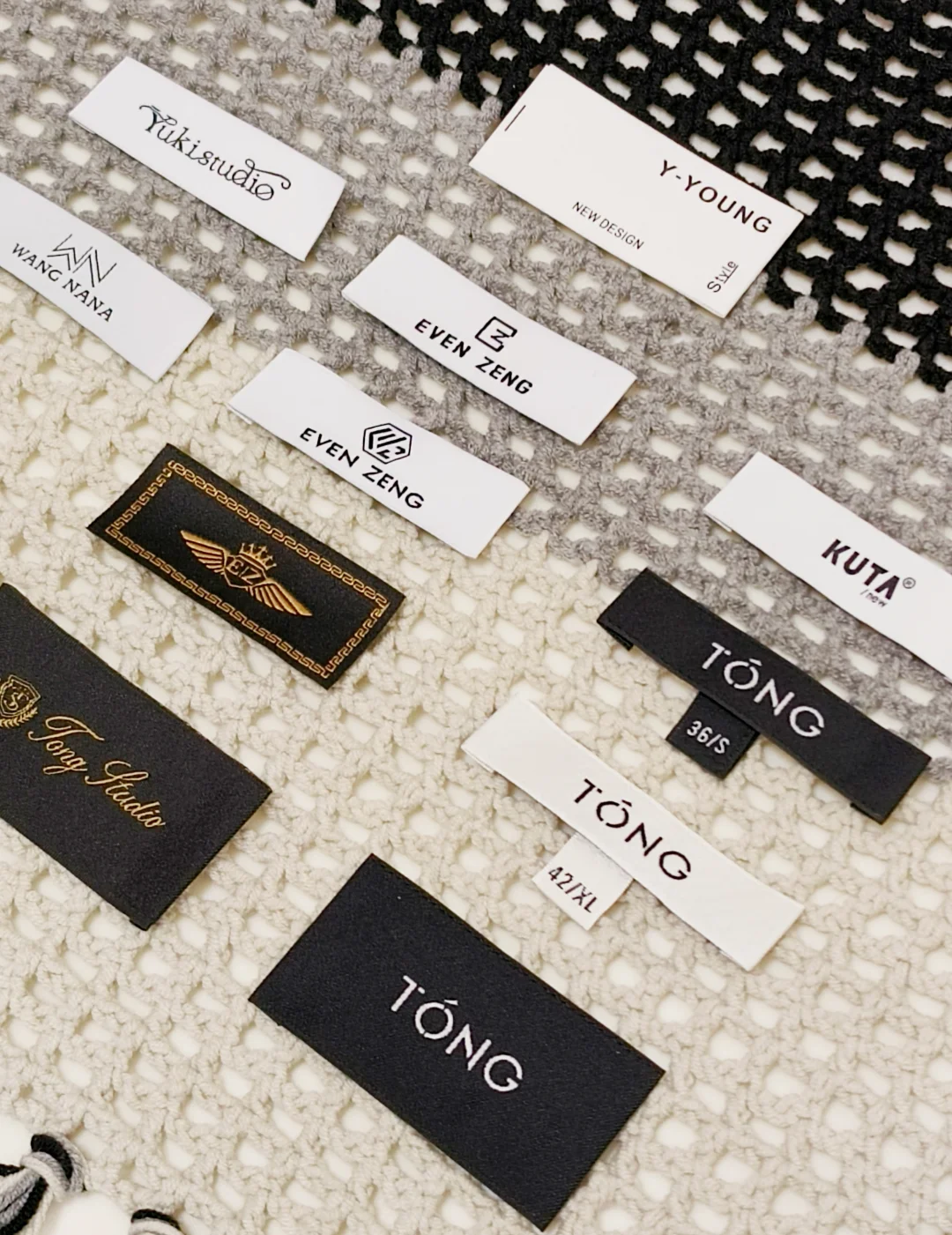
Add neck labels, hem flags, size labels and care labels that clearly carry your private-label identity. Label artwork, fold style and placement are specified alongside the garment so branding remains consistent from sample to packed order.
Branded Packaging
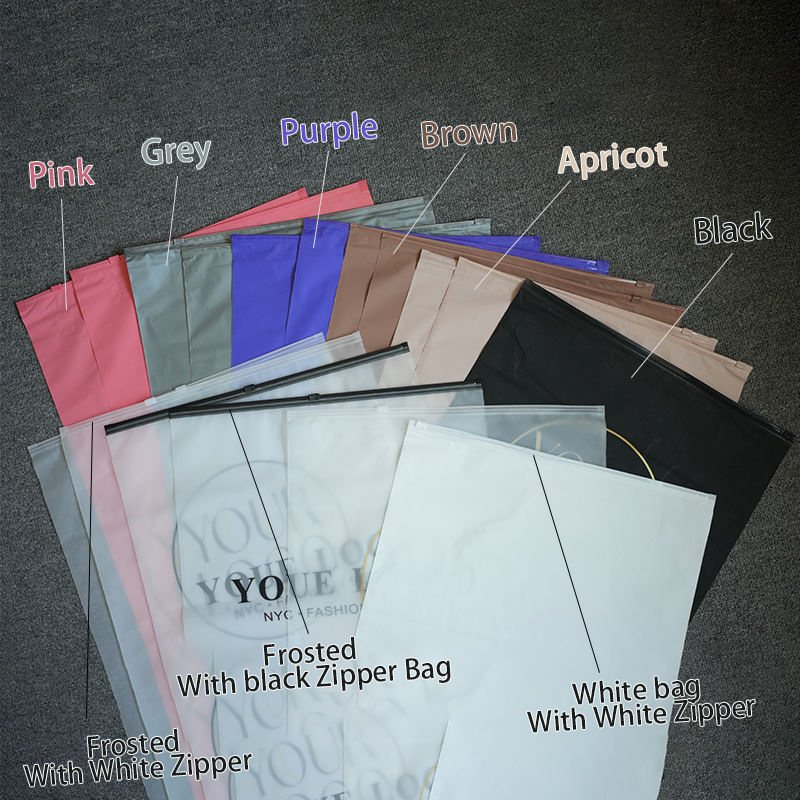
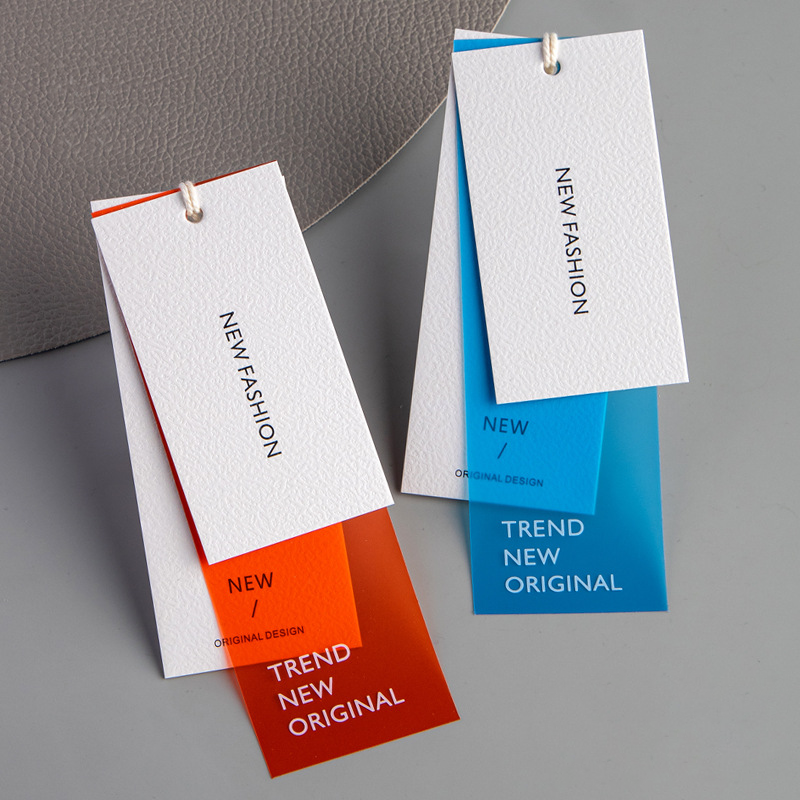
Complete the delivery with custom hangtags, polybags, stickers, barcode labels and packing instructions. As your bulk clothing manufacturer, EDVORIN organizes these finishing details to help each order arrive presentation-ready for your sales channel.
About EDVORIN, Your Bulk Clothing Manufacturer
Founded by Edvorin Zeng in 2000, EDVORIN was built around a practical mission: turn apparel ideas into manufacturing standards that can be reproduced with confidence. We support fashion brands, streetwear labels, teamwear buyers, wholesalers and private-label programs from early concept through packed order.
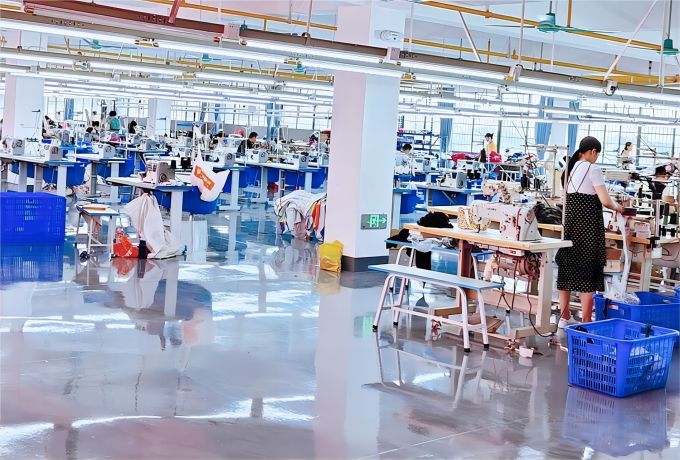
As an OEM clothing manufacturer, ODM apparel manufacturer and private-label clothing manufacturer, EDVORIN connects product development, fabric and trim sourcing, pattern work, sampling, printing, embroidery, washing, bulk production and packaging in one accountable workflow. From hoodies and jackets to jerseys and coordinated collections, men’s and women’s programs receive category-specific development.
What makes EDVORIN different is the discipline after sample approval. Measurements, materials, artwork placement, trims and finishing details are documented to guide production, while in-line and final checks keep the approved standard visible. With MOQ starting at 200 pieces per style, we provide flexible support for emerging and established buyers.
Bulk Clothing Manufacturer Capabilities, From Concept to Packed Order
Technical Development That Holds
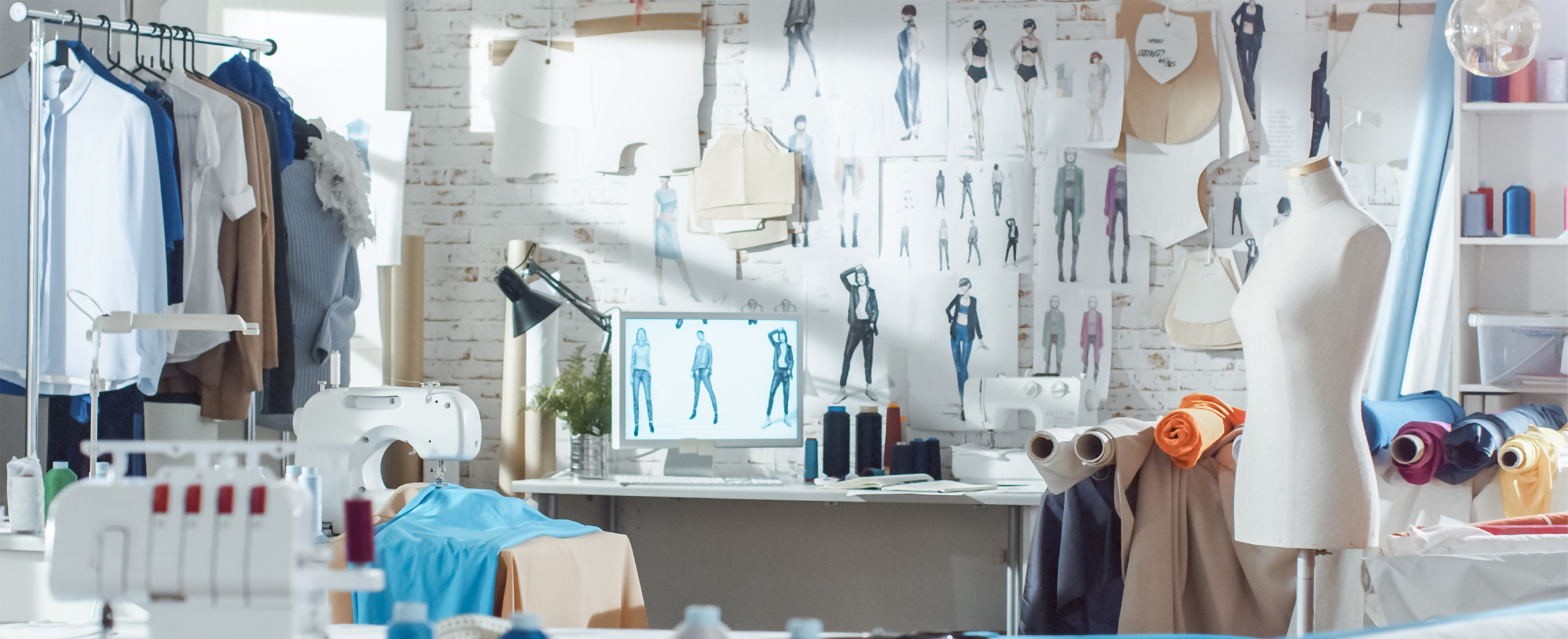
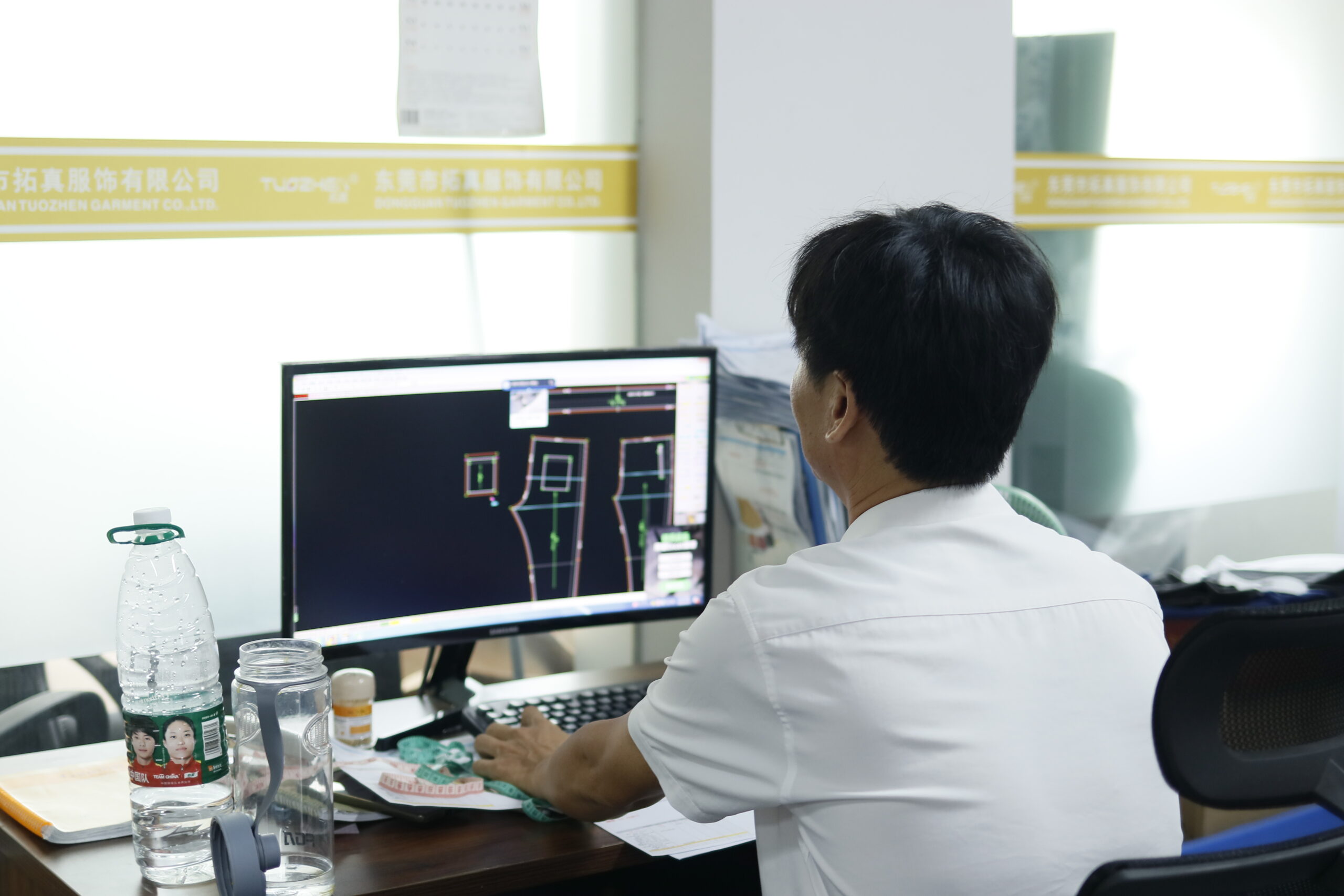
EDVORIN translates sketches, reference garments or completed tech packs into production-ready specifications for men’s and women’s programs. Patterns, measurements, fit blocks and construction details are clarified before sampling so the approved garment can become a dependable bulk standard.
- Tech-pack review and specification development
- Men’s and women’s fit, grading and proportion adjustments
- Pattern and sample revisions documented for approval
- Construction details prepared for repeat production
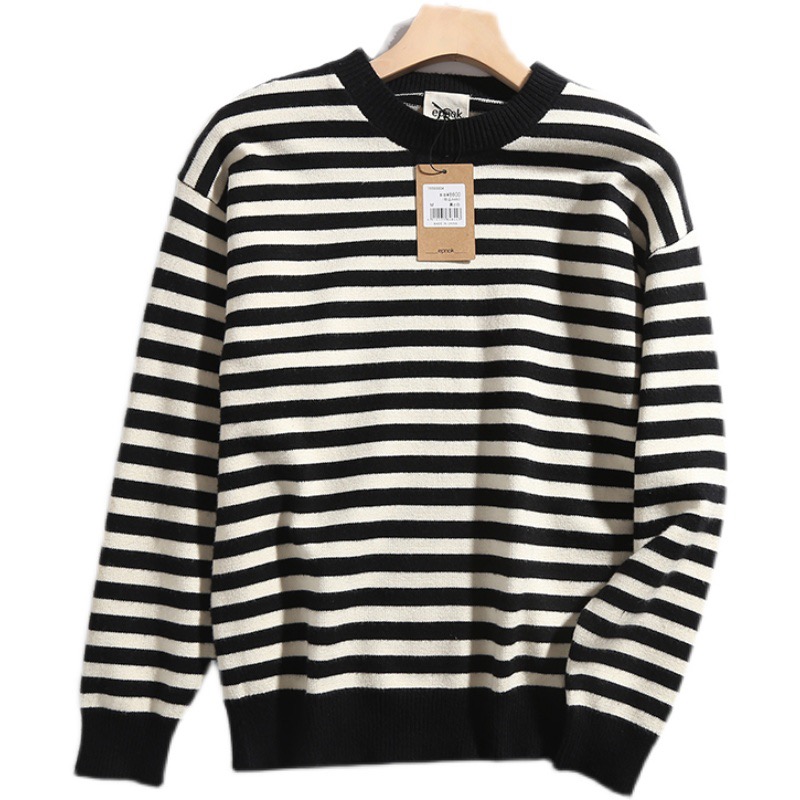
Materials and Trims Aligned
Fabric, rib, lining, insulation, hardware, labels and packaging must work together at bulk scale. EDVORIN coordinates these inputs around the garment’s intended handfeel, durability, function and visual direction, helping prevent disconnected decisions between sourcing and sewing.
- Fabric and material options matched to garment category
- Ribs, linings, hardware and trims coordinated together
- Labels, hangtags and packaging specified with the order
- Suitable for casualwear, streetwear, outerwear and teamwear
Decoration Built Into Development
Printing, embroidery, washing and placement are considered with the base garment rather than added as an afterthought. This lets EDVORIN evaluate artwork scale, fabric compatibility and placement details during development, creating a clearer standard for decorated bulk clothing production.
- Print, embroidery and wash options reviewed early
- Artwork placement recorded against garment measurements
- Decoration method considered alongside fabric selection
- Team names, numbers and brand graphics organized clearly
Approved Samples Guide Bulk
A good sample becomes useful only when its approved details guide the production floor. As a bulk clothing manufacturer, EDVORIN connects approved materials, measurements, artwork placement and trims to in-line and final checks before folding and packing the order.
- Approved samples establish the production reference
- In-line checks identify variation during production
- Final inspection confirms order details before packing
- MOQ starts at 200 pieces per style
Why EDVORIN Is the Better Bulk Clothing Manufacturer
A connected production path gives buyers clearer specifications, stronger approval control and dependable support from development through packing.
← Swipe left or right to view →
Bulk Clothing Manufacturer: From Technical Review to Shipment
A connected production path keeps approved details visible from development through packing, helping each order stay aligned with your collection standard.
Review Production Requirements
EDVORIN reviews tech packs, sketches, fit requirements, measurements, artwork and target quantities, then confirms a clear production standard before development moves forward.
Source Materials and Trims
We coordinate fabrics, rib, labels, hardware, drawcords and other trims against approved requirements, so construction and appearance are prepared for repeatable bulk production.
Cut, Sew and Decorate
Approved materials move through cutting and sewing, with printing, embroidery, washing or other selected finishes coordinated to the garment construction and artwork placement.
Inspect During Production
In-line checks monitor measurements, construction, color and decoration details while production is underway, allowing variation to be identified against the approved standard.
Complete Final Quality Control
Finished garments receive final checks before folding and packing, with labels, size assortments, packaging details and overall presentation reviewed against the approved order specification.
Pack and Prepare Shipment
Approved units are packed to the agreed specification, with organized cartons and documentation prepared to support a smoother handoff for shipment, wholesale distribution or fulfillment.
Work With a Bulk Clothing Manufacturer Built for Repeatability
Move from an initial concept to a documented, production-ready collection with clear approvals at every stage.
Share Your Product Brief
Send a tech pack, sketch, reference garment, or collection concept. EDVORIN reviews construction, fit, materials, decoration, and packaging requirements for your intended market.
Confirm Your Production Plan
EDVORIN’s MOQ starts at 200 pieces per style. Review the quotation, MOQ, development scope, and recommended materials or trims. Our team aligns specifications before patterns and sample work begin.
Review and Approve Samples
Assess the developed sample for fit, fabric, construction, artwork placement, and finishing. Revisions are recorded so the approved result becomes the bulk-production standard.
Launch Controlled Bulk Production
After approval, EDVORIN coordinates sourcing, cutting, sewing, decoration, inspections, labeling, and packing to deliver consistent garments built around your documented specifications.
Certified Standards for Responsible Apparel Production



What Buyers Say About Working With EDVORIN
Our first 240-piece hoodie run moved through sample approval without the usual back-and-forth. EDVORIN documented fabric weight, print placement and measurements clearly, so the finished bulk order matched the approved sample closely.
For three repeat jersey orders totaling 1,800 pieces, color, numbering and size grading stayed consistent. Having one bulk clothing manufacturer coordinate sublimation and packing made our club program much easier to manage.
We developed a six-style private-label capsule with embroidery, garment wash, custom labels and individual packaging. EDVORIN helped resolve construction details before production, which reduced approval revisions from five rounds to two.
Bulk Clothing Manufacturer FAQ
Clear answers for brands, teams and private-label buyers planning a repeatable apparel order with EDVORIN.
EDVORIN’s MOQ starts at 200 pieces per style. What is the minimum order quantity for a bulk clothing manufacturer?
Can a bulk clothing manufacturer make samples before I place a full order?
What do I need to provide to start with a bulk clothing manufacturer?
How long do bulk clothing orders take to produce?
Can EDVORIN handle printing, embroidery, labels and packaging?
How does EDVORIN protect my designs and product specifications?
What quality control does a bulk clothing manufacturer use after sample approval?
Does EDVORIN support certified apparel material and compliance programs?
The Complete Buyer’s Guide to a Bulk Clothing Manufacturer
Use this practical framework to compare production models, fabrics, customization, quality controls, supplier capabilities, and total costs—while avoiding sourcing mistakes that can delay launches, erode margins, or compromise your brand standards.
1. What Is a Bulk Clothing Manufacturer?
200 pieces is a common practical threshold for a bulk clothing manufacturer: a B2B producer that turns an approved garment specification into repeated size runs, rather than selling finished stock. The deliverable is a controlled production program—materials, patterns, decoration instructions, measurements, labels, packing and delivery coordination.
1 approved sample is not the same as manufacturing control. A wholesaler resells inventory, a retail-ready blank supplier sells standard undecorated garments, a print shop decorates supplied goods, and a sourcing agent coordinates suppliers; a manufacturer owns or manages the production path and bulk quality checks.
EDVORIN supports brands, teams, schools, distributors and private-label buyers once demand is sufficient to justify a defined size curve and repeatable specification. Bulk ordering makes sense when the buyer needs the same fit, color, artwork placement and packaging reproduced across a launch, uniform program or replenishment order.
2. How Bulk Clothing Manufacturing Evolved
1960s: container shipping and offshore sourcing shifted apparel from local cut-and-sew relationships toward distributed supply chains. Buyers gained broader material access and lower unit-cost potential, but needed to manage longer transit, more handoffs, and tighter specifications.
2000s: OEM production made repeatable manufacturing available to brands with finished tech packs, while ODM and private-label programs reduced development work by adapting established product frameworks. Supplier selection increasingly depended on sample control, responsive communication, documented approvals, and traceable material and trim decisions.
200-piece MOQs illustrate the modern middle ground between large-scale factory efficiency and market testing. A bulk clothing manufacturer should now coordinate development, sourcing, decoration, production, labeling, and packing through one visible approval path, so customization does not undermine speed or repeatability.
3. Types of Bulk Clothing Manufacturer Models
EDVORIN’s MOQ starts at 200 pieces per style. Six supplier models divide responsibility differently across design, development, and production. A bulk clothing manufacturer should be chosen by the control you need, not just the quoted unit price.
| Model | Design Control | Best Fit | Main Tradeoff |
|---|---|---|---|
| Full-package OEM | High | Growing labels | More development |
| ODM/catalog | Limited | Fast launches | Less originality |
| Cut-and-sew | Highest | Technical brands | Buyer manages detail |
| Blank supplier | Very low | Merchandise | Stock constraints |
| Activewear/uniform specialist | Focused | Teams, schools | Narrow categories |
| Sourcing intermediary | Varies | New importers | Extra margin |
Full-Package And Cut-And-Sew
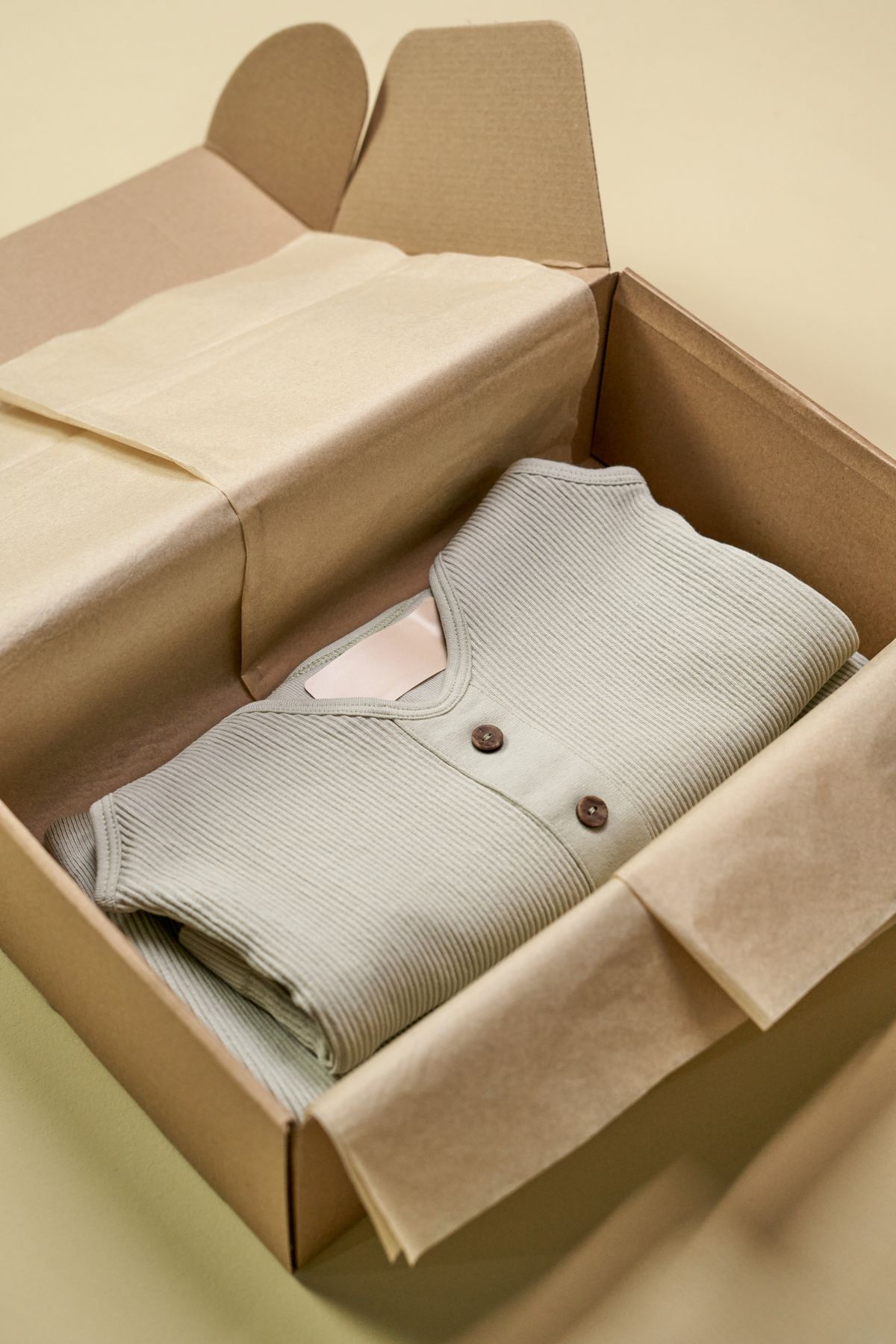
Full-package OEM turns a tech pack or concept into sourced, sampled, decorated, and packed goods. It suits labels asking, ‘Who can own the complete production path?’
Cut-and-sew factories build specified garments from buyer-directed patterns and materials. They suit experienced teams asking, ‘Can we control every construction decision?’
Catalog And Blank Models
ODM adapts existing blocks, colors, trims, and branding with limited development. It suits launches asking, ‘Can we reach market faster with lower design control?’
Blank suppliers provide stocked apparel for printing, embroidery, or resale. They suit events and distributors asking, ‘Do we need speed more than a proprietary garment?’
Specialists And Intermediaries
Activewear and uniform specialists prioritize performance fabrics, team colors, numbering, and repeatable size sets. They suit clubs and schools asking, ‘Does this supplier understand our use case?’
Sourcing intermediaries coordinate factories but may add communication layers and margin. They suit buyers asking, ‘Do we need local project management?’
4. Bulk Clothing Manufacturer Fabric Choices
Fabric selection should begin with the garment’s use, climate, decoration, and target retail tier. A bulk clothing manufacturer should confirm the approved fabric against wash, print, and wear expectations before bulk cutting.
| Fabric | Typical GSM And Hand | Best Fit And Checks |
|---|---|---|
| Cotton jersey | 160–220; soft, breathable | Tees; test shrinkage, wash care, crocking |
| Cotton blend | 180–300; stable, versatile | Value programs; check recovery and colorfastness |
| French terry/fleece | 280–360; warm, structured | Hoodies; confirm pilling and shrinkage |
| Polyester knit | 140–200; quick-drying | Jerseys; test sublimation and colorfastness |
| Performance knit | 150–220; breathable stretch | Sportswear; test wicking, stretch recovery |
| Recycled/certified options | Varies by construction | Verify fiber-content and certification documents |
Match Weight To Category
160–220 GSM jersey suits T-shirts and lighter layers; 280–360 GSM French terry or fleece gives hoodies more structure. Brushed fleece feels warmer, while loopback terry is more breathable.
Plan For Decoration
100% cotton generally supports a soft hand for screen printing, while polyester is suited to sublimation when the color and construction allow it. Test print adhesion, dye migration, and placement after laundering.
Set The Performance Standard
3–5% shrinkage targets, colorfastness, pilling, and seam performance should be agreed by fabric and garment type. Recycled or certified materials require document verification for the specific supplied lot.
5. Customization From a Bulk Clothing Manufacturer
200-piece programs can turn a base garment into a controlled brand, team, school, or corporate product. A bulk clothing manufacturer should document every visual and functional decision before repeating it at scale.
| Method | Durability | Artwork And Placement | Setup And Best Use |
|---|---|---|---|
| Screen print | High with correct cure | Solid colors; chest or back | Screens; tees and fleece |
| Embroidery | High; may pucker light knits | Logos; chest, sleeve, cap | Digitizing; polos and jackets |
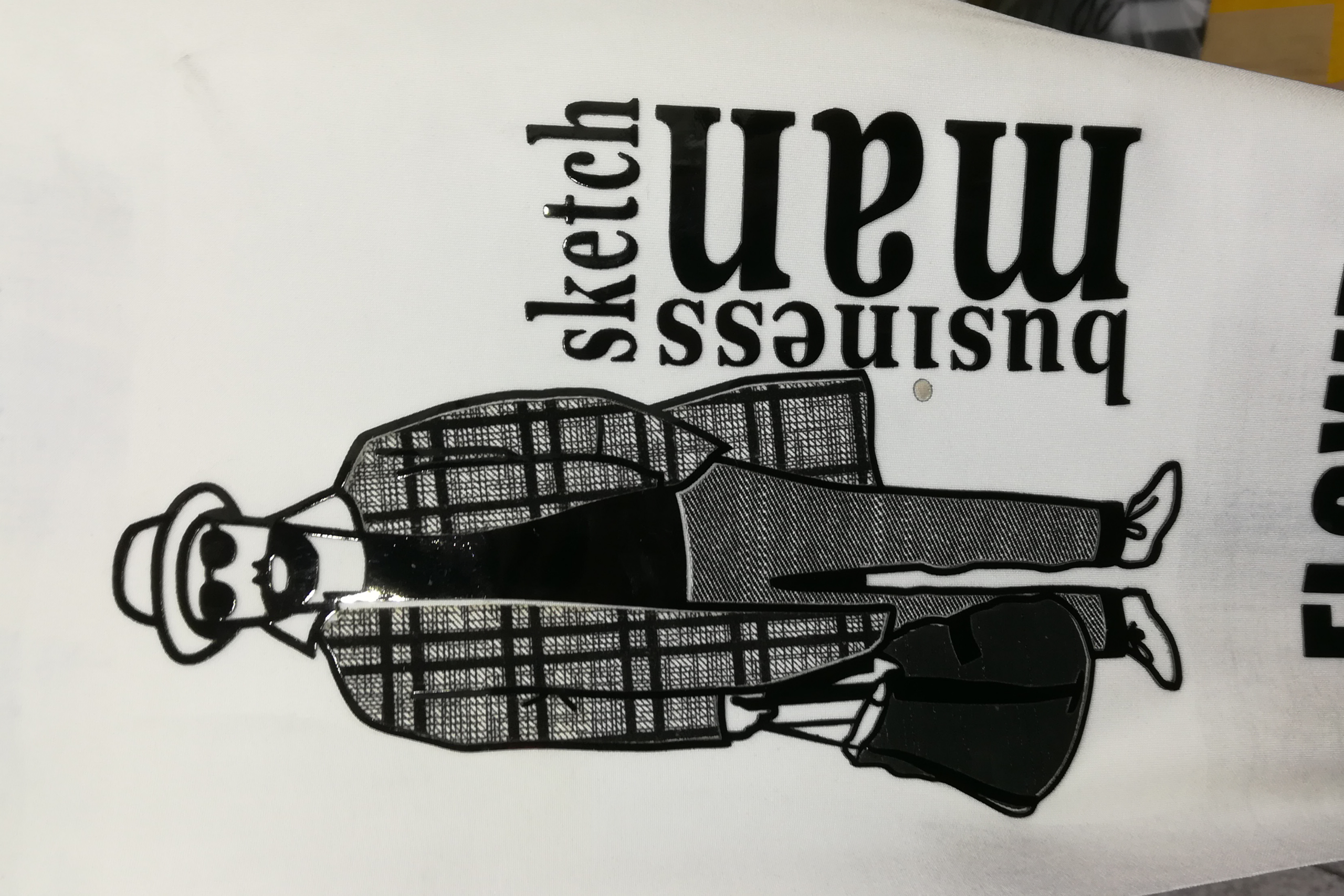
| Heat transfer | Depends on film and press | Detailed multicolor; flat zones | No screens; performance tees |
| Sublimation | Permanent on polyester | All-over color; cut panels | White polyester; jerseys |
Decoration Method
Four decoration routes suit different artwork and garments. Approve artwork size, colors, placement coordinates, and test result on the actual fabric.
Identity Components
Three identity layers—woven labels, neck prints, and size labels—must match approved content and placement. Custom patterns, Pantone color, patches, and packaging also need signed references before bulk cutting.
6. Construction Details That Define Quality
Construction quality is visible in repeatable measurements, balanced seams, and components that retain function after wear and washing. A bulk clothing manufacturer should translate these checks into written, measurable standards before cutting begins.
Seams And Reinforcement
8–12 stitches per inch is a common starting range for many knit seams, but the right density depends on fabric weight and seam type. Specify overlock, coverstitch, flatlock, or lockstitch by operation.
2–3 reinforcement points at pocket corners, crotch joins, plackets, and zipper ends help control stress. Check bartacks, seam allowance, and thread color against the approved sample.
Components, Fit, And Wash
1×1 or 2×2 rib should recover after stretch without permanent waviness; test cuffs, neckbands, and waistbands on the sample. Specify zipper brand, puller, snaps, drawcords, and label attachment.
±1 cm tolerances may suit many body measurements, while placement details often need tighter limits. Record post-wash shrinkage targets and grade rules for every size.
Approval And Final Inspection
100% of approved artwork placements should be checked against named reference points, not visual judgment alone. Inspect print registration, opacity, cure, embroidery alignment, and loose threads before packing.
1 tech pack, 1 signed approval sample, and defined acceptance criteria create a shared standard. EDVORIN can carry those specifications through development, in-line checks, and final inspection.
7. Choosing a Bulk Clothing Manufacturer
The buyer’s core test is simple: can this bulk clothing manufacturer reproduce this exact order, at the approved standard, within the required delivery window? Evaluate the production path, not only the quotation.
Match Category Experience
EDVORIN develops hoodies, outerwear, streetwear and teamwear with category-specific construction, materials and decoration requirements.
1 approved reference sample or comparable production sample is stronger evidence than a generic catalog.
- Review seams, fit, decoration and wash results.
- Confirm men’s or women’s fit blocks.
- Request relevant buyer references.
Test Process Control
EDVORIN’s MOQ starts at 200 pieces per style. 200-piece MOQ programs still need a documented sample, measurement chart, artwork placement and trim specification before bulk cutting.
2 checkpoints—inline inspection and final inspection—help compare production against the approved standard.
- Confirm material sourcing and color approval.
- Define revision response times.
- Ask how capacity and lead times are planned.
Clarify Commercial Handover
1 written order confirmation should state payment milestones, production timing, packing requirements and shipping responsibilities.
EDVORIN organizes development, sourcing, production, quality control, labeling and packaging as one accountable path.
- Assign freight, duties and insurance clearly.
- Record approved sample changes.
- Confirm final documents before dispatch.
8. Bulk Clothing Manufacturer Mistakes to Avoid
Eight preventable decisions can turn a viable apparel order into delays, rework, or unusable inventory. Before issuing a purchase order, make each commercial assumption a written production requirement.
Price Without Specification

One low unit price can exclude fabric weight, trims, testing, or inspection, creating change charges later. Compare like-for-like quotations and lock the bill of materials, decoration, packaging, and Incoterm.
Missing Development Controls
One incomplete tech pack leaves fit, stitching, labels, and placement open to interpretation; skipping a sample removes the physical approval standard. Approve a sealed pre-production sample with revision-controlled measurements, colors, and construction notes.
Fit And Artwork Errors
Two tolerance gaps matter when grading from S to 3XL, because inconsistent proportions increase returns. State grade rules and measurement tolerances; supply vector artwork, Pantone references, and exact placement dimensions before production.
Delivery And Reorder Risks
Thirty production days do not automatically include freight, customs clearance, or final delivery. Separate factory lead time from transit time, preserve approved samples and material references for reorders, and define inspection, defect thresholds, remedies, and claim timing in writing.
9. Steps to Launch a Bulk Apparel Order
A bulk clothing manufacturer order should begin with a buyer-defined product brief, not a price request. First-time private-label teams need one approval path that converts creative choices into production records.
Define The Commercial Brief
Step 1: identify the target wearer, sales channel, launch date, size range, planned units, and target landed cost. State whether the order is a men’s, women’s, team, or unisex program.
Step 2: supply sketches, reference garments, logo files, Pantone colors, and required decoration locations. EDVORIN can turn incomplete concepts into development specifications.
Lock Specifications And Quote
Step 3: review the tech pack for measurements, tolerances, fabric, trims, labels, artwork scale, and packing method. Request a quotation that separates product, decoration, sampling, packaging, and freight assumptions.
Step 4: revise the sample until fit, color, construction, and placement are approved in writing. Keep the signed sample and final tech pack as the bulk standard.
Approve Production And Delivery
Step 5: issue the purchase order and deposit only after confirming quantities, size ratios, delivery terms, and approval records. Agree whether in-line checks, final inspection, or both will apply.
Step 6: approve carton marks, folding, polybags, labels, and freight documents before dispatch. Record actual sell-through, defects, and reorder lead-time needs for the next production run.
10. Bulk Clothing Manufacturer Pricing and Costs
200-piece programs typically carry the highest unit cost because development, setup and material allocation are spread over fewer garments. Ask EDVORIN for an itemized quote separating fabric and GSM, cutting and sewing, decoration, labels, packaging, sampling, inspection and freight.
280–420 GSM fleece, multi-panel jackets, flatlock seams, washing, embroidery and multi-color screen prints generally add cost versus a simple jersey T-shirt. Pantone matching, individual polybags, hangtags, carton requirements, tighter measurement tolerances and higher inspection levels should be priced as separate decisions.
3 landed-cost figures matter: ex-works goods, freight and insurance, then duties and destination handling. Compare identical specifications and approved quality requirements; a lower headline price can cost more after rework, delayed delivery or import charges.
| Illustrative quantity tier | Unit-price direction | Production lead-time range |
|---|---|---|
| 200–499 units | Highest | 30–45 days after approvals |
| 500–999 units | Lower | 35–50 days after approvals |
| 1,000+ units | Lowest potential | 40–60 days after approvals |
Ready to Scale With a Bulk Clothing Manufacturer?
Send your tech pack, reference garment, or concept to EDVORIN for a production-focused quote on OEM, private-label, or teamwear.