
Merchandise Clothing Manufacturer for Collections Built to Repeat
EDVORIN is a merchandise clothing manufacturer for fashion, streetwear, teamwear and private-label programs, with development-to-bulk support starting at 200 pieces per style.
Featured Products for Custom Merchandise Development


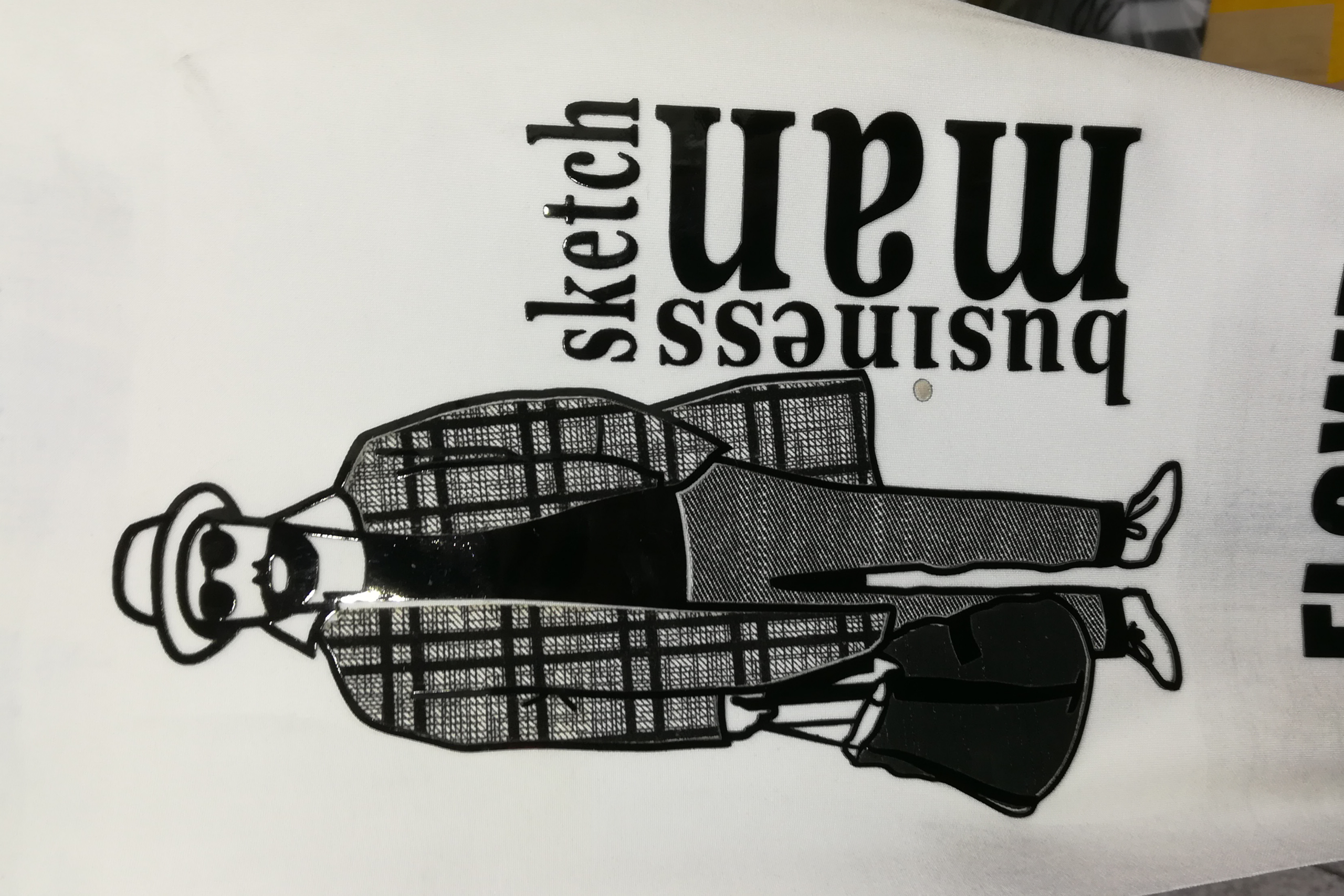
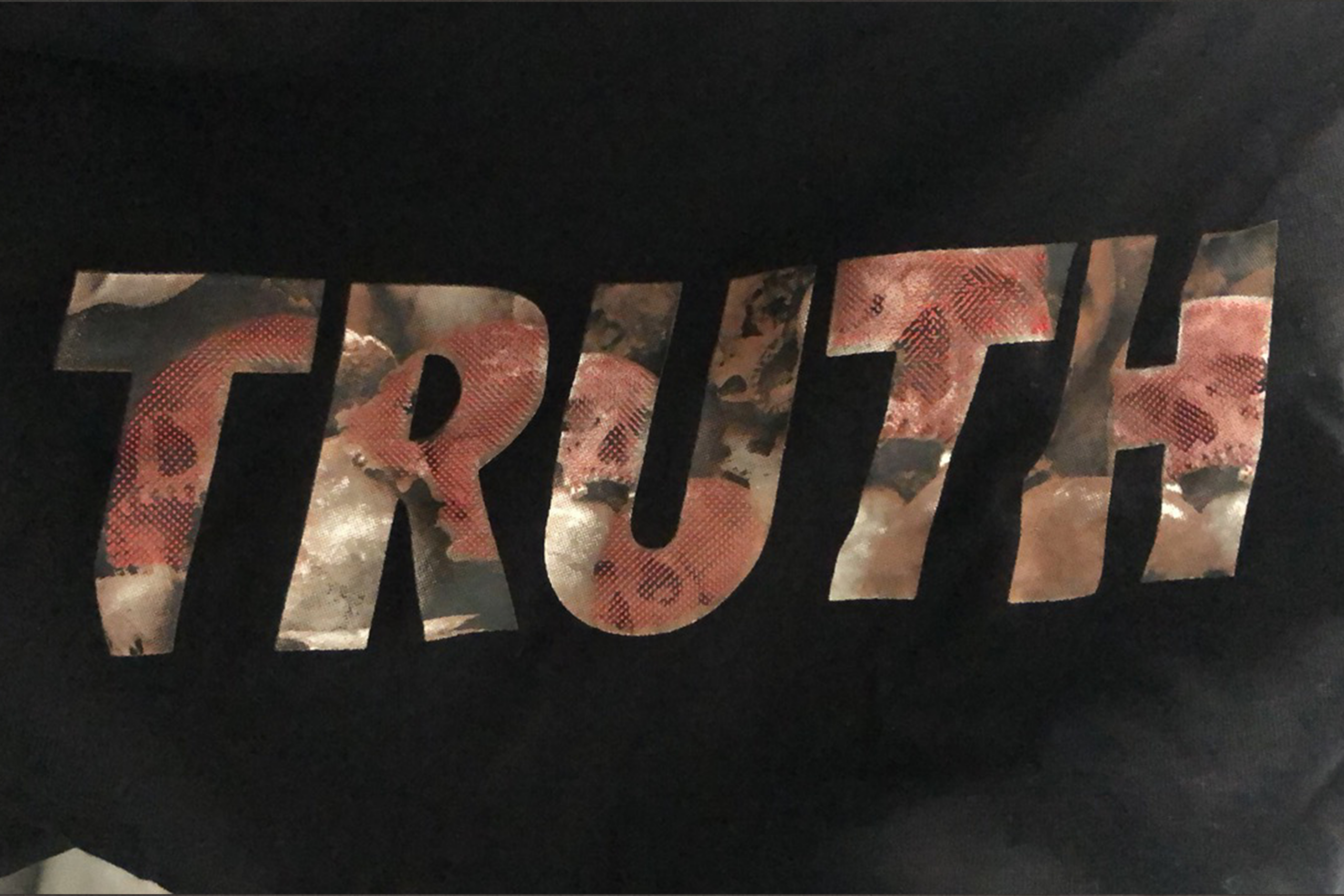
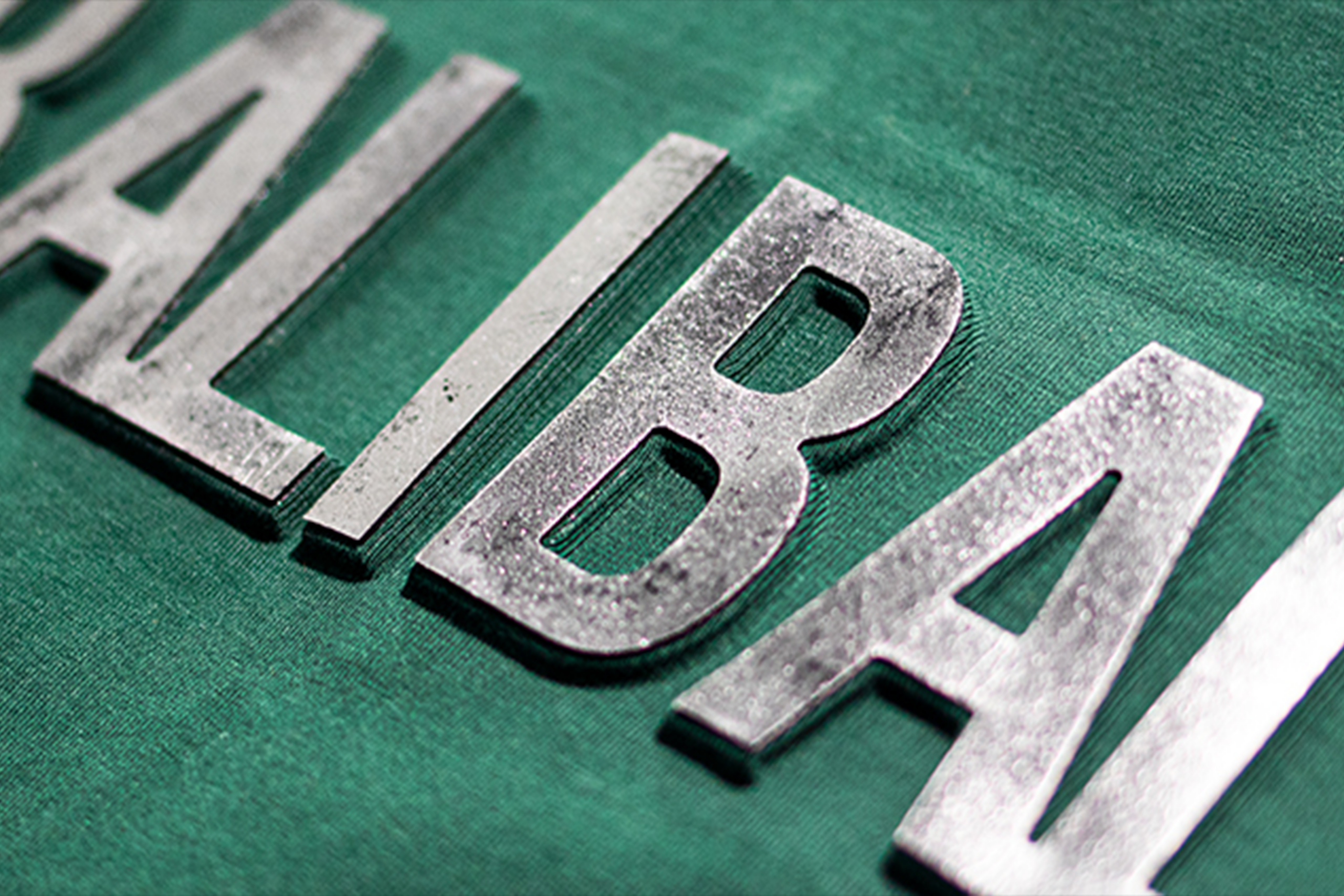
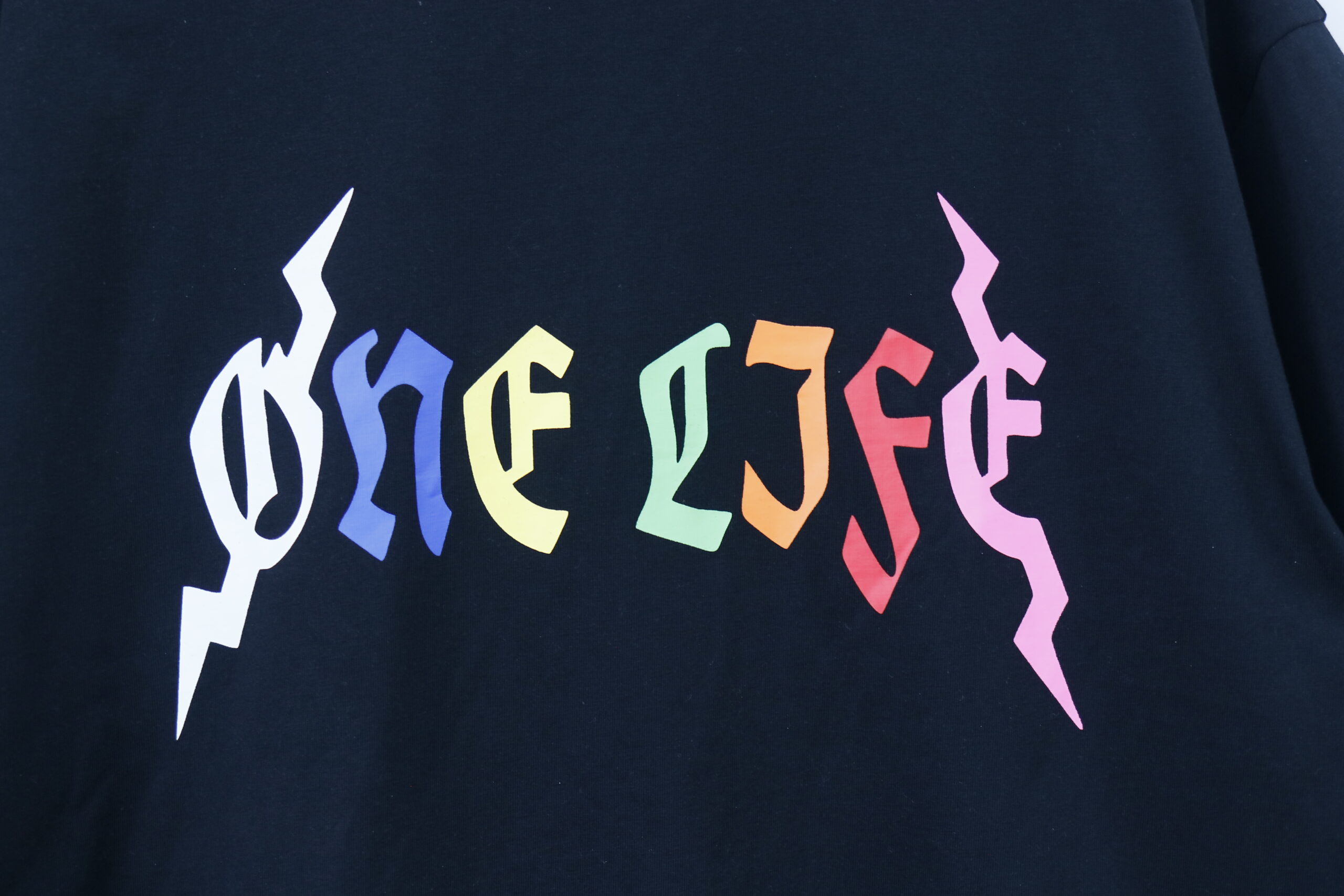
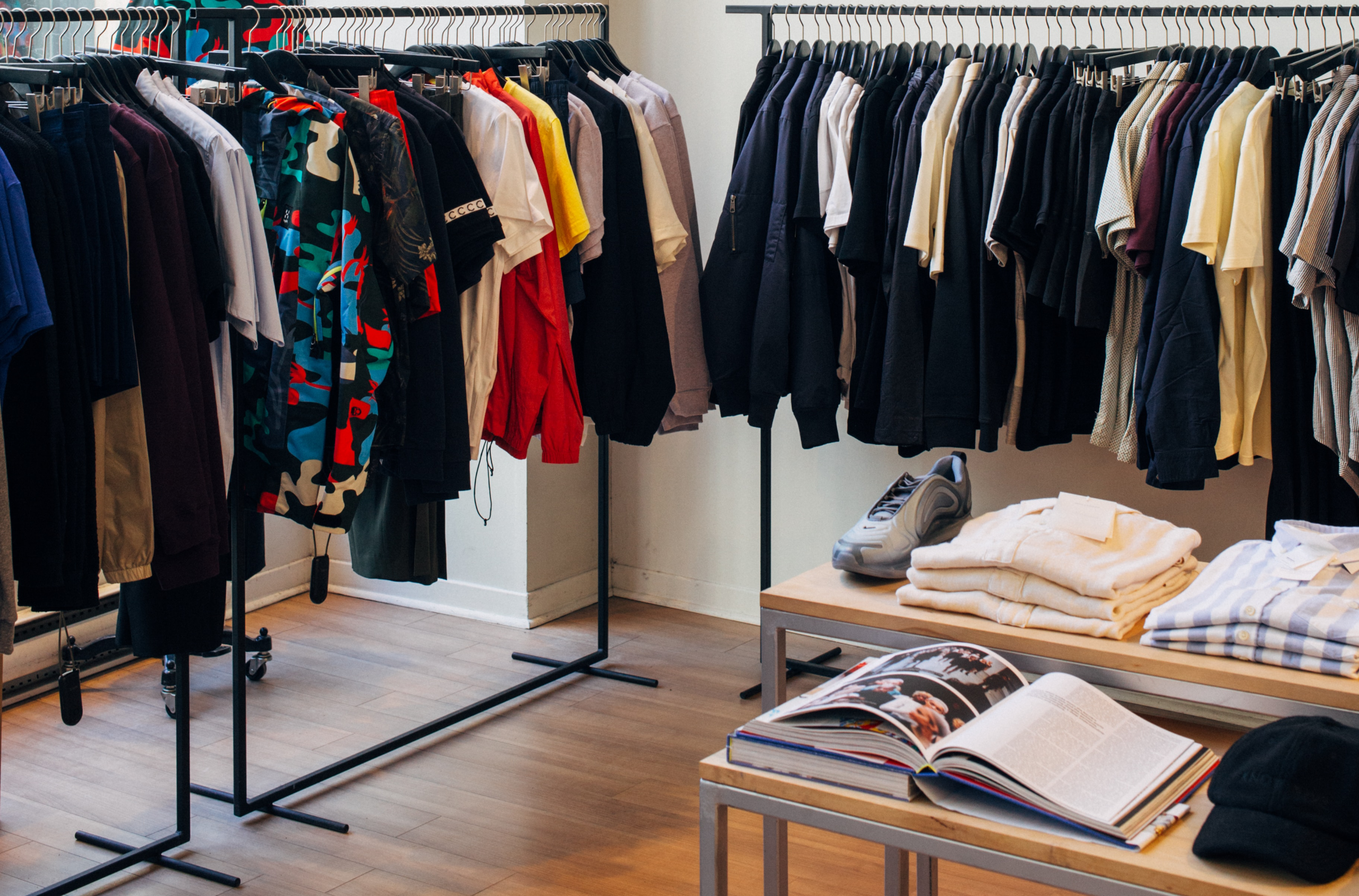
Why Choose EDVORIN as Your Merchandise Clothing Manufacturer
Founder-led development and production discipline that turns apparel concepts into repeatable, production-ready collections.
Founder-Led Discipline
Founder-led since 2000, EDVORIN connects development decisions to production realities, creating accountable standards that support consistent repeat orders.
Flexible Development Support
Bring a full tech pack, sketch, or reference garment; we help convert each starting point into clear, production-ready specifications.
Category-Matched Decoration
Printing, embroidery, washing, and embellishment choices are matched to fabric, construction, and end use, so finished garments perform as intended.
Coordinated Sourcing
Fabric, trims, labels, and packaging are coordinated within one workflow, reducing handoff gaps and keeping collections aligned with approved specifications.
Approved-Standard Quality Control
Samples become the working production standard, guiding measurements, artwork placement, materials, in-line checks, and final inspection before packing.
Apparel Categories Built for Your Market
Developed for fashion, streetwear, outerwear and teamwear programs, with specifications carried from approved sample through repeat bulk production.
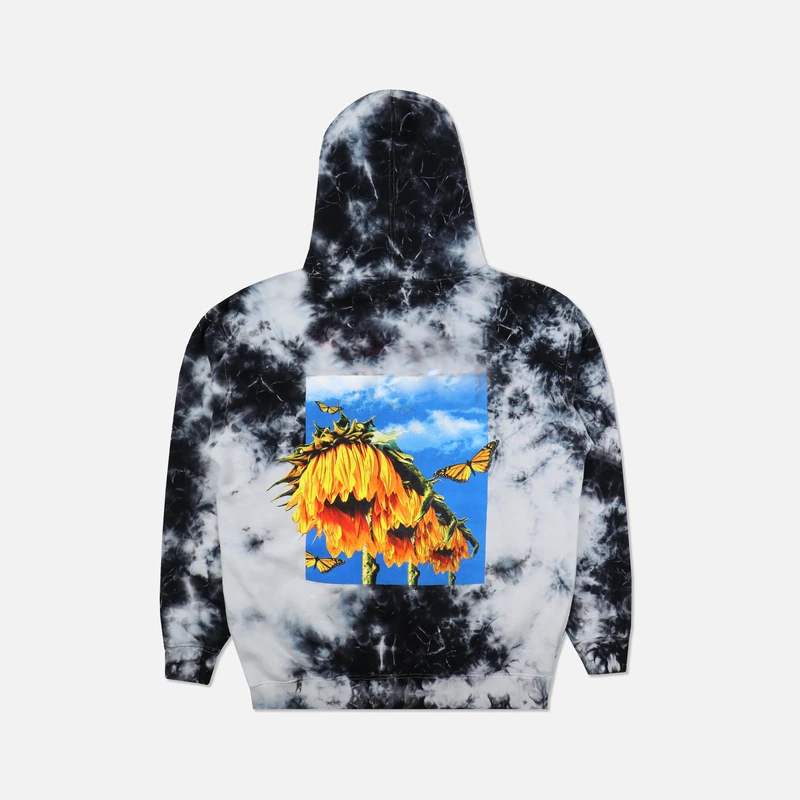
Custom Hoodies
Custom hoodies developed around fleece weight, fit blocks, rib recovery, drawcord construction, pockets and decoration placement. We turn approved hoodie specifications into controlled bulk standards for men’s and women’s brand programs.
Get a Quote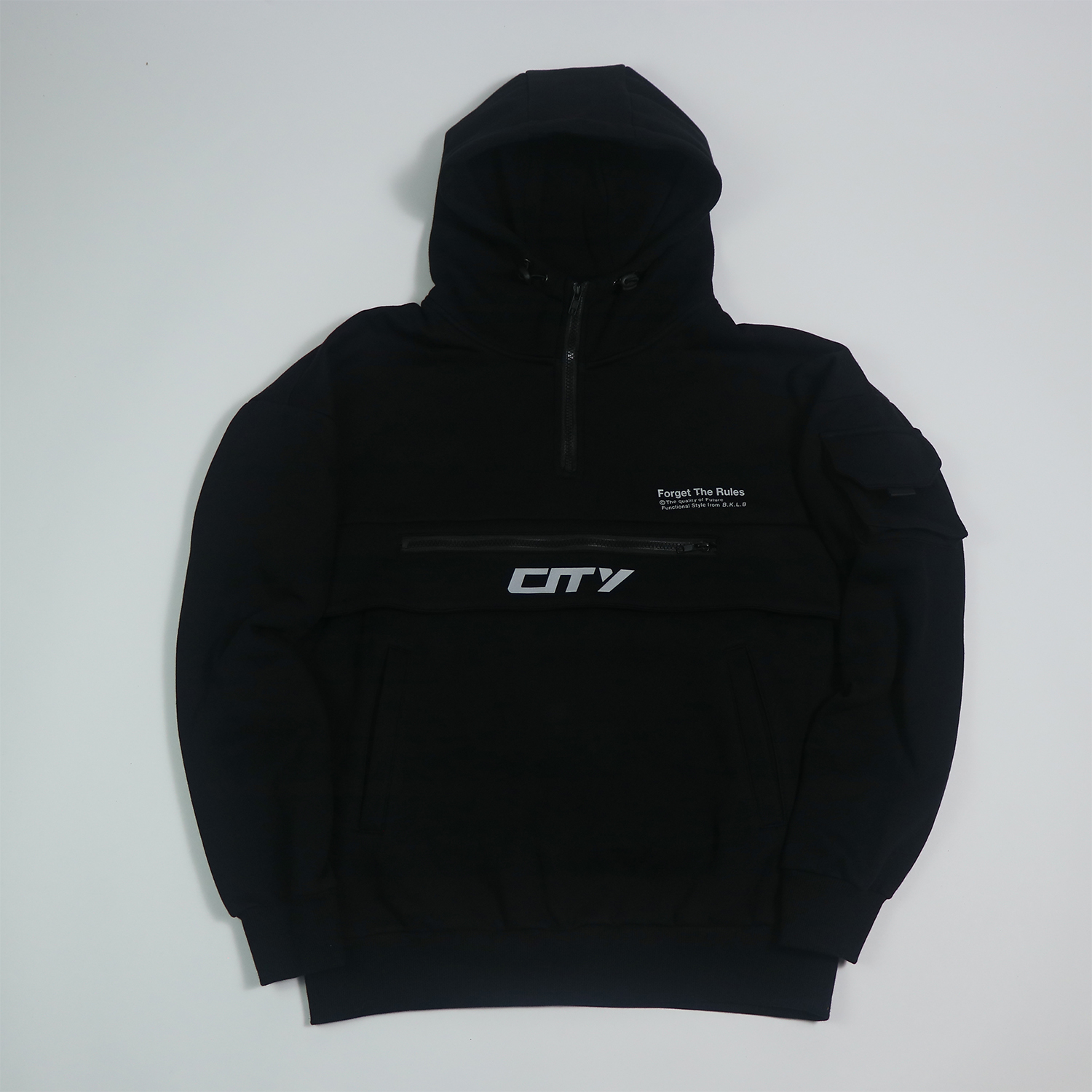
Pullover Sweatshirts
Pullover sweatshirts built with defined fabric weight, neckline construction, rib balance, seams and print or embroidery requirements. Sampling confirms the hand feel and fit before production is repeated across your size range.
Get a Quote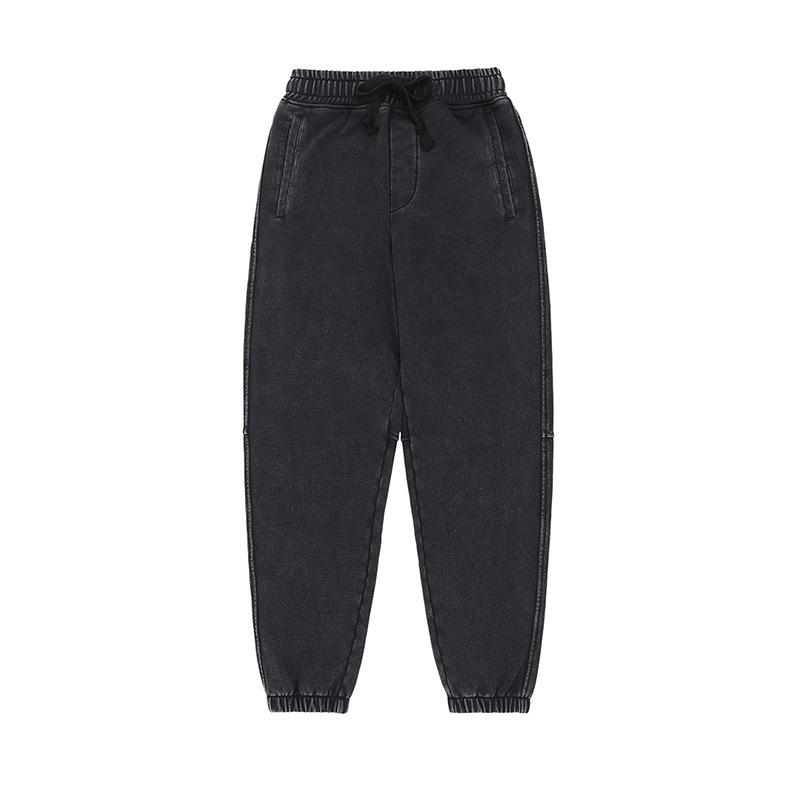
Sweatpants & Joggers
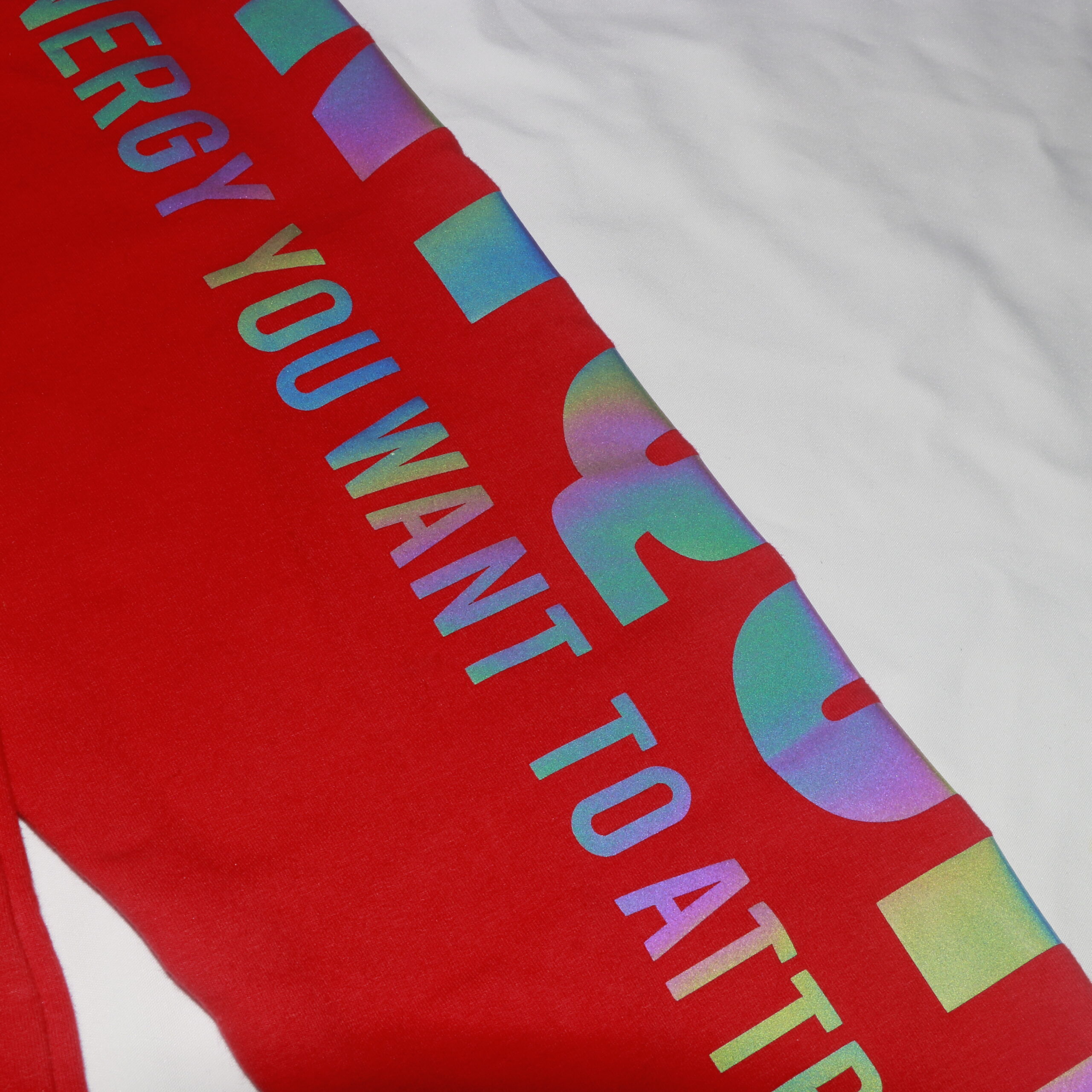
Sweatpants and joggers developed with coordinated fit, waistband and cuff construction, pocket details, drawcords and fabric weight. Suitable for casualwear, sports-inspired and matching-set programs with repeatable grading.
Get a Quote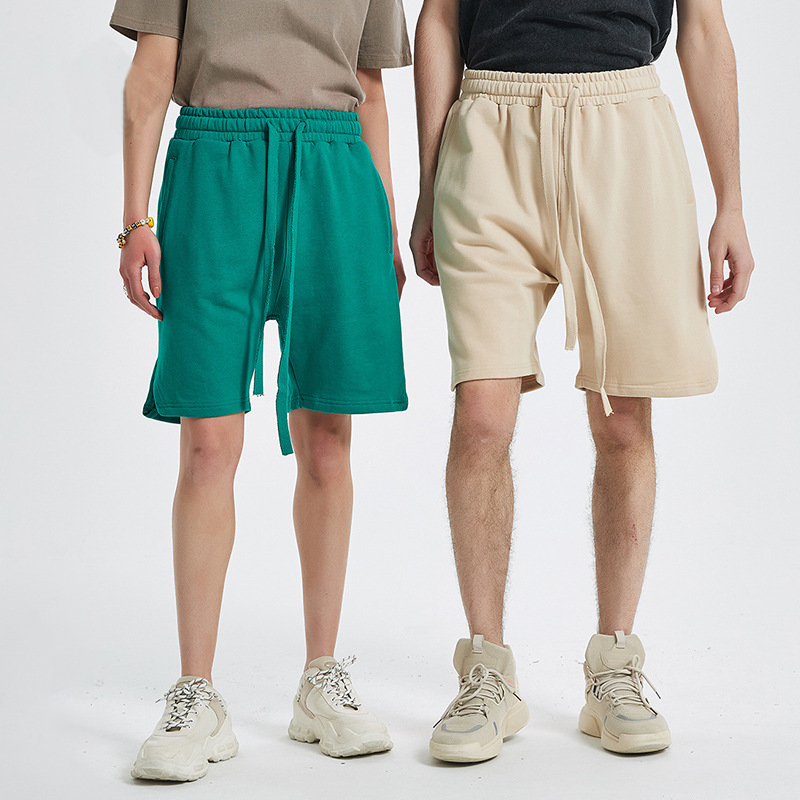
Custom Shorts
Custom shorts produced for lifestyle, training and coordinated apparel ranges. Specify inseam, rise, pocket construction, waistband, lining, fabric performance and decoration, then approve a sample that sets the bulk production standard.
Get a Quote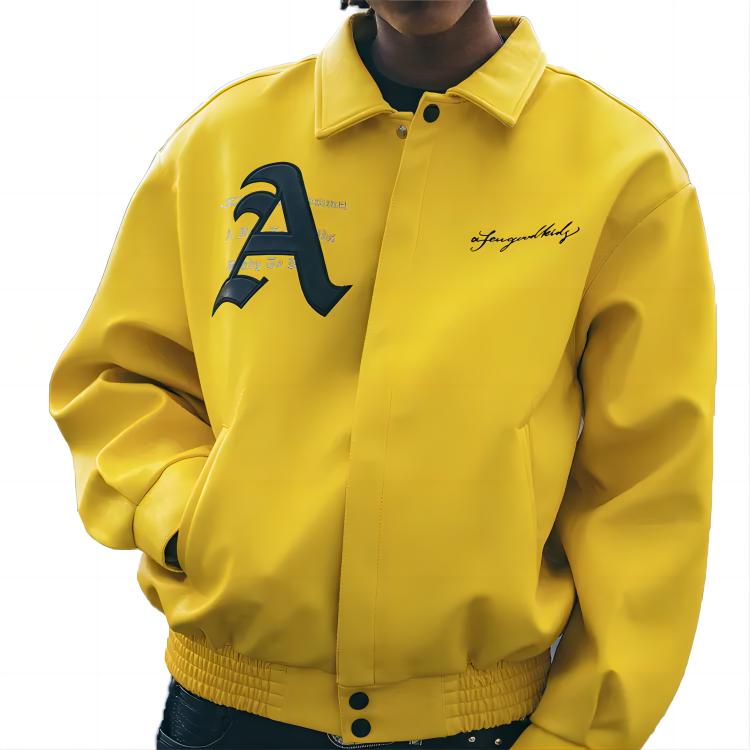
Varsity & Baseball Jackets
Varsity and baseball jackets developed by coordinating body fabric, sleeves, rib, snaps, lining, patches and embroidery. Construction and placement details are documented so the jacket’s character remains consistent through bulk production.
Get a Quote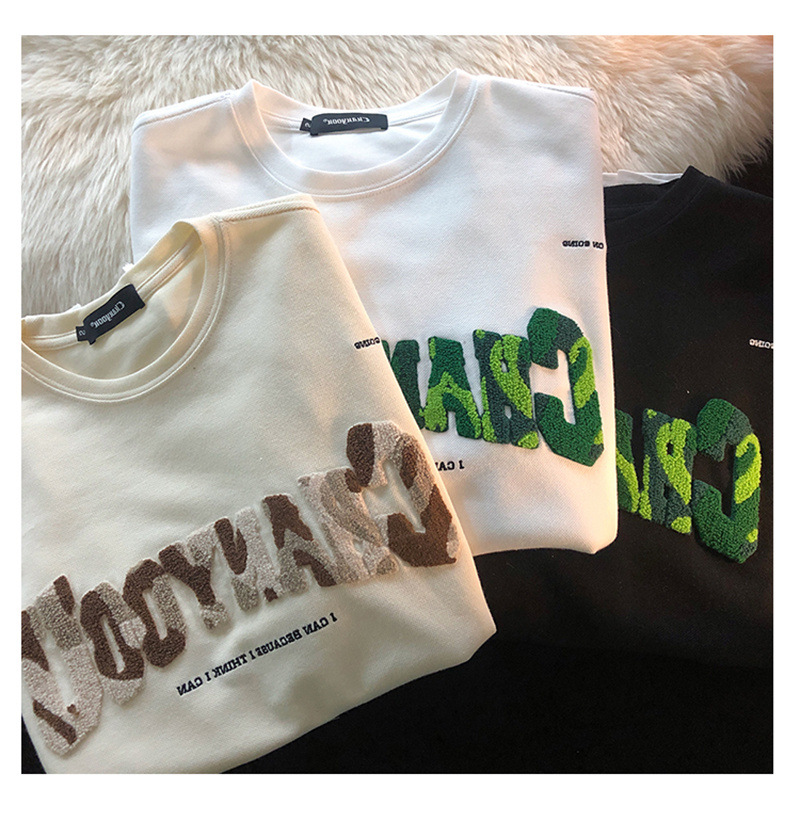
Custom T-Shirts
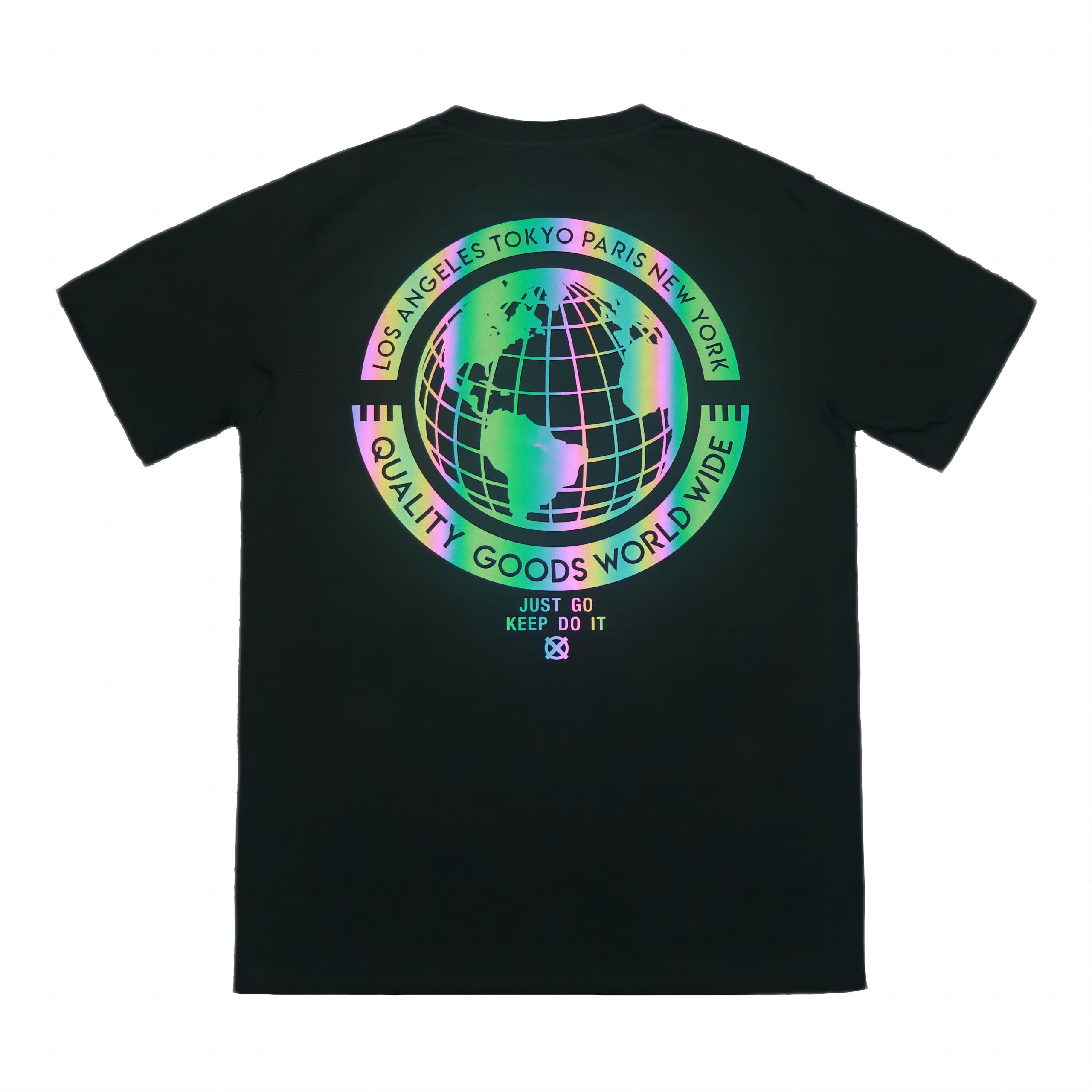
Custom T-shirts developed around fabric composition, weight, fit, collar construction, wash effect and decoration method. We support men’s and women’s programs from basic private-label tees to detailed streetwear releases.
Get a Quote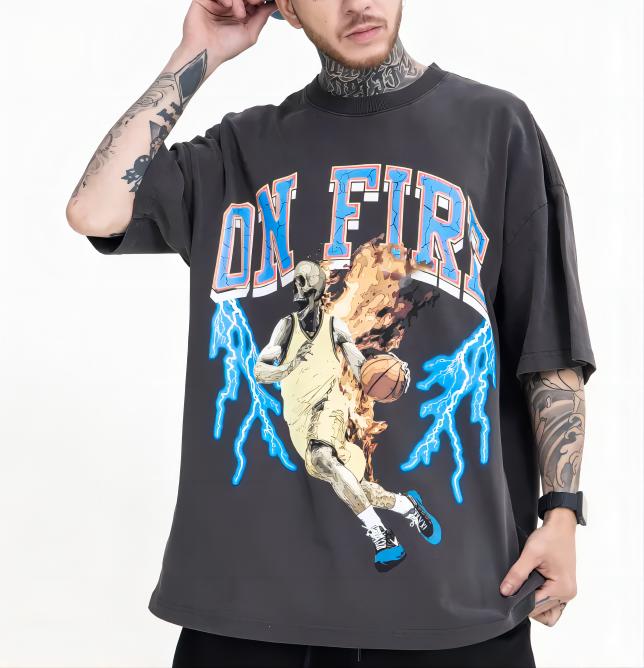
Custom Polo Shirts
Custom polo shirts produced with appropriate knit fabric, collar and placket construction, sleeve finishes, logo placement and color control. Suitable for corporate, school, club and private-label apparel programs.
Get a Quote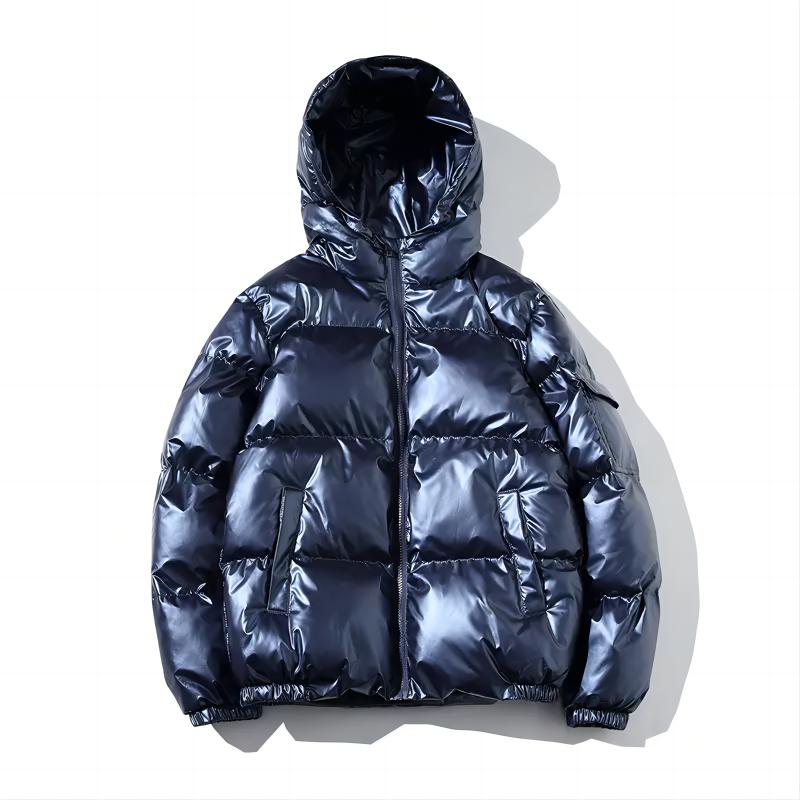
Windbreaker Jackets
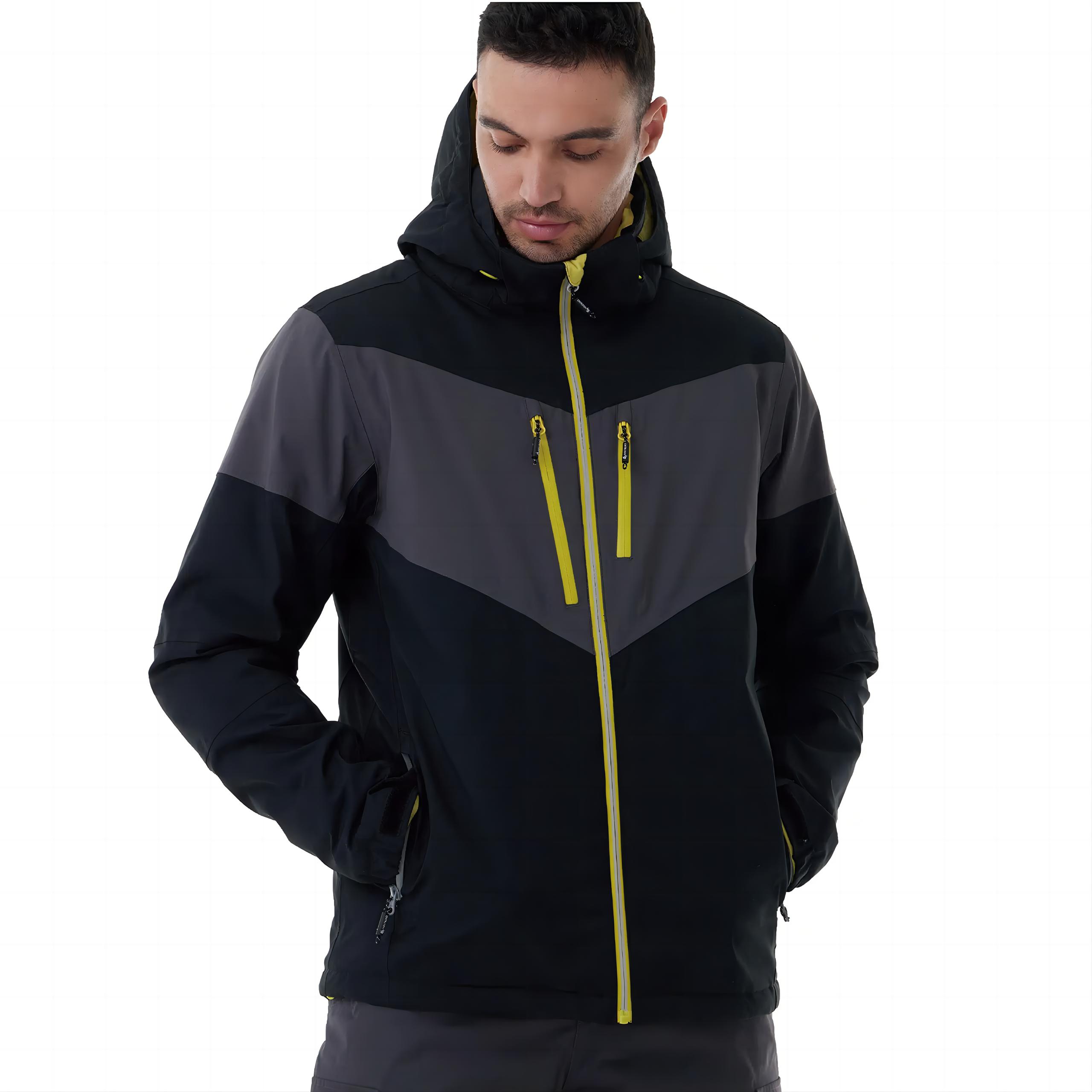
Windbreaker jackets developed with shell fabric, lining, ventilation, zipper, hood, pocket and water-resistance requirements aligned to the intended use. Sampling verifies construction and fit before repeat production begins.
Get a Quote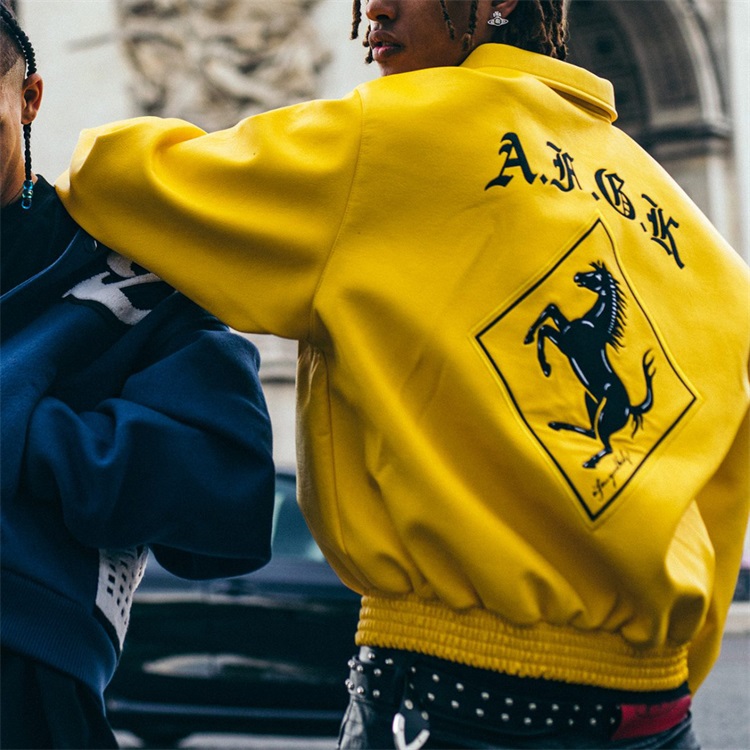
Quilted Jackets
Quilted jackets coordinated across shell fabric, insulation, lining, quilt pattern, binding, hardware and labeling. The approved sample establishes warmth, shape and finishing standards for seasonal outerwear programs.
Get a Quote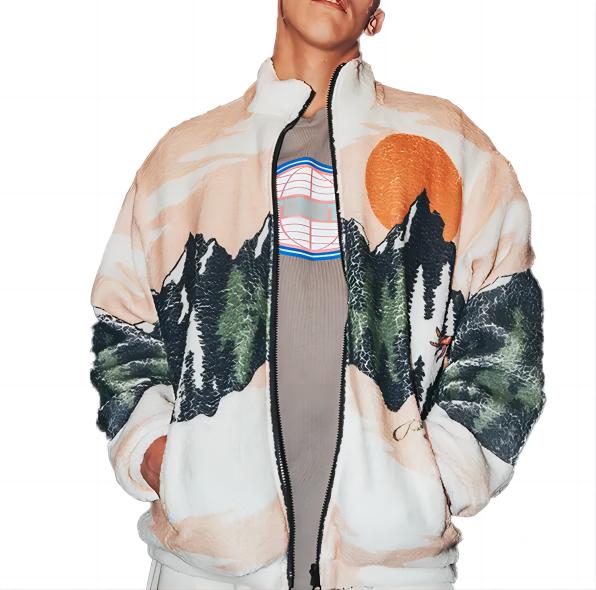
Bomber Jackets
Bomber jackets developed with shell and lining selection, rib specifications, zipper or snap hardware, pocket construction and embroidery or patch placement. Each component is aligned before bulk production for a consistent silhouette.
Get a Quote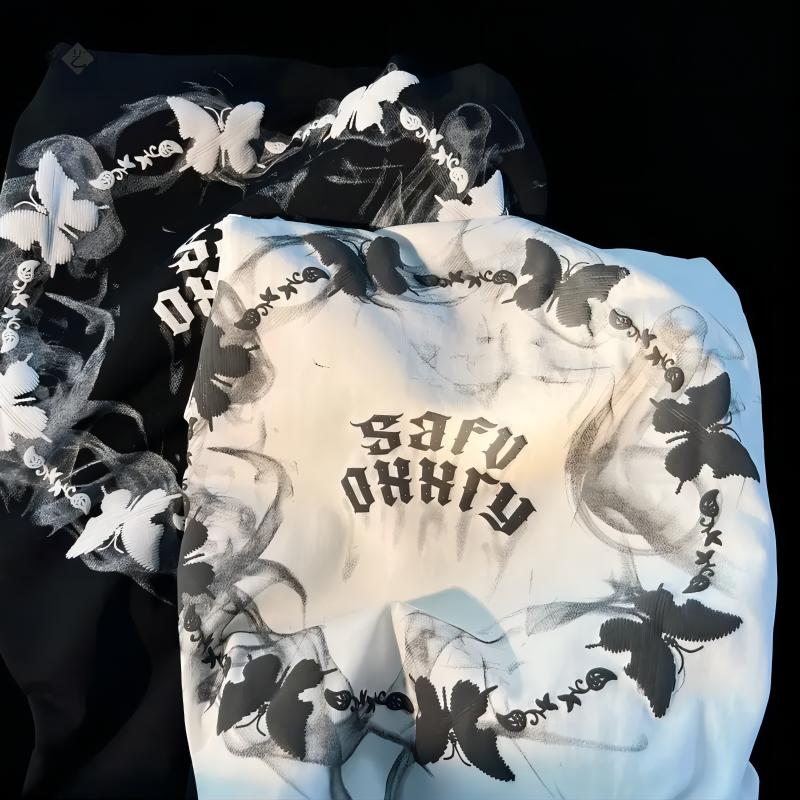
Custom Shirts
Custom woven shirts produced with defined fabric, collar, placket, cuff, pocket, fit and finish requirements. We support men’s and women’s shirts for uniform, lifestyle, resort and private-label collections.
Get a Quote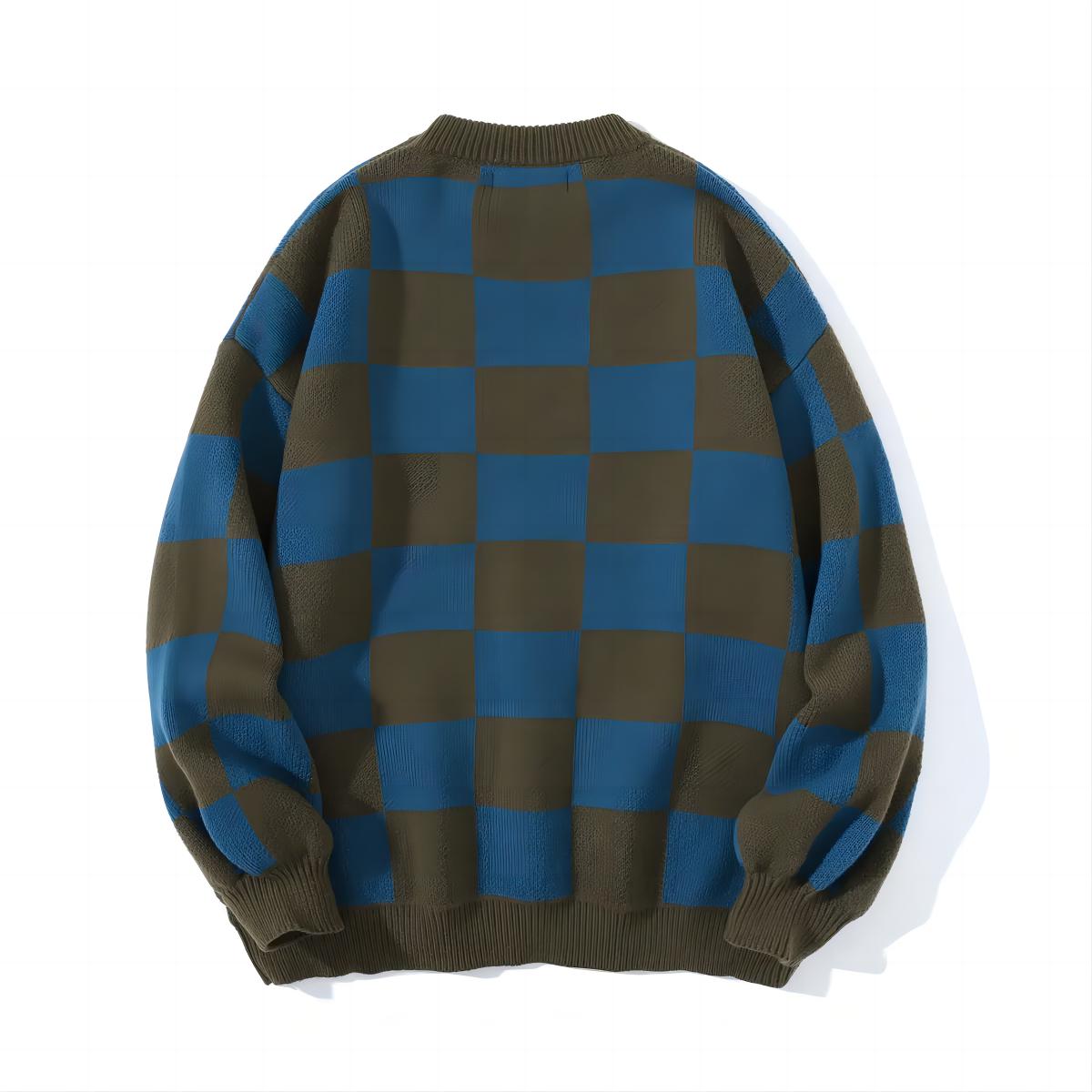
Custom Jerseys
Custom jerseys developed for team, fanwear and athletic-inspired programs with breathable fabrics, panel construction, color matching, logos, names and numbers. Specifications support organized size sets and repeat orders.
Get a Quote
Tank Tops
Tank tops developed for casualwear, activewear and layered streetwear programs. Fabric weight, armhole shape, neckline, binding, fit and decoration are set during sampling to protect consistency in bulk.
Get a Quote
Soccer Uniforms
Soccer uniforms built around breathable performance fabrics, coordinated jersey and short specifications, team colors, crest placement, player names and numbers. Production controls support accurate sizing and repeat club orders.
Get a Quote
Basketball Uniforms
Basketball uniforms developed with suitable lightweight fabrics, jersey and short proportions, contrast panels, trims, team graphics and number placement. Approved standards guide color, sizing and decoration across the full roster.
Get a Quote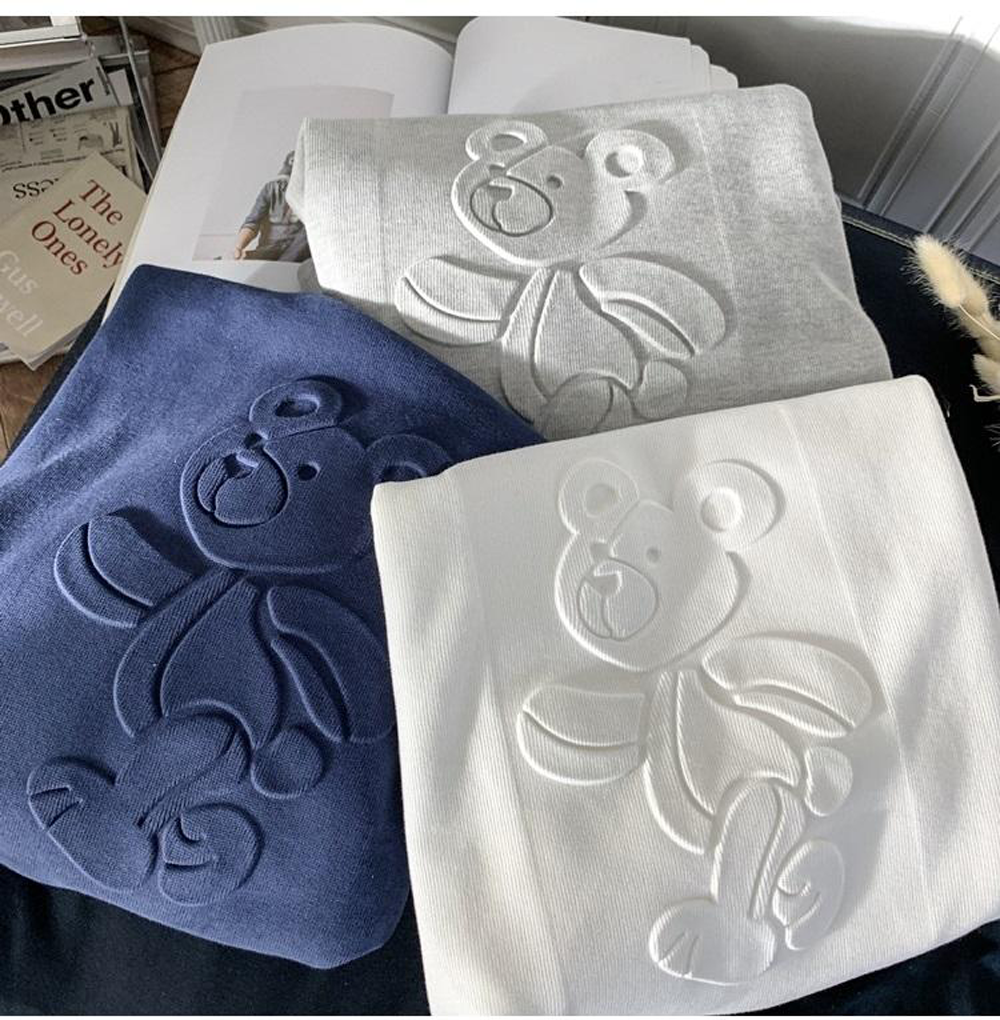
Streetwear Collections
Streetwear collections developed as connected programs across tees, hoodies, sweatshirts, bottoms, jackets and accessories. EDVORIN coordinates materials, fit blocks, washes, trims and decoration so each style can move from concept to repeatable production.
Get a QuoteMaterials Selected for Construction, Comfort and Performance
Cotton Jersey
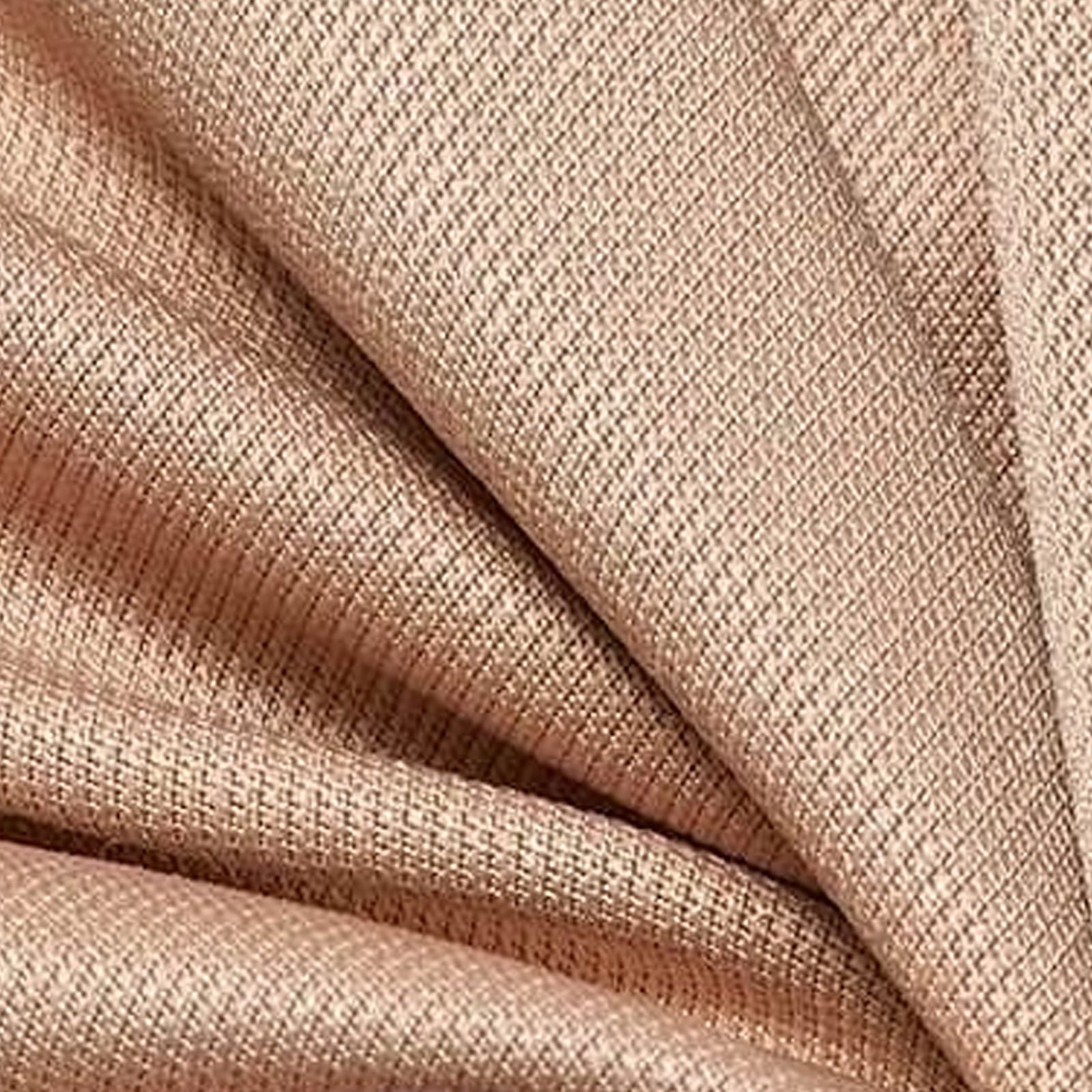
A soft, breathable knit for T-shirts, polos and lightweight casualwear. Cotton jersey can be specified in different weights and finishes to balance everyday comfort, printability and the hand-feel your collection requires.
French Terry
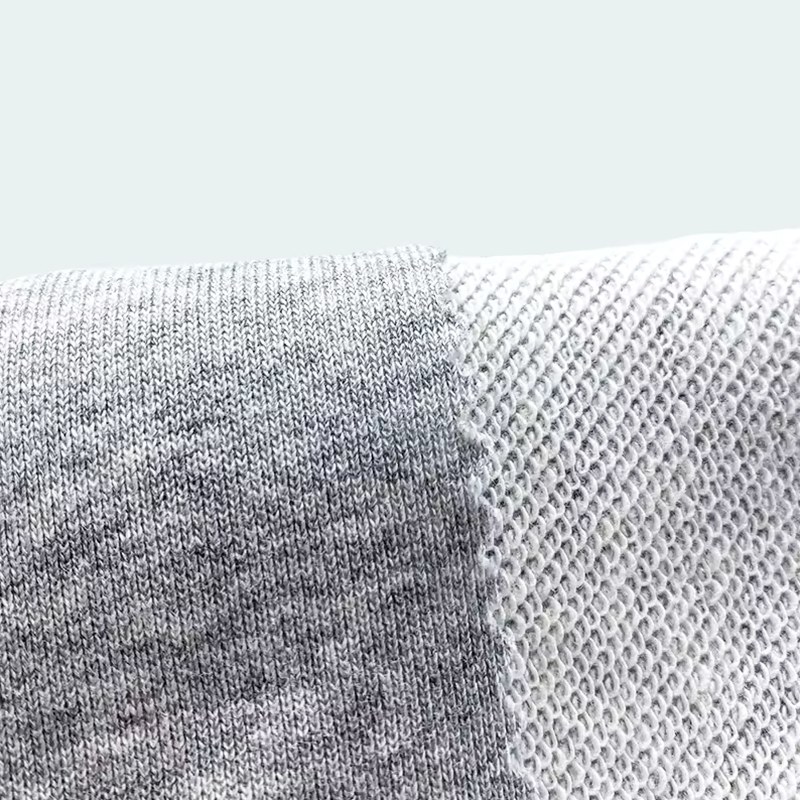
Loopback French terry delivers a structured yet comfortable feel for hoodies, sweatshirts and joggers. Its unbrushed interior adds breathable warmth, while custom fabric weight helps shape the garment’s drape and seasonal positioning.
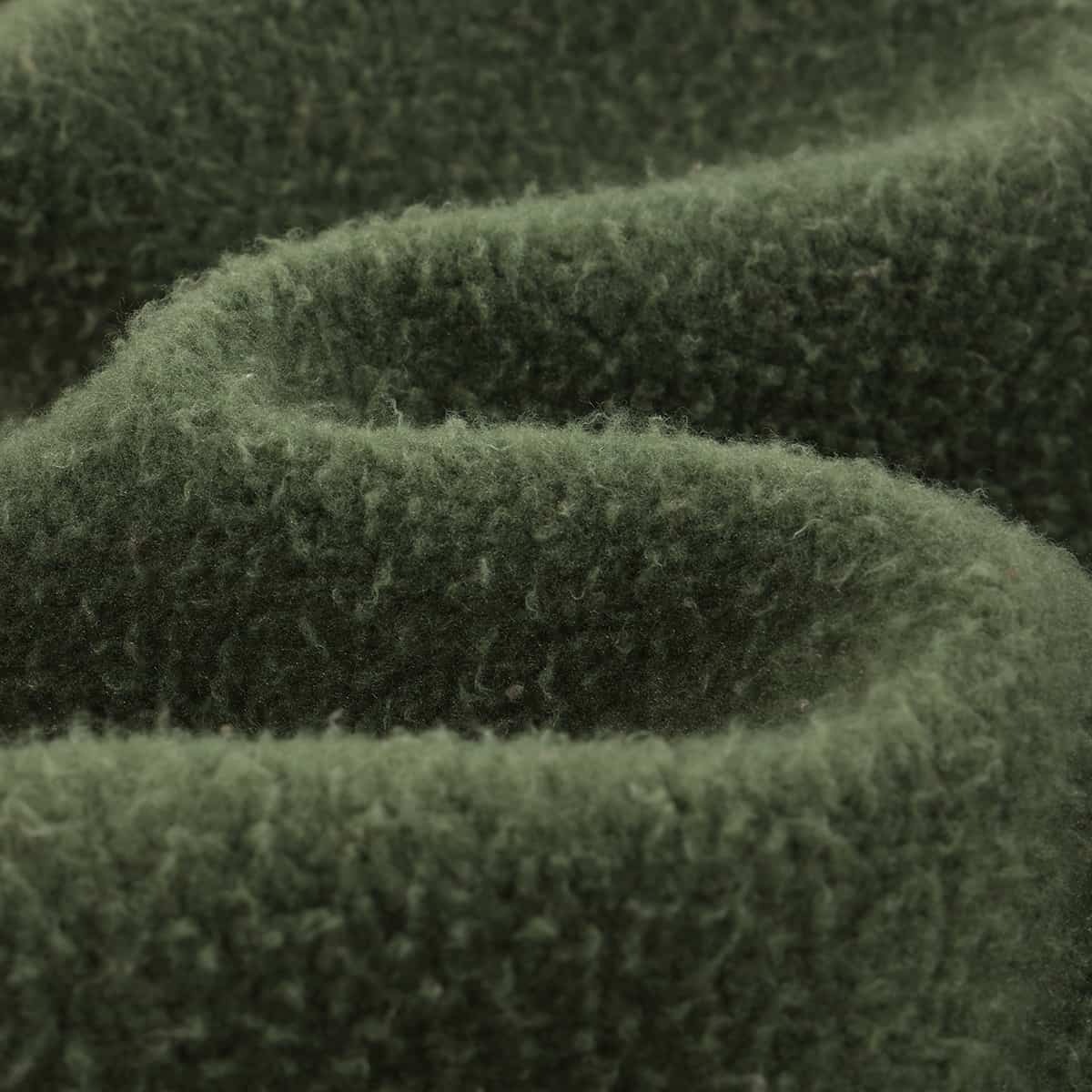
Brushed Fleece
Brushed fleece creates a warm, substantial hand for heavyweight hoodies, sweatpants and cold-weather merchandise. Available in varied weights, it supports soft interior comfort while maintaining the body needed for streetwear silhouettes.
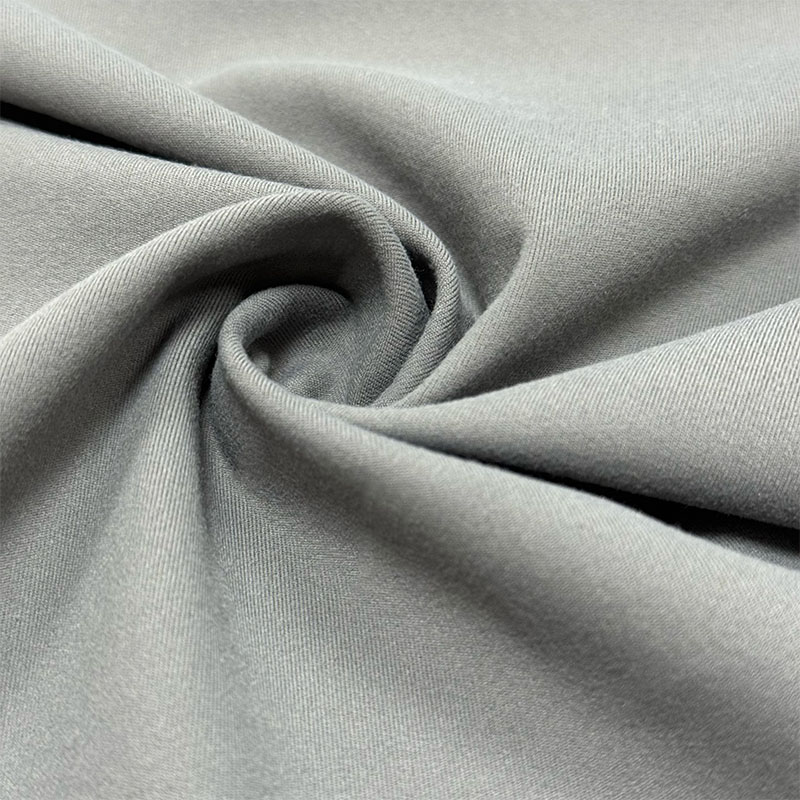
Performance Polyester
Performance polyester is suited to jerseys, teamwear, training apparel and active programs. Its lightweight construction can support moisture management and quick drying, with knit structure selected for stretch, breathability and decoration compatibility.
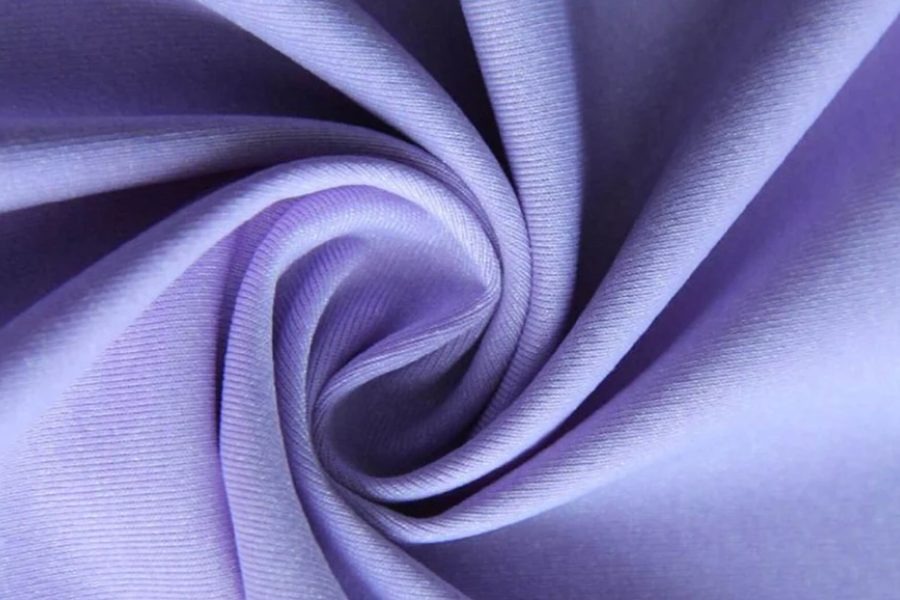
Woven Technical Shells
Woven shell fabrics support windbreakers, bomber jackets and outerwear layers requiring a cleaner surface and defined structure. Options can include water-resistant finishes, ripstop construction or stretch blends matched to the garment’s purpose.
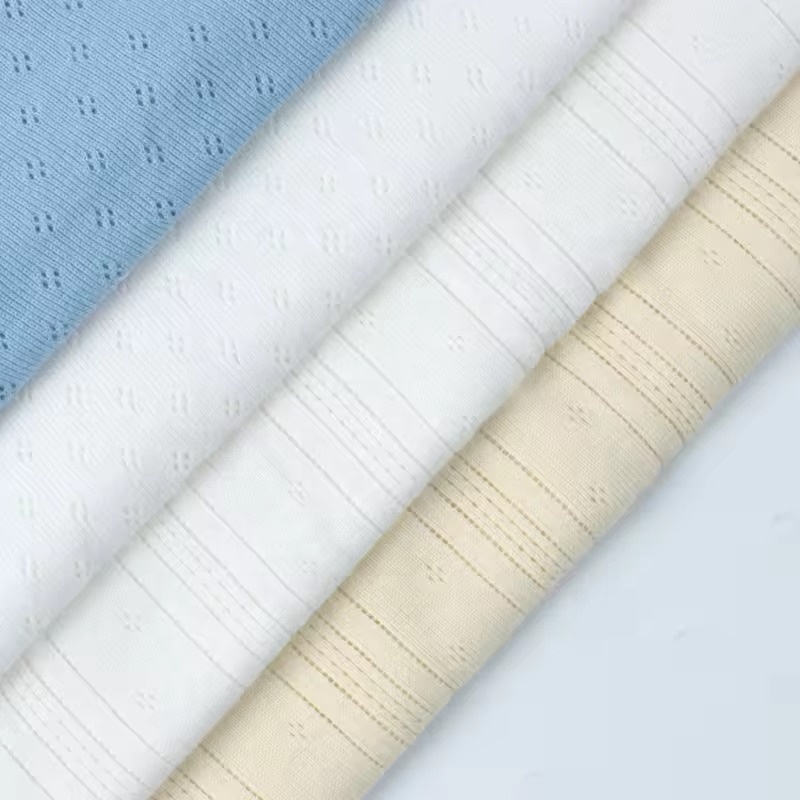
Organic Recycled Blends
Organic and recycled material options help develop considered private-label collections without treating sustainability as an afterthought. Fiber blends, weight and certification-program requirements can be aligned with your product specification and sourcing plan.
Custom Apparel Printing, Embroidery and Finishing
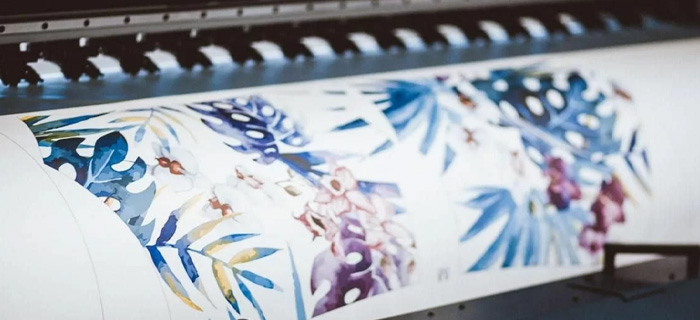
Sublimation Printing
Create full-color, all-over graphics for performance-focused jerseys and coordinated teamwear. Artwork is developed with panel construction and placement in mind, helping colors, names, numbers, and visual continuity carry across the finished garment.
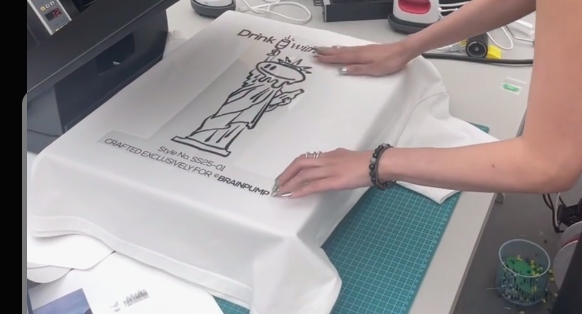
Heat Transfer
Apply precise logos, names, numbers, and detailed graphics where flexibility and clean edges matter. EDVORIN coordinates the transfer method with the base fabric and garment use so the decoration supports the intended performance.
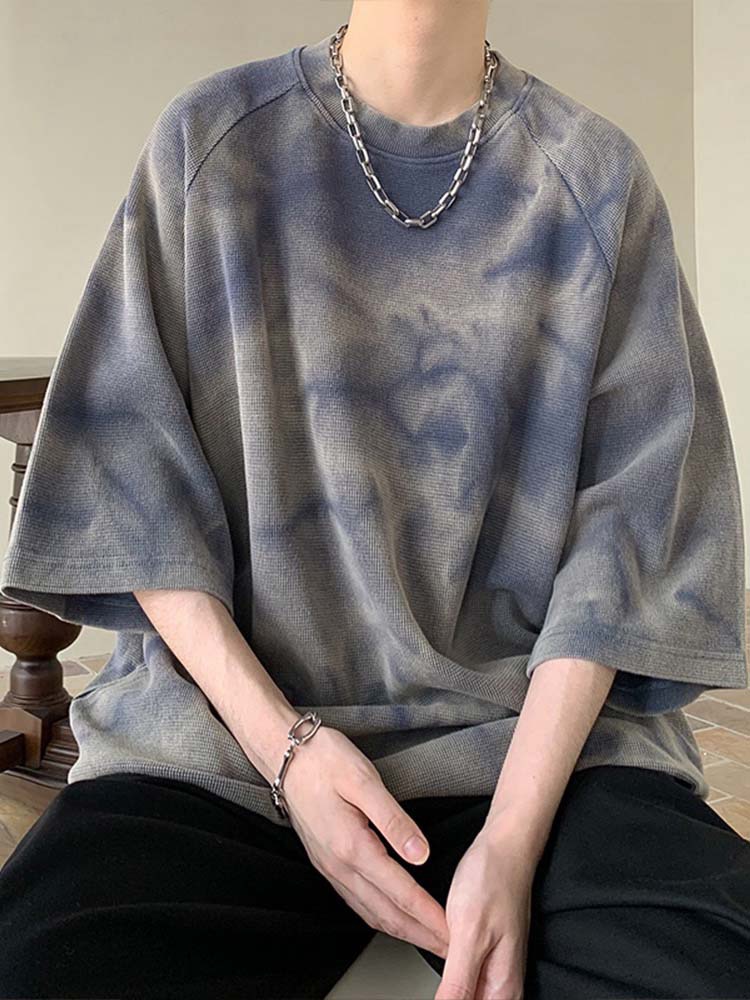
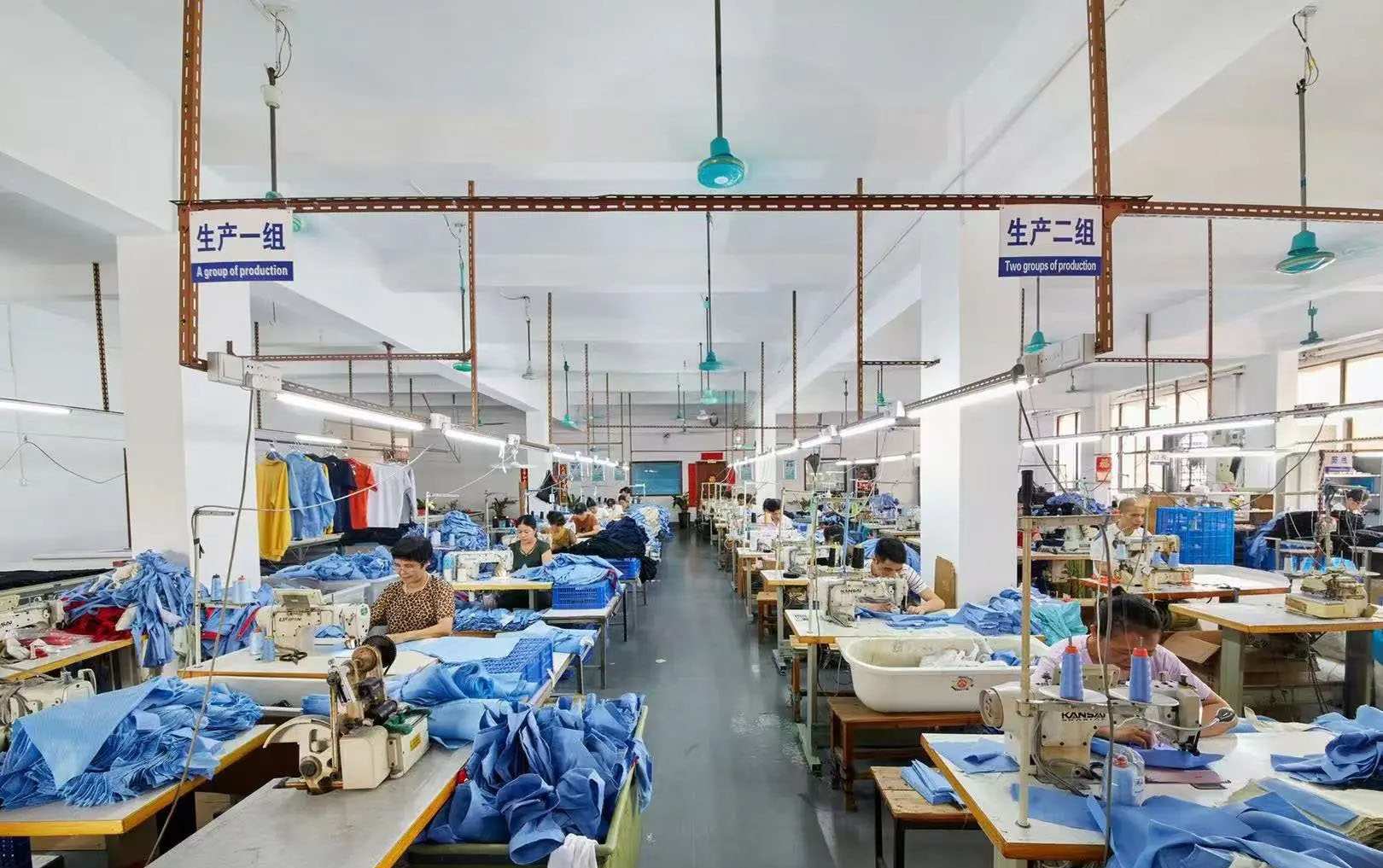
Cut and Sew
Turn approved patterns, fabrics, trims, and construction details into production-ready garments. Each component is coordinated around fit, function, and decoration requirements, creating a clear standard for repeatable private-label manufacturing.
Private-Label Trims, Labels and Packaging
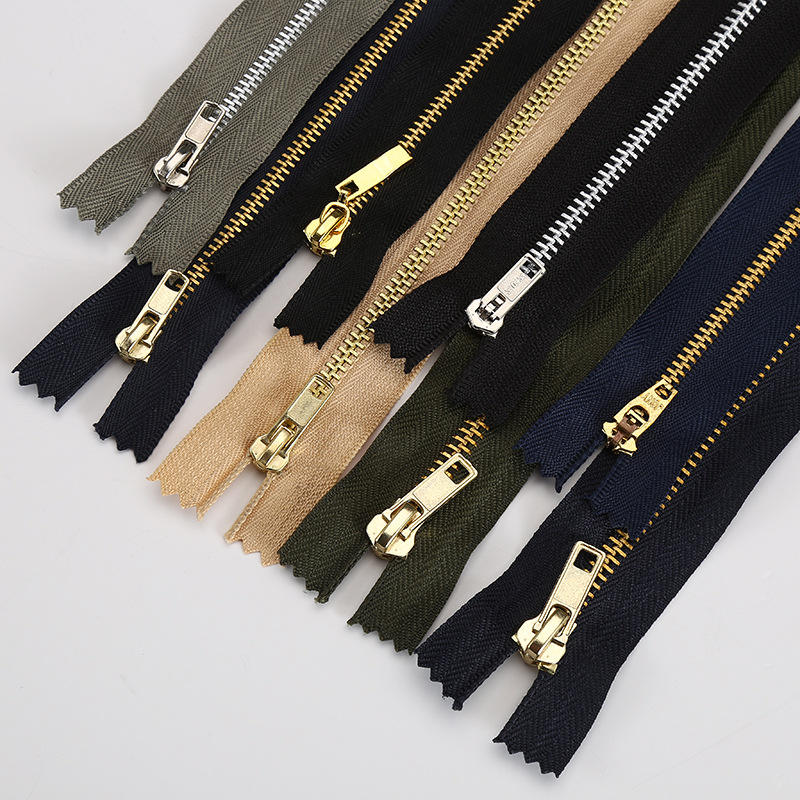
YKK Zippers
Select zipper size, finish, puller shape and placement for hoodies, outerwear and track pieces. Documented zipper specifications help preserve function, appearance and consistency across repeat production runs.
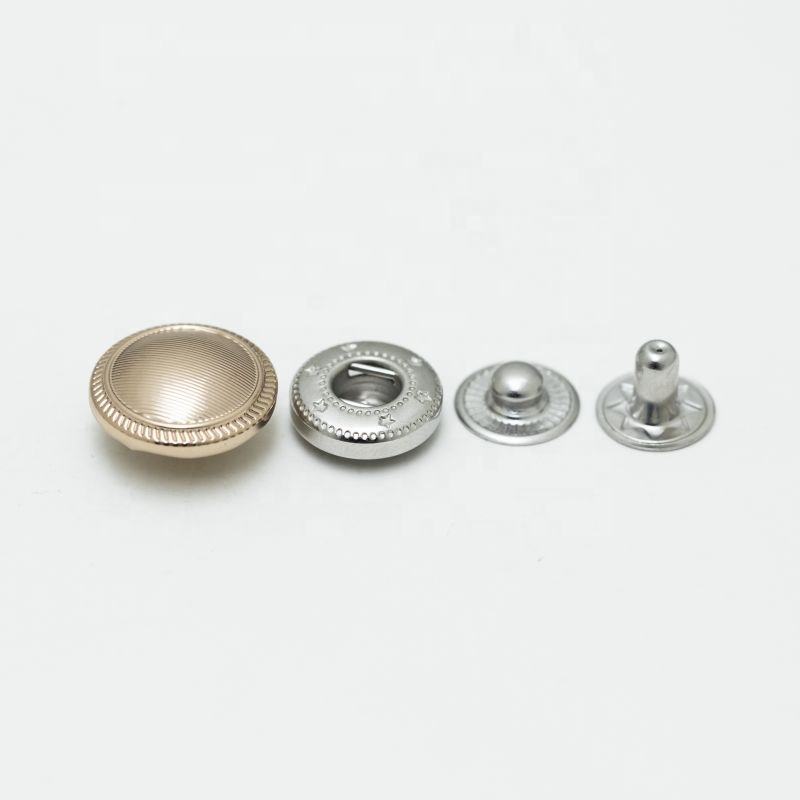
Snap Buttons
Customize snap finishes, cap styles and placements for varsity jackets, coach jackets and outerwear. The right snap specification supports reliable closure while reinforcing the collection’s intended visual character.
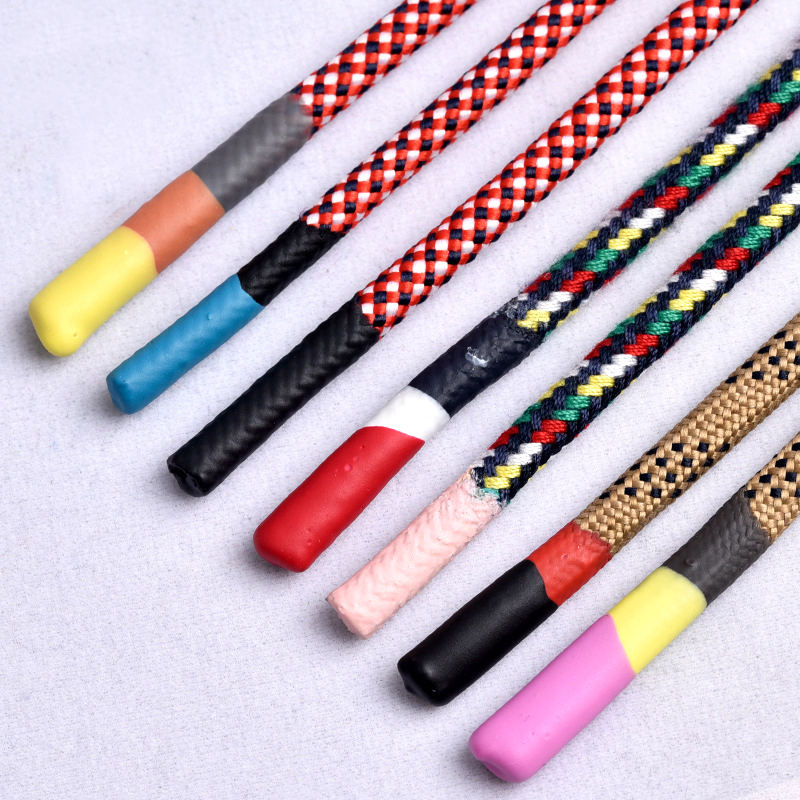
Drawcord Tipping
Coordinate drawcord material, thickness, color and tipped ends for hoodies, sweatpants and shorts. These details can align with garment colors, hardware and trims for a more considered private-label finish.
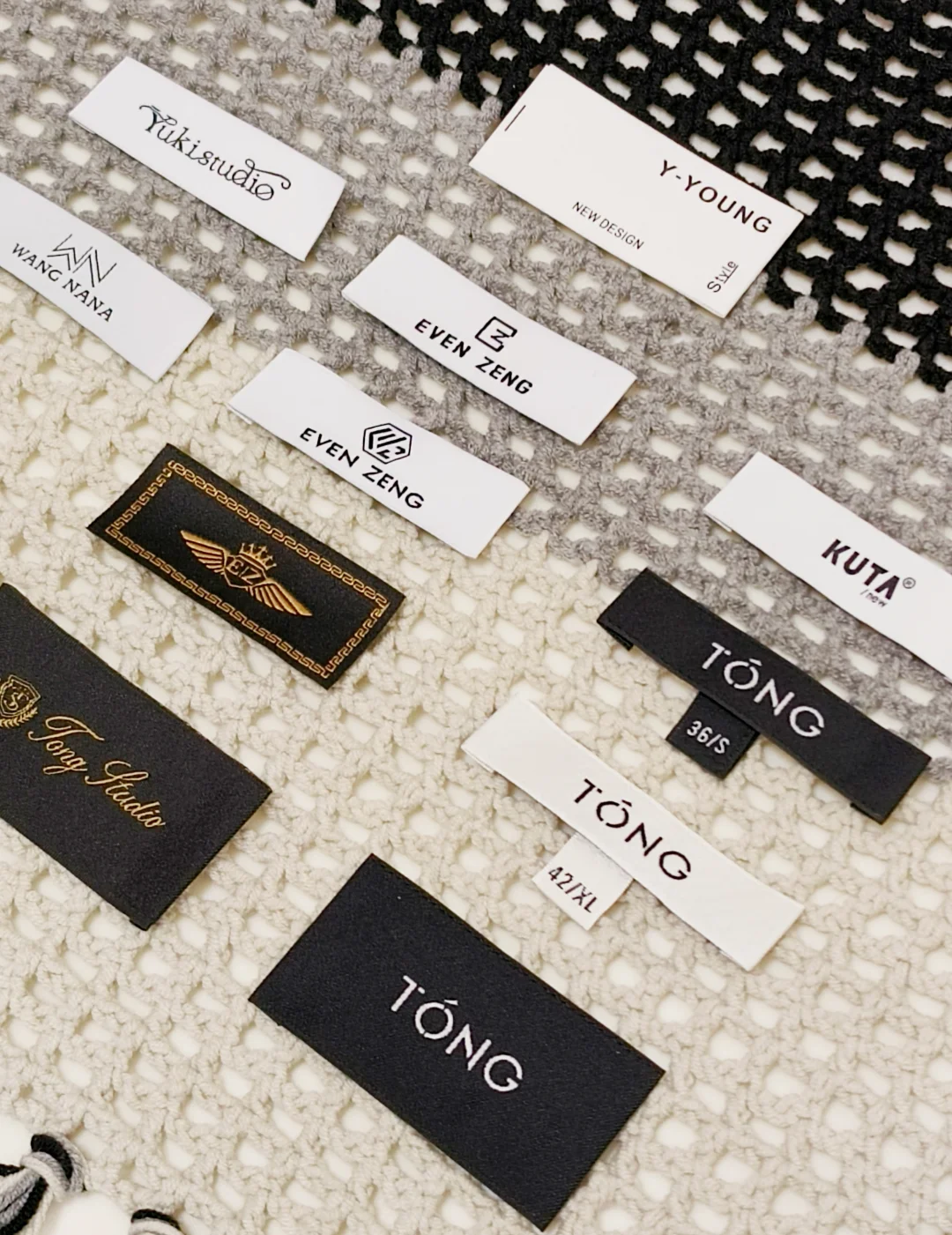
Woven Labels
Add custom main labels, size labels and care labels with defined artwork, color and placement. Clear labeling specifications help maintain brand identification and practical garment information across every size run.
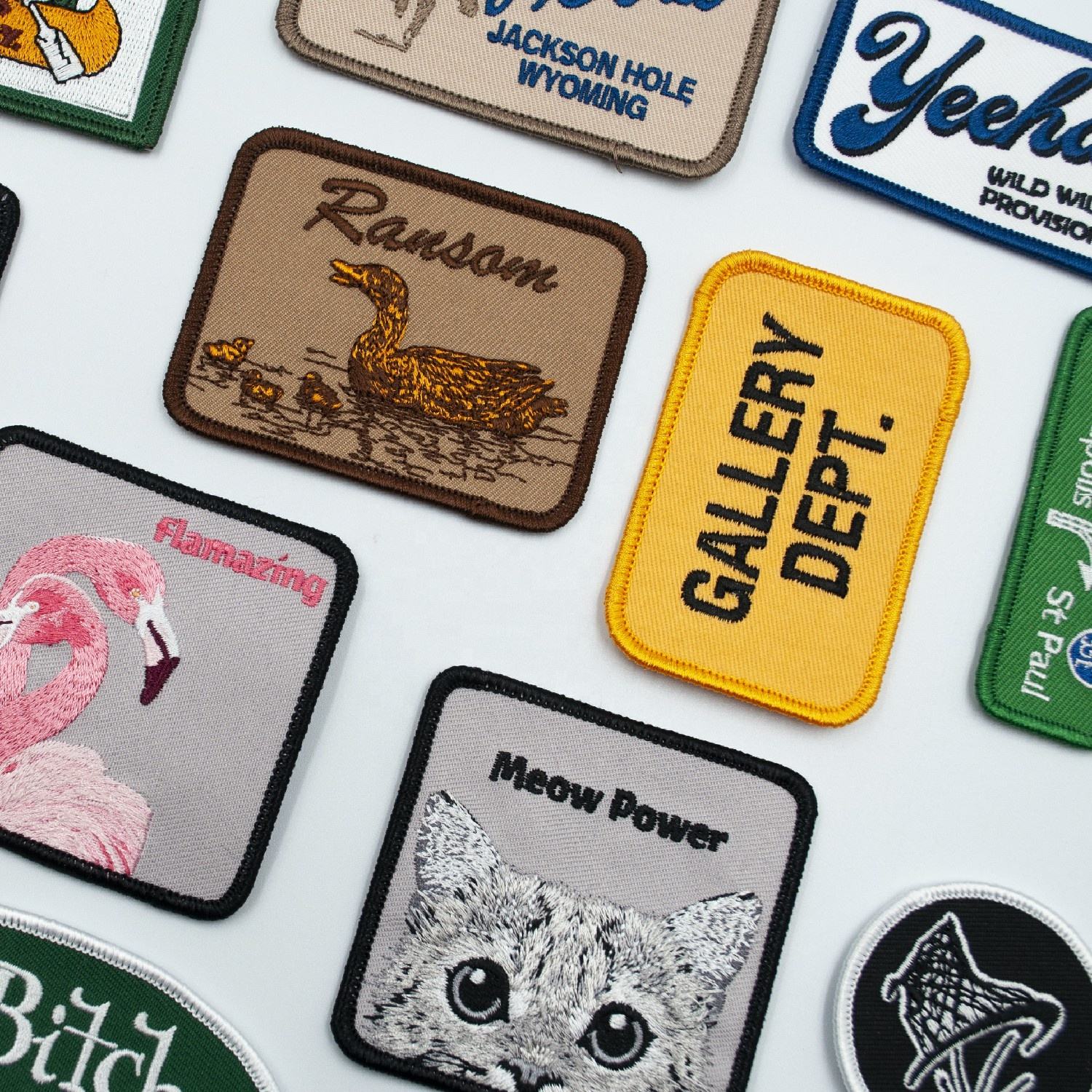
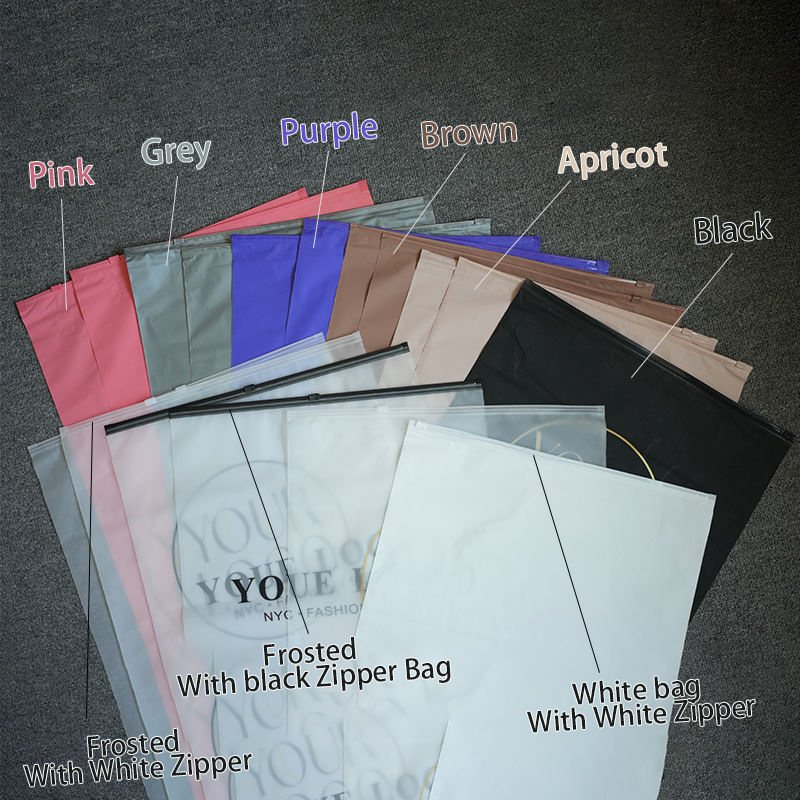
Branded Packaging
Complete packed orders with custom hangtags, poly bags, stickers and folding instructions. Packaging details are coordinated with labels and garment presentation so buyers receive products ready for their intended retail or distribution channel.
About EDVORIN: Founder-Led Apparel Manufacturing Since 2000
Founded in 2000 by Edvorin Zeng, EDVORIN helps fashion brands, streetwear labels, teams and private-label buyers turn apparel concepts into production-ready collections. Our mission is practical: make every important decision visible, test it during development, and create a standard that can be reproduced with confidence.
As a merchandise clothing manufacturer, we connect product development, material sourcing, patterns, samples, printing, embroidery, washing, bulk production, quality control, labeling and packing in one accountable workflow. From hoodies and outerwear to jerseys and coordinated teamwear, each category is developed around the construction, fit and decoration it requires.
What separates EDVORIN is the discipline after sample approval. We document materials, measurements, artwork placement, trims and revisions so production has a clear reference at every stage. With OEM, ODM and private-label support, plus MOQ starting at 200 pieces per style, buyers can build collections designed to repeat and grow.
Merchandise Clothing Manufacturer Capabilities That Protect Approved Standards
Technical Development, Documented
EDVORIN converts sketches, references or complete tech packs into production-ready specifications. Patterns, measurement charts, fit adjustments and construction details are clarified before sampling, giving every program a standard that can be reviewed and repeated.
- OEM, ODM and private-label development
- Men’s and women’s fit blocks
- Patterns, grading and measurement control
- Construction details recorded for production

Materials and Trims Aligned
Fabric weight, hand feel, recovery, lining, rib, labels, drawcords, hardware and packaging must work together. EDVORIN coordinates these decisions across the garment so a hoodie, jacket or uniform retains its intended feel, function and branded finish.
- Fabric and lining selection
- Ribs, labels and hardware coordination
- Trim specifications tied to approved samples
- Packaging prepared for your program
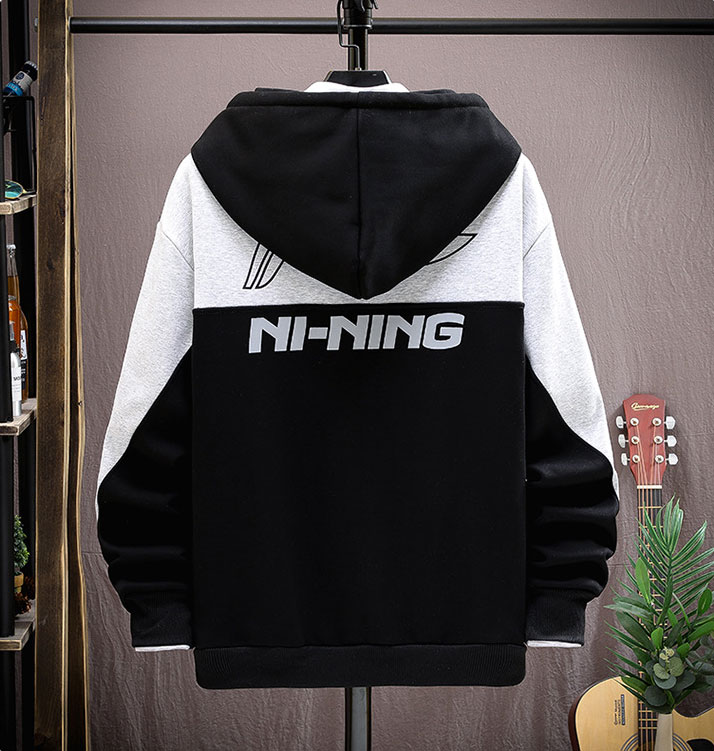
Decoration Built for Category
Print, embroidery, washing and appliqué choices are evaluated against the garment’s base material and use case. EDVORIN applies category-specific decoration planning for casualwear, streetwear, outerwear and teamwear, helping artwork, color and placement remain consistent across the order.
- Printing matched to fabric construction
- Embroidery placement and backing reviewed
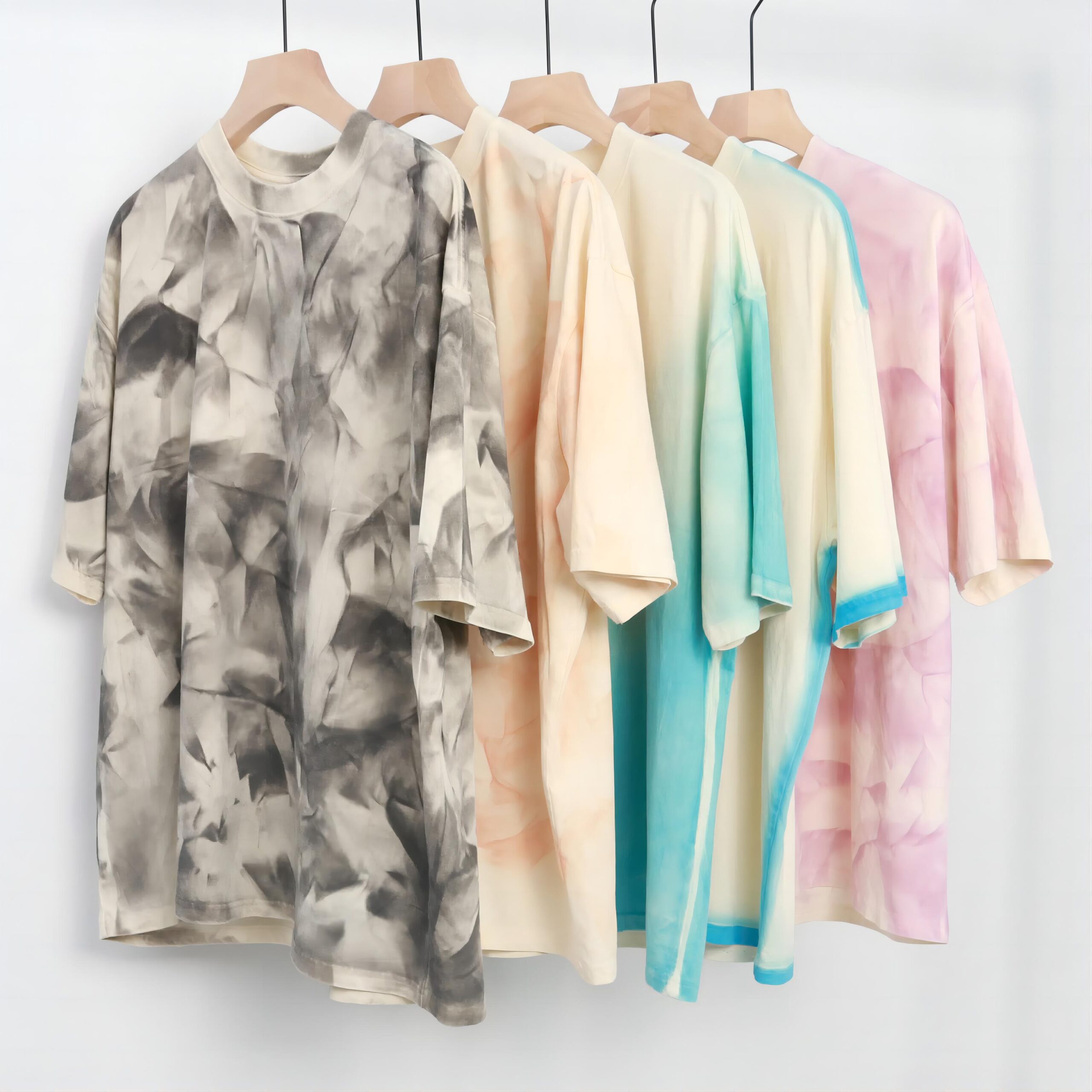
- Wash effects planned with garment details
- Team names, numbers and colors controlled
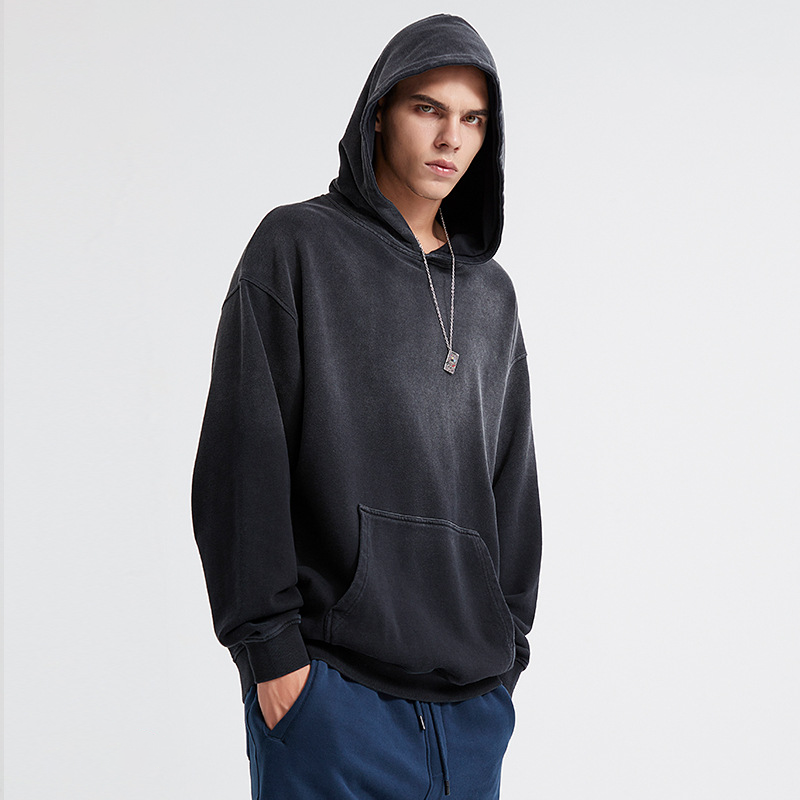
Approved Sample to Bulk
A sample becomes useful when its approved details guide every production stage. EDVORIN carries measurements, materials, artwork placement and trim requirements into bulk production, with in-line and final checks designed to catch variation before goods are packed.
- Approved sample used as production reference
- In-line checks during key stages
- Measurement, workmanship and appearance review
- Final inspection before packing
Why Buyers Choose EDVORIN as Their Merchandise Clothing Manufacturer
One accountable path from product development to packed, production-ready collections.
← Swipe left or right to view →
From Concept to Packed Order
A controlled production path that turns approved apparel concepts into repeatable, shipment-ready collections.
Specification Review and Sourcing
Share a tech pack, sketch or reference garment. EDVORIN reviews construction, fit, quantities and target use, then coordinates suitable fabrics, trims and color references.
Pattern Sampling Approval
Patterns, grading and samples turn the brief into a physical standard. Fit, material, decoration placement and revisions are reviewed before the approved sample guides bulk work.
Cut Sew Decorate
Approved materials are checked and prepared for cutting, sewing and category-specific decoration. Printing, embroidery, washing and finishing are coordinated against documented production specifications.
In-Line Quality Control
During production, teams check measurements, construction, artwork placement and trim application against the approved standard, addressing variation before it reaches the completed order.
Final Inspection and Packing
Finished garments receive final quality checks, then labeling, folding and packing are completed to your requirements. Shipment preparation follows the confirmed order and packaging specifications.
How to Start Your EDVORIN Apparel Program
Bring a tech pack, sketch or reference garment. EDVORIN turns the brief into a controlled, repeatable manufacturing standard.
Share Your Product Brief
Send a tech pack, sketch, reference garment or collection idea with target quantities, fit direction and timeline.
Align Specifications and Quote
EDVORIN’s MOQ starts at 200 pieces per style. Review construction, materials, trims, decoration, packaging and MOQ requirements with our team, then align on development scope, pricing and production-ready details.
Approve the Development Sample
Evaluate the sample for fit, fabric, color, artwork placement and finishing. Record approved revisions so the garment becomes the reference for bulk production.
Launch Controlled Bulk Production
Move into coordinated sourcing, cutting, sewing, decoration and inspection, with quality checks measured against the approved sample before labeling and packing.
Certified Standards for Responsible Apparel Production



Results for Growing Apparel Programs
Our first hoodie and jogger run was 240 pieces across two colorways. EDVORIN clarified the fleece, embroidery placement and labels before bulk, so our repeat order matched the approved sample without rebuilding the specification from scratch.
We launched 3 school teamwear styles with coordinated names and numbers. The sample notes gave our staff a clear reference for every size and decoration position, and the reordered jerseys stayed consistent through the next season.
EDVORIN helped turn a rough outerwear concept into a production-ready 300-piece private-label program. Their team aligned shell fabric, lining, hardware and packaging early, which made our buyer approval process noticeably more straightforward.
Merchandise Clothing Manufacturer FAQs for B2B Buyers
Practical answers on development, minimums, production control and private-label coordination with EDVORIN.
What is EDVORIN’s minimum order quantity?
Can EDVORIN help if I only have a sketch or reference garment?
How does sampling work before bulk production?
How long does apparel production take?
What materials and decoration options can EDVORIN coordinate?
How does EDVORIN control quality from sample to bulk?
What payment terms does EDVORIN offer?
Can EDVORIN ship finished private-label apparel internationally?
How does EDVORIN protect my designs and production specifications?
The Complete Merchandise Apparel Buyer’s Guide
Use this practical framework to compare supplier models, fabrics, decoration methods, quality controls, pricing drivers, and launch readiness—so you can select a capable partner, protect margins, and avoid costly production mistakes.
1. What Is a merchandise clothing manufacturer?
1 merchandise clothing manufacturer turns brand artwork and product requirements into saleable apparel, either from blank garments or from a custom specification. The buyer’s first decision is whether the program needs ready-made garments decorated, a fully custom cut-and-sew product, or a hybrid of both.
2 blank-apparel suppliers sell stocked garments; print shops typically add screen print, embroidery, or transfers to garments supplied by the buyer or their own inventory. A sourcing agent primarily coordinates factories, while a full-package private-label partner may coordinate development, fabric and trim sourcing, patterns, samples, production, labeling, packaging, and quality checks.
3 custom cut-and-sew work changes the garment itself—fit block, fabric weight, rib, seams, pockets, labels, and grading—before decoration is applied. Hybrid programs can use an existing blank silhouette with custom labels, packaging, and decoration, reducing development work while retaining key brand identifiers.
2. How Merchandise Apparel Evolved
EDVORIN’s MOQ starts at 200 pieces per style. 2000s-era merchandise was commonly ordered as uniforms, event souvenirs, or promotional goods, where logo visibility and unit cost outweighed retail fit. As streetwear and direct-to-consumer selling grew, branded apparel began competing with everyday wardrobes rather than giveaway items.
240–400 GSM fleece, ring-spun jersey, tailored fit blocks, and wash testing now influence perceived value alongside artwork. Fanwear, creator capsules, and private-label collections also require decoration placement, size grading, labels, and packaging to match a defined product standard.
200-unit MOQ programs make limited drops and test runs more practical, but repeatability remains the harder requirement. A merchandise clothing manufacturer should document approved fabrics, Pantone references, trims, measurements, and decoration files so replenishments can remain traceable and consistent after the first launch.
3. Types of merchandise clothing manufacturer
Five supplier models solve different merchandising problems. Match the model to the assets you can supply, the repeatability you need, and whether the program prioritizes speed, customization, or technical performance.
Print-On-Demand
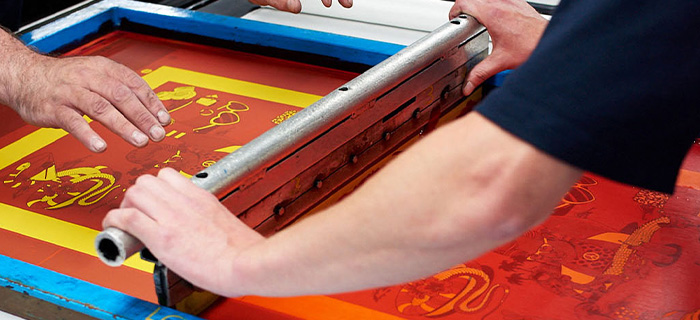
One finished design and a digital file are usually enough. It suits corporate campaigns or school stores needing low inventory risk, but offers limited garment and fit control.
Blank-Garment Decorator
Standard blank garments are supplied by the decorator; buyers provide artwork and placement. This fits fast team, event, and distributor orders, trading custom construction for speed.
Contract Or CMT Factory
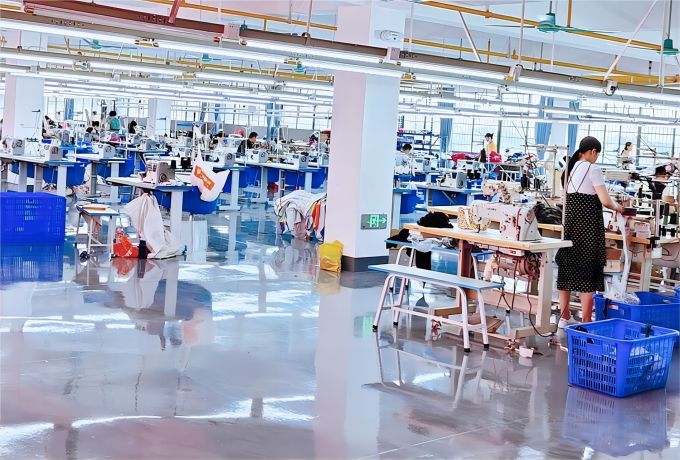
Complete patterns, graded specifications, materials, and trims come from the buyer. Fashion labels gain maximum design control, but must manage sourcing, approvals, and technical accuracy.
Full-Package Manufacturer
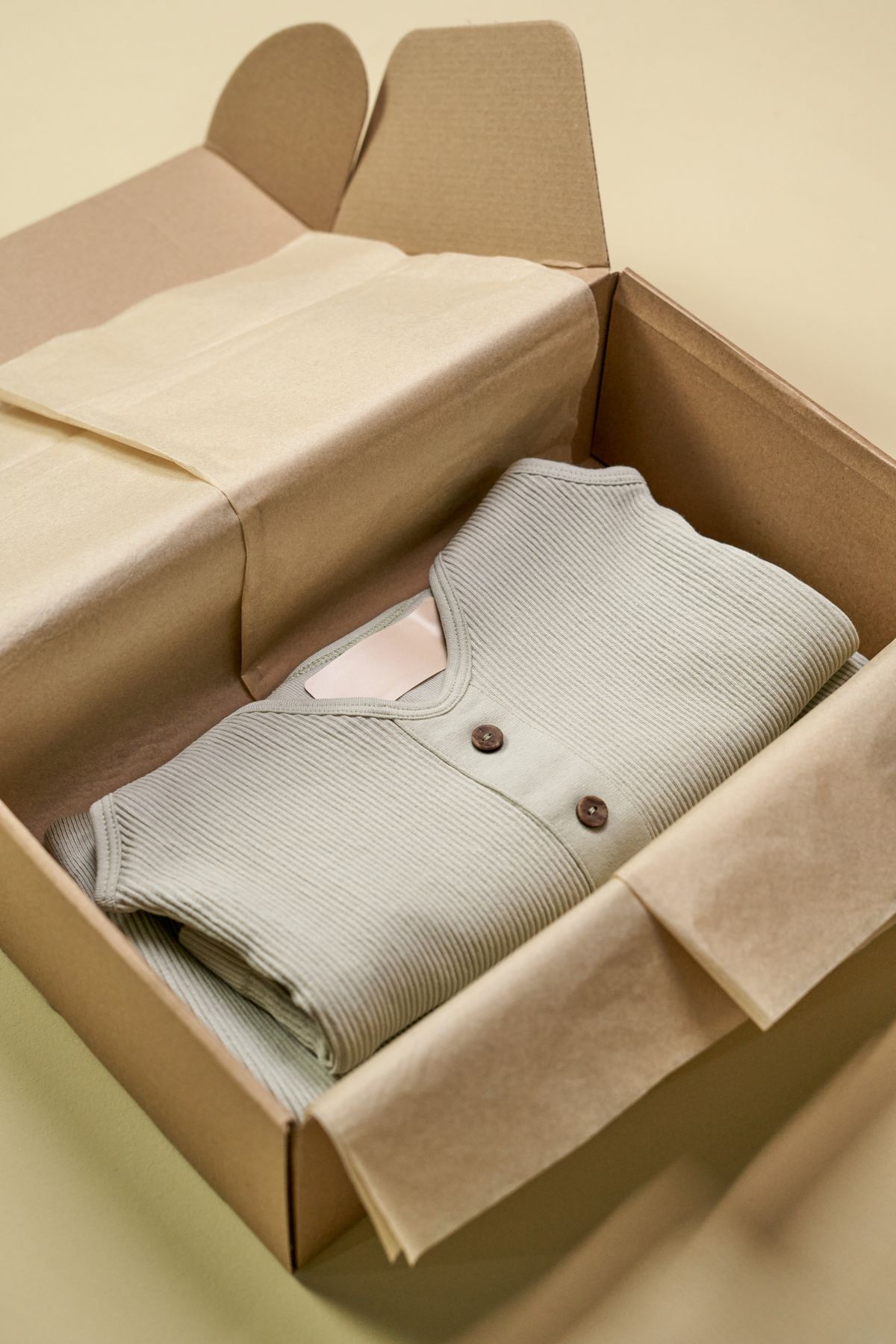
A sketch, reference, or tech pack can start development. A merchandise clothing manufacturer coordinates sourcing through packing, fitting brands and private-label buyers that need accountable execution.
Teamwear Performance Supplier
Sport-specific specifications cover fabrics, names, numbers, and size sets. Clubs and academies benefit from repeatable uniform programs, while fashion-level silhouette experimentation is usually narrower.
4. Materials and Fabrics for Merchandise
EDVORIN matches fiber, knit or weave, GSM, and hand feel to the intended wear cycle. A merchandise clothing manufacturer should lock shrinkage, color retention, and approved fabric standards before bulk cutting.
| Fabric | Typical GSM | Strength | Limitation | Best Use |
|---|---|---|---|---|
| Cotton jersey | 160–220 | Soft, breathable | Can shrink | Tees |
| Cotton-poly | 180–300 | Stable, durable | Less natural hand | Uniforms |
| Polyester interlock | 140–200 | Color retention | Can retain odor | Team jerseys |
| Fleece | 280–400 | Warm, substantial | Bulky | Hoodies |
Cotton
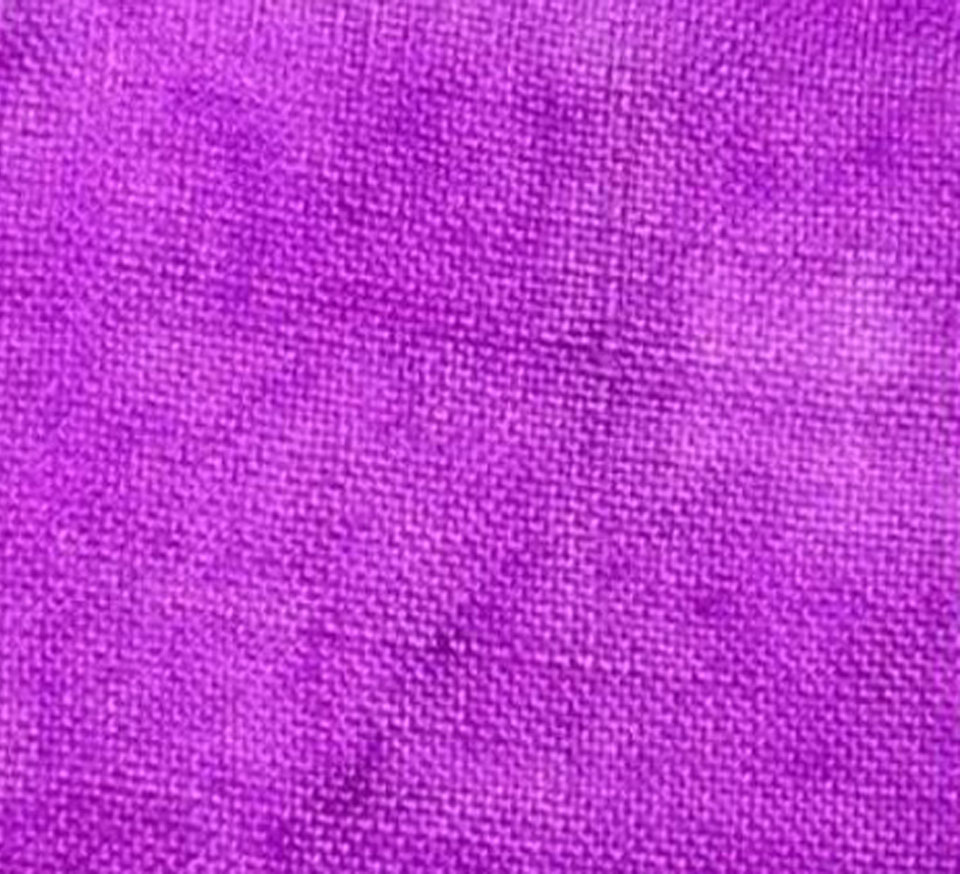
100% combed ring-spun cotton gives tees a softer hand; preshrink testing protects fit after washing.
Cotton Blends
60/40 cotton-poly blends improve shape retention and drying speed, though polyester can reduce the natural-cotton hand.
Performance Polyester
100% polyester interlock suits jerseys because stable color and moisture management matter more than a cotton touch.
Fleece And French Terry
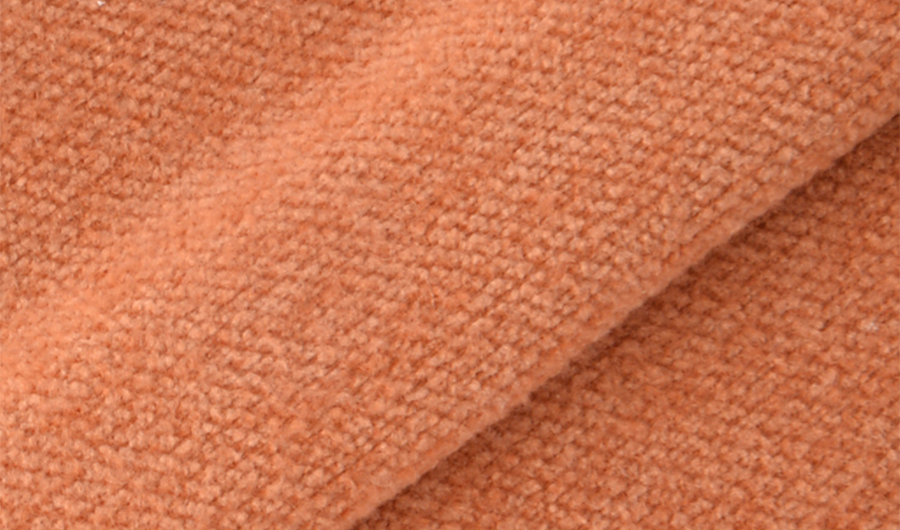
280–400 GSM brushed fleece adds warmth; loopback French terry is lighter for transitional sweat sets.
Finishes And Certifications
OEKO-TEX or GOTS claims require current supplier documentation; test washing, pilling, and colorfastness on the approved lot.
5. Customization and Decoration Options
Decoration should be selected before sampling because artwork, fabric, and repeat volume determine setup cost and acceptable variation. A merchandise clothing manufacturer should document the approved method, placement, and color references.
| Method | Setup | Best Fit | Limitation |
|---|---|---|---|
| Screen print | Higher | Bulk cotton/fleece | Color separations |
| DTG/DTF | Lower | Detailed small runs | Hand feel |
| Embroidery | Digitizing | Premium logos | Fine-detail limits |
| Sublimation | Artwork setup | Polyester teamwear | Polyester only |
Screen Printing
1-8 spot colors suit bold logos on cotton jerseys and fleece. It is durable and efficient for repeat bulk orders.
DTG And DTF
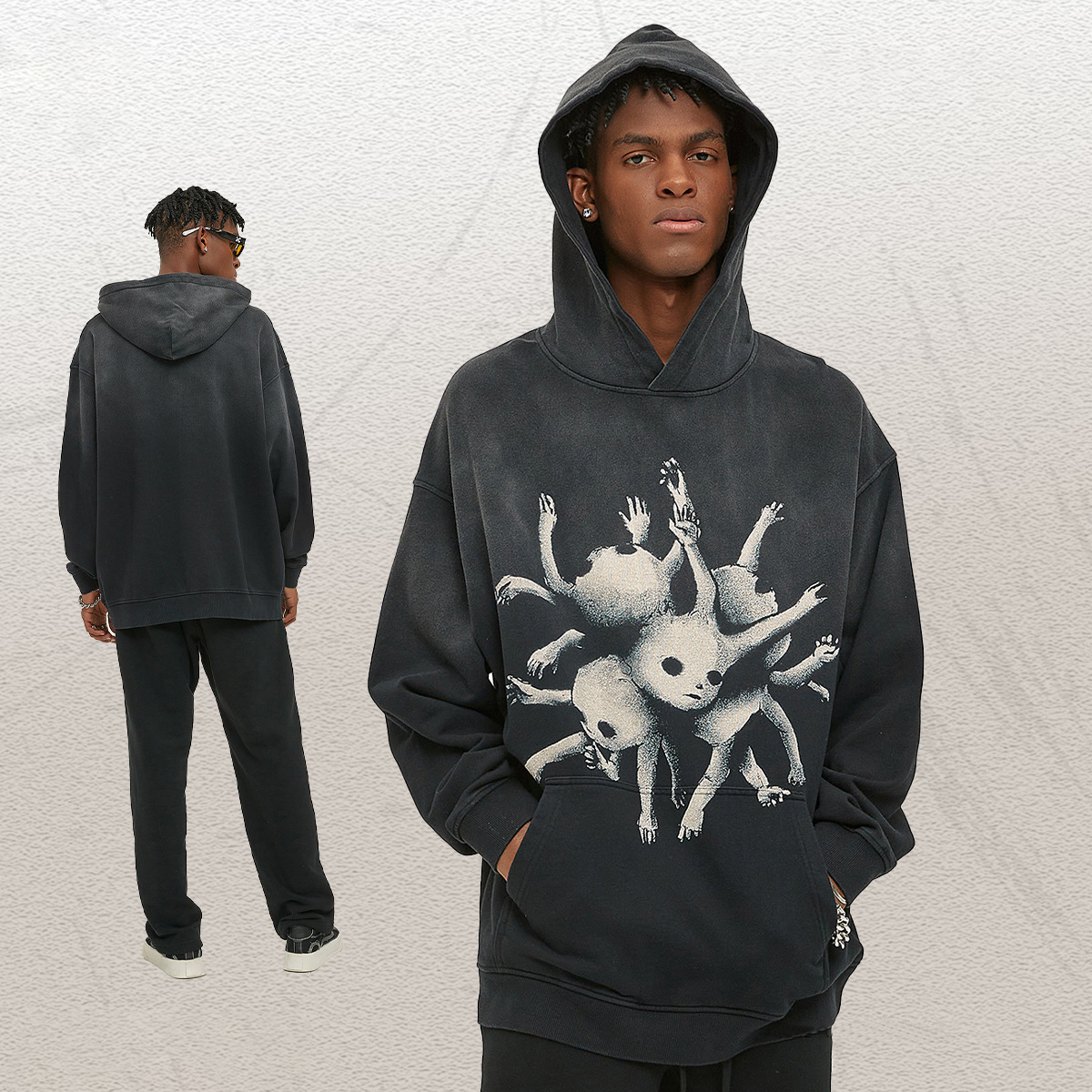
DTG suits detailed, low-volume cotton artwork; DTF transfers handle mixed fabrics. Both reproduce gradients better than spot-color screens, but hand feel requires approval.
Embroidery
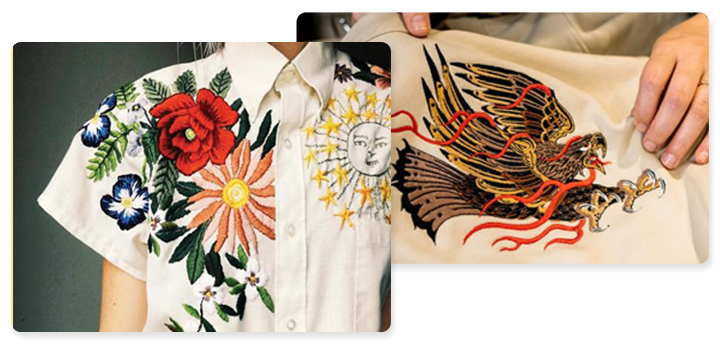
3D embroidery adds texture on caps, polos, and heavyweight fleece. Fine lettering and thin jersey need testing to avoid puckering.
Sublimation
100% polyester enables all-over sublimation with strong color detail. Cotton and dark garments are unsuitable because dye bonds to polyester fibers.
Branded Trims And Packaging
2-inch woven labels, hangtags, polybags, and size stickers reinforce retail presentation. Freeze artwork, material, and packout specifications for repeat orders.
6. Construction Quality That Buyers Should Inspect
EDVORIN’s MOQ starts at 200 pieces per style. Construction quality becomes repeatable only when the approved sample is converted into measurable checkpoints. A merchandise clothing manufacturer should document those checkpoints before cutting bulk fabric.
Pattern And Fit

1 approved size set should state point-of-measure tolerances, grade rules, and fit comments. Check shoulder slope, sleeve pitch, rise, and hem balance on the intended wearer.
Stitching And Reinforcement
2 seam views—inside and outside—reveal skipped stitches, puckering, uneven seam allowance, and thread tension. Confirm bartacks, coverstitch hems, and stress-point reinforcement against the sample.
Fabric And Shrinkage
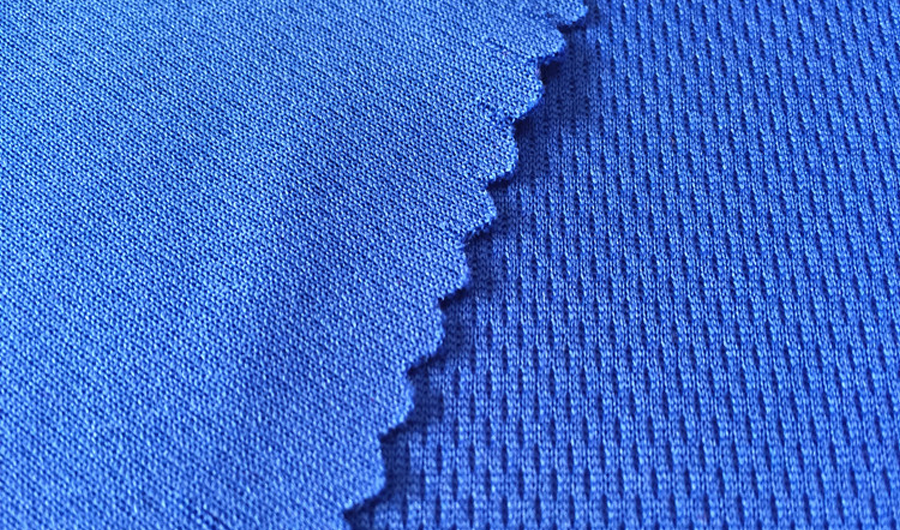
4-point fabric inspection can identify holes, streaks, and shade variation before cutting. Request wash-test results and post-wash measurements for shrinkage, twisting, color change, and print adhesion.
Trims And Labels
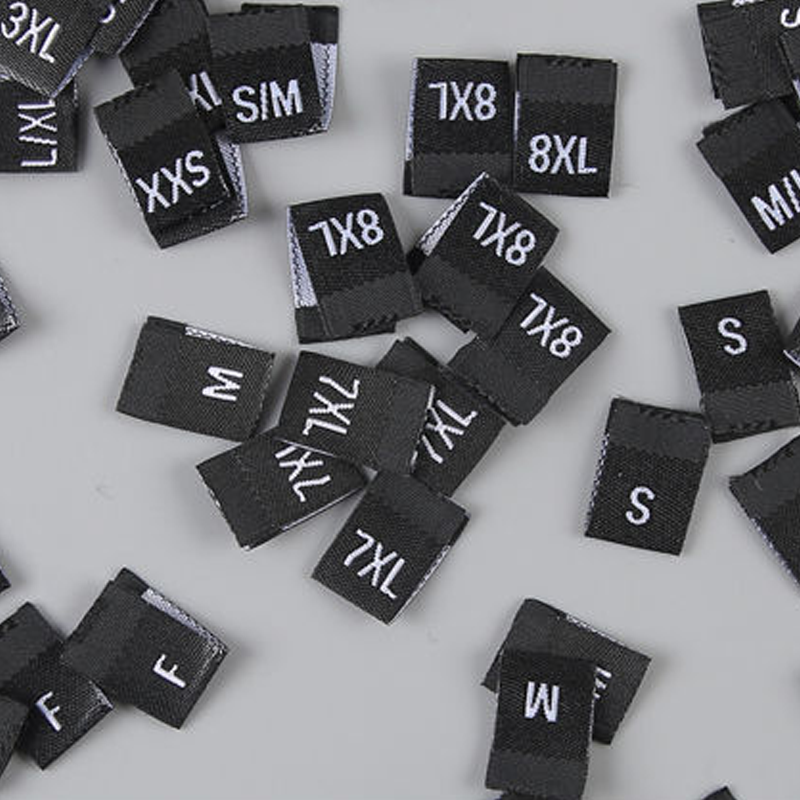
1 trim card should lock zipper, drawcord, rib, label, and care-label specifications. Verify label position, Pantone references, artwork placement measurements, and polybag size before production.
Final Quality Assurance
100% packed-carton checks should confirm size stickers, folding, quantity, and carton marks match the packing list. Use in-line inspection plus a final agreed sampling plan to catch variation while correction remains possible.
7. Choosing a merchandise clothing manufacturer
Choose a merchandise clothing manufacturer by testing whether its documented process fits your category, order size, launch date, and compliance obligations. EDVORIN can translate a complete tech pack or an early concept into reviewable production specifications.
Capability Fit
A varsity jacket, performance jersey, and 400 GSM hoodie require different construction and decoration controls. Request relevant samples, not a general capability list.
MOQ And Capacity
EDVORIN’s MOQ starts at 200 pieces per style. A 200-unit MOQ is only useful if it applies per style, color, and fabric. Compare available line capacity against the written production calendar.
Sampling Process
One approved pre-production sample should record fit, measurements, fabric, trims, wash, and artwork placement. Approve revisions in writing before bulk cutting.
Documentation And Communication
A tech pack should assign sourcing responsibility and identify every label, packaging component, and decoration method. Confirm response owners and escalation procedures before deposits.
Quality Controls
A written inspection plan should define measurement tolerances, defect standards, and final-check reporting. Request compliance evidence when your market or buyer requires it.
Delivery Terms
A quote should separate sampling, materials, decoration, packaging, freight, duties, and delivery terms. Confirm the ship date, Incoterm, and responsibility for delays.
8. Common Merchandise Sourcing Mistakes
One unclear decision before bulk production can become hundreds of inconsistent garments. A merchandise clothing manufacturer needs an approved standard, not assumptions, to protect launches, events, and repeat programs.
Vague Product Briefs
One reference photo leaves fit, fabric, and placement open to interpretation. Prevent rework with a tech pack, Pantone references, measurements, and trim list.
Buying On Unit Price
One low quote can omit testing, labels, freight, or stronger construction. Compare like-for-like specifications and total delivered cost before awarding a wholesale order.
Skipping Sample Approval
One unwashed sample can hide shrinkage, twisting, or print failure. Approve fit, decoration, and wash results in writing before a school-program bulk run.
Ignoring Reorder Economics
EDVORIN’s MOQ starts at 200 pieces per style. One event MOQ may leave excess inventory or unavailable matching fabric later. Confirm minimums, color continuity, and reorder terms before committing.
Underestimating Timelines
One late artwork approval compresses sampling, sourcing, and production. Build approval buffers backward from the launch or tournament date.
Missing Packaging Costs
One missing polybag, barcode, or carton specification creates receiving delays and added charges. Define labeling, packing ratios, Incoterms, duties, and destination requirements upfront.
9. Steps to Launch Merchandise Successfully
A 6-stage launch calendar turns a concept into an accountable order. EDVORIN can support either a complete tech pack or an early sketch, but one approval owner should control each gate.
Set Brief And Demand
1 product brief should state target cost, launch date, quantities, colorways, channels, and size curve. Add a demand forecast and reorder trigger before committing inventory.
Build Production Files
1 tech pack should include flats, measurements, BOM, construction notes, label artwork, and placement dimensions. Supply editable vector artwork, Pantone references, and packaging copy.
Shortlist And Sample
EDVORIN’s MOQ starts at 200 pieces per style. 3 suppliers can be compared on category experience, MOQ, costing assumptions, sample process, and communication. Approve fit, fabric, decoration, wash, and labels against one dated sample.
Release And Track Bulk
1 bulk release should lock the purchase order, approved sample, quantities, size breakdown, and delivery terms. Schedule checkpoints for materials, pre-production, in-line inspection, final inspection, and shipment.
Protect Delivery And Reorders
2 buffers matter: production contingency and freight or receiving time. Record sell-through by size and color so repeat orders use proven curves, updated forecasts, and the approved production standard.
10. Merchandise Clothing Pricing and Cost
200 units is a useful planning tier, not a universal price point. Cost moves with pattern complexity, fabric weight and composition, colorways, decoration colors and locations, trims, washing, sampling, packaging, freight, and Incoterms.
1 quote request should lock the same tech pack, size ratio, quantities, decoration files, labels, carton details, destination, and delivery term for every supplier. Calculate landed cost as ex-factory goods plus development, decoration setup, packing, freight, insurance, duty, taxes, and destination handling.
| Illustrative quantity tier | Cost behavior | Quote comparison requirement |
|---|---|---|
| 200–499 units | Sampling and setup spread across fewer garments | Separate sample, pattern, and decoration setup |
| 500–999 units | Material and line efficiency usually improve | State fabric, GSM, trims, and print locations |
| 1,000+ units | Fixed development costs dilute further | Confirm carton count, freight basis, and Incoterm |
Start With a Merchandise Clothing Manufacturer Built to Repeat
Send your tech pack or concept for a tailored quote on your next fashion, teamwear, or private-label collection.