
Global Apparel Manufacturing for Growing Brands
EDVORIN develops OEM, ODM and private-label apparel from concept to packed order, with MOQ starting at 200 pieces per style and international shipping support.
Featured Apparel Programs





Built for Repeatable Apparel Production
Founder-led development, category-specific execution and documented controls help turn approved apparel concepts into dependable production programs.
Founder-Led Since 2000
Work with a production partner shaped by garment-floor experience, clear responsibility and practical decisions from development through packed orders.
OEM and ODM Development
Bring a complete tech pack, a reference garment or an early concept; EDVORIN develops it into a reviewable manufacturing standard.
Category-Specific Decoration
Printing, embroidery, washing and finishing are coordinated around each garment category, fabric choice and intended visual or performance result.
Coordinated Materials and Trims
Fabric, rib, labels, hardware, drawcords and packaging are specified together, reducing gaps between the approved sample and bulk production.
Approved-Standard Quality Control
Measurements, artwork placement, construction details and trims are checked against approved standards through in-line inspection and final review.
Custom Apparel Categories, Ready to Scale
From single styles to coordinated programs, EDVORIN develops production-ready apparel with materials, construction, decoration and quality standards aligned before bulk manufacturing.
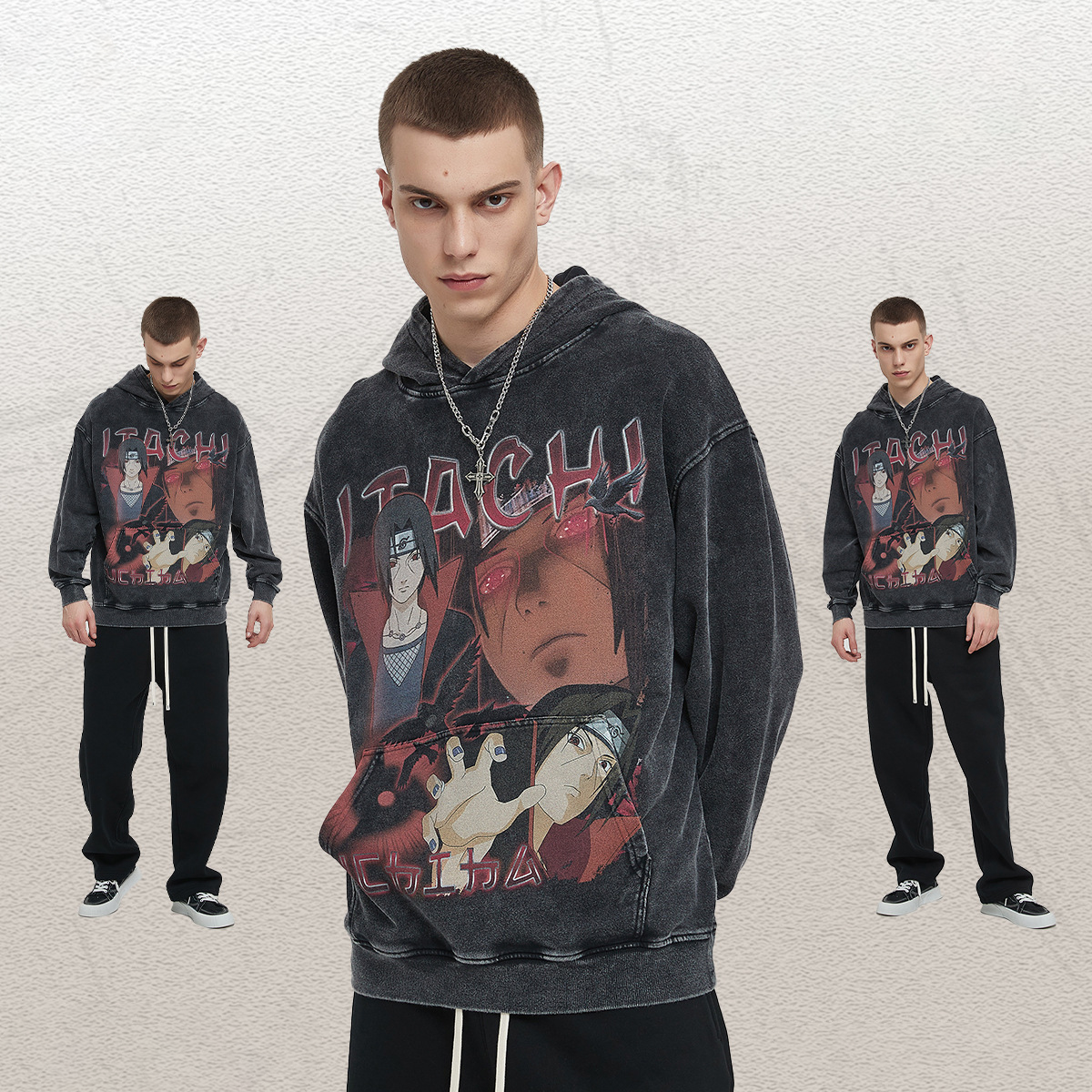
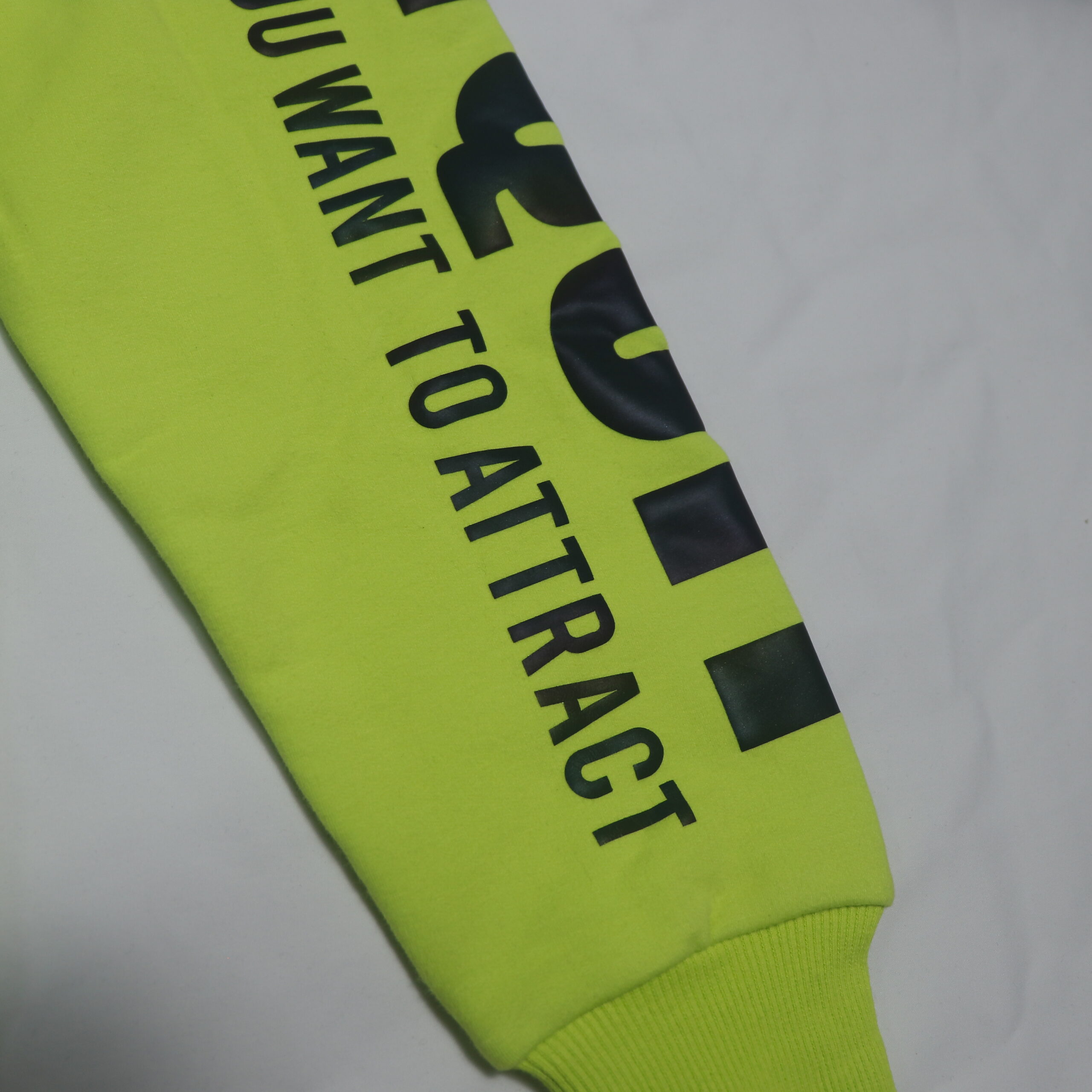
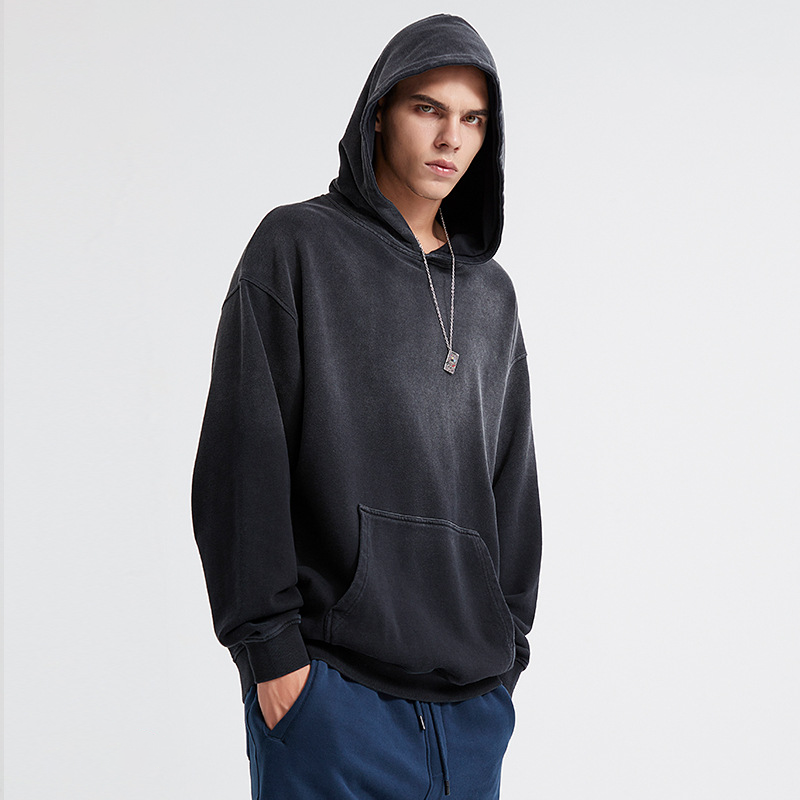
Custom Hoodies
Custom hoodies developed around fleece weight, fit blocks, rib recovery, hood construction, drawcords and decoration placement. EDVORIN turns approved samples into documented standards for repeatable OEM, ODM and private-label production.
Get a Quote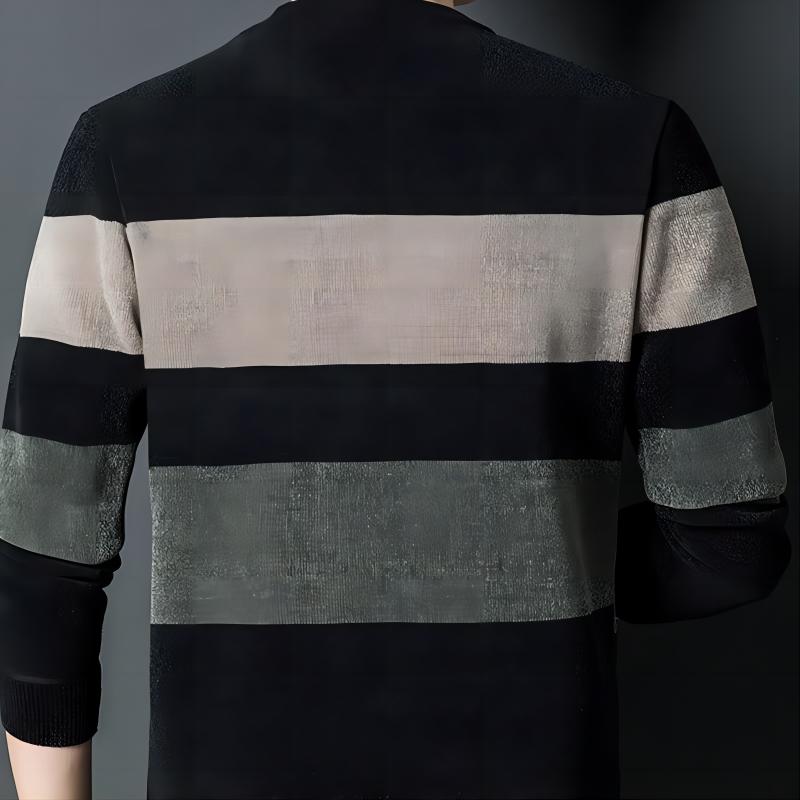
Pullover Sweatshirts
Pullover sweatshirts built with the right fabric weight, neckline, rib specifications, seams and wash treatment for your market. Men’s and women’s fit development, sampling and bulk controls are coordinated through one production path.
Get a Quote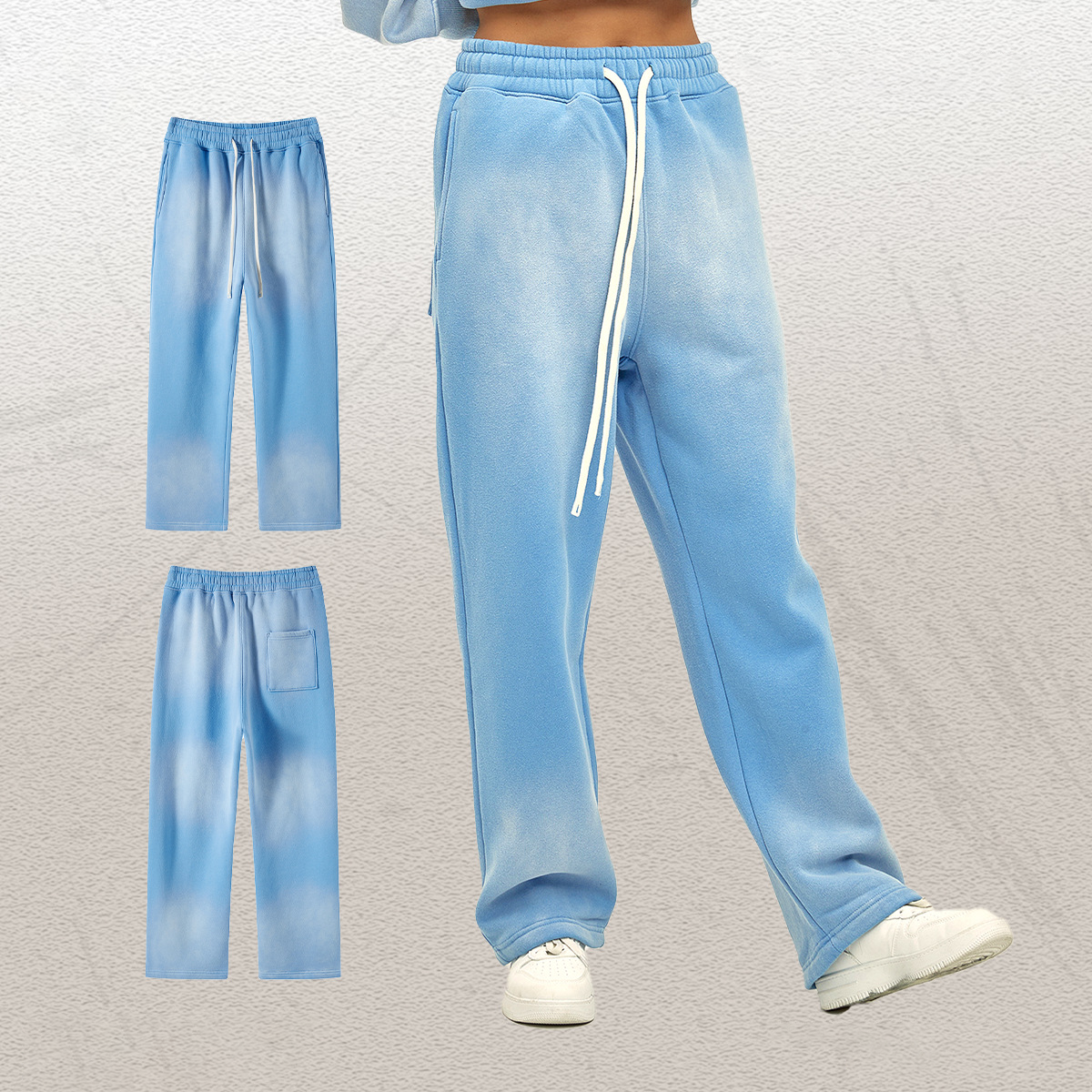
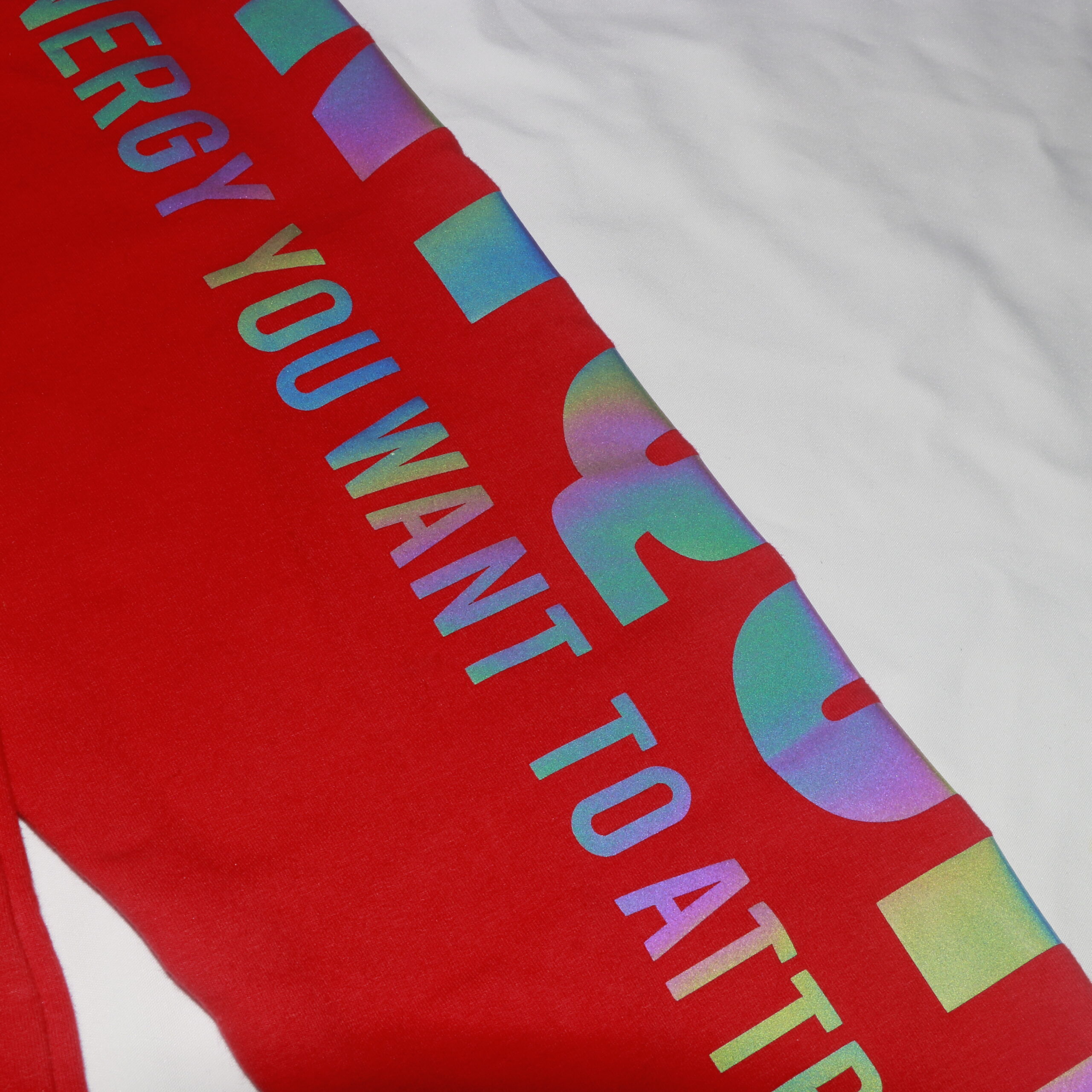
Sweatpants & Joggers
Sweatpants and joggers developed for silhouette, waistband construction, pocket layout, cuff finish and fabric performance. We coordinate fleece or knit sourcing, grading, trims, printing, embroidery and packaging for reliable repeat orders.
Get a Quote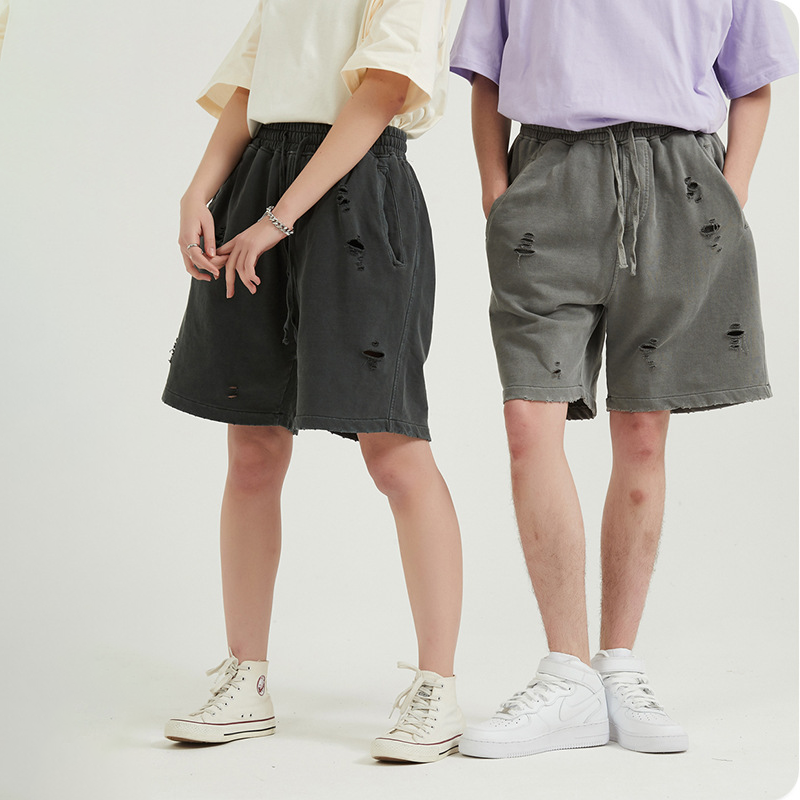
Custom Shorts
Custom shorts for casualwear, streetwear and team programs, with fabric, inseam, waistband, pocket and lining requirements defined during development. Production can include prints, embroidery, labels and coordinated matching tops.
Get a Quote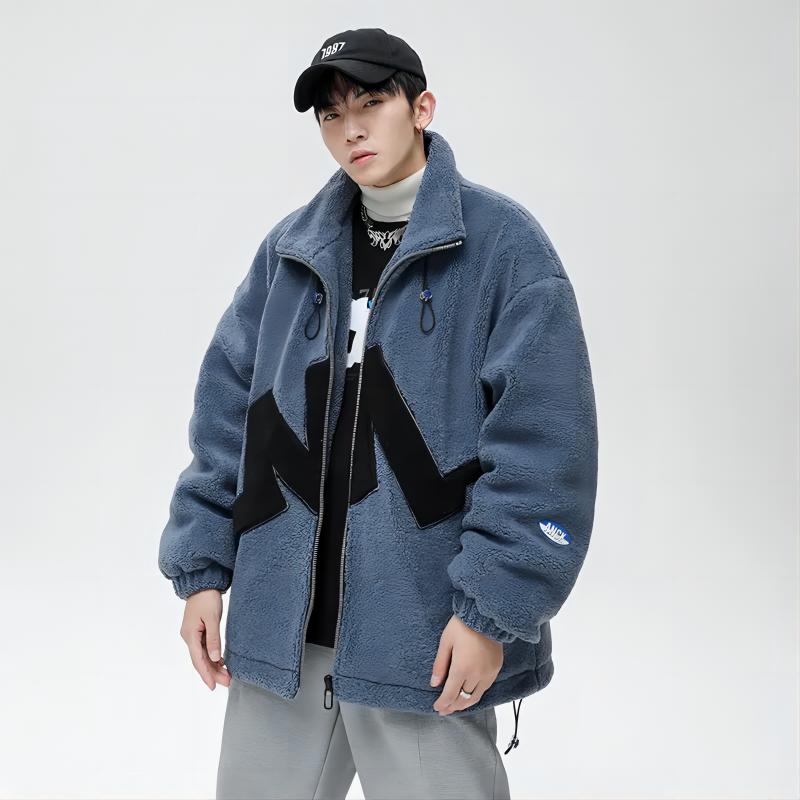
Varsity & Baseball Jackets
Varsity and baseball jackets require balanced body fabric, sleeves, rib, lining, snaps, patches and embroidery. EDVORIN develops these components together, records the approved construction and controls consistency through bulk production.
Get a Quote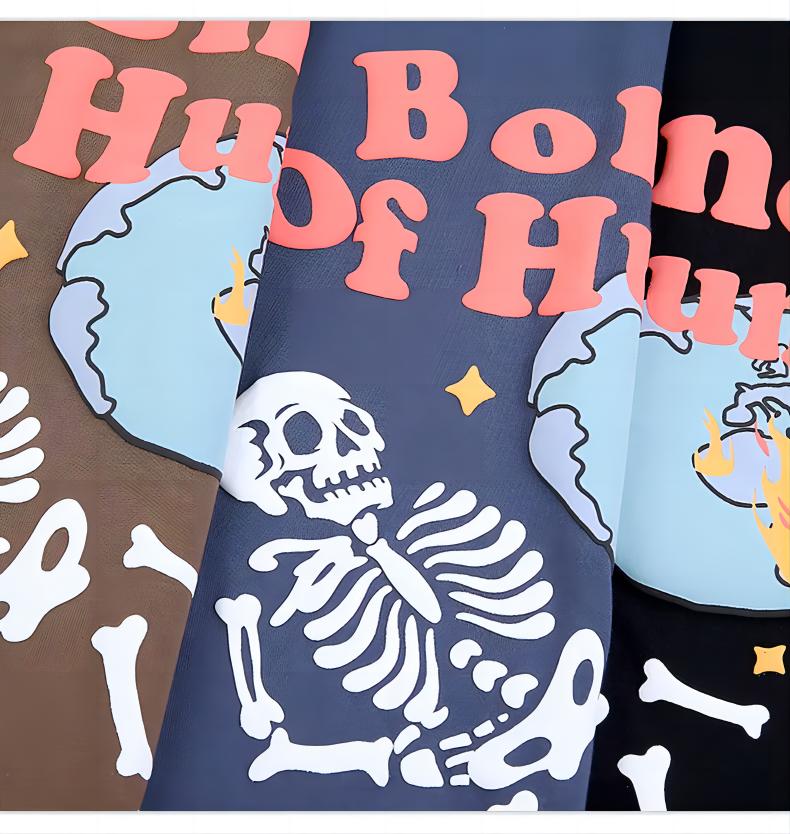
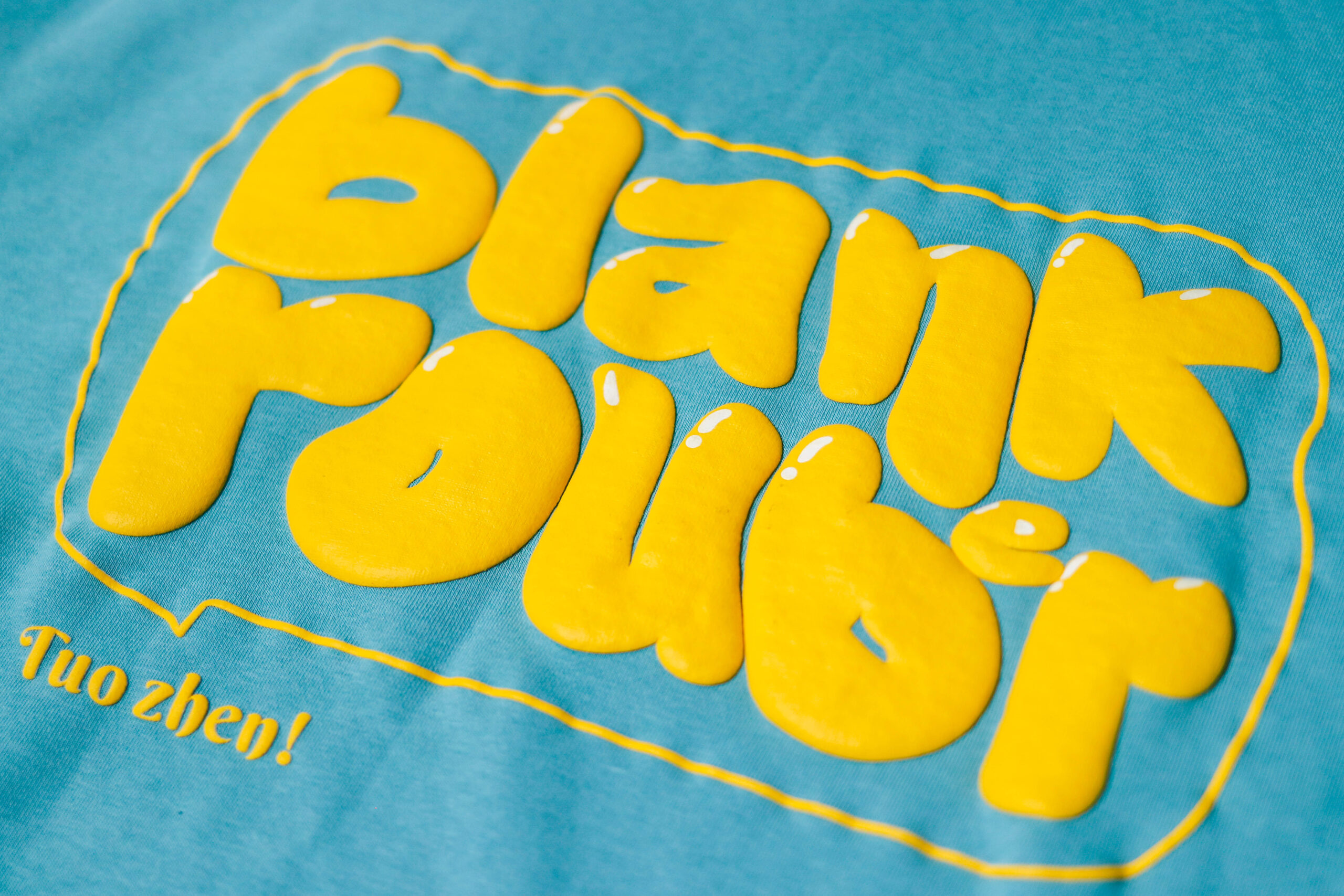
Custom T-Shirts
Custom T-shirts developed around jersey weight, fit, collar construction, print compatibility and wash requirements. We support men’s and women’s programs with clear measurements, artwork placement records and private-label finishing.
Get a Quote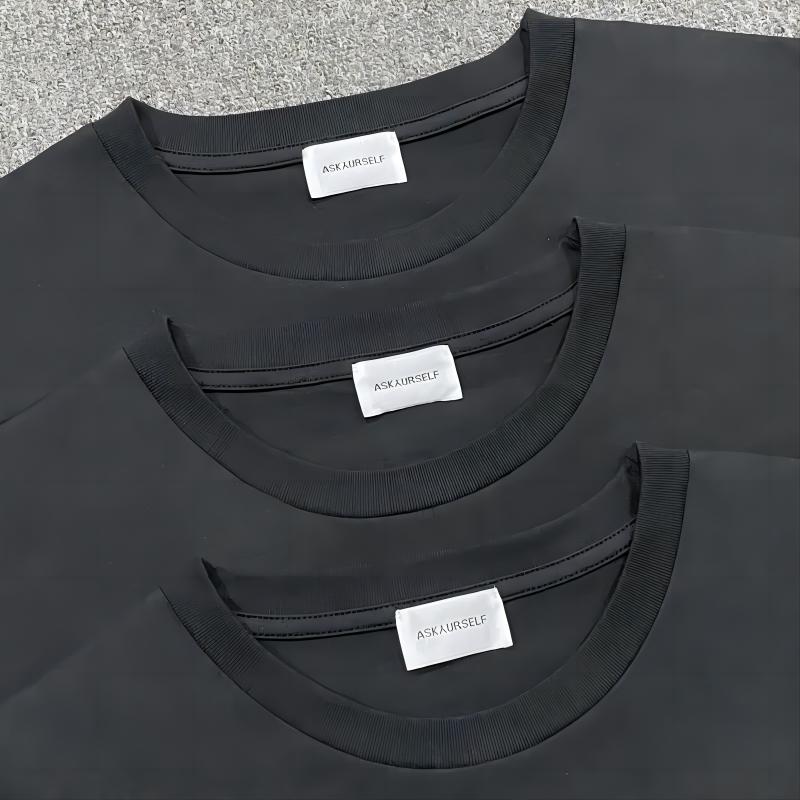
Custom Polo Shirts
Polo shirts produced with piqué or performance fabrics, collar and placket specifications, embroidery placement and branded trims. EDVORIN supports corporate, wholesale and private-label programs from sample approval through packing.
Get a Quote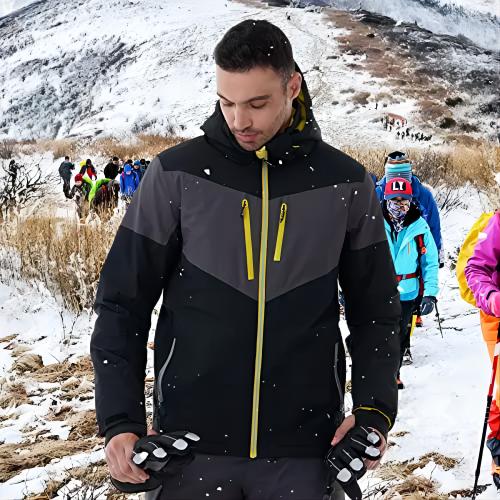
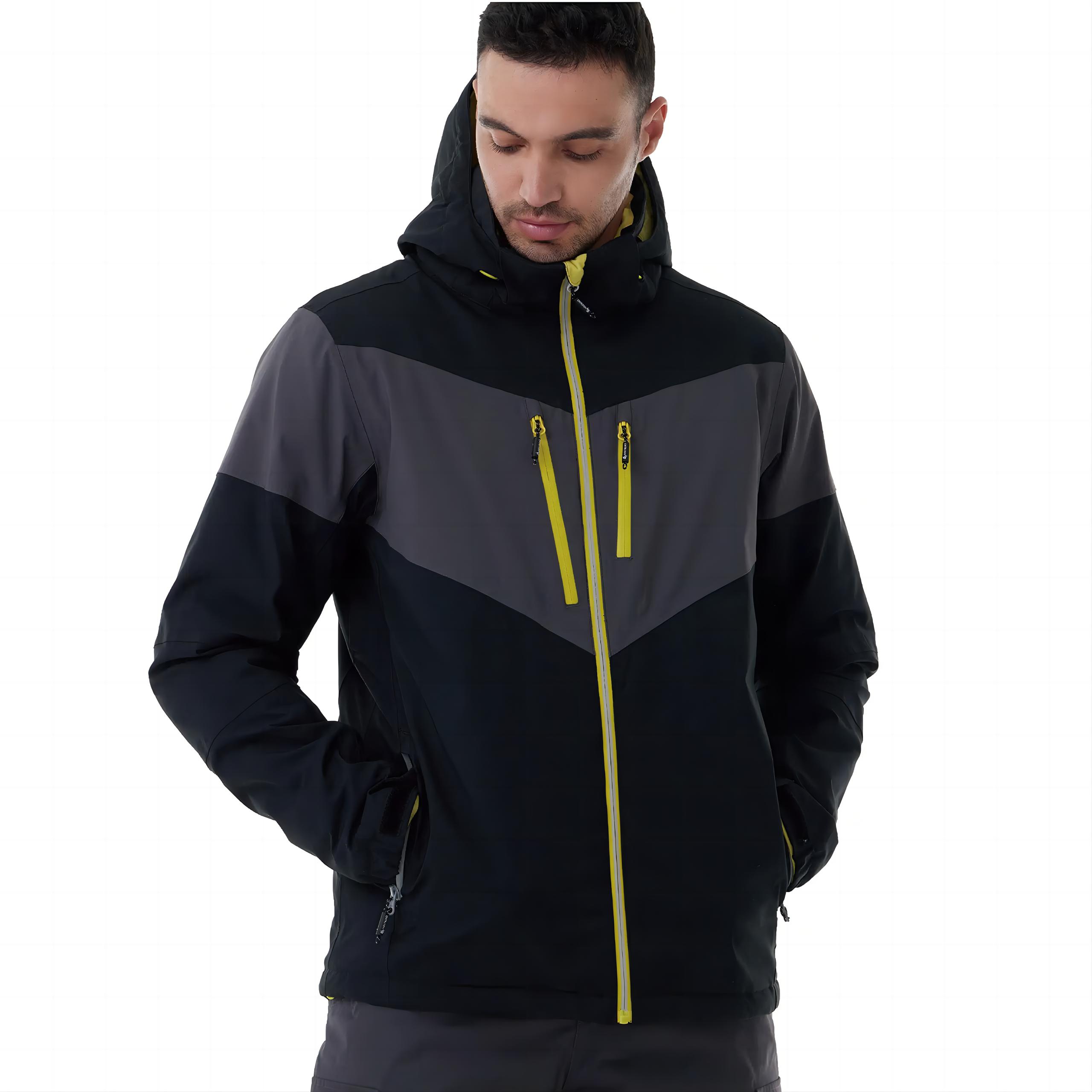
Windbreaker Jackets
Windbreakers developed with shell fabric, lining, zipper, hood, pocket and weather-resistance requirements matched to the intended use. Decoration, labels and packaging are coordinated before bulk production begins.
Get a Quote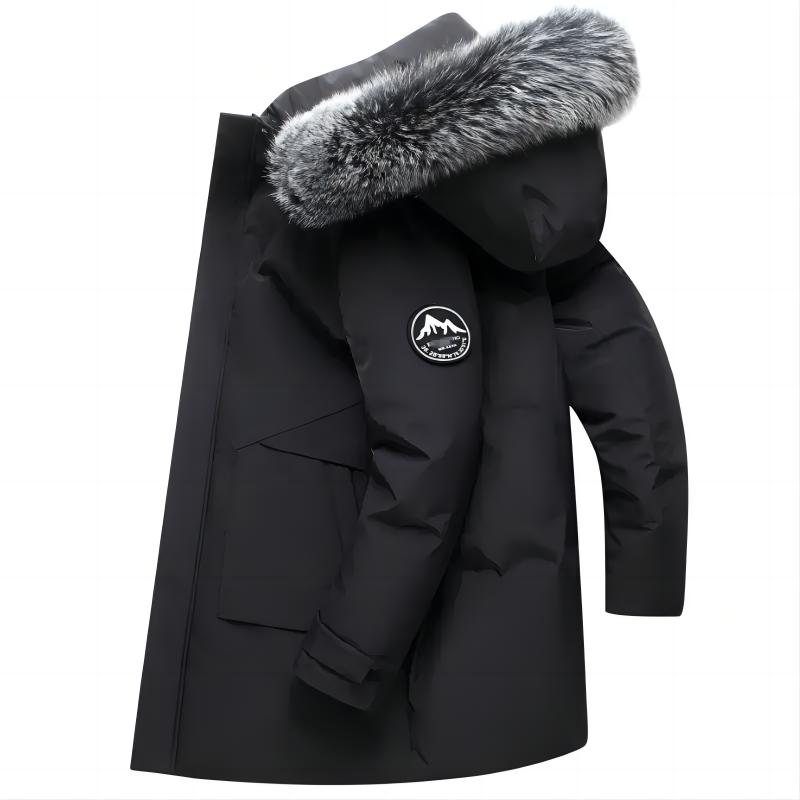
Quilted Jackets
Quilted jackets built around shell selection, insulation weight, lining, quilting pattern and hardware. EDVORIN develops samples to confirm appearance, warmth and construction, then documents the approved standard for repeat manufacturing.
Get a Quote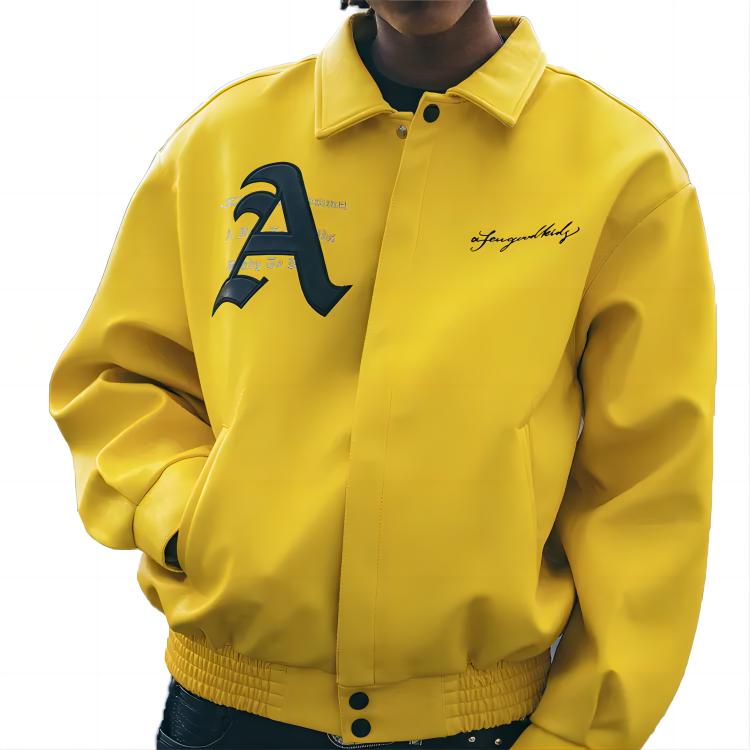
Bomber Jackets
Bomber jackets developed with the correct shell, lining, rib, zipper, pockets and decoration method for the collection. Material sourcing, sampling, production and inspection are managed as one accountable program.
Get a Quote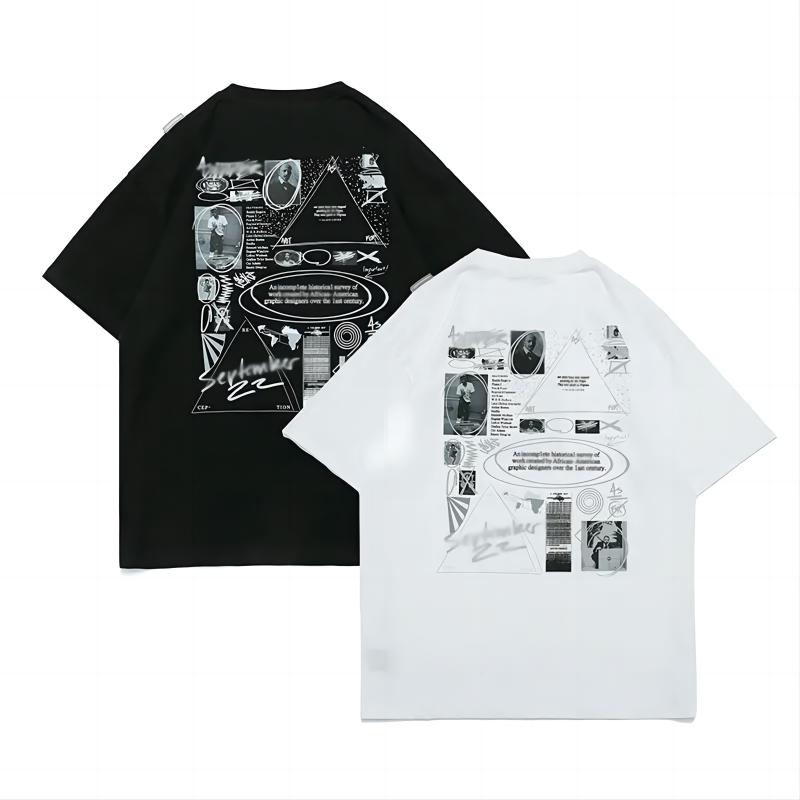
Custom Shirts
Custom woven shirts developed for fabric hand feel, collar shape, placket, cuffs, pocket details and fit. We support branded labels, embroidery, prints and graded men’s or women’s sizing for wholesale and private-label buyers.
Get a Quote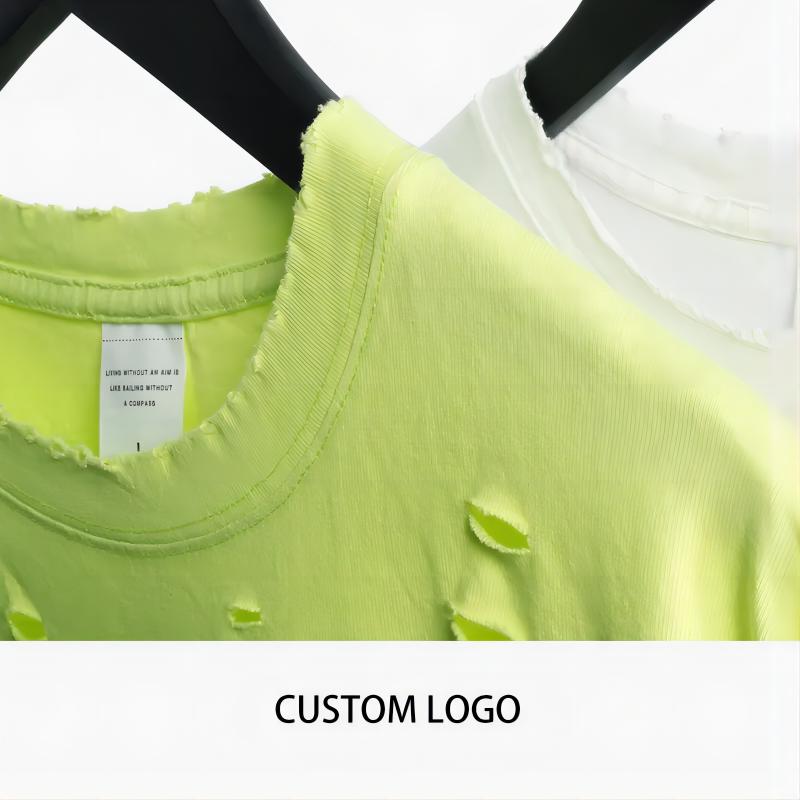
Custom Jerseys
Custom jerseys developed for breathable fabric, color matching, panel construction, names, numbers and logo placement. EDVORIN organizes size sets and decoration specifications to support consistent team, club and repeat-order programs.
Get a Quote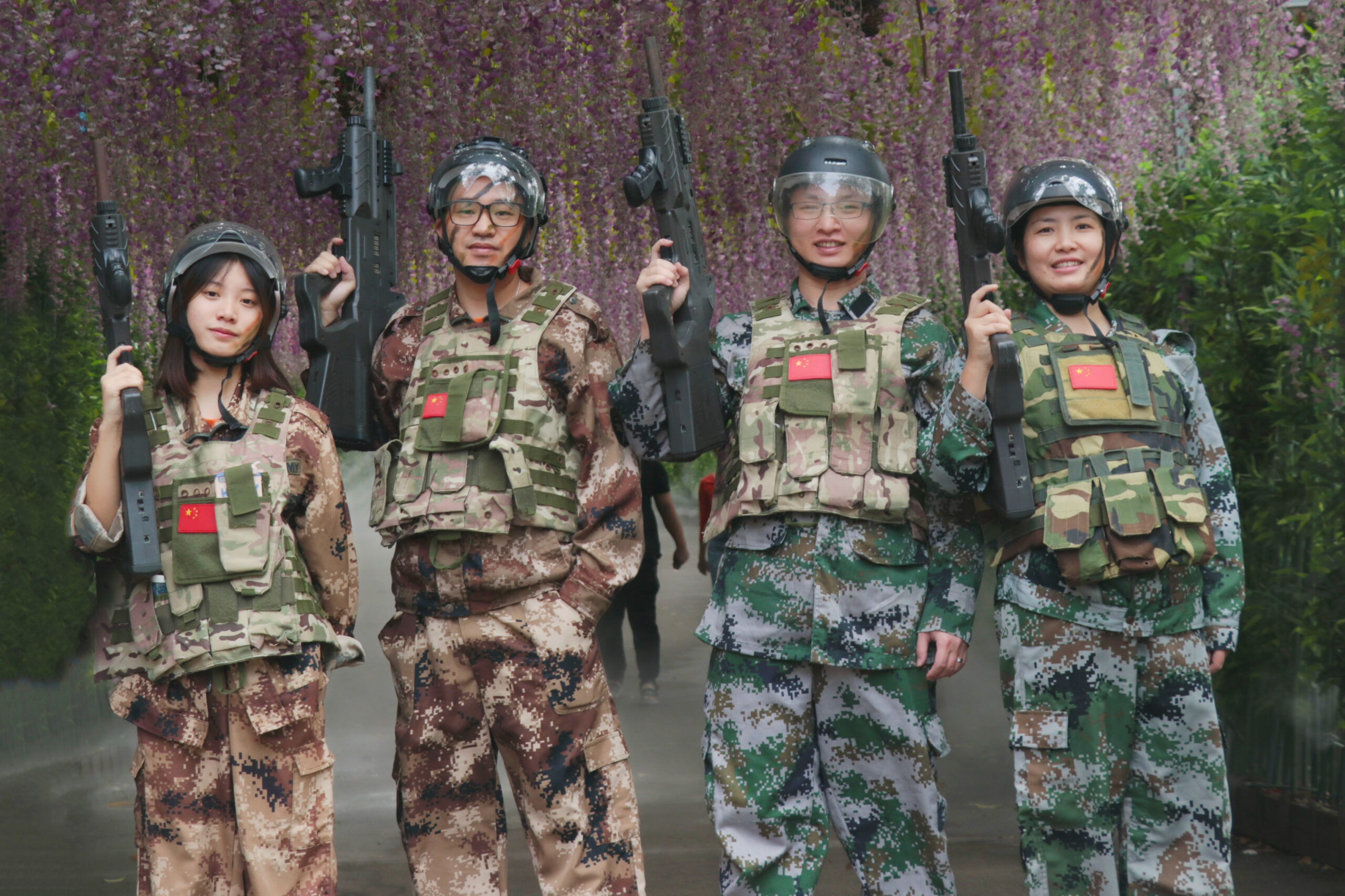
Tank Tops
Tank tops developed for fabric weight, armhole shape, neckline, fit and decoration requirements. Available for men’s and women’s casual, streetwear, athletic and private-label programs, with sampling before bulk approval.
Get a Quote
Soccer Uniforms
Soccer uniforms developed with lightweight performance fabrics, team color control, player names, numbers and logo placement. Shirts, shorts and coordinated sizing are specified for clubs, schools, academies and wholesale teamwear programs.
Get a Quote
Basketball Uniforms
Basketball uniforms developed with breathable materials, jersey and short construction, color matching, number application and grading. EDVORIN creates clear production standards for team sets, school programs and repeat seasonal orders.
Get a Quote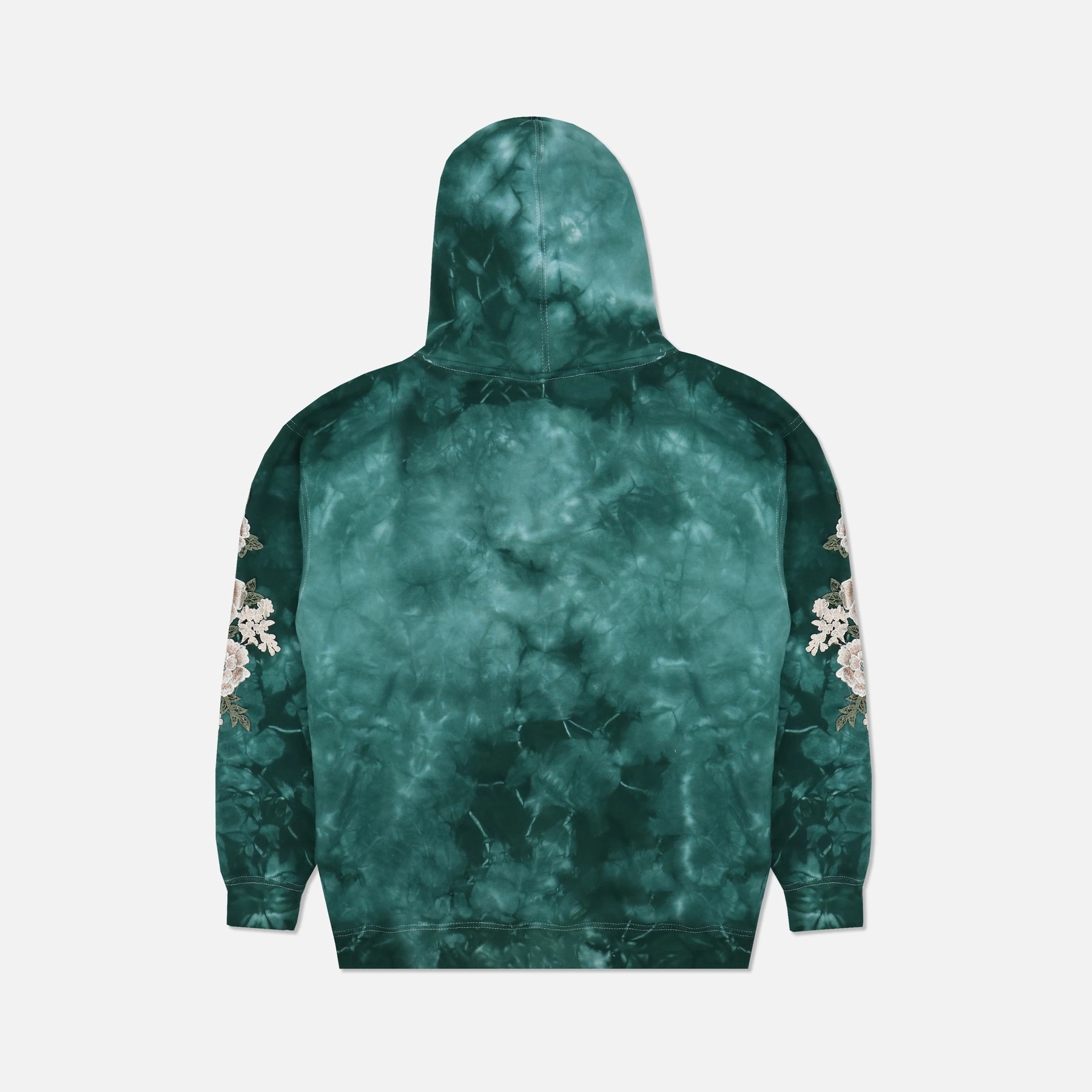
Streetwear Collections
Streetwear collections developed as connected programs rather than isolated garments. Hoodies, T-shirts, bottoms, jackets and accessories can share fabrics, colors, labels, decoration and packaging standards across a production-ready collection.
Get a QuoteMaterials Developed for Your Apparel Program

Cotton Fleece
Soft, warm and substantial, cotton fleece suits hoodies, sweatshirts and joggers. Brushed interiors create a comfortable hand-feel, while weight and rib pairing can be developed to support relaxed or structured silhouettes.
French Terry
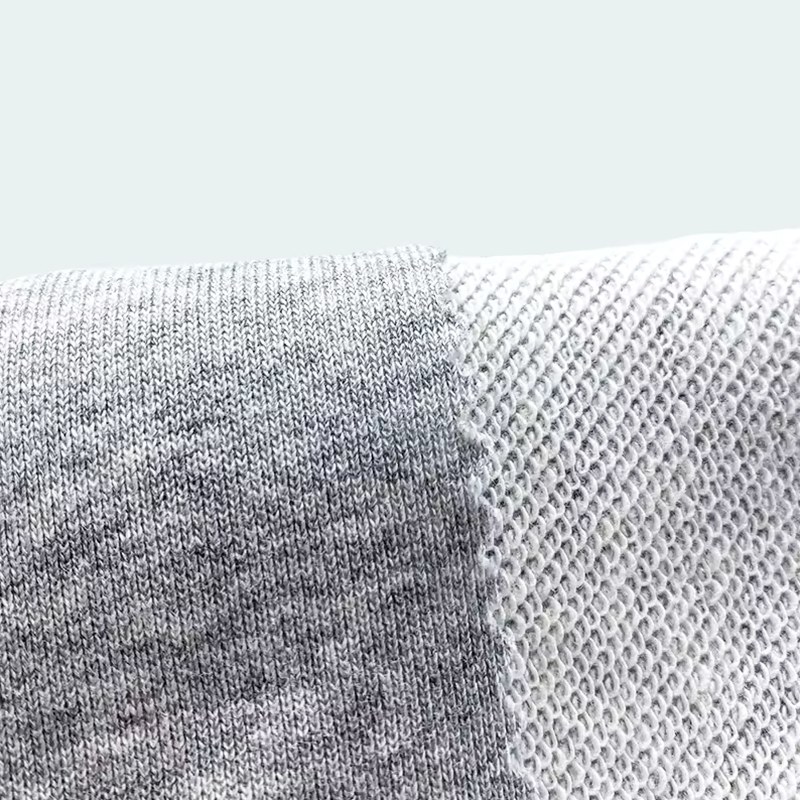
French terry offers a breathable loopback interior with a cleaner, lighter feel than brushed fleece. It works well for premium hoodies, shorts and transitional sets, with weight selected for drape, layering and seasonality.
Cotton Jersey
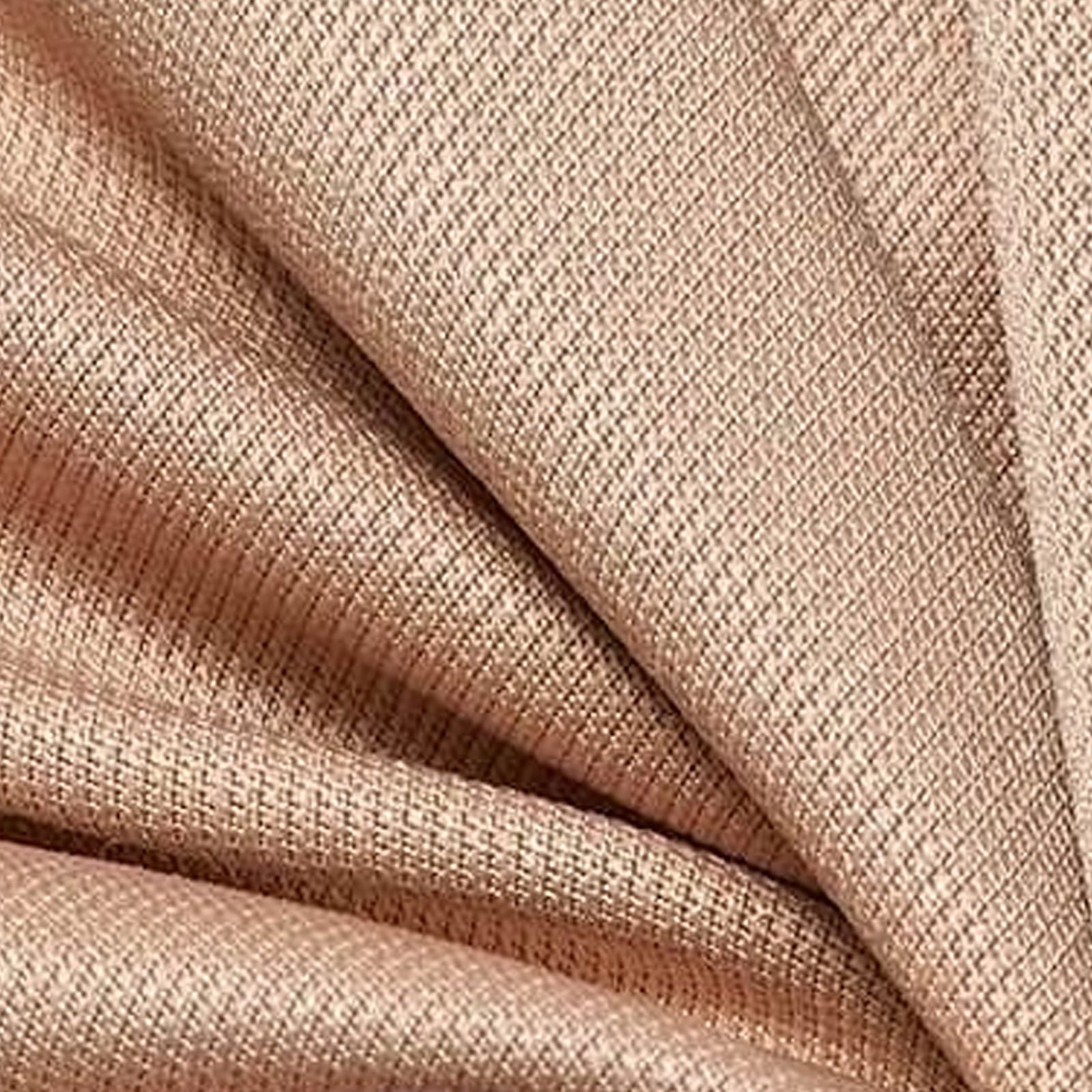
Smooth, breathable cotton jersey is a versatile choice for T-shirts, polos and tanks. Its soft hand-feel supports everyday wear, while fabric weight and stretch can be specified for fitted, regular or oversized programs.
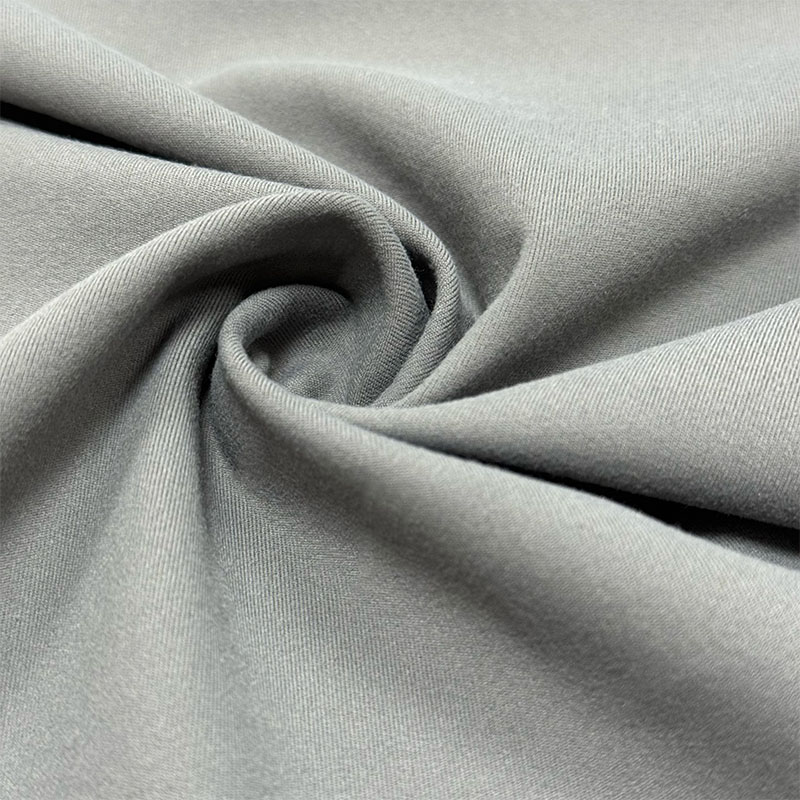
Performance Polyester
Lightweight performance polyester supports jerseys, training tops and teamwear with a smooth, durable surface. Moisture-management and stretch requirements can be matched to movement, while sublimation-ready constructions support coordinated color and number programs.
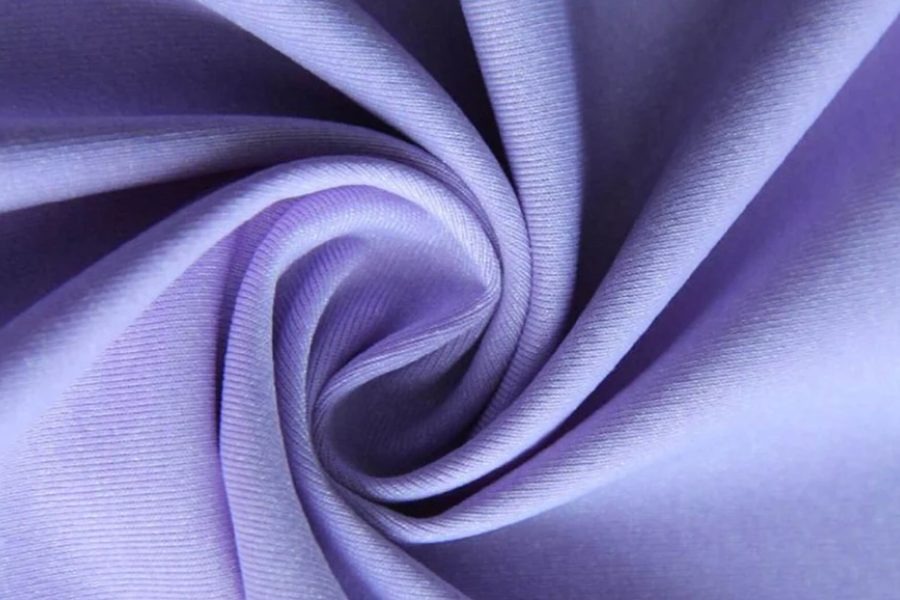
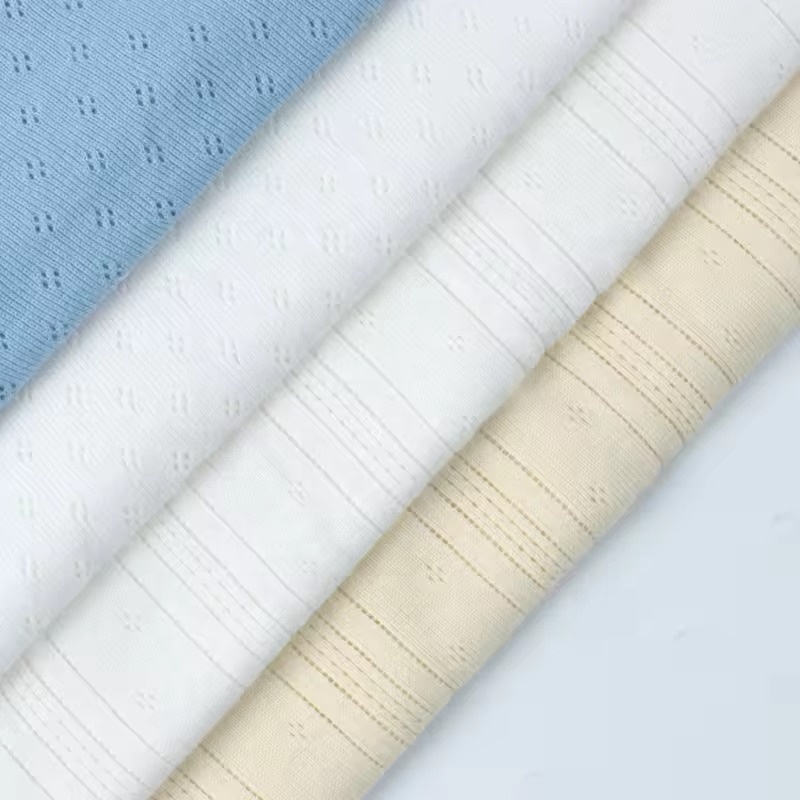
Insulated Outerwear Fabric
Insulated fabric systems combine shell, lining and fill for quilted jackets and cold-weather layers. Material choices balance warmth, bulk and mobility, while quilting, stitch density and trim details are documented for consistent repeat production.
Decoration & Finishing Methods for Your Collection
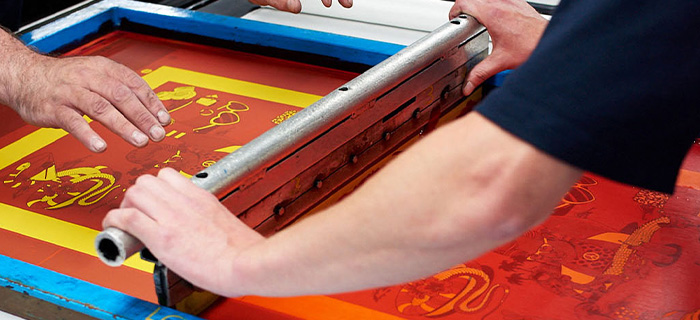
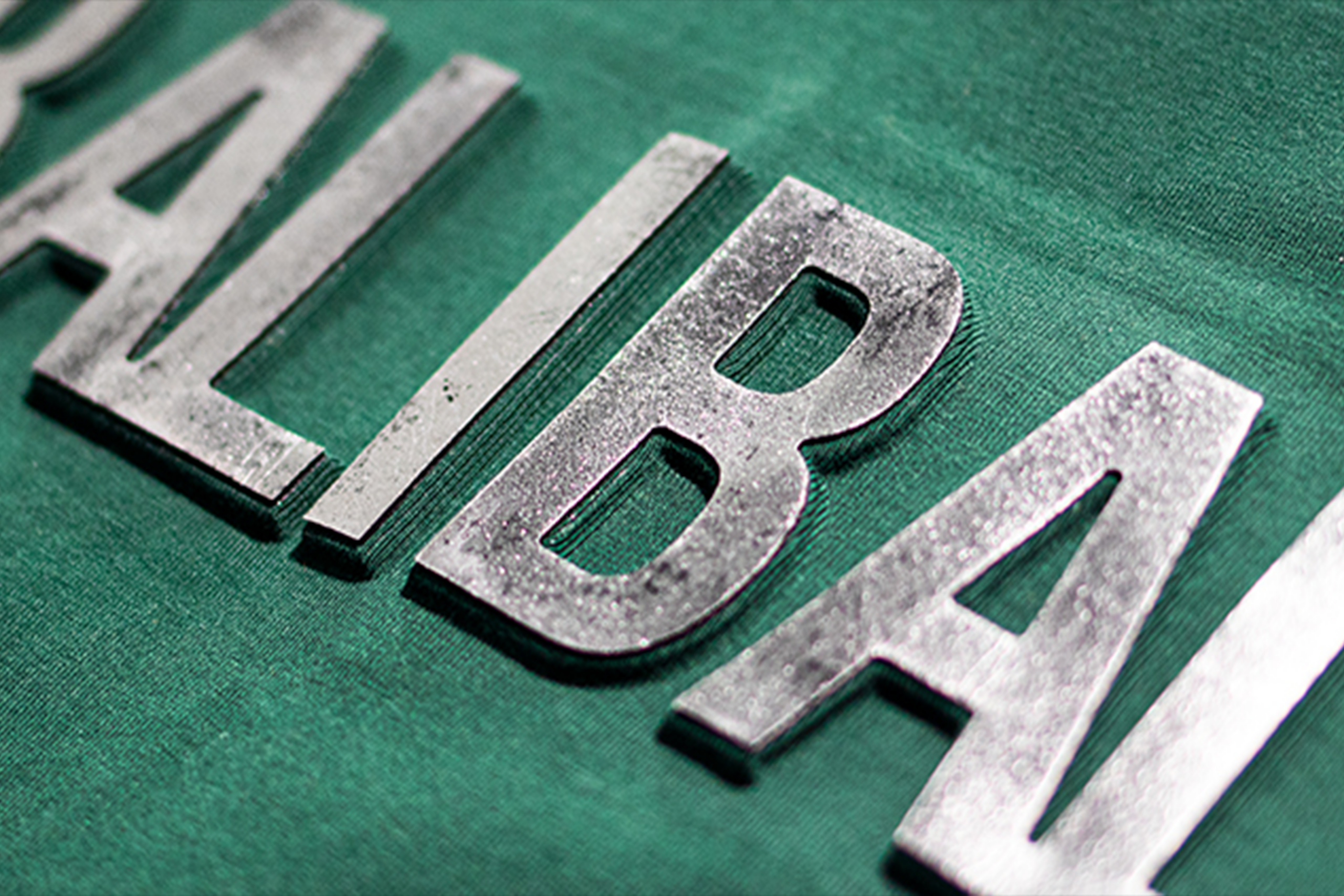
Precision Embroidery
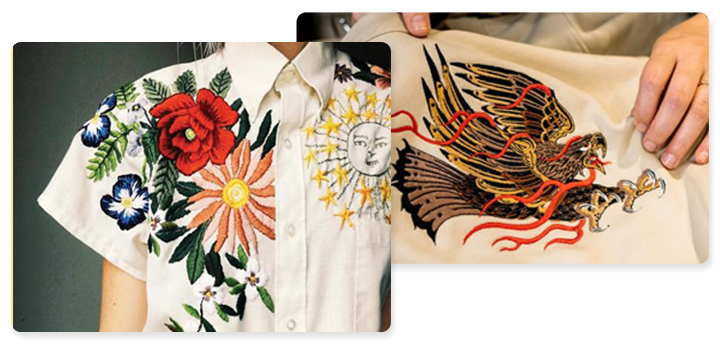
Embroidery adds dimensional logos, lettering, and crest details to polos, jackets, caps, and fleece programs. Stitch density, backing, and thread selection are reviewed against the fabric to maintain definition, stability, and a premium finish.
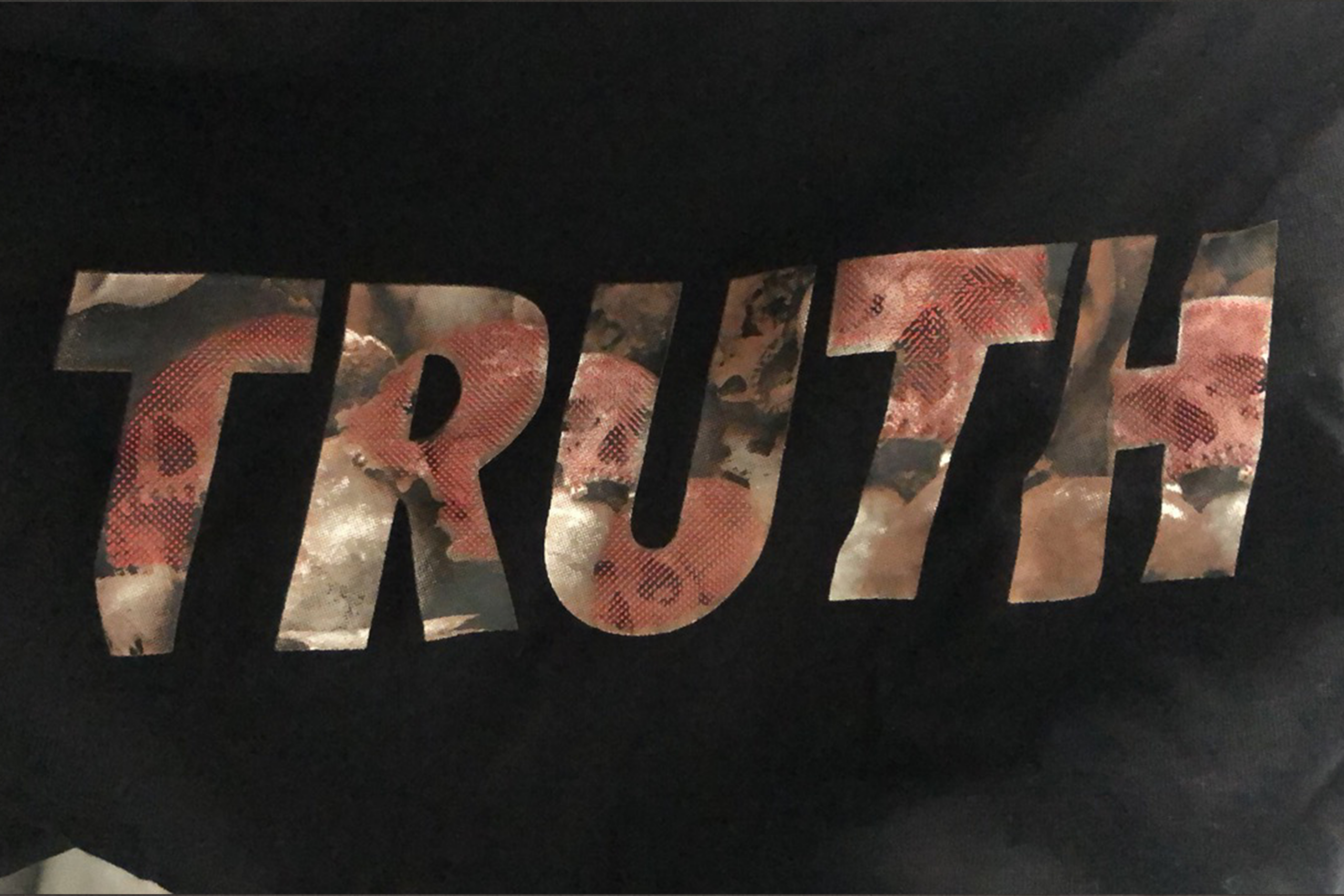
Sublimation Printing
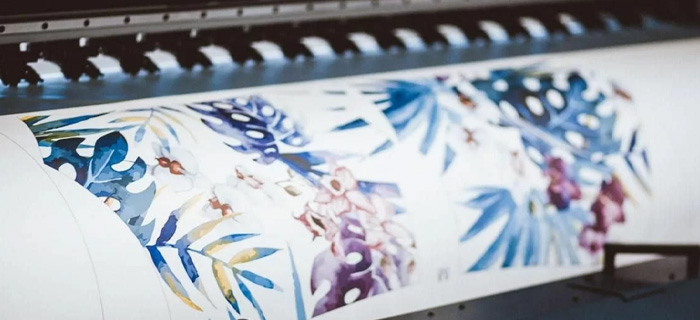
Sublimation transfers full-color artwork directly into compatible polyester fabrics, making it suited to jerseys and performance teamwear. The result is lightweight, breathable decoration with vivid color and no raised print layer.
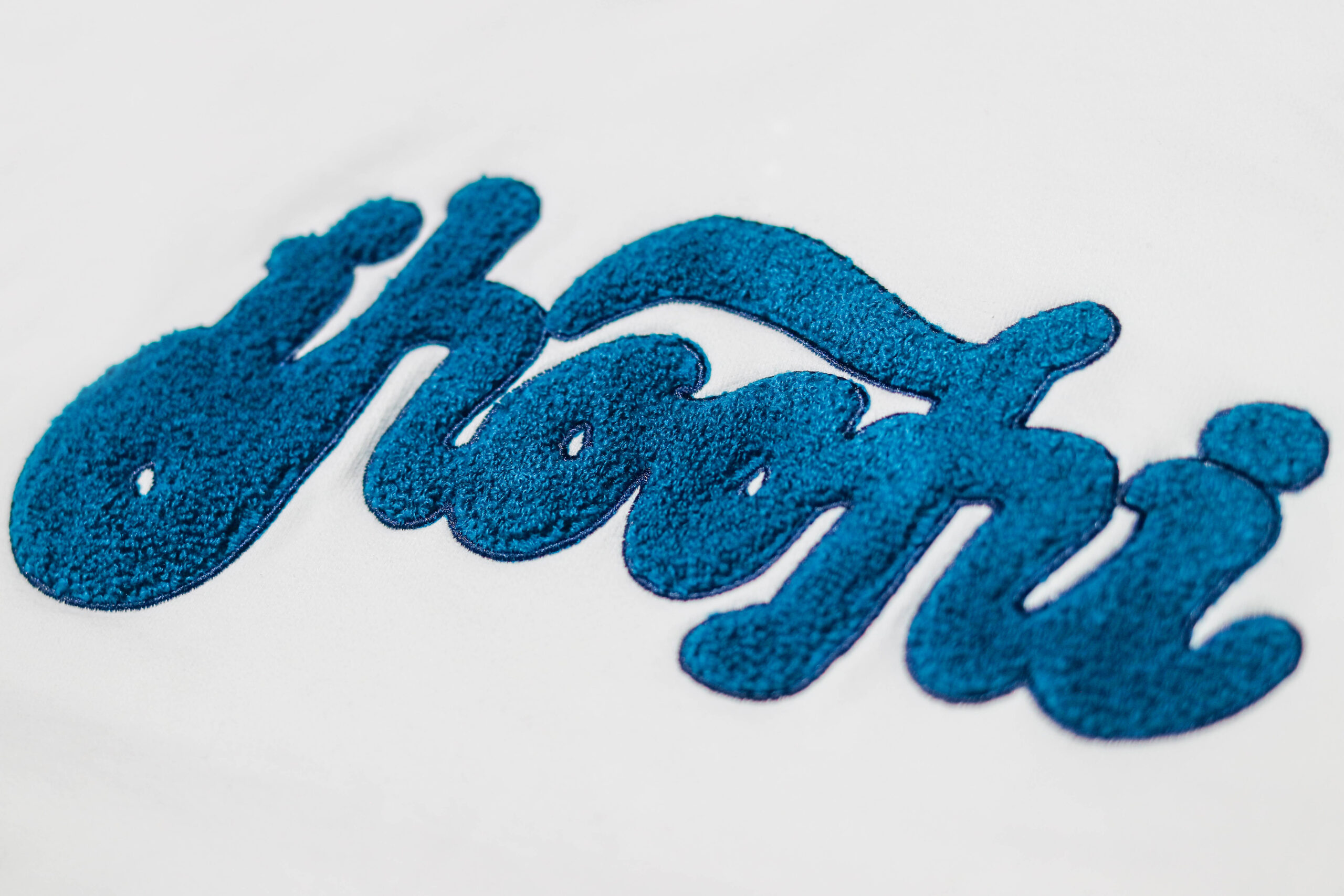
Appliqué Application
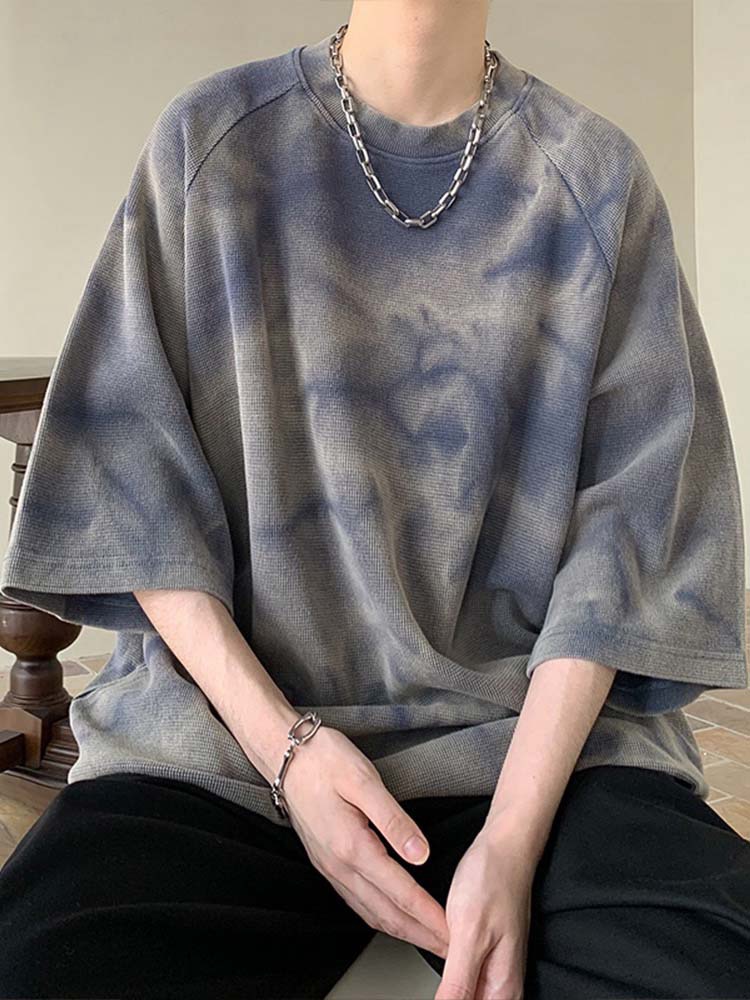
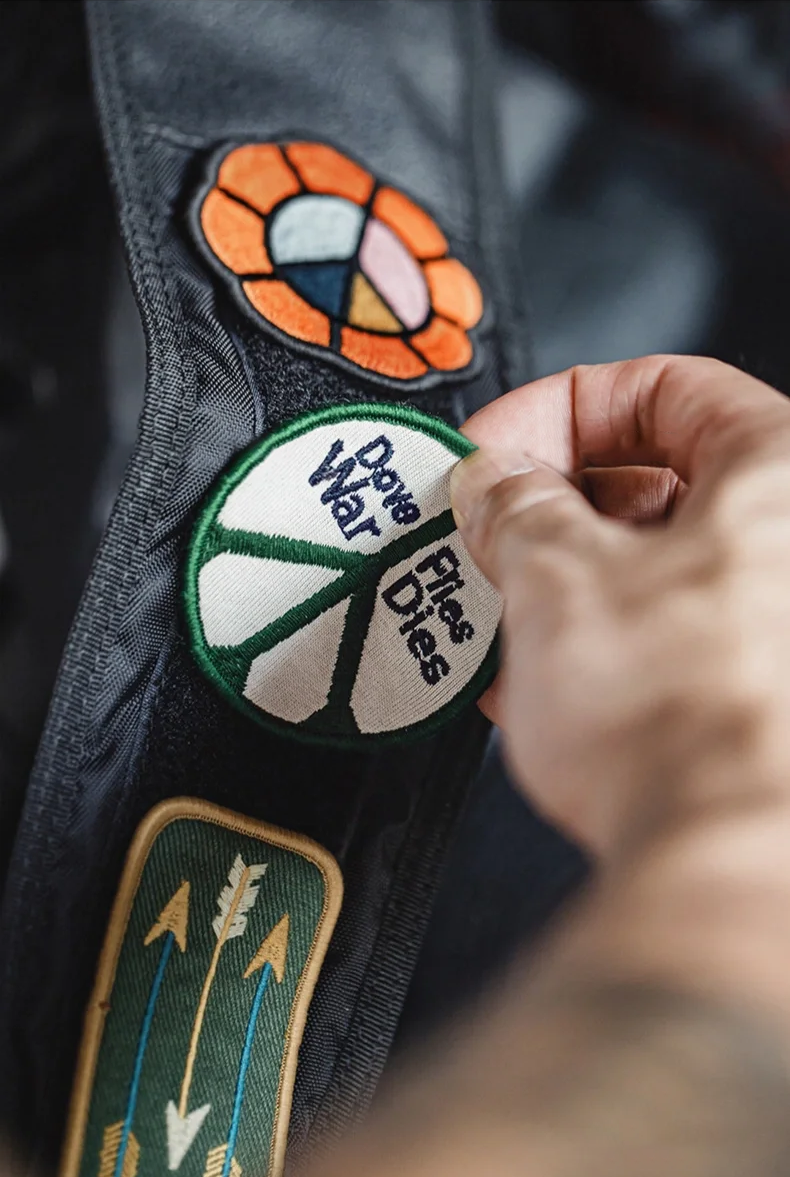
Appliqué combines layered fabric shapes, embroidery, or stitched edges to create varsity-inspired lettering, patches, and statement graphics. It adds texture and depth while preserving the construction details required for repeatable jacket and sweatshirt programs.
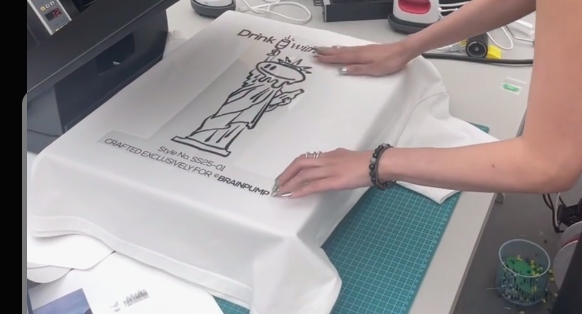
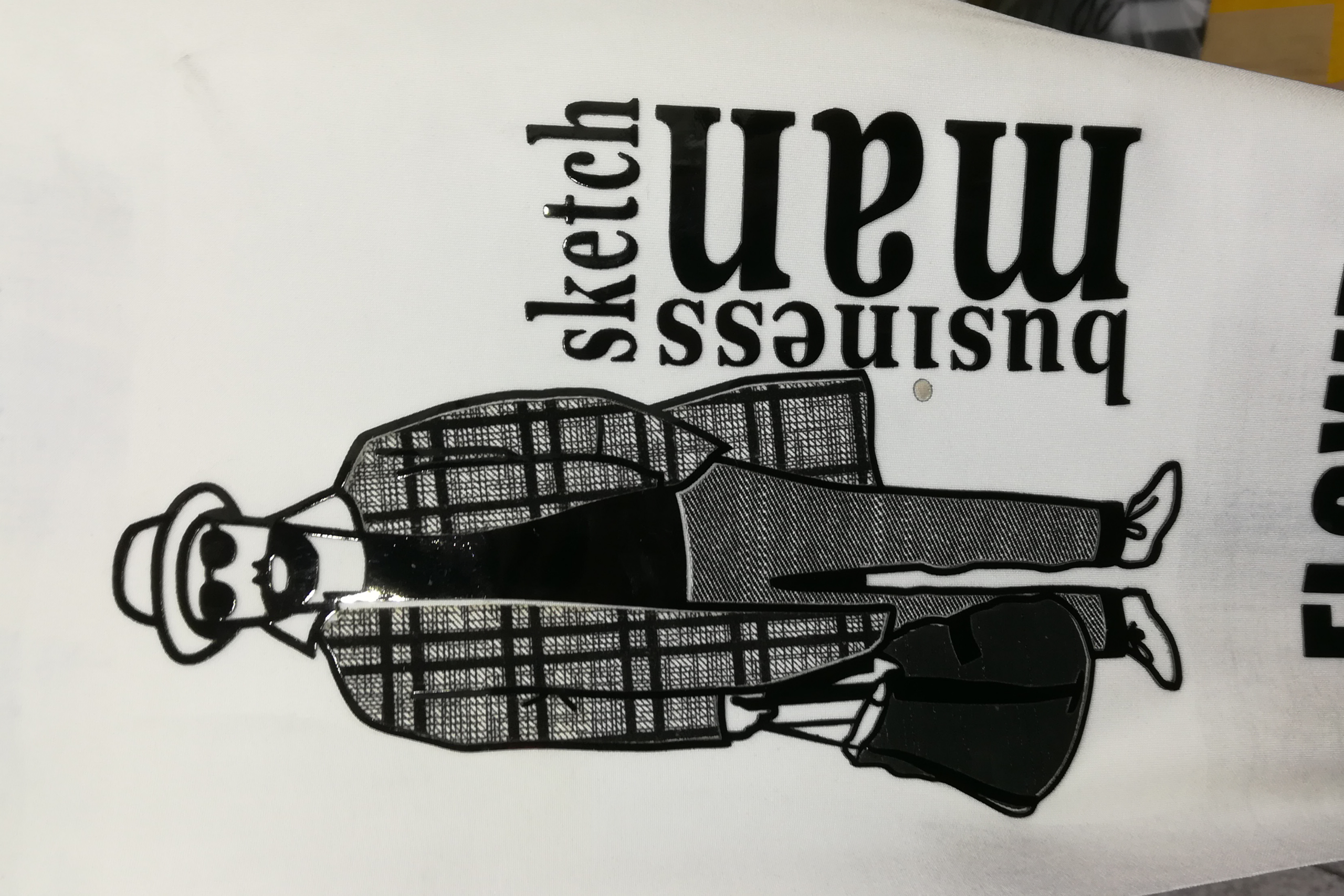
Heat Transfer
Heat transfer applies detailed logos, names, numbers, and smaller multicolor artwork where precision is essential. EDVORIN selects the transfer type for the garment material and use case to support clear edges, flexibility, and reliable adhesion.
Trims & Branding Details That Complete the Garment
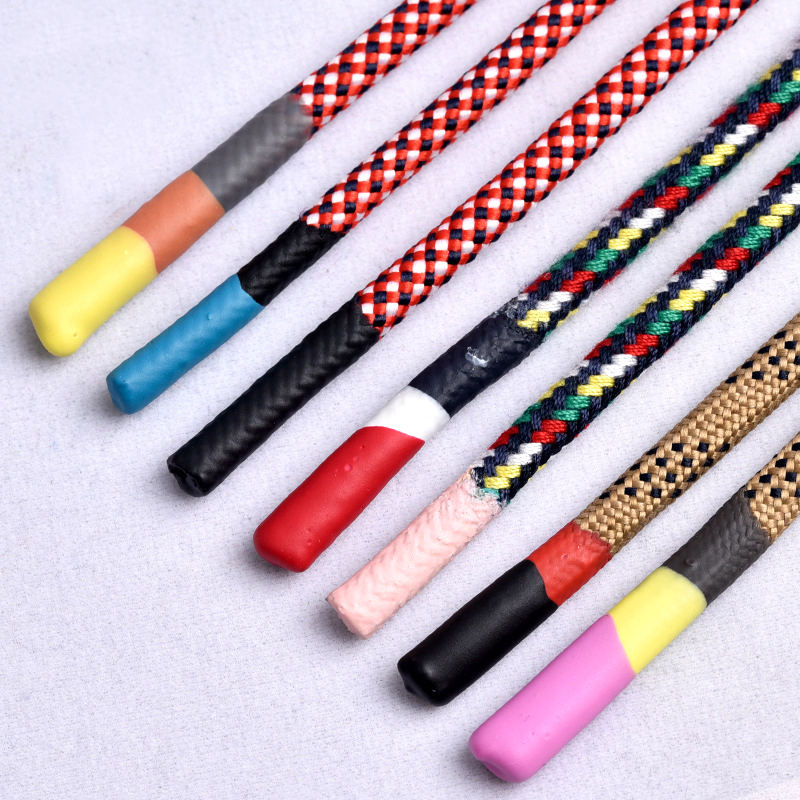
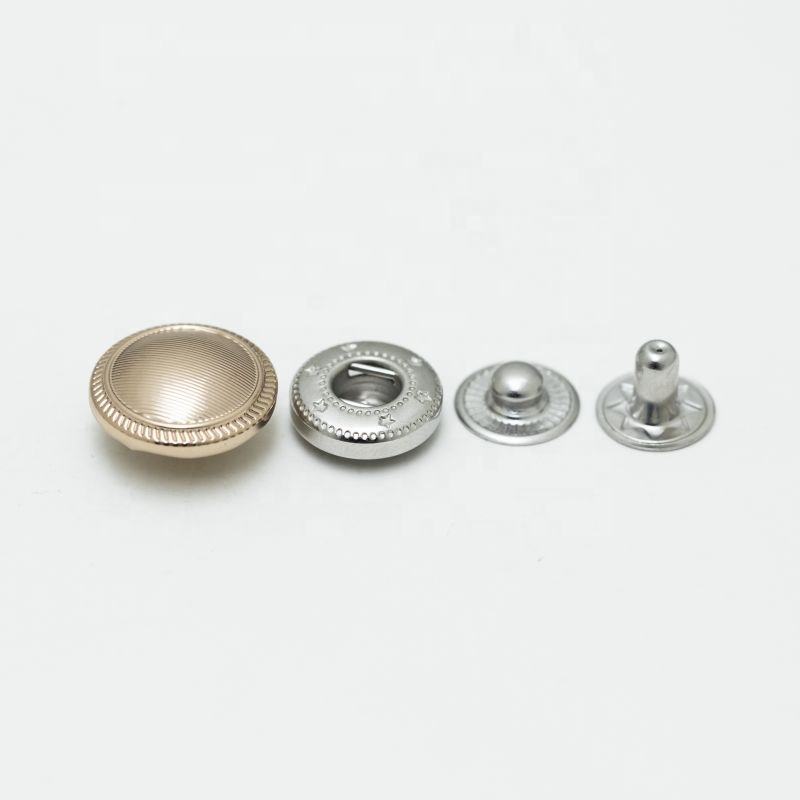
Snap Buttons
Specify snap finish, size, logo treatment and placement for varsity jackets, woven shirts and outerwear. Coordinated hardware supports garment function while reinforcing the collection’s visual identity.
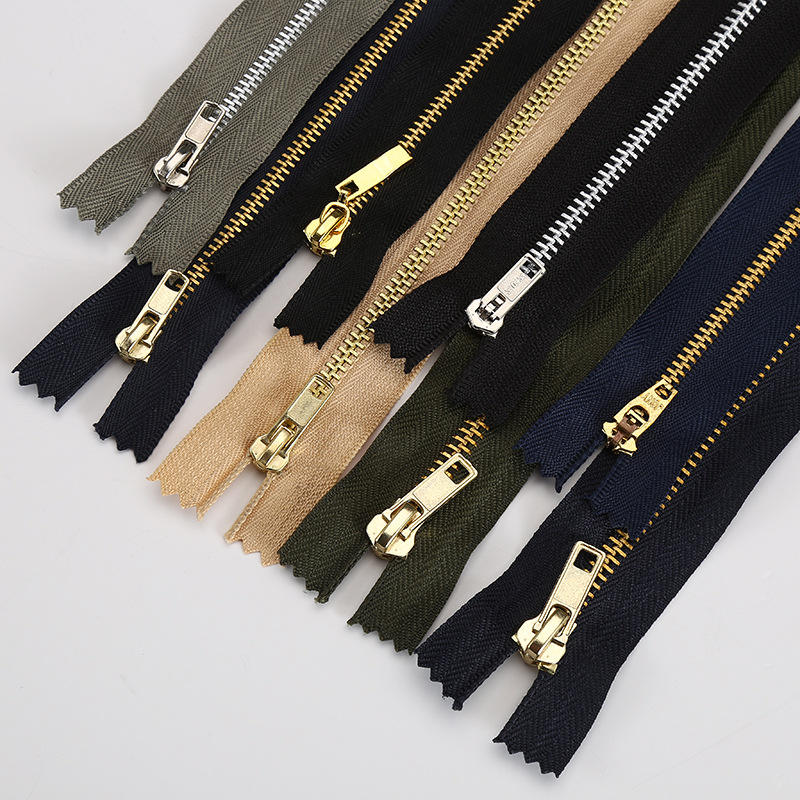
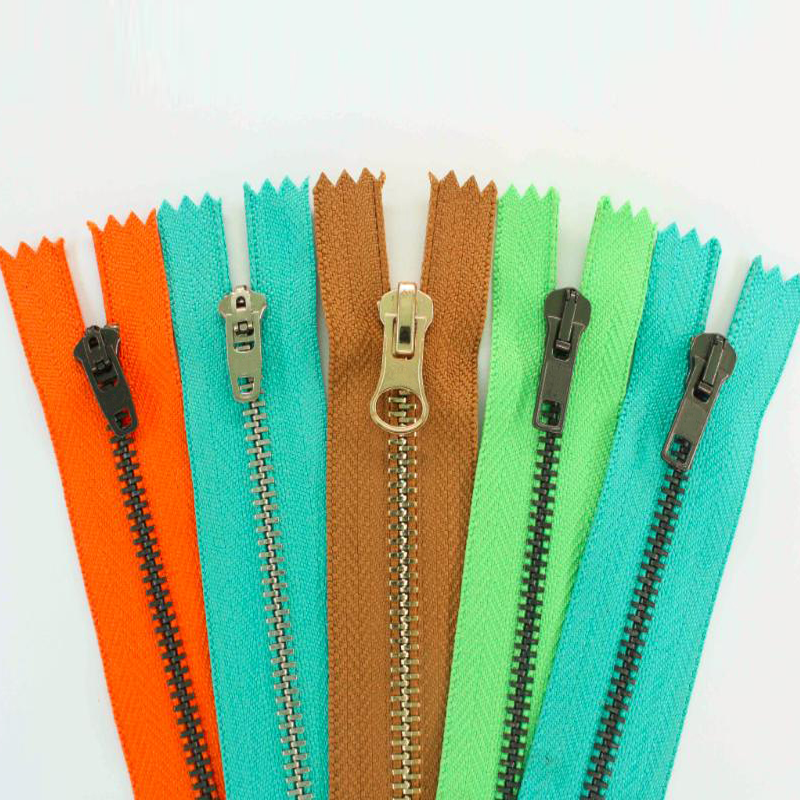
Zipper Systems
Select zipper type, tape color, puller shape and length for jackets, hoodies and performance pieces. EDVORIN coordinates the zipper specification with construction and approved sample requirements.
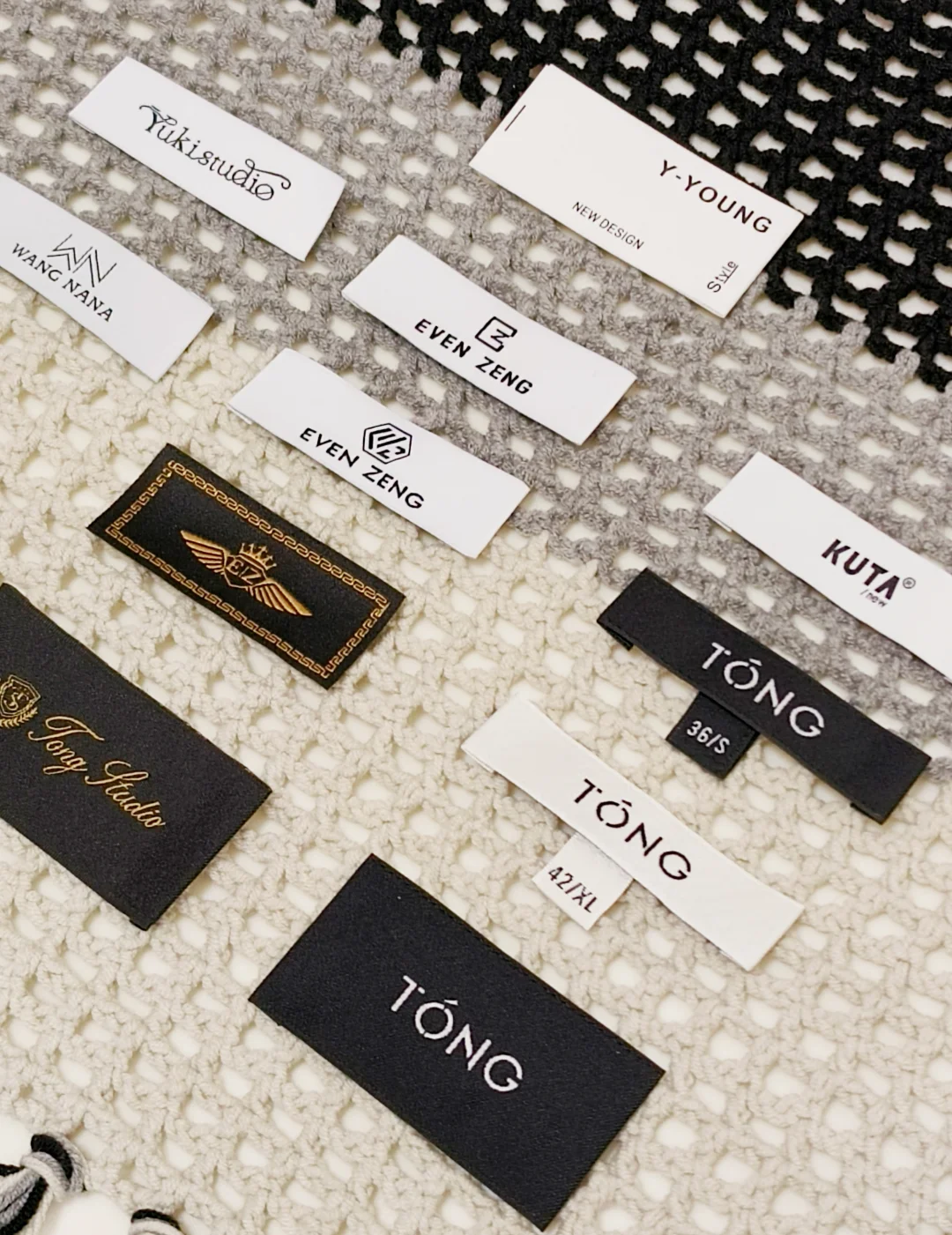
Woven Labels
Add main labels, size tabs and care labels with defined weave, fold, color and placement. Clear labeling details help private-label programs remain organized across styles, sizes and repeat orders.
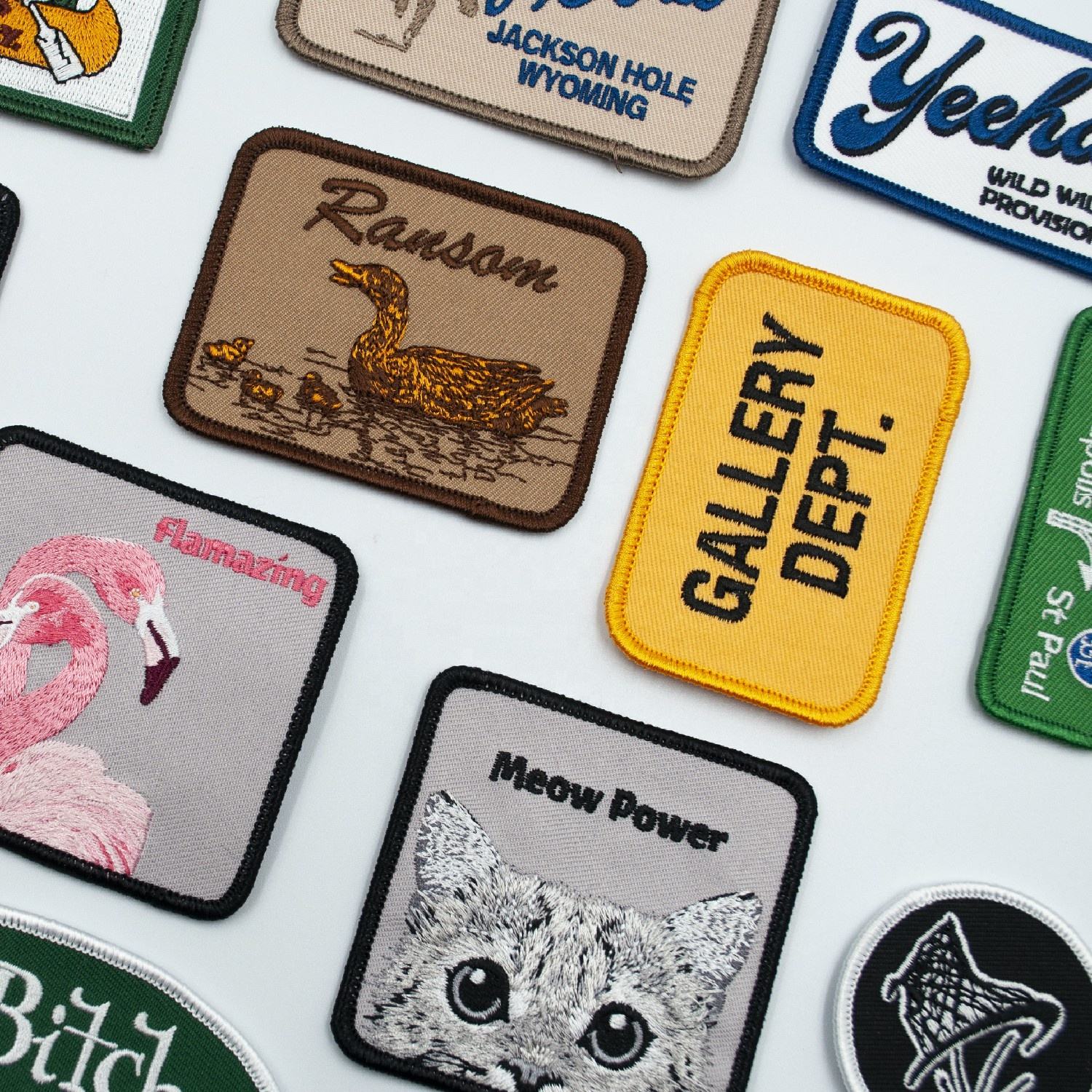
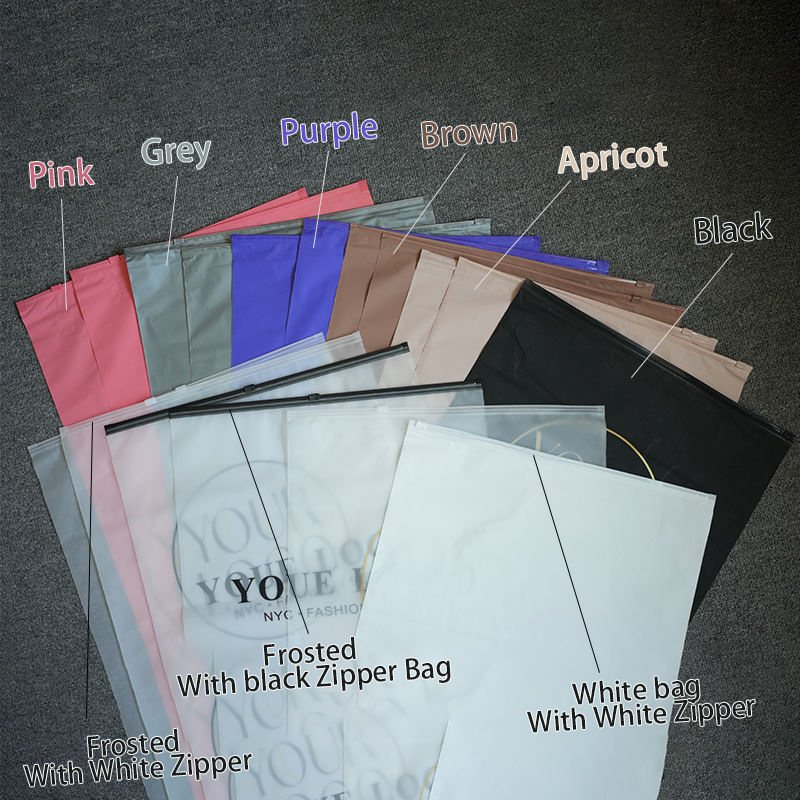
Branded Packaging
Complete the private-label presentation with hangtags, polybags, barcode stickers, cartons and packing instructions. Packaging details are documented to help the finished order arrive organized for wholesale or retail handling.
About EDVORIN: Built to Repeat
EDVORIN was founded in 2000 by Edvorin Zeng with a practical mission: help apparel ideas survive the move from concept to consistent production. We support fashion, streetwear, teamwear and private-label buyers with OEM, ODM and product development grounded in how garments are actually made.
From material sourcing and pattern development through sampling, decoration, washing, bulk production, labeling and packaging, our connected workflow keeps critical decisions in one accountable path. Each program is prepared around standards that can be reviewed before production moves forward.
What makes EDVORIN different is the discipline after sample approval. Measurements, materials, trims, artwork placement and finishing details are made visible for production, then checked in line and again before packing. The result is a clearer foundation for repeat orders, with MOQ starting at 200 pieces per style.

Production Control at Every Step
Development That Locks the Standard
EDVORIN turns a sketch, reference garment, or complete tech pack into clear production specifications. Pattern development, fit review, grading, construction details, and approval feedback are organized before bulk production so each repeat order has a dependable standard.
- Tech pack and specification support
- Pattern, fit, and grading refinement
- Construction details recorded for production
- MOQ starts at 200 pieces per style
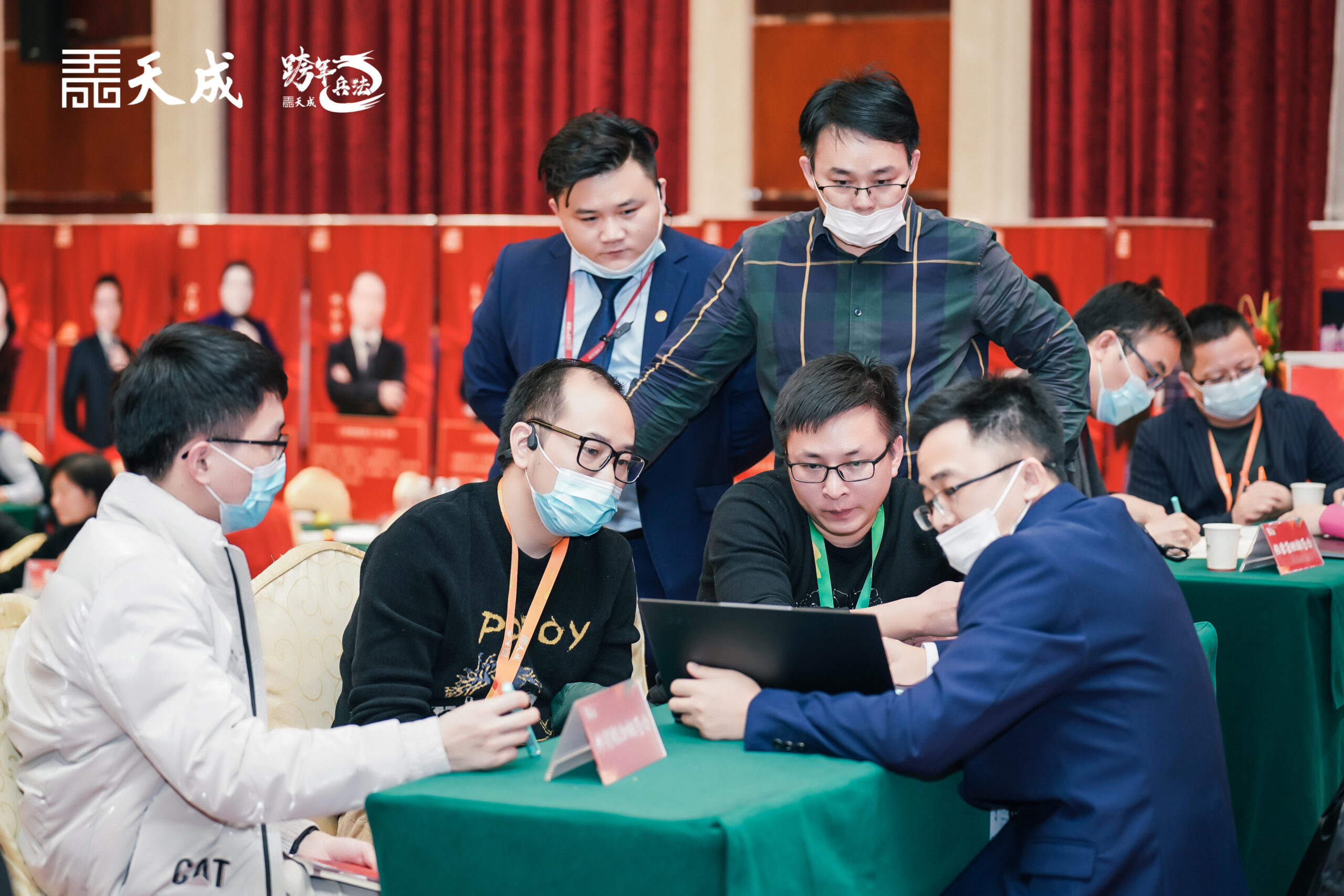
Materials and Decoration Aligned
Fabric weight, rib recovery, trims, printing, embroidery, washing, and packaging must work together in the finished garment. EDVORIN coordinates these choices across casualwear, streetwear, outerwear, and teamwear, helping buyers protect both the intended look and practical performance.
- Fabric and trim sourcing coordination
- Print and embroidery matched to garments
- Wash and finishing options reviewed
- Labels and packaging specified together
Approved Samples Guide Bulk
A sample becomes valuable when its approved details guide every production stage. EDVORIN uses documented measurements, artwork placement, color references, trims, and construction requirements to align materials, sewing, decoration, in-line checks, and final inspection before packing.
- Approval details translated into bulk standards
- In-line checks identify variation early
- Artwork placement and measurements documented
- Final inspection before packing
Built for Every Wearer
Every listed category can be developed for men’s and women’s programs rather than relying on a single universal block. EDVORIN adjusts fit, proportions, grading, materials, styling details, and performance needs for the intended wearer, from hoodies and jerseys to outerwear.
- Men's and women's fit development
- Category-specific construction decisions
- Streetwear, casualwear, outerwear, and teamwear
- Flexible support from emerging to established buyers

Why Buyers Choose EDVORIN
A connected production path helps protect approved details from development through packing and shipment coordination.
← Swipe left or right to view →
From Product Brief to Packed Order
A controlled path from technical review to export preparation, built to protect approved standards through every production stage.
Review and Source
We review tech packs, references, quantities, and target requirements, then align fabrics, trims, construction details, decoration methods, and a production-ready specification.
Develop and Approve Samples
Patterns and samples translate the brief into a physical standard. Fit, measurements, materials, artwork placement, and finishing are refined before bulk approval.
Cut and Decorate Components
Approved materials are prepared for cutting, printing, embroidery, washing, or other category-specific decoration, with placement and construction details recorded for consistent assembly.
Manufacture With In-Line QC
Production teams follow the approved sample and specifications while in-line checks monitor measurements, sewing, color, decoration, and finishing before variation spreads across the order.
Inspect, Pack, and Prepare
Final checks confirm the packed garments reflect approved standards. Labels, folding, packaging, quantities and export documentation are coordinated for the agreed shipping handoff.
How International Apparel Production and Shipping Work
Move from concept to a production-ready apparel program with clear approvals, documented standards, and coordinated delivery planning.
Submit Your Product Brief
Send a tech pack, sketch, reference garment, quantity target, and timeline. EDVORIN reviews construction, materials, decoration, sizing, and private-label requirements.
Review Costing and Samples
Confirm proposed specifications and costing, then review development samples for fit, fabric, trims, artwork placement, and finish before bulk standards are set.
Approve Production Standards
Approve the sample and final details. Measurements, color references, decoration methods, labels, packaging, and quality expectations become the controlled production standard.
Launch Controlled Bulk Production
EDVORIN coordinates sourcing, cutting, sewing, decoration, inspections, final packing, and shipping preparation so your approved collection is ready for repeatable delivery.
Certified Standards for Responsible Apparel Production



Customer References Available on Request
Reserved for an approved customer statement describing repeat-order consistency, with verified order volume, category, timeline, and outcome supplied before publication.
Reserved for an approved customer statement describing sample approval progress, with verified revision count, product details, timeline, and outcome supplied before publication.
Reserved for an approved customer statement describing program-scale results, with verified styles, quantities, delivery details, and outcome supplied before publication.
Clothing Manufacturer Global Shipping FAQs
Practical answers for brands planning custom apparel programs with EDVORIN.
What is the minimum order quantity?
Can you help if I only have a sketch or reference garment?
How do you arrange international shipping for a bulk order?
How long do sampling and bulk production take?
What information do I need to request a quote?
Can EDVORIN create private-label apparel and branded packaging?
How are quality standards controlled from sample to bulk production?
How are payments handled for custom apparel orders?
How does EDVORIN protect my designs and confidential product information?
Clothing Manufacturer Global Shipping: A Complete Buyer’s Guide
Use this decision framework to compare shipping models, supplier capabilities, quality controls, landed-cost factors, and documentation—so you can select a reliable apparel partner and avoid expensive sourcing, production, and delivery mistakes.
1. What Is Clothing Manufacturer Global Shipping?
2000 is the year EDVORIN began building apparel programs from development through packed production. Clothing manufacturer global shipping is the coordinated handoff of finished custom garments from that production path to an overseas buyer, covering export-ready packing, transport booking, customs processing, and delivery under agreed terms.
6 responsibilities must be assigned clearly: production completion, export documentation, freight, cargo insurance, import clearance, and final-mile delivery. A clothing manufacturer global shipping arrangement can be port-to-port or door-to-door; the commercial terms should identify which party pays, files documents, and carries risk at each transfer.
1 manufacturer makes the garments; a sourcing partner identifies and manages supply options; a freight forwarder arranges cargo movement and paperwork; a fulfillment provider receives, stores, and ships individual orders. EDVORIN’s role is to keep approved apparel, labeling, packaging, and shipment readiness aligned before the logistics handoff.
2. Evolution of Clothing Manufacturer Global Shipping
1956 marked the commercial breakthrough of containerized ocean freight, making it practical to move standardized apparel loads between distant production hubs and retail markets. Sourcing consequently shifted from local workshops toward coordinated international networks.
2000 is the year EDVORIN began building its manufacturing workflow around the handoffs that determine repeatability: pattern, sample, materials, decoration, production, inspection, labeling, and packing. Digital tech packs, measurement charts, Pantone references, sample photos, and revision records now let buyers review those handoffs before goods leave the factory.
4 checkpoints deserve visibility in a modern clothing manufacturer global shipping program: sample approval, in-line and final quality control, customs documentation, and carrier tracking. For private-label buyers, that record turns a delivered order into a reproducible specification rather than a one-time purchase.
3. Clothing Manufacturer Global Shipping Models
Six shipping models balance launch timing, volume, destination and buyer capability. EDVORIN can align packing documents and release instructions with the agreed handoff, but the buyer should confirm Incoterms, importer responsibility and insurance before production ships.
| Model | Speed And Cost Driver | Control And Best Fit |
|---|---|---|
| Factory courier | Fast; chargeable weight | Small urgent samples or cartons |
| Air freight | Fast; weight and volume | Launch-critical medium orders |
| Sea freight | Slow; container or cubic volume | High-volume replenishment |
| Buyer-nominated forwarder | Route varies; buyer contract | Teams with logistics capability |
| FOB-style handoff | After origin handoff; buyer costs | Buyers controlling main carriage |
| DDP-style delivery | All-in quote; duties and freight | Buyers needing simpler delivery |
Control And Paperwork
Two control points matter: who books transport and who acts as importer of record. Buyer-nominated forwarders and FOB-style handoffs give experienced teams routing control, while factory-arranged options reduce coordination but require clear document review.
Match The Launch
Seven-day launch windows usually favor courier or air; consolidated sea freight suits replenishment and larger carton counts. DDP-style delivery simplifies customs-facing work, whereas FOB and nominated-forwarder models suit buyers with established broker and warehouse workflows.
4. Fabrics That Travel and Perform Well
Fabric weight and structure shape freight cost as much as garment appearance. For clothing manufacturer global shipping, assess packed volume, wrinkle recovery, moisture exposure, durability, and destination climate before approving a fabric.
| Fabric | Typical GSM | Best Use | Transport Consideration |
|---|---|---|---|
| Cotton | 160–220 | T-shirts | Heavier when damp; wrinkles |
| French terry | 240–320 | Sweats | Moderate bulk; stable loops |
| Fleece | 280–400 | Hoodies | High carton volume |
| Performance knit | 140–220 | Teamwear | Quick drying; avoid snags |
| Technical woven | 90–180 | Outerwear | Compact; protect coatings |
Weight Drives Freight
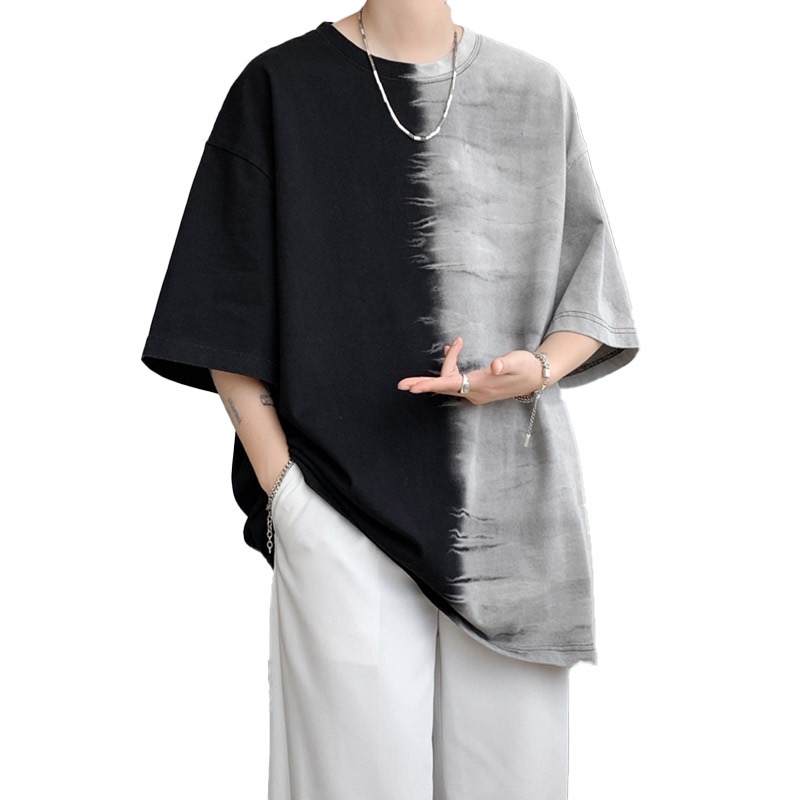
160–220 GSM cotton suits tees but absorbs moisture and can wrinkle in transit. Cotton-poly blends generally dry faster and offer better recovery, helping control carton weight and presentation.
Match Fabric To Route
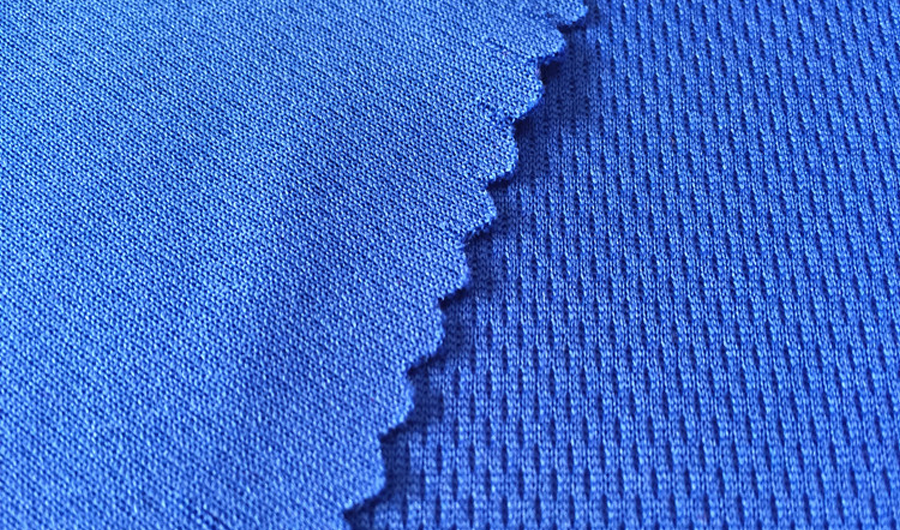
240–320 GSM French terry balances midweight sweat styles with lower bulk than 280–400 GSM brushed fleece. Performance knits and technical woven fabrics suit activewear or outerwear when quick drying, abrasion resistance, or compact packing matters.
Specify Packed Performance
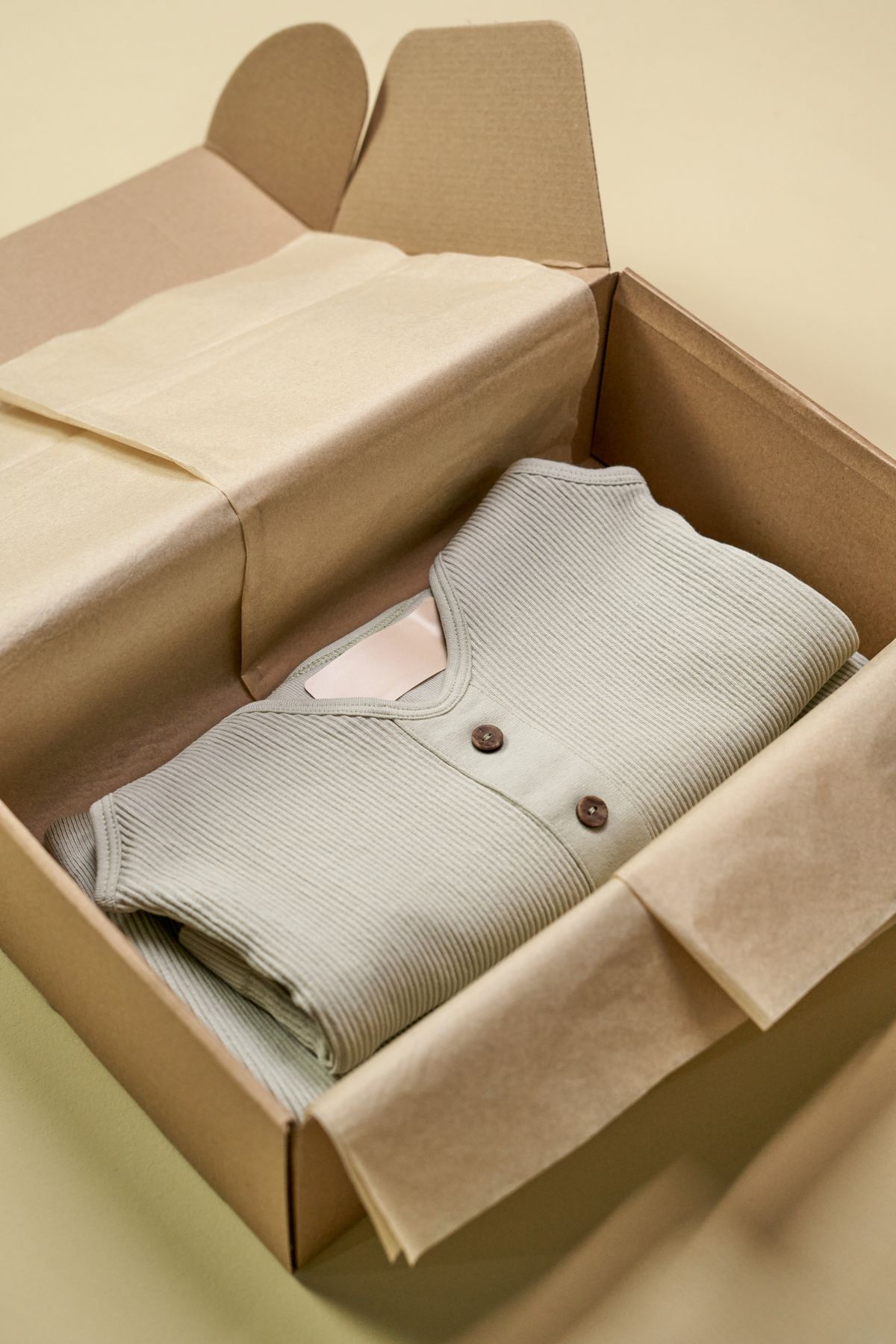
1 approved fabric standard should record GSM tolerance, fiber content, finish, shrinkage, and moisture-barrier packing needs. Compression can reduce carton volume, but test whether creasing, pile flattening, or coating damage affects the delivered garment.
5. Customization for Global Apparel Orders
Two approvals prevent costly rework: the production sample and the branded-component proof. For clothing manufacturer global shipping, decoration and packing must be specified together before bulk release.
| Method | Artwork | Operational Effect |
|---|---|---|
| Screen print | Spot-color separations | More colors raise setup and unit cost |
| Embroidery | Digitized stitch file | Adds stitch time and bulk |
| Heat transfer | Vector press file | Protect faces from abrasion |
| All-over print | Repeat and placement map | Needs fabric-specific strike-off |
Lock Brand Components
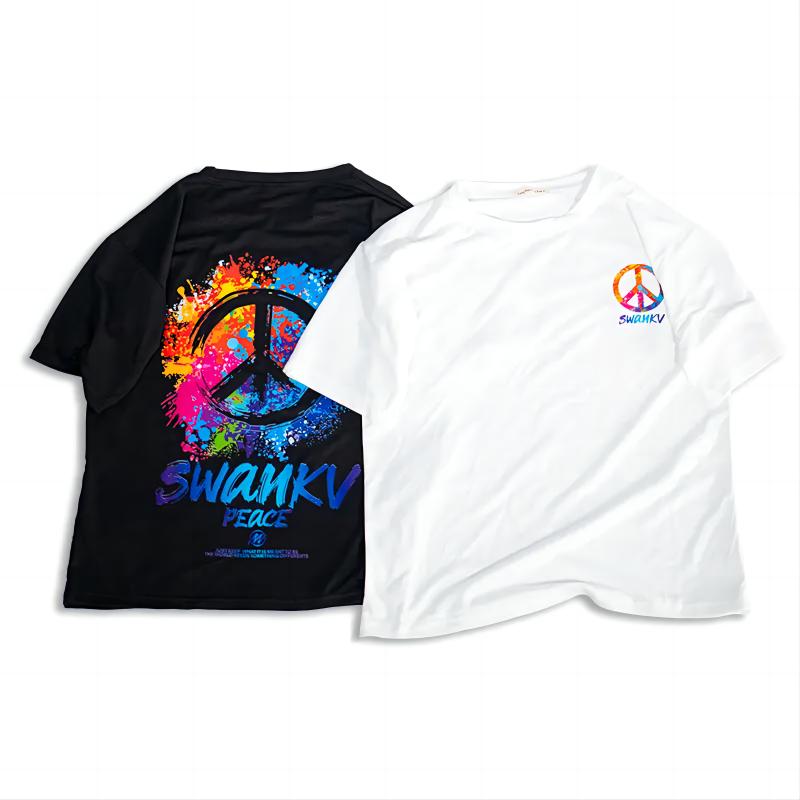
1 approved label set should state neck-label fold, size label, care copy, hangtag stock, barcode position, polybag warning, and carton marks.
2 physical proofs—one loose and one applied—should be signed off against the tech pack before ordering trims.
Match Decoration To Garment
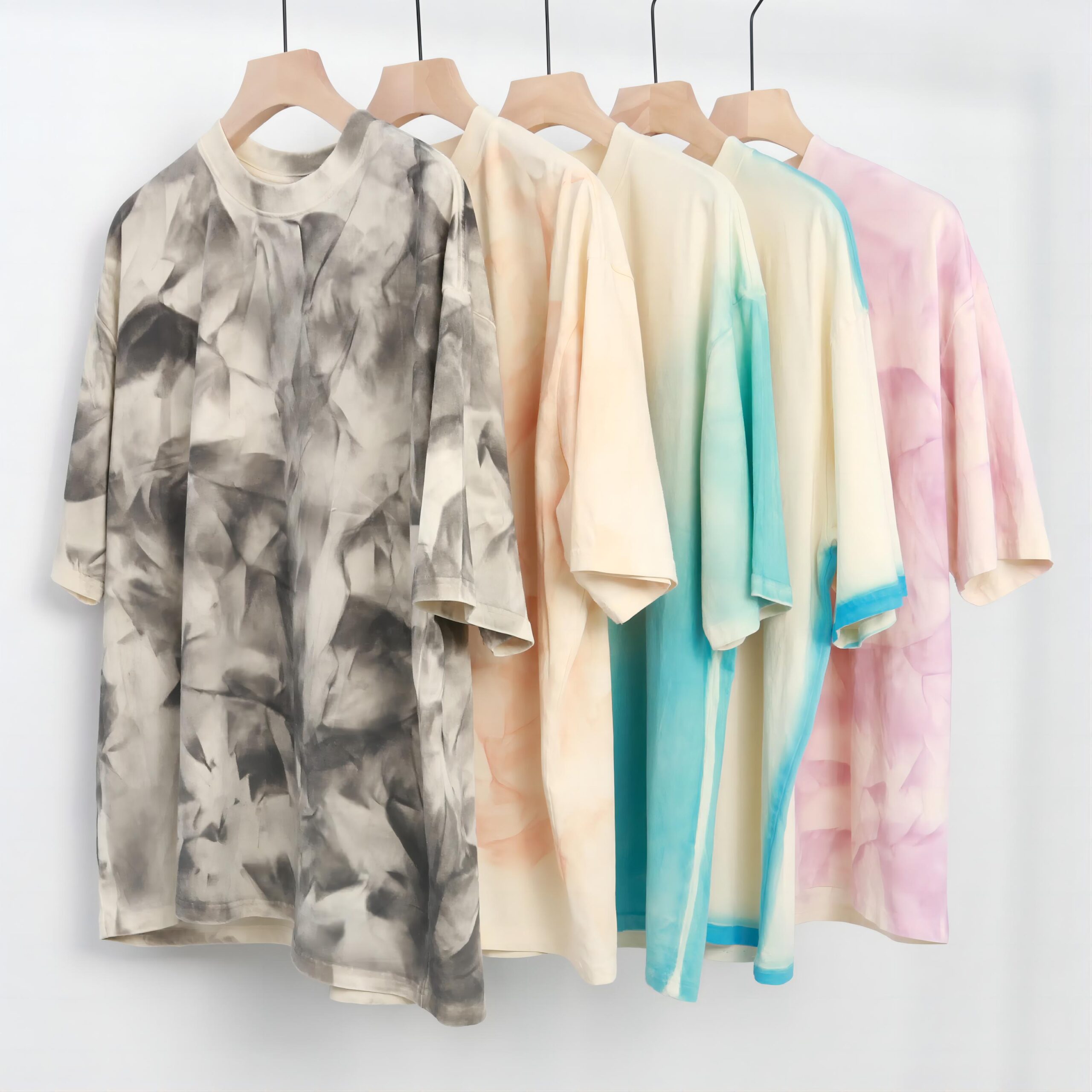
3 decoration routes require different files: screen print needs separated spot colors, embroidery needs a digitized file, and heat transfer needs press-ready vector artwork.
1 all-over print needs a repeat or placement map plus seam allowances; sample it on the final fabric because stretch and color alter appearance.
Approve For Transit
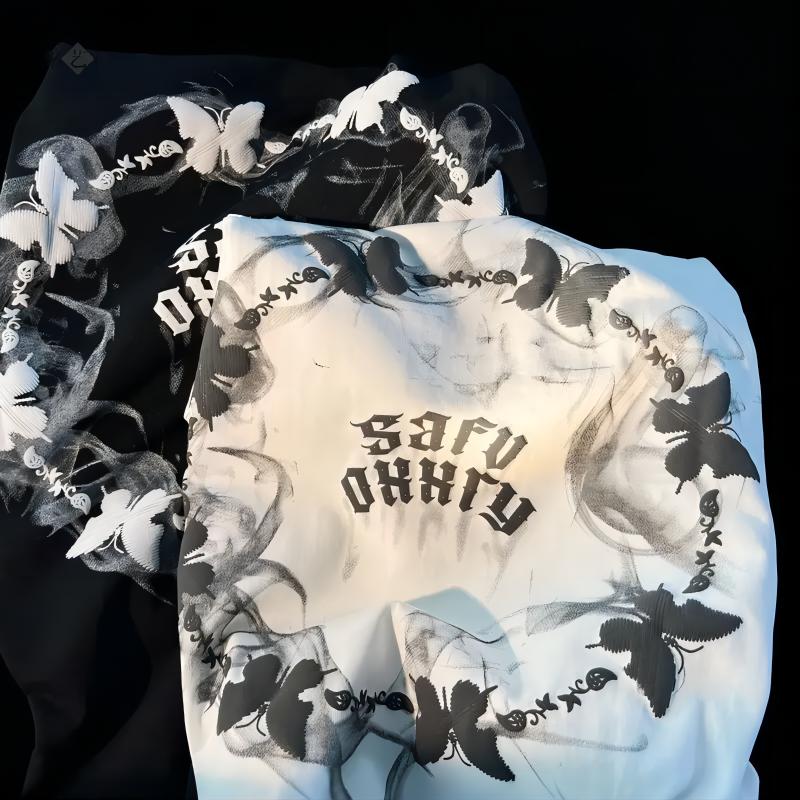
24-hour carton compression and rub checks are practical for decorated garments: verify transfers do not block, embroidery does not snag, and prints do not offset onto adjacent pieces.
1 pre-production sample should confirm Pantone reference, placement measurements, packing sequence, and photo-approved artwork.
6. Construction Quality Before International Delivery
A signed pre-shipment approval gives buyers a final chance to compare bulk goods with the approved standard. Once cartons enter international transit, correcting construction or labeling errors becomes slower and more expensive.
Measurements And Seams

A measurement chart should define every point of measure and agreed tolerances, such as ±1 cm for key dimensions. Inspect stitch consistency, skipped stitches, puckering, and reinforcement at pocket corners, crotches, and shoulder seams.
Decoration, Trims, And Labels
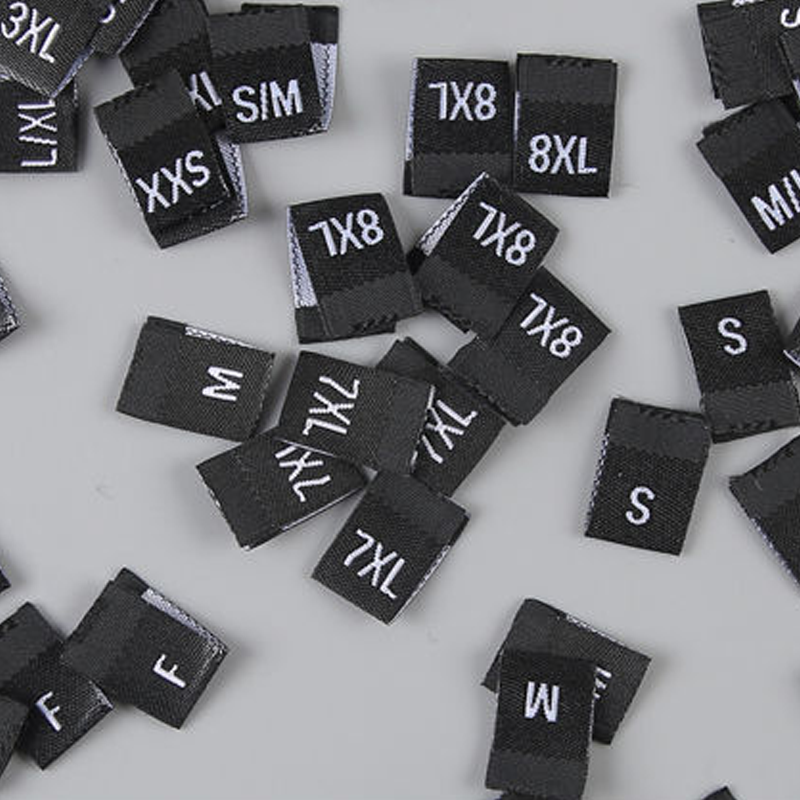
Pantone references, placement coordinates, and approved strike-offs make print and embroidery checks objective. Confirm trim function, artwork placement, label content, size markings, care instructions, and country-of-origin information against the approved sample.
Packing And Inspection Records
A final inspection record should note checked quantities, fabric defects, color consistency, measurements, defect categories, and corrective actions. Verify carton counts, polybag labels, folding method, assortment ratios, and packing lists before release.
7. Choosing Clothing Manufacturer Global Shipping Partners
EDVORIN’s MOQ starts at 200 pieces per style. A clothing manufacturer global shipping partner should be judged on repeatable controls, not its lowest unit price. EDVORIN’s 200-piece MOQ provides a practical benchmark for aligning an order with sampling, production, and export needs.
| Evaluation Area | Capable Partner | Low-Price Warning |
|---|---|---|
| Quote | Separates fabric, decoration, packaging, freight terms | Single unexplained total |
| Sampling | Records revisions and approval points | Promises bulk before specifications settle |
| Shipping | Defines Incoterm and documents | Calls shipping worldwide without terms |
Match Product Expertise
Three questions expose fit: Has the supplier made your category, reviewed its tech pack, and explained material or decoration risks?
200 pieces only work when size ratios, colorways, and construction complexity match the factory’s process.
Verify Production Controls

One approved sample is not enough; ask how measurements, Pantone references, artwork placement, trims, and revisions become bulk standards.
Two checkpoints matter: in-line inspection catches variation early, while final inspection checks packed goods against approval.
Test Export Readiness
Three documents should be clear before deposit: itemized quotation, agreed Incoterm, and shipment paperwork responsibility.
Two references from comparable export programs can reveal communication speed, delivery reliability, and issue resolution.
8. Clothing Manufacturer Global Shipping Mistakes
Two avoidable decisions can turn an approved apparel order into a customs, cost, or quality dispute. One clothing manufacturer global shipping brief should assign every specification, cost, and handoff before bulk production.
Specifications, Samples, And QC
One incomplete tech pack leaves fabric GSM, Pantone references, measurements, placement, and labeling open to interpretation; skipping a pre-production sample compounds the risk. Prevent it with a signed sample and dated revision sheet.
Three checkpoints—pre-production, in-line, and final inspection—catch drift before packing. Approving bulk without them can create a full-order rework; define acceptance criteria, inspection timing, and who releases shipment.
Landed Cost And Terms
One factory quote is not landed cost: freight, insurance, brokerage, duties, and taxes may sit outside it. Request a destination-specific cost sheet and confirm in writing whether duties are included.
Three-letter Incoterms such as FOB, CIF, and DDP allocate delivery, risk, and import responsibilities differently. Name the Incoterm, named place, importer of record, and customs payer on the purchase order.
Freight And Carton Data
Two transit options can produce very different total costs; choosing air freight solely for speed can erase margin. Compare delivery window, chargeable weight, service reliability, and launch date before booking.
One missing carton specification can trigger incorrect freight estimates or warehouse receiving delays. Approve carton dimensions, gross weight, units per carton, carton marks, and packing list before dispatch.
9. Steps to Launch an International Clothing Order
A clothing manufacturer global shipping program should begin before costing, because approved specifications determine production, packing, and import readiness. Assign one buyer owner and one factory owner to every gate.
Brief And Costing
Step 1: The buyer submits a tech pack, size breakdown, destination, target delivery date, and Incoterm. EDVORIN confirms construction questions and issues a quotation; the buyer approves scope, price basis, and revision list.
Materials And Sample
Step 2: The factory presents material, color, trim, and decoration options before purchasing. The buyer signs off on swatches and the fit or pre-production sample; revisions remain open until the approved sample becomes the bulk standard.
Purchase Order To Inspection
Step 3: The buyer releases a purchase order with quantities, labels, packaging, payment terms, and ship window. EDVORIN controls bulk production and records in-line checks; the buyer or nominated inspector approves final inspection before booking freight.
Freight And Closeout
Step 4: The logistics owner books freight against ready-date, carton data, and Incoterm. EDVORIN prepares commercial documents while the buyer confirms importer details, tariff classification, duties, and customs broker instructions; delivery feedback informs the next order.
10. Pricing and Landed-Cost Planning
200 units is a useful costing checkpoint: unit manufacturing cost normally falls as fixed pattern, sampling, setup and freight charges spread across more garments. Request each style, colorway, size range and Incoterm separately.
3 quote layers prevent surprises: ex-factory product, international transport, and destination landed charges. For clothing manufacturer global shipping, require fabric, decoration, packaging, freight mode, insurance, duties, taxes and destination handling as separate lines.
| Quantity tier | Indicative cost component | Lead-time effect | Buyer action |
|---|---|---|---|
| 200–499 units | Sampling, pattern and decoration setup weigh heavily | Consolidate materials before booking | Limit colorways; approve one standard |
| 500–999 units | Fabric yield and labor become clearer per unit | Sea consolidation may suit flexible dates | Compare air, courier and sea quotes |
| 1,000+ units | Fixed costs spread across more units | Bulk fabric booking needs earlier commitment | Lock forecast, packaging and inspection plan |
| Any quantity | Duties, taxes, insurance and destination handling vary | Customs delays can affect delivery | Request itemized DDP and FOB comparisons |
Start Your Clothing Manufacturer Global Shipping Program
Send your tech pack, reference garment, or collection idea for OEM, ODM, or private-label development with clear production coordination.