
Fitness Clothing Manufacturer for Repeatable OEM Collections
EDVORIN takes fitness clothing manufacturer programs from concept through samples, decoration, quality control, and bulk production, with MOQs from 200 pieces per style.
Featured Products for Fitness Apparel Development
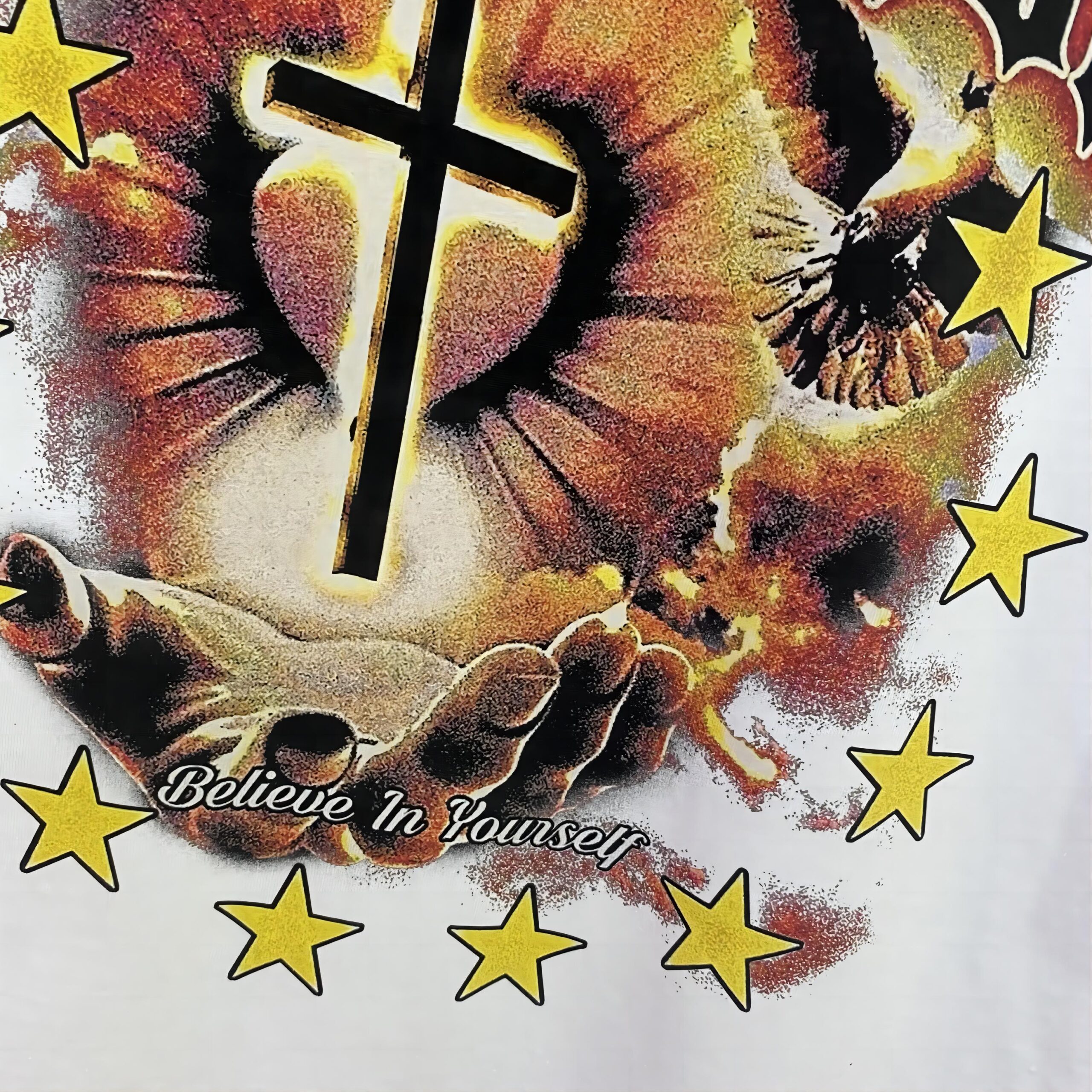



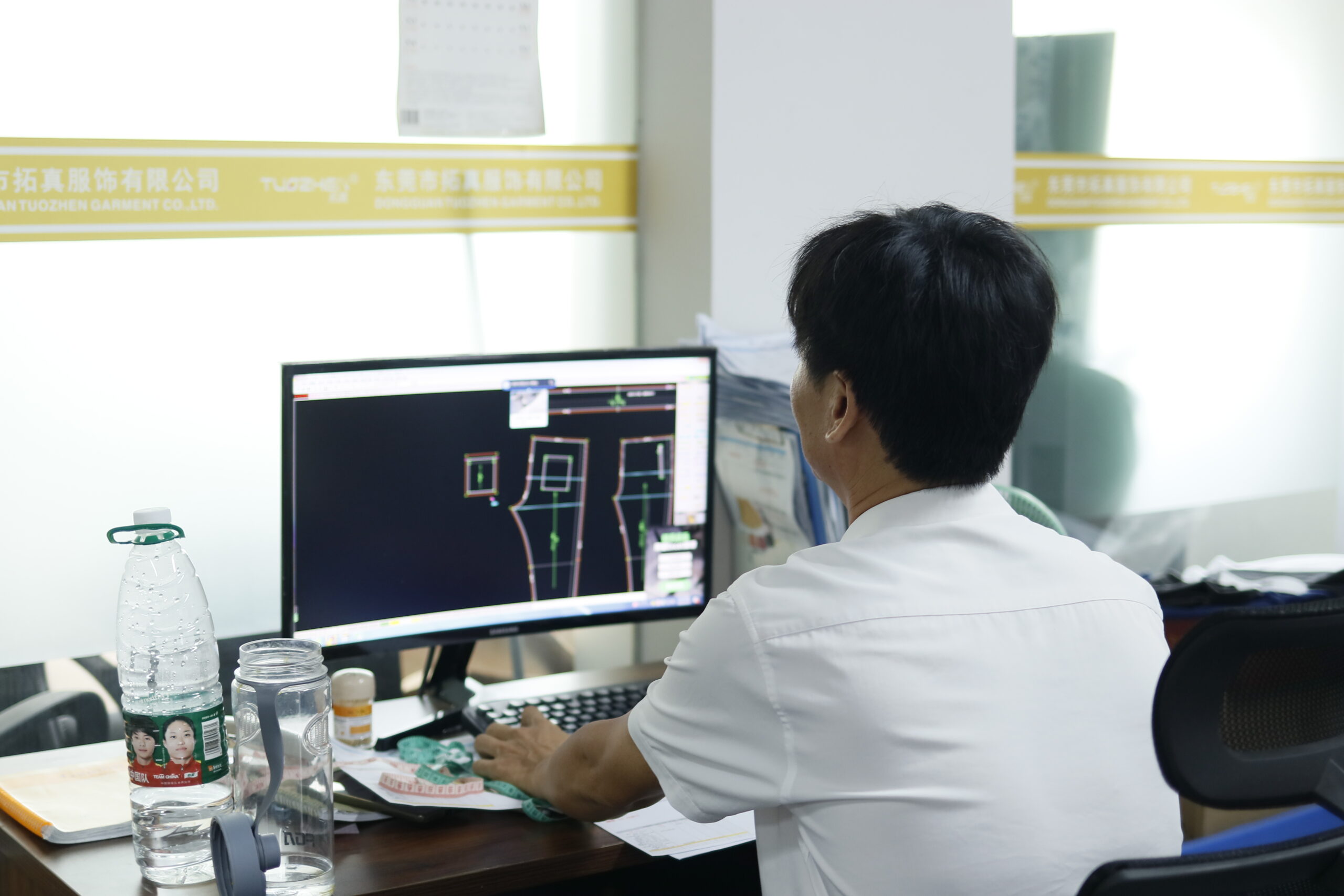

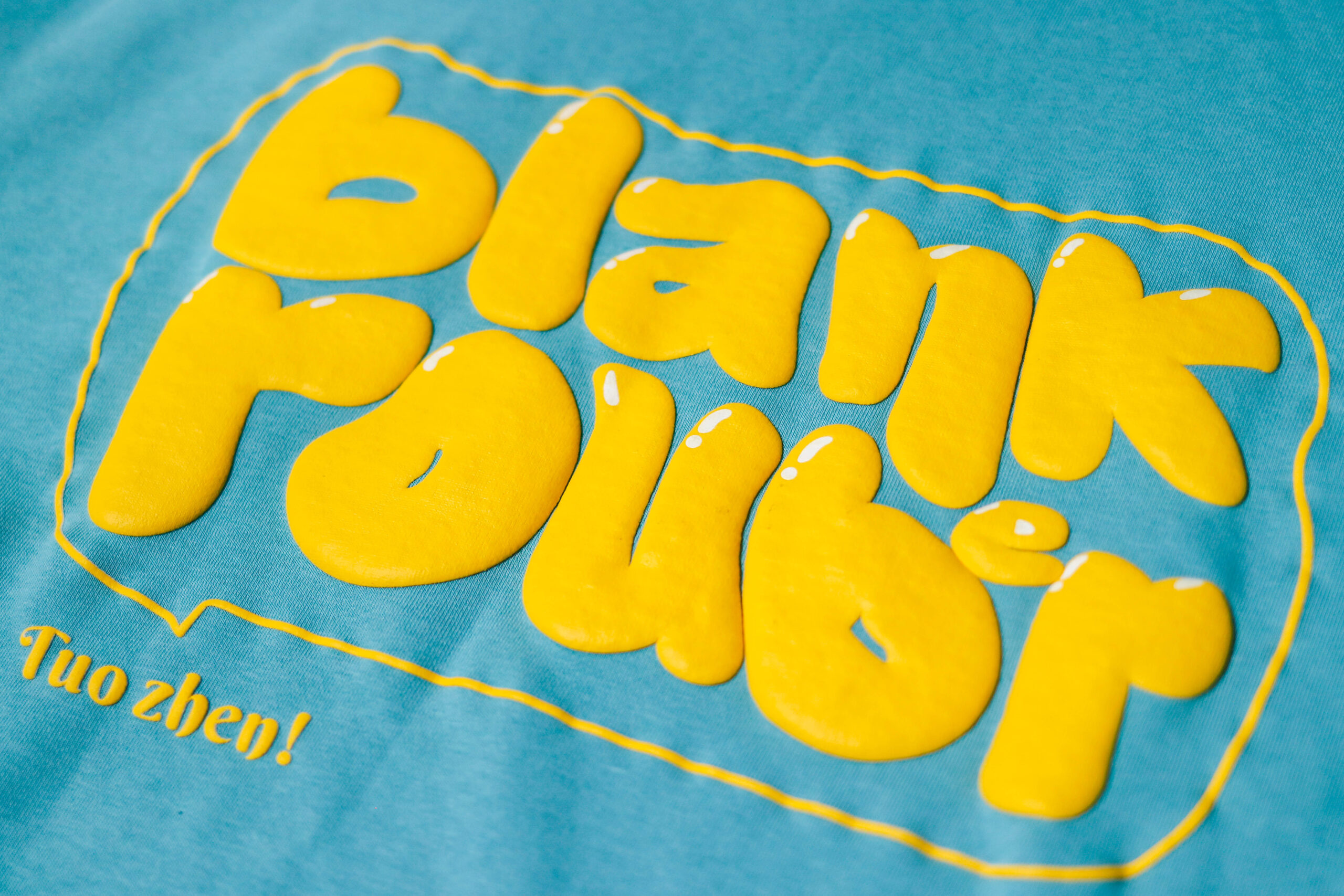
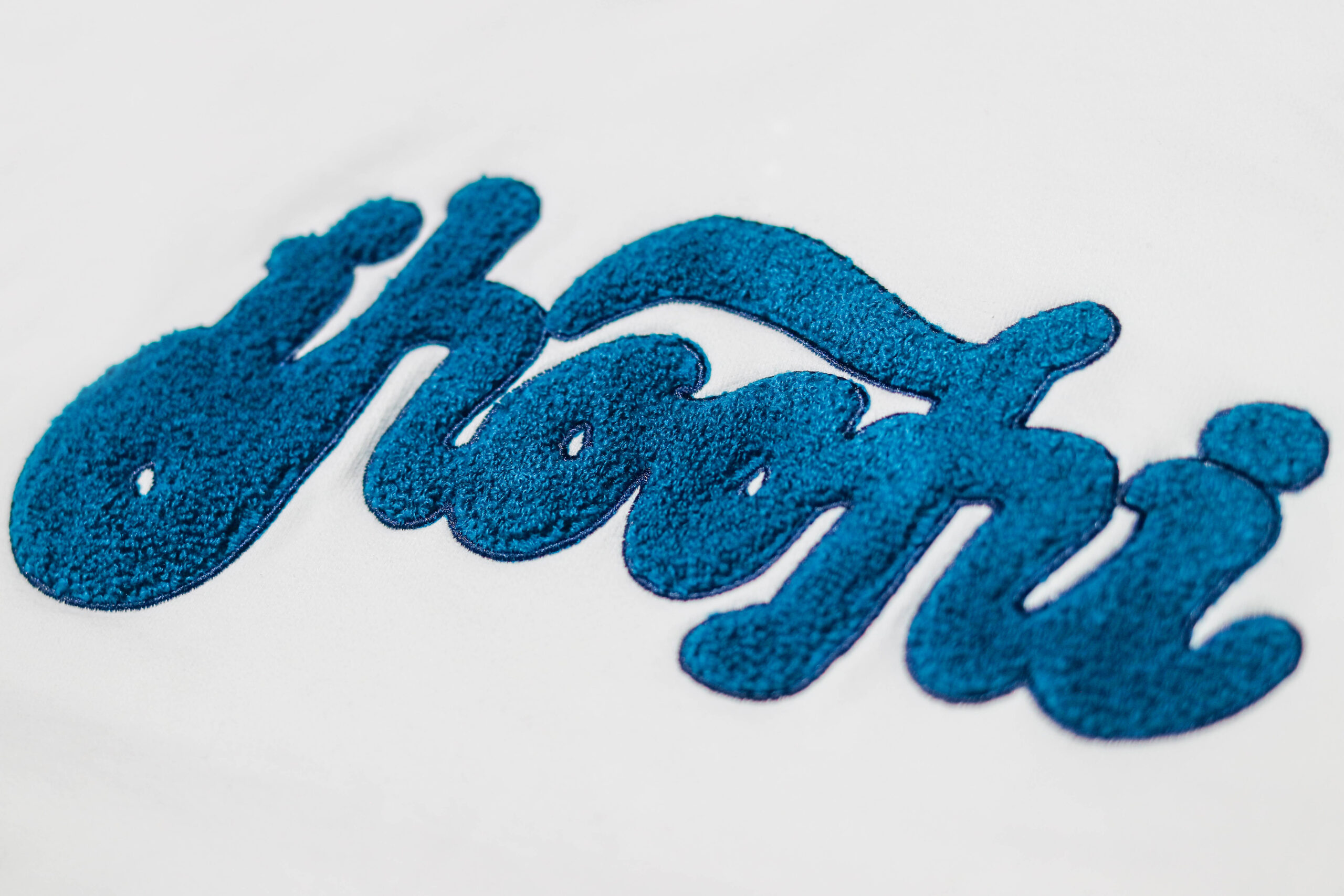
Fitness Clothing Manufacturer Advantages for Growing Brands
EDVORIN connects development, sourcing, decoration and quality control into one accountable path from concept to repeatable bulk production.
Founder-Led Accountability
Since 2000, founder-led oversight keeps product decisions visible, practical and aligned from early development through final packed order.
Flexible OEM and ODM
Bring a complete tech pack or an early concept; our team helps turn either starting point into a production-ready specification.
Category-Specific Decoration
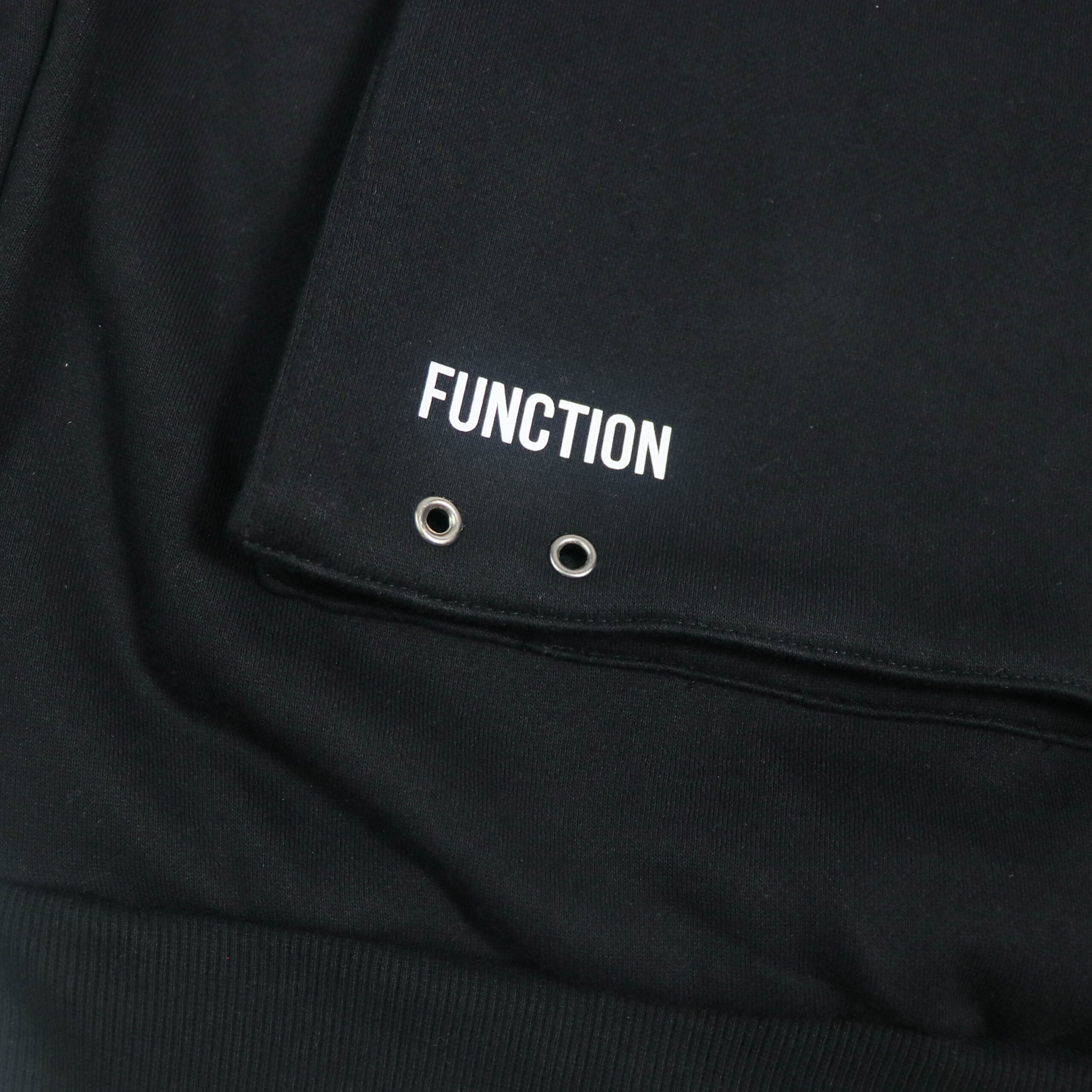
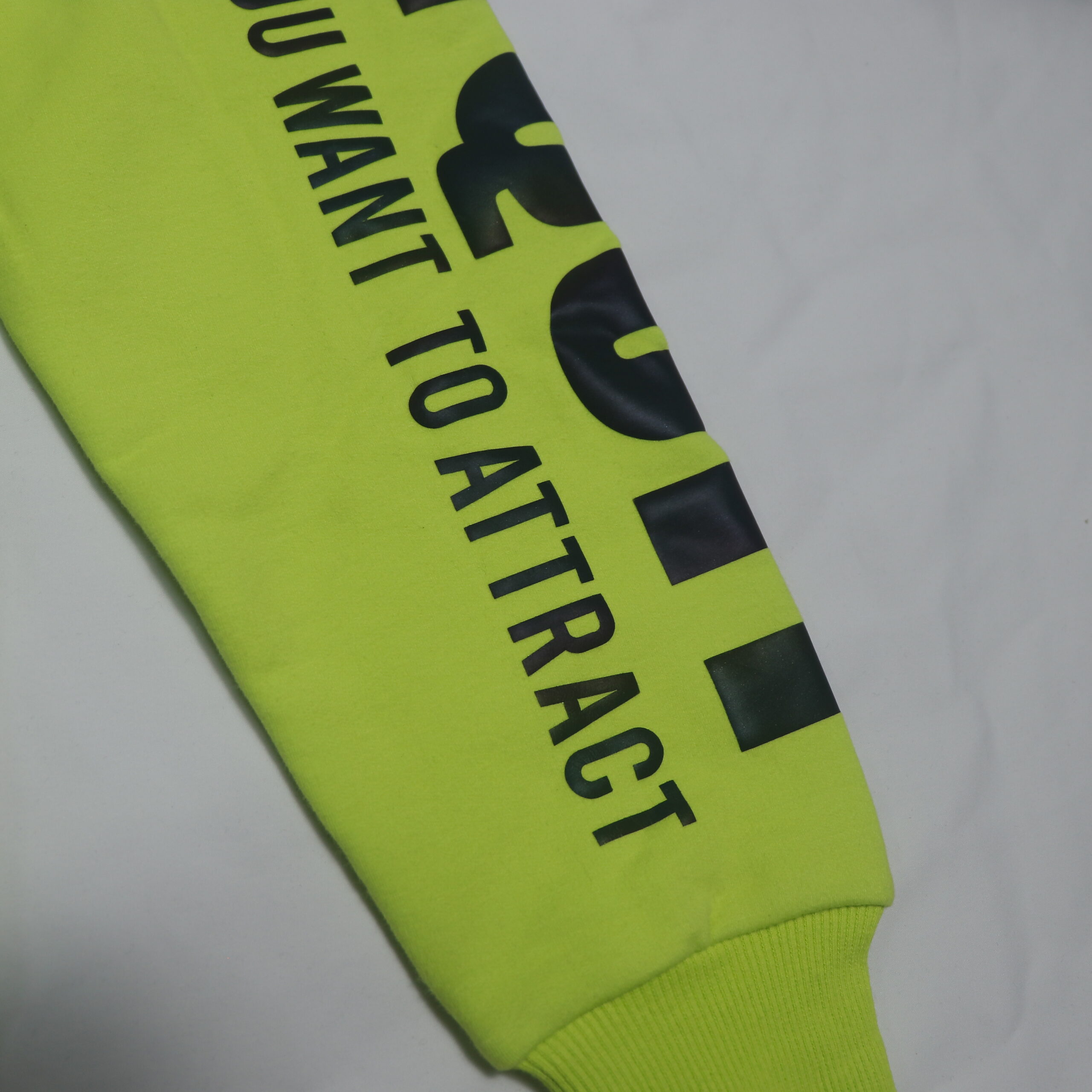
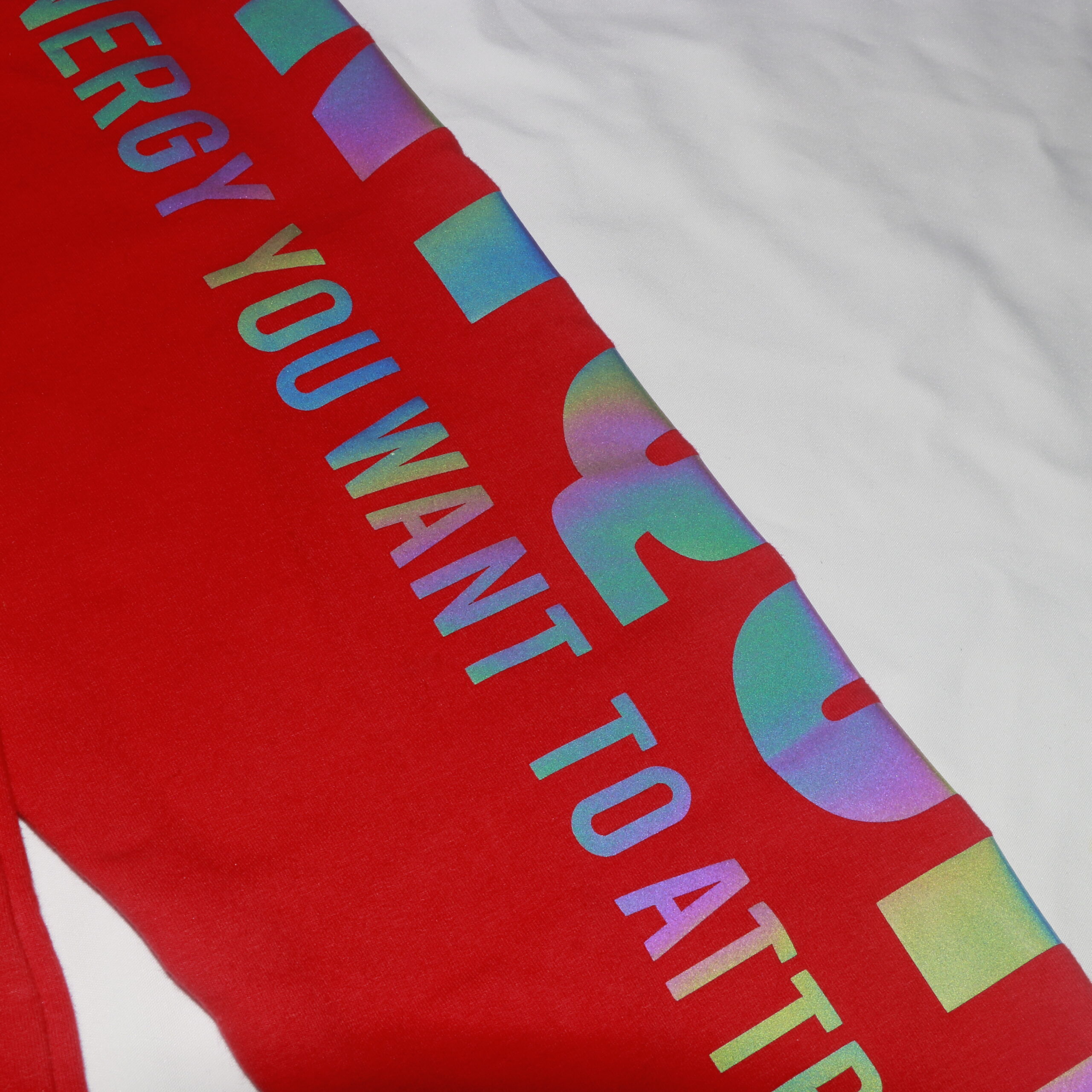
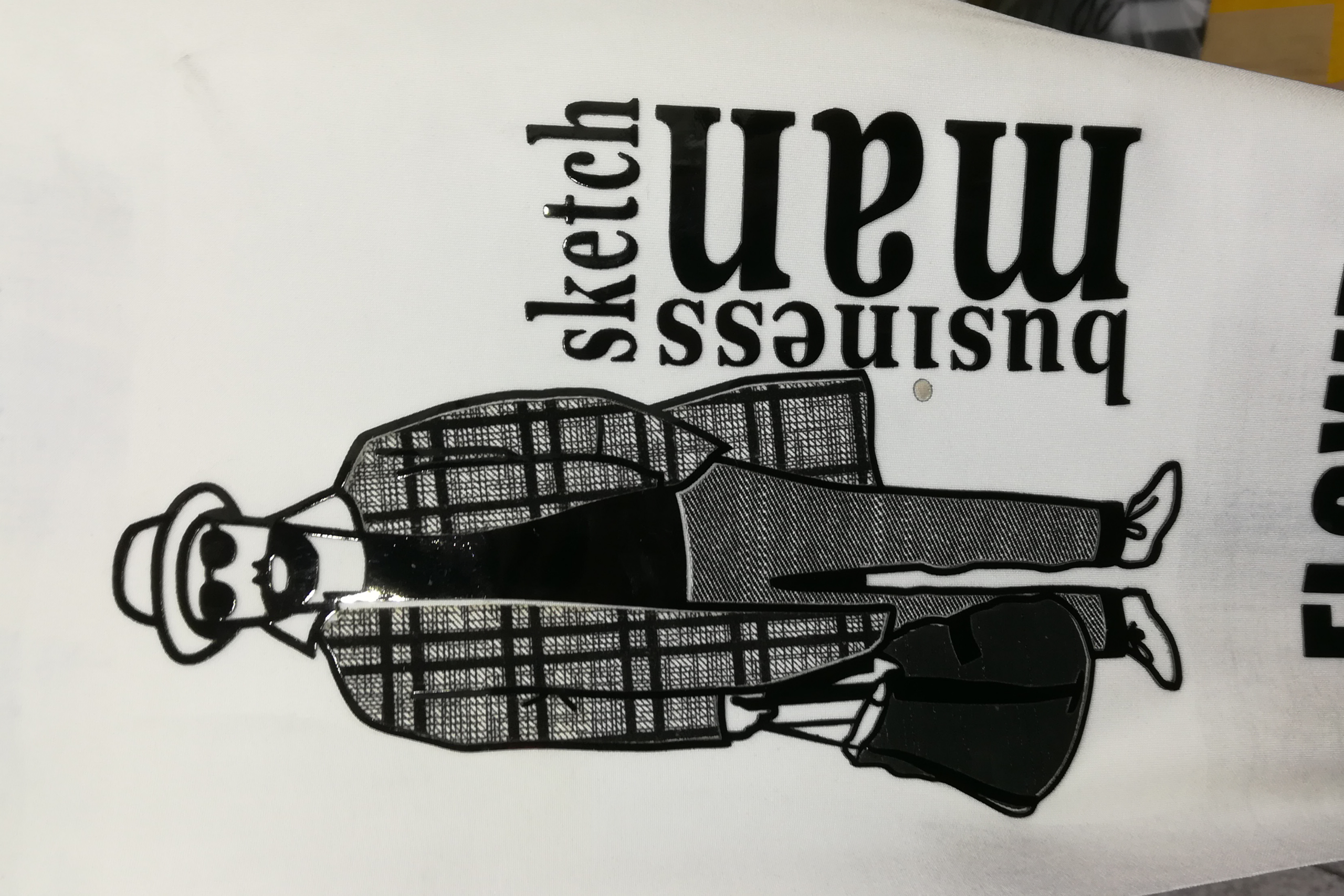
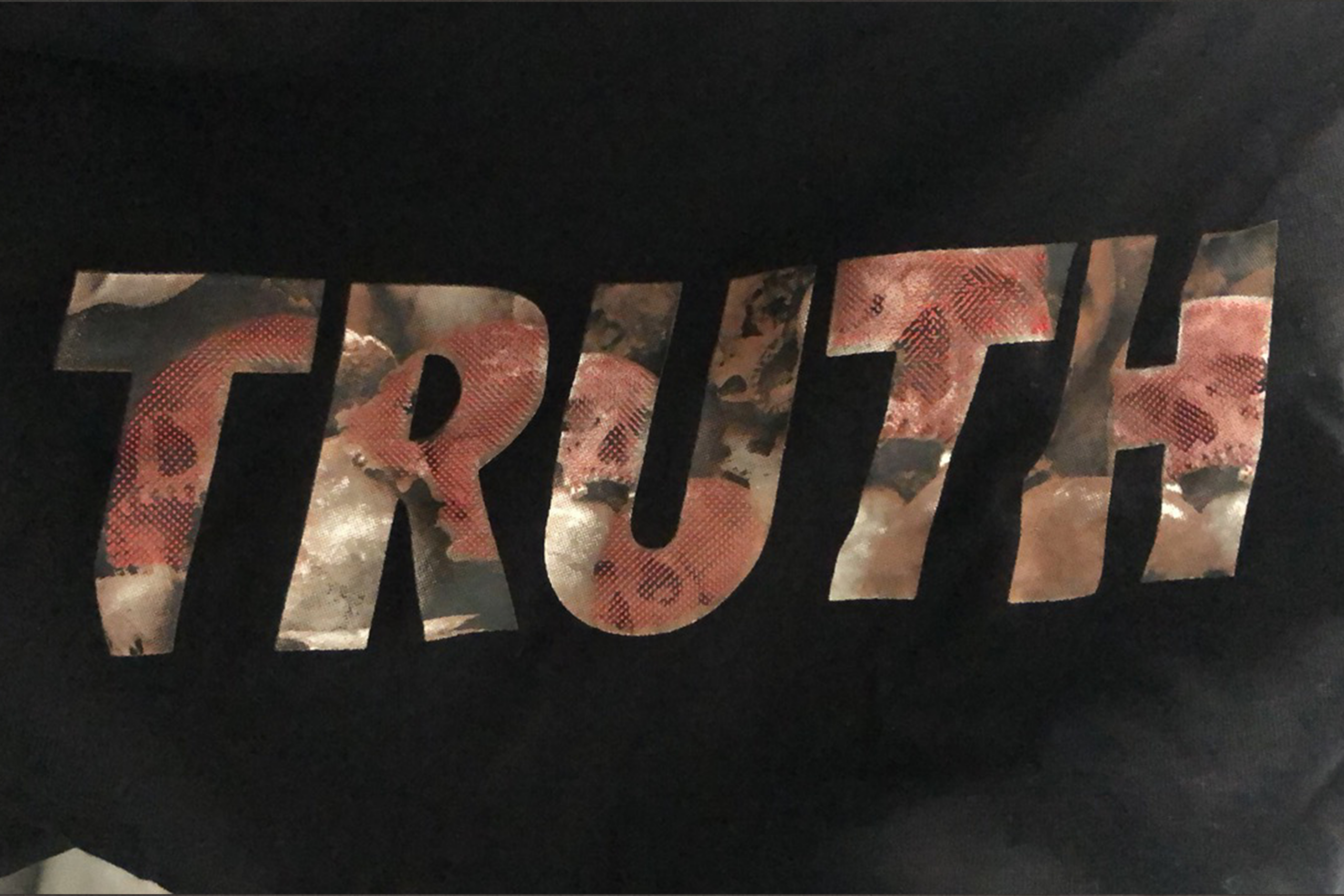
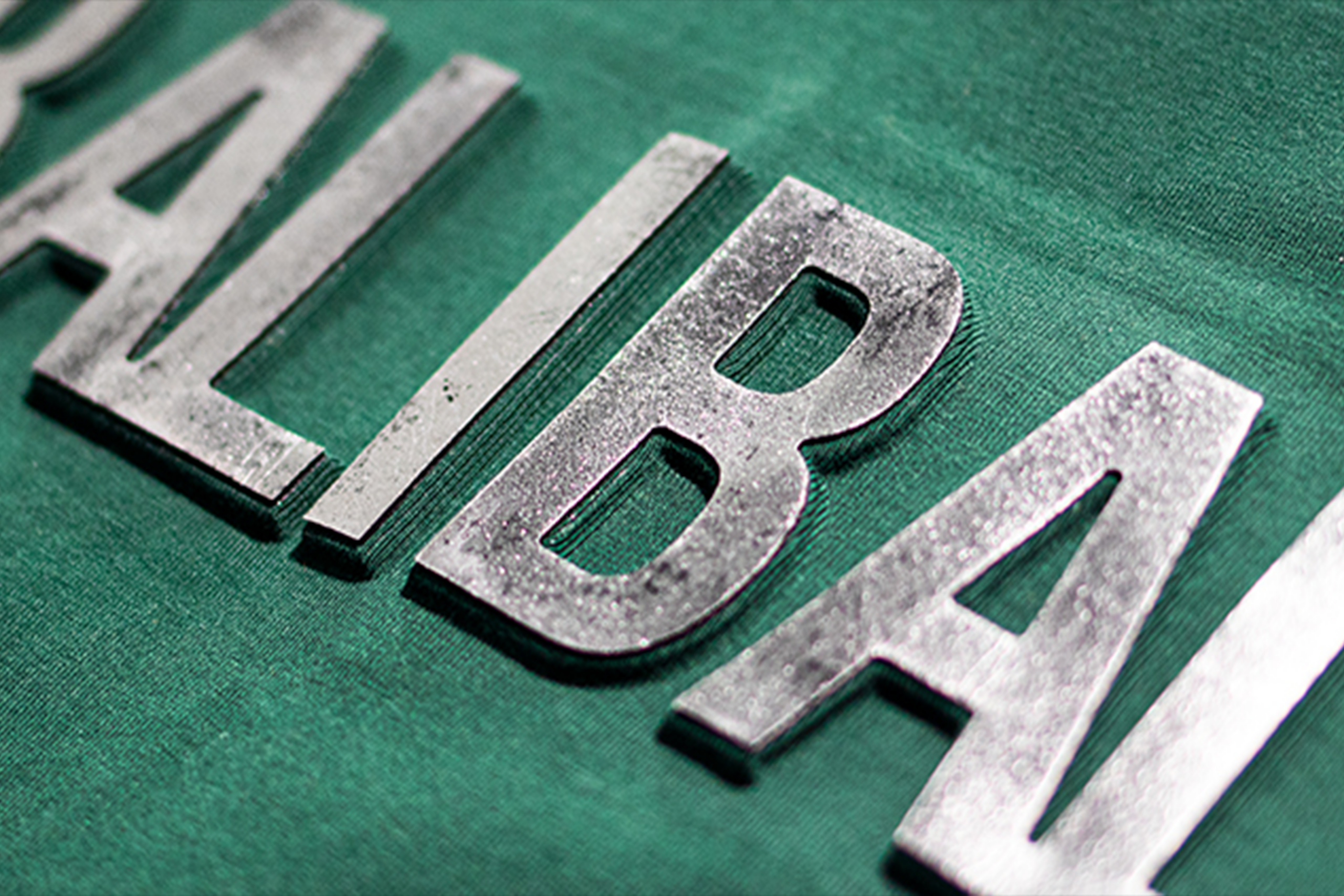
Custom apparel printing, custom apparel embroidery, garment wash services, and placement details are selected around the garment’s fabric, construction, intended use, and visual direction.
Coordinated Sourcing
Fabric, trims, labels and packaging are coordinated within one workflow, helping protect consistency across your private-label collection.
Sample-to-Bulk Control
Approved samples become the working standard for measurements, materials, artwork and inspections before production moves into bulk.
Fitness, Streetwear & Teamwear We Manufacture
Production-ready apparel categories developed around fit, materials, decoration, and repeatable bulk standards for fashion, teamwear, and private-label programs.
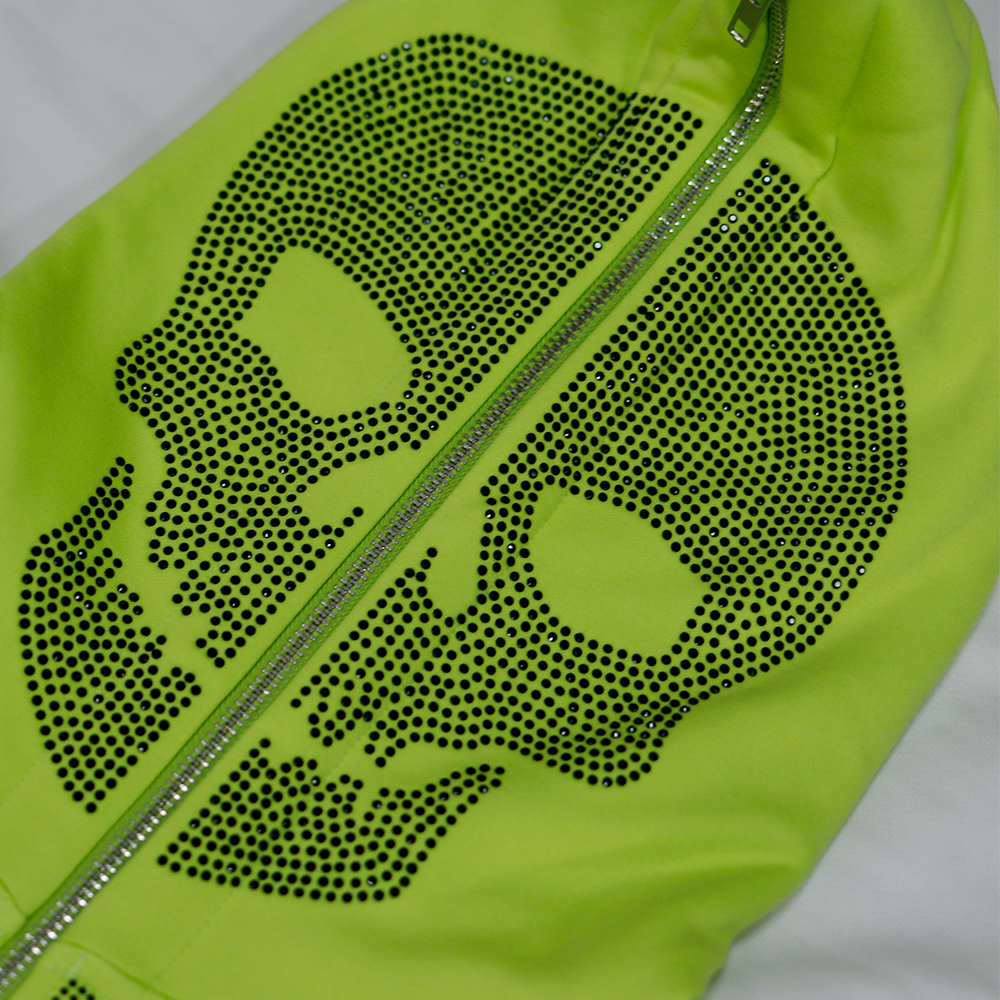
Custom Hoodies
Custom hoodies developed from fleece weight and fit block through rib, hood construction, drawcords, labels, printing, embroidery, and packaging. As a custom hoodie manufacturer, EDVORIN supports men’s and women’s programs from sample approval through repeatable bulk production.
Get a Quote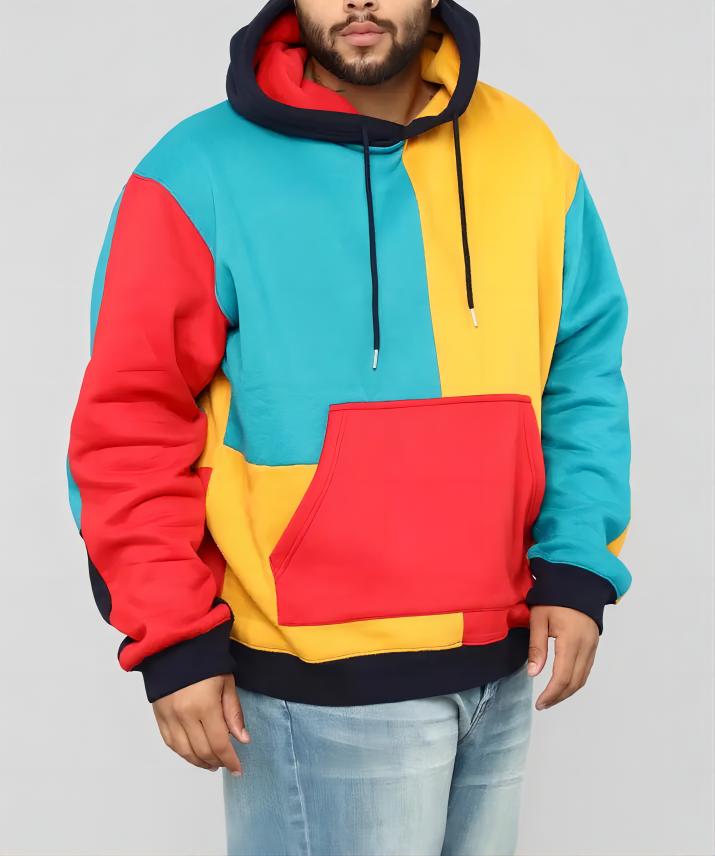
Pullover Sweatshirts
As a sweatshirt manufacturer, EDVORIN develops pullover sweatshirts for casualwear, retail, and branded uniform programs, controlling fabric weight, neckline, rib recovery, fit, graphics, and finishing. Approved specifications become consistent production standards for men’s and women’s orders.
Get a Quote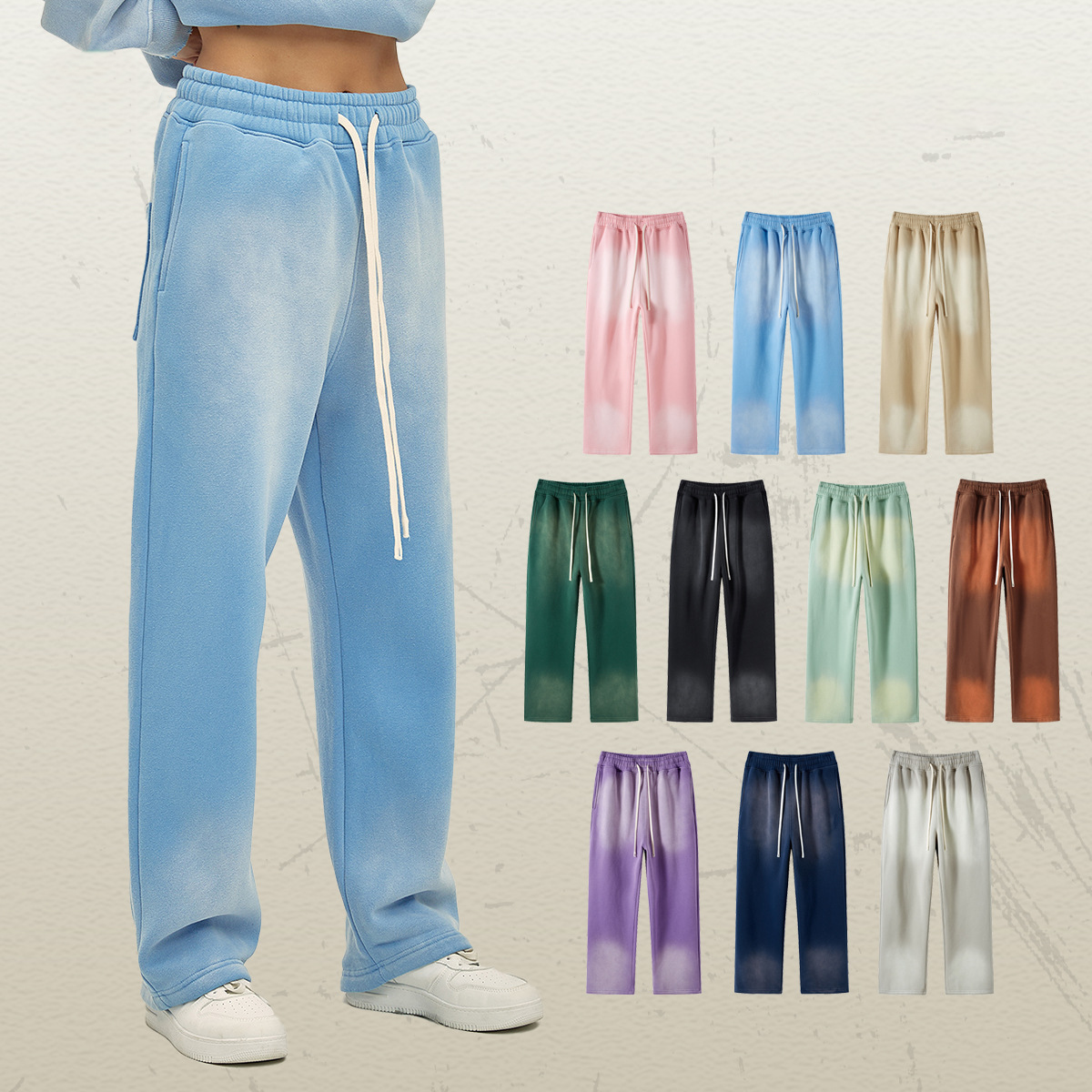
Sweatpants & Joggers
As a sweatpants manufacturer, EDVORIN develops sweatpants and joggers with coordinated fit, waistband construction, pockets, cuffs, drawcords, fleece selection, and decoration placement. We support matching sets and standalone bottoms for men’s and women’s collections, with sample-to-bulk measurement and quality control.
Get a Quote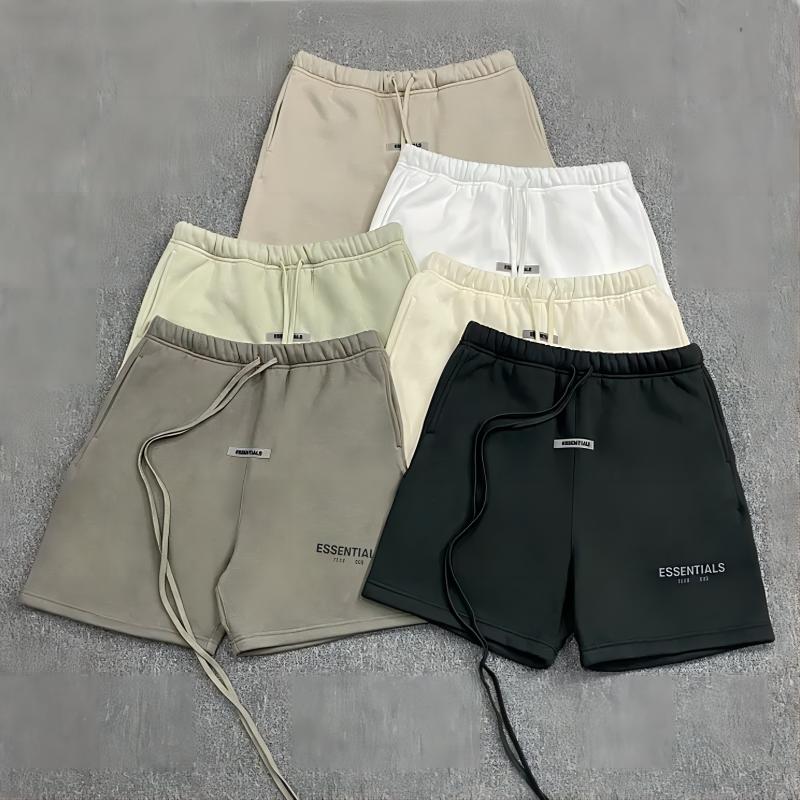
Custom Shorts
As a custom shorts manufacturer, EDVORIN develops shorts for streetwear, activewear, team programs, and promotional ranges around inseam, rise, waistband, pocket layout, fabric weight, and decoration method. Men’s and women’s fit requirements can be specified separately before bulk production begins.
Get a Quote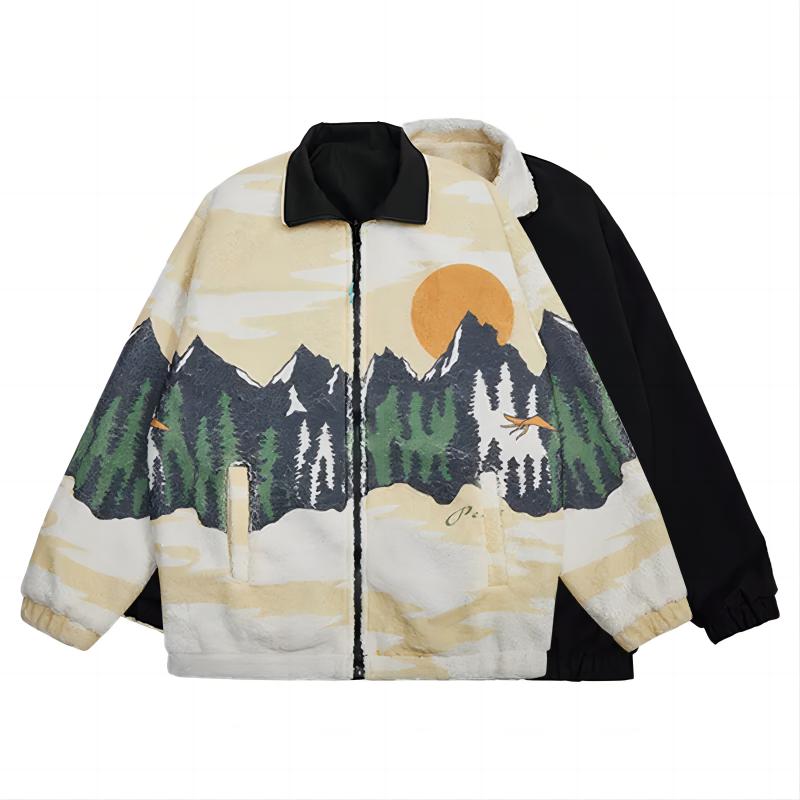
Varsity & Baseball Jackets
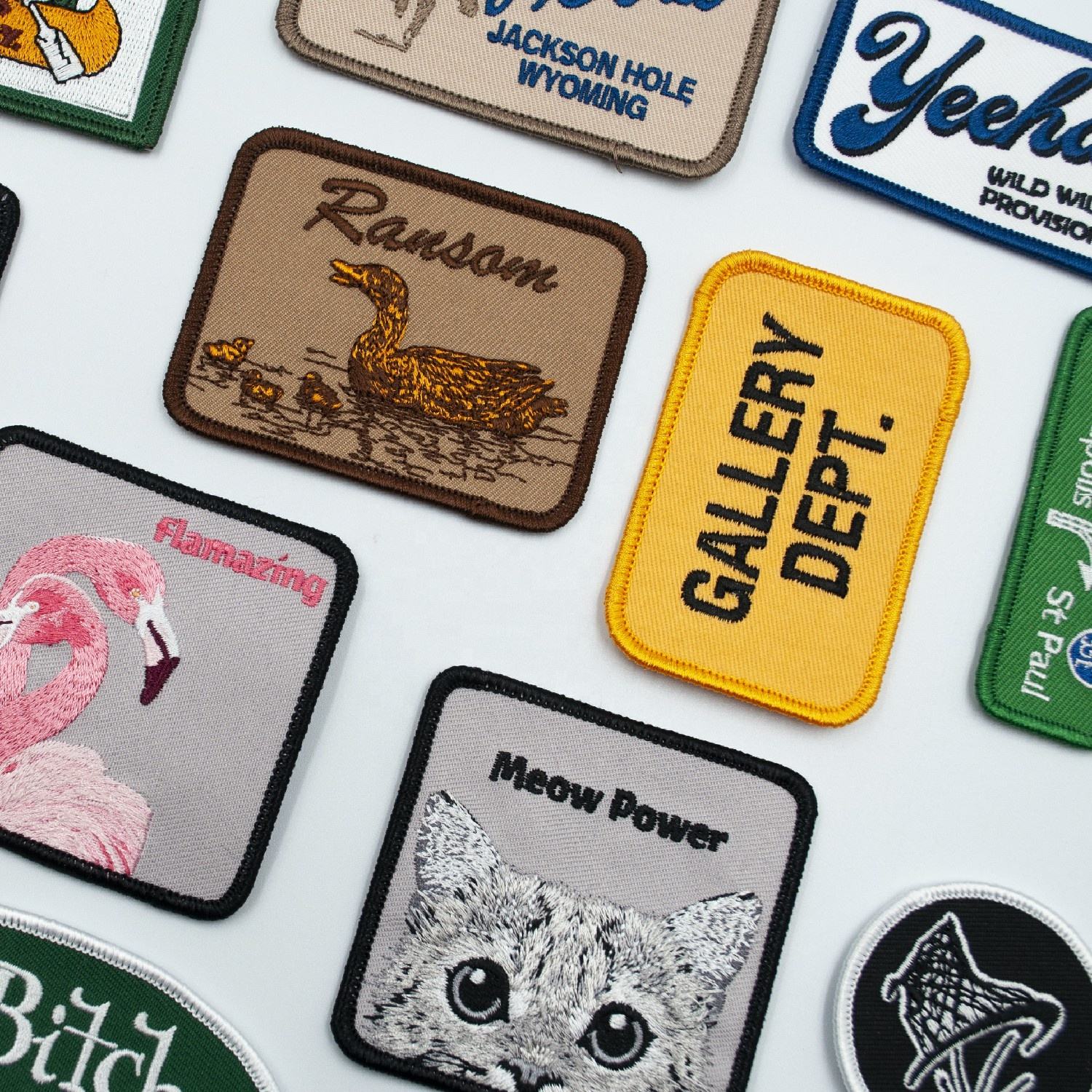
As a varsity jacket manufacturer, EDVORIN develops varsity and baseball jackets with balanced body and sleeve materials, rib, lining, snaps, patches, embroidery, and appliqué. We coordinate construction details so approved jacket character, fit, and decoration placement remain consistent across bulk orders.
Get a Quote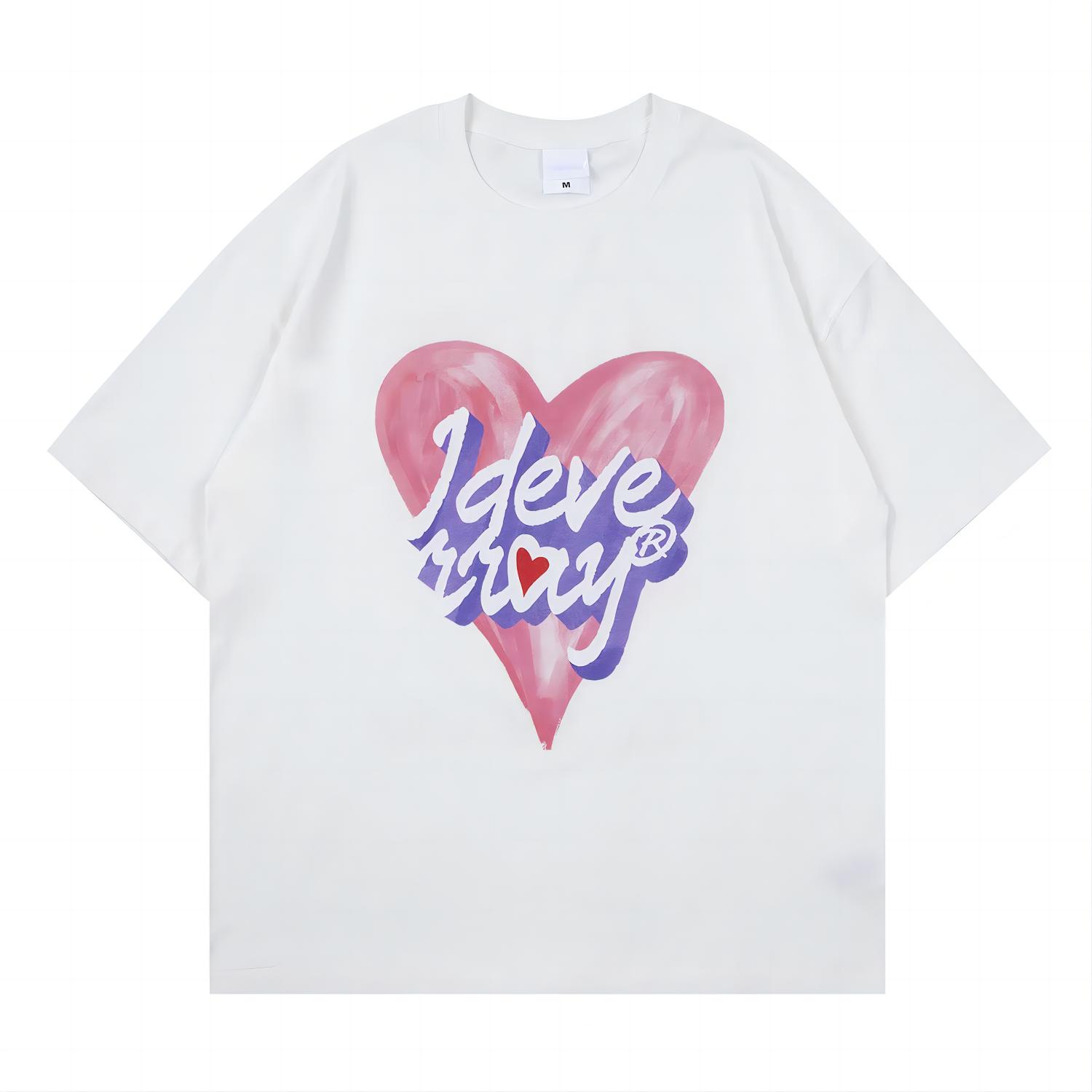
Custom T-Shirts
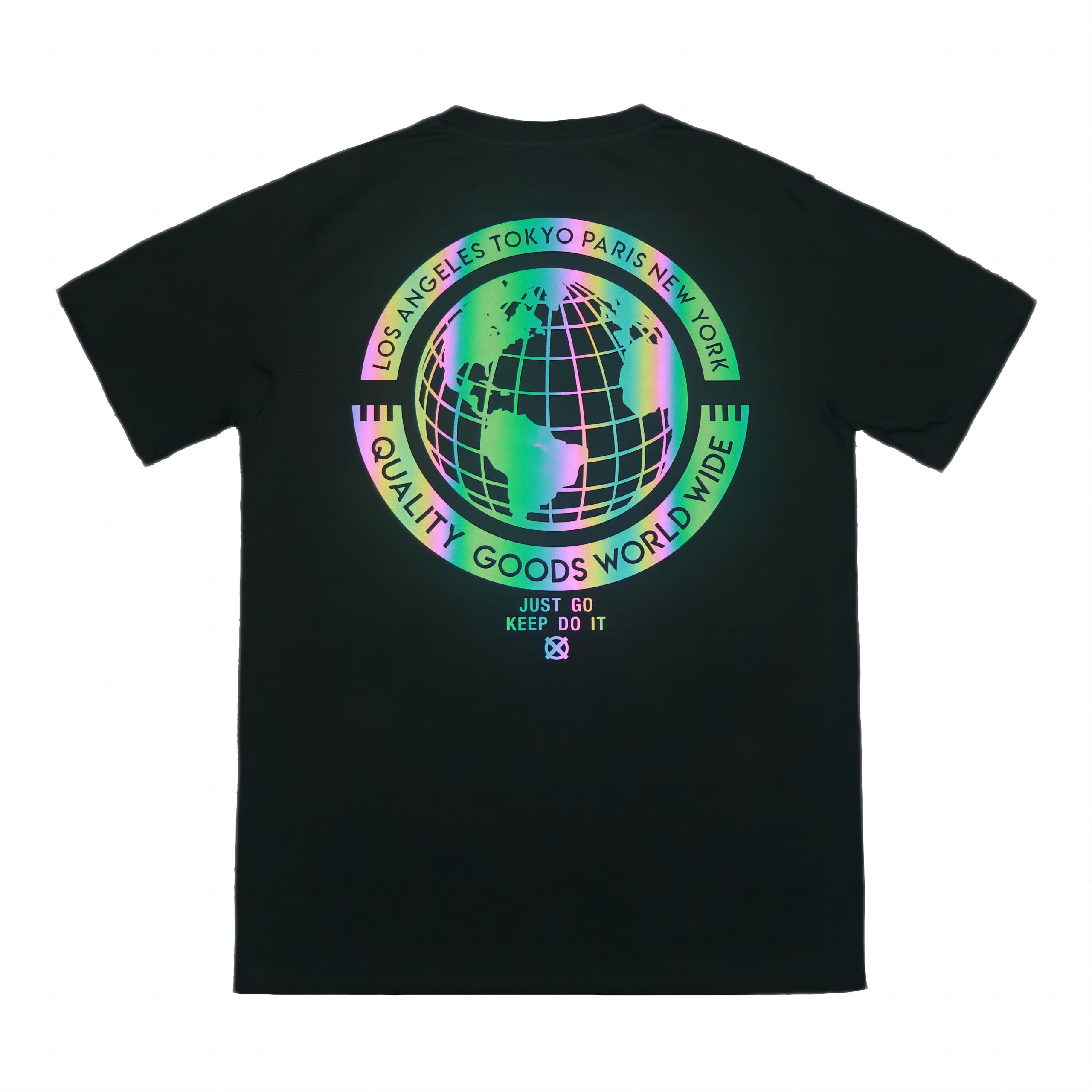
As a custom T-shirt manufacturer, EDVORIN develops T-shirts around fabric composition, GSM, fit, collar construction, print compatibility, wash effects, labels, and packaging. We support men’s and women’s programs for fashion brands, events, wholesale lines, and private-label buyers.
Get a Quote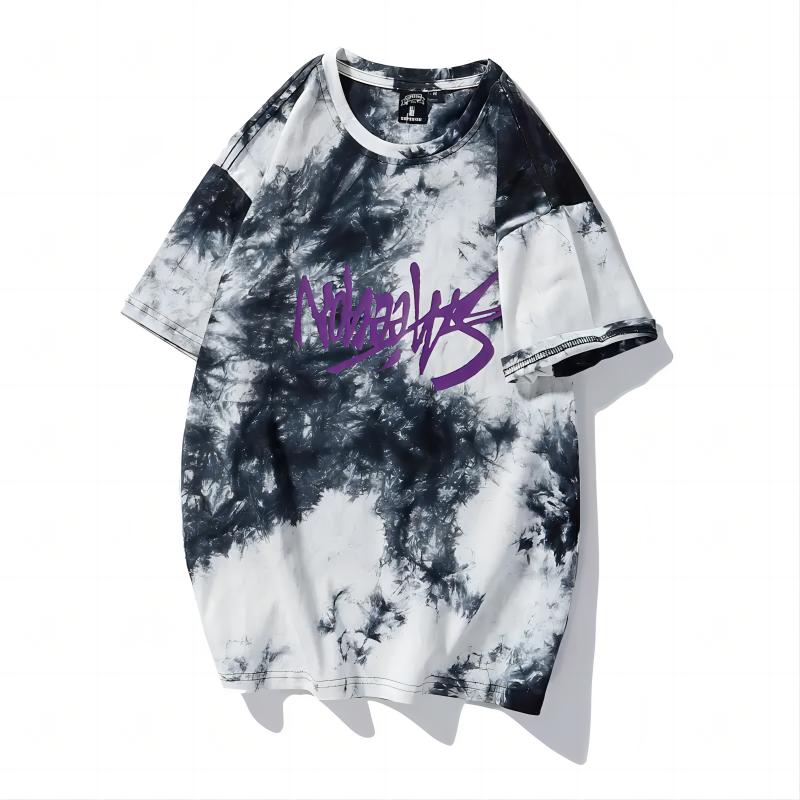
Custom Polo Shirts
As a polo shirt manufacturer, EDVORIN develops custom polos for corporate apparel, schools, teams, and retail programs with control over knit fabric, collar and placket construction, cuffs, embroidery, color matching, and fit. Specifications are documented to support consistent reorders across size ranges.
Get a Quote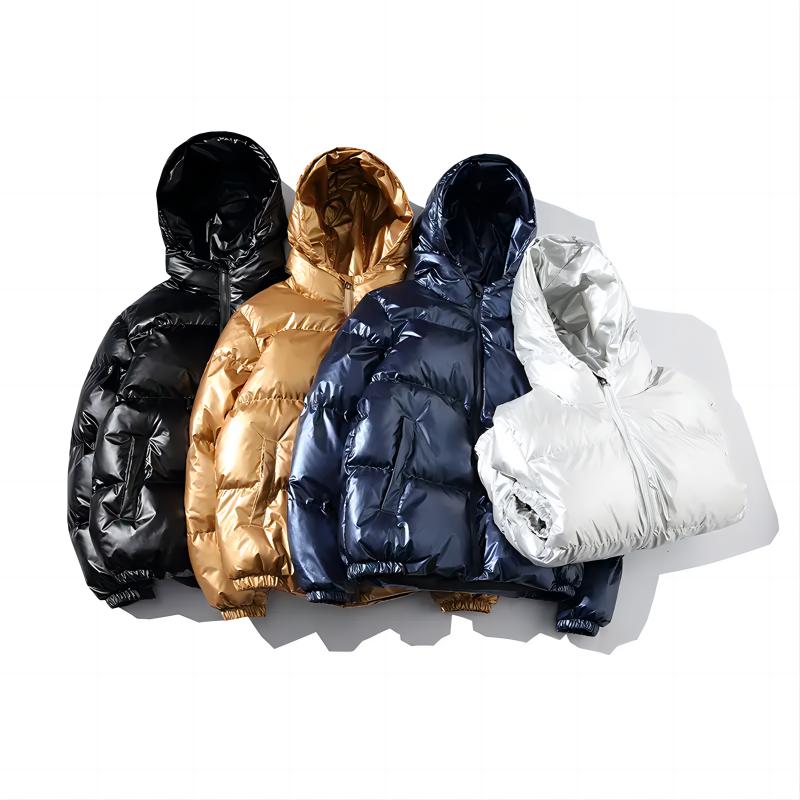
Windbreaker Jackets
As a windbreaker manufacturer, EDVORIN develops windbreaker jackets with shell fabric, lining or mesh, zipper and pocket configuration, hood construction, ventilation, reflective details, and print or embroidery requirements. We align performance expectations and decoration methods before samples move into bulk production.
Get a Quote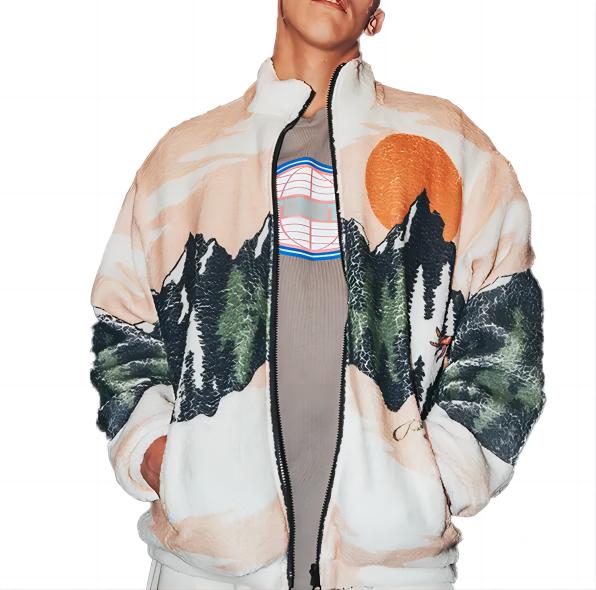
Quilted Jackets
As a quilted jacket manufacturer, EDVORIN develops quilted jackets around shell and lining fabrics, insulation type, quilting pattern, stitch density, hardware, pockets, and fit. We coordinate material and construction decisions to create an approved outerwear standard that can be reproduced reliably.
Get a Quote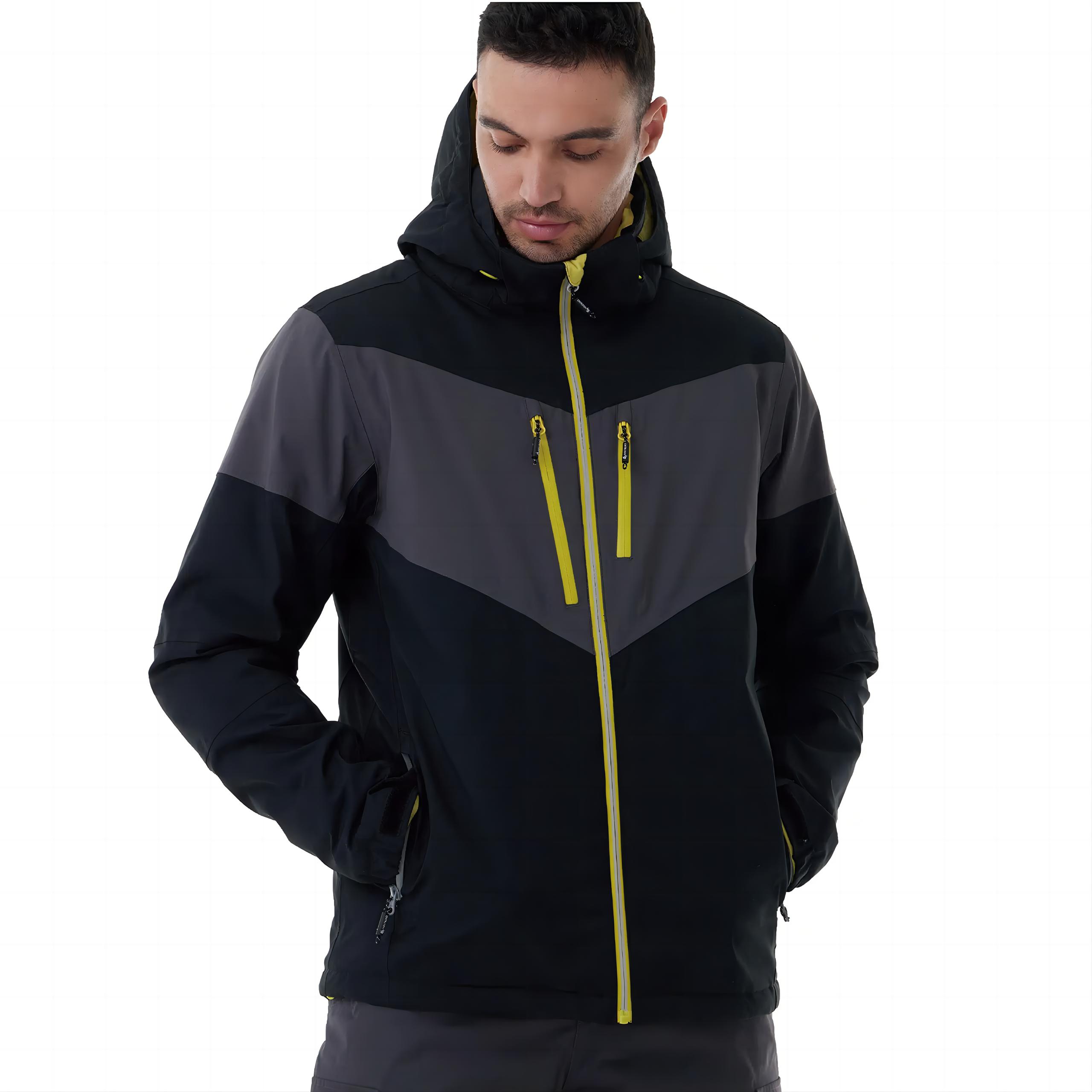
Bomber Jackets
As a bomber jacket manufacturer, EDVORIN develops bomber jackets with shell, lining, rib, zipper, pocket, padding, and decoration requirements coordinated in one specification. We support fashion and streetwear programs where silhouette, trim selection, embroidery, and patch placement must remain controlled in production.
Get a Quote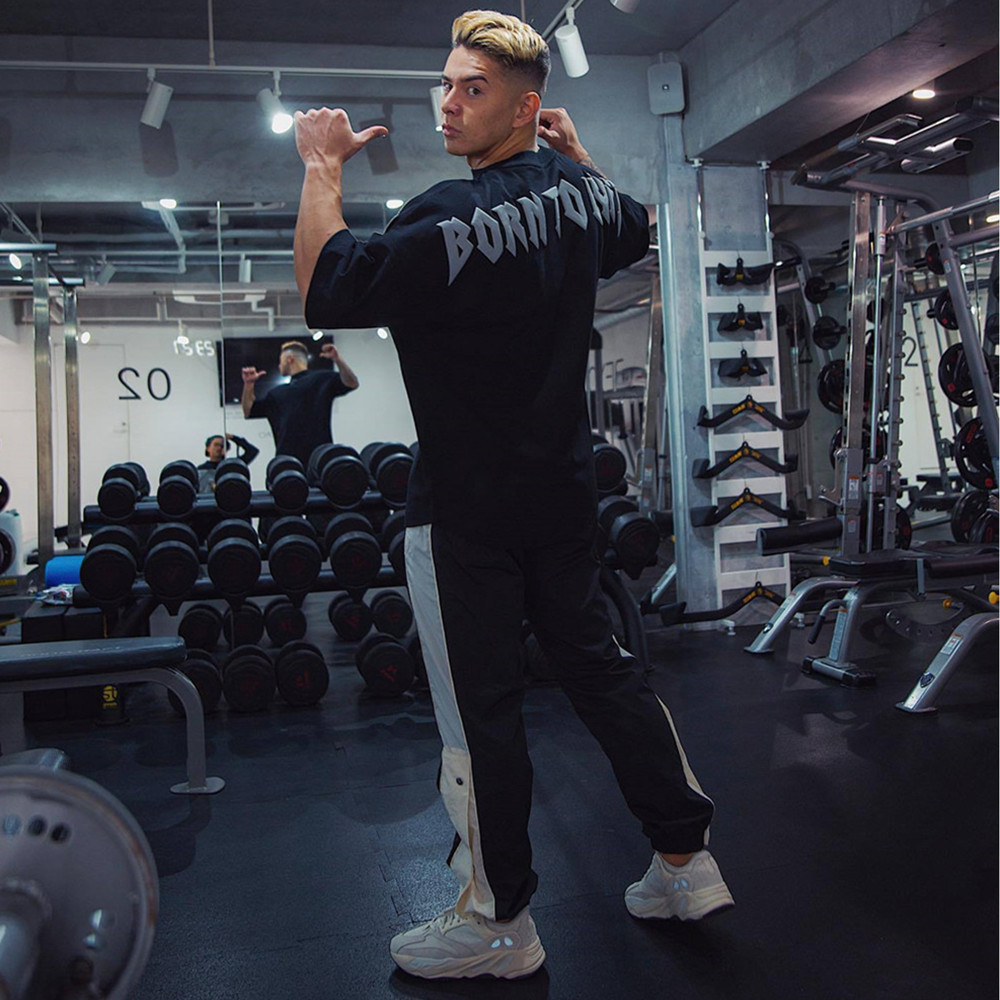
Custom Shirts
As a custom woven shirt manufacturer, EDVORIN develops woven shirts with fabric selection, collar and cuff construction, placket, buttons, pocket options, fit, grading, and labeling requirements. Men’s and women’s blocks can be developed separately for corporate, uniform, fashion, and private-label programs.
Get a Quote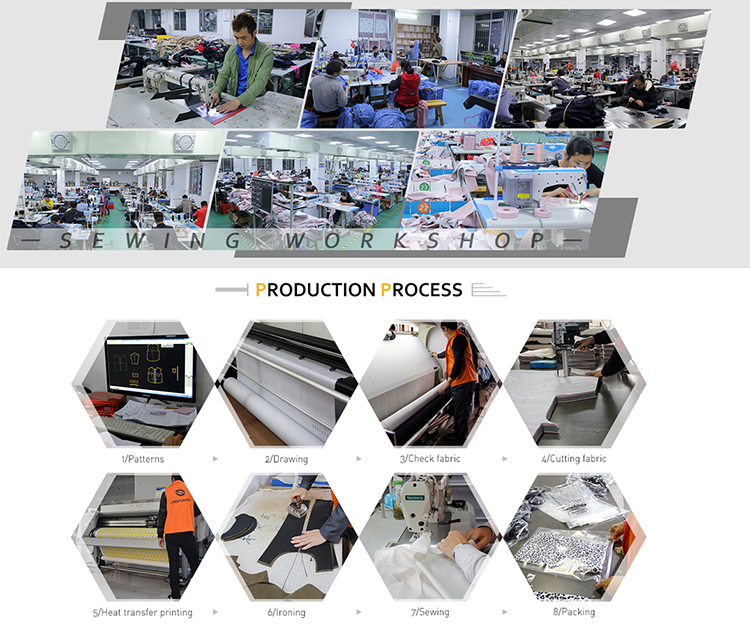
Custom Jerseys
As a custom jersey manufacturer, EDVORIN develops jerseys for clubs, schools, brands, and events with controlled fabric performance, color, panel construction, logos, names, numbers, and size sets. We document placement and decoration standards to support organized team orders and repeat production.
Get a Quote
Tank Tops
Tank tops developed for fitness, basketball, casualwear, and promotional programs with attention to fabric weight, armhole shape, neckline, binding, fit, print method, and moisture-management needs. Men’s and women’s sizing and proportions are developed to the intended wearer.
Get a Quote
Soccer Uniforms
As a soccer uniform manufacturer, EDVORIN develops coordinated jersey, shorts, and optional sock programs with breathable fabrics, color matching, team crests, sponsor artwork, player names, and numbers. We manage size sets and decoration records for reliable club, school, and league reorders.
Get a Quote
Basketball Uniforms
As a basketball uniform manufacturer, EDVORIN develops uniforms with jersey and short proportions, breathable materials, contrasting panels, binding, team colors, logos, names, and numbers. We prepare clear production standards for men’s and women’s teams, schools, academies, and competitive programs.
Get a Quote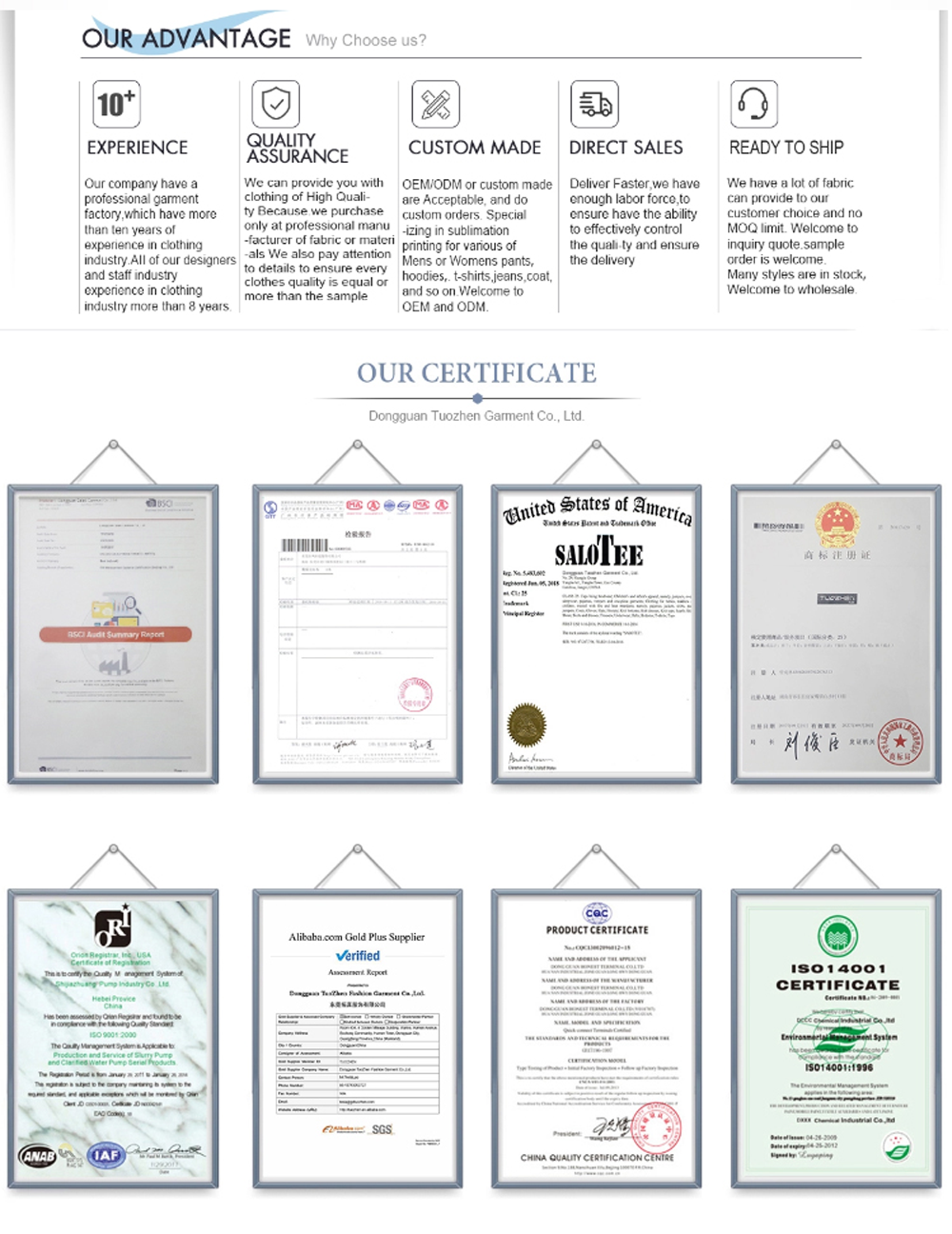
Streetwear Collections
Streetwear collections developed as connected product programs across hoodies, tees, bottoms, jackets, shirts, and accessories. EDVORIN coordinates fit blocks, fabrics, washes, trims, graphics, labels, and packaging so each style works individually and as a repeatable collection.
Get a QuotePerformance and Lifestyle Fabrics for Every Program
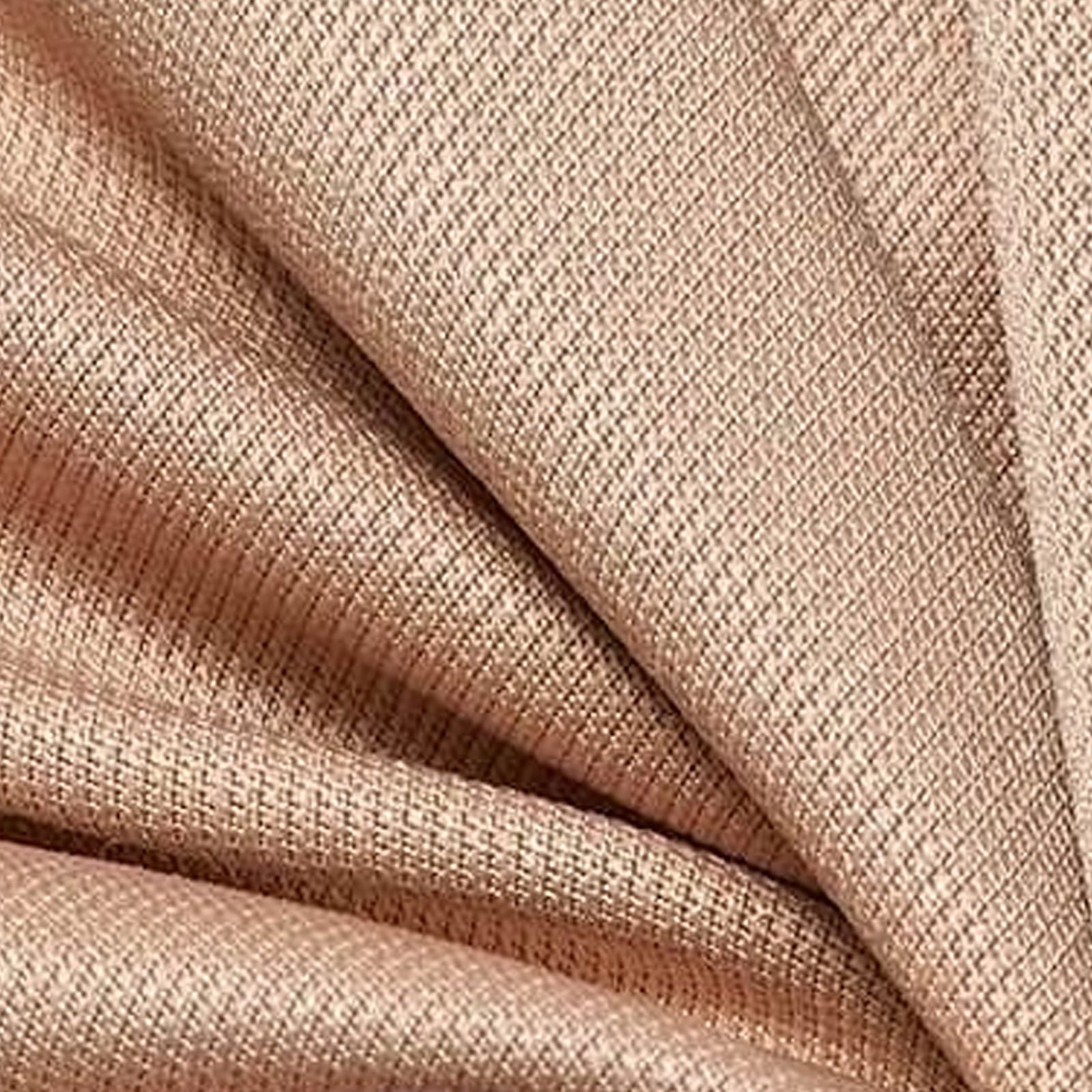
Cotton Jersey
A soft, breathable knit for training tees, tanks and everyday fitness merchandise. Its familiar natural hand feel supports versatile styling, while knit construction provides comfortable give for relaxed movement.
Cotton Stretch Jersey
A smooth cotton-blend jersey suited to fitted T-shirts, polos and training layers. Added elastane provides controlled stretch and recovery, helping garments retain a close, comfortable shape through repeated wear.
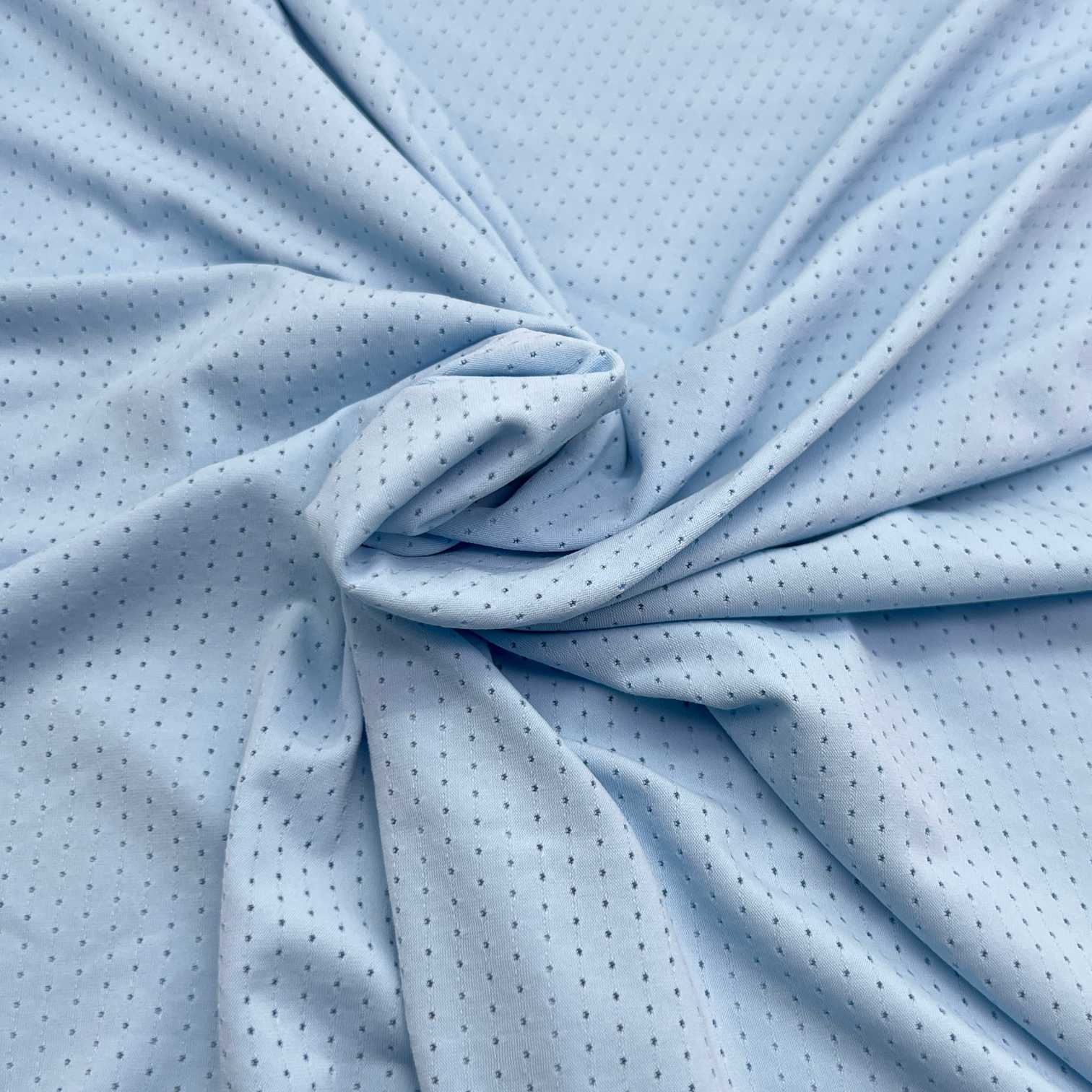
Polyester Performance Knit
A lightweight synthetic knit for jerseys, training tops and teamwear programs. Its smooth surface supports sublimation-ready applications and a quick-drying performance feel, with construction selected for the intended activity.
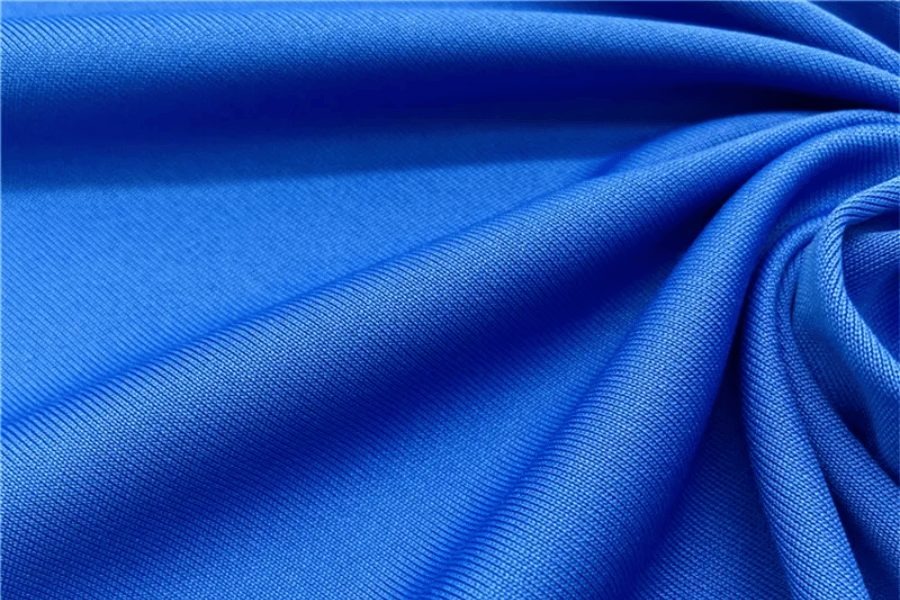
Polyester Spandex Interlock
A dense, smooth stretch knit for fitted activewear, warm-up pieces and performance bottoms. The interlock structure offers a clean face and stable hand feel, while spandex supports multidirectional movement.
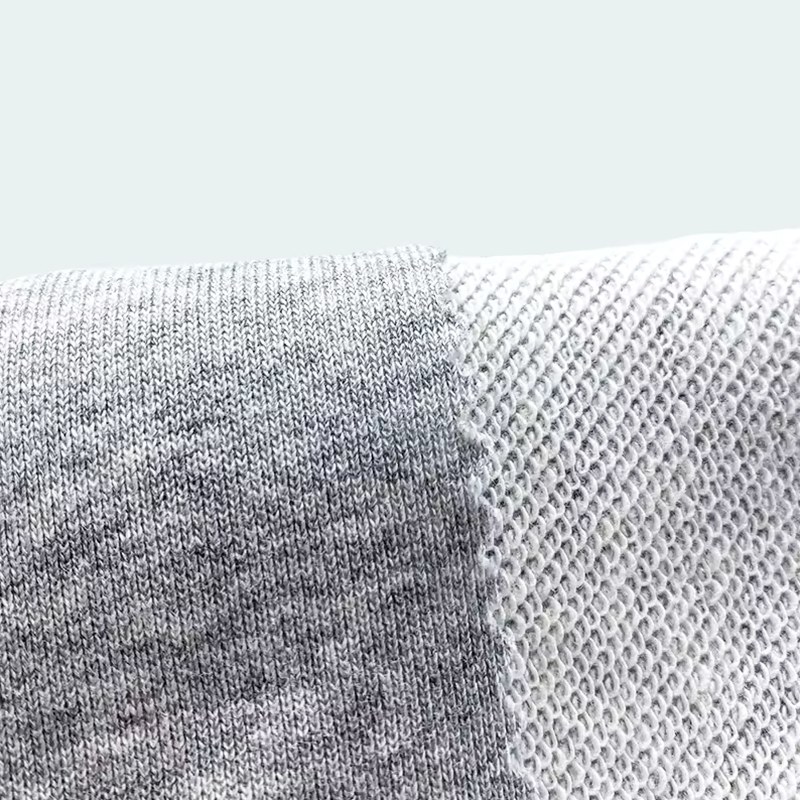
French Terry
A midweight knit with a smooth outer face and soft loopback interior, suited to hoodies, joggers and post-training layers. It balances breathable comfort with enough body for structured lifestyle silhouettes.
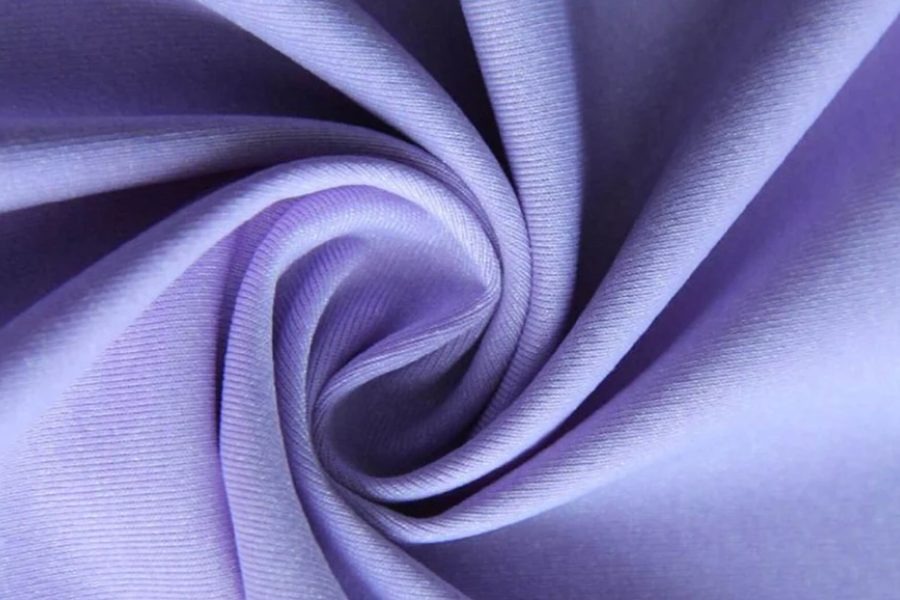
Nylon Stretch Woven
A durable woven option for lightweight shorts, windbreakers and outer training layers. Its crisp hand feel and mechanical or elastane stretch can be specified around mobility, coverage and a more technical appearance.
Fitness Clothing Manufacturer Decoration & Finishing Processes
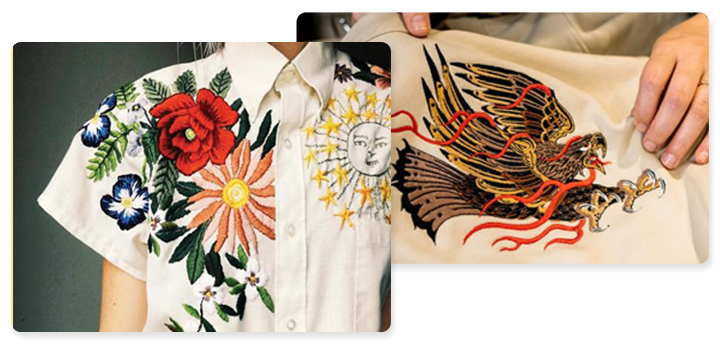
Embroidery Application
Embroidery adds dimensional branding for polos, jackets, caps, fleece, and premium teamwear. We review stitch density, backing, fabric stability, and placement so the finished mark holds its shape without compromising comfort or garment balance.
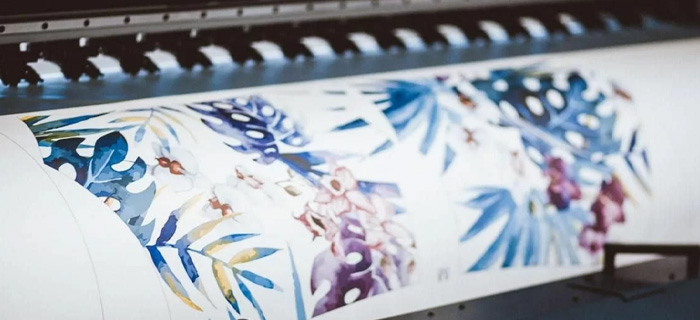
Sublimation Printing
Sublimation supports vivid all-over artwork, numbers, and complex color layouts on compatible polyester performance fabrics. The dye becomes part of the material, creating a lightweight finish that preserves breathability for jerseys and activewear programs.
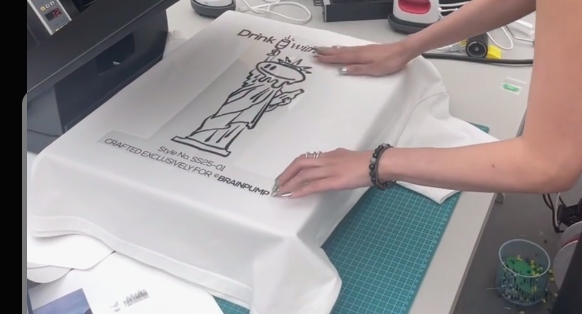
Heat Transfer
Heat transfer is suited to detailed logos, names, numbers, and small-run personalization. EDVORIN selects transfer materials and application settings based on the fabric surface, stretch requirement, and expected wash performance of each product.
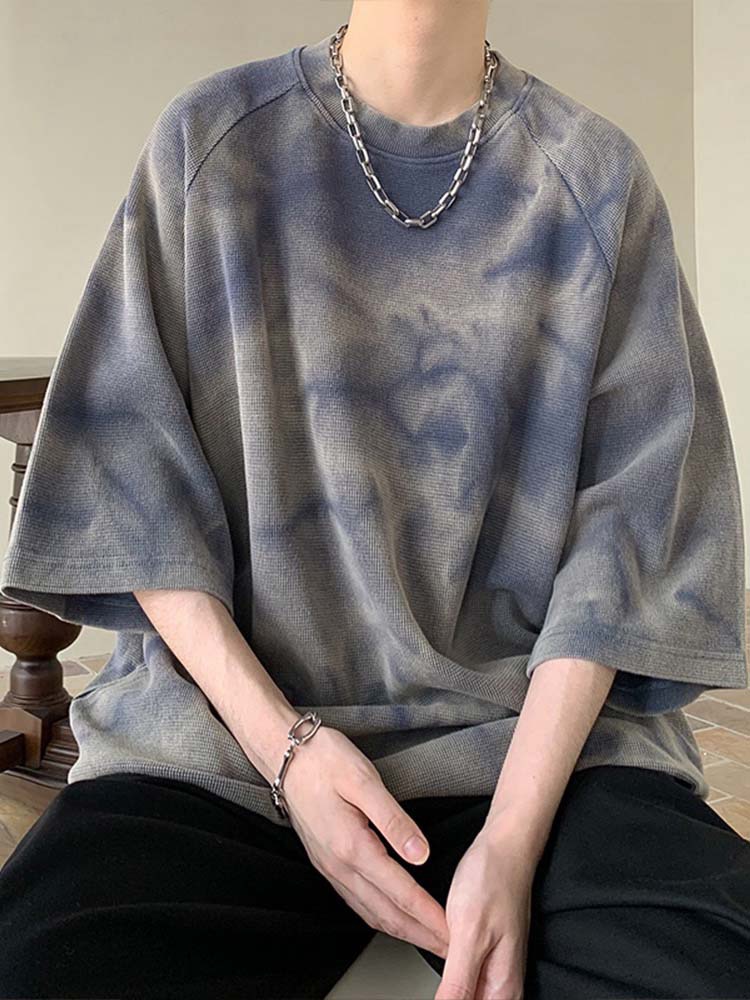
Trims and Private-Label Details That Complete the Product
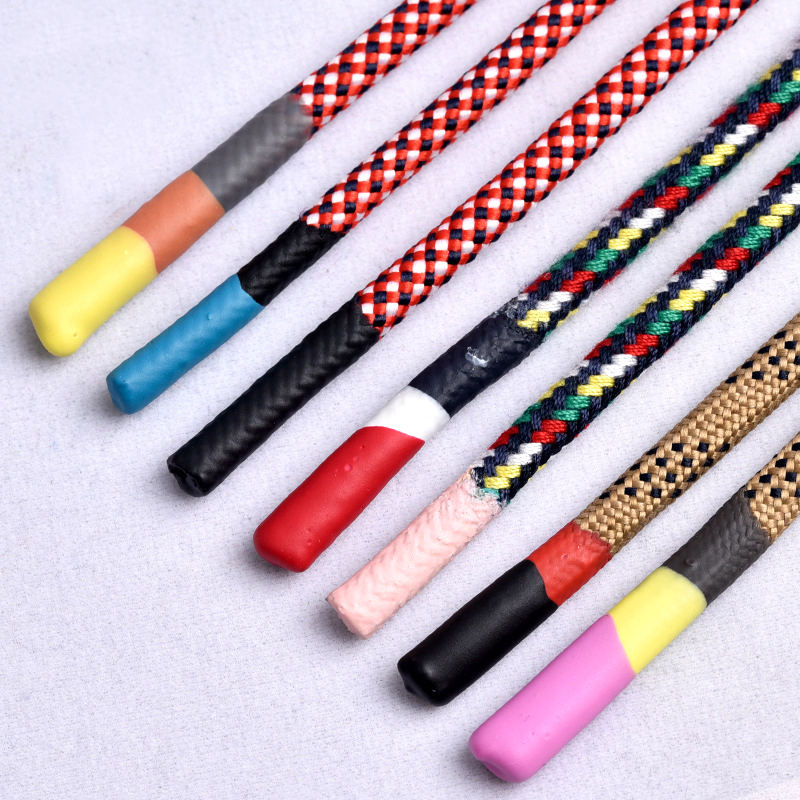
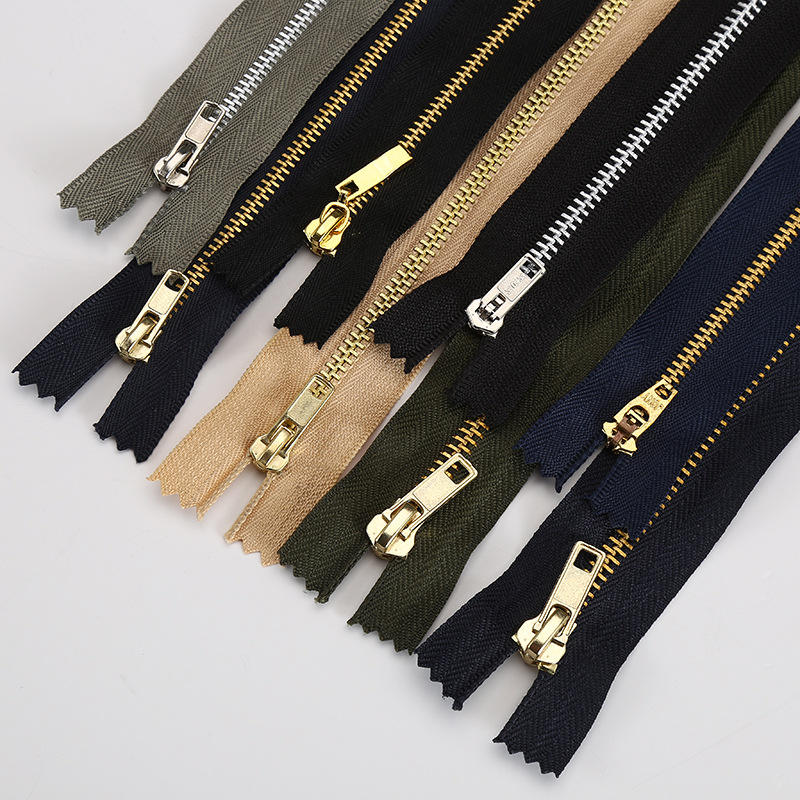
Drawcords and Tipping
Custom drawcords, aglets and contrast tipping add a controlled branded finish to hoodies, joggers and shorts. Length, color, material and placement are specified alongside the approved garment construction for consistent bulk execution.
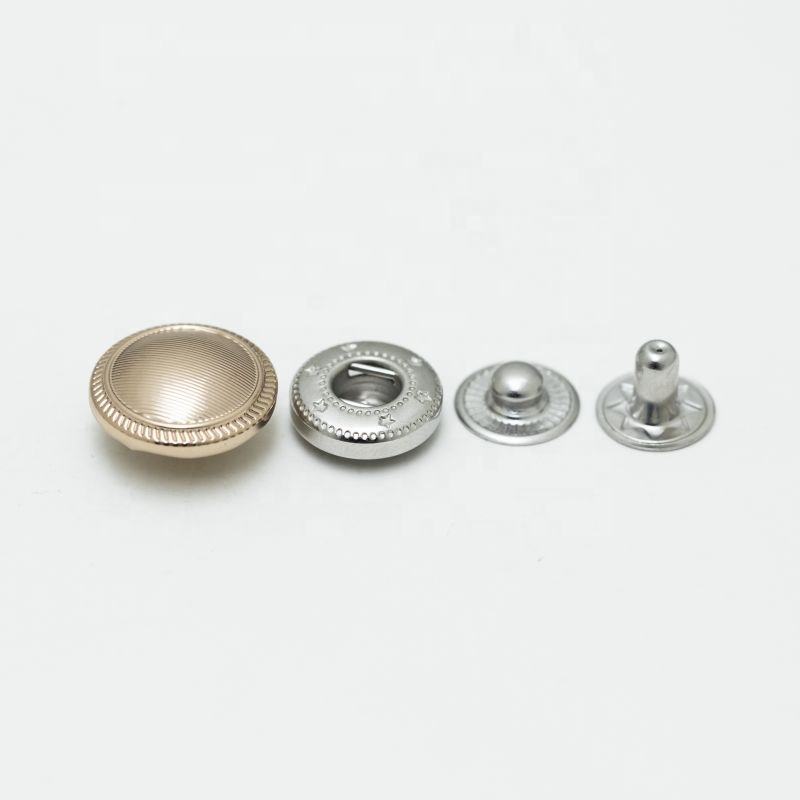
Snap Buttons
Snap buttons bring functional closure and a distinct finish to varsity jackets, outerwear and warm-up layers. EDVORIN aligns snap color, cap detail, strength and placement with the garment’s fabric, rib and overall design direction.
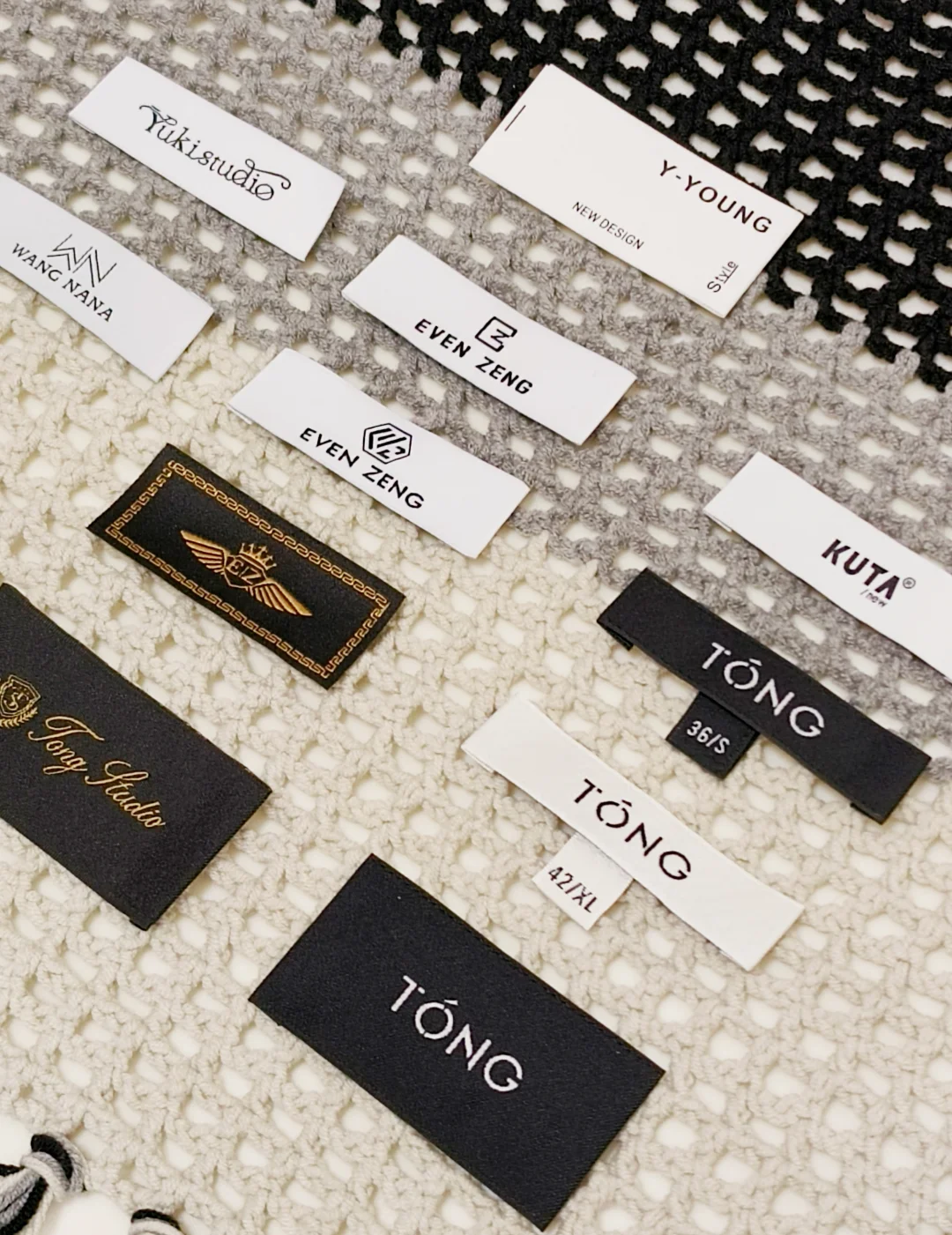
Woven Labels
Custom woven neck, hem and side-seam labels place your brand inside every garment. We coordinate artwork, label dimensions, fold style, material and attachment location with fit, comfort and the approved private-label specification.
Your Fitness Clothing Manufacturer Since 2000
EDVORIN was founded by Edvorin Zeng with a workshop-level understanding of the point where apparel ideas meet production. As a founder-led fitness clothing manufacturer, we help brands turn sketches, reference garments, and finished tech packs into clear standards built for repeat orders.
Our connected workflow makes EDVORIN a custom clothing manufacturer, OEM clothing manufacturer, ODM apparel manufacturer, private label clothing manufacturer, and low MOQ clothing manufacturer for qualified programs. Product development, fabric and trim sourcing, patterns, sampling, printing, embroidery, washing, bulk production, custom clothing labels and packaging all follow one accountable path. We develop men’s and women’s programs across casualwear, streetwear, outerwear, and teamwear, with MOQs starting at 200 pieces per style.
What distinguishes EDVORIN is the discipline after a sample is approved. Measurement charts, material choices, artwork placement, trims, and finishing details are documented so in-line checks and final inspection can protect the approved standard through bulk production. Built to Repeat. Made to Grow.

Fitness Clothing Manufacturer: From Development to Bulk Control
Technical Development That Holds
EDVORIN turns a sketch, reference garment, or complete tech pack into a production-ready specification. Patterns, fit blocks, grading, measurements, and construction details are reviewed together so men’s and women’s fitness programs have a standard that can be sampled, approved, and repeated.
- Pattern and measurement development
- Men’s and women’s fit adjustments
- Construction details documented for production
- Sample revisions captured before bulk approval
Materials and Trims Coordinated
A fitness clothing manufacturer must consider how each component performs together. EDVORIN coordinates fabric weight, stretch, recovery, linings, elastics, drawcords, labels, and packaging around the intended garment, helping buyers balance comfort, function, appearance, and a repeatable production specification.
- Fabric selection for intended wear
- Trim and hardware specification
- Labels and packaging coordinated
- Material decisions aligned to approved samples
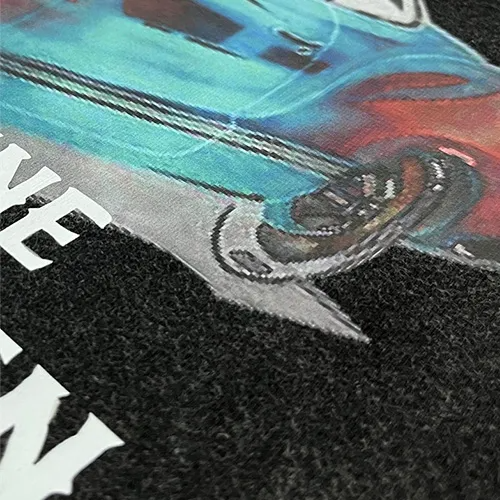
Decoration Planned With Garments
Printing, embroidery, patches, washing, and placement details are developed in relation to the fabric and garment construction—not added as an afterthought. EDVORIN records artwork positions, application methods, and relevant finishing requirements to protect the collection’s visual identity through bulk production.
- Print and embroidery method planning
- Artwork placement measurements recorded
- Washes matched to garment construction
- Decoration reviewed during sampling
Quality Controlled Against Approval
EDVORIN builds sample-to-bulk quality control around the approved standard. Material checks, in-line inspections, measurement communication, and final order review create visible checkpoints before packing, helping brands reduce variation across fitness apparel, streetwear, outerwear, and teamwear programs.
- Approved sample used as production reference
- In-line checks identify variation early
- Measurements and details checked before packing
- Final inspection supports consistent delivery
Why EDVORIN Is the Fitness Clothing Manufacturer Buyers Choose
From development through final packing, EDVORIN keeps critical specifications visible, approved and accountable.
← Swipe left or right to view →
A Controlled Fitness Clothing Manufacturer Process
EDVORIN turns approved specifications into production-ready orders through documented checkpoints that protect fit, materials, decoration and packing consistency.
Review Product Requirements
We review tech packs, reference garments or early concepts, confirming fit, measurements, intended use, decoration needs and the production standard before development begins.
Source Materials and Trims
Our team coordinates fabrics, color references, rib, labels, hardware and packaging components, aligning each selection with performance, construction and brand requirements.
Develop and Approve Samples
Patterns, grading and samples are developed for review. Revisions are recorded so the approved garment becomes a clear reference for repeatable bulk production.
Cut, Sew and Decorate
Approved specifications guide cutting, sewing, printing, embroidery, washing and finishing, with decoration methods selected to suit the garment material and visual direction.
Inspect, Pack and Prepare
In-line and final checks compare bulk output against approved standards before labeling, packing and shipment preparation, helping your order arrive organized and ready to distribute.
How to Work With a Fitness Clothing Manufacturer
Move from a tech pack or early concept to an approved, repeatable OEM or private-label program with clear standards at every stage.
Share Your Brief
Send your tech pack, measurement chart, reference garment, or collection concept. Our fitness clothing manufacturer team reviews construction, materials, decoration, labeling, and packaging requirements.
Align Specifications and Quote
Confirm product details, target quantities, fabric and trim choices, decoration methods, pricing, and development needs. MOQ starts at 200 pieces per style for qualified programs.
Approve the Production Standard
Review samples and refine fit, materials, colors, artwork placement, and finishing. Once approved, the sample and documented specifications become the reference for bulk production.
Launch Controlled Bulk Production
EDVORIN coordinates sourcing, cutting, sewing, decoration, inspection, labeling, and packing under the approved standard, helping your collection remain consistent through final delivery.
Certified Standards for Responsible Apparel Production



Buyer Outcomes with a Fitness Clothing Manufacturer
EDVORIN helped us turn an initial four-piece training concept into a production-ready collection. The approved sample measurements and logo placements carried through our 1,200-piece repeat order with far fewer revision questions from our team.
We needed men’s and women’s teamwear with names, numbers, and consistent color across 18 size sets. EDVORIN organized the artwork and production details clearly, and our club launched all 640 uniforms on schedule.
For our streetwear wholesale program, the development process made a real difference. EDVORIN aligned fleece weight, wash effect, embroidery, and labeling before bulk production, helping us expand from 3 to 8 core styles in one season.
Fitness Clothing Manufacturer FAQs for B2B Buyers
EDVORIN’s MOQ starts at 200 pieces per style. Clear answers on MOQ, development, production, payment, shipping and protecting your apparel program.
EDVORIN’s MOQ starts at 200 pieces per style. What is EDVORIN’s minimum order quantity for custom fitness clothing?
Can a fitness clothing manufacturer help if I only have a sketch or reference garment?
How do samples work before bulk production?
How long does production take with a fitness clothing manufacturer?
Can EDVORIN develop men’s and women’s fitness apparel?
What payment terms does EDVORIN offer for OEM or private-label orders?
Can a fitness clothing manufacturer arrange labeling, packaging, and shipping?
How does EDVORIN protect my designs and product specifications?
The Complete Fitness Clothing Manufacturer Buyer’s Guide
Use this decision framework to compare supplier models, fabrics, customization, quality controls, pricing, and lead times—while avoiding costly sourcing mistakes before launching or scaling a performance apparel line.
1. What Is a Fitness Clothing Manufacturer?
200 pieces is a practical starting point for an OEM fitness clothing manufacturer: the factory develops and produces garments to the buyer’s approved specifications. This differs from a trading company that coordinates suppliers, a wholesaler selling inventory, a blank supplier selling undecorated basics, or a retail brand selling to end users.
4 common models clarify the choice. OEM follows your tech pack; ODM adapts a supplier-developed design; private label applies your brand to a developed product; ready-stock prioritizes speed from existing inventory.
1 fashion brand with distinctive fits should use OEM or ODM, while teams and schools often need customized uniforms with controlled names, numbers, and sizing. Distributors and corporate buyers can begin with ready-stock or private label, then move to custom development once demand is proven.
2. How Fitness Apparel Manufacturing Evolved
1950s gymwear was largely cotton jersey and fleece: durable, familiar, and prone to holding sweat. The shift to polyester, nylon, elastane, and moisture-management knits changed buyer expectations from basic coverage to stretch, recovery, breathability, and shape retention.
1960s–1980s compression and stretch garments made fabric composition, stitch stretch, and fit grading production-critical; flatlock seams reduced bulk in high-movement zones. Later seamless knitting reduced cut-and-sew seam count for selected leggings and base layers, but it also requires purpose-built machinery and disciplined size specifications.
200-piece private-label programs now let brands test colorways, graphics, labels, and coordinated drops more frequently. A fitness clothing manufacturer should document fiber content, recycled-content evidence, test requirements, and any OEKO-TEX or GOTS claim before artwork and bulk approval; a sustainability statement without supporting records is not a sourcing standard. https://www.alanic.com/wholesale/running-fitness-clothing
3. Types of Fitness Clothing Manufacturer Services
Six service models differ chiefly in tooling, customization, and production risk. Match the starting model to your demand certainty, design ownership, and launch deadline.
Ready-Stock Wholesale
1 catalog style offers the fastest route: select existing garments and order by color and size. Customization is minimal; it suits resellers testing demand.
Private Label Programs
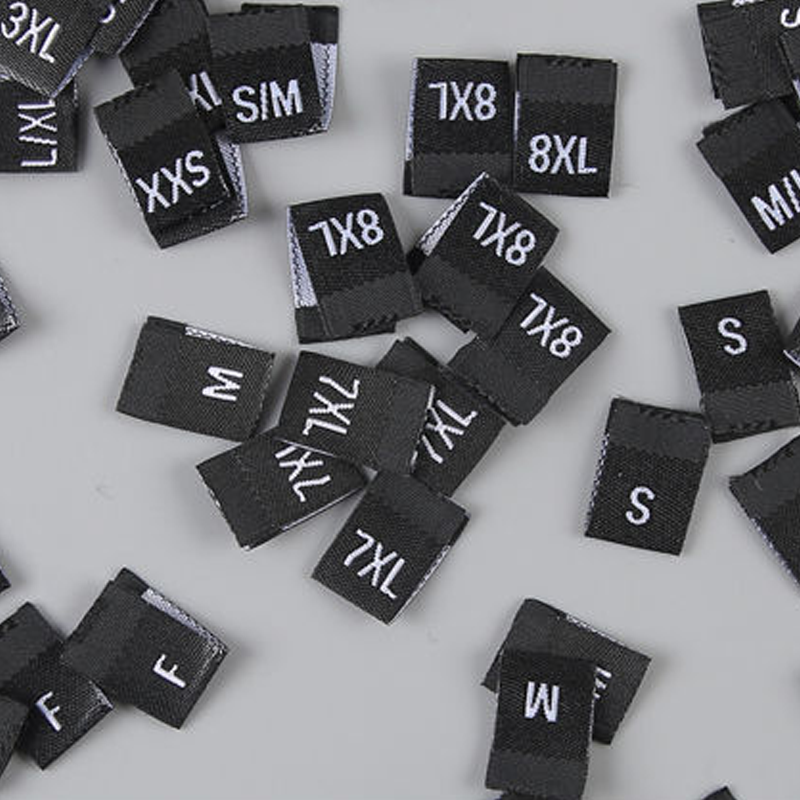
1 existing fit block can carry your neck label, hangtag, packaging, or simple artwork. This lowers development work, but limits silhouette and fabric control.
OEM Cut-And-Sew
200-piece OEM programs start from your tech pack, approved measurements, and material direction. Brands gain construction control, while sampling and approvals add time.
ODM Product Development
1 sketch or reference garment can begin an ODM brief when technical documents are incomplete. The factory supports pattern and material decisions; buyer sign-off remains essential.
Seamless Production
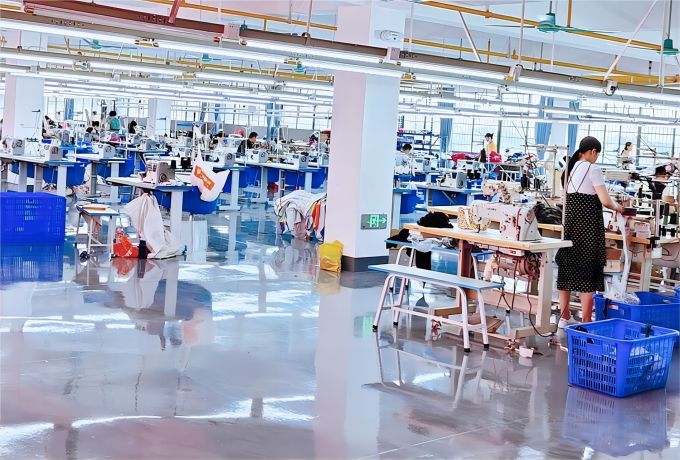
1 seamless style uses knit programming rather than conventional panel cutting. It suits leggings and compression layers, but requires specialized machinery and less flexible revisions.
Team And Corporate Programs
1 uniform program prioritizes repeatable color, names, numbers, logos, and size runs. Teams need organized personalization; changing individual details can slow packing.
4. Fitness Clothing Manufacturer Fabric Options
Fabric choice sets the performance ceiling before a pattern is cut. A fitness clothing manufacturer should match fiber, knit structure, GSM, and finish to the garment’s movement and climate demands.
| Fabric | GSM | Key Strength | Best Use |
|---|---|---|---|
| Polyester-spandex | 200–280 | Moisture management | Tops, shorts, teamwear |
| Nylon-spandex | 220–300 | Soft, abrasion-resistant | Leggings, bras |
| Compression knit | 220–320 | Recovery and opacity | Tights, support pieces |
| Cotton-elastane | 160–220 | Natural hand feel | Training tees |
| Fleece | 280–360 | Warmth | Outer layers |
Performance Blend Selection
200–280 GSM polyester-spandex suits moisture-managed tops, shorts, and teamwear; nylon-spandex gives leggings and bras a softer hand with stronger abrasion resistance.
Comfort And Layering Fabrics
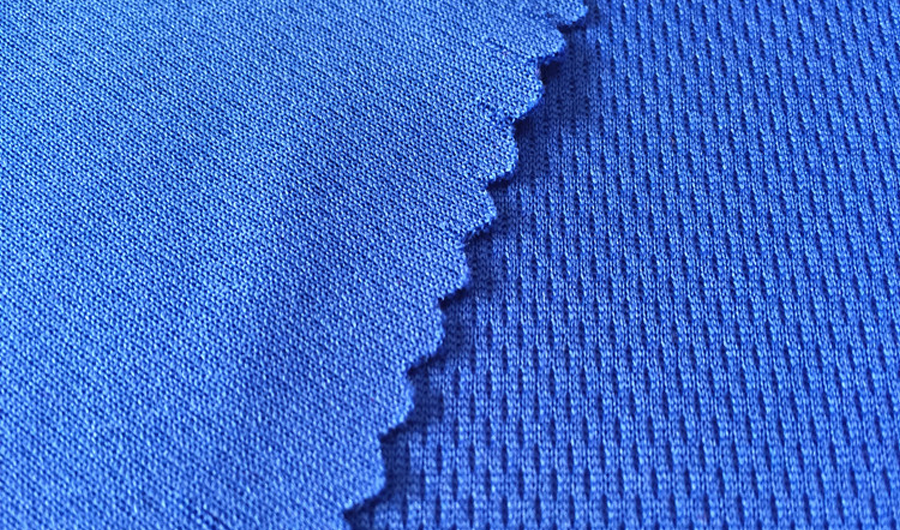
160–220 GSM cotton-elastane works for lifestyle training tees, while mesh panels improve airflow. 280–360 GSM fleece suits warm-up layers, not high-sweat base layers.
Verify Before Bulk
3 checks matter: compare swatches, conduct wash testing, and wear-test opacity during squats or extension. Recycled synthetics require the same recovery and colorfastness review as virgin yarns.
5. Fitness Clothing Manufacturer Customization Options
Three control points define effective customization: substrate, fit block, and decoration. EDVORIN documents each approved choice so a fitness clothing manufacturer can reproduce the program across reorders.
| Method | Best Use | Control Check |
|---|---|---|
| Sublimation | Polyester performance panels | Color and wash test |
| Heat transfer | Stretch logos | Cracking after stretch |
| Silicone or reflective | Grip or visibility details | Placement and adhesion |
Color And Fabric Selection
Pantone references, fabric composition, and target weight should be approved together. Dye-lot variation and stretch recovery can change a logo’s perceived color.
Patterns And Brand Components

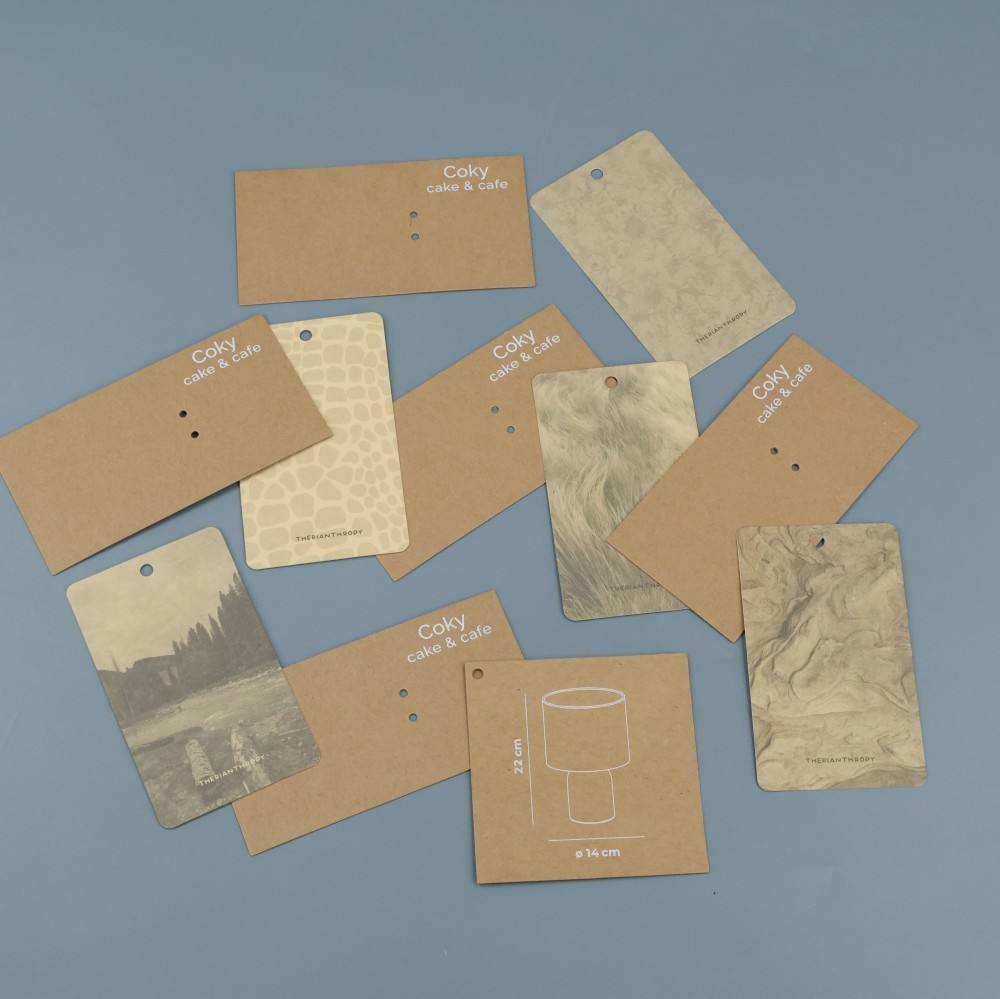
Custom patterns require graded measurements, tolerance limits, and a wear-test size set. Woven labels, hangtags, and packaging need approved artwork, fold method, and placement records.
Performance Decoration Choices
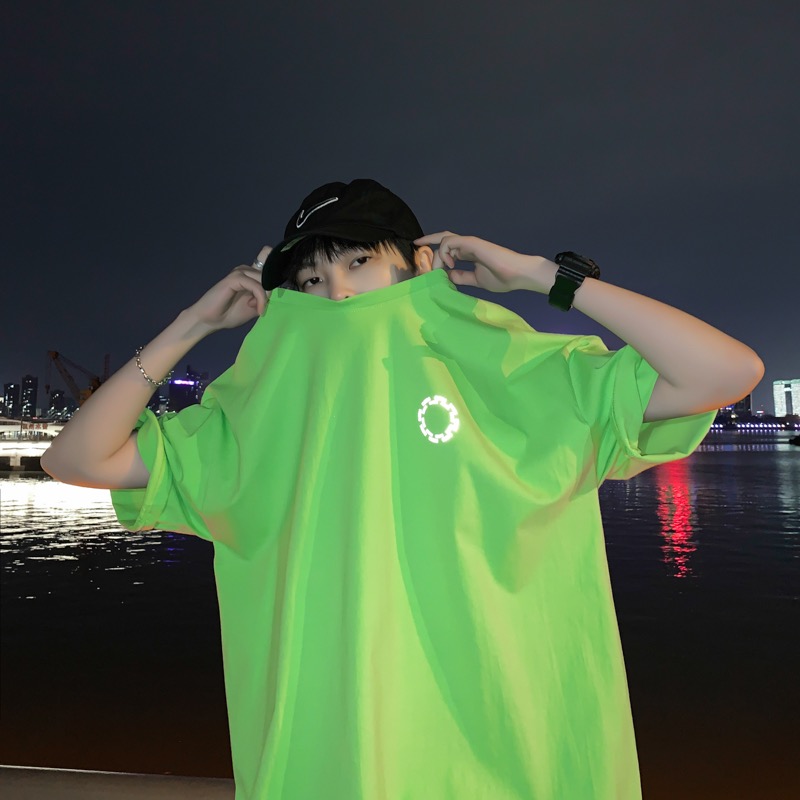
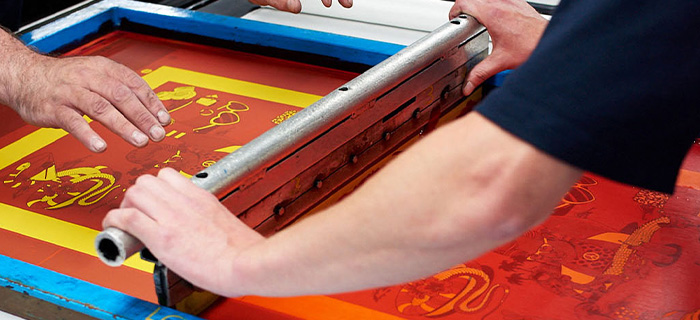
Vector artwork with exact dimensions prevents weak edges and misplaced prints. Stretch fabrics suit tested heat transfer, sublimation, or flexible screen-print inks; embroidery can add bulk and restrict stretch.
6. Construction Details That Determine Quality
Two failure points—seams and stretch components—often appear only after training wear is washed or loaded. A fitness clothing manufacturer should convert those risks into written, measurable sample checkpoints.
Seams And Stress Points
Four-thread flatlock seams reduce bulk at high-friction zones; coverstitch hems need even stretch without popped threads. Six to 10 stitches per inch is a practical starting specification, adjusted for fabric weight.
Two reinforcement checks matter: bar tacks at pocket openings and secure gusset joins at inseams. Inspect seam allowance, skipped stitches, and puckering while the garment is stretched.
Stretch And Fabric Performance
20% stretch-and-release testing should show no lasting waistband waviness or edge curling. Specify elastic width, stitch attachment, and recovery after repeated extension.
100% squat opacity should be checked under bright light across all approved colors. Require pilling and colorfastness test results appropriate to the intended fabric and care method.
Approval And Final Inspection
Three size points—base, smallest, and largest—should be measured against the graded specification before bulk approval. Record tolerances by point of measure rather than accepting a general fit comment.
One pre-production sample should match approved fabric, trims, artwork, and packaging. Final quality-control reports should identify inspected quantity, defect categories, measurements, and corrective actions.
7. How to Choose a Fitness Clothing Manufacturer
Use one identical brief and weighted scorecard for at least three suppliers. A capable fitness clothing manufacturer should be judged on documented evidence, not a sales promise.
Match Product Specialization
Question: Can it build your specific category? Review comparable leggings, jerseys, compression pieces, or performance tops, including stitch, fabric, and decoration samples.
Test Development And Communication
Question: Can it convert a sketch into repeatable specifications? Require a tech-pack review, revision log, measurement chart, and pre-production sample with named response owners.
Verify Scale And Quality
EDVORIN’s MOQ starts at 200 pieces per style. Question: Can capacity protect delivery and consistency? Confirm MOQ by color and style, sample and bulk lead times, in-line inspection records, final-AQL practice, and material traceability.
Document Commercial Terms
Question: Are risk and cost responsibilities clear? Compare compliance evidence such as OEKO-TEX, GOTS, WRAP, or BSCI where relevant; obtain Incoterms, freight scope, payment milestones, and defect-resolution terms in writing.
8. Common Fitness Clothing Sourcing Mistakes
A 200-piece launch can fail through small sourcing assumptions rather than one obvious factory error. Treat approvals, minimums, quality rules, and logistics as written production controls.
Price Before Specification
A 10% lower quote can omit testing, stronger trims, or inspection time; the consequence is costly rework. Compare like-for-like BOMs, construction, decoration, and Incoterms before selecting a fitness clothing manufacturer.
Approve Materials And Fit
EDVORIN’s MOQ starts at 200 pieces per style. Two wash cycles can expose shrinkage, pilling, color bleed, or poor stretch recovery that a first sample hides. Test the intended fabric and approve a graded size set before bulk cutting.
Each color and size can carry its own MOQ; ignoring the breakdown creates excess stock or unavailable core sizes. Confirm the color-size ratio in the purchase order.
Document Claims And Controls
One vague tech pack leaves pattern points, Pantone colors, artwork placement, labels, and packaging open to interpretation. Record approved measurements, tolerances, and a defect standard with sample photos.
A certificate claim without a valid scope or certificate number is not verification. Check OEKO-TEX, GOTS, WRAP, or BSCI documentation, then map production and freight lead times for replenishment.
9. Steps to Launch a Fitness Apparel Brand
A 200-piece launch is easier to control when decisions move from customer need to an approved production standard. First-time private-label buyers should validate one niche before expanding colorways or categories.
Define The Customer
One target user—such as runners or club athletes—should determine fit, fabric, price, and performance priorities. Scaling brands should separate men’s and women’s fit blocks rather than resize one universal pattern.
Build A Focused Assortment
Two to four complementary SKUs create a manageable first drop, such as a training tee, shorts, joggers, and hoodie. Limit initial colors so fabric matching, inventory, and reorders remain controllable.
Prepare Development Assets
One tech pack per SKU should record measurements, Pantone colors, construction, artwork placement, labels, and packaging. EDVORIN can translate a sketch or reference garment into reviewable manufacturing specifications.
Approve Samples And Bulk
Three checks—fit, wash recovery, and workout movement—should be completed on sample garments before bulk approval. Lock the approved sample, bill of materials, grading, and decoration files, then schedule in-line and final inspections before delivery.
10. Fitness Clothing Manufacturer Pricing and Costs
200-piece programs often carry a higher unit cost than 500- or 1,000-piece runs because fabric allocation, cutting, and line setup are spread across fewer garments. A fitness clothing manufacturer should quote by style, color, size mix, fabric, construction, and Incoterm—not a single headline price.
1 approved sample is not bulk approval alone: budget separately for pattern development, fit revisions, fabric testing, and decoration setup. Screen-print screens, embroidery digitizing, custom labels, polybags, carton requirements, and third-party inspection can each be line items.
30–60 production days is a practical planning range after approvals, but freight mode, customs clearance, duties, and destination delivery sit outside ex-works product cost. Send every supplier the same tech pack, BOM, quantity by color and size, packaging standard, inspection level, destination, and requested delivery term.
| Quantity tier | Typical cost effect | Quote check |
|---|---|---|
| 200 pieces | Highest setup per unit | Sampling, decoration, packaging |
| 500 pieces | Setup spread wider | Fabric MOQ and inspection |
| 1,000 pieces | Lower setup share | Freight and duties |
Choose a Fitness Clothing Manufacturer Built to Repeat
Send your tech pack, reference garment, or collection concept to EDVORIN for a clear quote and production-ready development path.