
Custom Clothing Manufacturing for Retailers: Built to Repeat, Made to Grow
EDVORIN is an OEM clothing manufacturer helping retailers and apparel brands turn concepts into repeatable collections through product development, sourcing and controlled bulk production.
Featured Apparel for Retail and Private-Label Programs
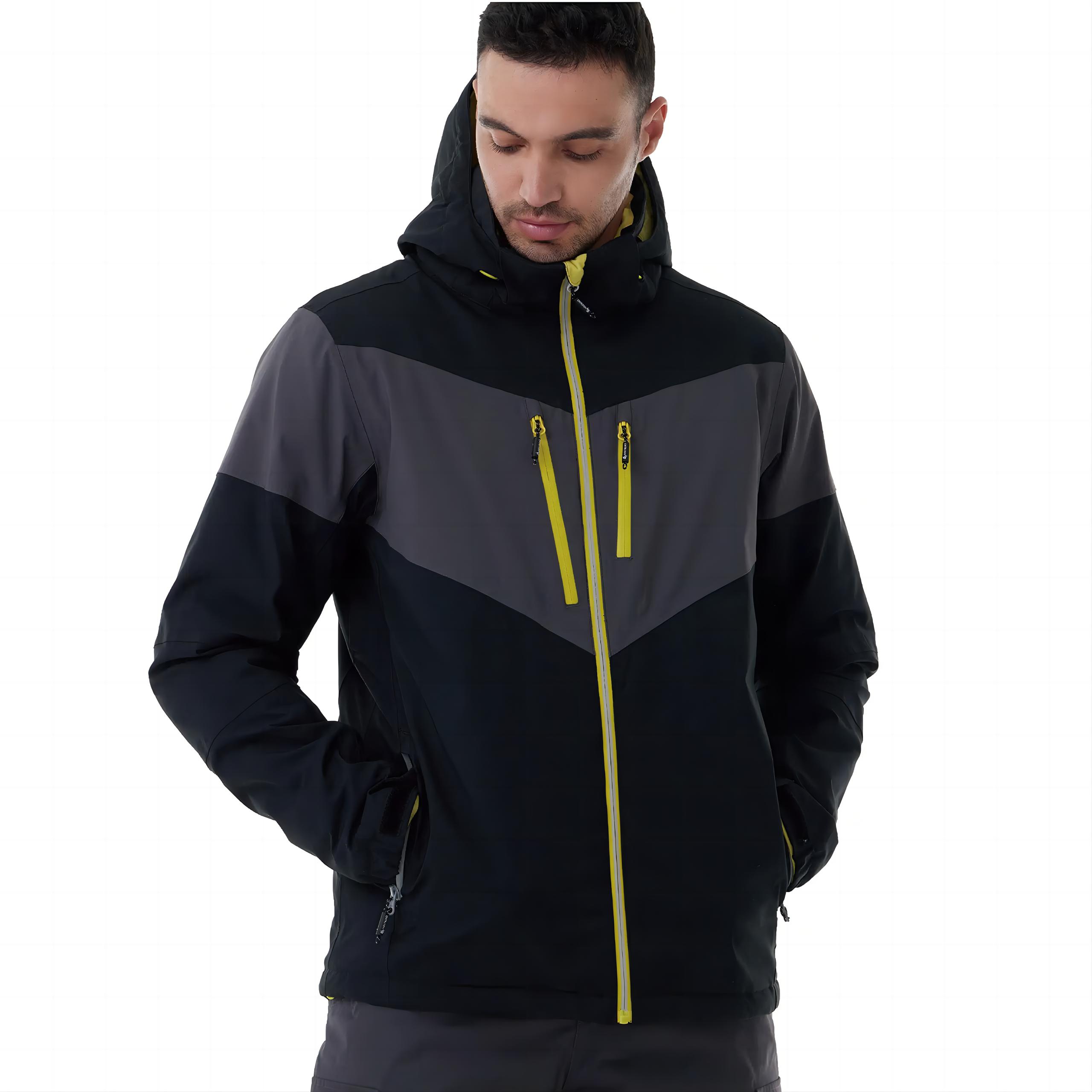
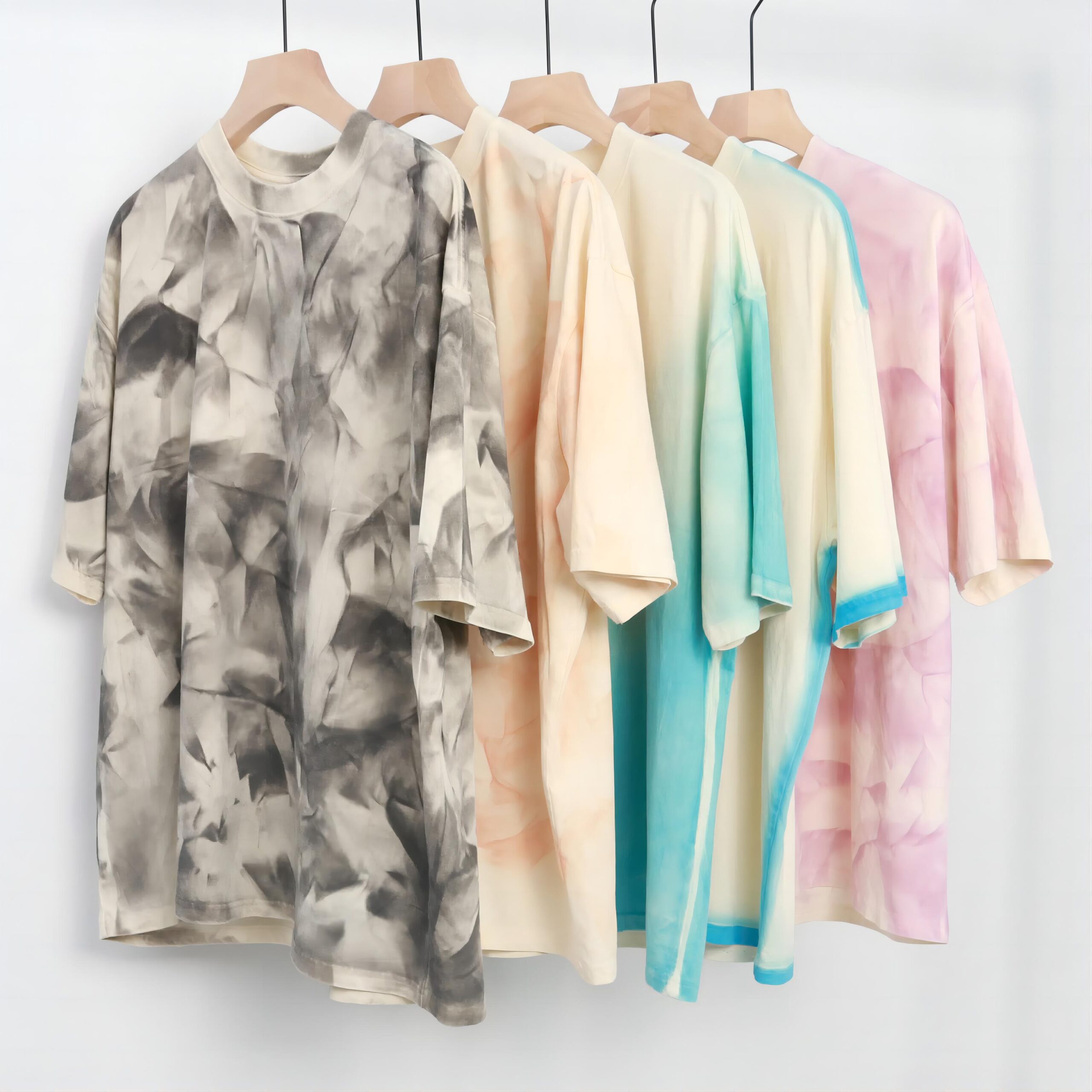
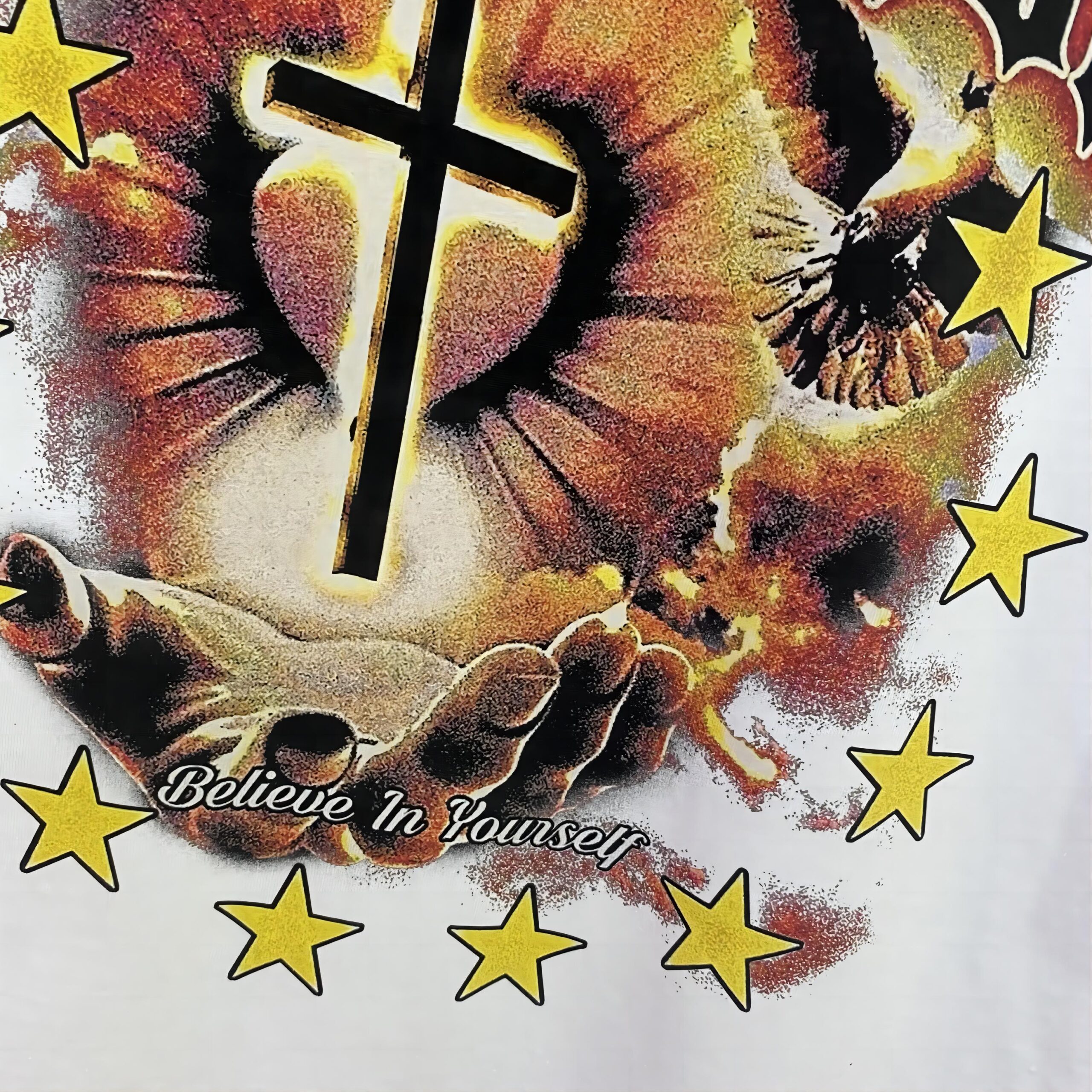




Why EDVORIN Is a Clothing Manufacturer for Retailers
Practical manufacturing support for retailers building consistent, repeatable apparel collections.
Flexible 200-Piece MOQ
Start with 200 pieces per style, giving emerging brands and established retail programs room to test collections and scale responsibly.
Manufacturing Since 2000
Founder-led apparel manufacturing since 2000 brings practical construction knowledge and accountable decisions from development through production, packing, and repeat orders.
Integrated OEM and ODM
Coordinate fabrics, trims, patterns, sampling, decoration, washing, labeling, and packaging through one integrated OEM, ODM, and private-label workflow.
Sample-to-Bulk Control
Approve a clear sample and production standard, then use in-line and final checks to protect consistency across every retail shipment.
Category-Specific Development
Build men’s and women’s programs across casualwear, streetwear, outerwear, and teamwear with category-specific construction and decoration guidance.
Custom Apparel Categories for Retail, Streetwear and Teamwear
From individual styles to coordinated collections, EDVORIN develops production-ready apparel with controlled materials, decoration, fit and sample-to-bulk standards.
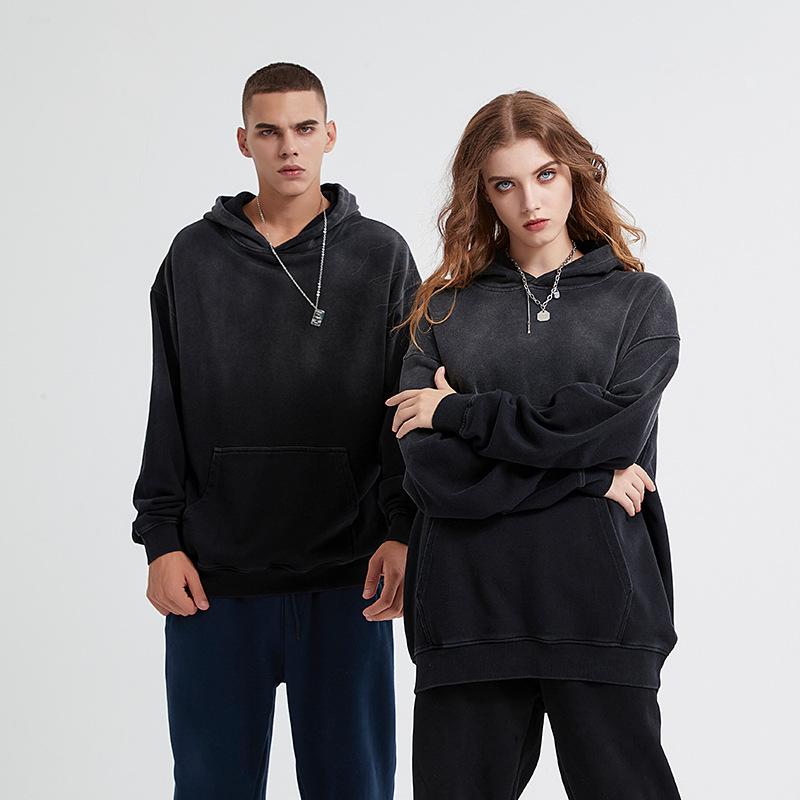
Custom Hoodies
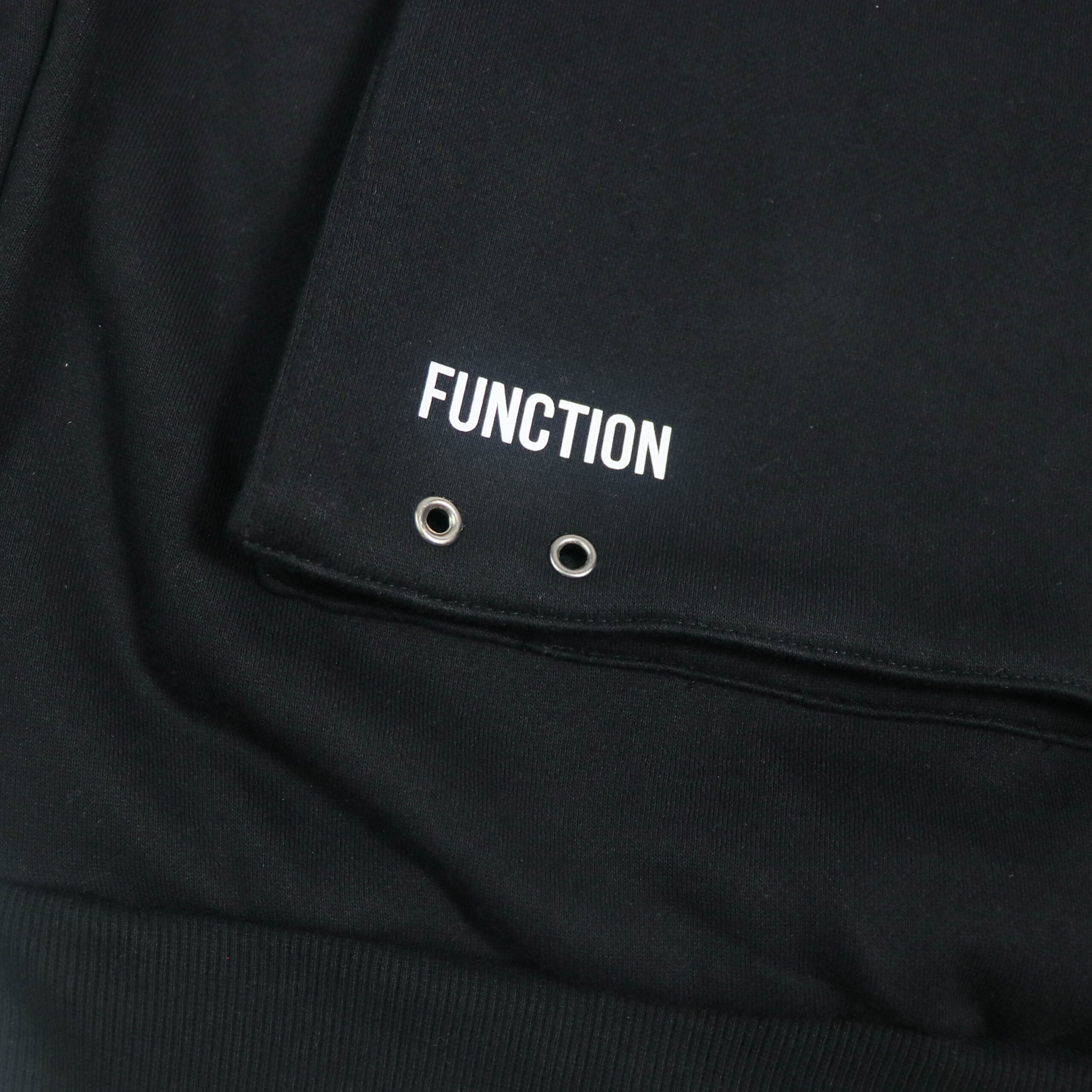
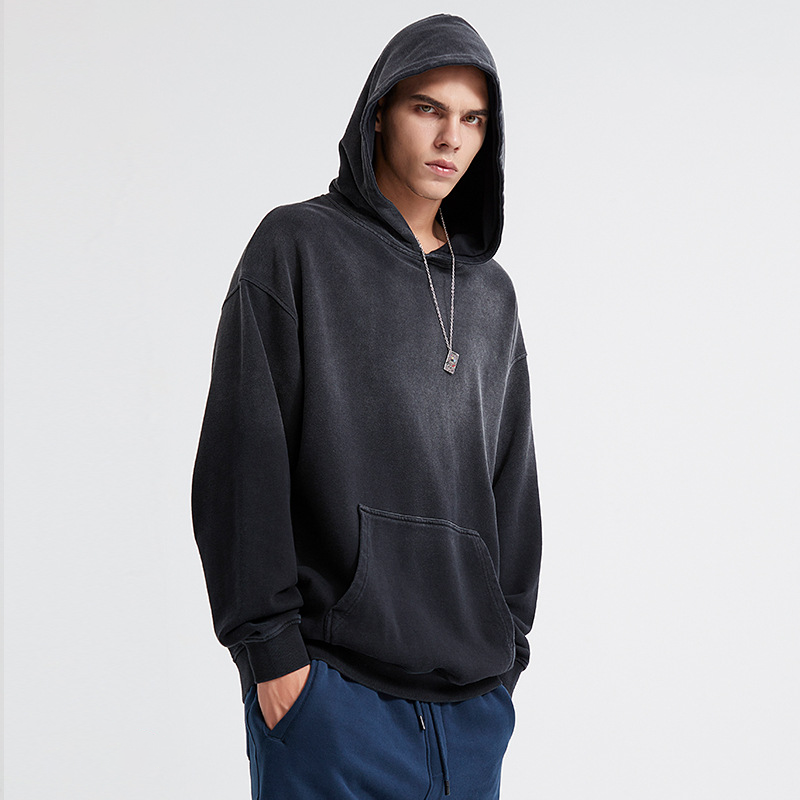
A custom hoodie manufacturer for brands that need more than a graphic on fleece. EDVORIN coordinates fabric weight, fit blocks, rib, drawcords, labels, printing or embroidery, then documents the approved sample for repeatable bulk production.
Get a Quote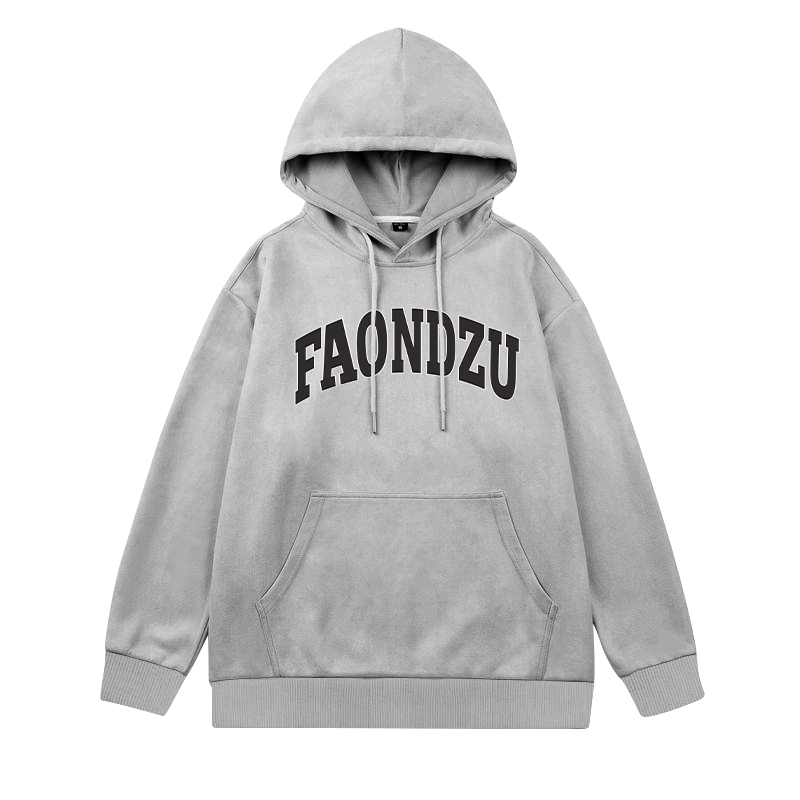
Pullover Sweatshirts
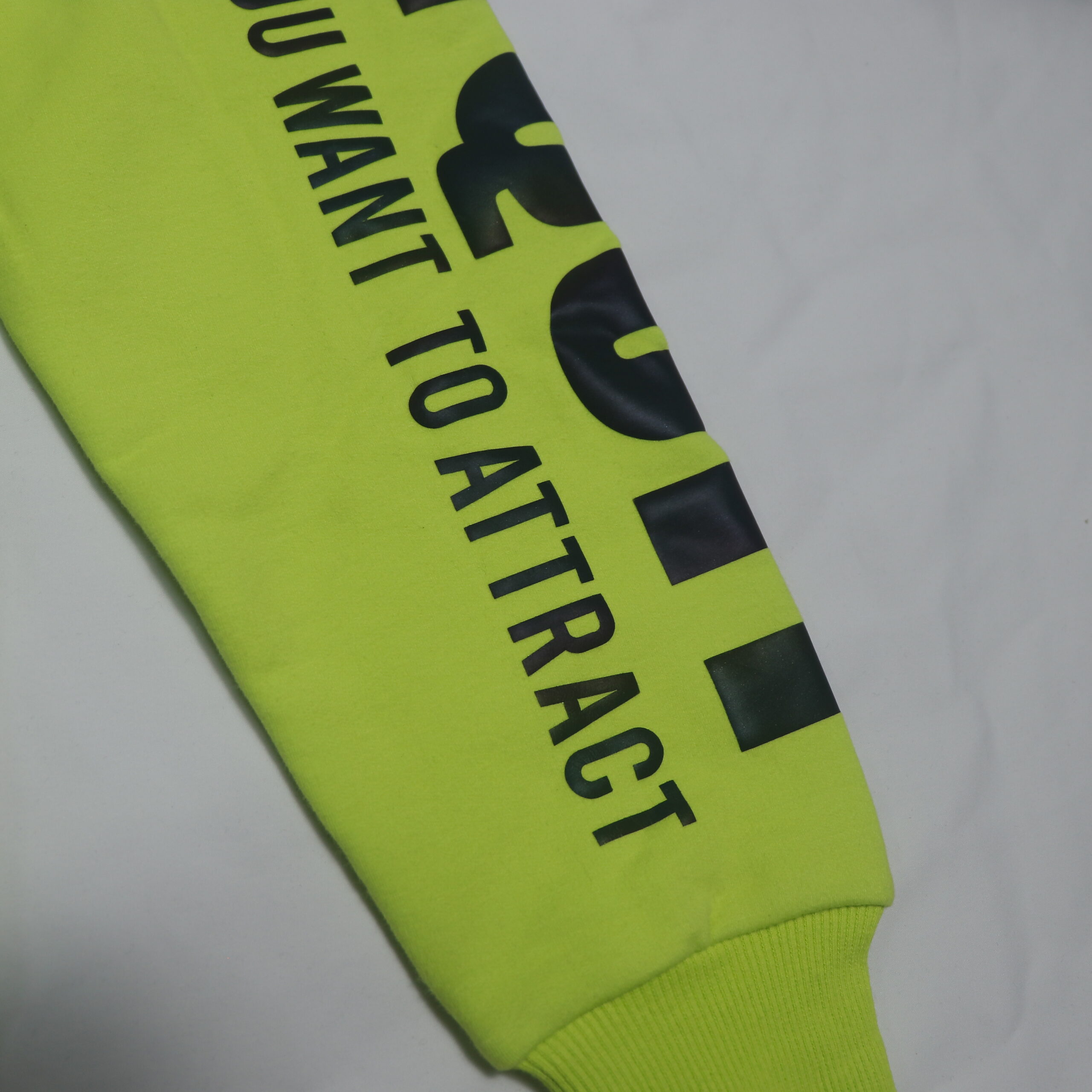
As a sweatshirt manufacturer, EDVORIN develops pullovers around fabric hand feel, weight, neckline, cuffs, hem and intended fit. Men’s and women’s blocks, decoration placement and finishing details are aligned before production to support consistent retail or private-label programs.
Get a Quote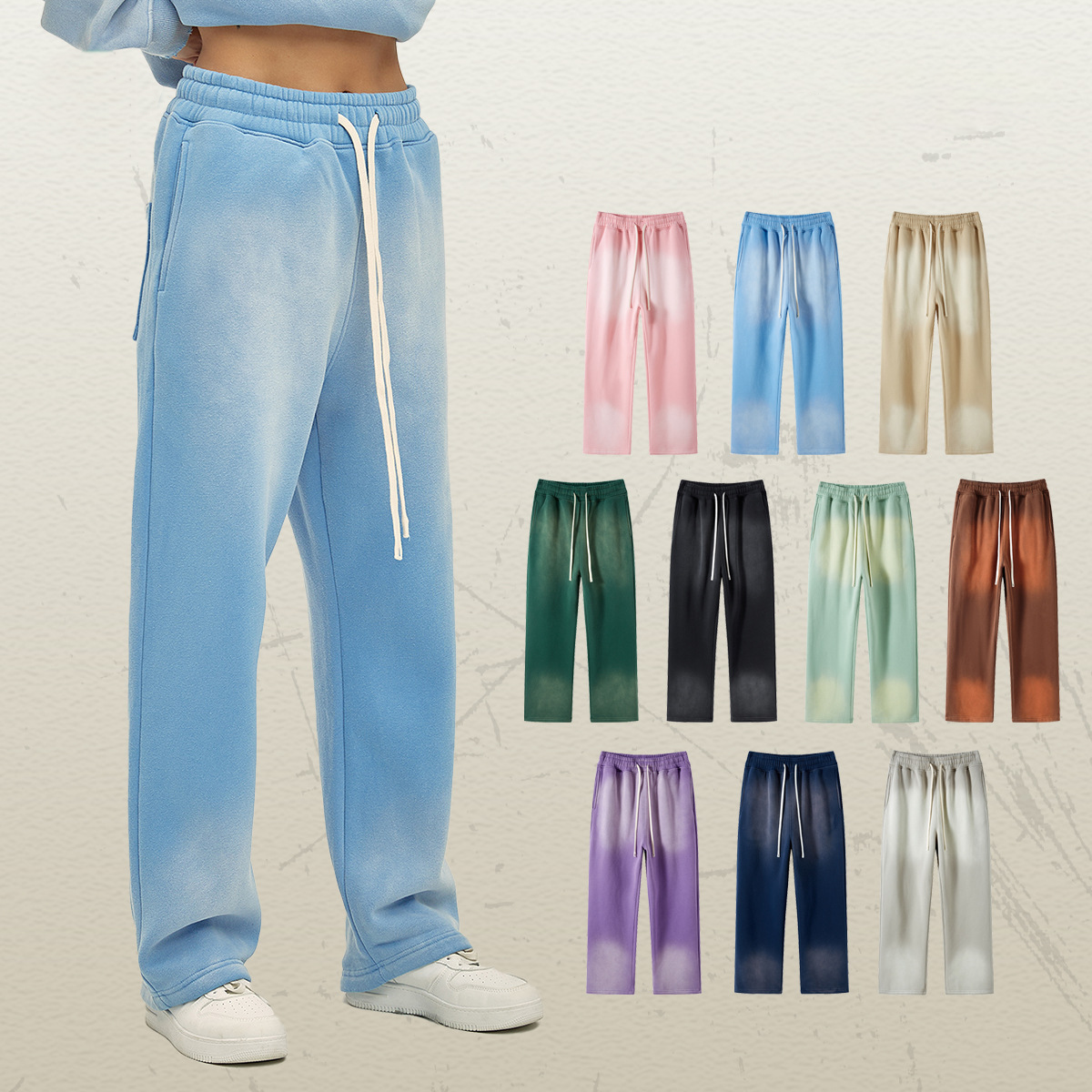
Sweatpants & Joggers
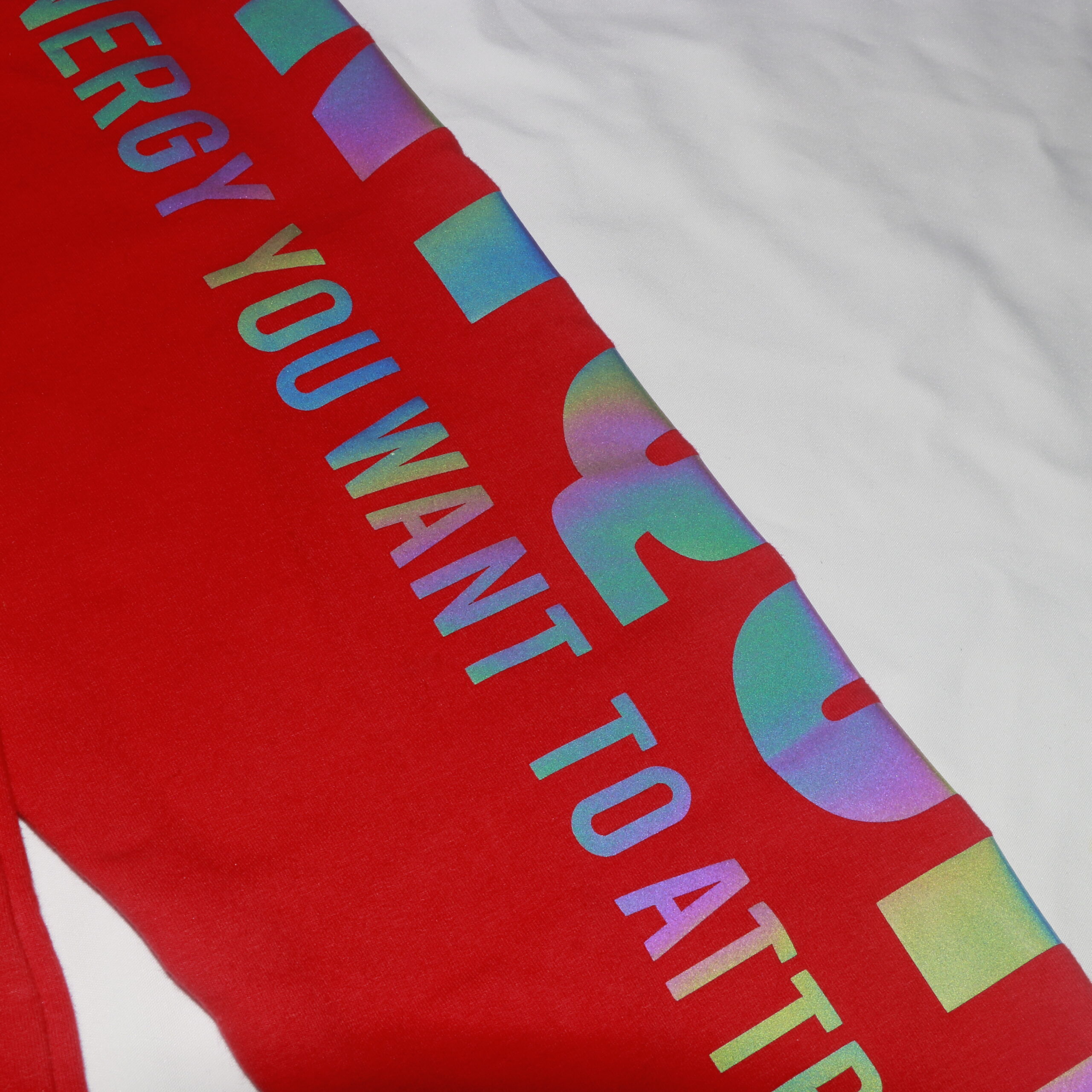
EDVORIN develops sweatpants and joggers with attention to fleece or jersey selection, rise, leg shape, waistband recovery, drawcord construction, pockets and cuffs. As a sweatpants manufacturer, the company converts fit and construction decisions into standards suitable for repeat orders.
Get a Quote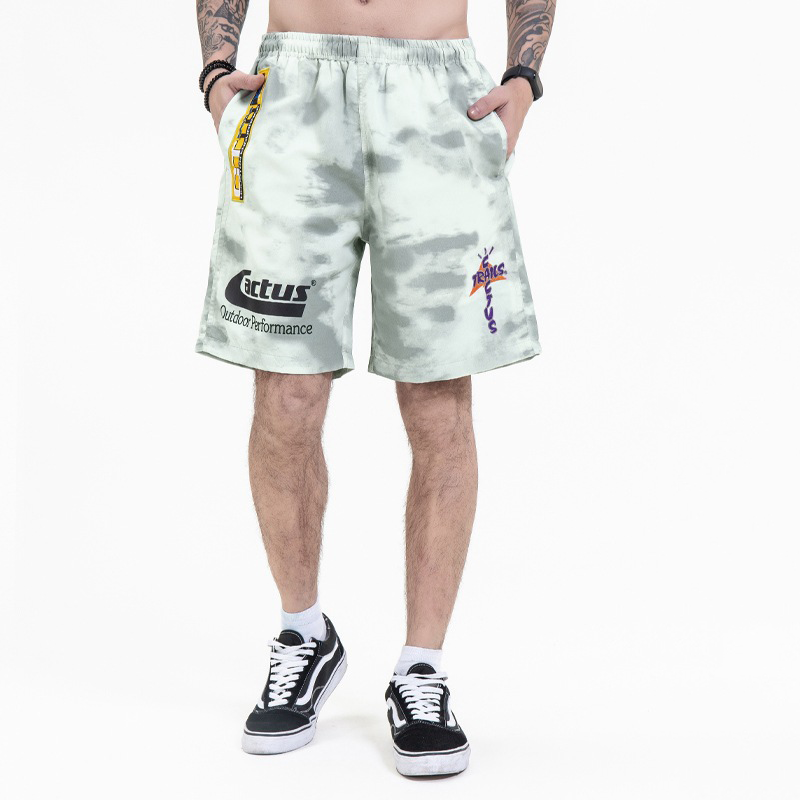
Custom Shorts
A custom shorts manufacturer must balance silhouette, mobility, fabric performance and production consistency. EDVORIN develops casual, streetwear and team-oriented shorts with appropriate waistbands, pocket construction, trims, decoration and grading for men’s and women’s programs.
Get a Quote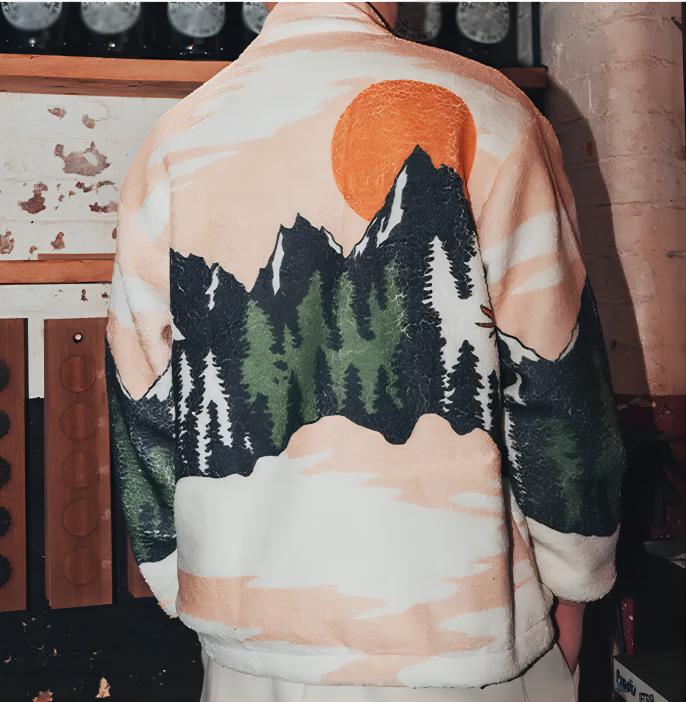
Varsity & Baseball Jackets
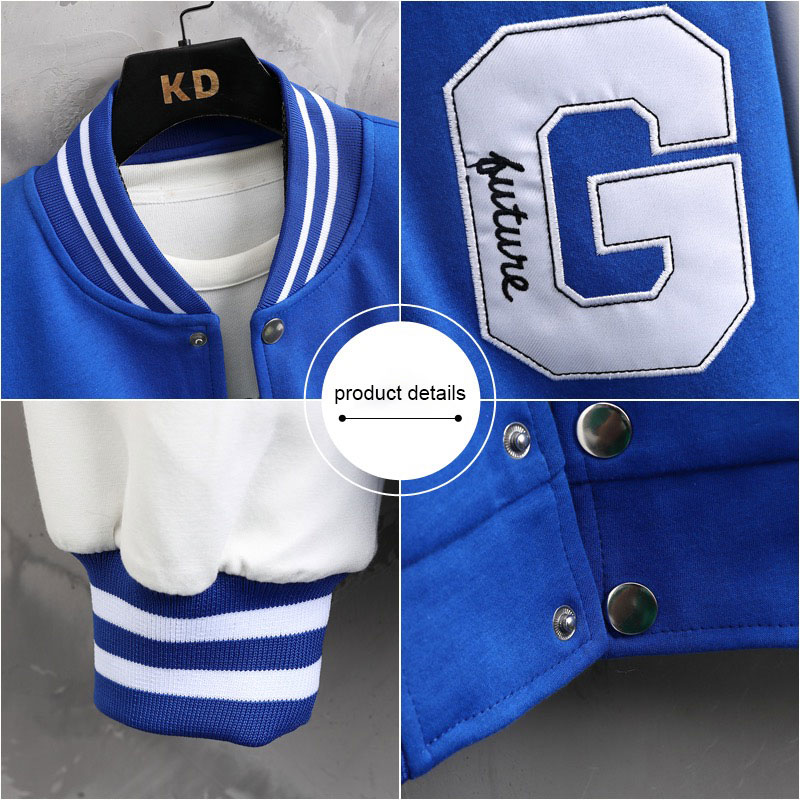
As a varsity jacket manufacturer, EDVORIN coordinates body fabric, sleeves, rib, snaps, lining, patches, embroidery and proportions so the finished jacket retains its intended identity. Baseball-inspired constructions can be developed for fashion labels, schools, clubs and private-label buyers.
Get a Quote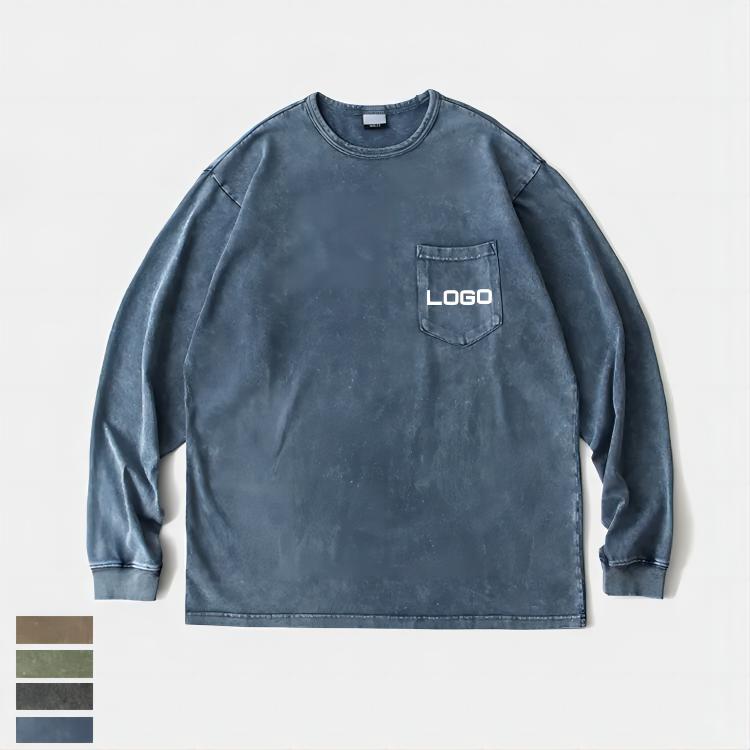
Custom T-Shirts
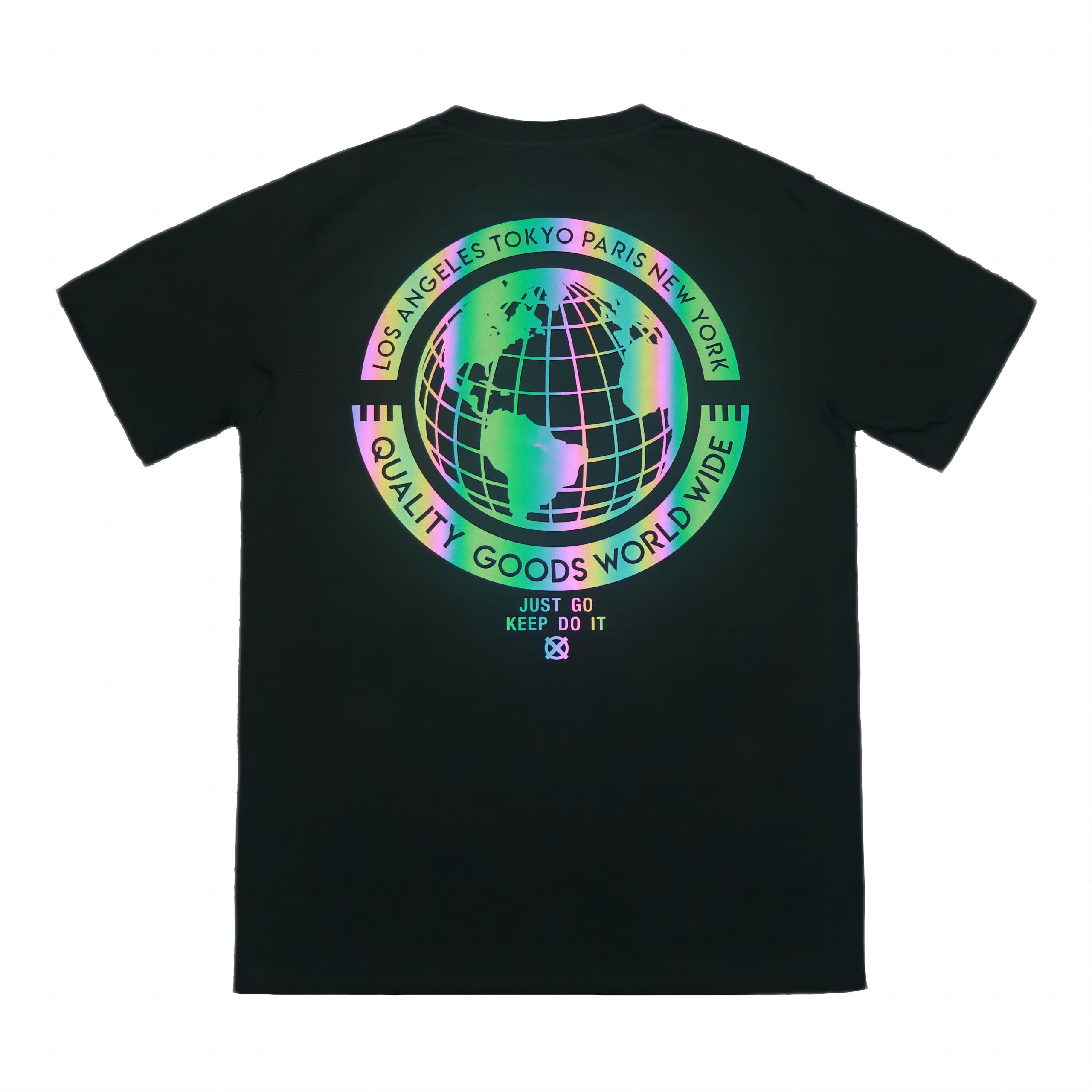
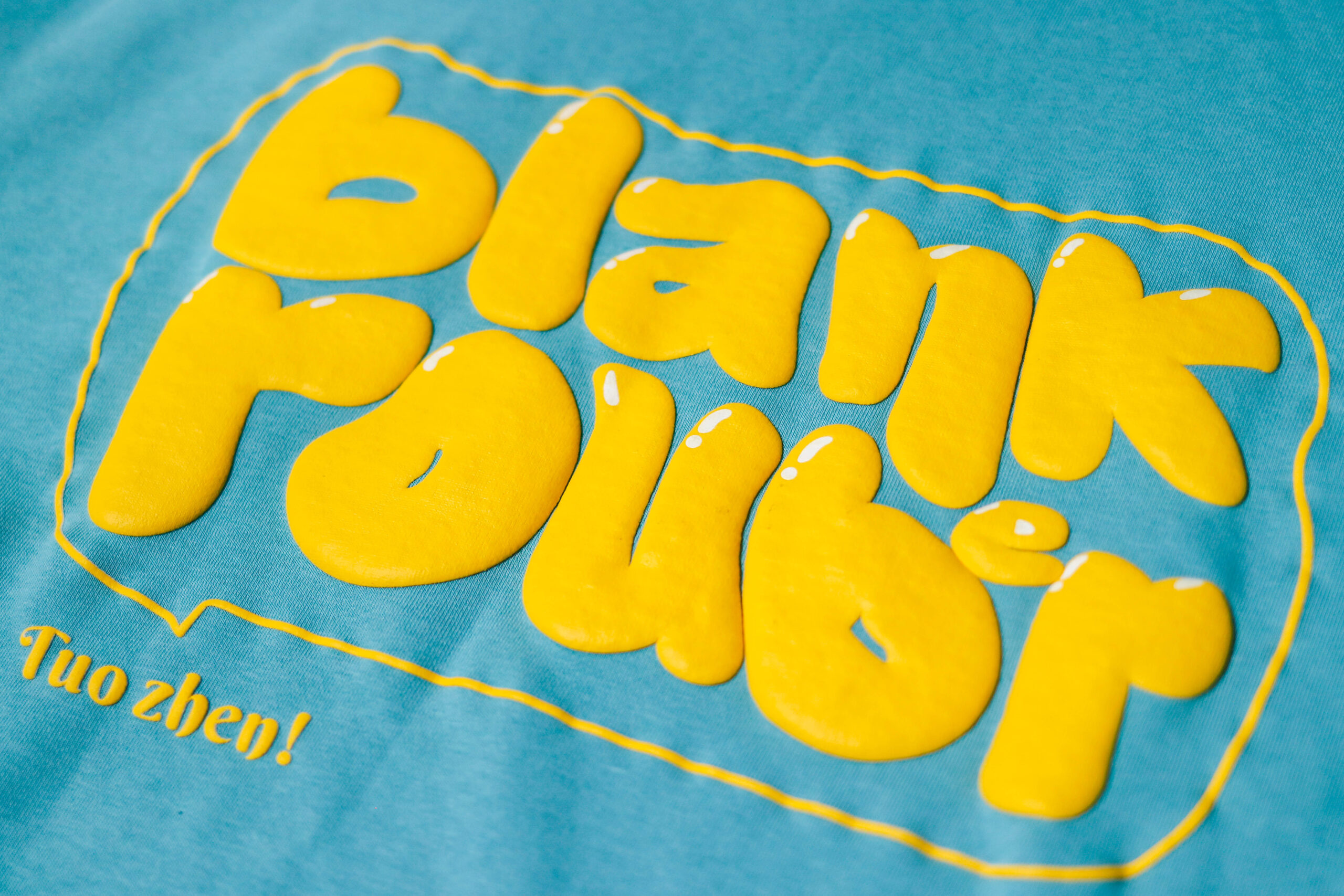
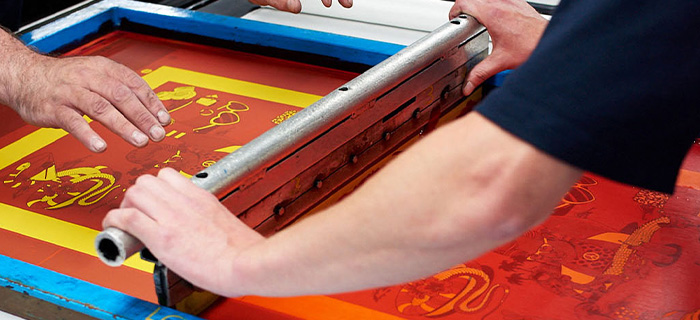
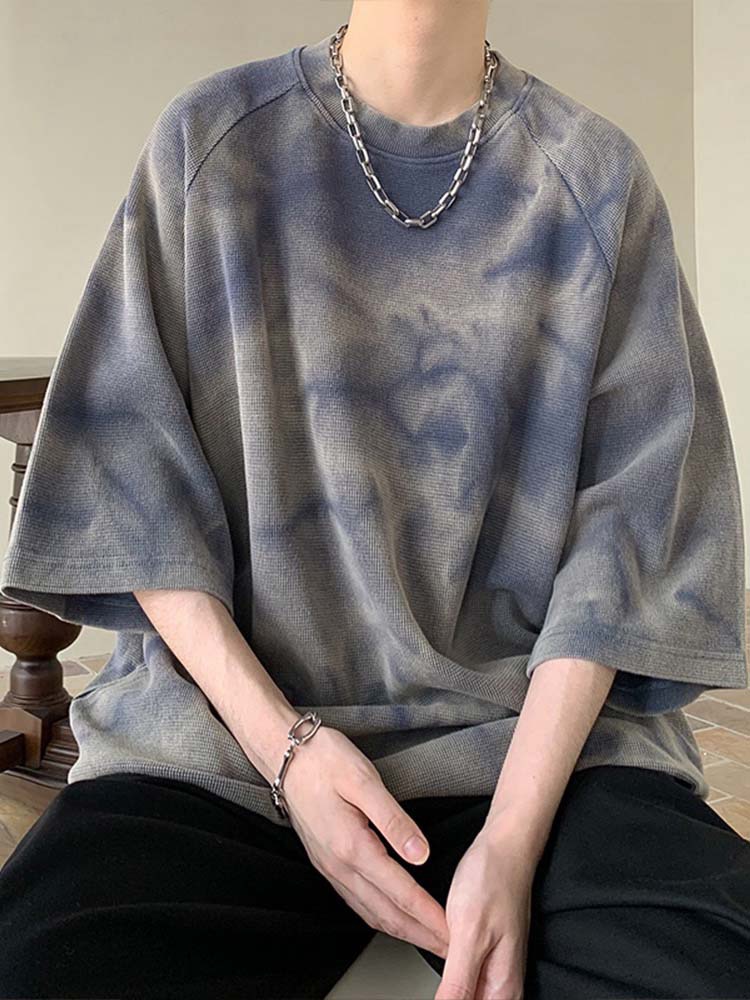
A custom T-shirt manufacturer needs to control more than artwork. EDVORIN develops jersey weights, silhouettes, neck rib, seams, labels, screen printing, transfers, embroidery and wash effects, with approved placement and measurement standards supporting consistent retail production.
Get a Quote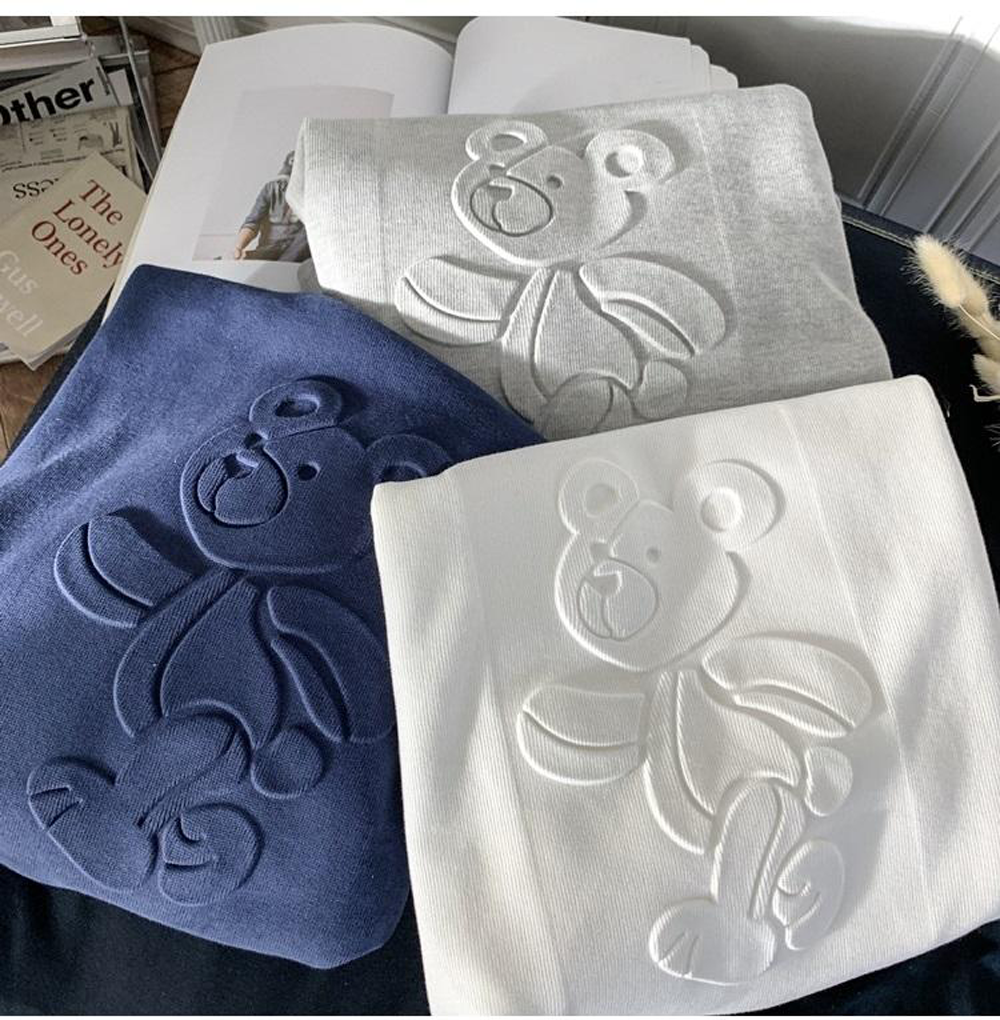
Custom Polo Shirts
EDVORIN develops custom polo shirts around pique or performance fabrics, collar construction, plackets, cuffs, buttons, embroidery and fit. As a polo shirt manufacturer, the company supports corporate, school, sports, wholesale and private-label programs with documented specifications for repeatable production.
Get a Quote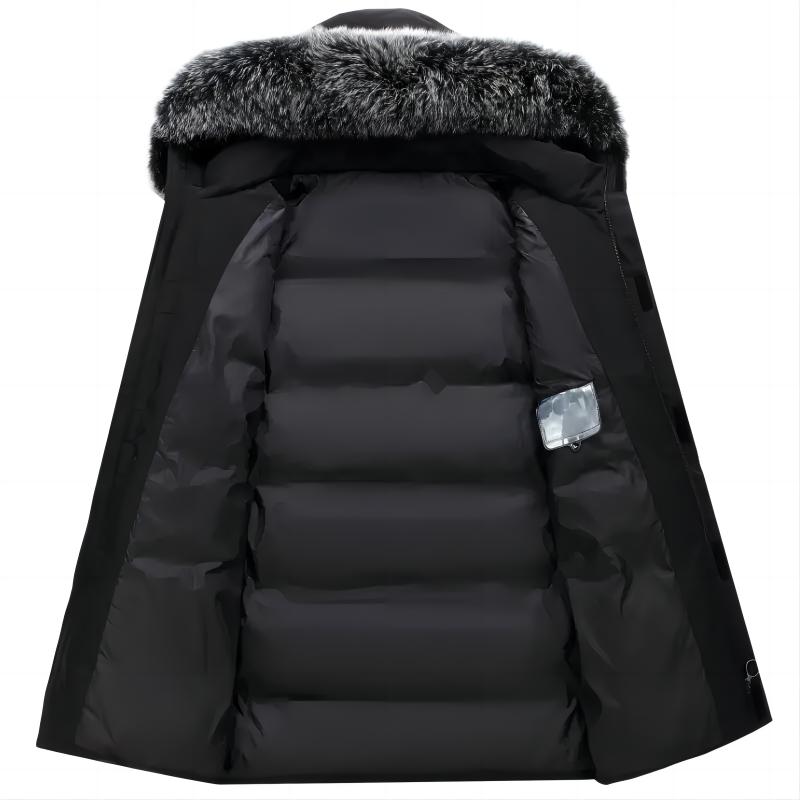
Windbreaker Jackets
As a windbreaker manufacturer, EDVORIN coordinates shell fabric, lining or mesh, water-resistant finishes, zippers, elastic, hoods, pockets and reflective or printed details. The development process connects lightweight performance needs with the styling and grading required for retail programs.
Get a Quote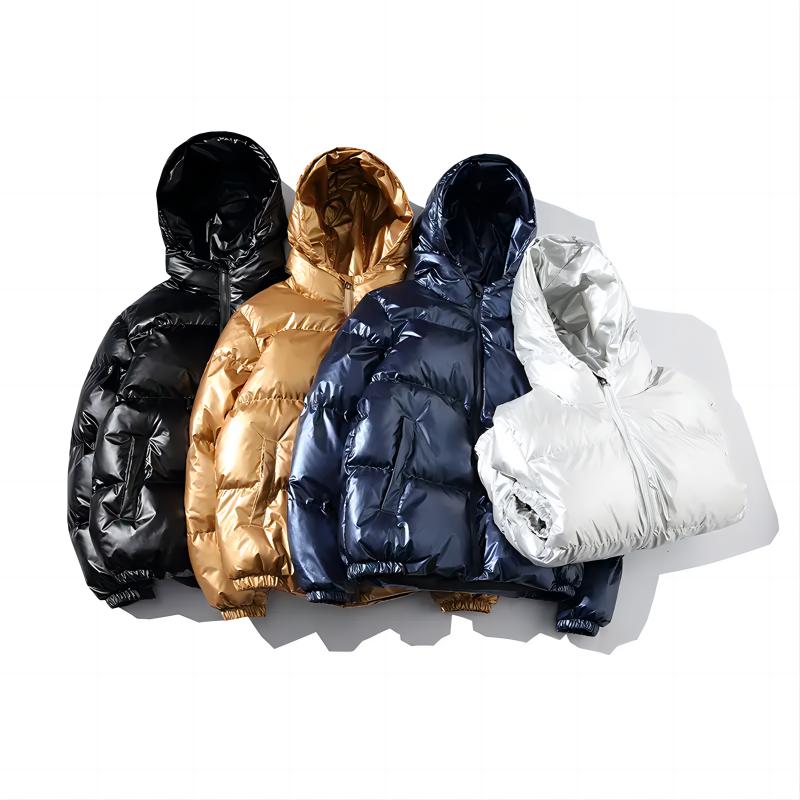
Quilted Jackets
EDVORIN develops quilted jackets by coordinating shell fabric, lining, insulation, quilting pattern, thickness, binding, hardware and finishing. As a quilted jacket manufacturer, the company helps buyers resolve warmth, weight, fit and construction requirements before approved standards guide bulk production.
Get a Quote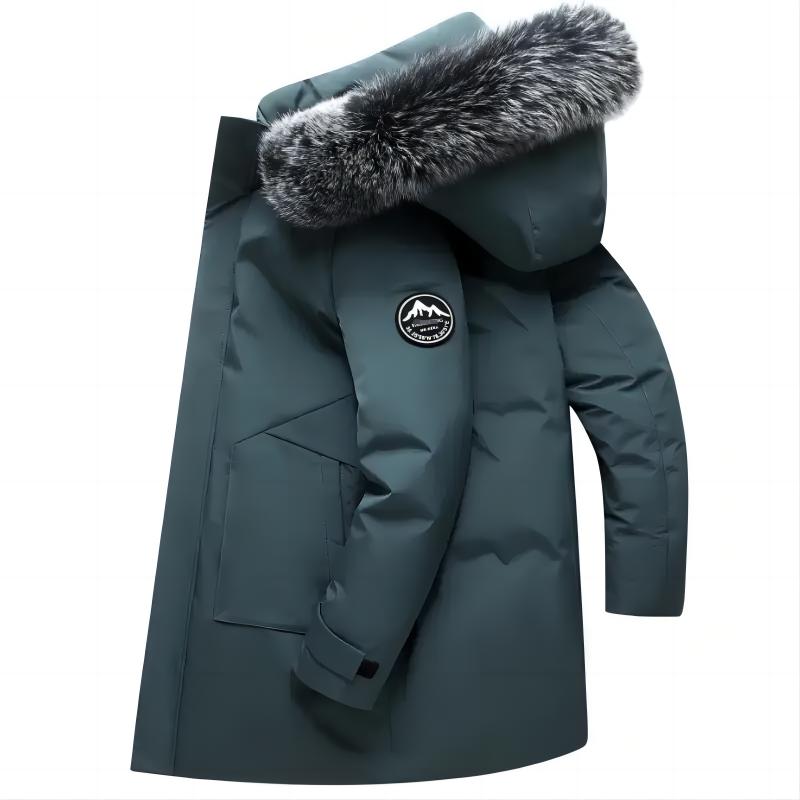
Bomber Jackets
A bomber jacket manufacturer must keep proportions, rib recovery and hardware consistent across production. EDVORIN develops bomber jackets with coordinated shell, lining, insulation, zippers, pockets, decoration and fit blocks for streetwear, fashion, uniform and private-label collections.
Get a Quote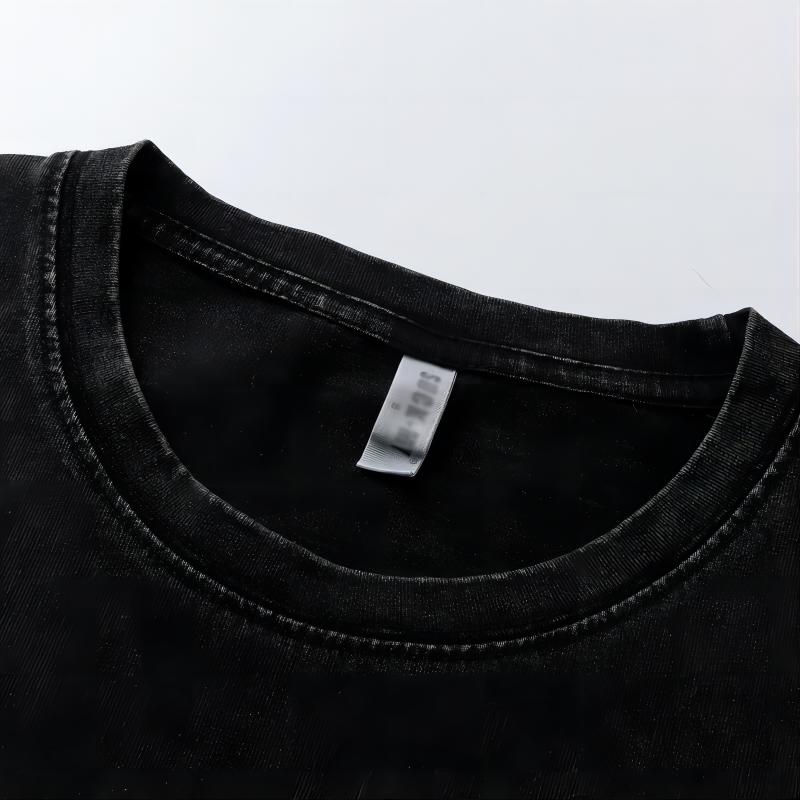
Custom Shirts
EDVORIN develops custom woven shirts with attention to fabric construction, collar, placket, cuffs, buttons, pocket details, hems and wash or finishing requirements. As a custom woven shirt manufacturer, the company supports fashion, workwear, streetwear and wholesale specifications from sample through bulk.
Get a Quote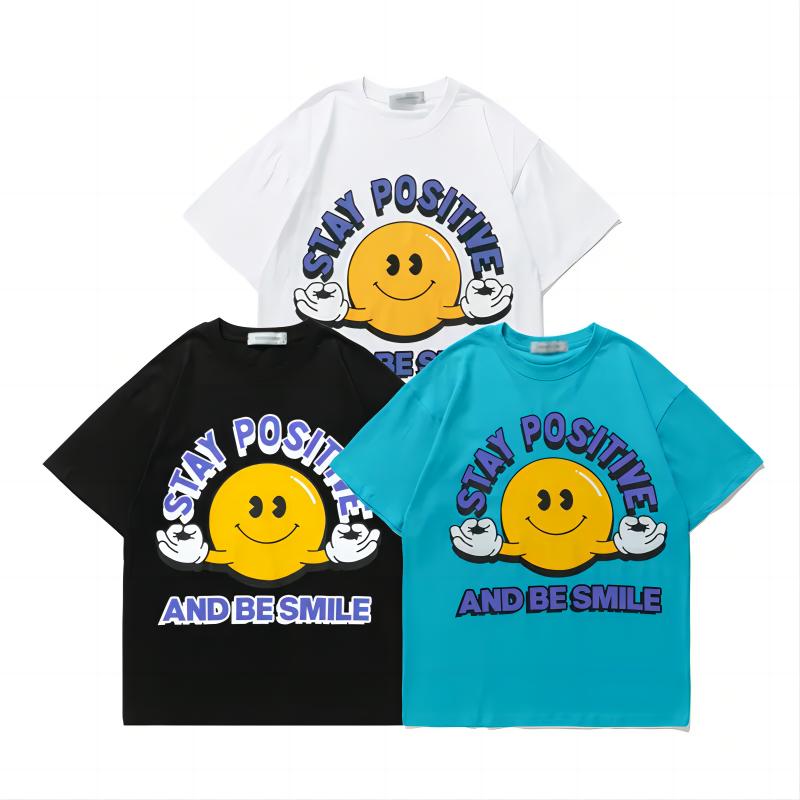
Custom Jerseys
A custom jersey manufacturer must control fabric performance, color, artwork, trims, numbering and grading across an entire size set. EDVORIN develops jerseys for clubs, teams, schools and sports brands with decoration and repeat-order standards documented before production.
Get a Quote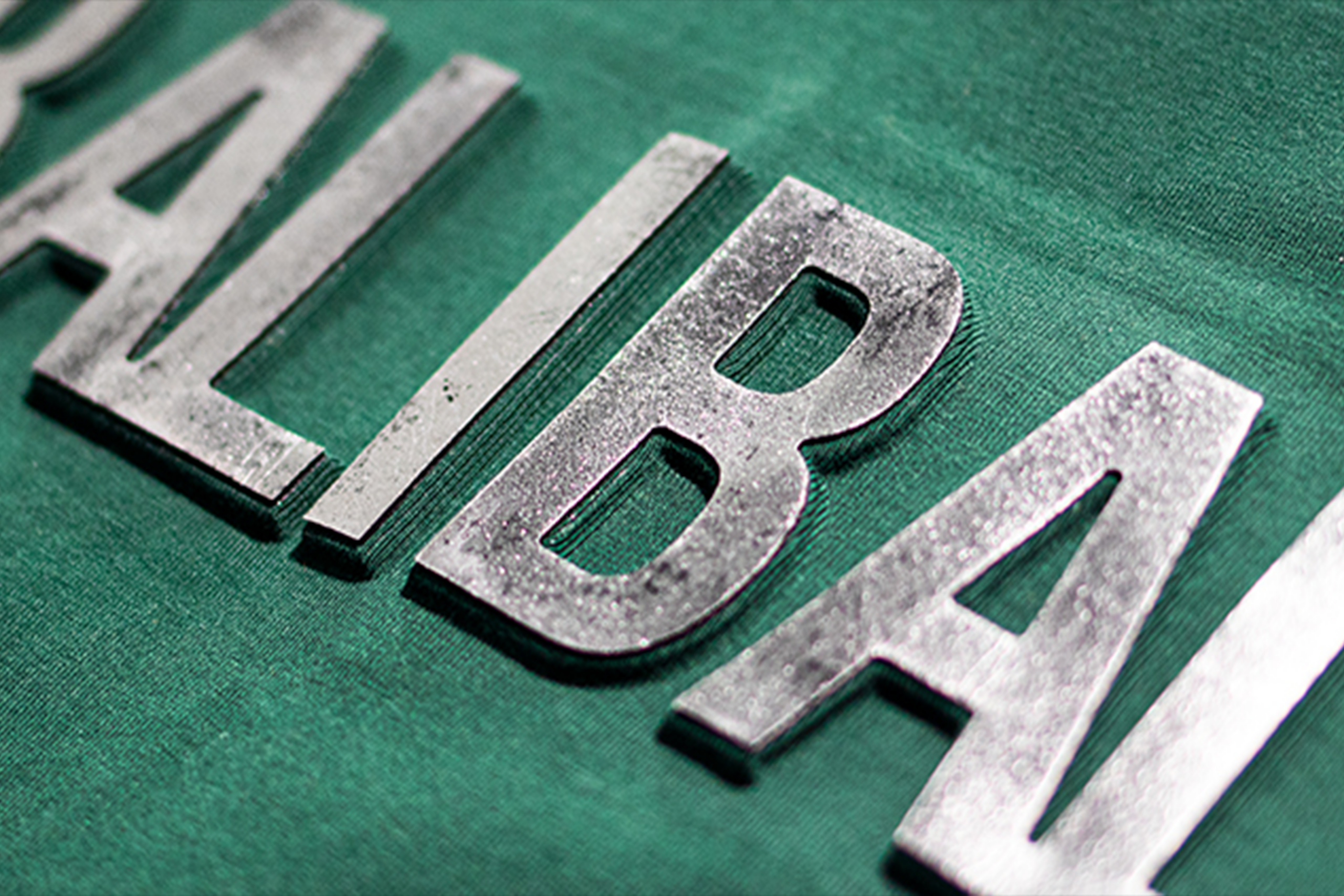
Tank Tops
EDVORIN develops tank tops using fabric, binding, armhole, neckline, body length and fit decisions suited to casualwear, activewear or streetwear. As a custom tank top manufacturer, the company coordinates decoration, labels and men’s or women’s grading for consistent production.
Get a Quote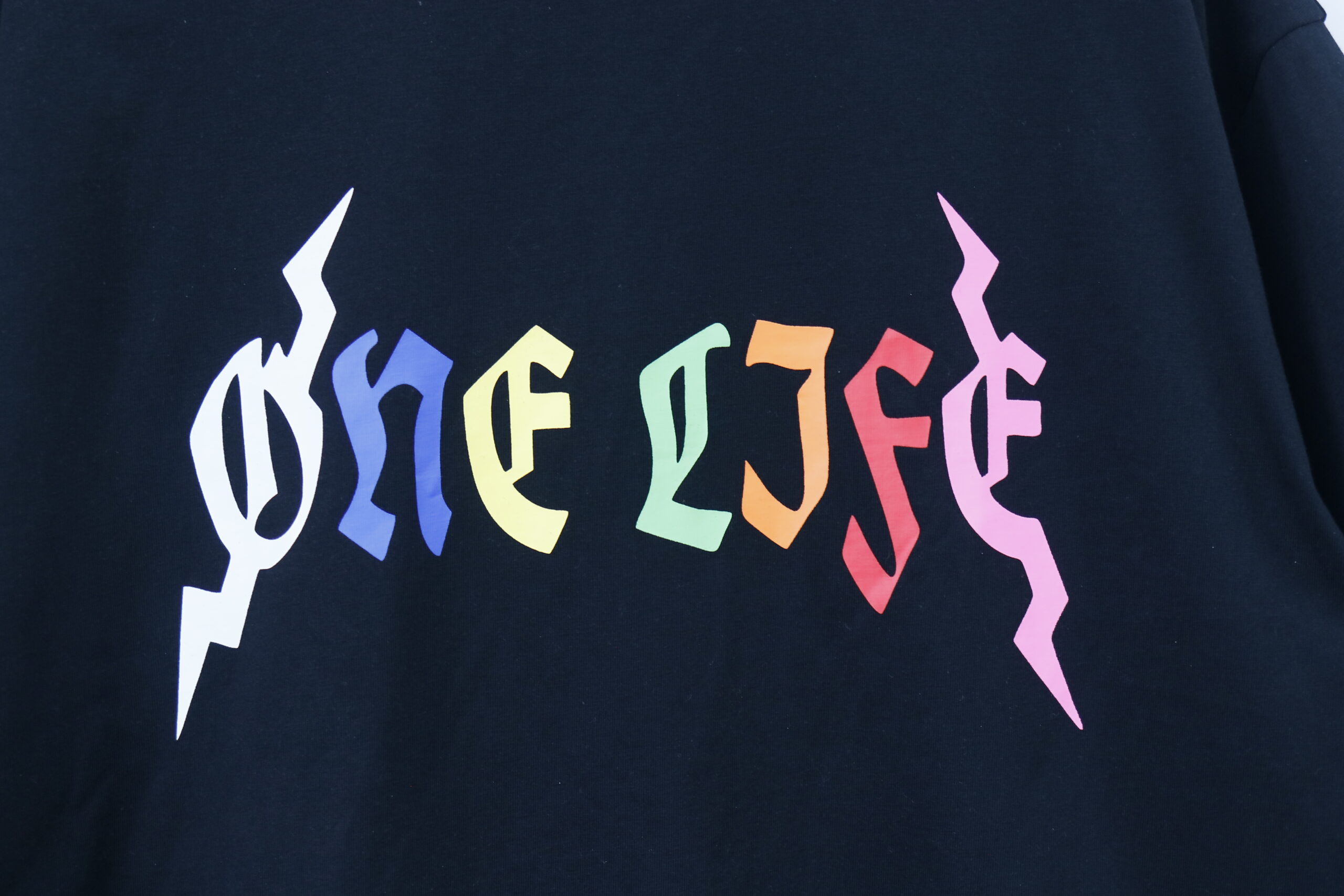
Soccer Uniforms
As a soccer uniform manufacturer, EDVORIN coordinates breathable performance fabrics, shirt and short construction, color blocking, sublimation or other decoration, names, numbers, badges and size grading. Organized specifications help clubs, academies and distributors manage complete teamwear orders.
Get a Quote
Basketball Uniforms
EDVORIN develops basketball uniforms around lightweight performance fabrics, armhole and neckline construction, side panels, shorts, color placement, numbers, names and grading. As a basketball uniform manufacturer, the company supports schools, clubs, teams and wholesale programs with controlled repeat production.
Get a Quote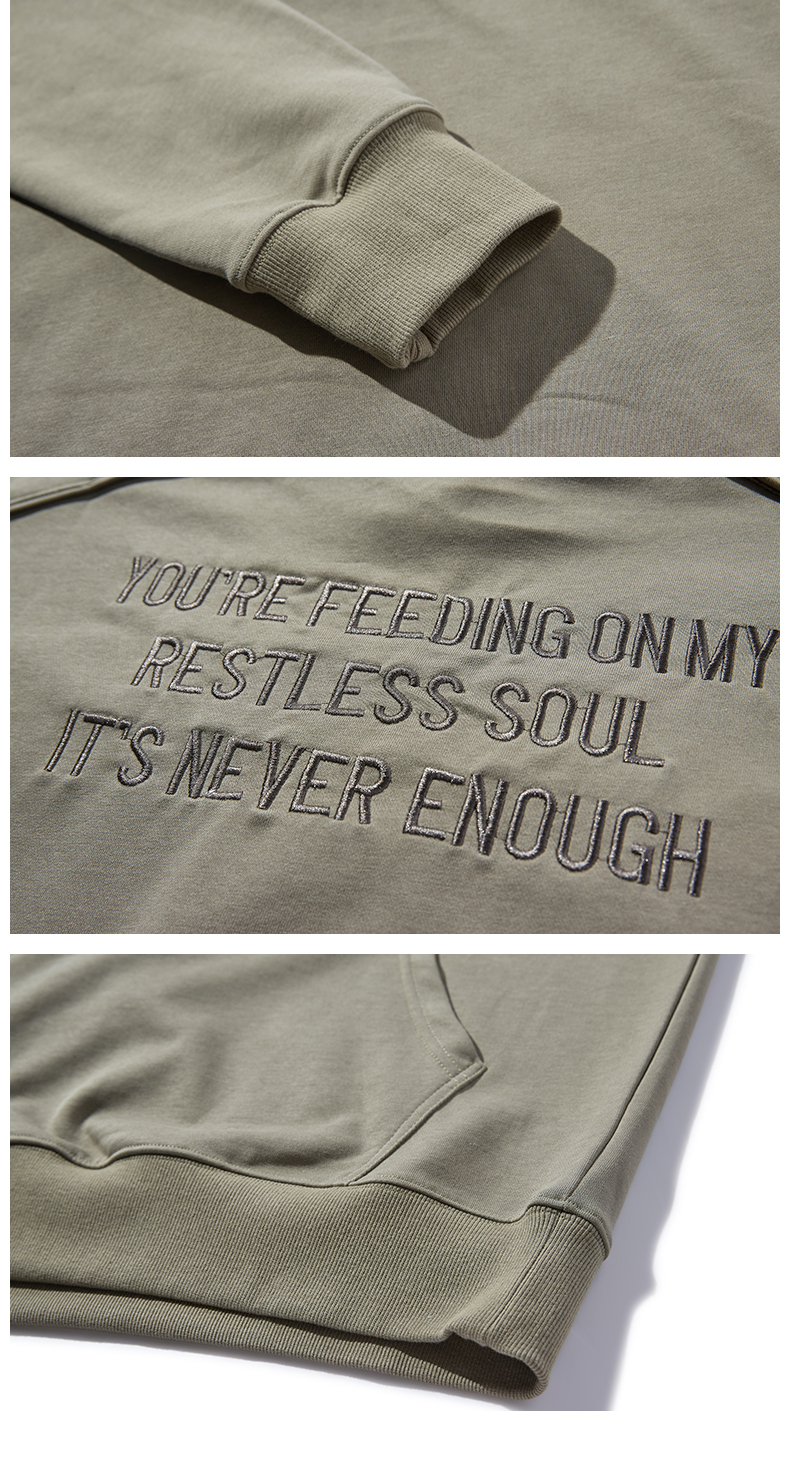
Streetwear Collections
As a streetwear clothing manufacturer, EDVORIN connects hoodies, T-shirts, sweatshirts, bottoms, jackets and accessories into coordinated collections. Product development, fabric sourcing, washing, printing, embroidery, labeling and packaging are managed against shared standards so each style supports the same brand direction.
Get a QuoteMaterials for Retail-Ready Apparel
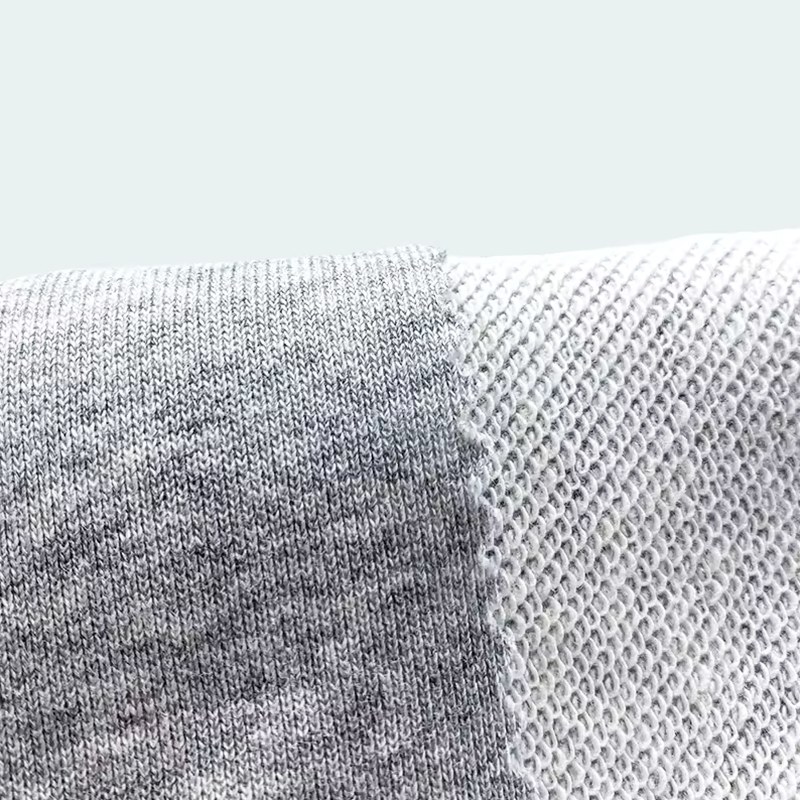
Cotton Terry
Cotton terry offers a soft, looped interior with a comfortable, structured hand. It suits hoodies, sweatshirts and casual separates, while its absorbent construction supports everyday retail apparel programs.
French Terry
French terry combines a smooth outer face with a lightly looped inner surface for versatile comfort. It works well for sweatshirts, joggers and lightweight streetwear, balancing softness with breathable wear.
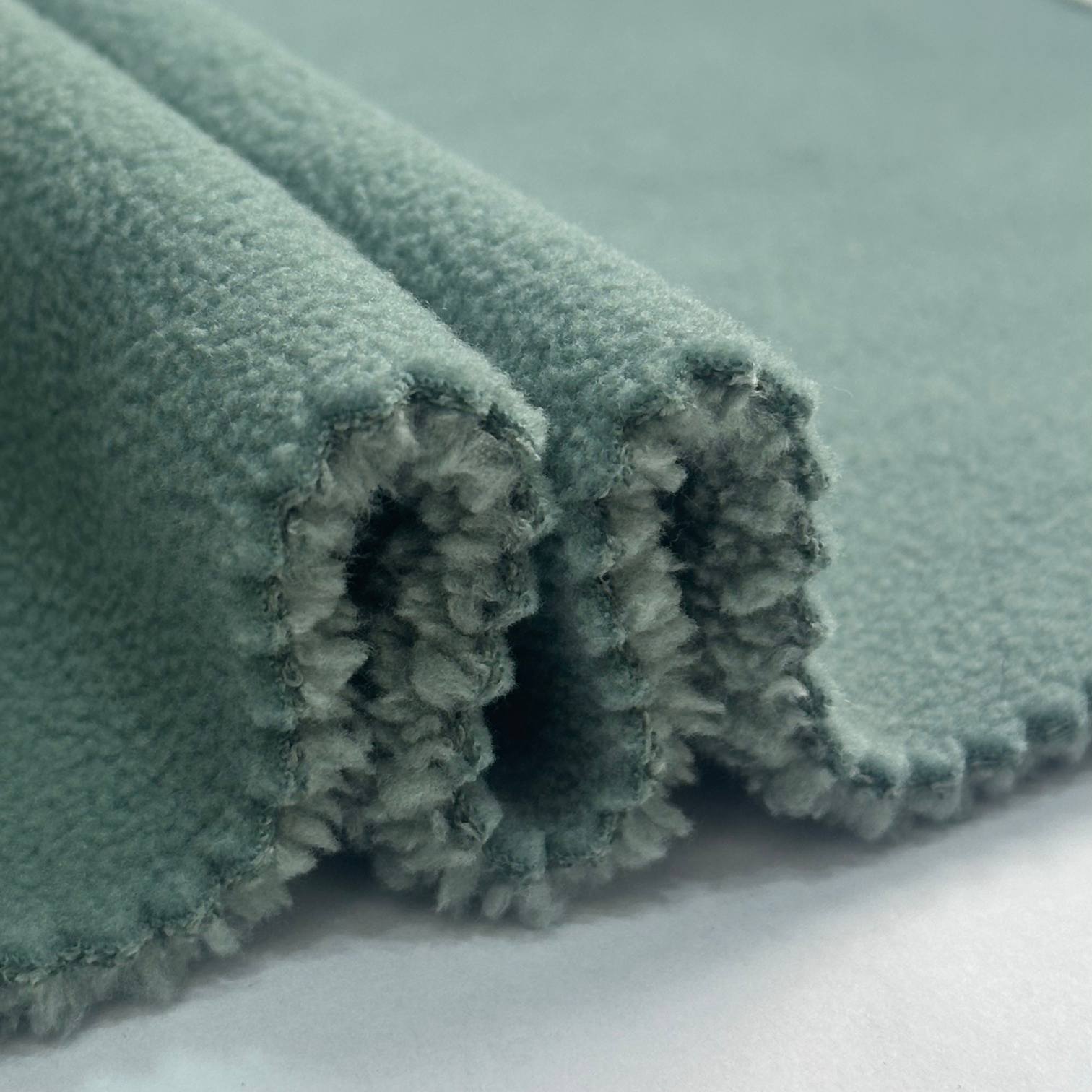
Polar Fleece
Polar fleece provides a warm, brushed hand-feel with lightweight comfort. It is suited to sweatshirts, jackets and seasonal layers where insulation, easy wear and a soft surface are important.
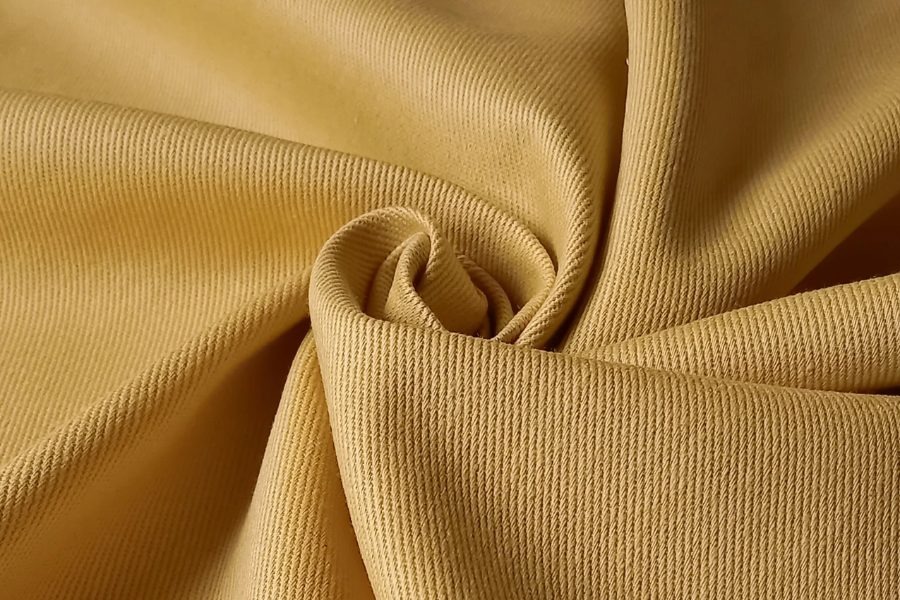
Heavyweight Twill
Heavyweight twill has a firm, durable hand and visible diagonal weave. It is commonly suited to varsity jackets, overshirts, work-inspired streetwear and structured outerwear requiring shape retention.
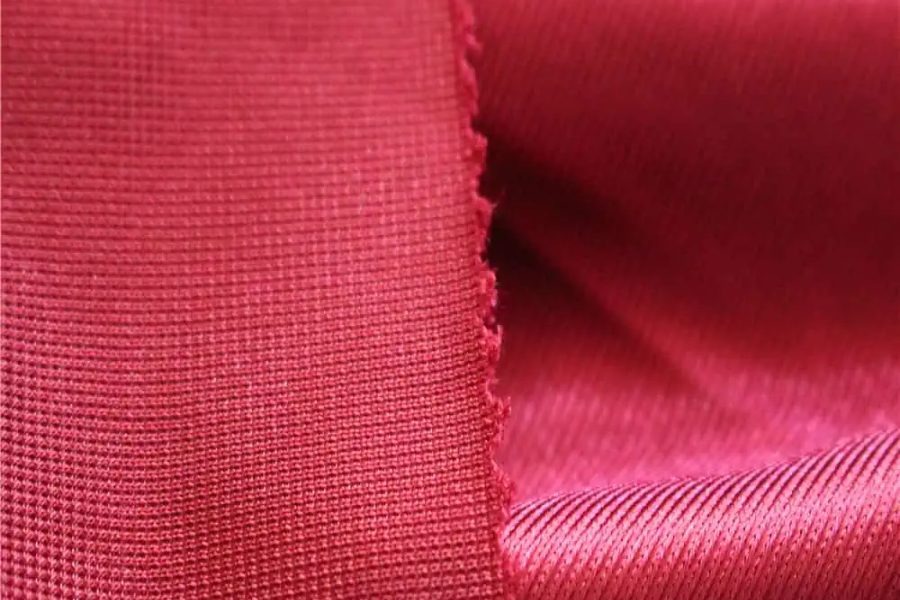
Polyester Tricot
Polyester tricot offers a smooth hand-feel, stable surface and flexible wear. It fits sportswear, team jerseys and coordinated uniforms where consistent color, comfortable movement and repeatable decoration matter.
Decoration and Garment Processes
Precision Cutting
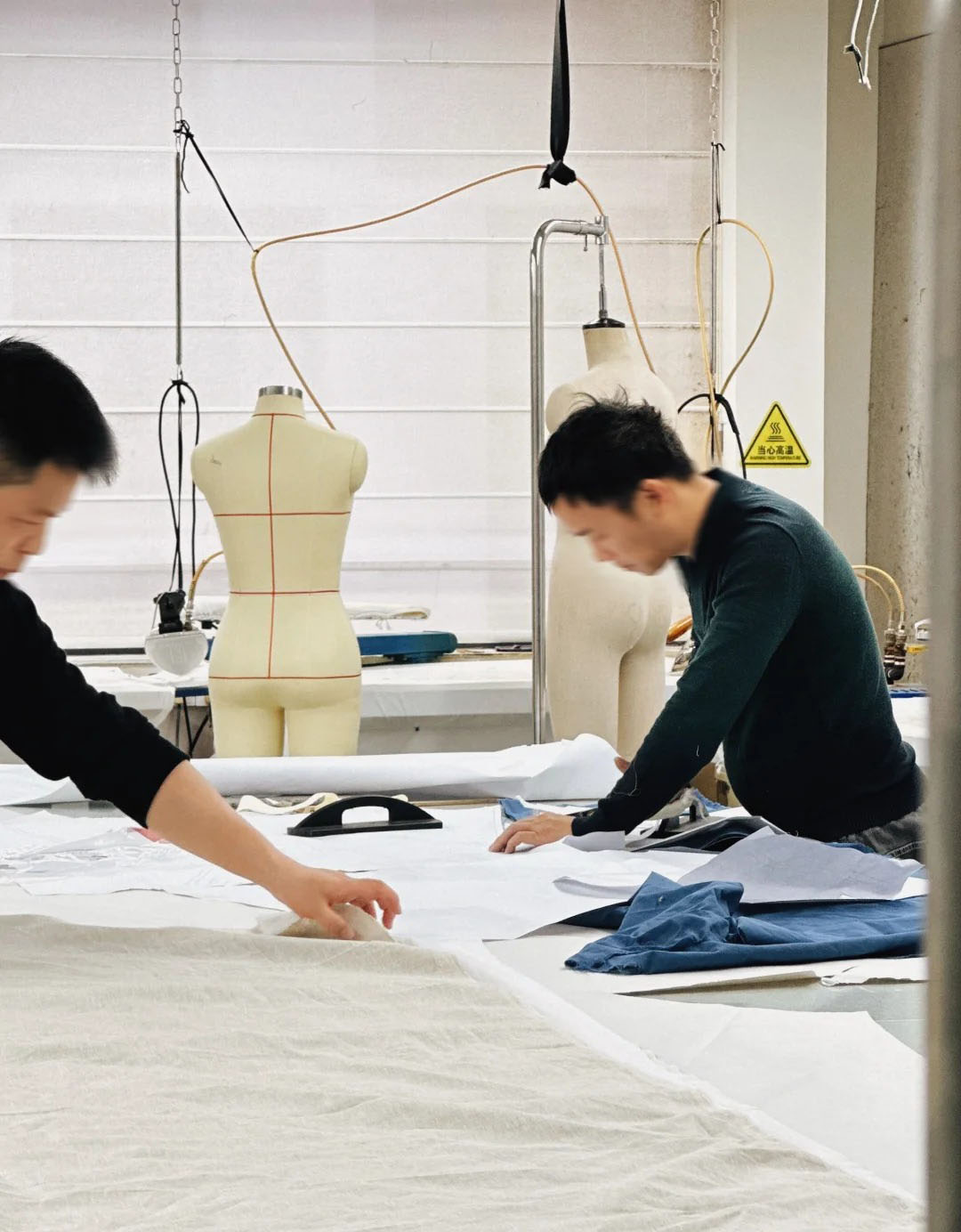
Fabric is cut from approved patterns and material specifications, supporting accurate proportions across sizes. Controlled cutting helps protect panel alignment, garment balance and consistency between samples and bulk retail orders.
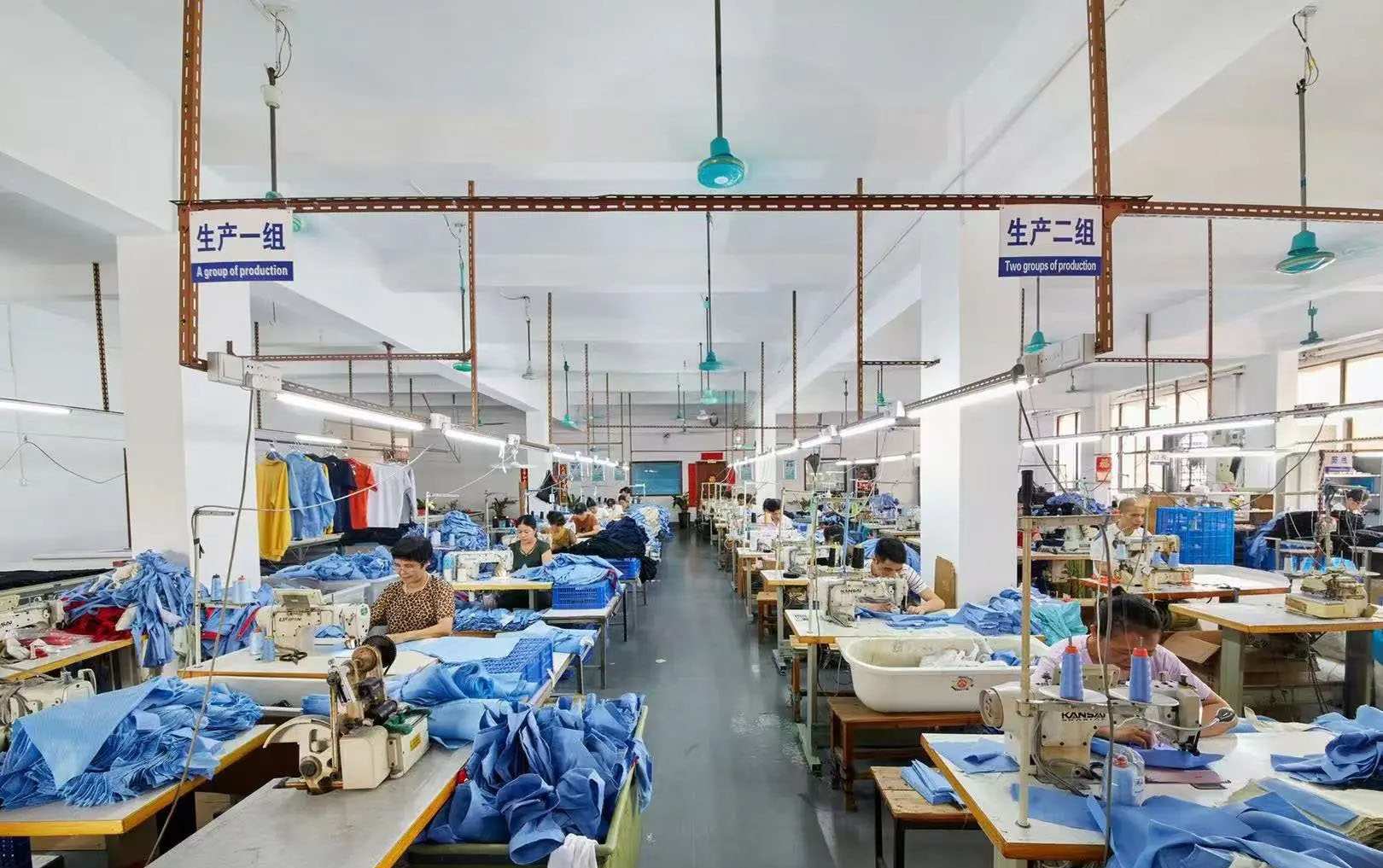
Structured Sewing
Sewing follows the approved construction details for each category, from hoodies and joggers to jackets, shirts and uniforms. Seam treatment, reinforcement and assembly are managed for dependable fit and repeatable production.
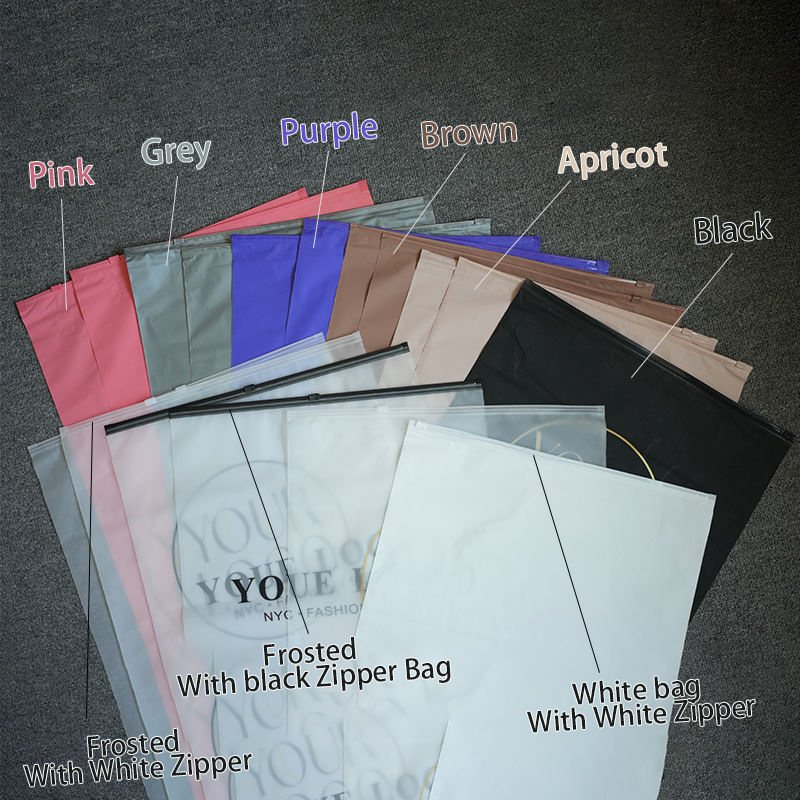
Finishing And Packing
Finishing brings the order together through thread trimming, inspection, labeling, folding and packaging. These final checks help confirm that decoration, measurements, branding details and presentation match the buyer-approved standard.
Trims and Branding Details for a Clothing Manufacturer for Retailers
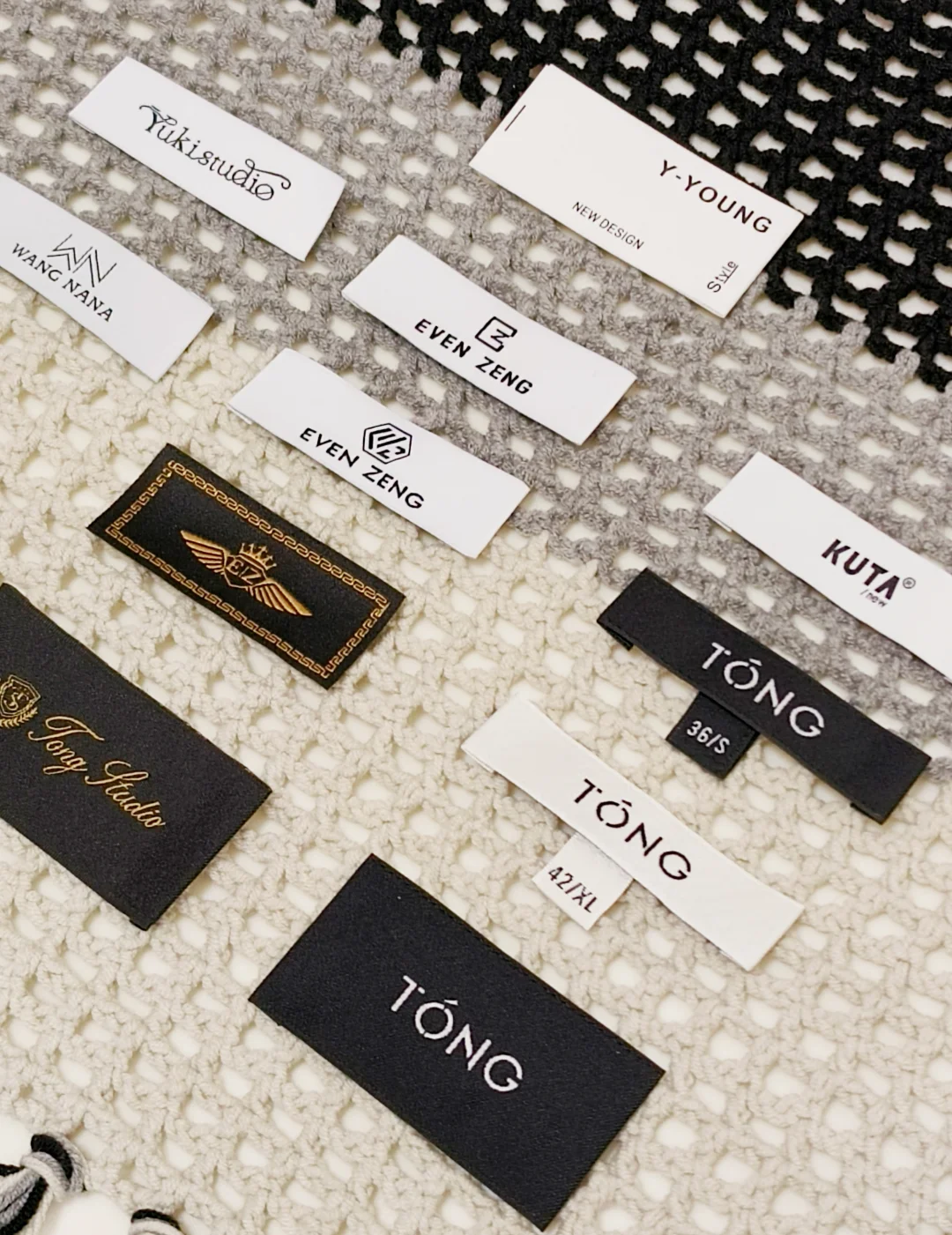
Woven Labels
Custom woven labels identify your brand across hoodies, T-shirts, jackets and teamwear. EDVORIN coordinates label size, weave, fold, attachment and placement so every garment presents a consistent retail identity.
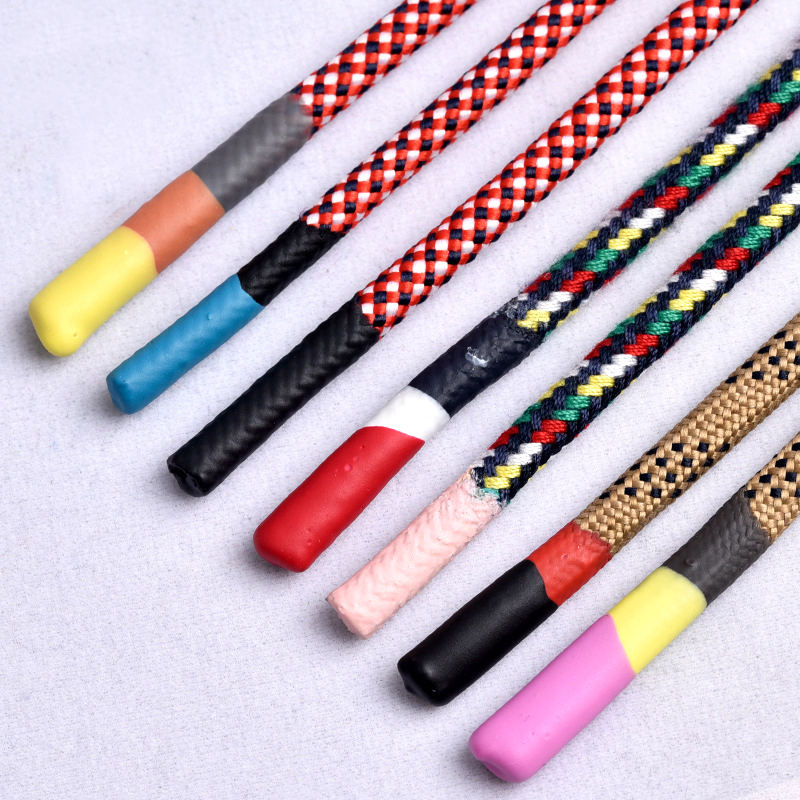
Drawcord Tipping
Drawcords and tipping details add function and a finished look to hoodies, sweatpants and joggers. Choose coordinated lengths, colors and end treatments that support the garment design and withstand regular wear.
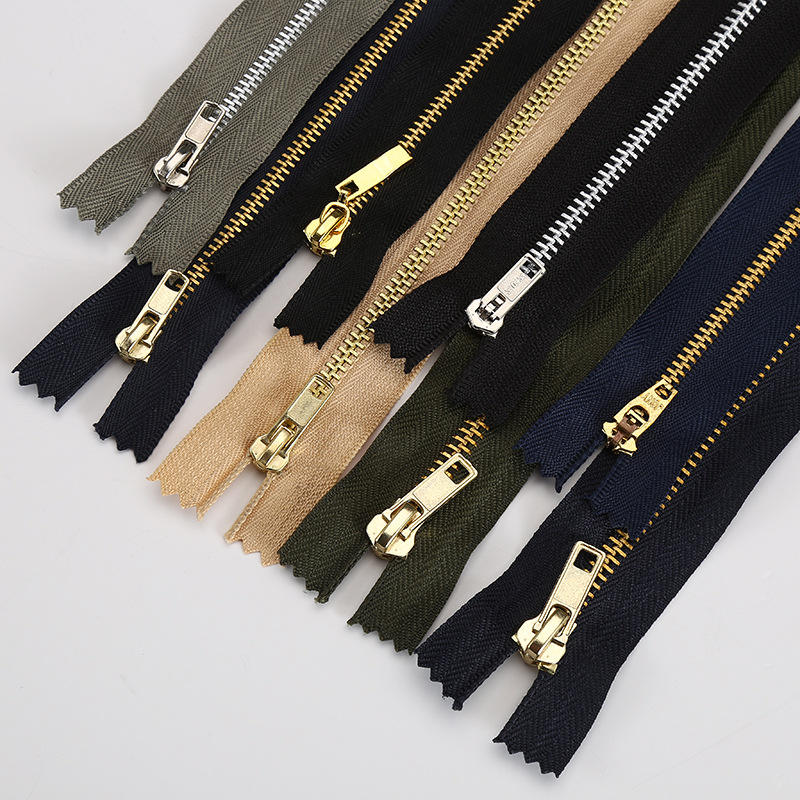
Zippers And Snaps
YKK zippers, snaps and other hardware can be specified for jackets, windbreakers, varsity styles and outerwear. EDVORIN aligns finishes, pullers, sizes and construction requirements with the approved product standard.
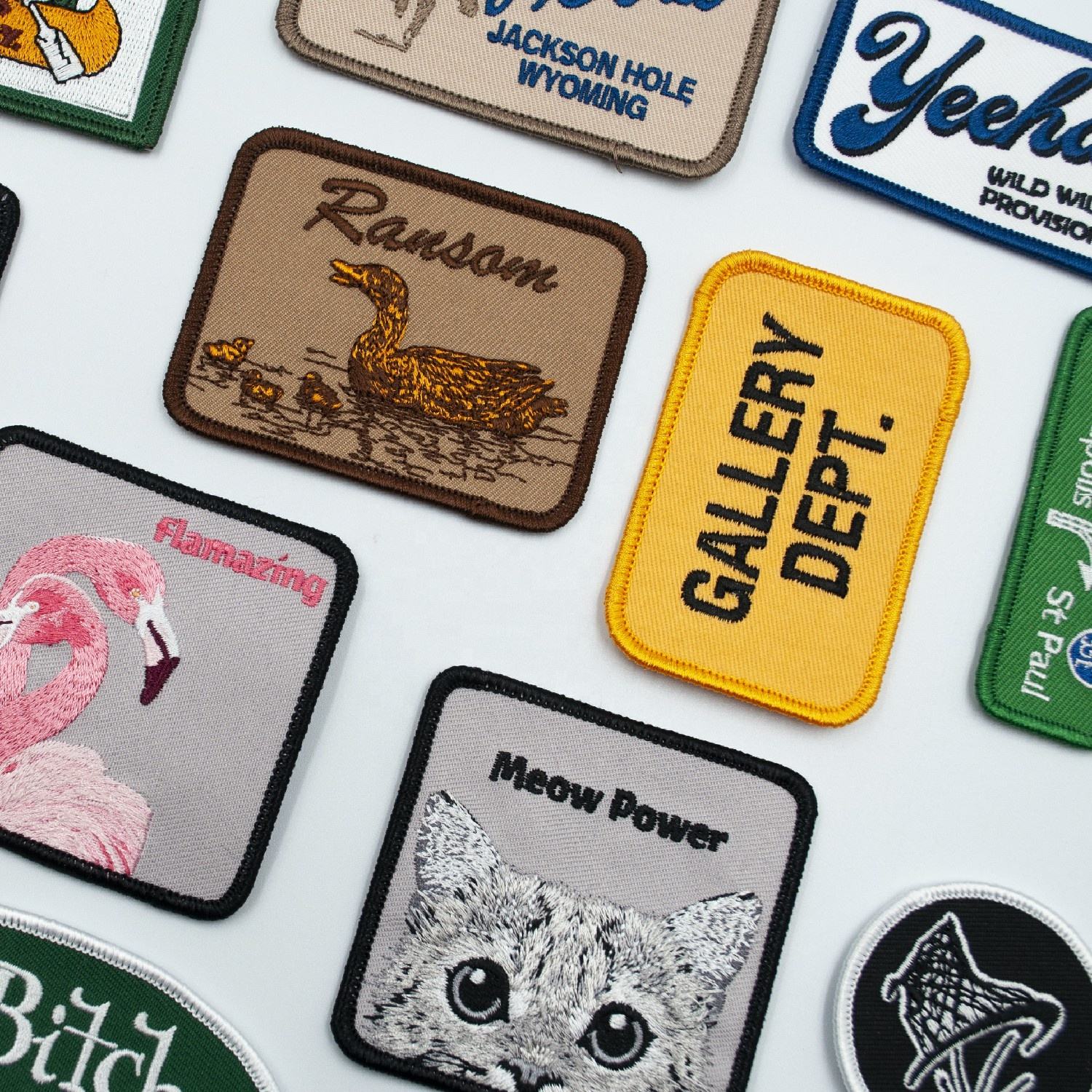
Private-Label Labels, Trims and Packaging
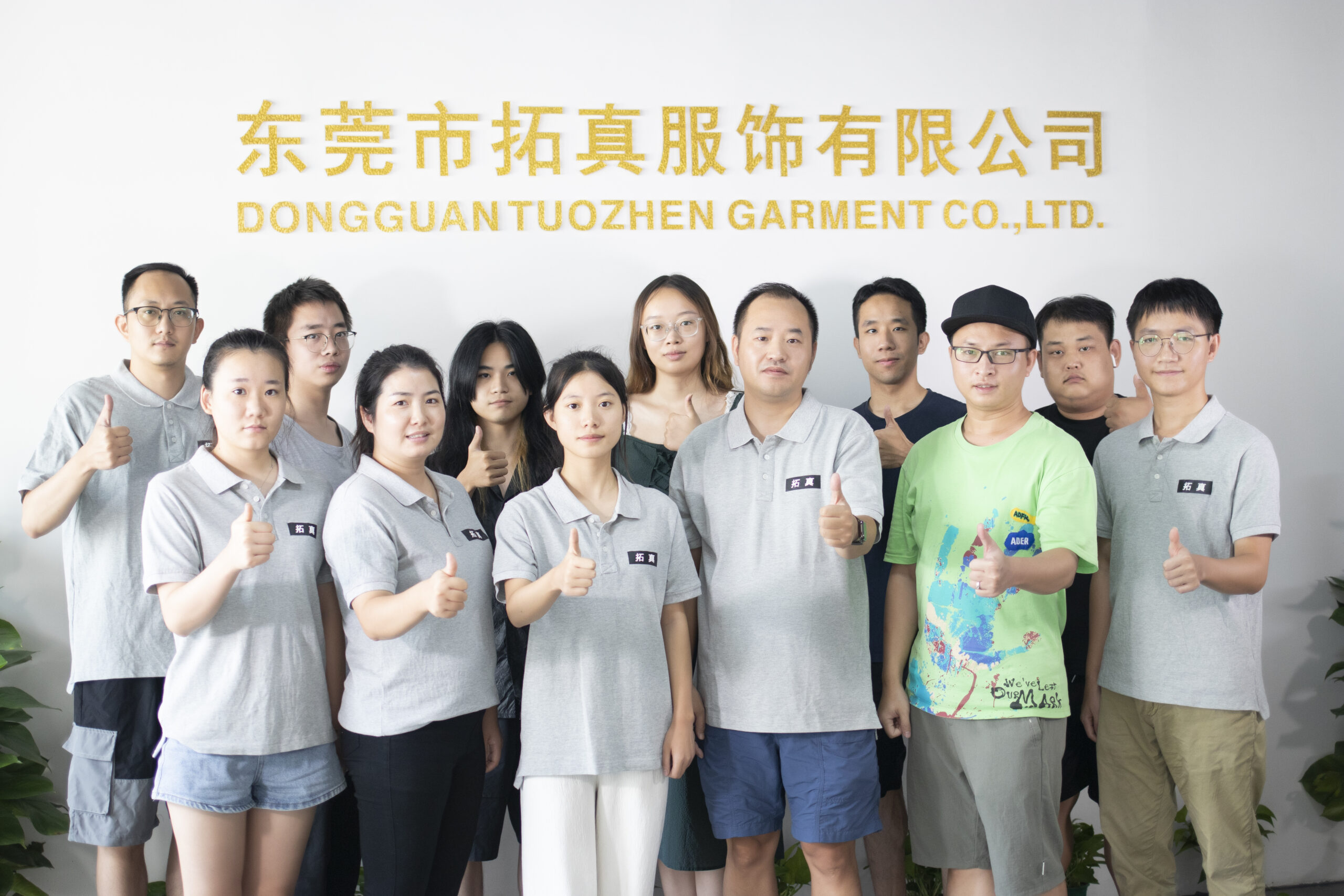
Founded by Edvorin Zeng in 2000, EDVORIN was built around a practical manufacturing mission: help apparel brands turn promising concepts into garments that can be reviewed, approved and reproduced. Today, the company supports fashion brands, streetwear labels, sports organizations, schools, wholesalers and private-label buyers across casualwear, outerwear and teamwear.
EDVORIN connects product development, fabric and trim sourcing, pattern making, sampling, decoration, washing, labeling, packaging and bulk production within one accountable workflow. Whether a retailer arrives with a complete tech pack or an early concept, the team develops the materials, fit, construction and details required for a clear manufacturing standard.
What distinguishes EDVORIN as a clothing manufacturer for retailers is the discipline applied after the first sample. Approved references guide in-line inspections, measurement checks, decoration control and final quality review, helping protect consistency across repeat orders. OEM, ODM and private-label programs begin at 200 pieces per style, with men’s and women’s development available across every listed category.
Core Capabilities of a Clothing Manufacturer for Retailers
Develop Products for Repeat Production
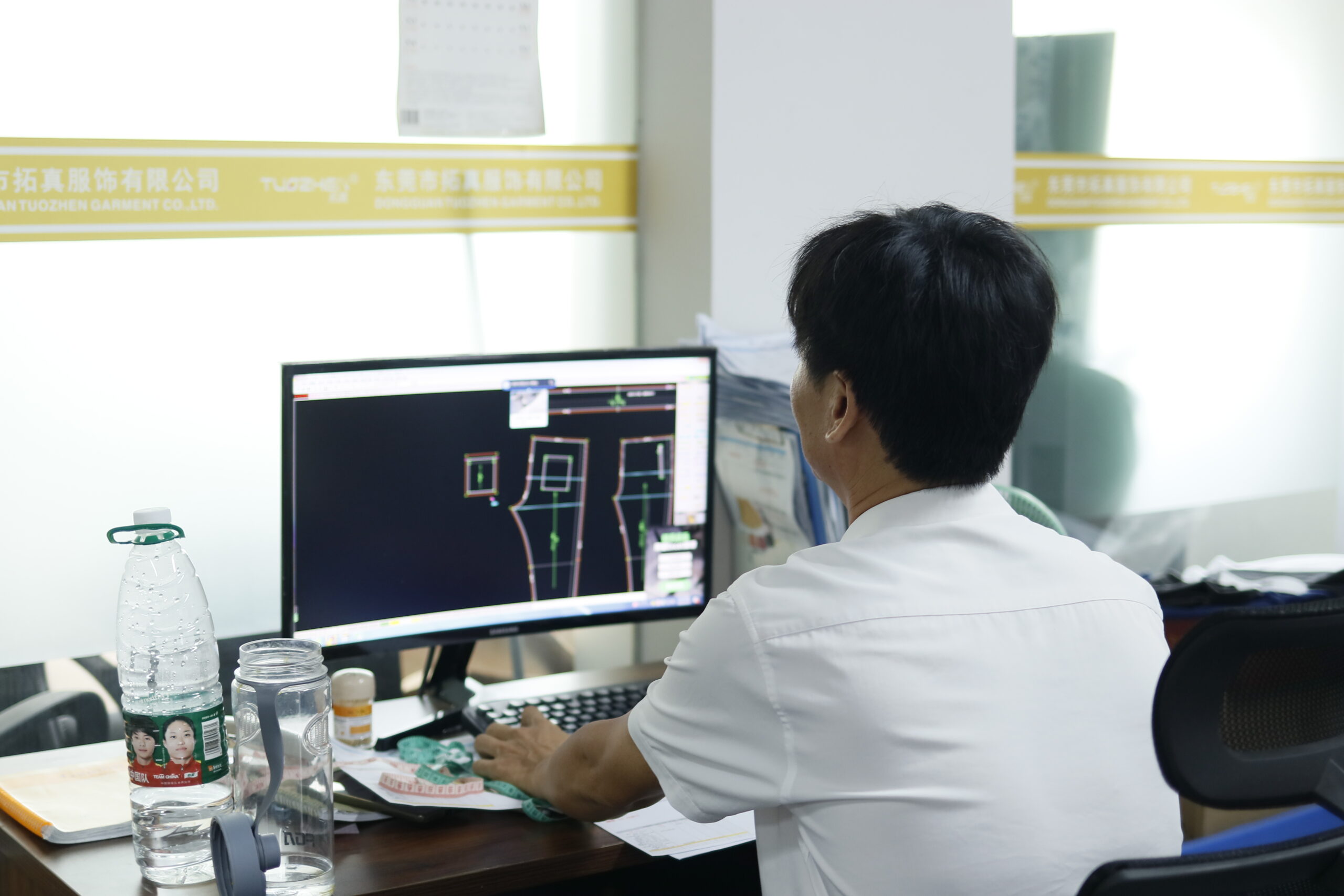
EDVORIN turns sketches, reference garments and tech packs into production-ready specifications. Product development aligns fit, construction, grading and styling details for men’s and women’s collections, giving retailers a clear standard that can be reviewed, approved and reproduced across future orders.
- OEM, ODM and private-label development
- Fit blocks and grading for intended markets
- Patterns, samples and technical revisions
- MOQ starts at 200 pieces per style
Coordinate Materials and Trims
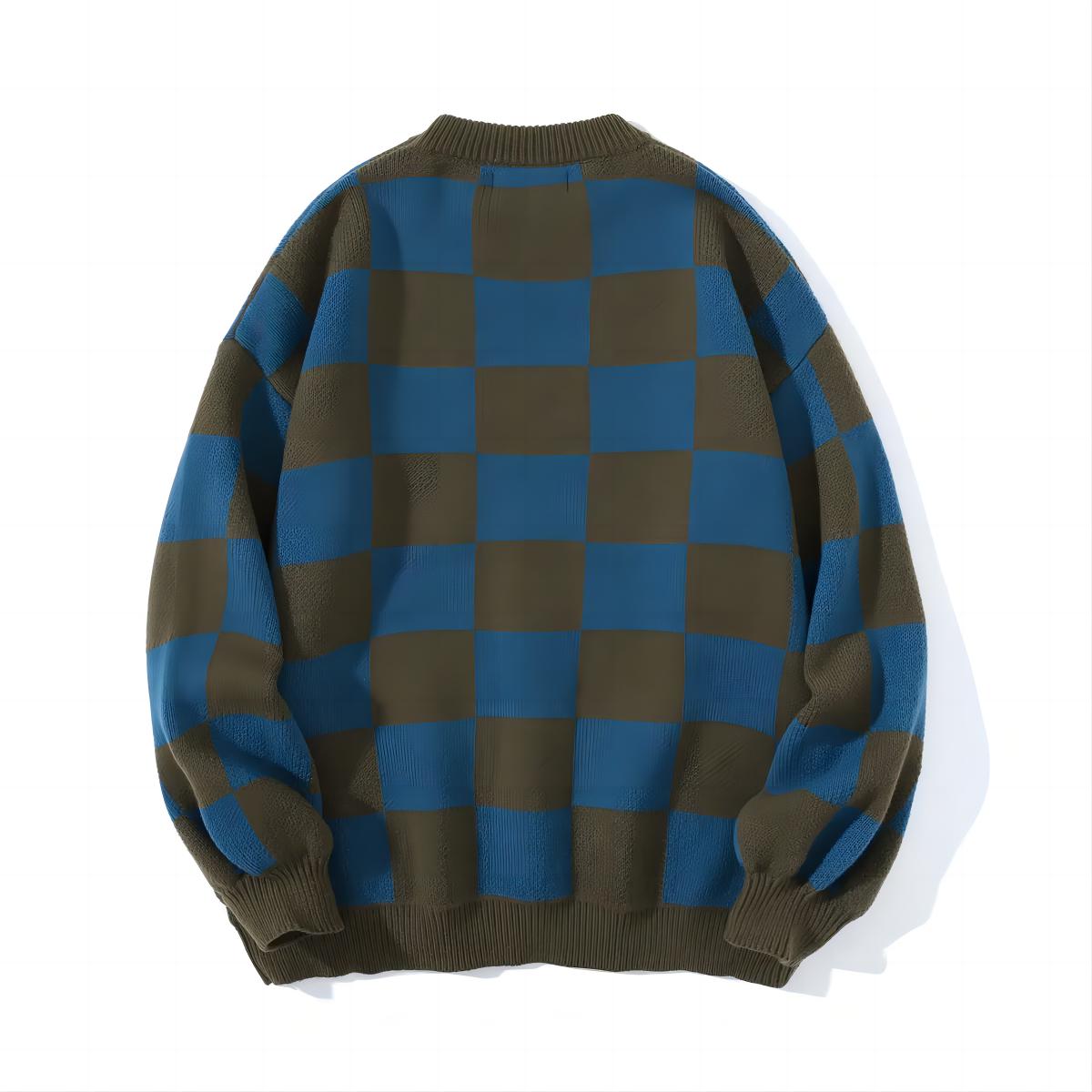
Every garment depends on coordinated materials and components. EDVORIN helps align fabric selection, weight, color, rib, lining, hardware, labels and packaging with the product’s intended use, appearance and price position, reducing specification gaps before production begins.
- Fabric and trim sourcing coordination
- Material choices matched to category requirements
- Labels, hangtags and packaging planning
- Clear specifications for approved components
Control Decoration by Category
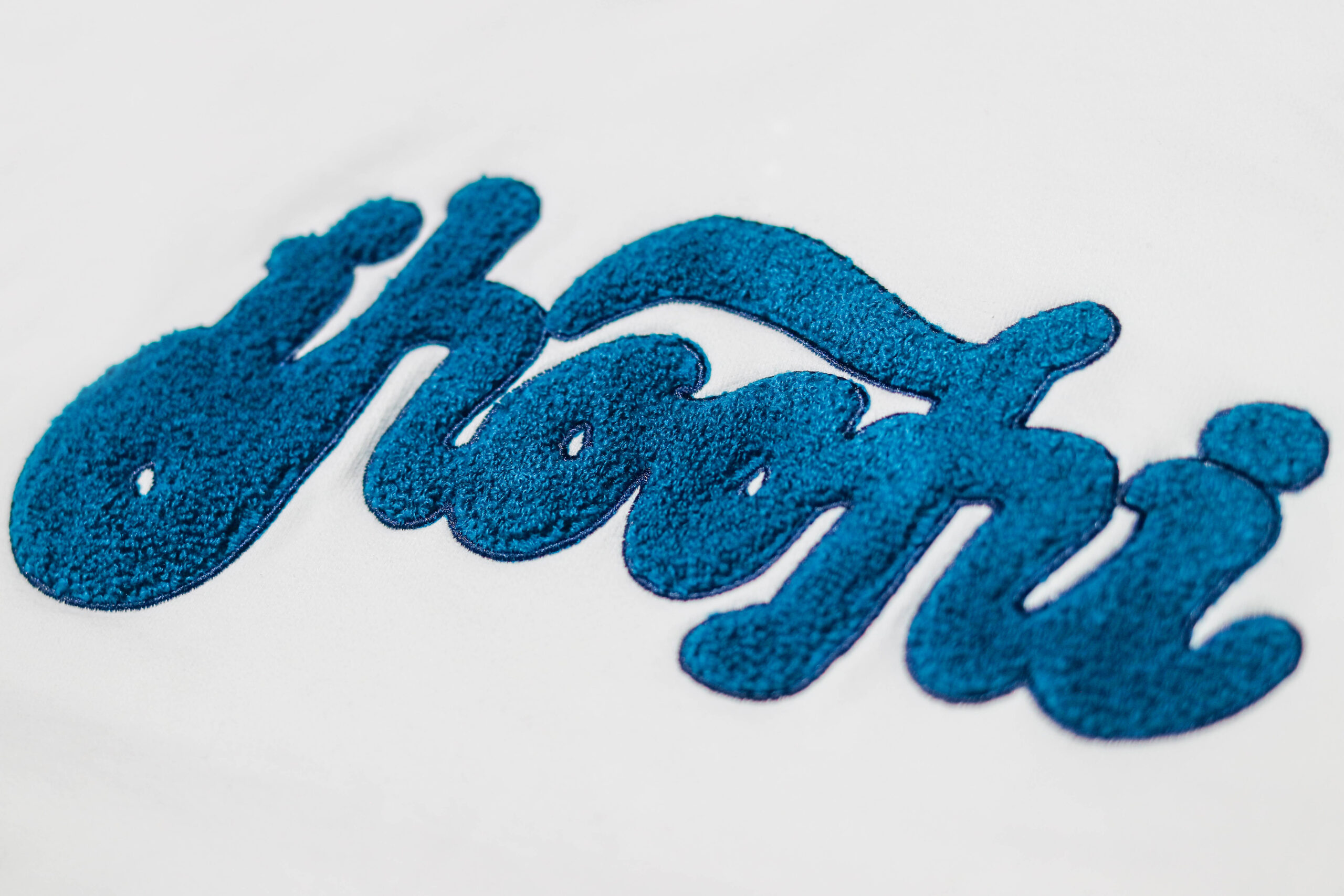
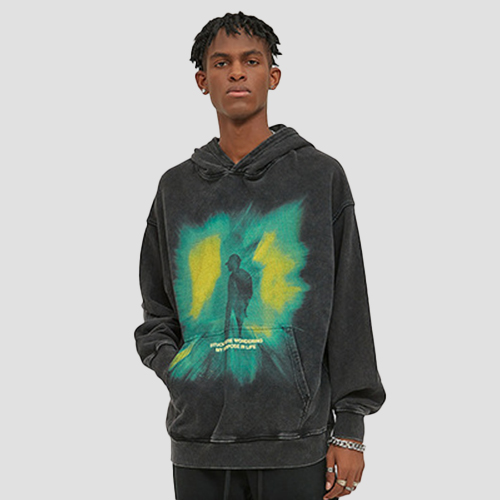
Decoration is developed around the garment, not added as an afterthought. EDVORIN coordinates printing, embroidery, patches, washing and placement details according to fabric behavior, design intent and product category, helping retail collections maintain a consistent visual standard.
- Printing and embroidery development
- Artwork placement and size specifications
- Category-specific decoration recommendations
- Repeatable color and finish standards
Protect Standards from Sample to Bulk
A finished sample is the beginning of production control. EDVORIN carries approved measurements, materials, trims and decoration references into bulk manufacturing, with in-line checks and final inspection designed to identify variation before the order reaches packing.
- Approved samples guide bulk production
- Measurement and construction checks during manufacturing
- Quality control across finishing and packing
- Built for reliable repeat orders
EDVORIN’s Integrated Apparel Production System
Compare the production controls, category expertise and repeat-order support behind a dependable retail apparel program.
← Swipe left or right to view →
Our Clothing Manufacturer for Retailers Process
A structured production path that turns retail apparel concepts into approved, decorated and repeatable collections.
Review and Source
We review your tech pack, sketch or reference garment, confirm construction details, and align materials, measurements, trims, quantities and quality expectations before development begins.
Develop and Approve
EDVORIN sources suitable fabrics and trims, then develops patterns, fit samples and revisions for men’s and women’s programs until the approved standard is ready.
Cut and Decorate
Approved specifications guide cutting and sewing, while printing, embroidery, washing and other category-specific decoration are coordinated to protect placement, finish and repeatability.
Inspect Production
In-line and final inspections compare production against approved samples, measurements, artwork, color references and construction details before garments move to packing.
Pack and Ship
Labels, packaging and order checks are completed before shipment, creating a documented handoff that supports retail launch, replenishment and dependable repeat production.
From Concept to Repeat Order: EDVORIN’s Process
A clear path from your initial apparel idea to approved samples, controlled bulk production and dependable repeat orders.
Share Your Product Brief
Share your tech pack, sketch or reference garment. EDVORIN reviews construction, materials, fit, decoration and quantities to define a production-ready development brief.
Confirm Scope and Quotation
EDVORIN’s MOQ starts at 200 pieces per style. Receive a clear quotation covering development, materials, decoration, MOQ and production scope, with practical recommendations aligned to your retail collection and target market.
Approve the Production Sample
Review samples against the agreed specifications, then approve fit, measurements, colors, artwork placement, trims and packaging details before bulk production begins.
Build and Repeat with Confidence
EDVORIN coordinates production and quality checks, records the approved standard, and supports repeat orders with consistent specifications as your retail program grows.
Certified Standards for Responsible Apparel Production



Results from a Clothing Manufacturer for Retailers
EDVORIN helped us turn an early hoodie concept into an approved production standard, with fabric, fit, decoration placement and packaging documented clearly for bulk production.
The biggest improvement was repeat-order consistency. Our approved measurements, artwork placement and trim details gave the team a clear reference for extending the collection into new seasonal colors.
We started with a focused retail program at EDVORIN’s 200-piece minimum per style and later expanded from casualwear into coordinated teamwear without changing our core production workflow.
FAQ for Clothing Manufacturer for Retailers
EDVORIN’s MOQ starts at 200 pieces per style. Clear answers about MOQ, development, sampling, production, shipping and repeat orders with EDVORIN.
What is the MOQ for a clothing manufacturer for retailers?
How does a clothing manufacturer for retailers support product development?
How long does retail apparel production take?
Does EDVORIN charge for samples and development?
What payment terms are available for a clothing manufacturer for retailers?
Can a clothing manufacturer for retailers protect my designs and branding?
Can EDVORIN handle shipping and retail packaging?
Can I reorder the same retail apparel style later?
Retail Apparel Manufacturing FAQ
Use this practical decision framework to compare clothing manufacturer for retailers options, assess supplier capabilities and costs, protect quality and margins, and avoid common sourcing mistakes before placing your first production order.
1. What Is a Clothing Manufacturer for Retailers?
2000 marks EDVORIN’s foundation as a B2B apparel manufacturing partner that helps turn a retailer’s concept, sketch, reference garment, or tech pack into a reproducible product standard. A clothing manufacturer for retailers coordinates development, material sourcing, patterns, sampling, decoration, washing, quality control, bulk production, labeling, packaging, and delivery. 5 common models describe the relationship: private-label production makes garments for sale under the buyer’s brand; white-label production applies branding to an existing base style; OEM manufacturing follows the buyer’s specifications; ODM adapts a manufacturer’s developed product; and cut-and-sew services focus on pattern cutting, sewing, and finishing from supplied or jointly developed specifications. 8 buyer groups can use this structure, including fashion brands, streetwear labels, sports clubs, schools, wholesalers, distributors, corporate buyers, and private-label programs.
2. Evolution of Clothing Manufacturing for Retailers
EDVORIN’s MOQ starts at 200 pieces per style. Before the 20th century, apparel was largely made through local workshops and regional sewing trades, with fit and finishing shaped by direct customer contact. Industrial factories later standardized cutting, sewing and factory-made basics, making larger retail assortments possible but often reducing customization. By 2000, global supply chains had connected design, textile production, decoration, assembly and shipping across multiple regions. clothing/top-10-private-label-clothing-manufacturers). In the 2020s, lower-MOQ production, digital sampling and on-demand or small-batch models help buyers test demand before committing to larger runs. Retail priorities now extend beyond unit cost: speed, customization, transparent specifications, repeatable quality, responsible sourcing and documented approvals determine whether a clothing manufacturer for retailers can support controlled growth.
3. Types of Clothing Manufacturers for Retailers
Six supplier models cover most retail apparel programs, from concept development to decoration-only work.
| Model | Best fit | Main trade-off |
|---|---|---|
| Full-package | Complex collections | Higher coordination cost |
| Cut-and-sew | Approved custom specifications | More buyer responsibility |
| Private or white label | Fast, lower-risk launches | Less product exclusivity |
| Teamwear or decoration | Uniforms or branded blanks | Narrower customization scope |
End-To-End Production Partners
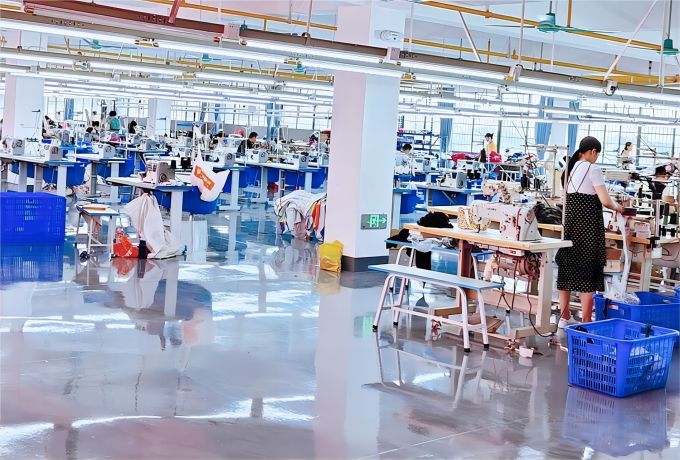
Full-package manufacturers coordinate sourcing, patterns, samples, decoration, production, inspection, labeling, and packing. This suits new collections, complex categories, and buyers needing one accountable workflow. Private-label suppliers typically adapt established blocks or products with custom labels and selected branding.
Factory-Direct Production
Cut-and-sew factories fit buyers with approved tech packs, materials, patterns, or strong in-house product teams. They offer greater control over construction and fit, but the buyer must manage more suppliers, approvals, and technical risk. White-label suppliers are fastest for proven styles and smaller test orders.
Specialist Decoration And Teamwear
Uniform and teamwear specialists suit repeatable jerseys, soccer kits, basketball uniforms, schoolwear, and club programs requiring coordinated sizing, names, numbers, and color control. Print or decoration partners are appropriate when blanks already exist and only screen printing, embroidery, or sublimation is needed.
4. Materials and Fabrics for Retail Apparel
Cotton, polyester, blends, and specialty fabrics determine hand feel, shrinkage, durability, climate suitability, and retail positioning.
| Fabric | Typical properties | Suitable products | Buyer considerations |
|---|---|---|---|
| Cotton | Breathable, soft, may shrink | T-shirts, polos | Specify yarn, GSM, shrinkage |
| Polyester | Durable, quick-drying, color-retentive | Jerseys, uniforms | Check hand feel and colorfastness |
| Blends | Balances comfort and stability | Hoodies, joggers | Confirm fiber percentages |
| Performance/specialty | Stretch, wicking, protection | Activewear, outerwear | Test recovery and finishing |
Choose By Product Use
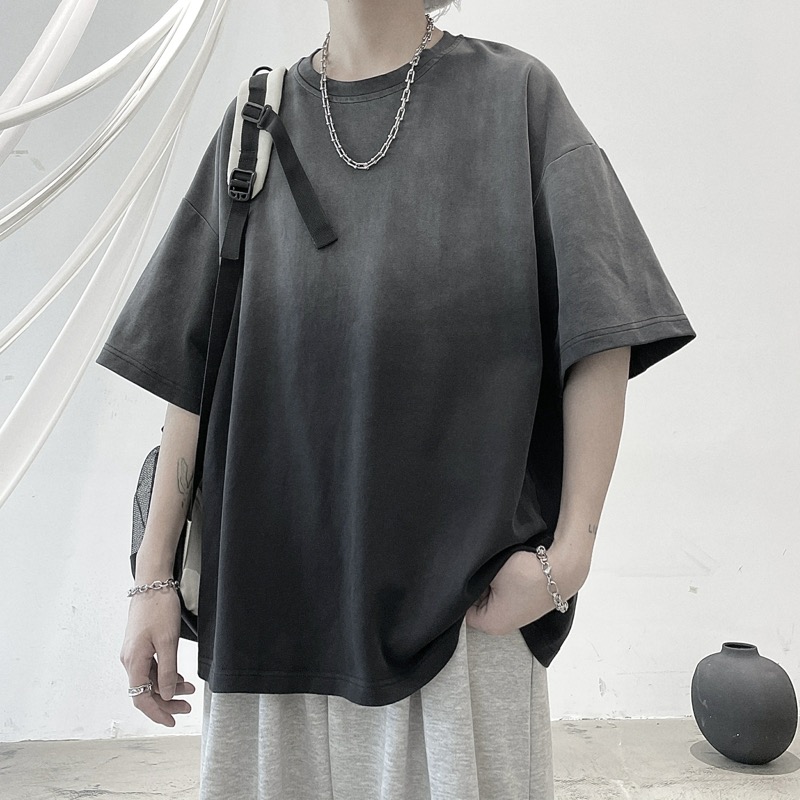
Cotton offers natural hand feel and breathability; ring-spun yarns generally feel smoother than open-end yarns. Polyester improves moisture management, abrasion resistance, and color retention for active or uniform programs. Blends balance comfort, recovery, shrinkage control, and cost.
Control Weight And Construction
GSM sets a fabric’s weight and substantially influences drape, warmth, durability, and perceived value. A 180–220 GSM T-shirt behaves differently from a 350–450 GSM hoodie. Knitted, woven, brushed, stretch, quilted, and ripstop constructions change fit and climate suitability.
Test Before Bulk Production
Colorfastness, dimensional stability, pilling, stretch recovery, and abrasion should be tested against the product’s use. Shrinkage allowances must be reflected in patterns, grading, and wash instructions. Pantone references, lab dips, approved swatches, and a pre-production sample create measurable standards.
5. Customization and Branding Options
Pattern, color, trim and decoration decisions turn a basic garment into a recognizable retail product.
Define The Brand System
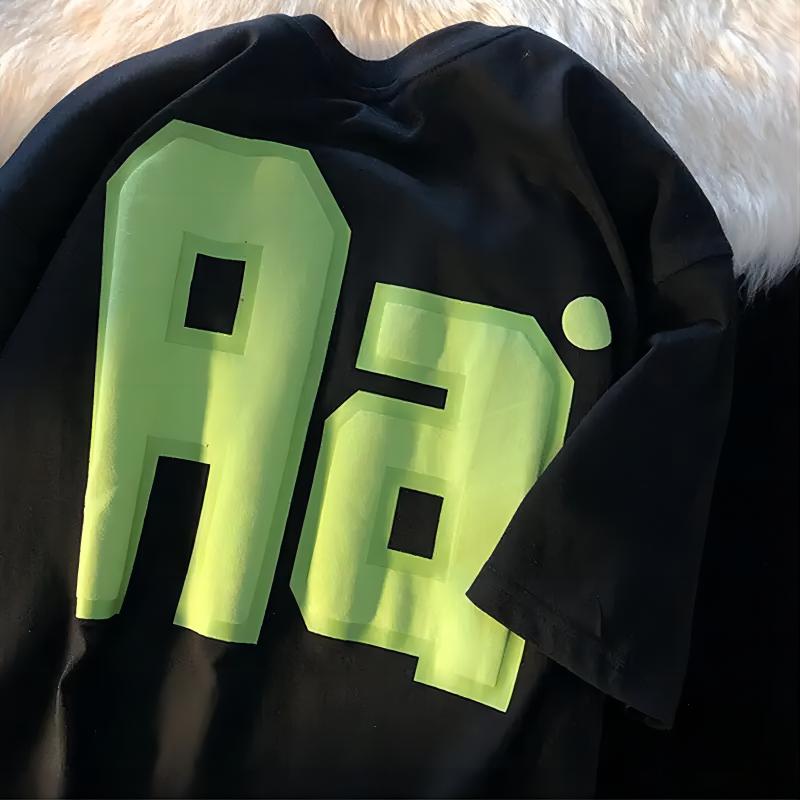
Fit blocks, grading, colors and trims should be documented by style, including measurements, Pantone references, rib, hardware and drawcord specifications. Woven or printed labels, care labels, hangtags and packaging should use controlled artwork files and placement measurements.
Match Decoration To Artwork
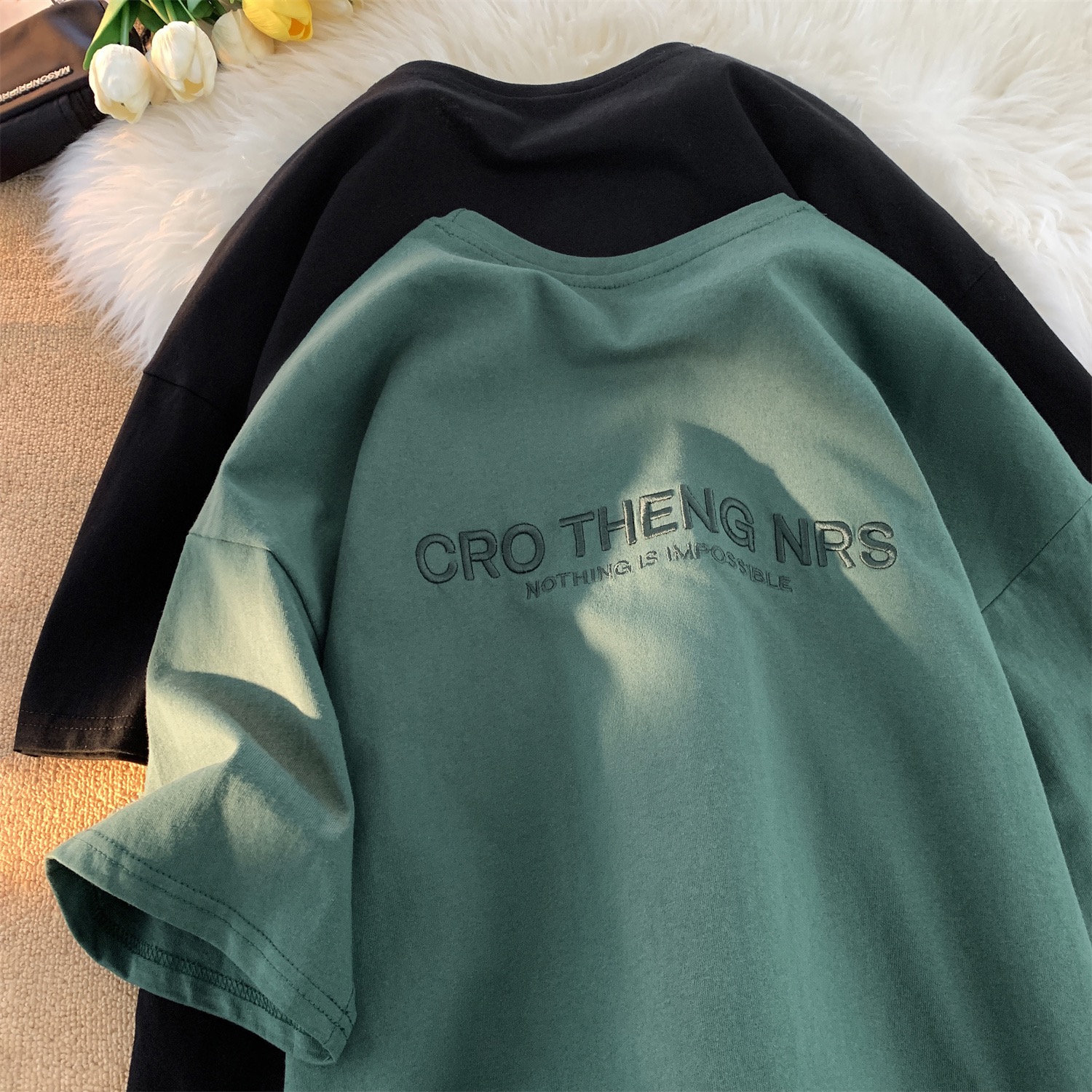
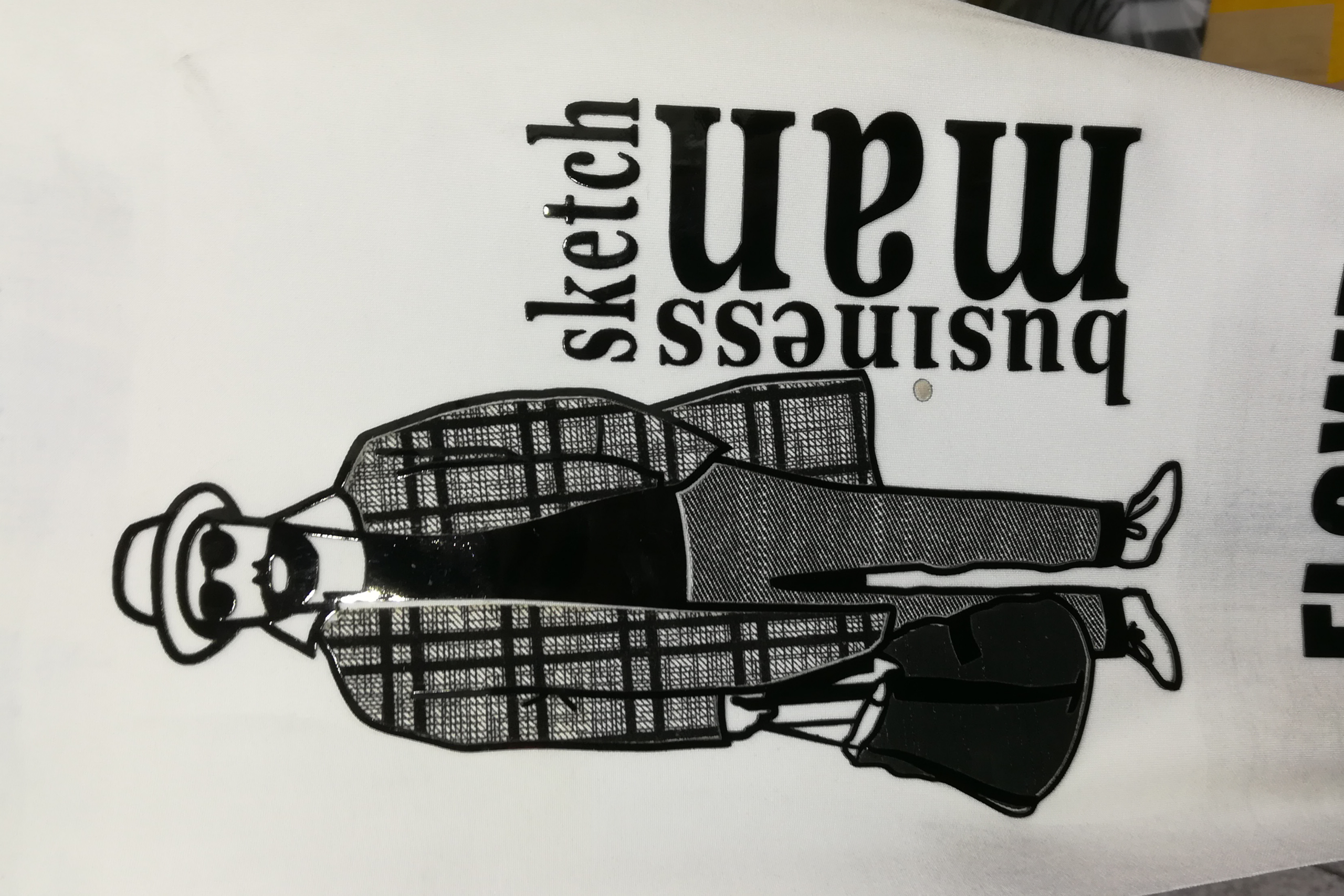
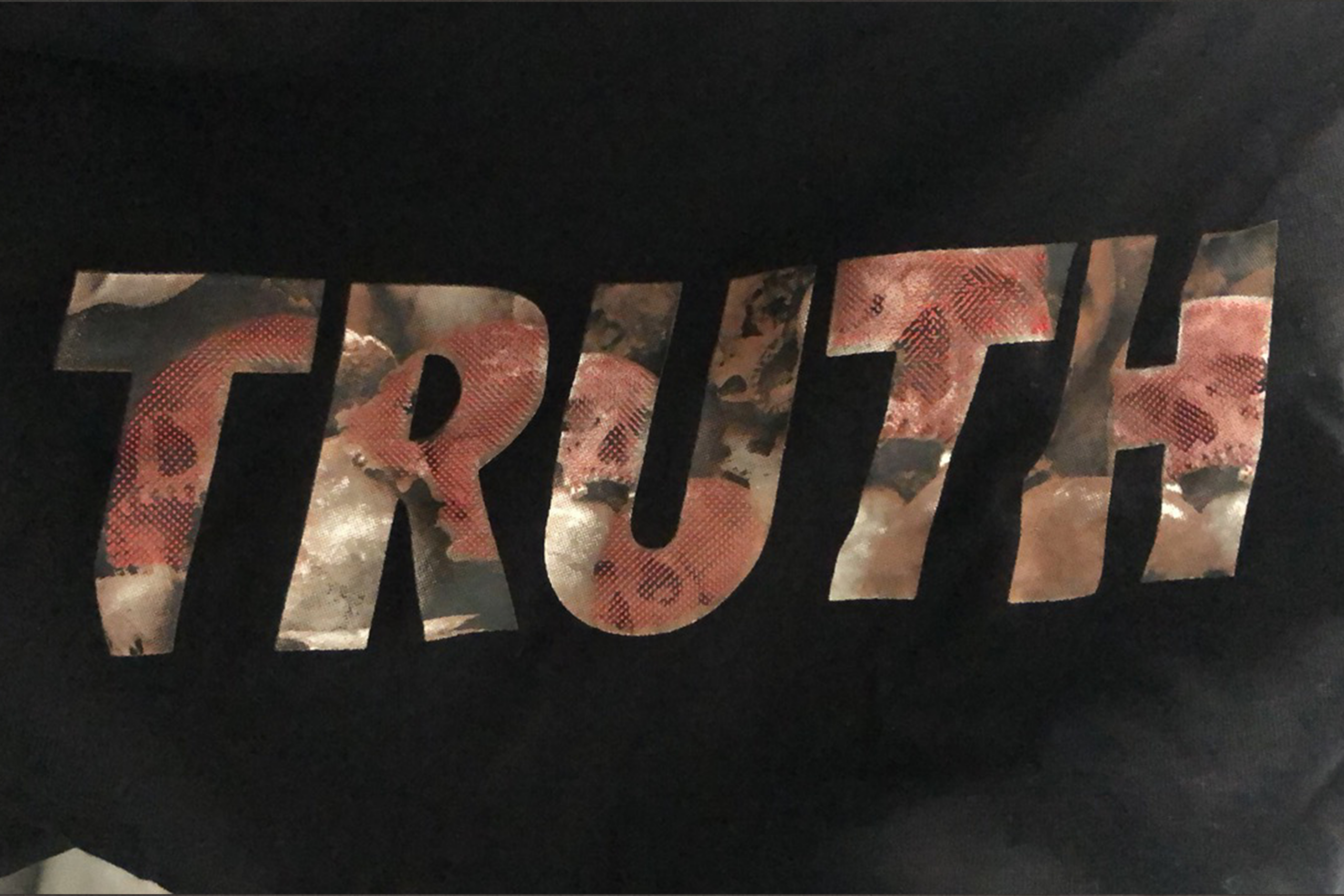
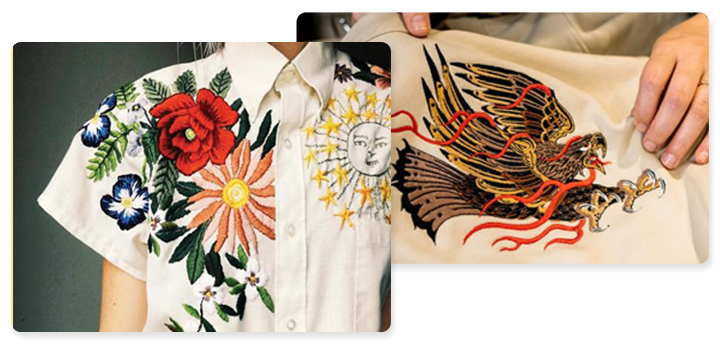
Screen printing suits bold graphics; embroidery adds dimension; sublimation works best on compatible polyester; heat transfer handles detailed placements; appliqué creates layered texture.
Compare Decoration Methods
Cost usually changes with stitch count, screens, colors, artwork size, setup, fabric compatibility and individual name or number requirements.
| Method | Appearance | Best Use | Main Cost Driver |
|---|---|---|---|
| Screen print | Flat, bold | Large graphics | Screens and colors |
| Embroidery | Raised, textured | Logos and patches | Stitch count |
| Sublimation | All-over, permanent | Polyester teamwear | Artwork and panels |
| Heat transfer | Sharp, flexible | Small runs | Transfers and labor |
6. Construction Quality Elements to Inspect
A signed measurement chart is the control document for construction quality, not a formality.
Measurements And Grading

Tolerance limits should be recorded for chest, length, sleeve, rise and waistband measurements, typically by size and measurement point. Check the prototype for fit, the pre-production sample for corrected grading, and bulk pieces for repeatability. A size set exposes grading errors that one sample can hide.
Seams And Hardware
Seam lines should be straight, balanced and free from skipped stitches, puckering or raw-edge exposure; stitch density and seam strength must suit the fabric and intended use. Inspect bartacks, pocket corners, crotch seams, hems and stress points for reinforcement. Check zipper alignment, slider operation, rib recovery, lining attachment and trim security by handling and light tension.
Decoration And Labeling
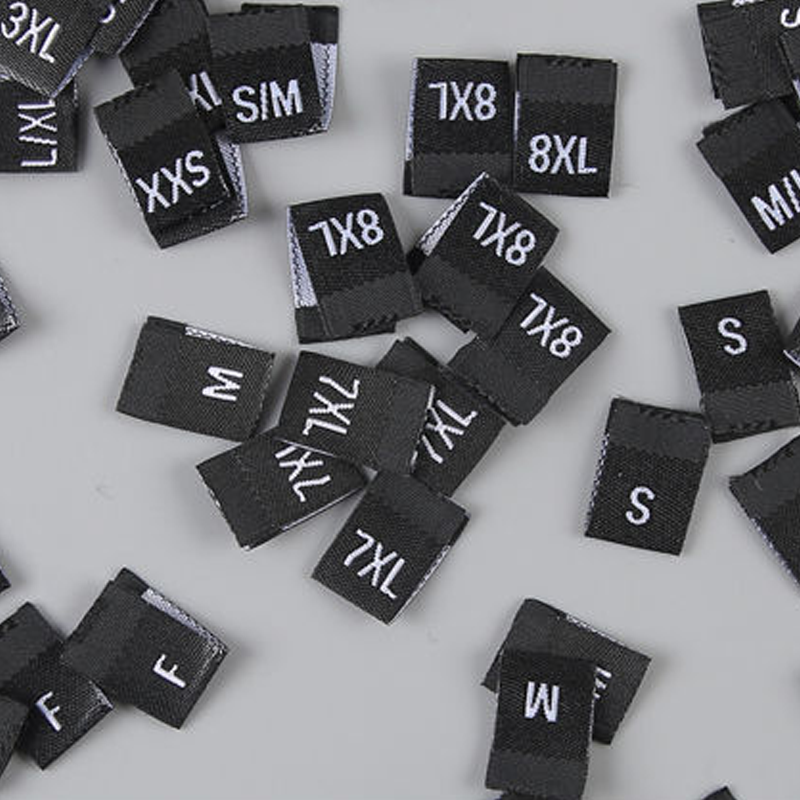
Print placement should match approved artwork coordinates, with clean edges, even coverage and acceptable adhesion after testing. Embroidery requires stable registration, controlled thread tension, secure backing and no excessive distortion of the base fabric. Wash-test decorated samples where care instructions or finish performance matter.
Bulk Final Inspection
Final inspection should sample packed goods across sizes, colors and cartons, checking appearance, measurements, construction, decoration, labels and quantity against the approved pre-production sample. Photograph recurring defects and link them to inspection records. Corrective action should name the cause, responsible owner, containment step, deadline and verification method.
7. How to Choose a Clothing Manufacturer for Retailers
EDVORIN’s MOQ starts at 200 pieces per style. A 200-unit MOQ makes the brief practical: define product, budget, launch date and acceptable risk before comparing suppliers.
Build A Comparable Brief
EDVORIN’s MOQ starts at 200 pieces per style. List styles, fabrics, decoration, size range, target quantity, packaging, delivery destination and required launch date. Ask each supplier for MOQ by style or color, sample fees, lead-time stages and payment milestones.
Evaluate Samples And Controls
Three checks matter: compare measurements against the chart, inspect construction and decoration, then wash-test or wear-test the approved sample. Record every revision in a signed pre-production standard. Ask how fabric lots, Pantone references, trims, labels, artwork placement, in-line inspections and final inspection are controlled.
Test Reliability And Scale
EDVORIN’s MOQ starts at 200 pieces per style. Two references from comparable brands can reveal communication speed, shipment accuracy, defect resolution and reorder performance. Verify capacity, peak-season allocation, realistic lead times, logistics responsibility and payment exposure. Choose the partner whose MOQ, 200-unit starting plan, reporting discipline and capacity match your cash flow and growth forecast.
8. Common Mistakes Buyers Make
A low quote rarely reveals the full production risk.
Price Before Production Fit
A quote with no material, construction or inspection assumptions is a warning sign. The cheapest clothing manufacturer for retailers can create rework, returns and margin loss.
Incomplete Specifications
A missing measurement chart, artwork file, trim detail or color reference leaves production decisions to interpretation. That creates inconsistent sizing, placement errors and avoidable revisions.
Skipping Samples And Testing
One unapproved sample cannot prove bulk consistency. Skipping fit, wash and decoration checks increases the risk of shrinkage, poor recovery, color variation or peeling graphics.
Unclear Capacity And Decoration
EDVORIN’s MOQ starts at 200 pieces per style. Multiple decoration methods, placements or team names can change labor, approvals and lead time. Vague MOQ terms may also hide per-color, per-size or style minimums. Confirm MOQ structure, artwork ownership, pattern ownership and production-calendar milestones in writing.
Ignoring Landed Cost
A factory price excludes potential freight, duties, packaging, labeling, testing, sampling and rework. Ignoring these items can turn an apparently viable retail margin into a loss. Build a landed-cost sheet before approval, including destination charges and contingency.
9. Steps to Launch a Retail Clothing Line
A 200-unit launch should move through documented decisions, not assumptions.
Define The Product Brief
1 concept brief should state target customer, channel, price position, size range, color count, forecast, and launch date. Fashion brands may prioritize silhouette; teams and schools need roster usability; wholesalers need repeatable assortments. A complete tech pack records measurements, construction, artwork placement, labels, packaging, and tolerances.
Develop And Approve Samples
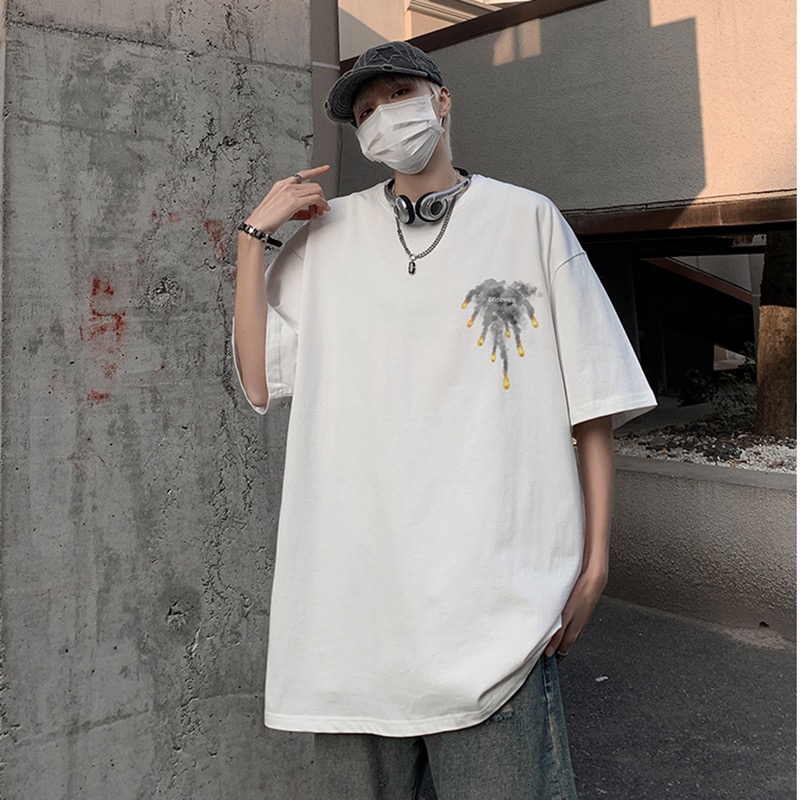
2 sample gates should cover fabric, trims, decoration, fit, and wash performance. Select weight and hand feel—such as French terry versus fleece—alongside rib, zipper, thread, embroidery, print, and color references before prototype cutting. Record each revision by date, photo, measurement change, and responsible approver.
Produce, Inspect, And Reorder
3 commercial checkpoints are the purchase order, in-line inspection, and final inspection. The PO should repeat approved quantities, size breakdown, delivery terms, carton marks, and the exact sample reference; production then follows the confirmed materials and decorations. Before shipping, verify measurements, workmanship, color, print or embroidery placement, count, labeling, and carton packing.
10. Pricing and Cost of Clothing Manufacturing for Retailers
200 pieces is EDVORIN’s stated MOQ for this program, while the quoted unit cost remains quotation-dependent. Garment type, fabric composition, GSM, pattern complexity, decoration, trims, labeling, packaging and order quantity can materially change the result. Three checkpoints usually add cost before bulk production: development samples, pre-production approval and inspection. Freight, duties, destination charges and payment terms should also be separated from the factory price when comparing offers. Two quotes with the same unit price may produce different margins after landed costs.
| Quantity Tier | Indicative Cost Components | Lead-Time Considerations |
|---|---|---|
| 200-499 units | Higher sampling, setup, trims, labeling and packaging allocation per unit; quotation-dependent | Quotation-dependent; confirm material booking and decoration capacity |
| 500-999 units | Improved quantity economics; fabric, GSM, pattern, print or embroidery, labels and packing remain specification-driven | Quotation-dependent; bulk scheduling follows approved sample and materials |
| 1,000+ units | Greater spreading of development and inspection costs; freight, duties and payment terms still affect landed cost | Quotation-dependent; confirm production window, inspection date and shipment plan |
Ready to Work with a Clothing Manufacturer for Retailers?
Send your tech pack or concept to EDVORIN and request a production-ready quote for your next collection, starting at 200 pieces per style.