Nylon Clothing Manufacturer for Repeatable OEM Apparel
EDVORIN develops nylon outerwear, teamwear, and performance-inspired collections from sample approval through controlled bulk production.
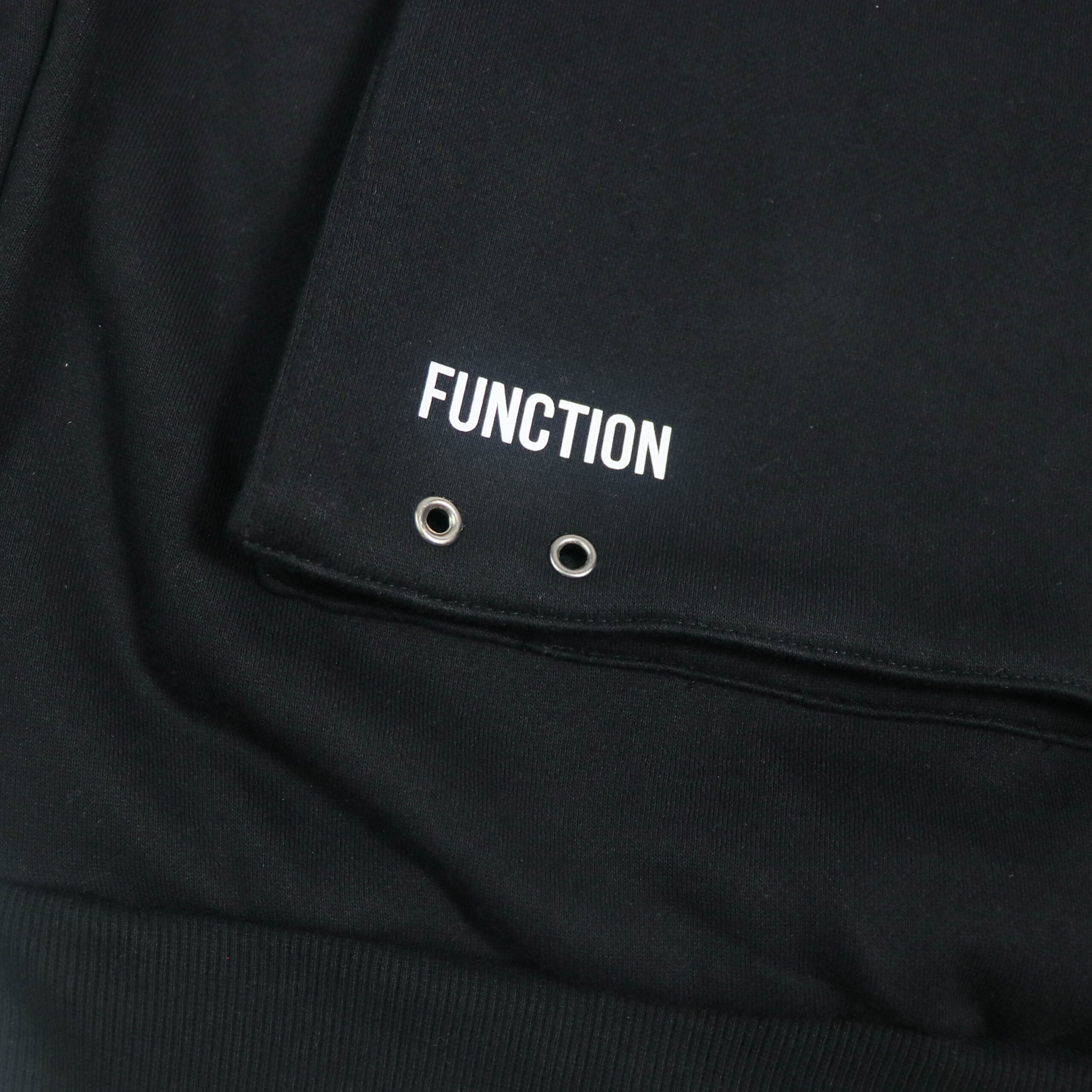
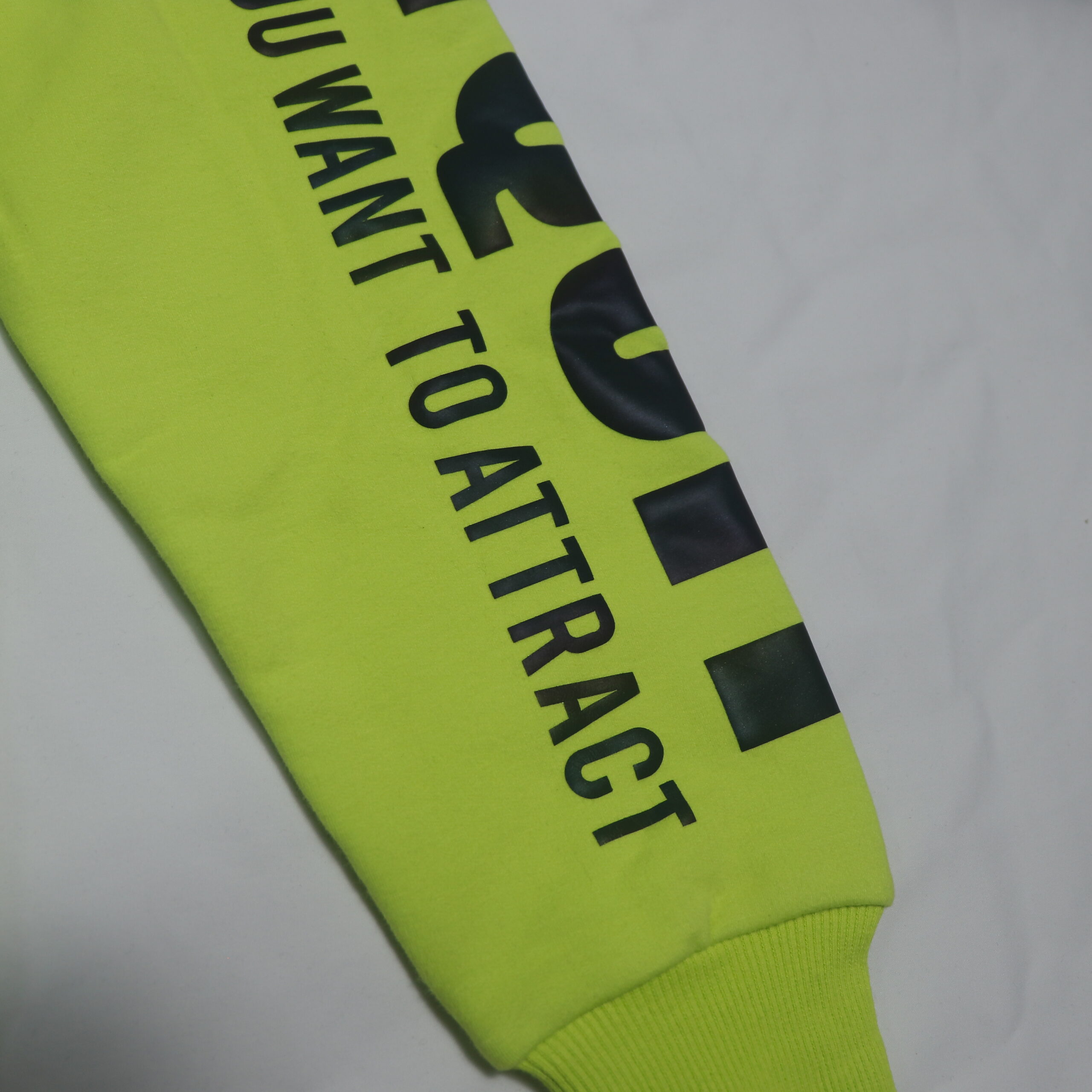
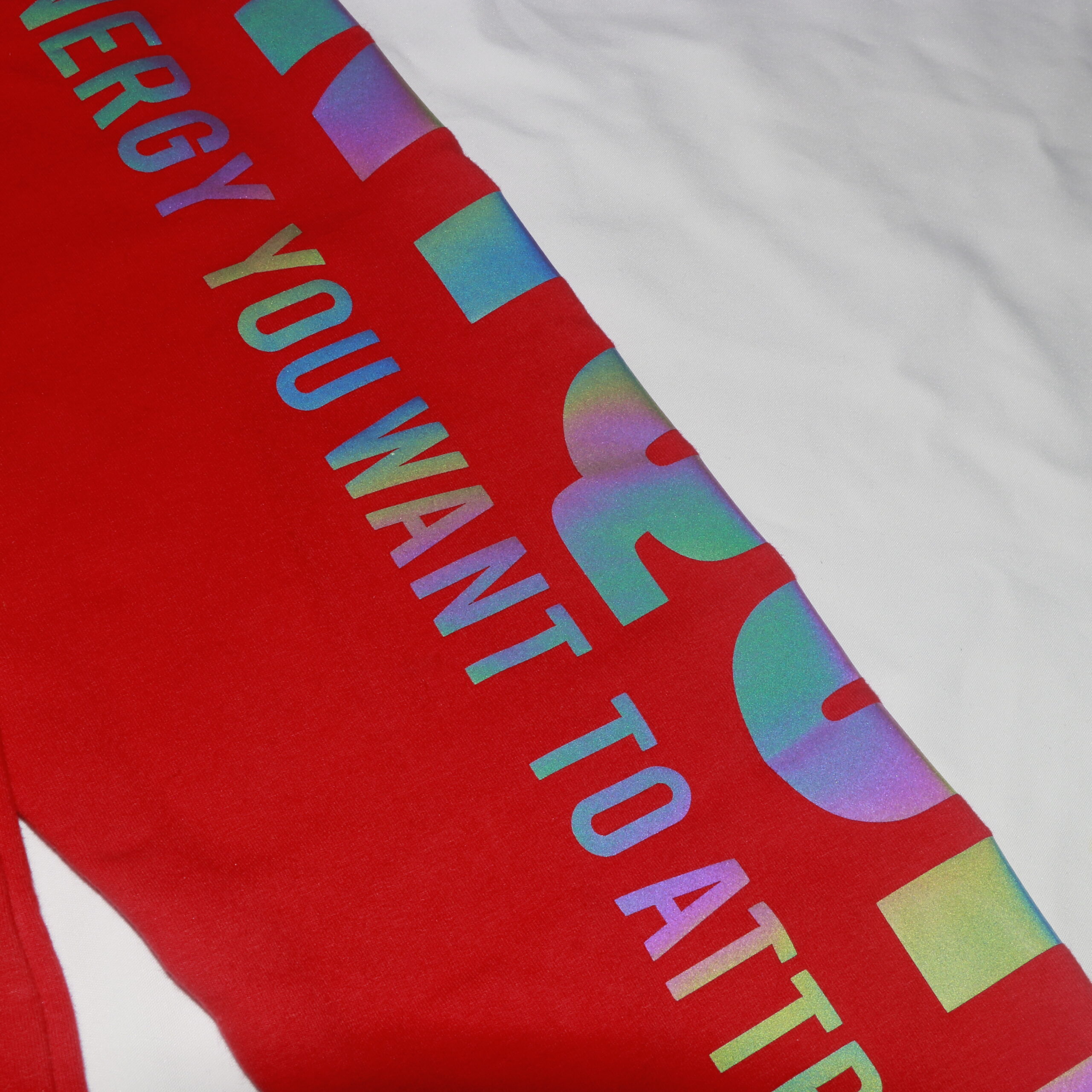
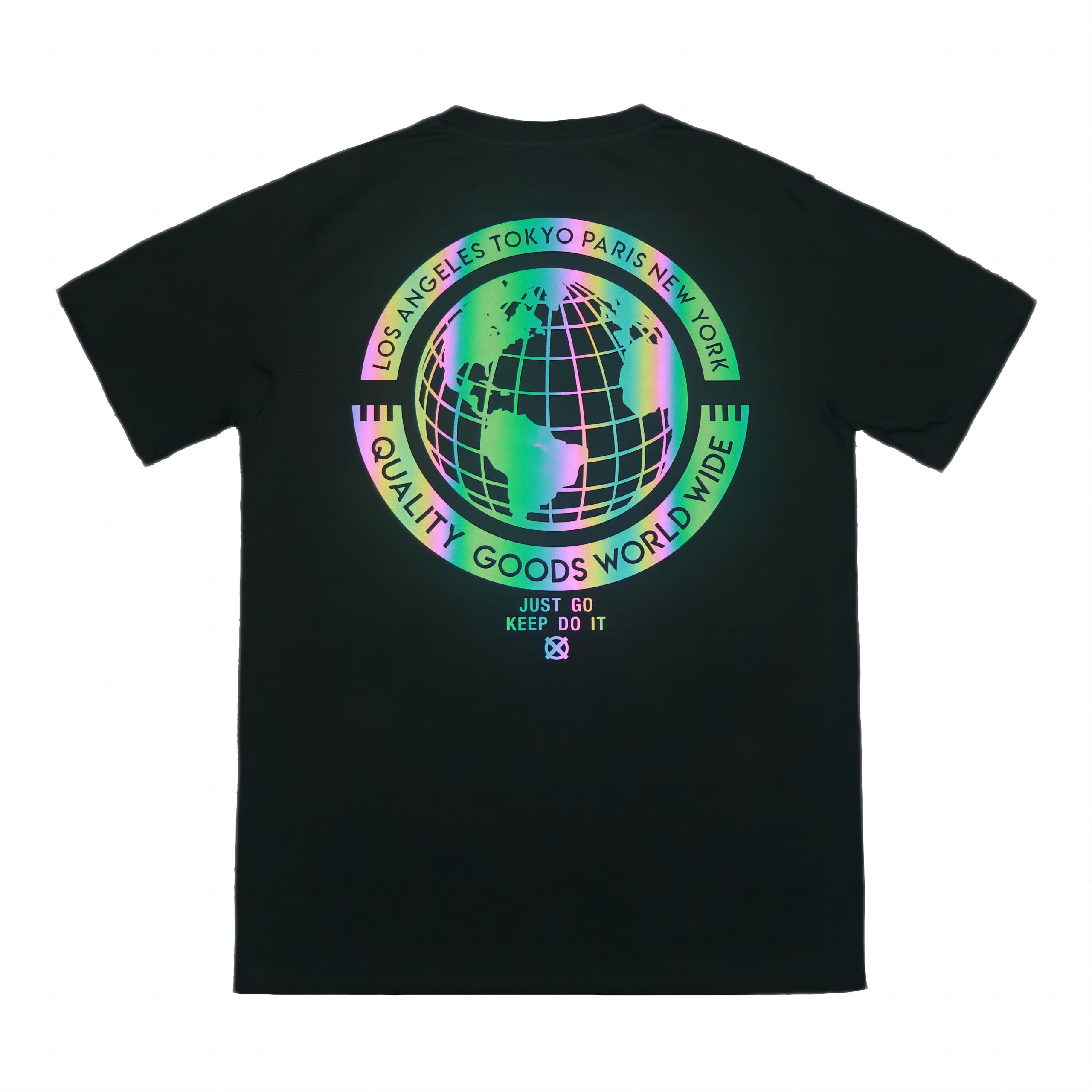
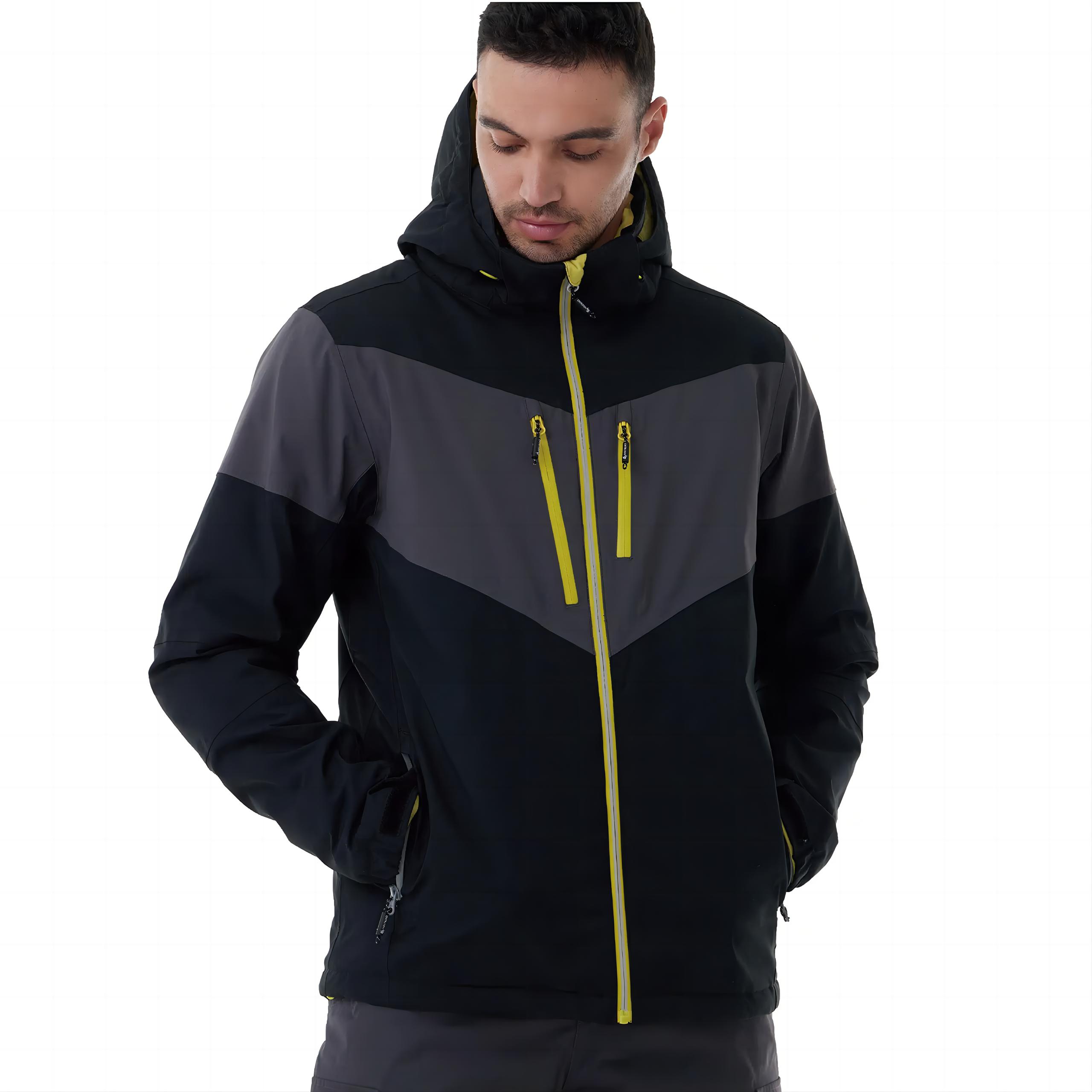
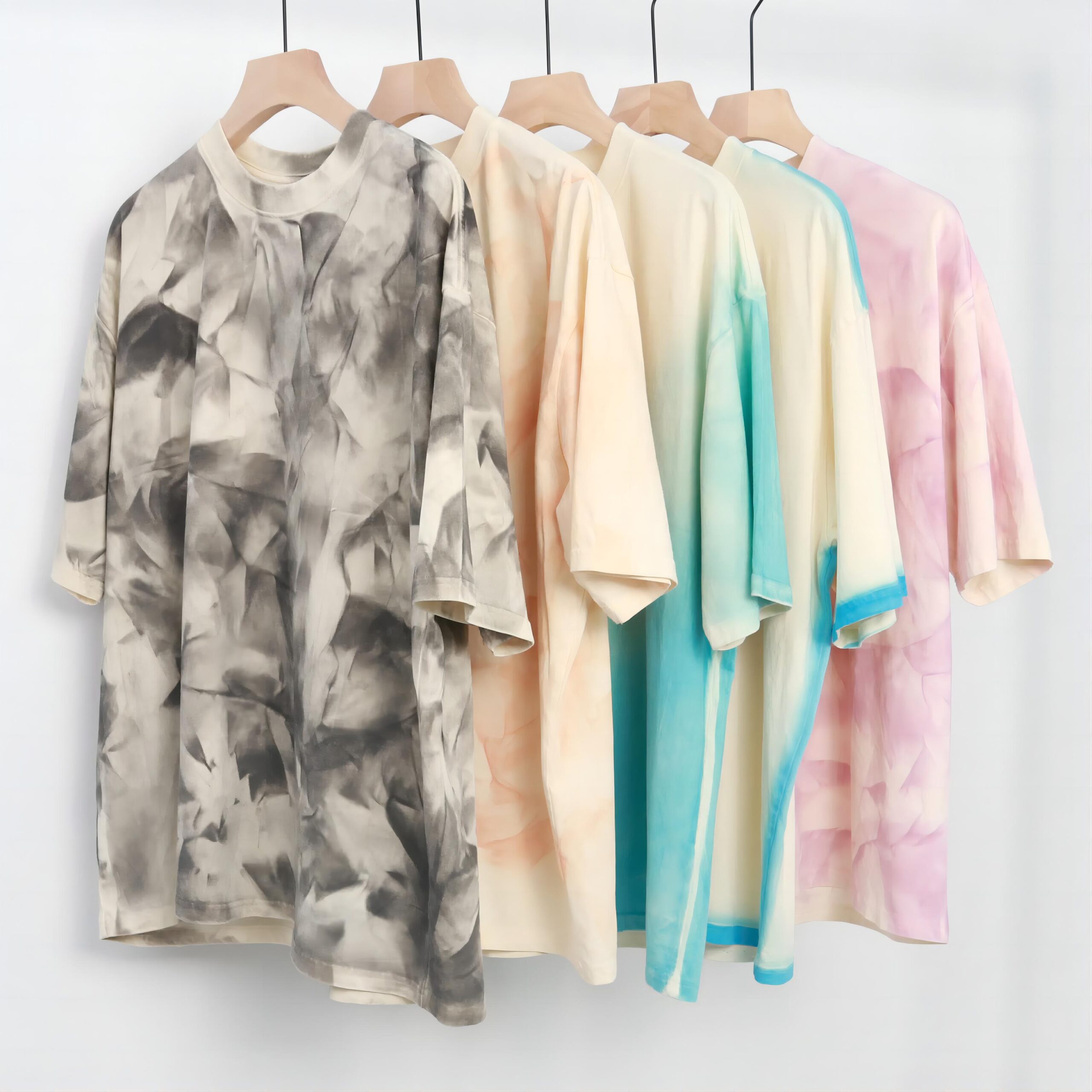
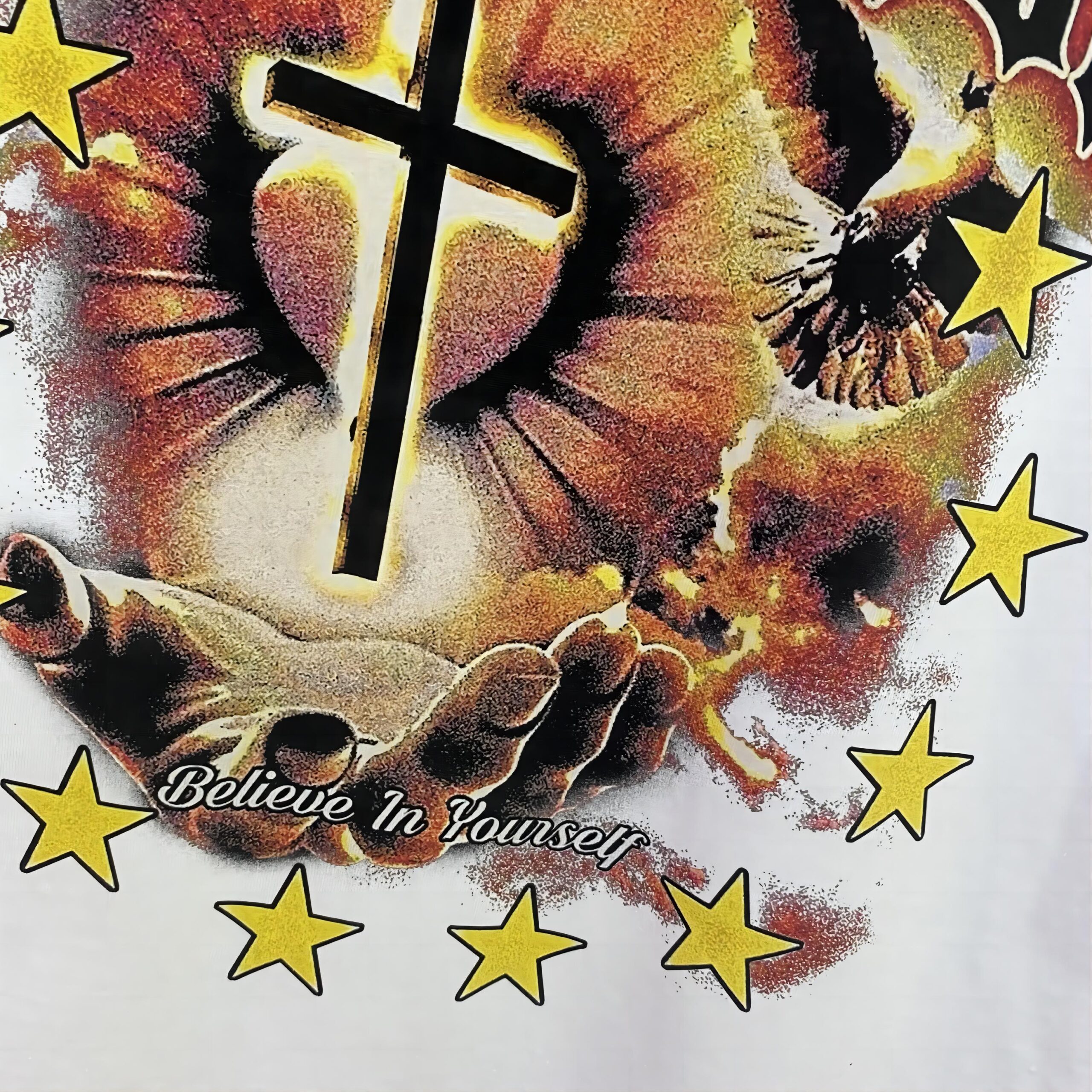
Featured Nylon Apparel Development Examples
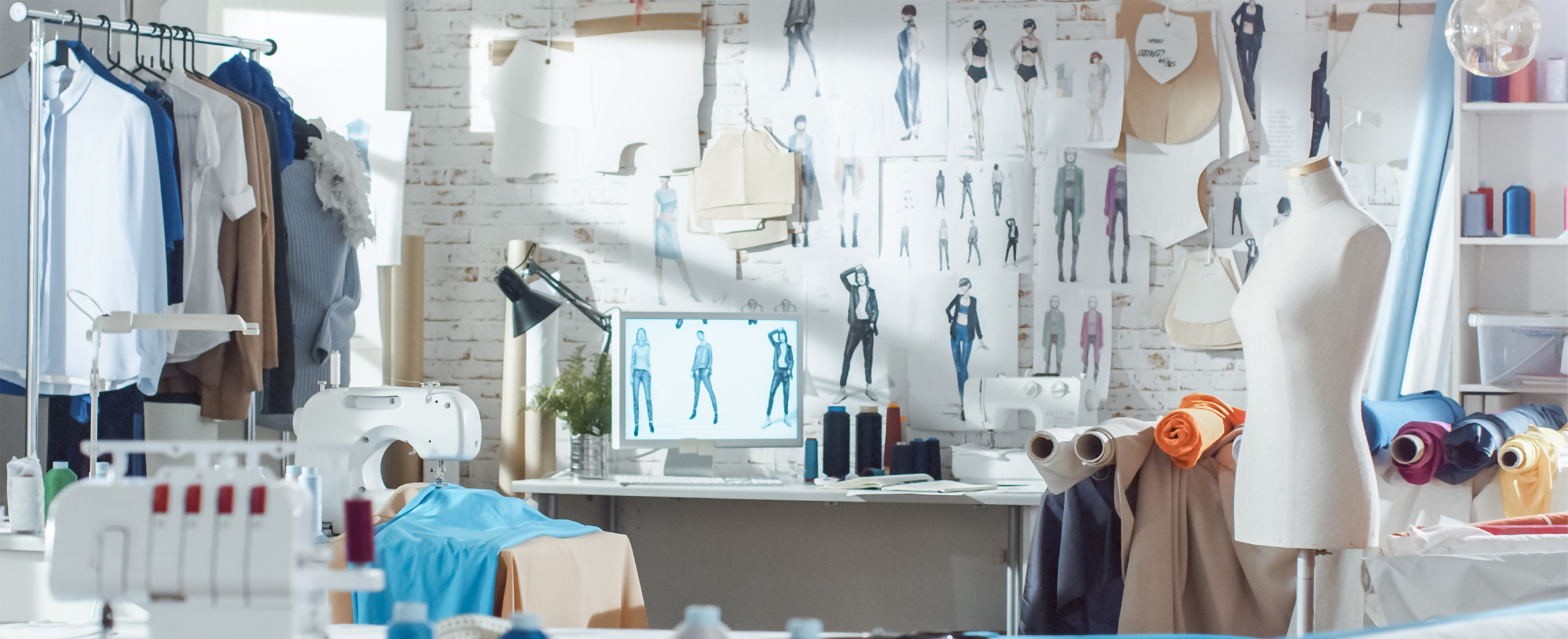

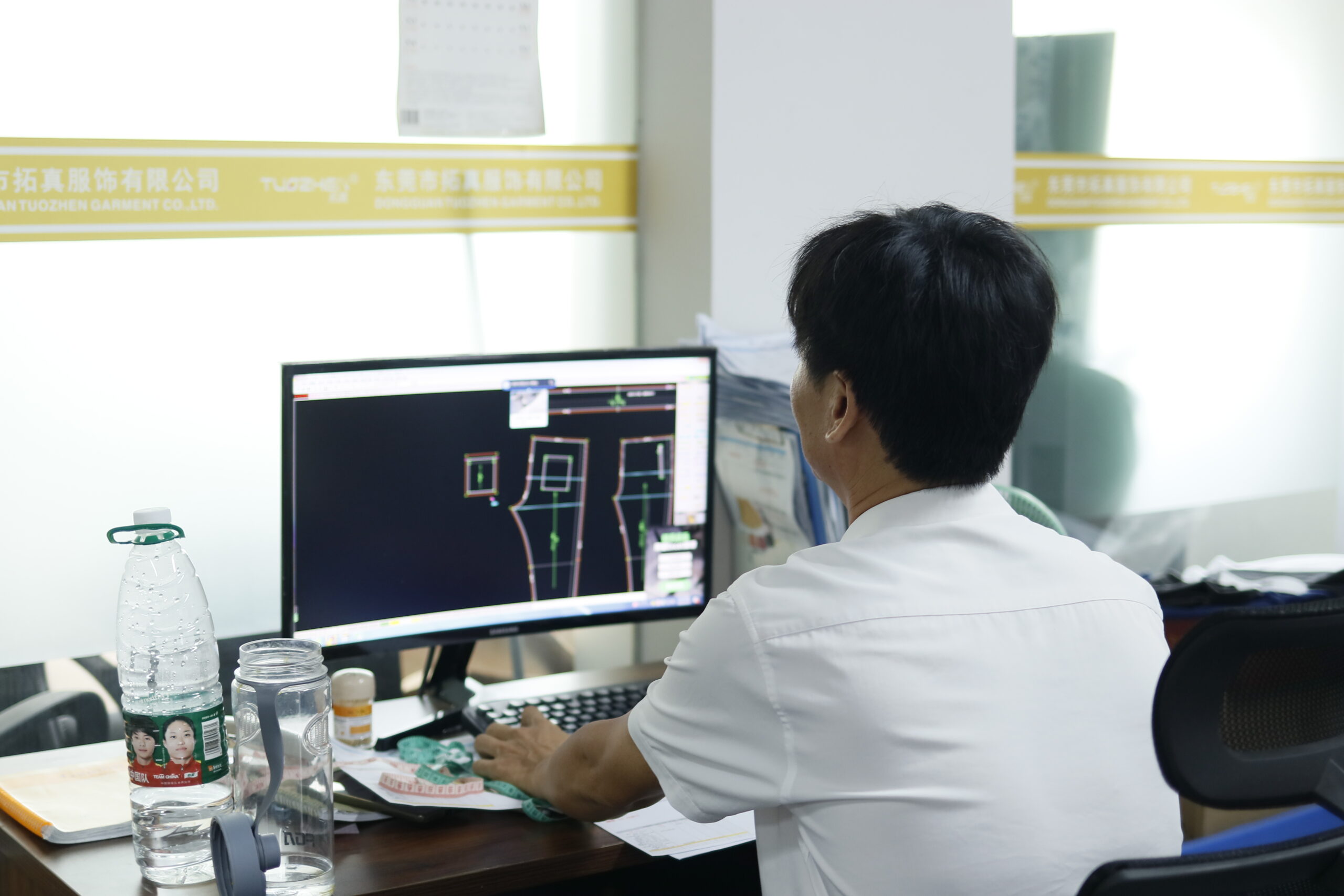

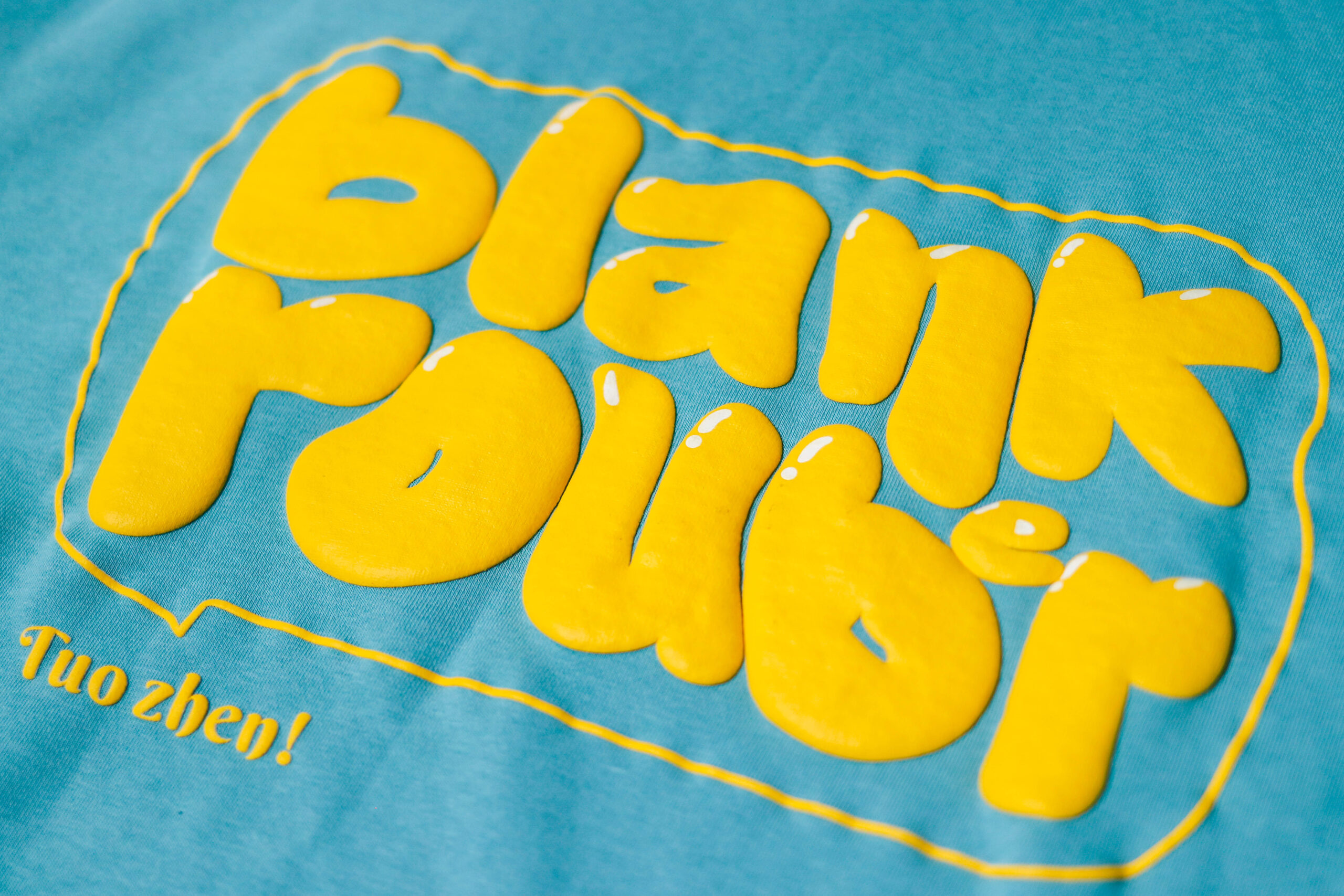
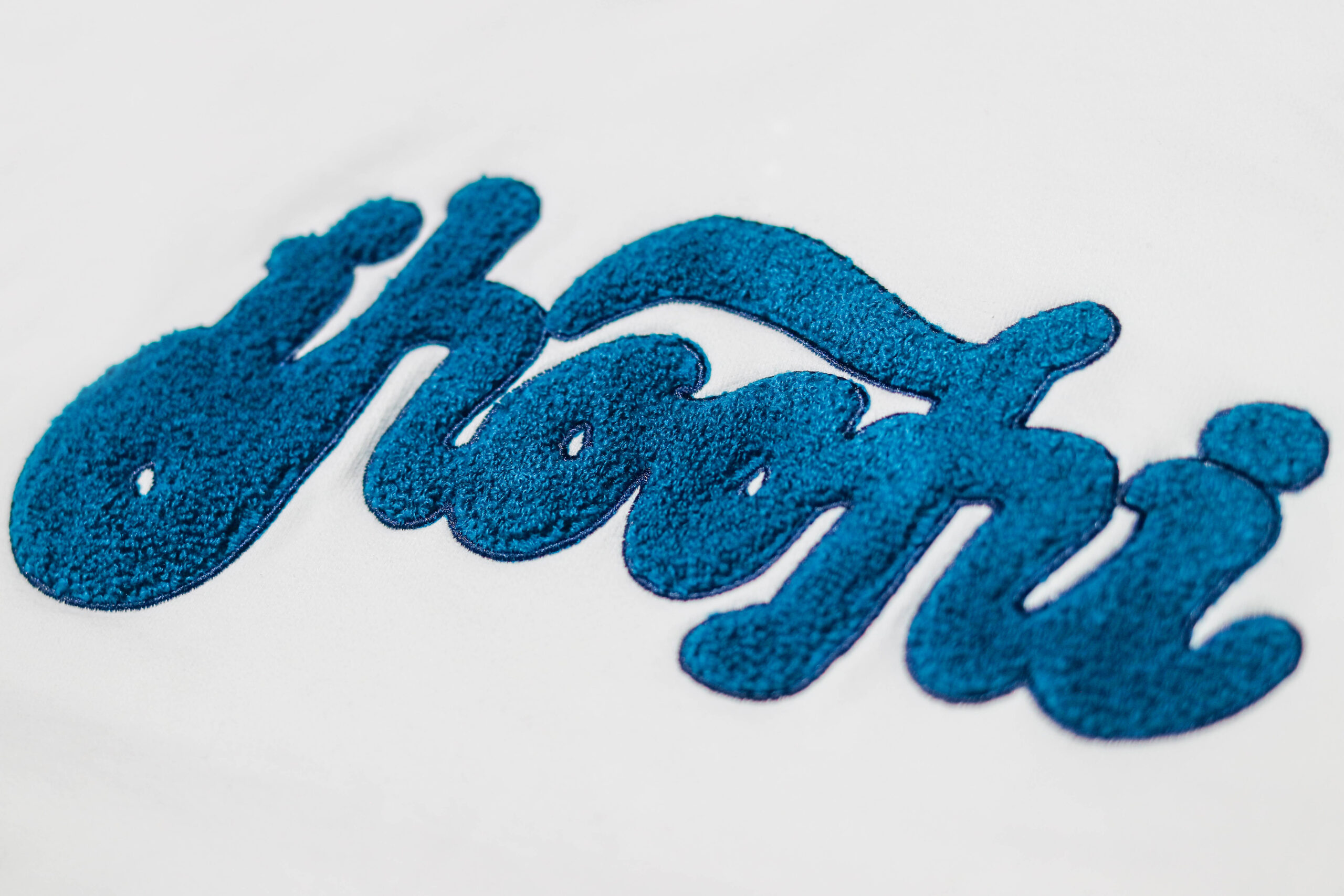
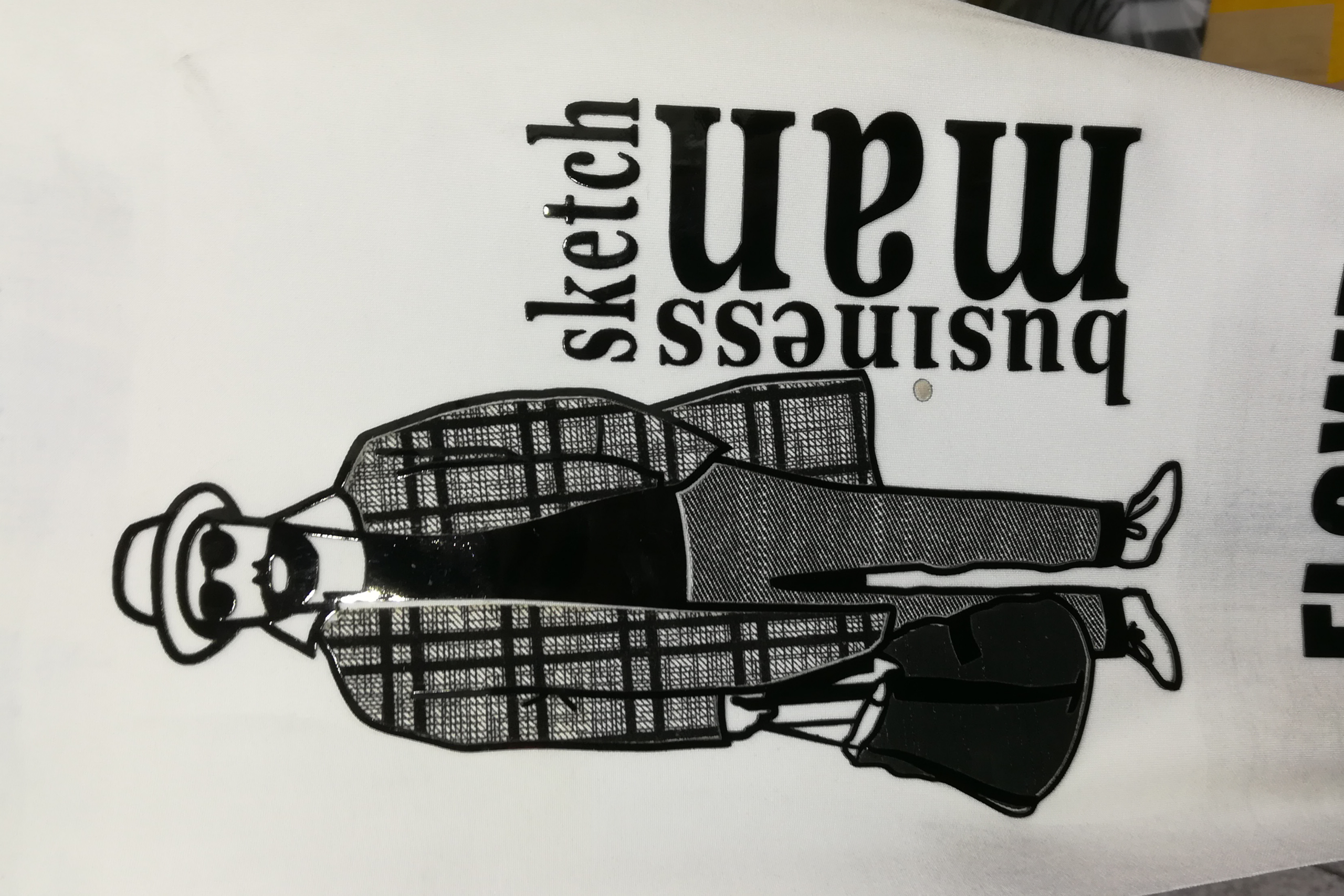
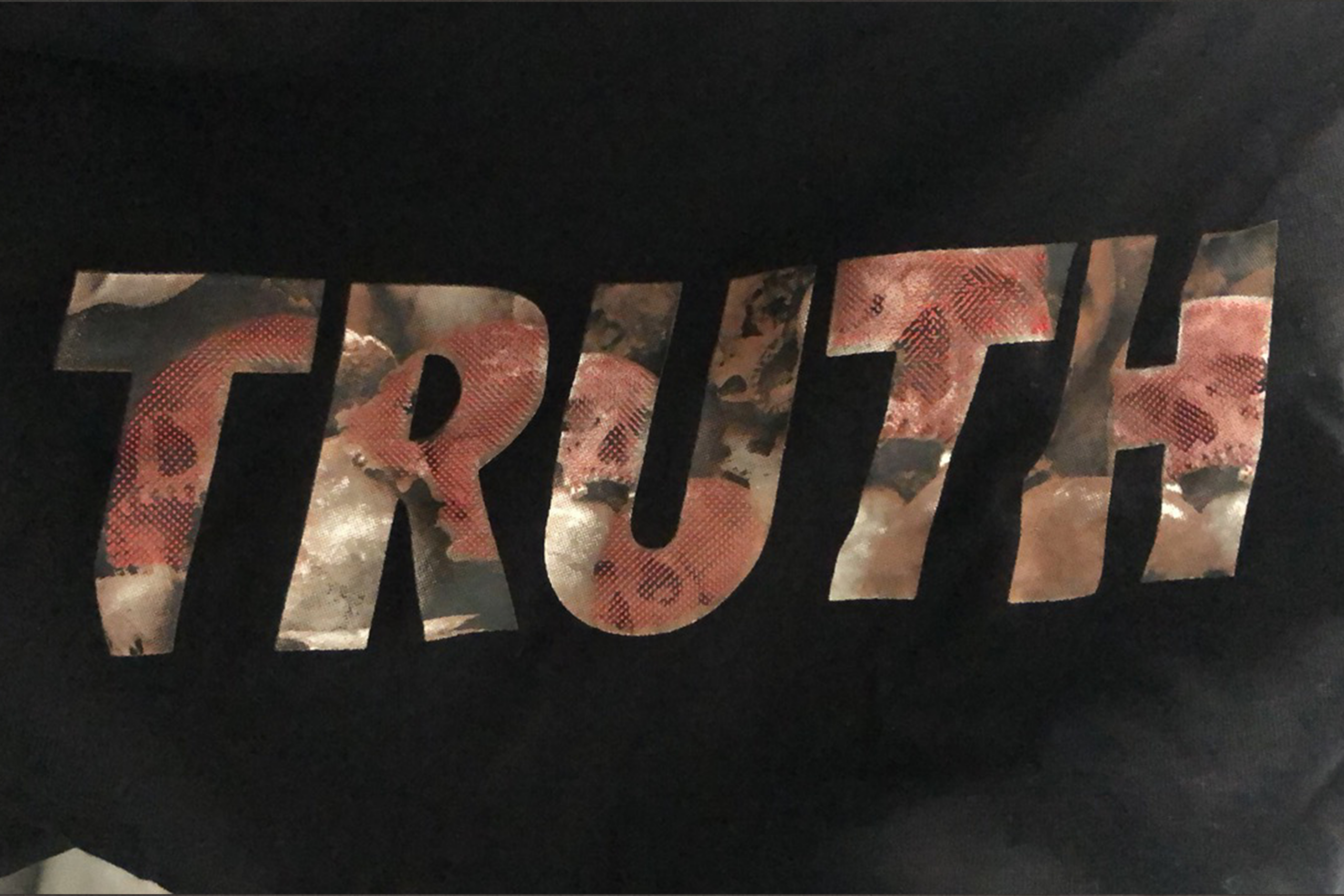
What Sets Our Nylon Clothing Manufacturing Apart
EDVORIN coordinates the decisions that turn nylon apparel concepts into consistent, production-ready collections.
Material Selection
Select nylon constructions, weights, finishes, and supporting trims around the intended silhouette, hand feel, durability, and end-use requirements.
Construction-Led Development
Patterns, seam choices, linings, closures, and reinforcement details are developed together so the garment performs as intended beyond the first sample.
Men’s and Women’s Fits
Fit blocks, proportions, grading, and details are adjusted for men’s and women’s programs instead of applying one universal specification.
Decoration Coordination
Printing, embroidery, patches, washing, and placement specifications are matched to the nylon garment and recorded before bulk production begins.
Approved Bulk Standards
Samples, measurements, materials, artwork placement, and trim details become clear production references for in-line checks and final inspection.
Related Apparel Manufacturing Capabilities
Compare category-specific materials, construction details and decoration options across EDVORIN’s casualwear, outerwear, teamwear and streetwear production programs.
Custom Hoodies
Custom hoodie manufacturer support includes fleece selection, fit blocks, hood construction, rib specifications, drawcords, pockets, printing, embroidery, labeling and packaging. Men’s and women’s hoodies can be developed from a tech pack, reference sample or early concept.
Get a Quote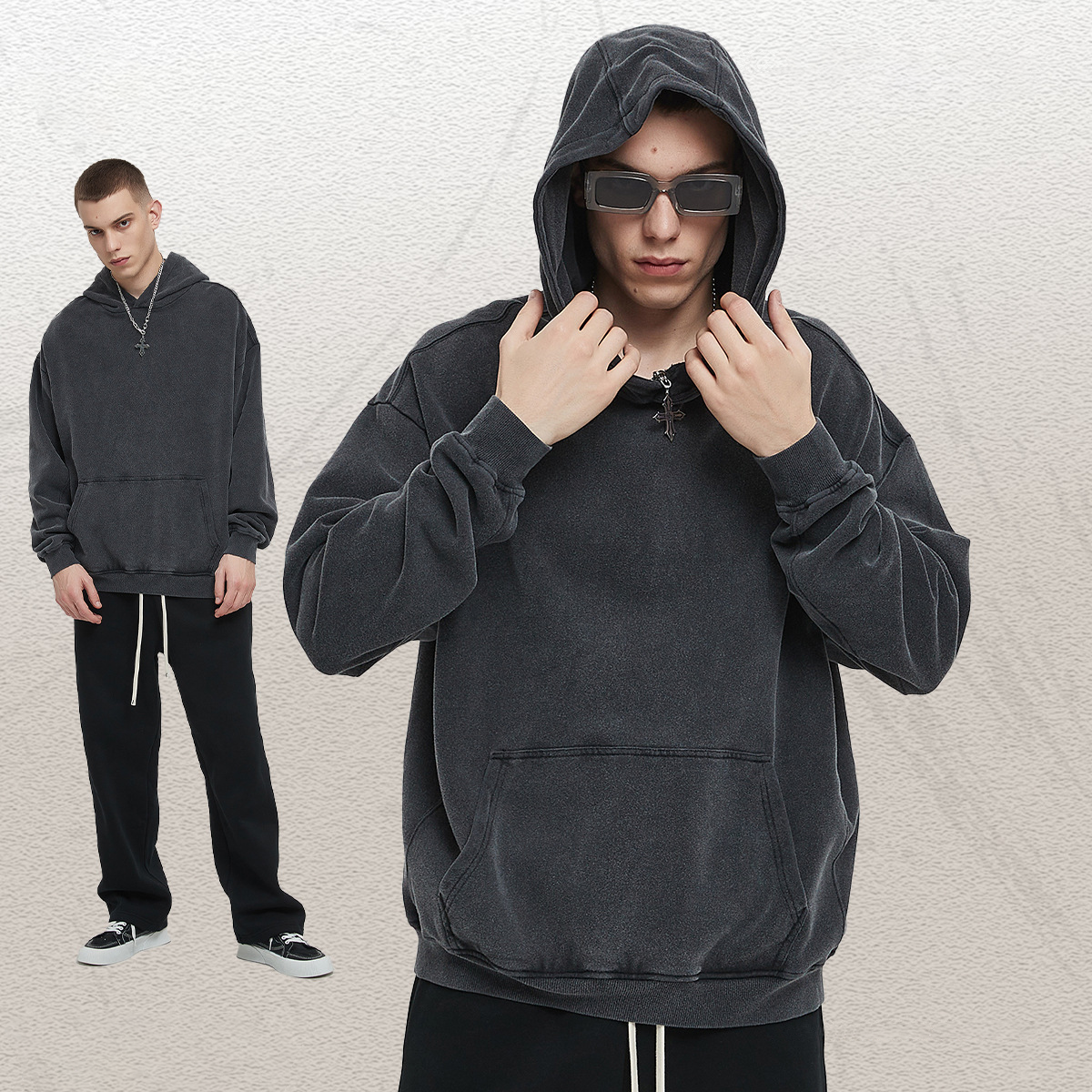
Pullover Sweatshirts
As a sweatshirt manufacturer, EDVORIN develops crewneck and pullover styles with defined fabric weight, collar rib recovery, seam construction, fit grading and decoration placement. Approved samples become the reference for consistent bulk production and repeat orders.
Get a Quote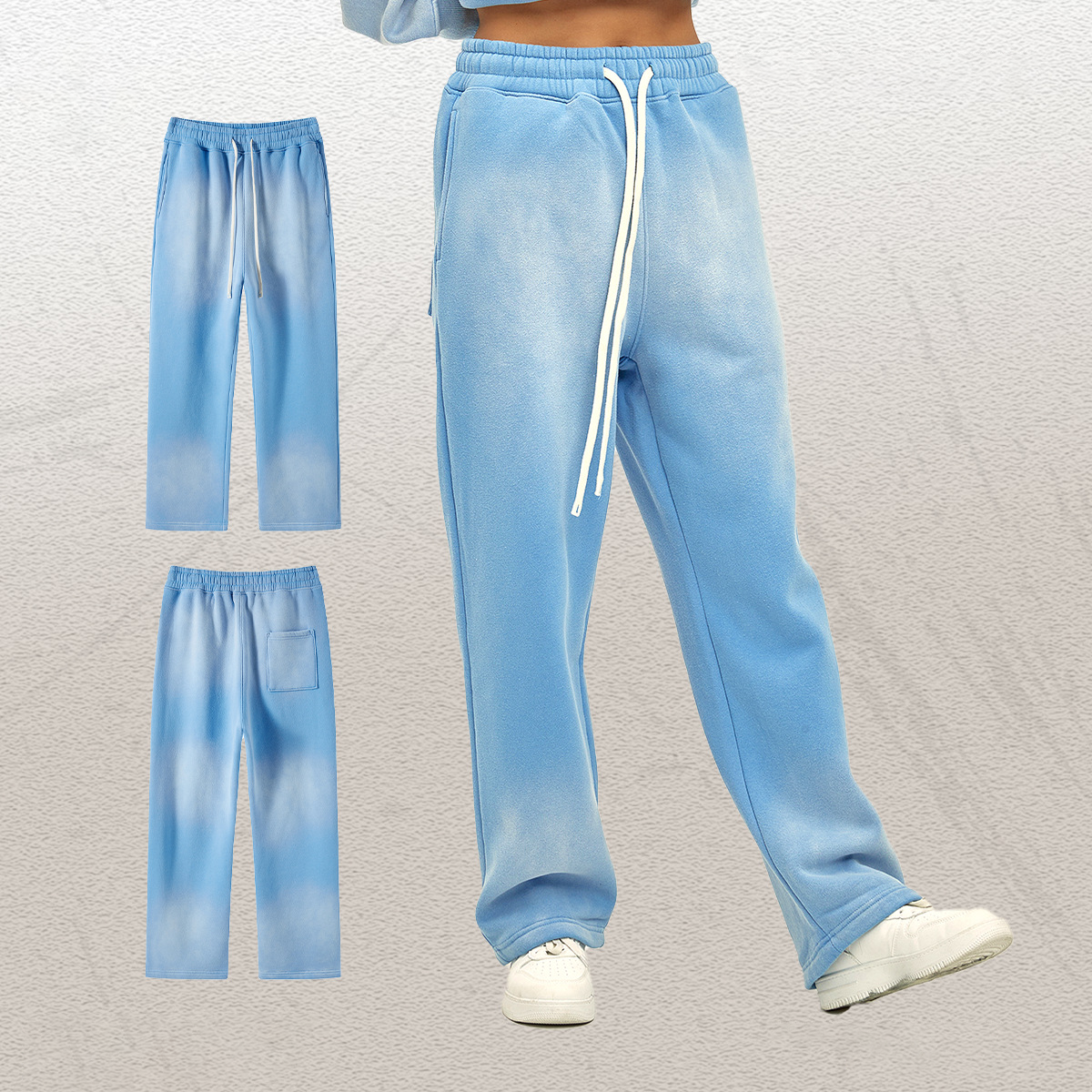
Sweatpants & Joggers
EDVORIN develops sweatpants and joggers with coordinated fabric, waistband, drawcord, pocket, cuff and inseam specifications. Programs can include fleece, French terry or performance materials, with men’s and women’s fits graded to the intended market.
Get a Quote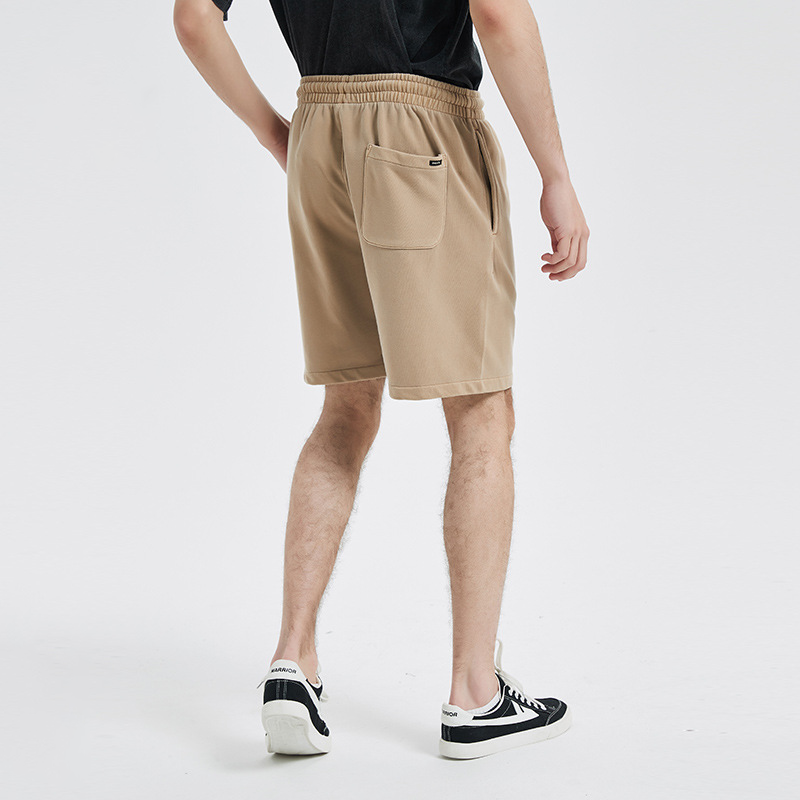
Custom Shorts
Custom shorts manufacturing covers casual, fleece, woven and performance short programs. Development can define fabric weight, rise, inseam, waistband, pocket layout, lining, decoration and size grading before production begins.
Get a Quote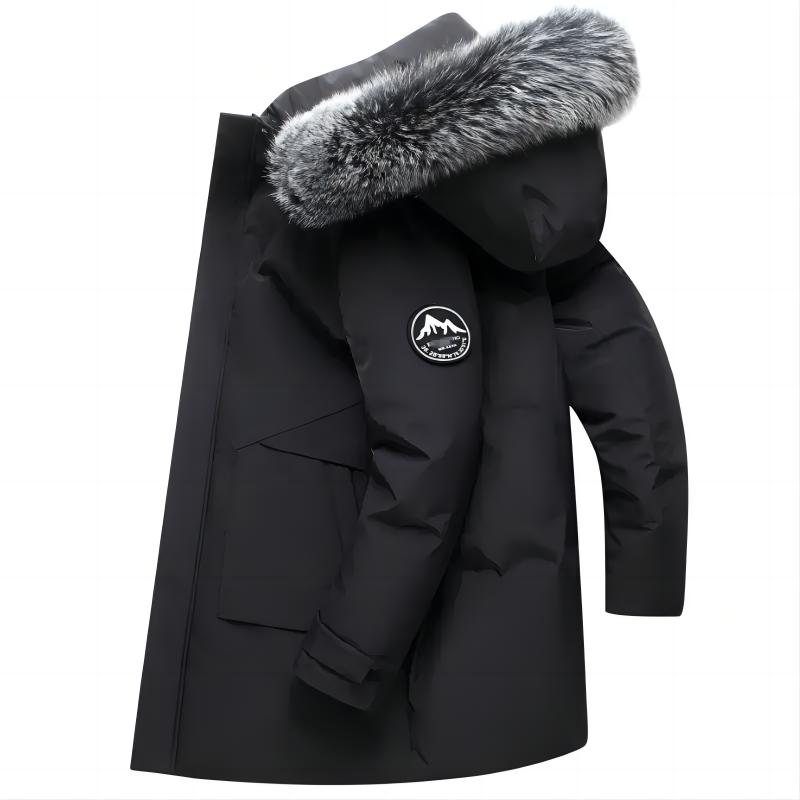
Varsity & Baseball Jackets
Varsity and baseball jacket development coordinates body and sleeve materials, lining, rib, snaps, patches, embroidery and applique. EDVORIN records construction and placement details in the approved sample to support consistent production across the order.
Get a Quote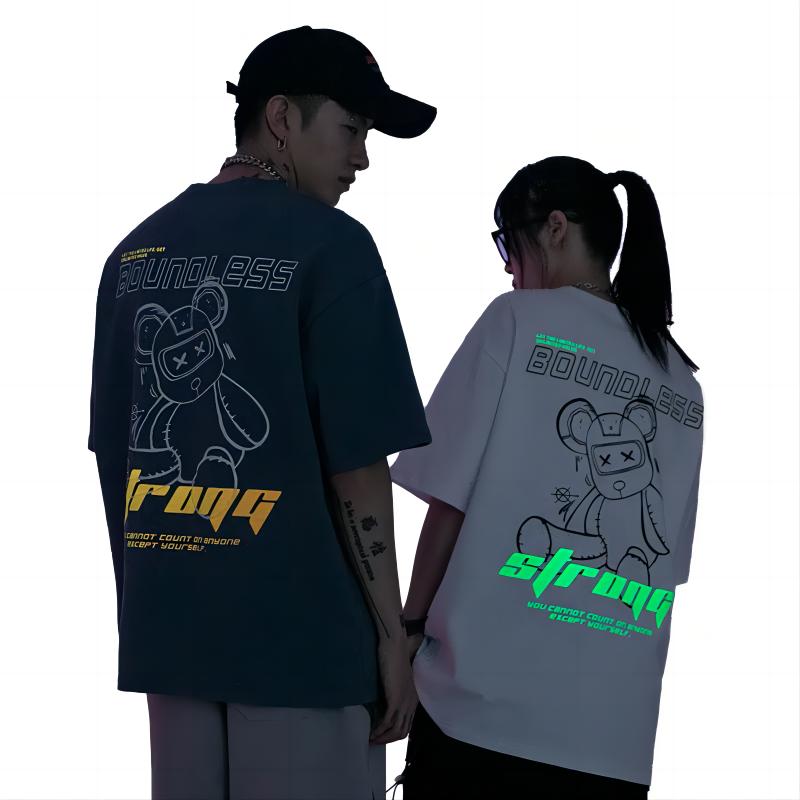
Custom T-Shirts
Custom T-shirt manufacturing includes jersey selection, neckline construction, sleeve proportions, fit blocks, print compatibility, wash effects and labeling. EDVORIN supports men’s and women’s programs from basic branded tees to collection-specific silhouettes.
Get a Quote
Custom Polo Shirts
Polo shirt production can be developed around piqué, jersey or performance fabrics, with collar construction, plackets, cuffs, buttons, embroidery and color matching specified for the program. Fits and grading are adjusted for men’s and women’s requirements.
Get a Quote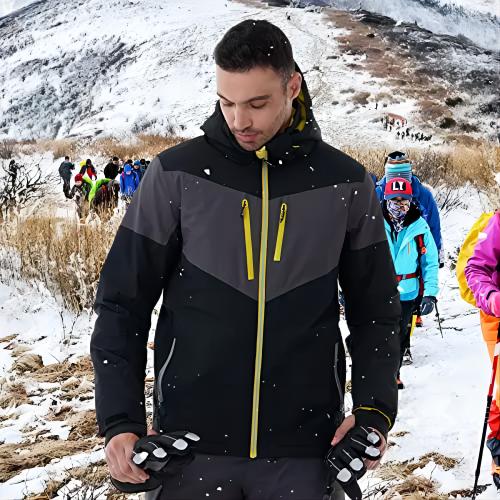
Windbreaker Jackets
Windbreaker manufacturing coordinates lightweight shell fabrics, linings, mesh panels, zipper systems, hood construction, elastic details and water-resistant finishes. EDVORIN documents functional and decoration requirements before bulk cutting and sewing.
Get a Quote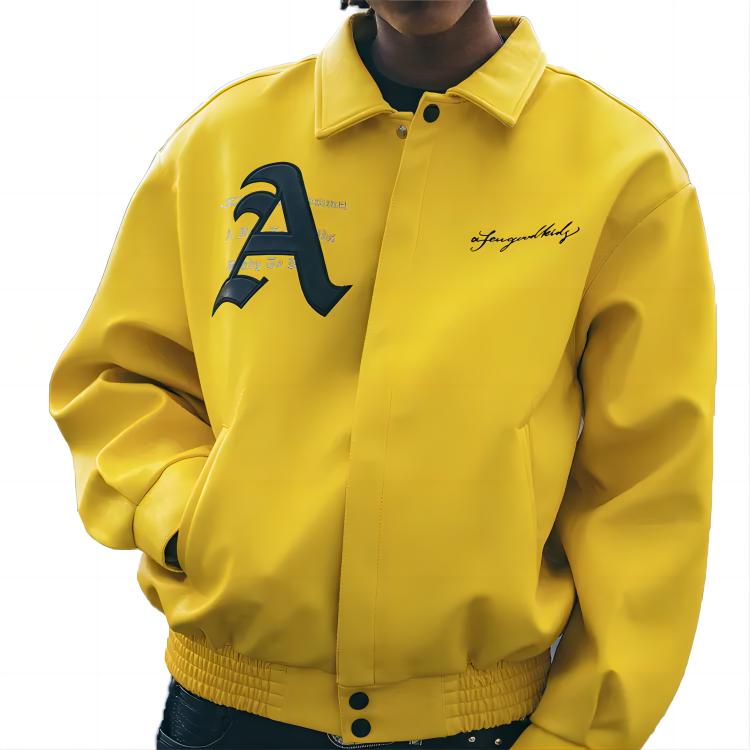
Quilted Jackets
Quilted jacket development includes shell and lining selection, insulation type, quilting pattern, pocket construction, zippers, snaps and finishing. Samples are used to confirm warmth, bulk, appearance and construction before the production standard is finalized.
Get a Quote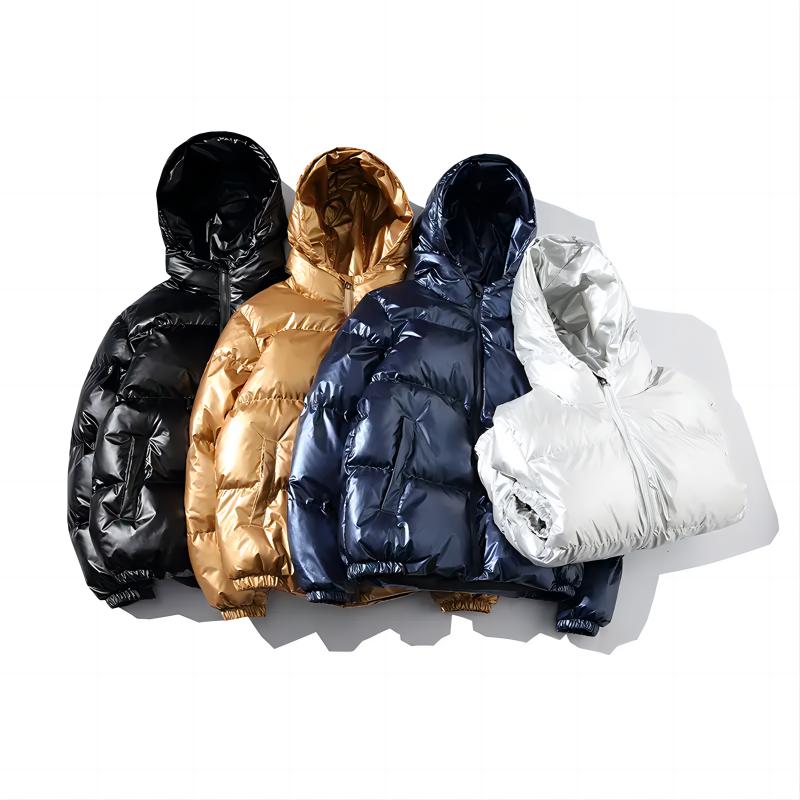
Bomber Jackets
Bomber jacket manufacturing covers shell fabric, lining, rib, hardware, pocket details, embroidery and patch applications. EDVORIN develops proportions and construction for fashion, streetwear and uniform programs, then controls the approved specification through bulk production.
Get a Quote
Custom Shirts
Custom woven shirt manufacturing supports button-up styles with selected fabric, collar shape, placket, cuff, pocket, seam finish and fit details. Men’s and women’s patterns can be developed for casual, uniform, retail and private-label applications.
Get a Quote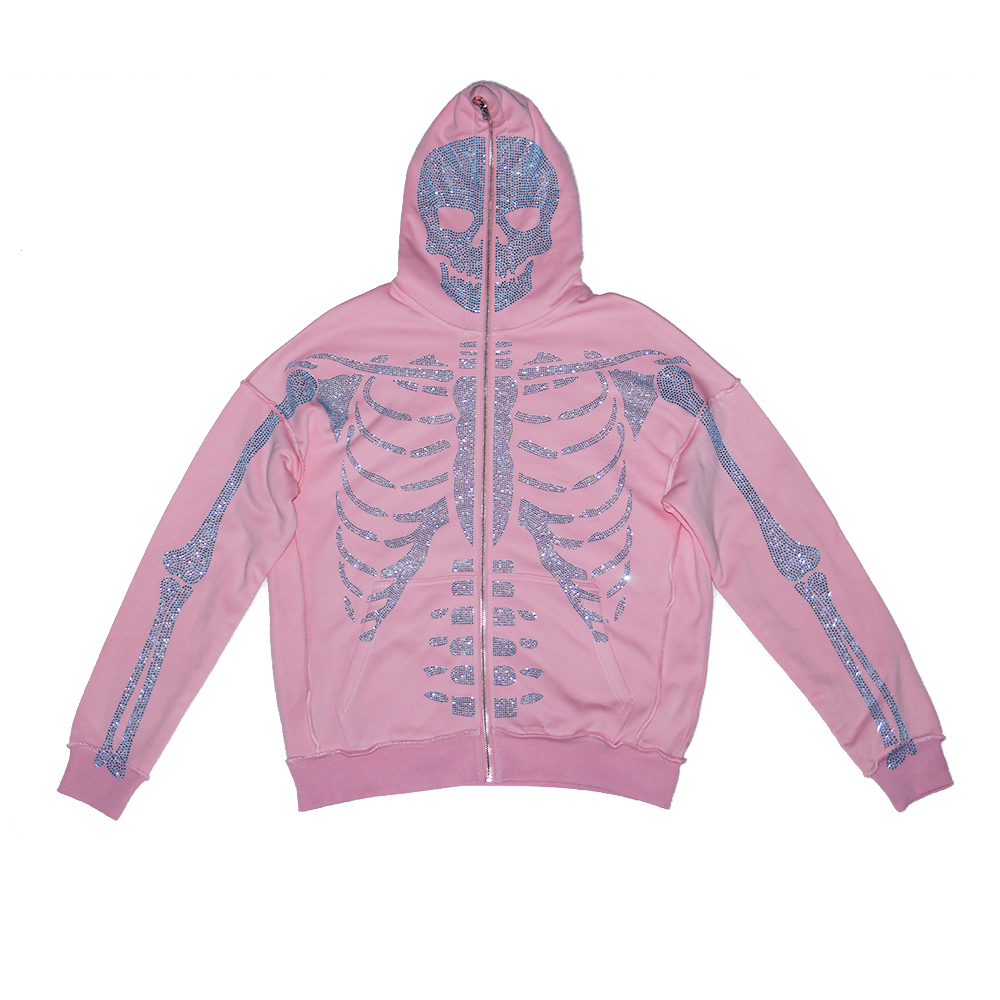
Custom Jerseys
Custom jersey manufacturing combines sport-specific fabric selection with panel construction, color blocking, sublimation, printing, embroidery and name-and-number control. EDVORIN manages size sets and placement specifications for organized team and club orders.
Get a Quote
Tank Tops
Tank top manufacturing includes fabric selection, neckline and armhole binding, silhouette, length, print placement and finishing. Programs can be developed for casualwear, streetwear, training apparel or coordinated teamwear, with separate men’s and women’s fit options.
Get a Quote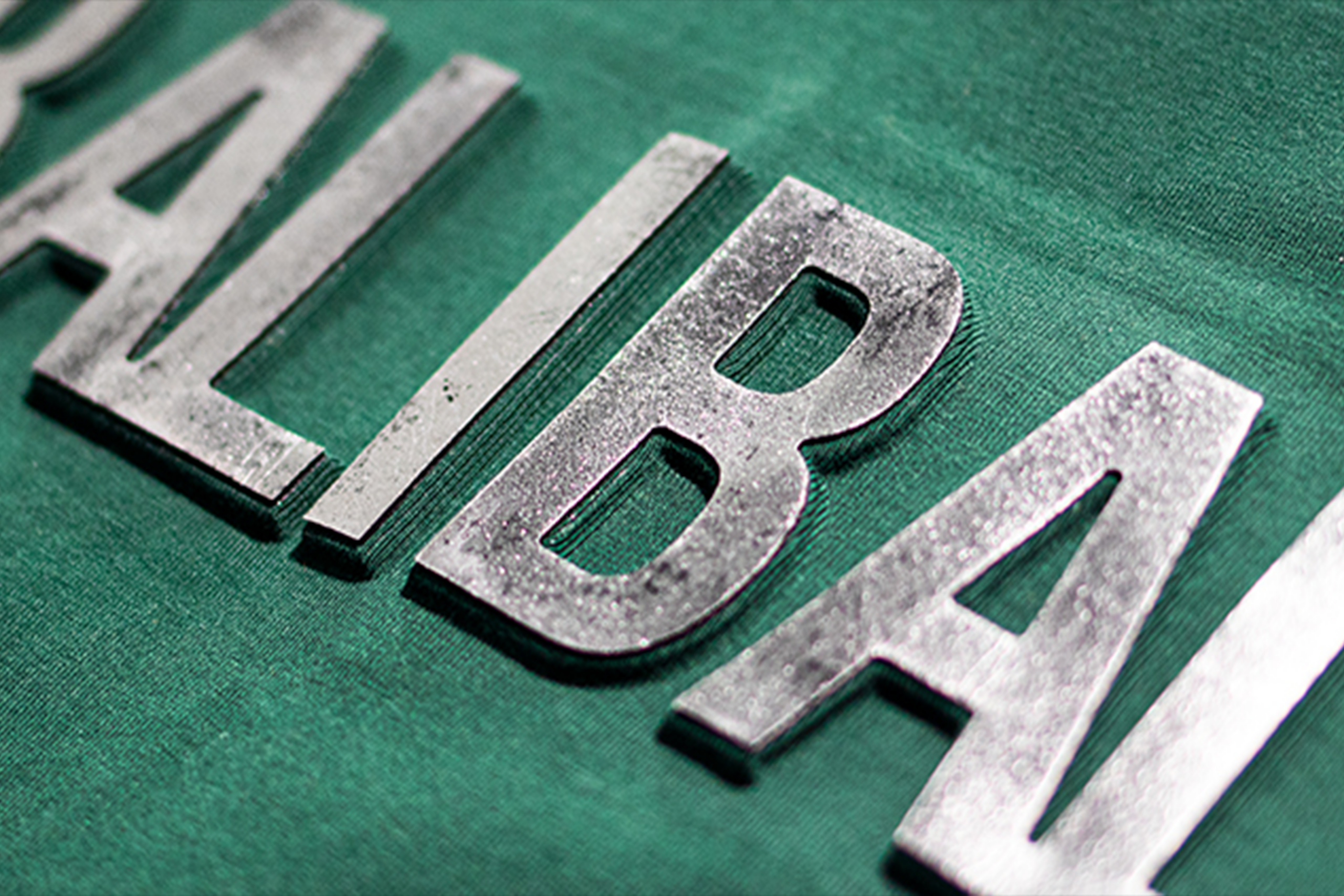
Soccer Uniforms
Soccer uniform manufacturing covers breathable fabric options, jersey and short construction, club colors, crest application, player names, numbers and size sets. EDVORIN establishes color and placement standards to support consistent team and repeat-order production.
Get a Quote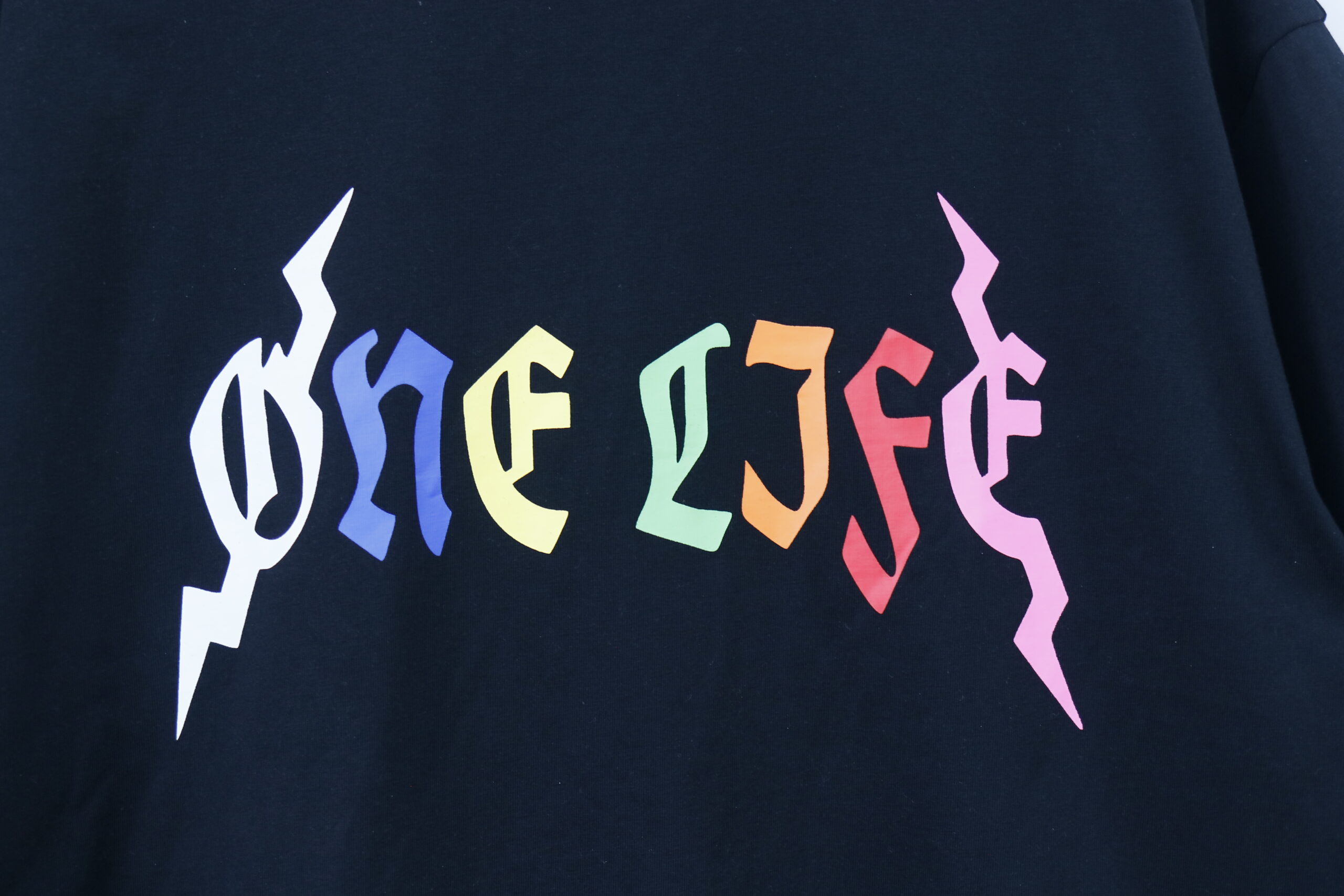
Basketball Uniforms
Basketball uniform manufacturing includes lightweight performance fabrics, reversible or single-layer construction, contrast panels, trims, sublimation, printed numbers and name control. Development addresses mobility, durability, sizing and coordinated jersey-and-short specifications.
Get a Quote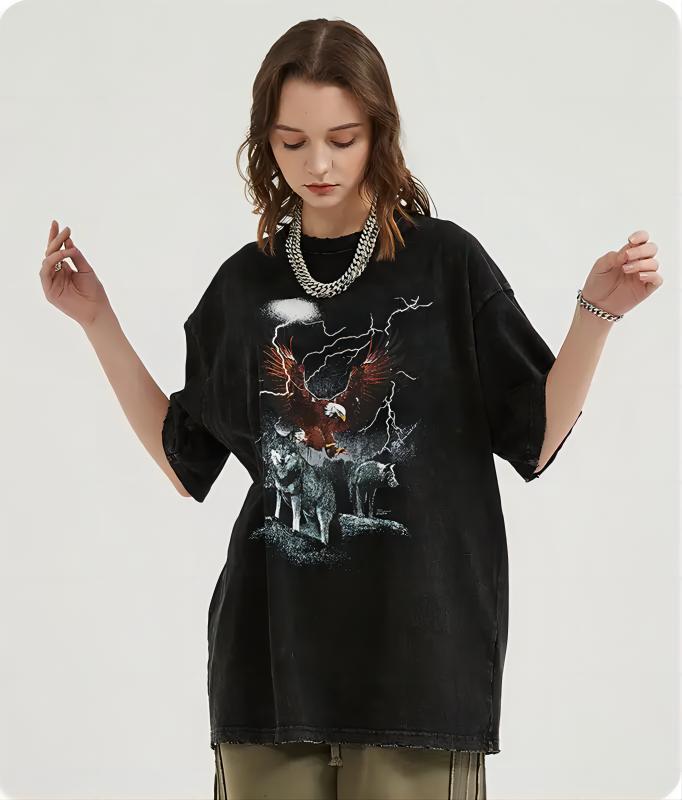
Streetwear Collections
Streetwear clothing manufacturing brings hoodies, T-shirts, sweatpants, shorts, jackets and woven pieces into one coordinated collection. EDVORIN aligns fabrics, fits, washes, trims, artwork, labeling and packaging so approved concepts can be repeated across production.
Get a QuoteFounder-Led Nylon Apparel Manufacturing Since 2000
Founded by Edvorin Zeng in 2000, EDVORIN helps brands turn apparel concepts into production-ready collections. As a nylon clothing manufacturer partner, we bring founder-led attention to the decisions that shape a garment before bulk production begins, from material selection and pattern development to samples, trims and decoration.
Our integrated OEM, ODM and private-label workflow supports casualwear, streetwear, outerwear and teamwear programs for men and women. We coordinate fabric, construction, printing, embroidery, washing, labeling and packaging; certification programs include ISO 9001, BSCI, WRAP, SEDEX, OEKO-TEX Standard 100, GRS and GOTS.
What distinguishes EDVORIN is the discipline behind repeatability. Approved samples, measurement standards, artwork placements and trim specifications guide in-line and final quality control, helping fashion brands, teams, wholesalers and growing labels protect their design intent across orders. MOQ starts at 200 pieces per style.
Nylon Clothing Manufacturer Development Controls
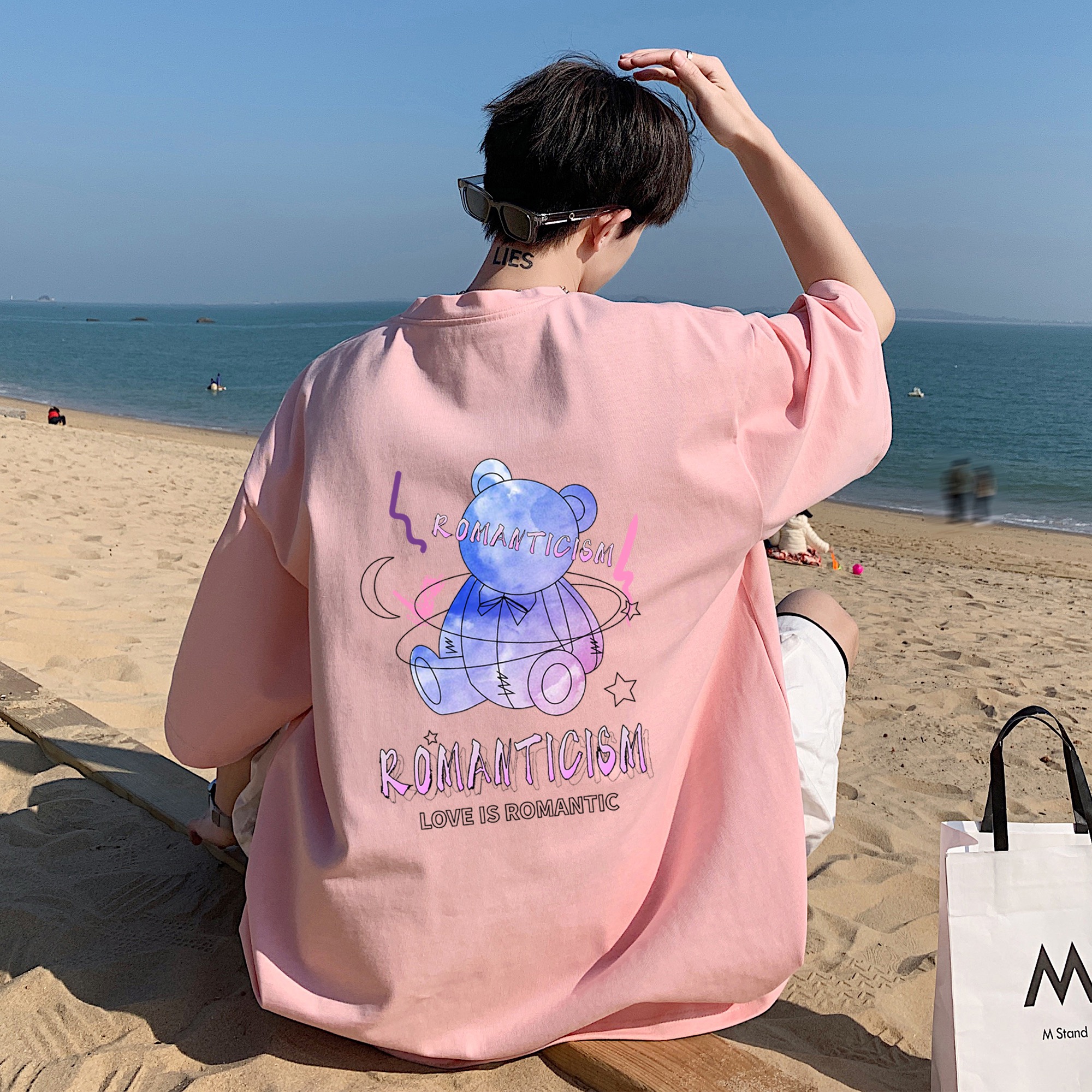
Material Behavior, Specified Early
As a nylon clothing manufacturer, EDVORIN aligns fabric weight, stretch, recovery, hand feel, lining, and performance expectations during development so the material supports the intended silhouette and end use before bulk decisions are made.
- Review nylon construction against the garment category
- Match stretch and recovery to fit requirements
- Coordinate shell, lining, and trim selections
- Confirm material direction through sampling
Construction That Holds Its Shape
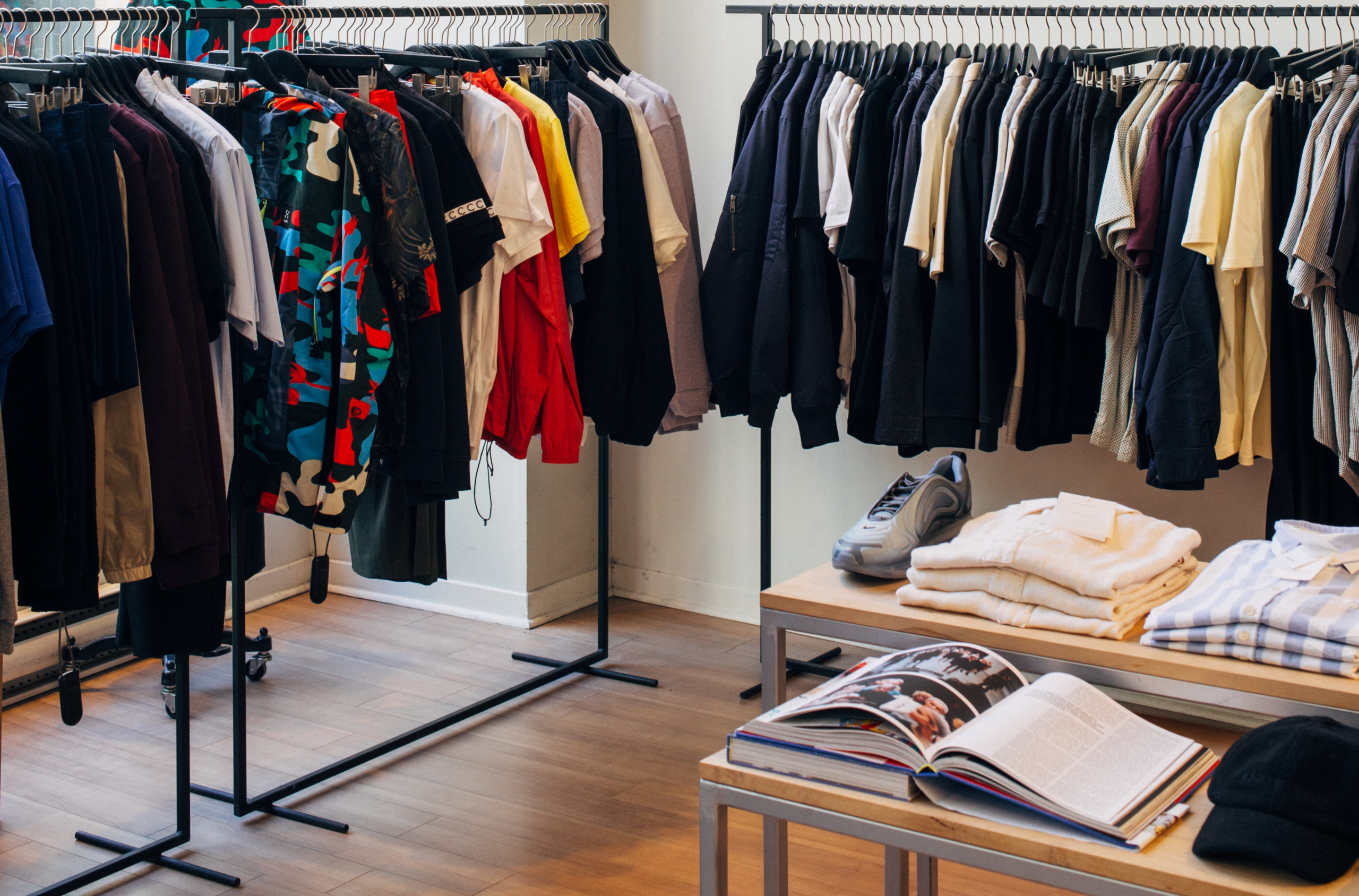
Nylon garments depend on clear construction details, especially where lightweight shells, panels, zippers, pockets, elastic, and seam finishes meet. EDVORIN translates these details into production-ready specifications that protect fit, function, and a consistent finished appearance.
- Define seam, panel, and pocket construction
- Specify hardware and elastic applications
- Set measurement points and tolerances
- Build fit blocks for men's and women's programs
Decoration Matched to the Base
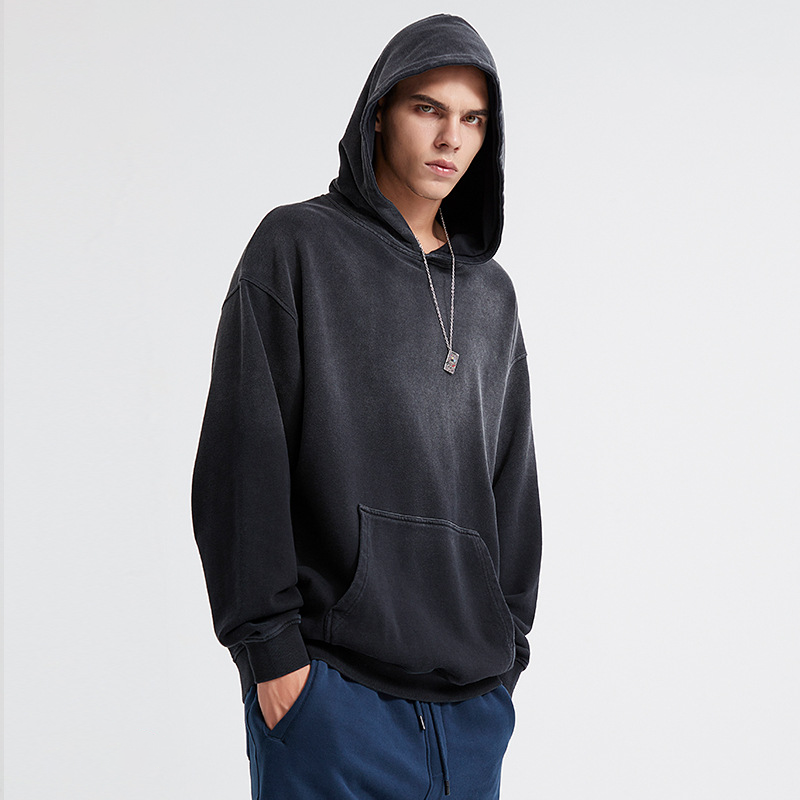
Print, embroidery, patches, and labels must work with the selected nylon fabric and garment construction. EDVORIN reviews placement, scale, attachment method, and finishing during development to help ensure decoration remains aligned with the approved product standard.
- Check artwork placement before production
- Coordinate decoration with fabric behavior
- Specify patches, labels, and branding details
- Review finished samples before bulk release
Approved Samples Guide Bulk
A good sample becomes useful when its approved details are documented for repeat production. EDVORIN connects sample approval with measurements, materials, trims, artwork references, and quality checks, giving nylon apparel programs a clearer standard from line setup through final packing.
- Record approved material and trim references
- Carry sample measurements into production
- Use in-line checks to catch variation
- Inspect finished orders before packing

Nylon and Polyester Apparel: Key Development Considerations
Compare fabric behavior, development controls, decoration options and production trade-offs before selecting your apparel base.
← Swipe left or right to view →
Our Nylon Clothing Production Process
A controlled workflow that turns approved nylon apparel specifications into repeatable bulk production, starting from 200 pieces per style.
Review the Product Brief
We assess your tech pack, sketch, reference garment, fit requirements, target use, decoration needs, quantities, and delivery priorities before development begins.
Source Materials and Trims
Our team coordinates nylon fabric, lining, insulation, hardware, labels, and compatible decoration methods around the intended garment construction and performance requirements.
Develop Patterns and Samples
Patterns, measurements, construction details, artwork placement, and sample revisions are refined into an approval standard for your men’s or women’s program.
Confirm Production Standards
Approved samples, color references, trim specifications, placement measurements, and packaging details are documented so every production department works from one clear standard.
Produce, Inspect, and Pack
Bulk cutting, sewing, decoration, finishing, in-line checks, final inspection, labeling, and packing are coordinated to protect the approved product through shipment preparation.
How to Start a Nylon Apparel Order
Share your production direction, and EDVORIN will turn it into a documented nylon apparel program built for sampling and repeatable bulk manufacturing.
Send Your Product Direction
Submit a tech pack, sketch, reference garment, measurements, material direction, artwork and estimated quantity for review.
Review Materials and Construction
Work with our team to clarify nylon fabric, trims, fit, performance needs, decoration, labels, packaging, and the details required for your intended market.
Approve Your Development Sample
Review the sample against agreed measurements, construction, artwork placement, and material choices, then confirm revisions before the production standard is finalized.
Move Into Bulk Production
After approval, EDVORIN coordinates material preparation, production, in-line quality checks, final inspection, labeling, and packing for orders starting at 200 pieces per style.
Buyer Results with a Nylon Clothing Manufacturer
Our nylon windbreaker sample was approved after two focused revisions, and the final bulk run held the sleeve and body measurements within our approved tolerances across 480 pieces.
EDVORIN translated our teamwear artwork into clean heat-transfer placement on 320 nylon training jackets. Names, numbers, and logo positions stayed consistent from the size set through packed delivery.
We started with a sketch and received a production-ready nylon utility short program with confirmed fabric, trims, labels, and grading. The 600-piece order arrived ready for our wholesale launch.
The Complete Buyer’s Guide to Nylon Apparel Manufacturing
Practical answers for brands developing nylon apparel with EDVORIN.
What types of nylon garments can EDVORIN manufacture?
What is the MOQ for a nylon clothing manufacturer order?
Can a nylon clothing manufacturer add printing, embroidery and patches to one garment?
Can you develop a nylon garment from a sketch or reference sample?
What artwork files should I send for nylon apparel decoration?
How does a nylon clothing manufacturer control quality from sample to bulk order?
Can I add private labels and custom packaging to a nylon clothing order?
Does EDVORIN make nylon clothing for both men’s and women’s collections?
The Complete Buyer’s Guide to nylon clothing manufacturer
Use a practical decision framework to compare nylon apparel suppliers, specify fabrics and construction, manage customization and costs, and avoid sourcing mistakes that can delay launches or compromise product quality.
1. What Is a Nylon Clothing Manufacturer?
200 pieces is a practical starting point for an OEM nylon clothing manufacturer: it converts a buyer’s specification into repeatable garments, from patterns and samples through cutting, sewing, decoration, labeling, packing, and bulk quality control.
4 supplier roles should not be treated as interchangeable. A garment factory makes the finished apparel; a fabric mill produces nylon textiles; a sourcing agent coordinates suppliers for a fee; and a trading company buys and resells, sometimes without controlling production.
200-piece programs can suit streetwear labels testing outerwear, sports teams ordering coordinated kits, schools standardizing uniforms, and wholesalers building private-label assortments. This guide helps buyers define the product, select materials and customization, evaluate factory controls, avoid sourcing errors, and compare cost against the production standard required.
2. How Nylon Apparel Manufacturing Evolved
1935 marked nylon’s laboratory debut, and its early commercial use established a lightweight synthetic alternative for hosiery and utility textiles. As filament yarn supply expanded, mills adapted nylon for windbreakers, shells, and uniforms where strength-to-weight and fast drying mattered.
1960s–1980s development brought textured yarns, ripstop constructions, polyurethane coatings, and durable-water-repellent finishes. Buyers could specify fabrics by denier, weave, coating, and backing instead of sourcing a single generic nylon; modern nylon fabric listings still span ballistic, oxford, taffeta, and taslan constructions (https://www.tvfinc.com/fabric-type/nylon/).
1990s onward, nylon-elastane blends and improved heat-setting moved the material into fitted activewear, jerseys, and performance uniforms. A nylon clothing manufacturer now translates those choices into private-label specifications—fiber ratio, stretch recovery, GSM, color, finish, and production controls—before sampling; knit nylon programs commonly span 150–600 GSM (https://runtangtex.com/nylon-fabric).
3. Types of Nylon Clothing Manufacturer Services
Five service models shift responsibility, creative control, and launch speed before a nylon clothing manufacturer prices a program. EDVORIN can translate either a finished tech pack or an early concept into a documented production standard.
| Service Model | Best Fit | Control | Tradeoff |
|---|---|---|---|
| Full-package OEM | Growing collections | High | More development |
| Private label | Fast branded launch | Medium | Shared base product |
| Cut-and-sew | Distinct designs | Highest | More specifications |
| Stock blanks | Small tests | Low | Limited differentiation |
| Fabric-led | Performance products | High | Material sampling |
Full-Package OEM
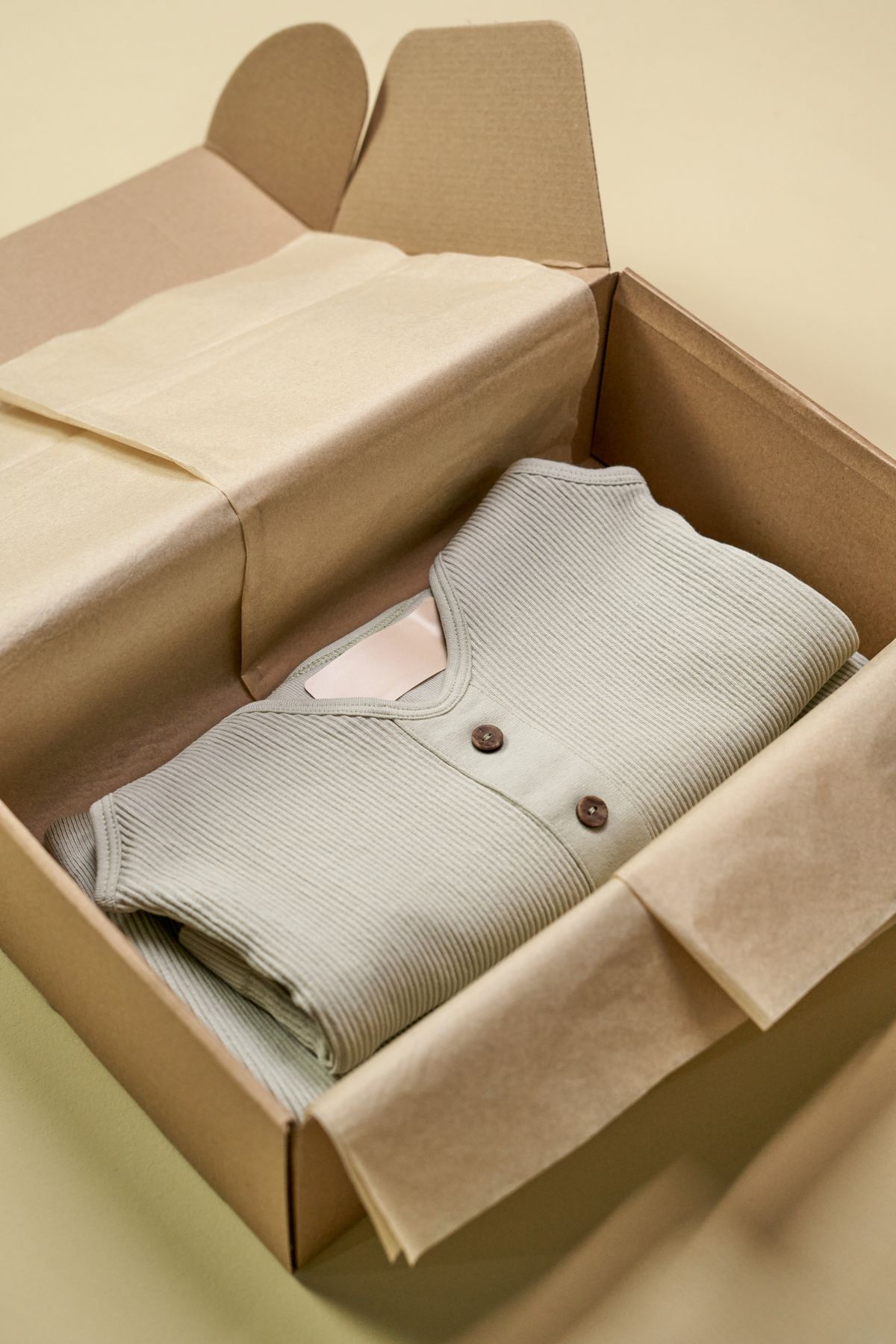
Full-package OEM assigns development, sourcing, sampling, decoration, production, labeling, and packing to one accountable partner. It suits buyers who need coordinated execution and retain approval over specifications.
EDVORIN works from a concept, reference, or complete tech pack. The tradeoff is a longer development path before bulk production.
Private Label And Blanks
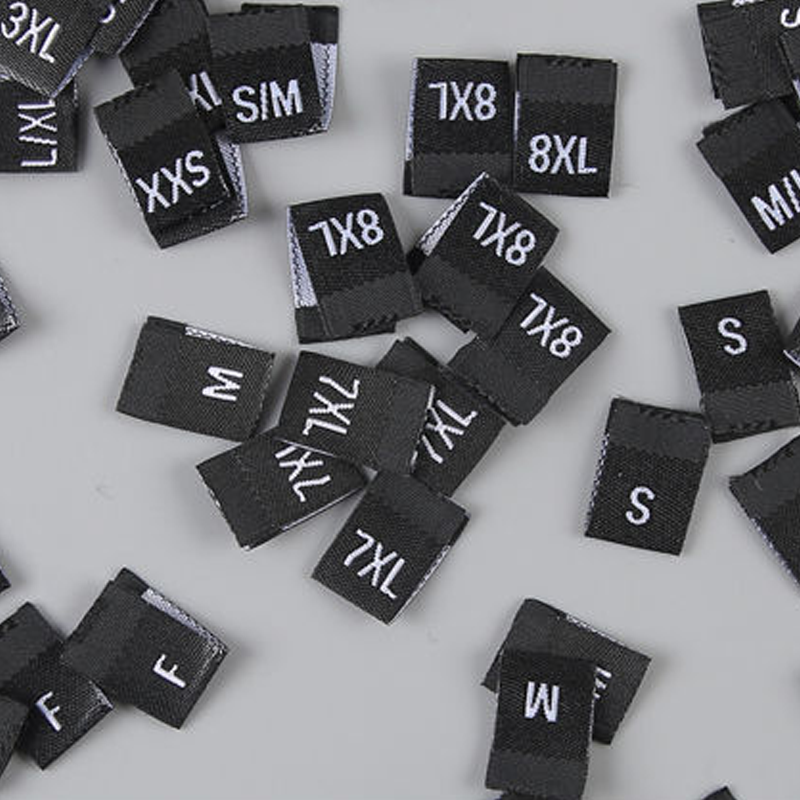
Private label applies a buyer’s labels, packaging, and approved decoration to established garment options. It is practical for faster launches with less control over the base fit and construction.
Stock or blank programs reduce development work and sample risk. Their limitation is weaker product differentiation.
Custom And Fabric-Led Development
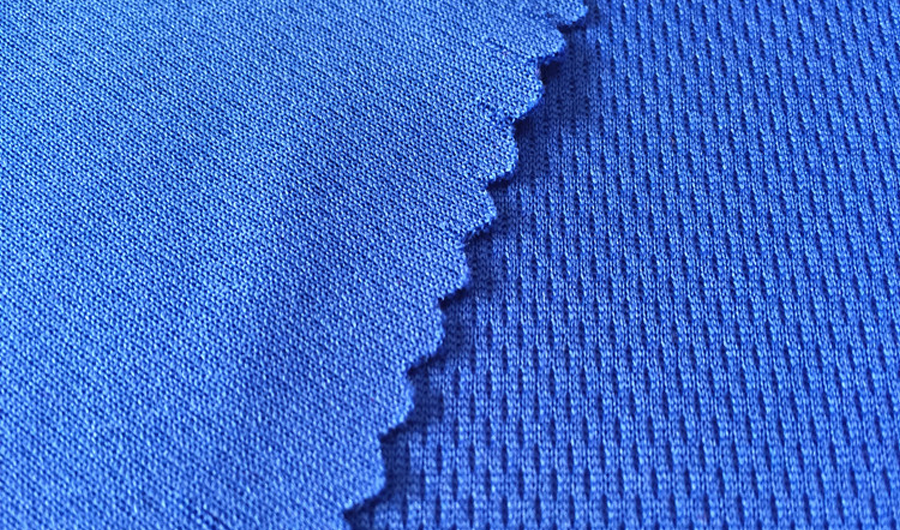
Cut-and-sew custom manufacturing begins with buyer-defined patterns, measurements, pockets, panels, and trims. It offers the greatest design control but requires clear approvals.
Fabric-led development starts with nylon weight, weave, stretch, finish, and performance targets. It fits outerwear or teamwear programs where material behavior drives the garment.
4. Nylon Clothing Manufacturer Fabric Options
60–250 GSM is a practical starting range: choose construction by movement, surface feel, and exposure rather than fiber name alone. TVF catalogs ripstop, taslan, oxford, taffeta, coated, and water-repellent nylon options: https://www.tvfinc.com/fabric-type/nylon
| Fabric | GSM | Typical Use | Buyer Check |
|---|---|---|---|
| Woven nylon | 70–160 | Windbreakers | Hand, no stretch |
| Nylon-spandex knit | 180–280 | Leggings | Four-way recovery |
| Ripstop | 60–140 | Shells | Grid tear resistance |
| Taslan | 110–180 | Jackets | Soft hand |
| Oxford | 150–250 | Teamwear | Abrasion, coating |
| Taffeta | 45–75 | Linings | Slipperiness |
| Recycled nylon | 60–200 | Outerwear | Traceability |
| Coated or WR nylon | 70–180 | Rainwear | Wash durability |
Match Construction To Use
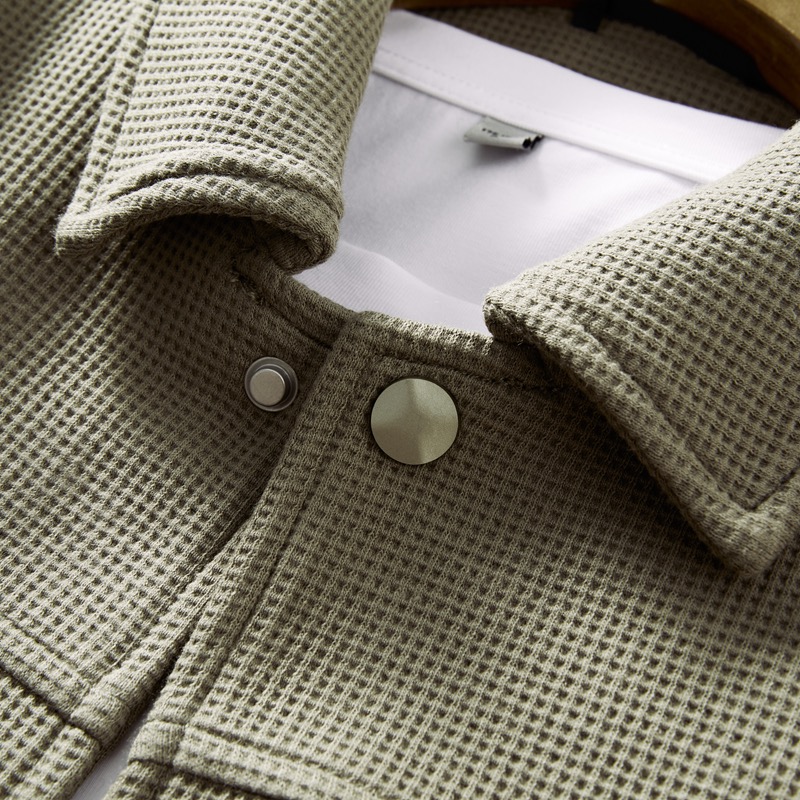
70–160 GSM woven nylon suits windbreakers; 180–280 GSM nylon-spandex knits suit stretch leggings.
60–140 GSM ripstop prioritizes tear control, while 150–250 GSM oxford favors abrasion.
Evaluate Hand And Drying
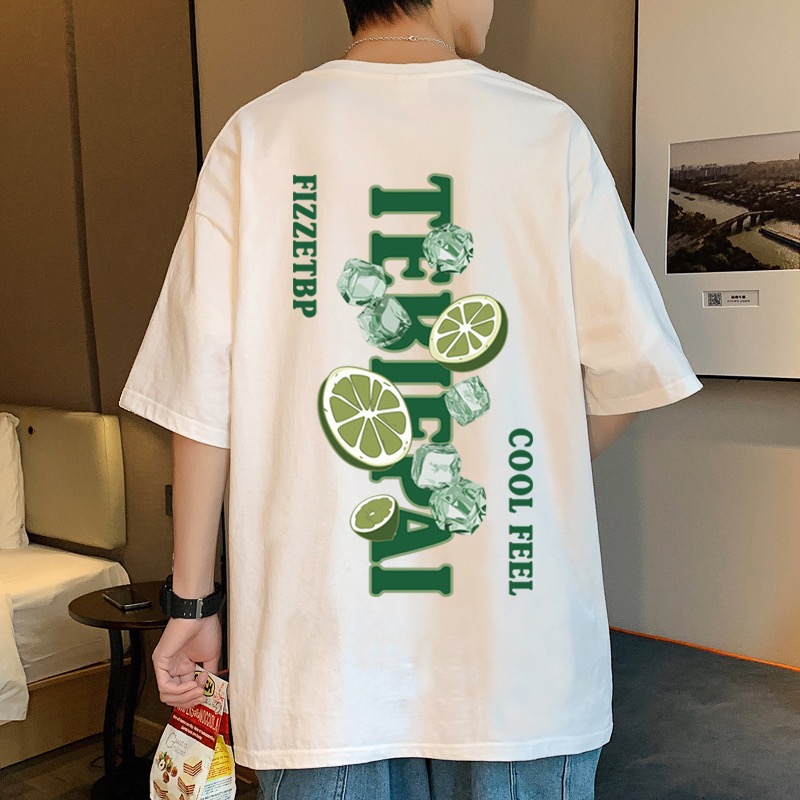
110–180 GSM taslan gives jackets a softer, cotton-like hand.
45–75 GSM taffeta dries quickly and works as a slippery lining or lightweight shell.
Specify Finish Evidence
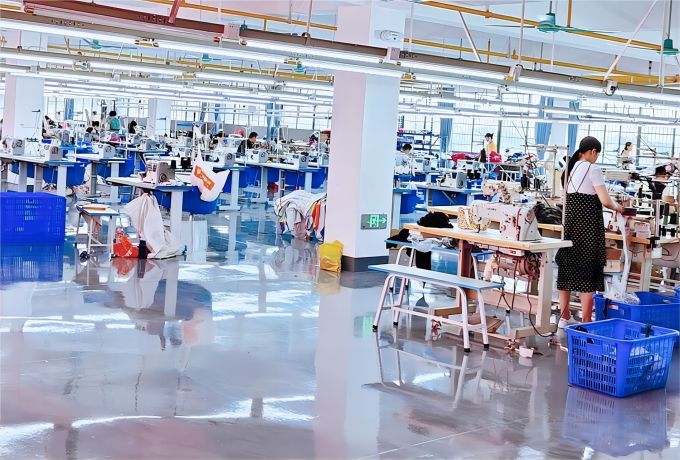
60–200 GSM recycled nylon needs traceability documentation before approval.
70–180 GSM coated or WR nylon requires post-wash performance testing, not finish claims alone.
5. Customization Options From a Nylon Clothing Manufacturer
Each nylon clothing manufacturer brief should define silhouette, panel seams, Pantone color targets, lining, trims, labels, packaging, finish, and required water resistance or breathability. EDVORIN converts those choices into an approval-ready production standard.
| Customization | What To Specify | Nylon Check |
|---|---|---|
| Lining and finish | Mesh, taffeta, coating | Hand feel and breathability |
| Trims | Zipper, snaps, cord | Corrosion and color match |
| Decoration | Method and placement | Adhesion or puckering test |
Specify The Garment Build
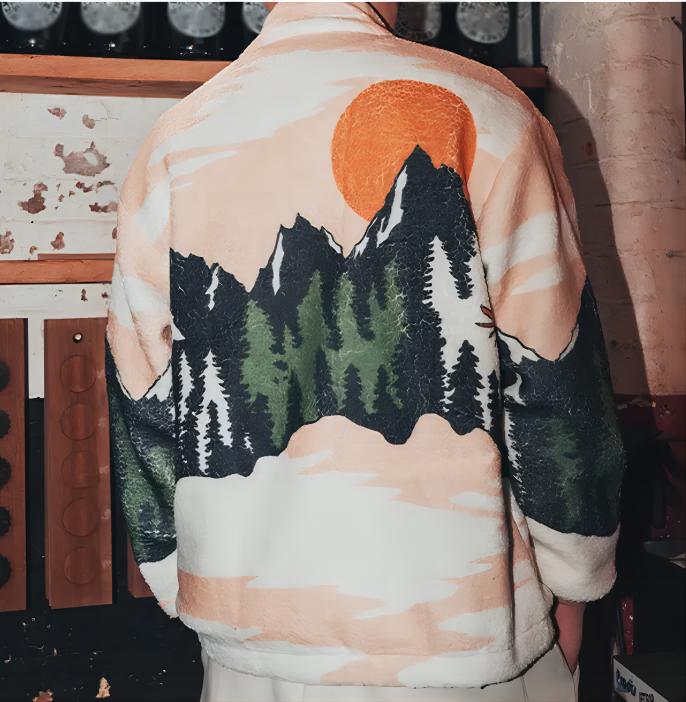
One tech pack should show front, back, and panel artwork, measurement points, grading, fabric, lining, zipper, elastic, and drawcord specifications. Separate men’s and women’s fit requirements before sampling.
- Silhouette and panel layout
- Pantone color and contrast binding
- Labels, hangtags, polybags, carton marks
Match Decoration To Nylon
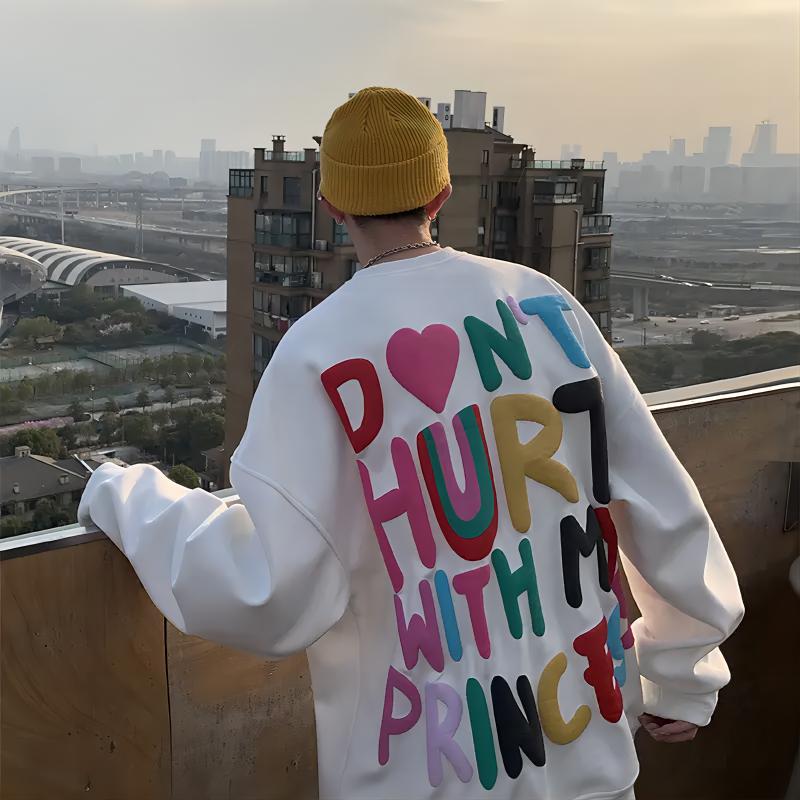
Five common options are embroidery, screen print, heat transfer, patches, and reflective details. Test adhesion, stitch density, heat exposure, and placement on the approved nylon because coatings, stretch, and lightweight shells can affect results.
Lock Approval Standards
Three approvals reduce bulk ambiguity: a size-set sample, color and trim approvals, and sealed artwork with placement measurements. Record tolerances, wash expectations, decoration references, and packaging details before cutting begins.
6. Construction Quality Checks for Nylon Garments
Three approval points—sample, pre-production, and final inspection—should use the same signed specification. A nylon clothing manufacturer should record tolerances and test methods before cutting bulk fabric.
Seams And Reinforcement
Eight to 12 stitches per inch is a practical starting checkpoint, adjusted for fabric weight and seam type. Inspect flatlock or bound seams for skipped stitches, puckering, and consistent seam allowance.
Two stress points per pocket, zipper base, or crotch junction should receive bar-tacks or equivalent reinforcement. Pull-test those points on the approved sample and document the result.
Hardware And Elastic
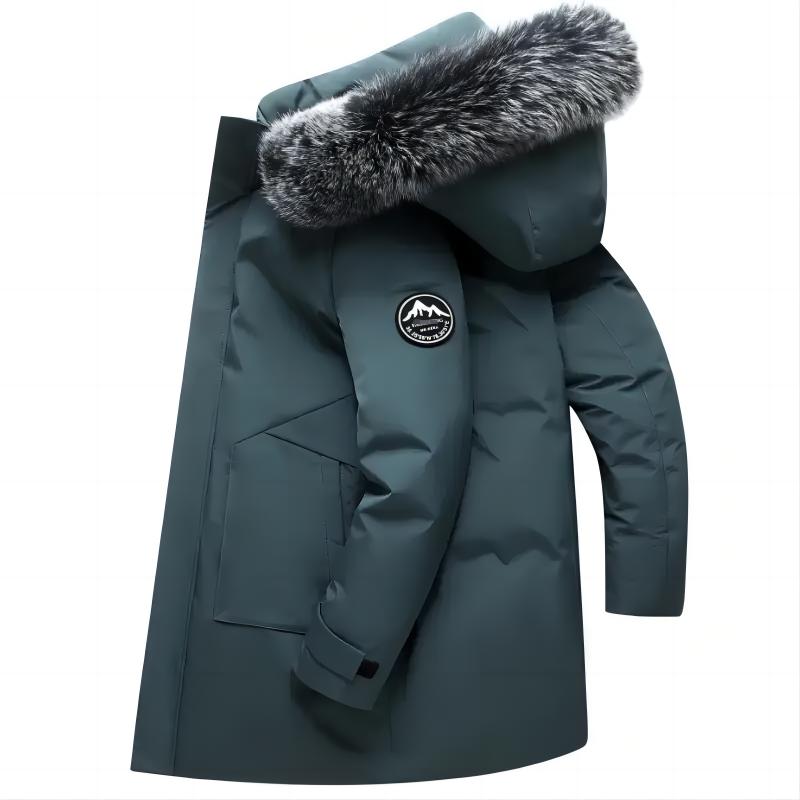
One approved zipper, puller, snap, and drawcord reference should define finish, color, and function. Run each zipper 10 times and check that hardware neither snags nor damages the nylon.
Three stretch-and-recovery pulls expose weak elastic before bulk production. Measure the waistband or cuff before stretching, after release, and after a 30-minute rest.
Lining, Edges, And Washing
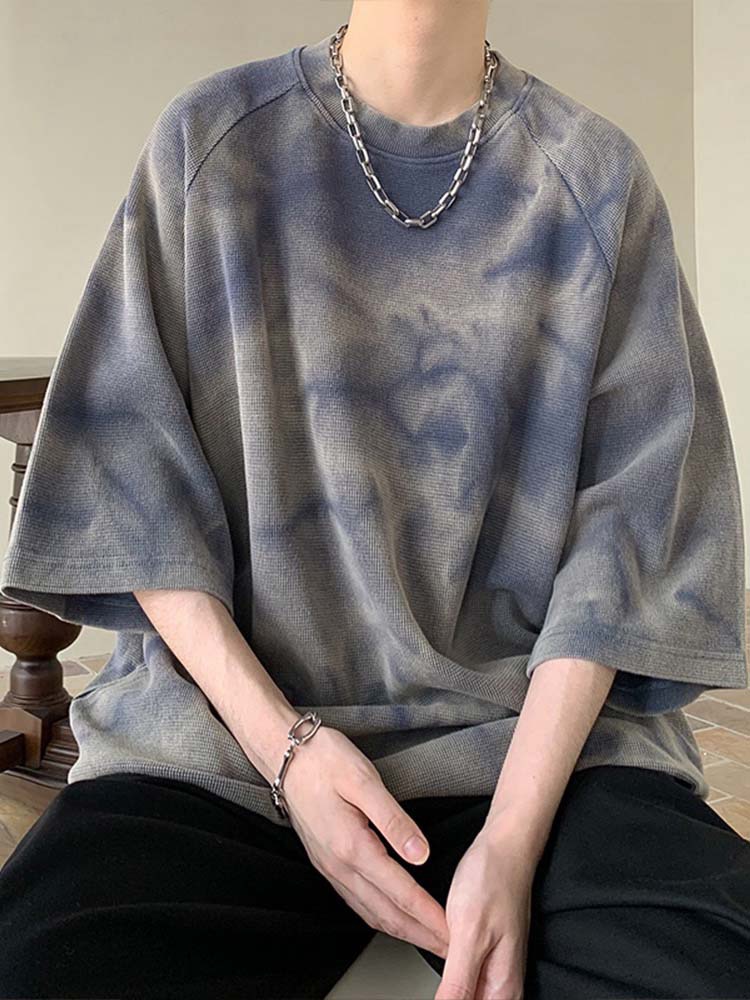
One inside-out inspection should confirm lining is securely caught, hems are even, and raw edges are enclosed or cleanly bound. Check sleeve and hem alignment against the measurement chart.
Five wash cycles at the specified care condition can reveal seam twisting, coating loss, color transfer, and elastic fatigue. Re-measure key points after washing and compare them with the approved tolerance.
7. How to Choose a Nylon Clothing Manufacturer
A capable nylon clothing manufacturer should show repeatable experience with your product type, not just a broad catalog. Evaluate documented materials, approved samples, controls, delivery planning, and export paperwork before issuing a purchase order.
| Evaluation Area | Evidence To Request | Decision Signal |
|---|---|---|
| Material sourcing | Specification and lot details | Traceable fabric choice |
| Sampling | Revision log and approval sample | Changes are controlled |
| Quality control | Inspection procedure | Checks occur before packing |
| Export readiness | Packing list and document process | Shipment handoff is clear |
Verify Product Experience
Three comparable windbreaker, teamwear, or technical-outerwear samples reveal more than generic claims. Ask for construction details, size ranges, decoration methods, and references relevant to your market.
- Request comparable product photos
- Confirm men’s and women’s fit capability
- Review hardware and seam experience
Audit Development Evidence
One material specification should state fiber content, weight, width, finish, color reference, and supplier. Request each sample-revision record, relevant wash or performance test results, and a signed approval standard.
Confirm Production Readiness
EDVORIN’s MOQ starts at 200 pieces per style. Two written checkpoints—pre-production and final inspection—help prevent approval drift. Ask who checks measurements, appearance, artwork placement, packing, capacity allocation, lead time, MOQ by color, and export documents.
8. Common Nylon Apparel Sourcing Mistakes
A nylon clothing manufacturer should receive testable production requirements, not assumptions. Small omissions in approval documents can become repeated bulk-order losses.
Test Fabric Before Approval
Before bulk cutting, approve a fabric swatch after wash, colorfastness, shrinkage and coating-performance tests. Record the approved GSM, color standard, test method and allowable dimensional change in the purchase order.
Convert References Into Specifications
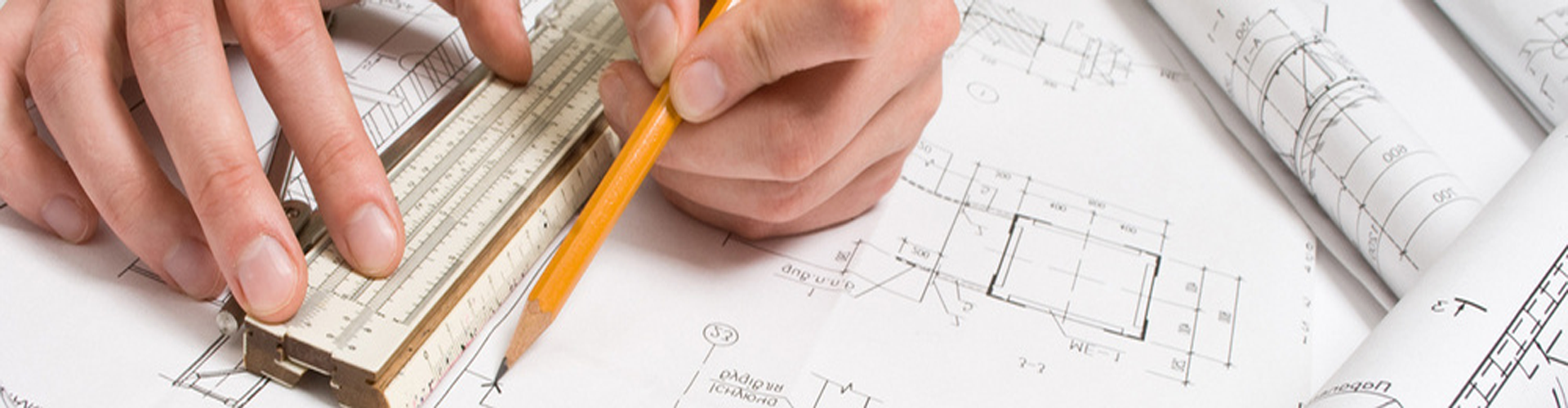
A reference garment shows appearance, not a reproducible standard. Attach a measurement chart, construction callouts, Pantone references, artwork placement dimensions and trim specification to the tech pack.
Control Production Risk
Before production, approve a pre-production sample made with bulk-intended fabric, trims and decoration. List zipper, label, drawcord and hardware lead times, then define AQL level, defect categories and remedy procedure in the quality plan.
When comparing quotes, evaluate yield, test requirements, inspection scope and delivery reliability alongside unit price. A lower quote can cost more when rework, substitutions or rejected units are excluded from its assumptions.
9. Steps to Launch a Nylon Apparel Line
A 200-piece opening order is easier to control when decisions are locked in sequence. Give a nylon clothing manufacturer one approved record for each stage, rather than relying on chat revisions.
Brief And Material Lock
Week 1: submit silhouettes, target retail price, size range, colorways, quantity split, reference images, and a measurement chart. Choose nylon construction, GSM, finish, Pantone colors, lining, and hardware; request swatches before committing.
Week 2: convert the brief into a tech pack with graded specs, stitch callouts, labels, packaging, and artwork files. Confirm which elements are stock versus custom, since custom fabric and trims can extend development.
Prototype Through Approval
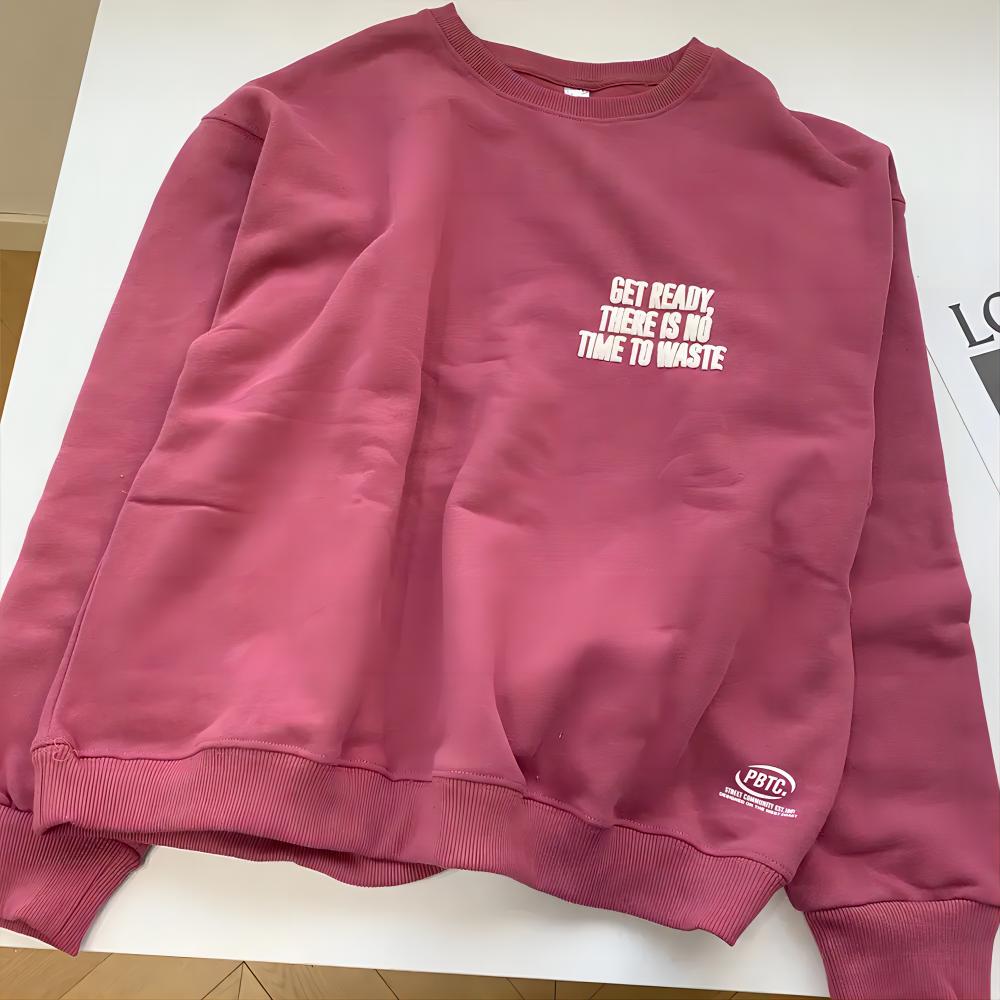
Sample 1: review fit, seam behavior, pocket depth, zipper function, and wash results against the tech pack. Mark every revision on one dated comment sheet and approve decoration strike-offs for scale, color, and placement.
Pre-production: approve a final sample using bulk-intended fabric, trims, labels, and packing. Freeze the specification before cutting; later changes can affect cost and delivery.
Phase The First Order
200 pieces: launch one core style in 2 colors and a disciplined size curve to protect cash flow. Use stock-compatible materials first, then add custom dye, embroidery, or specialized hardware after demand is proven.
During bulk production, require in-line measurement checks, defect review, and final inspection before shipment. Provide carton marks, delivery address, and required shipping documents before packing begins.
10. Nylon Clothing Manufacturer Pricing and Cost
200-piece programs often carry the highest unit cost because fabric minimums, pattern work, and line setup are spread across fewer garments. A nylon clothing manufacturer should quote the approved fabric type and GSM, custom-dye requirement, decoration, trims, pattern complexity, packaging, sample development, and Incoterms separately.
2 approvals—development sample and pre-production sample—help prevent unpriced revisions from reaching bulk production. Request garment specifications, size breakdown, Pantone colors, artwork files, labels, packing ratio, destination, and target delivery date so freight and shipping terms are comparable.
| Quantity tier | Primary cost drivers | Unit-cost direction | Typical lead-time consideration |
|---|---|---|---|
| 200–499 units | Development, fabric MOQ, custom trims | Highest | Allow sampling plus material confirmation |
| 500–999 units | Fabric yield, print or embroidery setup | Lower | Confirm dyeing and decoration capacity |
| 1,000–2,999 units | GSM, colorways, packaging complexity | Lower again | Allow bulk material and production scheduling |
| 3,000+ units | Custom dyeing, multiple sizes, freight terms | Best scale potential | Book capacity; inspect before shipment |
Start Your Nylon Clothing Manufacturer Project
Send your concept or tech pack for a focused OEM quote, with development support from sample approval through repeatable bulk production.