
Ripstop Clothing Manufacturer for Custom Outerwear
EDVORIN helps brands develop durable jackets, windbreakers, uniforms and utility apparel in ripstop fabrics, with a production system built for repeatable bulk orders.
Featured Ripstop Apparel Development
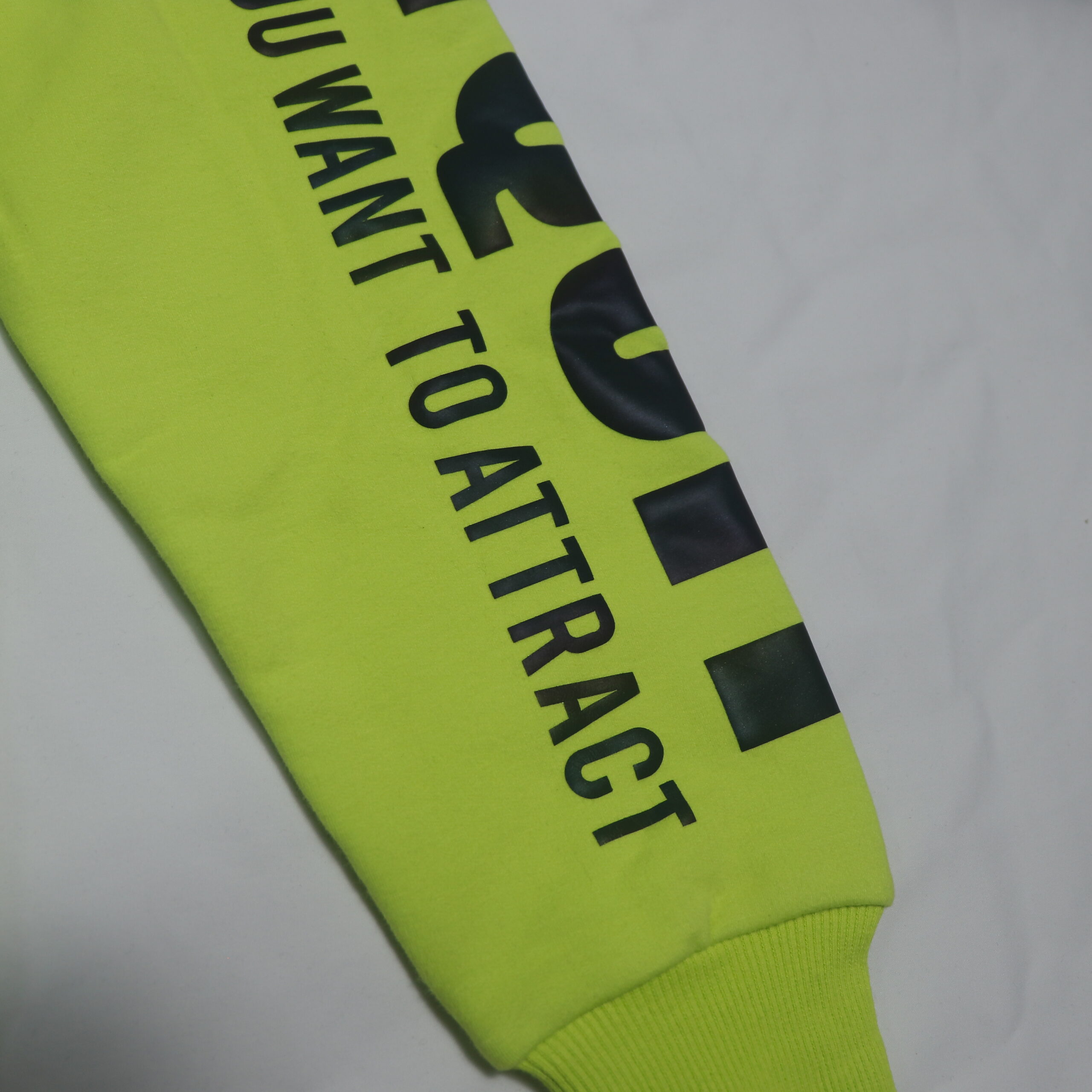
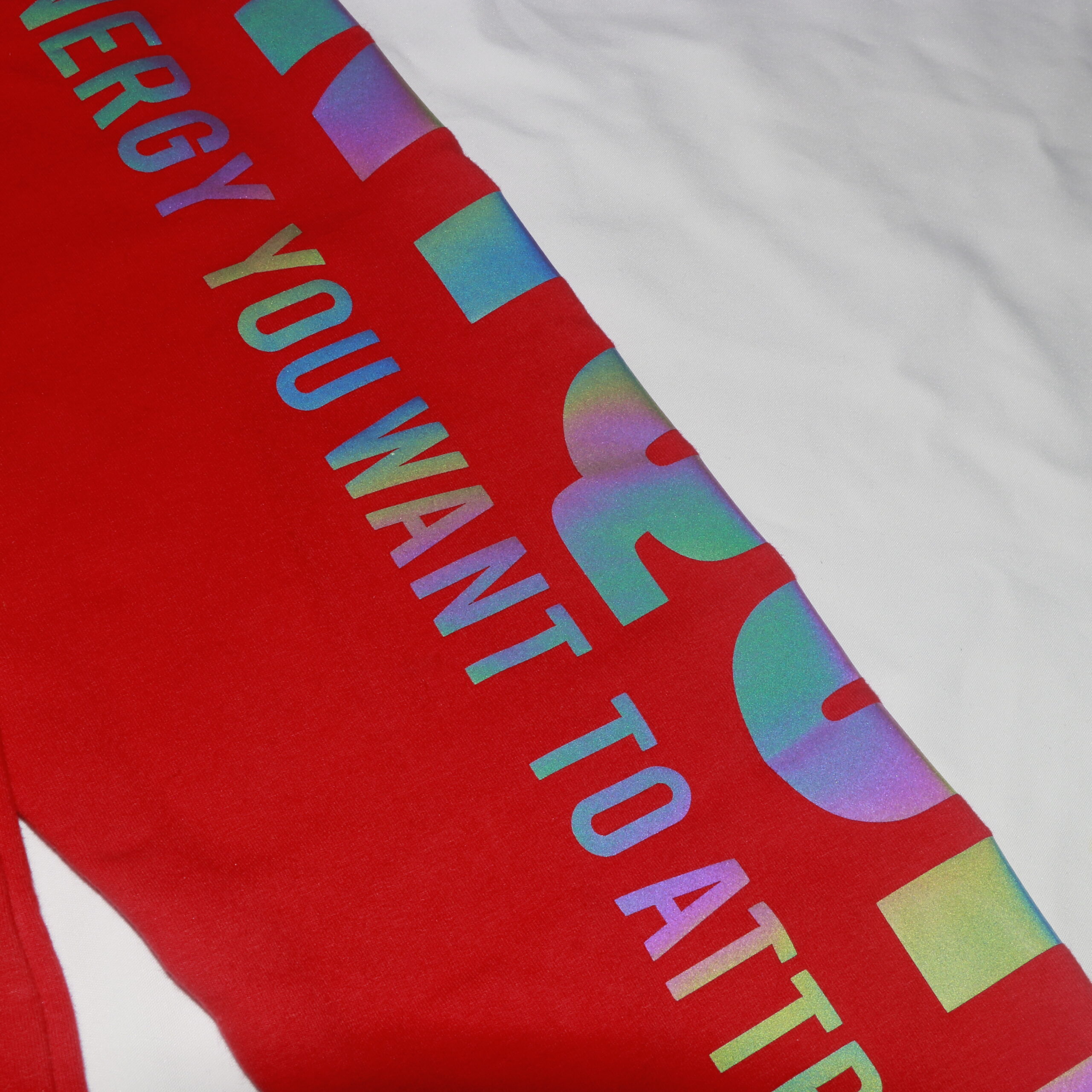
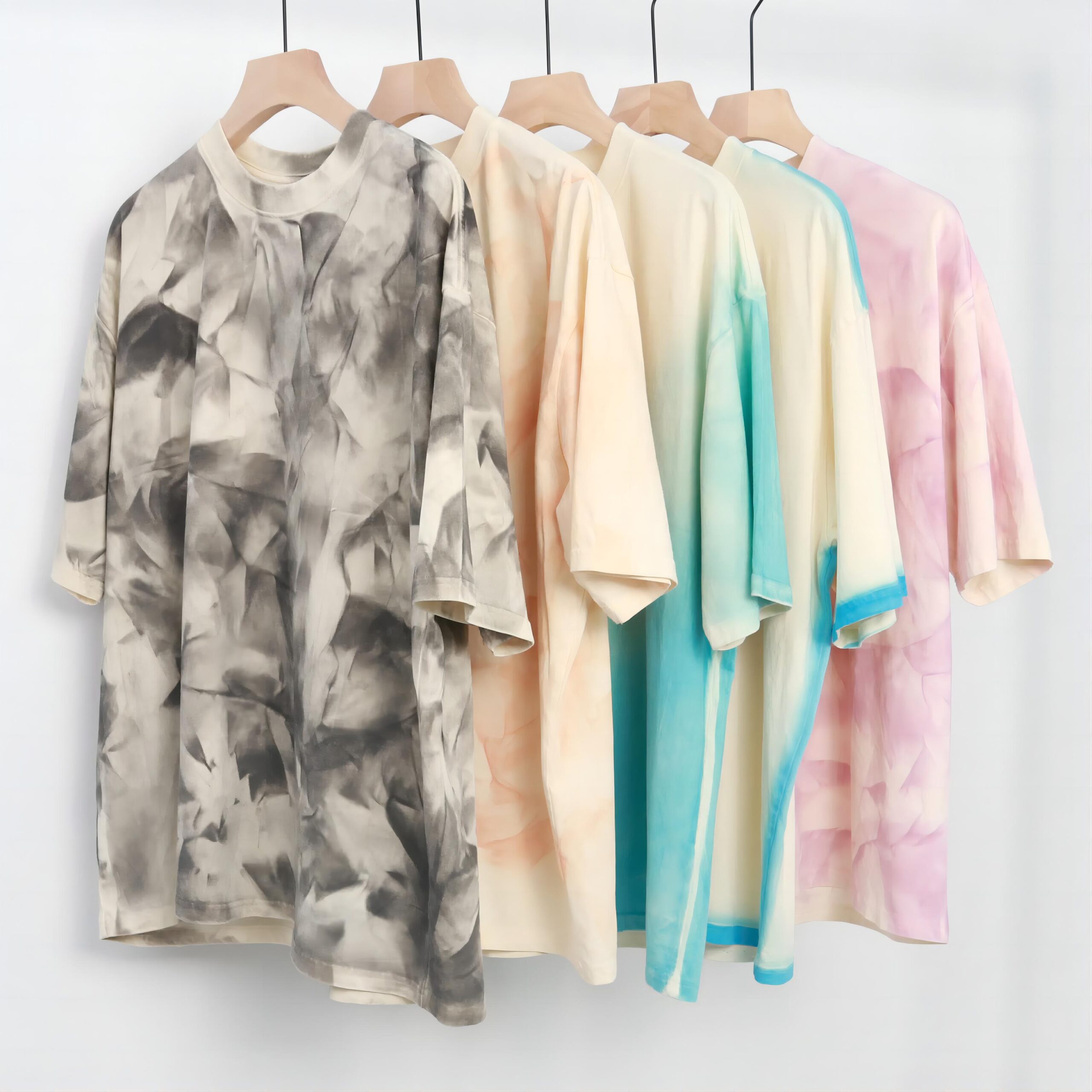





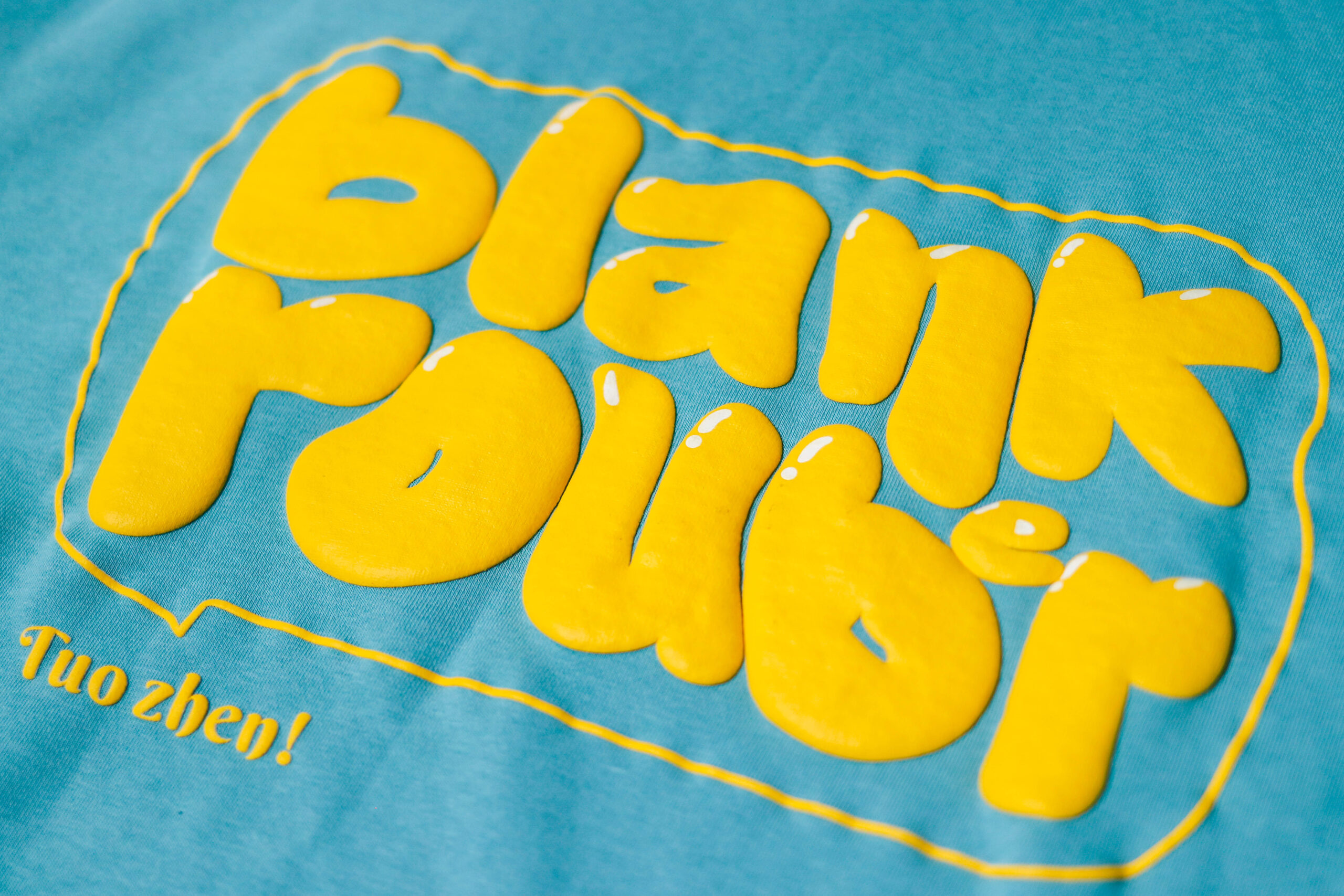

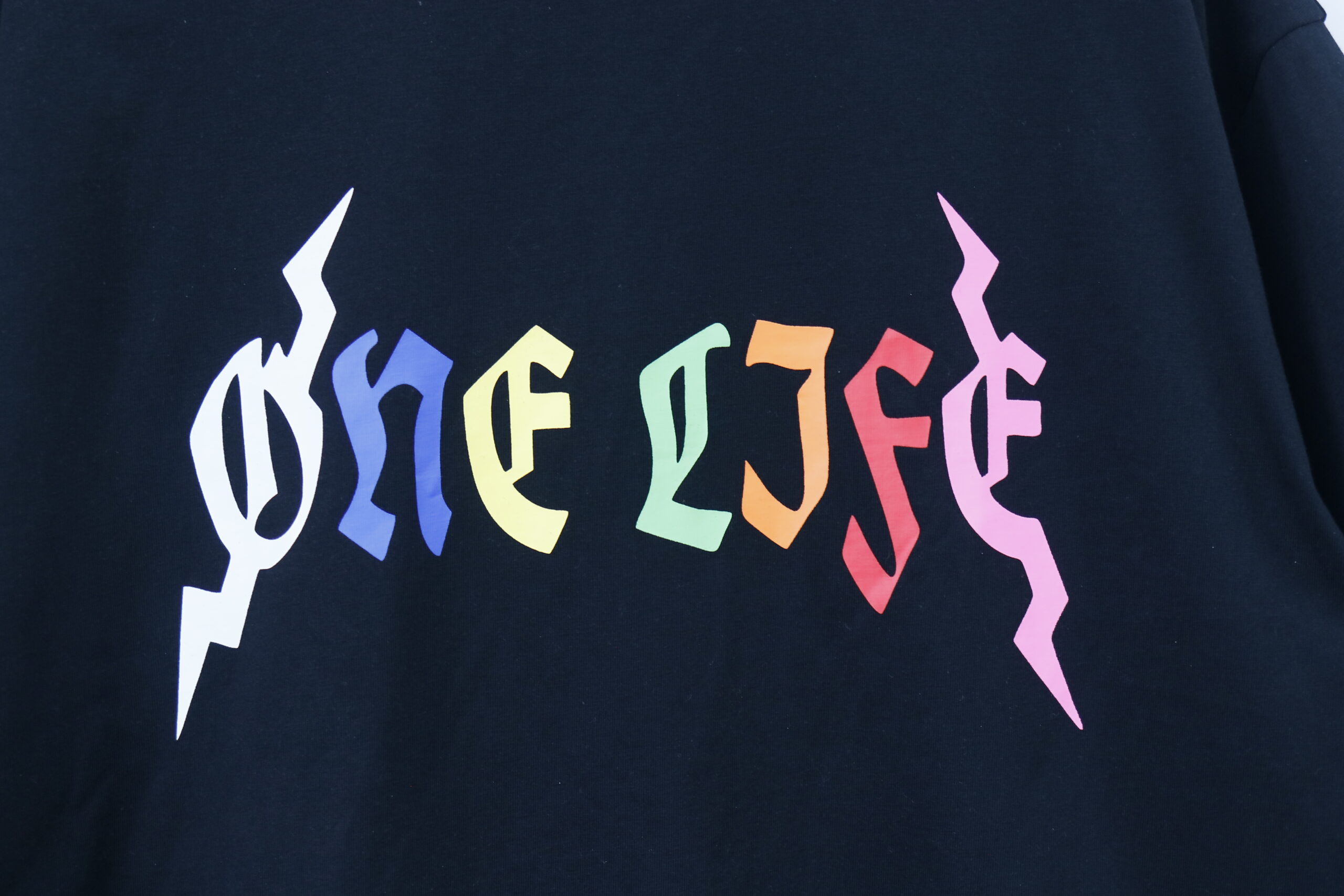

Ripstop Clothing Manufacturer Features Buyers Can Specify
Work with EDVORIN to develop ripstop apparel around the strength, weight, finish, and visual character your collection requires.
Tear-Containment Construction
Specify reinforced ripstop grids that help limit small tears, supporting dependable garments for active, utility, outerwear, and teamwear programs.
Lightweight Strength Balance
Develop shell weights and fabric compositions that balance durable performance, wearer mobility, packability, and the intended silhouette of your product.
Coordinated Fabric Options
Coordinate ripstop selections with lining, insulation, stretch panels, and trims so each garment meets its intended function and hand feel.
Decoration-Ready Surfaces
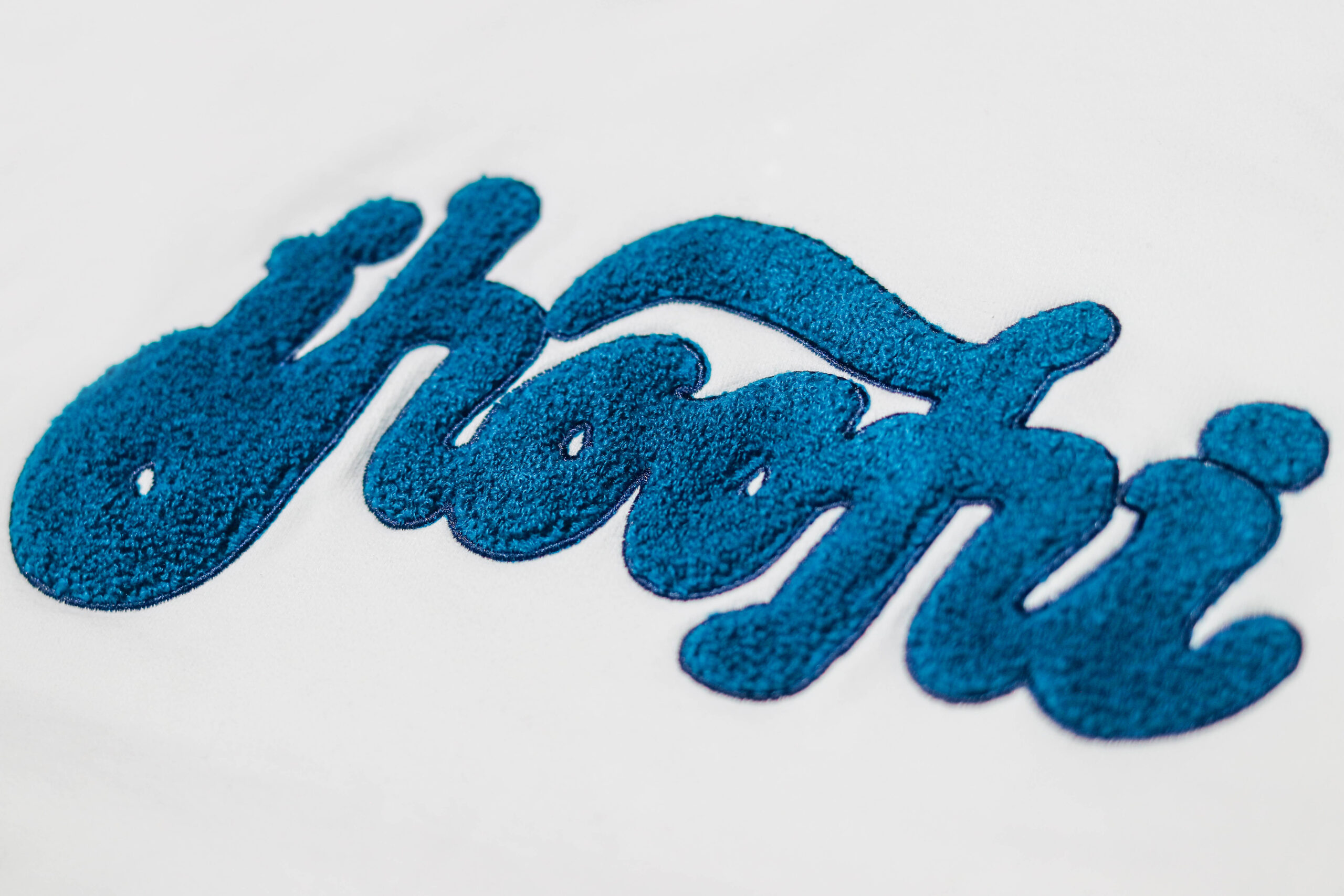
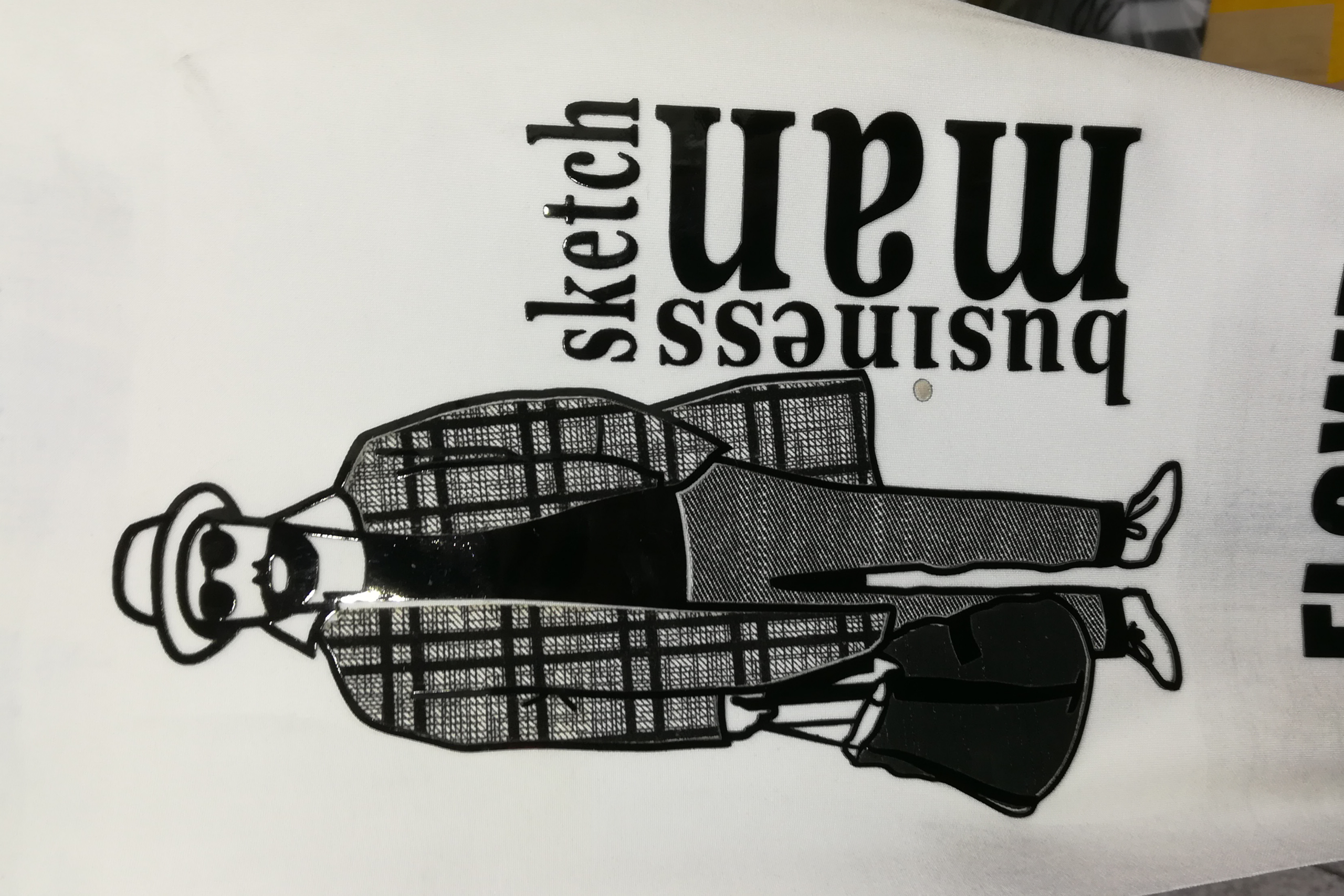
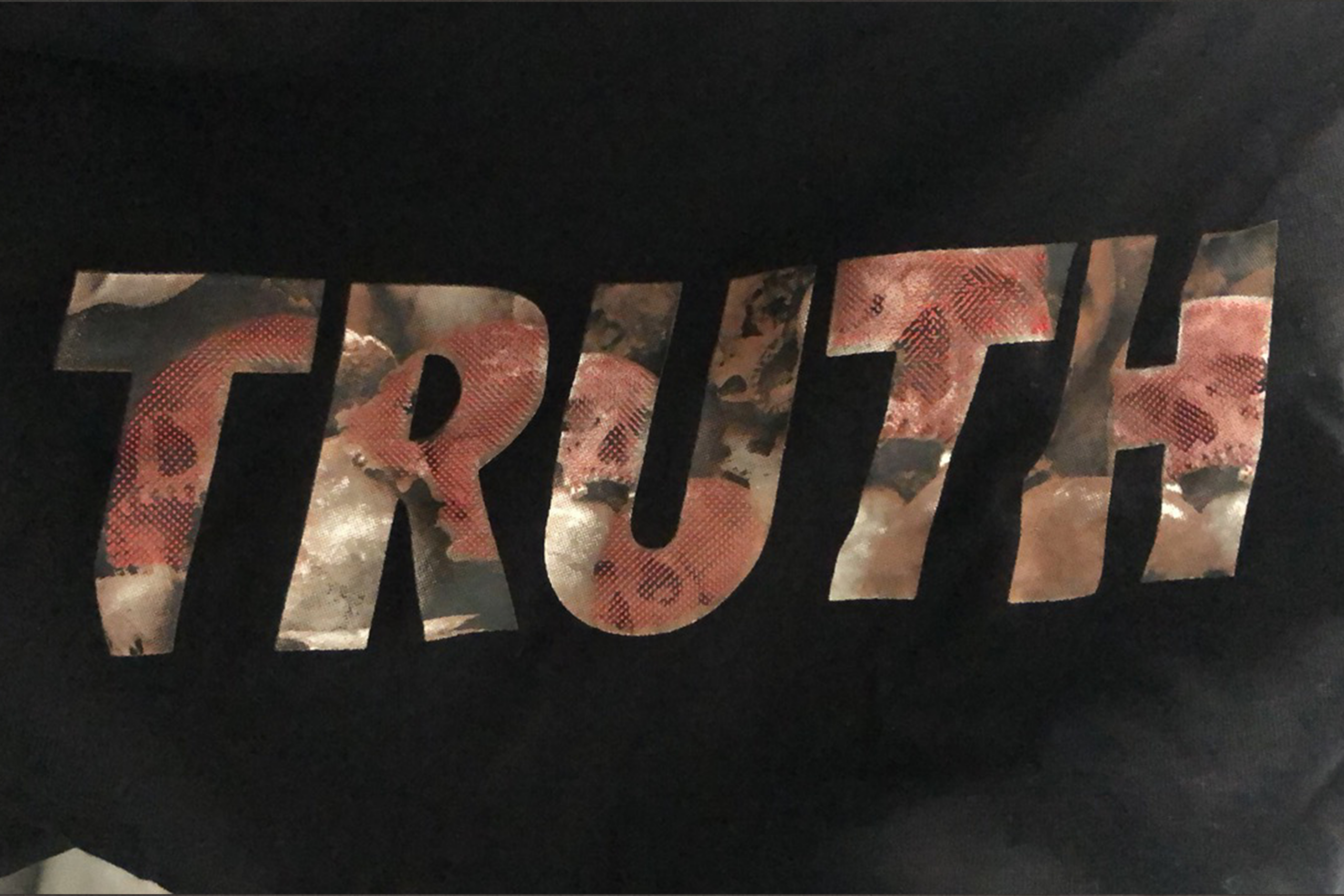
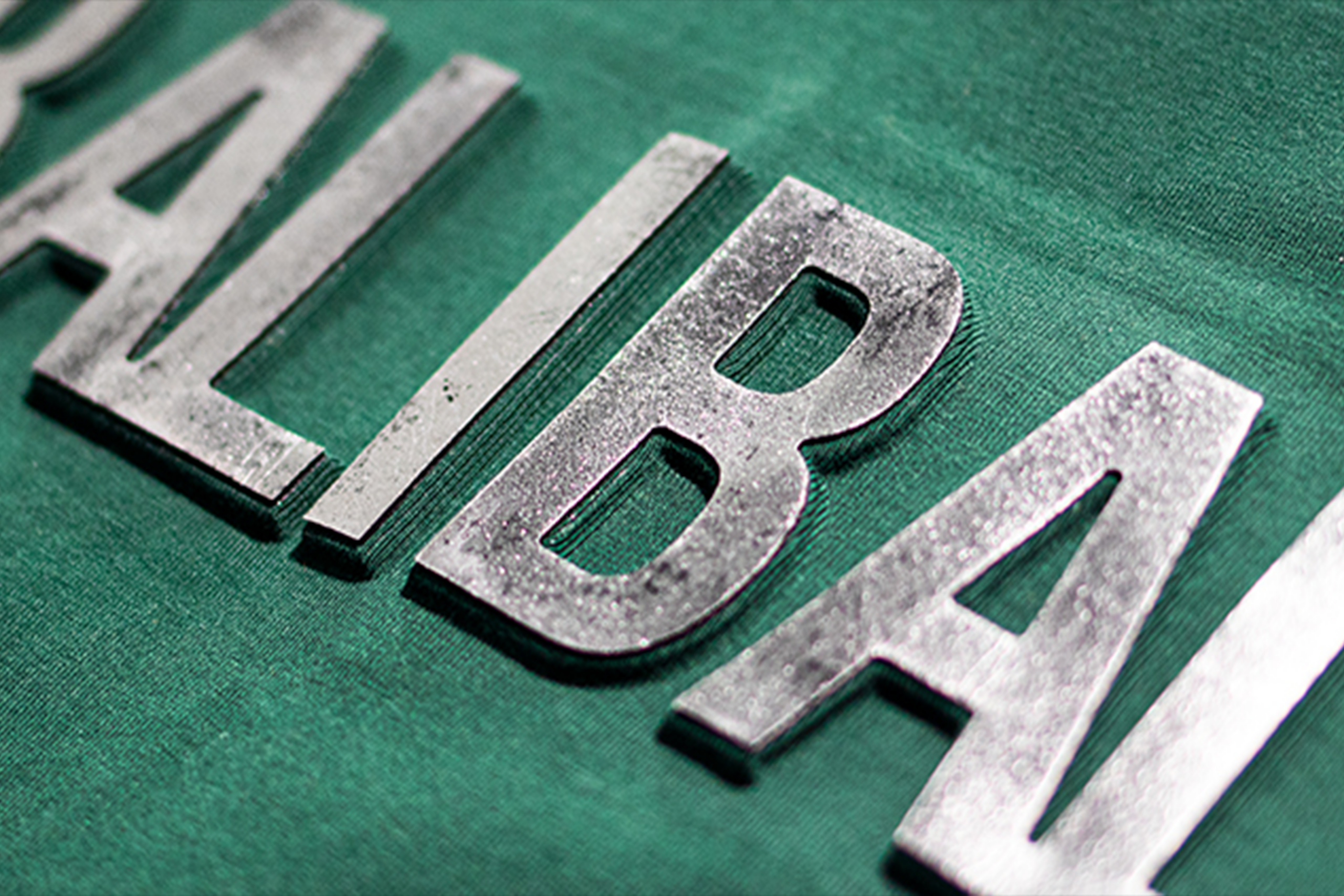
Plan printing, embroidery, patches, labels, and placement details around the selected fabric before sampling, protecting the collection’s visual direction.
Versatile Product Applications
Apply ripstop construction across windbreakers, jackets, shorts, joggers, uniforms, and coordinated streetwear, with men’s and women’s development available.
Explore Outerwear and Apparel Manufacturing
Compare construction, fabric options, decoration methods and coordinated product categories within one production system.
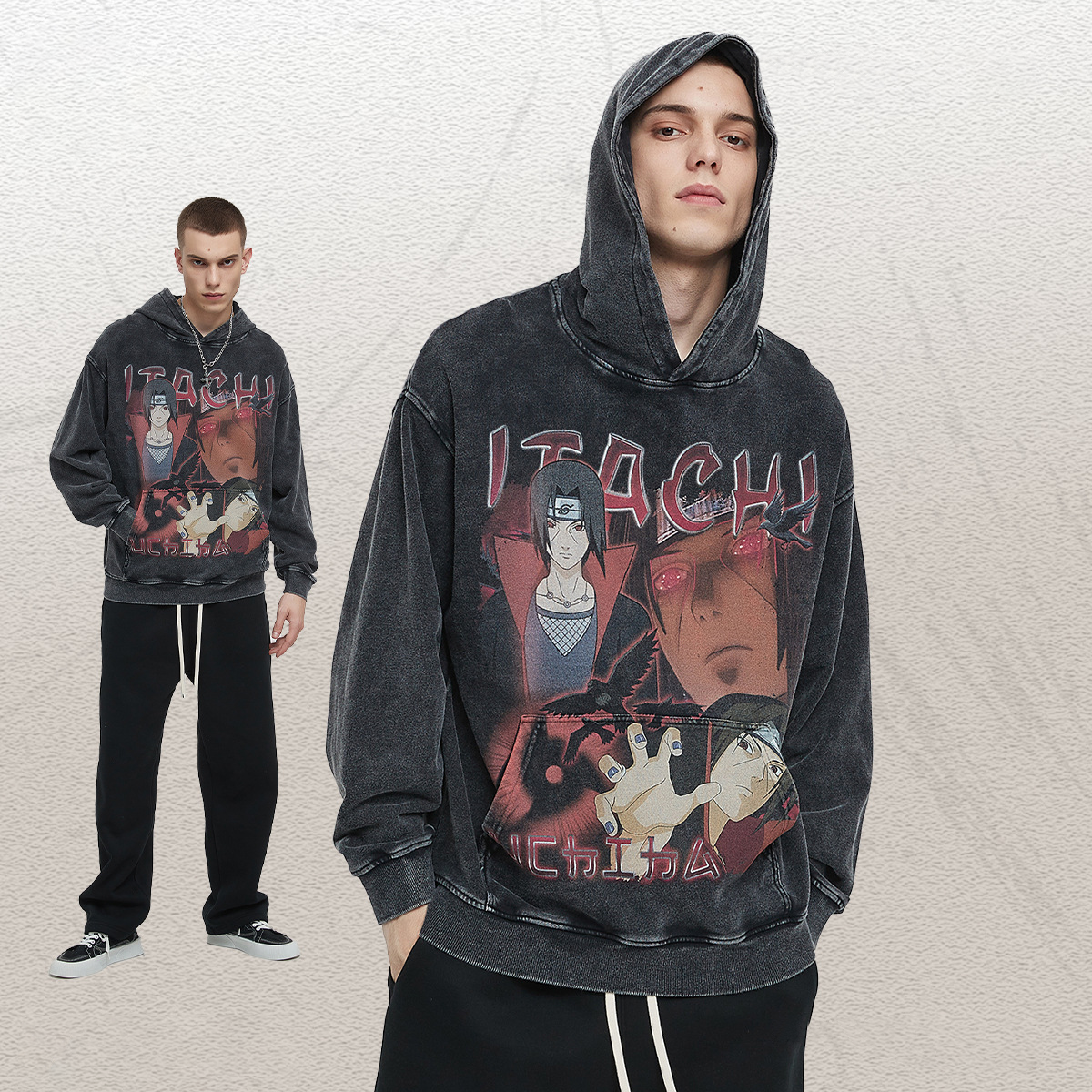
Custom Hoodies
Custom hoodie manufacturer support includes fleece selection, fit blocks, rib specifications, drawcords, pockets, printing, embroidery, labels and packaging. Hoodies can be developed for men’s and women’s programs, from samples through repeatable bulk production.
Get a Quote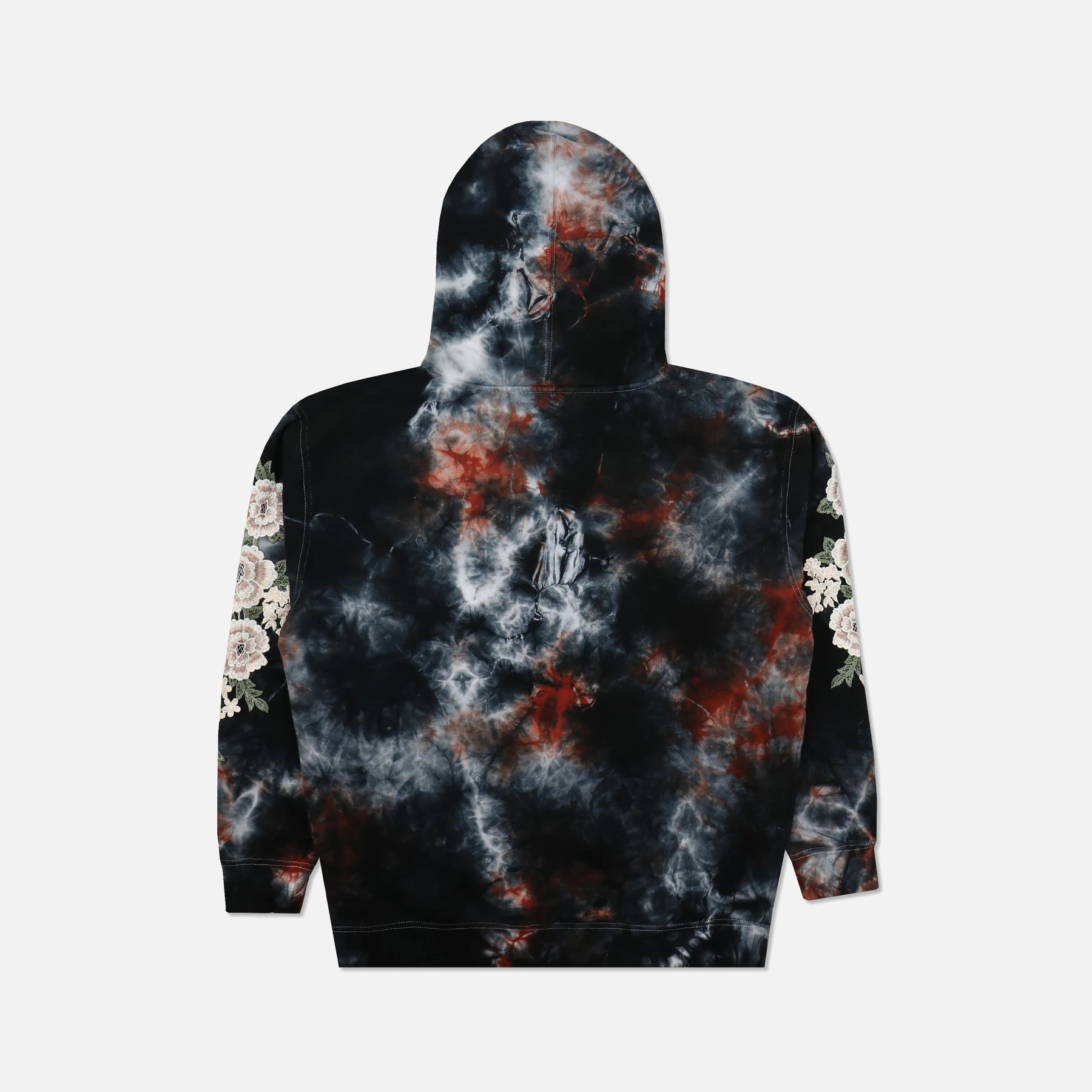
Pullover Sweatshirts
As a sweatshirt manufacturer, EDVORIN develops crewneck and pullover styles with appropriate fabric weight, neckline construction, rib recovery and decoration planning. Measurement standards, wash effects and finishing details are documented before bulk production.
Get a Quote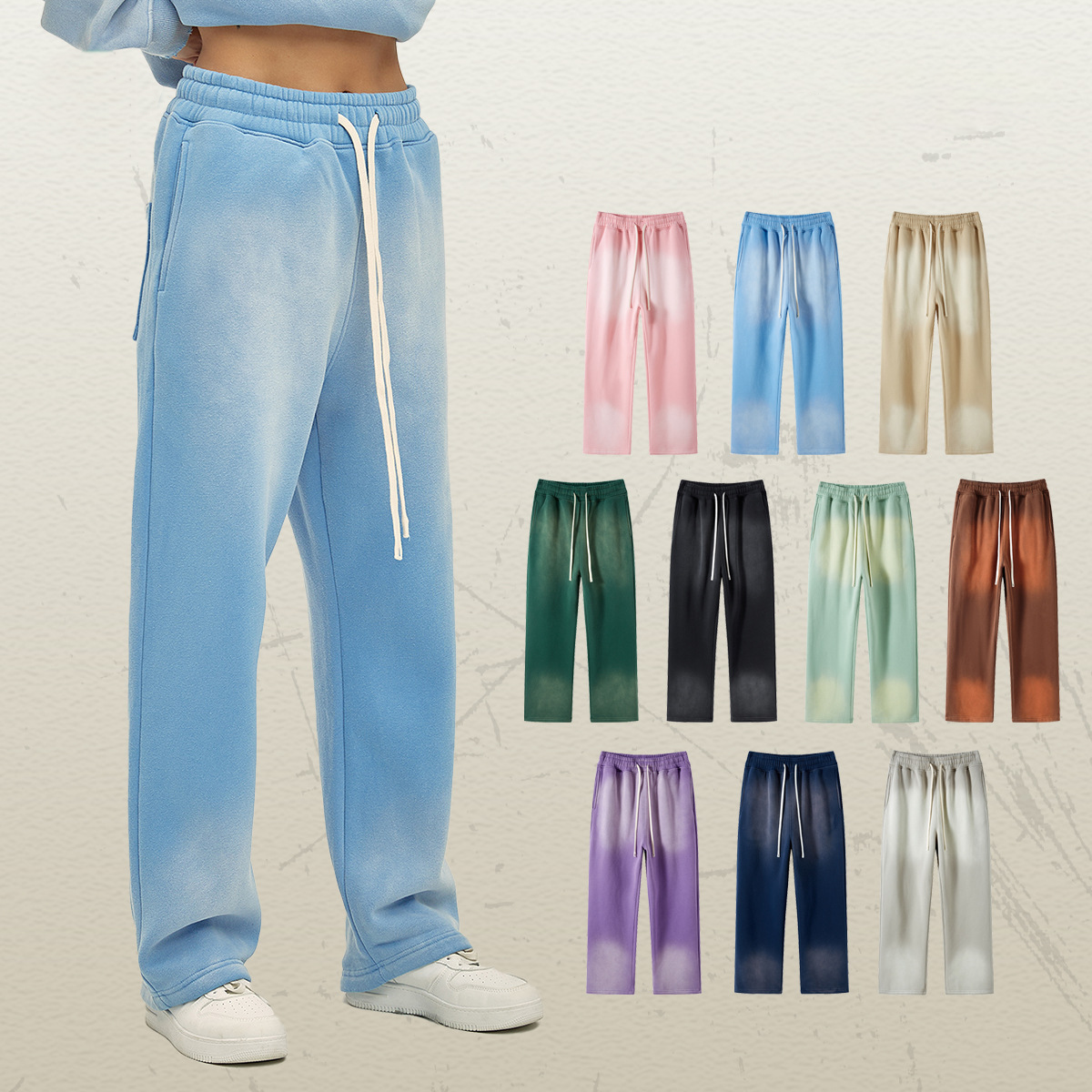
Sweatpants & Joggers
Sweatpants manufacturer capabilities cover joggers, straight-leg sweats and coordinated bottoms. Development includes fleece or jersey selection, waistband and cuff construction, pocket layouts, drawcords, grading, washes and matching hoodie or sweatshirt programs.
Get a Quote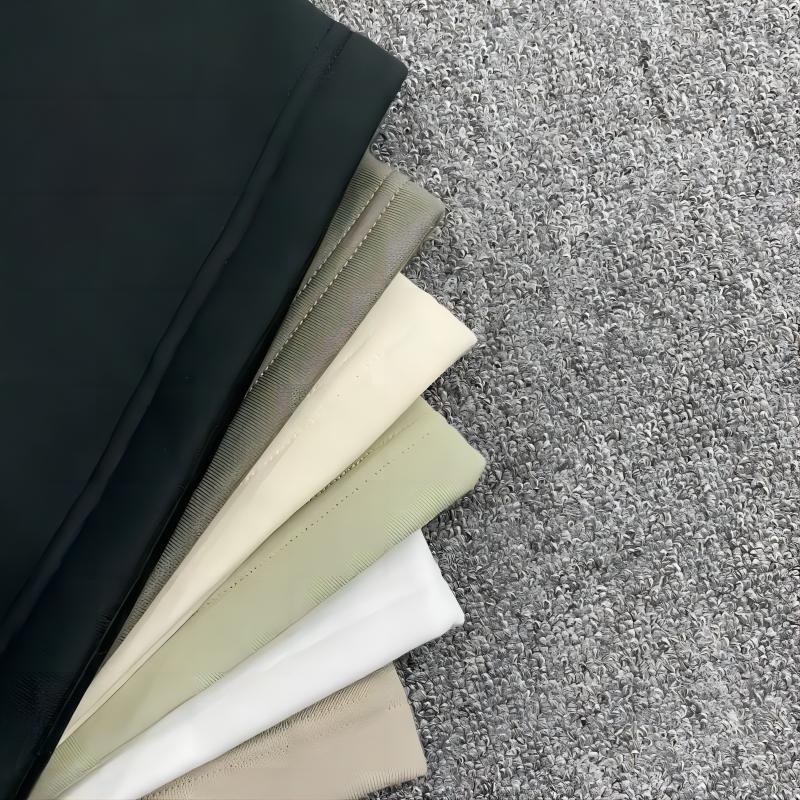
Custom Shorts
Custom shorts manufacturer programs include fleece shorts, jersey shorts, woven shorts and performance options. EDVORIN coordinates inseams, waistband construction, pocket details, fabric weight, decoration placement and grading for men’s and women’s collections.
Get a Quote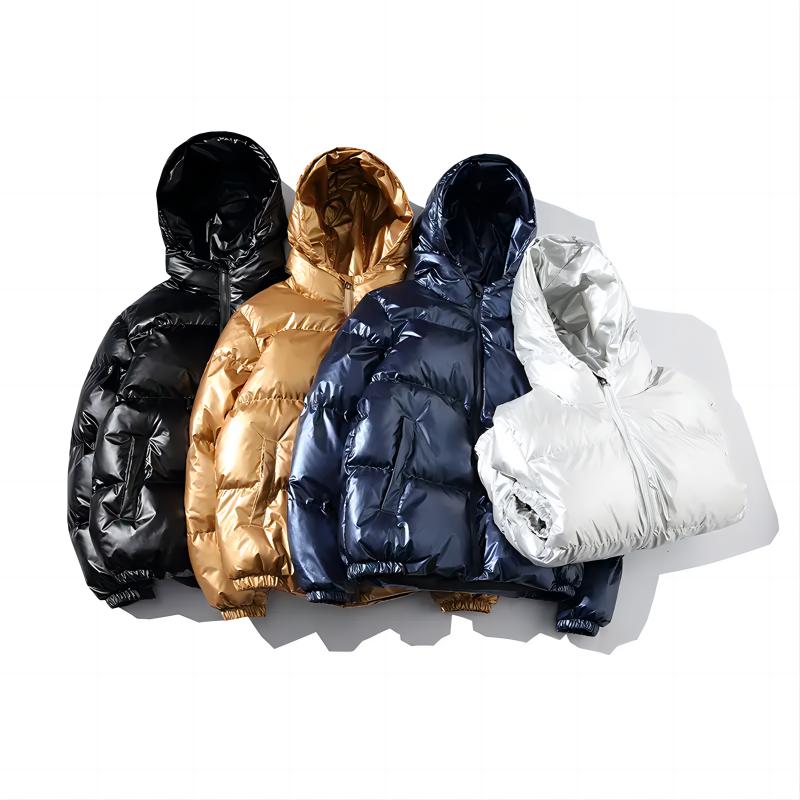
Varsity & Baseball Jackets
Varsity jacket manufacturer development balances body fabric, sleeves, lining, rib, snaps, patches and embroidery. Baseball-inspired jackets are sampled and specified as complete construction systems to protect the intended look through production.
Get a Quote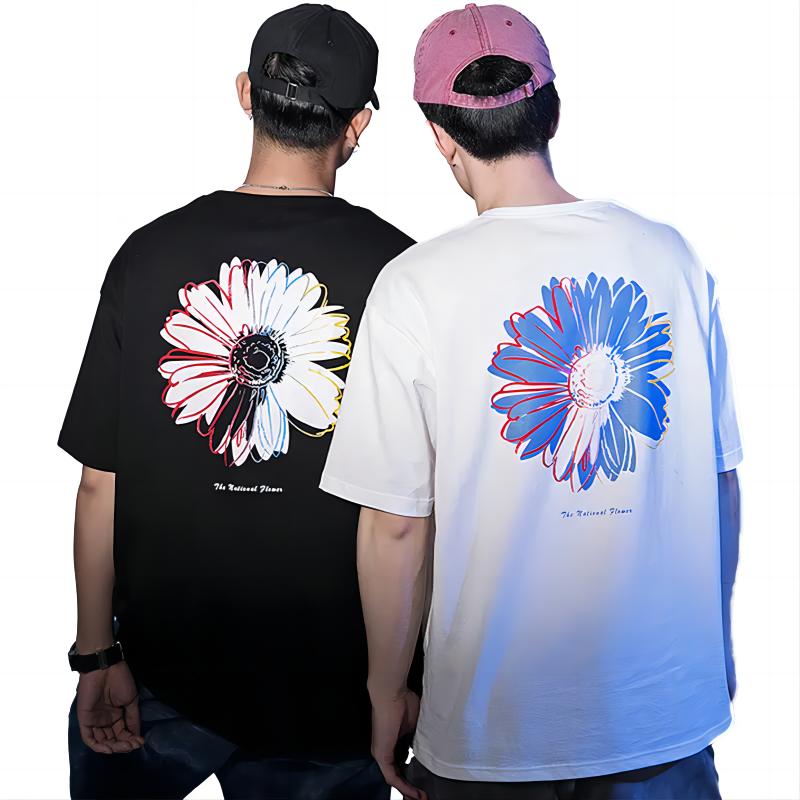
Custom T-Shirts
Custom T-shirt manufacturer services cover jersey selection, neckline and shoulder construction, fit development, printing, embroidery, wash treatments, labels and packaging. Styles can be built as standalone products or coordinated collection components.
Get a Quote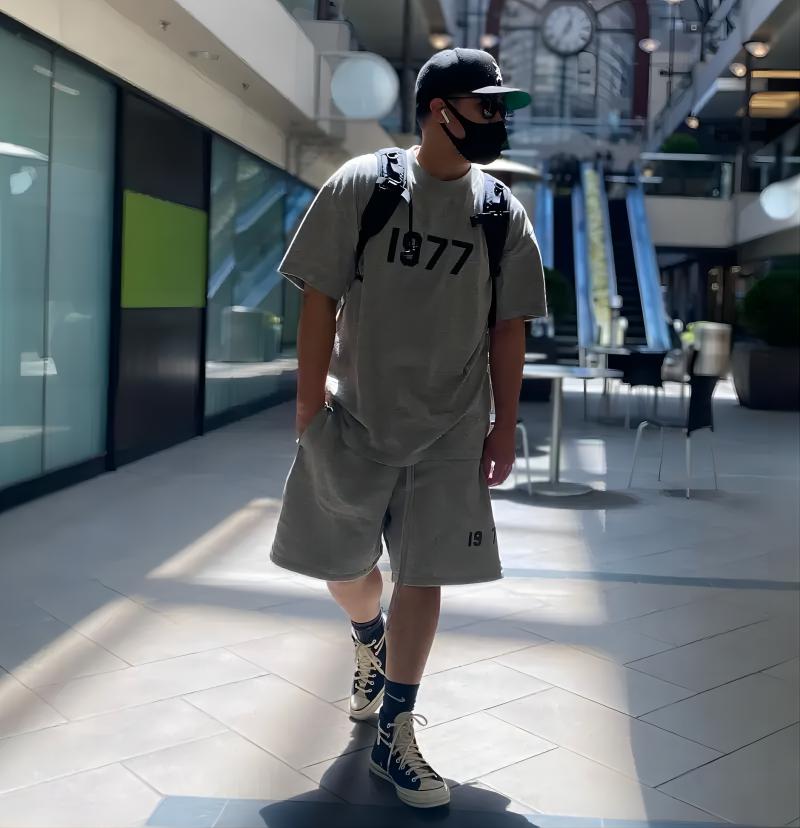
Custom Polo Shirts
Polo shirt manufacturer support includes piqué or jersey fabric selection, collar and placket construction, buttons, cuffs, embroidery placement and size grading. Programs can be tailored for uniforms, retail collections or private-label orders.
Get a Quote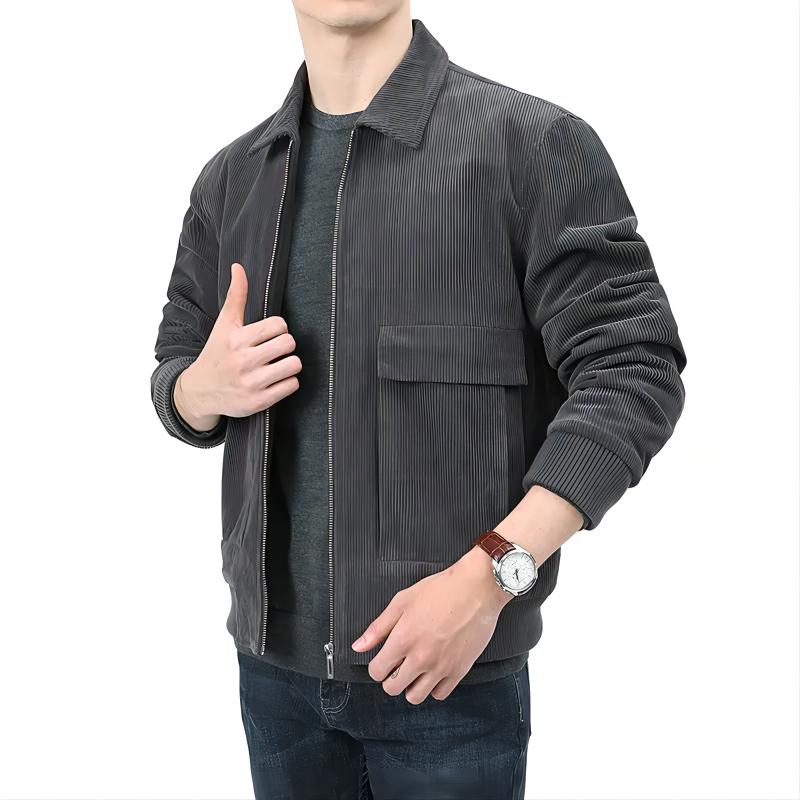
Windbreaker Jackets
Windbreaker manufacturer capabilities include shell fabric, lining or mesh, zippers, hoods, elastic details and print or embroidery planning. Construction and performance requirements are reviewed during sampling before production standards are finalized.
Get a Quote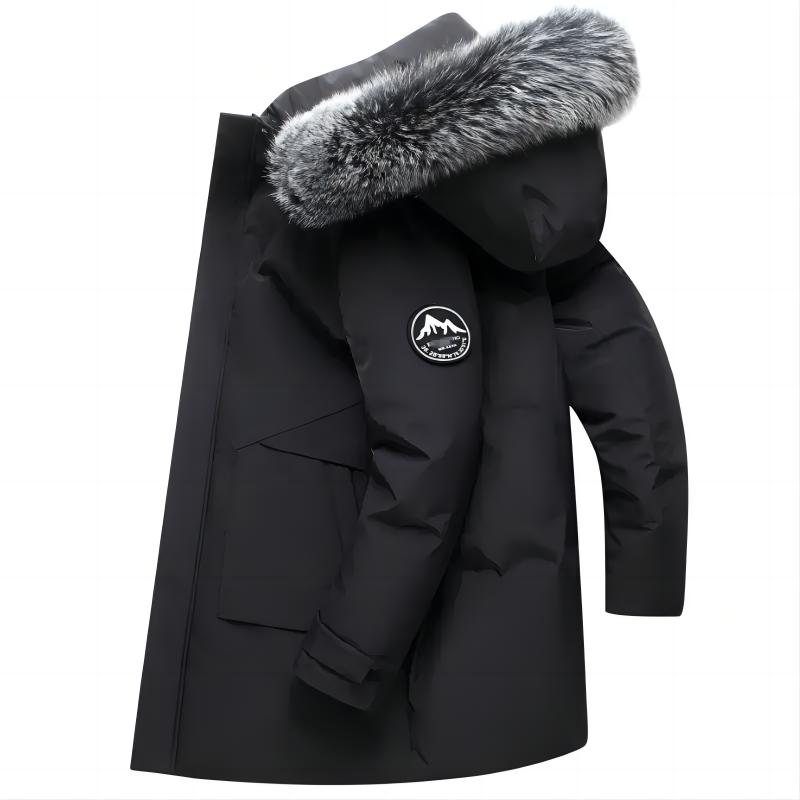
Quilted Jackets
Quilted jacket manufacturer programs coordinate shell fabric, insulation, lining, quilting patterns, hardware and finishing. EDVORIN develops the balance of warmth, bulk, mobility and decoration requirements for fashion, casualwear and team applications.
Get a Quote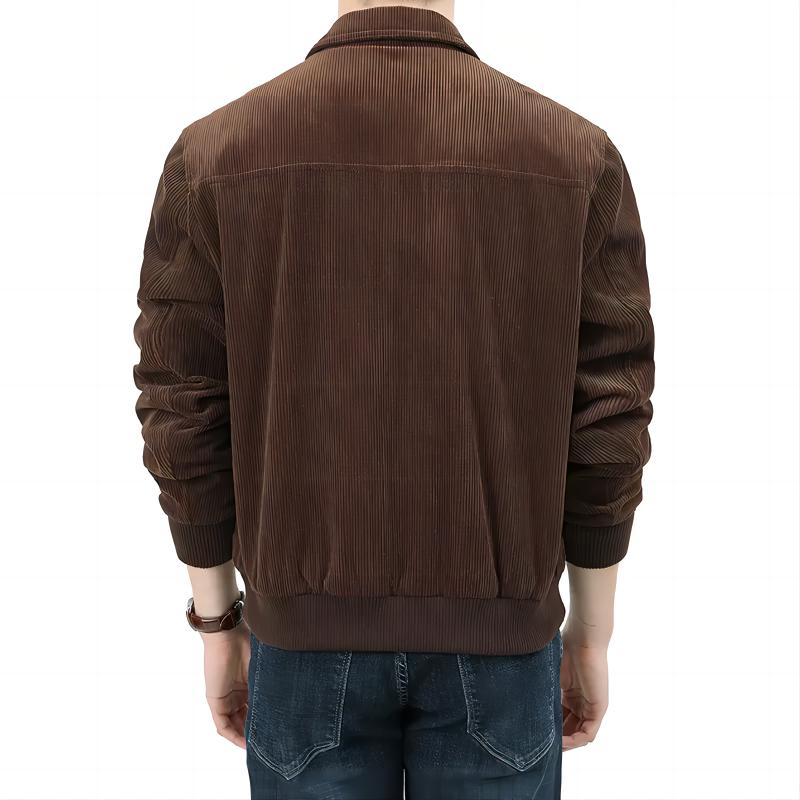
Bomber Jackets
Bomber jacket manufacturer development covers shell and lining selection, rib components, zipper or snap closures, pocket construction, insulation and embroidery or patch applications. Approved samples establish the standard for repeatable bulk orders.
Get a Quote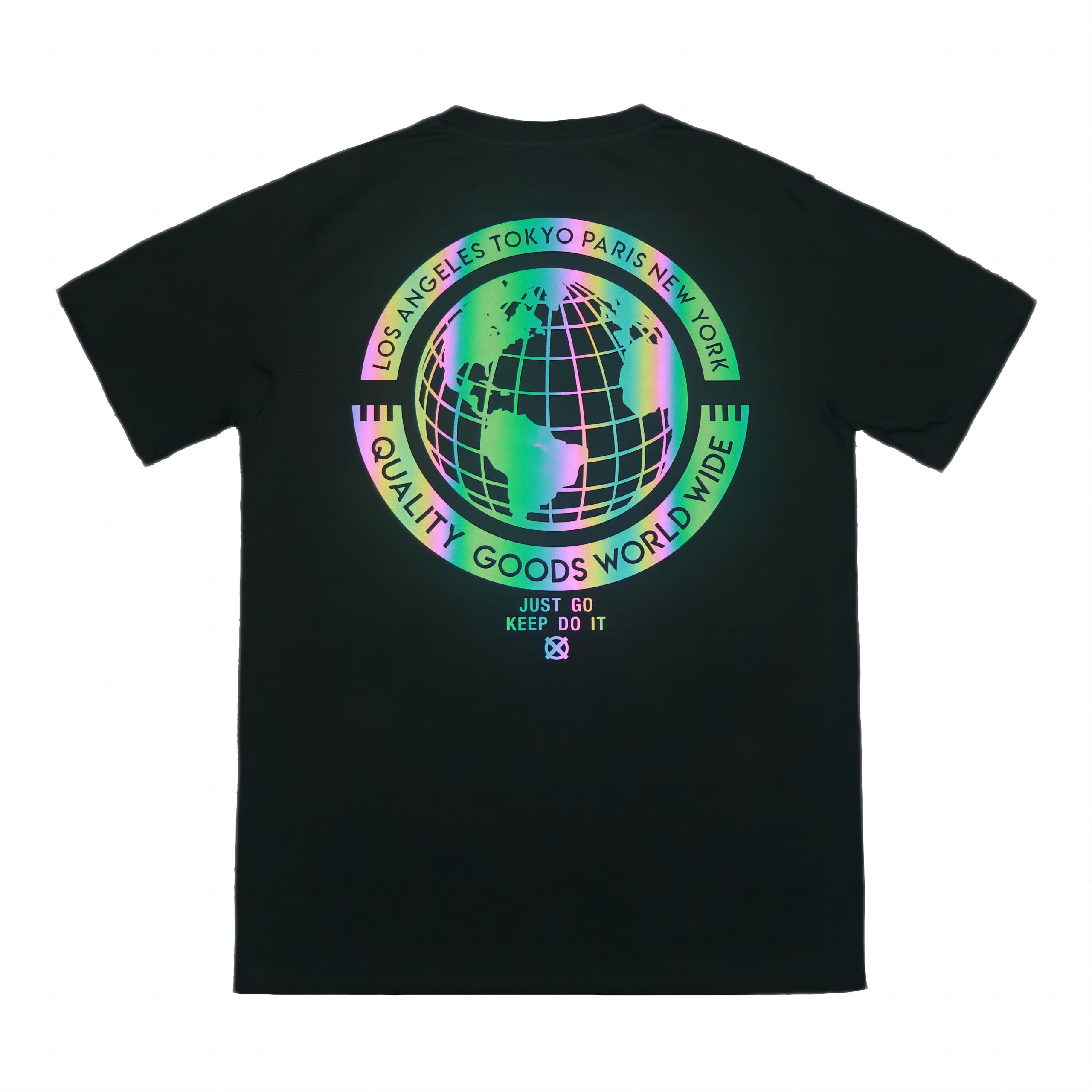
Custom Shirts
Custom woven shirt manufacturer services include fabric sourcing, collar and cuff construction, plackets, pocket details, buttons, fit blocks and grading. Woven shirts can support fashion, uniform, private-label and coordinated apparel programs.
Get a Quote
Custom Jerseys
Custom jersey manufacturer programs address breathable fabrics, panel construction, color control, sublimation, printing, embroidery, names, numbers and size sets. Each specification is organized for consistent team, club or retail repeat orders.
Get a Quote
Tank Tops
Custom tank top manufacturer development includes fabric weight, armhole and neckline proportions, binding construction, fit grading and decoration placement. Options can suit streetwear, activewear, teamwear or warm-weather collection assortments.
Get a Quote
Soccer Uniforms
Soccer uniform manufacturer programs coordinate lightweight performance fabrics, color matching, sublimation or print, crests, player names, numbers and organized size sets. Shirts, shorts and related training pieces can be developed together.
Get a Quote
Basketball Uniforms
Basketball uniform manufacturer support covers jerseys and shorts with breathable materials, panel layouts, color blocking, numbers, names and logo applications. Fit, mobility and decoration placement are tested during sampling before bulk production.
Get a Quote
Streetwear Collections
Streetwear clothing manufacturer support connects hoodies, T-shirts, sweatpants, jackets, woven shirts and shorts into a production-ready collection. EDVORIN coordinates fabrics, trims, washes, decoration and specifications across each style.
Get a QuoteWhy Choose EDVORIN as Your Ripstop Clothing Manufacturer
EDVORIN is a founder-led apparel manufacturer built on the production-floor discipline of turning concepts into garments that can be made consistently. Since 2000, we have helped fashion, streetwear, teamwear and private-label buyers develop clear standards from early product decisions through approved samples.
As your ripstop clothing manufacturer, we coordinate fabric selection, trims, patterns, decoration, washing, labels and packaging in one connected workflow. Ripstop construction is reviewed alongside garment weight, intended use, fit and finishing, so the approved sample becomes a practical reference for repeatable bulk production.
What distinguishes EDVORIN is the control that follows sample approval. Measurement specifications, material references, artwork placement and finishing details are documented for production, with in-line and final quality checks aligned to the approved standard. MOQ starts at 200 pieces per style, supporting emerging labels and established programs. Certification programs include ISO 9001, BSCI, WRAP, SEDEX, OEKO-TEX Standard 100, GRS and GOTS, subject to applicable product and material requirements.

Ripstop Clothing Manufacturer Construction Details
Fiber and Fabric Weight
Specify fiber composition, face feel, fabric weight and intended use together. EDVORIN helps translate these choices into a workable standard for lightweight windbreakers, durable overshirts and outerwear programs, balancing hand feel, structure, packability and the performance your customer expects.
- Choose nylon, polyester, cotton blends or recycled options by end use
- Set target GSM, finish and color requirements before sampling
- Review comfort, noise, drape and layering needs with the fit block
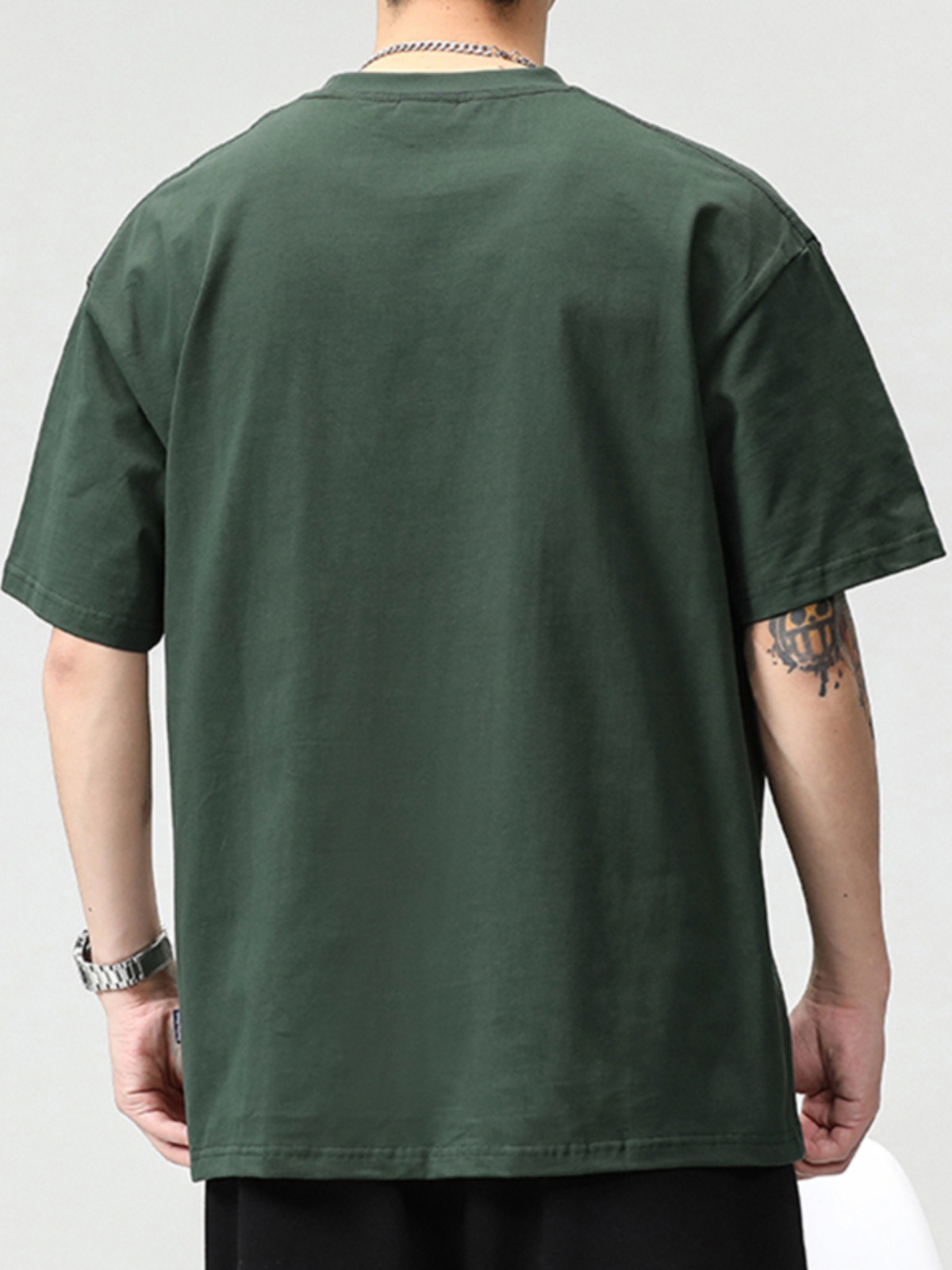
Reinforcement Grid Definition
The ripstop grid should support the garment’s purpose without overwhelming its appearance. EDVORIN records the approved fabric construction and visual standard so the selected grid, base cloth and color effect can be reviewed during sampling and carried into repeat bulk production.
- Approve grid scale and visibility against the intended product aesthetic
- Check fabric appearance across main panels, pockets and contrast components
- Document approved material references for repeat-order consistency
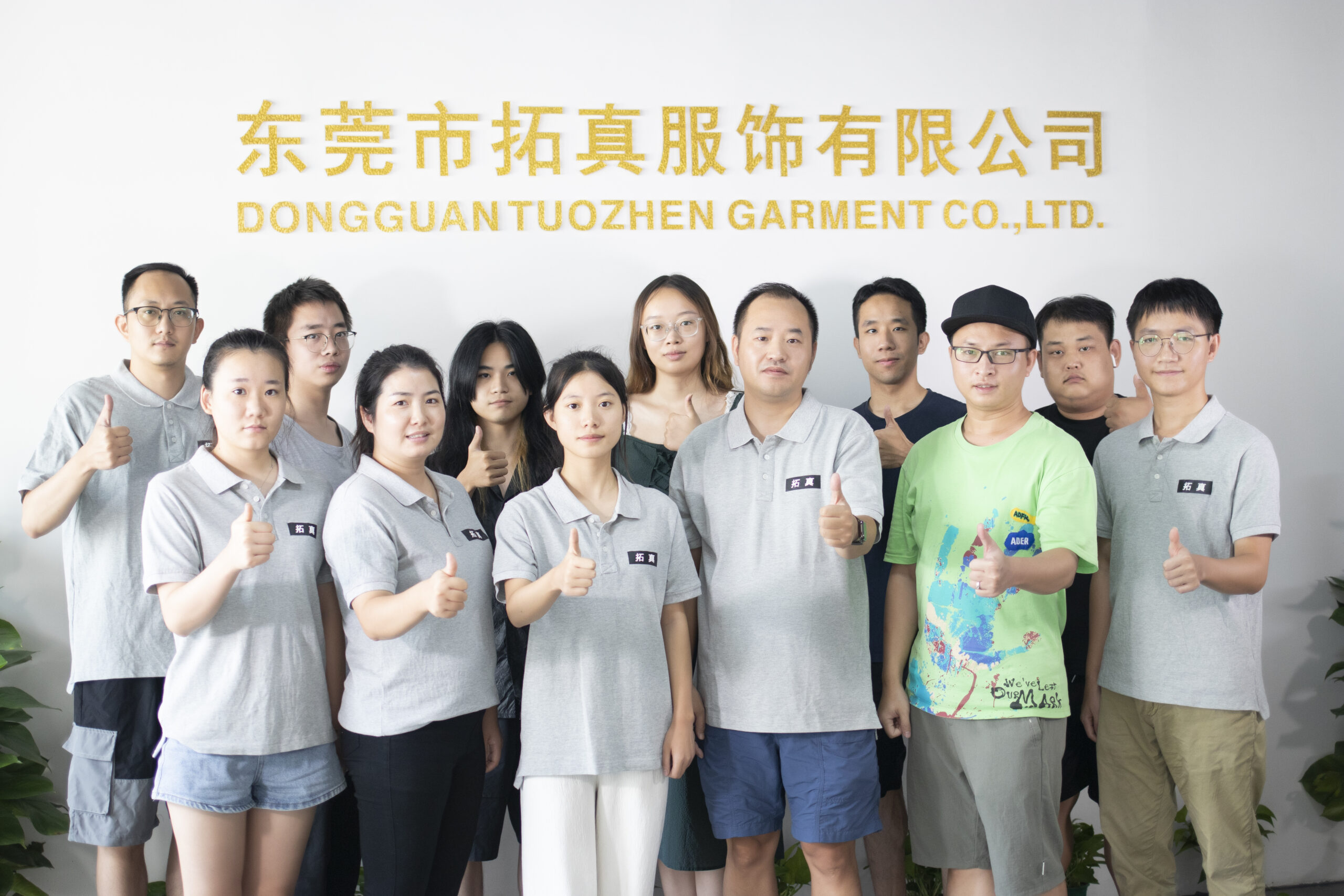
Coatings and Weather Protection
Water resistance, wind protection and breathability depend on more than a fabric name. EDVORIN aligns coating and finishing choices with the garment’s intended conditions, then evaluates how they affect hand feel, print compatibility, seam details and the final appearance of the outerwear.
- Define the required weather protection before material selection
- Assess finish impact on softness, breathability and decoration methods
- Confirm care requirements and visual expectations on the approved sample

Seams, Hardware and Stress Points
Durability is built through the full garment, especially where movement and load concentrate. EDVORIN develops seam construction, reinforcement placement, zippers, snaps, cords and pocket details as one specification, helping buyers create a repeatable ripstop product standard from sample through packing.
- Reinforce pockets, closures, hood points and high-movement areas
- Match zipper, snap and cord specifications to garment use
- Review seam finish, stitch density and trim placement during sampling
Ripstop Clothing Manufacturer vs. Plain-Woven Outerwear
Choose reinforced ripstop for tear-control priorities or standard plain weaves for smoother, less technical outerwear programs.
← Swipe left or right to view →
Ripstop Clothing Manufacturer Production Process
A documented path from approved fabric and fit to repeatable bulk production, with controls for grid alignment, decoration placement, and final packing.
Review Technical Requirements
We review tech packs, reference samples, measurements, intended use, artwork, trims, and grading to establish a clear production standard for the ripstop garment.
Approve Fabric and Fit
Ripstop fabric, color, weight, coating, and construction are evaluated alongside patterns and samples to confirm fit, hand feel, grid appearance, and approved details.
Plan Cutting and Sewing
Cutting markers and sewing instructions are prepared to protect panel proportions, grid alignment, seam construction, pocket placement, and consistency across men’s or women’s sizes.
Coordinate Decoration and Finishing
Printing, embroidery, patches, washes, hardware, labels, and packaging are coordinated against approved placement measurements and material compatibility before bulk execution.
Inspect Bulk and Pack
In-line and final checks compare measurements, construction, artwork, trims, and presentation against approved standards before garments are labeled, packed, and prepared for shipment.
How to Start Your Ripstop Clothing Order
Move from concept to a documented, repeatable ripstop apparel standard with coordinated development, sampling, and bulk production.
Share Your Product Brief
Send a tech pack, sketch, or reference garment with intended use, target fit, size range, quantity, and required performance expectations.
Define Materials and Details
Confirm ripstop fabric, color references, measurements, trims, lining, closures, artwork placement, labels, packaging, and any decoration or wash requirements.
Review the Development Sample
Evaluate the sample for construction, fit, material handfeel, color, artwork, and functional details, then record revisions before approving the production standard.
Approve Bulk Production
EDVORIN coordinates approved specifications through sourcing, production, in-line quality checks, final inspection, labeling, and packing for a repeatable order.
Ripstop Clothing Manufacturer Buyer Results
EDVORIN helped us move from a loose shell-jacket sketch to a 240-piece launch with approved fit, fabric, and embroidery placement. The ripstop held its structure through our wear testing, and the production measurements matched the approved sample.
For our second 600-piece run, color, logo placement, and sizing stayed consistent with the first delivery. Having one team coordinate the ripstop fabric, reflective print, labels, and packing removed several follow-up steps for us.
We needed lightweight team warm-up jackets that looked uniform across 18 squad sizes. EDVORIN refined the grading during sampling and delivered clear number personalization. Our coaches approved the final size set before bulk production without another revision round.
Ripstop Clothing Manufacturer FAQ
Clear answers on material selection, decoration, sampling and production planning for custom ripstop apparel.
What fabrics can a ripstop clothing manufacturer use for custom apparel?
Can a ripstop clothing manufacturer add water-resistant coatings?
Can I combine screen printing, embroidery and patches on ripstop garments?
EDVORIN’s MOQ starts at 200 pieces per style. What is the minimum order quantity for custom ripstop clothing?
How long does a ripstop clothing manufacturer need for samples and bulk production?
What artwork files do you need for prints, embroidery and patches?
How should ripstop apparel be washed and cared for?
Can you develop men’s and women’s ripstop outerwear from the same concept?
Complete Buyer’s Guide to ripstop clothing manufacturer
Use this practical framework to compare ripstop garment suppliers, specify fabrics and construction, evaluate customization and costs, and avoid sourcing mistakes that can delay launches or weaken product performance.
1. What Is a ripstop clothing manufacturer?
Since 2000, EDVORIN has operated as a garment-production partner that can carry a buyer’s ripstop concept from fabric sourcing or development through patterns, samples, decoration, bulk production, quality control, labeling, and packing. A ripstop clothing manufacturer does more than supply yardage: it translates the selected fabric into a reproducible finished garment standard.
Two yarn weights create ripstop’s recognizable grid: stronger reinforcement yarns are woven at regular intervals through a lighter base cloth. When a puncture begins, those reinforced lines help contain the tear instead of allowing it to run freely across the panel; the grid alone does not replace fit, seam, or finishing control.
Five buyer groups commonly use this construction: fashion and streetwear brands, sports organizations, schools, wholesalers, and private-label corporate buyers. EDVORIN can apply it to outerwear, uniforms, workwear, tactical-inspired apparel, and teamwear while adjusting fit blocks, material choices, trims, and decoration for men’s or women’s programs.
2. Evolution of Ripstop Apparel Manufacturing
1940s parachute applications established ripstop as a lightweight woven construction that limits tear spread through a reinforced grid. That utility origin moved naturally into military equipment, outdoor shells, workwear, and uniforms where low weight and damage resistance mattered.
Nylon first defined many performance ripstops; polyester broadened color retention and cost options, while cotton blends made the construction more wearable for utility apparel. PU coatings, DWR finishes, and membrane laminations then added weather protection, but can reduce air permeability, softness, or stretch.
2000s stretch ripstops—typically woven with elastane or mechanical-stretch yarns—helped the fabric enter tapered cargos, athletic uniforms, and fashion outerwear. A ripstop clothing manufacturer should therefore source to the end use: parachute-style lightweight nylon is not automatically suitable for abrasion-heavy work pants, soft hand-feel streetwear, or moisture-managed teamwear.
3. Types of ripstop clothing manufacturer Products
A ripstop clothing manufacturer should develop each product around its exposure, movement, and carry requirements. EDVORIN translates those use conditions into specified fabric weight, lining, reinforcement, and fit standards.
Lightweight Windbreakers
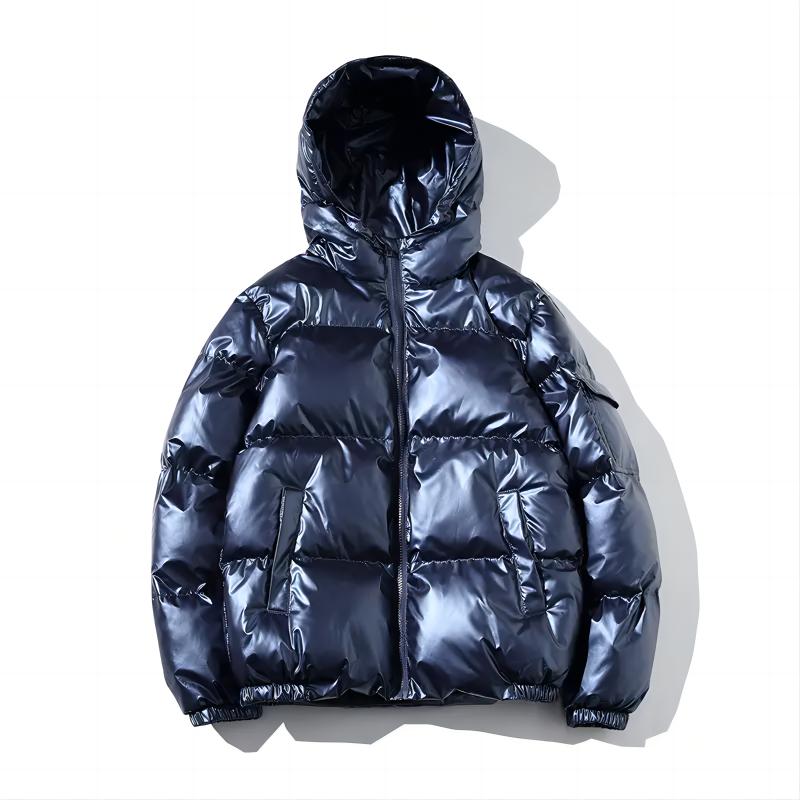
70–120 GSM shells suit packable windbreakers for intermittent wind and light rain. Articulated sleeves, a relaxed chest, and mesh or unlined interiors preserve movement without adding bulk.
Insulated Outerwear
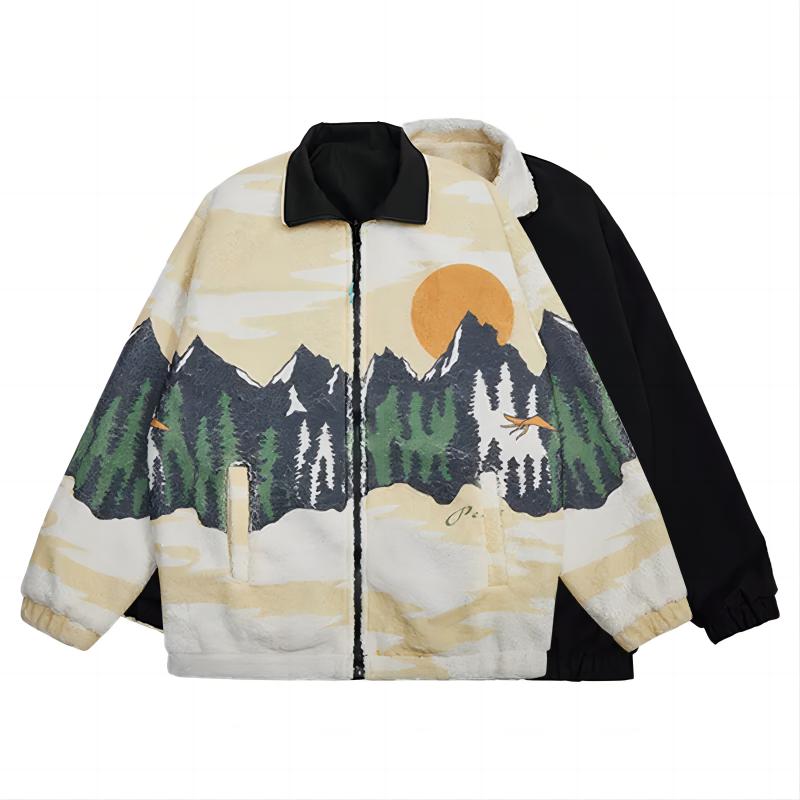
120–180 GSM ripstop shells suit insulated jackets exposed to colder, wetter conditions. Lining, insulation weight, storm flaps, and reinforced shoulders must be approved together so warmth does not restrict layering.
Cargo Pants And Shorts
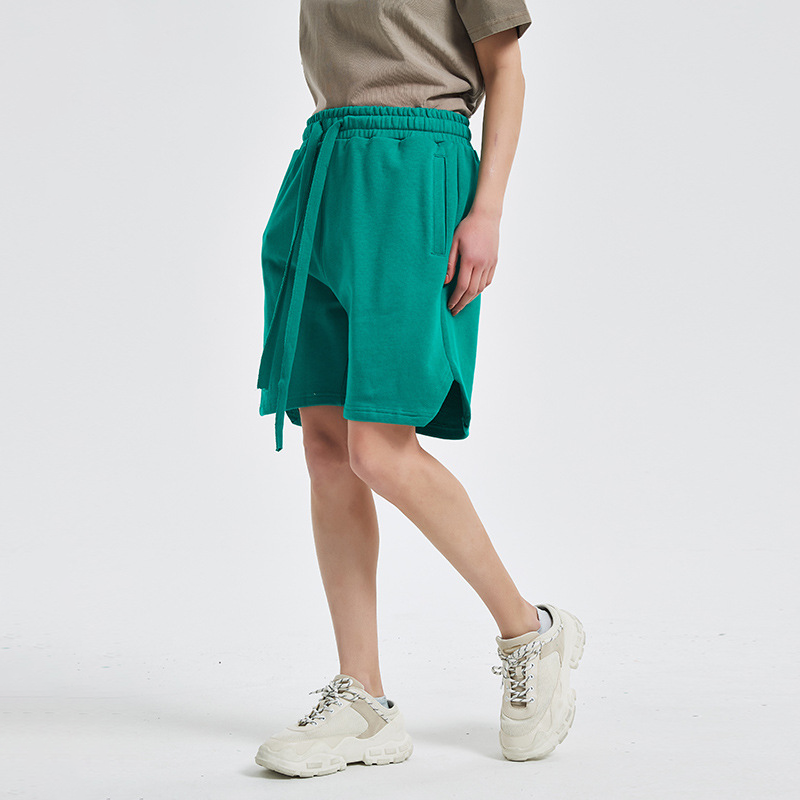
150–240 GSM ripstop supports cargo styles that face abrasion, kneeling, and pocket load. A gusseted crotch, articulated knees, bar-tacked pockets, and adjustable hems improve mobility and service life.
Uniforms Training And Bags
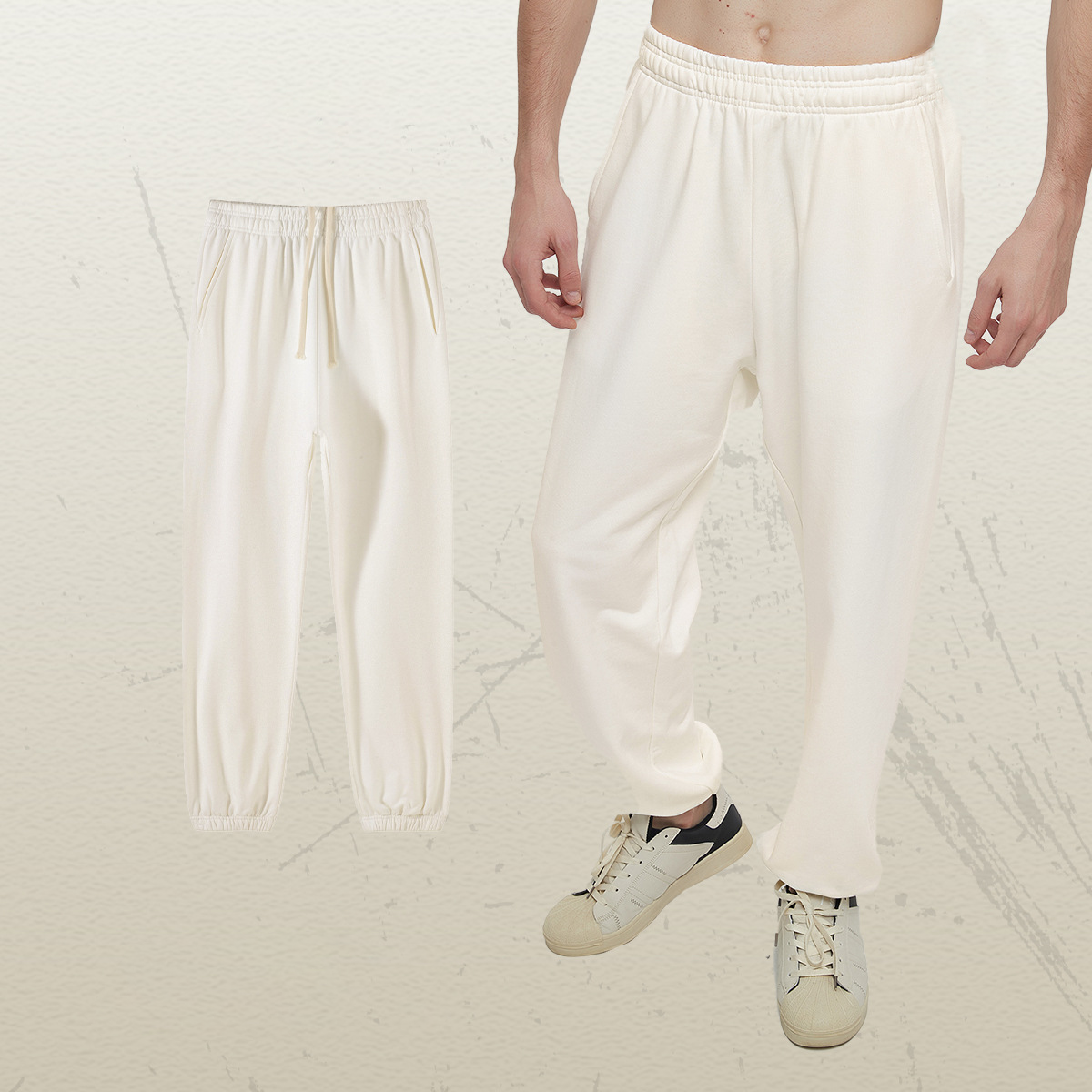
140–220 GSM constructions fit uniforms, training sets, utility overshirts, and accessories according to wear intensity. Teams need unrestricted fit and ventilation; bags need heavier panels, webbing, and reinforced stress points.
4. Ripstop Fabrics, Fibers, and Finishes
70–140 GSM ripstop suits lightweight shells; 150–240 GSM better fits uniforms and utility pants. A ripstop clothing manufacturer should approve the actual mill lot, not a fiber label alone.
| Construction | Typical Weight | Key Buying Check |
|---|---|---|
| Nylon ripstop | 70–140 GSM | Abrasion and drying |
| Polyester ripstop | 100–180 GSM | Color retention |
| Cotton ripstop | 150–240 GSM | Breathability and shrinkage |
| Stretch blend | 140–220 GSM | Recovery after wash |
Fiber Trade-Offs
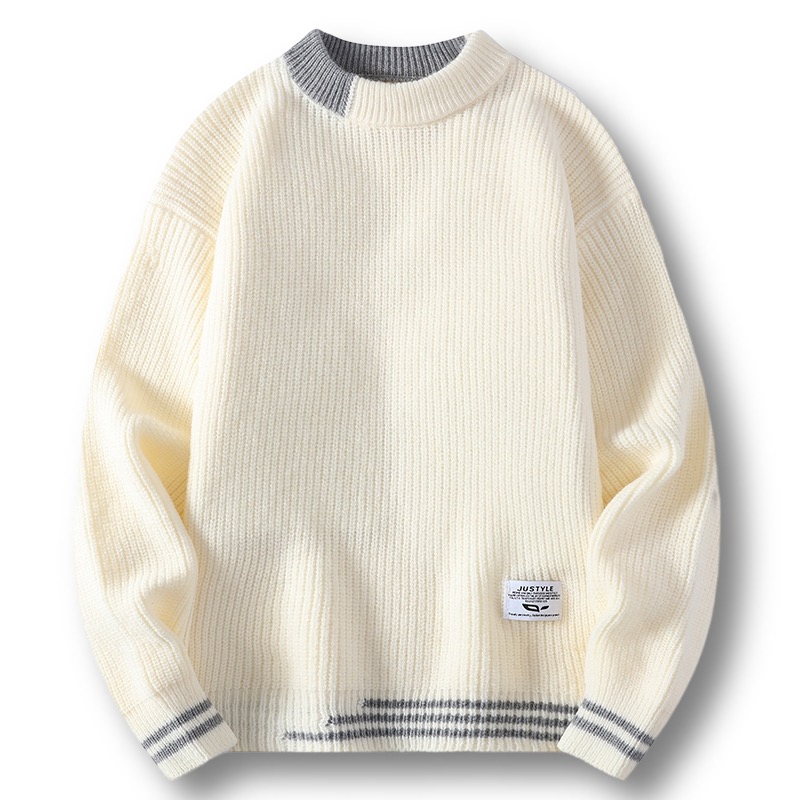
Nylon usually offers strong abrasion resistance and fast drying; polyester generally retains color well. Cotton ripstop breathes and absorbs moisture but dries slower; recycled inputs require the same performance testing.
Grid And Stretch
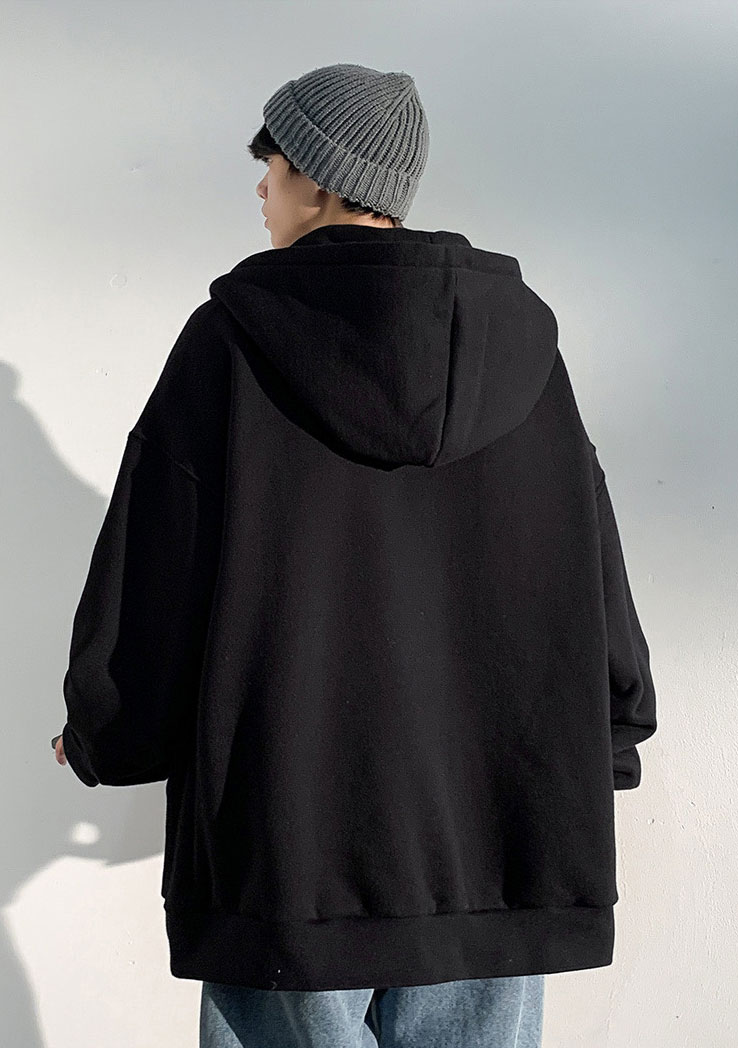
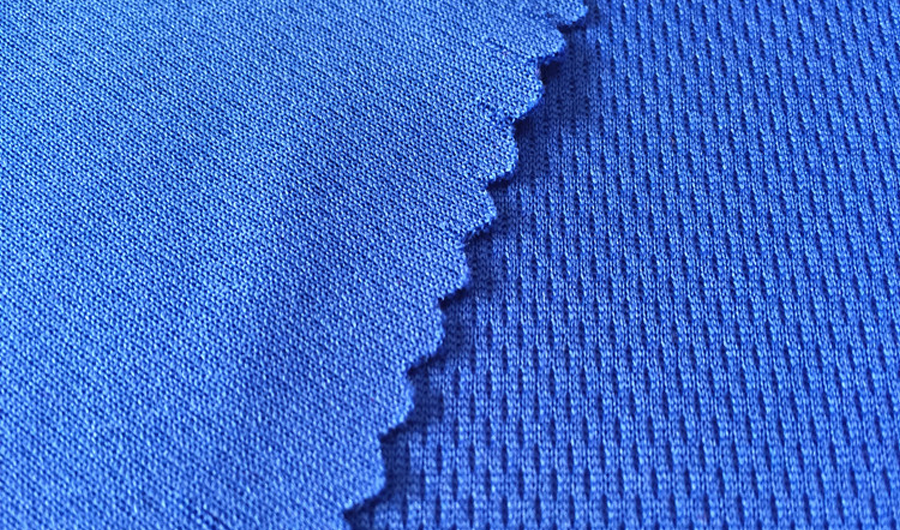
5–8 mm reinforcement grids are often visible up close, but yarn size and weave density determine handfeel. 70D–210D yarn specifications help comparison; stretch blends need recovery testing after wash.
Finish Verification

DWR sheds light rain, PU coating adds a barrier, and moisture-management finishes support next-to-skin comfort. Sample approval should include tear, abrasion, wash, colorfastness, and finish-performance tests.
5. Customization From a ripstop clothing manufacturer
EDVORIN turns approved concepts into repeatable ripstop programs through silhouette, panel, color, grading, label, and packaging specifications. A ripstop clothing manufacturer should lock visual and functional choices before sample approval.
| Method | Suitable Placement | Key Constraint | Volume Fit |
|---|---|---|---|
| Embroidery | Chest or patch | Grid texture; needle density | Low–mid |
| Screen print | Flat back panel | Texture and wash testing | Mid–high |
| Heat transfer | Small chest graphic | Heat sensitivity; stretch | Low–mid |
Build The Specification

One tech pack should define front, back, and detail views; panel seams; zipper type; cord system; labels; and packaging. Pantone references, a graded measurement chart, and material swatches prevent color and fit assumptions.
Match Decoration To Fabric
Three decoration routes need testing on the selected ripstop: embroidery, screen print, and heat transfer. Placement files should state artwork size and distance from seams, zippers, and pockets; approve wash-tested strike-offs before bulk.
Specify Visibility Details
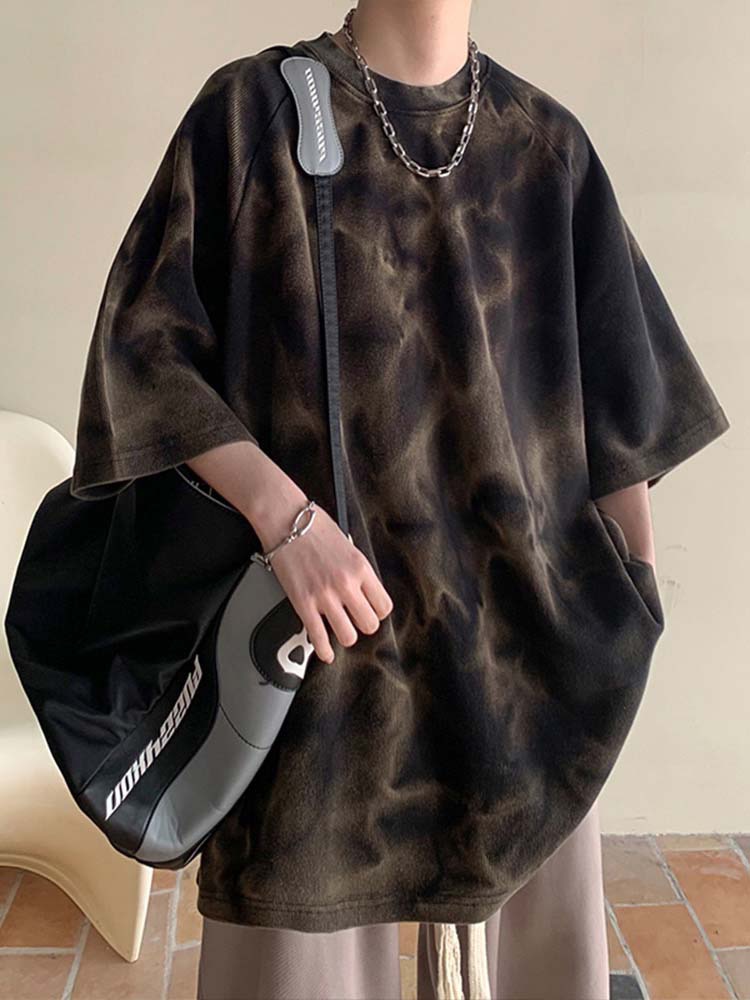
Two hardware callouts deserve separate approval: zipper finish and cord construction. Reflective trims, patches, and transfers require placement tolerances so panels remain balanced across all sizes.
6. Construction Details That Determine Quality
2-millimeter seam allowances, stitch density, and reinforcement placement should appear on the tech pack, not remain sample-room assumptions. For a ripstop clothing manufacturer, these details determine whether a lightweight garment survives repeated wear.
Seams And Stress Points
8–10 stitches per inch is a practical starting specification for many woven seams, subject to fabric weight and seam type. Check seam allowance, flatness, bartacks at pocket corners and fly ends, and reinforcement panels at knees, elbows, or seat areas.
Pockets, Hardware And Finishing
2 pocket edges should be matched in height and opening width, while zipper tape must lie flat without puckering. Inspect zipper end stops, lining attachment, elastic recovery, drawcord exits, and securely stitched care and brand labels.
Approval Into Measurable Control
1 fit sample confirms measurements and movement before pre-production approval; a wash test records shrinkage, twisting, and seam appearance. In-line and final inspections should compare garments against approved tolerances, construction photos, placement points, and the sealed sample.
7. How to Choose a ripstop clothing manufacturer
Three documents reveal more than a supplier catalog: a material specification, sample record, and inspection plan. Use them to test whether a ripstop clothing manufacturer can reproduce your product, not merely show comparable photos.
Verify Product Experience
2 questions matter: Which ripstop garments have you produced, and what construction records can you share? Request dated samples, seam details, measurement tolerances, and references for comparable jackets, pants, or uniforms.
Audit Development And Control
200 pieces is EDVORIN’s page-specific starting MOQ, not an industry benchmark; confirm MOQ by fabric, color, and size run. Ask for fabric composition, GSM, grid specification, finish, sample stages, approval checkpoints, and in-line/final QC reporting.
1 clear owner should answer revision, capacity, and lead-time questions in writing. When required, request current OEKO-TEX, GOTS, WRAP, or BSCI documentation rather than accepting a catalog badge.
Confirm Delivery Readiness
3 shipping checks prevent late launches: packed-carton dimensions, labeling requirements, and export documents. Confirm production calendar milestones, inspection timing, booking responsibility, and whether the factory can provide commercial invoices and packing lists.
8. Common Ripstop Sourcing Mistakes to Avoid
One untested approval can multiply across every unit in bulk. A capable ripstop clothing manufacturer should convert each risk into a written pre-production check.
Price Is Not Specification
EDVORIN’s MOQ starts at 200 pieces per style. A 200-piece MOQ does not automatically apply to every color, size, fabric, or decoration. Confirm the MOQ by SKU and request a costed specification before placing bulk.
Verify Fabric Performance
Photos cannot confirm hand feel, coating, weight, shrinkage, or colorfastness. Approve a physical fabric cutting and require wash-test results.
Water-resistant WR finishing is not waterproof construction. For rain protection, specify seam sealing, coating or membrane, and the intended test standard.
Lock Sample And Production Details
Print, embroidery, and heat transfers can pucker, bleed, or fail on coated ripstop. Test the chosen decoration on the approved fabric.
A tech pack without measurement tolerances, placement dimensions, and a fit-approved size set leaves production to interpretation. Record those limits and approve the final pre-production sample before bulk.
9. Steps to Launch a Ripstop Apparel Line
EDVORIN’s MOQ starts at 200 pieces per style. A 200-piece starting MOQ gives a new line enough volume to validate a complete ripstop specification. A capable ripstop clothing manufacturer should convert each approval into a production record before bulk begins.
Brief And Fabric Lock
Stage 1 defines the target wearer, use case, silhouette, size range, color count, and required performance. Stage 2 locks fiber, GSM, coating or DWR finish, and approved fabric handfeel before quotation.
- Lock Pantone references and artwork files.
- Confirm fabric, color, trims, and decoration before sampling.
Specification And Sampling
Stage 3 turns the brief into a tech pack with measurements, construction, placement dimensions, labels, and packaging. Stage 4 prices the approved specification, then moves through prototype, revisions, and a graded size set.
- Approve prototype measurements and workmanship.
- Record every revision against the sample.
Bulk And Delivery Control
Stage 5 releases a pre-production sample that locks artwork, colors, trims, and packing details. Stage 6 covers bulk production, in-line inspection, final inspection, carton marks, and delivery booking; late material, trim, color, or artwork changes can add cost and time.
- Confirm ship date, destination, and carton requirements.
- Approve final packing before dispatch.
10. Ripstop Clothing Pricing and Cost Drivers
200-piece programs typically carry the highest unit cost because development, cutting setup, and material minimums are spread across fewer garments. A ripstop clothing manufacturer should price from the approved specification, not a generic garment reference.
3 cost layers determine landed cost: product, logistics, and risk control. Fabric weight and fiber, PU or DWR coatings, construction complexity, decoration, branded trims, packaging, colorways, size mix, samples, and freight all change the comparable quote.
| Quantity Tier | Unit-Cost Direction | Typical Lead-Time Variable |
|---|---|---|
| 200–499 units | Highest; setup and fabric minimums weigh more | Sampling approval and stock fabric availability |
| 500–999 units | Lower per unit; better material utilization | Color and trim confirmation |
| 1,000–2,999 units | Further reduction when styles and colors consolidate | Decoration capacity and production scheduling |
| 3,000+ units | Best leverage when specifications remain standardized | Freight mode, destination, and booking window |
Start Your Ripstop Clothing Manufacturer Project
Send your artwork, tech pack, or reference garment to develop a production-ready ripstop collection and receive a clear quotation from EDVORIN.