
Apparel Manufacturing Built for Your First Run and Every Repeat
EDVORIN’s MOQ starts at 200 pieces per style. EDVORIN develops fashion, streetwear, teamwear and private-label collections from concept through quality-controlled bulk production, with a 200-piece MOQ per style.
Featured Apparel Programs for Growing Brands
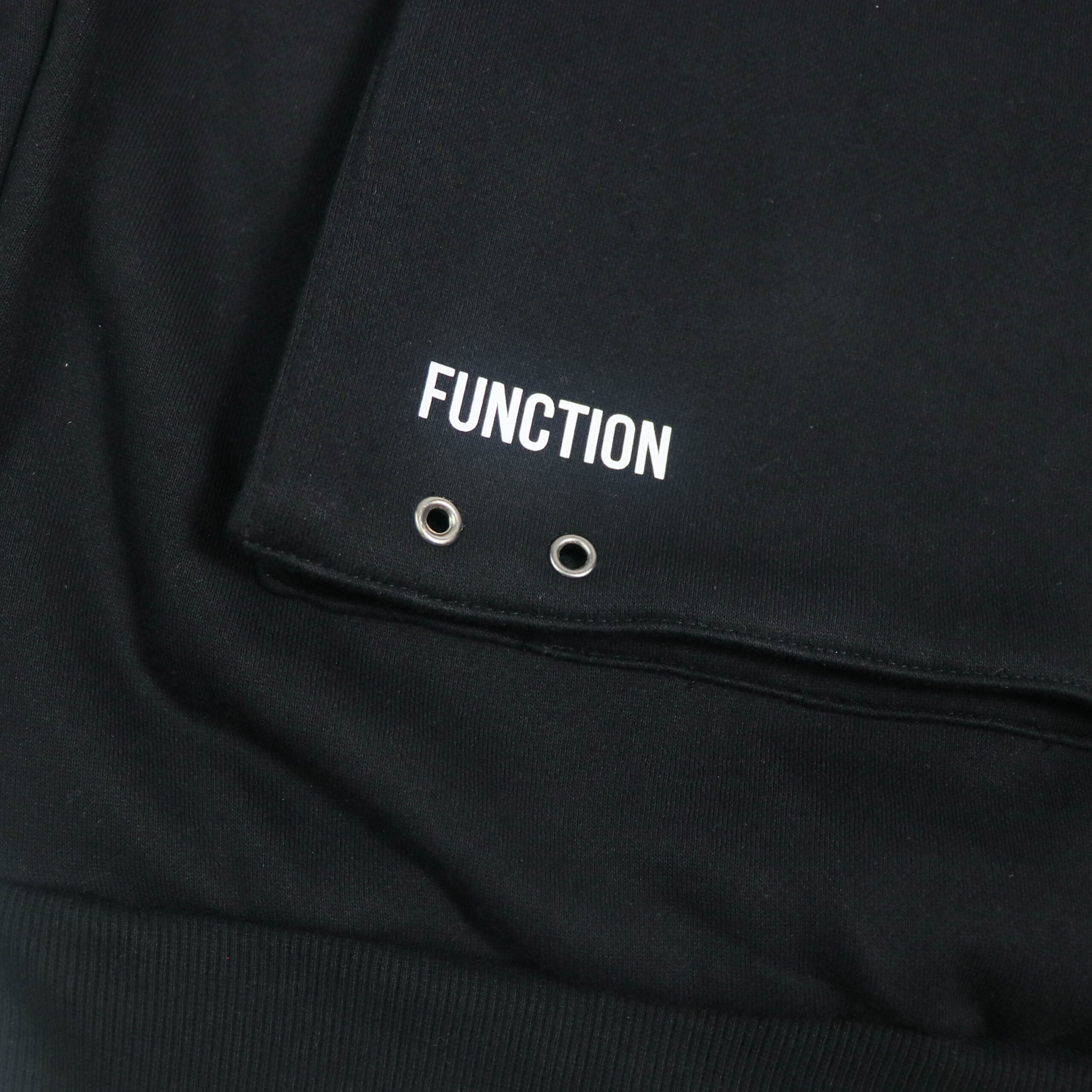
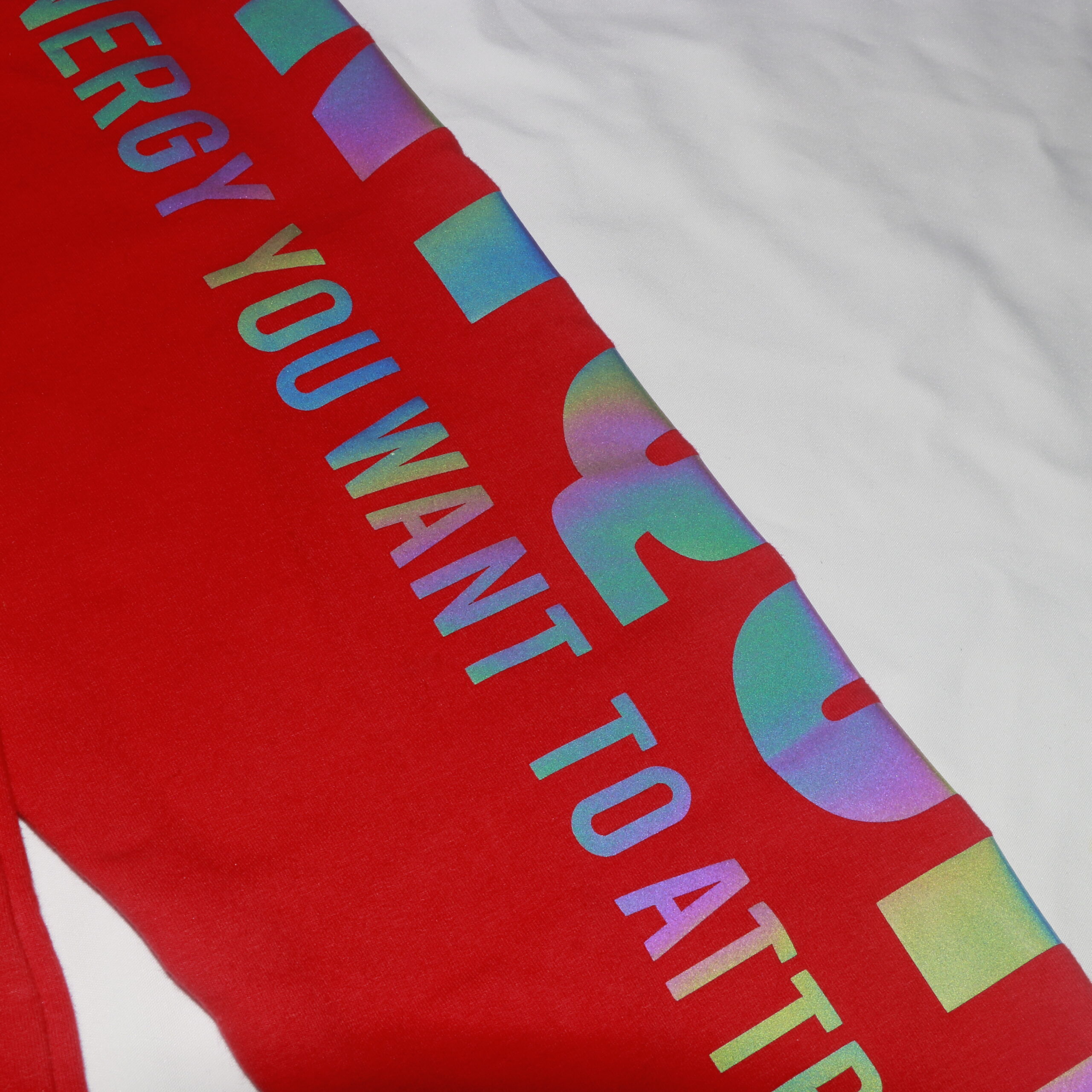
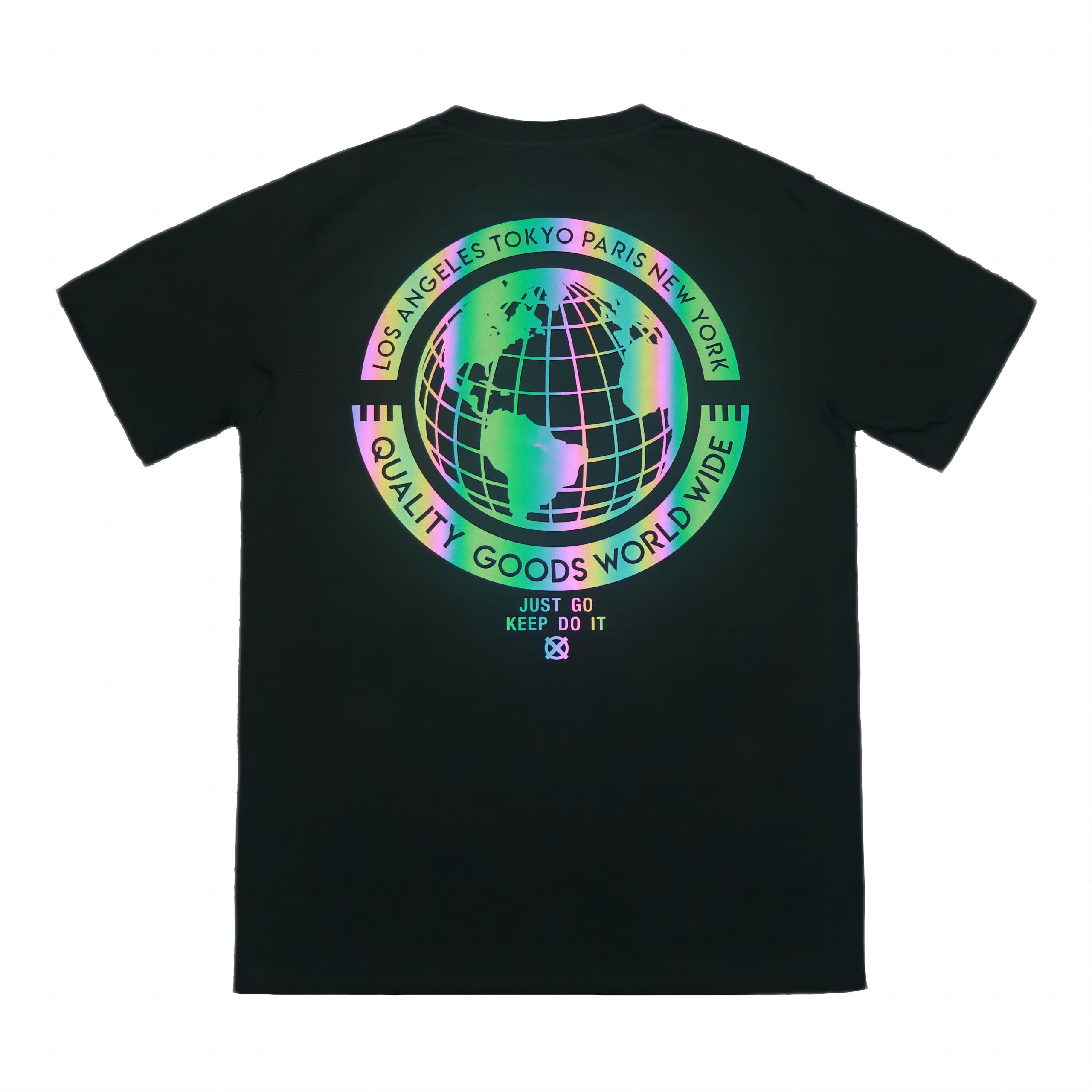
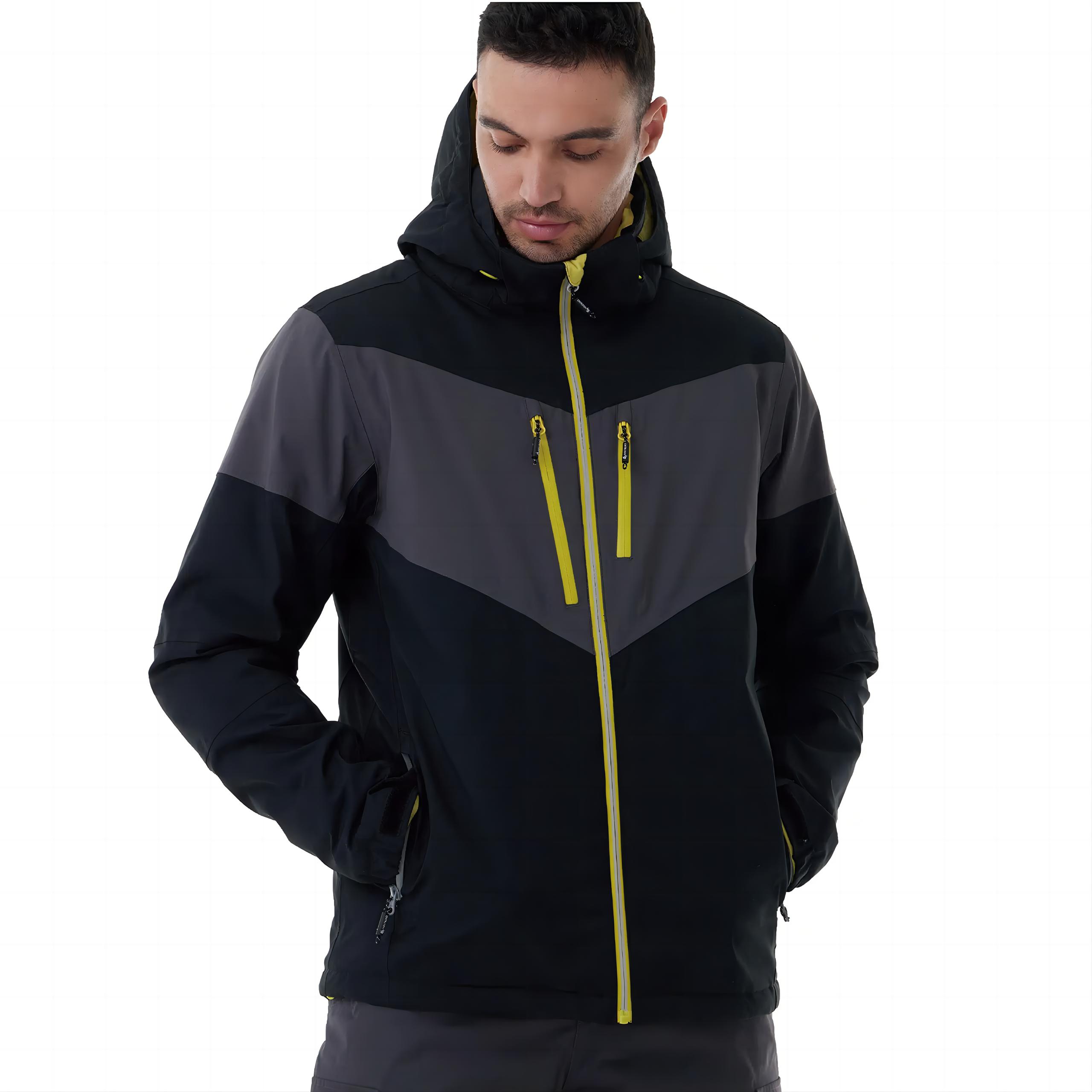
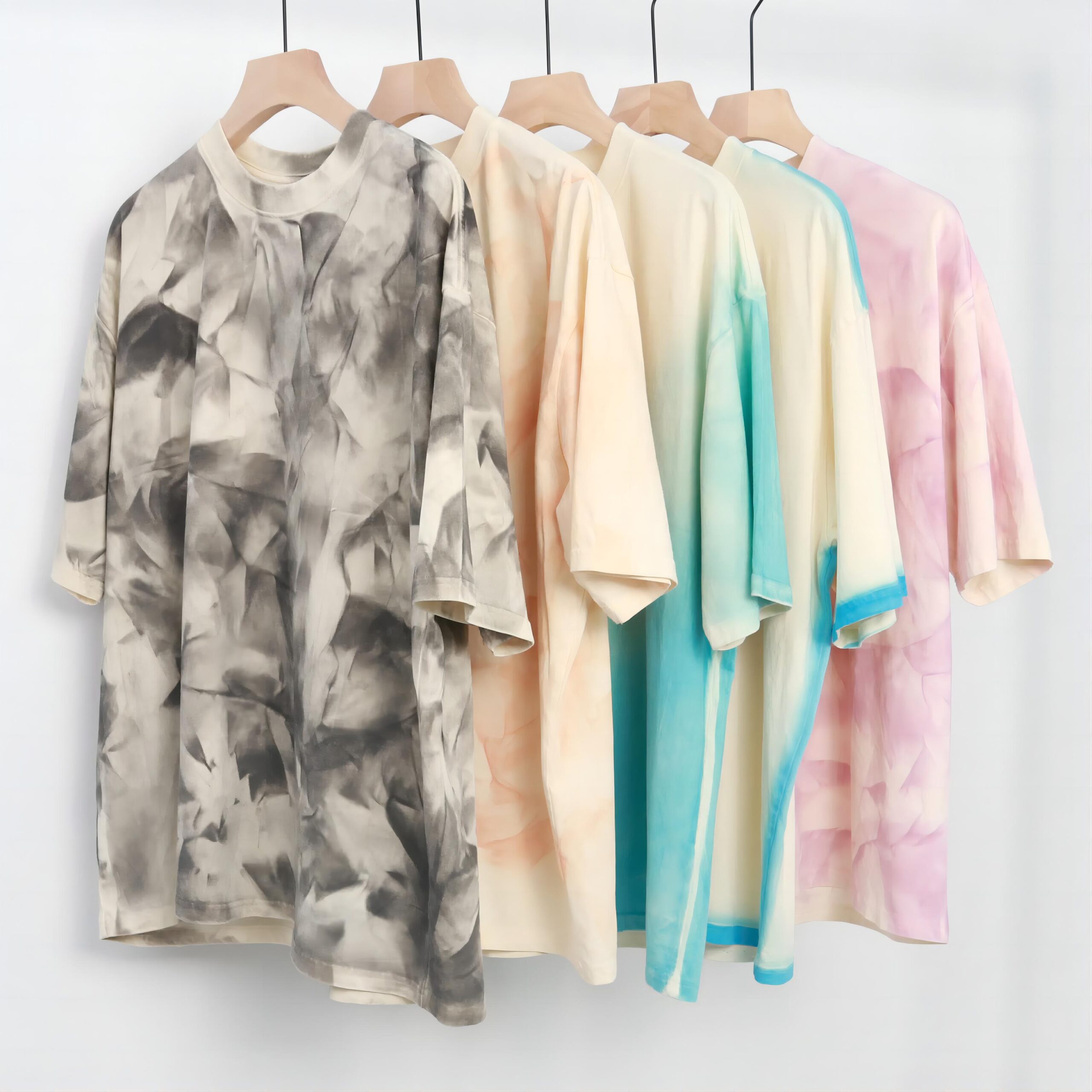
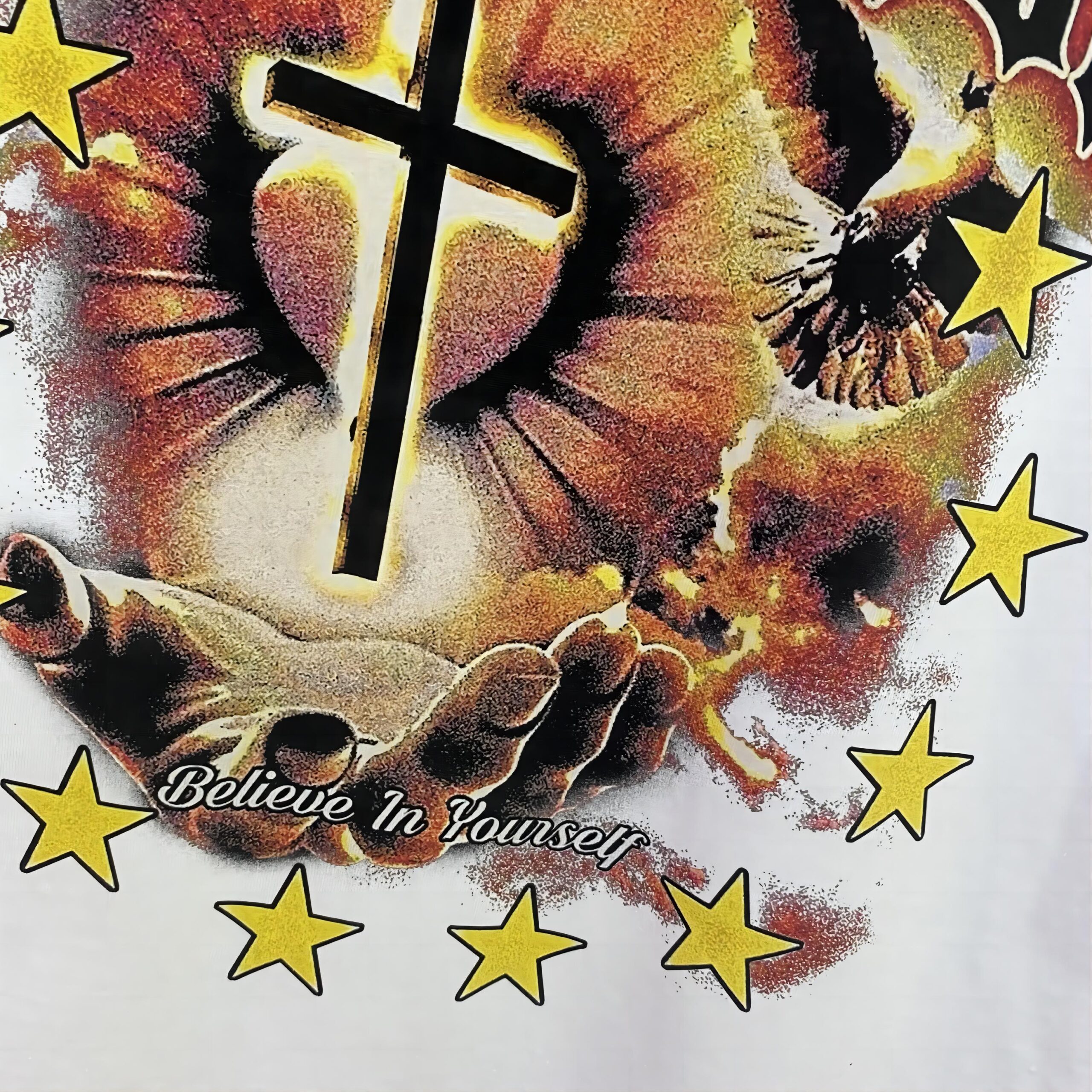



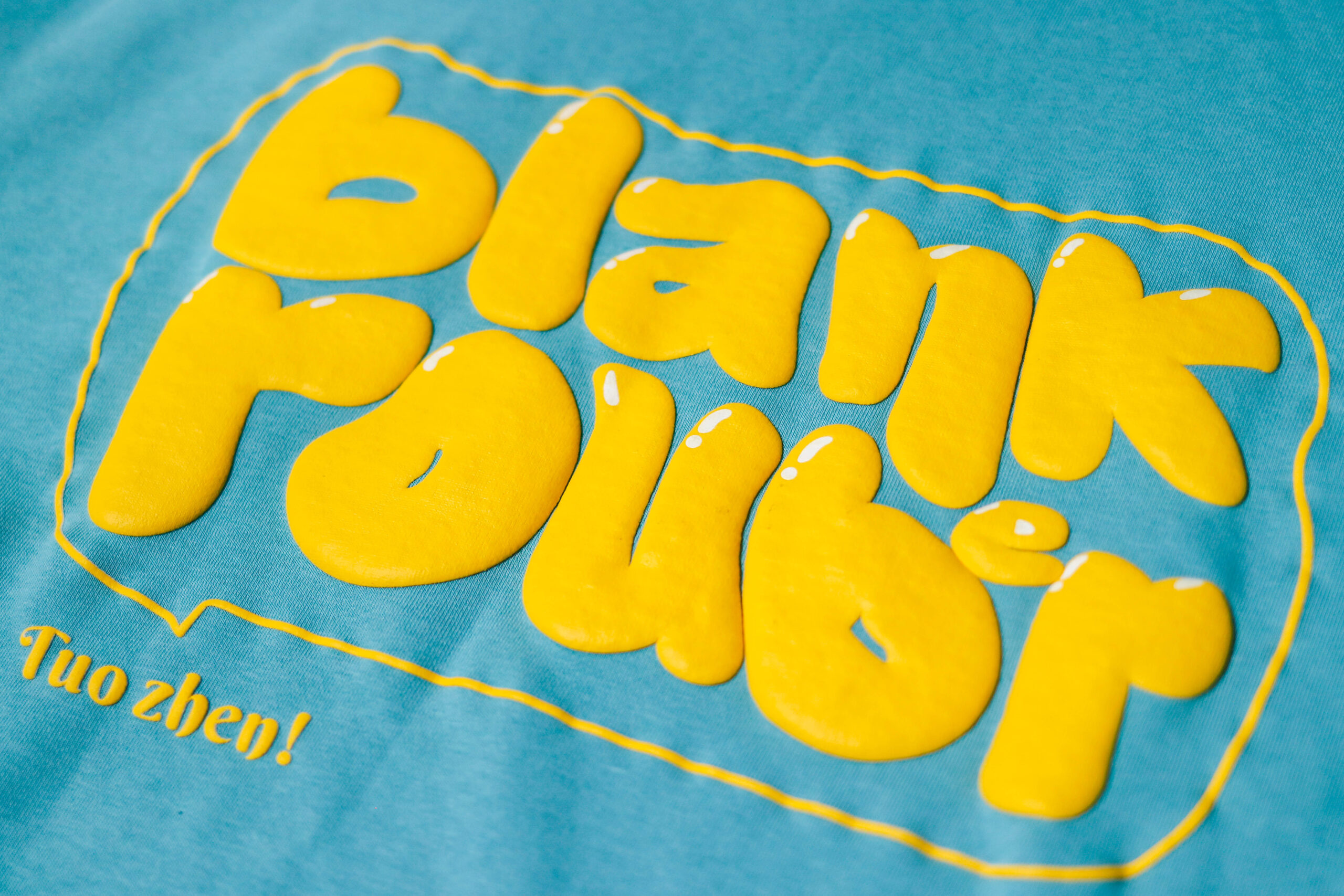
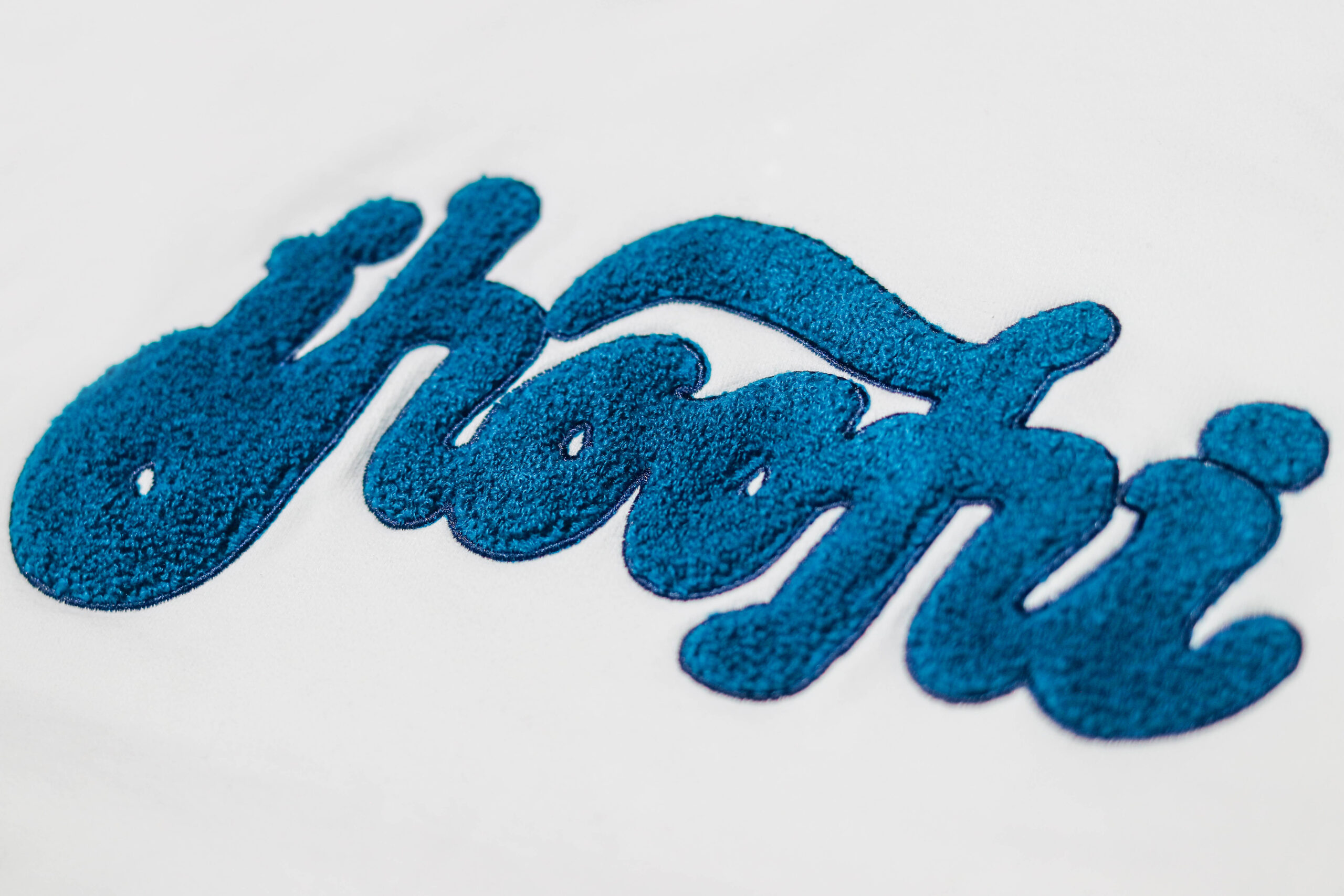
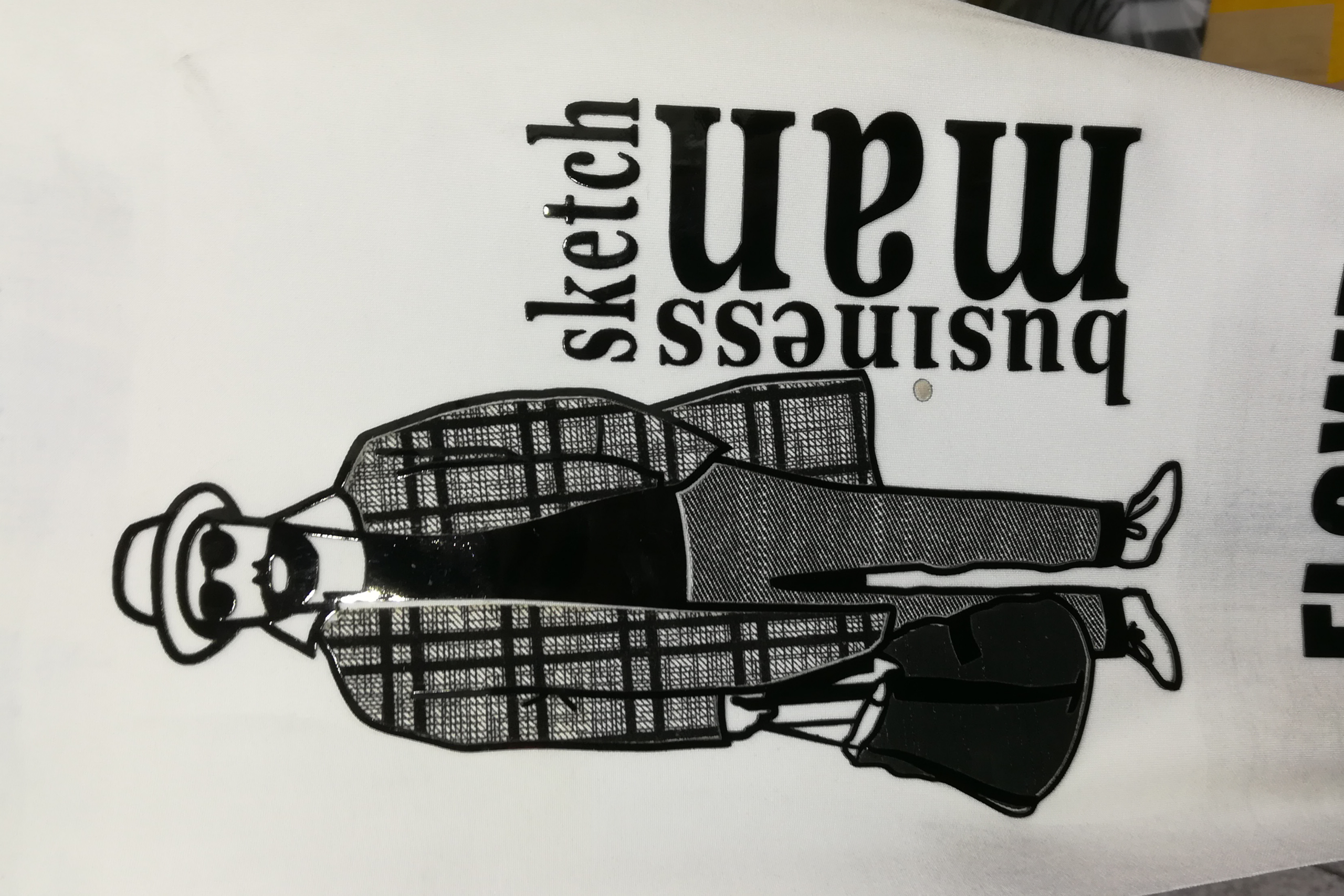
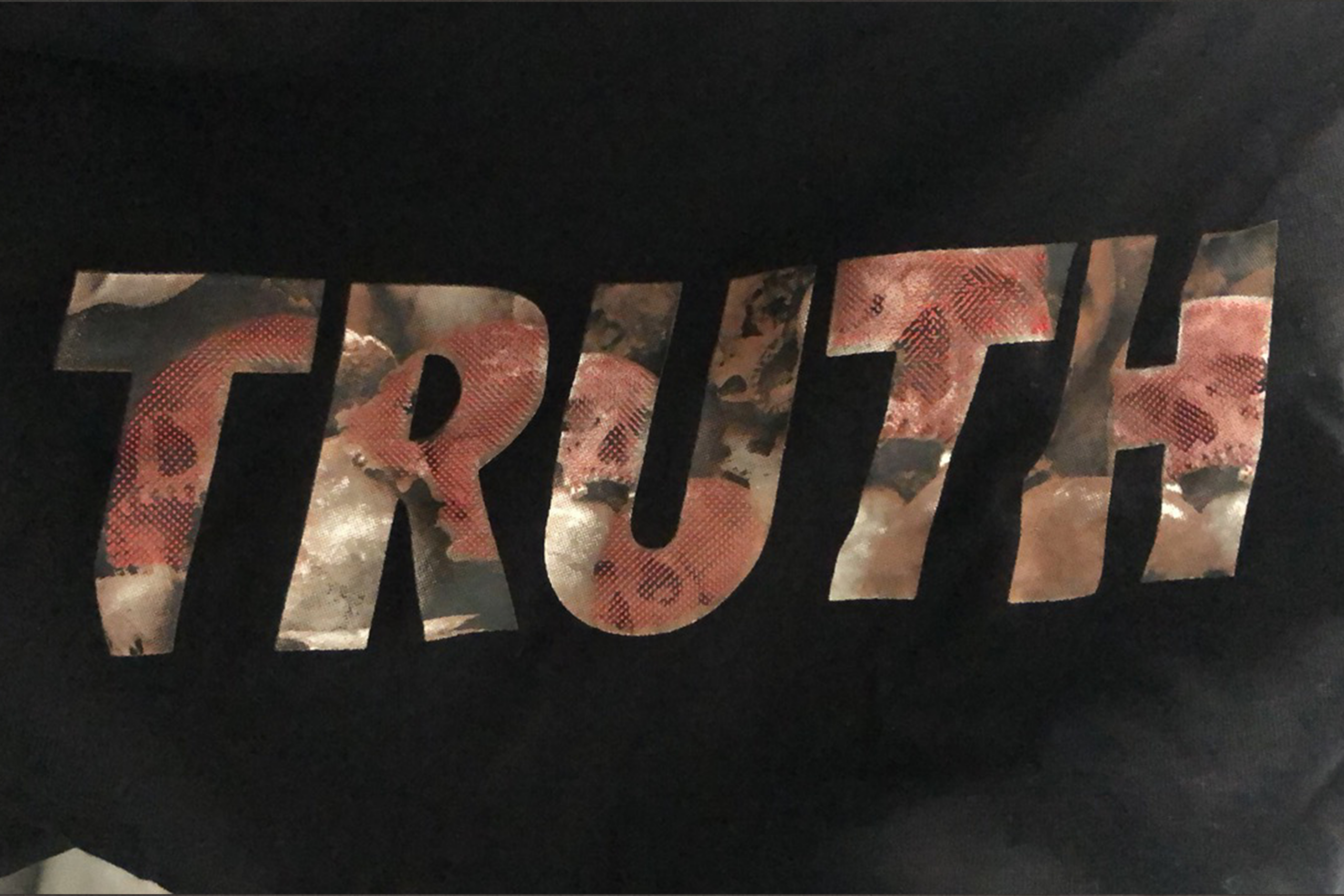

Production Support That Scales With Your Brand
From first samples to repeat orders, EDVORIN coordinates the technical decisions that help emerging brands build reliable apparel programs.
Flexible Product Development
Bring a tech pack, sketch, or reference garment; our team helps turn your concept into clear, production-ready specifications.
Coordinated Fabric and Trims
Source fabrics, rib, hardware, labels, and packaging as one program, with details selected to support your intended fit and finish.
Category-Specific Decoration
Match printing, embroidery, patches, washing, and other finishes to the garment construction, material behavior, and visual direction of your collection.
Approved Sample Controls
Use approved samples, measurement standards, artwork placement, and trim details as visible references throughout bulk production and final inspection.
Ready for Repeat Orders
Documented standards help protect fit, color, decoration, and construction as your brand moves from a first launch to ongoing production.
Apparel Manufacturing Across Core Categories
Production-ready development for casualwear, streetwear, outerwear and teamwear programs, from approved samples through coordinated bulk production.
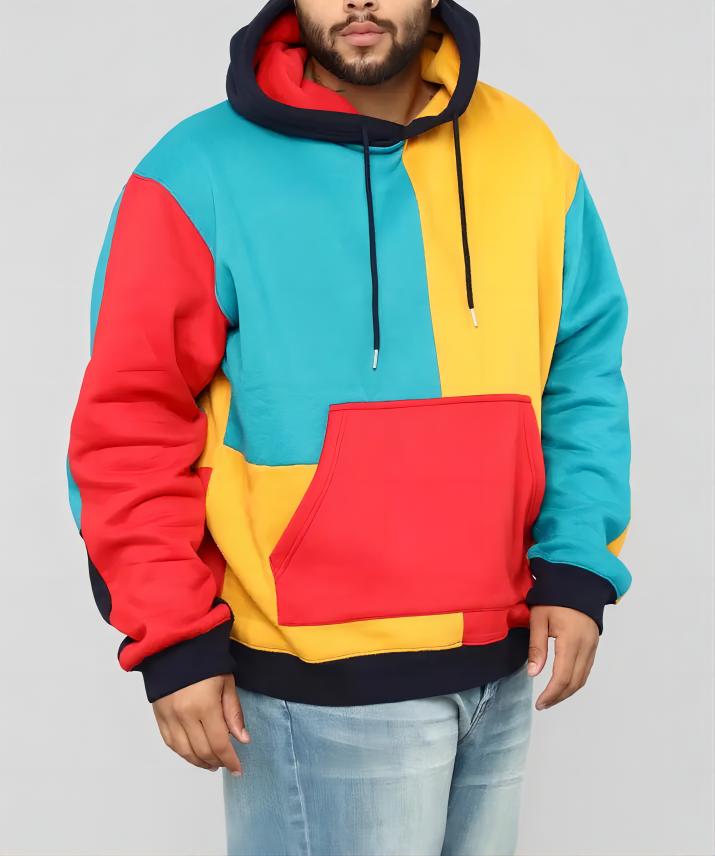
Custom Hoodies
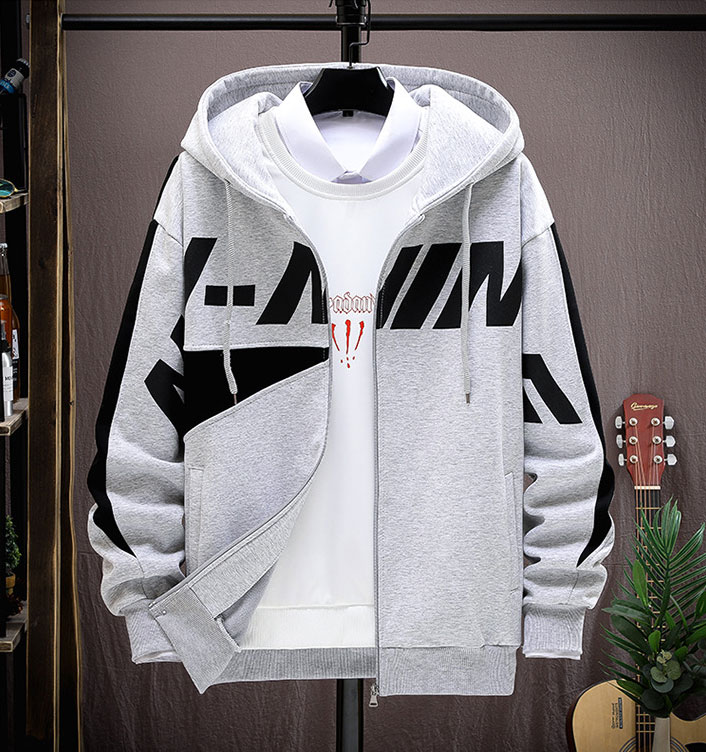
As a custom hoodie manufacturer, EDVORIN develops men’s and women’s hoodies with specified fleece weight, fit, rib construction, drawcords, pockets, labels and decoration. Approved samples define the standard for repeatable bulk production.
Get a Quote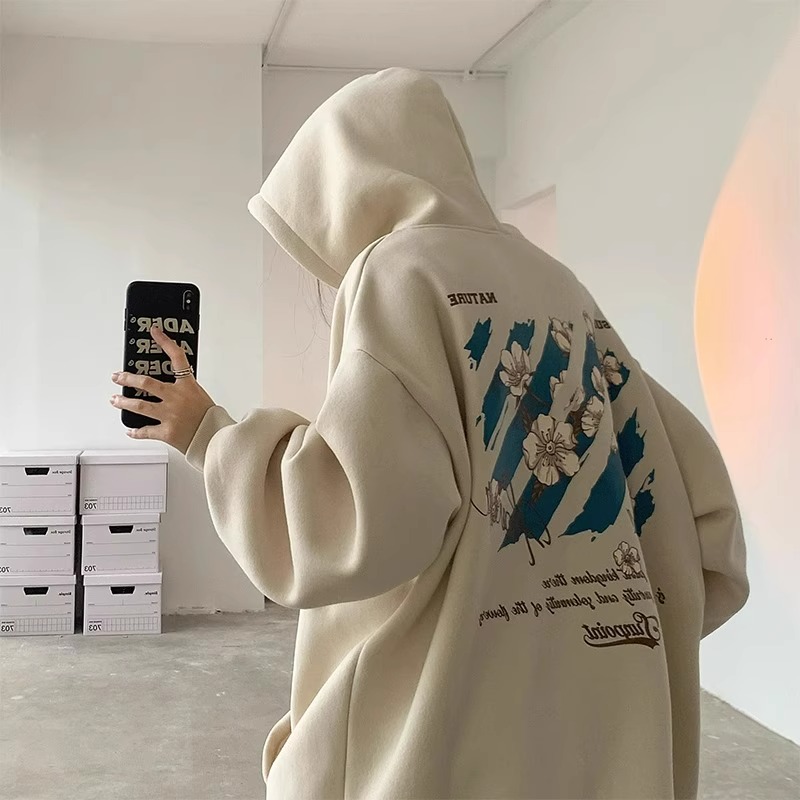
Pullover Sweatshirts
As a sweatshirt manufacturer, EDVORIN supports pullover programs with fabric selection, neckline and rib specifications, fit blocks, grading, embroidery, printing, and wash options. Each sweatshirt is developed for its intended market before production begins.
Get a Quote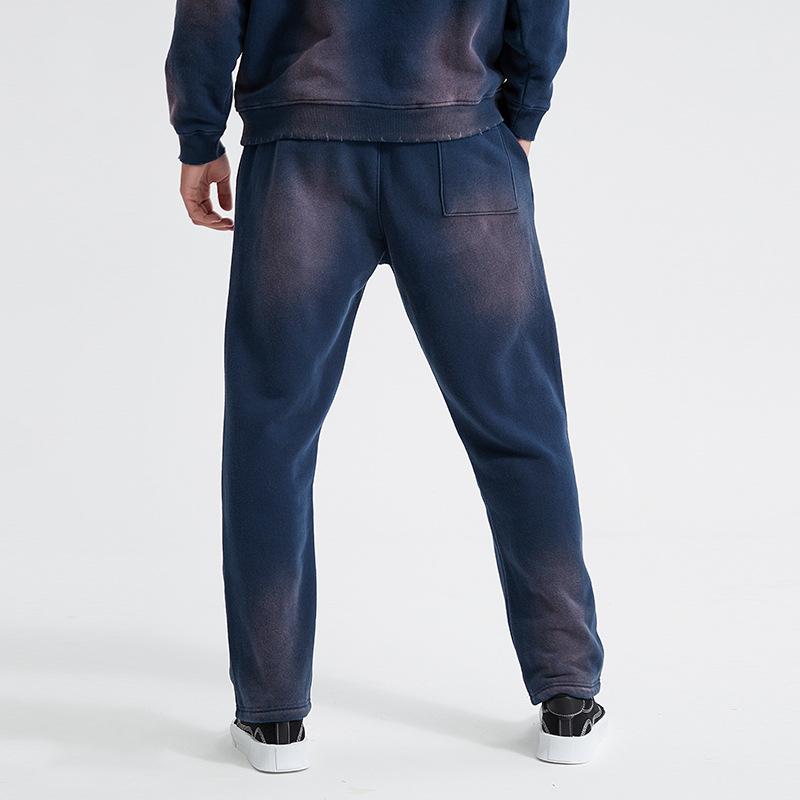
Sweatpants & Joggers
As a sweatpants manufacturer, EDVORIN coordinates fabric weight, waistband construction, elastic, drawcords, pocket details, cuff options, and grading for sweatpants and joggers. Men’s and women’s fits can be developed separately to maintain proportion and comfort across sizes.
Get a Quote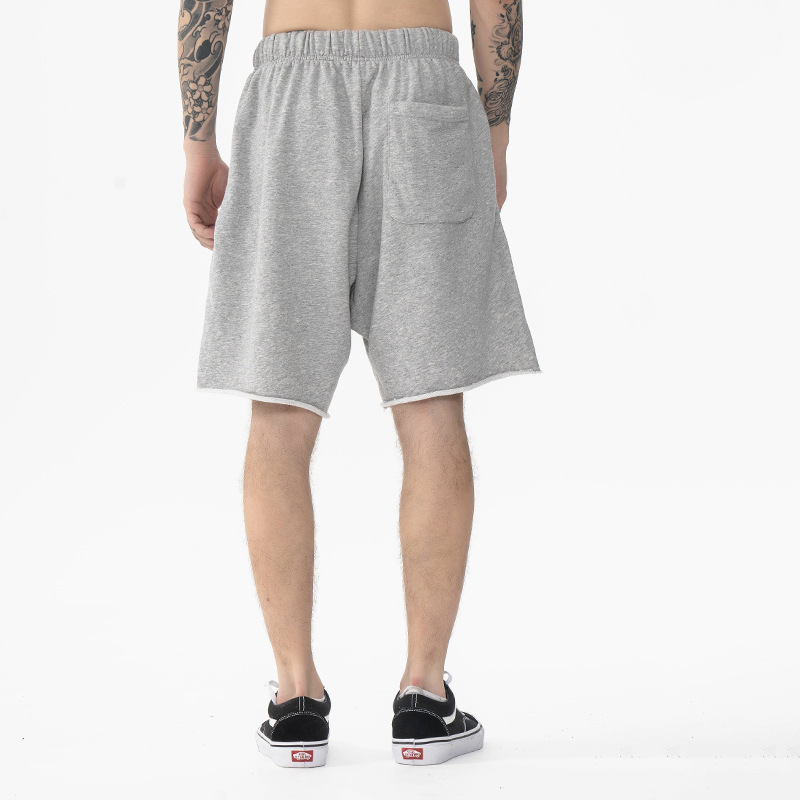
Custom Shorts
Custom shorts programs can include fleece, jersey, woven or performance constructions. EDVORIN manages inseam, waistband, pocket, lining, print placement, embroidery and labeling requirements for casualwear, sportswear and private-label collections.
Get a Quote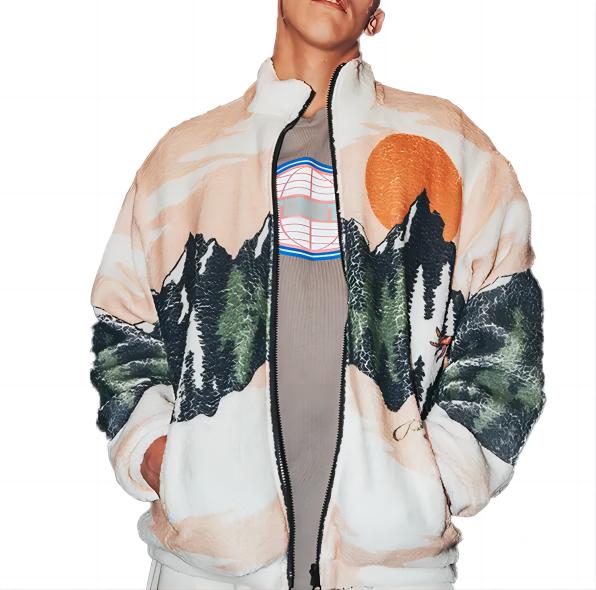
Varsity & Baseball Jackets
EDVORIN develops varsity and baseball jackets by coordinating body and sleeve materials, lining, rib, snaps, patches, embroidery and appliqué. Construction details are documented during sampling to protect the approved look in bulk.
Get a Quote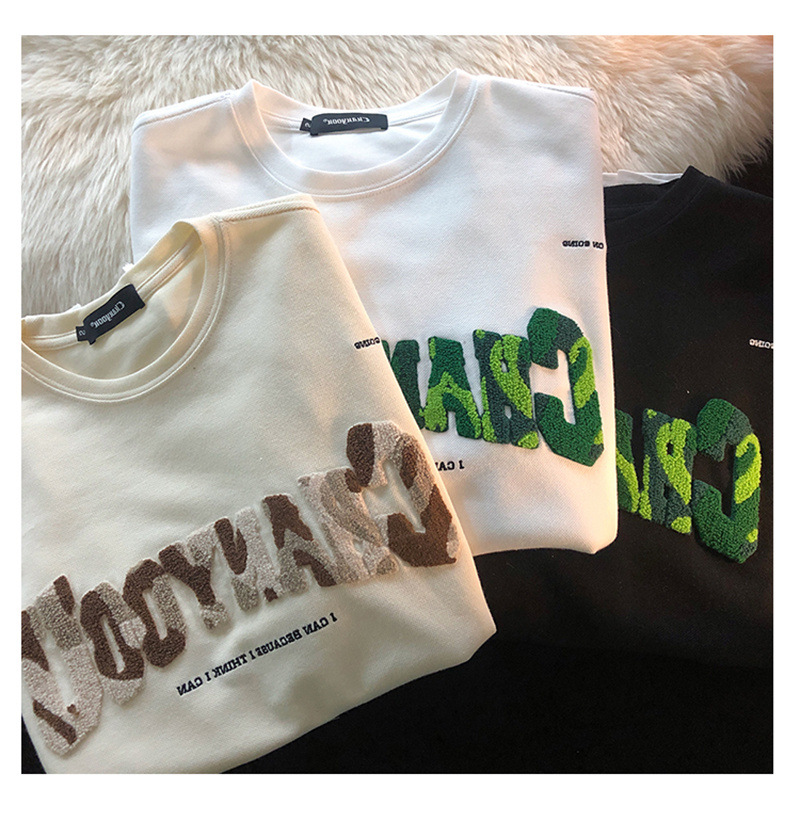
Custom T-Shirts
As a custom T-shirt manufacturer, EDVORIN develops tees around fabric weight, yarn feel, collar construction, fit, grading, print method, wash and label requirements. Options support both men’s and women’s product programs.
Get a Quote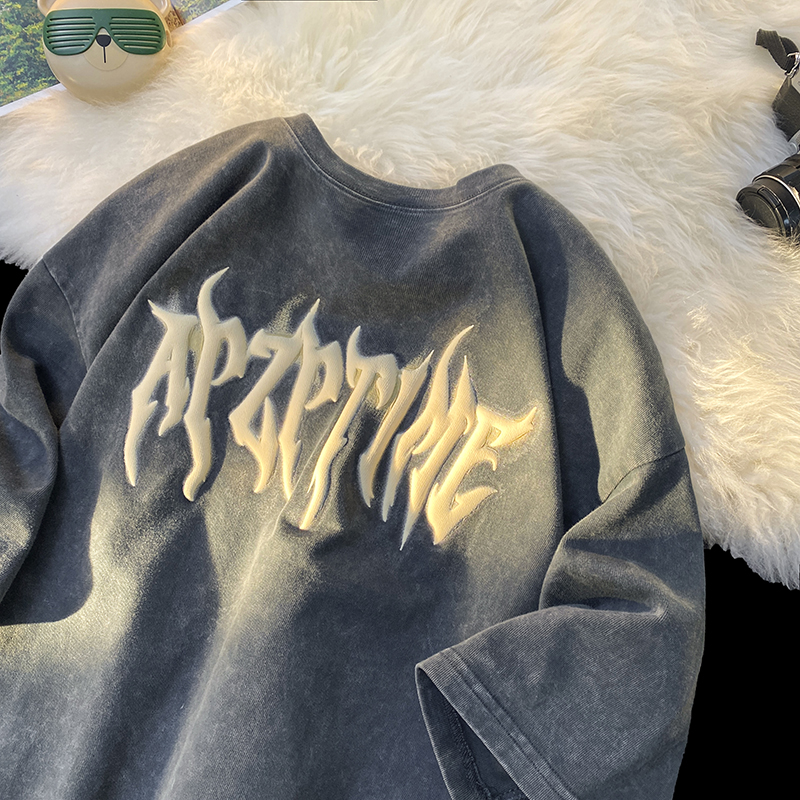
Custom Polo Shirts
Custom polo shirt development covers piqué or jersey fabrics, collar and placket construction, buttons, cuffs, embroidery, print details and sizing. EDVORIN supports uniforms, corporate apparel, wholesale programs and branded collections.
Get a Quote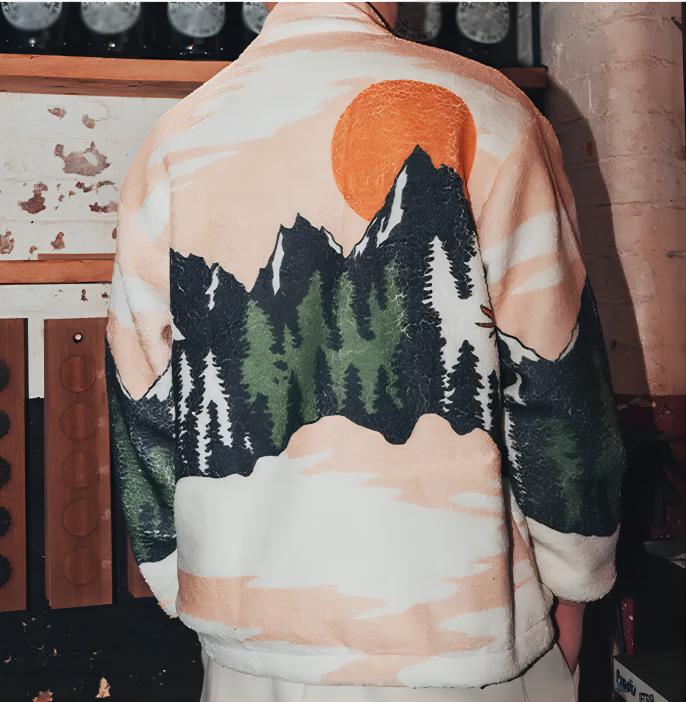
Windbreaker Jackets
Windbreaker jackets require coordinated shell fabric, lining or mesh, zippers, pockets, hoods, cuffs and water-resistant finishing. EDVORIN samples construction and decoration details before setting a controlled bulk-production standard.
Get a Quote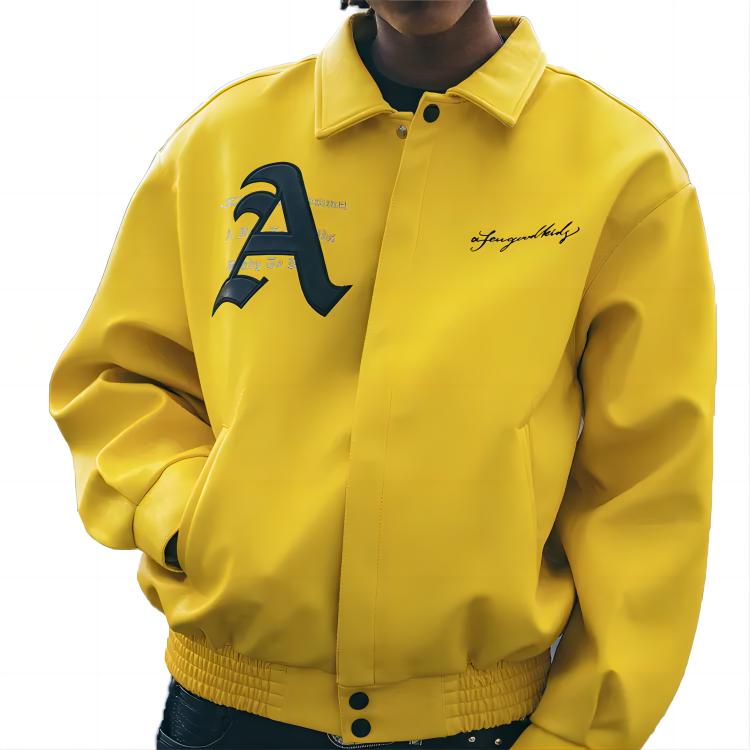
Quilted Jackets
For quilted jackets, EDVORIN coordinates shell and lining fabrics, insulation, quilting pattern, stitch density, hardware, pockets and labeling. Material and construction choices are reviewed during development for consistency in production.
Get a Quote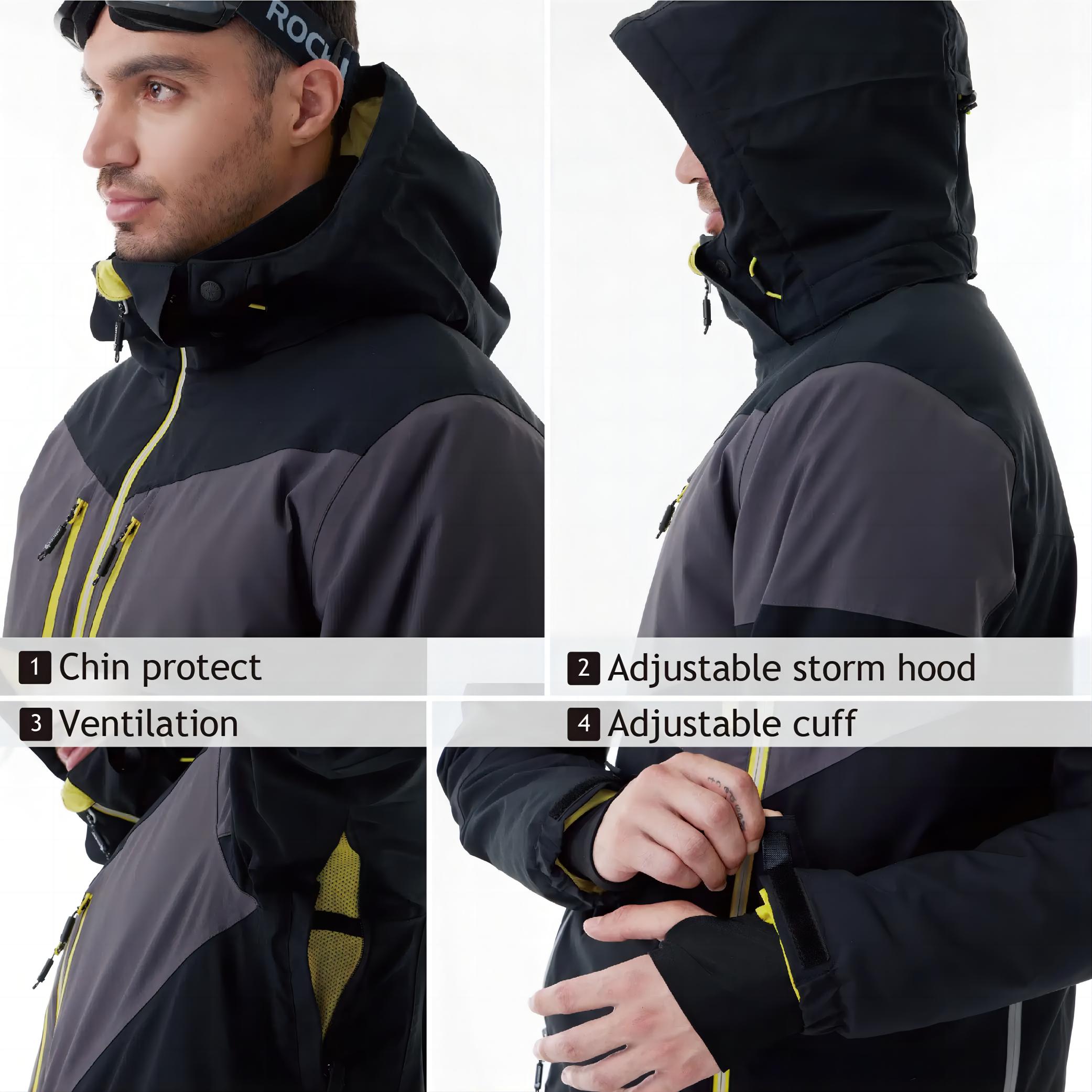
Bomber Jackets
EDVORIN develops bomber jackets with defined shell materials, lining, rib, zipper or snap closures, pocket construction, patches, embroidery and finishing. Fit and proportions can be adjusted for men’s and women’s programs.
Get a Quote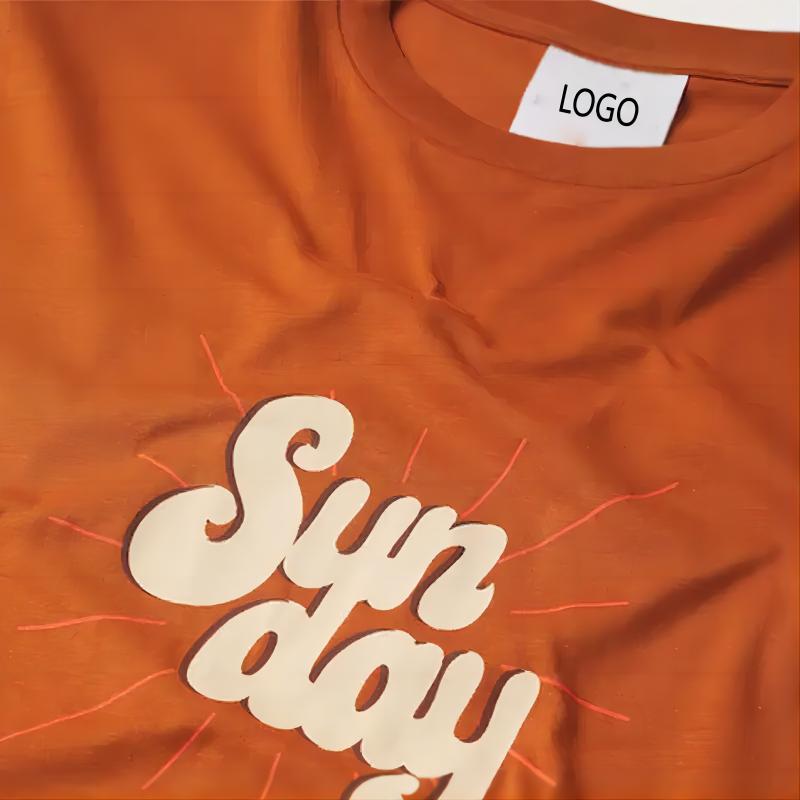
Custom Shirts
Custom woven shirts are developed with selected shirting fabrics, collar and cuff construction, plackets, buttons, pocket details, fit blocks and grading. Sampling confirms construction, measurements and finishing before bulk production.
Get a Quote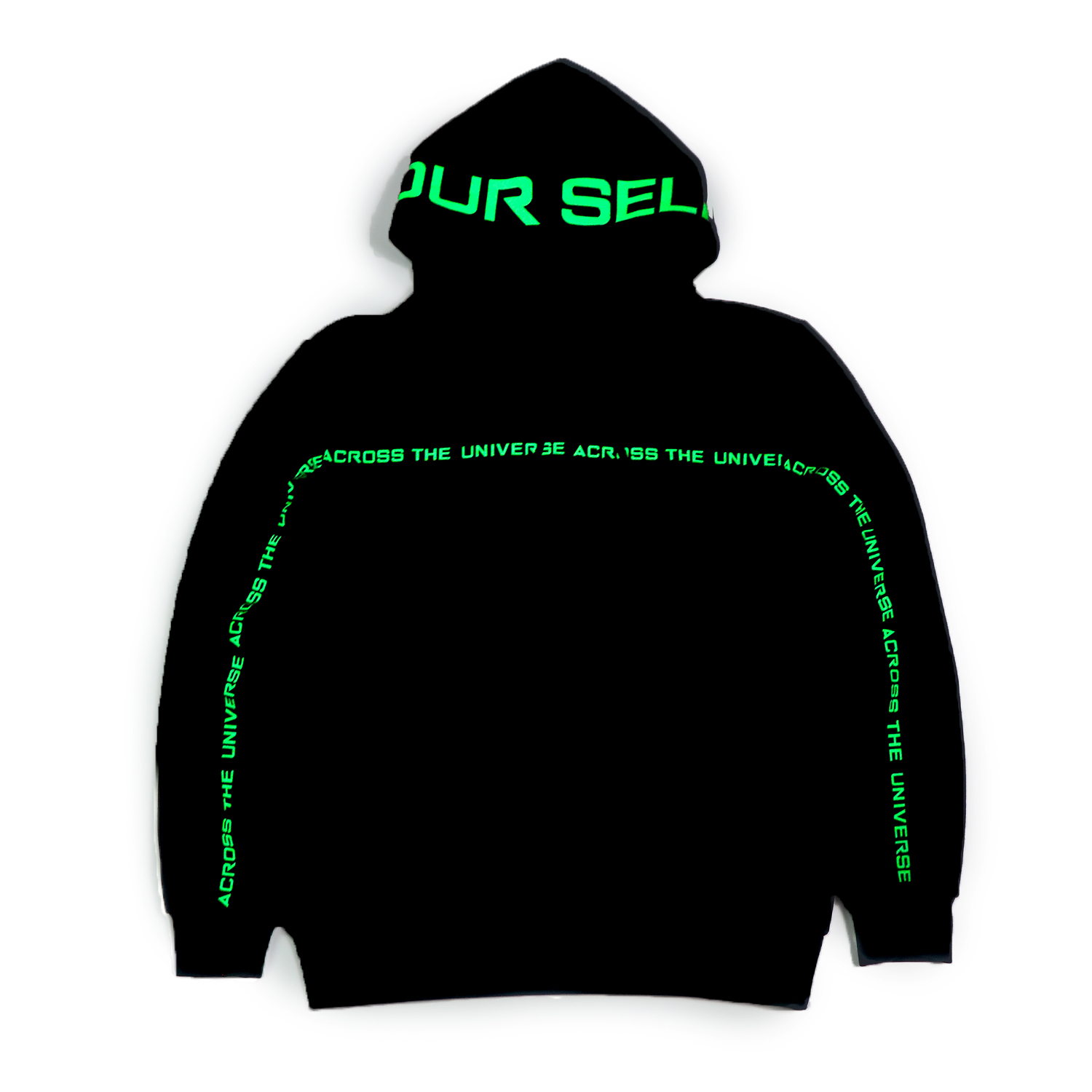
Custom Jerseys
EDVORIN produces custom jerseys for clubs, schools, teams and branded programs, coordinating breathable fabrics, color matching, panel construction, logos, names, numbers and size sets. Decoration placement is recorded against the approved sample.
Get a Quote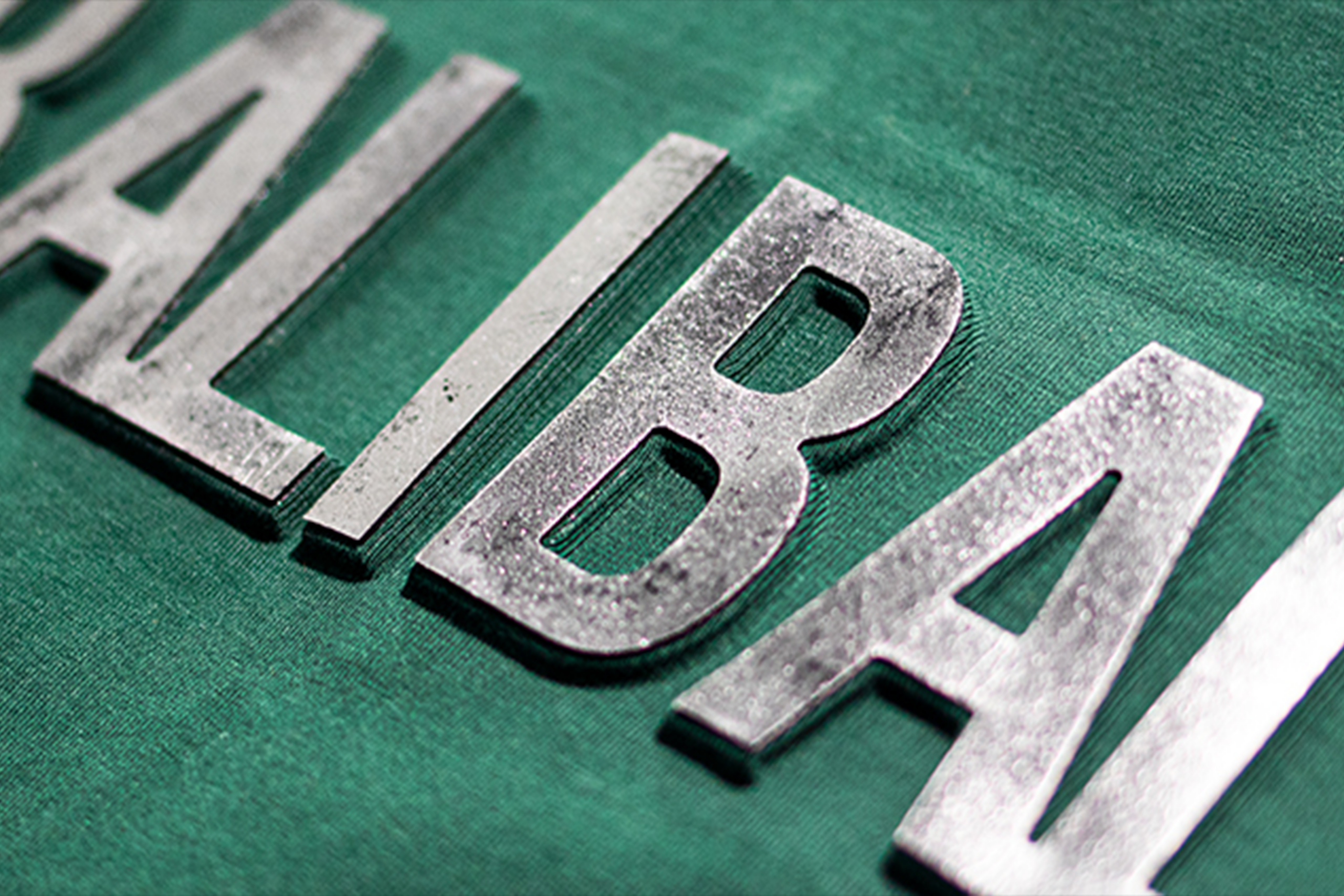
Tank Tops
Tank top programs can use cotton jersey, performance knits or blended fabrics, with specified neckline, armhole, binding, fit and decoration. Separate men’s and women’s proportions can be developed for the intended wearer.
Get a Quote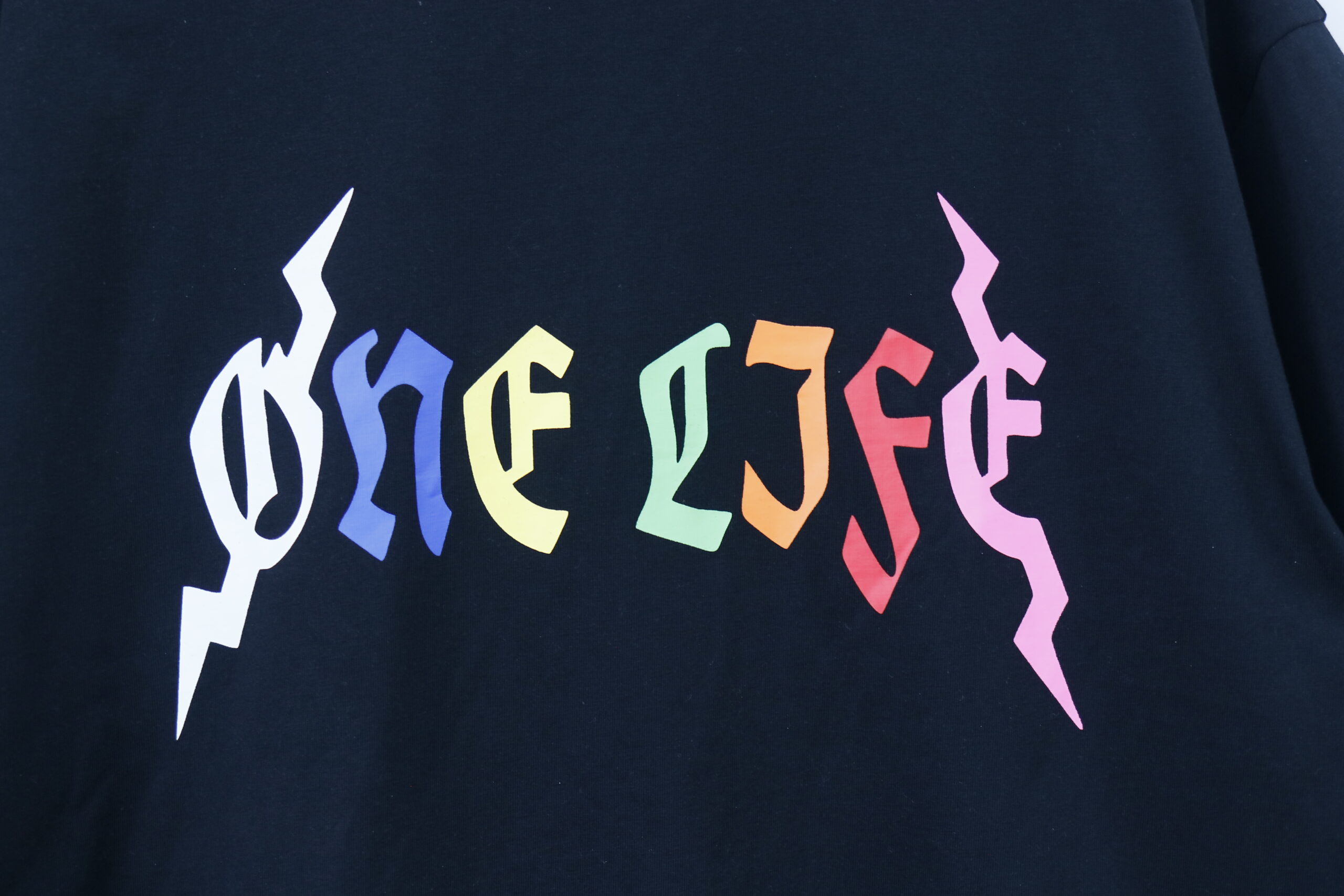
Soccer Uniforms
Soccer uniform development includes jerseys, shorts and coordinated team sets with performance fabric options, color panels, club branding, player names, numbers and size grading. EDVORIN controls placement and color references through bulk production.
Get a Quote
Basketball Uniforms
Basketball uniform programs are developed around jersey and short construction, breathable materials, side panels, trim, team colors, logos, player numbers and names. Sample approval establishes the reference for repeated team orders.
Get a Quote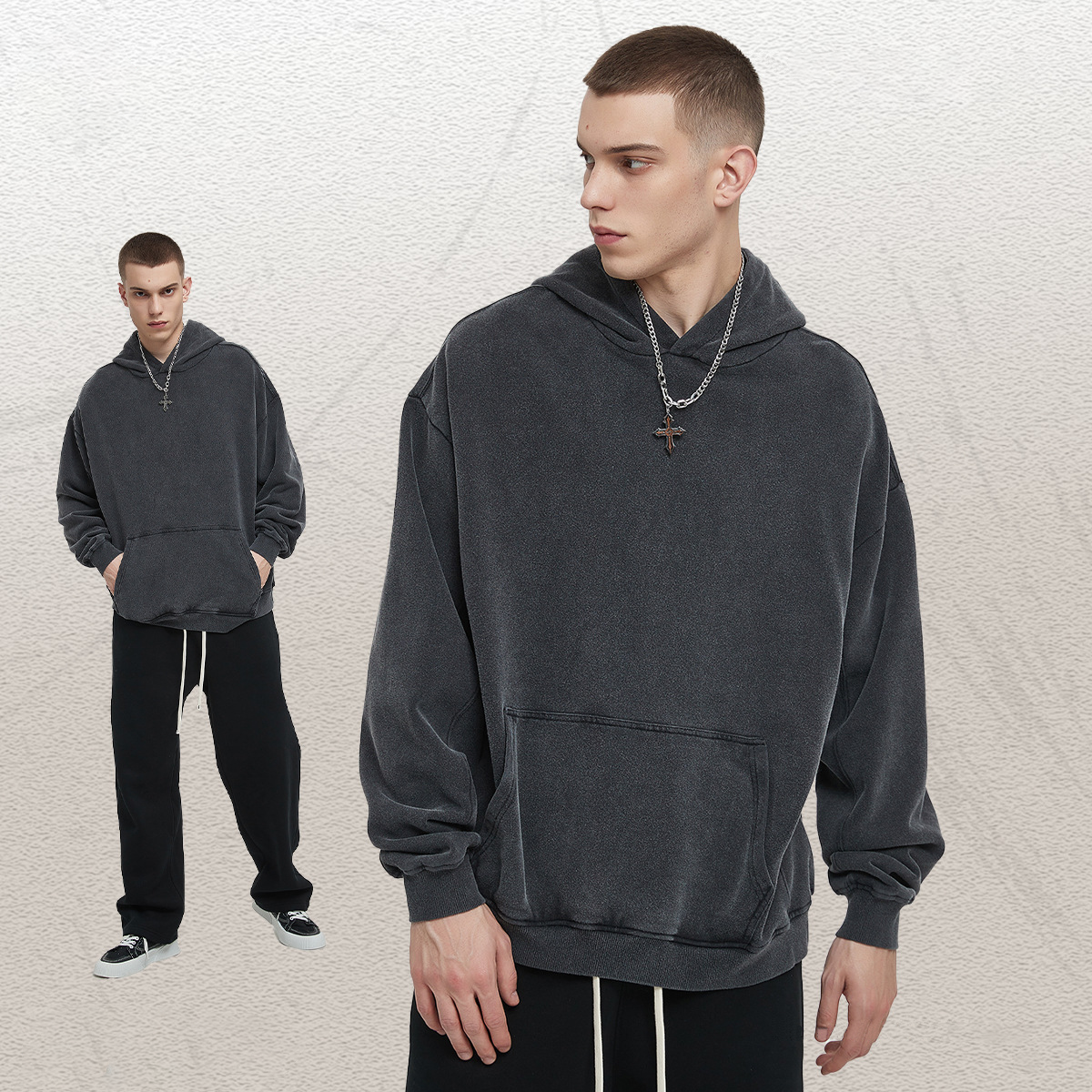
Streetwear Collections
EDVORIN supports streetwear collections from concept or tech pack through fabrics, patterns, samples, prints, embroidery, washes, trims, labels and packaging. Hoodies, tees, bottoms and outerwear are coordinated under one production system.
Get a QuoteMaterials Selected for Fit, Feel, and Performance
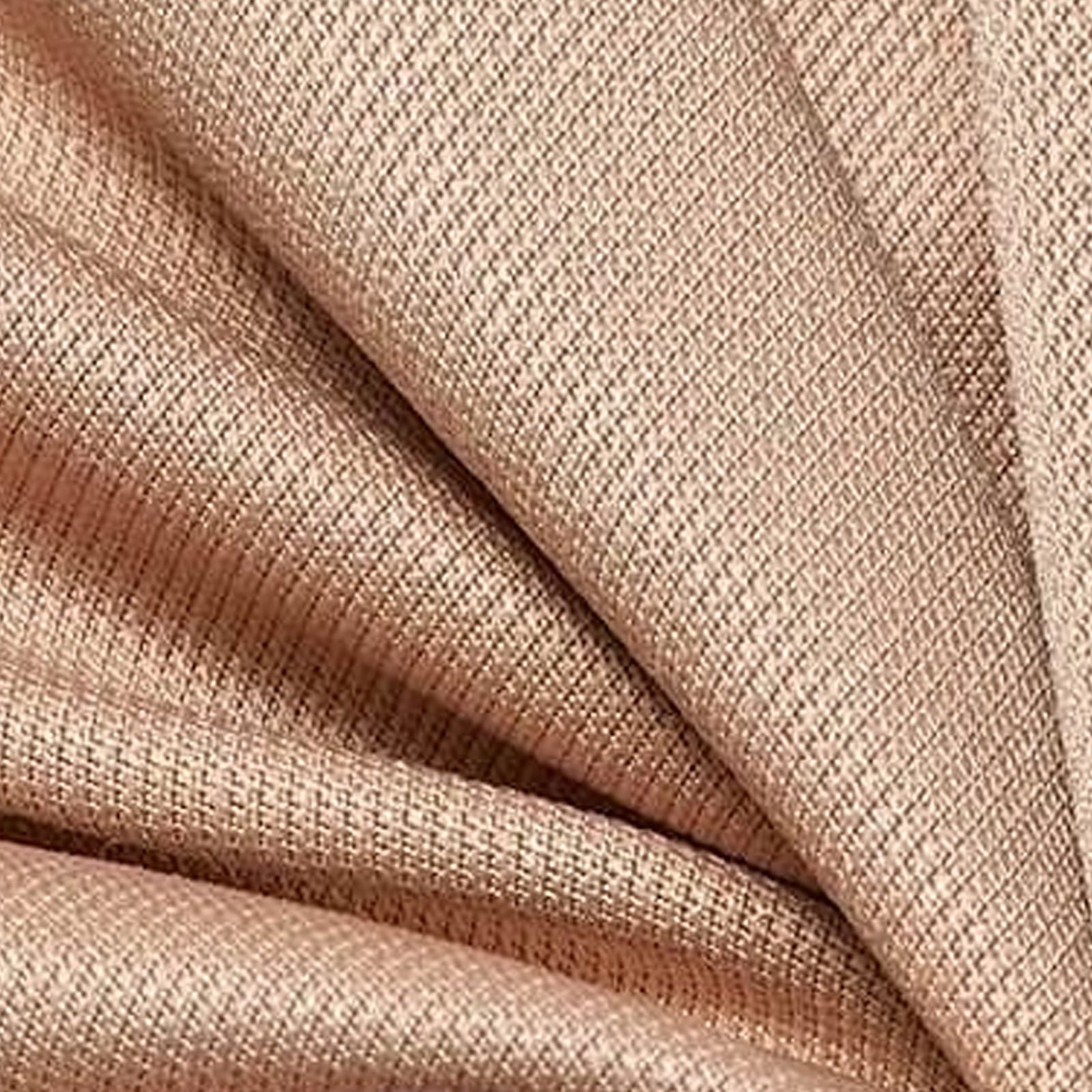
Cotton Jersey
Soft, breathable knit suited to T-shirts, polos, and lightweight layers. Its smooth face supports clean printing, while weight and yarn selection can be adjusted for a lighter everyday feel or a more substantial premium hand.
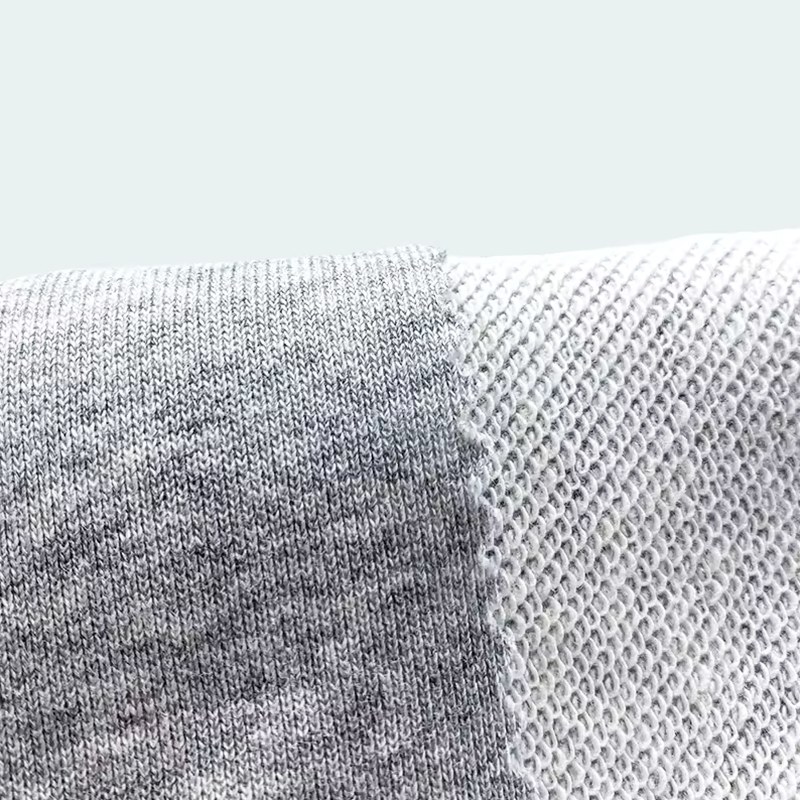
French Terry
A versatile knit with a smooth outer face and loopback interior, often used for hoodies, sweatshirts, shorts, and joggers. It offers breathable comfort with more structure than jersey and can be developed across different fabric weights.
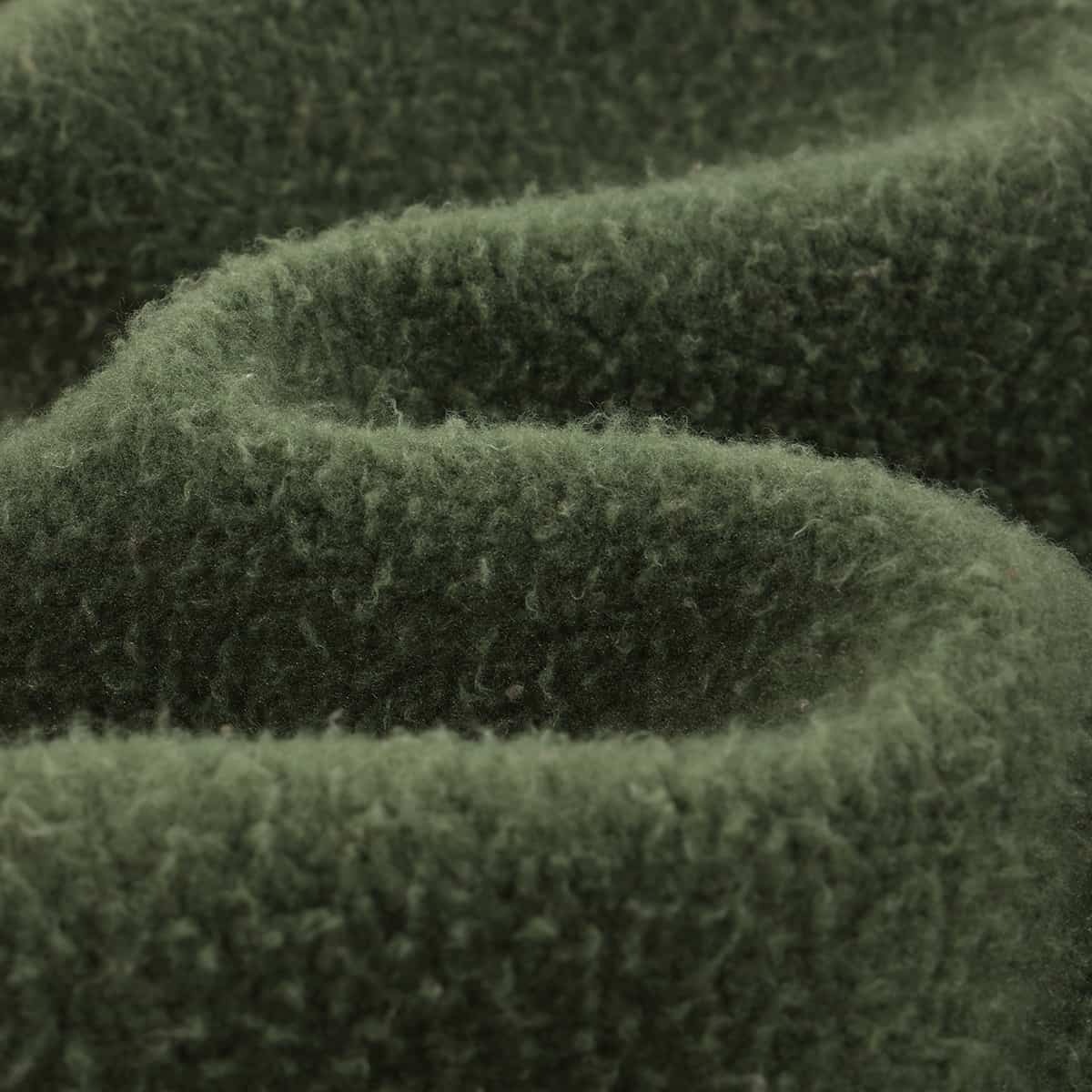
Brushed Fleece
Warm, plush-backed fabric for heavyweight hoodies, pullover sweatshirts, and cold-weather joggers. The brushed interior creates a soft hand feel, while the outer surface provides a stable base for screen prints, embroidery, and appliqué.
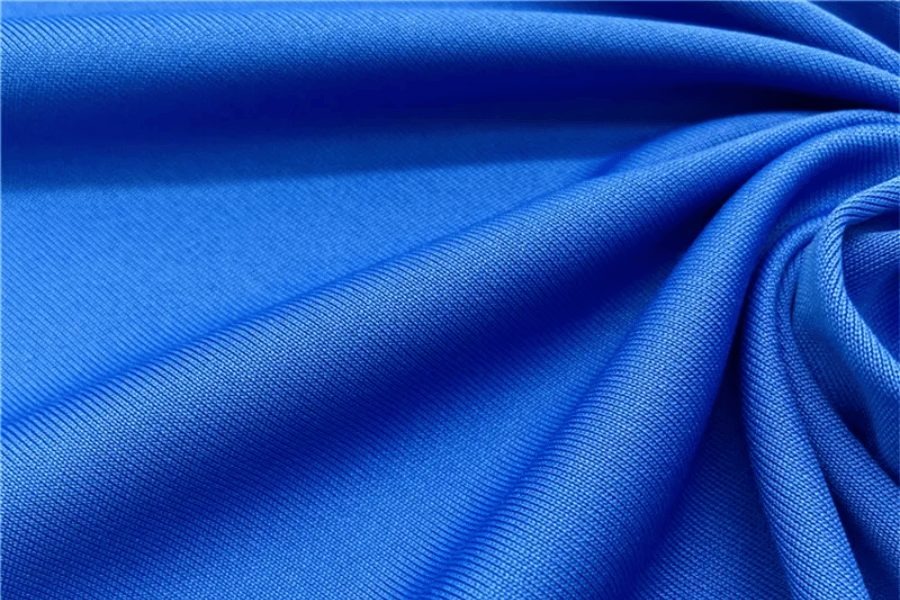
Polyester Interlock
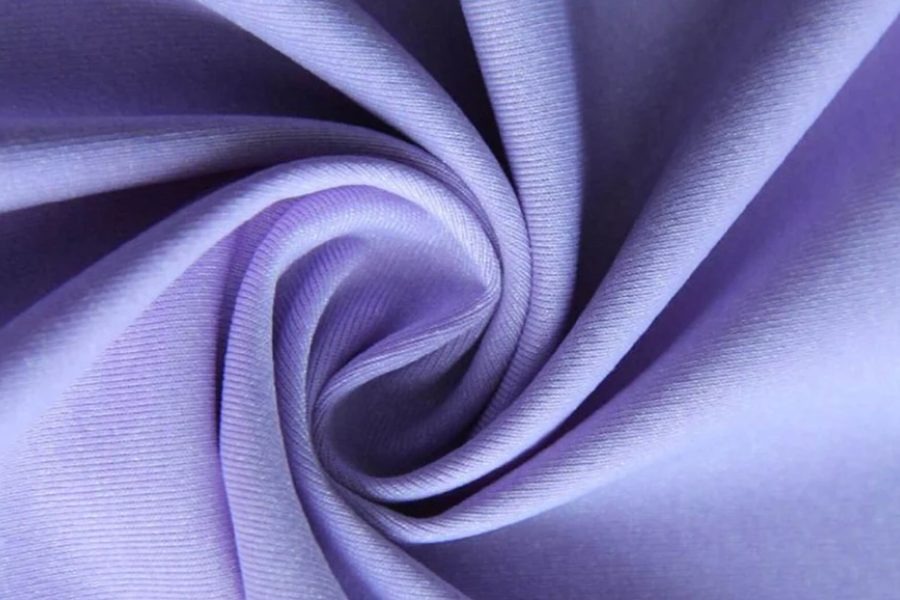
Smooth, durable performance knit designed for jerseys, training tops, and coordinated teamwear. Its stable double-knit construction supports color consistency and decoration, while moisture-management options and controlled stretch can be specified for active use.
Cotton Poplin
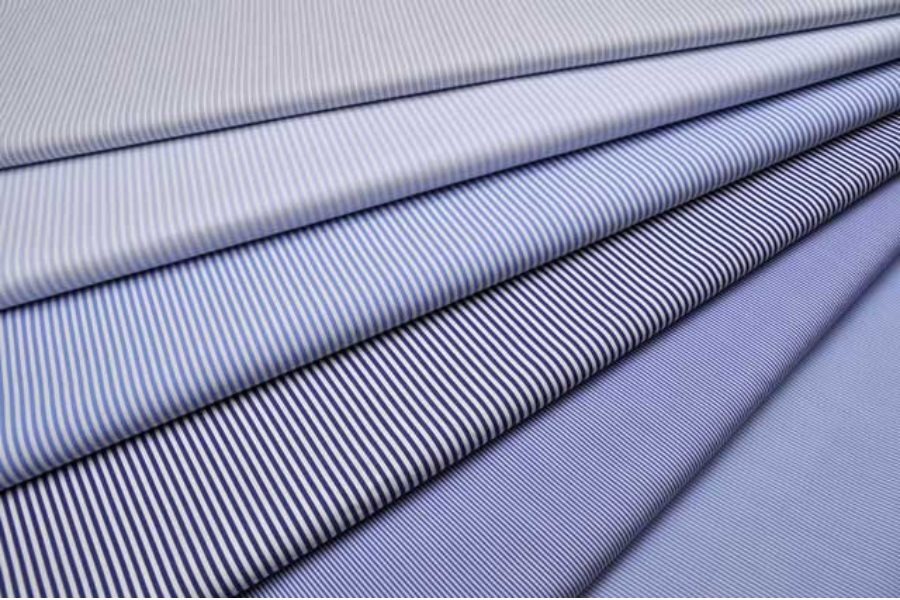
Clean, tightly woven fabric for shirts, overshirts, and structured collection pieces. Its smooth hand and low-bulk construction create a sharp appearance, while fiber blends can add wrinkle resistance, stretch, or a softer drape.
Decoration and Finishing Processes for Production-Ready Apparel
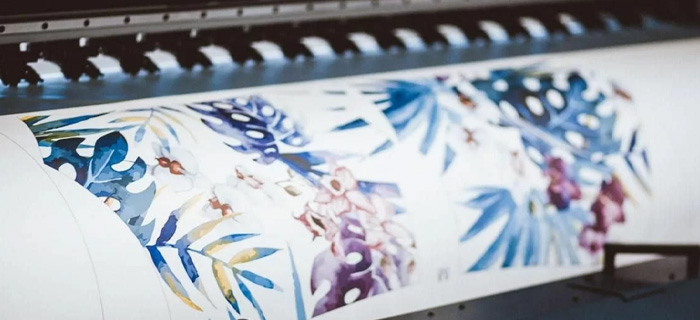
Sublimation Printing
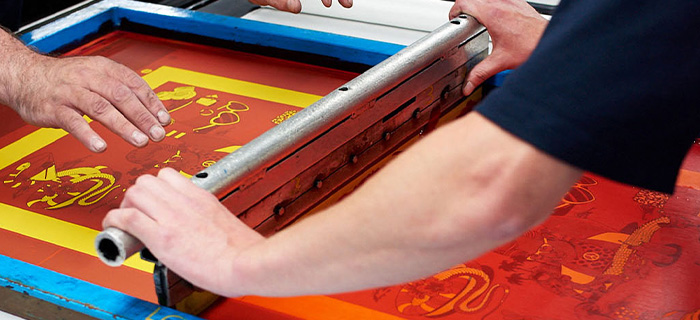
Sublimation printing embeds full-color graphics into suitable polyester fabrics for jerseys and performance apparel. It supports vivid all-over artwork, player numbers and repeat patterns while retaining a lightweight, breathable hand feel.
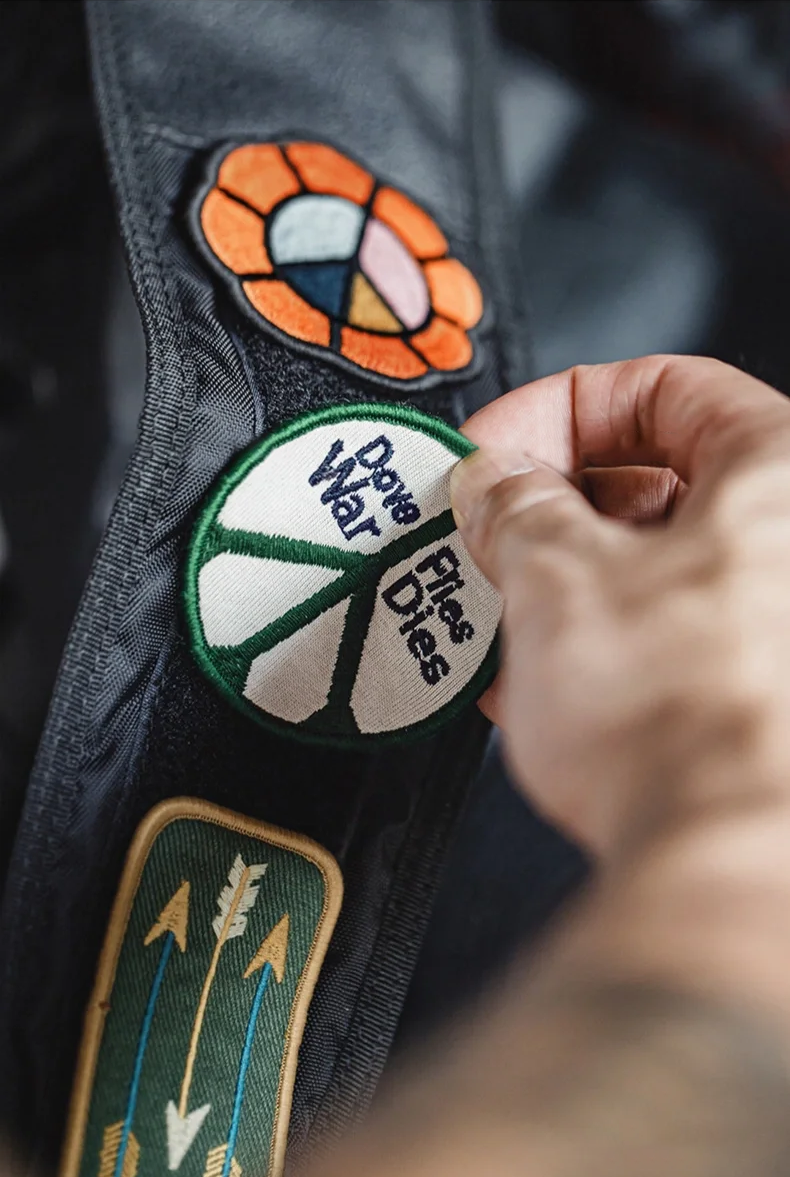
Patch Application
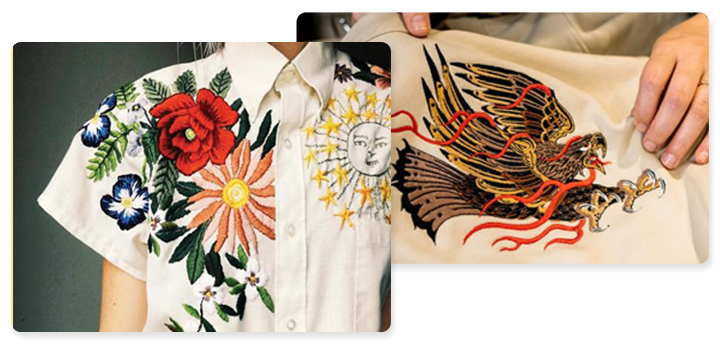
Patch application combines woven, embroidered, chenille or printed badges with precise attachment methods. It gives varsity jackets, outerwear and branded collections layered visual identity while supporting secure wear through regular use.
Trims and Brand Details That Complete the Specification
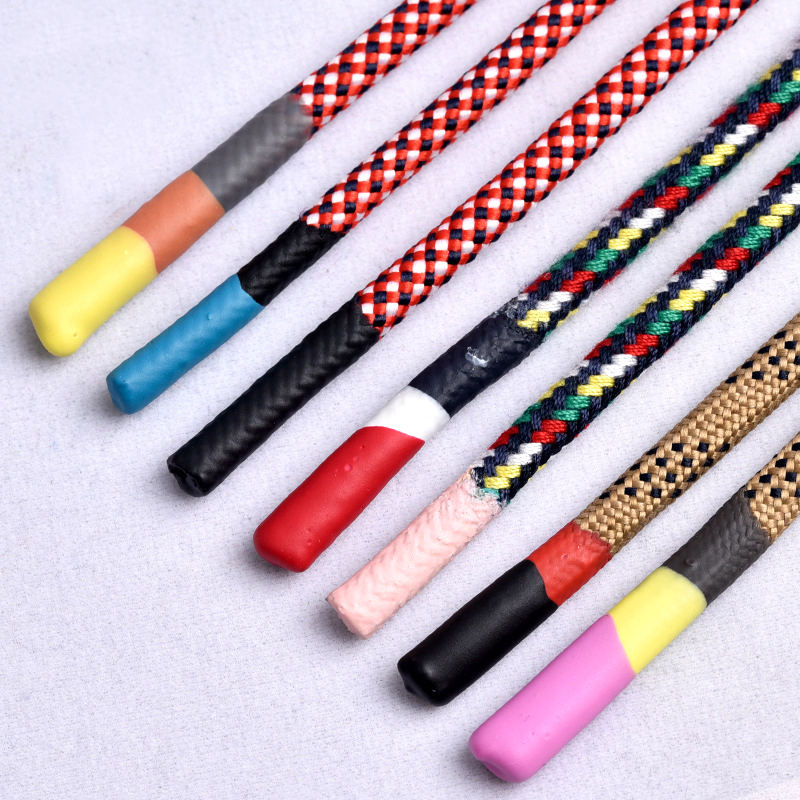
Drawcords and Tipping
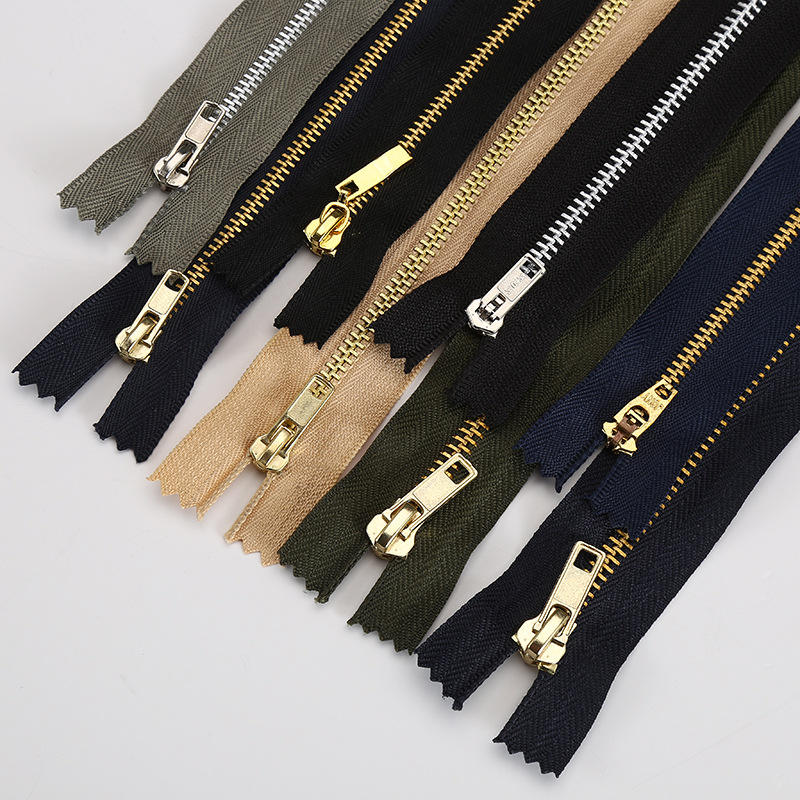
Specify drawcord material, length, color, aglets, and contrast tipping for hoodies, joggers, and outerwear. These details are recorded against the approved sample to keep repeat production aligned.
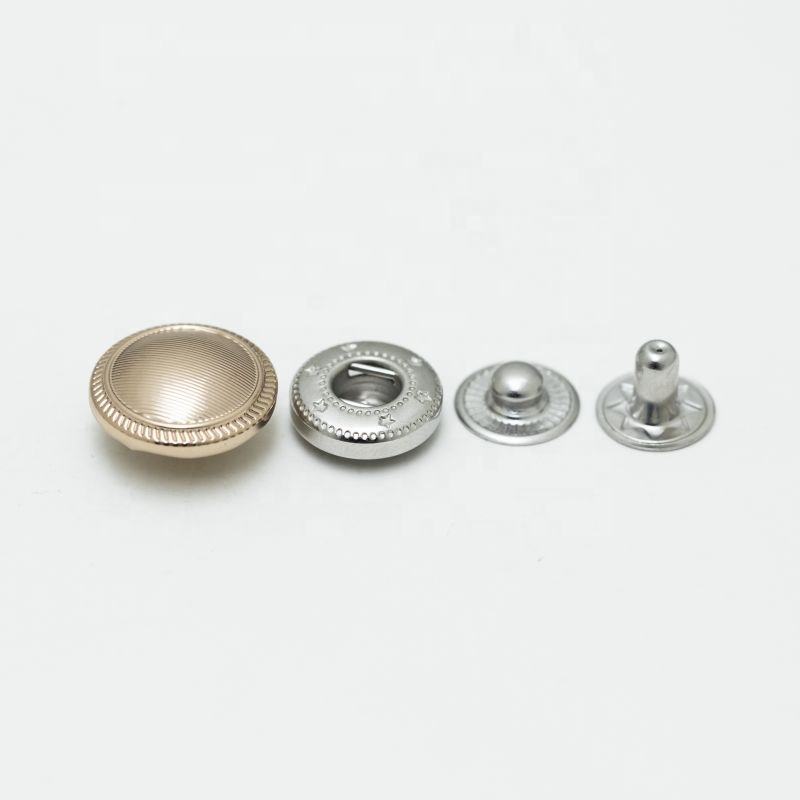
Snap Buttons
Select snap finishes, colors, sizes, and placement for varsity jackets, bombers, outerwear, and teamwear. EDVORIN coordinates hardware with fabric weight and construction so closures perform as intended.
Woven Labels
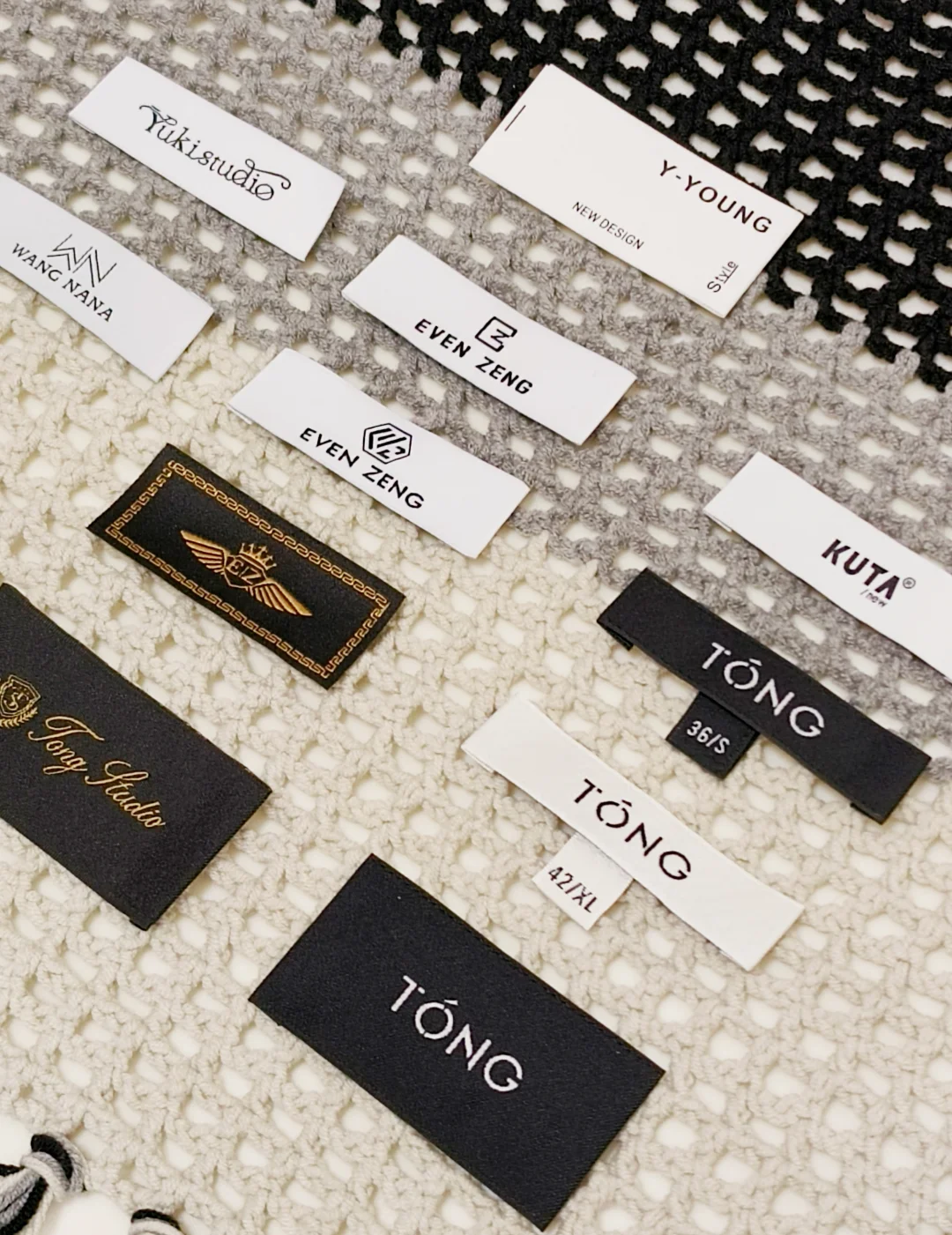
Add custom main labels, size labels, care labels, and side flags that carry your brand information across collections. Label artwork, placement, fold style, and attachment method are confirmed before production.
Custom Patches
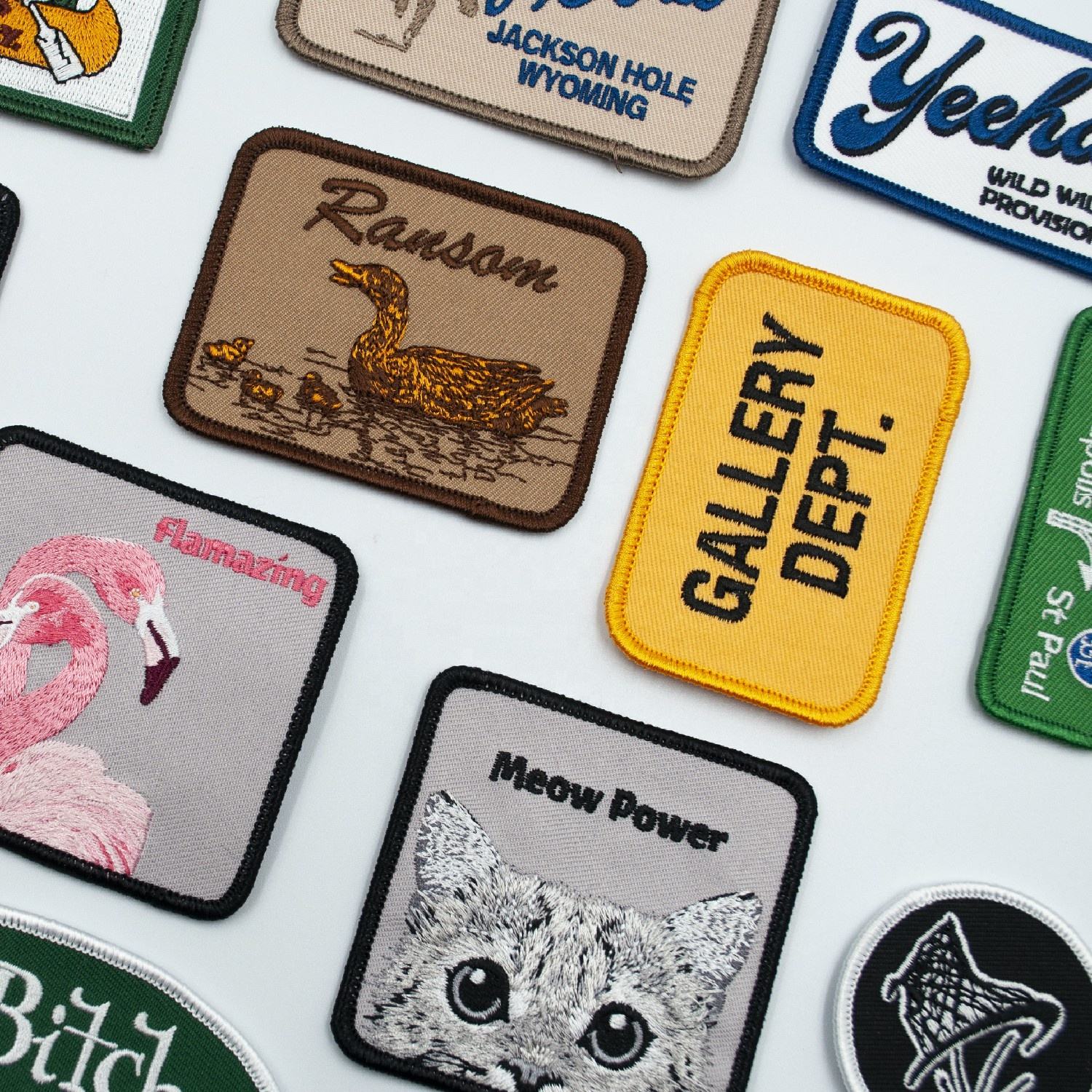
Use embroidered, woven, chenille, or printed patches to build identity into streetwear, varsity pieces, uniforms, and promotional apparel. EDVORIN records patch dimensions, backing, colors, and placement for reliable repeats.
Hangtags and Packaging
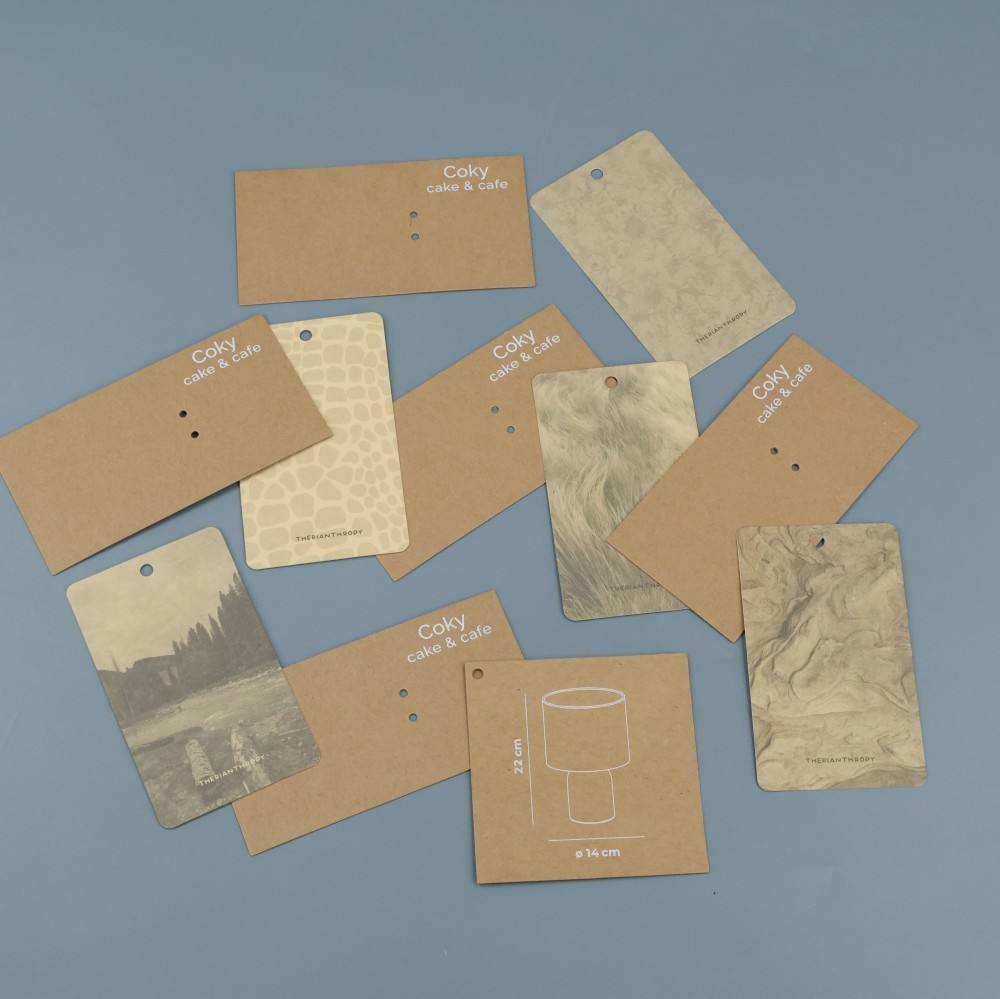
Finish each order with custom hangtags, barcode stickers, polybags, tissue, and carton markings suited to your selling channel. Packaging requirements are coordinated with labeling and final inspection before packed delivery.
About EDVORIN, a Clothing Manufacturer for Startups
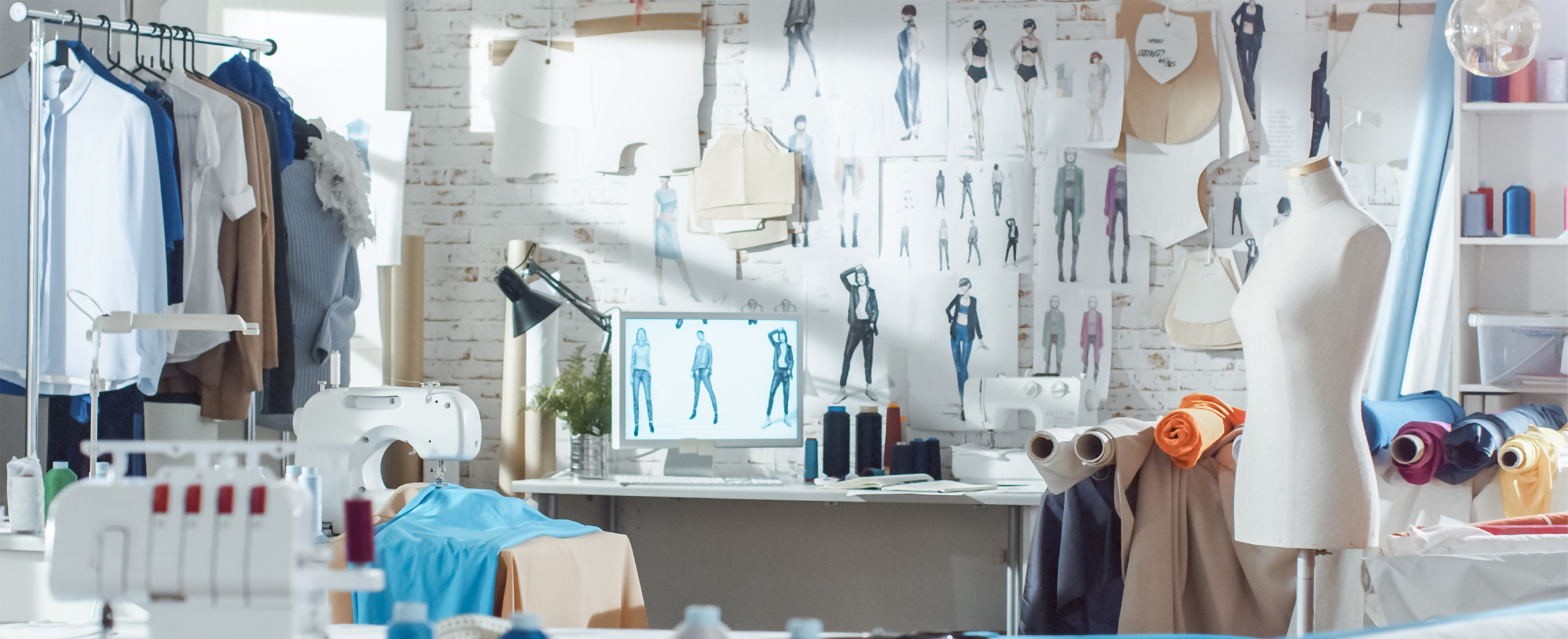
Founded in 2000 by Edvorin Zeng, EDVORIN helps fashion brands turn early ideas into production-ready collections. As a clothing manufacturer for startups, we support buyers arriving with a complete tech pack as well as those beginning with a sketch, reference garment, or developing collection concept.
As an OEM clothing manufacturer, ODM apparel manufacturer, and private label clothing manufacturer, EDVORIN connects product development, fabric and trim sourcing, patterns, samples, printing, embroidery, washing, bulk production, labeling, and packaging in one accountable workflow. We develop casualwear, streetwear, outerwear, and teamwear for men’s and women’s programs, with a low MOQ starting at 200 pieces per style.
What sets EDVORIN apart is the discipline after sample approval. We document materials, measurements, artwork placement, trims, and finishing requirements so bulk production follows a visible standard. In-line and final quality checks help protect the approved result, giving emerging labels and established buyers a dependable foundation for repeat orders.
Capabilities Built for Consistent Bulk Production
Technical Development That Clarifies
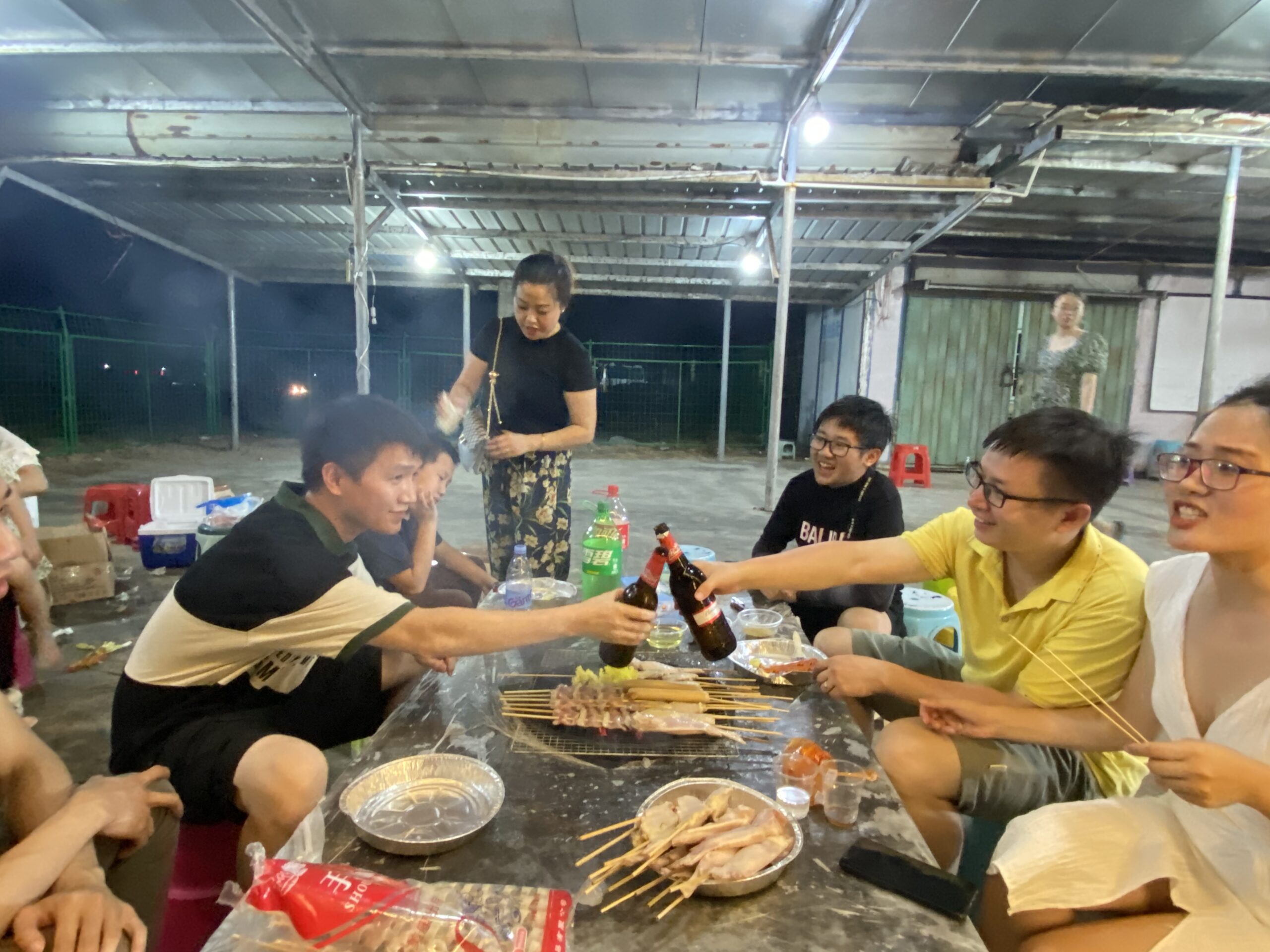
Bring a complete tech pack, a reference garment, or an early collection idea. EDVORIN translates design intent into patterns, measurement standards, construction details, and approvals that give production a clear, repeatable reference.
- Pattern and fit development for men’s and women’s programs
- Grading, measurements, and construction specifications
- Sample revisions documented before bulk approval
- OEM, ODM, and private-label development support
Materials and Trims Coordinated
Fabric weight, rib recovery, lining, hardware, labels, and packaging all influence the finished garment. We coordinate these components as one specification, helping startup collections maintain the intended feel, function, and visual identity through production.
- Fabric and trim selection matched to each category
- Labels, hangtags, hardware, and packaging coordination
- Material choices reviewed alongside garment construction
- Specifications organized for consistent reorders
Decoration Matched to Garments
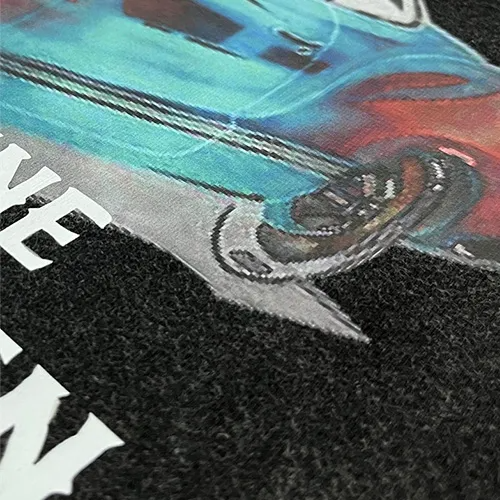
A graphic, embroidery, patch, wash, or number set must work with the base fabric and garment construction. EDVORIN evaluates decoration placement and compatibility during development so the approved look can be carried into bulk production.
- Printing, embroidery, patches, and wash coordination
- Artwork placement recorded against garment measurements
- Decoration methods considered with fabric behavior
- Support for streetwear, teamwear, and private-label details
Approved Standards Guide Bulk
For a clothing manufacturer for startups, a strong sample is only useful when it becomes the bulk-production standard. EDVORIN carries approved materials, measurements, trims, placement details, and finishing expectations through in-line checks and final inspection.
- Approved samples used as production references
- In-line checks identify variation before packing
- Final inspection confirms finished-order consistency
- MOQ starts at 200 pieces per style
Why EDVORIN Is Built for Repeatable Apparel Production
Compare the production controls that help turn an approved concept into a consistent, scalable apparel program.
← Swipe left or right to view →
From Approved Concept to Packed Order
A connected development and production path that turns approved decisions into consistent, ready-to-ship apparel.
Define Product Specifications
We review your tech pack, sketch, reference garment, measurements, target fit, materials, trims, decoration, labels, and packaging requirements to establish a clear production standard.
Source Materials and Develop Patterns
Our team coordinates fabrics and trims, builds or refines patterns, grades sizes, and confirms construction details for men’s or women’s programs before sampling begins.
Sample, Review, and Approve
We produce samples for fit, fabric feel, construction, artwork placement, and finishing review, then record approved revisions so bulk production follows one accountable reference.
Produce and Apply Decoration
After approval, we coordinate cutting, sewing, printing, embroidery, washing, and finishing according to the confirmed specification, with in-line checks to identify variation early.
Inspect, Pack, and Dispatch
Final quality control verifies measurements, workmanship, decoration, labeling, and packing against approved standards before your order is prepared for shipment and repeat production planning.
How Brands Work With EDVORIN
Bring a complete tech pack or an early concept. EDVORIN helps turn it into an approved, repeatable production standard.
Submit Your Requirements
Share your tech pack, reference garment, sketch, target quantities, and brand goals. Our team reviews the product direction, category needs, and development scope.
Confirm Specifications and Quote
EDVORIN’s MOQ starts at 200 pieces per style. Align fabric, fit, measurements, trims, decoration, labeling, packaging, and MOQ. EDVORIN documents the agreed manufacturing requirements and prepares a clear quotation for review.
Approve Your Sample
Review the developed sample for construction, fit, color, artwork placement, and finishing. Record approved revisions so the sample becomes the standard for bulk production.
Launch Bulk Production
After approval, we coordinate materials, cutting, sewing, decoration, in-line checks, final inspection, and packing to keep your collection aligned with the approved standard.
Certified Standards for Responsible Apparel Production



What Buyers Say About Working With EDVORIN
EDVORIN turned our initial hoodie sketch into a production-ready style in two sample rounds. The approved measurements, print placement, and fleece specification made our 600-piece reorder much smoother than our first launch.
We needed matching soccer jerseys across 14 sizes with names and numbers managed accurately. EDVORIN delivered the full 420-piece program with consistent color and placement, and our club reordered the following season.
Their team helped us align fabric weight, embroidery, labels, and packaging before bulk production. Starting at 200 pieces per style let us launch two womenswear fits without committing to an oversized inventory position.
Frequently Asked Questions About Apparel Manufacturing
Clear answers on minimums, development, production control, and preparing your first repeatable apparel order.
What is EDVORIN’s minimum order quantity?
Can a clothing manufacturer for startups make samples before bulk production?
Do I need a tech pack before working with a clothing manufacturer for startups?
How long does startup apparel production take?
How are payments handled for a first apparel order?
Can EDVORIN arrange shipping for startup clothing orders?
How do you protect my designs and brand details?
How does EDVORIN control quality from sample to bulk production?
The Complete Buyer’s Guide to Apparel Manufacturing for Startups
EDVORIN’s MOQ starts at 200 pieces per style. Use this decision framework to compare manufacturing models, supplier capabilities, materials, quality controls, and costs—while avoiding the specification, sampling, MOQ, and communication mistakes that can derail an early apparel launch.
1. What Is a Clothing Manufacturer for Startups?
200 pieces is a common working MOQ for a startup production run: the minimum units a factory will make for one style, often split by agreed colors and sizes. A clothing manufacturer for startups turns a sketch or specification into repeatable, sellable apparel through development, material and trim coordination, sampling, production, quality control, labeling, and packing.
1 approved sample is the physical benchmark for fit, fabric, construction, color, and decoration before bulk production. Its companion, the tech pack, records measurements, grading, bill of materials, artwork placement, labels, and sewing details so the result is reproducible.
5 adjacent providers solve narrower problems: a fabric mill makes textiles; a sourcing agent finds suppliers; a printer decorates garments; a fulfillment provider stores and ships orders; and a reseller supplies finished stock. Private label adds a buyer’s branding to an existing or adapted product, while cut-and-sew means cutting and constructing a garment from components; the buyer must balance both models against budget, customization, MOQ, quality, and delivery risk.
2. How Startup Apparel Manufacturing Evolved
Before the 1990s, emerging labels commonly relied on local contract sewing or committed to bulk factory runs, making custom development capital-intensive and difficult to revise. Production knowledge often sat with pattern rooms, cutters, and line supervisors rather than in buyer-facing documents.
By the 2000s, global sourcing and digital product development made it easier to compare mills, communicate tech packs, share graded measurement charts, and coordinate sampling across borders. Small-batch programs and private-label blanks then gave new brands lower-risk routes to test fit, color, and demand before funding larger cut-and-sew orders.
At 200 pieces, a clothing manufacturer for startups can still need the same control points as a major program: approved sample, Pantone reference, bill of materials, placement measurements, and inspection standard. Print-on-demand lowers inventory exposure, but it does not create proprietary fit, fabric, or construction—and neither model removes responsibility for clear specifications and quality checks.
3. Types of Clothing Manufacturer for Startups
Six manufacturing models split responsibility differently. A clothing manufacturer for startups should match the model to its immediate goal: validate demand, create a distinct product, or build a repeatable supply base.
| Model | Materials And Patterns | Customization | Speed And Exposure | Best Launch Use |
|---|---|---|---|---|
| Full-package | Partner supplies both | High | Medium; inventory | Distinct collection |
| CMT | Buyer supplies both | High | Medium; inventory | Experienced founder |
| Private-label blanks | Supplier supplies both | Low–medium | Fast; inventory | Branded basics |
| Cut-and-sew | Usually partner-led | High | Medium; inventory | Signature garments |
| Print-on-demand | Platform supplies blanks | Low | Fast; no inventory | Demand validation |
| Development studio | Studio develops patterns | High | Slower; low pre-bulk | Concept-to-sample |
Validation First
Print-on-demand carries no finished-goods inventory because orders are made after sale. Use it to test artwork and audiences, not proprietary fit or fabric.
Differentiation First
Cut-and-sew and full-package production support unique blocks, fabrics, trims, and decoration. They require sample approvals and committed inventory, but protect a recognizable product standard.
Scaling Decision
A development studio reduces founder coordination by translating concepts into patterns, specs, and supplier briefs. Move to a production partner when the approved sample, demand signal, and replenishment plan are clear.
4. Fabrics for a Clothing Manufacturer for Startups
A fabric brief should precede every quote from a clothing manufacturer for startups. Specify fiber content, knit or woven construction, GSM, stretch and recovery, hand feel, shrinkage tolerance, colorfastness, performance requirements, and intended garment.
| Fabric | Typical GSM | Best Use |
|---|---|---|
| Cotton jersey | 160–220 | T-shirts, polos |
| French terry | 280–360 | Sweatshirts, joggers |
| Brushed fleece | 320–450 | Heavy hoodies |
| Cotton twill | 220–300 | Shorts, woven jackets |
| Recycled polyester knit | 140–220 | Jerseys, performance tops |
Build The Fabric Brief
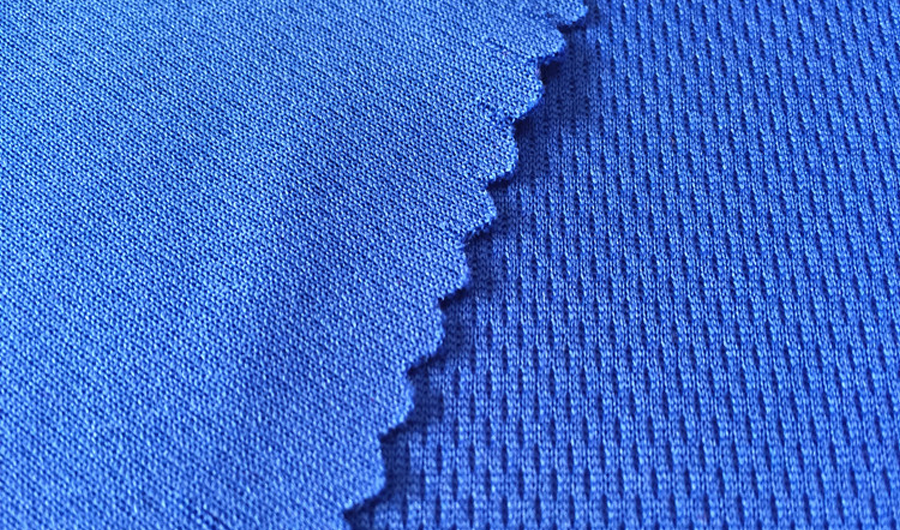
95% cotton/5% elastane performs differently from 100% cotton: record composition, finish, and target hand feel. Name French terry, brushed fleece, jersey, twill, or performance knit rather than using ‘cotton fabric.’
- State stretch direction and recovery expectation
- Set wash shrinkage and colorfastness requirements
- Match breathability, wicking, or abrasion needs to use
Approve Samples Before Bulk
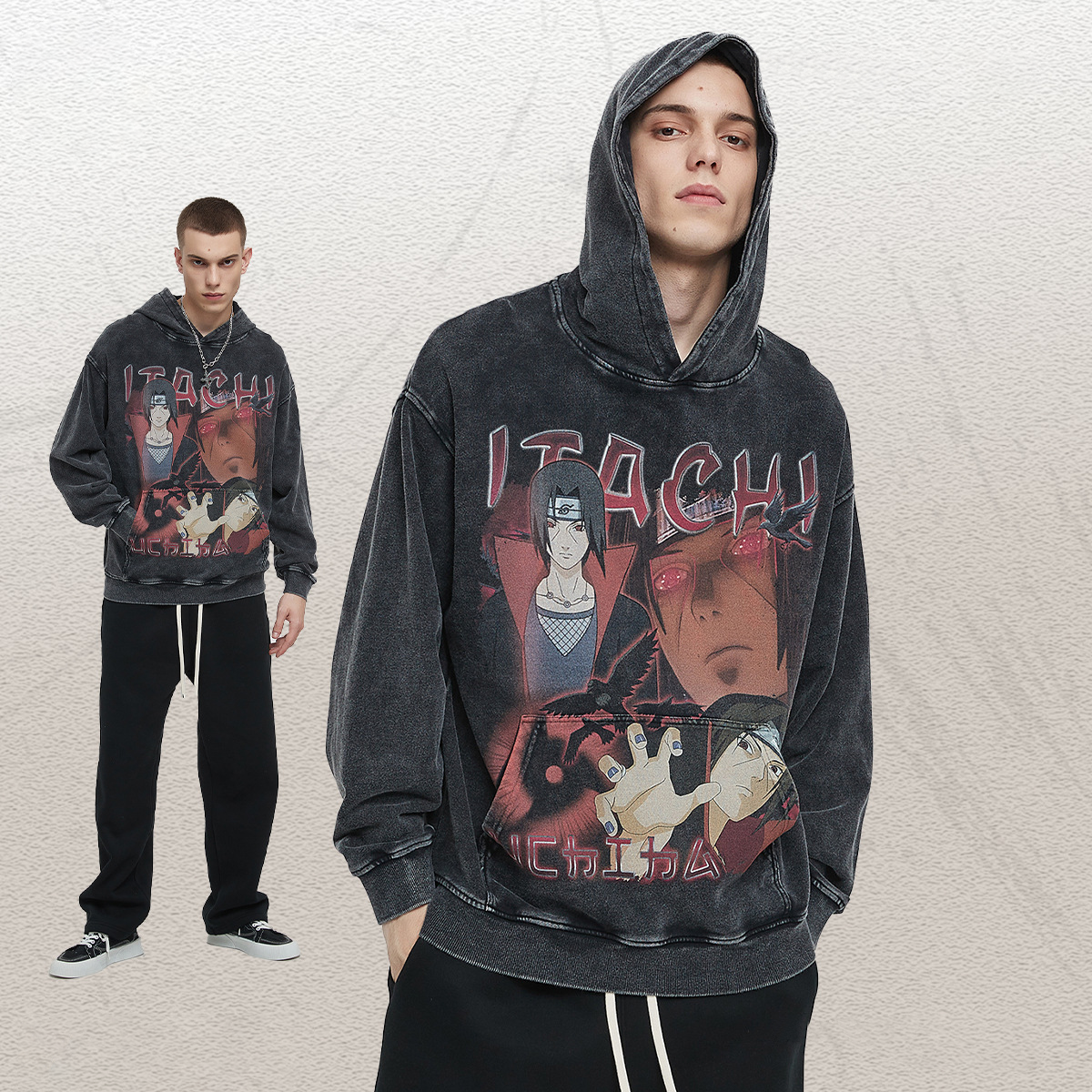
1 approved sample is the production reference, not merely a visual check. Wash-test it for shrinkage, twisting, pilling, print behavior, color change, and recovery before bulk fabric is released.
5. Customization and Decoration Options
At 200 pieces, customization decisions should be locked before sampling. EDVORIN converts approved silhouettes, color, artwork, trims, and packing into repeatable production specifications.
| Technique | Best Use | Wash Expectation |
|---|---|---|
| Screen print | Bold fleece or tee graphics | High with correct cure |
| DTG | Detailed cotton artwork | Moderate; follow care label |
| DTF/transfer | Polyester, names, small runs | Test adhesion before bulk |
| Embroidery/appliqué | Polos, jackets, patches | High; test backing |
Build The Product Identity
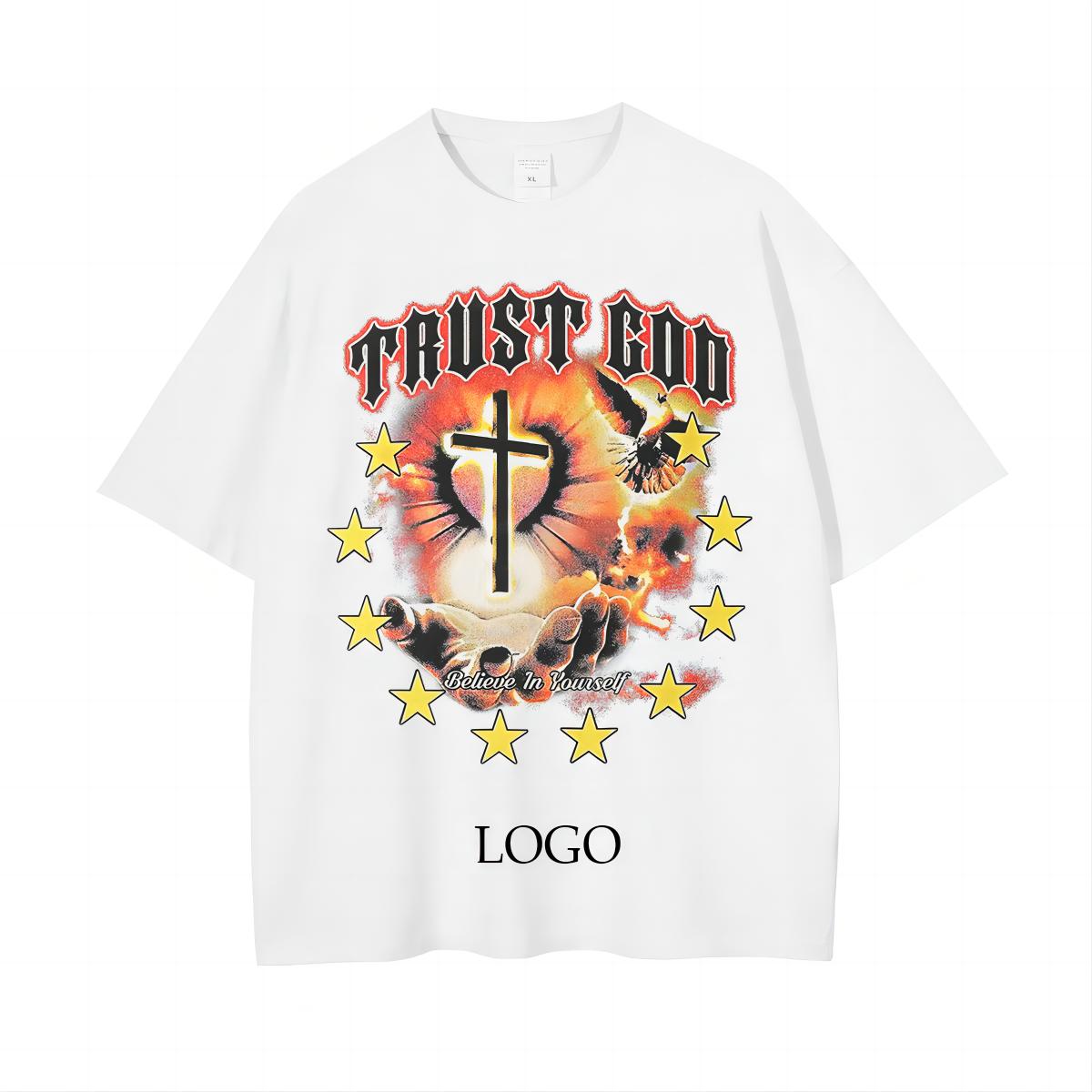
One custom pattern controls silhouette, grading, pockets, panels, and seam positions; it is the right route for distinct hoodies, jackets, joggers, and jerseys.
Pantone-approved dyed fabric adds lead time versus stock colors, while woven labels, hangtags, and branded bags complete retail presentation.
Match Decoration To Artwork
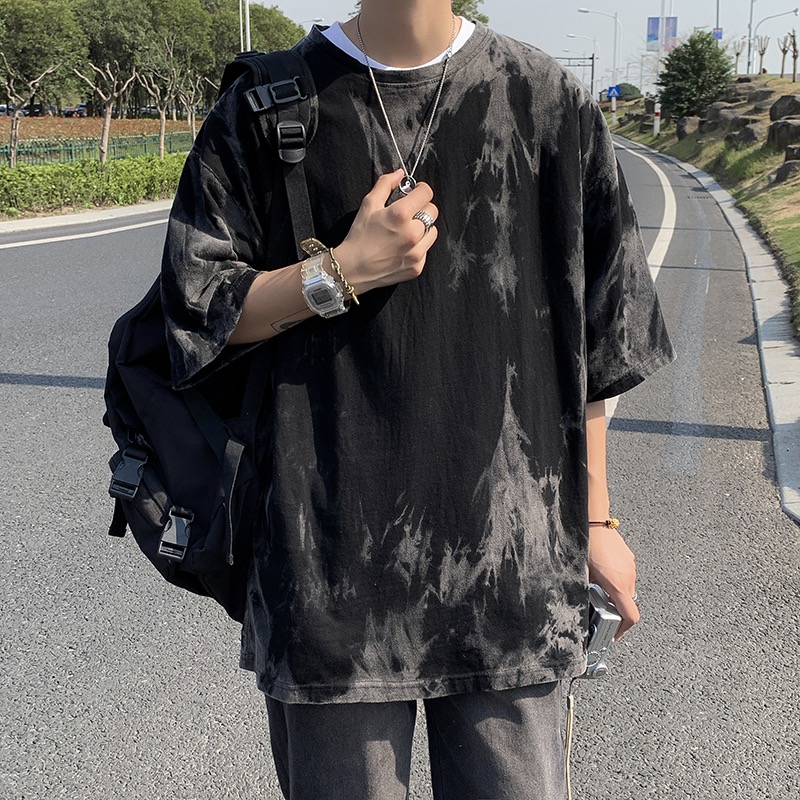
1-color to 6-color screen prints suit larger runs and bold cotton-fleece graphics. DTG handles detailed, multicolor art on cotton; DTF and heat transfers suit small placements, polyester, and variable names or numbers.
Embroidery, appliqué, and patches add texture to caps, polos, varsity jackets, and outerwear, but require stitch, edge, and wash testing.
Approve Placement And Wash Standard
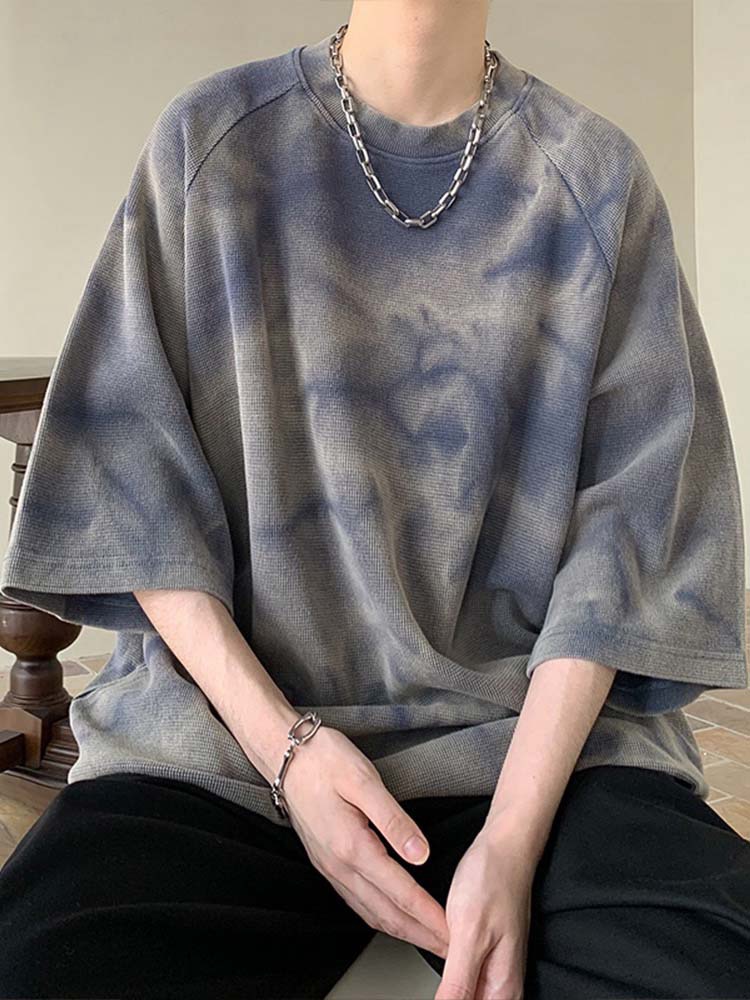
2 cm placement tolerances, thread colors, patch dimensions, and wash expectations should appear on the approved sample. Repeated laundering is especially important for transfers, embroidery backing, and print adhesion.
6. Construction Quality to Inspect
Construction quality is verified against an approved standard, not a factory promise. For a 200-piece startup run, record measurable requirements before cutting begins.
Development Sample
One development sample should confirm pattern balance, seam type, stitch density, stress-point bartacks, fabric defects, trim security, and print or embroidery registration.
Two measurement checks—before and after the specified wash—reveal shrinkage, twist, and fit changes. Mark revisions directly on photos and the tech pack.
Pre-Production Approval
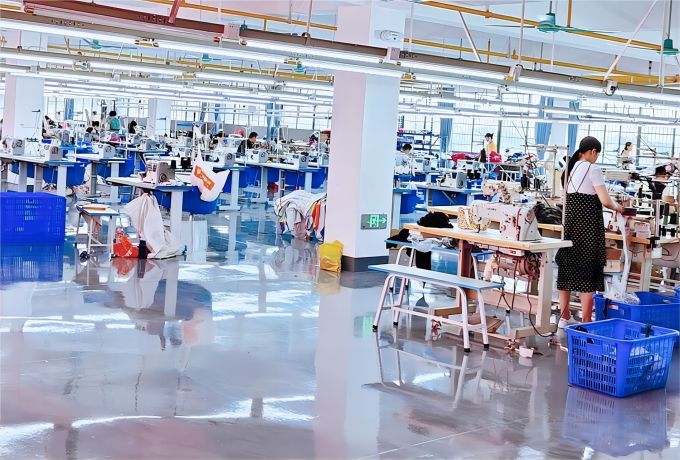
One approved pre-production sample must match the final fabric, color, labels, artwork placement, and packaging. Compare every point of measure with stated tolerances and retain dated approval photos.
Three records prevent ambiguity: a signed sample sheet, graded measurement chart, and defect log with corrective action.
Finished-Goods Review
A finished-goods review should inspect stitch consistency, loose threads, skipped stitches, stains, holes, trim attachment, and carton count. Check folded garments against the approved packaging method before release.
Four random sizes per style can expose grading drift; escalate recurring defects by count, size, color, and photo reference.
7. Choosing a Clothing Manufacturer for Startups
EDVORIN’s MOQ starts at 200 pieces per style. A clothing manufacturer for startups should be evaluated against the exact garment, not a generic capability list. EDVORIN turns approved specifications into one accountable path from development through packing.
| Quote Element | Supplier A | Supplier B | Supplier C |
|---|---|---|---|
| MOQ basis | Style/color | Style/color | Style/color |
| Included scope | Samples, QC, packing | Samples, QC, packing | Samples, QC, packing |
| Lead-time basis | Materials to dispatch | Materials to dispatch | Materials to dispatch |
Start With Category Fit
1 initial inquiry should state product category, target quantities by style and color, gender fit, fabric target, decoration, destination, and required delivery date.
200-piece programs still need confirmation that the factory has relevant hoodie, outerwear, jersey, or woven-shirt experience and available capacity.
- Ask whether MOQ applies per style, color, or total order.
- Request sample stages, revision limits, and tech-pack support.
- Confirm fabric sourcing options and production location.
Lock Commercial Ownership
30% to 50% deposits are common structures, but payment milestones, sample charges, balance timing, Incoterms, duties, freight booking, and shipment insurance must be written into the quote.
1 written agreement should cover artwork, pattern, label, and customer-data confidentiality, plus ownership and permitted reuse.
Compare Scope, Not Unit Price
8 to 16 weeks is a planning range, not a promise; separate development, material booking, bulk sewing, inspection, and transit assumptions.
1 named owner should define communication cadence, in-line and final QC responsibility, defect handling, and the capacity path for repeat orders.
8. Common Startup Sourcing Mistakes
Two documents should be reconciled before any deposit: the quote and the approved specification. A clothing manufacturer for startups can only price repeatably when scope, risk, and acceptance standards are visible.
Price And MOQ Traps
EDVORIN’s MOQ starts at 200 pieces per style. Three quotes should be compared line by line; the lowest unit price may omit sampling, labels, packing, freight, or quality controls. Confirm the 200-piece MOQ by style, color, size, and fabric before ordering.
Approval And Testing Gaps
One signed sample is not enough without a complete tech pack covering measurements, Pantone references, artwork placement, trims, and construction. Test fabric shrinkage, colorfastness, and print or embroidery compatibility; define measurement tolerances before release.
Zero unrecorded changes should enter production after approval. Issue a dated revision sheet, updated cost, and revised sample confirmation for every alteration.
Scope And Communication Failures
Two to four launch SKUs usually create less inventory exposure than an untested broad assortment. Model landed cost per SKU, including freight, duty, insurance, and local delivery.
One written communication channel should hold specifications, approvals, dates, and change requests. Confirm the final purchase order, packing requirements, and inspection plan before paying the production deposit.
9. Steps to Launch With a Manufacturer
A first 200-piece run should begin with customer validation and a single, tightly defined hero style. Reserve 12–16 weeks from brief to delivery, including sample revisions and freight contingency.
Brief And Supplier Quotes
EDVORIN’s MOQ starts at 200 pieces per style. Week 1: document target customer, retail price, silhouette, colorways, size range, and delivery date in a design brief.
Week 2: send the tech pack, quantity, Incoterm, and target fabric to three qualified suppliers; compare like-for-like quotations, MOQ, sampling charges, and lead times.
Materials And Sample Approval
Week 3: approve fabric swatches, Pantone references, trims, label artwork, and packaging before cutting a development sample.
Weeks 4–7: review fit, measurements, construction, wash result, and decoration placement; record every correction in a revised tech pack. Approve a sealed pre-production sample before issuing the purchase order.
Production To Feedback
Weeks 8–12: monitor material arrival, in-line measurement checks, artwork placement, and packing against the approved sample. Schedule final inspection before balance payment, then book freight with a 2–3 week buffer.
Week 16: compare returns, sell-through, fit comments, and defects by size and color. Use that report to revise the next purchase order with EDVORIN.
10. Clothing Manufacturer for Startups Pricing
200-piece runs spread pattern work, sampling, and freight across fewer units, so their unit cost usually carries more development overhead. Fabric weight, garment complexity, trims, colorways, decoration, packaging, inspection, freight, and import duties each change the result.
3 comparable quotes require the same tech pack, BOM, size range, color count, order quantity, Incoterm, inspection scope, and delivery destination. Ask suppliers to separate one-time development charges from recurring unit costs.
1 landed-cost target equals ex-factory unit price plus allocated development, packaging, freight, duty, brokerage, and expected defect allowance. Set retail only after testing that target against planned gross margin.
| Illustrative quantity | Cost components to watch | Lead-time consideration |
|---|---|---|
| 200 pieces | Development allocation, fabric minimums | Sampling can dominate |
| 500 pieces | Trims, decoration setup, QC | Bulk scheduling improves |
| 1,000 pieces | Freight, duties, replenishment risk | Plan material booking |
Choose an Apparel Manufacturing Partner Ready to Scale
Send your tech pack, reference garment, or collection concept and get a clear path from sample approval to repeatable bulk production.