
DTF Clothing Manufacturer for Repeatable Full-Color Apparel
EDVORIN is a dtf clothing manufacturer for fashion, streetwear, teamwear, and private-label programs, from development through controlled bulk production.
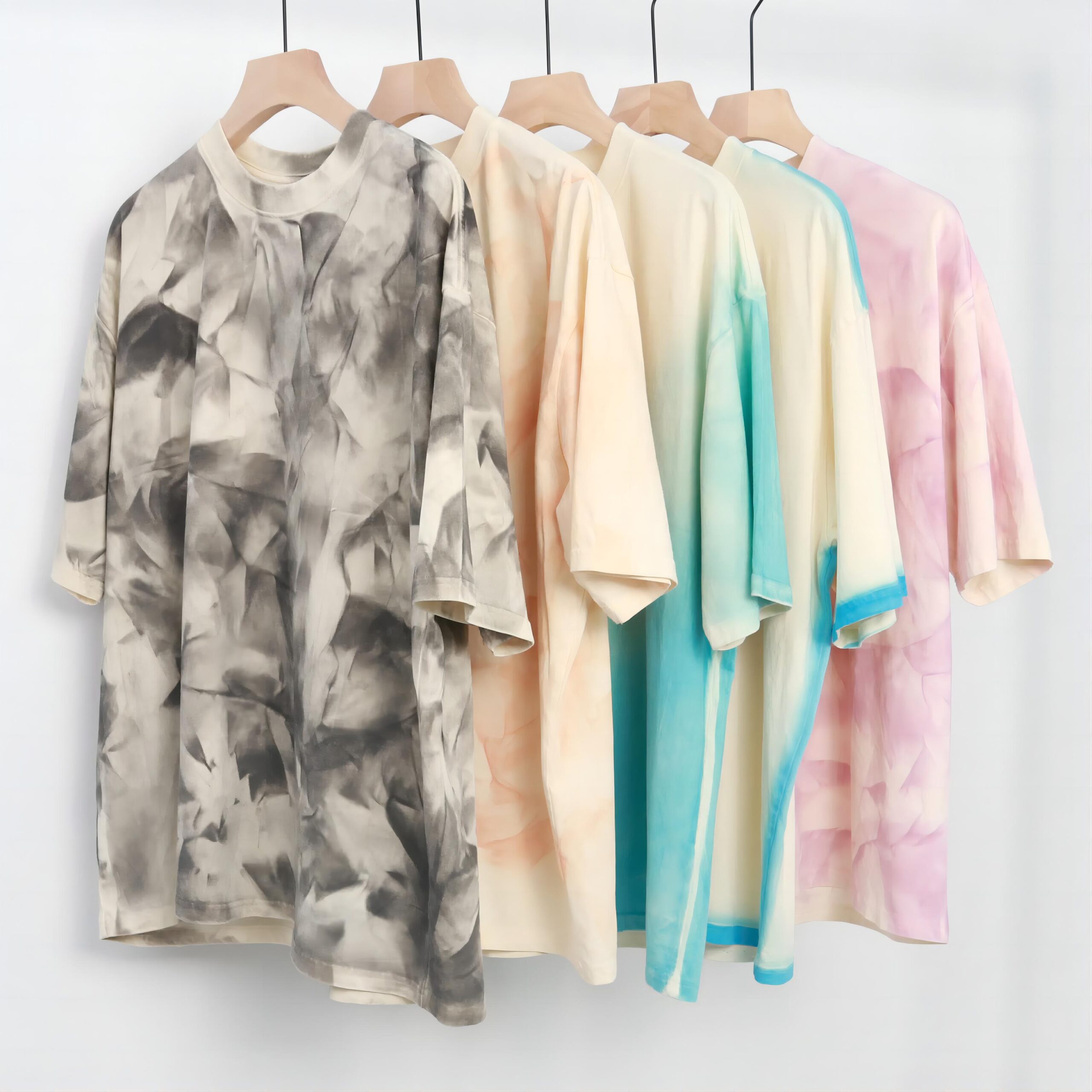
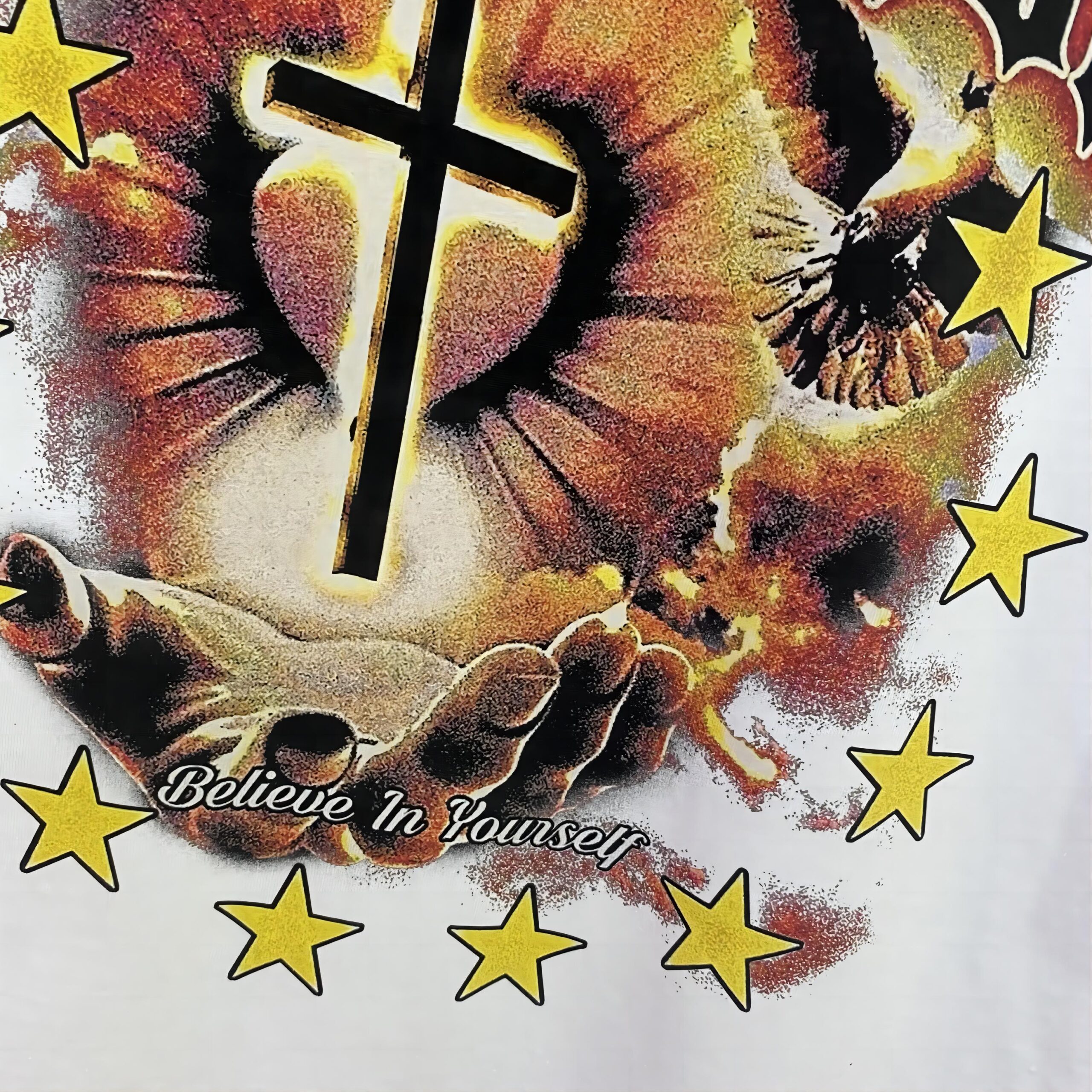
Featured Products for DTF Apparel Development
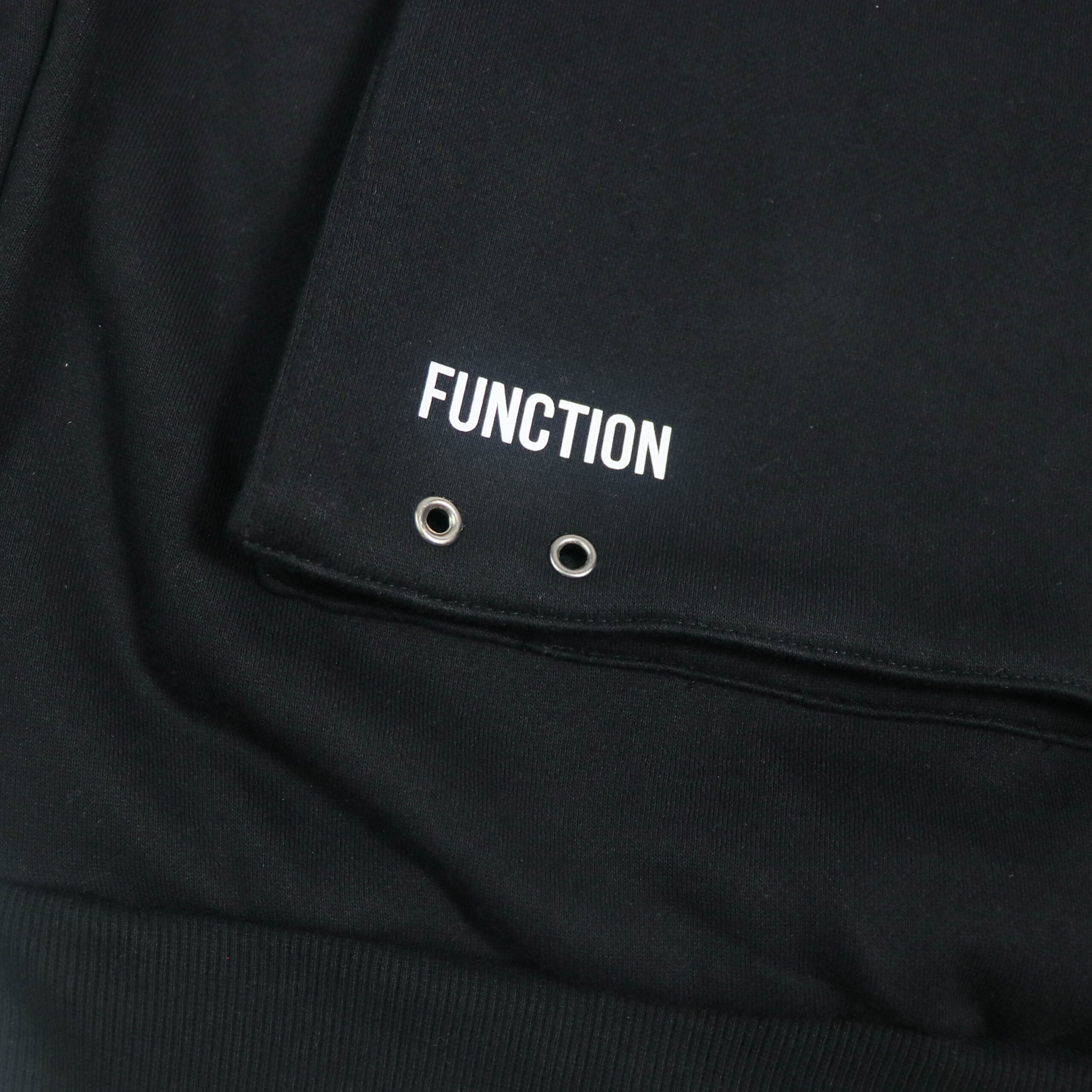
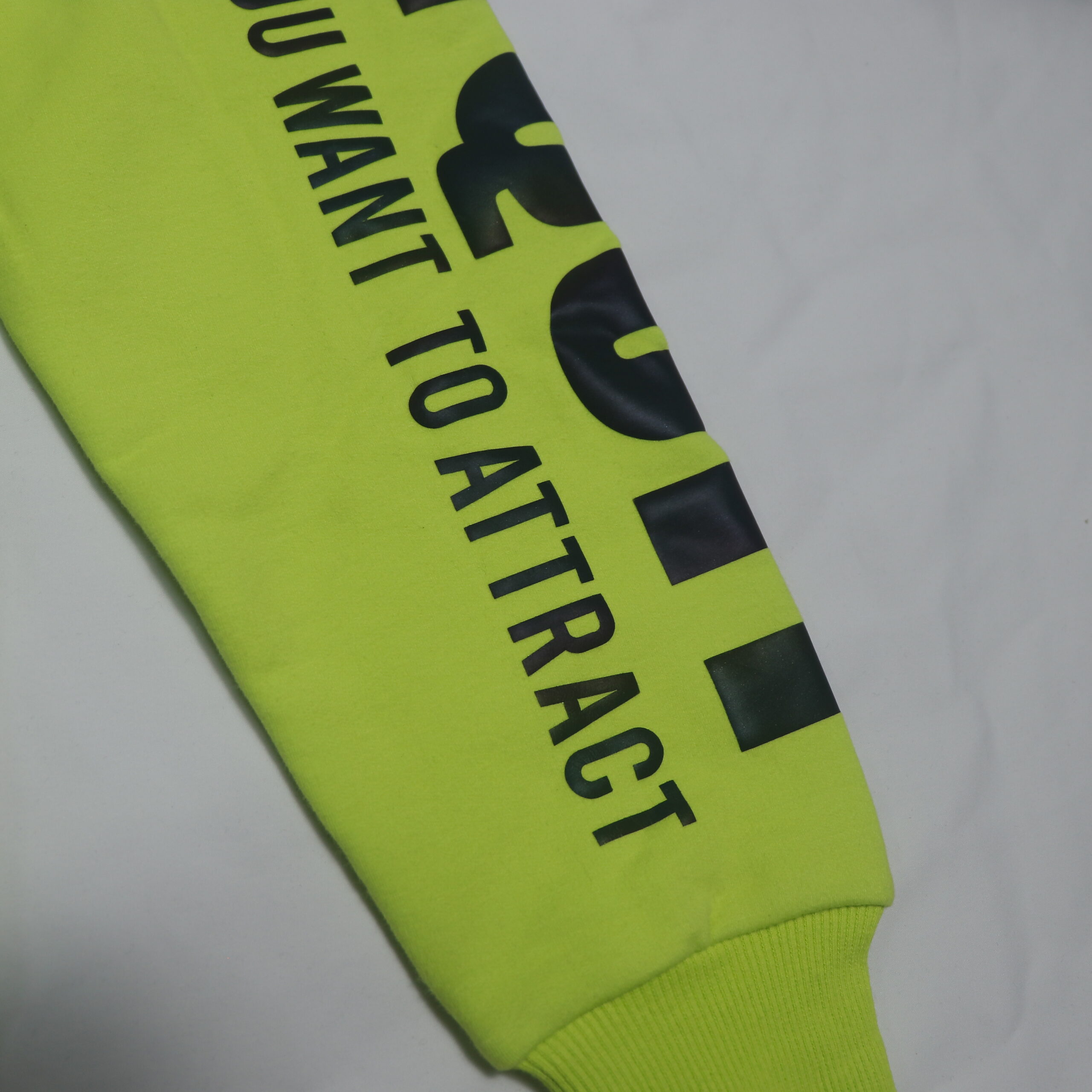
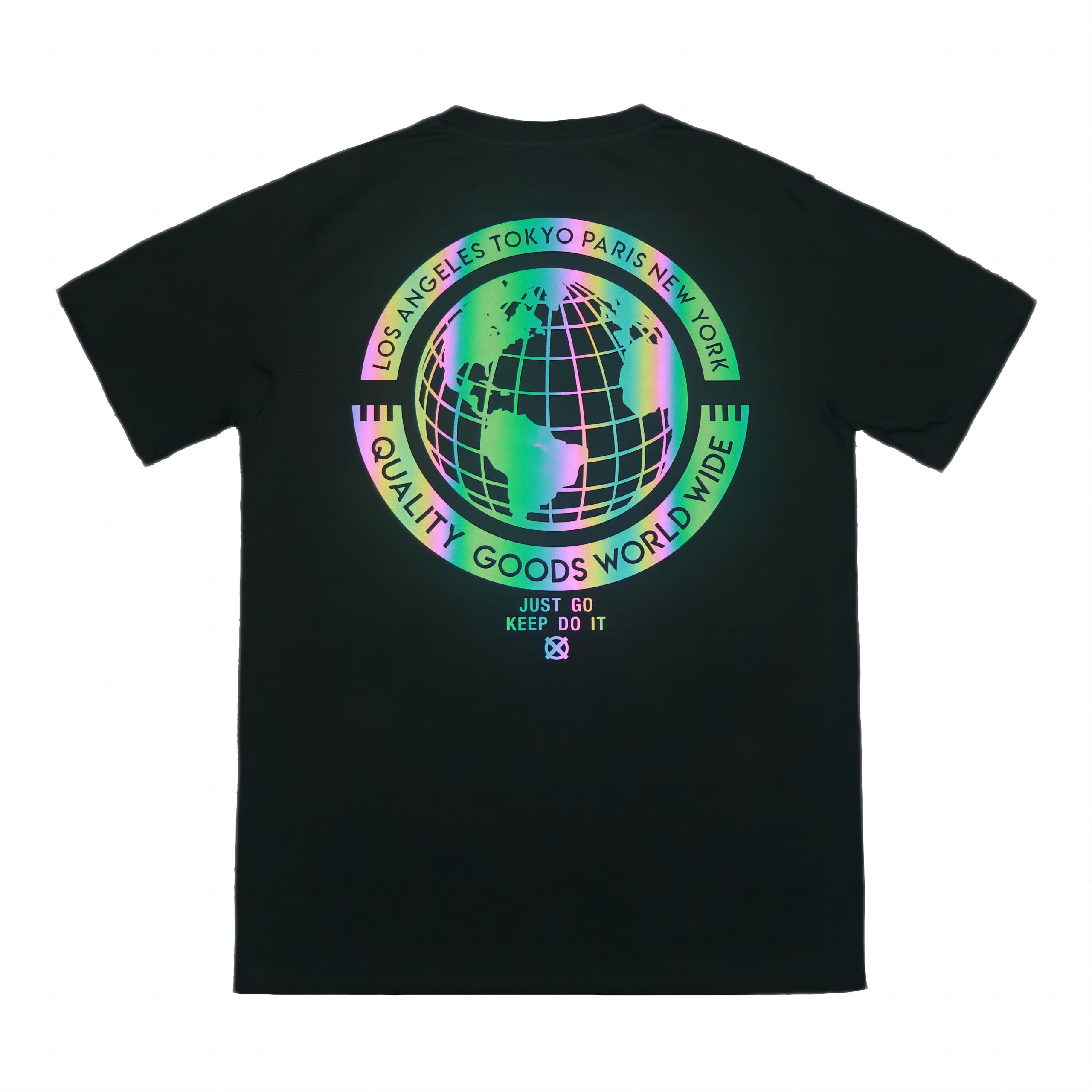
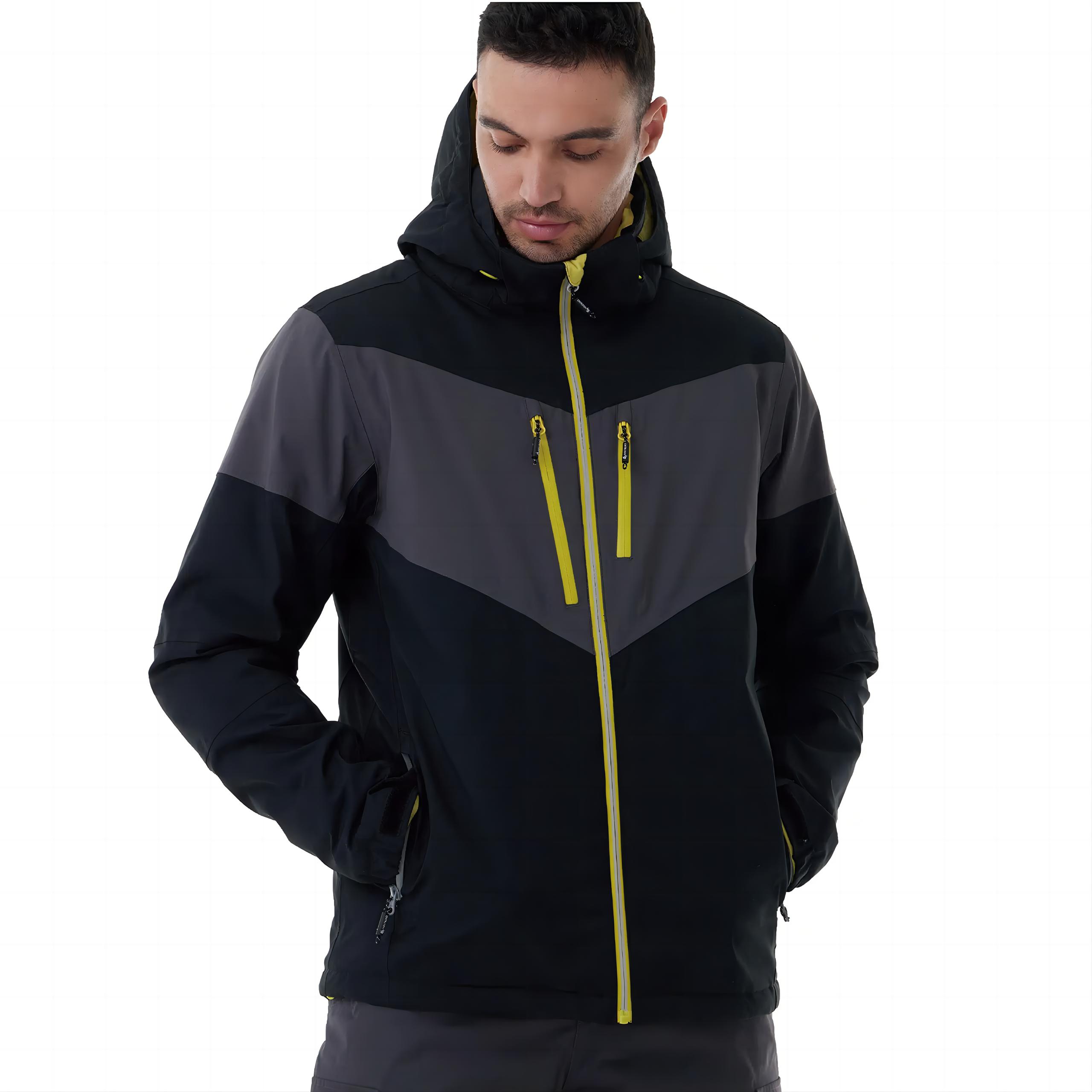

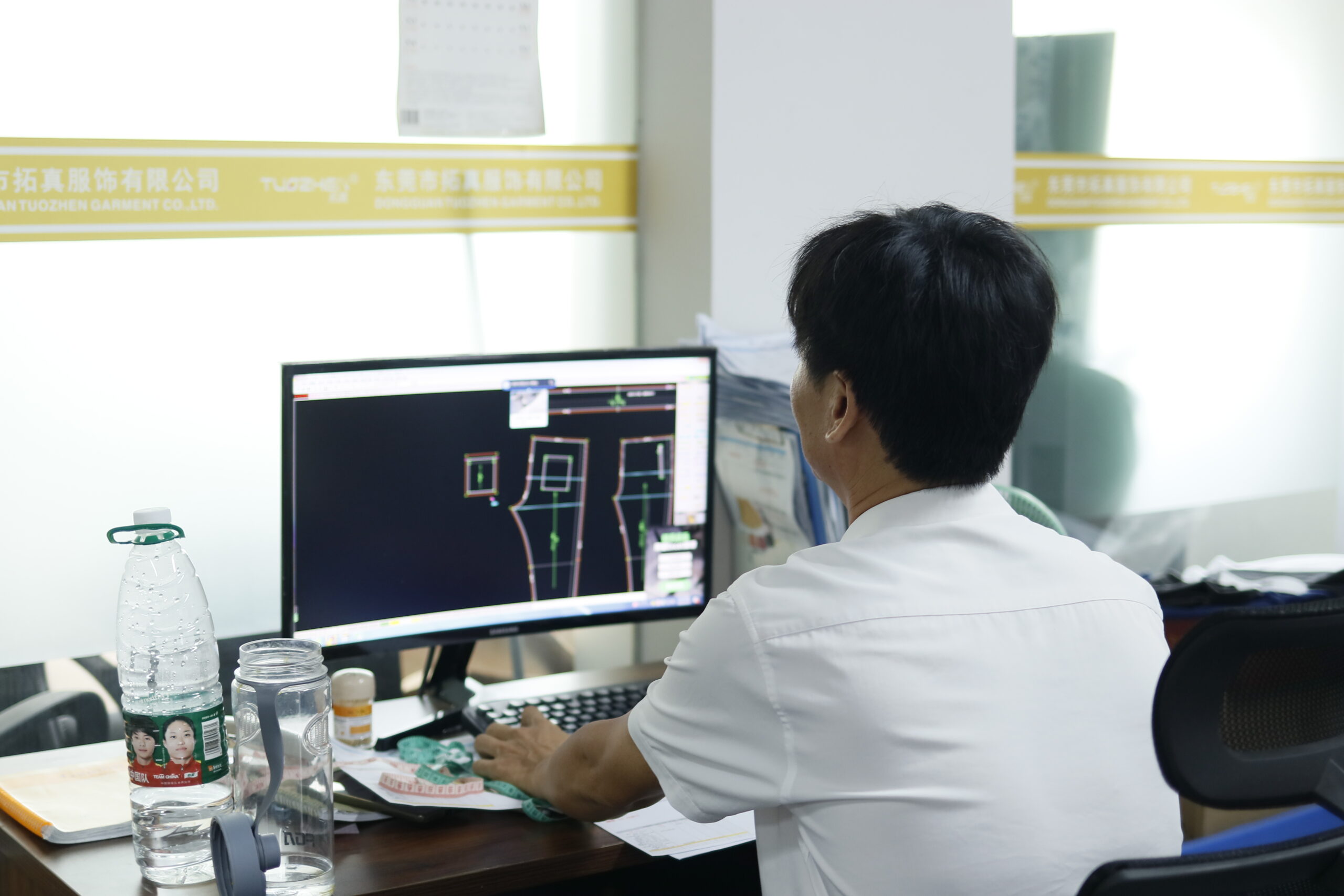

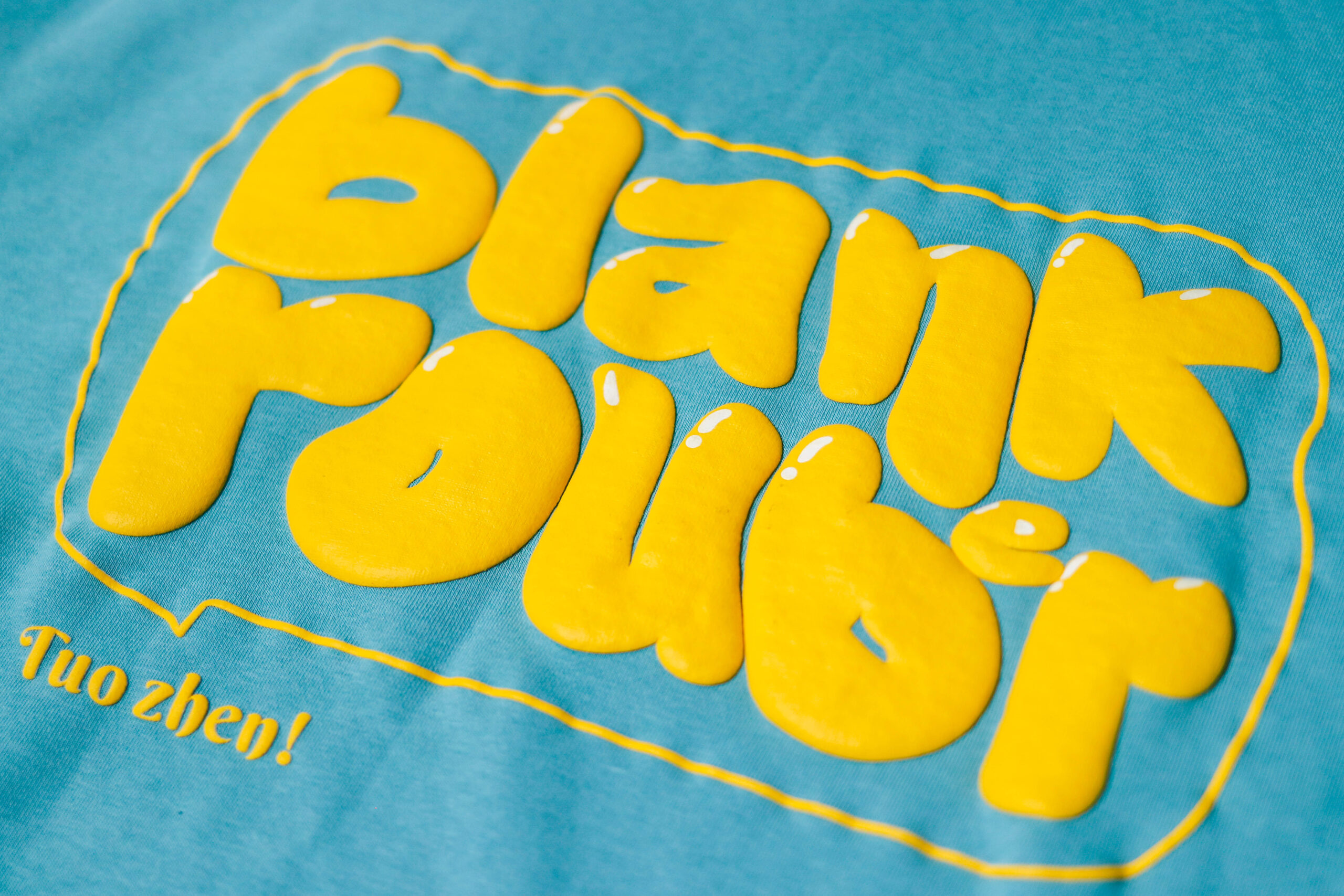
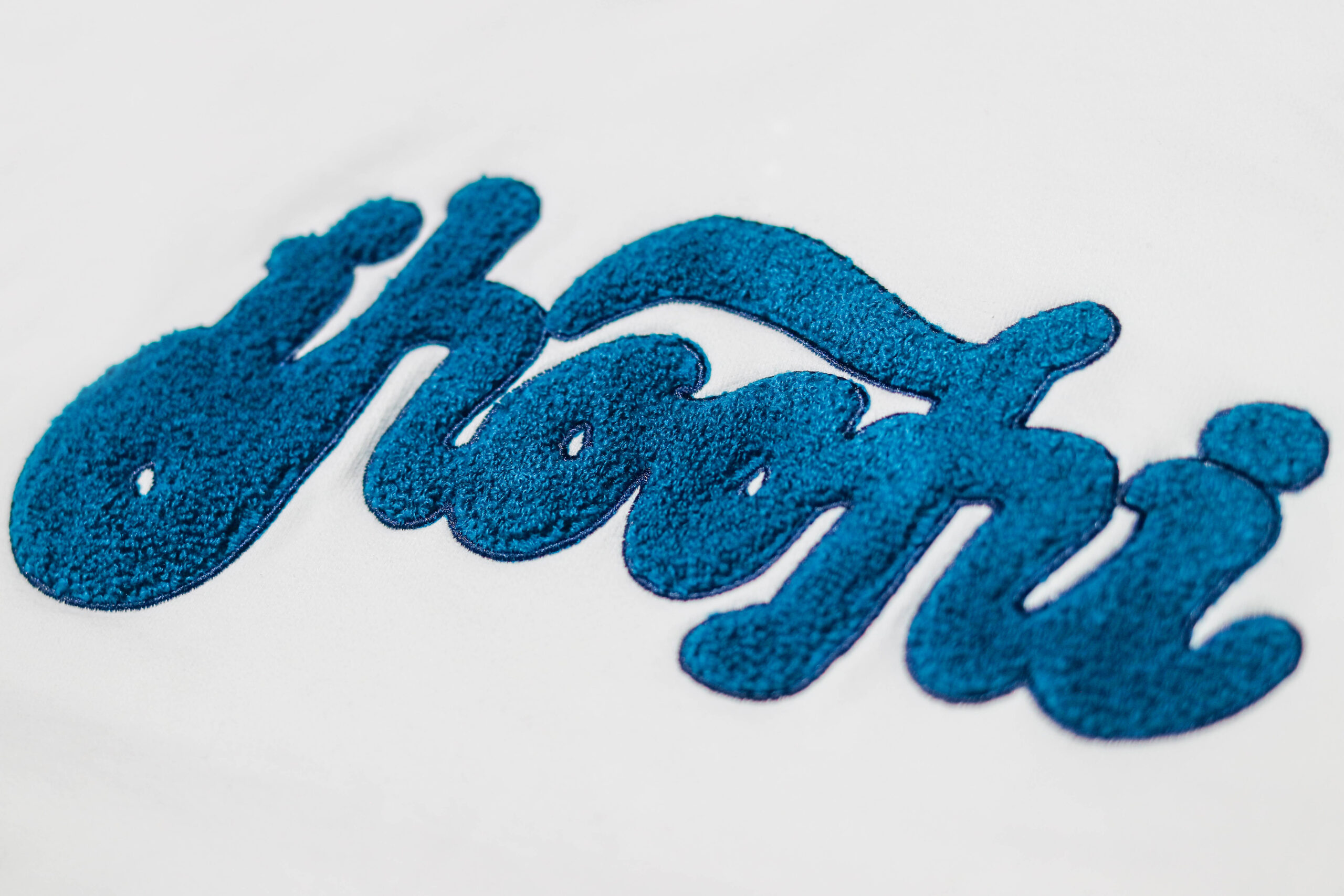
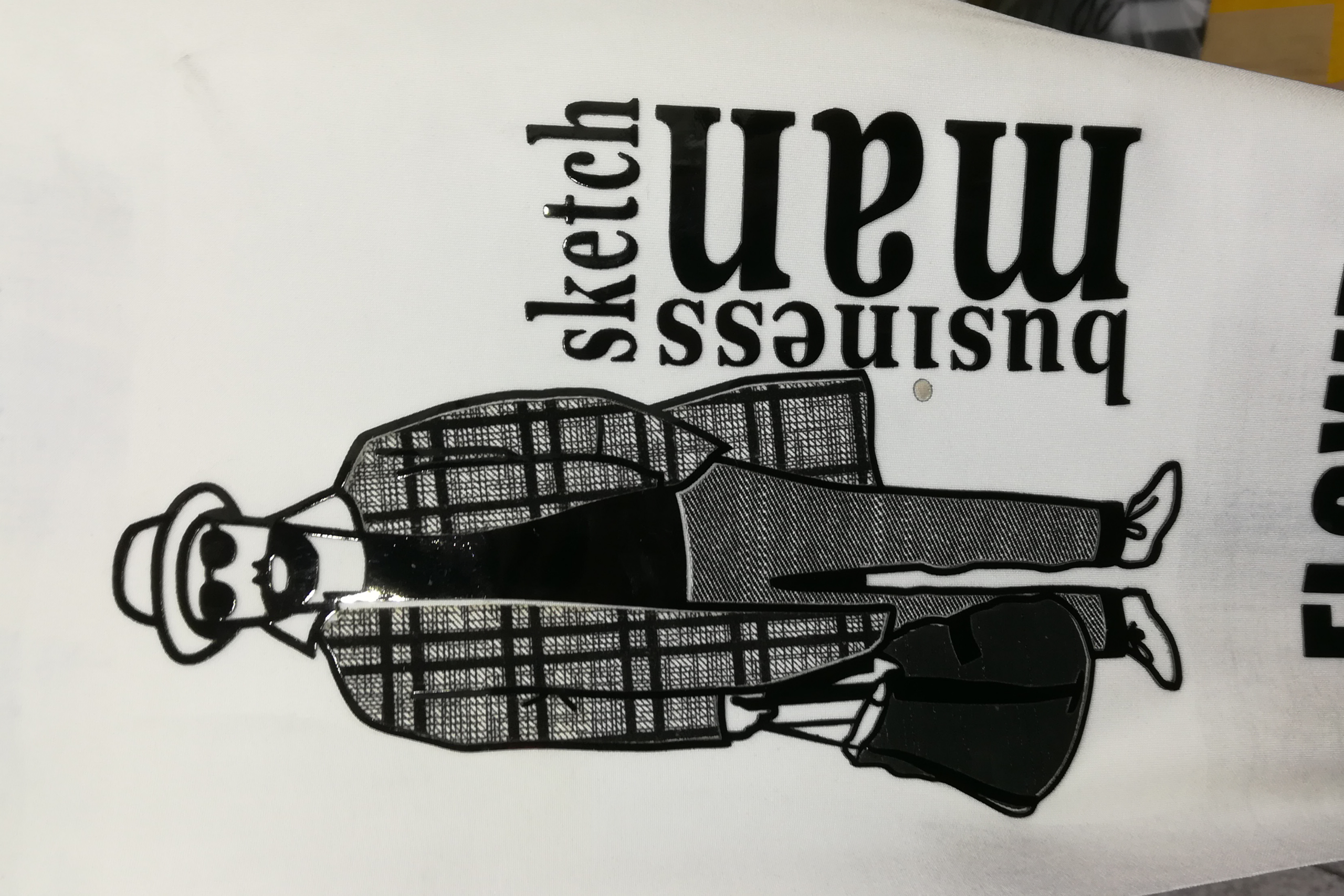
Why Choose a DTF Clothing Manufacturer
EDVORIN coordinates artwork, garment selection and approved production standards so detailed DTF designs translate consistently from sample to bulk order.
Full-Color Detail
Reproduce detailed graphics, color transitions and layered artwork for branded T-shirts, hoodies, teamwear and coordinated streetwear collections.
Dark-Garment Opacity
Build bold, visible artwork on dark garment colors while reviewing color, coverage and contrast during sample development.
Flexible Artwork Support
Develop varied graphics and placements across a collection, from compact chest logos to statement back and sleeve prints.
Broad Fabric Coordination
Match DTF decoration with the selected garment fabric, stretch, end use and construction requirements before bulk production begins.
Repeatable Placement Control
Document approved artwork size, placement measurements and garment specifications to help keep decorated pieces aligned throughout production.
Decoration and Apparel Manufacturing Options
Compare DTF, screen printing and embroidery with the apparel categories that best support your collection, teamwear program or private-label order.
Custom Hoodies
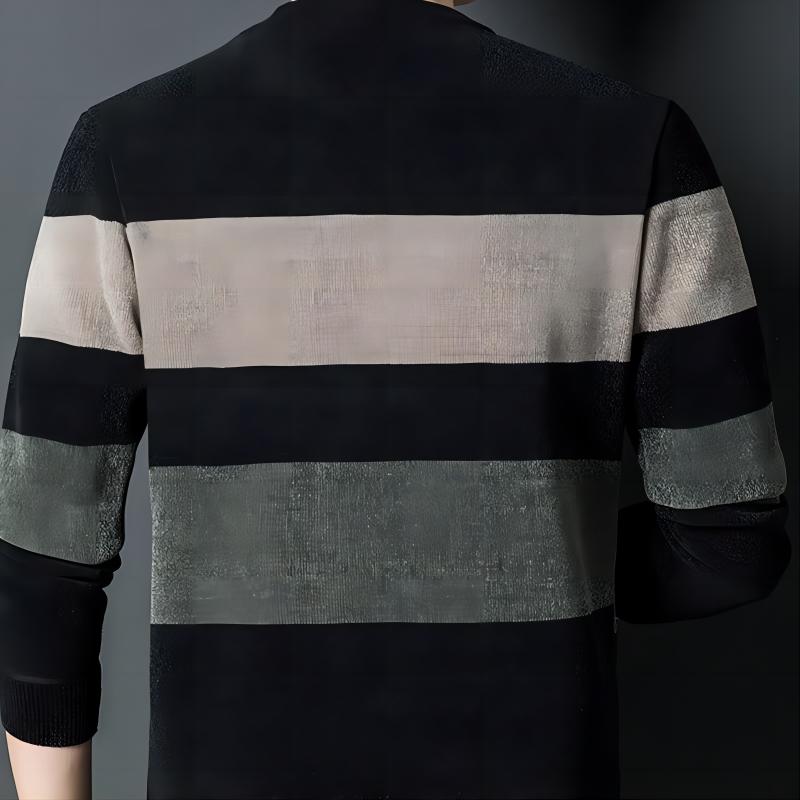
As a custom hoodie manufacturer, EDVORIN develops fleece weight, fit blocks, rib construction, drawcords and labeling for men’s and women’s programs. Choose DTF for detailed, multicolor placements; screen printing for larger repeat graphics; embroidery for structured logo applications.
Get a Quote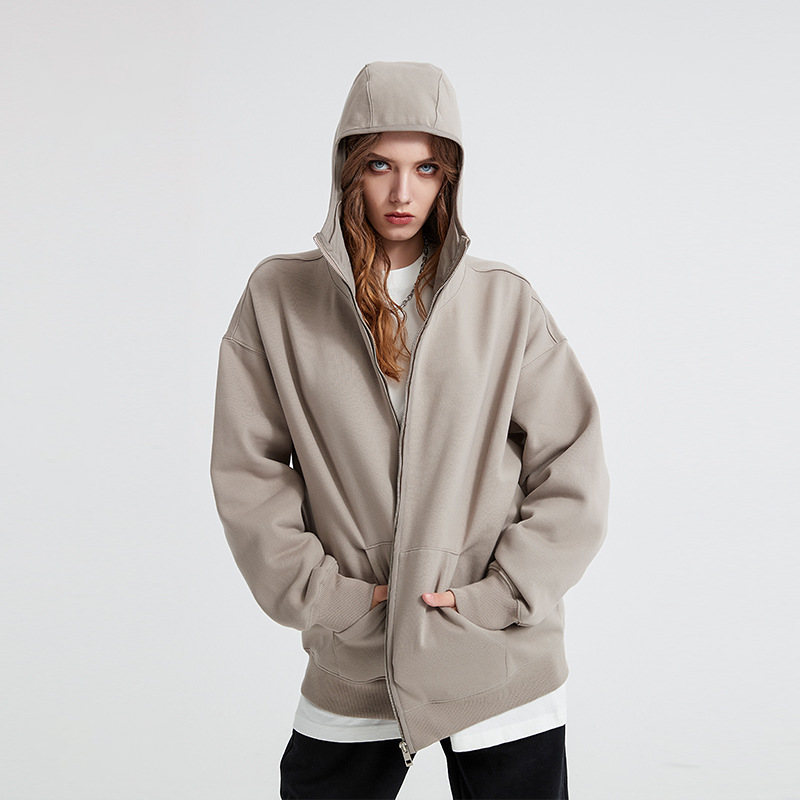
Pullover Sweatshirts
Our sweatshirt manufacturer service covers pullover silhouettes, crewnecks, brushed fleece, French terry, neck ribs and wash options. DTF supports full-color artwork and smaller runs, while screen printing or embroidery can suit simpler graphics and elevated branding details.
Get a Quote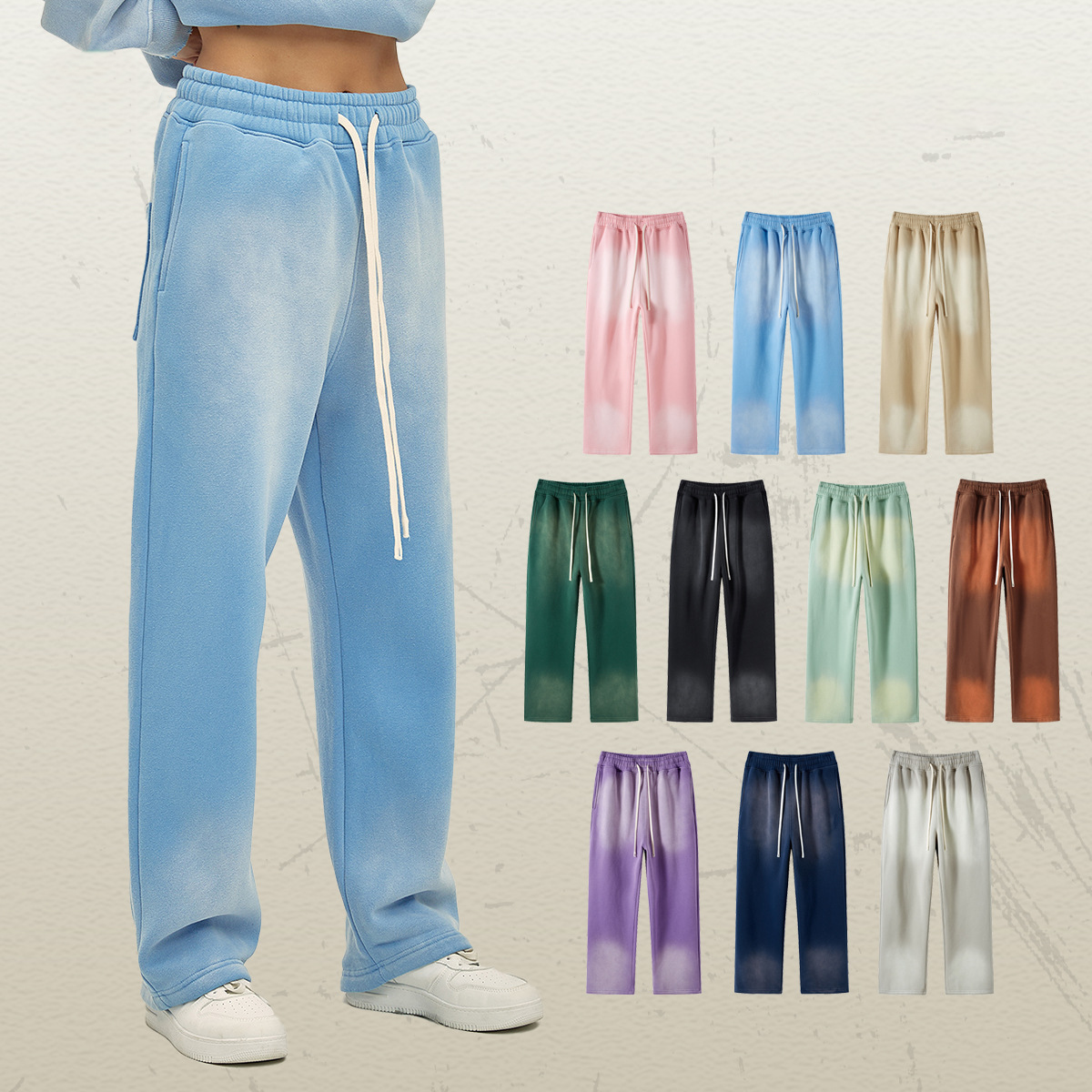
Sweatpants & Joggers
EDVORIN works as a sweatpants manufacturer for joggers and relaxed bottoms with coordinated hoodie or sweatshirt programs. Develop fabric weight, elastic waists, cuffs, pockets and print placement together. DTF is useful for detailed leg graphics; embroidery suits smaller logos.
Get a Quote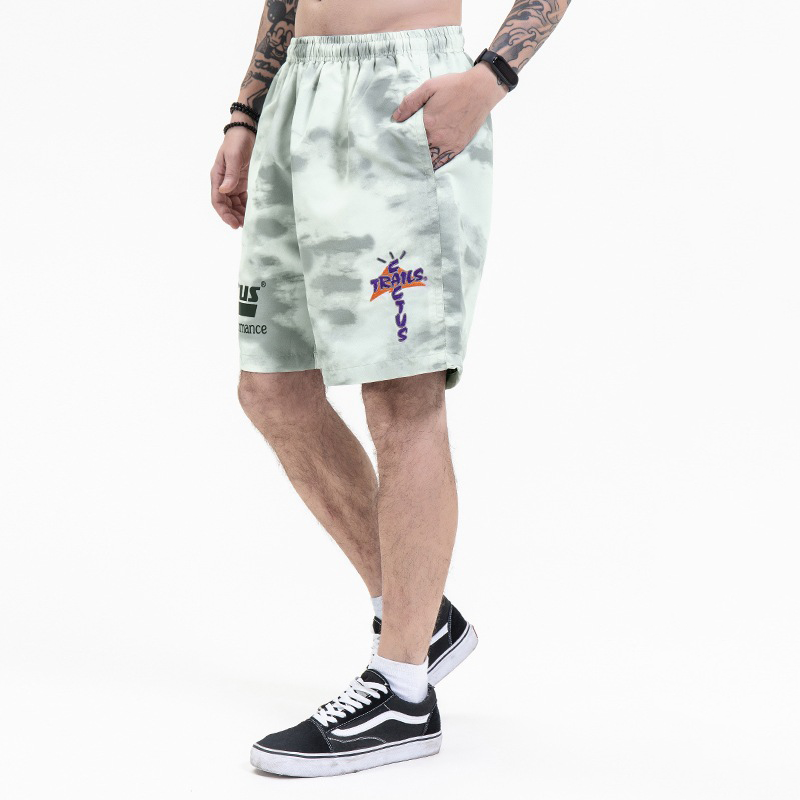
Custom Shorts
As a custom shorts manufacturer, we build fleece, jersey and woven shorts around intended use, inseam, pocket construction and waistband specification. DTF handles multicolor logos and artwork; screen printing is efficient for bold repeat graphics; embroidery adds durable small-scale branding.
Get a Quote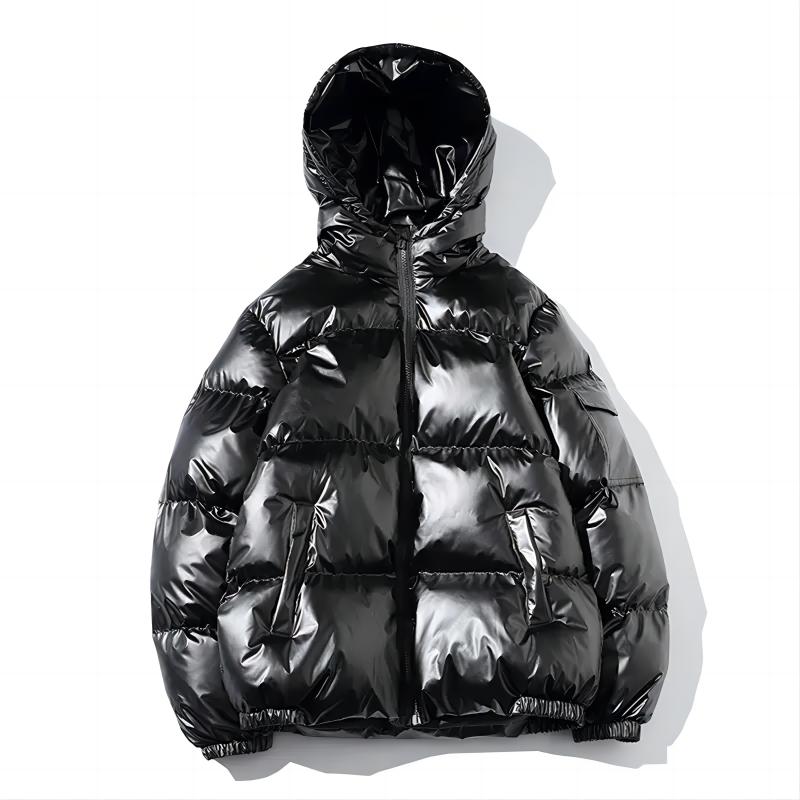
Varsity & Baseball Jackets
Our varsity jacket manufacturer capability coordinates body fabrics, sleeves, lining, rib, snaps, chenille patches and embroidery. DTF can support detailed secondary graphics, while embroidery and patch applications are typically the stronger choice for traditional varsity identity.
Get a Quote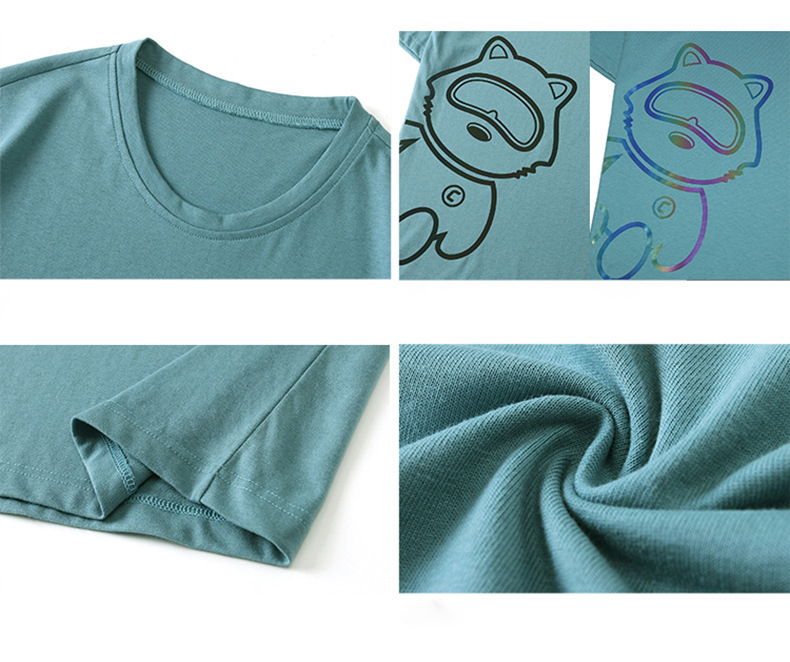
Custom T-Shirts
EDVORIN is a custom t shirt manufacturer for heavyweight cotton, jersey, oversized, fitted and performance-oriented styles. Select DTF for photographic or multi-color artwork, screen printing for volume graphic programs, and embroidery for restrained chest or sleeve logos.
Get a Quote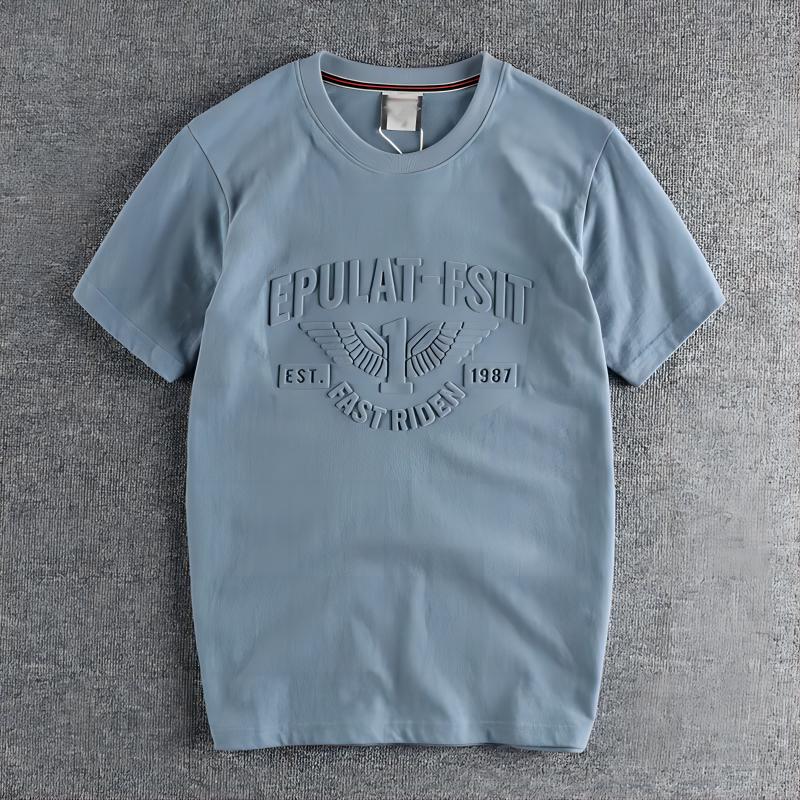
Custom Polo Shirts
As a polo shirt manufacturer, EDVORIN develops pique or performance fabrics, collars, plackets, cuffs and sizing for corporate, school and team programs. Embroidery is commonly chosen for durable logo placement; DTF supports more detailed, color-rich artwork where appropriate.
Get a Quote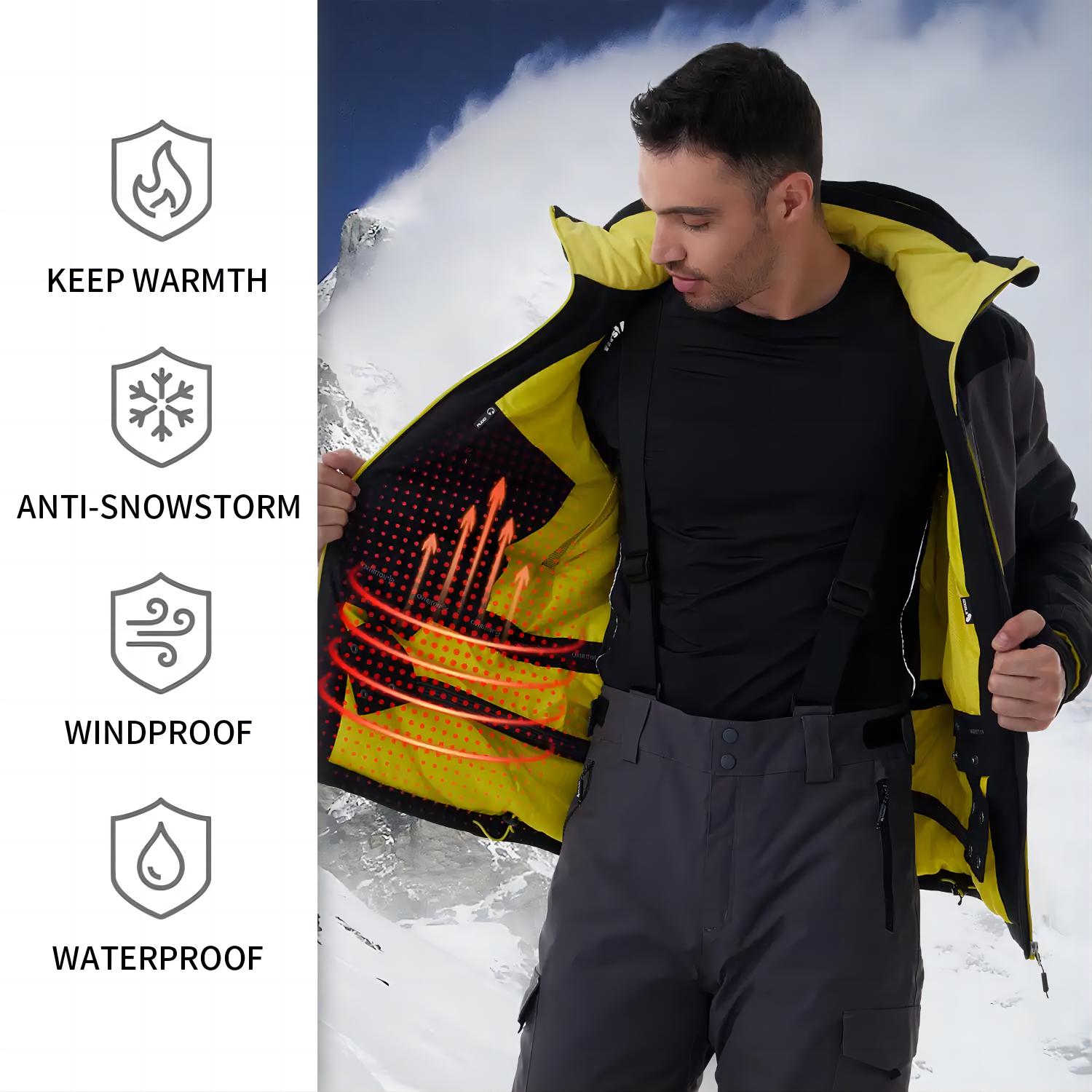
Windbreaker Jackets
Our windbreaker manufacturer service covers lightweight shells, linings, mesh panels, zippers, hoods, reflective details and packable constructions. DTF works well for intricate branded graphics, while screen printing and embroidery should be matched to shell material and intended wear conditions.
Get a Quote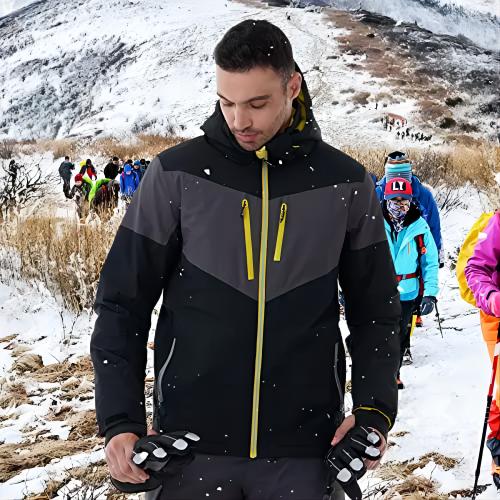
Quilted Jackets
As a quilted jacket manufacturer, EDVORIN coordinates shell fabric, insulation, lining, quilt pattern, hardware and decoration placement. Embroidery is often appropriate for compact logos; DTF can add detailed graphics when tested against the selected shell and finishing.
Get a Quote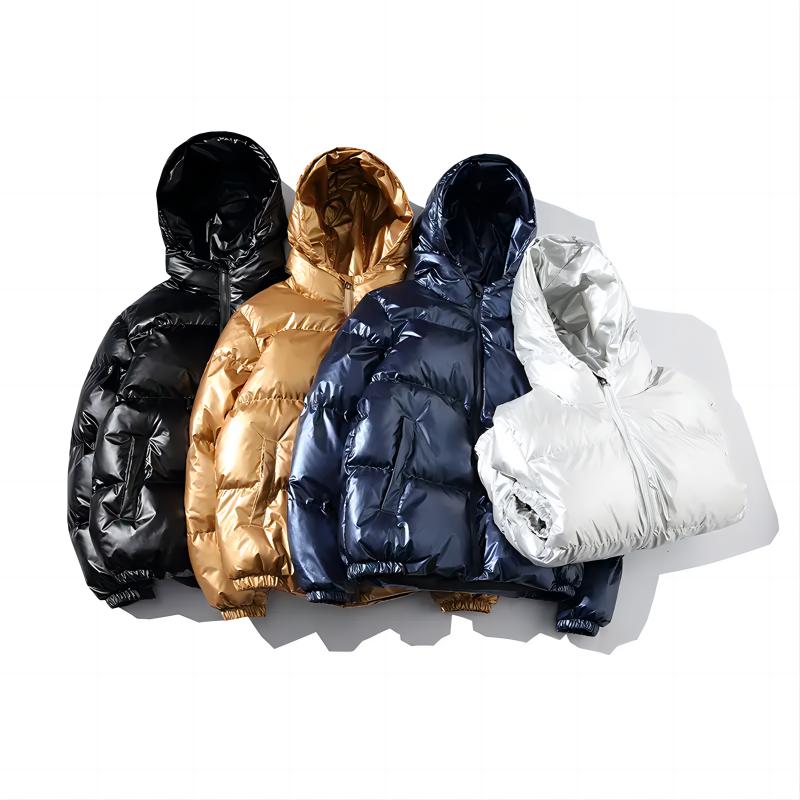
Bomber Jackets
Our bomber jacket manufacturer capability develops shell and lining combinations, rib trims, pockets, zippers and insulation levels. Use embroidery for classic patches and logos, DTF for complex artwork, and screen printing where the fabric and placement support a clean result.
Get a Quote
Custom Shirts
EDVORIN operates as a custom woven shirt manufacturer for overshirts, button-downs and workwear-inspired styles. We develop fabric, collar, placket, pockets, seams and labels. Embroidery suits polished logo applications; DTF supports detailed graphic elements after material testing.
Get a Quote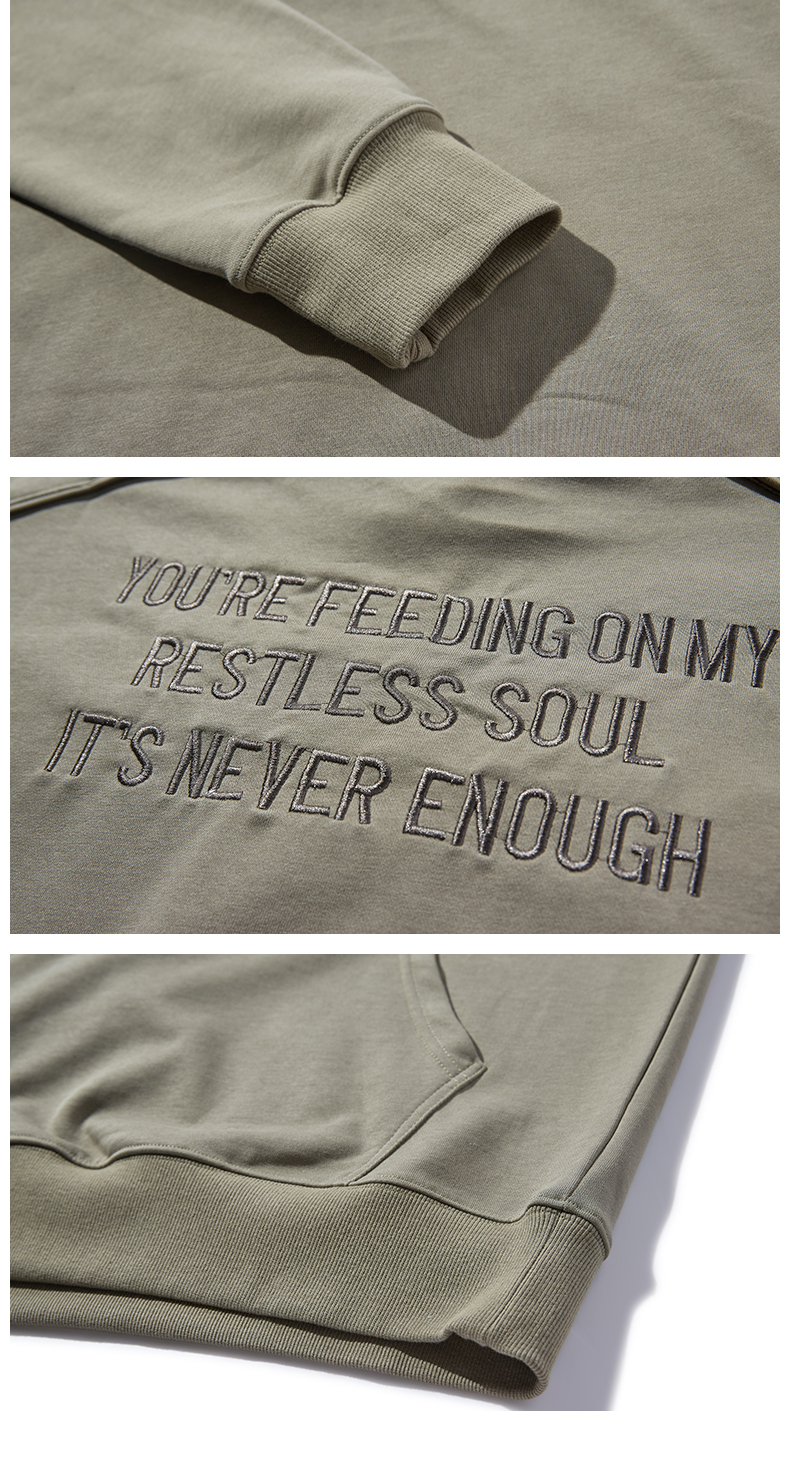
Custom Jerseys
As a custom jersey manufacturer, EDVORIN develops breathable fabrics, color blocking, name and number systems, grading and repeat order controls. DTF supports detailed personalization and artwork, while screen printing or embroidery can be selected based on fabric, design and durability requirements.
Get a Quote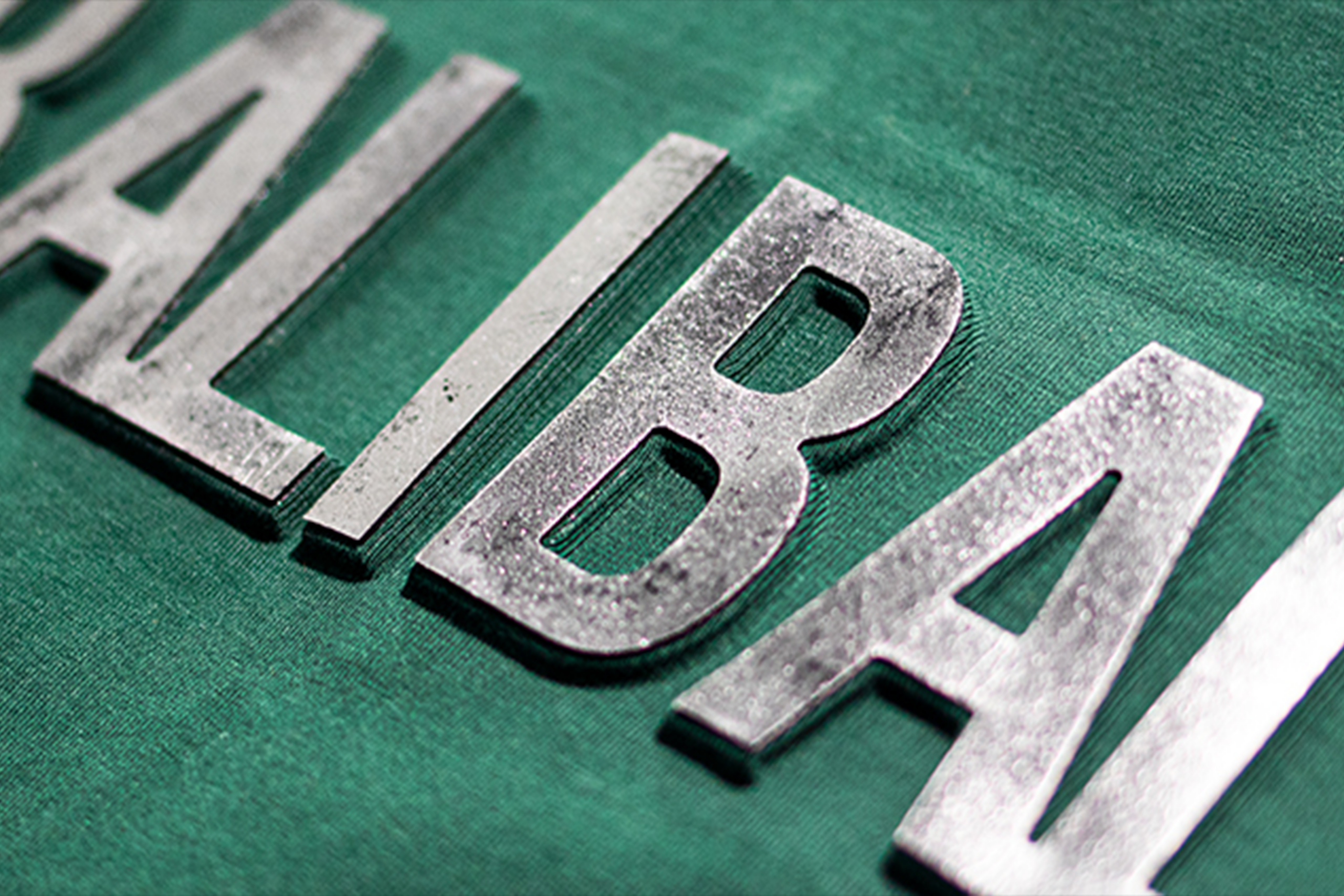
Tank Tops
Our custom tank top manufacturer service supports cotton, jersey and performance constructions for men’s and women’s programs. Define armhole shape, neckline, fabric weight and decoration zones. DTF handles complex artwork; screen printing suits bold graphics; embroidery works for small logos.
Get a Quote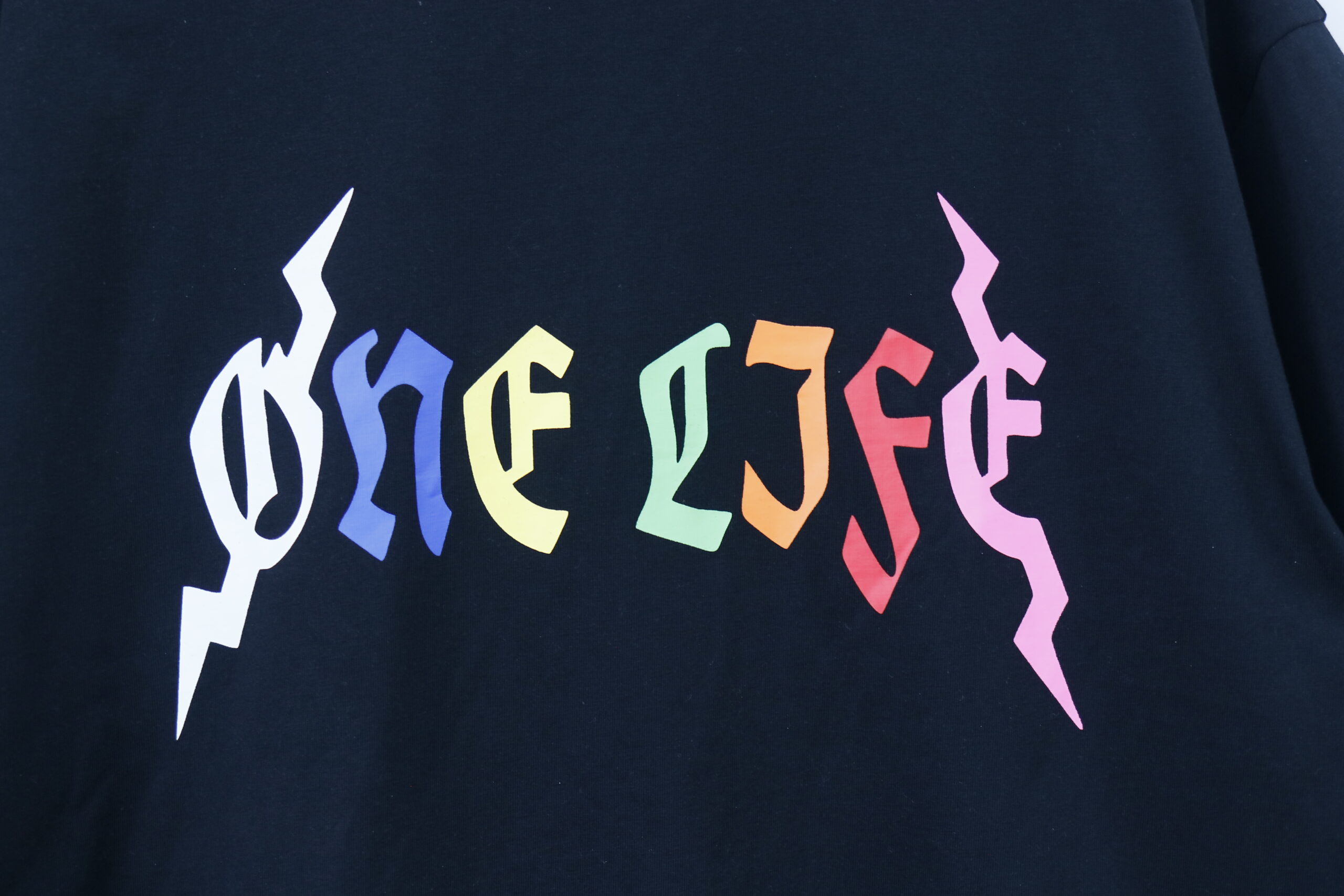
Soccer Uniforms
As a soccer uniform manufacturer, EDVORIN coordinates performance fabric, club colors, player names, numbers, badges and size sets. DTF is suited to detailed full-color personalization; screen printing and embroidery can support specific logo, sponsor or badge requirements.
Get a Quote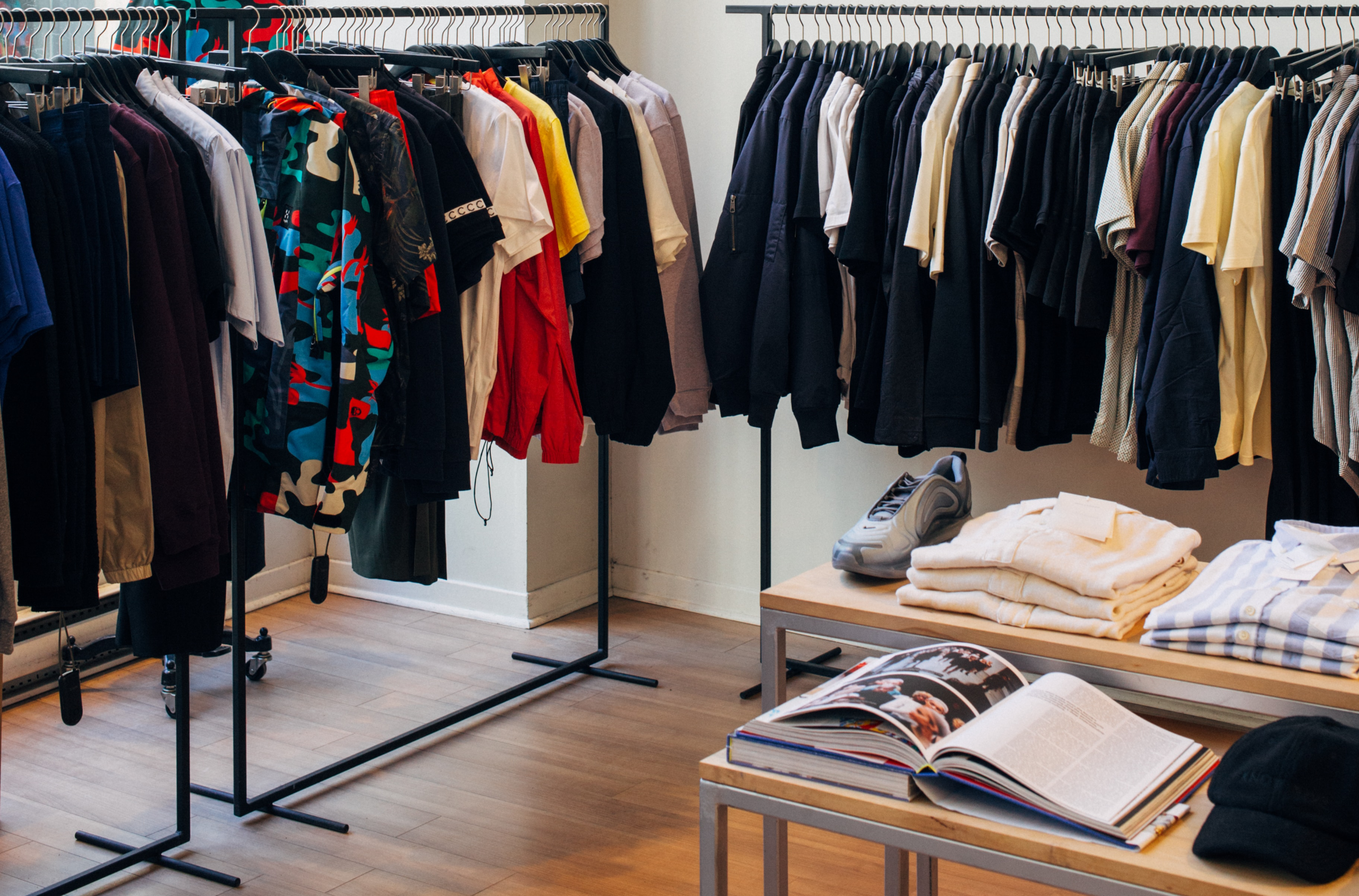
Basketball Uniforms
Our basketball uniform manufacturer capability covers jerseys and shorts with breathable materials, contrast panels, number placement, team branding and coordinated sizing. DTF is effective for multicolor names and numbers, while screen printing and embroidery can be used for selected marks and details.
Get a Quote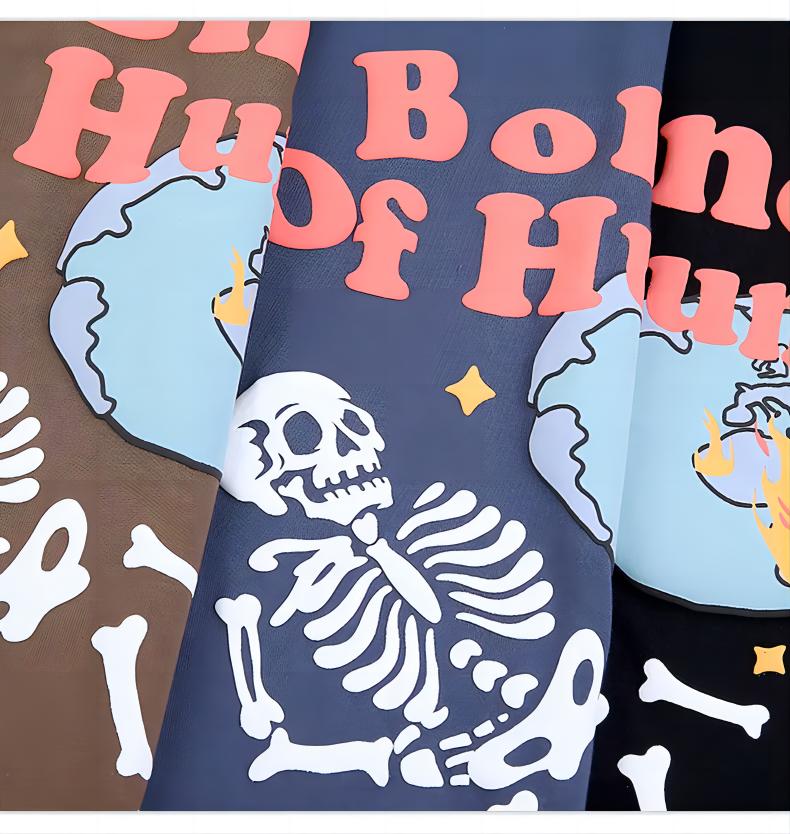
Streetwear Collections
As a streetwear clothing manufacturer, EDVORIN develops coordinated hoodies, tees, bottoms, jackets and woven layers from concept through bulk production. Combine DTF, screen printing, embroidery, washes, trims and packaging according to each style’s material, artwork and production requirements.
Get a QuoteYour DTF Clothing Manufacturer
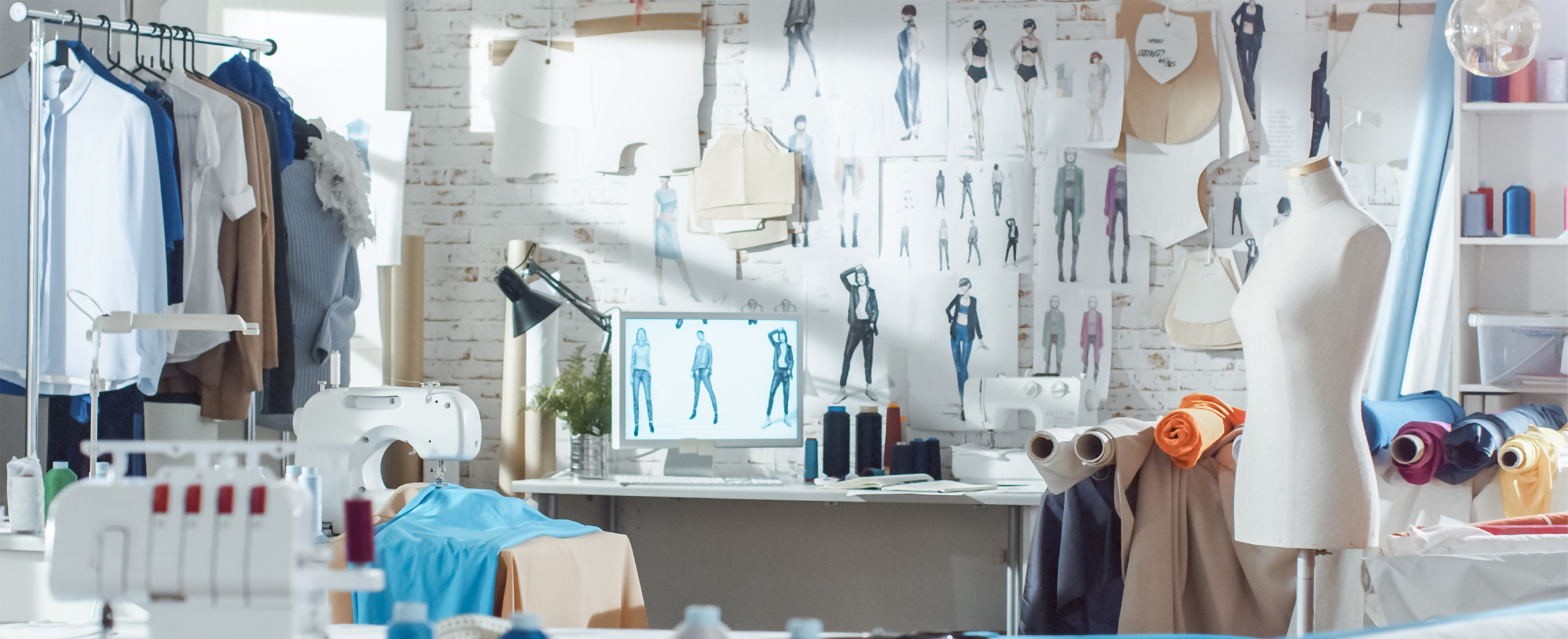
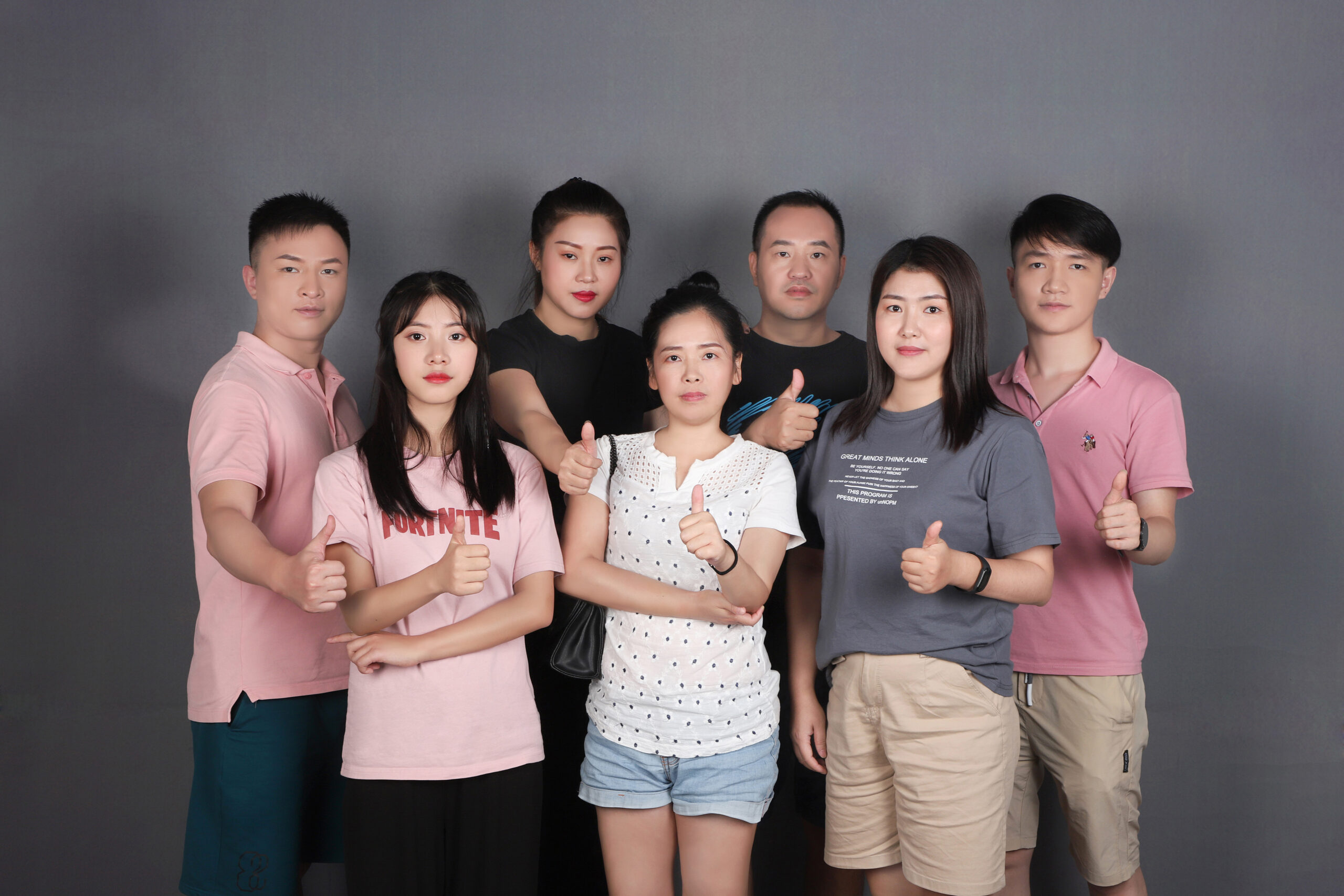
EDVORIN has helped apparel buyers turn concepts into production-ready garments since 2000. As a founder-led DTF clothing manufacturer, we connect product development, fabric and trim sourcing, pattern work, sampling, decoration, labeling and packaging in one accountable workflow.
From fashion and streetwear to teamwear and private-label programs, our team develops men’s and women’s apparel around the right fit, fabric, construction and artwork requirements. Flexible OEM and ODM support starts at 200 pieces per style, helping emerging labels and established buyers build repeatable collections.
Our difference is the discipline between sample approval and bulk delivery. We document approved materials, measurements, DTF artwork placement and finishing details, then use in-line and final quality checks to protect the standard. Certification programs include ISO 9001, BSCI, WRAP, SEDEX, OEKO-TEX Standard 100, GRS and GOTS.
DTF Clothing Manufacturer Quality Controls
Artwork Ready for Production
EDVORIN reviews artwork, print scale, placement, and garment context before sampling so the DTF setup reflects the intended product. This gives fashion, teamwear, and private-label buyers a clearer standard to approve before production begins.
- Review artwork detail and print dimensions
- Confirm placement against garment construction
- Align artwork with fabric and garment color
- Record approved production references
Color and Opacity Checks
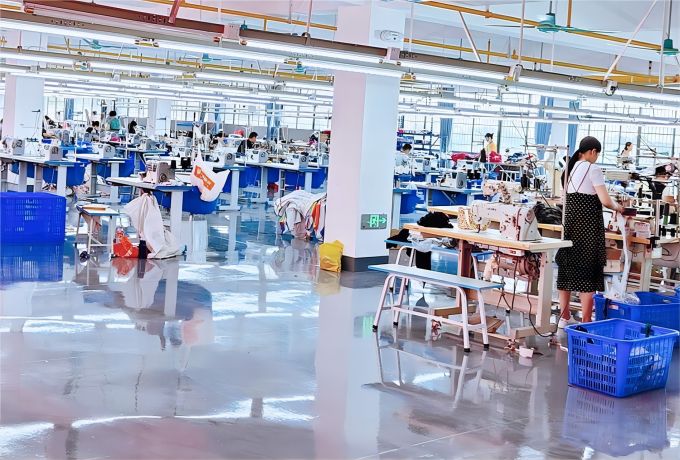
Vivid artwork is only useful when it remains legible on the selected garment. EDVORIN evaluates color appearance, opacity, edge definition and the relationship between the transfer and base fabric during sample development.
- Assess artwork against light or dark fabrics
- Review color appearance before bulk approval
- Check fine details and graphic edges
- Match decoration to the intended fabric
Controlled Heat Application
DTF transfers require application settings that suit the garment and the approved result. EDVORIN coordinates transfer application with the chosen fabric, then reviews adhesion, hand feel, stretch response, and placement as part of the sample-to-bulk production standard.
- Set application requirements by garment fabric
- Check transfer adhesion and finish
- Review stretch response where relevant
- Maintain approved placement specifications
Bulk Built From Approval
An approved sample becomes the reference for repeatable DTF apparel production. EDVORIN carries documented artwork, placement, material, trim, and finishing decisions into bulk control, with in-line and final checks focused on protecting the buyer’s approved standard.
- Use approved samples as production references
- Document decoration and finishing details
- Inspect variation during bulk production
- Check finished goods before packing
DTF Clothing Manufacturer Comparison: DTF vs. Screen Printing
Choose the decoration process around artwork complexity, fabric, print coverage, hand feel, and repeat-order requirements.
← Swipe left or right to view →
Our DTF Clothing Manufacturer Process
A controlled production path that turns approved artwork and garments into repeatable decorated apparel programs.
Review Artwork and Garment
We assess artwork resolution, print size, placement, garment fabric, color, fit, and intended wear before confirming the development direction.
Prepare Transfers and Specifications
Artwork, placement measurements, color references, fabric details, and decoration requirements are recorded to create a clear transfer and production standard.
Test Application on Sample
A sample application checks color appearance, hand feel, edge definition, stretch response, placement, and wash behavior on the selected garment.
Set Heat Press Controls
Approved transfer settings guide temperature, pressure, dwell time, and peel procedure so decoration is applied consistently across the production run.
Inspect Finish and Pack
Finished garments are checked against approved standards for placement, adhesion, appearance, measurements, labeling, and packing before final order release.
How to Order from a DTF Clothing Manufacturer
From artwork review to delivery, EDVORIN turns approved DTF apparel specifications into controlled 200-piece-and-up production runs.
Send Artwork and Brief
Share vector artwork, garment category, target quantity, size range, placement dimensions, color references, and any fabric or labeling requirements for an initial production review.
Confirm Specifications
EDVORIN reviews the print layout alongside fabric, garment color, fit, trims, and decoration details, then aligns the order with your approved production requirements.
Approve Your Sample
Assess the sample for artwork scale, placement, color appearance, hand feel, stretch, and wash behavior before confirming it as the reference for bulk production.
Authorize Bulk Production
After approval, we coordinate DTF application, garment finishing, labeling, packing, and in-line quality checks against the documented sample standard throughout the run.
Receive Ready-to-Sell Orders
Final inspection verifies measurements, decoration placement, and packing details before the completed order is prepared for delivery and future repeat production.
DTF Clothing Manufacturer Results for Apparel Buyers
Our approved sample translated cleanly into a 600-piece streetwear drop. The full-color artwork held its intended detail, and the placement references gave us consistent results across hoodies and tees.
For our 420-piece club order, EDVORIN matched the approved sample across dark performance tops. Names, logos, and placement stayed organized through bulk production, which made distribution much easier for our team.
We needed a private-label capsule with detailed artwork and a dependable delivery plan. The 800-piece run arrived on schedule, with sample-approved print scale and packaging standards carried through the final packed order.
DTF Clothing Manufacturer FAQs
Clear answers for buyers planning repeatable DTF apparel programs with EDVORIN.
What fabrics can a DTF clothing manufacturer print on?
Can a DTF clothing manufacturer handle detailed, full-color artwork?
What is the maximum DTF print size and number of colors?
How durable is DTF printing after washing?
Can I combine DTF printing with embroidery, patches or other decoration methods?
What is the MOQ for custom DTF apparel at EDVORIN?
What artwork files does a DTF clothing manufacturer need?
How do sampling and bulk production work with a DTF clothing manufacturer?
The Complete Guide to Choosing a dtf clothing manufacturer
Use this practical decision framework to compare DTF production partners, evaluate fabrics and quality controls, understand customization choices, estimate costs, and avoid sourcing mistakes before placing your apparel order.
1. What Is a dtf clothing manufacturer?
DTF—direct-to-film—moves a printed design from coated film through adhesive-powder curing and heat pressing onto a finished garment. A DTF clothing manufacturer coordinates that decoration step with garment construction, fabric choice, pattern, sampling, bulk sewing, quality control, labels and packing.
Four supplier types solve different problems: a transfer supplier sells ready-to-press film, a blank vendor supplies undecorated stock, and a print shop decorates buyer-provided garments. A full-package OEM adds product development and bulk production, while a DTF-capable manufacturing partner connects both paths—useful for brands, teams, schools and private-label buyers needing repeatable garments and controlled artwork placement across an order.
2. How DTF Apparel Production Evolved
In the 1990s, screen printing remained the default for repeat graphics because each color required its own screen and setup. Buyers therefore grouped orders around stable artwork and larger quantities, while embroidery covered logos needing texture rather than photographic detail.
Since the 2010s, direct-to-film has given decorators a transfer-based route for detailed, full-color graphics without separating every color. A dtf clothing manufacturer can help buyers test multiple placements or design variants on dark garments, but the approved artwork, transfer size, and heat-application standard still need recording for bulk consistency.
At a 200-piece OEM run, DTF can make a mixed-artwork assortment more practical than a screen-heavy launch. Source against the intended fabric and wear use, review a pressed sample on every garment color, and compare DTF with screen printing when one large solid graphic will repeat across the full order.
3. Types of dtf clothing manufacturer Services
Five supplier models divide responsibility differently. Match blank ownership, technical support, branding control, and minimums to the stage of your DTF apparel program.
Transfer-Only Providers
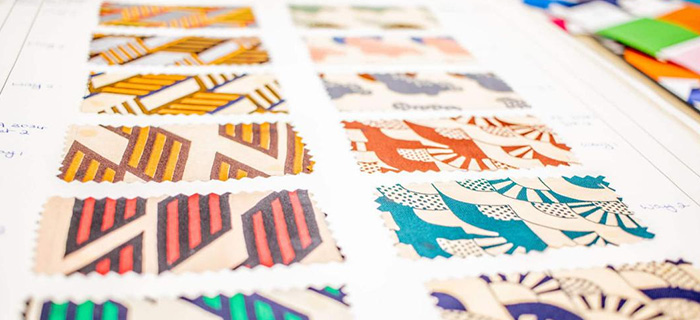
Transfer-only providers supply printed film; buyers own blanks, artwork preparation, labels, and packing. Best for decorators applying repeat graphics to their own inventory.
Contract Decorators
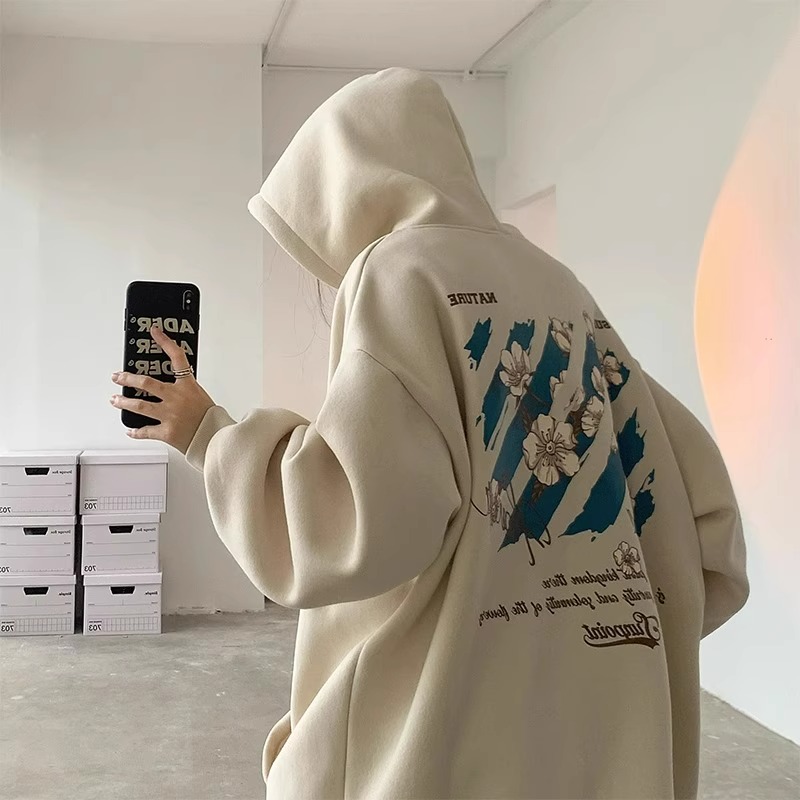
Contract decorators apply DTF to buyer-supplied or stocked blanks, usually with limited design cleanup. Labels and packaging remain buyer-directed; suitable for event and team orders.
Cut-And-Sew OEMs
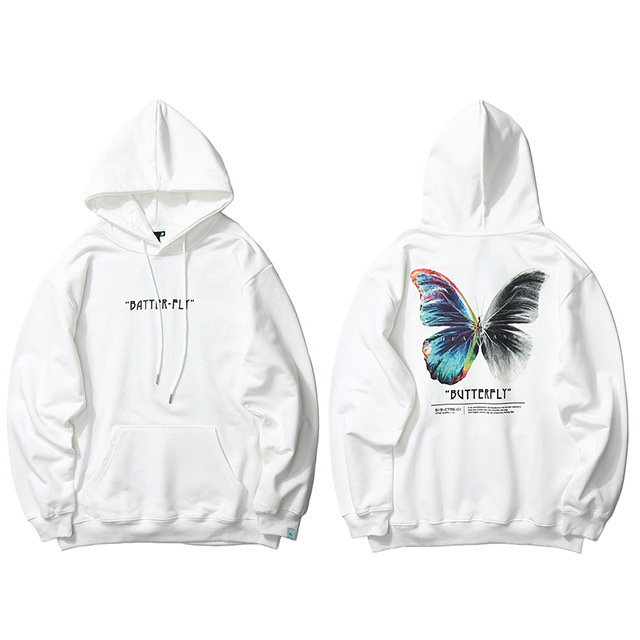
Cut-and-sew OEMs develop the garment before DTF application, so they control patterns, fabric, and bulk construction. Use them when a 200-piece run needs custom fit.
Private-Label Manufacturers
Private-label manufacturers combine stocked or developed blanks with neck labels, hangtags, and retail packing. They suit brands needing a recognizable product without managing separate vendors.
Full-Package Partners
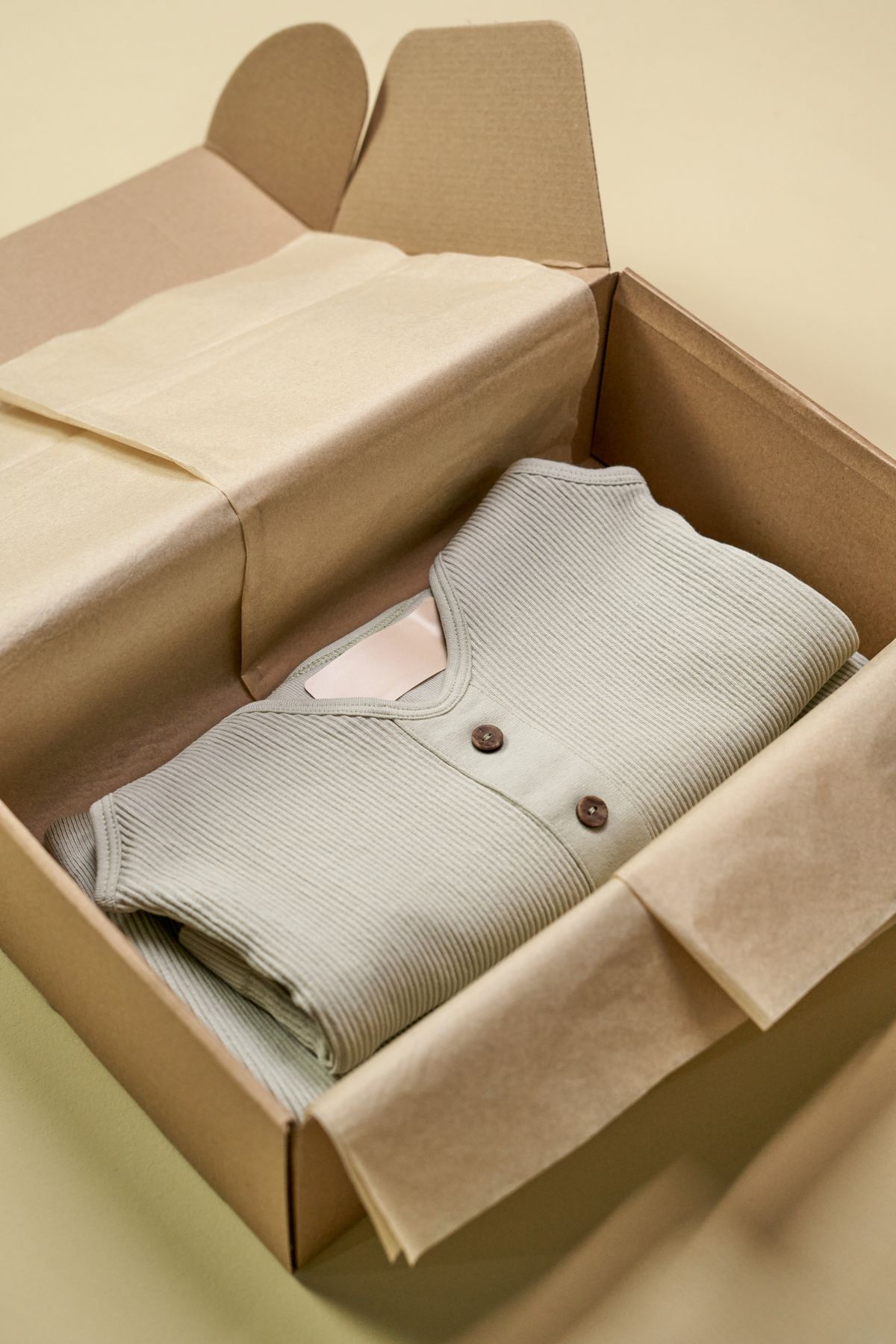
Full-package partners coordinate design development, sourcing, decoration, labeling, packaging, and quality control. EDVORIN fits this scope when buyers need one accountable production path.
4. Fabrics for DTF Clothing Production
DTF adhesion starts with the fabric surface, not the artwork alone. A capable dtf clothing manufacturer should approve transfers on the actual production fabric before bulk cutting.
| Fabric | Applications | DTF Consideration | Buyer Checks |
|---|---|---|---|
| Cotton | Tees, polos | Soft feel; strong adhesion | GSM, smoothness, wash test |
| Polyester | Jerseys, windbreakers | Heat and dye migration | Stretch, press test, wash test |
| Cotton-poly | Hoodies, joggers | Balanced hand and stability | Blend ratio, GSM, texture |
| Fleece | Sweatshirts, hoodies | Loft affects contact | Pile direction, recovery, wash test |
Cotton And Blends
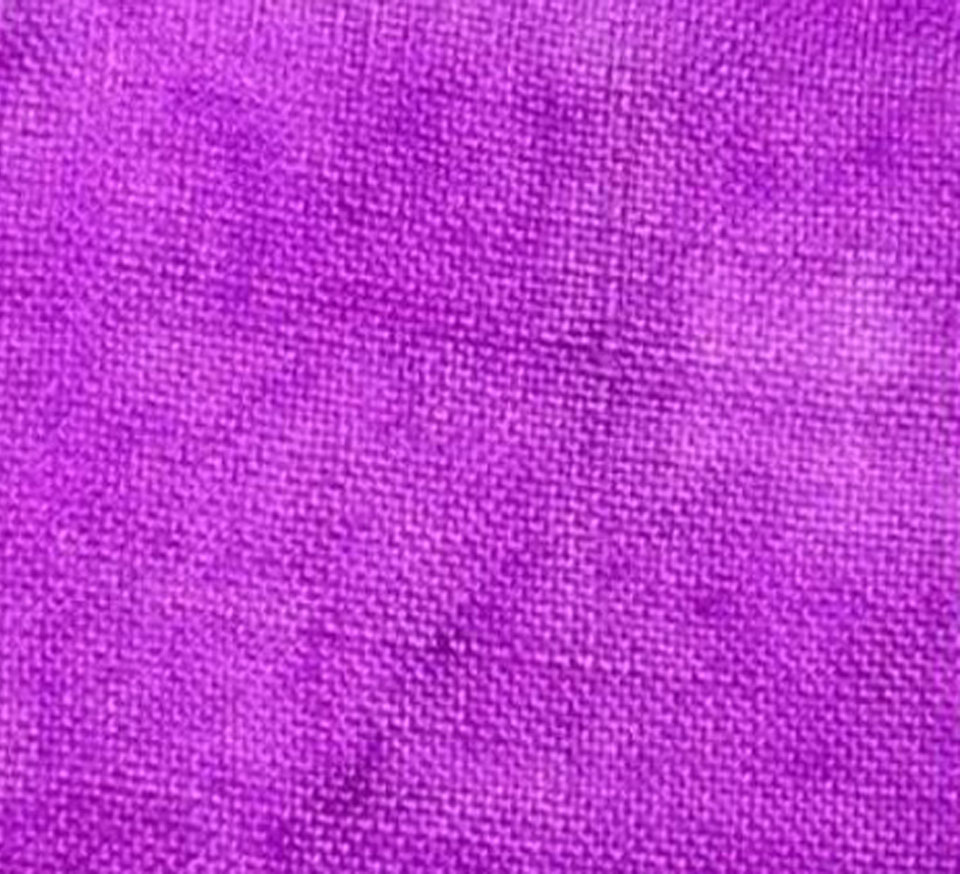
100% ring-spun cotton offers a smooth hand for tees and jerseys, while cotton-poly blends balance comfort and shape retention.
280–400 GSM fleece needs a test press because pile direction and loft can change edge definition.
Polyester Performance Fabrics
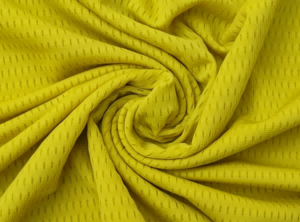
100% polyester suits teamwear and windbreakers, but heat-sensitive fibers require controlled press settings and dye-migration testing.
4-way stretch knits need a transfer that recovers without cracking at logos or numbers.
Specialty Textile Trials
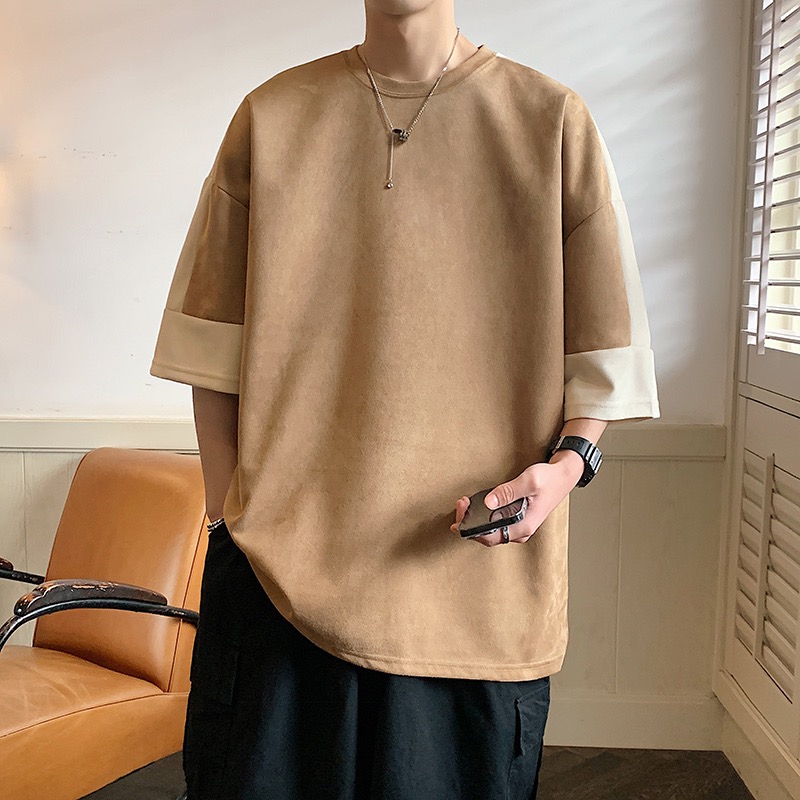
1 approved wash-test sample should include coated, ribbed, waterproof, or heavily textured textiles. Surface irregularity can reduce contact and alter print feel.
5. DTF Customization and Branding Options
EDVORIN records each artwork location against a measurement point, so chest logos, oversized backs, sleeves, neck prints, and individualized names or numbers remain reviewable before bulk production. A dtf clothing manufacturer should also map each design to its garment color and size range.
| Method | Best Fit | Production Consideration |
|---|---|---|
| DTF | Detailed multicolor graphics | Review transfer feel and placement |
| Screen print | Repeated solid artwork | Best assessed by color count and run size |
| Embroidery | Dimensional logos | Confirm stitch density and backing |
| Sublimation | Polyester all-over designs | Plan artwork around garment panels |
Placement And Personalization
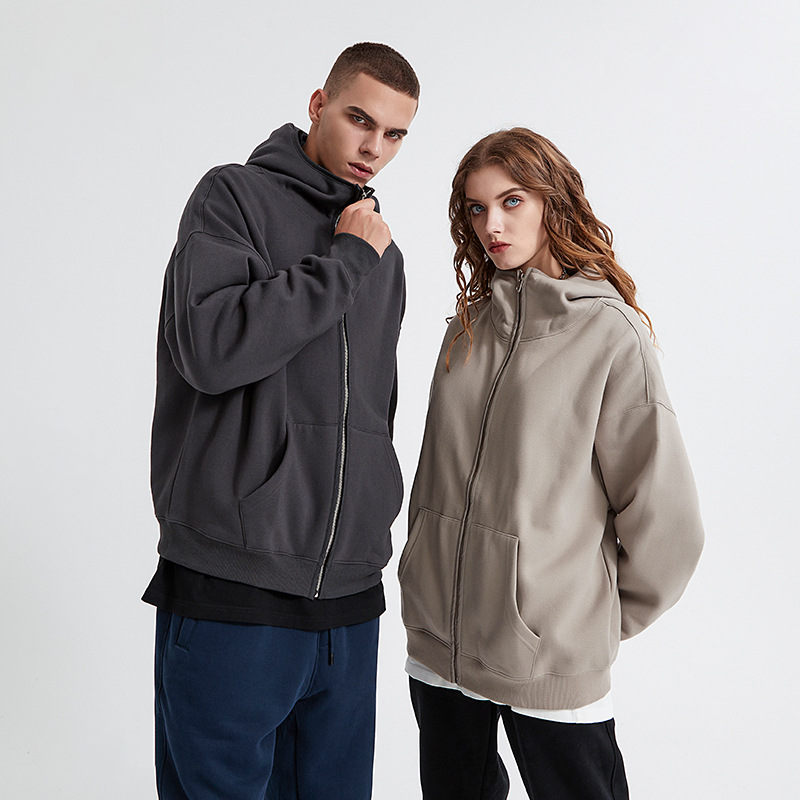
EDVORIN can organize multi-design runs by artwork code, placement, and size list. Team programs should proof name spelling and number assignment before decoration.
- Left-chest logos
- Oversized back graphics
- Sleeve and neck prints
- Names and numbers
Private-Label Components
EDVORIN can coordinate woven labels, size labels, hangtags, Pantone-referenced color targets, and custom packaging alongside decorated garments. Approved artwork and label copy should be locked before production.
Choose The Decoration
DTF suits detailed, full-color artwork and flexible mixed-design runs; screen print often suits repeated solid graphics. Embroidery suits dimensional logos, while sublimation suits polyester garments requiring all-over color.
6. DTF Garment Quality Checks
A pre-production sample should become the reference for every inspection point. A dtf clothing manufacturer must verify garment construction and transfer performance together before bulk approval.
Base Garment Checks
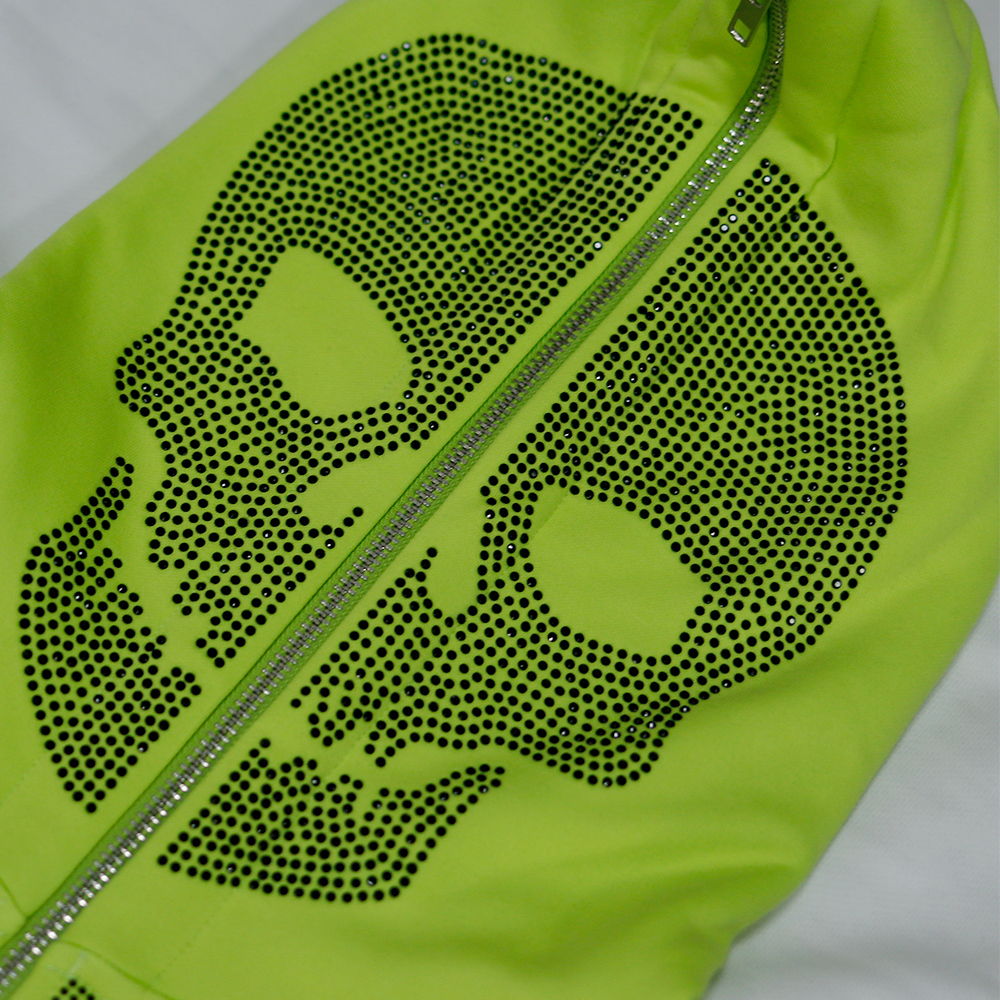
180–320 GSM is a common range for tees through fleece; confirm actual weight, shrinkage after the agreed wash, seam security, and measurement tolerance. Three measured garments per size expose grading or sewing variation early.
- Record fabric composition and finished GSM
- Wash-test length, width, twist, and pilling
- Check stitches, seam allowance, and loose threads
Transfer Appearance And Stretch
300 DPI artwork is a practical minimum for detailed graphics; inspect fine lines, color consistency against the approved reference, edge definition, and white-underbase coverage. Ten controlled stretch-and-recovery cycles should not reveal cracking, lifting, or distortion.
- Confirm heat, pressure, and dwell settings
- Inspect opaque areas on dark garments
- Compare print feel across colorways
Approval Sample Checklist
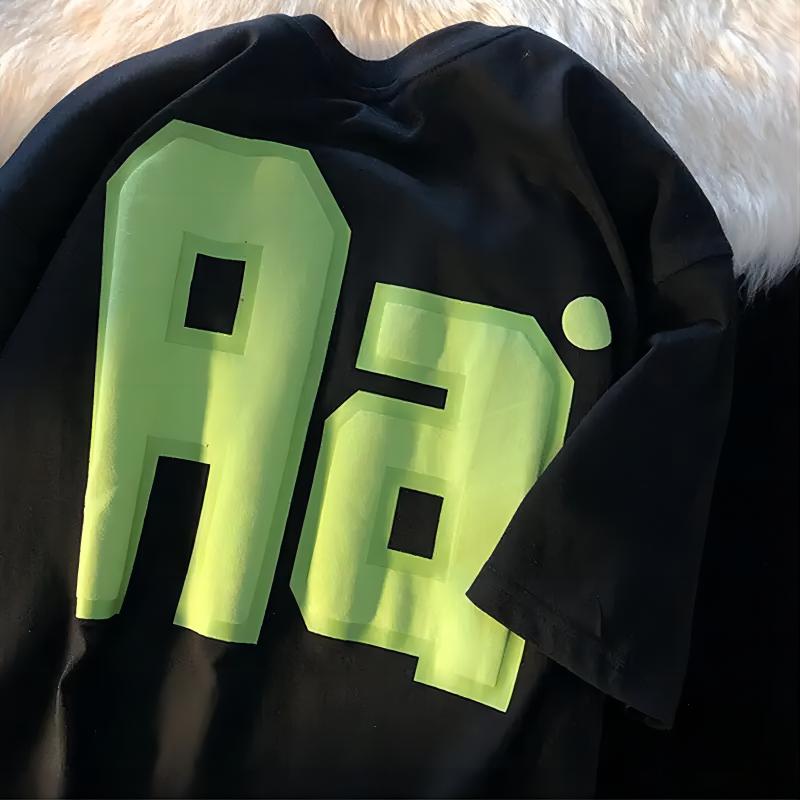
5 placements per style—chest, back, sleeve, neck, and label area—should be measured from fixed garment landmarks. Twenty-four-hour post-application inspection helps reveal cooling-related lift before the sample is signed off.
- Approve size set and color reference
- Approve artwork scale and placement coordinates
- Approve wash-care method and final packaging
7. Choosing a dtf clothing manufacturer
A capable dtf clothing manufacturer proves control before requesting a deposit. Evaluate the supplier’s relevant garment experience, documentation discipline, response speed, and ability to explain constraints in writing.
Request Production Evidence
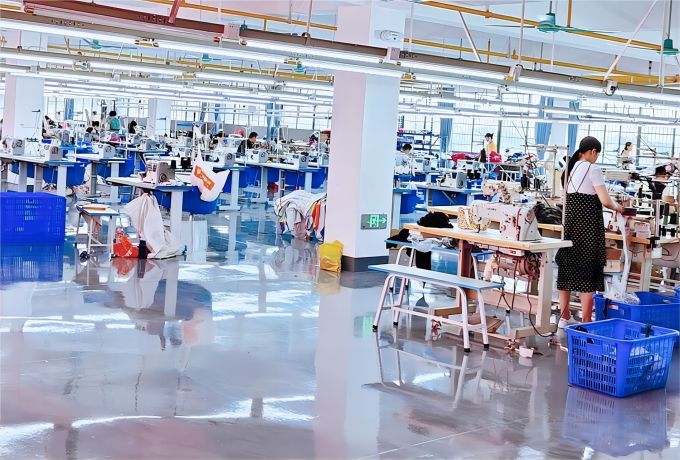
EDVORIN’s MOQ starts at 200 pieces per style. Before sampling, ask for comparable hoodie, tee, or teamwear work, stated MOQ by style and color, and a capacity-based timeline. Request recent production photos, a sample schedule, and shipping terms—not verbal assurances.
- Comparable product examples
- MOQ and color-break rules
- Sample-to-bulk timeline
- Shipping and customs support
Approve The Technical Standard
Before bulk approval, require a preflighted artwork file, Pantone references where needed, placement measurements, fabric composition and GSM, and an approved sample. Confirm QC checkpoints for incoming fabric, in-line sewing, decoration, and final packing.
- Print-size and placement record
- Wash and stretch test result
- Measurement tolerance sheet
- Carton and labeling specification
Test Communication Discipline
A serious supplier should answer revision questions promptly with version-controlled details. EDVORIN organizes development, sourcing, sampling, decoration, inspection, labeling and packing into one accountable production path.
8. Common DTF Sourcing Mistakes
Most DTF sourcing losses begin before bulk cutting: an unreviewed file, an untested base garment or an undefined approval path. EDVORIN turns these risks into sample-stage checks so approved standards can be reproduced consistently.
Artwork And Color Control
300 DPI artwork at final print size protects fine type and edges; approve a pre-production proof instead of enlarging a web image. This prevents blurred graphics, reprint charges, and delayed launches.
Pantone references and physical strike-offs matter because screens are not calibrated production standards. This avoids color disputes across garments, packaging, and repeat orders.
Fabric, Feel, And Fit
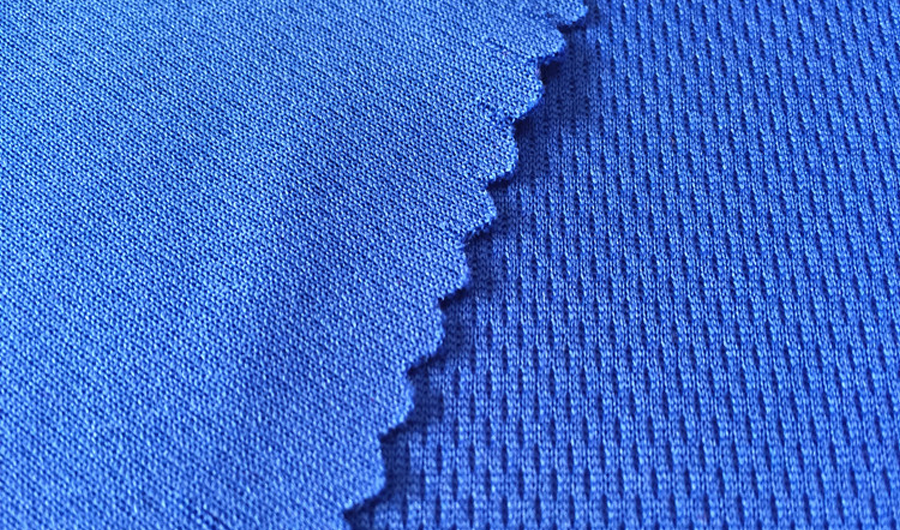
280 GSM fleece can print differently from a lightweight jersey, even when both meet the lowest quote. Specify fabric composition, hand feel, stretch, and heat tolerance to avoid uncomfortable prints and return-prone garments.
One fit sample and one wash test expose measurement shift, print cracking, and recovery issues before bulk. Skipping them risks an approved-looking sample becoming an unsellable run.
First Run And Timeline Discipline
One first run should limit fabric, colorway, placement, and size variables until the process is proven. This prevents fragmented approvals, excess inventory, and costly correction work.
Written milestones for sampling, material approval, bulk production, inspection, and shipment make delays visible early. Accepting vague timelines can miss campaign dates and force expensive expedited freight.
9. Launching a DTF Apparel Collection
A 200-piece launch becomes easier to control when each decision is locked before bulk approval. Define the customer, wear occasion, selling channel, and replenishment plan before choosing styles.
Build The Assortment
Two to four core garments usually create a clearer first drop than many low-volume styles. Match a 180–220 GSM tee, 280–340 GSM fleece hoodie, or performance jersey to its actual use.
Three size runs should reflect sales history or a pre-order survey, not guesses. Separate men’s, women’s, and youth fit requirements before grading begins.
Prepare Approval Files
One production pack should contain vector artwork, Pantone references, print dimensions, placement measurements, and care requirements. Specify chest, back, sleeve, and neck-print locations from fixed garment reference points.
One sample round should test artwork scale, transfer feel, stretch, wash response, and garment fit together. Record every approved revision in the sample comments rather than relying on verbal instructions.
Release Production Carefully
Three branding elements—main label, size label, and polybag or carton marking—should be approved with the sample. Confirm SKU quantities by color and size before materials are committed.
One fulfillment plan should assign carton packing, barcode needs, delivery windows, and destination splits before final inspection. EDVORIN can carry these approved specifications from development through packing.
10. DTF Clothing Manufacturing Pricing
200-piece OEM runs are a useful quotation baseline, but unit cost changes more with garment construction and decoration than with the transfer alone. A dtf clothing manufacturer should quote against an approved specification, not a generic per-shirt figure.
3 quote inputs often move the result together: artwork dimensions, style mix, and delivery destination. Final pricing should also account for labels, packaging, sample revisions, carton requirements, and freight or duty terms.
| Order tier | Garment or fabric tier | Print coverage and customization | Indicative cost drivers | Lead-time effect |
|---|---|---|---|---|
| 200–499 pieces | T-shirt or lightweight jersey | Left chest; standard label | Blank quality, transfer setup, colorway count | Fewer consolidated styles simplify scheduling |
| 500–999 pieces | Fleece hoodie or jogger | Chest plus back; woven label | Fabric weight, rib, pockets, placement count | More units can spread setup across the run |
| 1,000+ pieces | Outerwear or coordinated set | Large graphics; private-label packaging | Shell, lining, trims, cartons, order mix | Added components require earlier approvals |
Send Your DTF Artwork for a Production Review
Share your garment type, placement and quantity for a DTF sample plan and OEM production quote from EDVORIN.