
Heat Transfer Clothing Manufacturer for Repeatable Programs
EDVORIN develops heat transfer apparel with controlled materials, placement, and approved standards for fashion, streetwear, teamwear, and private-label buyers.
Featured Apparel for Heat-Transfer Development
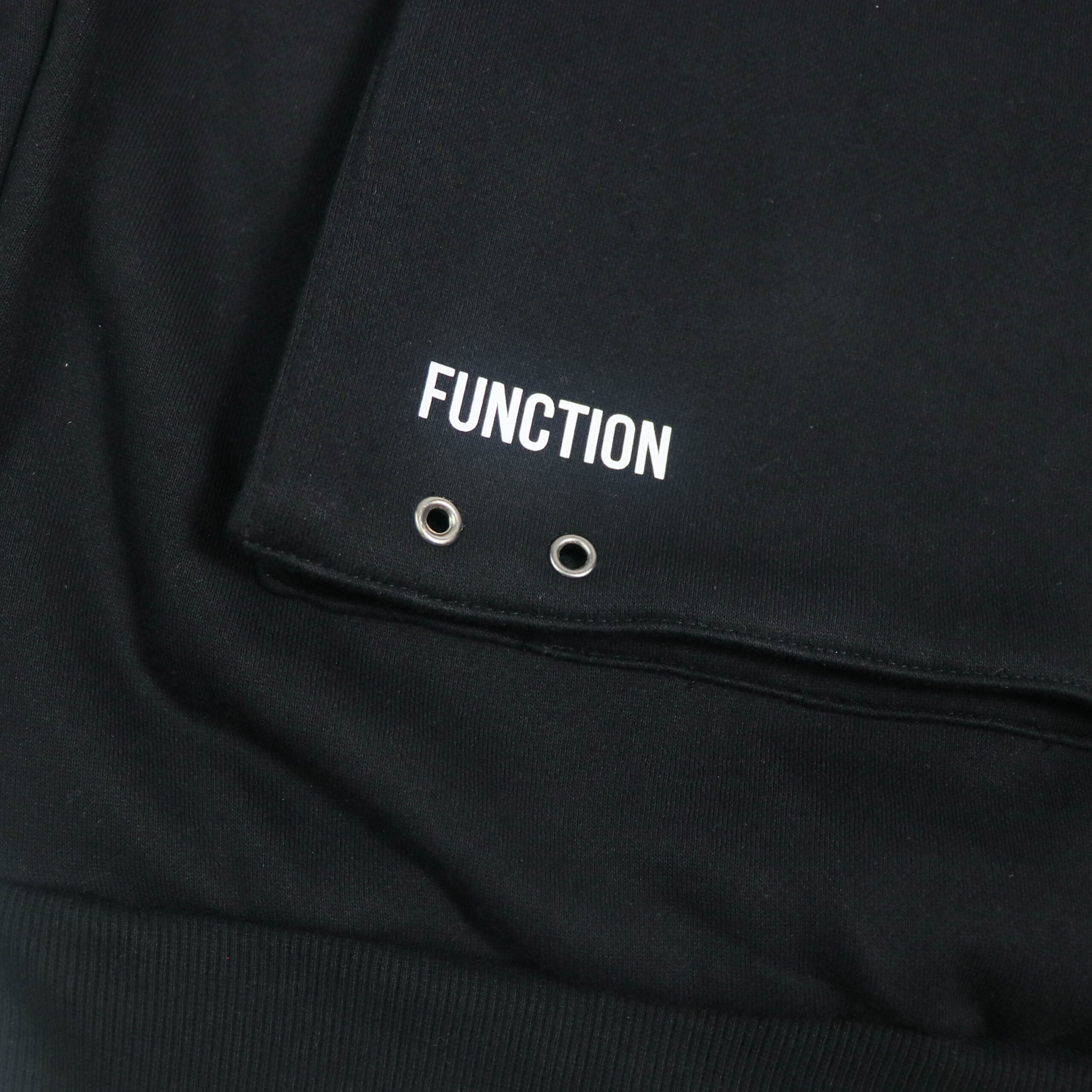
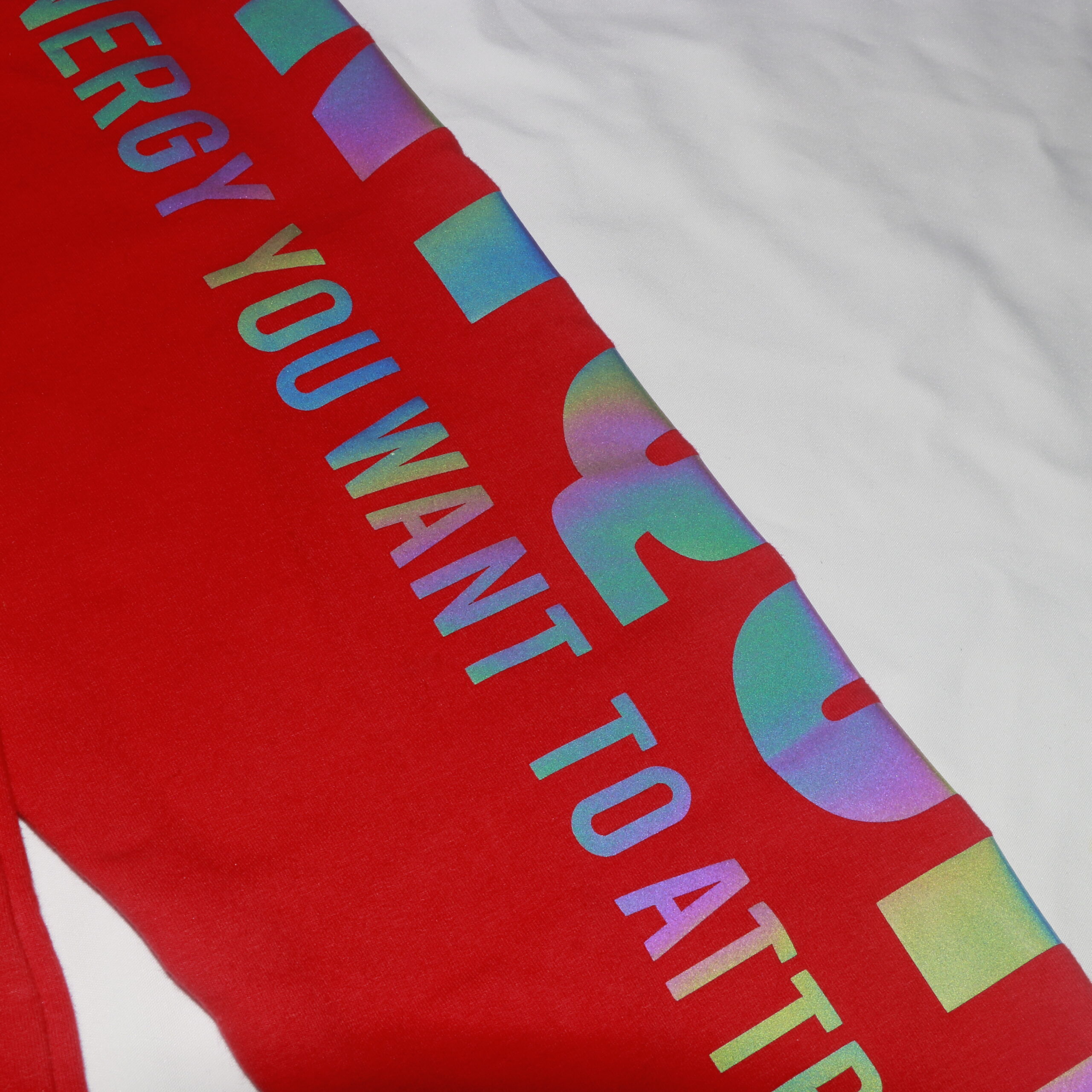
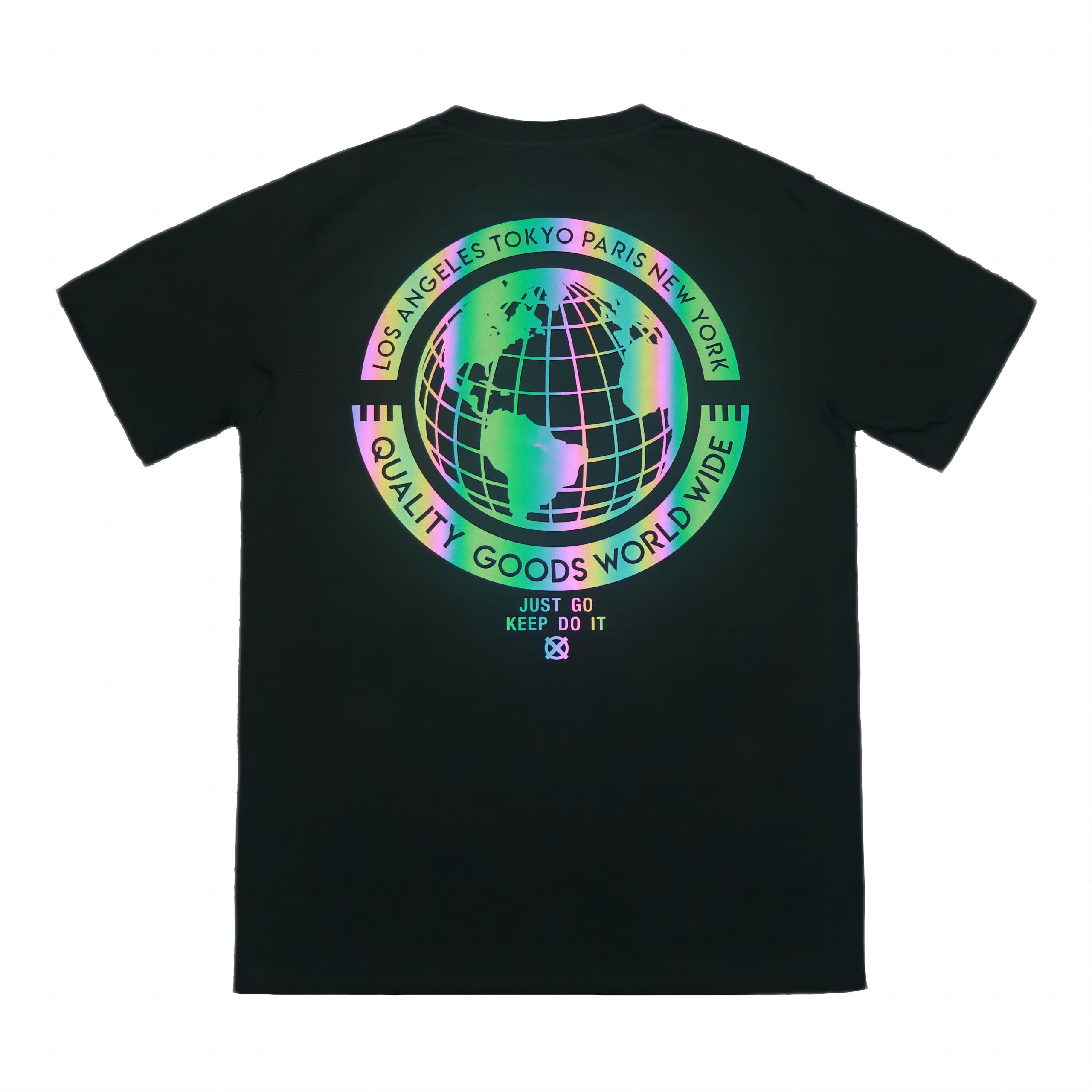
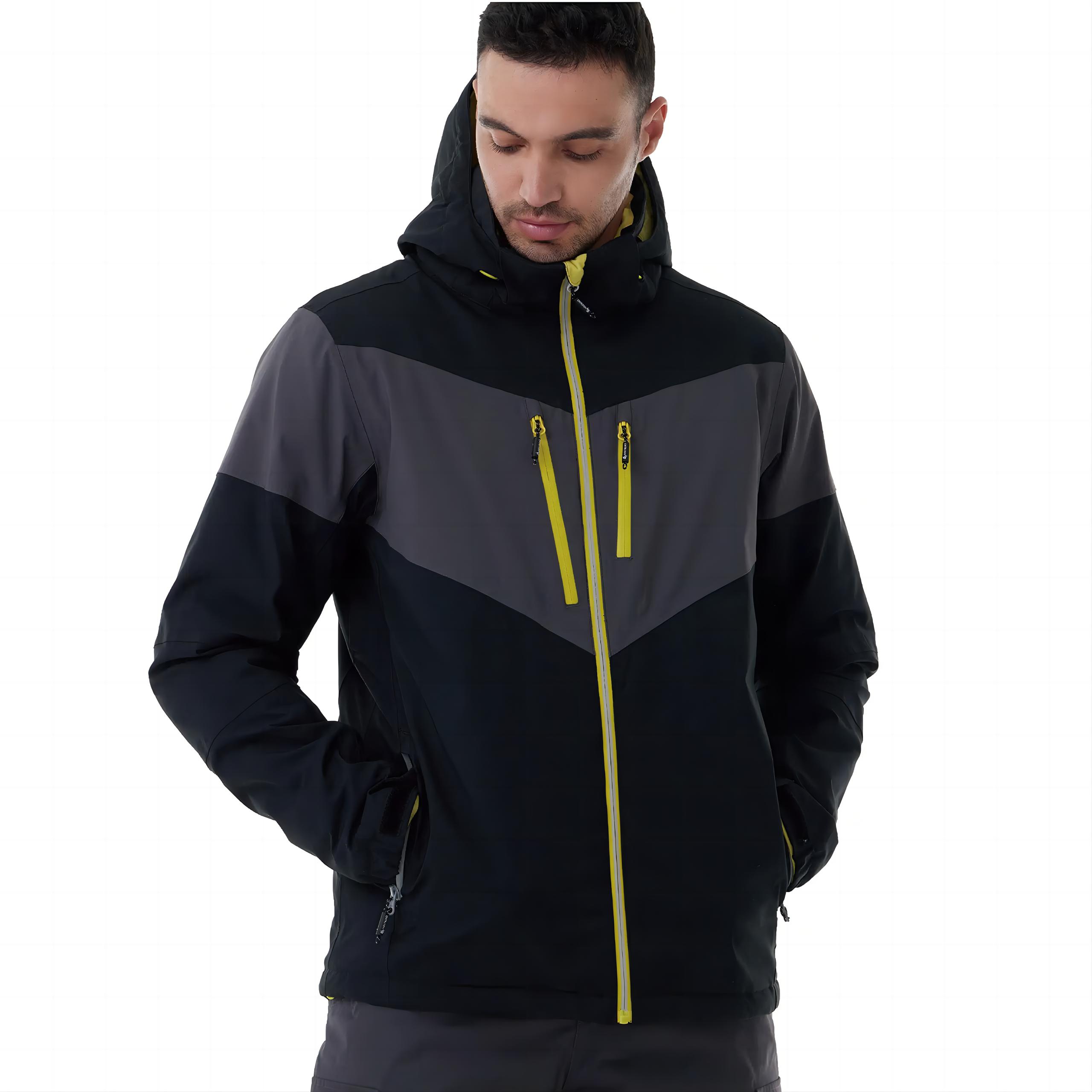
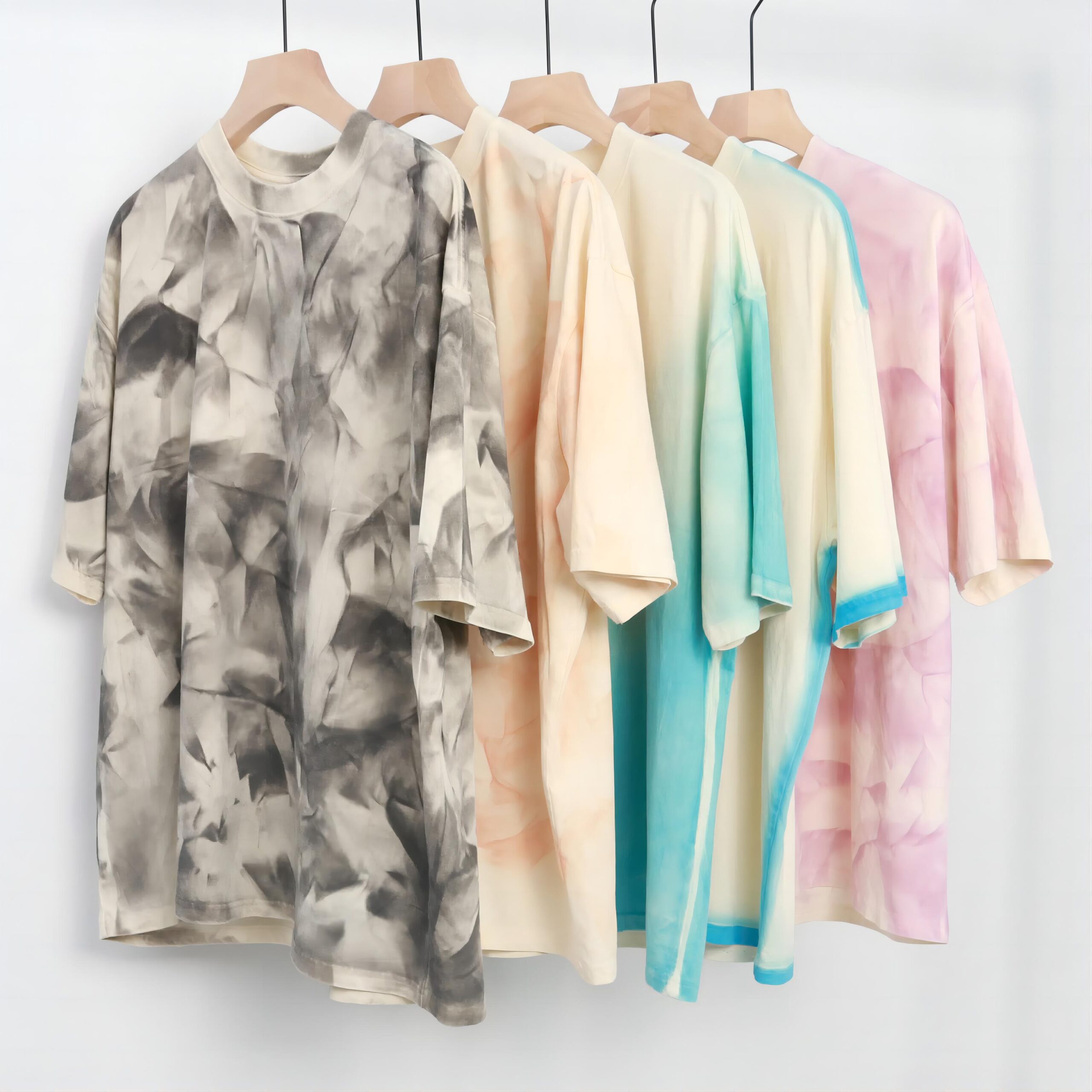
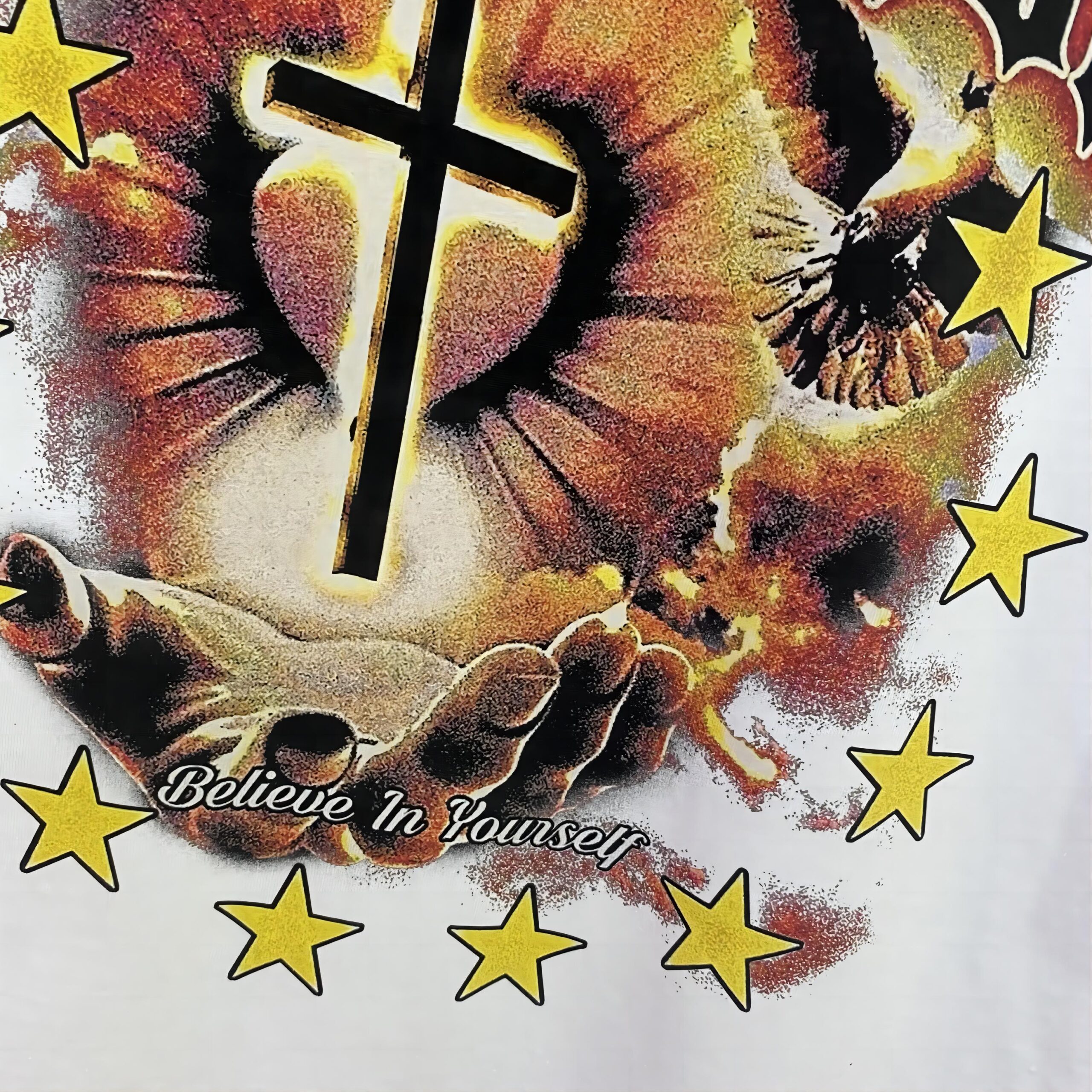





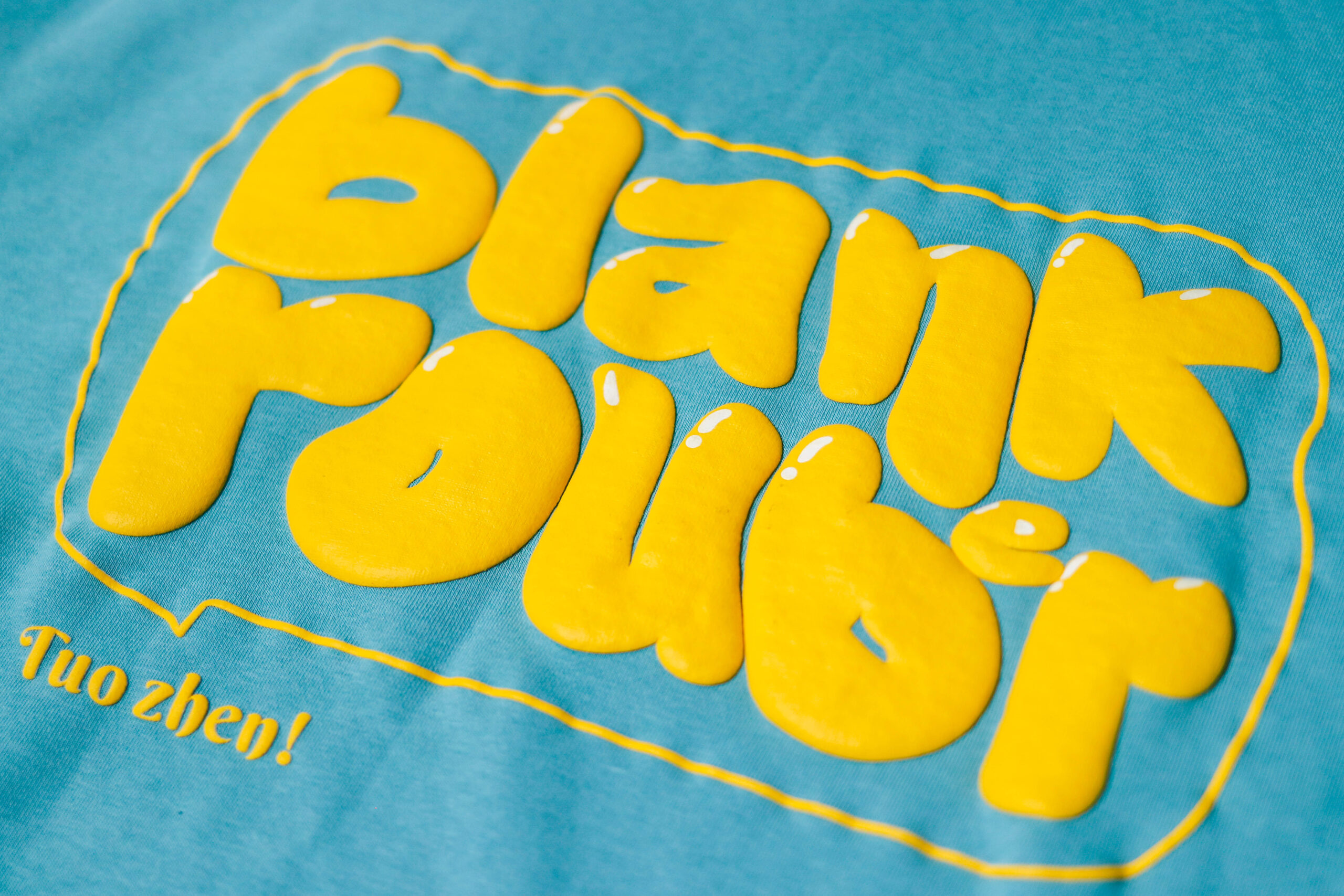
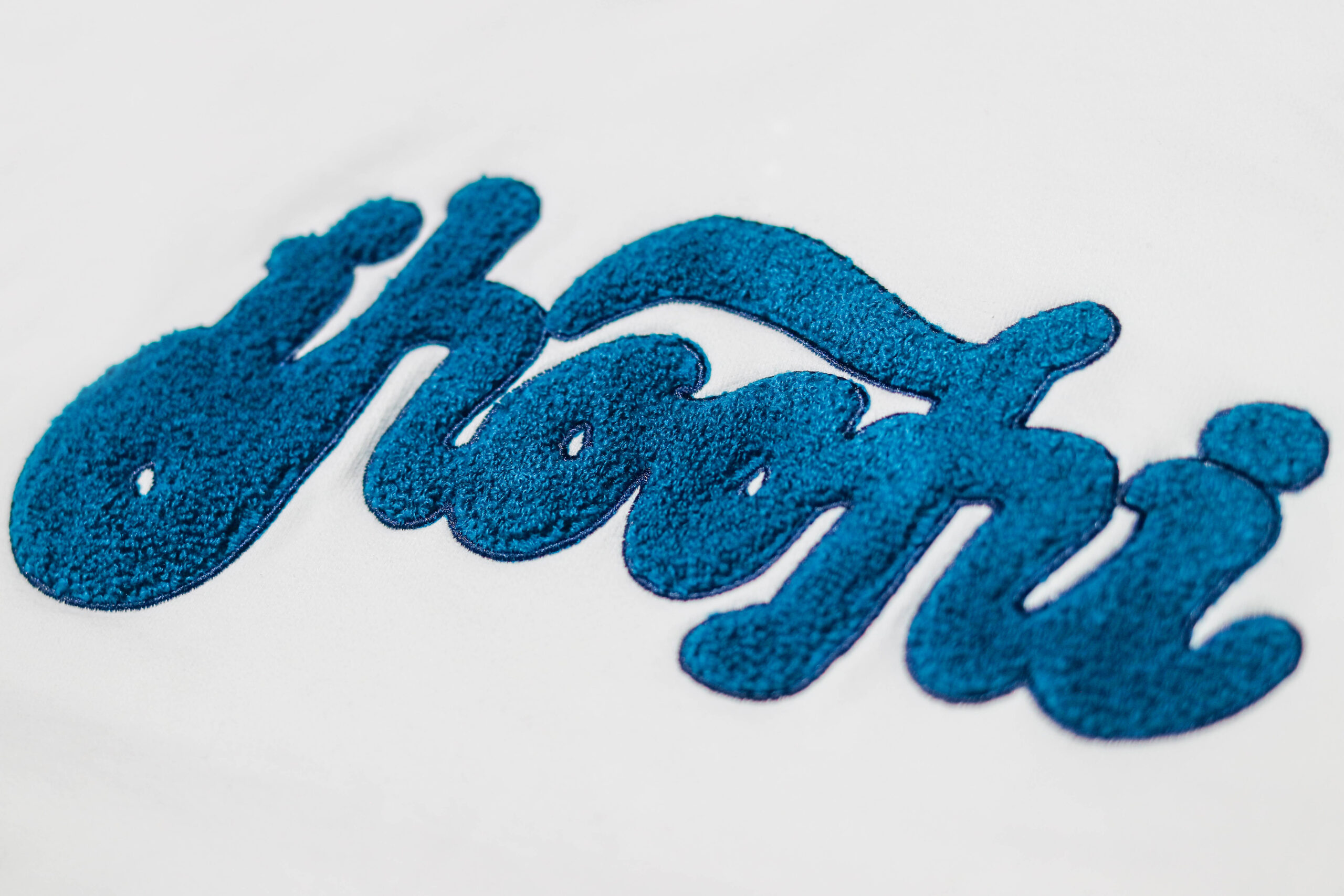
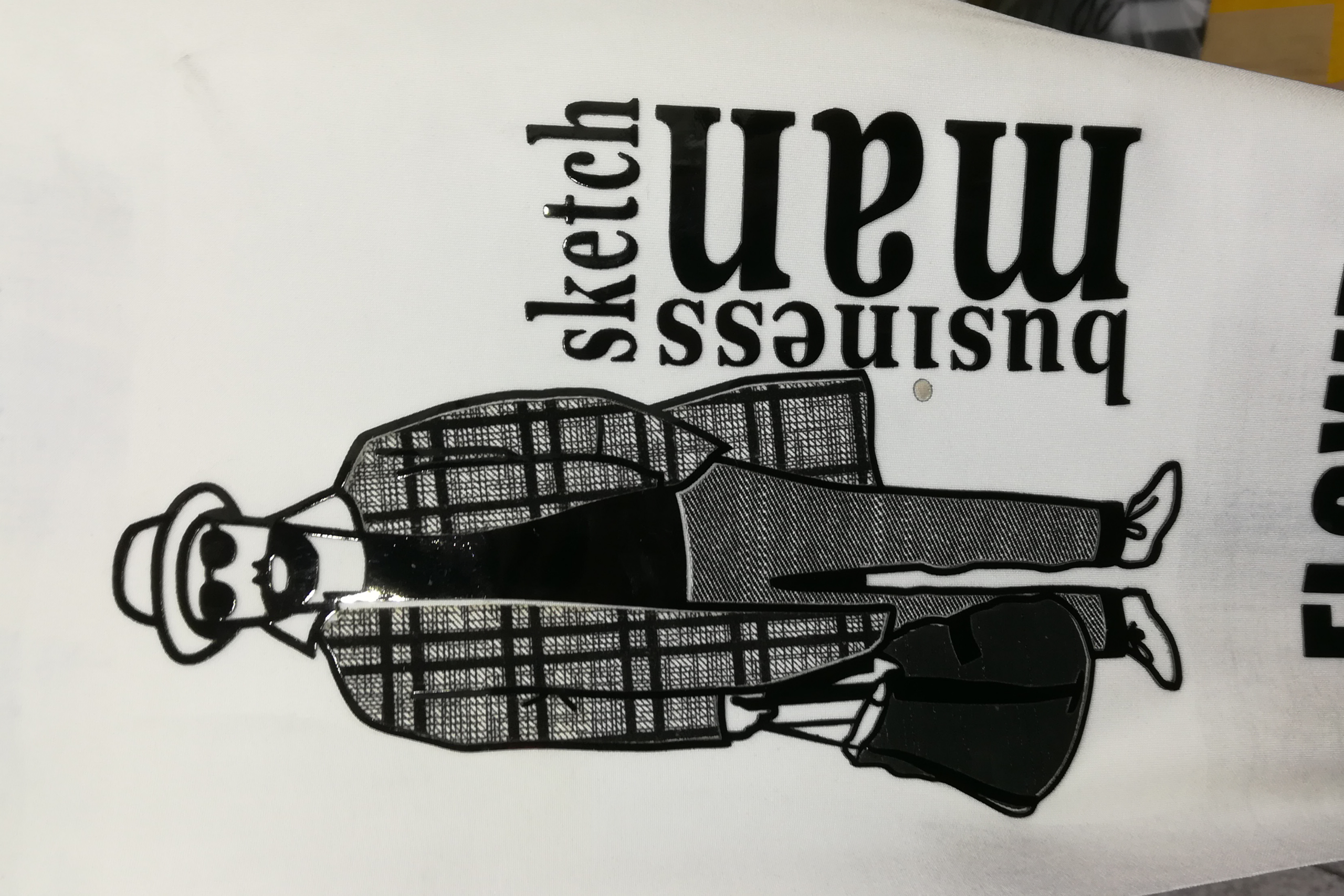
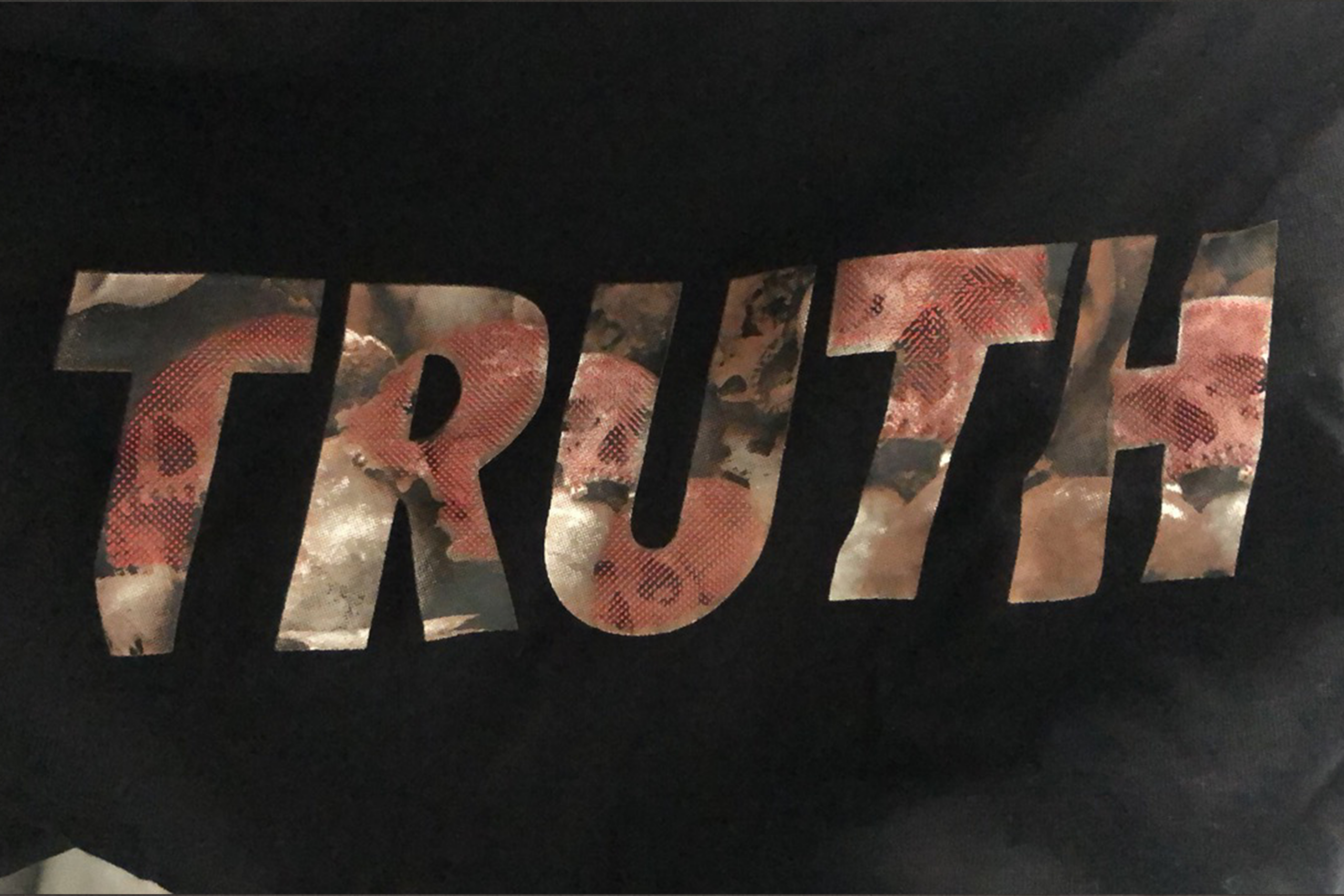

Heat Transfer Clothing Manufacturer Features
Built around the artwork detail, finish, placement accuracy and garment compatibility buyers need for repeatable branded apparel.
Detailed Artwork Support
Support logos, text and multi-detail graphics with transfer options selected to suit the artwork, intended finish and garment category.
Placement You Can Repeat
Document placement measurements and approved references so graphics, names and numbers stay consistent from sample review through bulk production.
Tactile Finish Options
Develop flat, raised or textured decoration effects that complement the garment’s fabric weight, visual direction and intended wearing experience.
Fabric Compatibility Review
Evaluate transfer choices alongside fabric composition, stretch, surface texture and garment construction before approval to reduce production uncertainty.
Teamwear Detail Control
Coordinate logos, player names and numbers for jerseys and uniforms with organized artwork references, size sets and repeat-order requirements.
Sample-to-Bulk Standards
Use the approved sample as the production reference for decoration appearance, placement, material coordination and final quality checks.
Decoration Capabilities and Apparel Manufacturing
Compare product categories, construction requirements and decoration options to identify the right production route for your next apparel program.
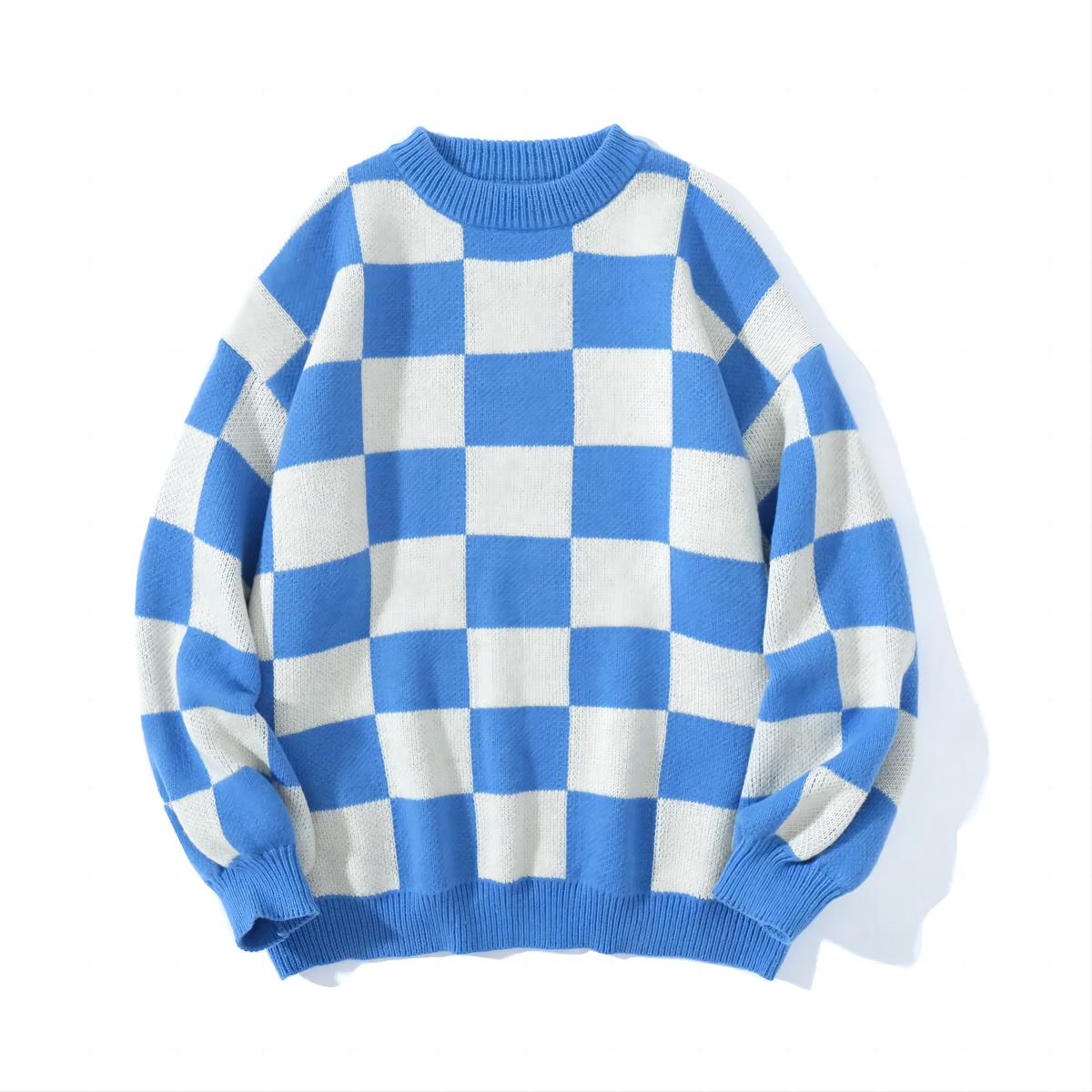
Custom Hoodies
Work with a custom hoodie manufacturer to develop fleece weight, fit blocks, rib construction, hoods, drawcords, labels and decoration. Screen printing, embroidery, appliqué and wash treatments can be specified from sample approval through bulk production.
Get a Quote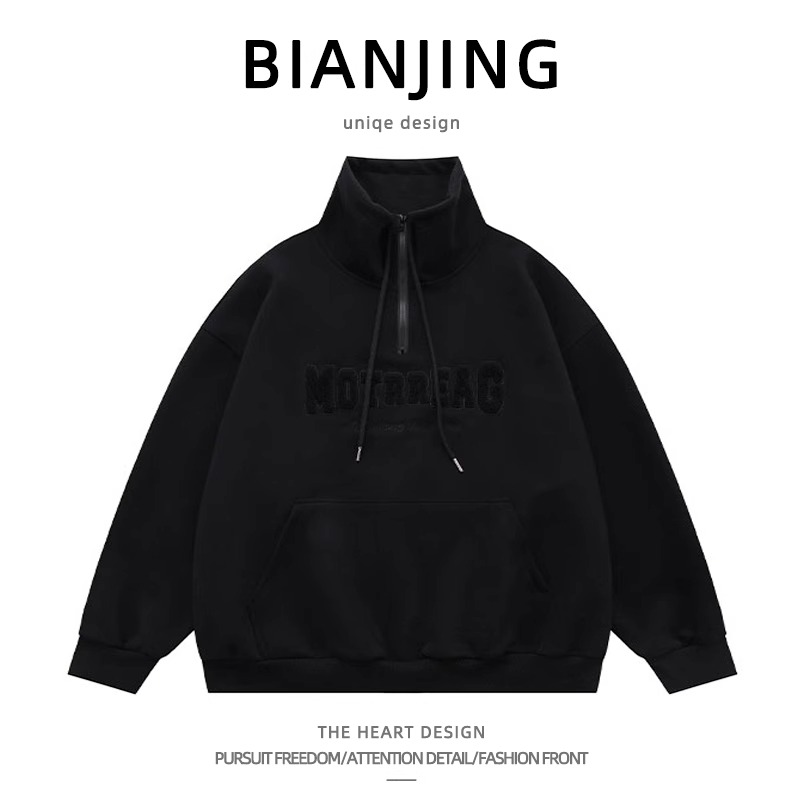
Pullover Sweatshirts
As a sweatshirt manufacturer, EDVORIN develops crewneck and pullover programs with defined fabric weight, neck rib, cuffs, hems and artwork placement. Choose screen printing, embroidery or specialty finishing based on the garment fabric and intended use.
Get a Quote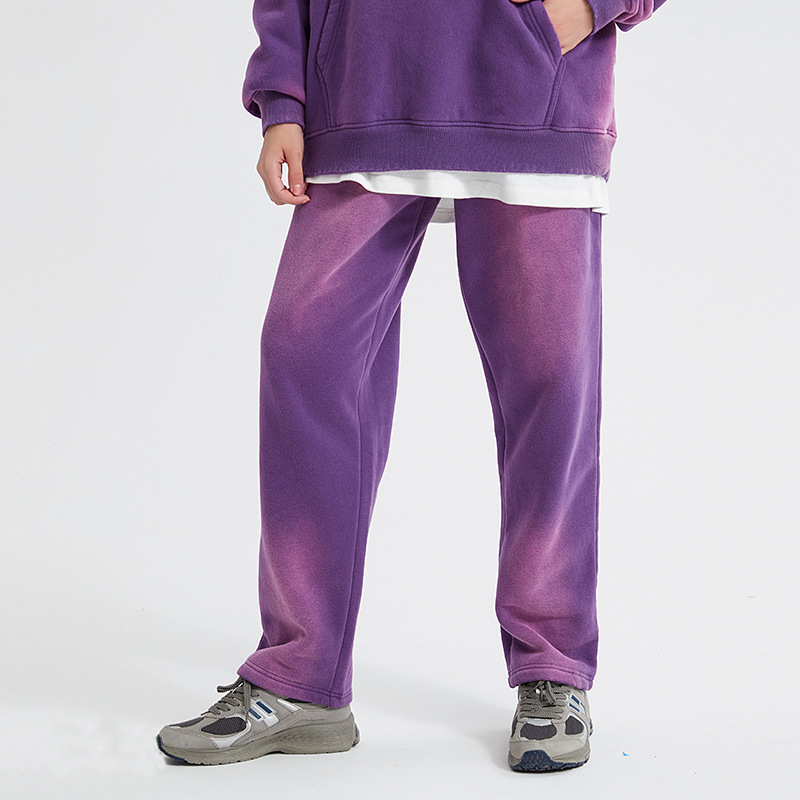
Sweatpants & Joggers
Develop coordinated bottoms with a sweatpants manufacturer that manages fleece selection, waistband construction, drawcords, pocket details, cuff options and grading. Printed graphics, embroidery and labels are documented against the approved sample for repeat production.
Get a Quote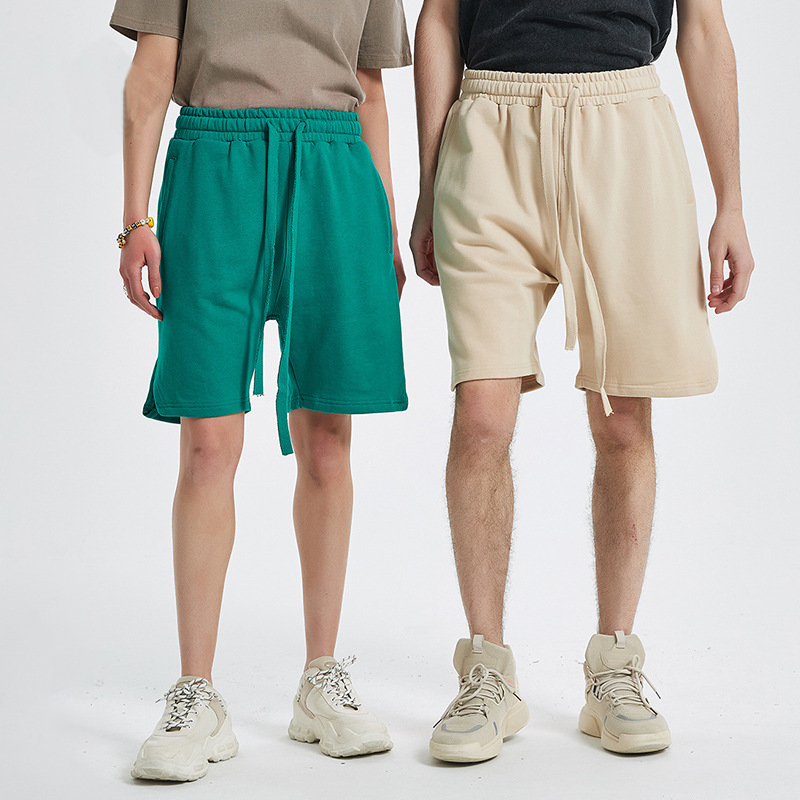
Custom Shorts
A custom shorts manufacturer supports fleece, jersey and woven short programs with specified inseams, waistbands, pockets, liners and trims. Decoration options include screen printing, embroidery, patches and heat-applied details matched to the material.
Get a Quote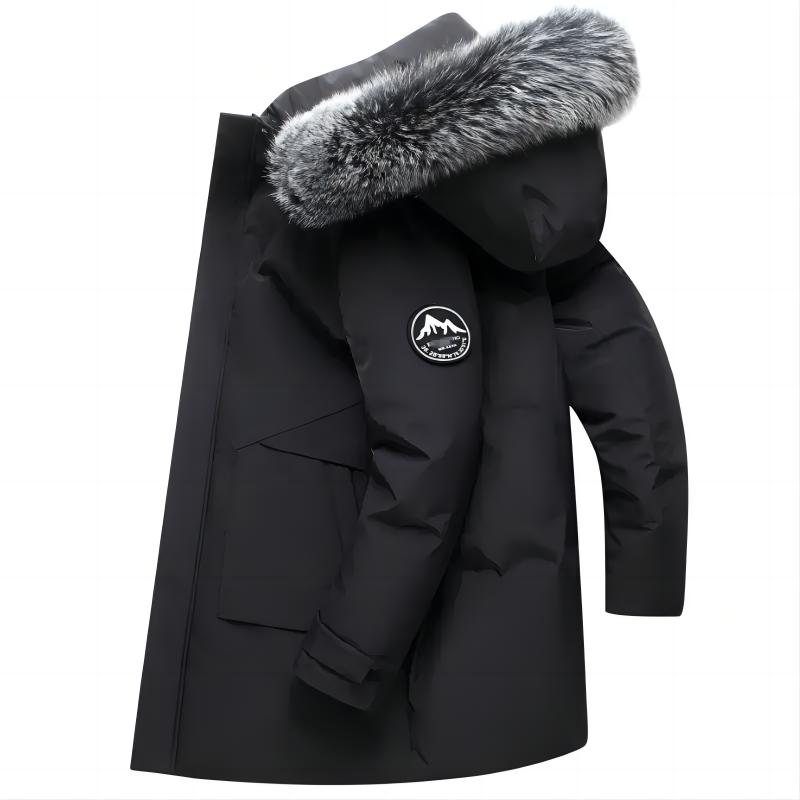
Varsity & Baseball Jackets
Partner with a varsity jacket manufacturer for body and sleeve material coordination, ribbing, snaps, lining, patches and embroidery. Each jacket can be developed around a fashion, school, club or private-label specification with clear decoration placement.
Get a Quote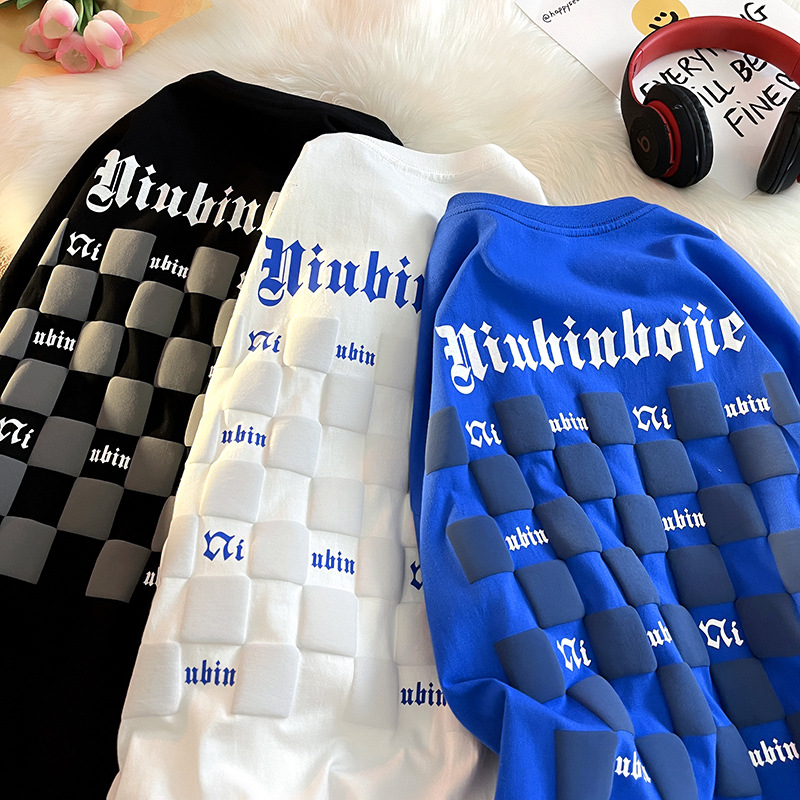
Custom T-Shirts
A custom T-shirt manufacturer can develop jersey weight, neckline, fit, sleeve proportion, labels and print-ready artwork placement. Screen printing, embroidery, puff ink, transfers and wash finishes are selected according to fabric and graphic requirements.
Get a Quote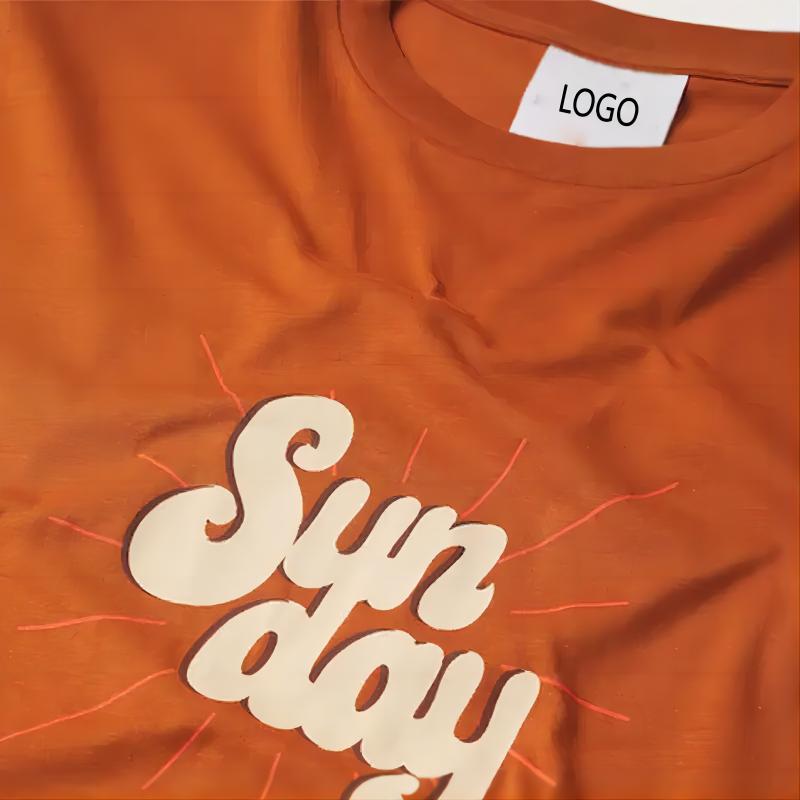
Custom Polo Shirts
Build polos with a polo shirt manufacturer that coordinates piqué or jersey fabric, collars, plackets, buttons, cuffs and logo placement. Embroidery, screen printing and patches can be applied for corporate, retail, school and team programs.
Get a Quote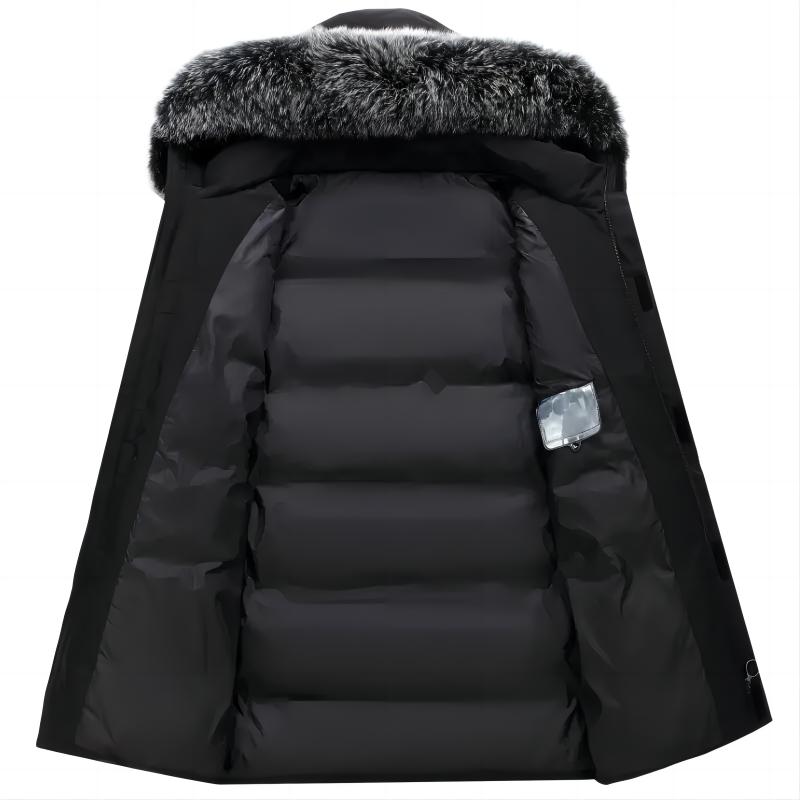
Windbreaker Jackets
A windbreaker manufacturer develops lightweight outerwear with shell fabric, lining, zippers, pockets, hood construction and weather-focused details. Select printing, embroidery or heat-transfer decoration suitable for the fabric and expected performance.
Get a Quote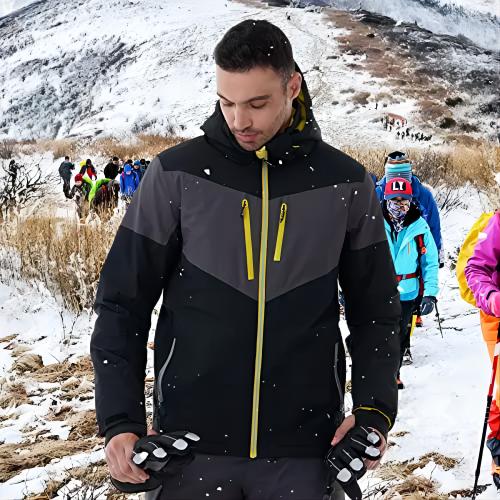
Quilted Jackets
Develop quilted outerwear with a quilted jacket manufacturer that manages shell fabric, insulation, lining, stitch patterns, closures and pockets. Branding methods are reviewed for compatibility with quilted panels, padding and garment construction.
Get a Quote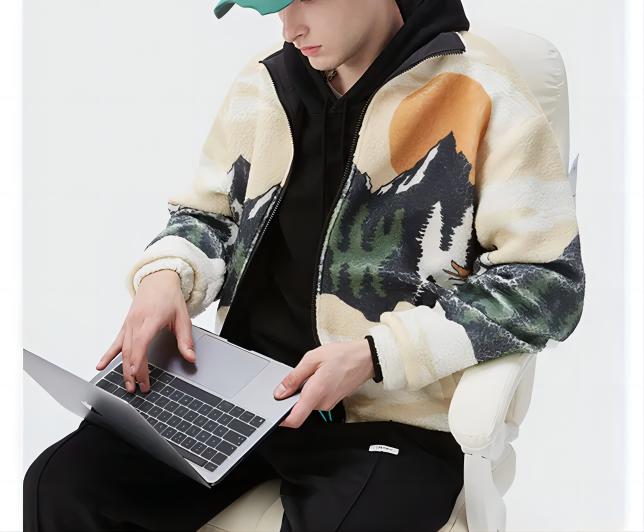
Bomber Jackets
A bomber jacket manufacturer coordinates shell fabric, lining, rib trims, zippers, pockets and optional padding for fashion or uniform programs. Embroidery, patches and prints are positioned around seams and construction details before bulk production.
Get a Quote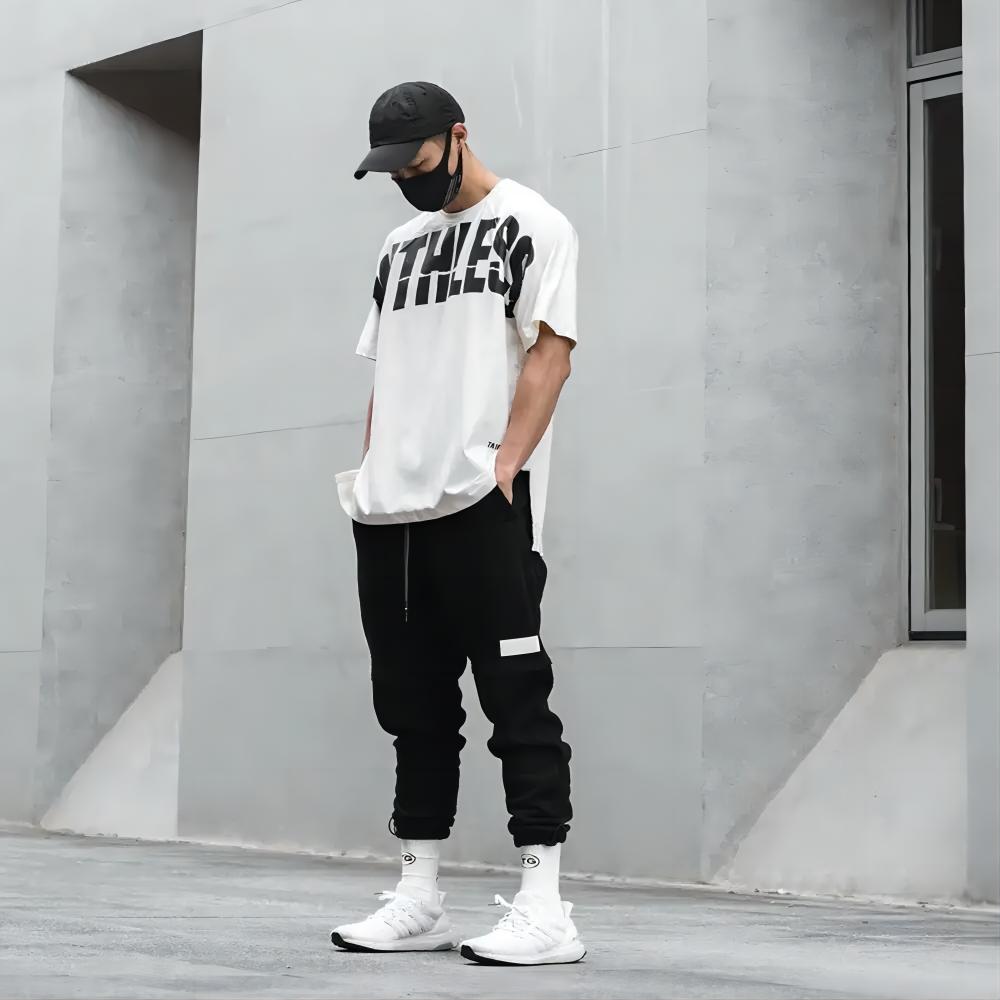
Custom Shirts
A custom woven shirt manufacturer develops fabric, collar, placket, cuffs, pocket details, fit and grading for men’s and women’s programs. Embroidery, prints, labels and packaging are coordinated to the approved production standard.
Get a Quote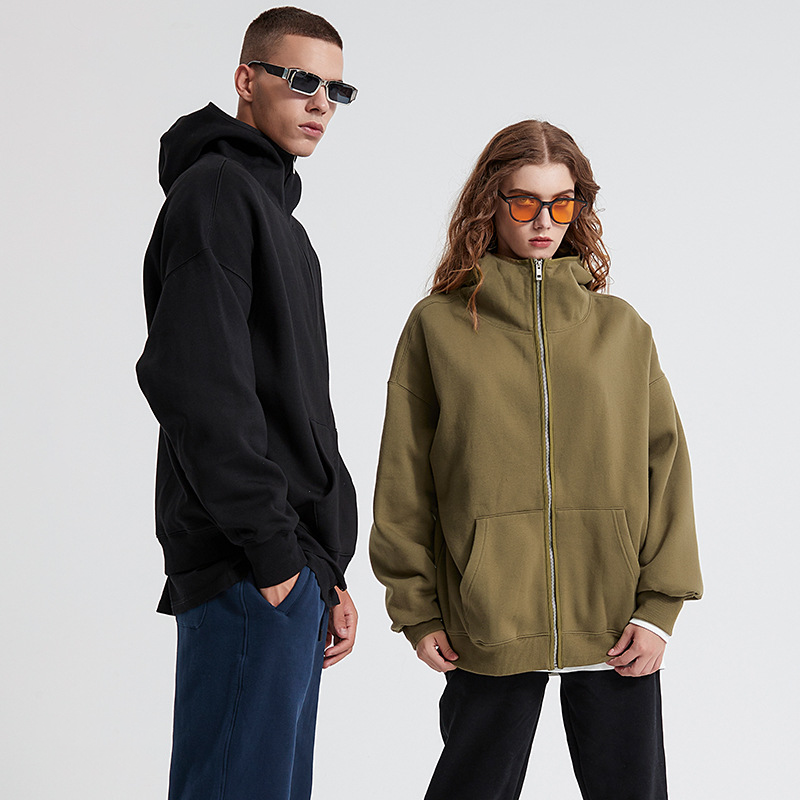
Custom Jerseys
A custom jersey manufacturer supports performance fabric selection, panel construction, color blocking, names, numbers and logo placement. Sublimation, screen printing, embroidery and heat-applied details are assessed against sport, fabric and repeat-order requirements.
Get a Quote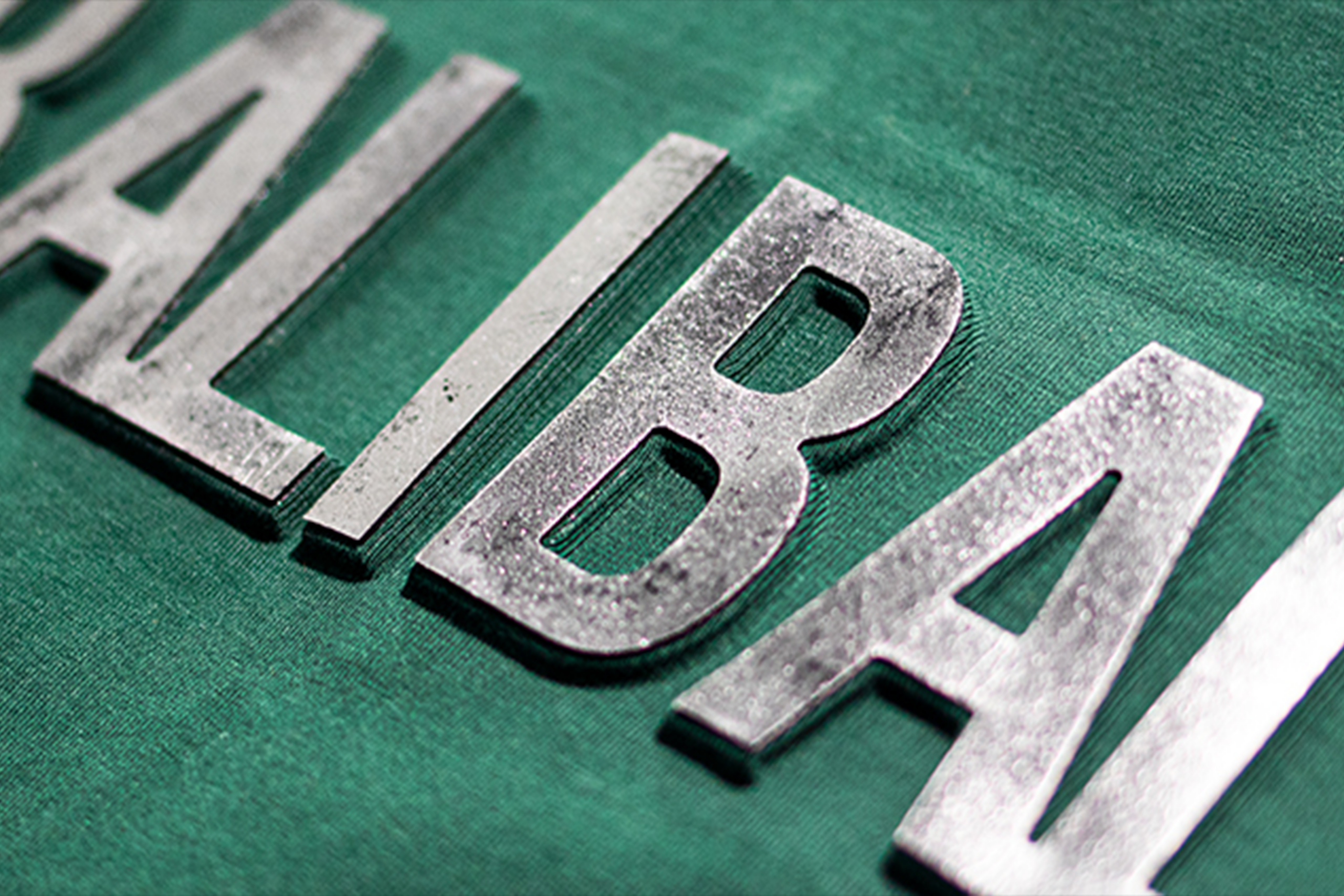
Tank Tops
A custom tank top manufacturer develops jersey or performance-knit styles with specified armholes, necklines, fit, binding and artwork placement. Printing, embroidery and transfer options are matched to the fabric weight, stretch and intended market.
Get a Quote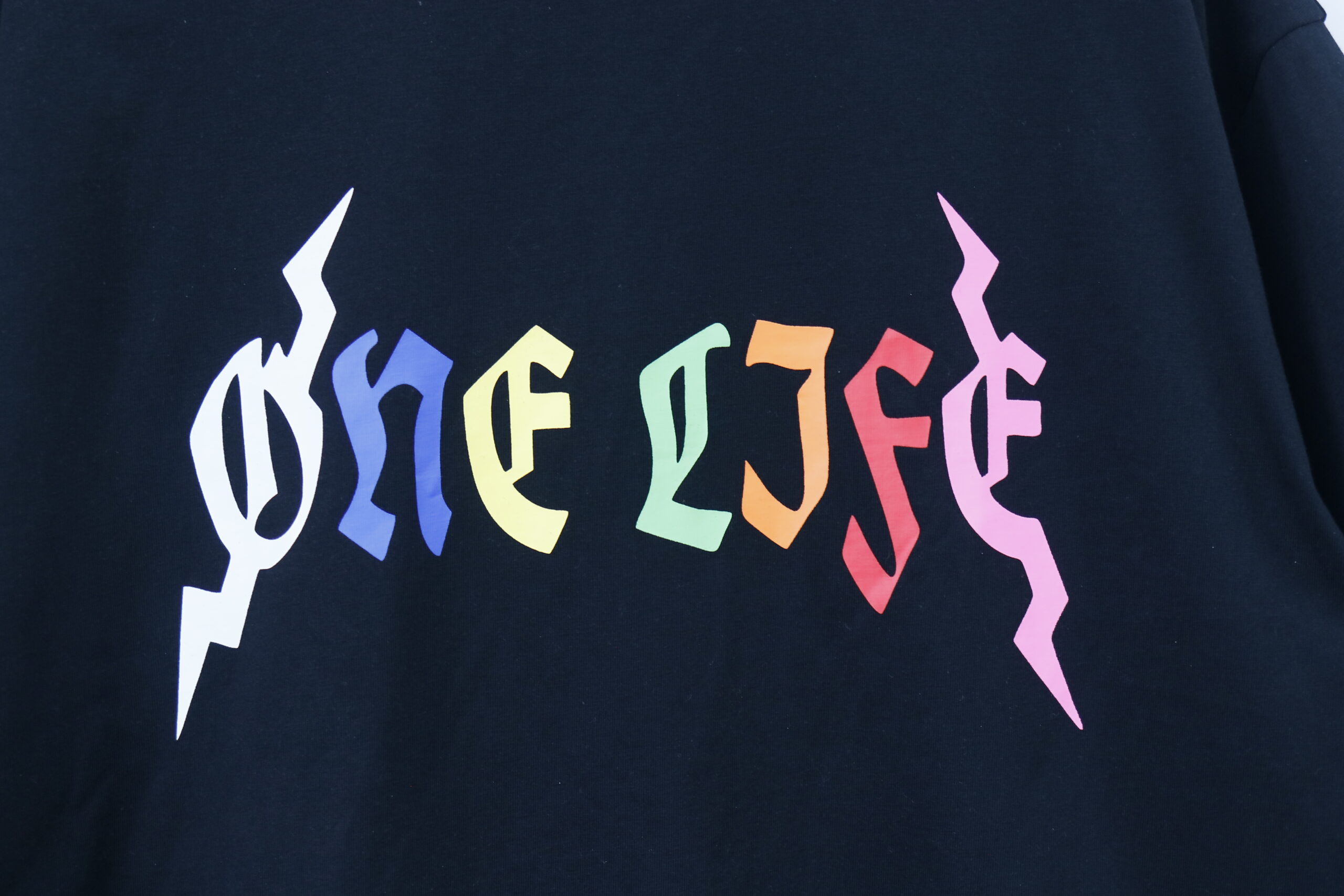
Soccer Uniforms
A soccer uniform manufacturer coordinates breathable fabrics, jersey panels, shorts, color matching, player names, numbers and sponsor graphics. Decoration methods and size sets are controlled against approved references for club, academy and wholesale orders.
Get a Quote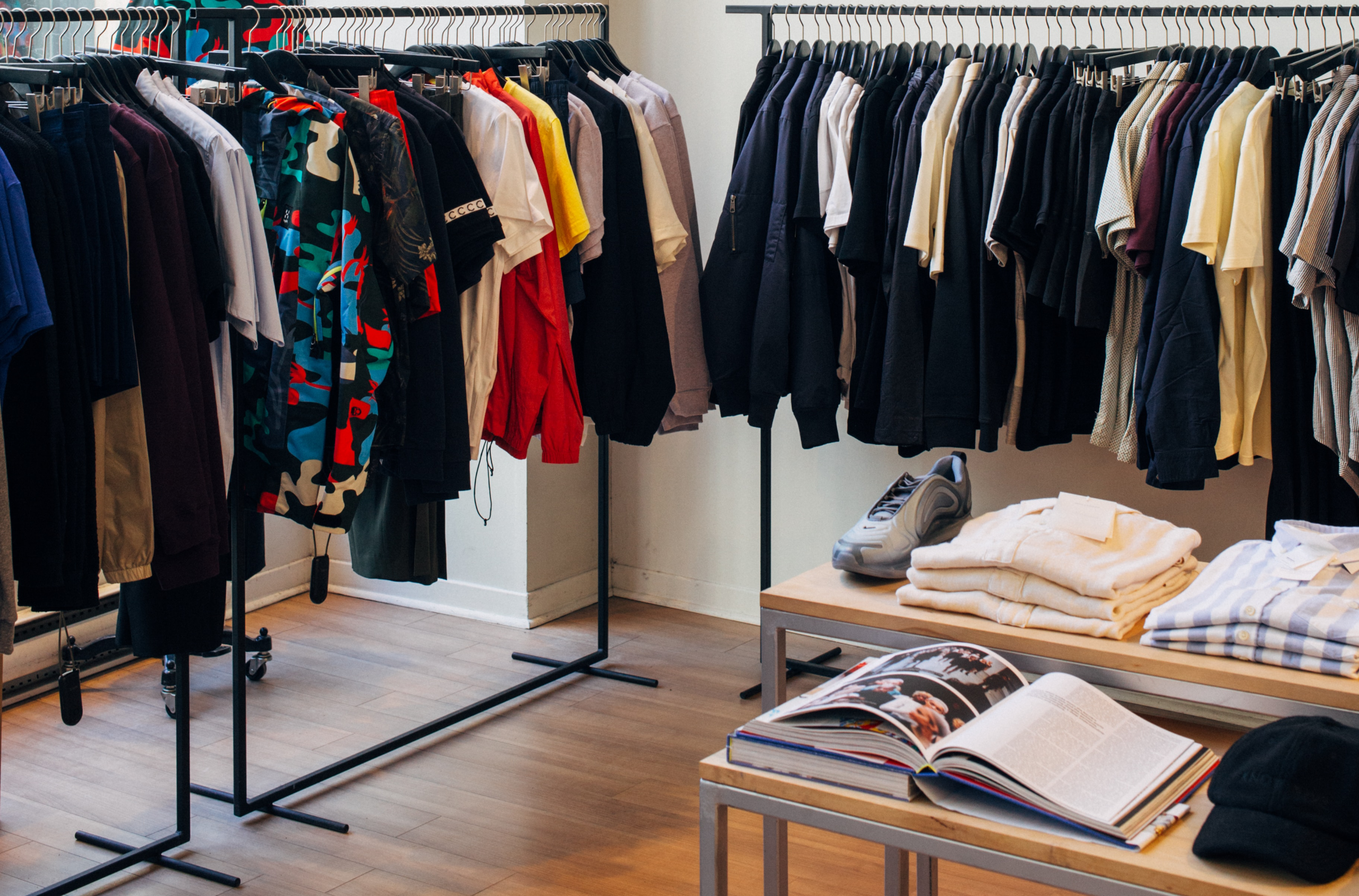
Basketball Uniforms
A basketball uniform manufacturer develops jerseys and shorts with performance fabrics, mesh options, panel layouts, trim, player numbering and team graphics. Sublimation, screen printing and heat-applied details are specified for consistent team and repeat-order production.
Get a Quote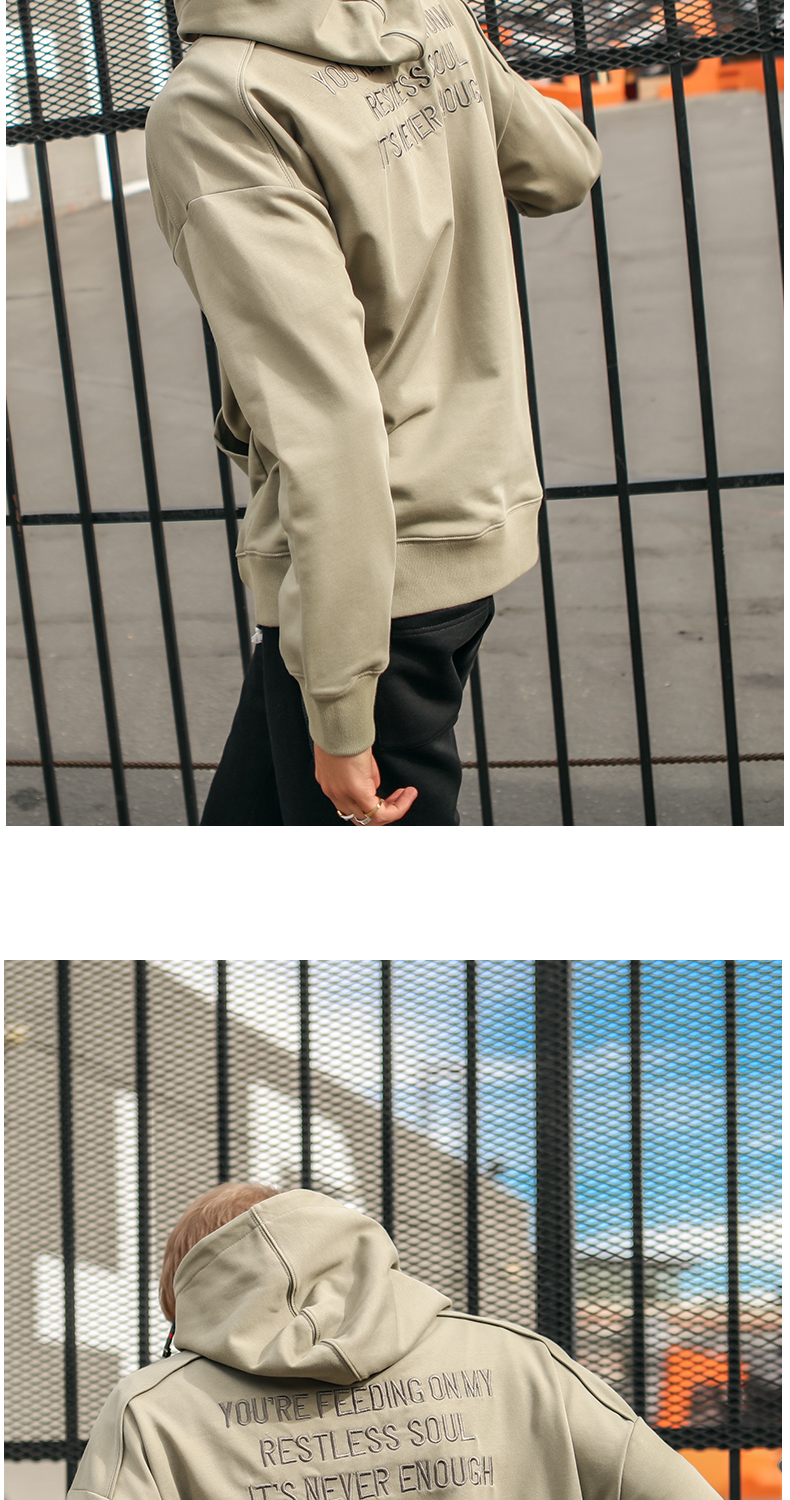
Streetwear Collections
EDVORIN develops streetwear collections across hoodies, tees, bottoms, and outerwear as a custom clothing manufacturer. Custom apparel printing, custom apparel embroidery, garment wash services, and custom clothing labels and packaging are coordinated within one OEM or ODM production workflow.
Get a QuoteWhy Choose EDVORIN for Heat Transfer Clothing
Founded by Edvorin Zeng in 2000, EDVORIN helps brands turn apparel concepts into repeatable, production-ready collections. As a custom clothing manufacturer and OEM clothing manufacturer, we coordinate product development, fabric and trim sourcing, pattern work, sampling, decoration, labeling, and packaging through one accountable production path.
As an ODM apparel manufacturer and private-label clothing manufacturer, EDVORIN supports casualwear, streetwear, outerwear, and teamwear for men’s and women’s programs. From hoodies and jerseys to jackets and coordinated collections, we assess heat-transfer requirements alongside fabric, stretch, construction, artwork placement, and intended use before bulk production begins.
What differentiates EDVORIN is the discipline after sample approval. We document approved materials, measurements, placement references, trims, and decoration details so production has a clear standard to follow. In-line checks and final inspection help protect consistency across programs starting at 200 pieces per style; certification programs include ISO 9001, BSCI, WRAP, SEDEX, OEKO-TEX Standard 100, GRS, and GOTS.

Heat Transfer Clothing Manufacturer Quality Controls
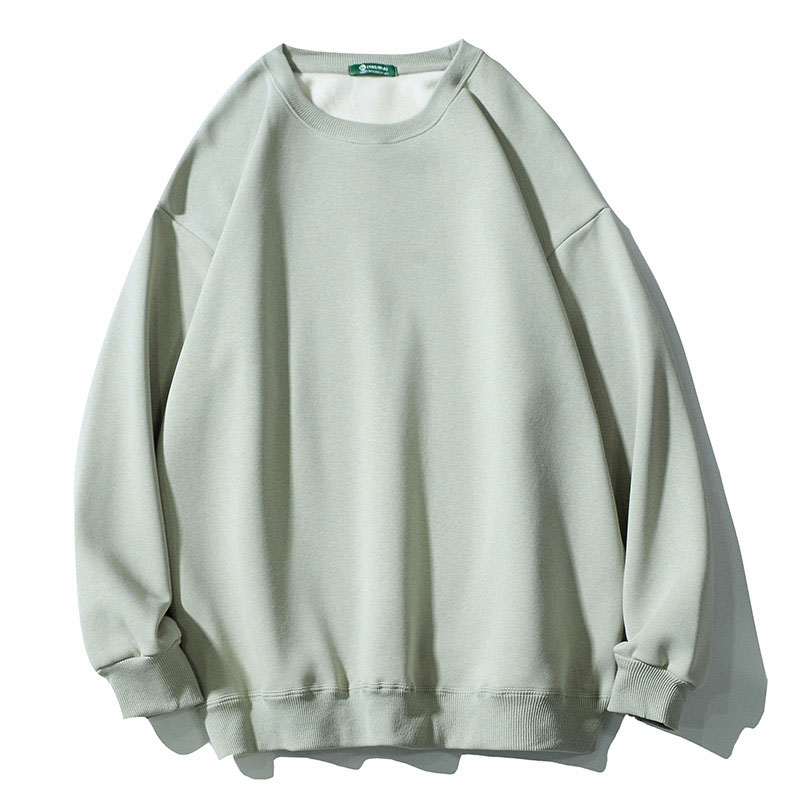
Match Transfers to Fabric
EDVORIN reviews fabric composition, surface texture, stretch, weight, and intended wear before confirming a transfer approach. This helps align the decoration with the garment’s construction, from fleece hoodies and jerseys to lightweight performance pieces.
- Fabric and transfer compatibility review
- Stretch and recovery considered for active styles
- Heat-sensitive materials flagged during development
- Decoration method aligned with garment use
Prepare Artwork for Production
Artwork is translated into clear production references before sampling, including size, colors, placement measurements, and orientation. EDVORIN coordinates these details with the garment specification so the design can be applied consistently across sizes, colorways, and repeat orders.
- Artwork dimensions recorded by garment size
- Placement points defined from garment landmarks
- Color and orientation references reviewed
- Revision history kept with sample approvals
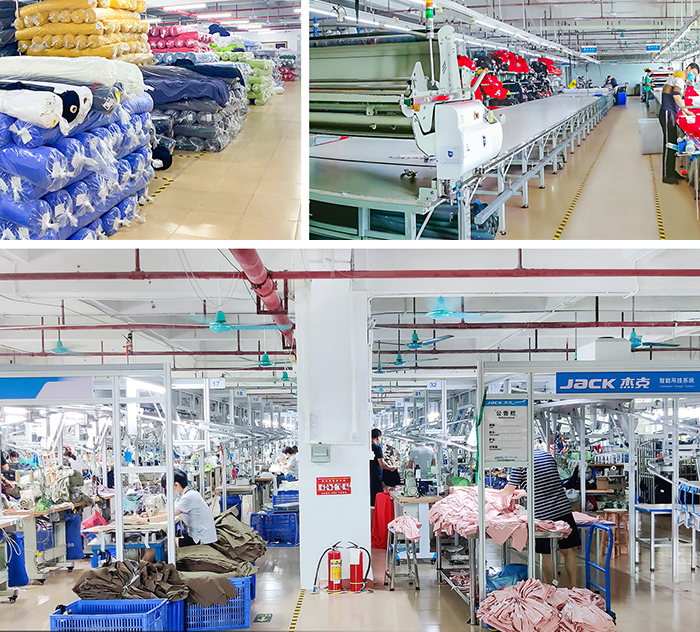
Test Before Bulk Production
A heat transfer clothing manufacturer must treat the approved sample as a production standard, not a display piece. EDVORIN checks transfer appearance, placement, and adhesion through sampling, then carries the documented result into in-line and final quality control.
- Approved sample establishes the visual benchmark
- Adhesion and finish reviewed during development
- In-line checks compare output with approval
- Final inspection confirms packed-order consistency
Heat Transfer vs. Screen Printing for Custom Apparel
Choose the decoration method around garment fabric, artwork detail, color needs, placement, and the approved production standard.
← Swipe left or right to view →
Heat Transfer Clothing Manufacturer Production Process
EDVORIN turns approved artwork and garment specifications into controlled heat-transfer apparel standards for repeatable bulk production.
Review Artwork and Garment
We review artwork, garment fabric, placement, size range, color requirements, and intended use to identify production details before transfer selection begins.
Select Transfer Construction
Our team aligns the transfer construction with the fabric and design requirements, then records approved colors, dimensions, placement measurements, and application specifications.
Approve Placement Samples
Sample garments confirm transfer appearance, alignment, scale, and hand feel before bulk production, giving buyers a physical standard for subsequent manufacturing decisions.
Control Heat Press Application
During bulk production, operators follow documented placement and application controls, checking each heat-transfer run against the approved sample and garment specification.
Inspect and Pack Orders
In-line and final inspections verify artwork placement, transfer condition, garment quality, labels, and packing before the completed order is prepared for shipment.
Order With a Heat Transfer Clothing Manufacturer
Bring your specifications together, approve the production standard, and move into a controlled bulk order with EDVORIN.
Share Your Specifications
Send your tech pack, vector artwork, placement measurements, color references, garment details, size range, and quantity target so our team can review the production requirements.
Confirm Materials and Decoration
Align on base fabric, garment construction, transfer finish, color standards, trims, labels, packaging, and any wash or performance requirements before sampling begins.
Review the Development Sample
Evaluate the sample for fit, fabric feel, artwork placement, transfer appearance, and construction details. Record revisions clearly to establish an approved production standard.
Approve Bulk Production
Confirm the final sample and order details, then EDVORIN coordinates materials, heat transfer application, in-line quality checks, labeling, packing, and final inspection for your program.
Heat Transfer Apparel Client Results
EDVORIN matched our approved chest-logo placement across 1,200 hoodies and kept the transfer finish consistent through two colorways. The documented placement specs made our second production run much faster to approve.
For our academy kit order, every one of the 480 jerseys arrived with names, numbers, and sponsor marks positioned correctly. The team gave us clear sample feedback before bulk production, which prevented a costly revision.
We needed a dependable heat transfer clothing manufacturer for a 900-piece private-label launch. EDVORIN coordinated the fabric, transfers, labels, and packing in one workflow, and the order reached our warehouse on the agreed delivery date.
Heat Transfer Clothing Manufacturer FAQ
Practical answers for fashion, streetwear, teamwear, and private-label buyers planning repeatable decorated apparel programs.
What fabrics can a heat transfer clothing manufacturer work with?
Can a heat transfer clothing manufacturer produce designs with many colors or fine details?
How durable are heat transfers after washing?
Which certification programs can EDVORIN support?
What is the MOQ for custom heat transfer apparel?
How long do heat transfer samples and bulk orders take?
What artwork files should I send to a heat transfer clothing manufacturer?
Can EDVORIN develop men’s and women’s heat transfer clothing?
Complete Heat Transfer Clothing Manufacturer Buyer’s Guide
Use this decision framework to compare heat transfer clothing manufacturers, assess decoration and garment quality, plan sourcing, control costs, and avoid the specification, sampling, and production mistakes that can weaken your apparel launch.
1. What Is a Heat Transfer Clothing Manufacturer?
Since 2000, EDVORIN has operated as a finished-garment manufacturing partner: it can develop the garment, source materials, build samples, apply approved heat transfers, and prepare the order for bulk delivery. For an OEM or private-label buyer, the useful definition of a heat transfer clothing manufacturer is a supplier accountable for both the base apparel and its decoration standard.
Two supplier types should not be confused. A transfer-only vendor supplies printed films for another factory or decorator to press; a decorator applies artwork to buyer-supplied blanks. A finished-garment partner coordinates garment fit, fabric, transfer placement, labels, packaging, and production records so the buyer can approve one production-ready specification rather than manage multiple handoffs.
One core buying question is whether the partner owns the workflow from blank garment through packed order. That scope matters for hoodies, jerseys, and activewear, where transfer compatibility, placement, branding details, and repeatability must be controlled together.
2. Evolution of Heat Transfer Apparel Production
1950s-era heat-applied graphics made it practical to place simple names, numbers, and spot-color logos after a garment was sewn. That separation gave teamwear and promotional buyers more flexibility than decorating every panel before assembly, but fine detail and hand feel were constrained.
By the 1980s, polyurethane films and improved adhesives broadened color choices and made cut lettering more dependable for uniforms and workwear. Buyers could approve placement and artwork separately from the garment sample, creating a clearer production record for repeat orders.
Since the 2010s, digital transfers have made photographic detail, short runs, and artwork changes easier to manage, while stretch, reflective, perforated, and anti-migration constructions address performance fabrics. A heat transfer clothing manufacturer now needs to match transfer, adhesive, press settings, and garment fabric before bulk production—especially for polyester jerseys, elastane blends, and dark sublimated fabrics.
3. Types of Heat Transfer Clothing Manufacturer Services
Five service models define how much control a heat transfer clothing manufacturer assumes. The right choice depends on whether the buyer owns the garment specification, inventory, and post-production shipping.
| Service Model | Best For | Buyer Responsibility | Customization |
|---|---|---|---|
| OEM cut-and-sew | Fashion brands | Specifications and approvals | Highest |
| Private label | New labels | Branding choices | Moderate |
| Blank decoration | Teams and corporate | Garment selection | Decoration-focused |
| Transfer-only | Decorators and wholesalers | Pressing and blanks | Artwork-focused |
| Fulfillment production | Online programs | Order rules and inventory | Program-dependent |
OEM Cut-And-Sew
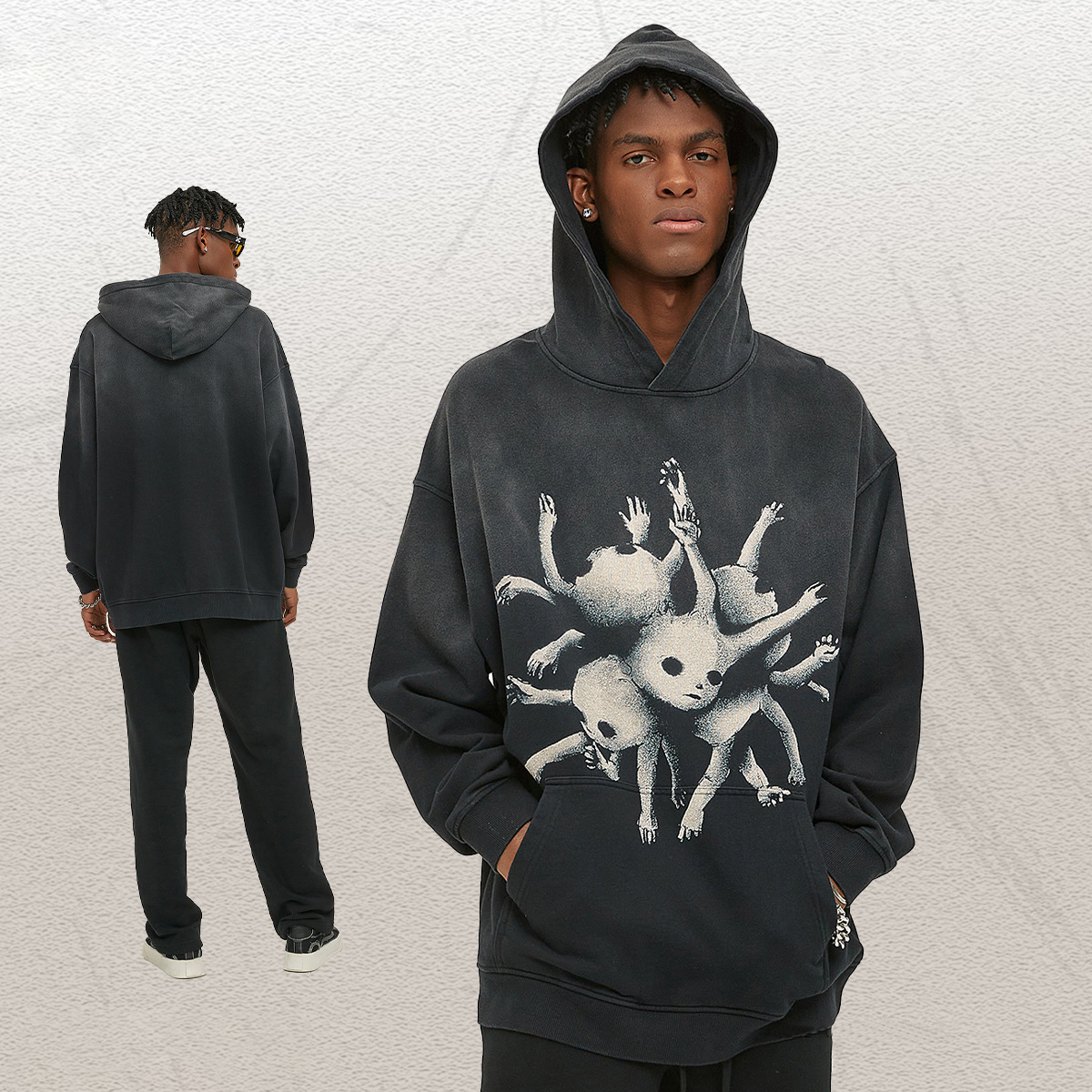
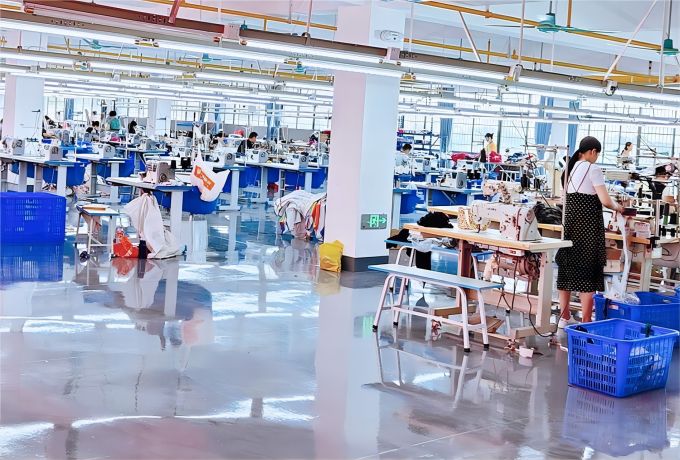
200-piece programs commonly suit OEM development. Buyers approve tech packs and samples; the manufacturer coordinates patterns, fabrics, construction, and transfers.
Full customization gives fashion labels control. It also requires longer approvals and clearer decisions before bulk production.
Private Label Programs
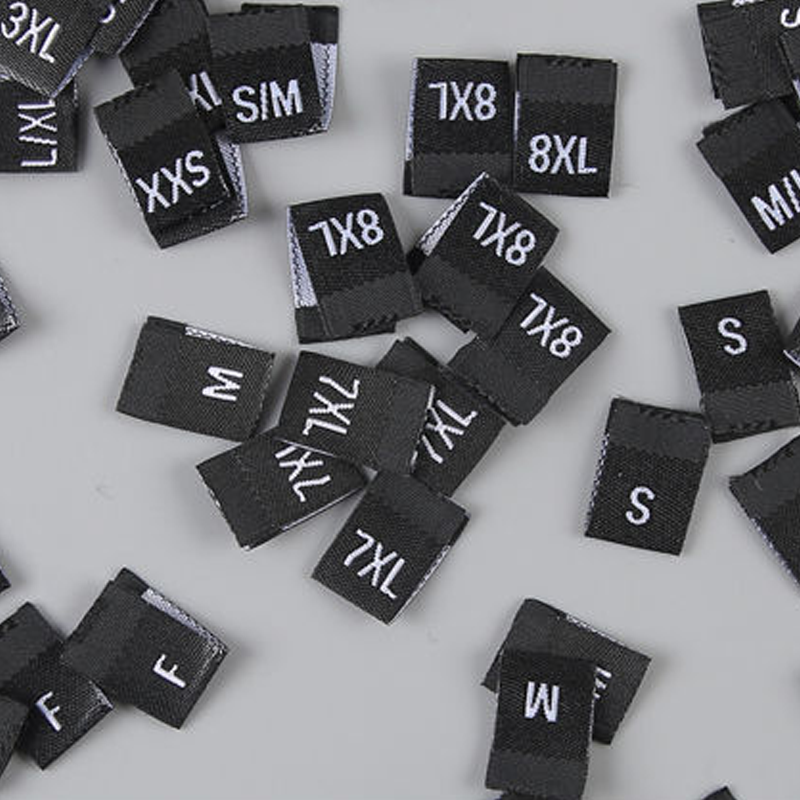
Private-label programs start from proven garment blocks. Buyers customize branding, color, labels, and decoration while avoiding full pattern development.
Smaller teams gain speed through existing specifications. Fit, fabric, and construction options remain narrower than OEM.
Decoration And Fulfillment
Blank decoration suits corporate uniforms and event teams. Transfer-only supply lets local decorators apply approved artwork to their own garments.
Fulfillment-oriented production adds packing and shipment handling. Brands should confirm inventory ownership, return handling, and order-data responsibility.
4. Heat Transfer Clothing Manufacturer Methods
7 transfer families solve different artwork, fabric, and performance problems. EDVORIN specifies the method only after reviewing the garment construction and intended wear.
| Method | Best Use | Feel | Buyer Question |
|---|---|---|---|
| DTF | Full color | Medium | Fine detail? |
| Screen transfer | Spot logos | Soft | Repeat volume? |
| HTV | Names | Film-like | Simple personalization? |
| Sublimation | Polyester jerseys | No added layer | All-over color? |
| Silicone | Raised branding | Tactile | Premium dimension? |
| Reflective or patch | Safety or badges | Varies | Visibility or texture? |
Color And Detail
DTF handles photographic color and small detail; screen-printed transfers favor repeat spot-color logos. Source: https://www.proworldinc.com
Stretch And Surface
PU vinyl suits simple names; silicone adds raised texture. Sublimation requires polyester and becomes part of the fabric.
Wear Validation
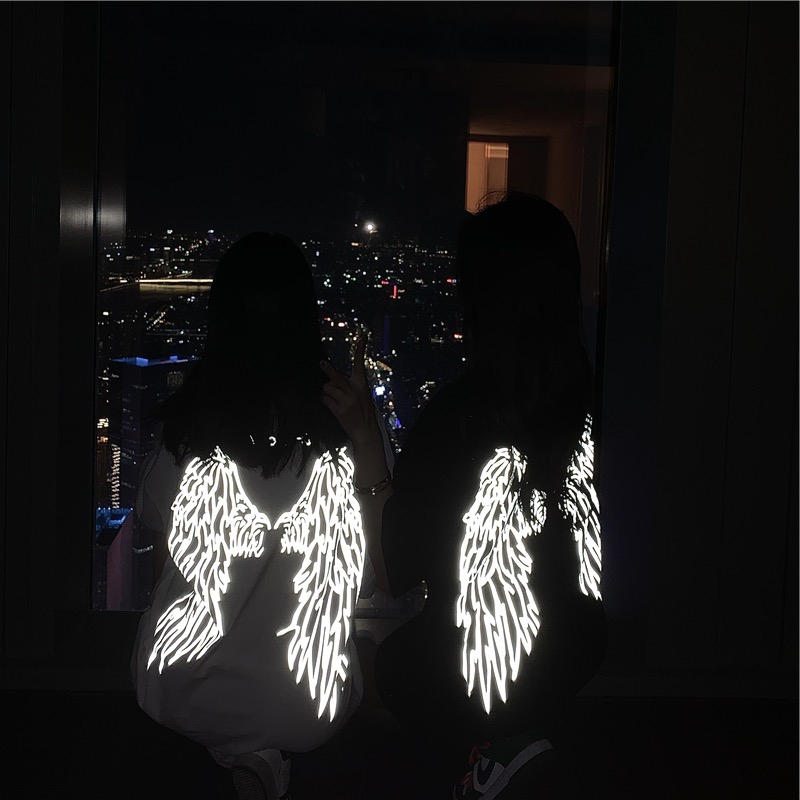
Reflective film supports low-light visibility, while heat-seal patches create a dimensional badge. Test adhesion, cracking, dye migration, and recovery on the exact fabric.
5. Fabrics and Materials for Heat Transfers
180–220 GSM cotton jerseys accept many transfers, but surface texture and absorbency still require a press test. A heat transfer clothing manufacturer should approve each fabric-color-transfer combination before bulk cutting.
| Fabric | Typical Use | Transfer Direction | Press-Test Focus |
|---|---|---|---|
| 160–220 GSM cotton | T-shirts | DTF or screen transfer | Texture, wash adhesion |
| 280–360 GSM fleece | Hoodies | Screen transfer or DTF | Nap, pressure marks |
| Polyester performance knit | Jerseys | Low-heat blocker transfer | Migration, breathability |
| Stretch blend | Leggings | Stretch film or DTF | Recovery, cracking |
Build the Sampling Brief
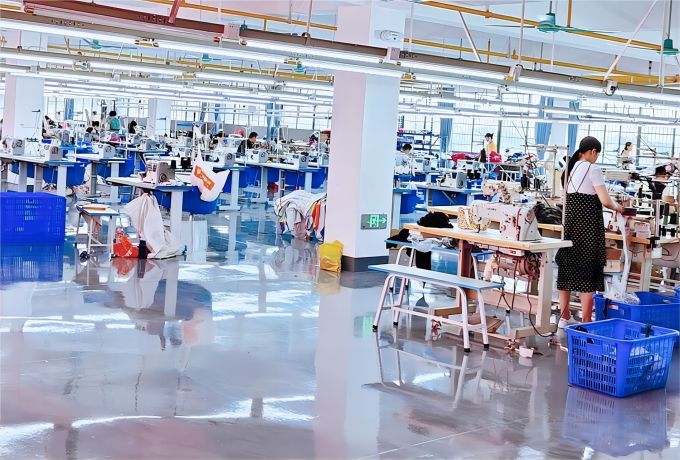
3 items define a useful brief: fiber content, GSM, and garment use. Add color, knit texture, stretch percentage, and wash target so press conditions can be tested against the actual production fabric.
- State dark polyester separately
- Request pre- and post-wash photos
- Include recovery after 10 stretches
Test Heat And Recovery
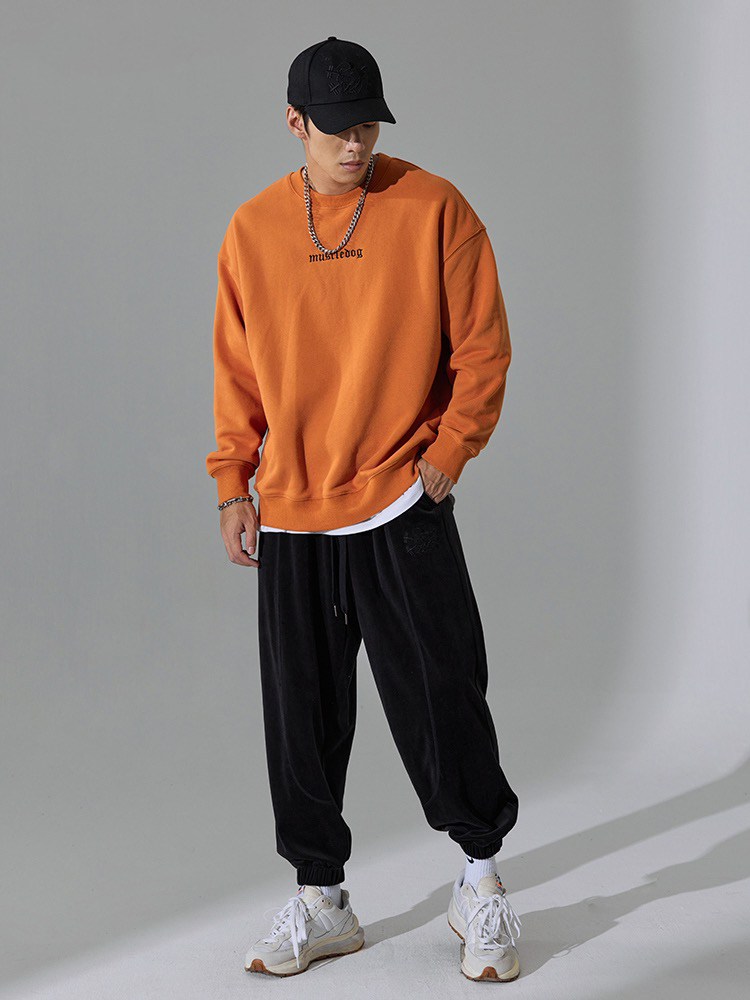
100% polyester can show dye migration, especially in dark or sublimated colors; use a blocker-compatible transfer and age-test it. Performance knits need low heat, flexible film, and breathable placement.
6. Customization and Private-Label Options
A heat transfer clothing manufacturer should convert brand assets into controlled production specifications, not informal notes. EDVORIN can coordinate decoration, labels, trims, and packing as one private-label program.
Artwork And Placement
Use editable vector artwork, Pantone references, finished transfer dimensions, and placement points before sampling. Record placement tolerances from seams, collars, or center front so every size presents the mark consistently.
Labels And Packaging
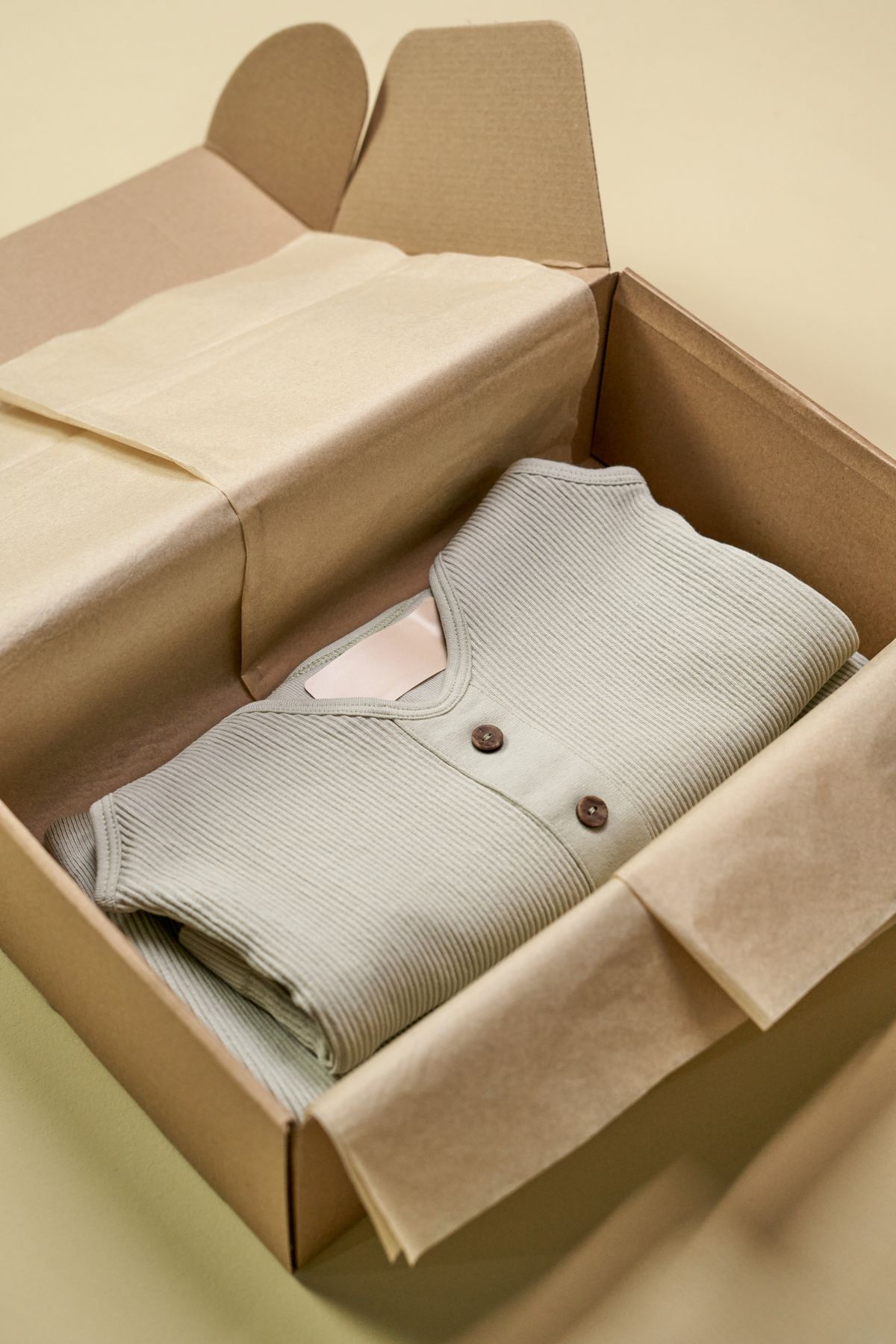
3 branded touchpoints—neck labels, woven hem labels, and hangtags—need artwork, material, fold, attachment method, and position. Specify polybag warnings, size stickers, carton marks, and any branded finish before bulk approval.
Teamwear And Effects
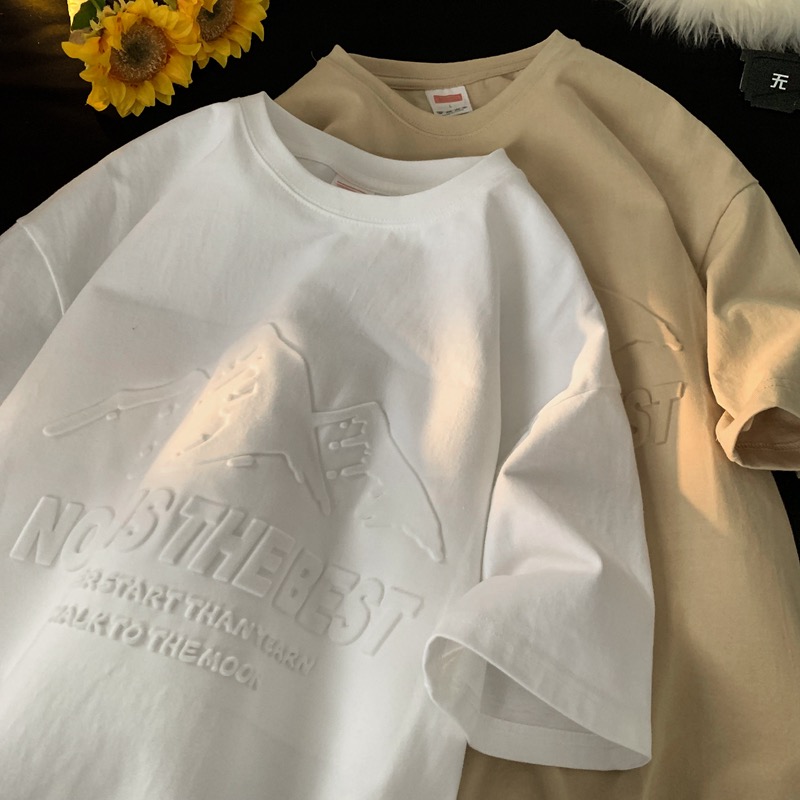
1 approved size set should verify player names, numbers, color contrast, and roster data before production. Raised silicone and reflective transfers require an approval sample on the final fabric because texture, stretch, and visibility change the result.
7. Construction and Transfer Quality Checks
Bulk production should trace back to a sealed sample and written measurement, construction, and decoration standards. A heat transfer clothing manufacturer should apply the same checklist to pre-production and pre-shipment units.
Garment Construction
1 approved size set should confirm chest, body length, inseam, and key tolerance points before cutting. Inspect seam allowance, stitch density, skipped stitches, puckering, loose threads, fabric holes, stains, and shade variation under consistent lighting.
Transfer Appearance
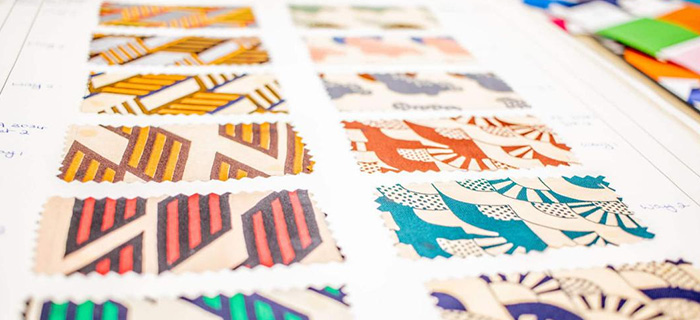
3 checks matter at first view: placement against recorded coordinates, clean artwork edges, and consistent color against the approved reference. Check curved seams, pockets, and rib areas separately because uneven pressure can distort alignment or leave press marks.
Performance Verification
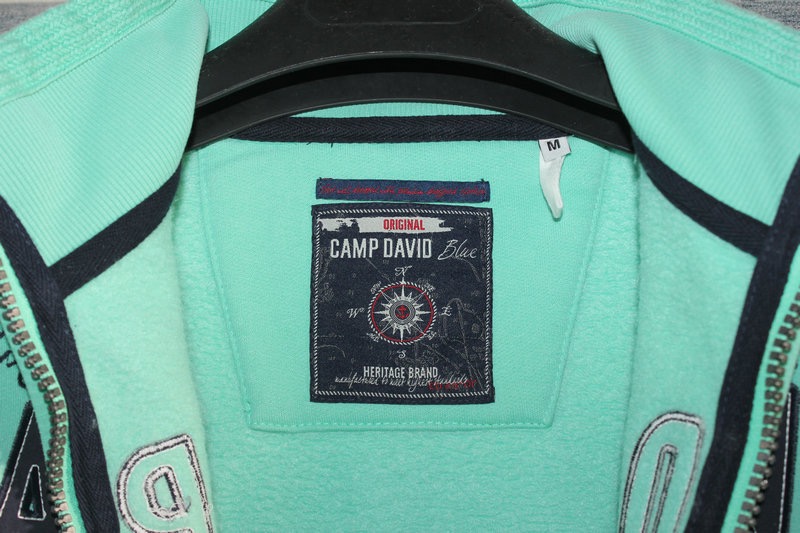
5 wash-test pieces per material and decoration combination provide a practical review set before bulk release. After washing and stretching, examine cracking, lifting edges, color change, adhesion loss, fabric distortion, and residual press gloss; record findings against the approval sample.
8. Choosing a Heat Transfer Clothing Manufacturer
A 200-piece order can expose whether a heat transfer clothing manufacturer has repeatable controls. Compare written answers, not only the lowest unit quote.
| Area | Ask | Compare |
|---|---|---|
| MOQ | 200 pieces? | color splits |
| Sampling | revision log? | approval control |
| Delivery | ship date? | capacity proof |
Product And Sampling
EDVORIN’s MOQ starts at 200 pieces per style. Ask for comparable hoodie, jersey, or stretch-knit projects.
Request MOQ by color, size, and artwork, plus sample stages and revision records.
Materials And Control
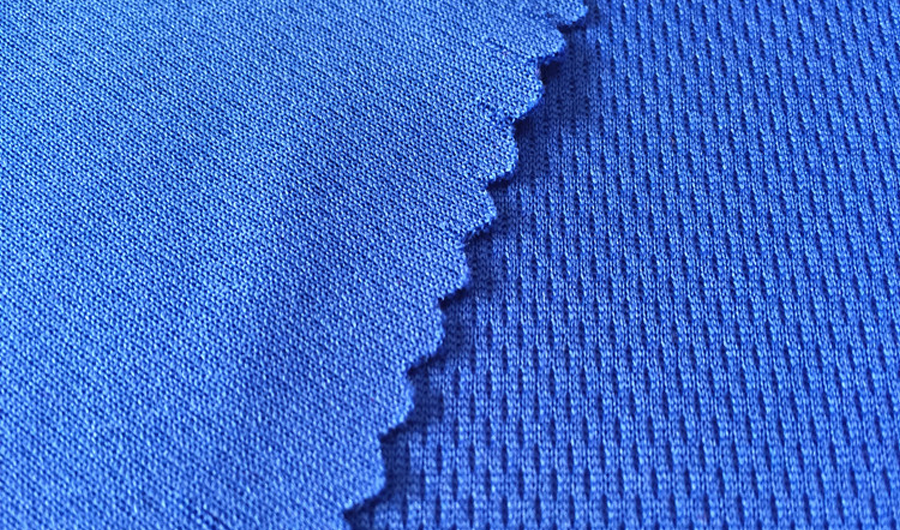
Require fabric composition, GSM, supplier, transfer film, adhesive, and test plan.
Ask who performs in-line and final inspection, and how defects are documented.
Delivery And Documentation
Confirm monthly capacity, critical-path dates, export documents, labeling, and packing specifications.
Ask one owner to confirm approvals, changes, shipping terms, and production status.
9. Common Buyer Mistakes to Avoid
One approved sample prevents costly assumptions after bulk cutting. Seven recurring sourcing errors can be avoided when brands, teams, and private-label buyers document decisions before production.
Approve Physical Standards
1 physical sample, not a digital mockup, should approve color, hand feel, opacity, and edge detail.
2 records matter: retain the approved garment, Pantone reference, size set, and placement measurements in millimeters.
Match Transfer To Fabric
2 variables—fabric composition and stretch—must be confirmed before selecting a transfer method; test on the actual lot.
5 wash cycles and repeated stretch checks can reveal cracking, lifting, dye migration, or adhesion loss before a team uniform run.
Control Schedule And Quotes
3 checkpoints—artwork lock, sample approval, and purchase-order release—reduce late changes that can restart sampling or production.
2 quotes are comparable only when quantities, fabric, transfers, labels, packaging, testing, freight terms, and lead-time assumptions match line by line.
10. Launch Steps and Pricing Considerations
200 pieces is a practical point to lock the tech pack, Pantone references, vector artwork, placement dimensions, transfer method, size chart, labels, and packaging before sampling. Send reference garments where hand feel, stretch, or wash appearance matters.
7 checkpoints keep launch decisions traceable: development sample, revision record, pre-production approval, purchase order, material confirmation, in-line inspection, and final inspection before delivery. EDVORIN can turn approved details into a repeatable production standard; confirm the delivery window only after materials, complexity, and order quantity are reviewed.
| Quantity tier | Transfer complexity | Garment type | Indicative cost and timing effect |
|---|---|---|---|
| 200–499 | Single-color logo | T-shirt or jersey | Higher setup share; sampling and approval drive timing |
| 500–999 | Multi-color graphic | Hoodie or jogger | Better unit-cost leverage; fabric weight and placement add work |
| 1,000+ | Specialty or multiple placements | Outerwear or coordinated set | More production efficiency; longer material and inspection planning |
Start Your Heat Transfer Clothing Program
Send your artwork and garment requirements to discuss samples, production details, and a quote from 200 pieces per style.