
Custom Clothing Manufacturing Built to Repeat
From product development to bulk QC, EDVORIN delivers clothing manufacturing services for repeatable collections. MOQ starts at 200 pieces per style.
One Production System for Every Apparel Program
From initial samples to repeat bulk orders, EDVORIN coordinates development and production for fashion, streetwear, outerwear, uniforms and teamwear.

Request a Manufacturing Quote
Request a clothing manufacturing quote with your tech pack, reference garment, quantities, target fabric, decoration and delivery requirements. EDVORIN reviews the specification, flags production variables and provides a clear basis for next steps.
Get a Quote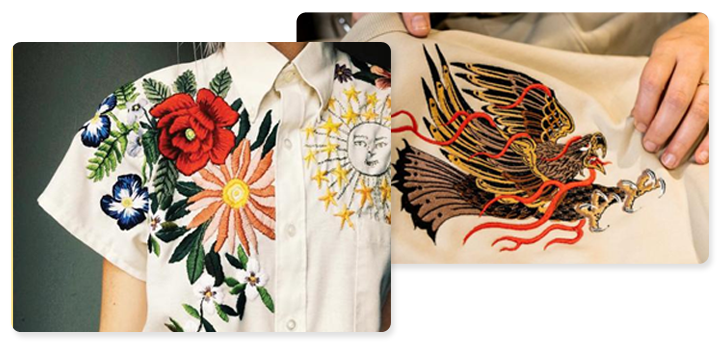
Request Sample Development
Clothing sample development turns sketches, references or existing tech packs into reviewable garments. EDVORIN coordinates patterns, fabric, trims, construction, decoration and revisions so the approved sample can become a usable bulk-production standard.
Get a Quote
OEM and ODM Apparel Manufacturing
As an OEM clothing manufacturer and ODM apparel manufacturer, EDVORIN supports buyer-supplied specifications or develops products from an early concept. The team aligns fit, materials, construction, trims, decoration and packaging before production.
Get a Quote
Private Label Clothing Manufacturer Program
EDVORIN’s private-label clothing manufacturing program covers branded garments from development through labeling and packing. Buyers can specify fit, fabric, care labels, woven labels, hangtags, artwork, washes and retail-ready packaging for their market.
Get a Quote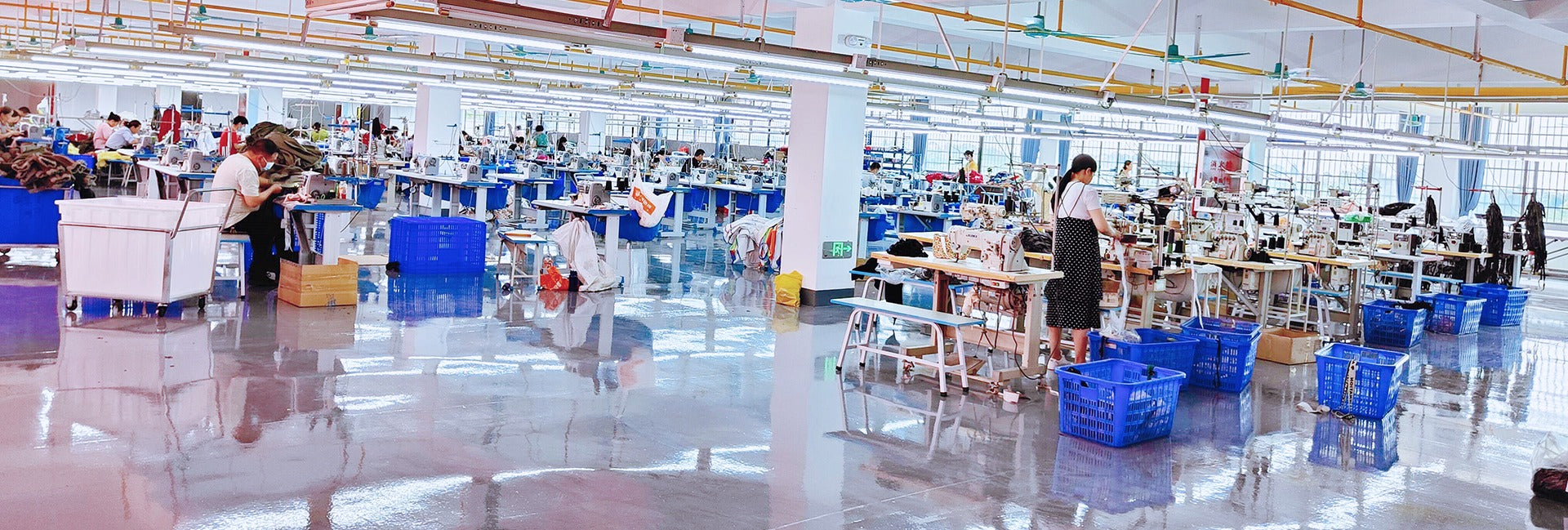
Contract Apparel Manufacturing
Contract clothing manufacturing is structured around documented buyer requirements and accountable execution. EDVORIN manages cutting, sewing, decoration, finishing and quality checks for casualwear, streetwear, outerwear and teamwear programs with approved production standards.
Get a Quote
Cut and Sew Manufacturing
EDVORIN works as a cut and sew clothing manufacturer for garments requiring custom patterns, construction and details. Development can include fabric selection, grading, pockets, rib, hardware, panels, linings, labels and decoration placement.
Get a Quote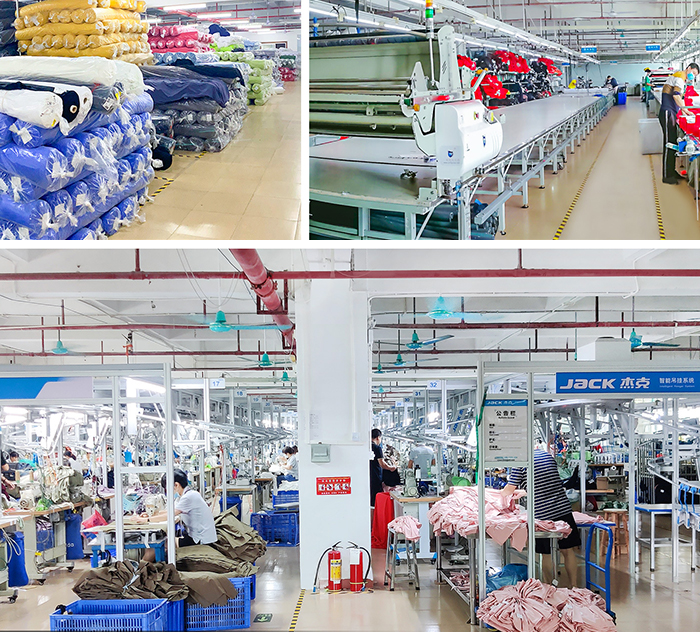
Full-Package Apparel Production
Full-package clothing manufacturing brings development, sourcing, sampling, production, decoration, washing, quality control and packaging into one coordinated workflow. This reduces handoffs for buyers building complete apparel collections or ongoing product programs.
Get a Quote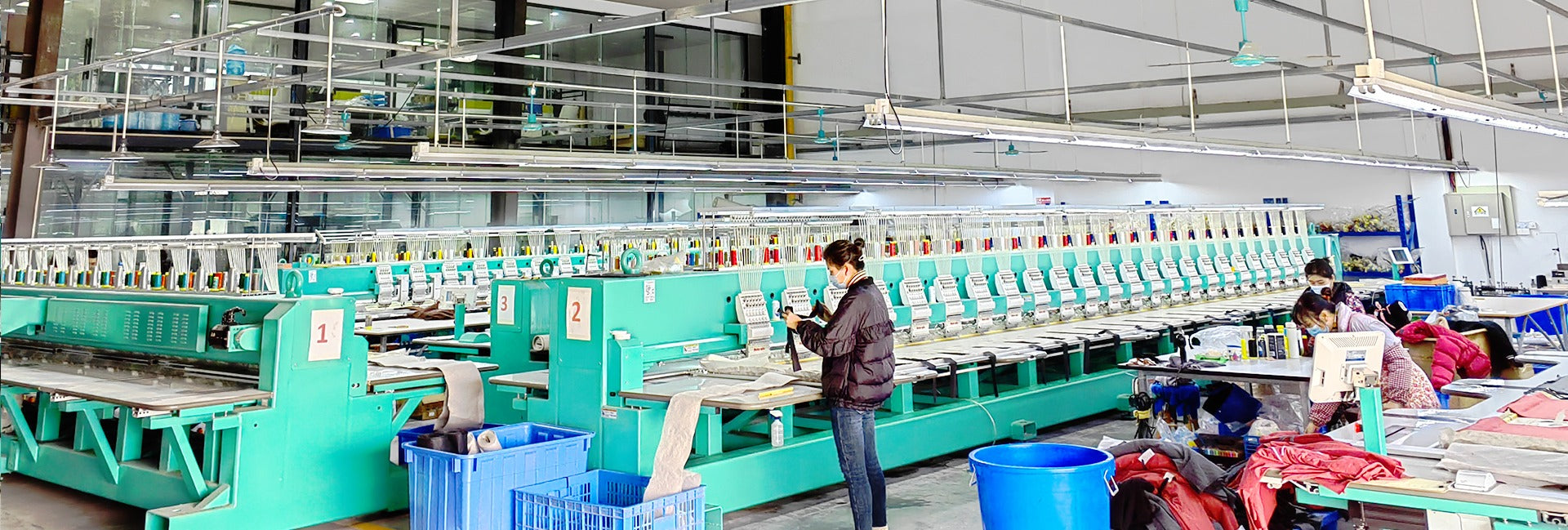
Low MOQ Clothing Manufacturer
Low MOQ clothing manufacturing starts at 200 pieces per style, supporting emerging labels and focused product launches. EDVORIN helps define materials, construction and decoration that remain practical within smaller production quantities.
Get a Quote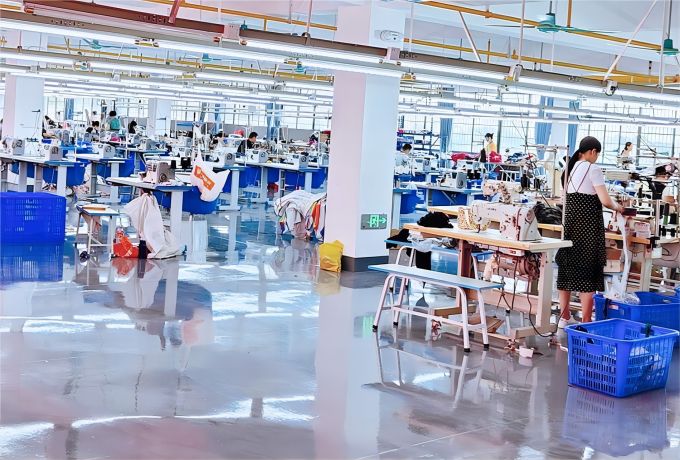
Small-Batch Apparel Production
Small-batch apparel production supports limited drops, early collection testing and specialized programs. EDVORIN develops clear specifications and approved samples first, helping protect fit, material choices, artwork placement and finishing consistency in production.
Get a Quote
Bulk Apparel Orders
For bulk clothing manufacturing, EDVORIN converts approved samples and specifications into controlled production standards. In-line checks, measurement control, material coordination and final inspection help maintain consistency across larger quantities and size ranges.
Get a Quote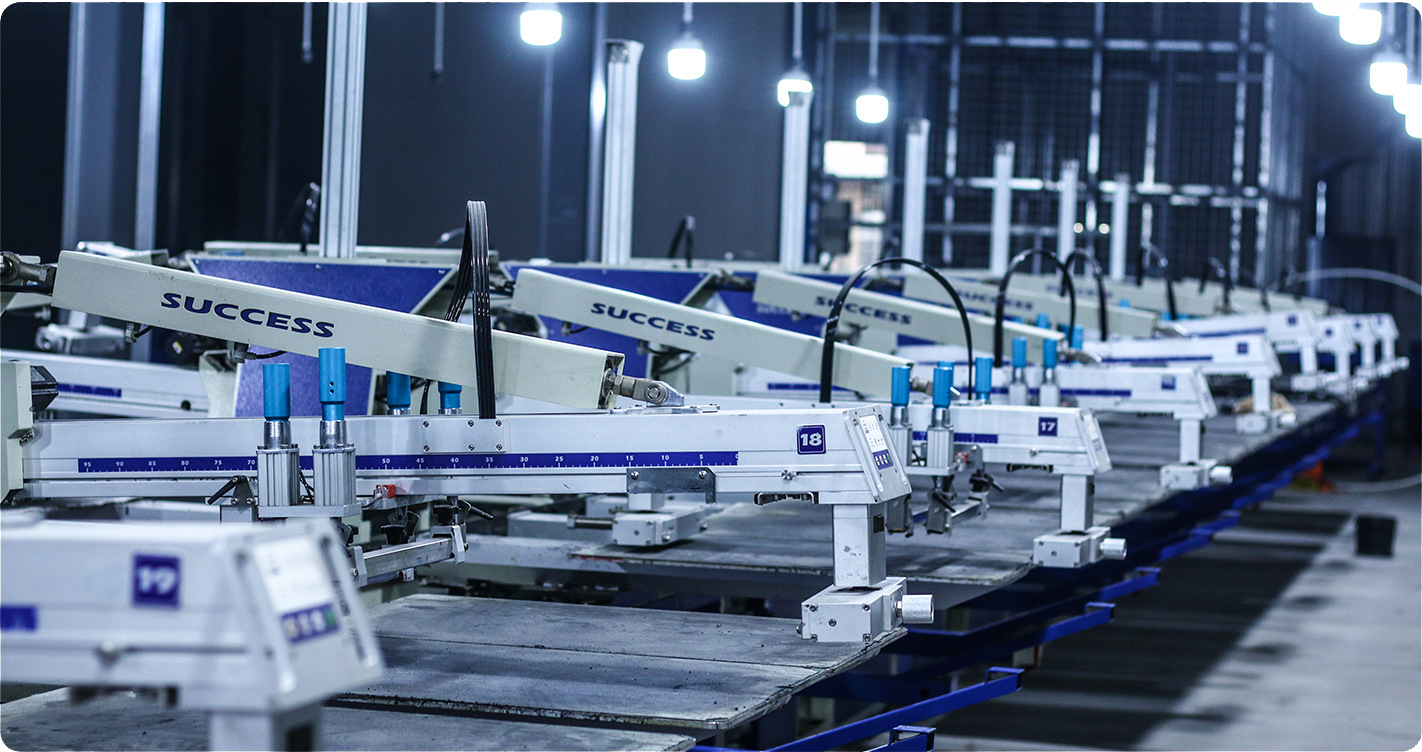
Sampling and Prototyping Service
EDVORIN’s clothing sample manufacturing service develops prototypes for fit review, material testing and decoration approval. Patterns, measurements, fabrics, trims and construction details are refined before the sample becomes the reference for bulk production.
Get a Quote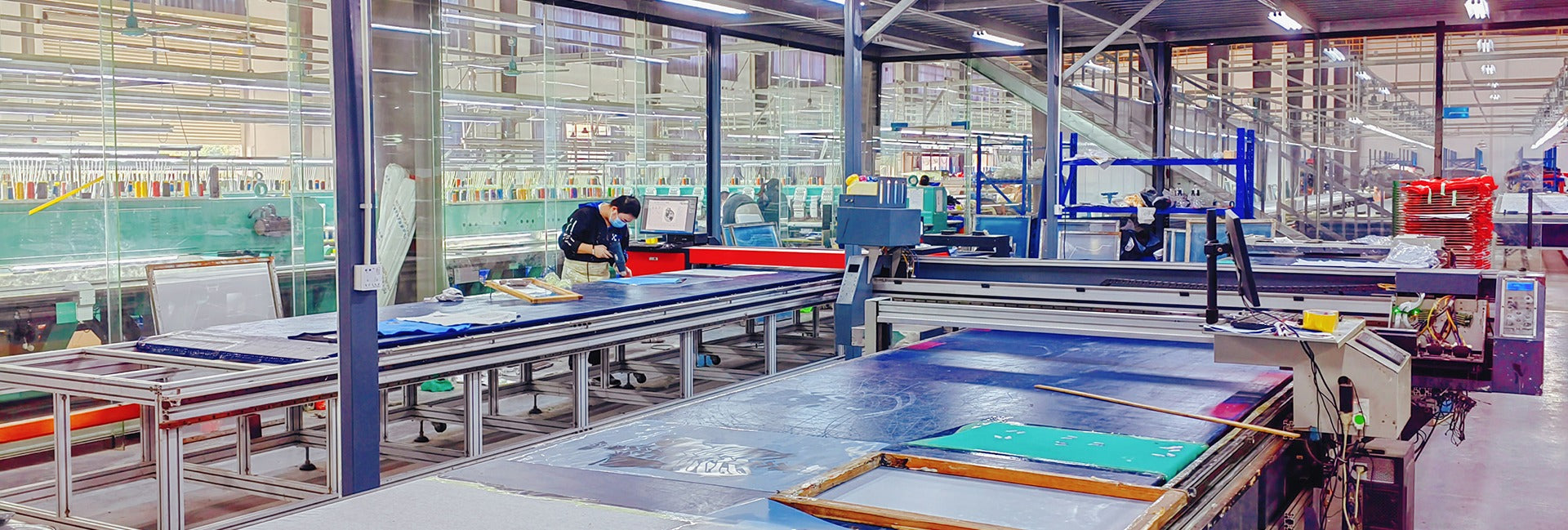
Manufacturing for Startup Clothing Brands
As a clothing manufacturer for startups, EDVORIN supports brands arriving with a concept, sketch or reference garment. MOQ starts at 200 pieces per style, with guidance through development, sampling, labels, packaging and production planning.
Get a Quote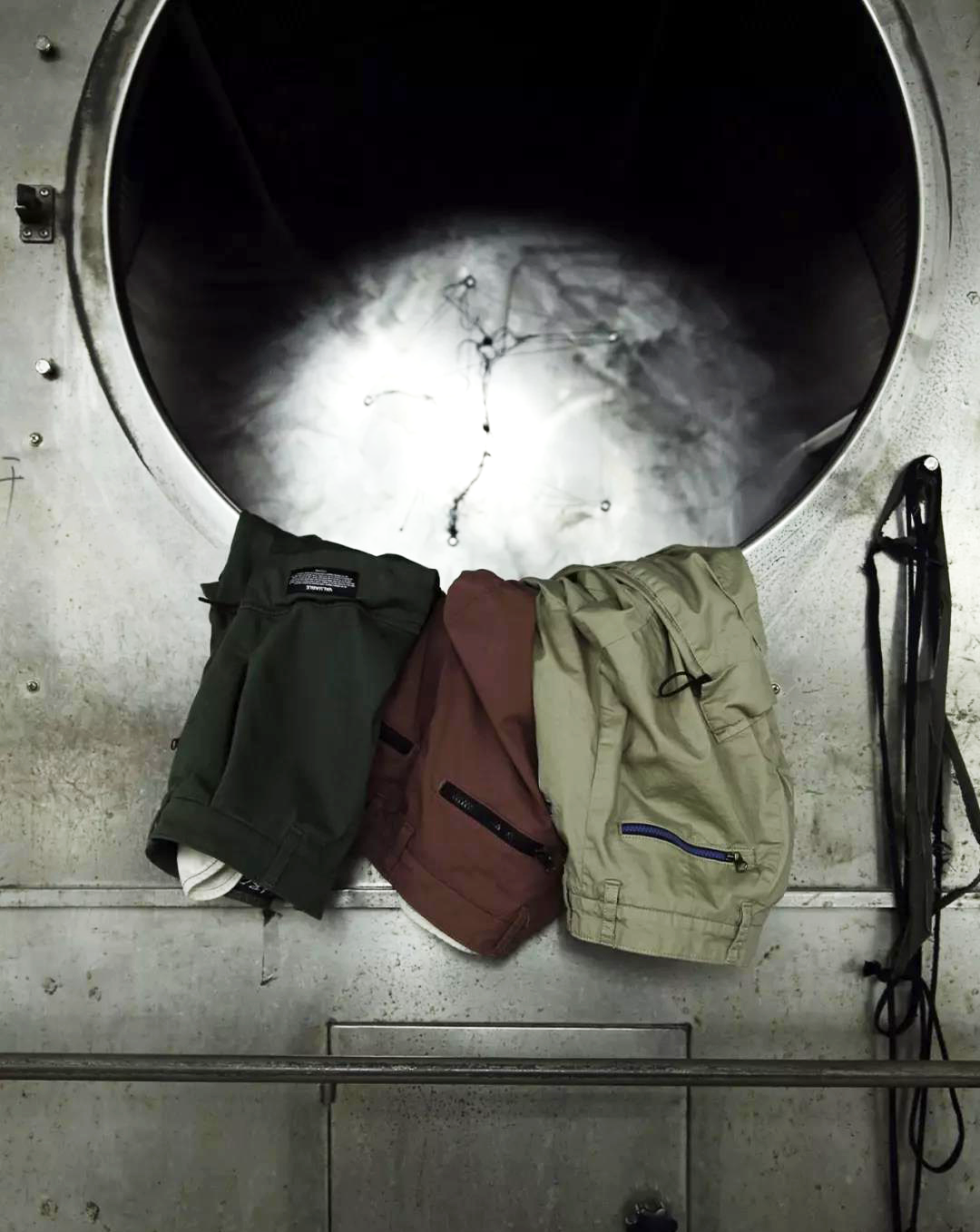
Production for Established Fashion Brands
Established fashion brands can use EDVORIN as an apparel production partner for seasonal collections and repeat programs. The workflow supports detailed tech packs, approved materials, grading, quality checkpoints, specialized decoration and consistent production documentation.
Get a Quote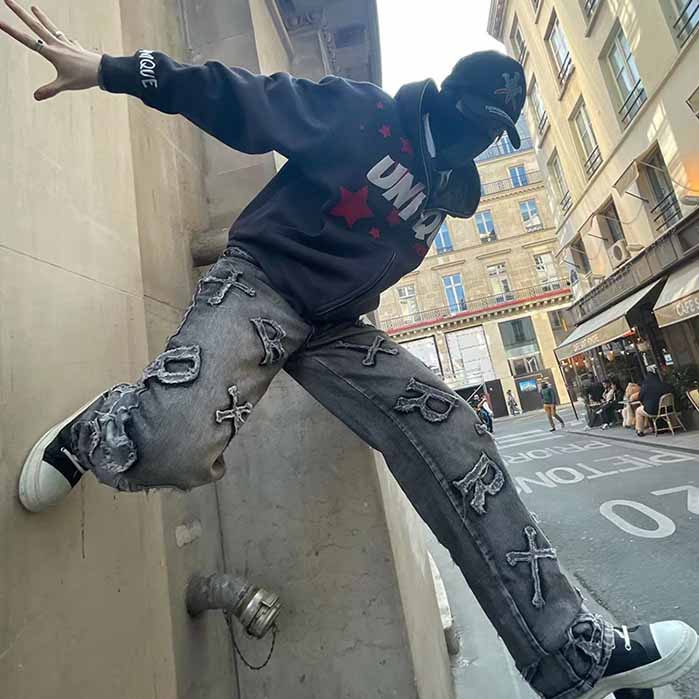
Production Support for Sourcing Agents
EDVORIN provides production support for sourcing agents managing apparel programs across suppliers and clients. Clear sample approvals, material specifications, measurement standards, inspection records and packaging requirements help keep each program organized and traceable.
Get a Quote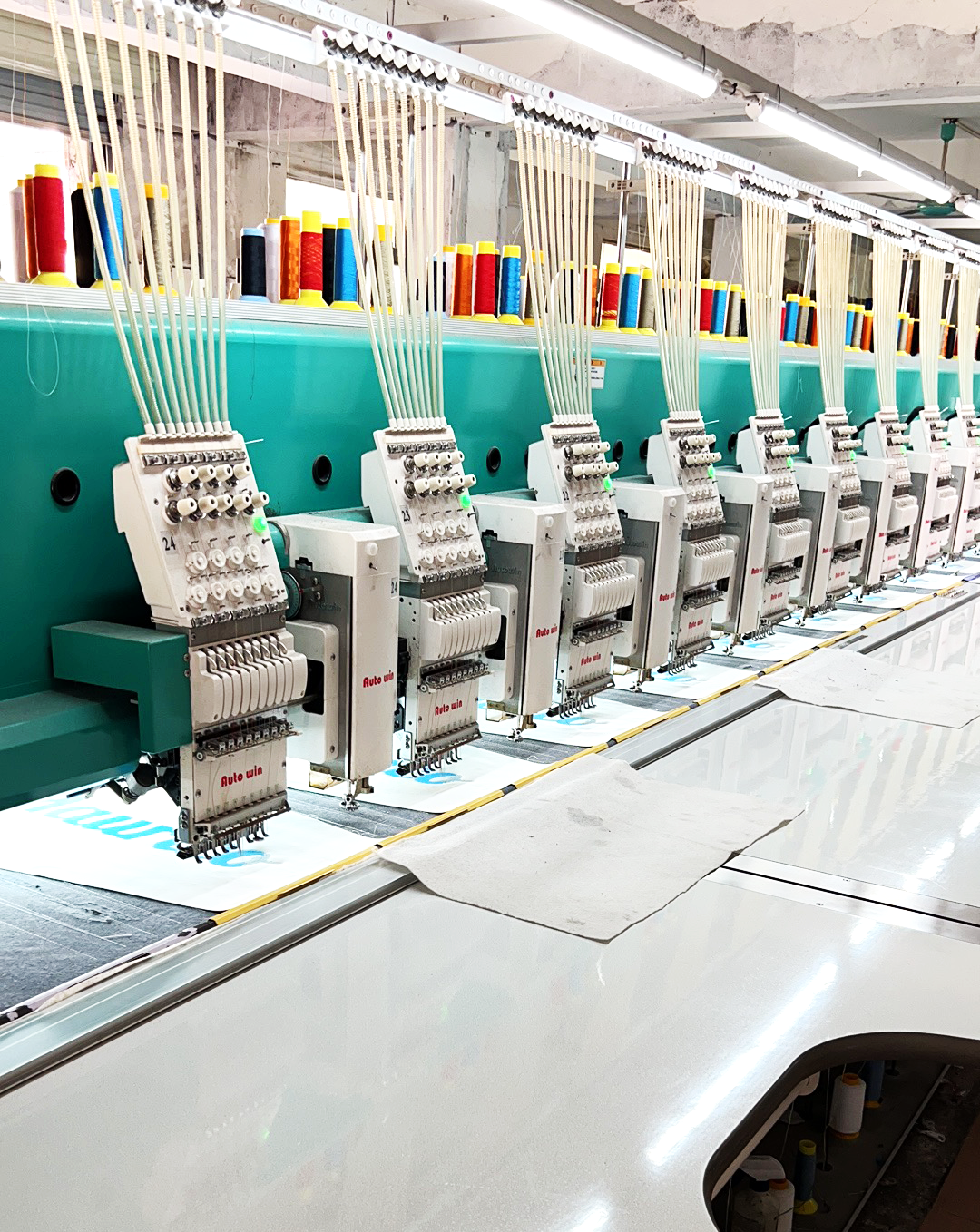
Programs for Apparel Importers and Distributors
For apparel importers and distributors, EDVORIN develops clothing programs with repeatability, assortment coordination and export-ready packing in mind. Product development can cover casualwear, streetwear, outerwear, uniforms and teamwear for men’s and women’s markets.
Get a Quote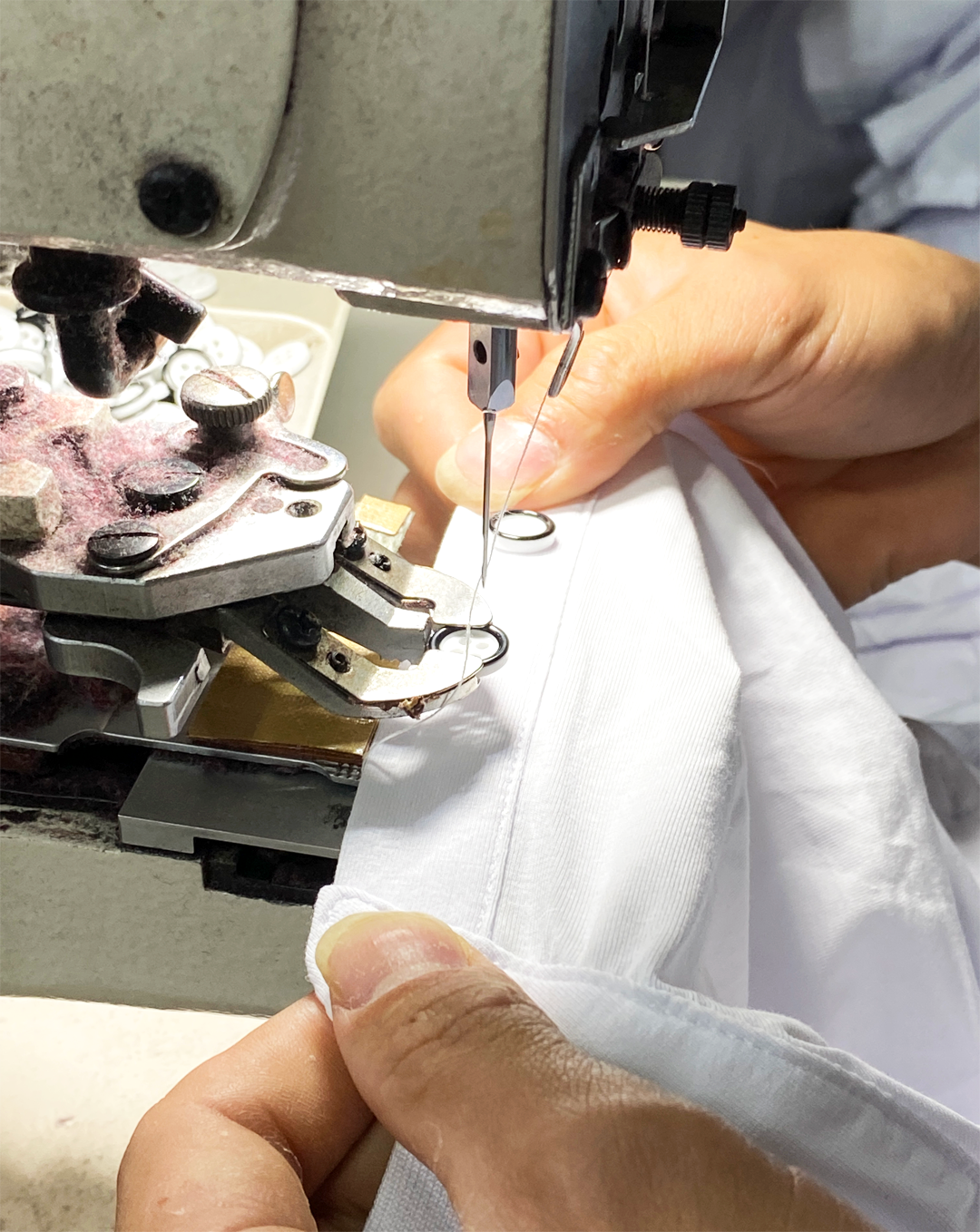
Programs for Clothing Wholesalers
Clothing wholesalers can develop coordinated product programs with EDVORIN, including core styles, seasonal updates and repeat orders. The team coordinates fabrics, trims, grading, decoration, labeling and packaging against approved product standards.
Get a Quote
Production for Fashion Design Studios
Fashion design studios can bring sketches, mood boards or detailed tech packs to EDVORIN for production development. The process translates creative direction into patterns, materials, construction details, samples and specifications suitable for repeat manufacturing.
Get a Quote
Production for Merchandise Companies
EDVORIN supports merchandise companies with apparel built around event, retail, promotional or licensed programs. Options include T-shirts, hoodies, sweatshirts, jackets and teamwear, with coordinated printing, embroidery, labels, packaging and order specifications.
Get a Quote
Uniform Manufacturing Programs
Custom uniform manufacturing programs are developed around wearer needs, job function, fit, durability and brand presentation. EDVORIN coordinates fabrics, construction, embroidery, printing, color references, sizing and packaging for organized uniform orders.
Get a Quote
Teamwear Manufacturing Programs
Custom teamwear manufacturing supports jerseys, soccer uniforms, basketball uniforms, training apparel and coordinated club programs. EDVORIN manages breathable materials, color consistency, names, numbers, logos, size sets and repeat-order documentation.
Get a Quote
Rush Apparel Production
For time-sensitive apparel programs, EDVORIN reviews material availability, sample status, decoration requirements and production capacity before confirming a rush production plan. Timing is assessed against the actual specification rather than assumed from a generic schedule.
Get a Quote
Repeat Order Production
Repeat apparel production is built from the approved sample and recorded production standards. EDVORIN uses established references for materials, measurements, artwork placement, trims, labels and packaging to support more consistent reorders.
Get a Quote
Custom Packaging and Order Fulfillment
EDVORIN coordinates custom clothing packaging and fulfillment requirements, including care labels, woven labels, hangtags, polybags, cartons, barcode requirements and packing instructions. Packaging is documented alongside the garment specification before final order checks.
Get a Quote
Global Shipping and Export Support
EDVORIN provides global shipping and export support for apparel buyers sourcing internationally. Orders can be prepared with agreed packing details, carton information and export documentation requirements, coordinated according to the buyer’s shipping arrangements.
Get a QuoteClothing Manufacturing Services That Keep Details Under Control
EDVORIN connects development, sourcing, decoration, production and packing so approved decisions carry through every stage.
OEM and ODM Development
Bring a tech pack, sketch or reference garment; we refine fit, construction and specifications into a production-ready standard.
Materials and Trims Aligned
Fabric, rib, hardware, labels and other trims are coordinated against your garment requirements before bulk production begins.
Custom Apparel Printing, Embroidery and Garment Wash Services
Printing, embroidery and wash processes are selected around the fabric, artwork and intended finish for a more controlled result.
Approved Sample, Clear Standard
Sample revisions, measurements, placement details and materials are documented to give the bulk team an accountable production reference.
Custom Clothing Labels and Packaging
Labels, hangtags, folding, polybags and carton requirements are organized with production, helping your collection arrive ready for distribution.
Built for Repeat Orders
Our clothing manufacturing services maintain visible specifications across casualwear, streetwear, outerwear and teamwear programs as your order cycle grows.
Clothing Manufacturing Services From Concept to Bulk Standard
Turn a sketch, reference garment, or complete tech pack into an approved specification built for repeatable production.
Define Your Product
Share your sketch, reference garment, or tech pack. We review fit, construction, target materials, decoration, sizing, and the commercial requirements behind your collection.
Develop the Specification
We coordinate patterns, fabric and trims, measurement details, artwork placement, washes, labels, and packaging into a clear production standard for review.
Approve the Sample
Review the developed sample against your expectations. Revisions are documented until fit, materials, construction, decoration, and finishing are ready to guide bulk production.
Lock the Bulk Standard
Your approved sample and recorded specifications become the reference for material control, in-line checks, final inspection, and consistent repeat orders.
The Buyer’s Guide to Clothing Manufacturing Services
Use this decision framework to compare supplier models, materials, sampling, quality control, minimums, and costs—while avoiding the sourcing mistakes that derail launches, margins, and repeatable production.
1. What Are Clothing Manufacturing Services?
Since 2000, EDVORIN has applied production discipline to the coordinated work that converts an apparel concept into finished, packed goods. The process starts by translating sketches, reference garments or a tech pack into measurable construction, material, trim, artwork and fit requirements.
An approved sample should become the physical and documented standard for bulk production. Typical handoffs run from technical development and sourcing through pattern work, sampling, cutting, sewing, decoration, washing where required, in-line inspection, final quality control, labeling, packaging and delivery preparation.
Buyers and suppliers retain distinct responsibilities. Buyers own brand direction, target customer, final approvals, artwork rights, budget and sales commitments; the supplier records specifications, raises feasibility issues, controls agreed materials and workmanship, and checks the packed order against the approved standard.
2. How Clothing Manufacturing Evolved
19th-century garment work was largely local: small workshops cut, stitched, and finished near the buyer, limiting scale but keeping decisions close to the product. Industrial machinery and standardized sizing then separated operations, making volume production more efficient.
1960s–1990s global supply chains concentrated knitting, dyeing, cut-and-sew, and decoration in specialized regions. That specialization lowered unit costs, yet added freight, handoffs, longer planning windows, and a greater need for traceable material, trim, and quality records.
2026 buyers can combine digital tech packs, 3D fit review, and approved samples to reduce development uncertainty before a 200-piece or larger run. The practical choice between overseas and nearer clothing manufacturing services is a trade-off: overseas partners may suit broader sourcing and scale, while nearer production can simplify communication, replenishment speed, and physical oversight; both require clear customization standards and accountable control points.
3. Types of Clothing Manufacturing Services
Six service models place development responsibility, design control, and volume risk in different hands. EDVORIN can align hoodies, teamwear, and private-label programs to the buyer’s readiness.
| Model | Buyer Inputs | Control | Best Fit | Advantage / Limitation |
|---|---|---|---|---|
| Full-package | Concept or tech pack | High | Growing brands | One accountable path; higher development involvement |
| Cut-and-sew | Patterns, fabric, BOM | Very high | Experienced labels | Custom result; buyer manages specifications |
| Private label | Branding and product brief | Medium | Retailers, corporate buyers | Own label; base options may constrain design |
| White label | Logo or decoration | Low | Events, schools | Fast launch; shared product identity |
| Contract manufacturing | Complete production standard | High | Teams, wholesalers | Scalable execution; requires clear approvals |
| Print-on-demand or small-batch | Artwork, blank choice | Low to medium | Testing programs | Low inventory risk; unit cost is higher |
Match Readiness To Model
200-piece programs suit buyers moving beyond concept testing. A complete tech pack, approved color standard, and target quantity make custom production decisions faster.
Control The Production Standard
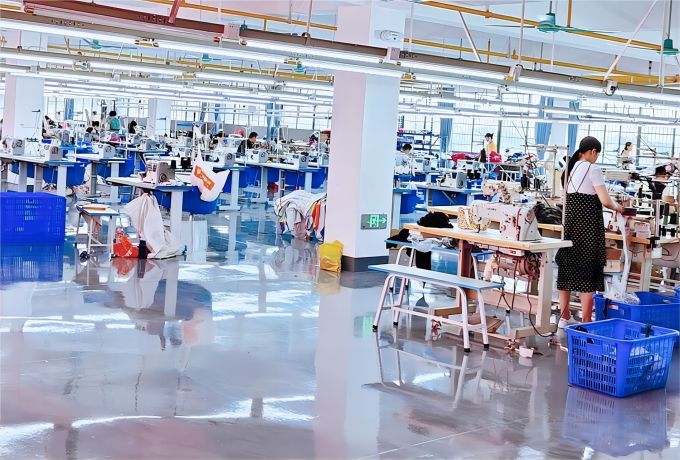
1 approved sample should anchor every custom or contract order. Record measurements, artwork placement, trims, labels, and packing instructions before bulk cutting.
Choose For Repeatability
2 buyer groups often need different paths: schools may prioritize fast uniform reorders, while fashion labels need fit and material control. Wholesalers should favor models that protect consistency across replenishment.
4. Clothing Manufacturing Services: Fabric Selection
Fabric is the performance specification beneath every silhouette. In clothing manufacturing services, fiber, construction, GSM, stretch, recovery, shrinkage, colorfastness, and hand feel must match the garment’s end use.
| Material | Typical GSM | Strengths | Tradeoffs | Suitable Products |
|---|---|---|---|---|
| Cotton jersey | 160–220 | Soft, breathable, printable | Can shrink; slower drying | Retail tees, polos |
| French terry | 280–360 | Structured, breathable warmth | Less insulation than fleece | Streetwear sets |
| Brushed fleece | 300–450 | Warm, substantial hand | Bulkier; pilling risk | Hoodies, joggers |
| Polyester interlock | 140–220 | Quick-dry, color-stable | Less natural hand feel | Sportswear, uniforms |
| Cotton-poly fleece | 280–360 | Balanced durability and comfort | Blend affects dye and shrinkage | Uniforms, basics |
Specify Performance Before Fabric
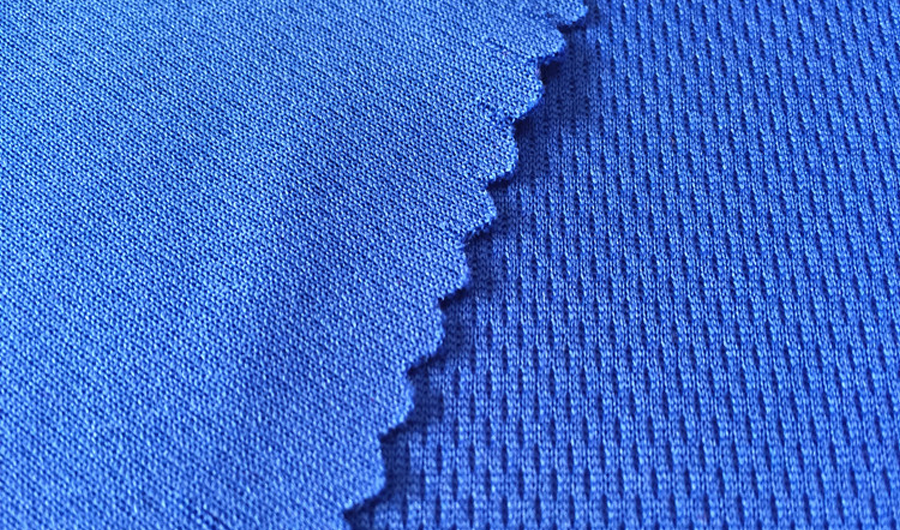
100% cotton jersey suits soft retail basics; ring-spun yarn gives a smoother print surface than open-end cotton. Confirm knit or weave, target GSM, and acceptable shrinkage before sampling.
Match Stretch To Movement
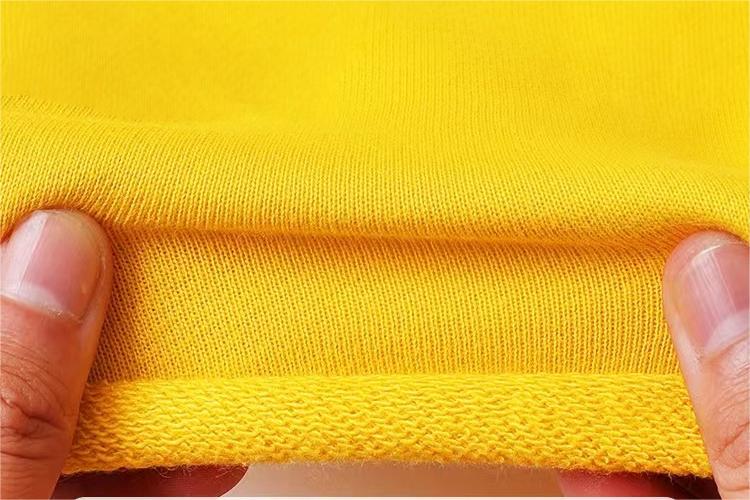
5–12% elastane can improve mobility in sportswear, but recovery—not stretch alone—prevents bagged knees and loose necklines. Test washed stretch recovery on fitted jerseys, leggings, and team uniforms.
Approve Bulk-Relevant Tests
3 wash cycles reveal risks a new fabric swatch cannot: shrinkage, twisting, pilling, color loss, and hand-feel change. Record Pantone reference, wash method, and dimensional tolerances with the approved sample.
5. Customization in Clothing Manufacturing Services
Two private-label layers—brand identification and garment decoration—should be specified before sampling. EDVORIN can coordinate labels, hangtags, packaging, and decoration within one production standard.
| Method | Best Design Fit | Durability | Color Capability | Setup And Volume Fit |
|---|---|---|---|---|
| Screen print | Bold graphics | High | Spot colors | Screen setup; best for larger runs |
| Embroidery | Logos and patches | High | Thread palette | Digitizing; strong for uniforms |
| DTF | Detailed multicolor art | Medium-high | Full color | Low setup; flexible quantities |
| DTG | Photographic cotton graphics | Medium | Full color | Low setup; short runs |
| Heat transfer | Names and numbers | Medium | Full color | Low setup; team personalization |
Private-Label Components
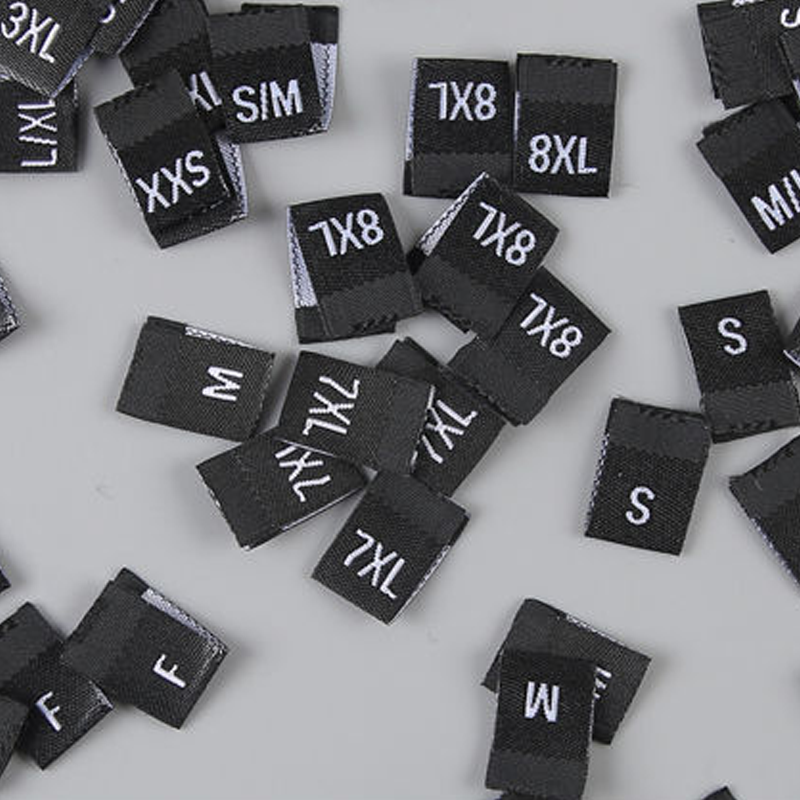
Three core components are woven labels, printed neck labels, and hangtags. Record label dimensions, fold type, yarn or ink colors, care-content language, barcode data, attachment point, polybag size, and carton pack ratio.
Choose The Decoration Method
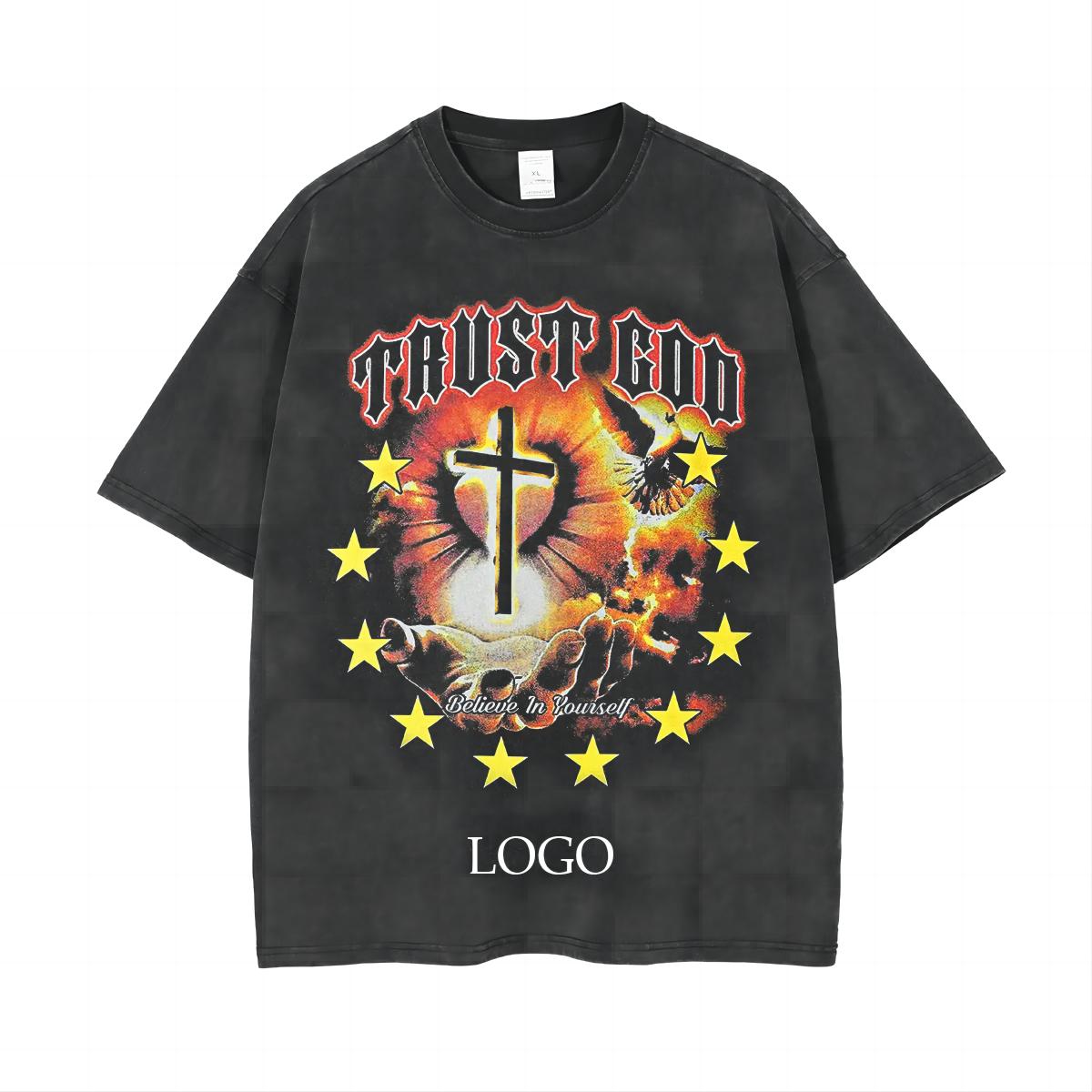
One approved strike-off or decorated sample should establish hand feel, color, and placement before bulk production.
Lock The Production Standard
100% of artwork files should identify the garment color, Pantone references where needed, final print size, placement measurements from fixed seams, and acceptable tolerances. Approve the sample, label copy, packaging layout, and special-finish appearance in writing; appliqué, puff ink, foil, and wash effects need their own visual reference.
6. Construction and Quality Control Essentials
A 1 mm pattern shift can change balance, so quality begins with an approved sample and written construction standard. EDVORIN uses those records to align repeatable bulk decisions.
Patterns And Measurements

A graded size set should be reviewed against the approved base size before cutting. Measurement points and agreed tolerances must be recorded, not interpreted from photographs.
Two fit checks—on-body appearance and flat measurements—catch different failures. EDVORIN can convert approved changes into patterns, grading rules, and production-ready measurement charts.
Seams And Reinforcement
Three variables determine seam performance: stitch type, stitch density, and seam allowance. Flatlock, overlock, or lockstitch choices should match fabric stretch, stress points, and the garment’s intended use.
Two high-stress areas commonly need reinforcement: pocket corners and crotch or shoulder joins. Bar tacks, clean thread trimming, and secure snaps, zippers, drawcords, and labels protect perceived quality.
Inspection Before Packing
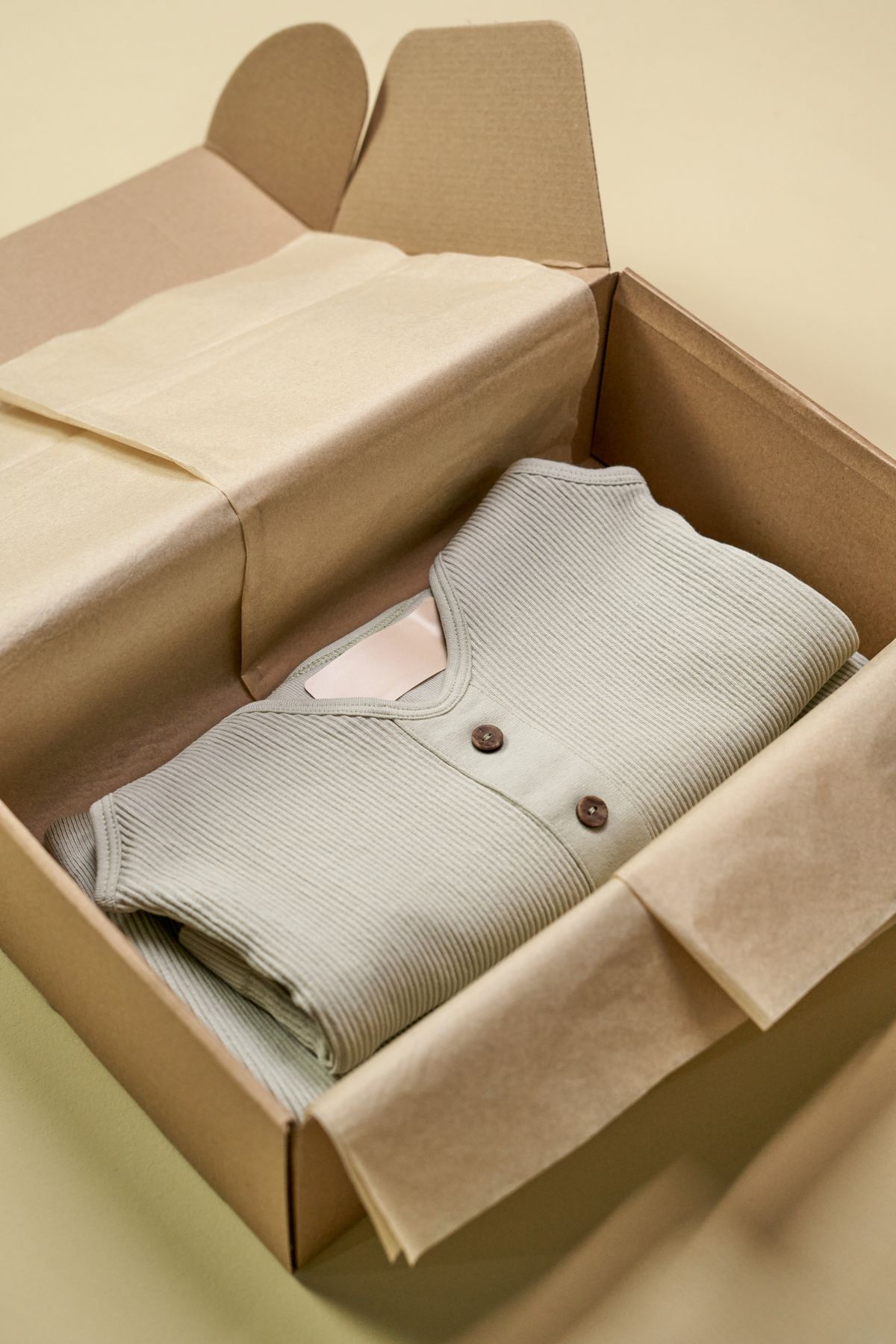
Fabric inspection before cutting helps identify shade variation, holes, streaks or contamination. Wash testing should confirm shrinkage, color change, print behavior and trim security before bulk approval.
Final inspection should compare workmanship, measurements, decoration placement, finishing, labeling and packing against the approved sample. A written quality checklist makes reorders easier to reproduce.
7. How to Choose Clothing Manufacturing Services
Two proofs matter more than a low quote: a category-relevant sample and a documented path to repeat it. Evaluate clothing manufacturing services against your product’s construction, quantities, delivery route, and approval controls.
| Check | Promising Quote | Execution Evidence |
|---|---|---|
| Sourcing | Fabric named | Mill, composition, approvals |
| Quality | QC promised | AQL plan and reports |
| Logistics | Delivery date | Incoterm and packing plan |
| Capacity | Volume claimed | Booked line and timeline |
Match Category Experience
Ask for comparable hoodies, jerseys, or outerwear—not a generic portfolio. Request construction photos, measurement specifications, decoration tests, and buyer references appropriate to your product.
Test Development Discipline
One approved sample is a baseline, not bulk-production evidence. Confirm who owns pattern revisions, grading, material approvals, Pantone references, artwork placement, and pre-production sample signoff.
- Request a tech-pack review
- Request sample revision records
- Request the inspection checklist
Verify Commercial Controls
200-piece minimums can work only when fabric, color, and trim minimums align. Ask for capacity by month, production calendar, communication owner, lead-time assumptions, shipping terms, defect remedy, payment milestones, and reorder terms in writing.
8. Common Manufacturing Mistakes Buyers Make
Eight recurring decisions create most avoidable cost in clothing manufacturing services. EDVORIN turns them into written approvals before bulk production, protecting margin, delivery dates, and reorder consistency.
Define The Technical Standard
1 complete tech pack should specify flats, measurements, grading, BOM, construction, artwork placement, and Pantone references. Missing details invite factory assumptions, fit disputes, and costly rework.
Cost And Minimum Alignment
EDVORIN’s MOQ starts at 200 pieces per style. 200-piece planning must confirm target cost, fabric mill minimums, colorways, and trim quantities before development. Choosing only the lowest unit price can conceal substitutions, inefficient MOQ exposure, or later surcharges.
Sample Before Bulk Approval
2 or more sample rounds may be necessary when fit, wash, print, or embroidery changes. Skipping revisions transfers unresolved risk into bulk, where correction affects every unit.
Control Delivery And Quality
3 written checkpoints should cover pre-production approval, in-line inspection, and final packing review. Vague quality standards, unplanned packaging, and late freight booking can cause rejects, missed launches, and landed-cost overruns.
9. Steps to Launch an Apparel Line
A launch should move through approval gates, not directly from a sketch to inventory. For each SKU, EDVORIN can help convert the buyer’s concept into a controlled specification and production path.
Define The Commercial Brief
1 target customer, use case, channel, size range, color plan, and launch quantity should be defined before development starts.
200-piece planning is more useful when it is divided by style, color, and size; confirm that mix supports the intended sell-through.
Lock Specifications And Cost
1 tech pack should record flats, measurements, grading, construction, artwork placement, labels, and a BOM for every fabric and trim.
3 quote inputs—target cost, material choice, and quantity—should be aligned before sampling, since fleece weight, decoration, and hardware can change the result.
Approve Before Bulk Production
1 development sample tests fit, material behavior, and decoration; revisions should be recorded rather than approved verbally.
1 pre-production sample becomes the bulk reference. Check in-line output, final measurements, packing, delivery timing, and reorder signals such as sell-through and stock by size.
10. Clothing Manufacturing Services Pricing
200 pieces is EDVORIN’s stated starting MOQ, but a reliable unit price still depends on the approved garment specification. Small runs spread pattern work, sampling, screens, embroidery files, and material minimums across fewer units.
3 quantity bands provide a useful budgeting view; they are not fixed prices or a substitute for a written quotation. Lead time should be planned from material and sample approval, not simply from purchase-order date.
8 cost inputs must match before two clothing manufacturing services quotes can be compared: fabric, construction complexity, decoration, labels, packaging, sampling, freight, and duties. Use identical Incoterms, destination, currency, size breakdown, artwork, and quality standard when requesting like-for-like pricing.
| Quantity tier | Unit-cost direction | Setup-cost impact | Lead-time consideration |
|---|---|---|---|
| 200–499 pieces | Highest | Most visible per unit | Allow approval and material booking |
| 500–999 pieces | Usually lower | Spread across more units | Consolidate colors and trims early |
| 1,000+ pieces | Usually lowest | Least visible per unit | Confirm capacity and shipment schedule |
Clothing Manufacturing Services: Buyer Questions Answered
Clear answers on development, minimums, decoration and production control for private-label apparel programs.
What is your minimum order quantity?
Do you support both OEM and ODM projects?
Can you develop both men’s and women’s apparel?
Can I start with a sketch or reference garment instead of a tech pack?
How do samples protect the final bulk order?
Which decoration options can be coordinated for custom apparel?
What certifications can support our supplier compliance requirements?
How is quality controlled after sample approval?
Start Clothing Manufacturing Services Built to Repeat
Share your tech pack, reference garment, or collection concept to plan a production-ready program with EDVORIN.