
Sublimation Clothing Manufacturer for Full-Color Apparel That Repeats
EDVORIN is a sublimation clothing manufacturer turning production-ready artwork into consistent teamwear, streetwear, fashion, and private-label bulk programs.
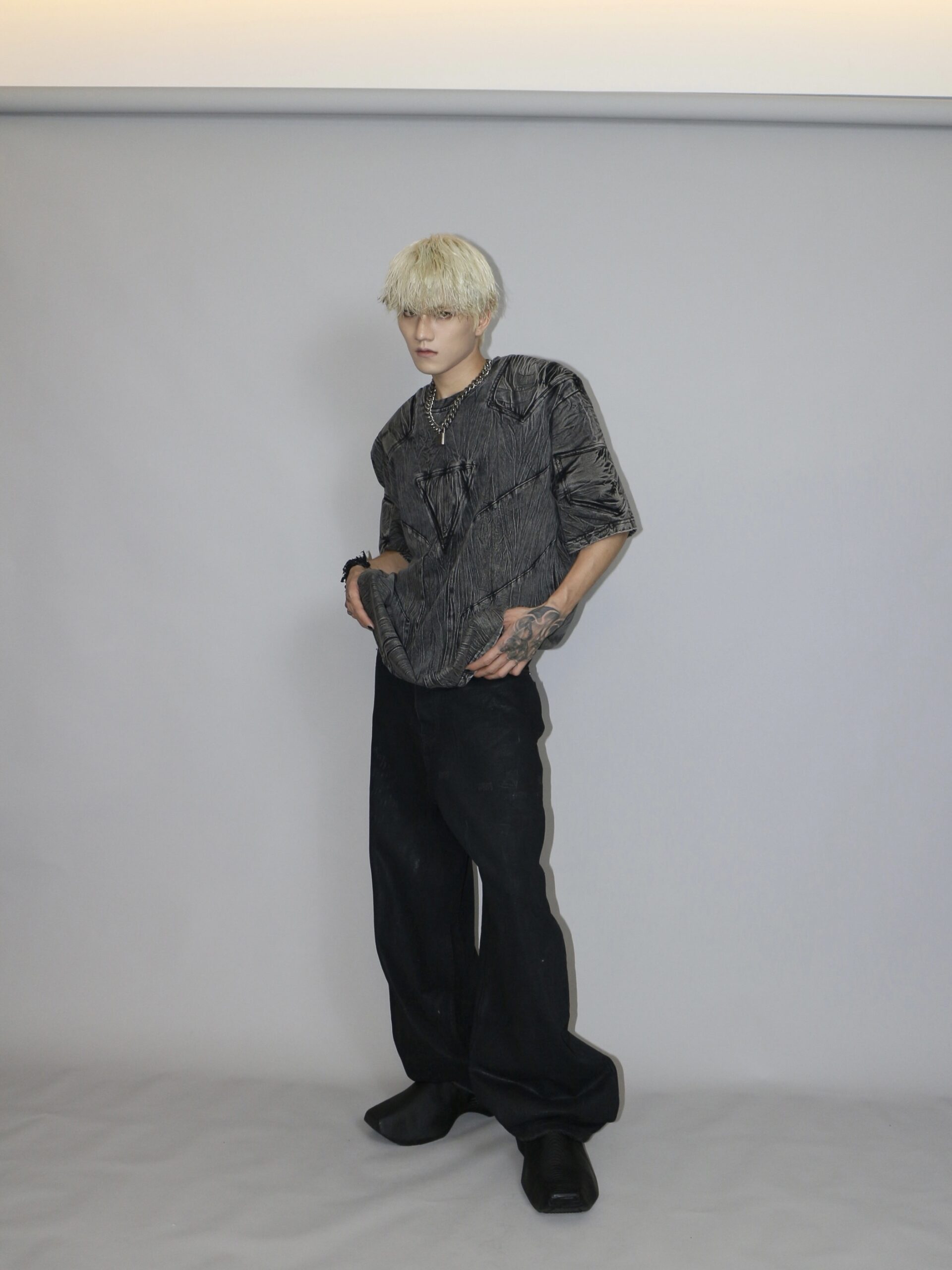
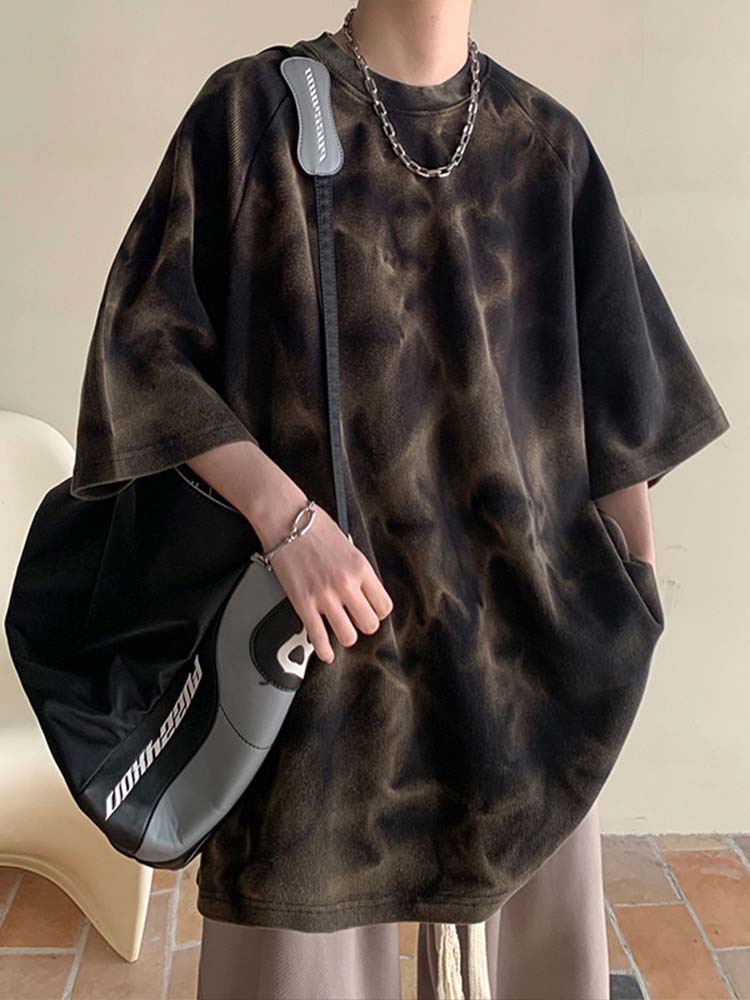
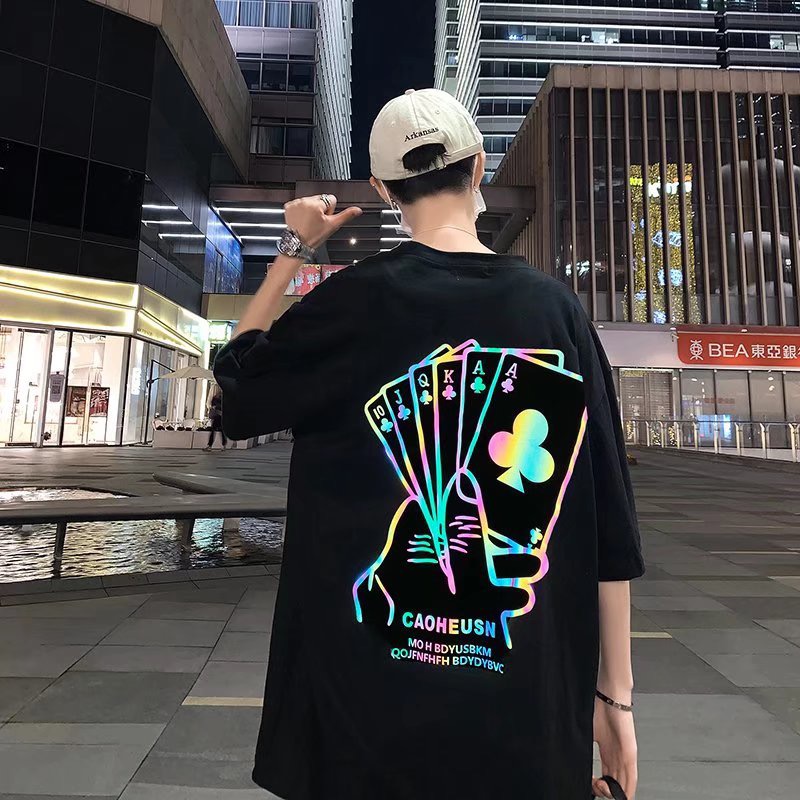
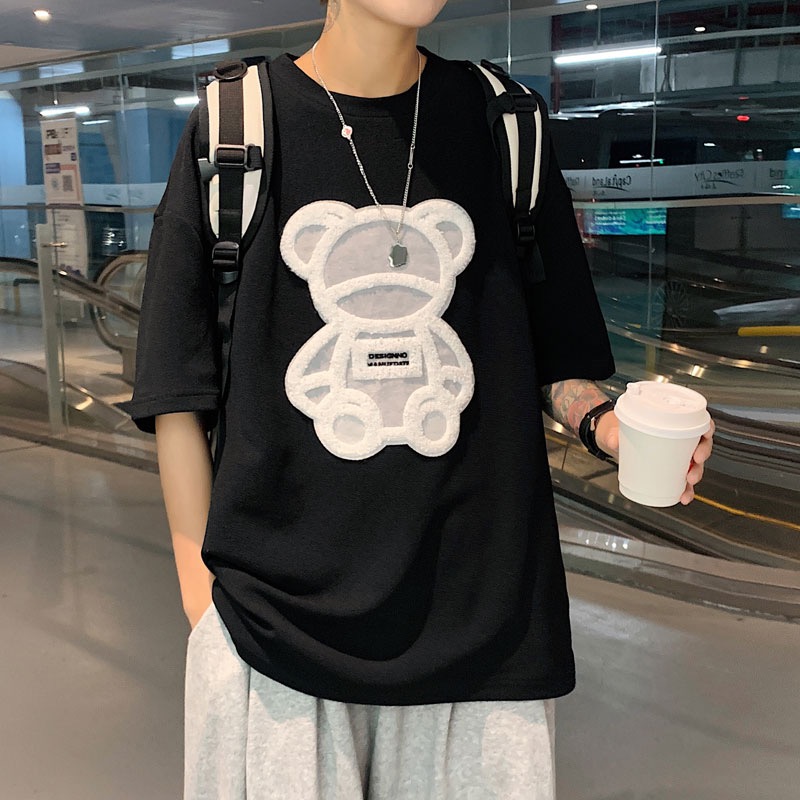
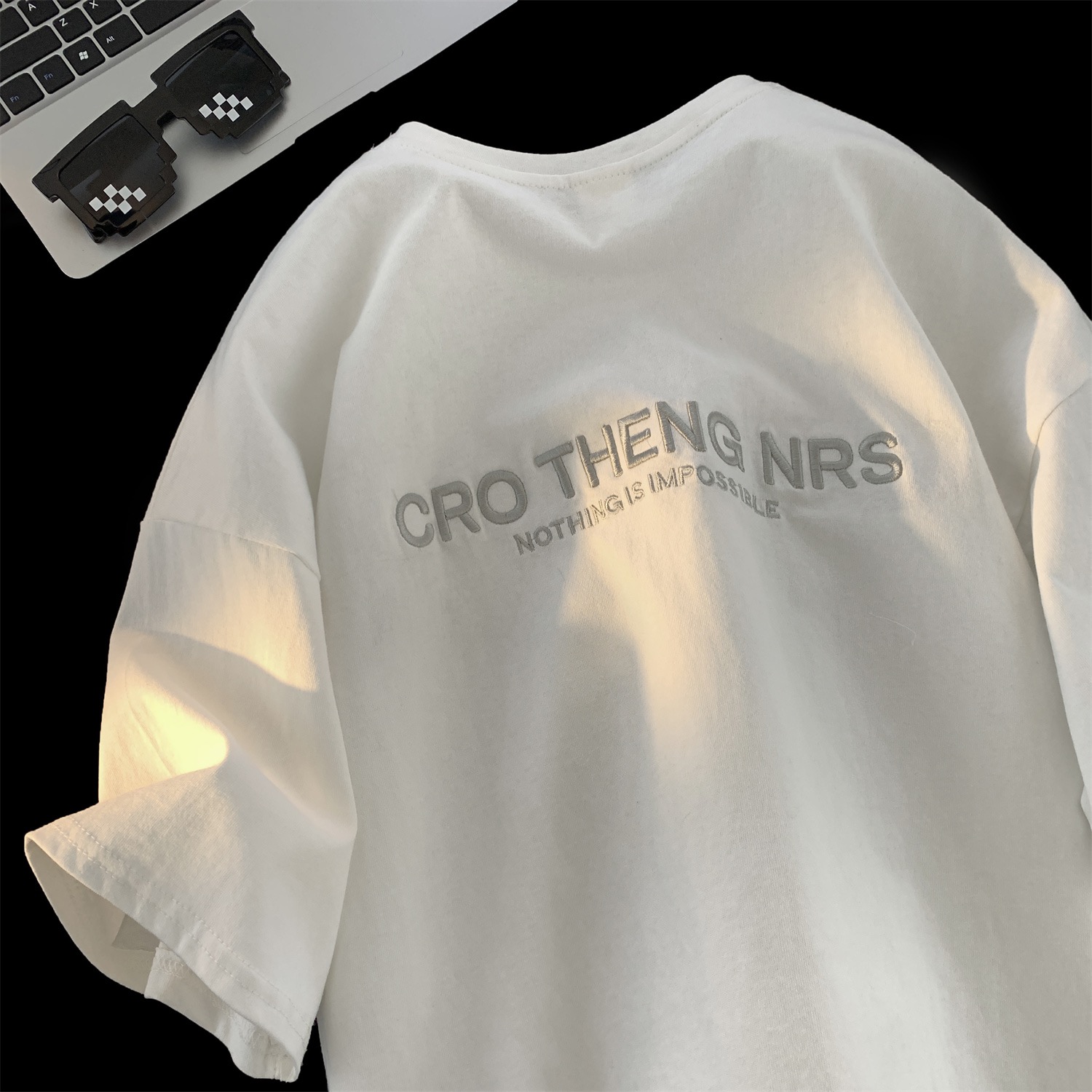
Featured Products for Sublimation Apparel Development
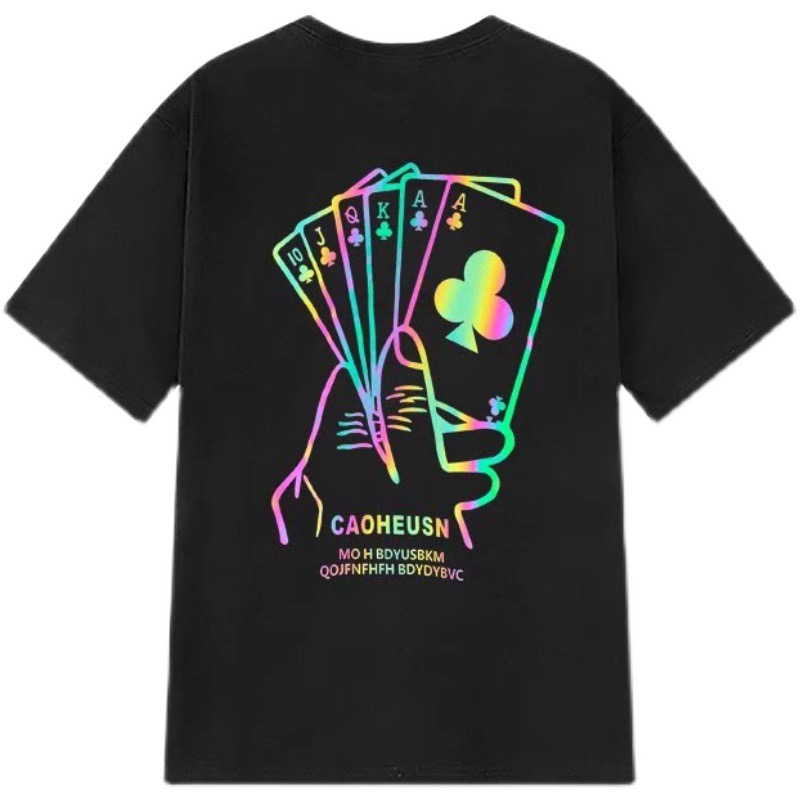
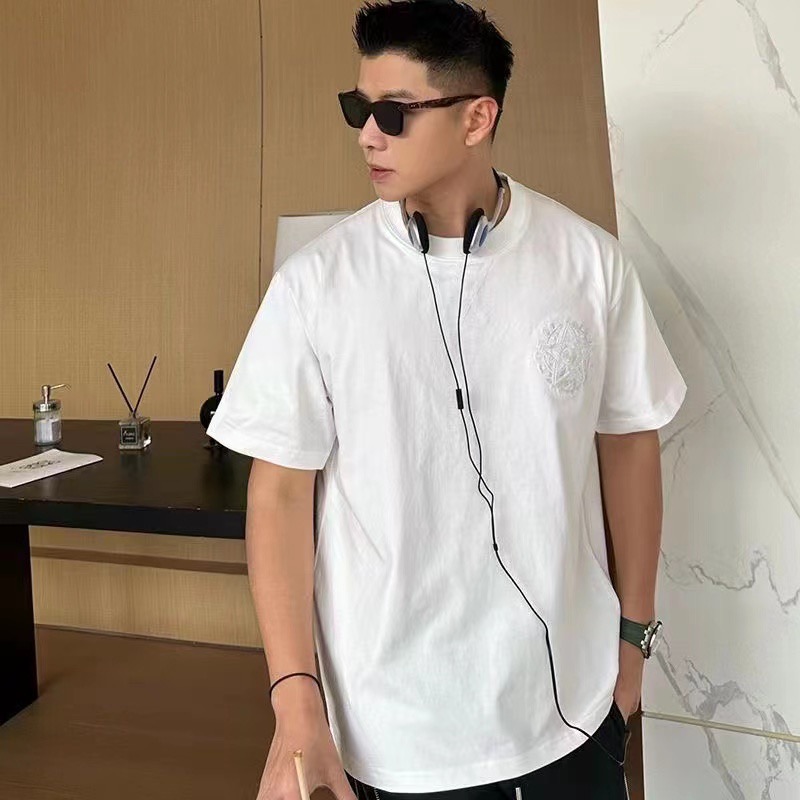
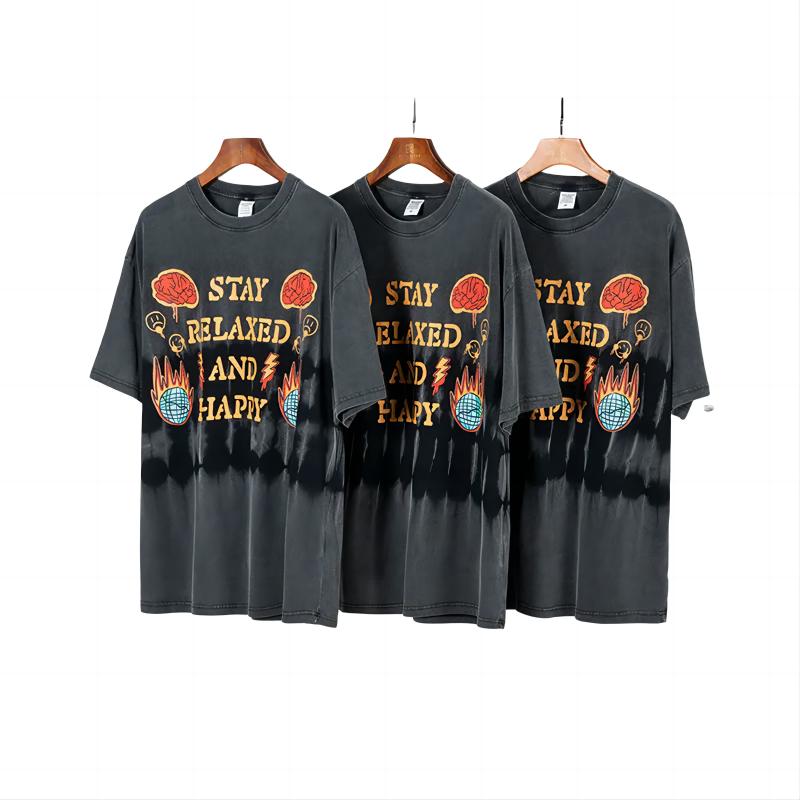
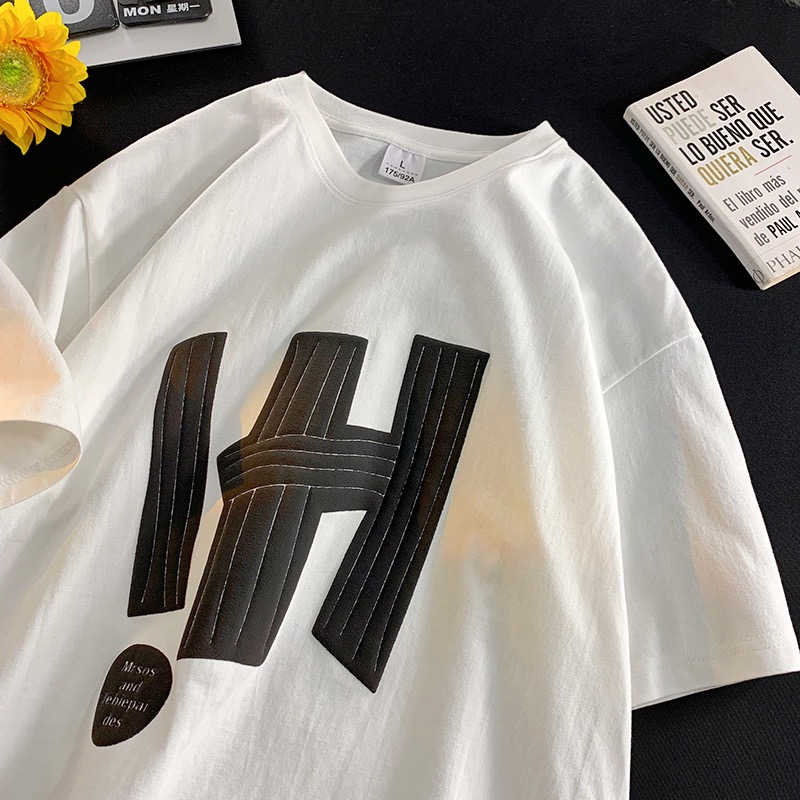
Why Choose a Sublimation Clothing Manufacturer
Build color-driven polyester apparel with integrated graphics, a lightweight feel and repeatable personalization for teams, brands and private-label programs.
Full-Color Graphics
Reproduce detailed artwork, gradients, patterns and all-over designs across suitable polyester garments without limiting your collection to simple spot-color layouts.
Lightweight Print Feel
Because dye becomes part of the fabric on suitable polyester, sublimated graphics avoid the added surface layer associated with many print applications.
Integrated Color
Sublimation infuses dye into compatible polyester fibers, supporting vivid visual coverage while preserving the garment’s flexibility and performance-focused hand feel.
Repeatable Personalization
Apply names, numbers, sponsor marks and coordinated artwork within a documented production standard for teamwear, school programs and branded apparel orders.
Built for Collection Development
EDVORIN coordinates fit, fabric, patterns, artwork placement, labels and packaging so approved sublimated styles can move confidently from sample to bulk.
Explore Apparel Manufacturing Beyond Sublimation
Compare garment categories, fabric options and decoration methods within one production system, then develop the right specification for your collection or team program.
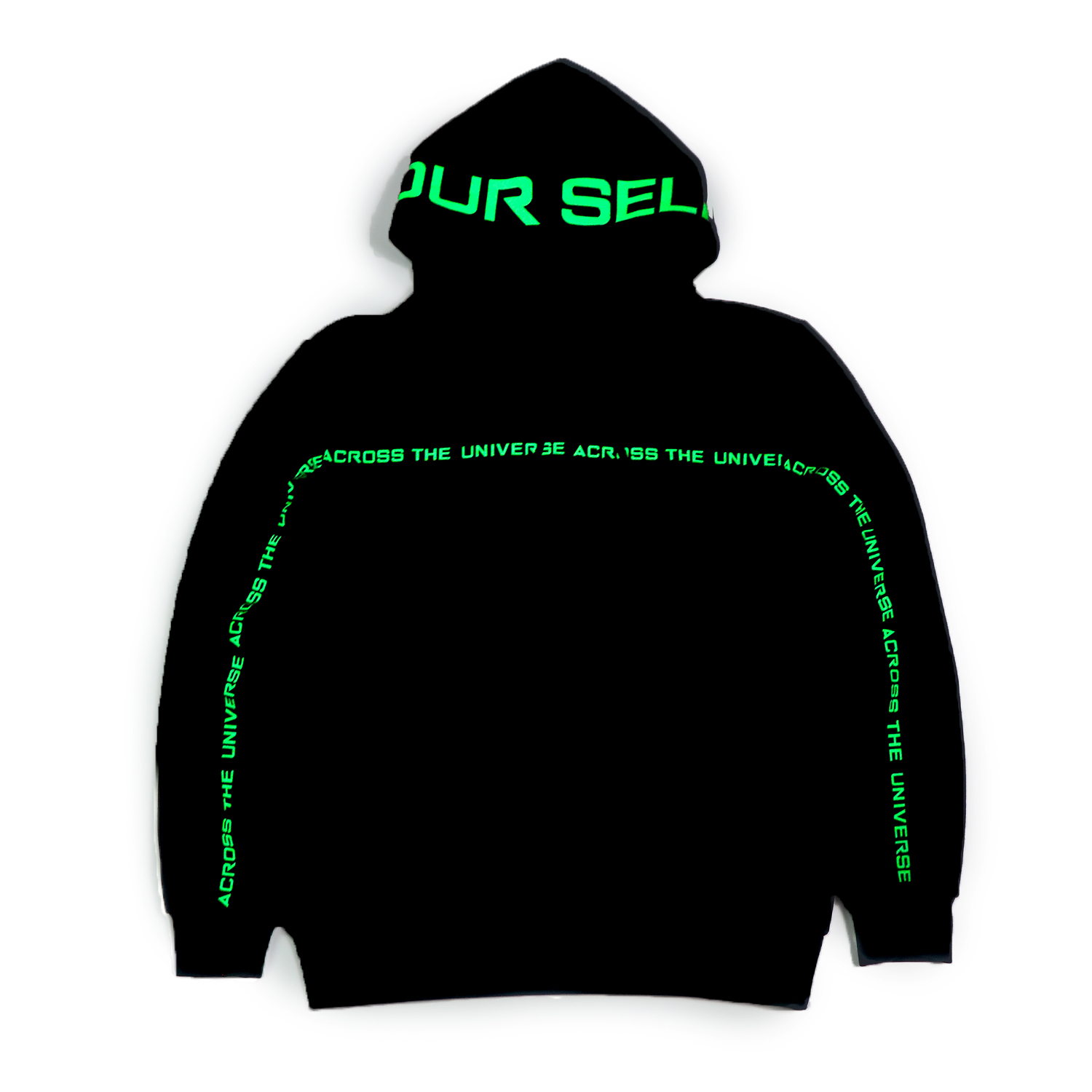
Custom Hoodies
Develop custom hoodies with fleece weight, fit blocks, rib construction, drawcords, labels and decoration planned for repeat bulk production. As a custom hoodie manufacturer, EDVORIN supports men’s and women’s programs from tech pack or reference garment through approved sample.
Get a Quote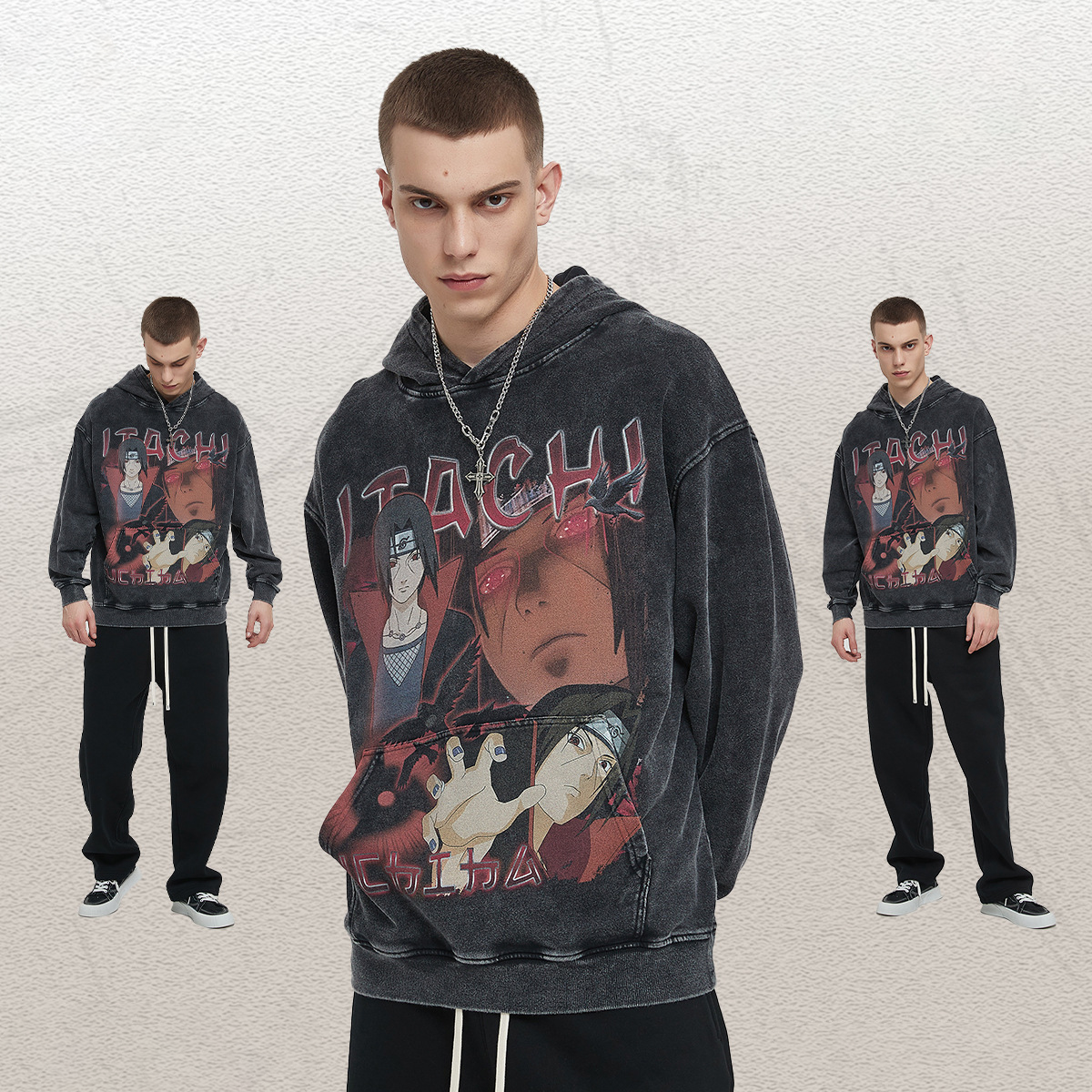
Pullover Sweatshirts
Produce pullover sweatshirts with defined fabric weight, collar and cuff rib, stitching details, grading and print or embroidery placement. EDVORIN helps brands turn sweatshirt concepts into documented standards that remain consistent from sample approval through bulk production.
Get a Quote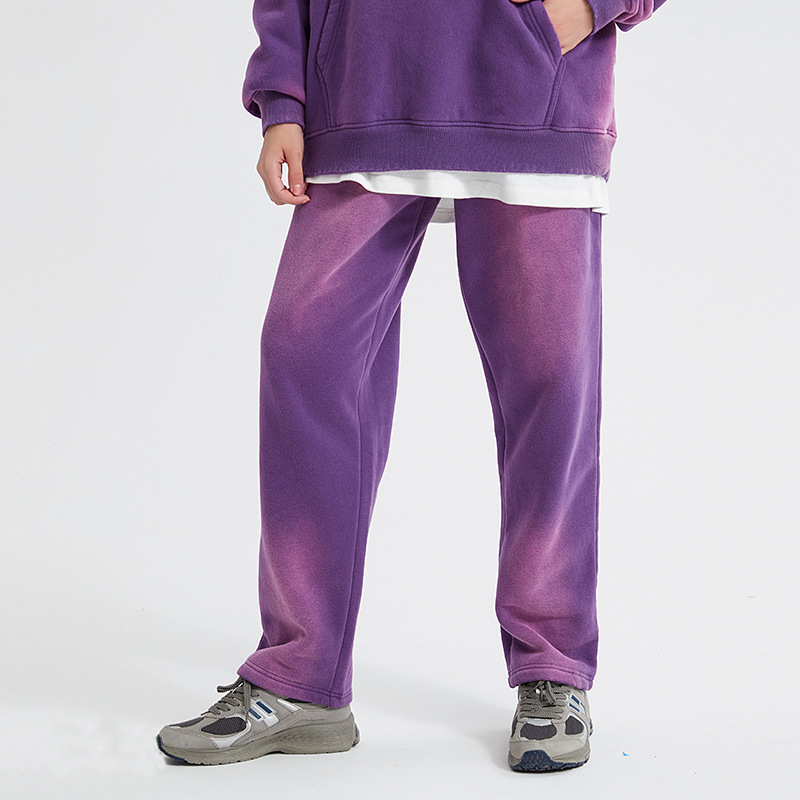
Sweatpants & Joggers
Build sweatpants and joggers around intended fit, fabric recovery, waistband construction, pocket layout, cuffs and wash or decoration requirements. EDVORIN develops men’s and women’s sweatpants programs with coordinated specifications for matching sets and repeat orders.
Get a Quote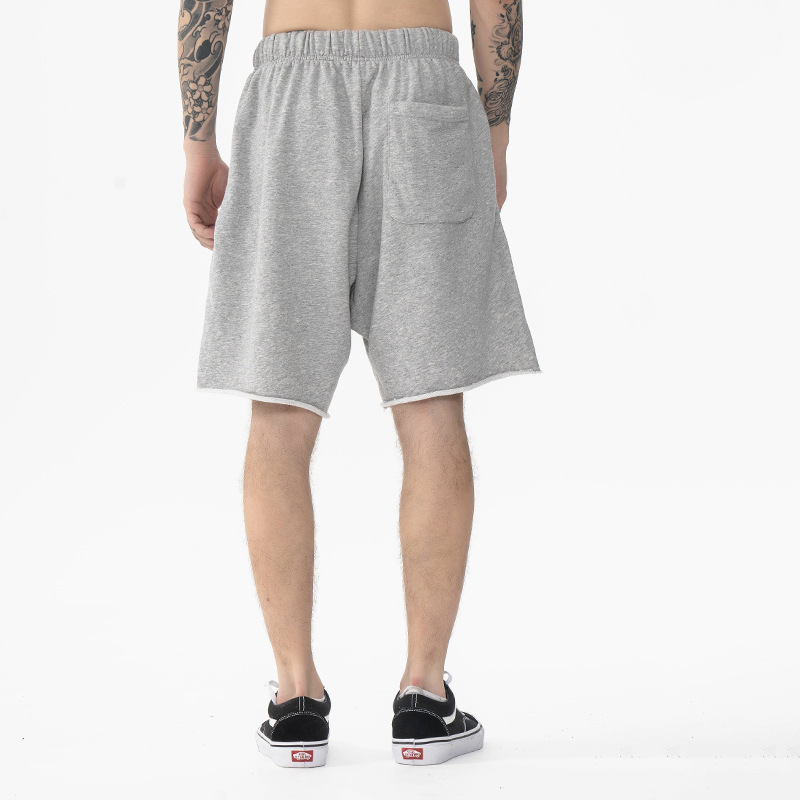
Custom Shorts
Create custom shorts for casualwear, streetwear, training or team programs, with fabric, inseam, waistband, pocket and decoration choices matched to use. EDVORIN prepares samples and production specifications for men’s and women’s short styles starting at 200 pieces per style.
Get a Quote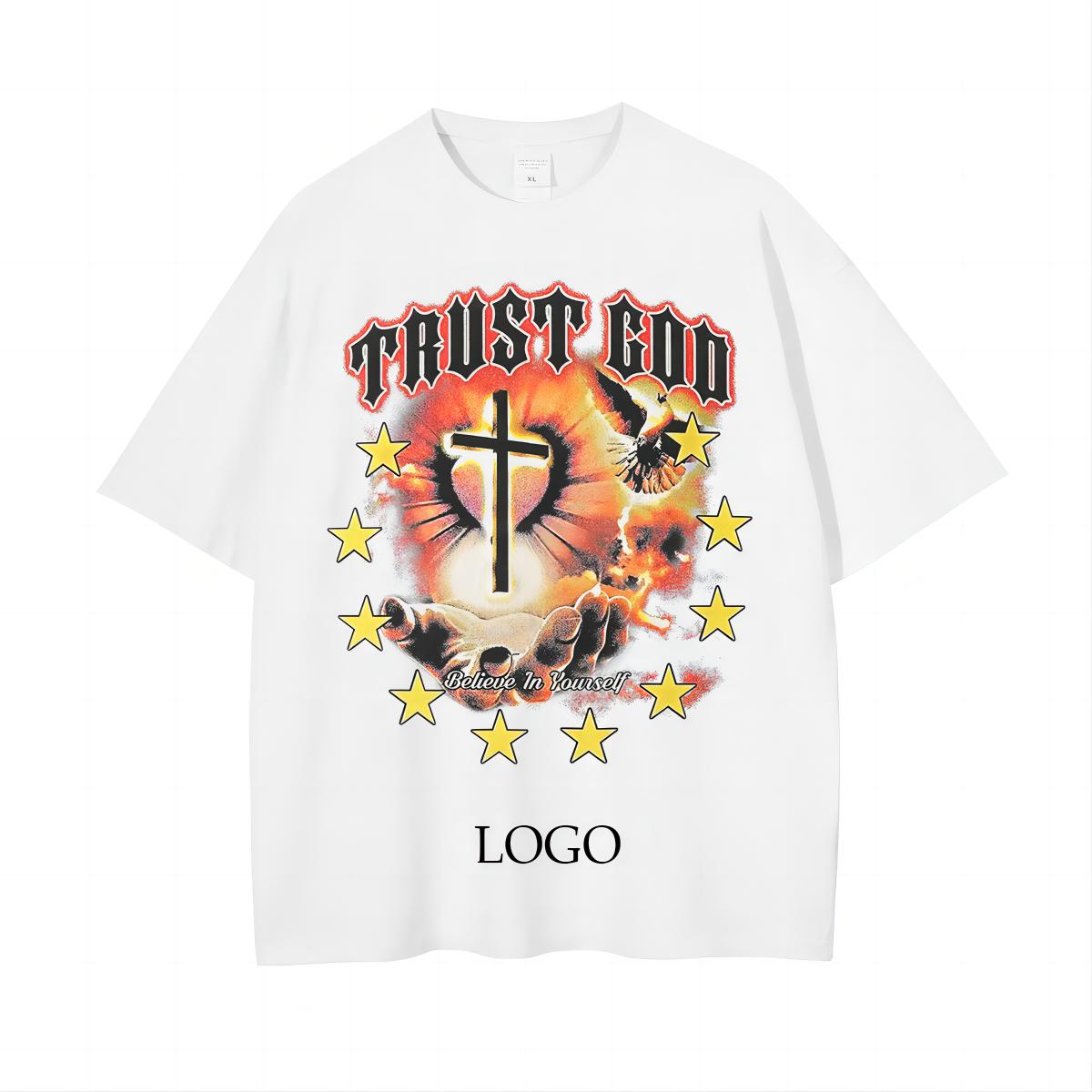
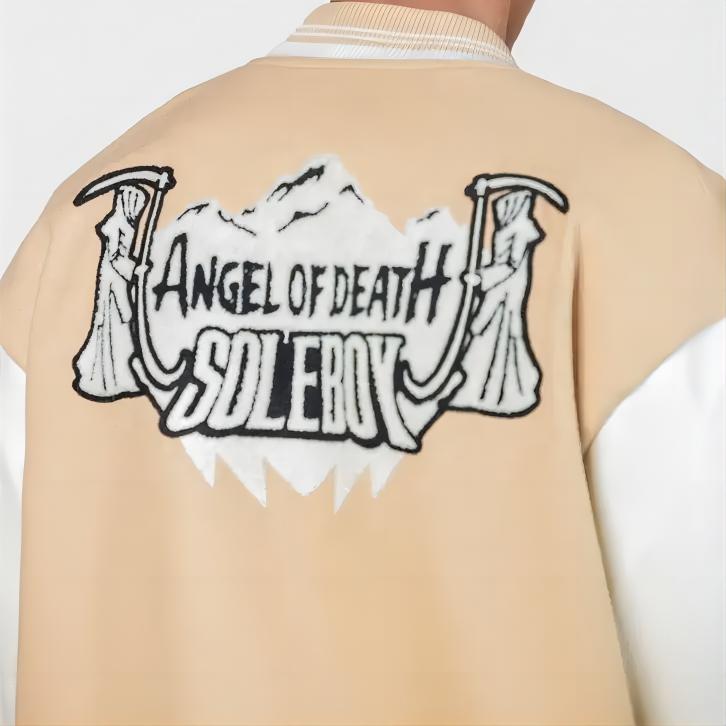
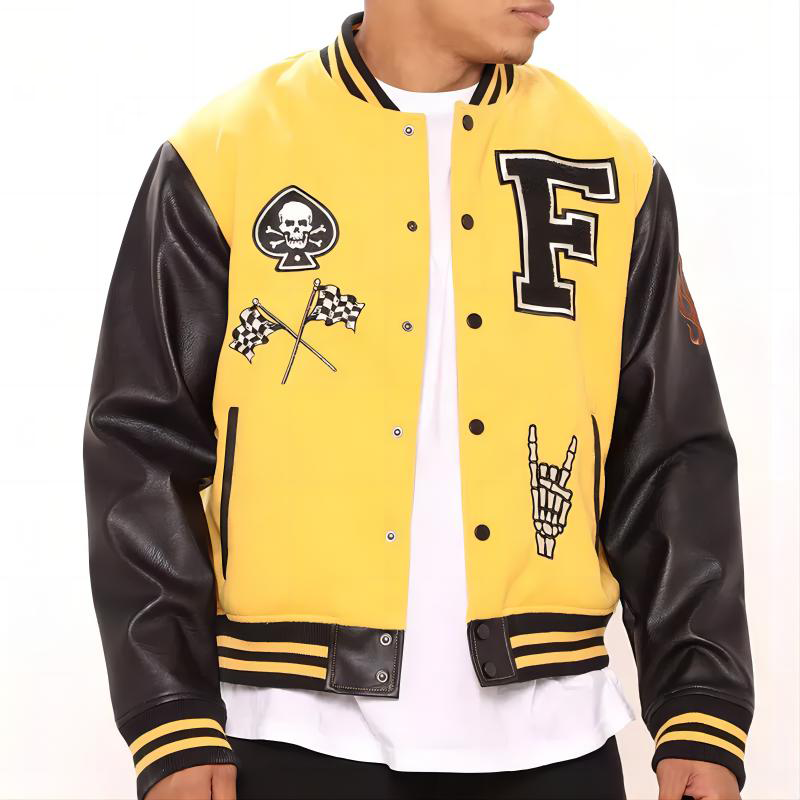
Varsity & Baseball Jackets
Develop varsity and baseball jackets with coordinated body fabric, sleeves, rib, lining, snaps, patches and embroidery. EDVORIN records the construction and placement details needed to reproduce a varsity jacket program consistently across sizes and future runs.
Get a Quote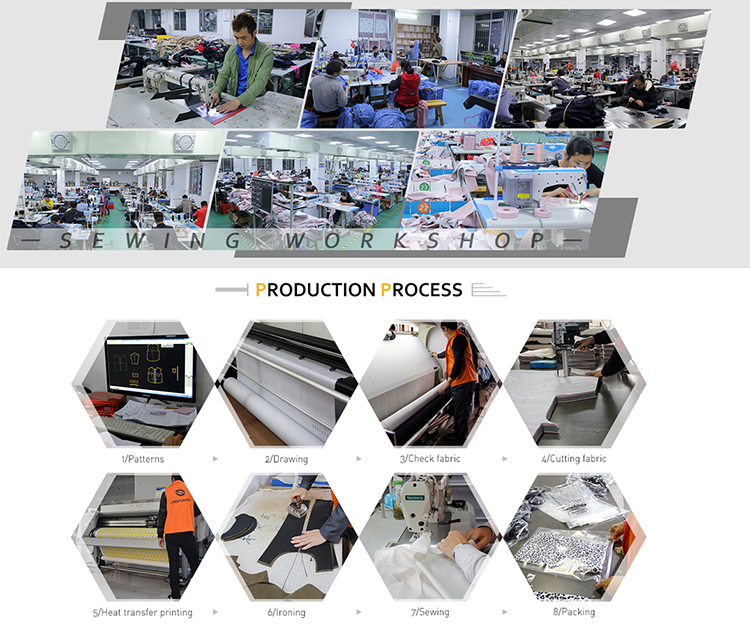
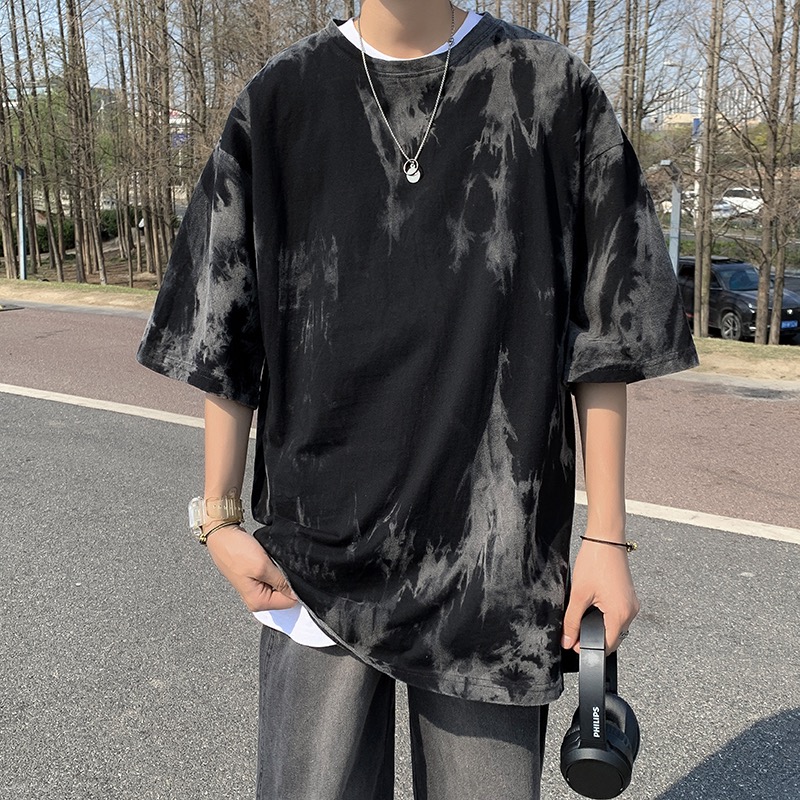
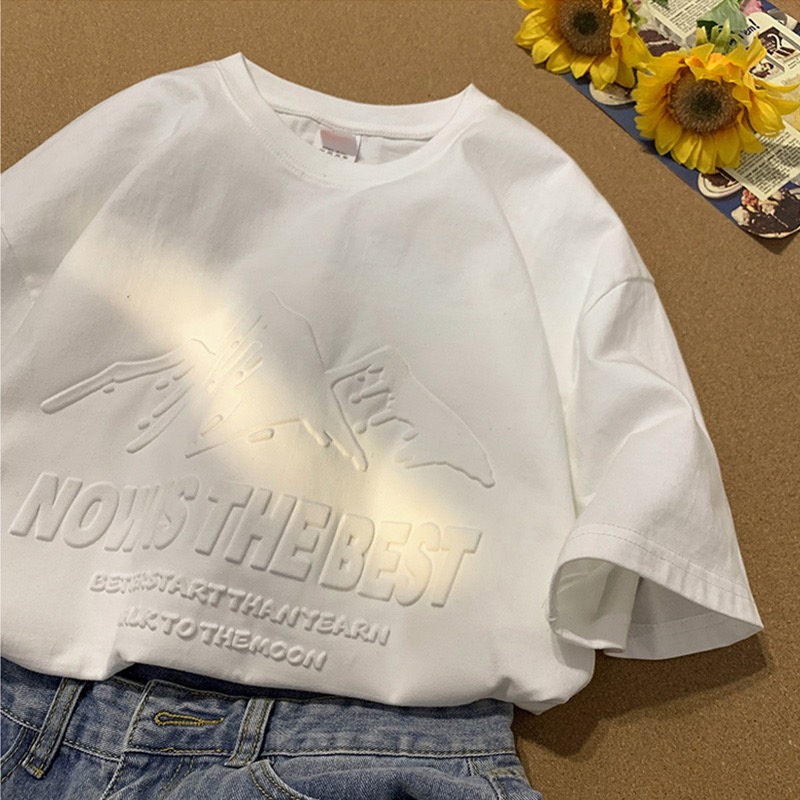
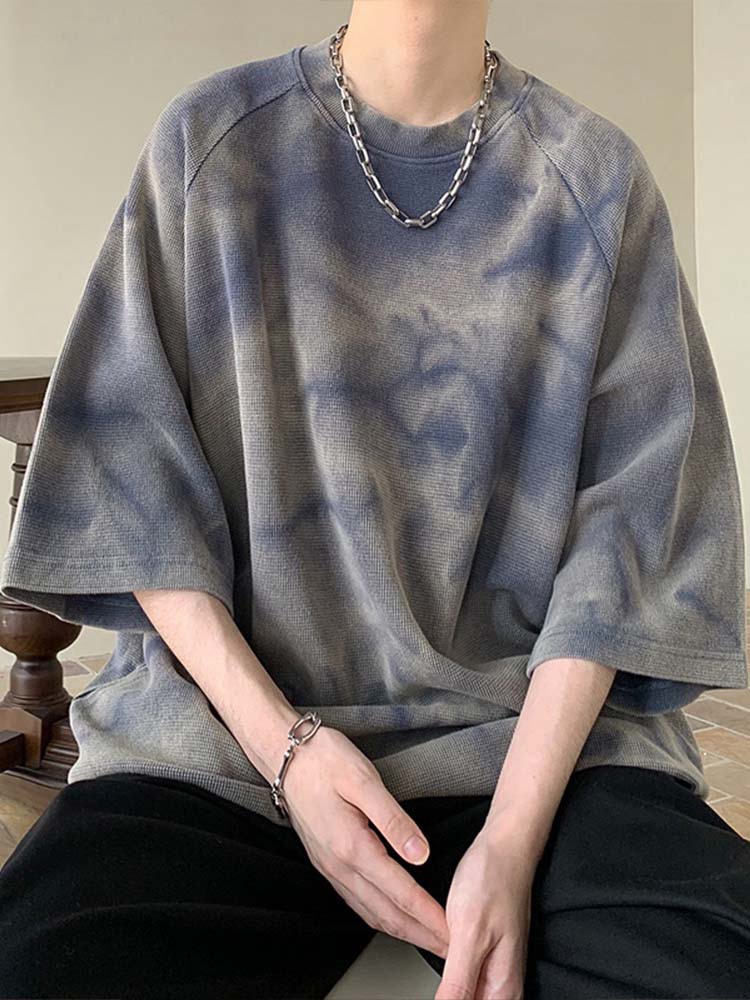
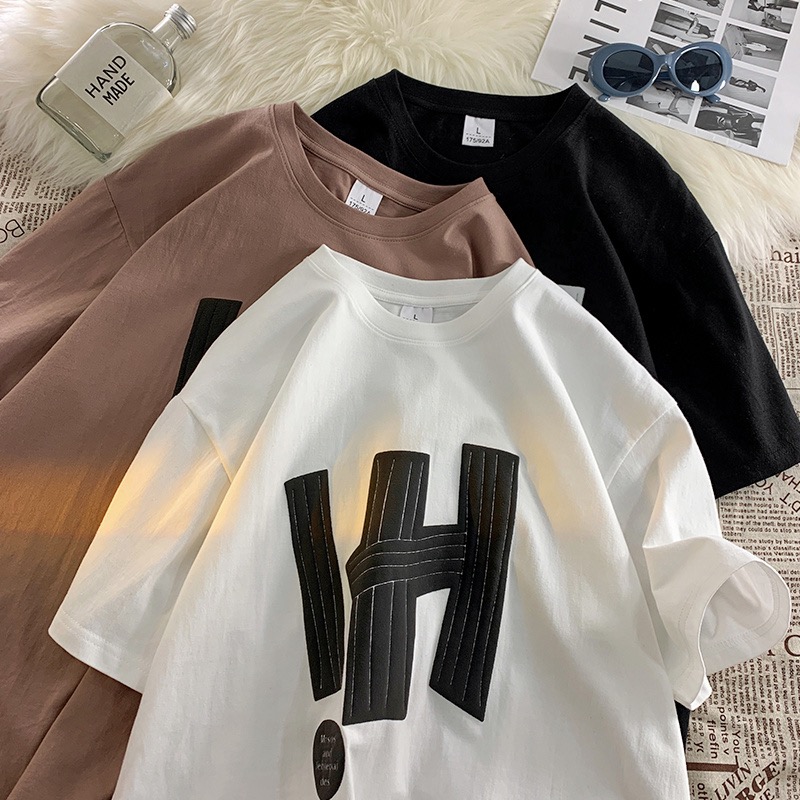
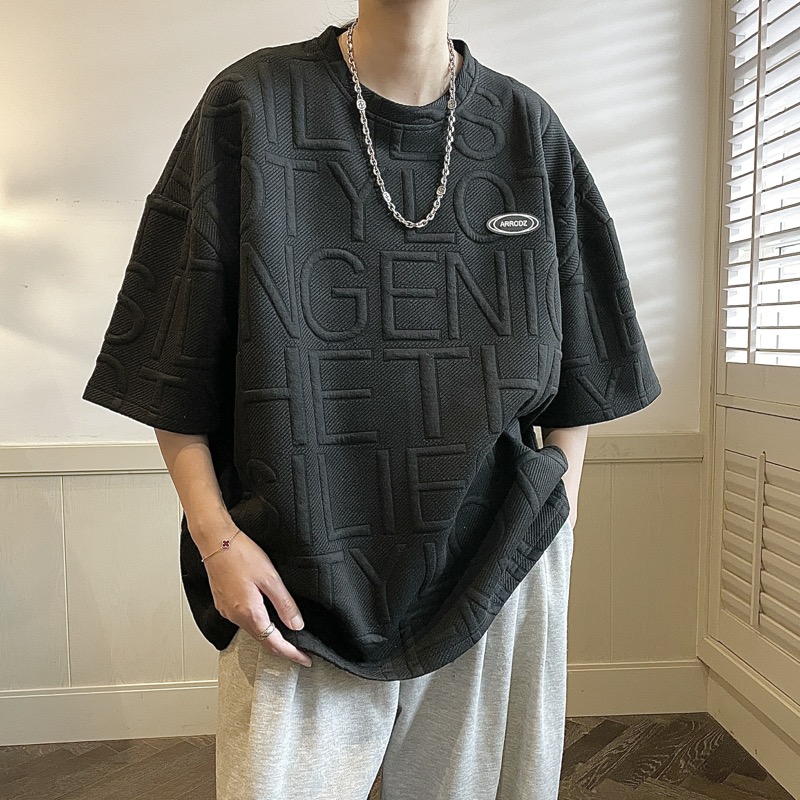
Custom T-Shirts
Manufacture custom T-shirts with the right knit fabric, weight, neckline, fit, print method, wash and label package for the target market. EDVORIN supports men’s and women’s T-shirt development from basic branded tees to detailed streetwear styles.
Get a Quote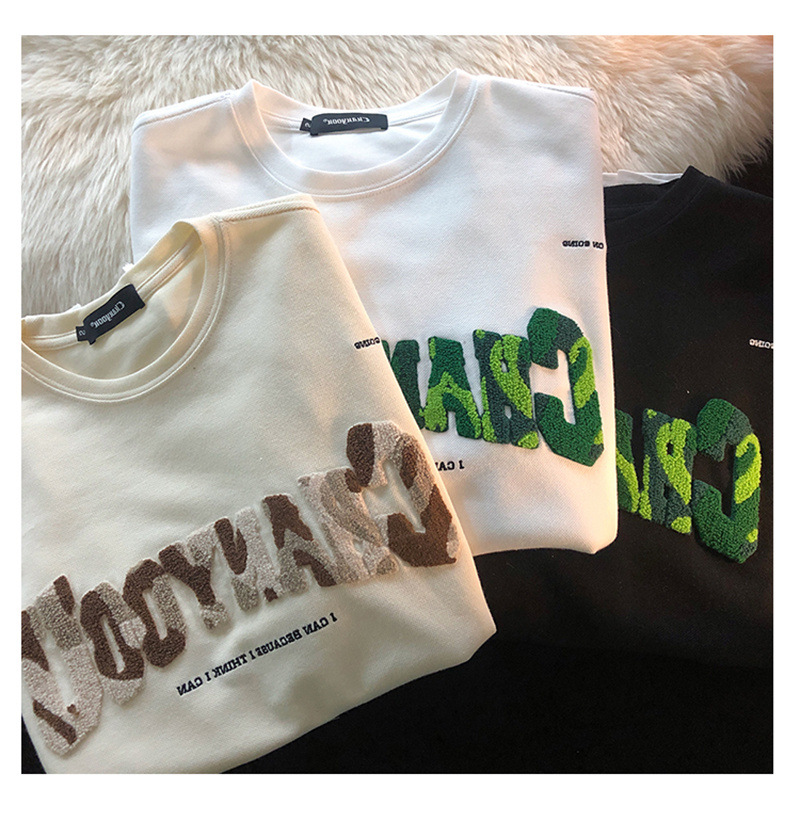
Custom Polo Shirts
Produce custom polo shirts with selected pique or performance fabric, collar construction, placket, sleeve finish, embroidery and color control. EDVORIN develops polo programs for corporate, school, wholesale and private-label buyers with repeatable size and trim specifications.
Get a Quote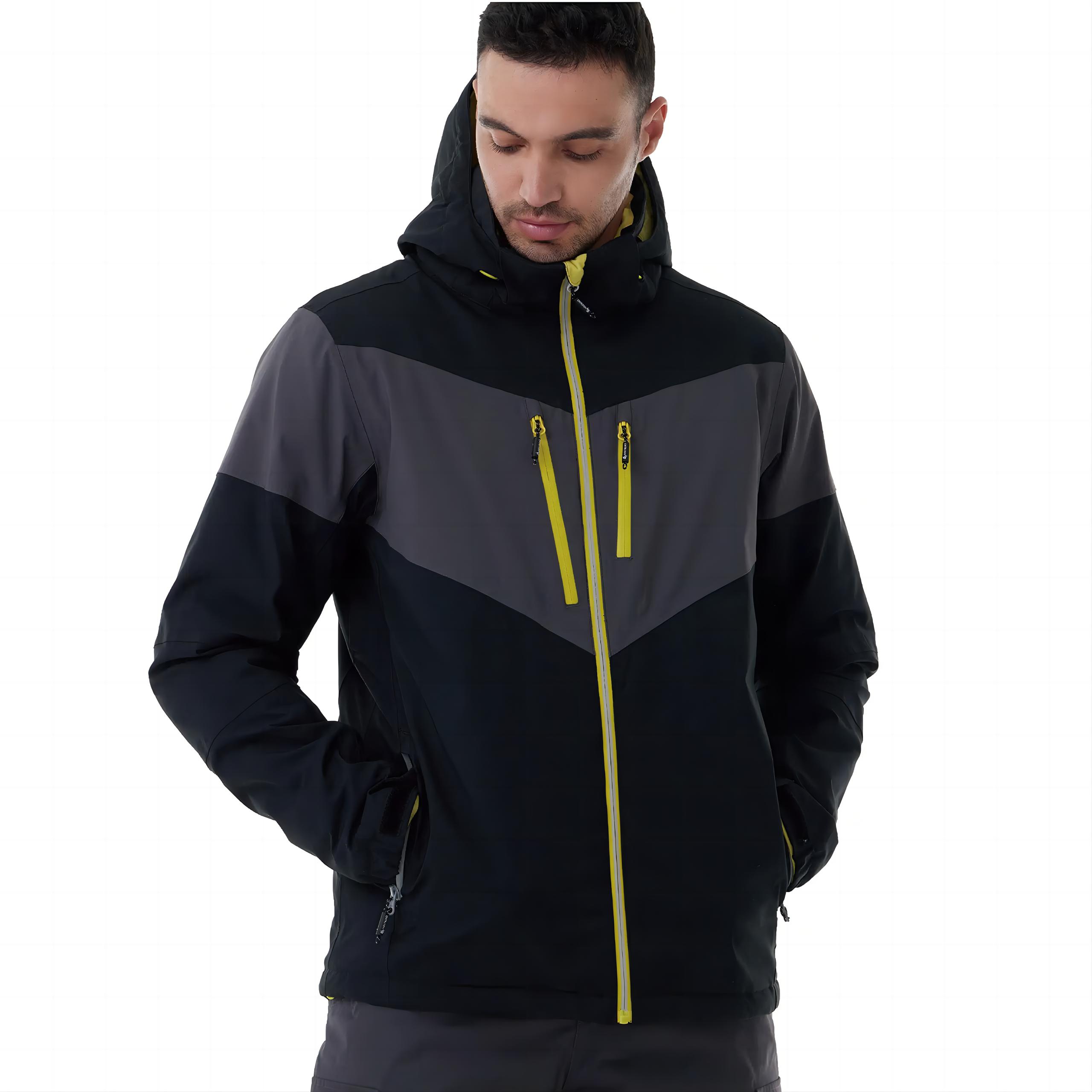
Windbreaker Jackets
Develop windbreaker jackets with shell fabric, lining or mesh, zippers, hood details, pockets, ventilation and print or embroidery requirements aligned to the intended weather use. EDVORIN coordinates samples and bulk production for men’s and women’s outerwear programs.
Get a Quote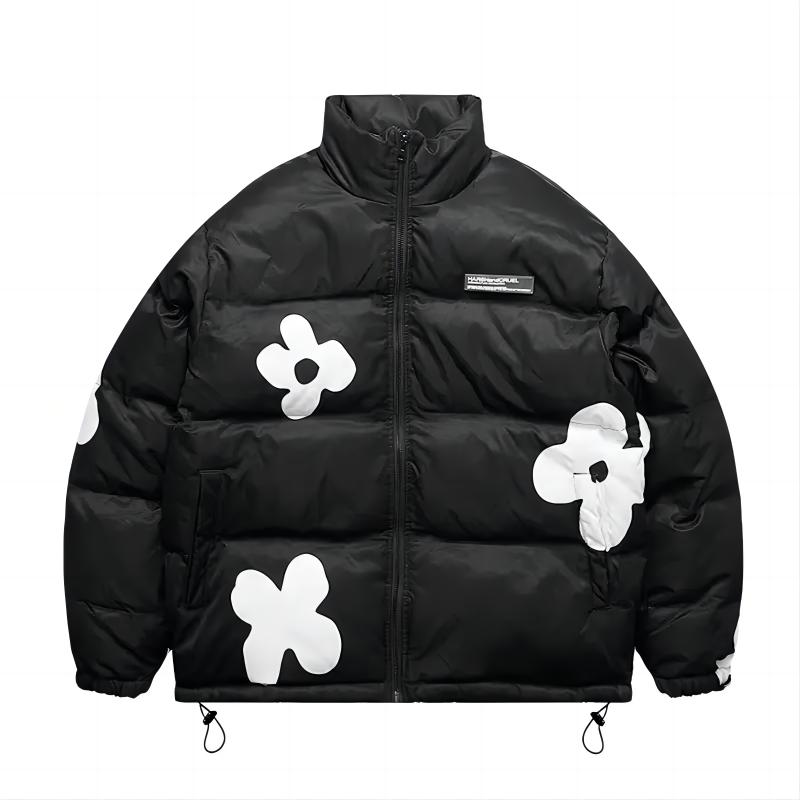
Quilted Jackets
Build quilted jackets with shell, lining, insulation, quilting pattern, pocket construction and hardware specified as one system. EDVORIN helps buyers evaluate warmth, weight and finish during sampling before converting approved details into bulk production standards.
Get a Quote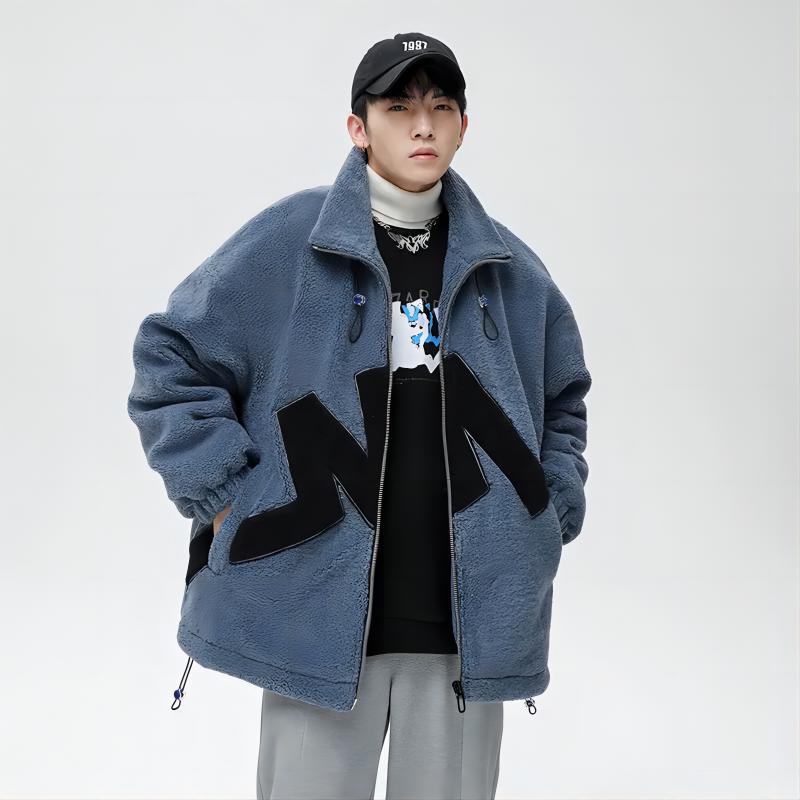
Bomber Jackets
Produce bomber jackets with balanced shell fabric, lining, rib, zipper, pocket and decoration choices. EDVORIN develops men’s and women’s bomber styles for fashion, streetwear and private-label programs, documenting construction details for stable repeat manufacturing.
Get a Quote
Custom Shirts
Create custom woven shirts with fabric selection, collar shape, placket, cuffs, pocket details, grading and branding specified for the intended market. EDVORIN supports development of men’s and women’s woven shirt programs from sketches, references or complete tech packs.
Get a Quote
Custom Jerseys
Develop custom jerseys with breathable fabric, panel construction, color matching, sublimation artwork, names, numbers and size sets managed together. EDVORIN prepares production-ready jersey specifications for clubs, schools, academies and branded teamwear programs.
Get a Quote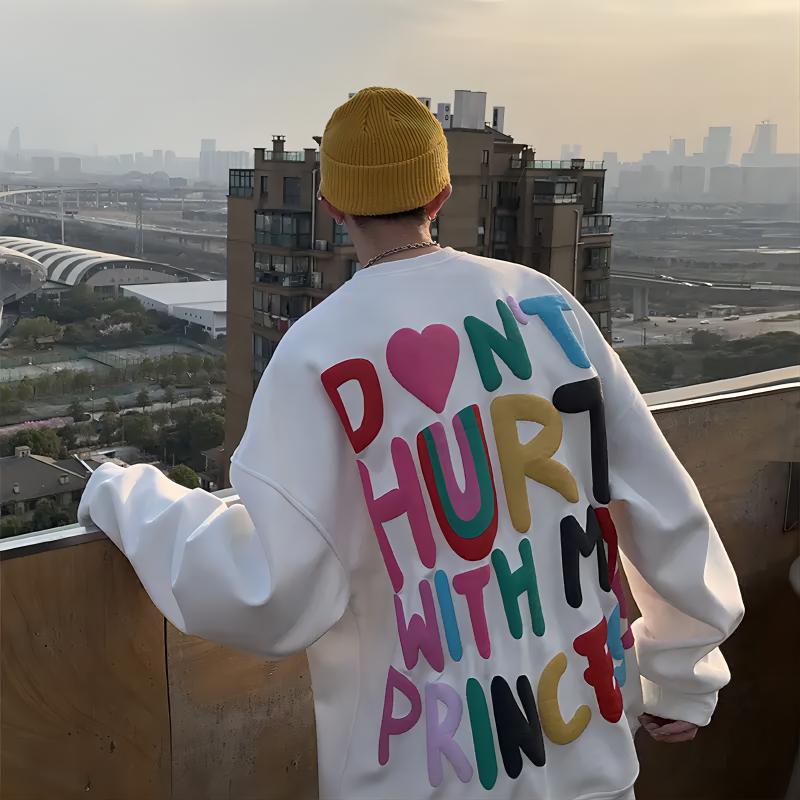
Tank Tops
Manufacture custom tank tops with knit or performance fabric, armhole and neckline binding, fit, print placement and labeling adapted to men’s or women’s programs. EDVORIN supports samples and repeat production for active, teamwear and casualwear applications.
Get a Quote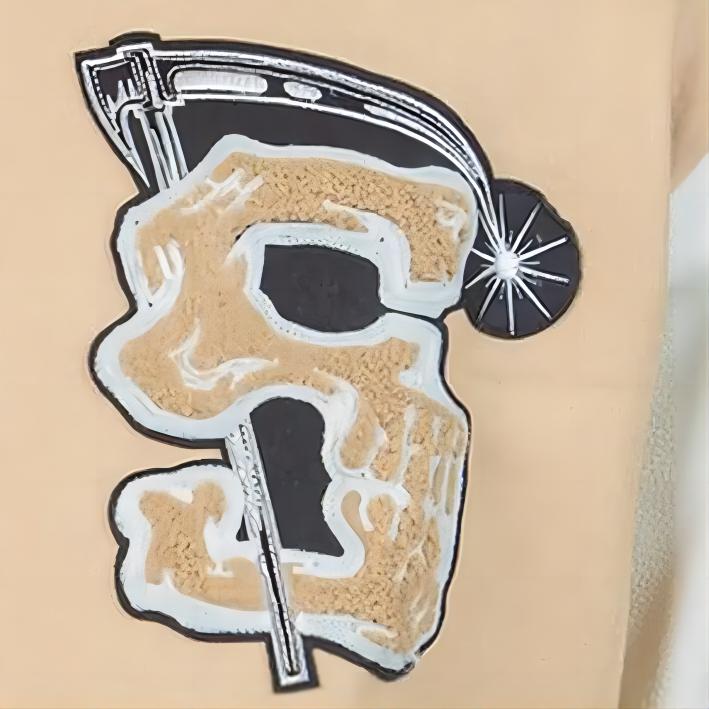
Soccer Uniforms
Produce soccer uniforms with performance fabric, sublimation graphics, color references, player names, numbers, badges and coordinated size runs. EDVORIN organizes these variables into approved production standards for clubs, schools, academies and wholesale teamwear buyers.
Get a Quote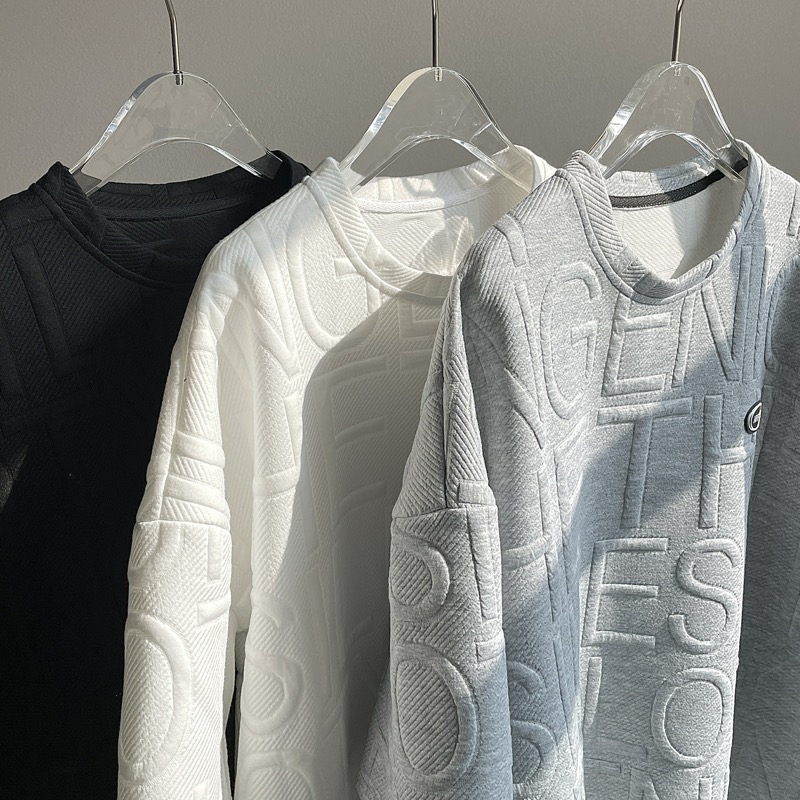
Basketball Uniforms
Develop basketball uniforms with breathable fabrics, reversible or single-layer construction, sublimation artwork, player numbering and coordinated shorts. EDVORIN manages fit, color and decoration specifications across full team size sets, from sample review through packed bulk orders.
Get a Quote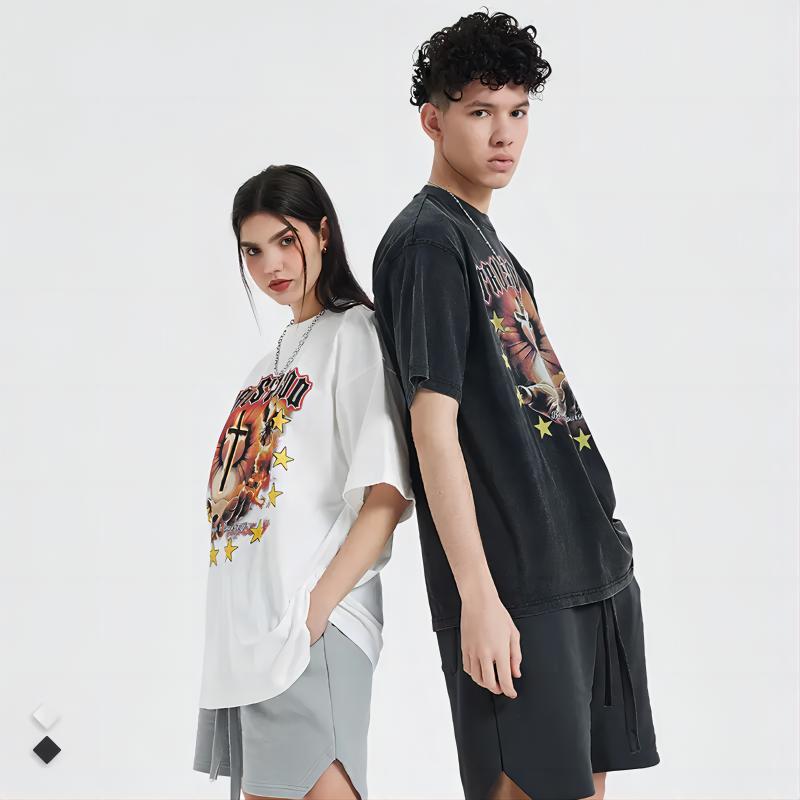
Streetwear Collections
Develop coordinated streetwear collections across hoodies, tees, sweatpants, shorts, jackets and woven pieces under one production workflow. EDVORIN aligns fabrics, fit blocks, trims, washes, labels and decoration so each style supports a consistent, repeatable collection standard.
Get a QuoteSublimation Clothing Manufacturer Since 2000
Founded by Edvorin Zeng in 2000, EDVORIN is a founder-led OEM clothing manufacturer and private label clothing manufacturer specializing in color-driven teamwear, streetwear, corporate apparel, and sublimated collections.
Our connected OEM and ODM workflow coordinates fabric sourcing, pattern development, sampling, sublimation printing, embroidery, trims, labels, packaging, and bulk production. Men’s and women’s development is available across each category, with fit, grading, and performance requirements set for the intended wearer rather than a one-size-fits-all specification.
What makes EDVORIN different is the discipline after sample approval. We document material, measurement, artwork placement, and finishing standards so bulk production has a clear reference. MOQ starts at 200 pieces per style, supported by certification programs including ISO 9001, BSCI, WRAP, SEDEX, OEKO-TEX Standard 100, GRS, and GOTS.
How a Sublimation Clothing Manufacturer Controls Every Detail
Polyester Built for Purpose
EDVORIN selects polyester constructions around the garment’s end use, whether that means a lightweight team jersey, a durable training top, or a color-forward fashion piece. Fabric weight, hand feel, stretch, and recovery are reviewed before sampling begins.
- Fabric construction matched to wear conditions
- Weight and hand feel reviewed in development
- Stretch and recovery considered by category
- Men’s and women’s fit requirements supported
Artwork Managed by Panel
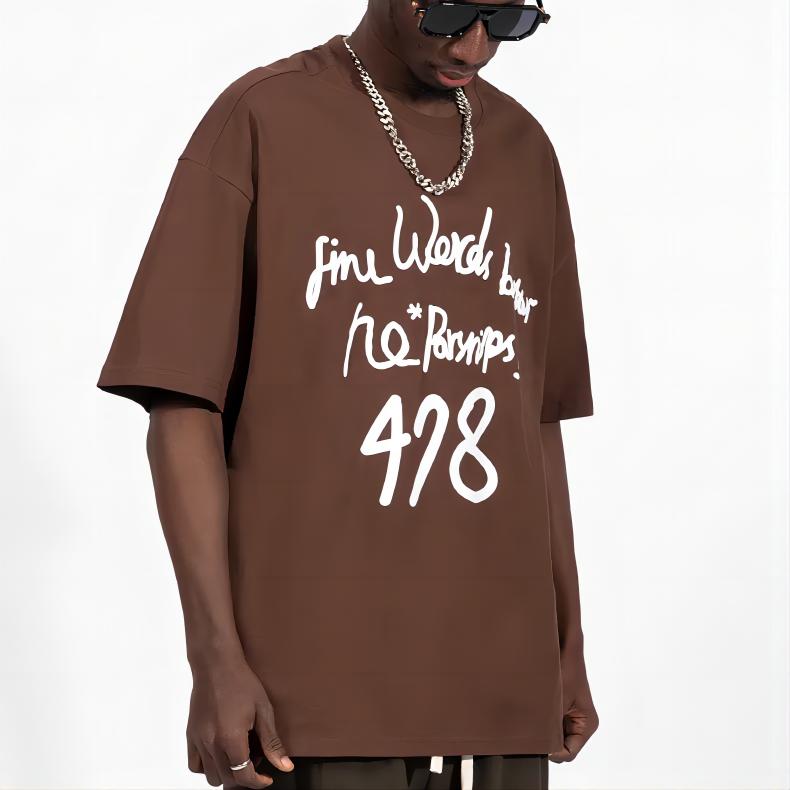
Full-color artwork is prepared with garment construction in mind, not treated as a flat graphic alone. EDVORIN reviews panel breaks, seam positions, scale, and key visual areas so logos, numbers, patterns, and color transitions retain their intended impact after cutting and sewing.
- Artwork mapped to individual garment panels
- Seams considered before print placement
- Logos and numbers positioned to specification
- Scale reviewed across graded sizes
Heat Transfer Under Control
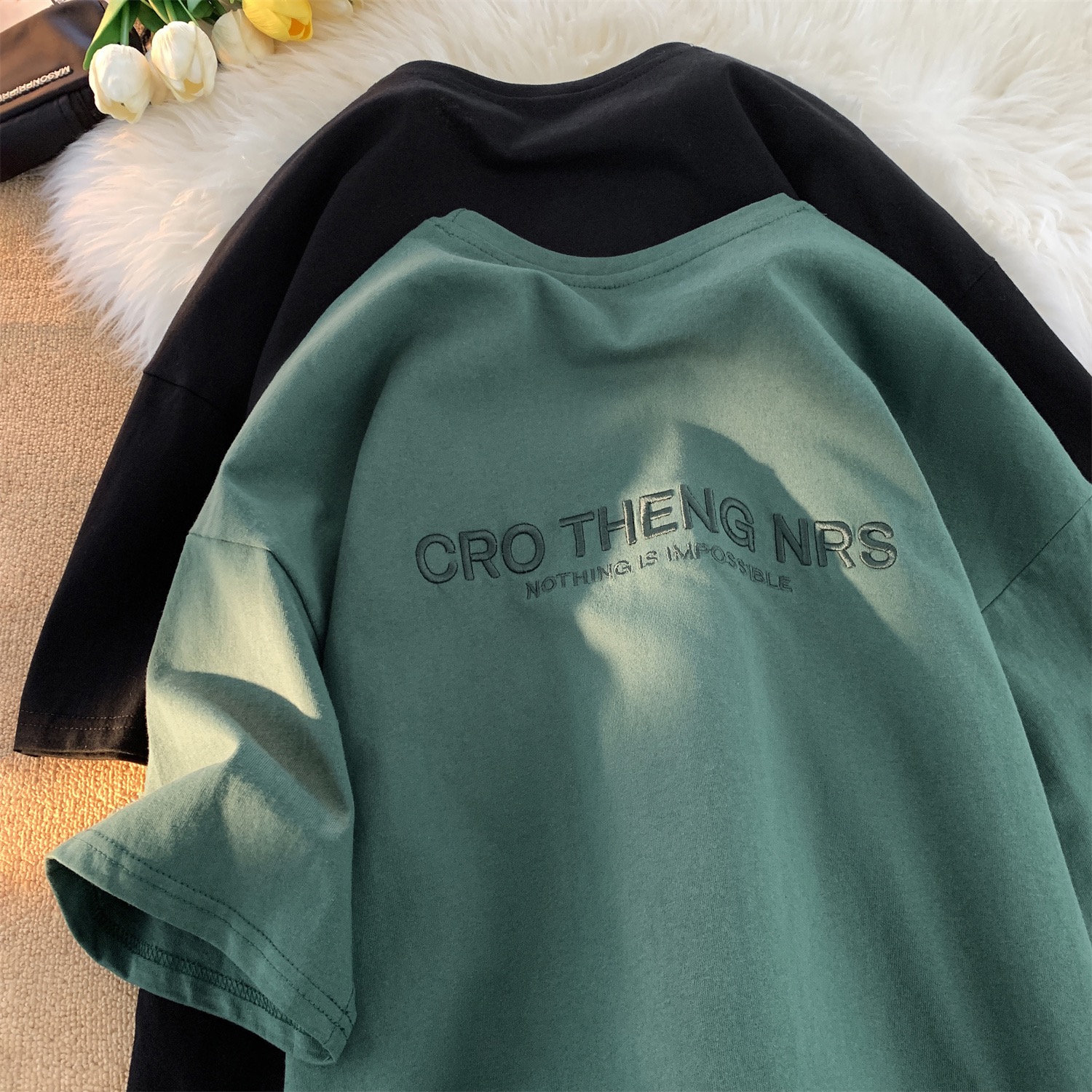
Reliable sublimation depends on disciplined control of the transfer stage. EDVORIN coordinates fabric, artwork, and production settings during development, then checks output against the approved sample so color appearance, registration, and surface quality remain aligned through bulk production.
- Fabric and print process evaluated together
- Color appearance checked against approvals
- Registration reviewed before bulk release
- Surface finish inspected during production
Approved Samples Guide Bulk
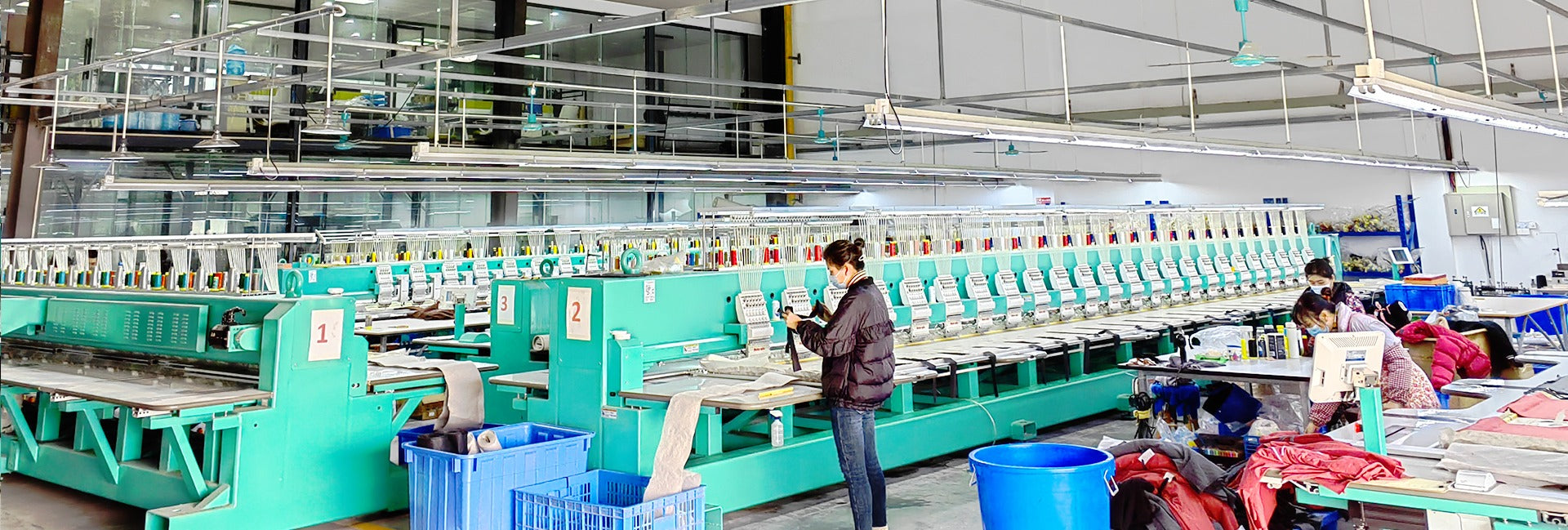
A sample becomes useful when its decisions are recorded and carried into production. As your sublimation clothing manufacturer, EDVORIN documents approved materials, measurements, artwork placement, trims, and finishing details, using in-line and final checks to protect the agreed standard.
- Approved sample used as the production reference
- Measurements and placements documented clearly
- In-line checks identify variation early
- Final inspection completed before packing
Sublimation Clothing Manufacturer vs. Screen Printing
Choose the process around fabric, artwork, and wear requirements. Sublimation is best suited to polyester; screen printing supports broader fabric options.
← Swipe left or right to view →
Sublimation Clothing Manufacturer Production Process
EDVORIN coordinates each technical decision from artwork review through panel printing, assembly, inspection and packing, so approved apparel standards can move reliably into bulk production.
Review Artwork and Fabric
We review artwork files, color references, garment panels and polyester fabric options, confirming how the design, fit and performance requirements should work together.
Build Production-Ready Layouts
Our team prepares panel-specific print layouts, placement references and sizing details, translating approved artwork into clear instructions for repeatable cutting and sewing.
Print and Heat Transfer
Sublimation graphics are transferred onto prepared polyester fabric panels, with color, registration and panel alignment checked before the material proceeds to cutting.
Cut and Sew Panels
Printed panels are cut and assembled according to the approved pattern, with construction details, trims and fit requirements controlled throughout the sewing process.
Inspect Against Approval
In-line and final checks compare color, measurements, artwork placement, construction and finishing against the approved sample and documented production standard.
Label Pack and Deliver
After inspection, garments receive agreed labels, folding and packaging, helping your teamwear, sportswear or private-label order arrive organized for distribution.
Work With a Sublimation Clothing Manufacturer From Brief to Bulk
EDVORIN turns your approved artwork, fit and color requirements into a documented production standard for repeatable sublimated apparel.
Share Your Product Brief
Send a tech pack, sketch or reference garment with garment type, fit direction, fabric expectations, quantity and intended market for your sublimated apparel program.
Supply Production Artwork
Provide vector or high-resolution artwork, Pantone references, logo placements, names, numbers and size sets so color and personalization requirements can be reviewed clearly.
Approve the Development Sample
Review the sample for fit, construction, color, artwork placement and decoration quality. Approved details are recorded as the standard for bulk manufacturing.
Confirm Your Bulk Order
Finalize sizes, labels, packaging and order quantities. MOQ starts at 200 pieces per style, followed by coordinated production and sample-to-bulk quality control.
Illustrative Sublimation Order Scenarios
EDVORIN matched our approved navy and gold across 1,200 soccer jerseys, including two youth size runs. The colors stayed consistent from the first delivery to the reorder, so our club could present one unified kit on match day.
Our 680-player academy order required individual names and numbers across four jersey designs. Every roster file was checked before production, and we received the order with no name-and-number corrections needed for distribution.
We tested the tops through 30 wash cycles before approving bulk. The artwork remained clear, the fit held up, and EDVORIN delivered our 900-piece launch order on the agreed date despite a tight tournament schedule.
Sublimation Clothing Manufacturer FAQ
Clear guidance for planning full-color apparel programs with EDVORIN.
What fabrics work best with a sublimation clothing manufacturer?
Can a sublimation clothing manufacturer produce all-over prints?
How durable are sublimated prints after washing?
Can I combine sublimation with embroidery, patches, or other decoration?
What artwork files does a sublimation clothing manufacturer need?
What is the MOQ for custom sublimated apparel?
Can EDVORIN make a sample before bulk sublimation production?
How should I plan lead time for a sublimated apparel order?
The Complete Sublimation Clothing Manufacturer Buyer’s Guide
Use this practical framework to compare product options, fabric and construction standards, customization routes, supplier capabilities, and commercial terms—so you can select confidently, prevent costly sampling errors, and launch a reliable custom apparel program.
1. What Is a Sublimation Clothing Manufacturer?
3 production models are often grouped under the term sublimation clothing manufacturer: full-package cut-and-sew, custom printing on ready-made blanks, and wholesale supply of finished stock. Only the first model converts a buyer’s design into controlled patterns, panels, construction, labeling, and packed garments.
400°F is a typical heat-transfer range in dye sublimation: artwork is printed on transfer paper, then heat and pressure convert dye into gas that bonds with polyester fibers. Polyester-rich fabrics are standard because the dye has a receptive polymer surface; cotton-heavy garments are not equivalent sublimation bases.
2000 is EDVORIN’s founding year, supporting brands, teams, schools, wholesalers, and private-label buyers from development through bulk production. Beyond applying artwork, a capable partner should manage fabric sourcing, grading, sample approval, color and placement records, sewing specifications, quality control, labels, and packaging.
2. Evolution of Sublimation Clothing Manufacturing
1950s dye-sublimation began as a specialist image-reproduction process; digital artwork and reliable transfer printing later made short-run, full-color apparel practical. Buyers can now submit scalable vector logos, Pantone references, player data, and repeat patterns without treating every color as a separate screen setup.
100% polyester performance knits expanded the usable product range from graphic blanks to jerseys, polos, training tops, and coordinated promotional wear. Fabric selection still matters: confirm fiber content, weight, stretch, opacity, and the intended end use before approving artwork.
Cut-and-sew workflows changed the sourcing decision most. A sublimation clothing manufacturer can print panels before assembly, letting brands align artwork around seams, size grading, names, and numbers; buyers should request panel layouts and a production sample to verify placement across the size set.
3. Types of Sublimation Clothing Manufacturer Services
Five service models solve different buying problems. Match the required customization, order profile, and development capacity before choosing a sublimation clothing manufacturer.
| Model | Best Order Profile | Customization | Buyer Question |
|---|---|---|---|
| Blank decorator | Fast, low-risk runs | Artwork on stock garment | Do we need speed? |
| All-over-print specialist | Graphic capsules | Panels and colorways | Is artwork the product? |
| OEM cut-and-sew | Distinct collections | Fit, fabric, construction | Do we need ownership? |
| Private-label partner | Retail-ready launches | Labels, packaging, product | Can they build our brand? |
| Teamwear supplier | Clubs and schools | Names, numbers, size sets | Can they manage rosters? |
Blank Garment Decorators
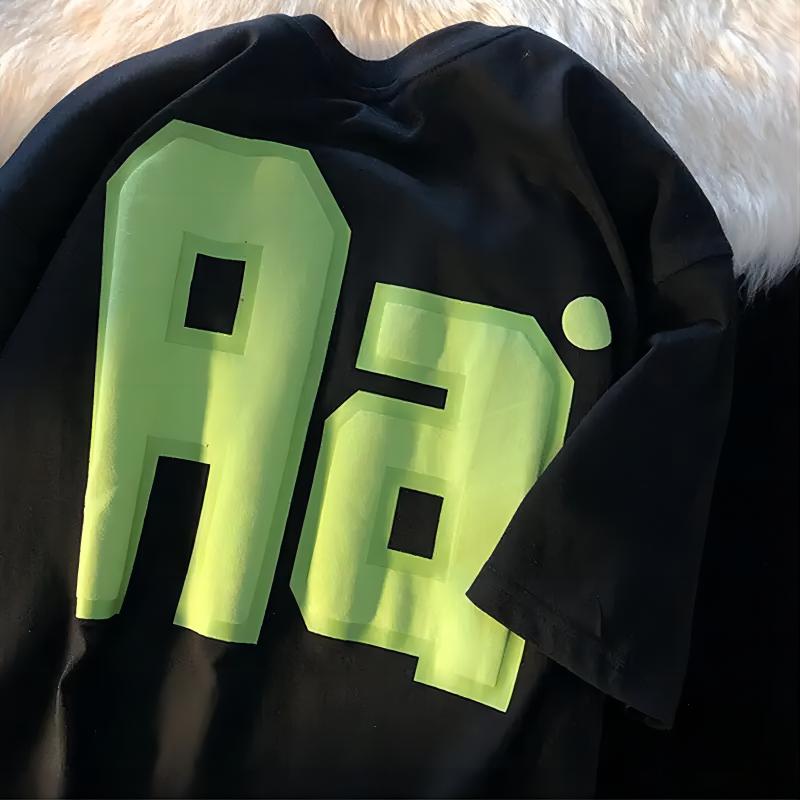
Stock blanks suit event runs and simple branded tees. Customization stays mainly to artwork, so fit and fabric choices are limited.
All-Over-Print Specialists
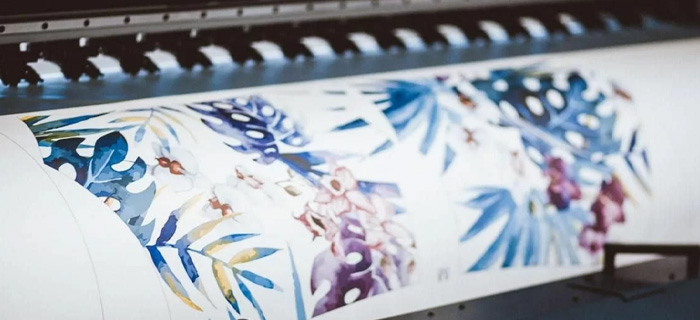
Full-panel printing suits graphic-led jerseys and fashion capsules. Buyers need print-ready files and placement approval; existing blocks usually limit construction changes.
OEM Cut-And-Sew Factories
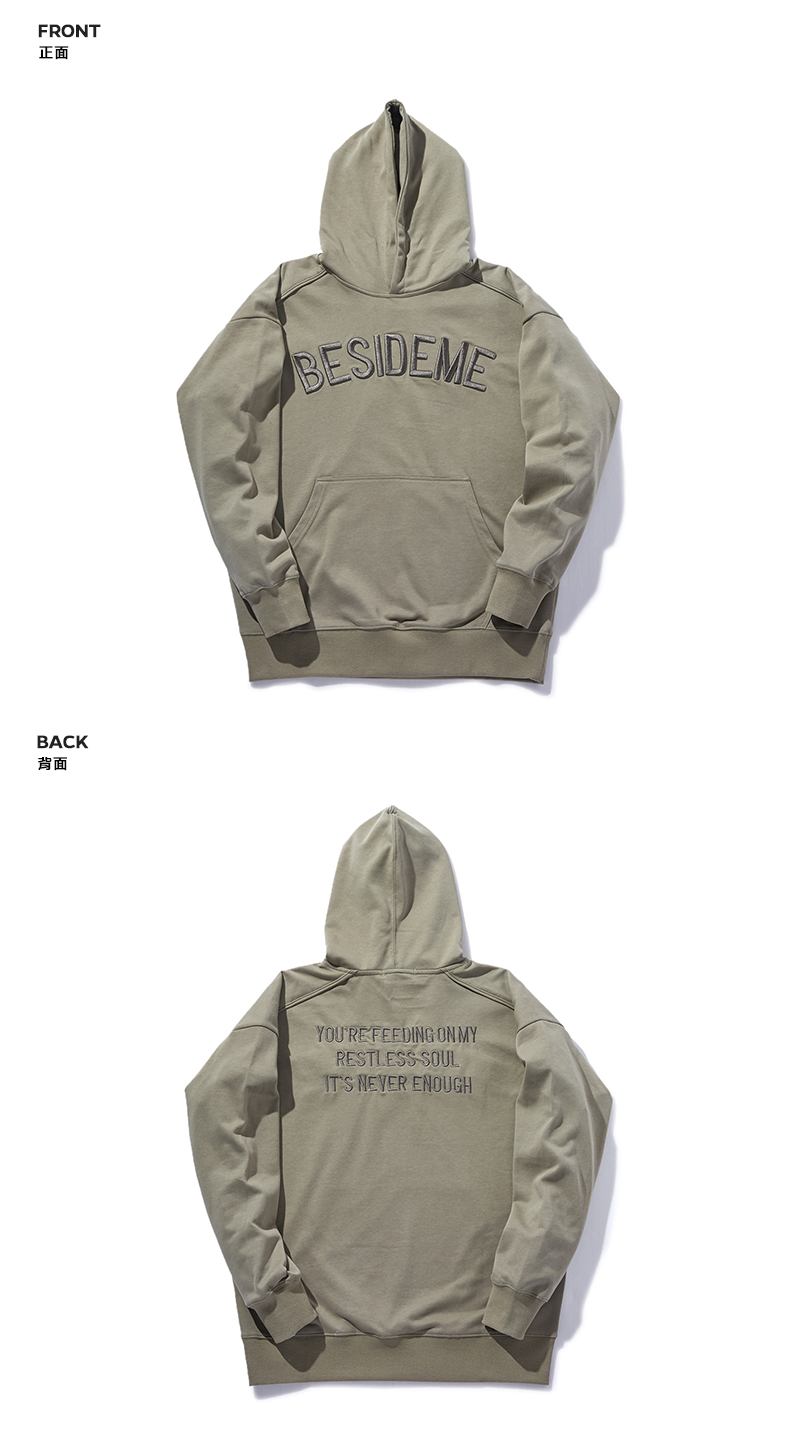
OEM cut-and-sew suits brands needing proprietary silhouettes. A tech pack, graded measurements, and approved sample reduce bulk-production interpretation.
4. Sublimation Clothing Manufacturer Fabric Options
100% polyester typically delivers the clearest sublimated color; knit structure and weight then determine coverage, drape, stretch, and moisture handling. A sublimation clothing manufacturer should approve fabric swatches before sampling.
| Material | Typical Weight | Best Use | Print Outcome | Watch-Outs |
|---|---|---|---|---|
| Polyester interlock | 150–220 GSM | Jerseys, tees | Sharp, even color | Confirm opacity |
| Birdseye polyester | 130–170 GSM | Training tops | Vivid, breathable | Open knit can show through |
| Recycled polyester | 150–220 GSM | Teamwear | Comparable after testing | Verify lot consistency |
| Polyester-elastane | 180–250 GSM | Leggings, fitted wear | Rich color | Stretch shifts artwork |
Fiber And Knit Selection
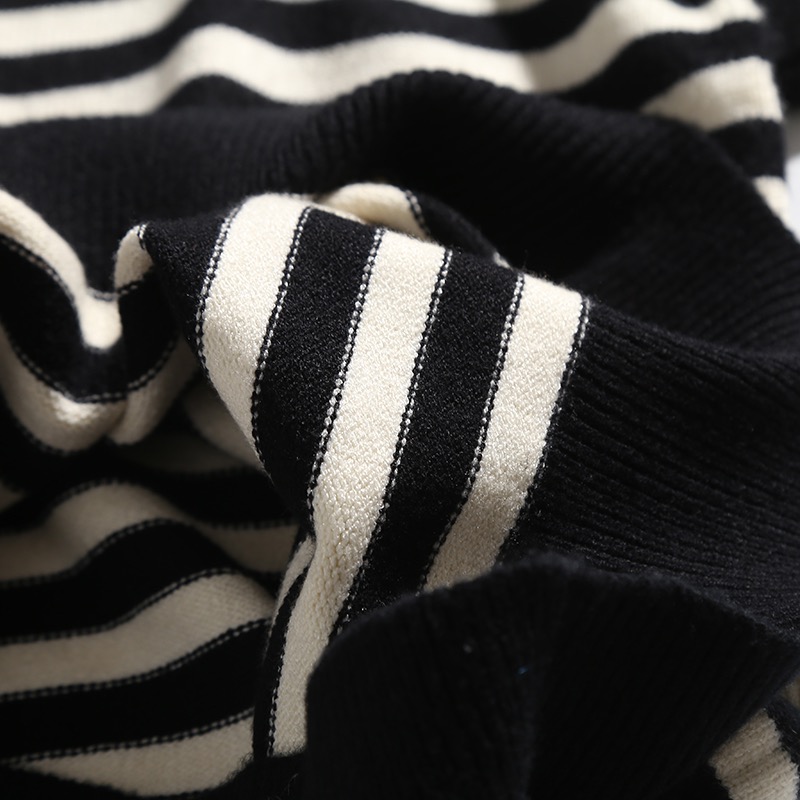
100% polyester interlock provides a smooth, opaque face for jerseys and tees, while birdseye mesh improves airflow but can reveal light colors. Recycled polyester can suit the same applications when its hand, shade, and performance are sample-approved.
Weight And Activity
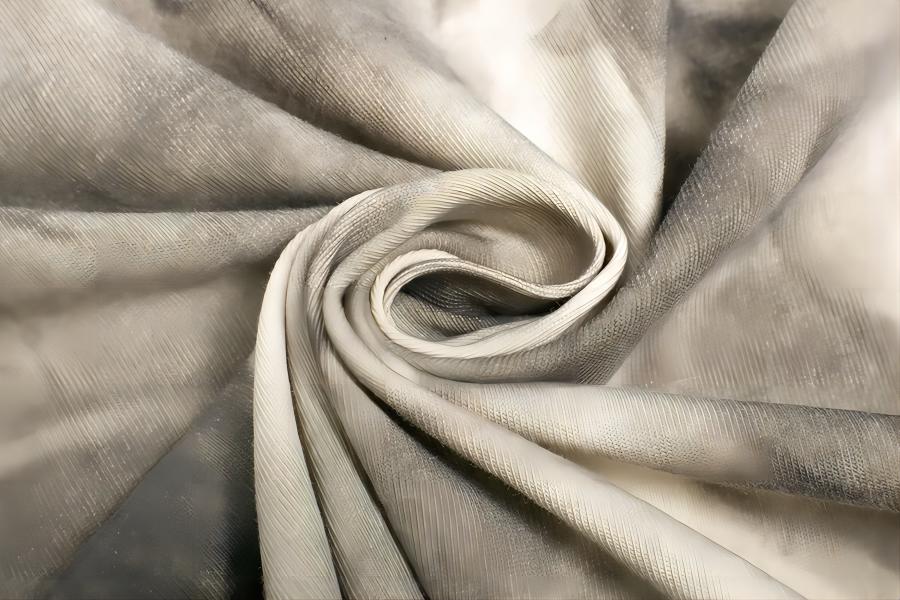
150–170 GSM suits lightweight training tops; 180–220 GSM gives more coverage for team jerseys and casualwear. Polyester-elastane blends improve recovery for leggings and fitted pieces, but stretch can alter artwork scale and show-through.
5. Customization Options From a Sublimation Clothing Manufacturer
Two customization layers must be specified: dye-sublimated graphics and cut-and-sew product development. EDVORIN records both against an approved sample so repeat orders retain the intended presentation.
| Element | Sublimation Role | Additional Work |
|---|---|---|
| Artwork | All-over panels | Pattern mapping |
| Brand identity | Names and numbers | Woven labels |
| Presentation | Printed graphics | Hangtags and packaging |
Artwork And Panel Mapping
300-dpi, full-size artwork should be supplied in CMYK with outlined fonts or linked assets.
1:1 panel maps must show repeat direction, seam crossings, logo placement, and safe areas; all-over color and graphics are integral to sublimation.
Garment Specification Choices

Pantone references provide a review target for color matching, though final color should be approved on the selected fabric.
XS–3XL size ranges, collar and sleeve shapes, cuffs, zippers, pockets, and trims require pattern, sewing, or sourcing work beyond sublimation.
Identity And Approval Controls
Individual names and numbers can be incorporated into the sublimated artwork; embroidery, patches, and heat-applied details are added decoration.
3 checkpoints—digital layout, pre-production sample, and bulk approval—protect seam placement, measurements, labels, hangtags, and private-label packaging.
6. Construction Quality That Buyers Should Inspect
Construction quality is where a sublimation clothing manufacturer turns approved artwork into repeatable product. Buyers should inspect the sample as a production standard, not merely a visual proof.
Seams, Panels, And Trims
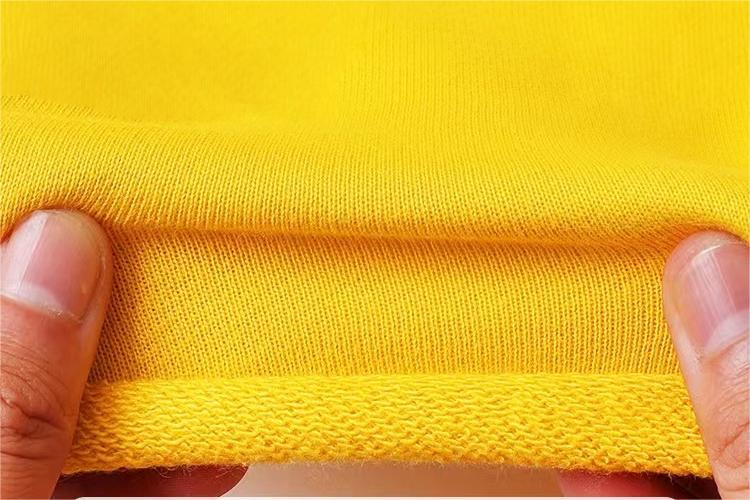
Three stress areas—shoulders, crotch seams, and pocket openings—need even stitch density, secure back-tacks, and no skipped stitches. Flatlock seams reduce chafing in active jerseys; reinforced seams suit heavier hoodies.
Two alignment checks matter: side panels should meet cleanly, and artwork must register across seams. Inspect hem recovery, collar shape, zipper smoothness, elastic tension, and matching stitch color.
Wear Conditions And Approval Checks
Soccer kits prioritize mobility, abrasion resistance, and number placement; fitted training tops require smooth seams and stable grading. Repeated washing makes collar recovery, hem twisting, and print alignment more important than showroom appearance.
Four approval checks should be signed before bulk production:
- Confirm measurements across the full size range
- Check seam strength at high-stress points
- Compare panel artwork to the approved file
- Wash-test collars, hems, elastic, and zippers
7. How to Choose a Sublimation Clothing Manufacturer
Three supplier checks—product fit, documented development, and delivery control—reveal more than a catalog. A capable sublimation clothing manufacturer should convert every promise into reviewable evidence before deposit.
| Evidence | What To Confirm | Quote Basis |
|---|---|---|
| Fabric swatch | Composition and GSM | Same approved material |
| Size specification | Measurements and grading | Same size range |
| Sample photos | Placement and construction | Same decoration scope |
| Written quotation | MOQ and shipping terms | Same Incoterm and quantity |
Verify Product Development
Stage 1: request fabric swatches, a size specification, sample photos, and relevant test information. Confirm the supplier regularly makes your garment type, from team jerseys to fashion-led cut-and-sew pieces.
Test Production Transparency
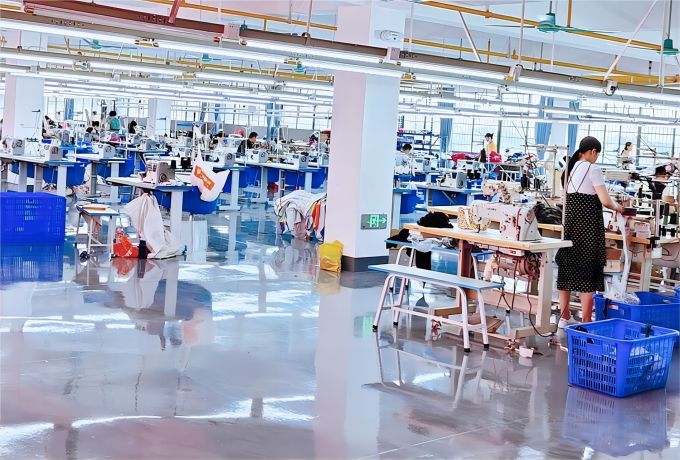
EDVORIN’s MOQ starts at 200 pieces per style. Three operational questions matter: MOQ by color and size, available capacity, and realistic sample-to-bulk timing. Request a written critical path covering artwork approval, fabric booking, production, inspection, and shipping support.
Compare Like For Like
One quotation is comparable only when fabric composition, GSM, print coverage, trims, labels, packaging, quantity, Incoterm, and lead time match. Ask how quality checks, material traceability, revision control, and response times are recorded.
8. Common Sublimation Apparel Buying Mistakes
Two approval points—artwork and the production sample—prevent expensive rework. First-time brands need documented decisions; repeat wholesale buyers need the same controls on every reorder.
Artwork, Color, And Panels
On-screen approval can hide color shifts, scale errors, and graphics crossing seams. Require a printed strike-off, Pantone references, and panel artwork with seam allowances marked.
1 cm of placement drift can make a logo look off-center after sewing. Approve front, back, sleeve, and side-panel placement on a sewn sample.
Fabric And Fit First
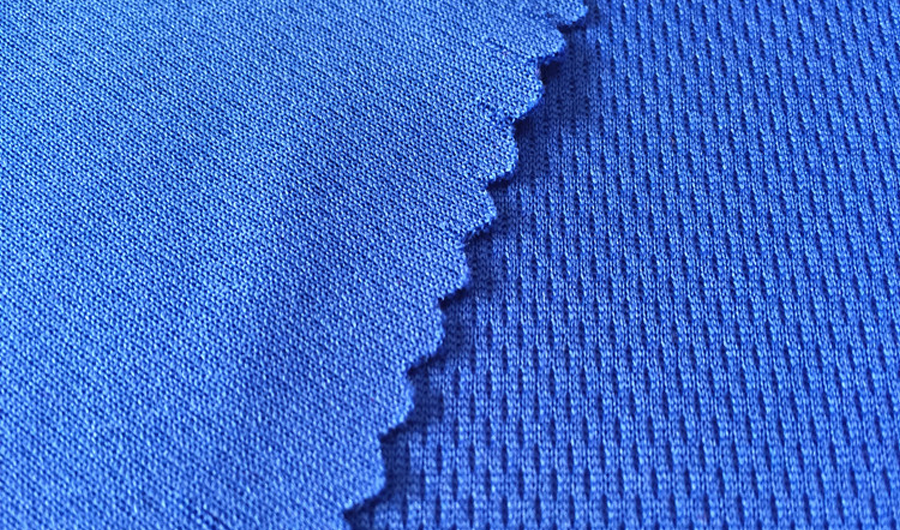
150 GSM polyester may suit a light training jersey but not every use case. Define activity, opacity, stretch, handfeel, and wash expectations before selecting fabric.
One ungraded base size creates returns when proportions change across the size run. Review a measurement chart and graded size set before bulk cutting.
Quote And Sample Controls
3 missing quote lines—labels, packaging, and freight terms—can erase an expected margin. Compare like-for-like specifications, quantities, decoration, QC, and delivery terms.
One skipped production sample can repeat an unapproved construction across the order. Lock the approved sample, revision record, and inspection points before bulk production.
9. Steps to Launch Your Sublimated Apparel Line
A 10-step launch plan prevents an approved jersey from becoming an incomplete production instruction. EDVORIN can develop the program from a market brief, but the buyer must approve the commercial and technical standard before bulk work begins.
Brief And Build Assortment
Start with a 1-season brief: customer, channel, target retail price, launch date, and SKU count.
Define garment silhouettes, size range, colorways, and forecast by SKU before requesting a quote.
- Reference garments or sketches
- Brand logo and Pantone colors
- Target quantity by size
Lock Production Inputs
Use a tech pack to lock measurements, grading, fabric, trims, label copy, artwork scale, and placement.
Submit vector artwork and a color callout; missing files, unapproved strike-offs, or fabric changes extend sampling.
- AI, EPS, or print-ready PDF
- Measurement chart and tolerance
- Packaging and carton requirements
Approve, Inspect, Reorder
Allow time for sample review, revisions, bulk approval, in-line checks, final inspection, and freight booking.
After launch, compare sell-through, returns, and size demand; retain approved samples and files for replenishment consistency.
10. Sublimation Clothing Manufacturer Pricing and Costs
3 cost layers determine a useful quote: ex-works garment, development, and delivered freight. A sublimation clothing manufacturer should separately price fabric weight, panel count, sewing operations, individualized names and numbers, labels, packing, and destination.
50, 200, and 500-piece quantities change cutting efficiency and setup-cost allocation. For comparable landed-cost estimates, fix the Incoterm, currency, size ratio, Pantone artwork, 100% polyester specification, sample revisions, inspection level, carton dimensions, and delivery postcode.
| Quantity tier | Illustrative unit-cost driver | Lead-time consideration |
|---|---|---|
| 50–99 | Sampling and setup spread across fewer units | Approval changes have greater impact |
| 200–499 | Standard fabric and 4–6 panels improve efficiency | Typical bulk scheduling |
| 500+ | Material yield, labels, and packing bought in volume | Freight consolidation can reduce delivered cost |
Partner With a Sublimation Clothing Manufacturer
Send your artwork, garment specifications, or collection brief for a feasibility review, sample guidance, and a production quote.