Garment Dyed Hoodie Manufacturer for Repeatable Collections
EDVORIN is a garment dyed hoodie manufacturer offering OEM/ODM development, wash coordination and production from 200 pieces per style.
Featured Garment-Dyed Hoodie Development
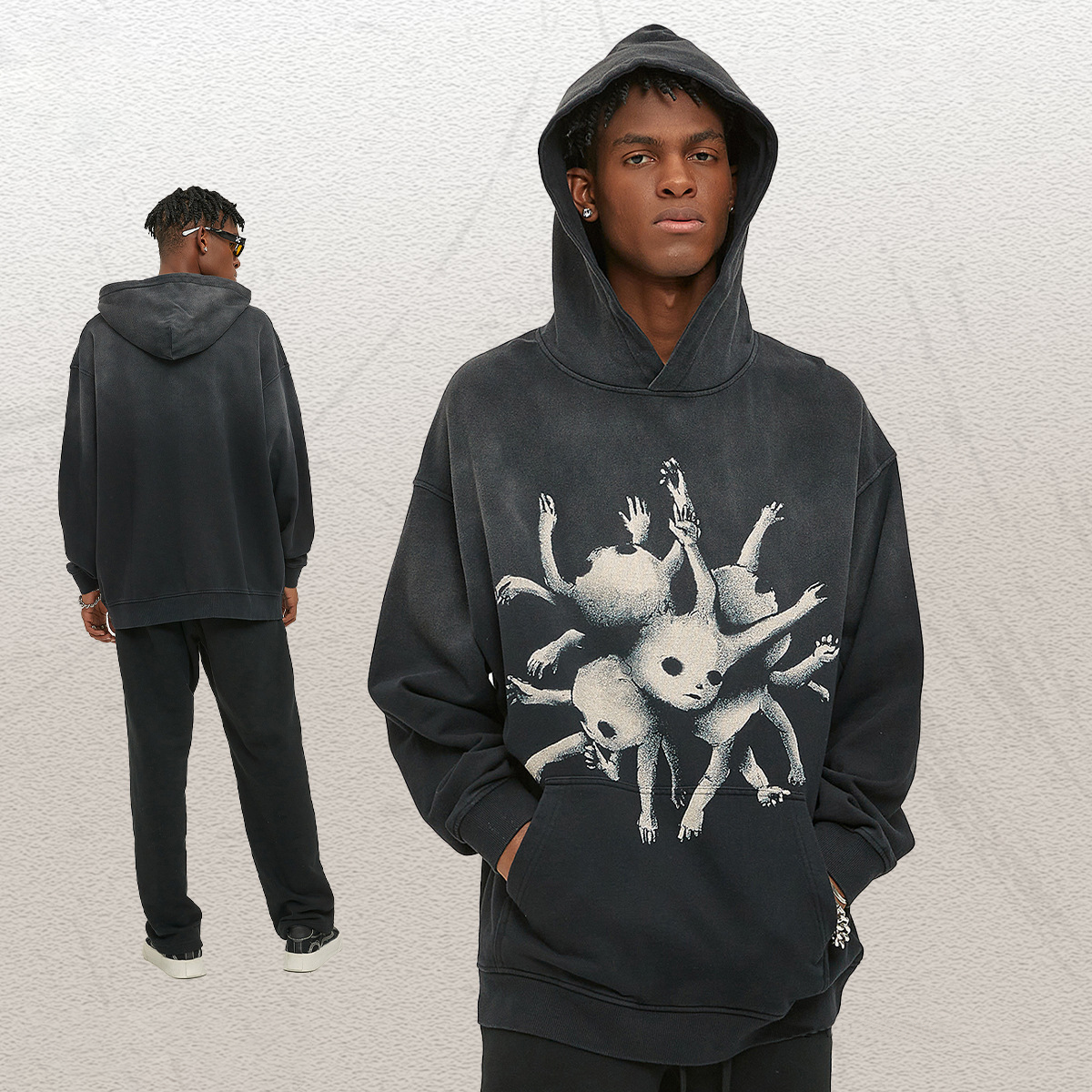
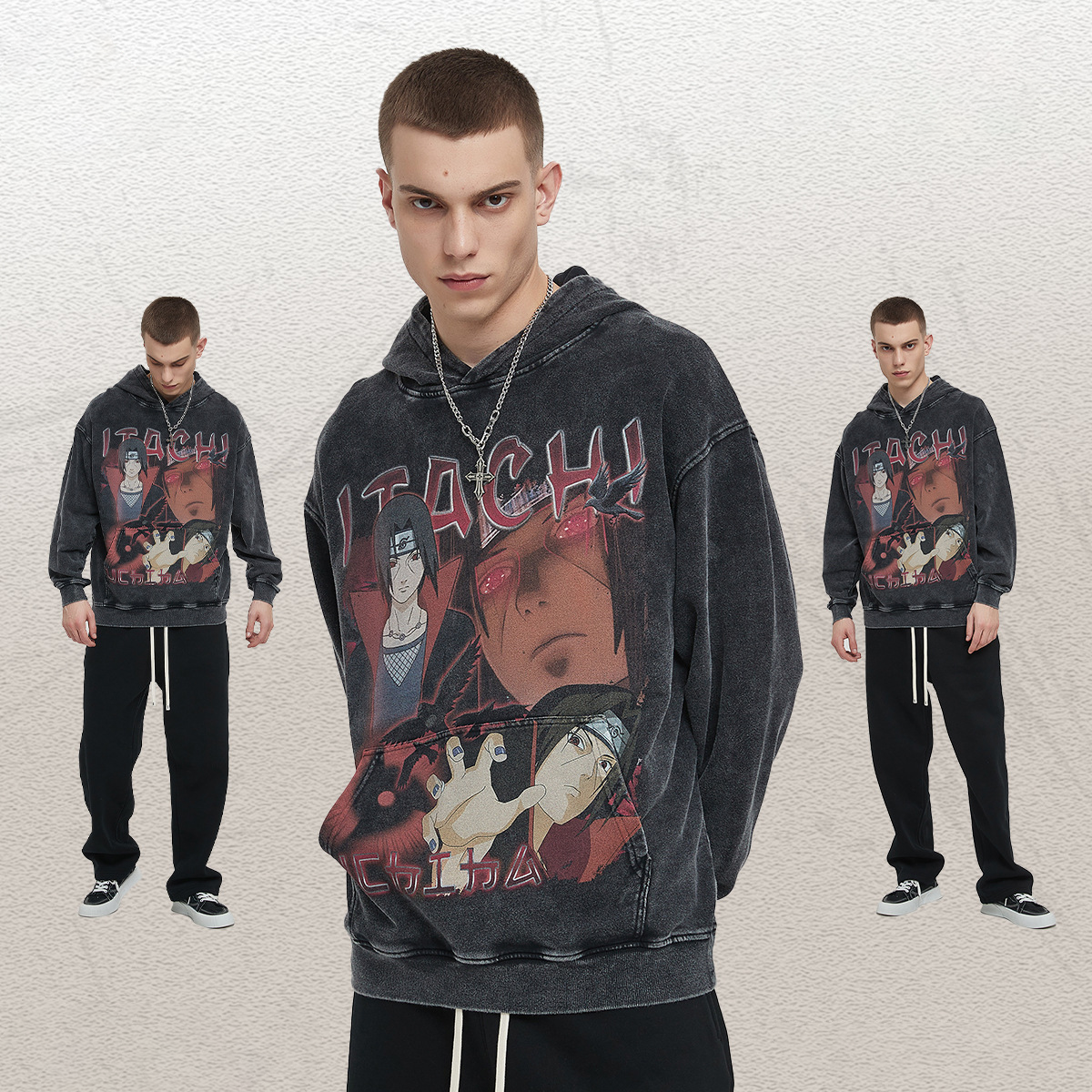
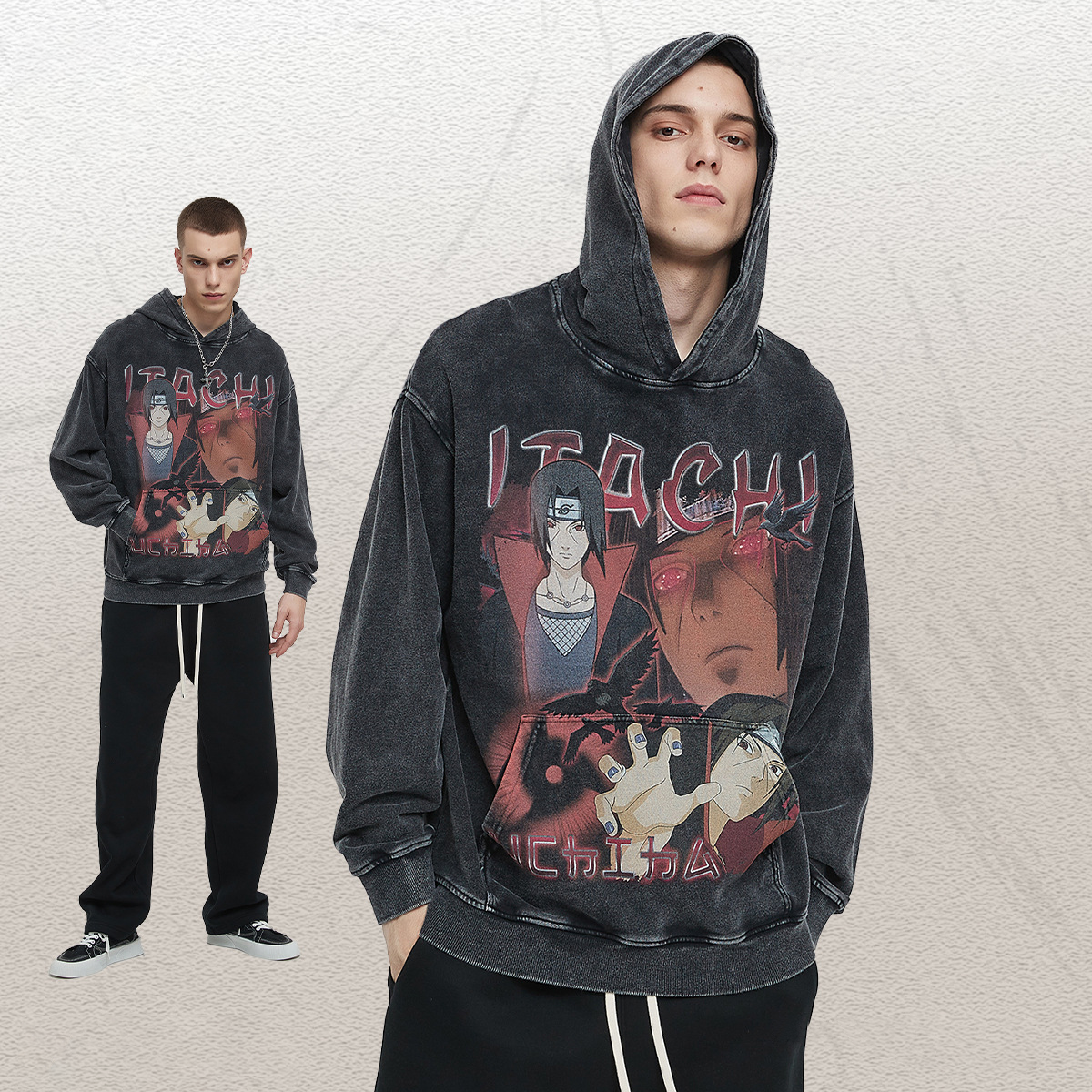
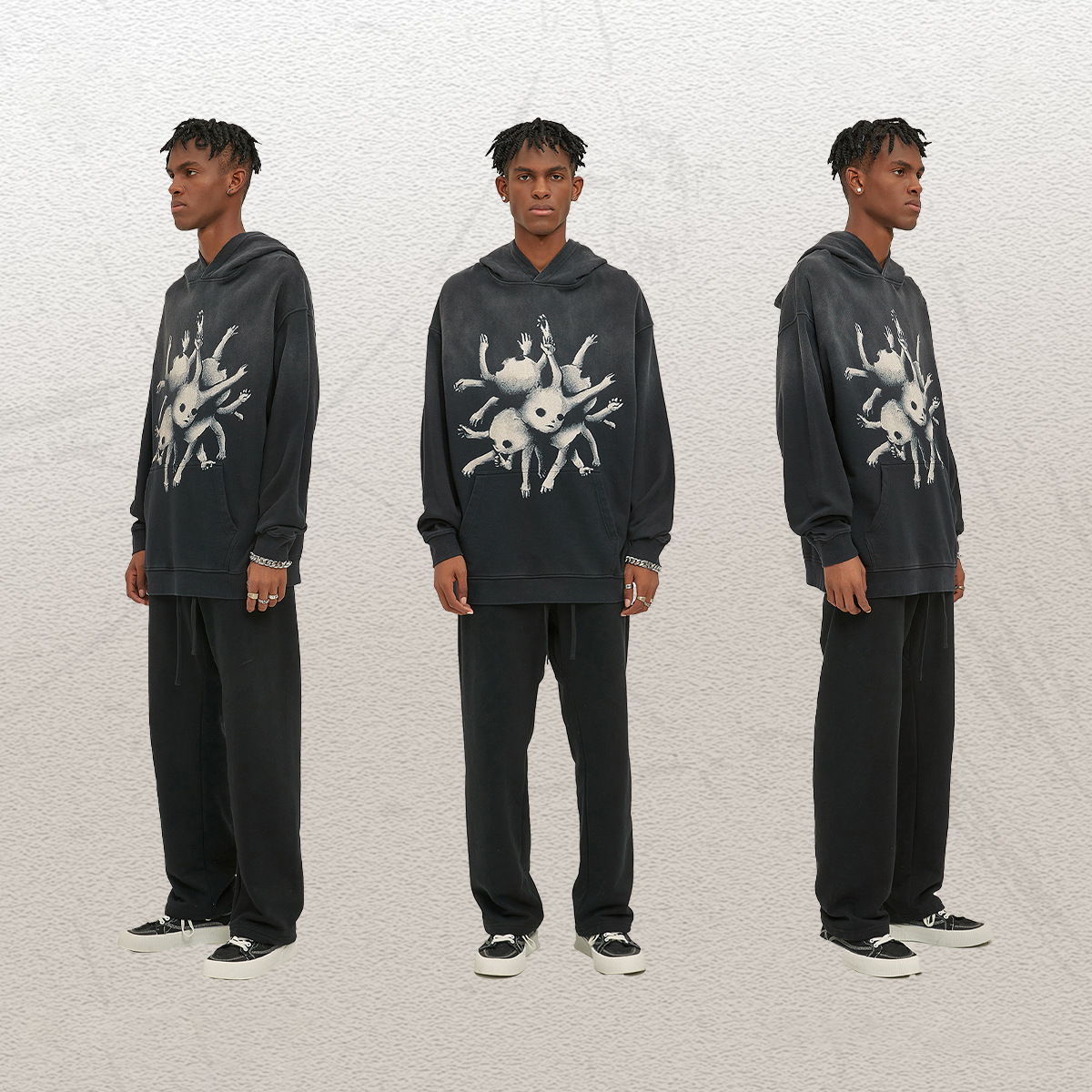
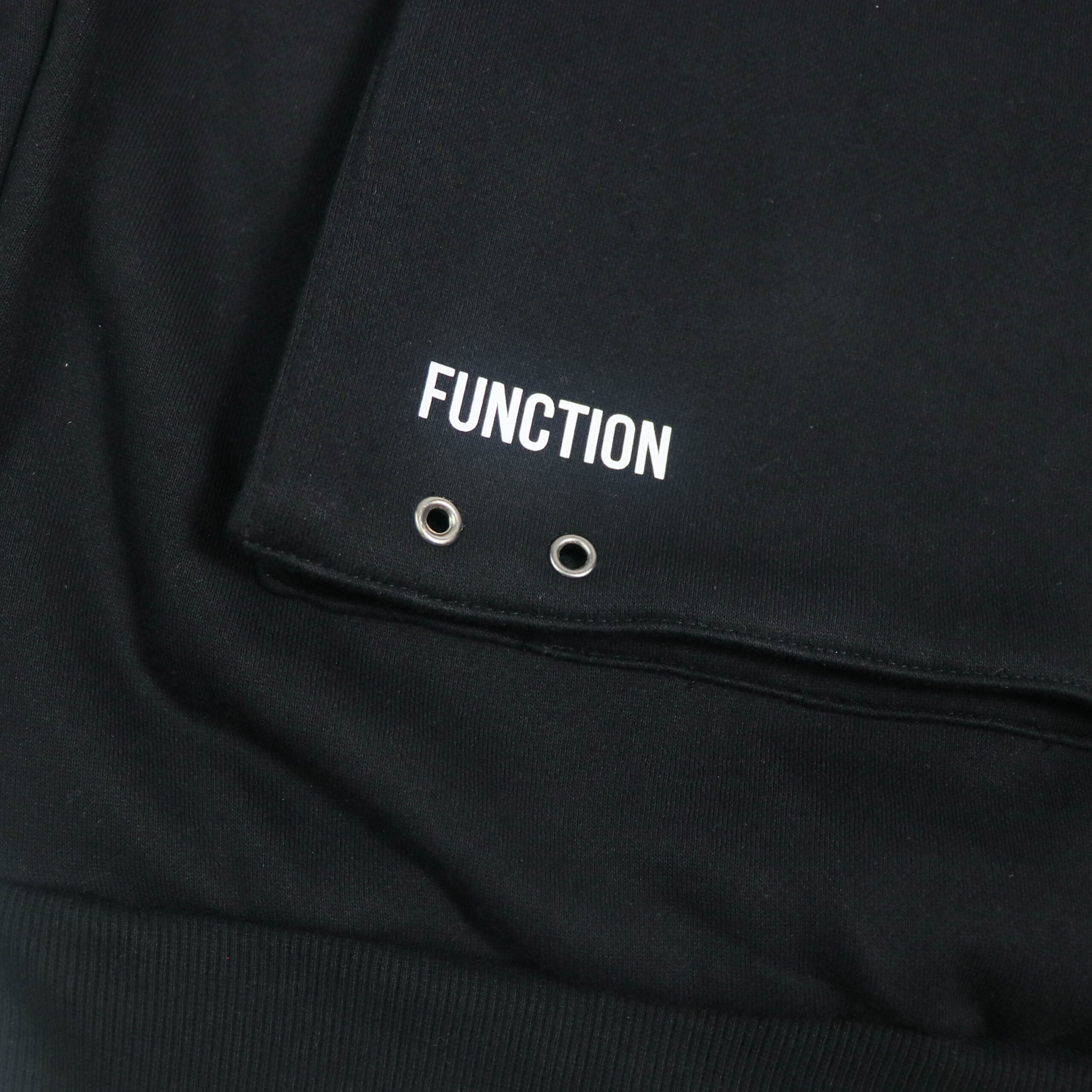
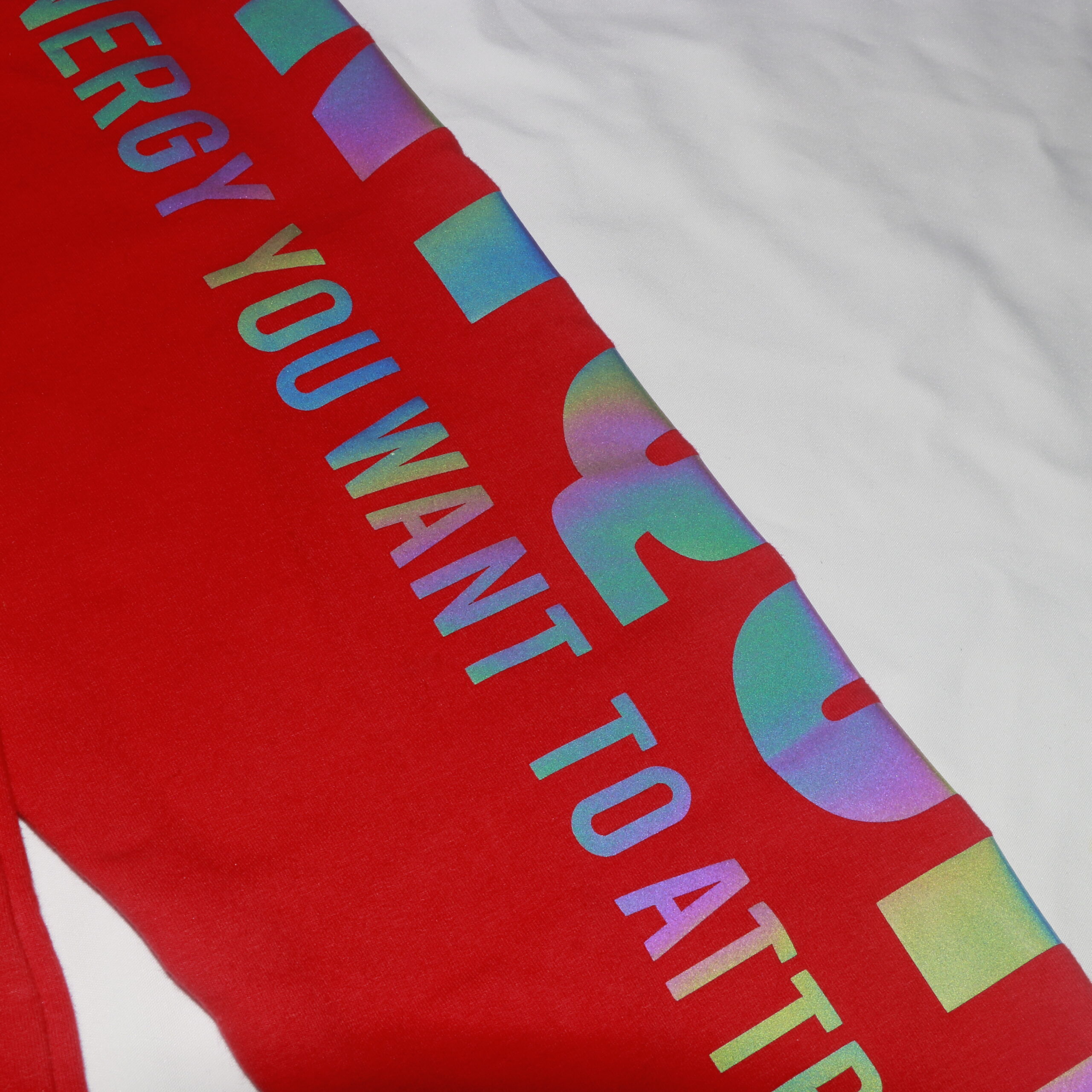
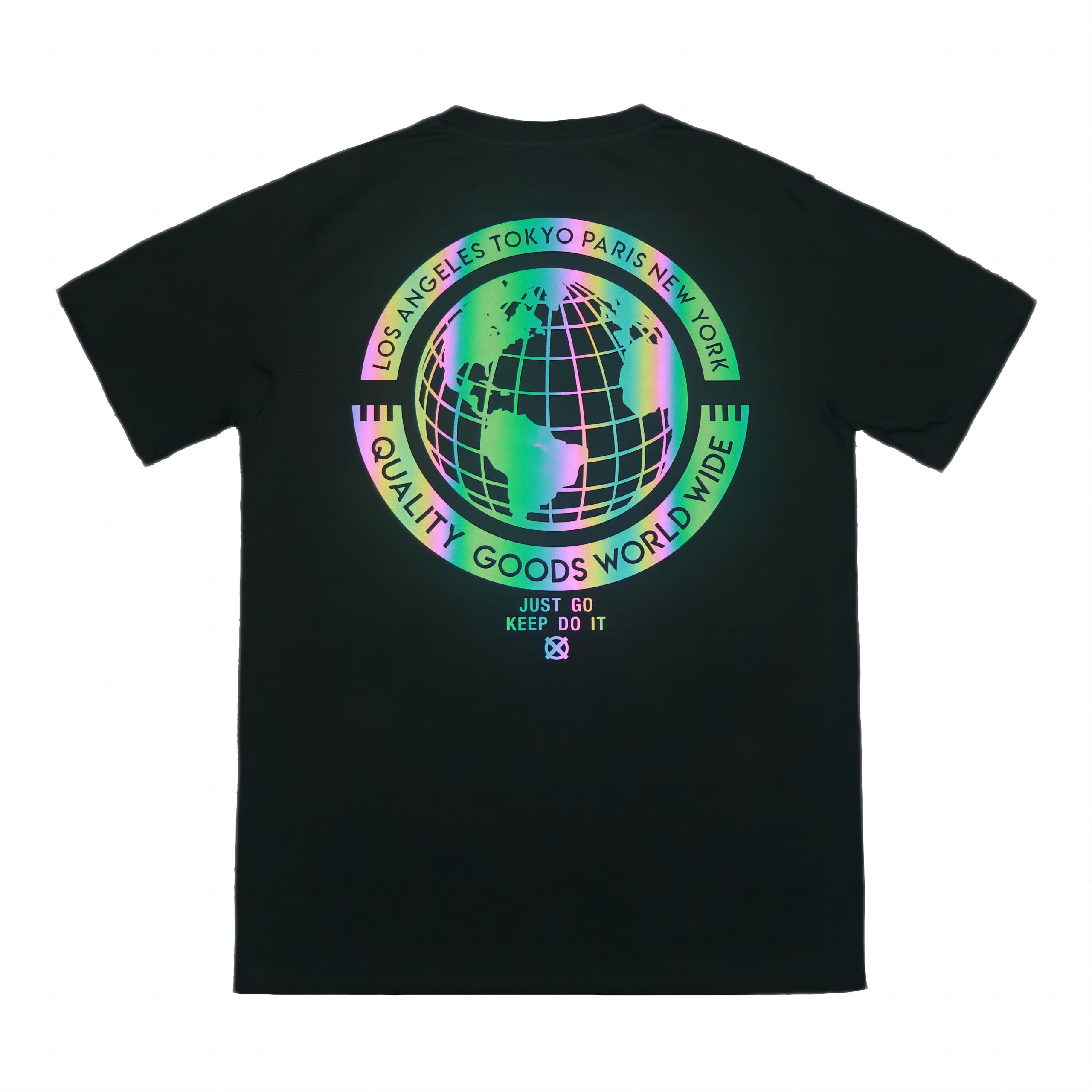
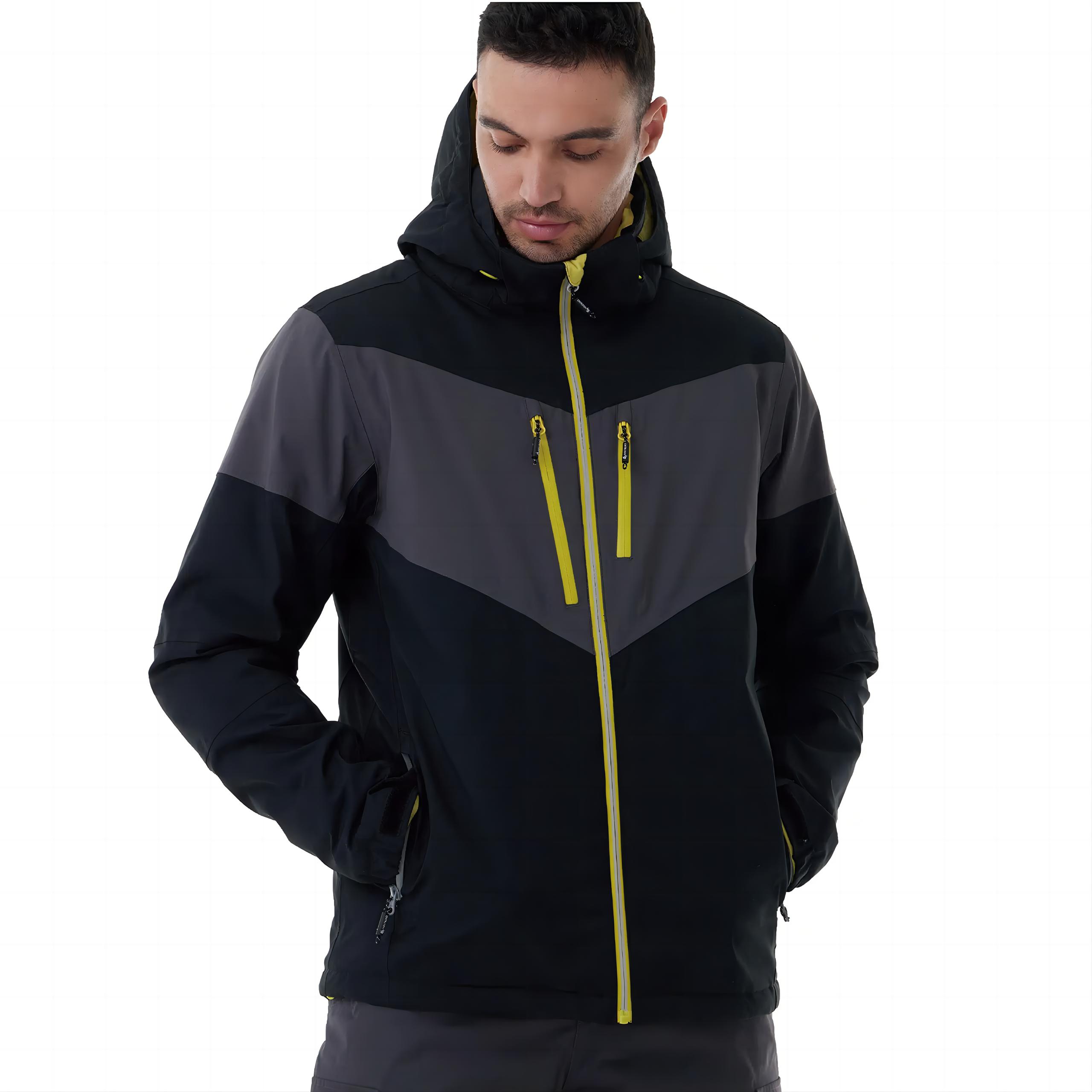
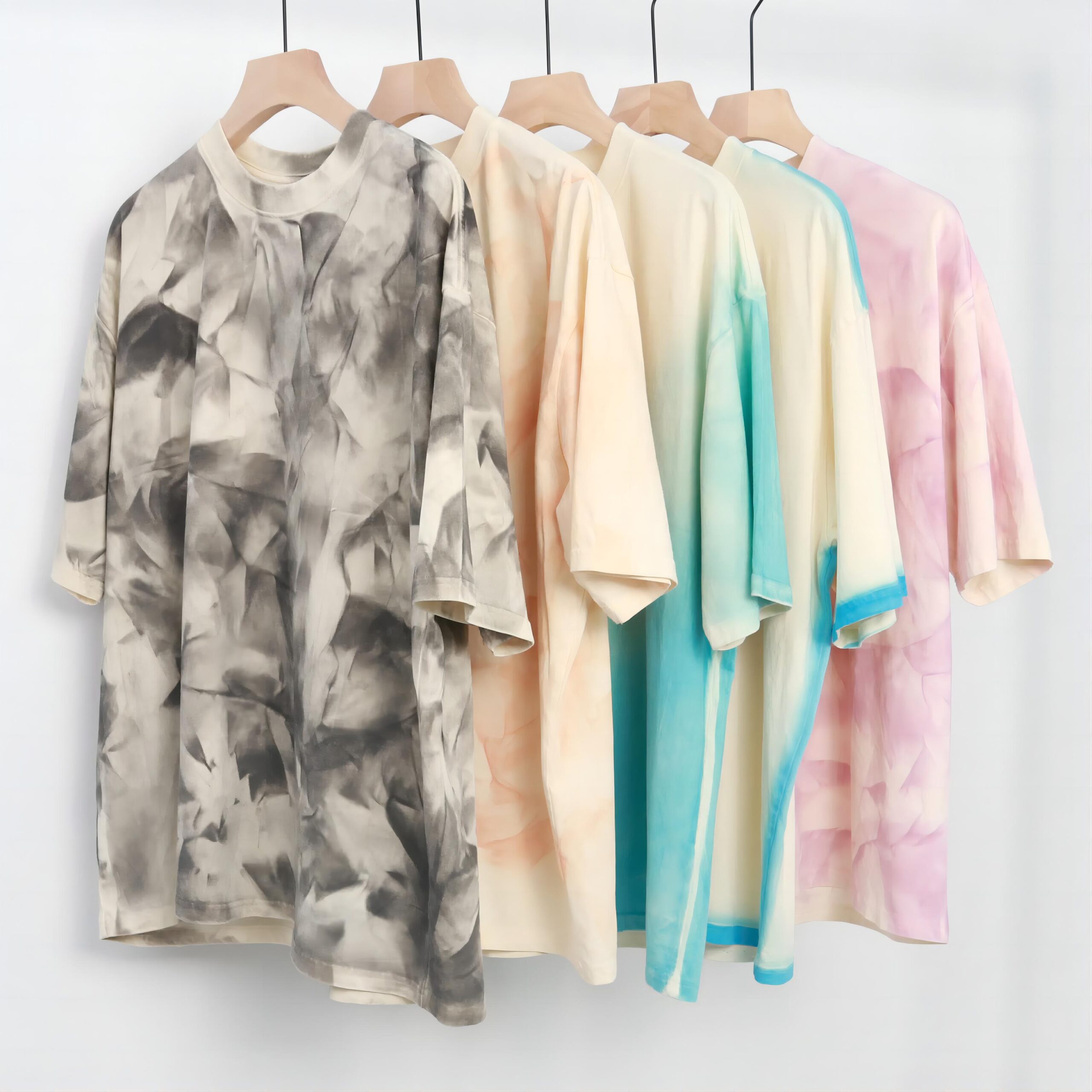
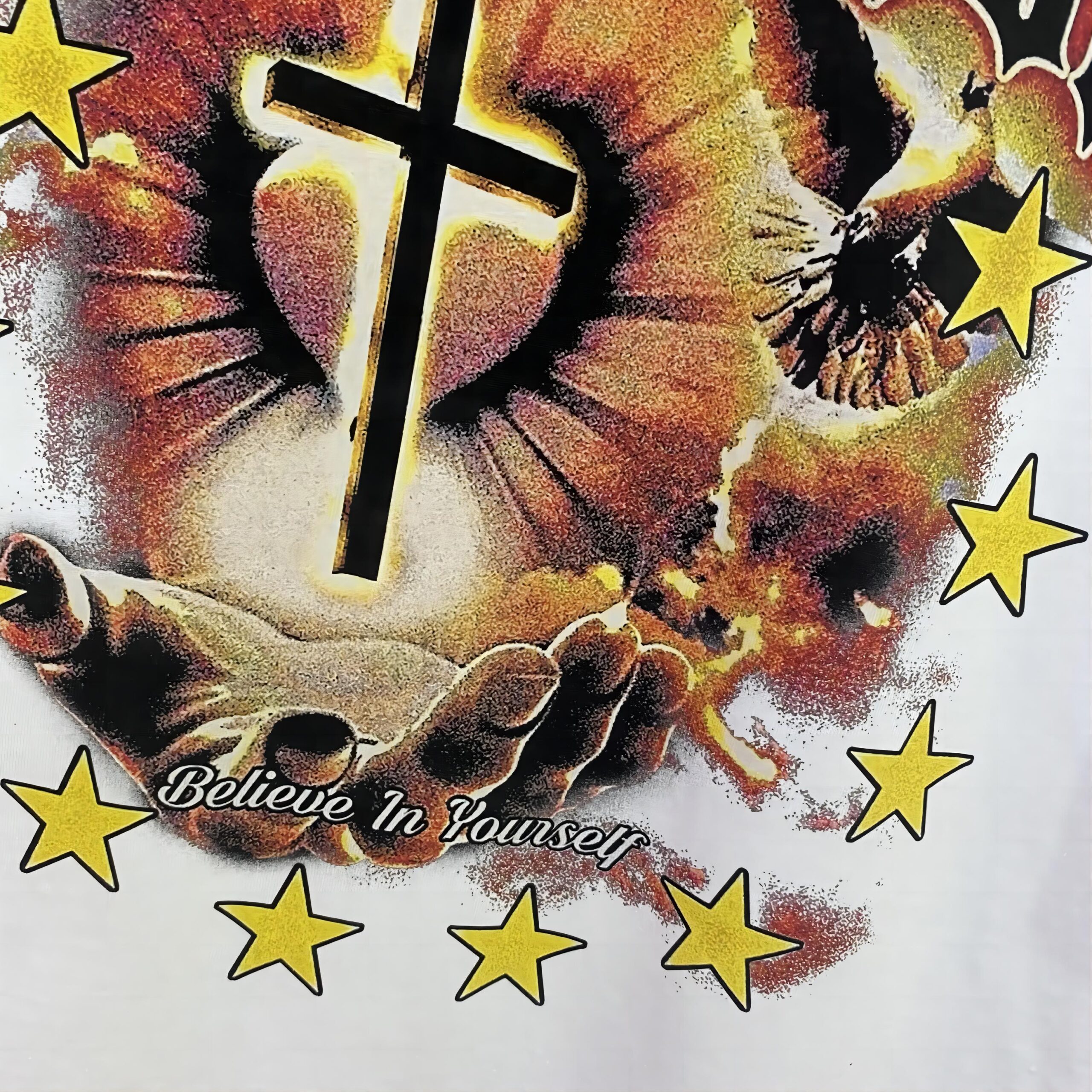

Built for Approval Today—and Consistent Bulk Production Tomorrow
EDVORIN combines development, dyeing coordination and documented quality control to turn a garment-dyed hoodie concept into a repeatable private-label program.
Founder-Led Since 2000
Work with a garment dyed hoodie manufacturer grounded in founder-led production knowledge, from construction decisions through final packed-order review.
Flexible OEM and ODM
Bring a finished tech pack or an early concept; our team develops fit, materials, details and specifications for production.
Coordinated Materials and Trims
Fleece, rib, drawcords, labels, hardware and packaging are aligned around your approved hoodie specification before bulk production begins.
Approved-Sample Controls
Samples become documented production standards, helping protect measurements, wash character, artwork placement and construction details across the order.
Decoration Matched to Fabric
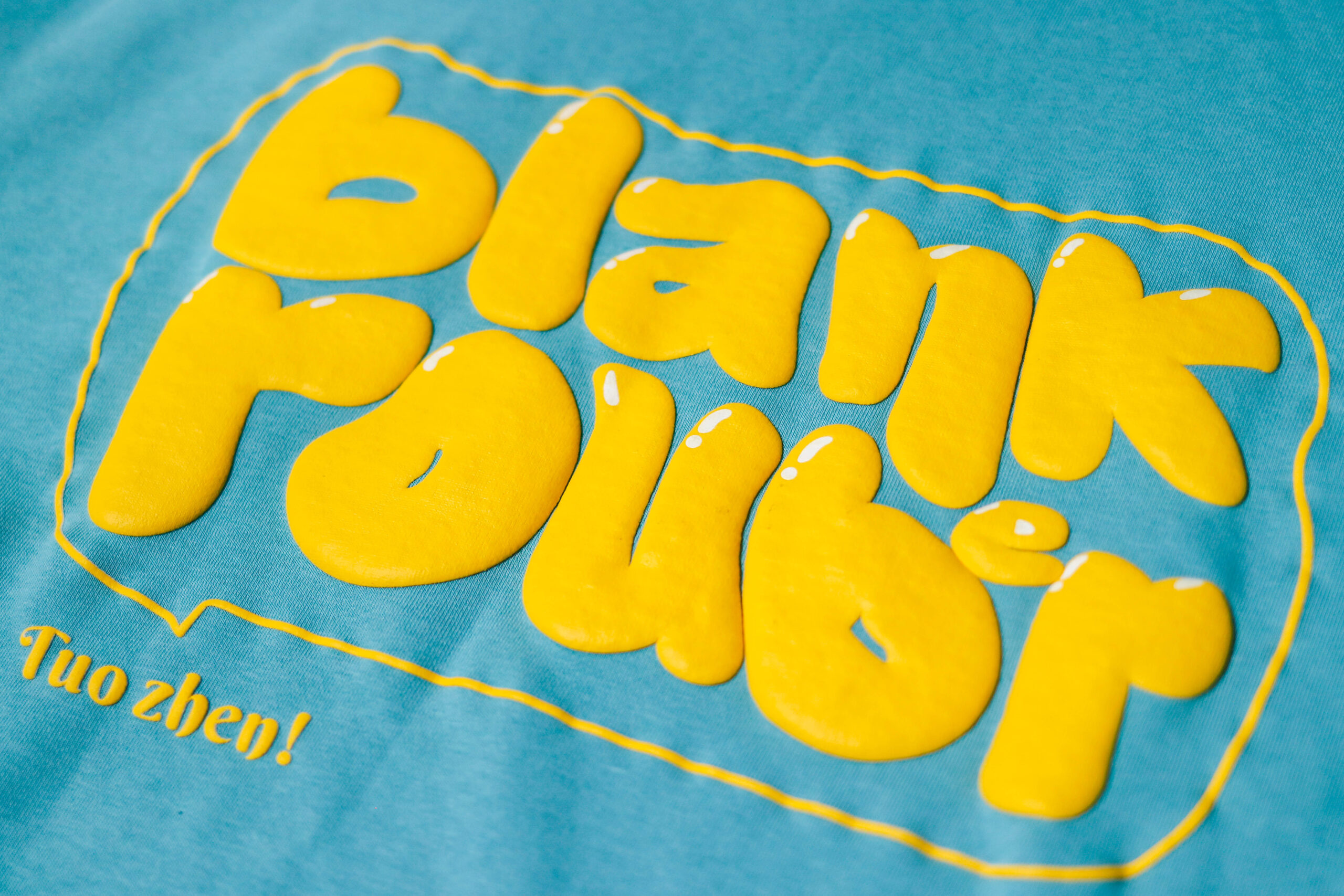
Printing, embroidery and wash choices are considered with the base fabric, so the finished garment supports your intended visual direction.
Built for Repeat Orders
Clear specifications and in-line quality checks support scalable garment-dyed hoodie production for growing labels, teams, wholesale and private-label programs.
Production-Ready Apparel Programs
From fleece essentials to team uniforms, EDVORIN develops each category around construction, decoration, fit, materials and repeatable bulk-production standards.
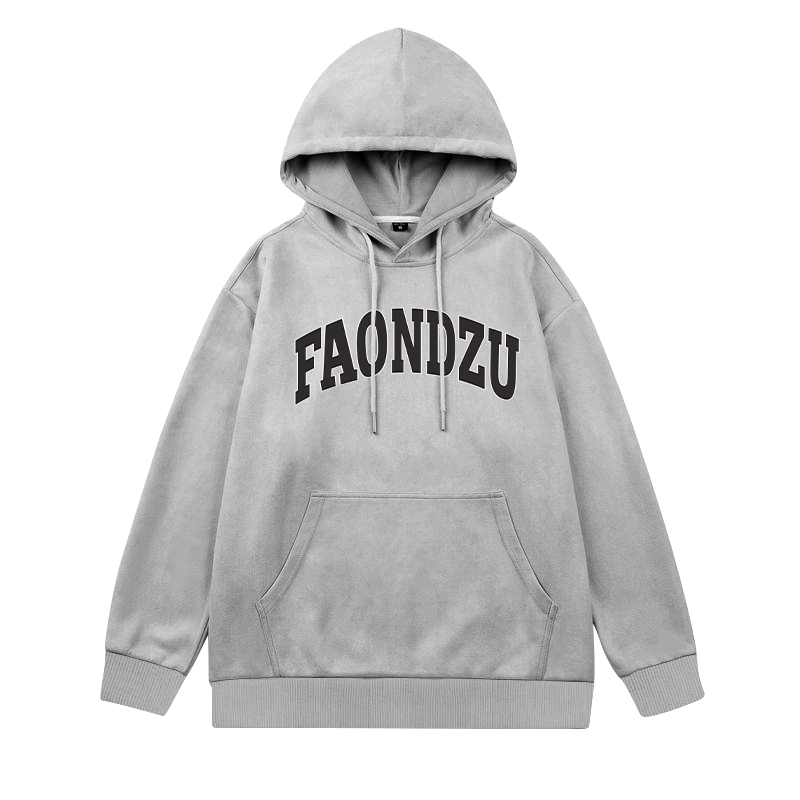
Custom Hoodies
As a custom hoodie manufacturer, EDVORIN develops fleece weight, hood shape, rib recovery, pockets, drawcords, labels and decoration placement into an approved standard for men’s and women’s private-label, wholesale and brand programs.
Get a Quote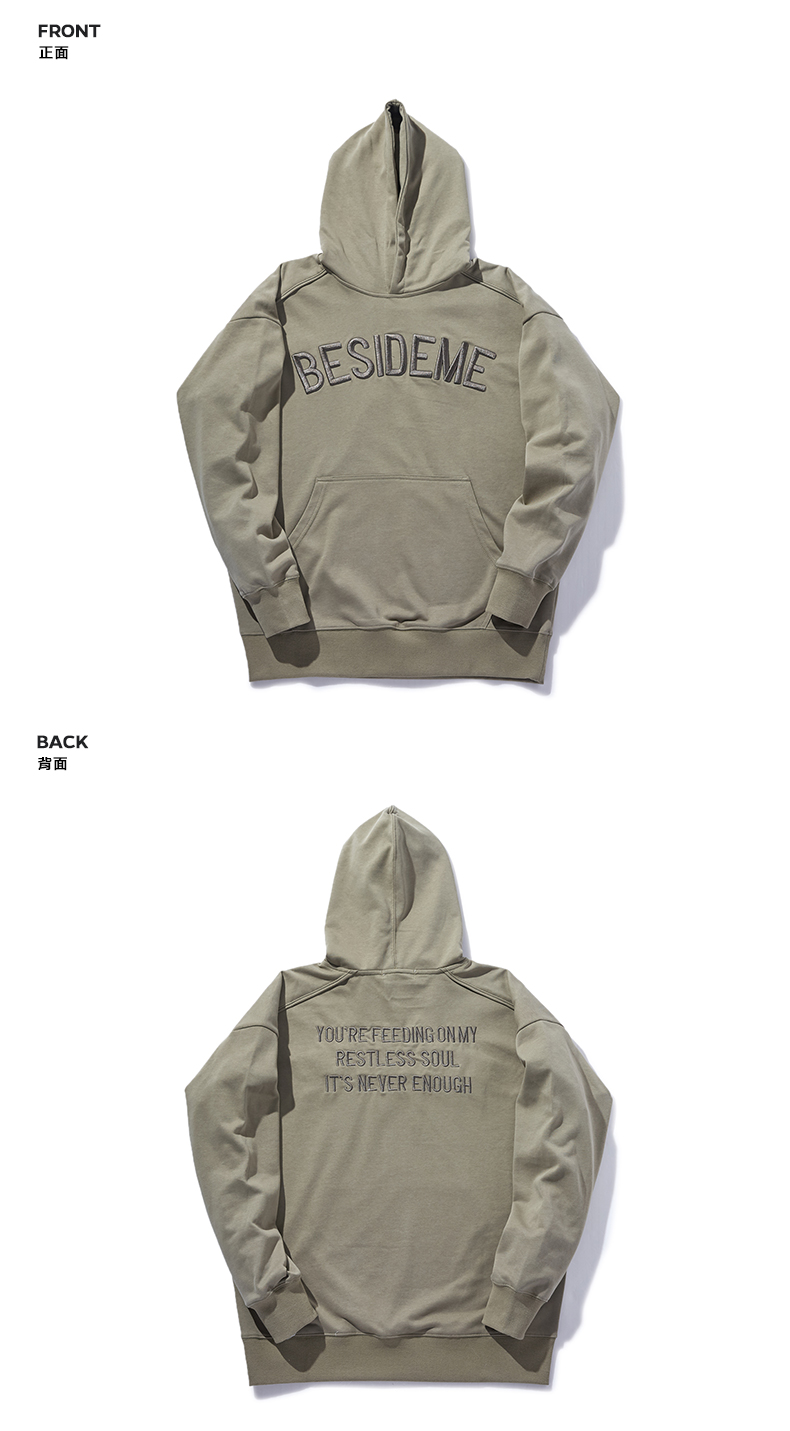
Pullover Sweatshirts
EDVORIN builds pullover sweatshirts around neckline construction, fleece selection, cuffs, hem ribs, fit blocks and print or embroidery requirements. Each sweatshirt manufacturer program is documented to support consistent sampling, grading and repeat bulk orders.
Get a Quote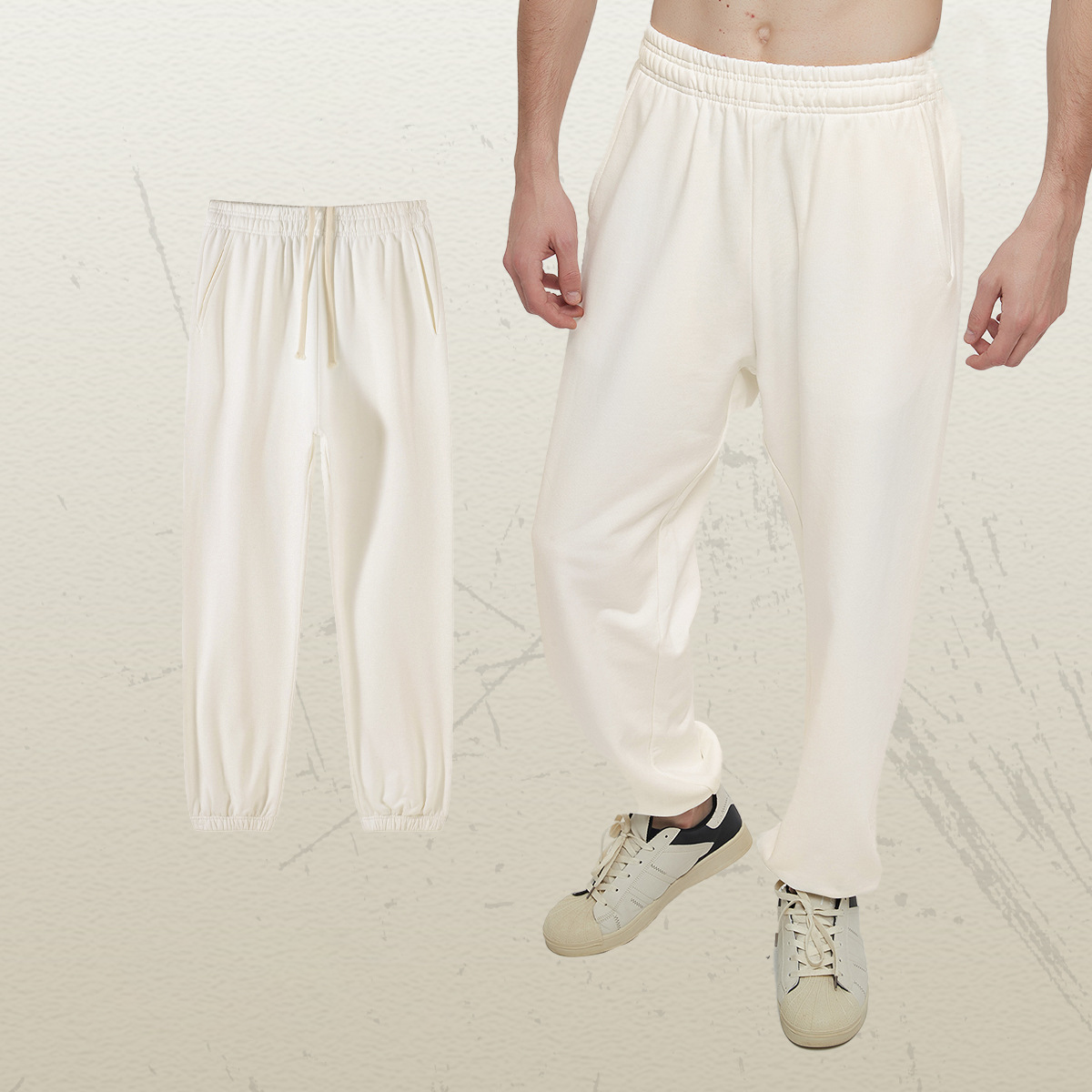
Sweatpants & Joggers
For sweatpants and joggers, EDVORIN coordinates fabric weight, waistband construction, elastic, drawcords, pocket details, leg shape and cuff finish. Men’s and women’s specifications can be developed separately for coordinated casualwear or streetwear programs.
Get a Quote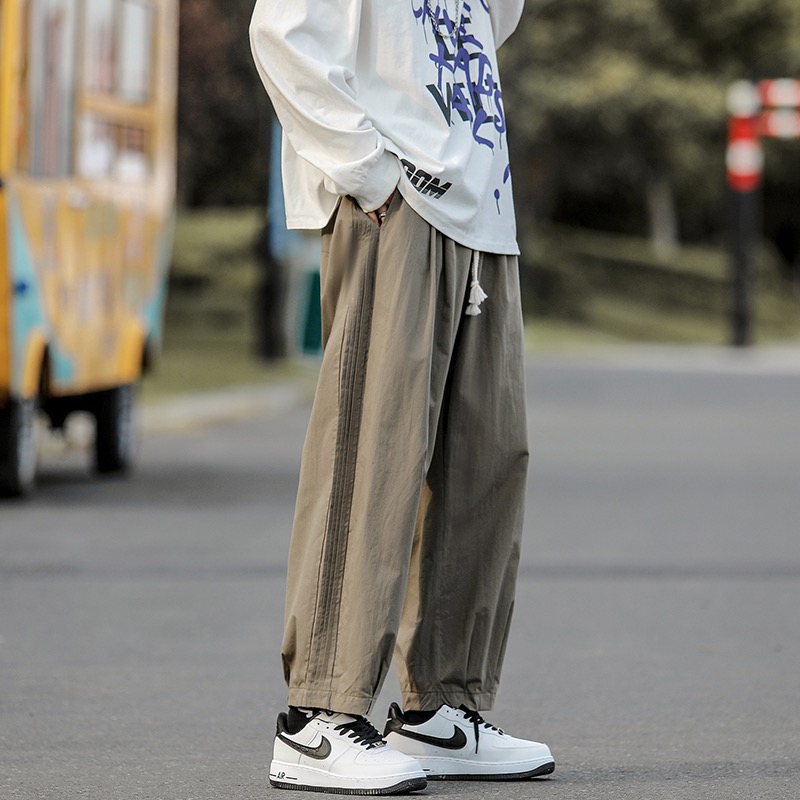
Custom Shorts
EDVORIN develops custom shorts with the intended use in mind, from fleece and jersey styles to woven training or uniform shorts. Inseam, pocket construction, waistband, liner, grading, decoration and packaging are aligned before bulk production.
Get a Quote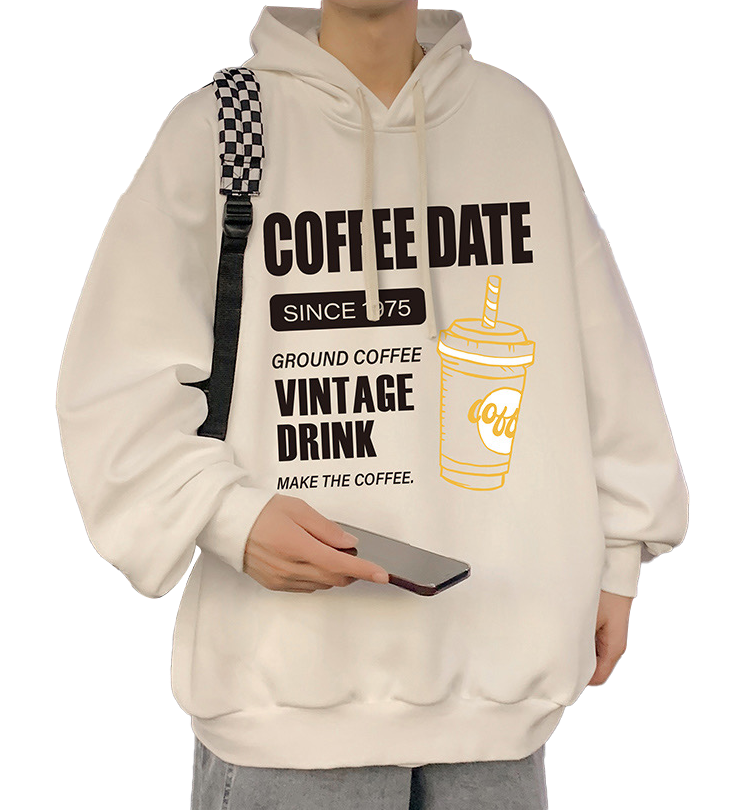
Varsity & Baseball Jackets
Varsity and baseball jacket programs require balance across body fabric, sleeves, rib, snaps, lining, patches and embroidery. EDVORIN records these material and placement decisions so the approved character of the jacket carries into repeat production.
Get a Quote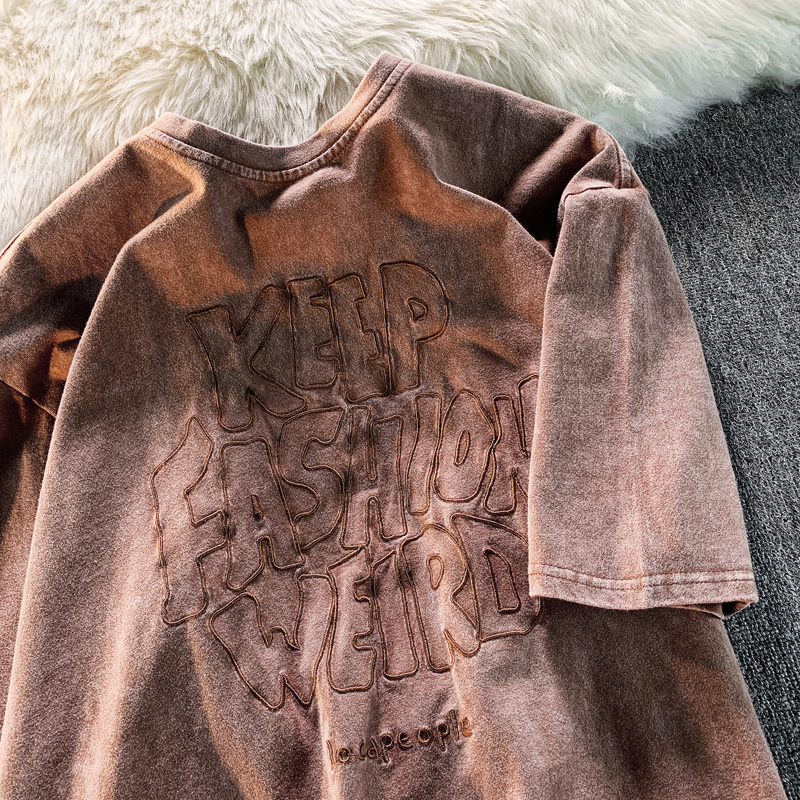
Custom T-Shirts
As a custom T-shirt manufacturer, EDVORIN supports jersey weight, collar construction, shoulder details, fit, wash effects and artwork placement. Programs can be developed for men’s and women’s collections, promotional orders or private-label retail assortments.
Get a Quote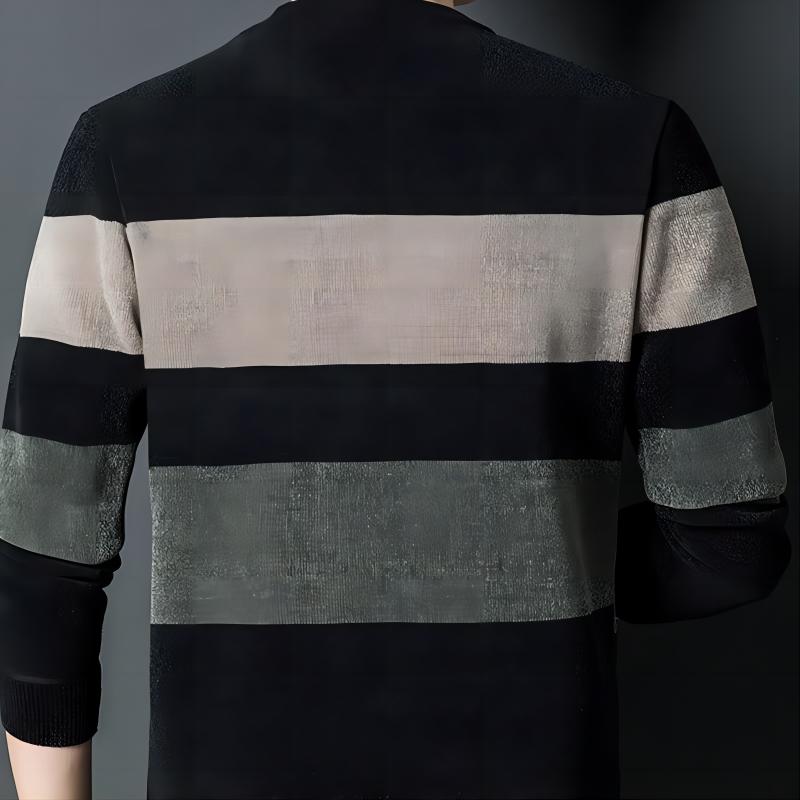
Custom Polo Shirts
EDVORIN develops custom polo shirts with appropriate pique or jersey fabrics, collar shape, plackets, buttons, cuff details and embroidery positions. The specification can support corporate uniforms, schoolwear, club merchandise and private-label programs.
Get a Quote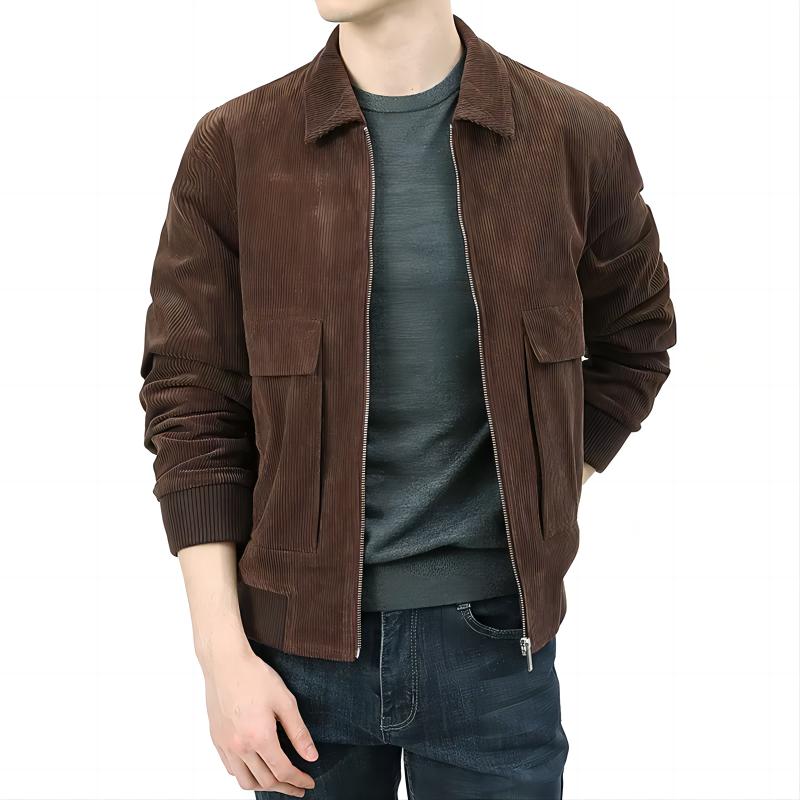
Windbreaker Jackets
Windbreaker jacket development brings shell fabric, lining or mesh, zipper selection, hood construction, ventilation, pockets and reflective or printed details into one production standard. EDVORIN also aligns performance requirements with the intended wearer and use.
Get a Quote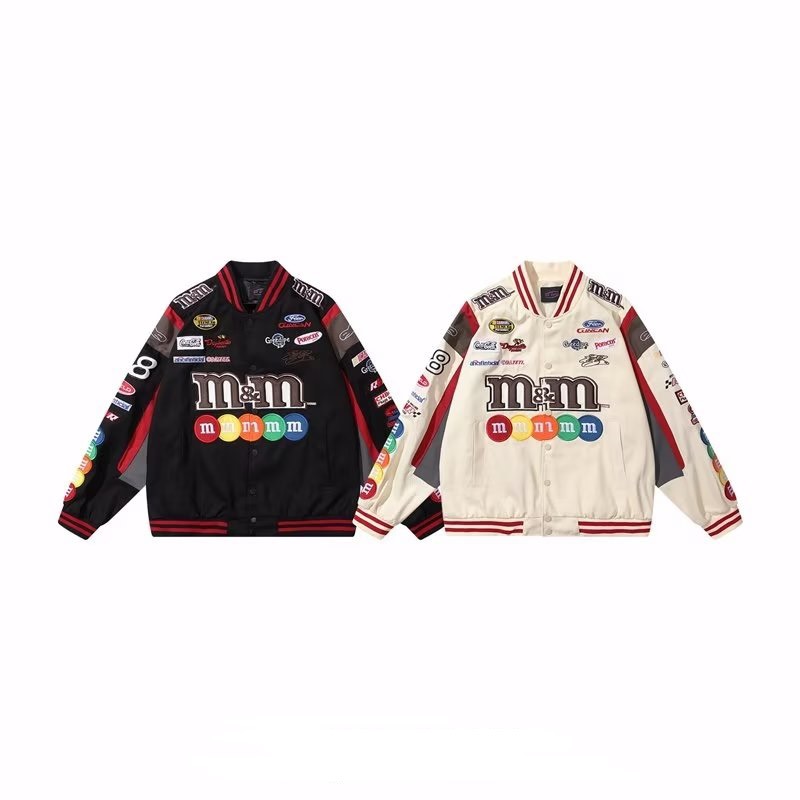
Quilted Jackets
For quilted jackets, EDVORIN coordinates shell, lining, insulation, quilting pattern, stitch density, hardware and labeling. Sampling confirms warmth, bulk, construction and fit before the program moves into controlled production.
Get a Quote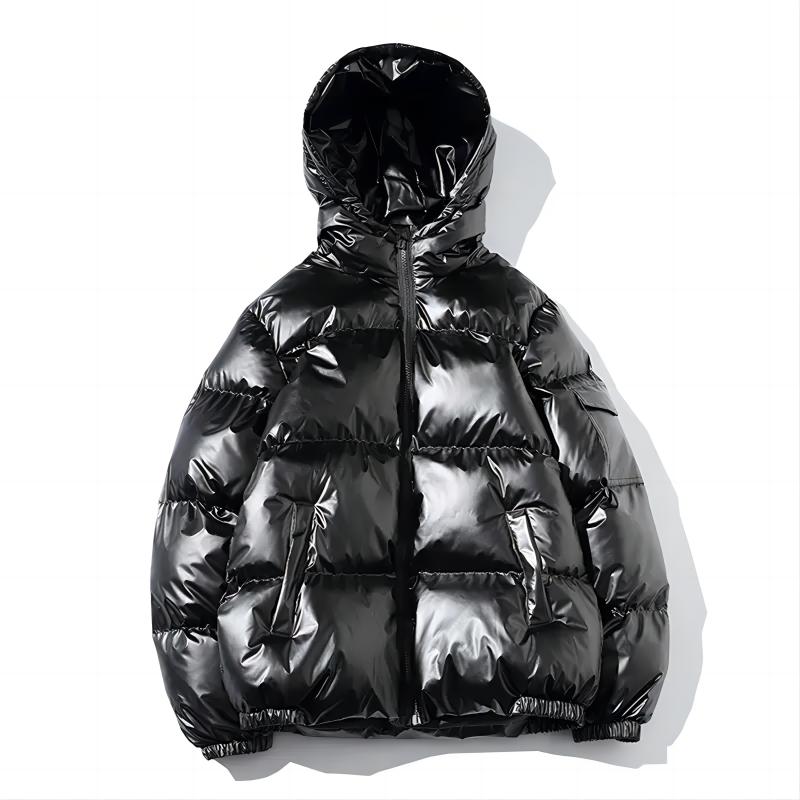
Bomber Jackets
EDVORIN develops bomber jackets around shell material, lining, rib, zipper or snap closure, pocket construction and decoration method. Details are specified for consistent proportions, material performance and repeatable production across men’s and women’s ranges.
Get a Quote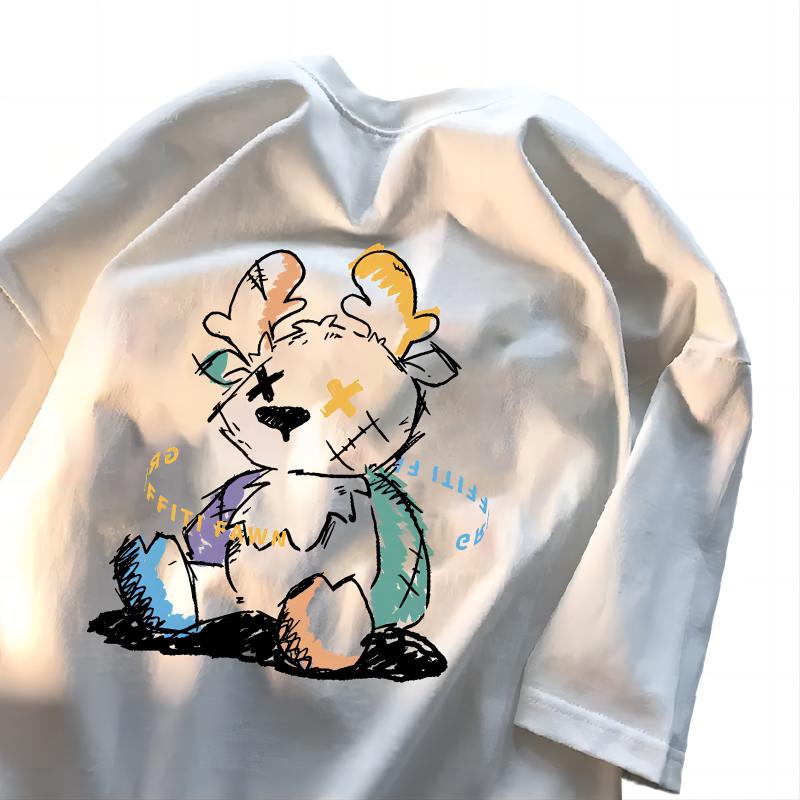
Custom Shirts
Custom woven shirt programs are built around fabric composition, collar and cuff construction, placket, buttons, pocket details, fit and finishing. EDVORIN converts fashion references or technical packs into patterns and production specifications suitable for bulk orders.
Get a Quote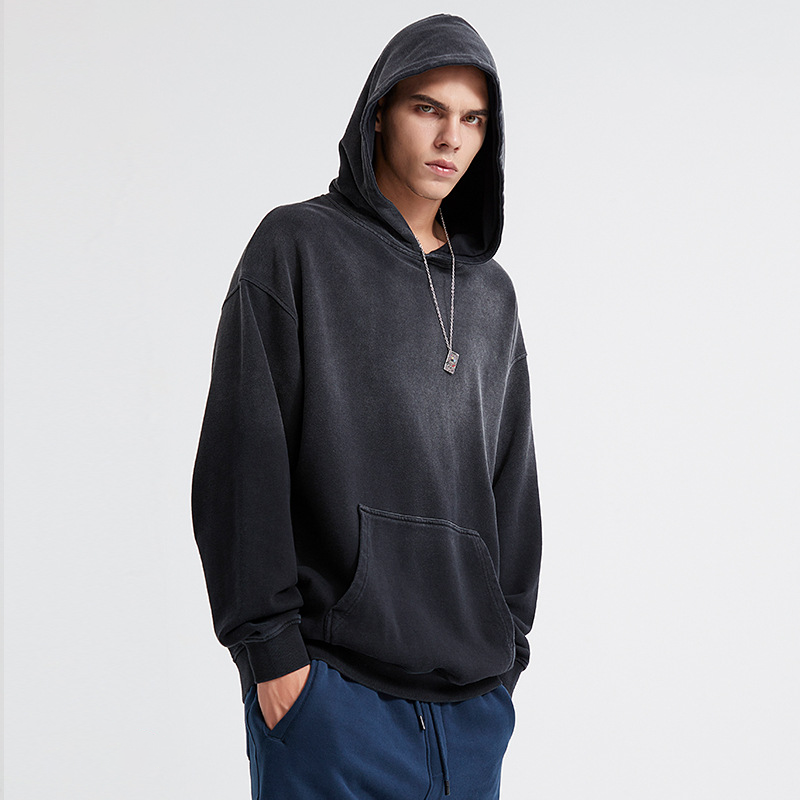
Custom Jerseys
EDVORIN produces custom jerseys with breathable fabric options, panel construction, color control, logos, names and numbers. Size sets, placement references and decoration methods are organized to keep team, school, club and retail jersey orders consistent.
Get a Quote
Tank Tops
Tank top development covers jersey or performance fabric, neckline and armhole binding, silhouette, grading, print placement and label requirements. EDVORIN can create separate men’s and women’s fit blocks for activewear, teamwear and streetwear applications.
Get a Quote
Soccer Uniforms
Soccer uniform programs combine jerseys, shorts and optional socks around color consistency, breathable materials, crest placement, player names and numbers. EDVORIN manages size runs and repeat-order standards for clubs, schools, academies and distributors.
Get a Quote
Basketball Uniforms
Basketball uniform development focuses on breathable fabric, reversible or single-layer construction, armhole and neckline finish, team colors, numbers and logo placement. EDVORIN documents approved details for organized size sets and dependable seasonal reorders.
Get a Quote
Streetwear Collections
EDVORIN’s MOQ starts at 200 pieces per style. As a streetwear clothing manufacturer, EDVORIN connects hoodies, tees, bottoms, outerwear and accessories through shared fabrics, washes, trims, labels and packaging. Development can begin with a concept or tech pack and scale from the 200-piece-per-style MOQ.
Get a QuoteGarment Dyed Hoodie Manufacturer Materials for Depth, Hand Feel and Wear
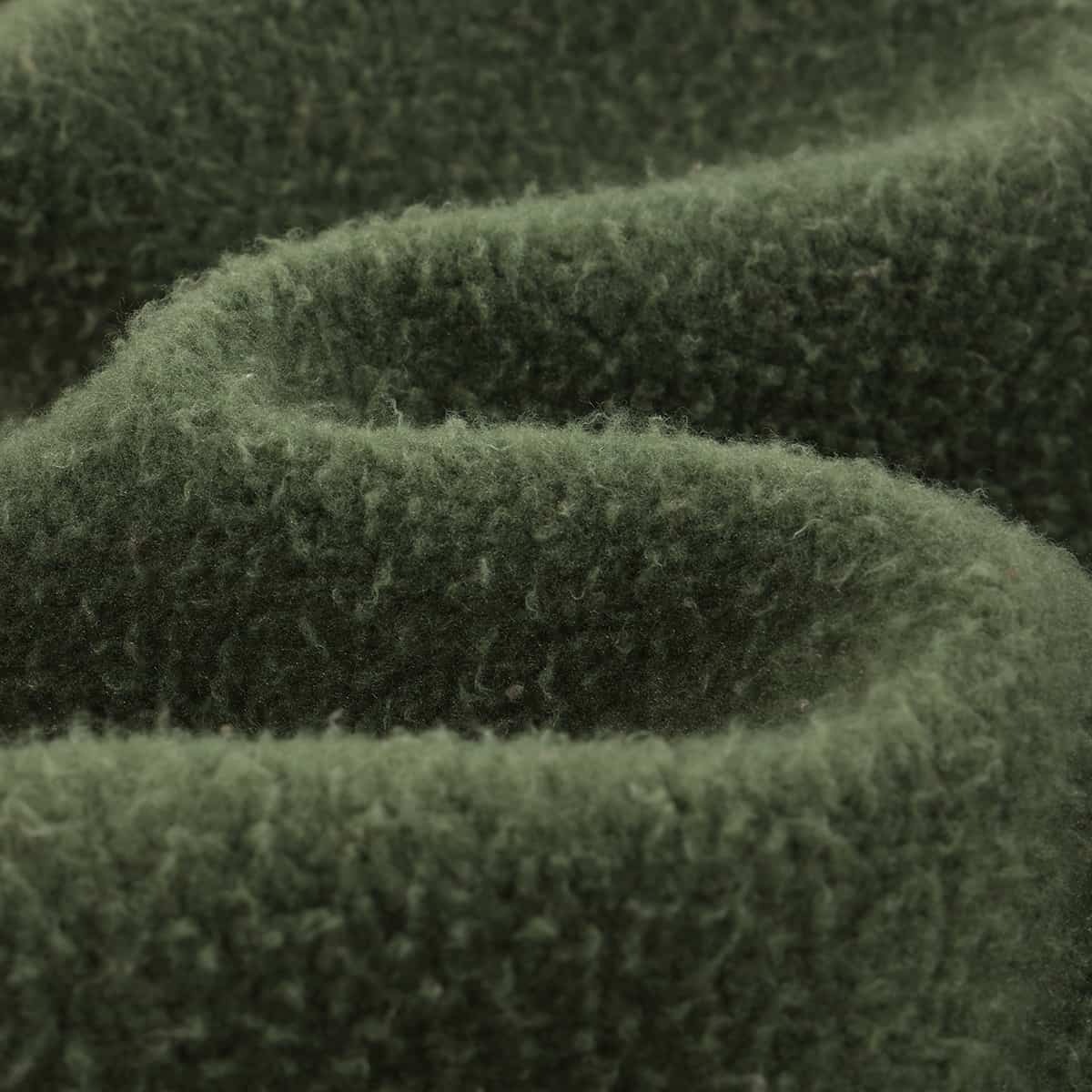
Cotton Brushed Fleece
A soft, warm base for everyday streetwear hoodies and branded collections. Its brushed interior creates a plush hand feel, while cotton-rich construction supports saturated garment-dye color and a substantial, comfortable finish.
Heavyweight Brushed Fleece
Built for oversized silhouettes, premium drops and cooler-weather programs. The dense, weight-forward feel gives the hoodie structure, while the brushed reverse adds warmth and helps create a more substantial worn-in result after washing.
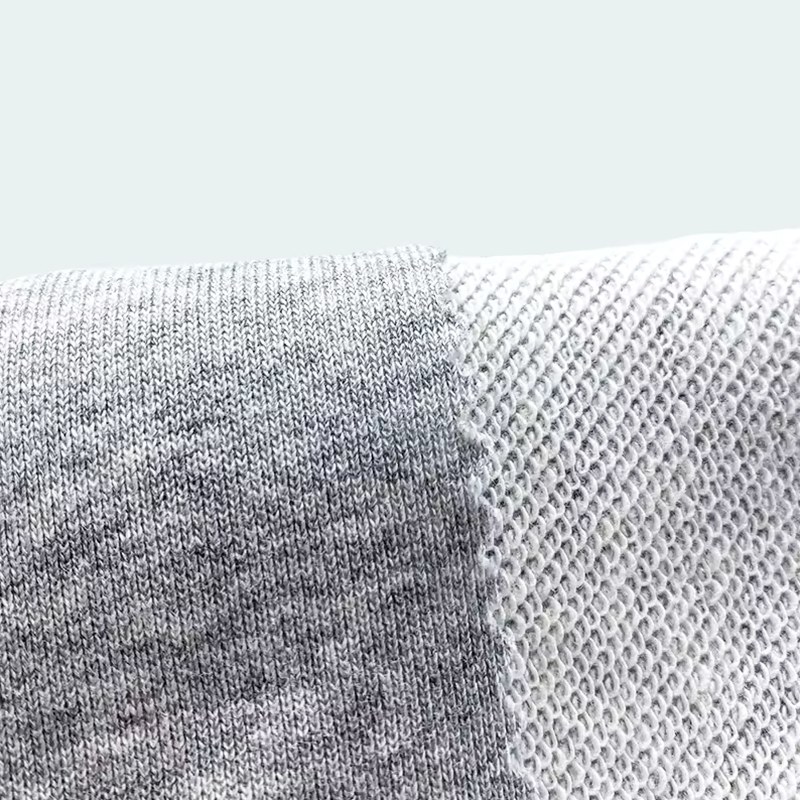
French Terry
A versatile loopback fabric for transitional hoodies, active-inspired pieces and layered sets. It feels breathable against the skin, offers moderate weight, and provides a clean surface for garment dye, printing or embroidery coordination.
Organic Cotton Fleece
A natural-feeling option for buyers developing certified material programs. Organic cotton fleece delivers softness and breathable comfort, with a cotton-forward surface suited to garment-dye development, wash testing and private-label finishing specifications.
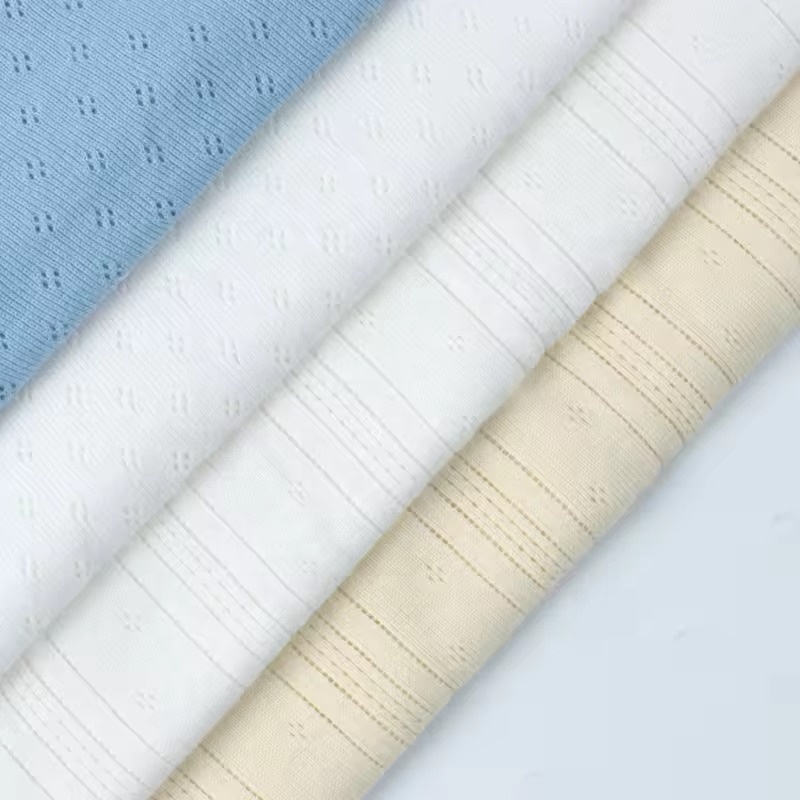
Cotton Rich Blend
A balanced choice when a program needs cotton character with added resilience. Cotton-rich blends can support recovery and shape retention, making them suitable for repeat-wear hoodies where fit, comfort and controlled dye testing matter.
PFD Ready Base
Prepared-for-dye bases are developed for programs that require controlled color results after construction. This option suits custom shade development and wash trials, helping EDVORIN align fabric, thread, trims and finishing with the approved standard.
Garment Dyed Hoodie Manufacturer Processes for Your Design
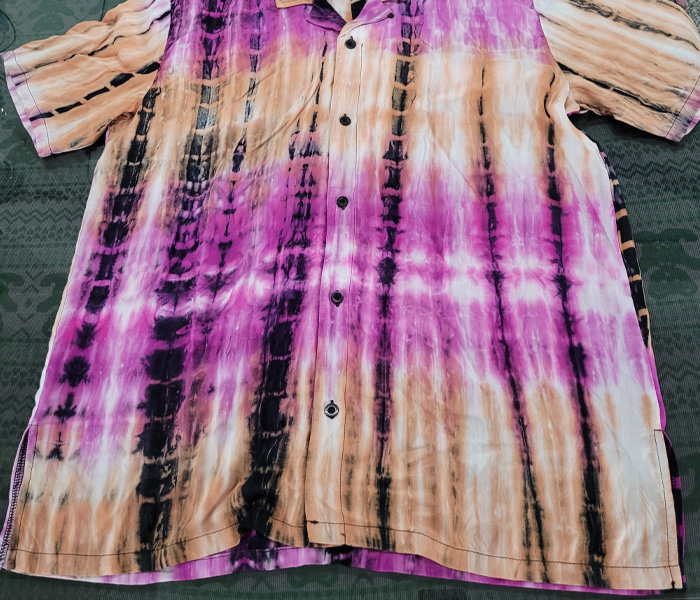
Pigment Garment Dye
Pigment dyeing creates softened, lived-in color with subtle tonal variation. EDVORIN reviews fabric composition, seam construction and target shade before sampling to help achieve a controlled vintage character across the approved bulk standard.
Reactive Garment Dye
Reactive garment dye is considered when a cleaner, more saturated color result suits the selected fiber and design direction. Trial samples confirm shade, hand feel and dimensional behavior before the process is released for production.
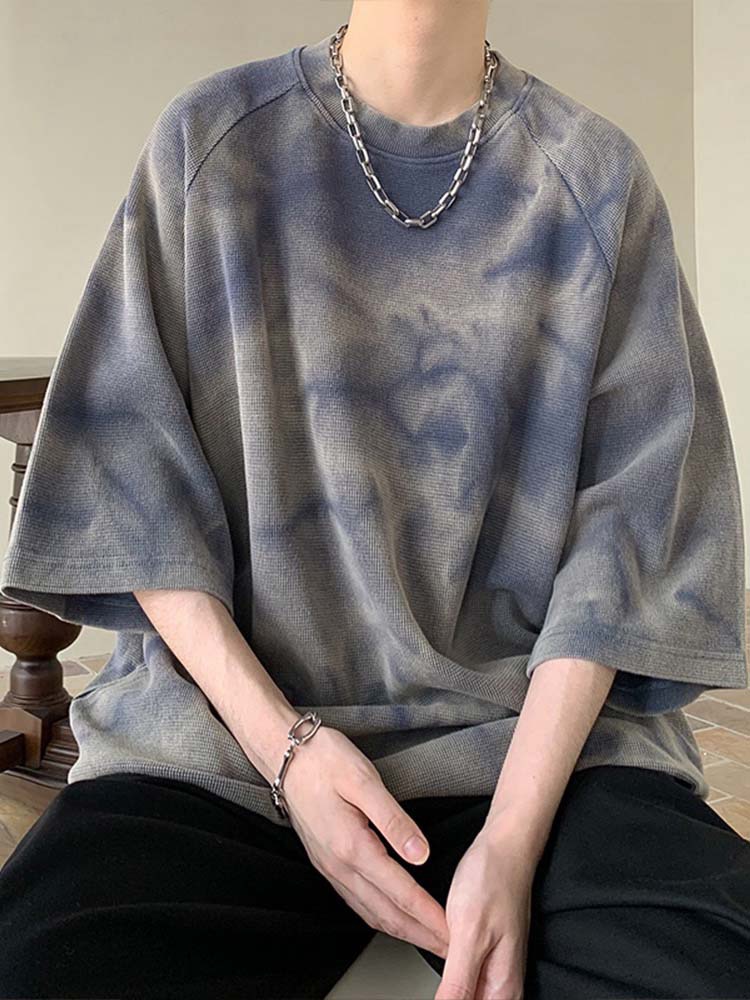
Enzyme Wash
Enzyme washing can soften the surface and develop a more broken-in hand feel. EDVORIN coordinates wash trials with the hoodie fabric and dye approach, documenting the approved effect so production has a clear reference.
Silicone Wash
Silicone washing is used to enhance softness and smoothness when compatible with the base fabric and decoration plan. Sample evaluation helps balance the desired hand feel with color appearance, print adhesion and repeatable finishing.
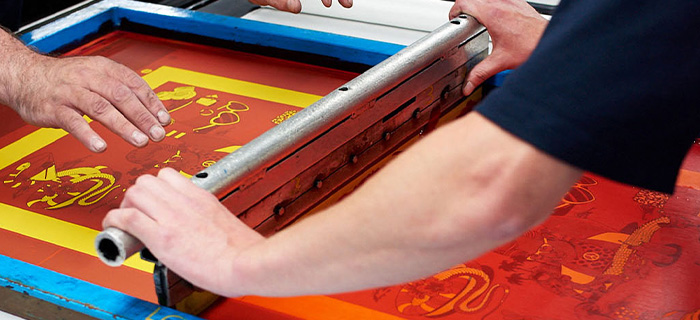
Screen Printing
Screen printing supports bold artwork, precise placement and scalable repeat orders. EDVORIN aligns ink selection, artwork specifications and placement measurements with the dyed garment surface, then records the approved result for bulk control.
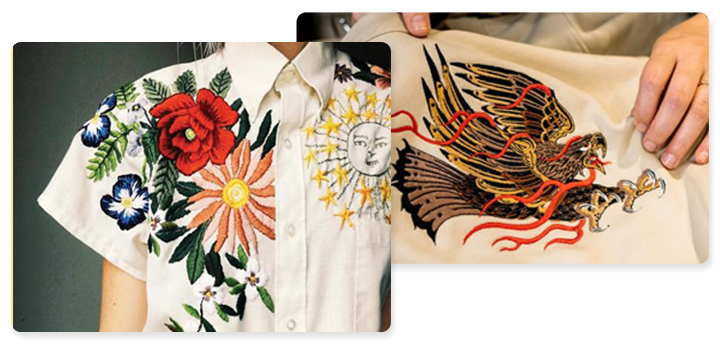
Embroidery Finishing
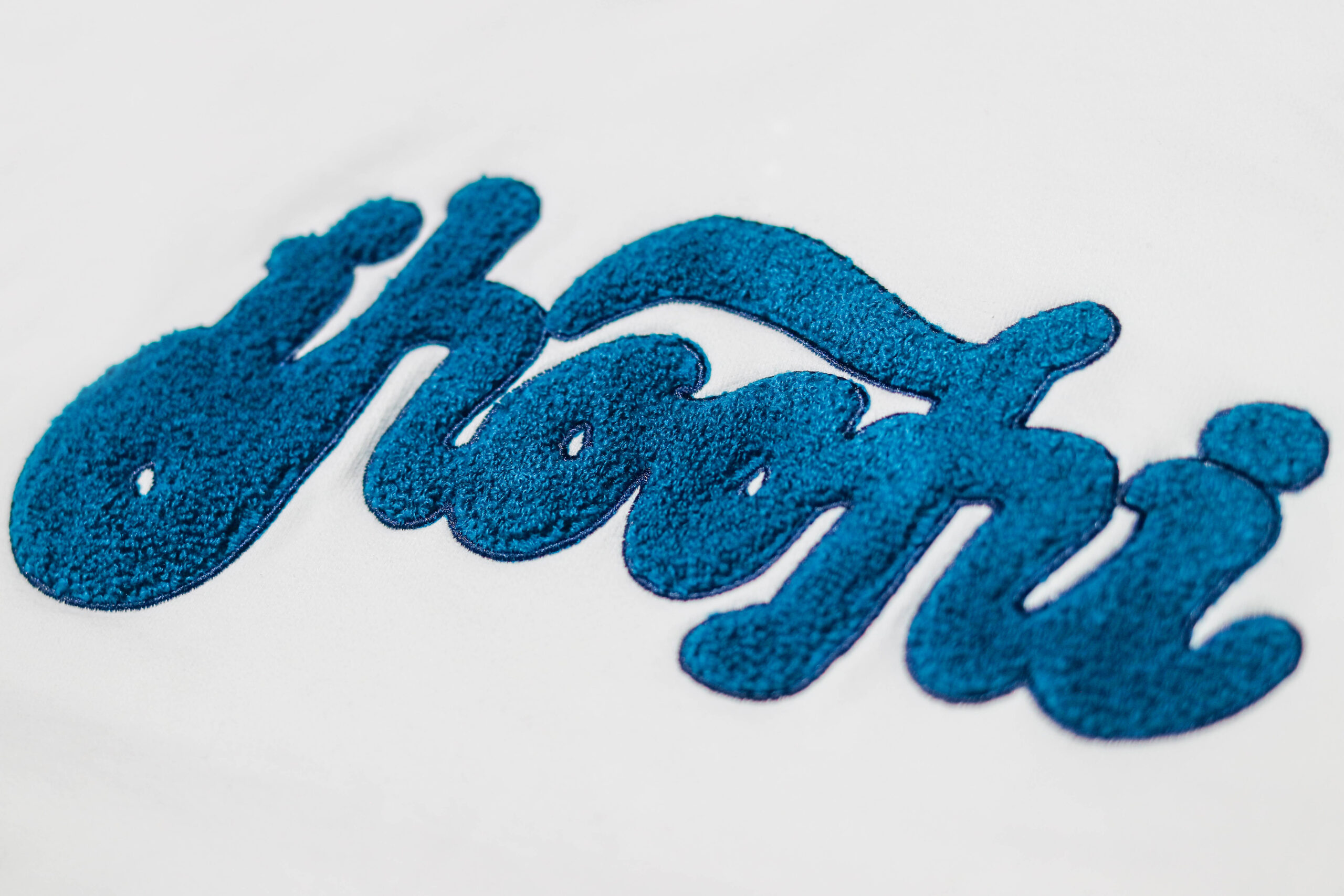
Embroidery and specialty finishing add dimensional brand detail through stitched logos, patches, labels or selected effects. EDVORIN reviews the garment weight, backing, placement and wash plan to protect both visual impact and construction quality.
Garment Dyed Hoodie Manufacturer Details That Complete the Specification
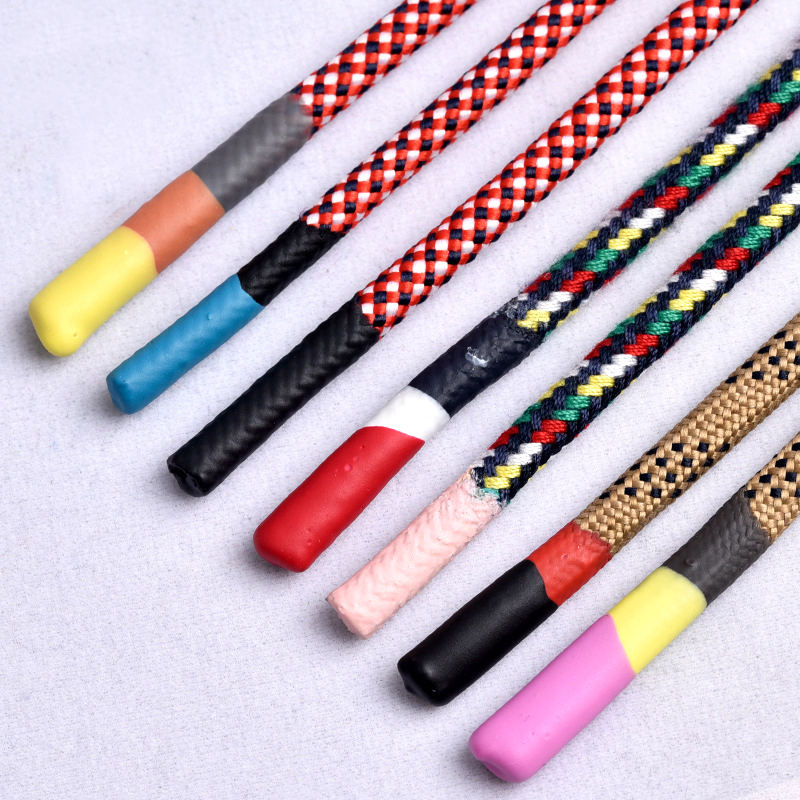
Drawcord and Tipping
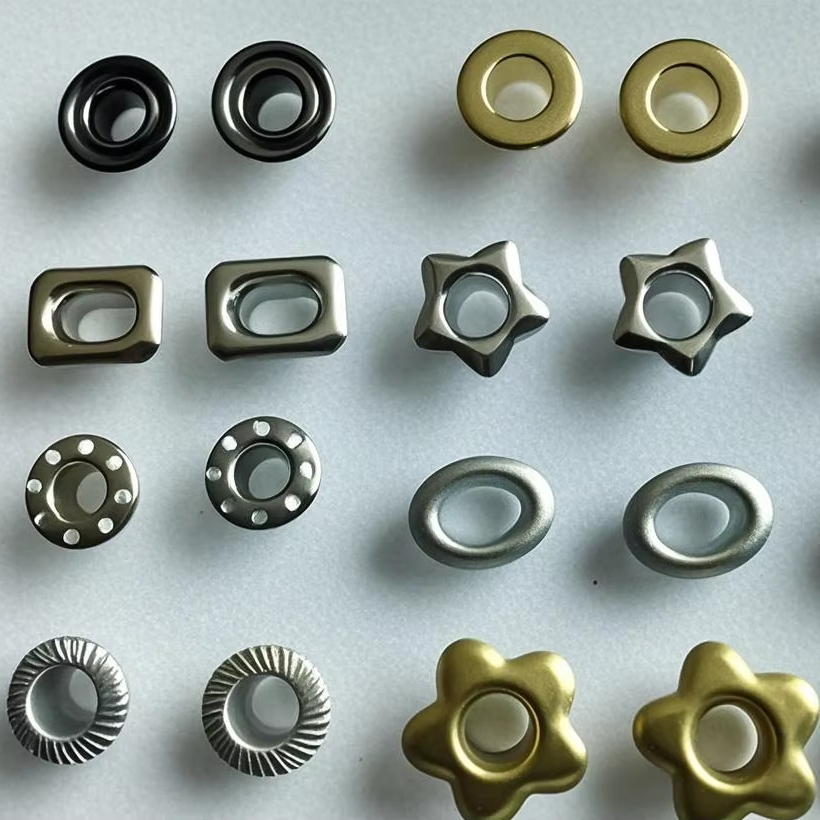
Select cotton, flat, round, tonal, or contrast drawcords with custom tips for the hood opening. Length, color, knot treatment, and placement are confirmed against the approved garment before bulk production.
Zipper Hardware
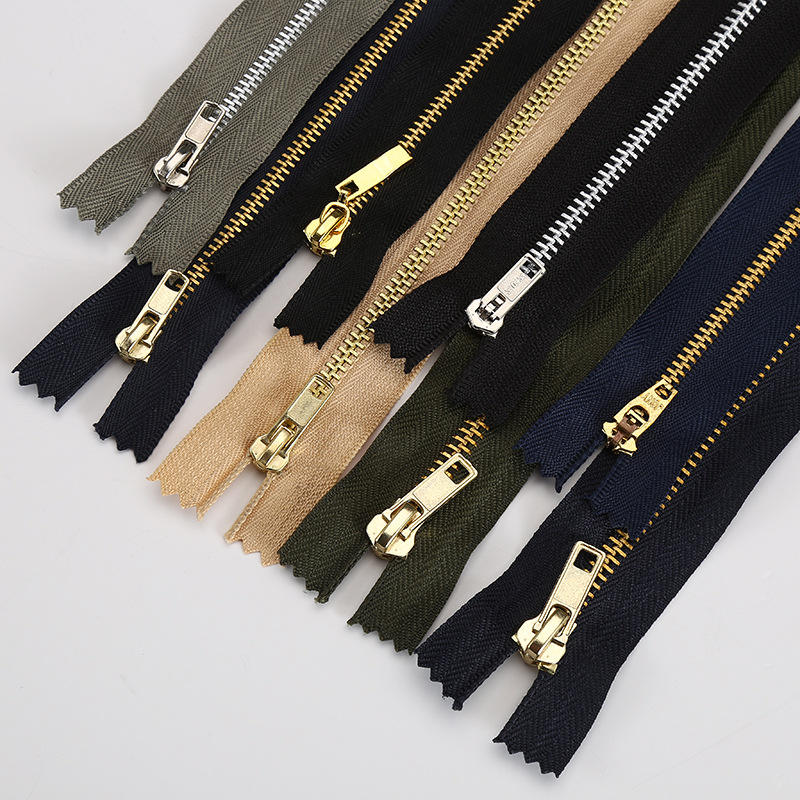
For full-zip or half-zip styles, choose zipper tape, puller shape, finish, and teeth construction to suit the garment. EDVORIN reviews zipper performance and appearance alongside the approved fabric, wash, and fit.
Woven Brand Labels
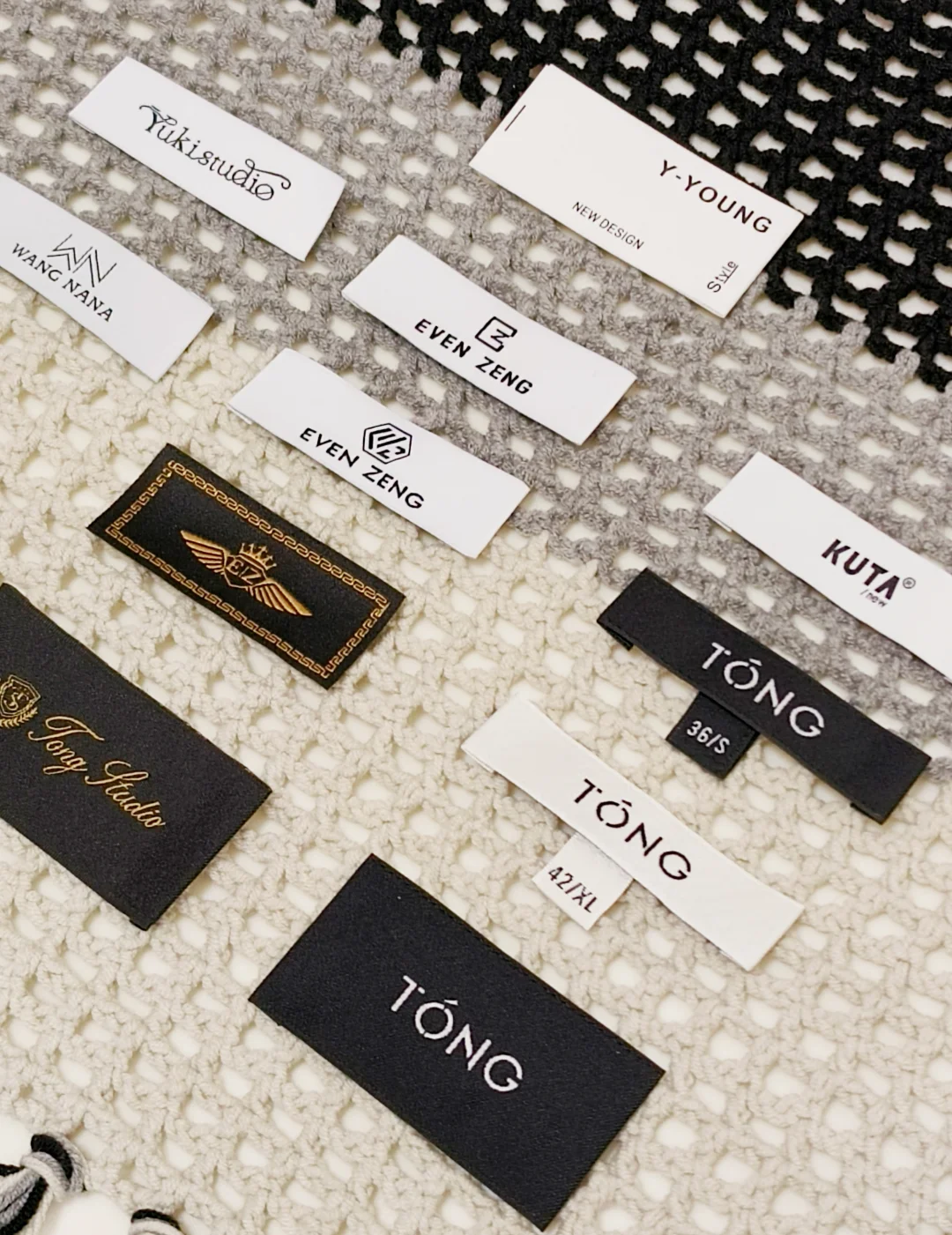
Custom main labels, size labels, and side flags establish a clear private-label identity. Artwork, yarn color, fold style, placement, and stitch method are documented so every unit follows the approved labeling standard.
Neck Tape Finish
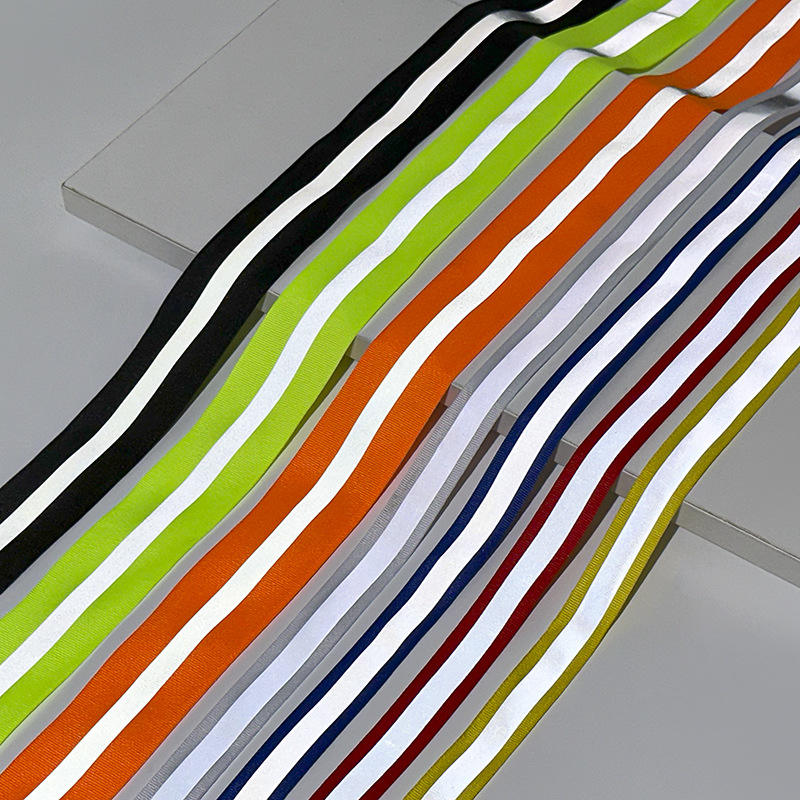
Herringbone, jersey, or contrast neck tape can reinforce the neckline and add a considered interior detail. Width, color, print, and seam coverage are matched to the hoodie construction and approved sample.
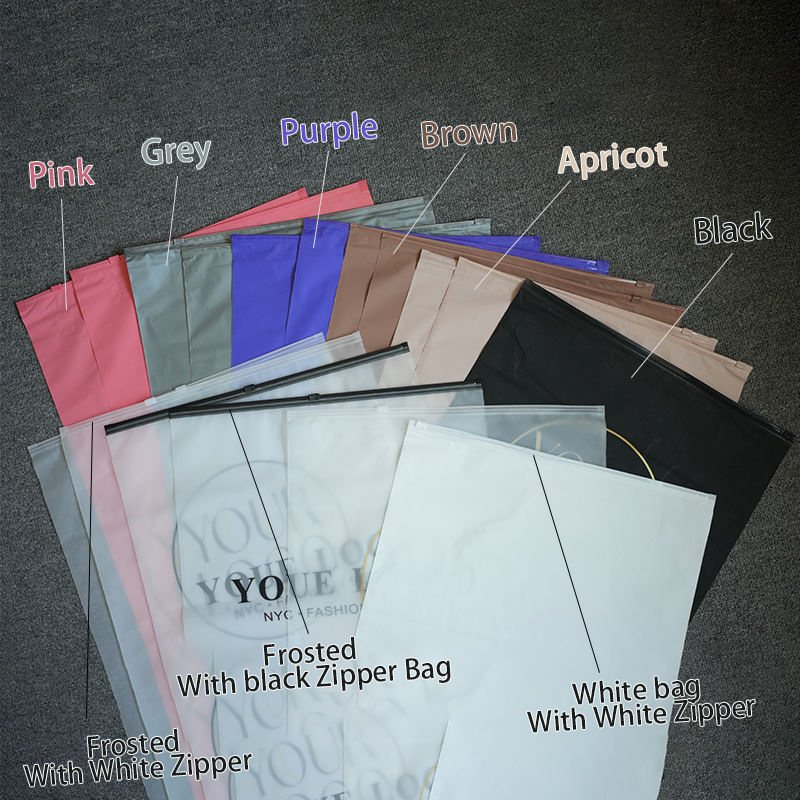
Custom Packaging
Coordinate hangtags, polybags, barcode labels, size stickers, and folding instructions for wholesale, retail, or direct-to-consumer delivery. Packaging details are checked against your order requirements before final inspection and packing.
Garment Dyed Hoodie Manufacturer Since 2000
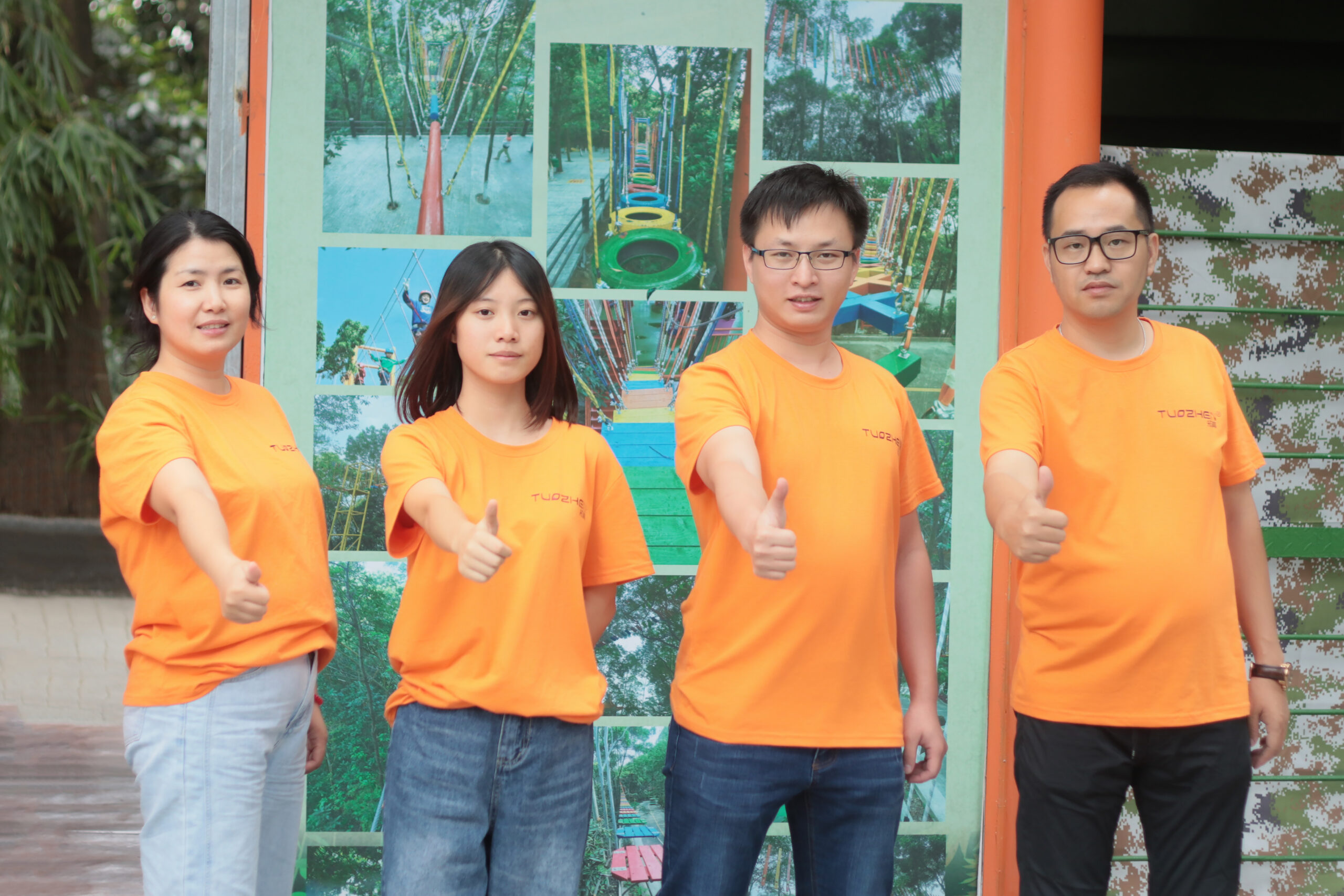
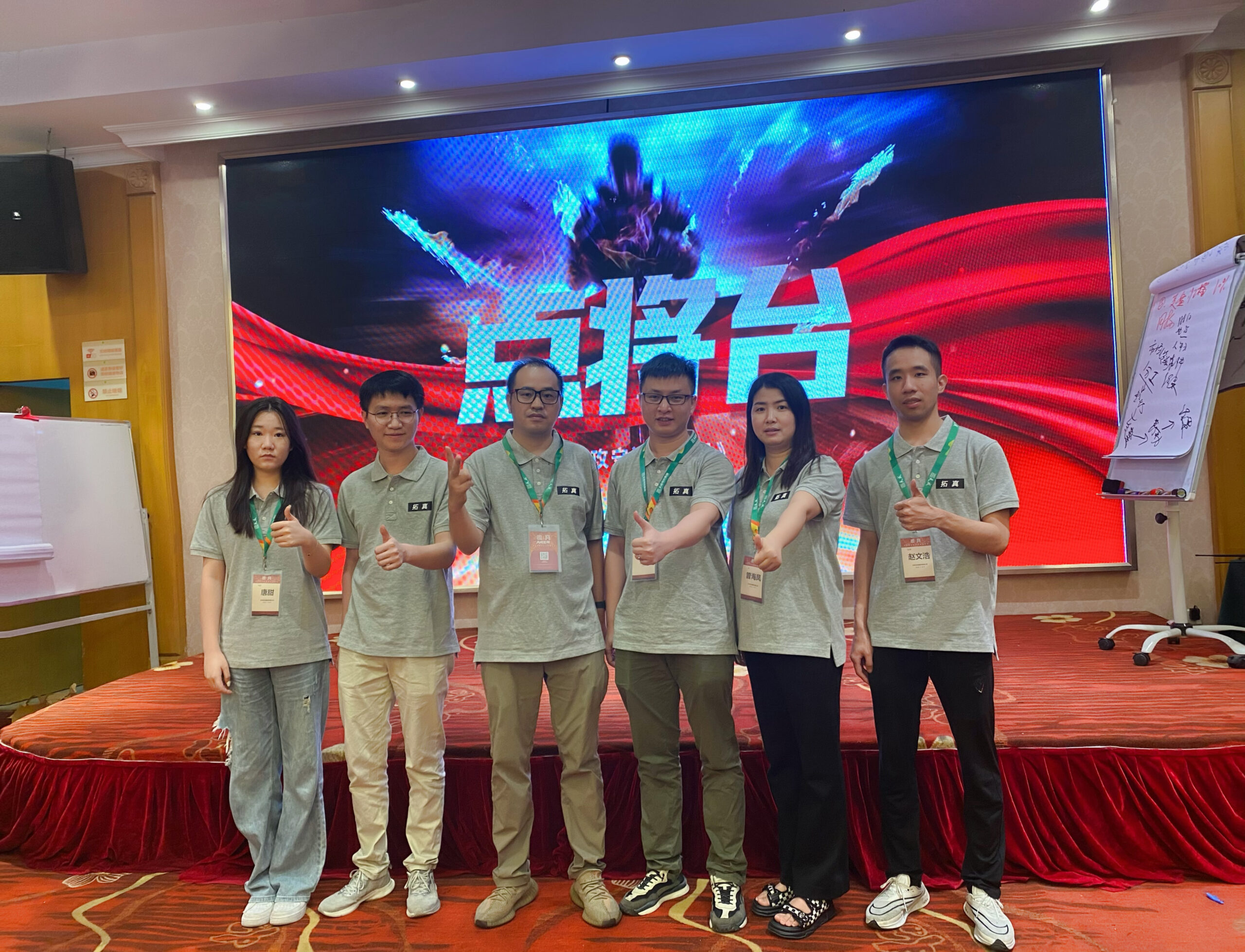
Founded by Edvorin Zeng in 2000, EDVORIN was built around a practical mission: help apparel ideas survive the transition from concept to repeatable production. We support fashion brands, streetwear labels, teamwear buyers and private-label programs with founder-led manufacturing responsibility from the first specification onward.
As a garment dyed hoodie manufacturer, EDVORIN connects product development, fabric and trim sourcing, pattern work, sampling, washing, decoration, bulk production, quality control, labeling and packing in one accountable workflow. We develop men’s and women’s programs for casualwear, streetwear, outerwear and teamwear, with MOQ starting at 200 pieces per style.
What distinguishes EDVORIN is the discipline after sample approval. Measurements, materials, wash targets, artwork placement and trim details are converted into clear production standards, then checked through bulk production and final inspection. That gives emerging labels, wholesale programs and established buyers a stronger foundation for consistent reorders.
How a Garment Dyed Hoodie Manufacturer Builds Repeatable Standards
Develop the Fit First
EDVORIN converts sketches, references, or complete tech packs into a reviewable hoodie specification. Pattern direction, measurements, grading, pocket shape, hood construction, and rib proportions are aligned before production decisions become difficult to reverse.
- Men’s and women’s fit development
- Measurement charts and grading review
- Construction details recorded clearly
- MOQ starts at 200 pieces per style
Coordinate Fabric and Wash
A garment-dyed hoodie needs the base fabric, trims, and finishing plan to work together. EDVORIN coordinates material selection, wash direction, color targets, and hand-feel expectations so the approved sample establishes a practical standard for bulk production.
- Fabric weight and fleece selection
- Wash and color target review
- Rib, drawcord, and trim coordination
- Hand feel assessed during sampling
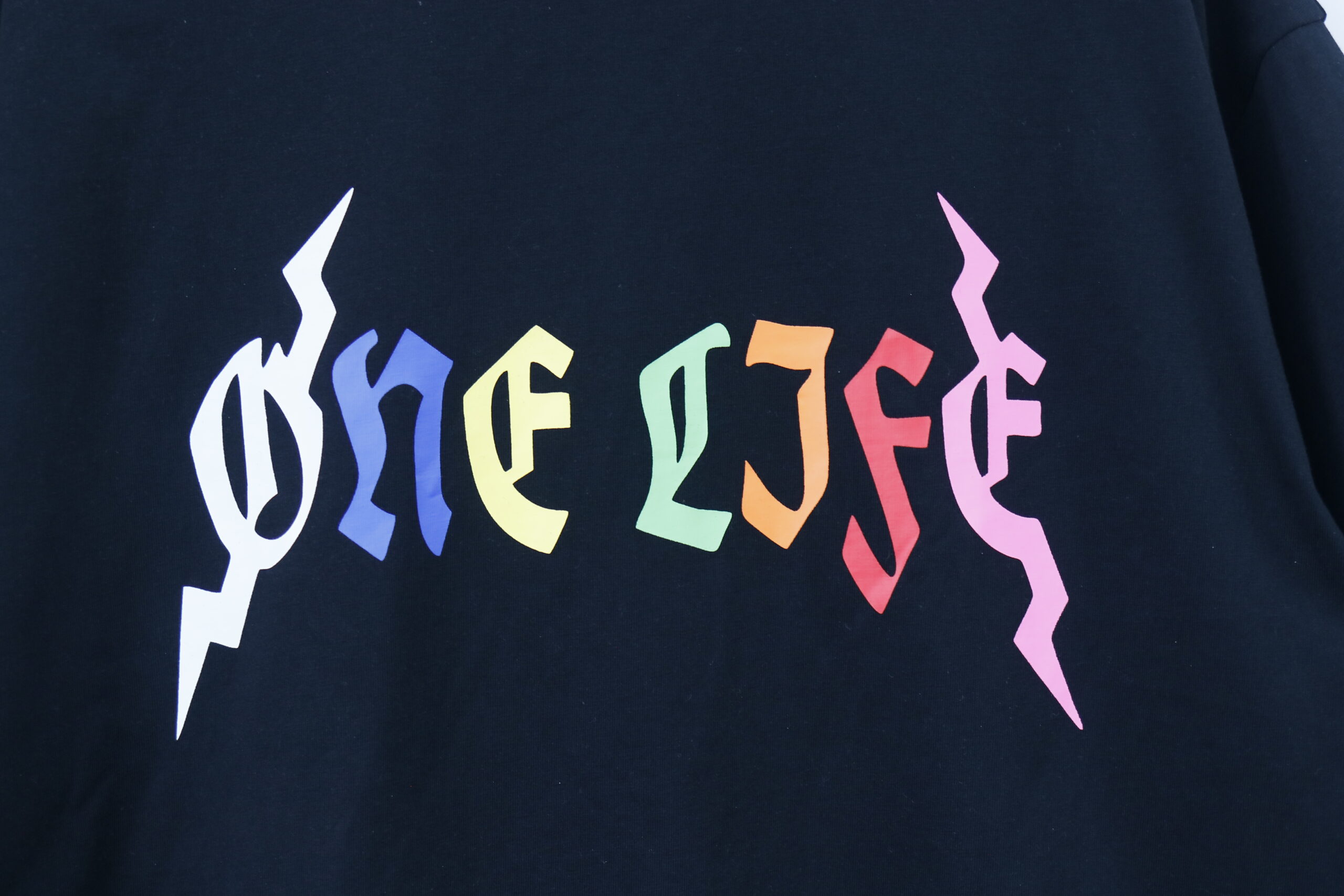
Plan Decoration With Construction
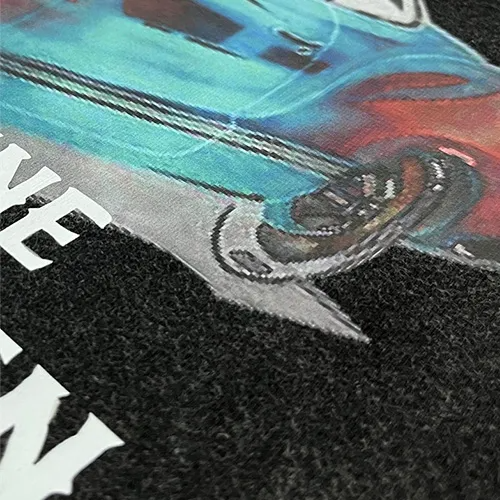
Print, embroidery, labels, and other brand details are considered alongside the hoodie’s fabric and wash treatment. This helps protect artwork placement, visual balance, and decoration performance from sample approval through the finished garment.
- Artwork placement measurements documented
- Print method matched to the base
- Embroidery and patch positions reviewed
- Private-label details coordinated
Control From Sample to Bulk
As a garment dyed hoodie manufacturer, EDVORIN uses the approved sample as the production reference. Material checks, in-line review, measurement control, and final inspection keep the agreed construction, decoration, and packing requirements visible throughout the order.
- Approved sample guides production
- In-line checks identify variation early
- Final measurements and appearance reviewed
- Labels and packaging checked before packing

Why Choose EDVORIN as Your Garment Dyed Hoodie Manufacturer
One accountable production path helps protect approved details from development through packed bulk orders.
← Swipe left or right to view →
Garment Dyed Hoodie Manufacturer Workflow: From PFD Base to Packed Garment
A controlled path that turns your approved hoodie specification into a repeatable bulk-production standard.
Review the Specification
We review fit, measurements, PFD fabric requirements, color direction, trims, artwork, labeling and target quantity, then identify details requiring development before sampling.
Source and Build Sample
Our team coordinates suitable materials and components, develops patterns and prepares a sample for your review, recording approved construction, hand feel and finishing decisions.
Cut, Sew and Dye
After approval, production follows documented standards through cutting and sewing, with garment dye or wash coordination planned around the selected fabric and intended appearance.
Apply Decoration and Details
Printing, embroidery and private-label components are coordinated against approved placement, color and trim specifications so each hoodie reflects the intended collection identity.
Inspect, Pack and Prepare
In-line and final checks compare bulk garments with the approved standard before labeling, packaging and shipping preparation, giving buyers a clear path toward repeat orders.
How to Start Your Garment-Dyed Hoodie Program
Move from an initial concept to an approved, repeatable order with one accountable garment dyed hoodie manufacturer.
Share Your Starting Point
Send a tech pack, sketch, reference garment or collection brief. EDVORIN reviews the intended fit, fabric direction, wash, decoration and private-label requirements.
Align Specifications and Quote
Confirm materials, measurements, colors, trims, artwork placements, packaging and quantities. We turn the agreed details into a clear production scope and quote.
Approve the Sample
Review the developed sample against your requirements, including hand feel, dye character, construction, fit and decoration. Revisions are recorded before bulk approval.
Confirm Bulk Production
Release the approved standard for production. EDVORIN coordinates sourcing, cutting, sewing, washing, decoration and in-line quality checks from the same specification.
Receive Organized Shipment Support
Final inspection, labeling and packing are completed against approved requirements. Your team receives organized shipment support for a smoother handoff to your distribution plan.
Certified Standards for Responsible Apparel Production

What Buyers Say About Working With EDVORIN
Buyer testimonial available upon approval.
Buyer testimonial available upon approval.
Buyer testimonial available upon approval.
Garment Dyed Hoodie Manufacturer FAQs
EDVORIN’s MOQ starts at 200 pieces per style. Clear answers on MOQ, development, production control and delivery for private-label hoodie programs.
EDVORIN’s MOQ starts at 200 pieces per style. What is your minimum order quantity for garment-dyed hoodies?
Can a garment dyed hoodie manufacturer develop my design from a sketch or reference?
How does sampling and revision work with a garment dyed hoodie manufacturer?
Which garment dye and wash effects can you source for hoodies?
How long does garment-dyed hoodie production take?
How do you protect my hoodie specifications and artwork?
What payment and shipping support do you provide for custom hoodie orders?
Which certification requirements can EDVORIN support?
Complete Guide to Garment-Dyed Hoodie Manufacturing
Use this decision framework to compare garment-dye production, fabrics, customization, quality controls, supplier capabilities, and cost drivers—while avoiding specification, sampling, color-consistency, and timeline mistakes that can undermine a hoodie program.
1. What Is a Garment Dyed Hoodie Manufacturer?
1. A garment dyed hoodie manufacturer builds the hoodie first in prepared-for-dye (PFD) materials, then colors the completed garment. Unlike piece-dyed blanks, whose fabric is dyed before cutting and sewing, this route lets seams, rib, and compatible cotton sewing thread take color together.
5. The controlled sequence is PFD cutting and sewing, dyeing, washing, drying, finishing, measurement and shade inspection, then labeling and packing. EDVORIN uses the approved sample, color reference, construction specification, and measurement chart as the production standard at each handoff.
200-piece programs often use garment dyeing when a washed, broken-in color character is central to the collection rather than an afterthought. It also helps a hoodie, sweatpant, and related streetwear pieces read as one cohesive premium program, while buyers should approve shade variation and post-wash measurements before bulk production.
2. How Garment-Dyed Hoodies Became a Streetwear Staple
By the mid-20th century, dyeing completed cotton garments was already valued for workwear and washed basics because laundering softened the surface and reduced the new-garment look. The same process produces shade movement at seams, ribs, and high-contact areas rather than perfectly uniform piece-dyed color.
In the 1980s and 1990s, relaxed fleece silhouettes gave that broken-in appearance a natural place in casual and streetwear collections. A garment dyed hoodie manufacturer now translates that visual language into controlled specifications: approved color standard, wash target, fit block, and acceptable tonal variation.
In 2026, buyers can carry one dye direction across hoodies, crewnecks, sweatpants, and shorts for a coordinated private-label, school, or team set. Garment dyeing can also soften the hand feel, but color consistency should be judged by an approved sample and tolerance, not by expecting every piece to match exactly. Source: https://www.dtlaprint.com/pages/custom-dyed-apparel-hoodies-shirts
3. Types of Garment Dyed Hoodie Manufacturer Programs
Five sourcing models suit different risk, speed, and control requirements. A garment dyed hoodie manufacturer should map the program before sampling, because dyeing follows construction and makes late changes expensive.
| Program | Fit Control | Flexibility | Development | Speed | Complexity |
|---|---|---|---|---|---|
| Stock PFD dyeing | Low | Moderate | Low | Fast | Low |
| Custom cut-and-sew | High | High | High | Slowest | High |
| Private label | Moderate | Moderate | Moderate | Medium | Medium |
| Team or uniform | Moderate | Low | Low | Fast | Medium |
| Limited drop | High | High | Moderate | Medium | High |
Stock PFD Blank Dyeing
PFD blanks are quickest when the fit block is already accepted. Buyers select available sizes, then approve a dye standard and decoration placement.
Custom Cut-And-Sew
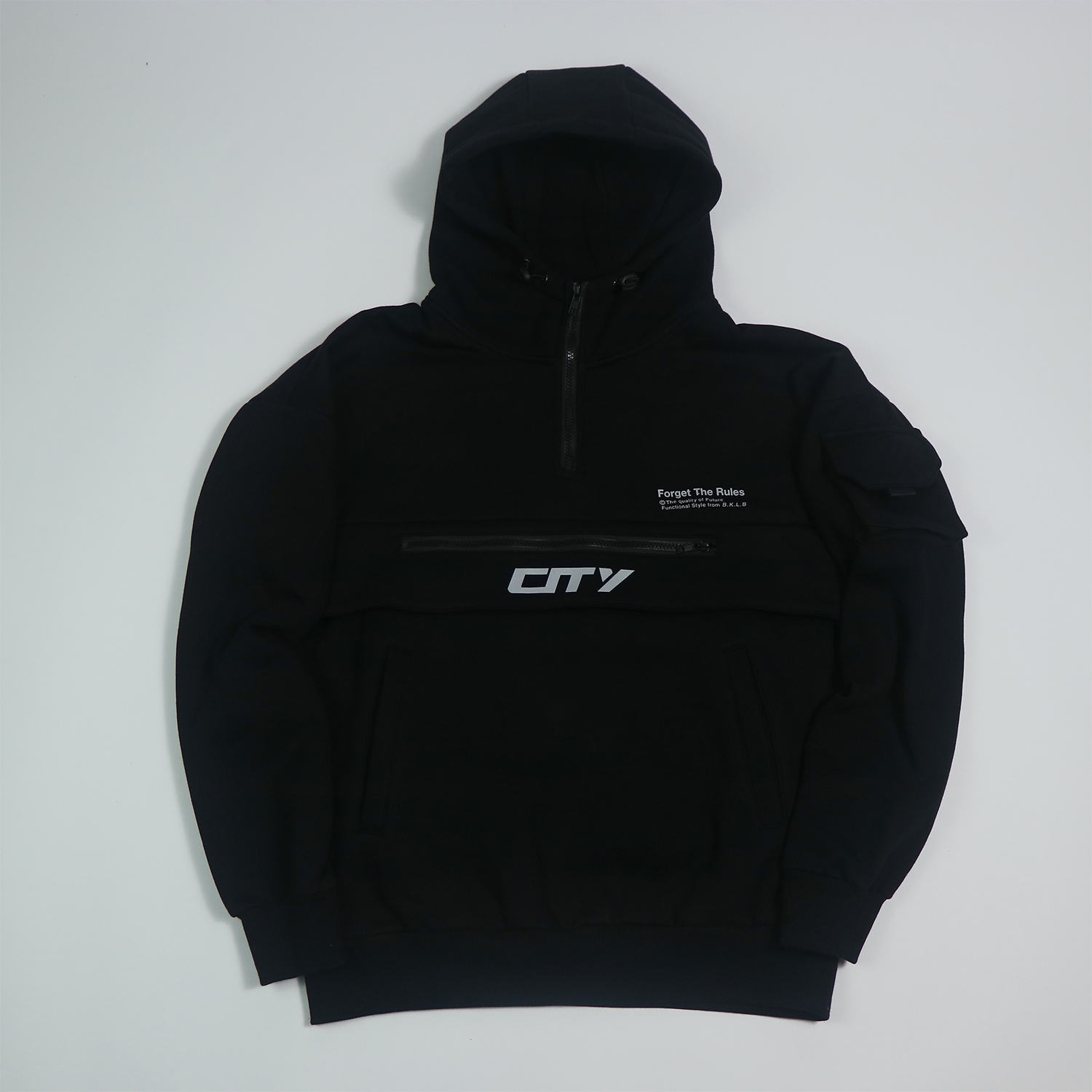
Custom cut-and-sew gives the strongest control over fit, hood shape, pocket, rib, and fabric. It requires patterns, samples, grading, and more development decisions before bulk.
Private Label And Teams
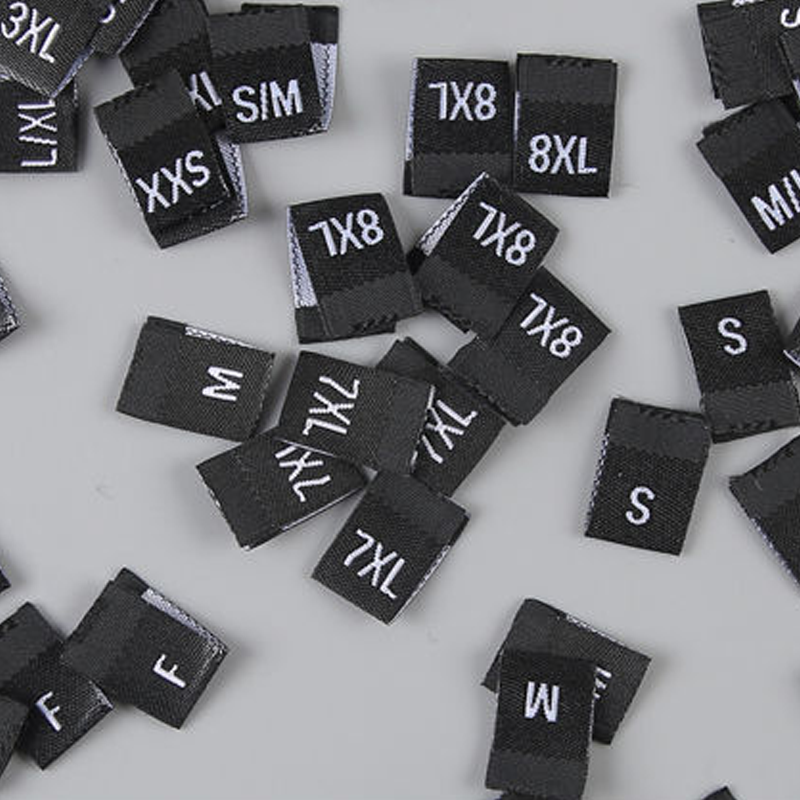
Private-label, team, and limited-drop programs combine approved construction with labels, names, numbers, or drop-specific artwork. Teams prioritize size-set accuracy; drops prioritize a locked approval standard.
4. Garment Dyed Hoodie Manufacturer Fabric Choices
100% cotton usually gives the most even reactive-dye uptake and a softer, broken-in hand. A garment dyed hoodie manufacturer should select weight around the intended climate, silhouette, and retail tier.
| Fabric | GSM | Dye Result | Best Use |
|---|---|---|---|
| Cotton French terry | 280–320 | Even, soft | Spring streetwear |
| Cotton fleece | 340–400 | Rich, warm | Core hoodies |
| Cotton-poly fleece | 360–460 | Marl risk | Teams and workwear |
| Organic cotton fleece | 320–400 | Verify records | Premium programs |
Fabric Weight And End Use
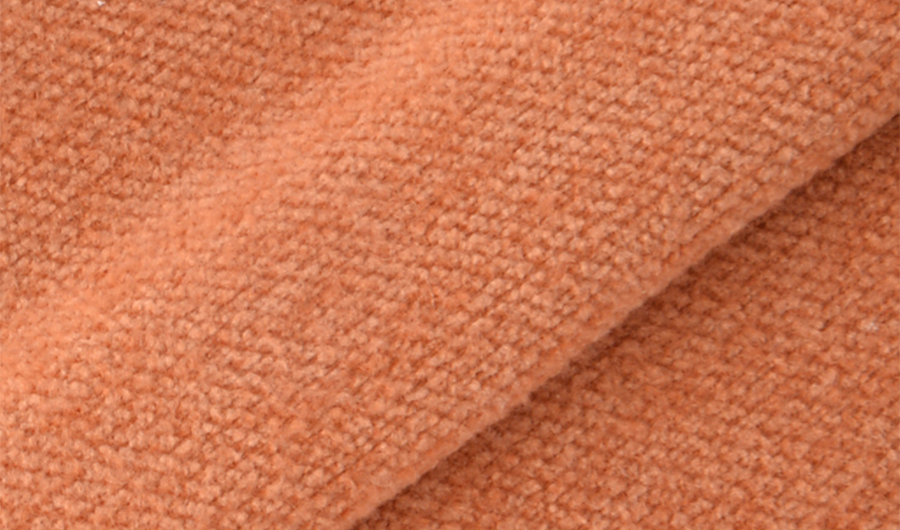
280–320 GSM French terry suits transitional layers, with a cleaner drape and breathable loopback interior. 340–460 GSM brushed fleece adds warmth, structure, and premium streetwear weight.
Fiber Content And Dyeing
100% cotton accepts color more uniformly than cotton-poly blends, whose polyester content can create tonal contrast. Verified organic cotton can support a material claim only when chain-of-custody documentation is available.
80/20 cotton-poly fleece improves abrasion resistance and shape retention, but requires strike-offs to judge color variation. Ring-spun cotton generally feels smoother than open-end yarn.
PFD And Test Controls
PFD fabric must be free of finishes that block dye penetration, while cotton sewing thread helps seams dye with the shell. Polyester thread may remain visibly lighter after dyeing.
3–5% shrinkage planning should be built into patterns, measurements, and wash testing before bulk cutting. Lab dips and garment strike-offs confirm shade, crocking, and wash change before commitment.
5. Customization and Decoration After Garment Dyeing
200-piece programs need fit decisions locked before dyeing: standard, oversized, cropped, or dropped-shoulder blocks change shrinkage allowances and placement. EDVORIN converts approved choices into measurable tech-pack callouts.
| Method | Best Timing | Key Risk |
|---|---|---|
| Screen print | After dyeing | Adhesion or registration |
| Heat transfer | After dyeing | Bond failure after washing |
| Appliqué or patch | After dyeing | Puckering or color mismatch |
Trim And Fit Specifications
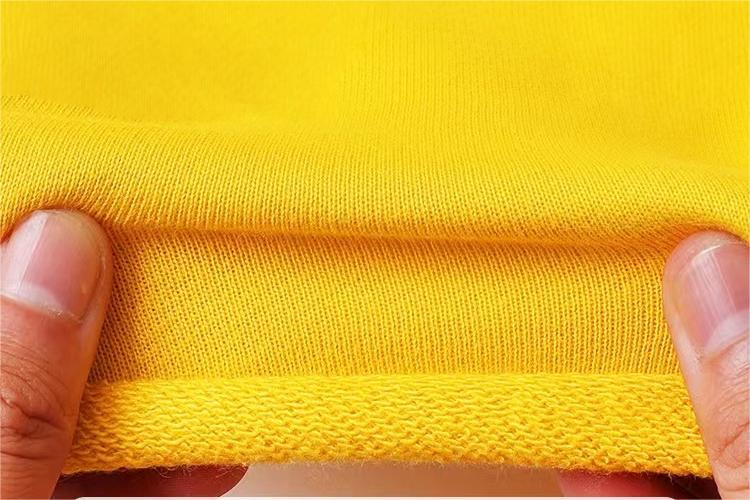
3-point pocket measurements, rib height, drawcord length, label position, neck print artwork, and hangtag attachment should be recorded from one approved sample. Use PFD-compatible cotton sewing thread when a tone-on-tone result is required.
Choose The Decoration Sequence
80% cotton-heavy fleece generally accepts garment dye more predictably than polyester-rich trims. Embroidery, appliqué, and patches are usually applied after dyeing; pre-dye decorations can shift color, pucker, or create dye shadows.
Print Approval And Testing
2 wash-test samples should confirm screen-print ink adhesion, transfer bonding, embroidery distortion, and colorfastness before bulk release. Specify artwork size, Pantone reference, placement from HPS, thread colors, and registration tolerances in the tech pack.
6. Construction Details That Determine Hoodie Quality
Two approval stages matter: the pre-production sample establishes construction, and the size-set or first-bulk review confirms it repeats after dyeing and washing.
Fabric And Recovery
300–450 GSM is a common heavyweight range, but weight alone does not establish quality. Inspect face evenness, fleece attachment, stretch recovery, and whether the fabric twists after washing.
One agreed wash test should record shrinkage, pilling, color change, and seam torque against the approved sample.
Seams And Stress Points
2×2 rib cuffs and hems should recover without permanent stretching after repeated handling. Check stitch density, clean overlock coverage, reinforced shoulder seams, and bartacks at pocket corners.
Two pocket corners and both pocket openings deserve close inspection; uneven attachment can distort after laundering.
Hood, Hardware, And Grading

A three-panel hood usually gives a more shaped profile than a basic two-piece hood. Review crown shape, neckline balance, drawcord channel stitching, eyelets or grommets, and hardware security.
One full size set should be measured against the graded specification after wash. Confirm chest, body length, sleeve length, hood opening, and rib measurements before bulk approval.
7. How to Choose a Garment Dyed Hoodie Manufacturer
Two approved samples—one color lab dip and one finished size sample—reveal more than a supplier presentation. Choose a garment dyed hoodie manufacturer that can convert those approvals into controlled bulk instructions.
| Evaluation Area | Request | Compare Beyond Price |
|---|---|---|
| Color control | Lab dips and wash standard | Approval and repeatability |
| Quality control | AQL plan and inspection report | Defect handling |
| Lead time | Critical-path schedule | Material and shipping buffers |
| Logistics | Carton details and Incoterms | Delivery coordination |
Verify Dye Experience
Three recent garment-dye references should show shade variation, wash appearance, and matching rib or thread decisions.
One sample set should include before-and-after wash measurements and a Pantone target-to-lab-dip record.
Test The Development Process
One complete tech pack should receive a written review covering pattern, PFD materials, decoration order, tolerances, and risks.
Two revision rounds should produce dated sample comments, measurement charts, and placement records rather than verbal approvals.
Compare Total Execution
EDVORIN’s MOQ starts at 200 pieces per style. 200-piece MOQ suitability matters only when color, size breakdown, capacity, and replenishment terms are stated clearly.
One quotation should separate garment, dyeing, washes, decoration, packaging, inspections, freight terms, and realistic production milestones.
8. Common Garment-Dyed Hoodie Buying Mistakes
One incompatible component can leave contrast stitching or a distorted trim after dyeing. Treat the approved sample as a production-control document, not a styling reference.
Specify Dyeable Components
100% cotton PFD shell, sewing thread, rib, drawcord, and labels should be confirmed before sampling. This protects the decision to approve an all-over, tonally consistent color result.
Approve Color And Wash
Two color references—a physical swatch and a washed sample—are stronger than screen photos alone. Record acceptable shade and wash variation; this protects the launch color decision across bulk lots.
Lock Fit And Decoration
Three measurement points—chest, body length, and sleeve length—need stated tolerances after washing. Test print adhesion and embroidery distortion on the dyed sample; this protects fit approval and artwork placement.
Plan Commercial Details
One approved size curve prevents excess stock in low-demand sizes. Confirm care-label wording and allow time for revisions, resampling, and wash testing; this protects replenishment planning and compliant consumer instructions.
9. Launching a Garment-Dyed Hoodie Collection
A 200-piece opening order works best when the target wearer, channel, size curve, and launch date are set before sampling. EDVORIN can convert the concept into an approval path that protects color, fit, decoration, and packing details.
Build The Production Brief
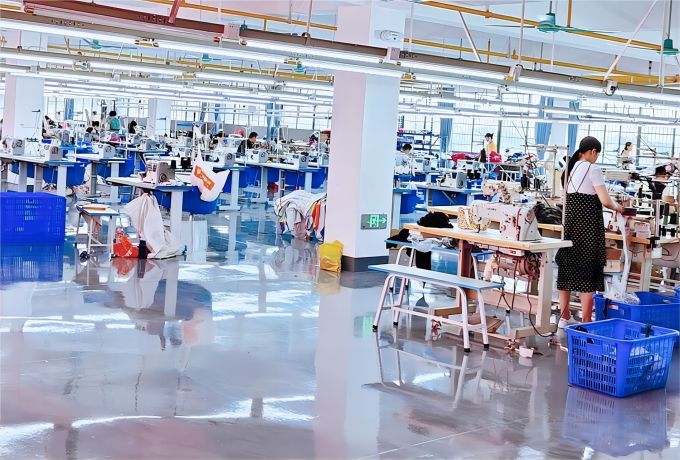
One tech pack should define measurements, PFD fabric, rib, thread, labels, artwork placements, and carton marks.
Three buyer profiles need different allocations: brands plan a drop; clubs and schools assign roster sizes; wholesalers reserve replenishment depth.
- Brands: prioritize colorways and launch imagery
- Teams: collect names, numbers, and size lists
- Private labels: lock packaging and compliance needs
Approve Color And Prototype
One Pantone reference and a physical wash standard should govern the prototype, because garment dye creates controlled shade variation.
Two review rounds are usually enough to correct fit, shrinkage, print compatibility, and trim choices before pre-production approval.
Control Bulk Through Launch
One approved pre-production sample should anchor cutting, sewing, dyeing, decoration, and final inspection.
Four launch checkpoints—production completion, inspection release, freight booking, and asset delivery—help distributors receive stock before sales dates.
- Confirm packed size ratios
- Book freight after inspection release
- Photograph approved production samples
10. Garment-Dyed Hoodie Pricing and Cost Drivers
200 pieces is EDVORIN’s stated starting MOQ for a garment-dyed hoodie manufacturer program; pricing should be quoted per approved specification, not estimated from a reference image. Fabric composition, 320–500 GSM weight, PFD preparation, reactive or pigment dyeing, and enzyme or silicone washing materially change the unit cost.
3 quote stages help buyers control surprises: development sample, pre-production approval, and bulk production. Decoration colors and placements, embroidery stitch count, custom labels, individual packaging, carton requirements, freight terms, and size breakdowns must be confirmed before final pricing is issued.
| Quantity tier | Quote basis | Typical cost pressure | Planning lead time |
|---|---|---|---|
| 200–499 units | Higher unit quote | Sampling, dye-lot setup, custom trims | Allow development plus bulk scheduling |
| 500–999 units | Improved fabric utilization | Wash process and decoration complexity | Confirm color and artwork before booking |
| 1,000+ units | Volume-based quotation | Freight, packaging, multi-color size runs | Reserve capacity after pre-production approval |
| All quantities | Final quote after specifications | Fabric, weight, dye, wash, decoration | Lead time starts after approvals |
Ready to Develop Your Garment-Dyed Hoodie Collection?
Send your tech pack, reference garment or concept for a quote covering development, sampling and repeatable bulk production.