
Production-Ready Apparel Manufacturing, Built to Repeat
From concept development to packed bulk orders, EDVORIN’s apparel manufacturing capabilities support OEM, ODM and private-label programs across fashion, streetwear, outerwear and teamwear.
Featured Products and Production Details


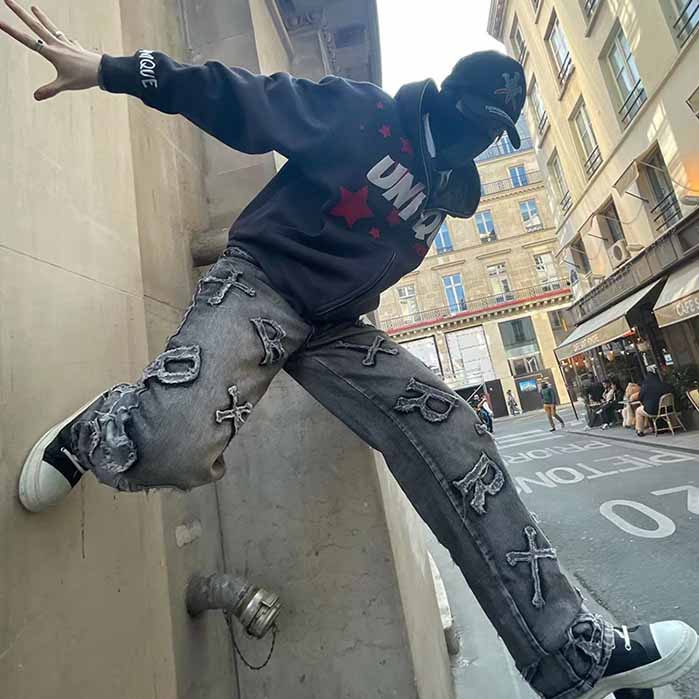
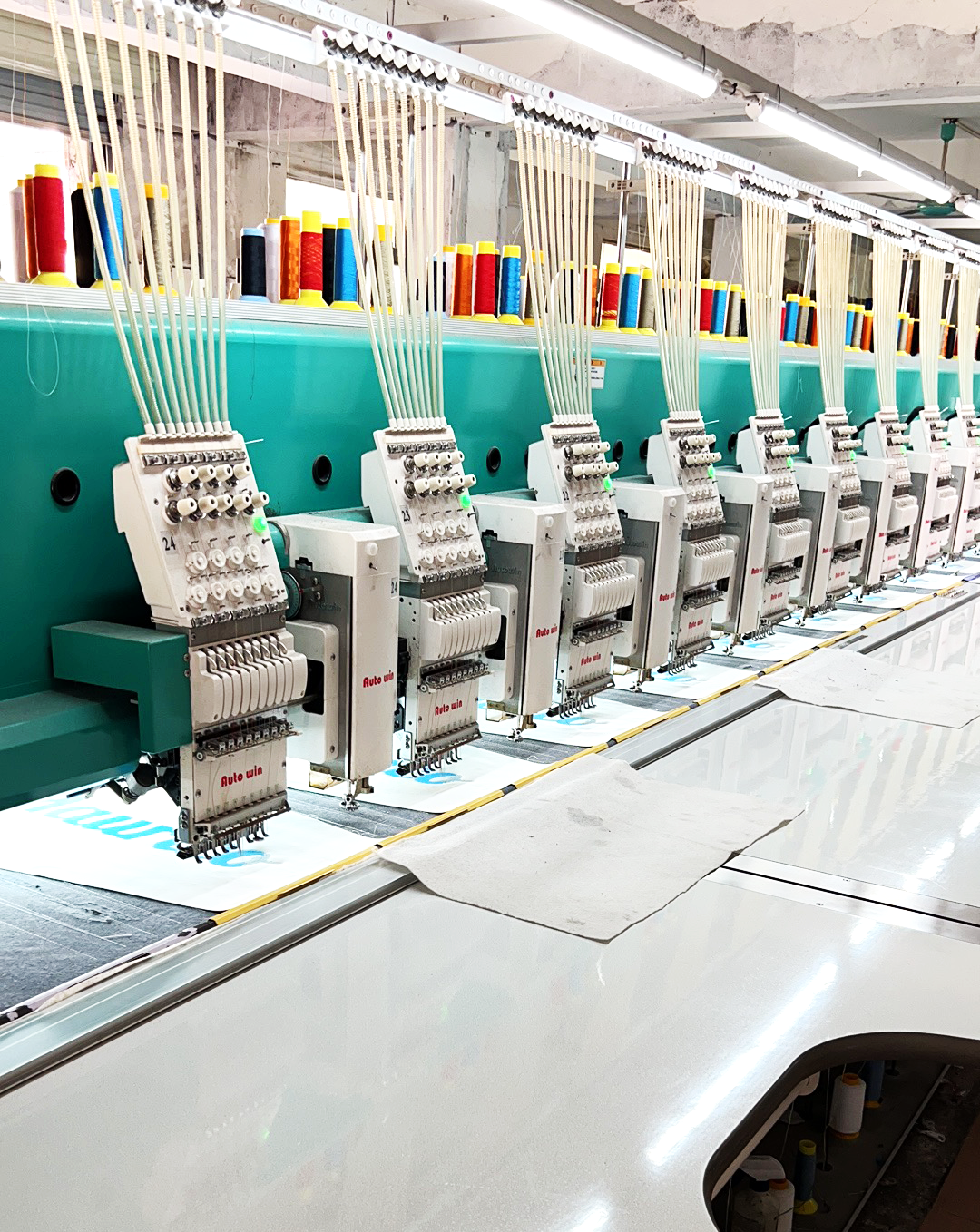
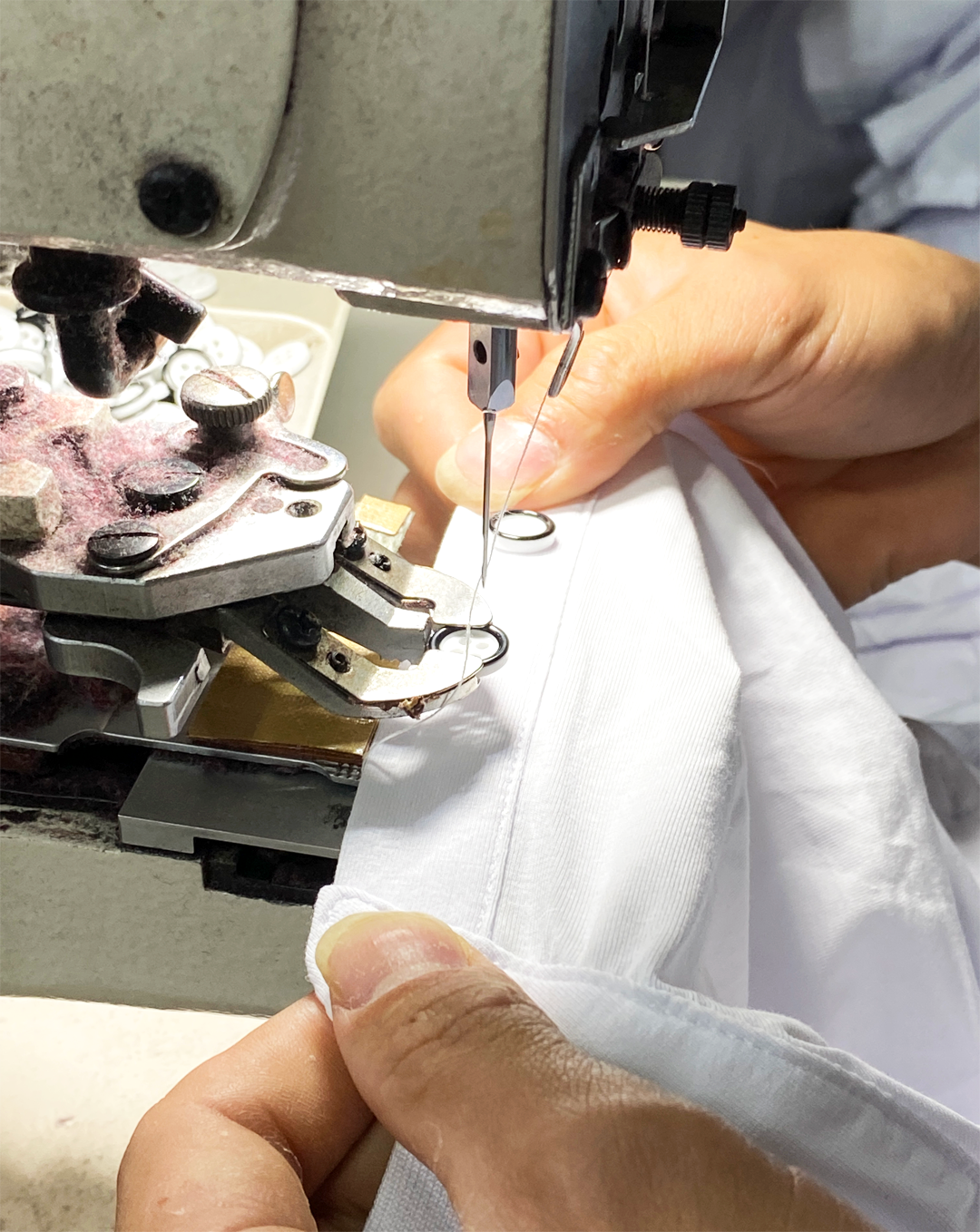
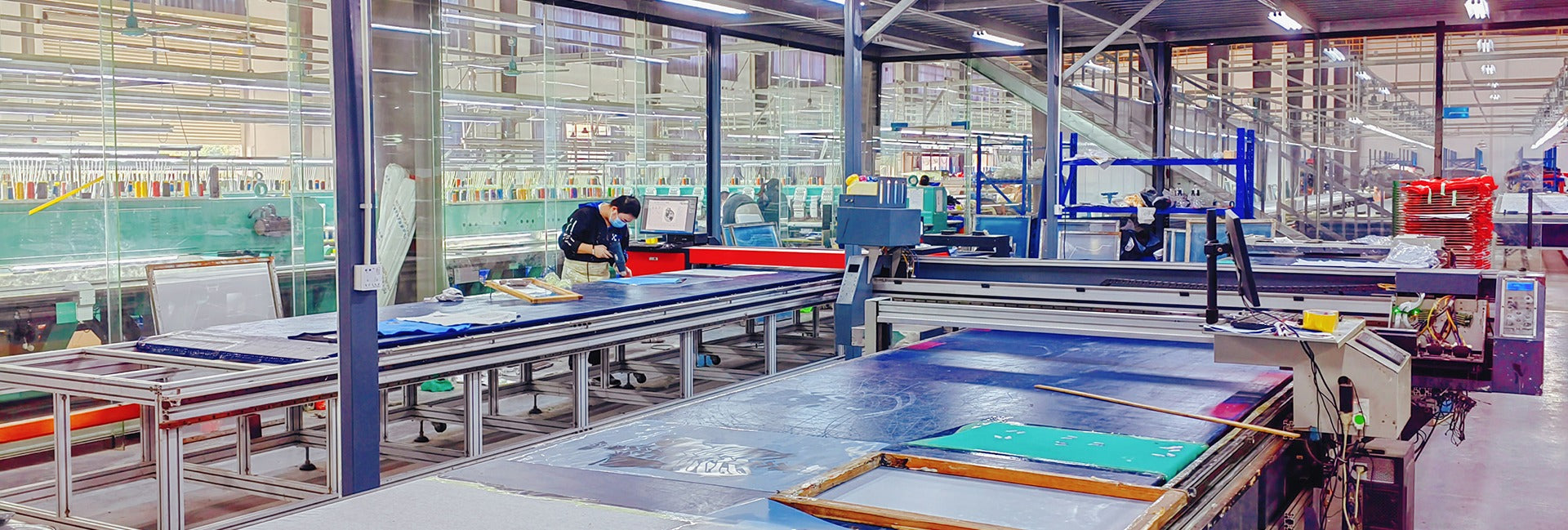
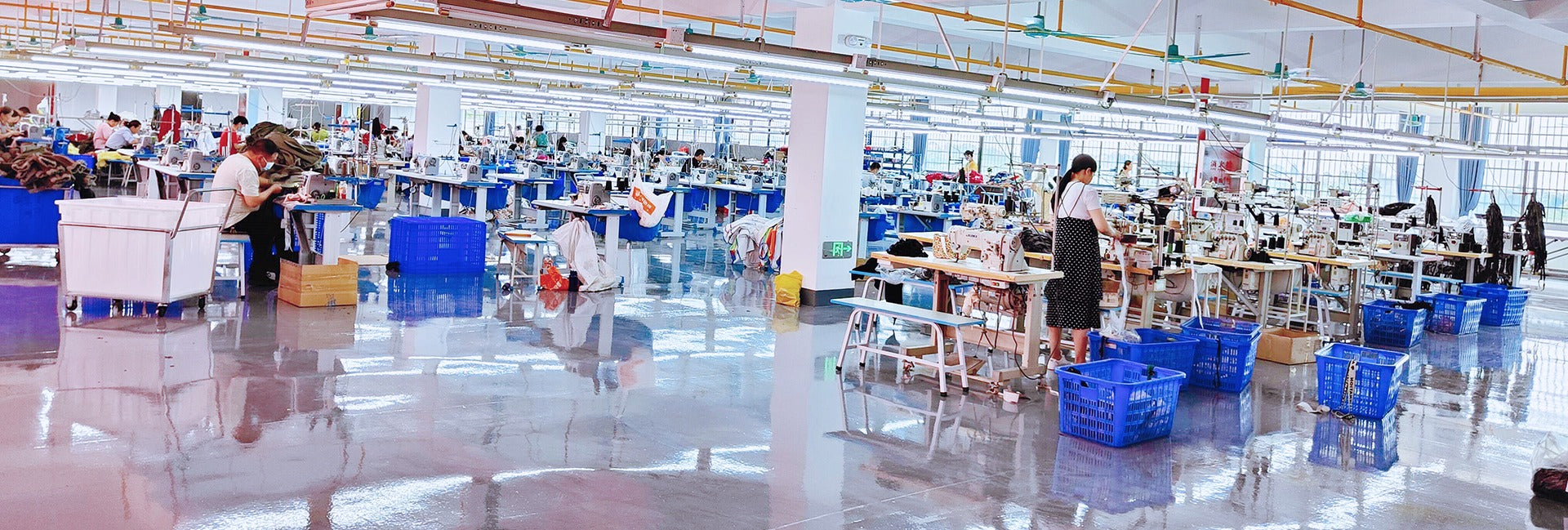
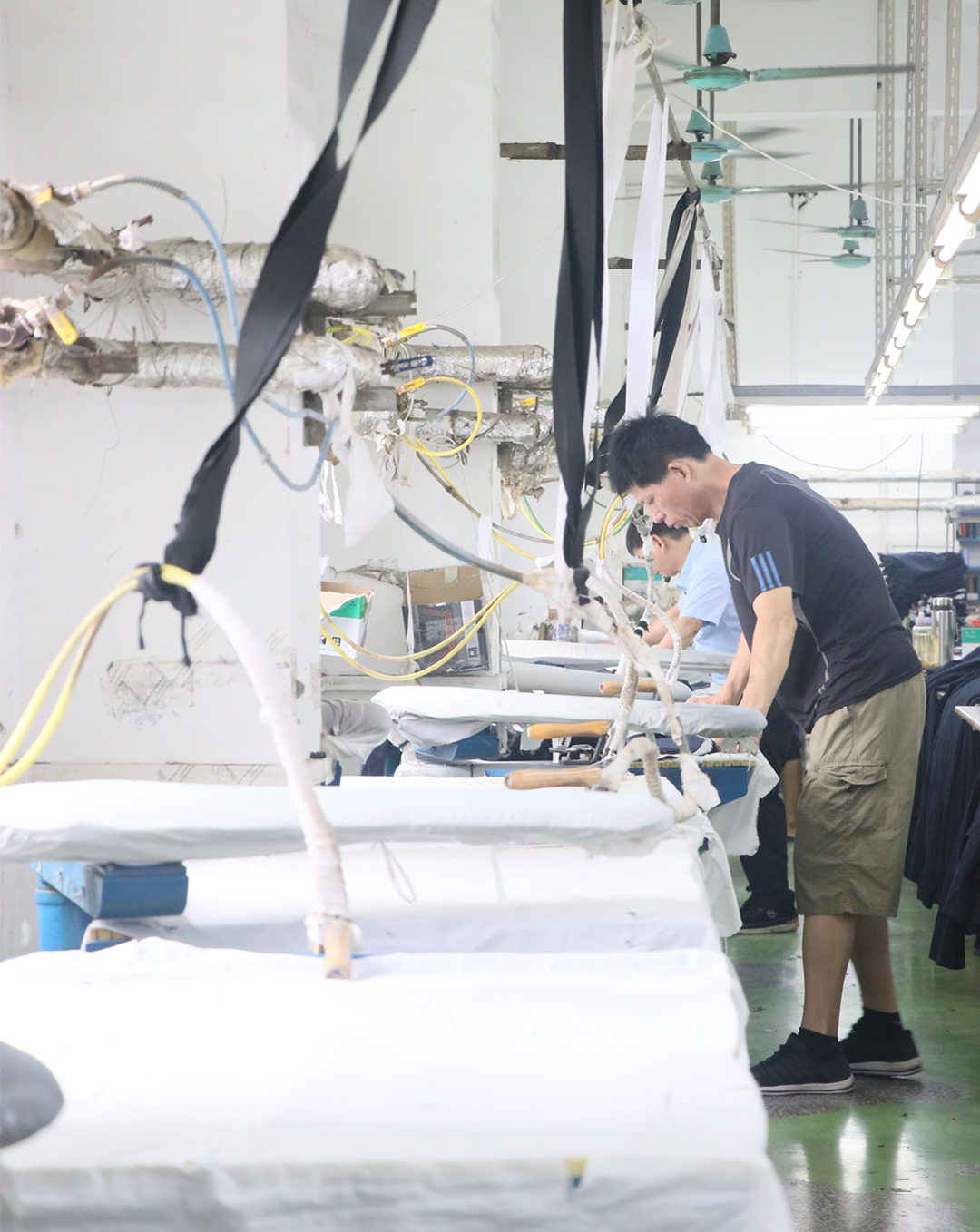

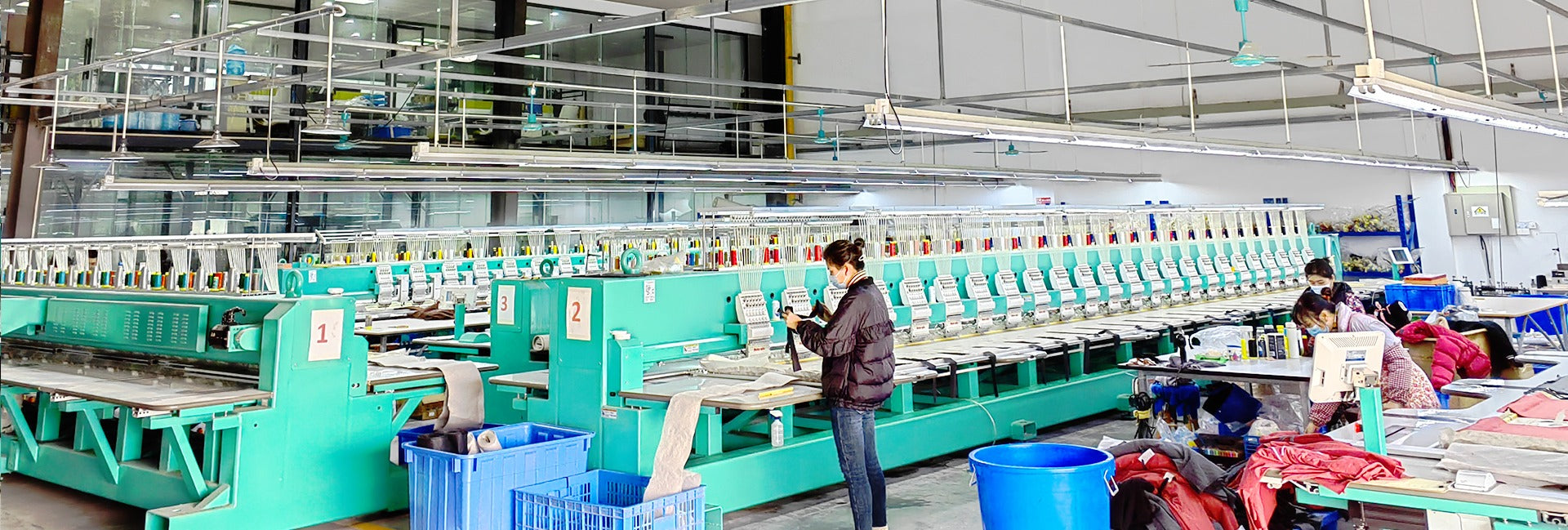


Apparel Manufacturing Capabilities That Protect the Approved Standard
EDVORIN connects development, materials, decoration and quality control so approved details carry through to repeatable bulk production.
Production-Ready Development
We translate tech packs, sketches and reference garments into patterns, measurements and specifications that production teams can review and repeat.
Category-Specific Construction
Hoodies, outerwear, jerseys and streetwear are developed around the construction, fit, performance and finishing requirements of each garment category.
Coordinated Materials and Trims
Fabric weight, rib, lining, labels, hardware and packaging are aligned early to support the intended look, feel and production standard.
Decoration Matched to Garments
Printing, embroidery and washing are considered alongside base fabrics and construction, helping artwork and finishes perform as intended.
Approved-Sample Control
Approved samples, measurement points, artwork placement and trim details become visible references for in-line checks and final inspection.
Repeatable Bulk Production
From 200 pieces per style, EDVORIN organizes controlled bulk production for fashion, teamwear and private-label programs prepared to grow.
Connected Capabilities for Every Apparel Program
From material selection and development through decoration, finishing, packing, and inspection, EDVORIN coordinates the production details behind repeatable apparel collections.
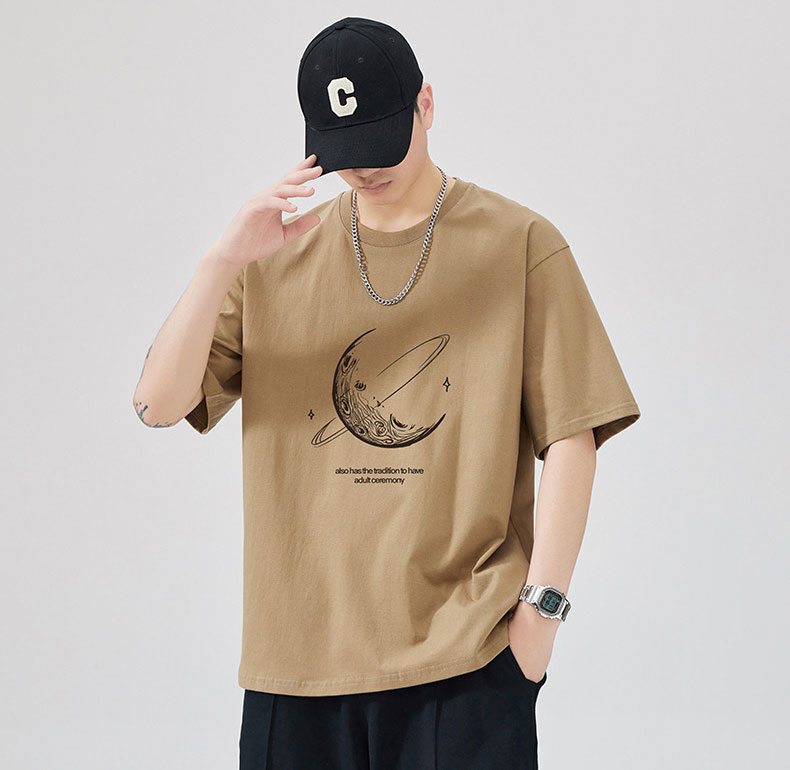
Materials and Fabrics
EDVORIN sources apparel fabrics around garment construction, hand feel, weight, color, performance, and target price. Material options are reviewed against the intended category before sampling, helping buyers establish a production-ready specification for repeat orders.
Get a Quote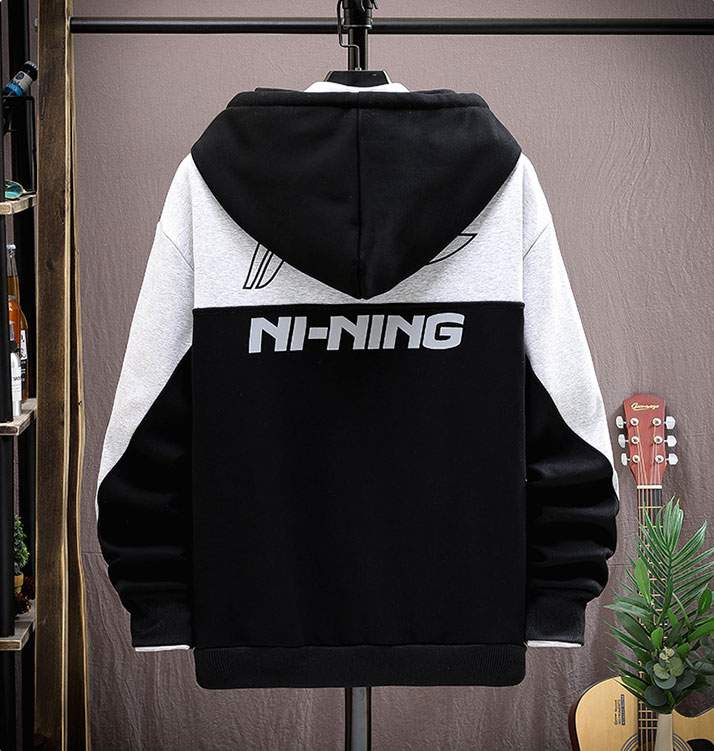
Cotton Fabric
Cotton fabric is selected by fiber quality, knit or woven construction, weight, shrinkage, and finishing requirements. EDVORIN supports cotton programs for T-shirts, polos, sweatshirts, fleece sets, shirts, and other casualwear categories.
Get a Quote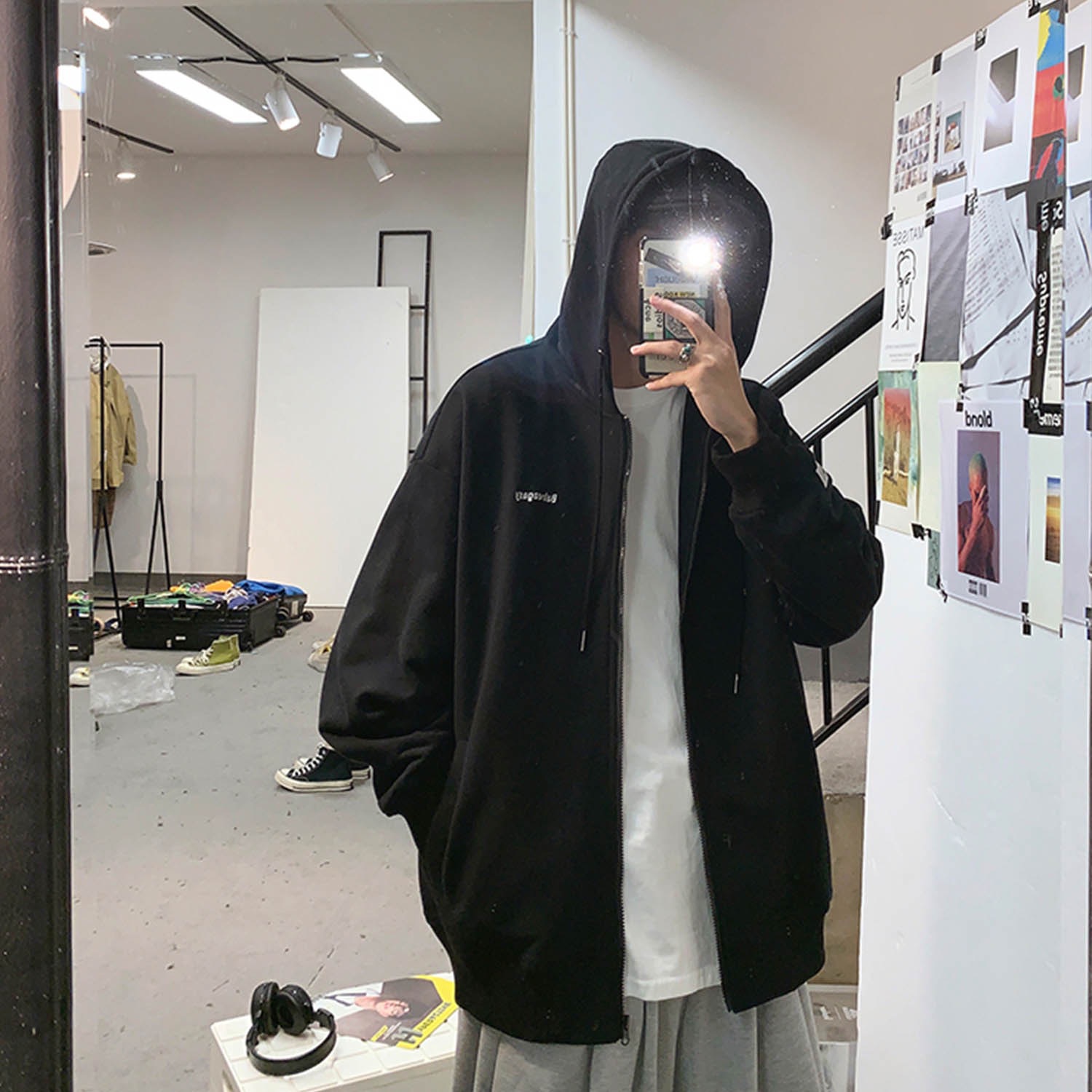
Organic Cotton Fabric
For organic cotton clothing programs, EDVORIN coordinates certified material options, construction, weight, color, and finishing requirements. The fabric specification is carried through sampling and bulk production to support consistent garments and documented sourcing programs.
Get a Quote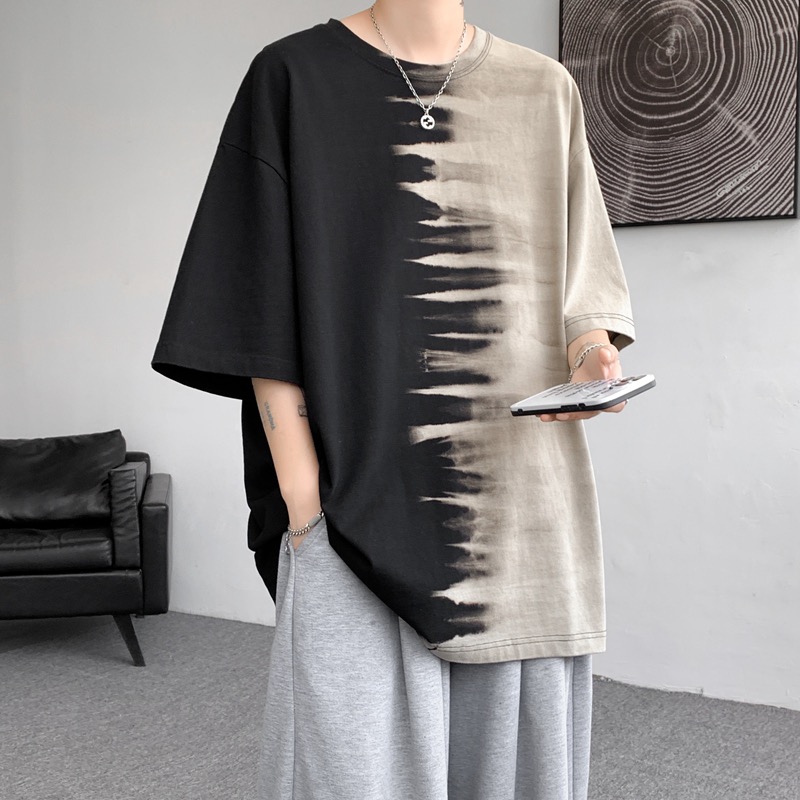
Polyester Fabric
Polyester fabric options are developed for outerwear, sportswear, uniforms, linings, and lightweight layers. EDVORIN reviews denier, weight, finish, colorfastness, and performance needs alongside the garment’s construction and intended use.
Get a Quote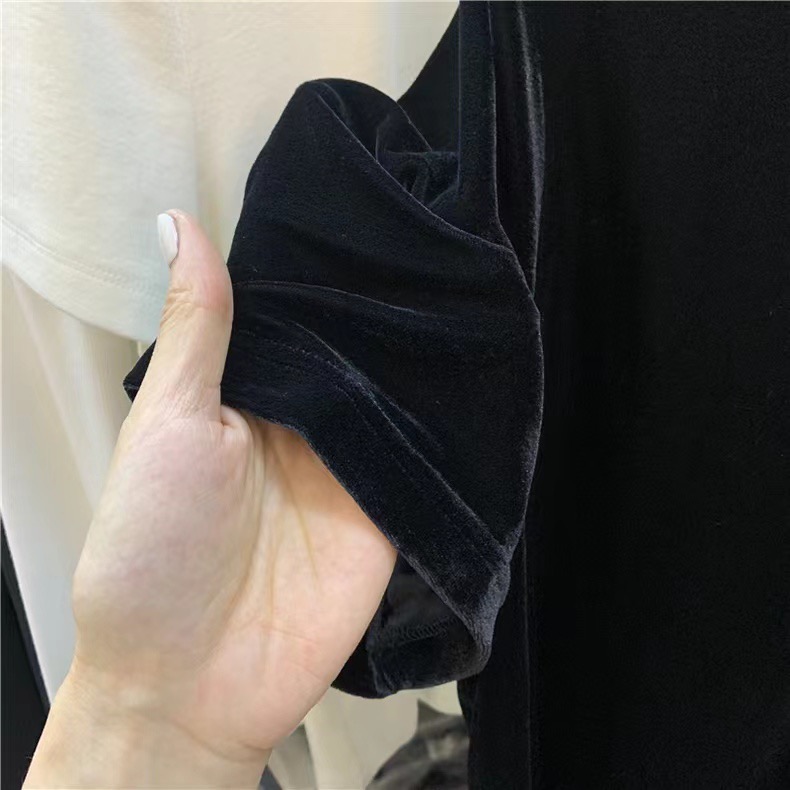
Recycled Polyester Fabric
Recycled polyester programs are developed with material traceability and garment performance in mind. EDVORIN coordinates recycled fabric options for teamwear, outerwear, activewear, and streetwear while aligning construction, decoration, labeling, and certification requirements.
Get a Quote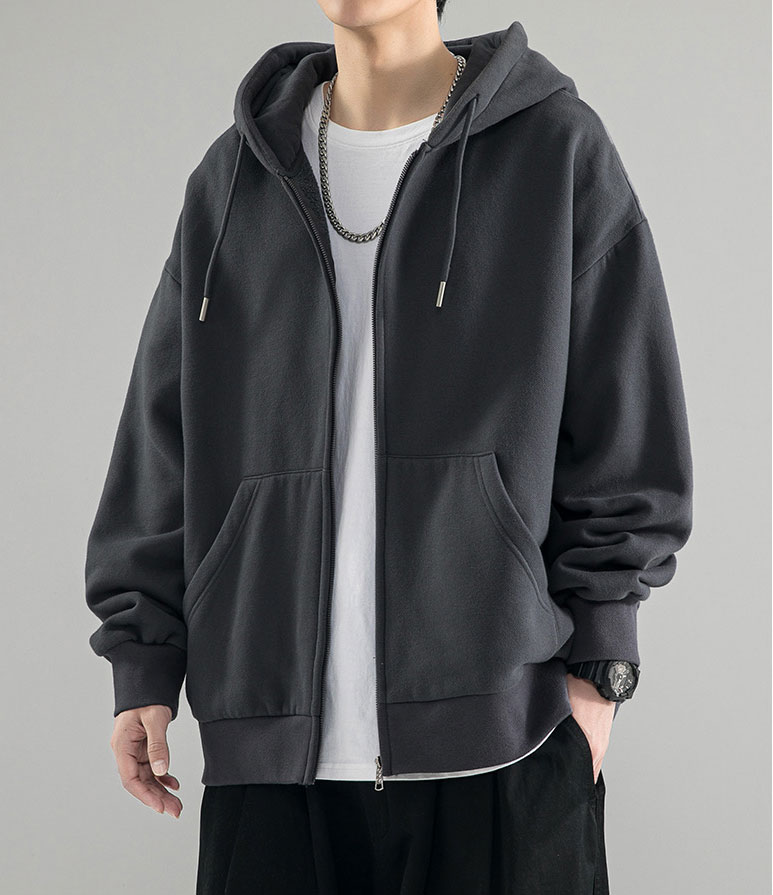
Cotton-Poly Blends
Cotton-poly blends balance natural hand feel with durability, recovery, and easier care. EDVORIN develops blend ratios and fabric weights for hoodies, sweatshirts, joggers, uniforms, and workwear based on the required fit, finish, and decoration method.
Get a Quote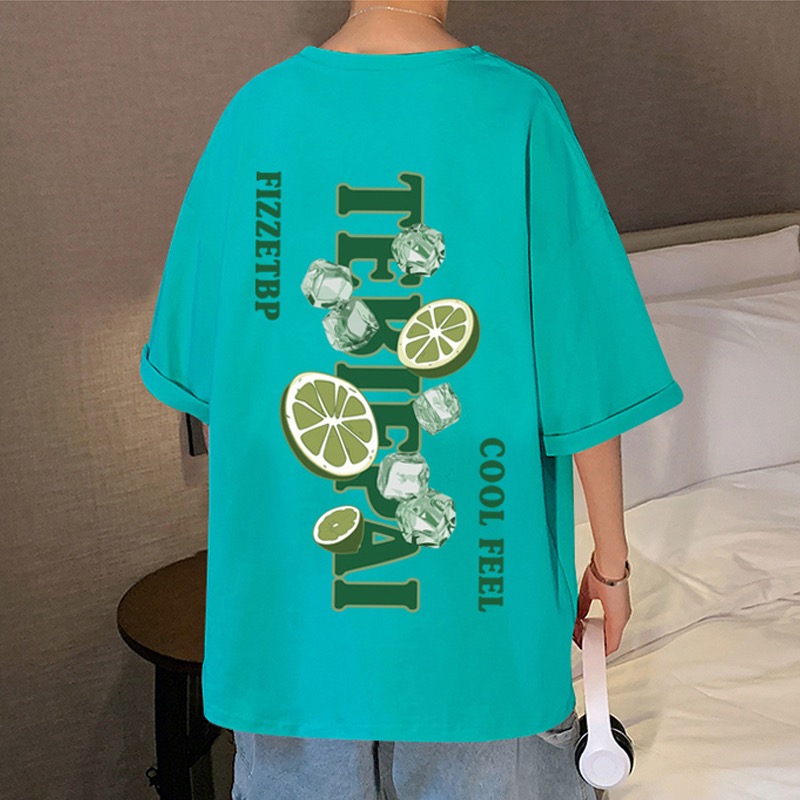
Jersey Knit Fabric
Jersey knit fabric is specified for softness, drape, stretch, weight, and recovery. EDVORIN uses jersey constructions for T-shirts, tank tops, lightweight layers, and jerseys, coordinating fabric behavior with fit blocks, printing, and wash treatment.
Get a Quote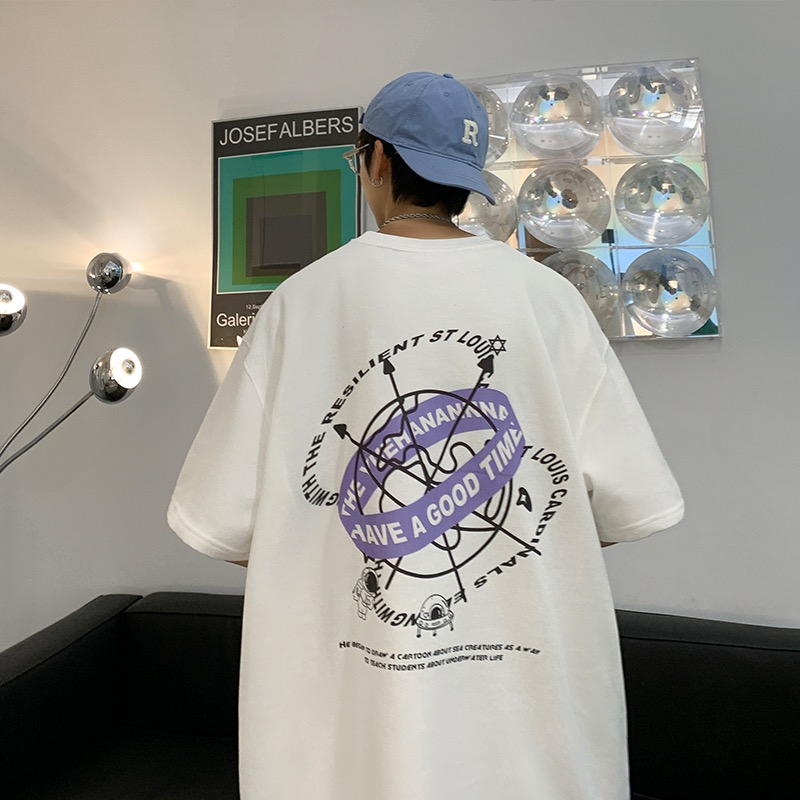
Interlock Knit Fabric
Interlock knit offers a stable, smooth double-knit surface for refined casualwear, polos, activewear, and uniforms. EDVORIN evaluates weight, stretch, opacity, recovery, and finishing so the fabric performs consistently through cutting, sewing, and decoration.
Get a Quote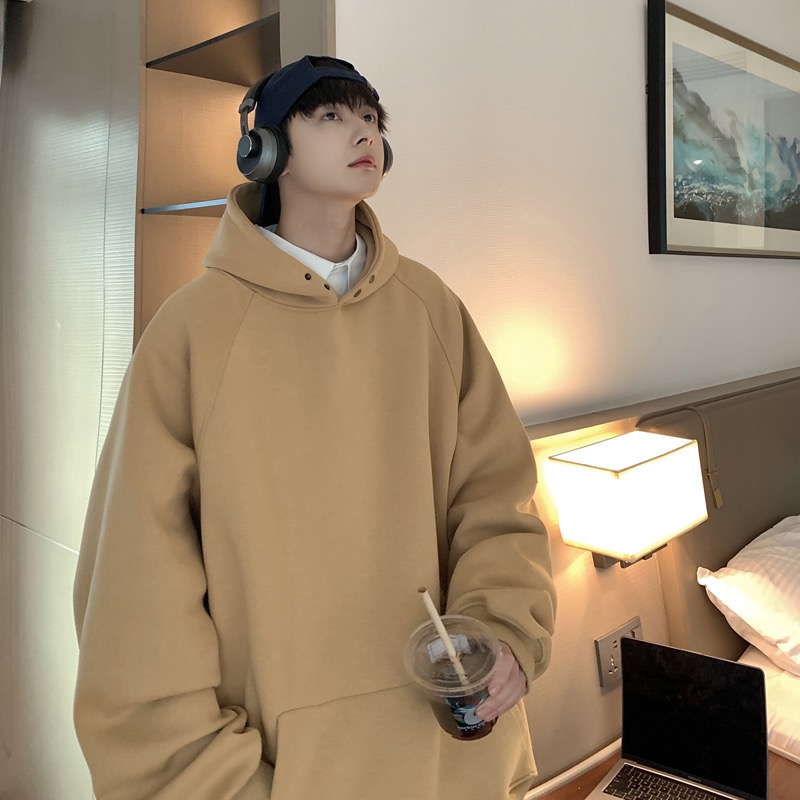
Pique Knit Fabric
Pique knit fabric is developed for polos and structured performance tops where texture, breathability, and shape retention matter. EDVORIN coordinates yarn, weight, collar construction, color, embroidery, and printing requirements within one garment specification.
Get a Quote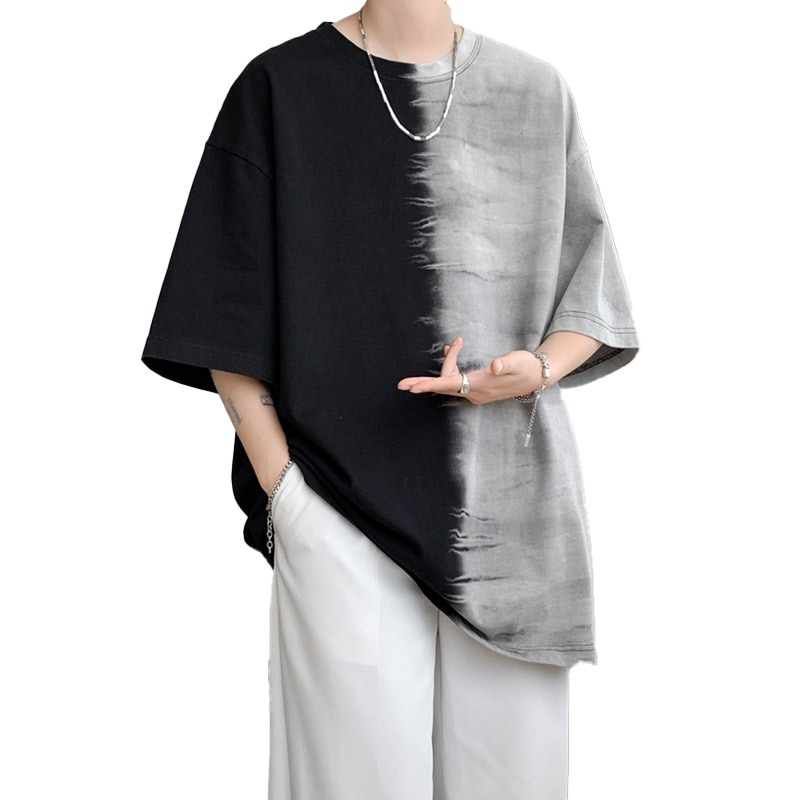
French Terry Fabric
French terry fabric supports transitional sweatshirts, hoodies, shorts, and joggers with a loop-back interior. EDVORIN selects weight, loop construction, fiber blend, shrinkage control, and finishing based on the program’s intended hand feel and silhouette.
Get a Quote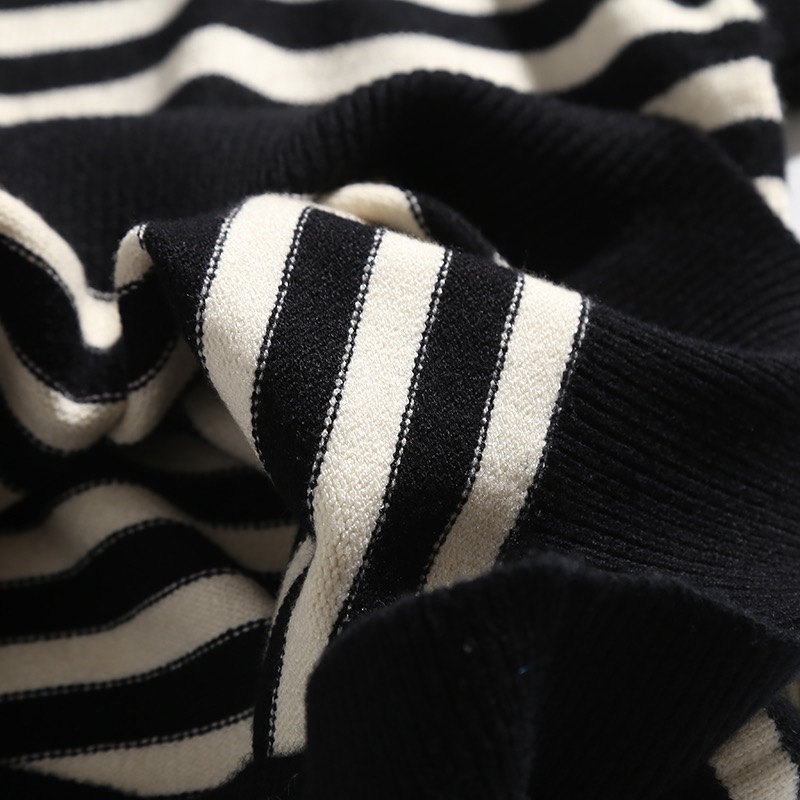
Fleece Fabric
Fleece fabric is developed for warmth, loft, softness, and durability across hoodies, sweatshirts, joggers, and outer layers. EDVORIN aligns fleece weight, rib components, print compatibility, and wash requirements before bulk production begins.
Get a Quote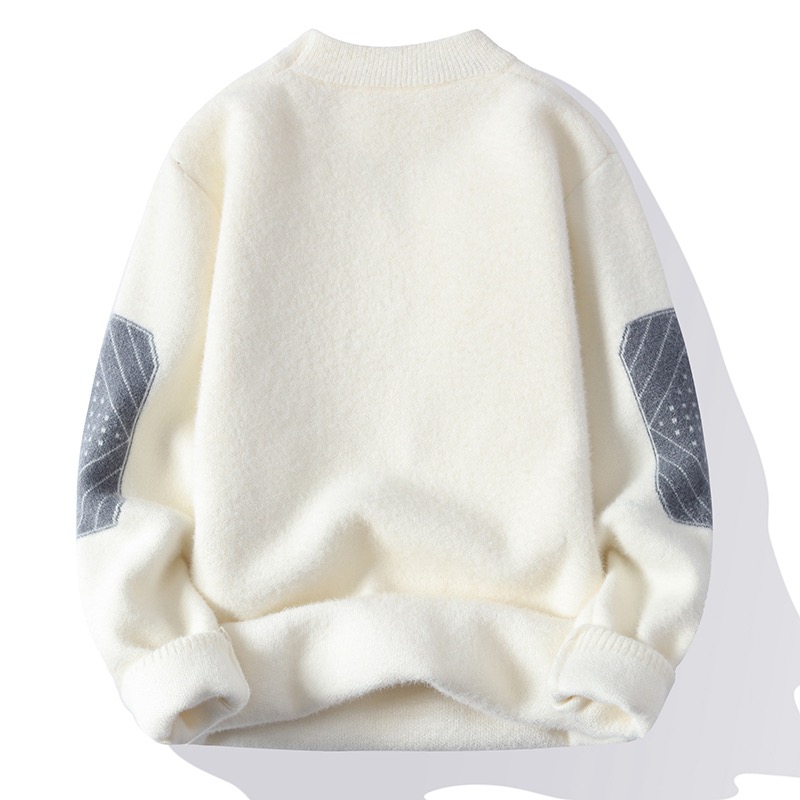
Brushed Fleece Fabric
Brushed fleece provides a softer raised interior for cold-weather sweatshirts, hoodies, and joggers. EDVORIN controls fabric weight, brushing level, pilling expectations, shrinkage, and color performance to match the approved sample and bulk standard.
Get a Quote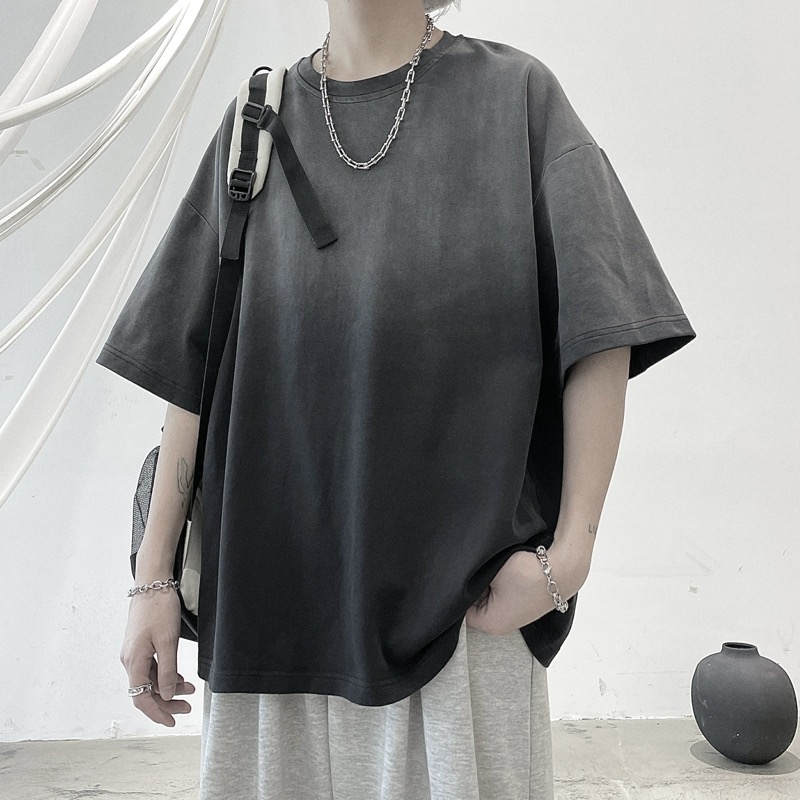
Polar Fleece Fabric
Polar fleece is specified for lightweight insulation, warmth, and quick-drying performance in jackets, pullovers, and team layers. EDVORIN coordinates pile weight, anti-pill finishing, panel construction, zippers, binding, embroidery, and packaging requirements.
Get a Quote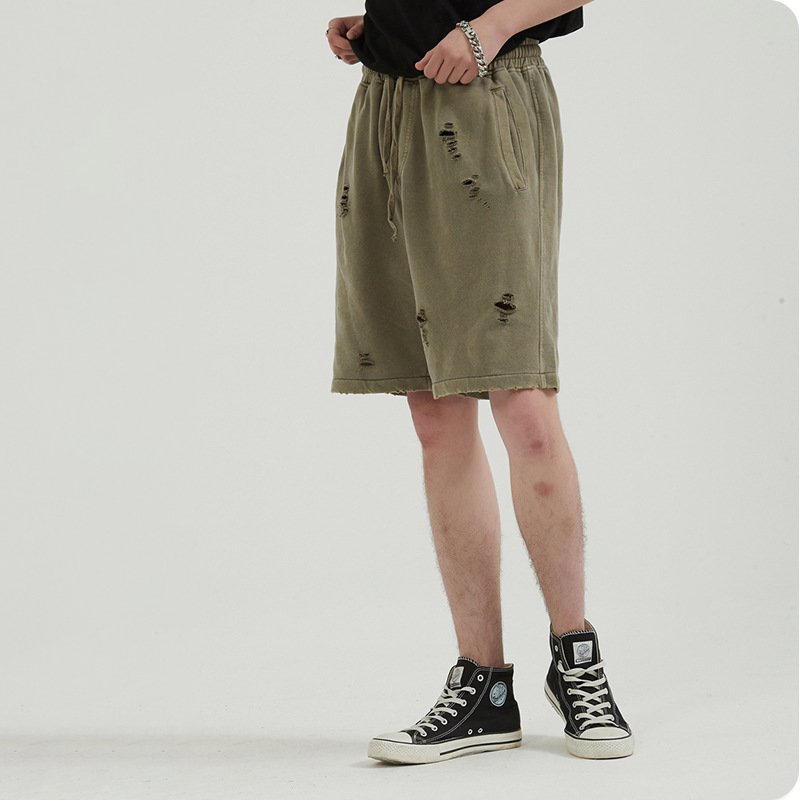
Performance Mesh Fabric
Performance mesh fabric is developed for ventilation, moisture management, durability, and team color consistency. EDVORIN supports mesh sportswear programs for jerseys, training tops, tank tops, and uniforms, including number placement and decoration compatibility.
Get a Quote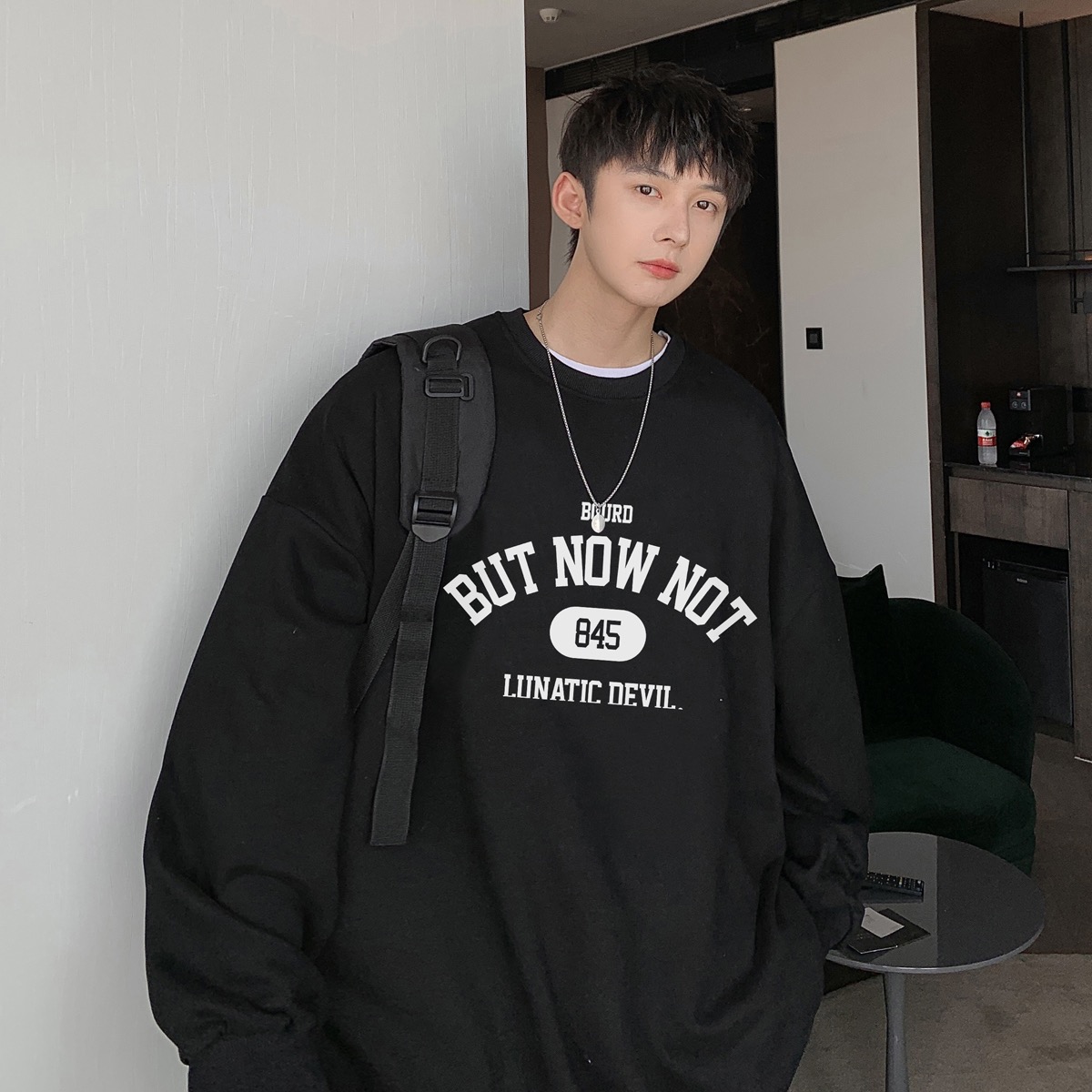
Nylon Fabric
Nylon fabric supports lightweight outerwear, windbreakers, utility garments, and performance layers. EDVORIN reviews denier, weave, coating, water resistance, strength, and hand feel alongside seam construction, trims, and intended garment function.
Get a Quote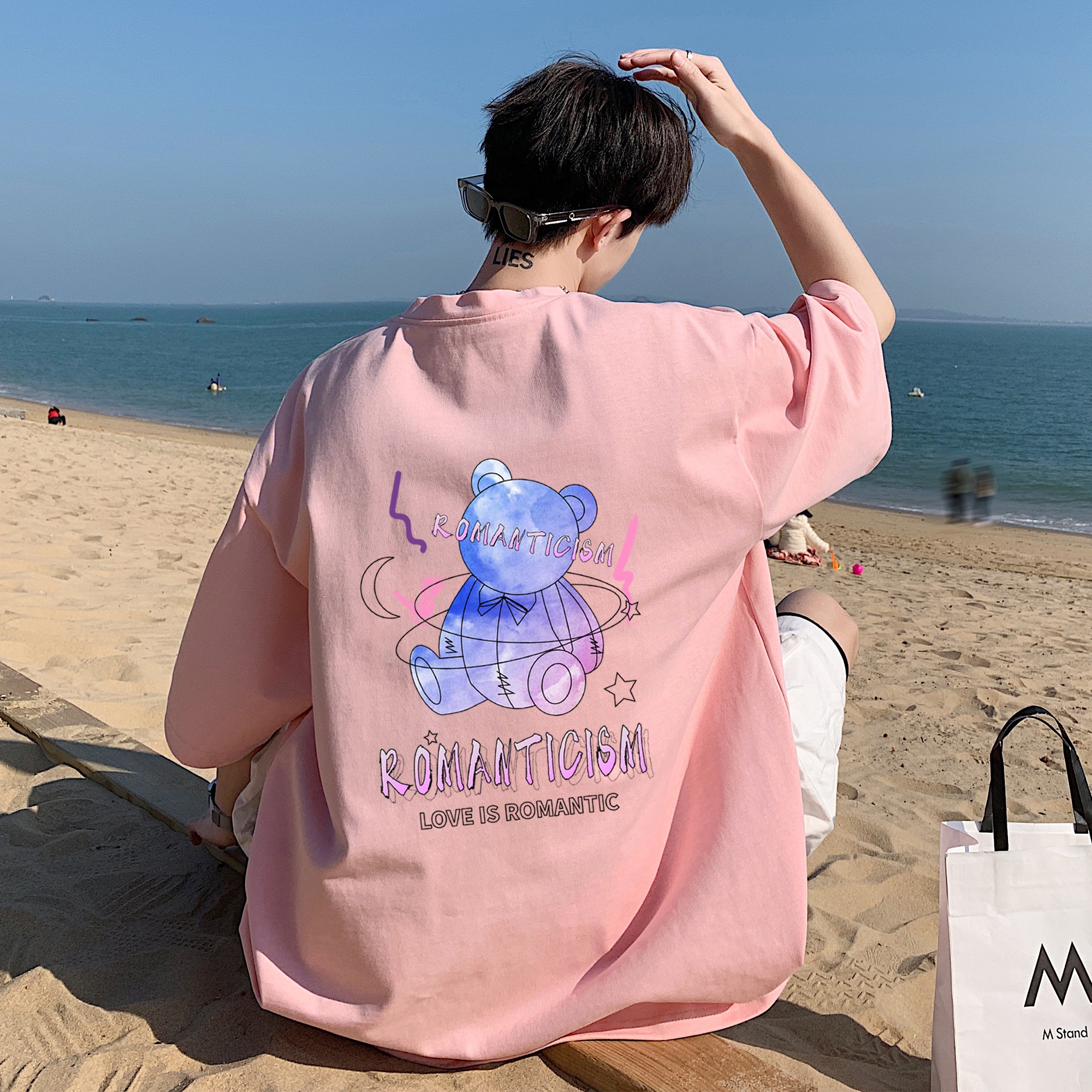
Ripstop Fabric
Ripstop fabric is selected where tear resistance and a technical appearance are required. EDVORIN develops ripstop programs for windbreakers, cargo styles, jackets, and uniforms, coordinating weave, coating, reinforcement details, and print or embroidery methods.
Get a Quote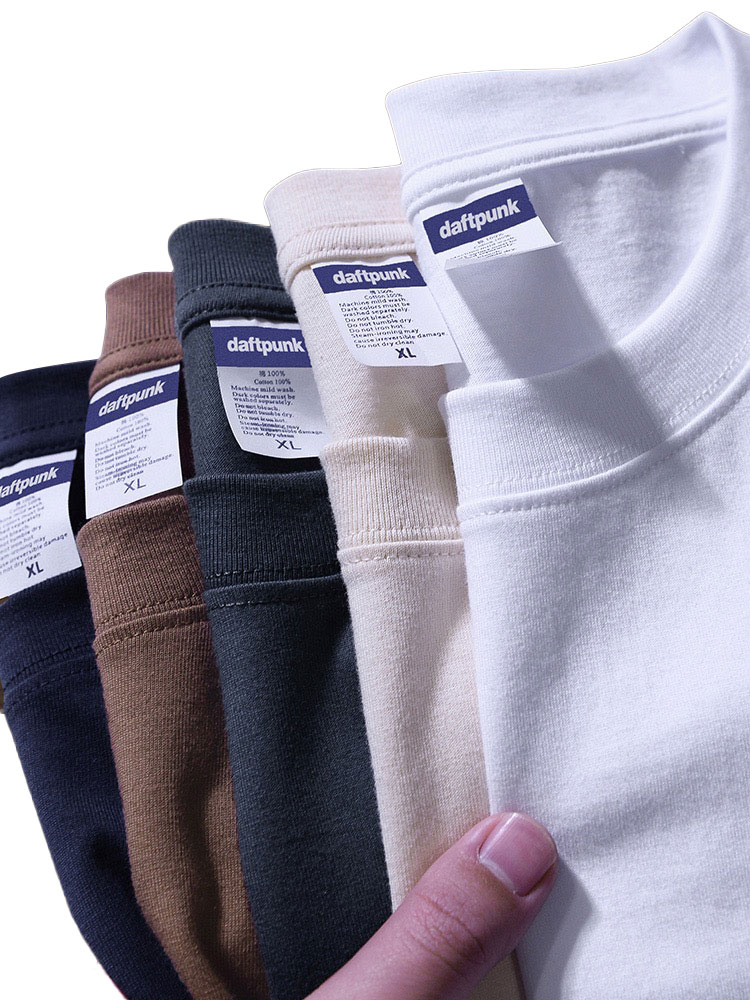
Spandex Stretch Fabrics
Spandex stretch fabrics are specified for mobility, recovery, opacity, and body-contouring fit. EDVORIN develops stretch garments for activewear, training apparel, fitted tops, and performance bottoms, with attention to seam construction and decoration compatibility.
Get a Quote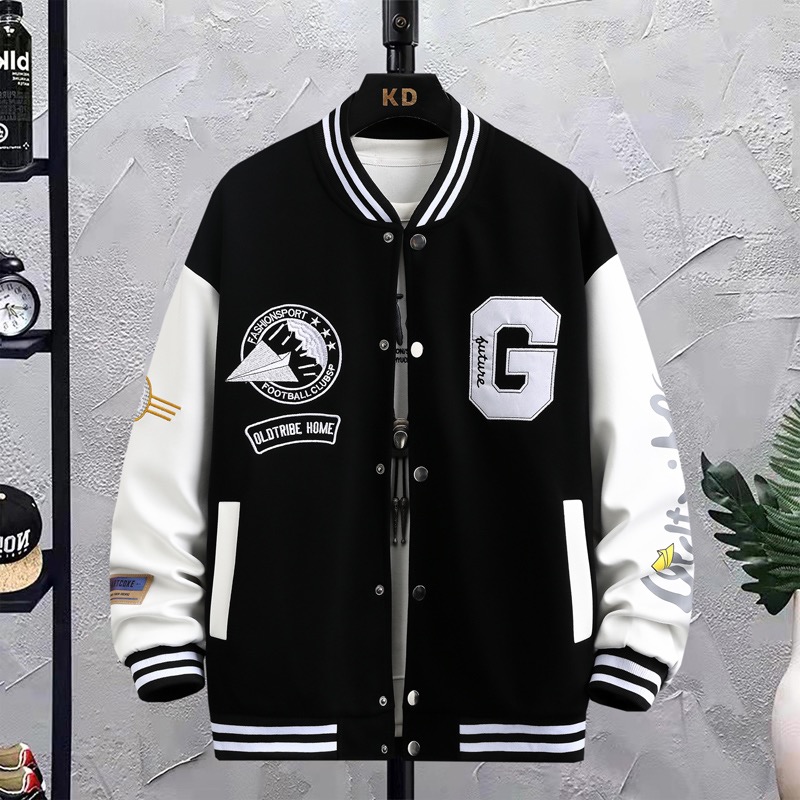
Wool Fabric
Wool fabric programs require close control of composition, weight, surface character, and care expectations. EDVORIN develops wool-blend apparel for jackets, overshirts, varsity styles, and tailored casualwear, coordinating linings, trims, and finishing details.
Get a Quote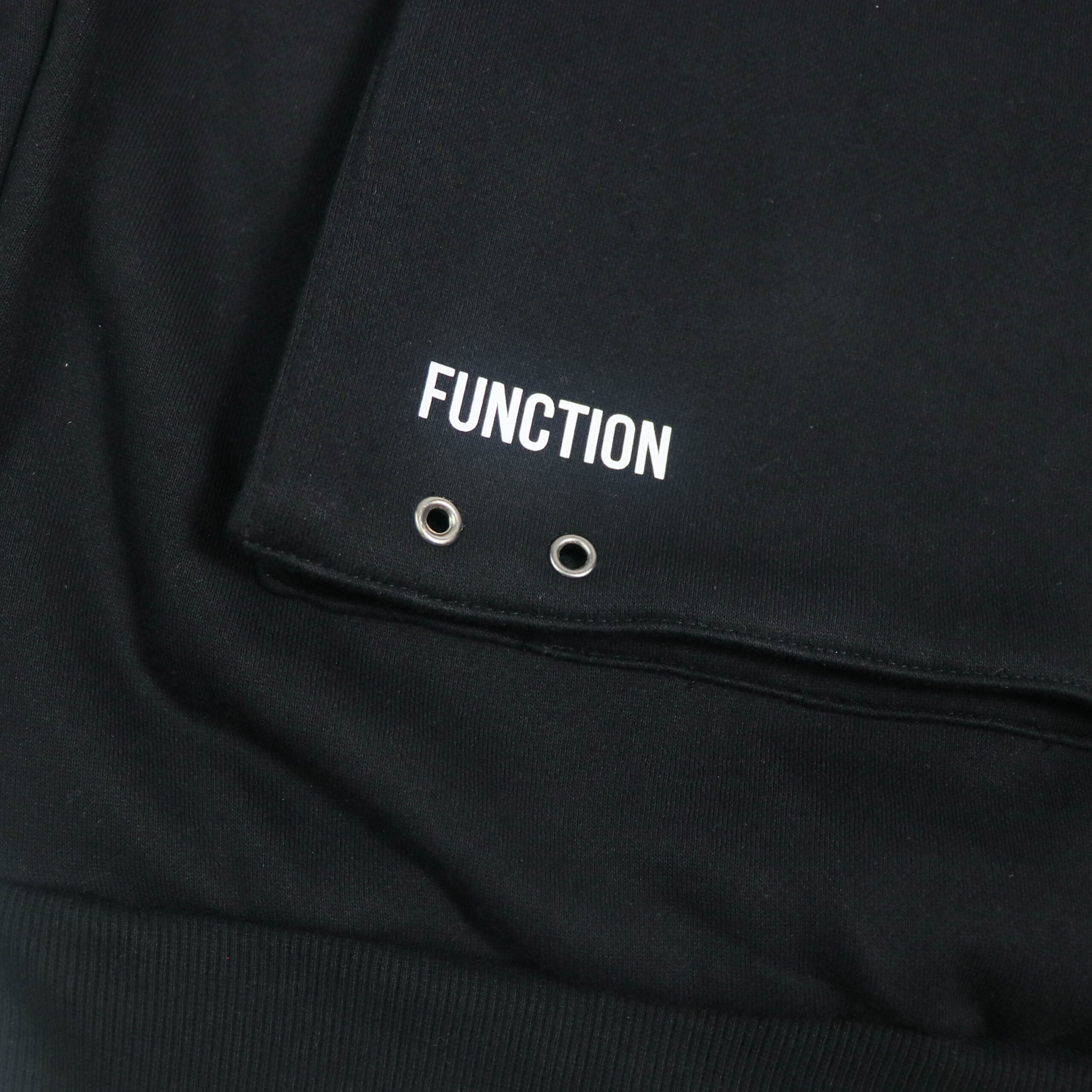
Melton Wool
Melton wool delivers a dense, structured surface for varsity jackets and premium outerwear. EDVORIN coordinates body weight, wool blend, sleeve materials, rib, snaps, lining, patches, and embroidery so the full jacket construction remains balanced.
Get a Quote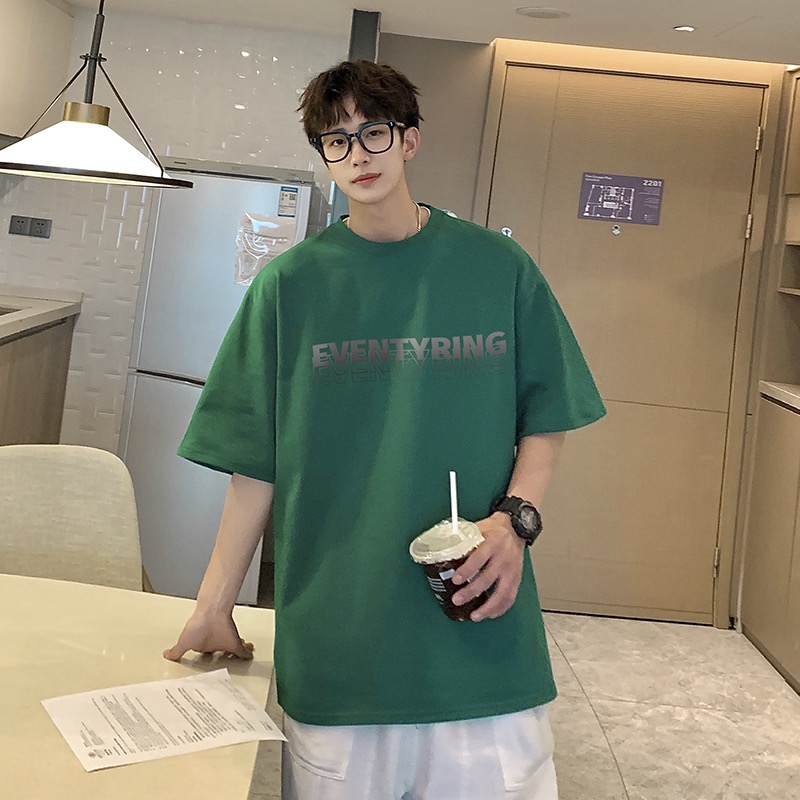
Satin Fabric
Satin fabric is developed for smooth surface appearance, drape, sheen, and color presentation. EDVORIN supports satin applications in jackets, linings, fashion tops, uniforms, and decorative panels, while accounting for seam behavior and print or embroidery needs.
Get a Quote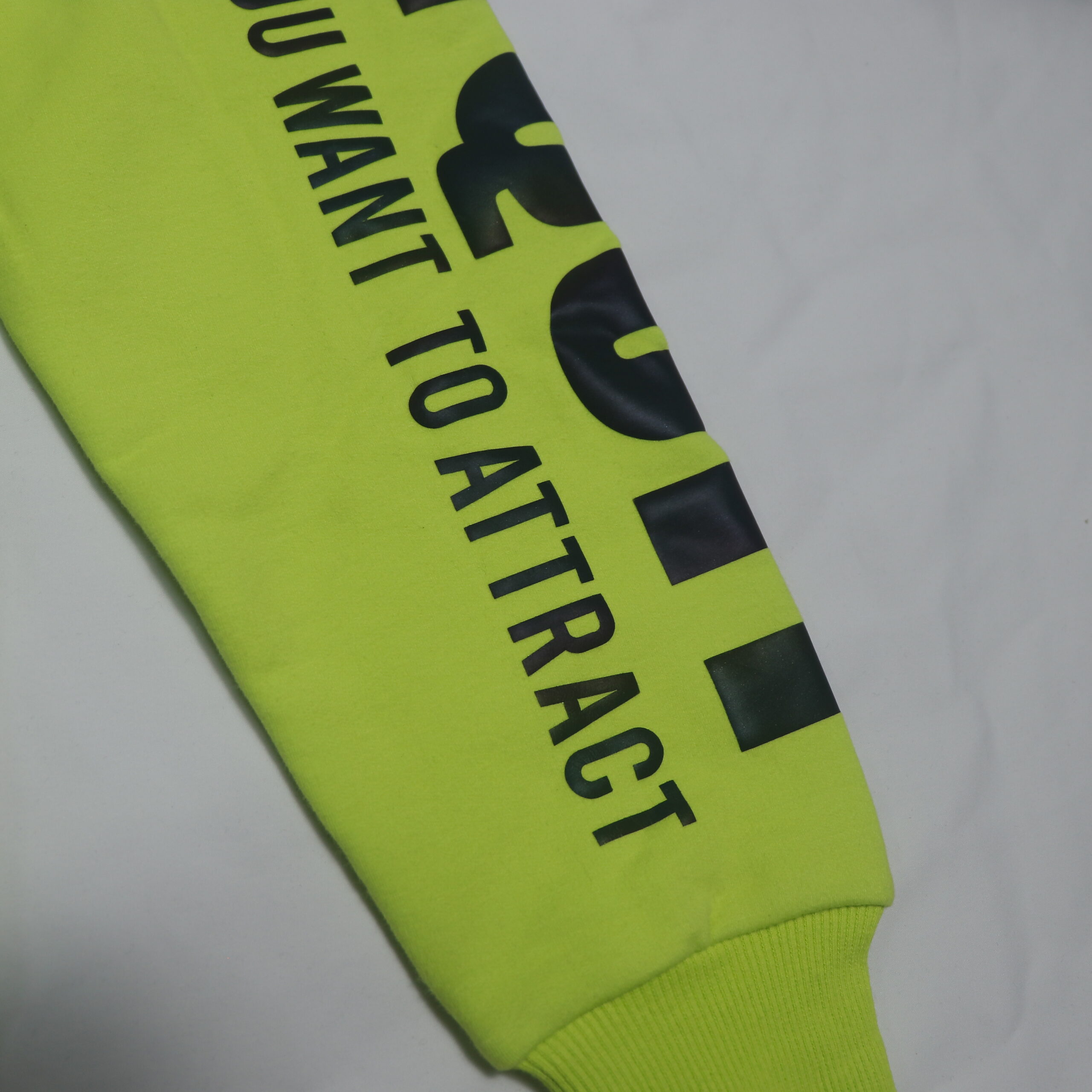
Faux Leather
Faux leather is selected for surface texture, thickness, backing, flexibility, and sewing performance. EDVORIN develops faux-leather sleeves, jackets, panels, and trims, coordinating material behavior with embroidery, applique, hardware, lining, and finishing.
Get a Quote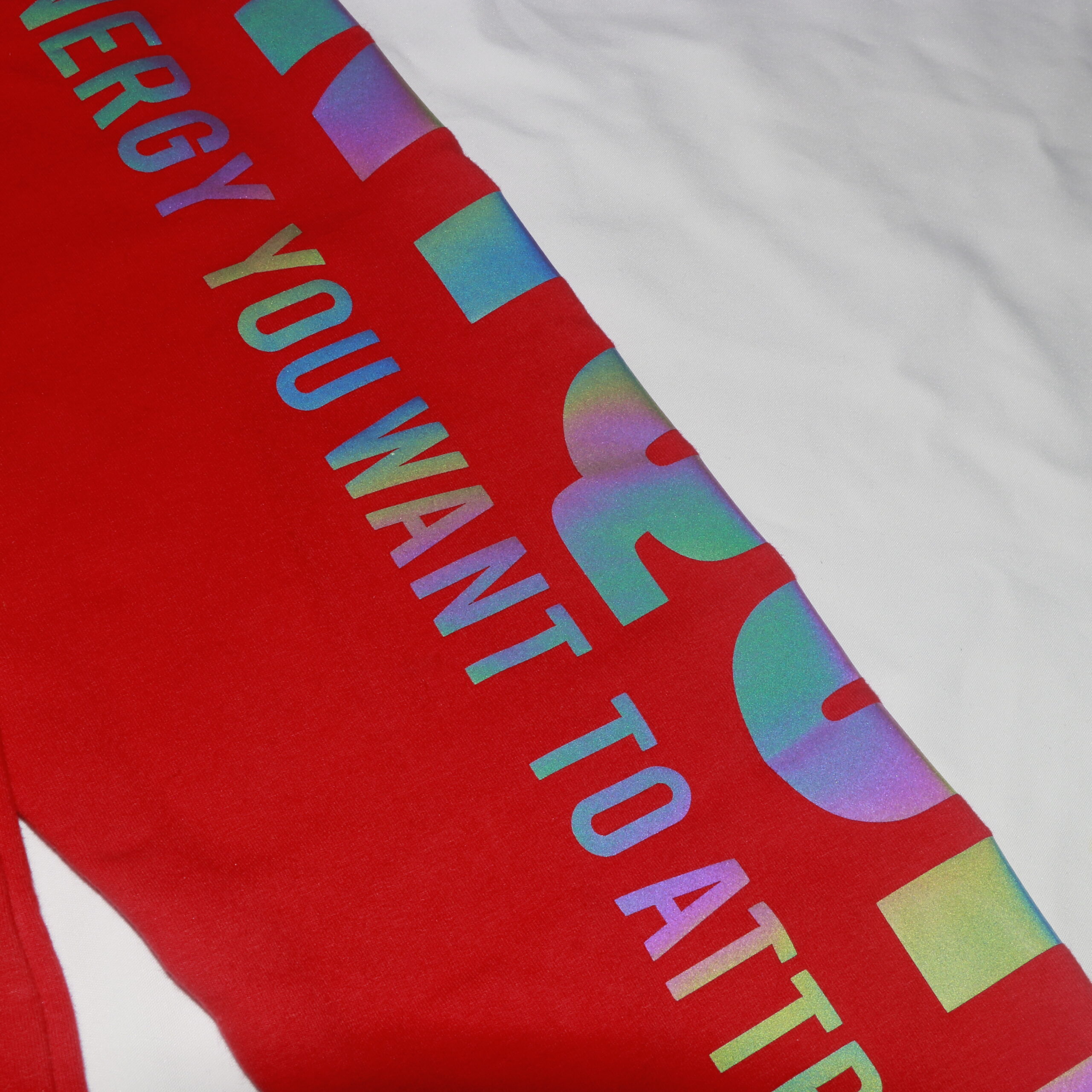
Insulation and Padding
Insulation and padding are coordinated for warmth, bulk, movement, and garment shape. EDVORIN develops padded jackets, quilted outerwear, and vests by aligning fill weight, shell and lining fabrics, quilting construction, hardware, and packing requirements.
Get a Quote
Printing Services
EDVORIN matches custom apparel printing methods to the fabric, artwork, color count, placement, wash expectation, and order scale. Print approvals document color, size, position, and finish so bulk production follows the approved standard.
Get a Quote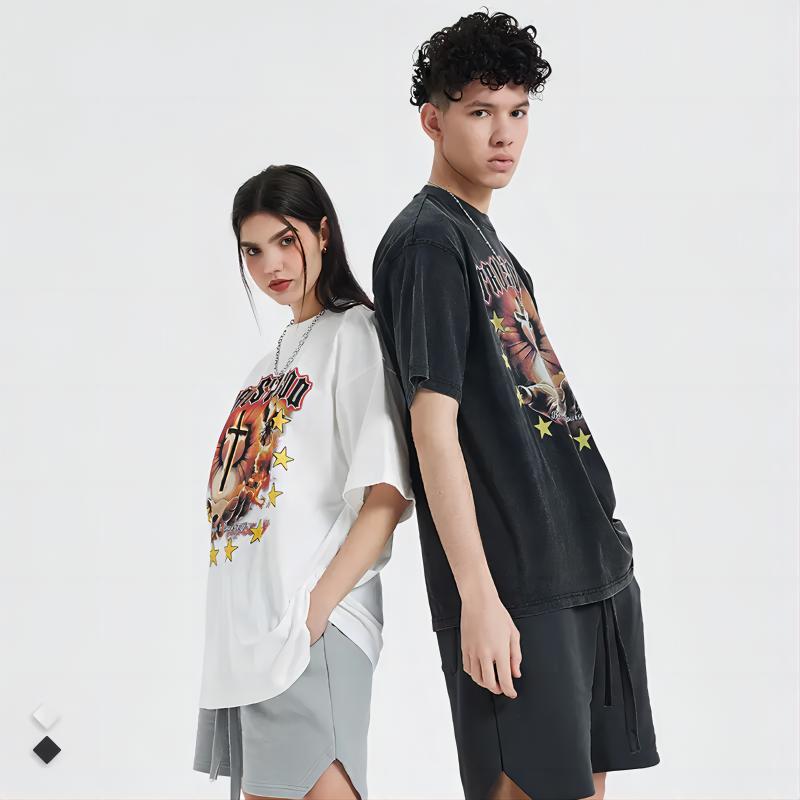
Screen Printing
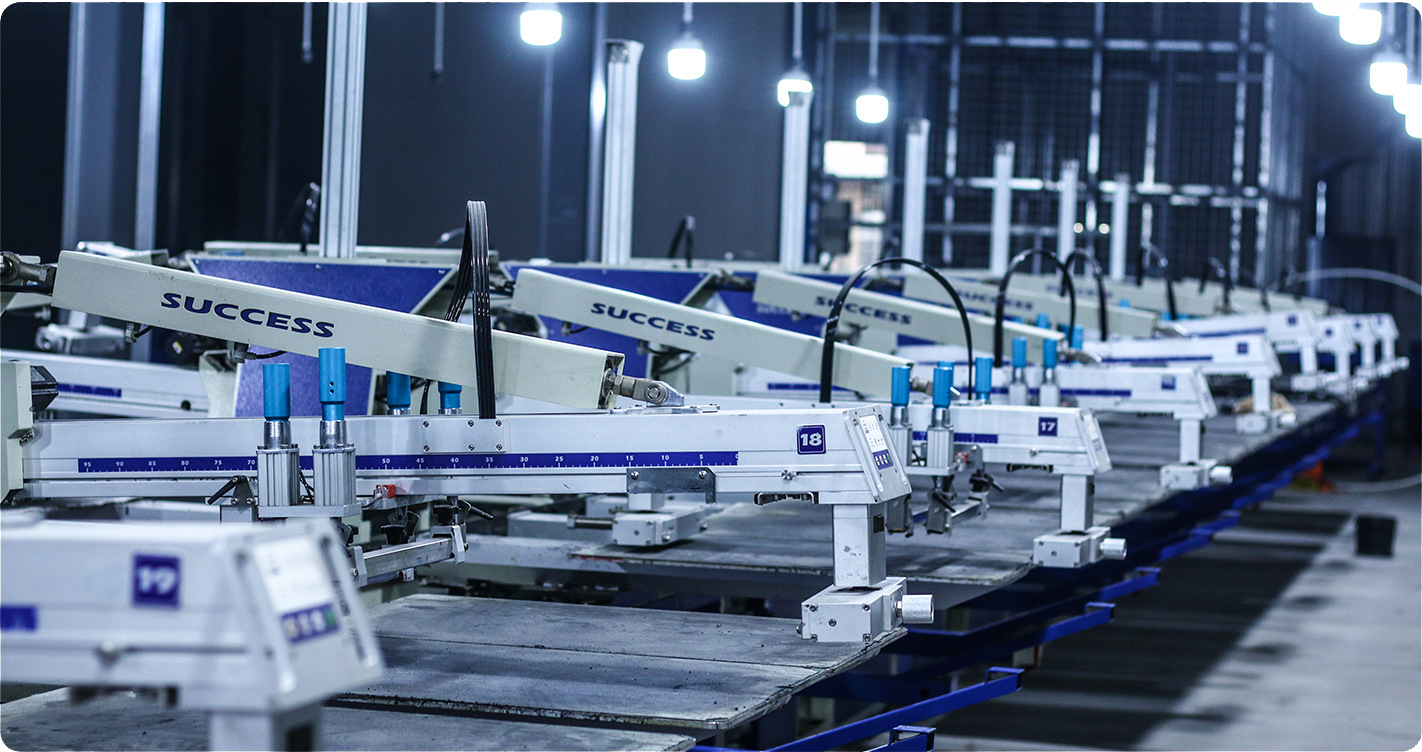
Screen printing is developed for durable graphics on T-shirts, hoodies, sweatshirts, jerseys, and uniforms. EDVORIN coordinates ink type, screen setup, artwork separation, placement measurements, color references, curing, and wash testing before production.
Get a Quote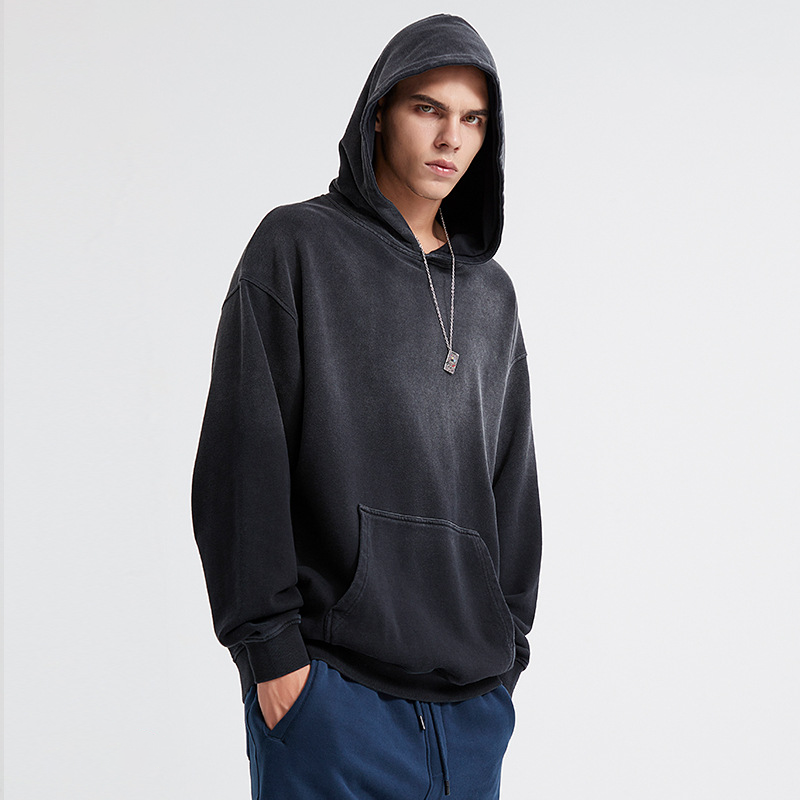
Water-Based Printing
Water-based printing creates a softer hand on compatible cotton and blended garments. EDVORIN reviews artwork coverage, fabric color, absorbency, opacity, and wash performance, then records the approved print result for repeatable bulk execution.
Get a Quote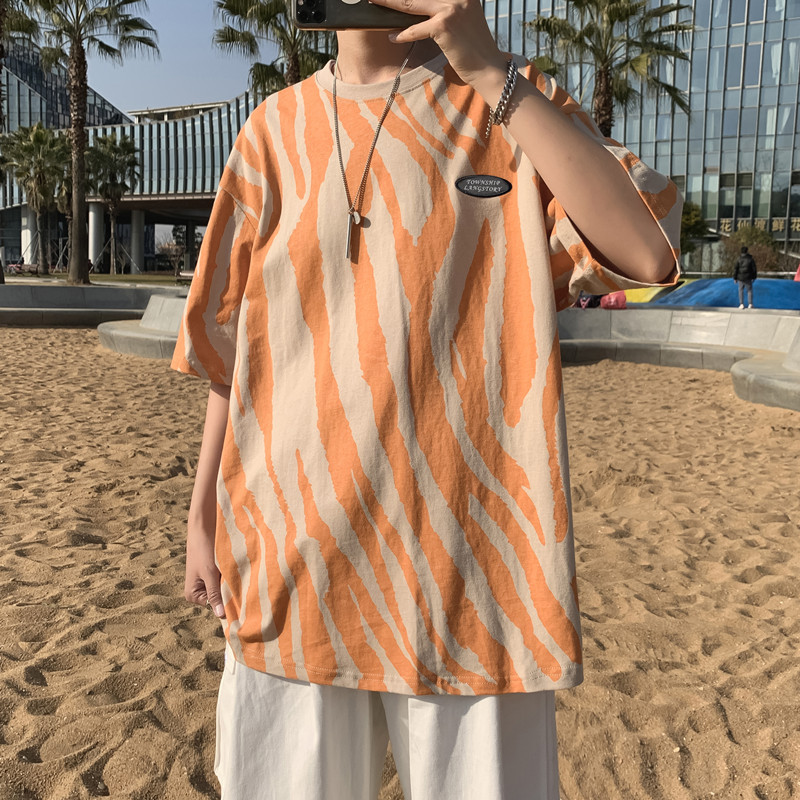
Discharge Printing
Discharge printing removes dye from compatible dark cotton garments to create a soft, integrated graphic. EDVORIN tests fabric composition, dye response, artwork detail, color result, and wash performance during sampling before approving production.
Get a Quote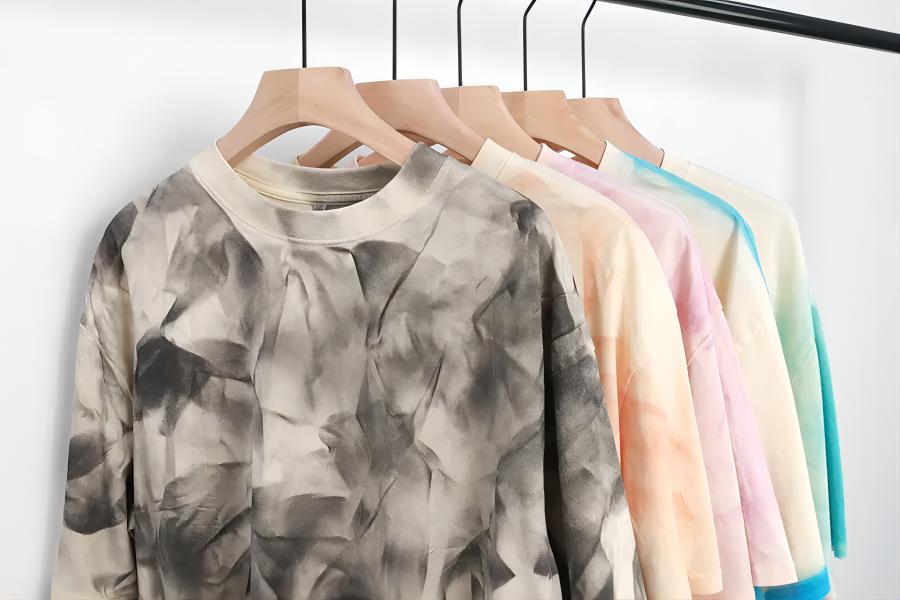
Plastisol Printing
Plastisol printing provides strong color opacity and reliable graphic definition across many apparel fabrics. EDVORIN specifies ink build, color matching, placement, curing, and stretch requirements for streetwear, promotional apparel, teamwear, and private-label programs.
Get a Quote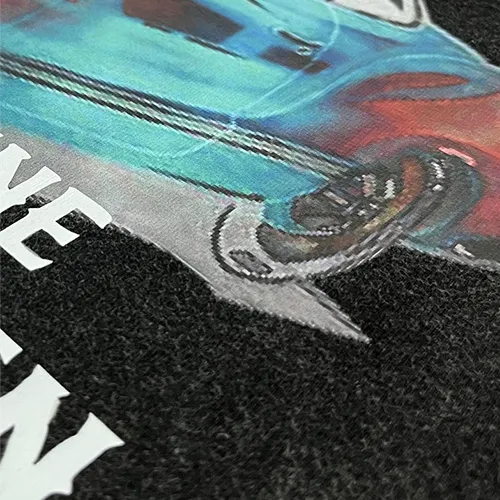
Direct-to-Garment Printing
Direct-to-garment printing supports detailed, full-color artwork and shorter production runs on suitable garments. EDVORIN reviews fabric composition, pretreatment, artwork resolution, color output, placement, and wash performance before confirming the production method.
Get a Quote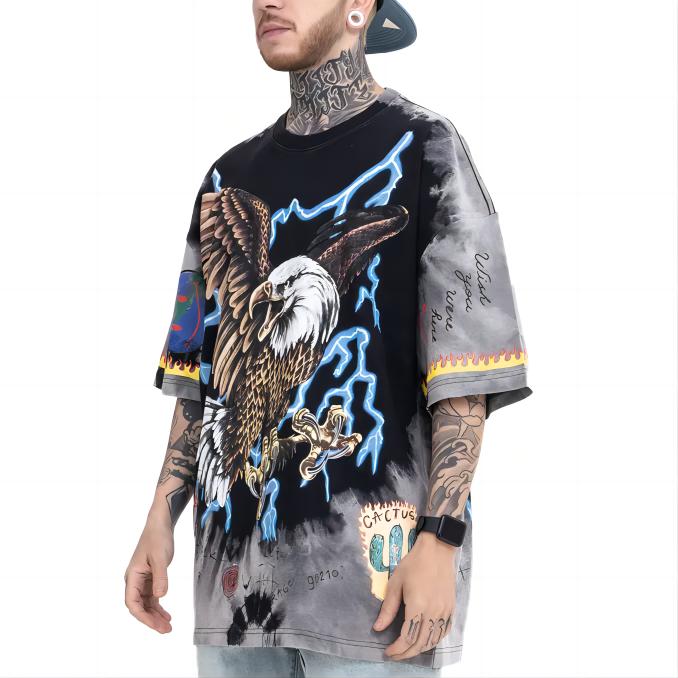
Direct-to-Film Printing
Direct-to-film printing supports detailed graphics and flexible placement on a broad range of garments. EDVORIN tests transfer adhesion, stretch, hand feel, color, and wash durability against the selected fabric before using the method in bulk production.
Get a Quote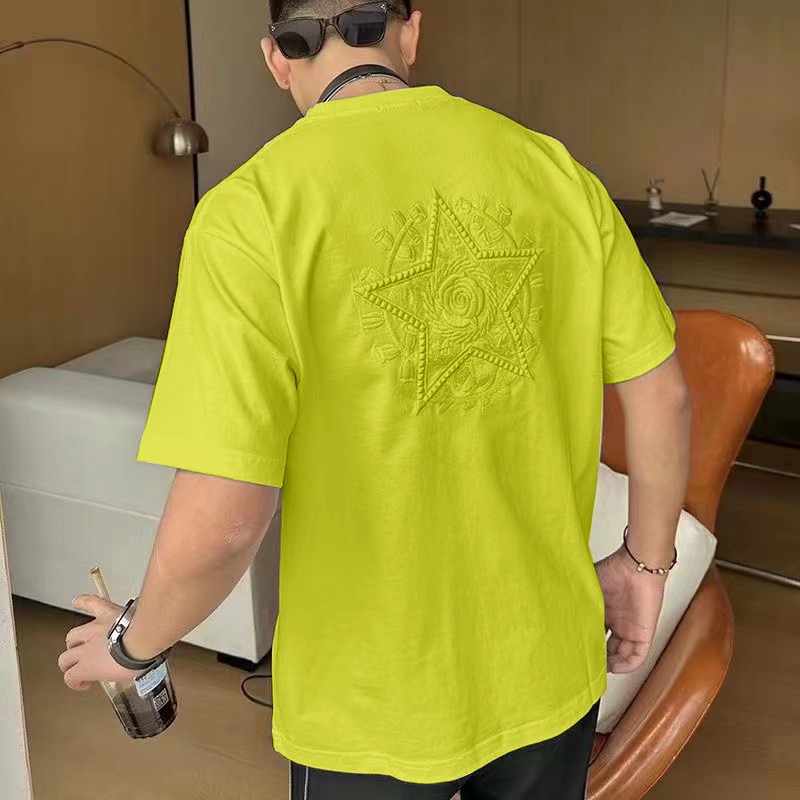
Sublimation Printing
Sublimation printing is used for polyester-based performance apparel, particularly team jerseys and all-over graphics. EDVORIN coordinates artwork templates, panel placement, color control, size grading, and sewing construction to keep designs aligned across the order.
Get a Quote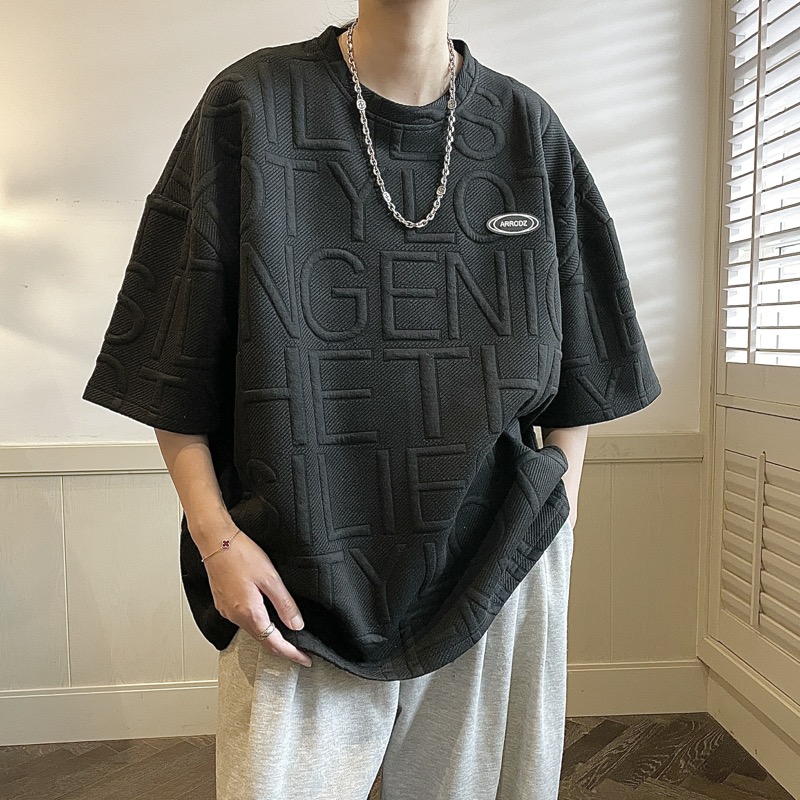
Heat Transfer Printing
Heat transfer printing supports names, numbers, logos, and targeted graphics on uniforms, sportswear, and promotional apparel. EDVORIN checks transfer material, adhesion, placement, stretch, and washing requirements for the selected garment fabric.
Get a Quote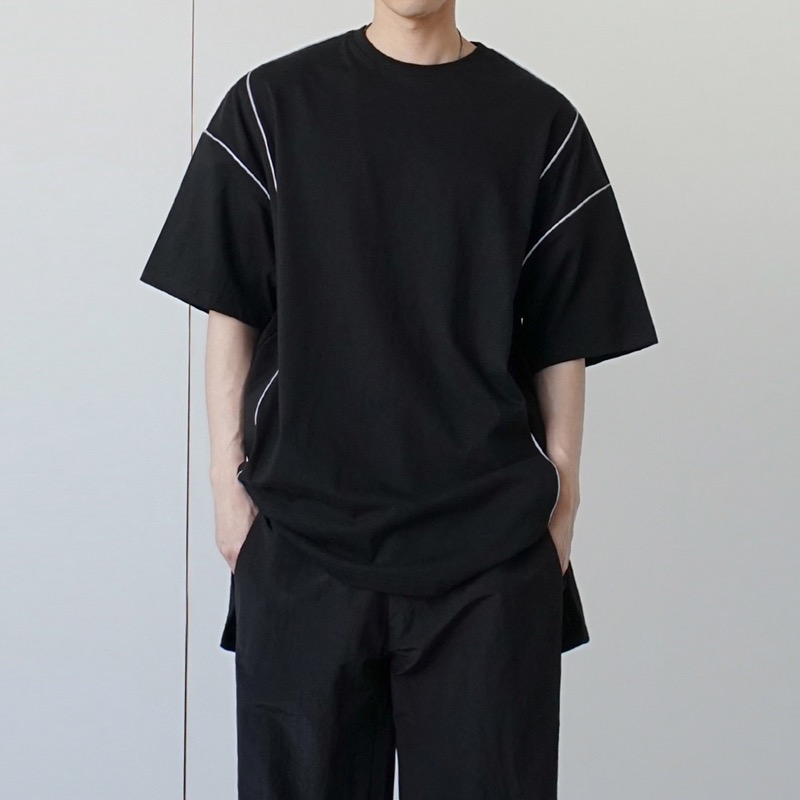
Puff Printing
Puff printing adds a raised dimension to graphics on compatible apparel. EDVORIN develops puff print artwork with controlled ink deposit, line detail, placement, curing, and wash testing so the approved texture can be reproduced in bulk.
Get a Quote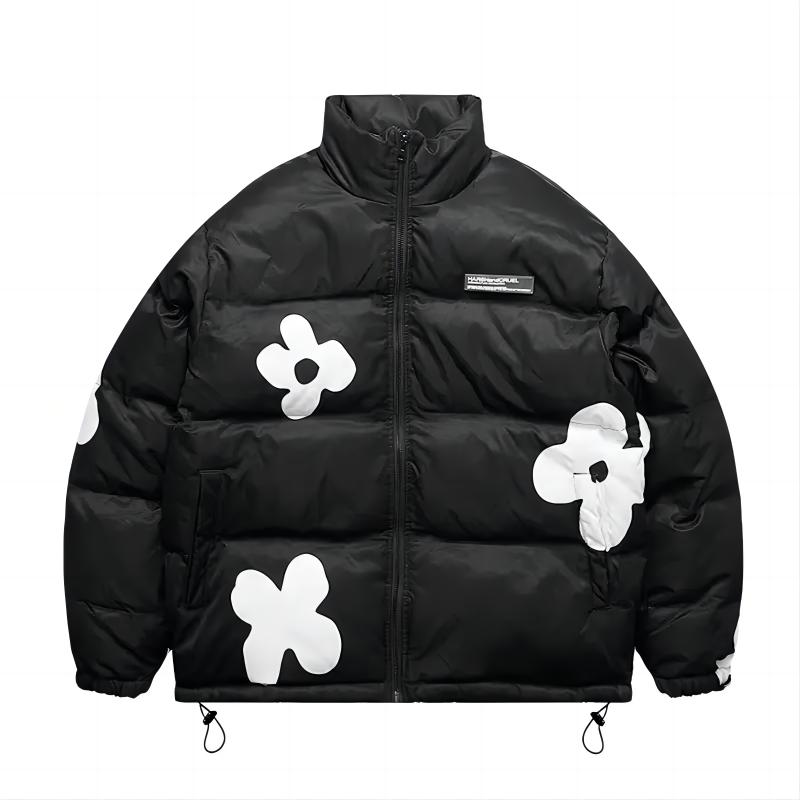
Silicone Printing
Silicone printing creates a flexible, tactile finish with grip or dimensional detail. EDVORIN uses it for sportswear, technical apparel, and branded streetwear, reviewing fabric compatibility, stretch, adhesion, color, and placement before production approval.
Get a Quote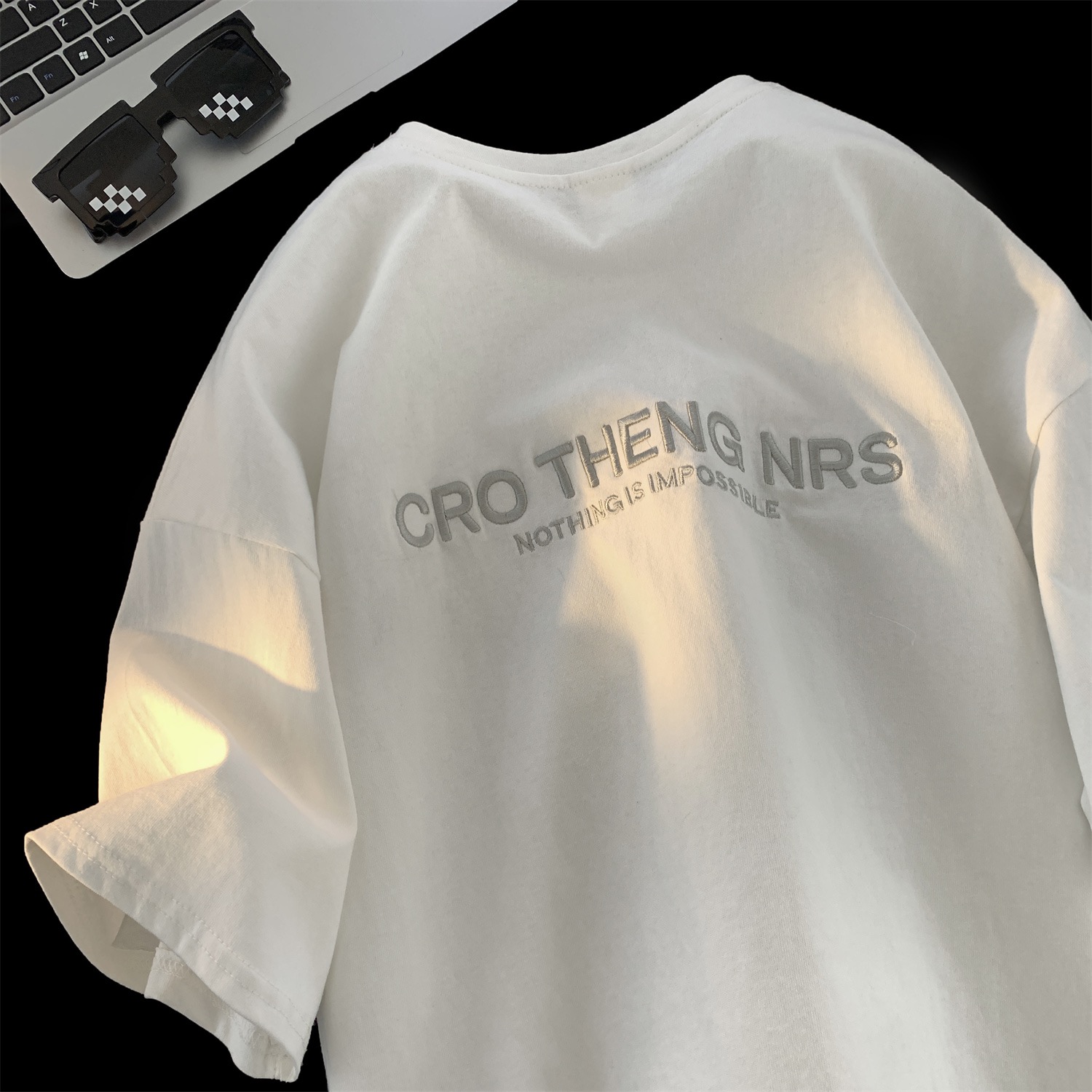
Reflective Printing
Reflective printing supports visibility details on outerwear, training apparel, and performance garments. EDVORIN coordinates reflective material, artwork, placement, seam interaction, care requirements, and durability testing for the intended use of the product.
Get a Quote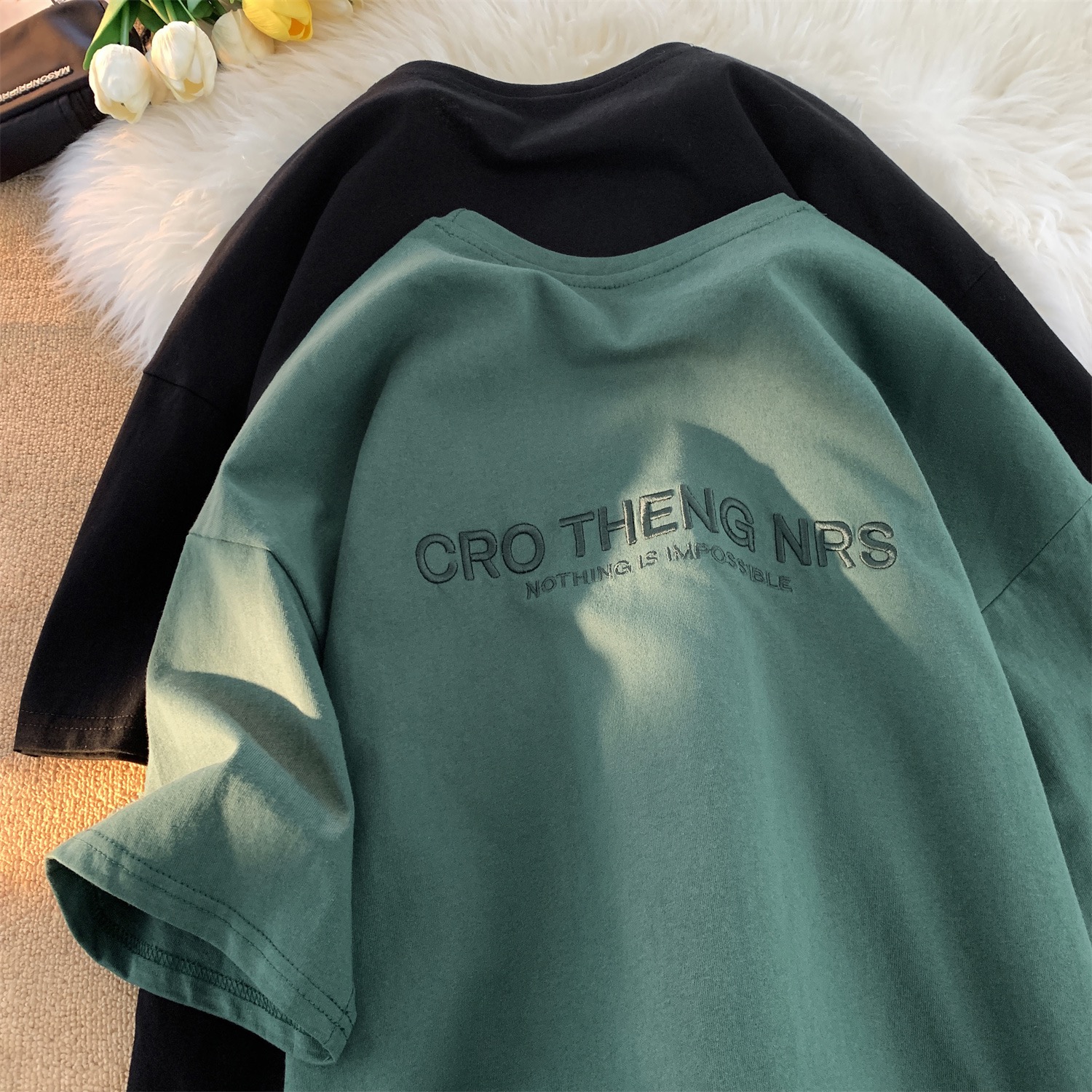
All-Over Printing
All-over printing is planned around garment panels, seam placement, repeat scale, and size variation. EDVORIN prepares print files and production references that protect artwork alignment across T-shirts, jerseys, sets, outerwear, and fashion collections.
Get a Quote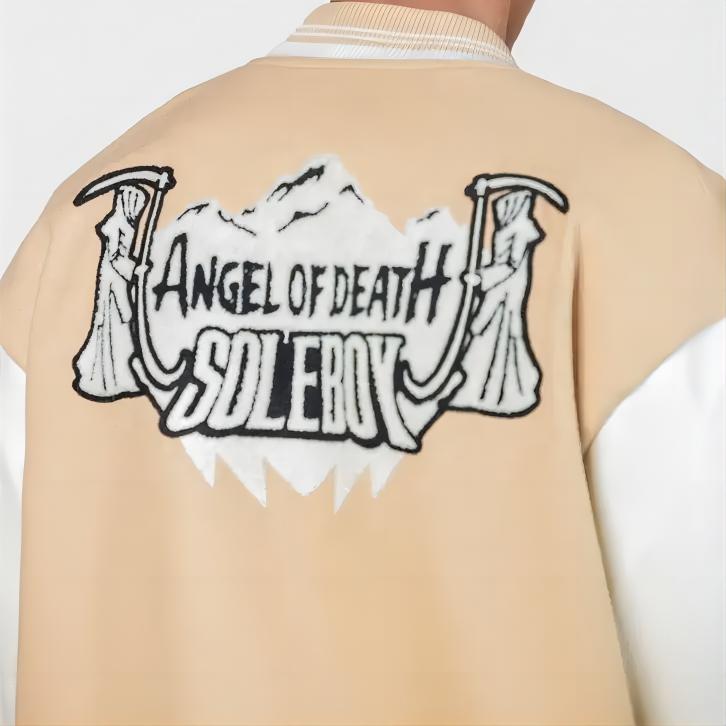
Embroidery and Patches
EDVORIN coordinates custom embroidery and patch applications with garment construction, fabric weight, placement, backing, and production sequence. This supports branded uniforms, varsity jackets, streetwear, teamwear, and private-label programs with controlled decoration standards.
Get a Quote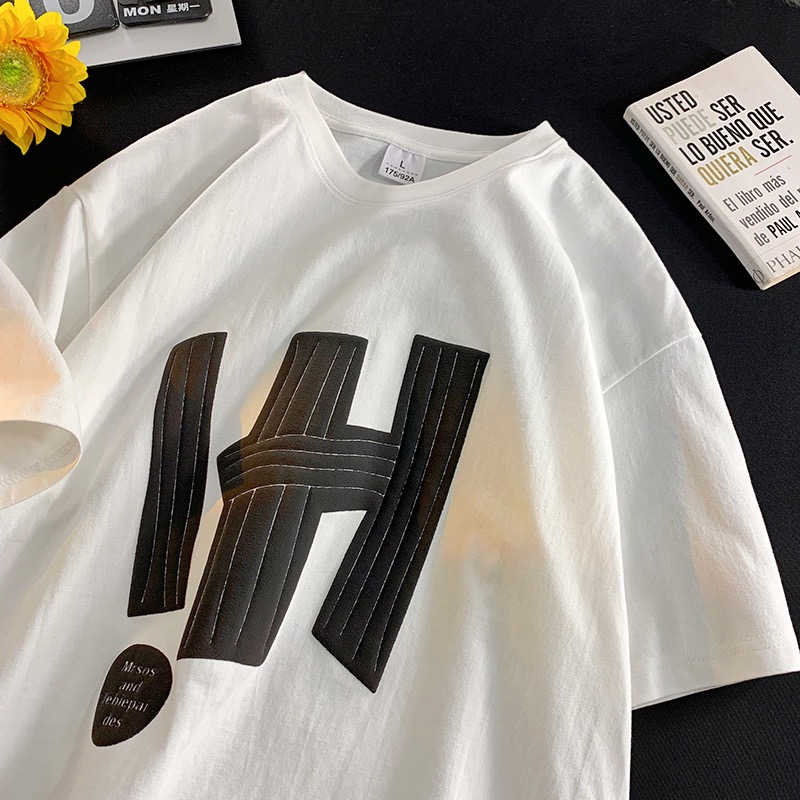
Flat Embroidery
Flat embroidery delivers clean stitched logos, text, and artwork for polos, caps, jackets, uniforms, and casualwear. EDVORIN reviews stitch density, thread colors, backing, placement, and fabric stability before approving the production sample.
Get a Quote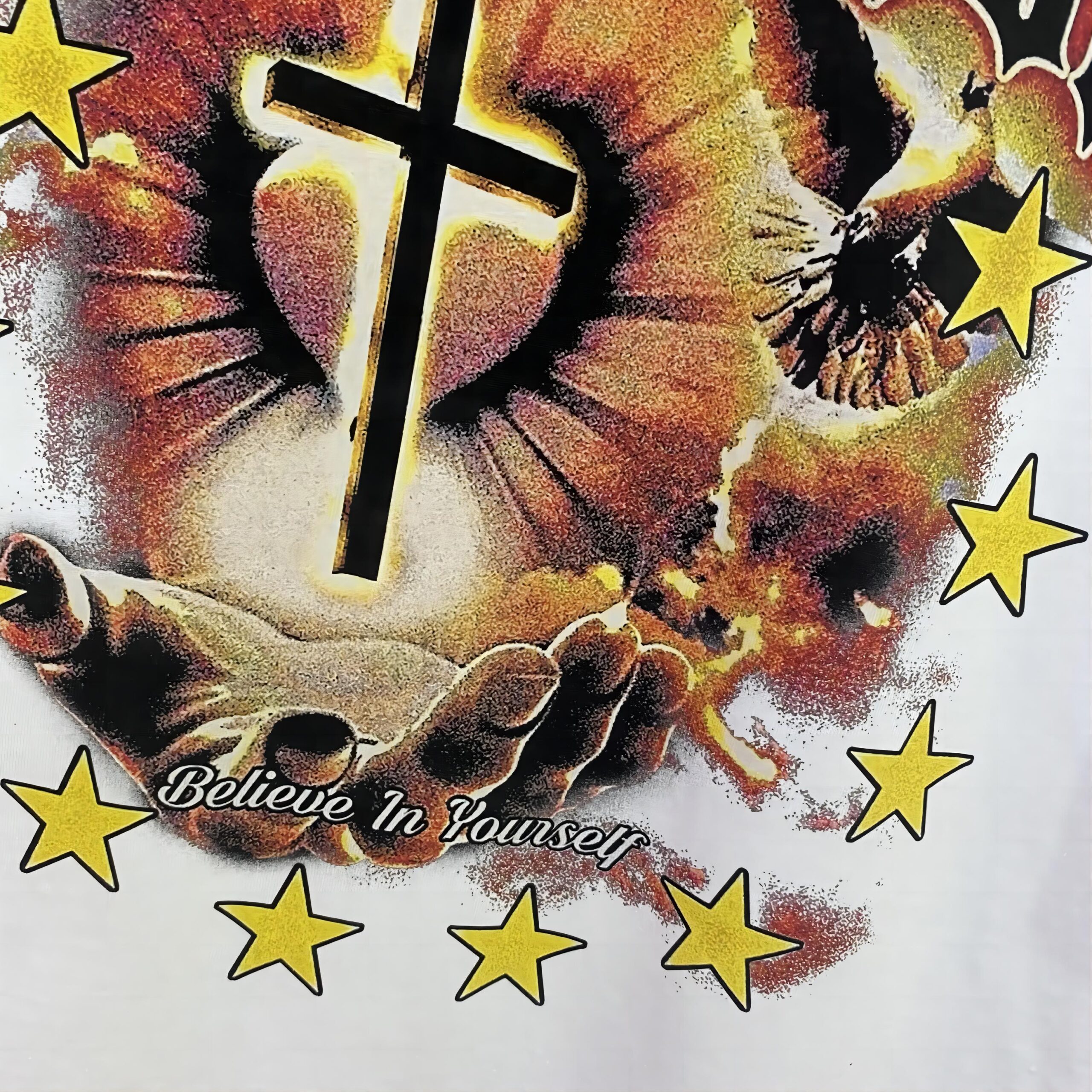
3D Puff Embroidery
3D puff embroidery creates raised logo and lettering effects for caps, jackets, hoodies, and streetwear. EDVORIN develops digitizing, foam coverage, stitch direction, thread color, and placement to achieve a stable result on the selected garment.
Get a Quote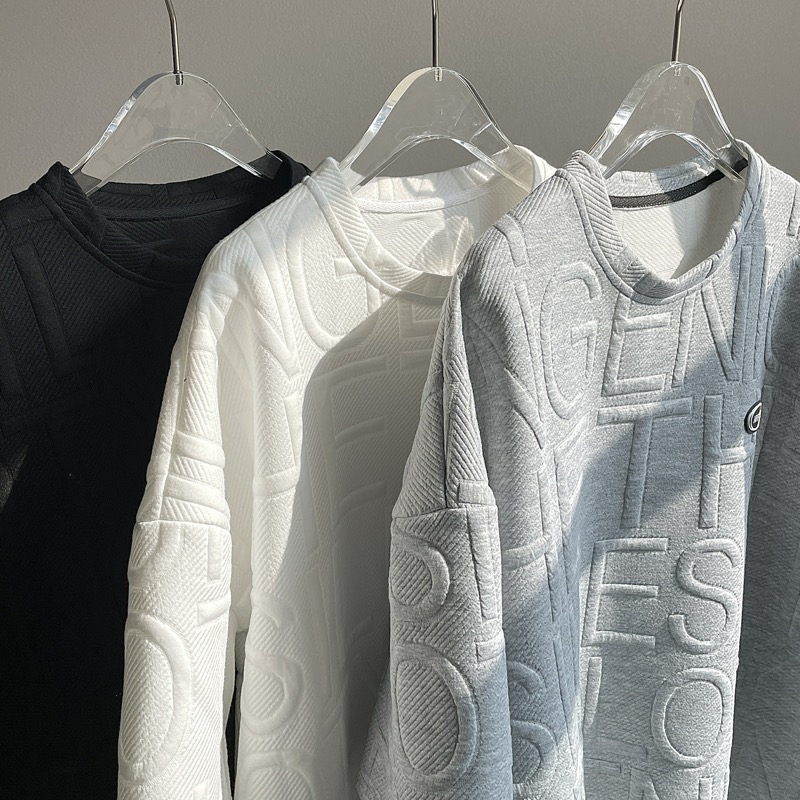
Chenille Embroidery
Chenille embroidery adds textured, varsity-inspired lettering and patches to jackets, sweatshirts, and teamwear. EDVORIN coordinates yarn, backing, edge finish, placement, and attachment method with the garment’s fabric, lining, and overall construction.
Get a Quote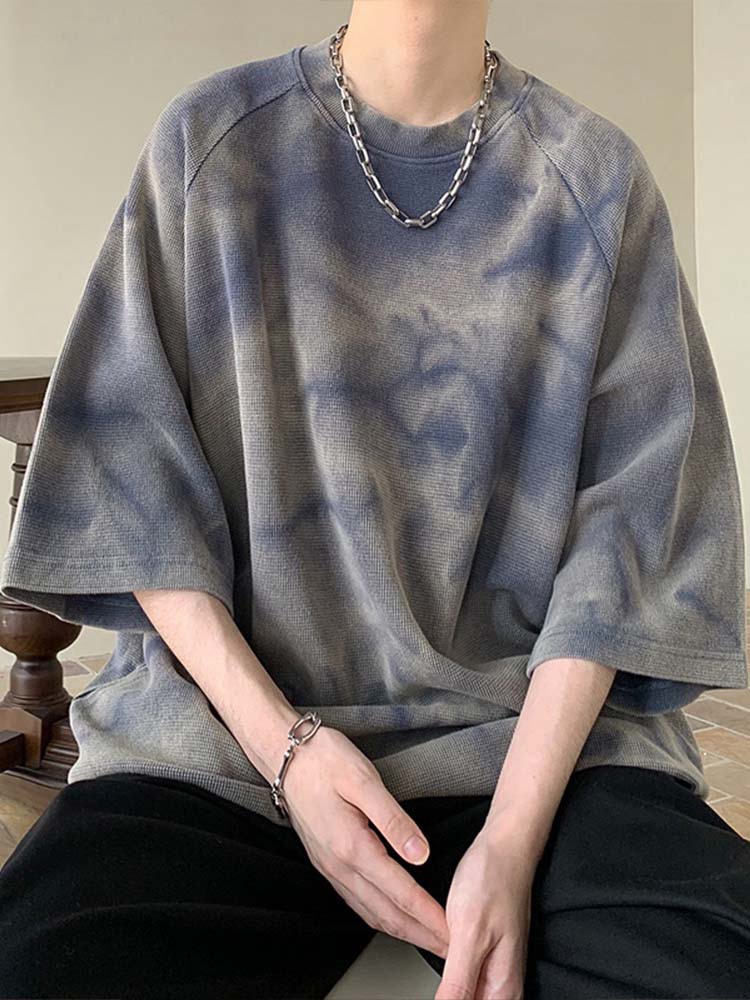
Applique
Applique combines fabric layers and stitching to create dimensional letters, logos, and graphic details. EDVORIN develops applique materials, edge treatment, stitch type, placement, and reinforcement for varsity jackets, teamwear, streetwear, and fashion programs.
Get a Quote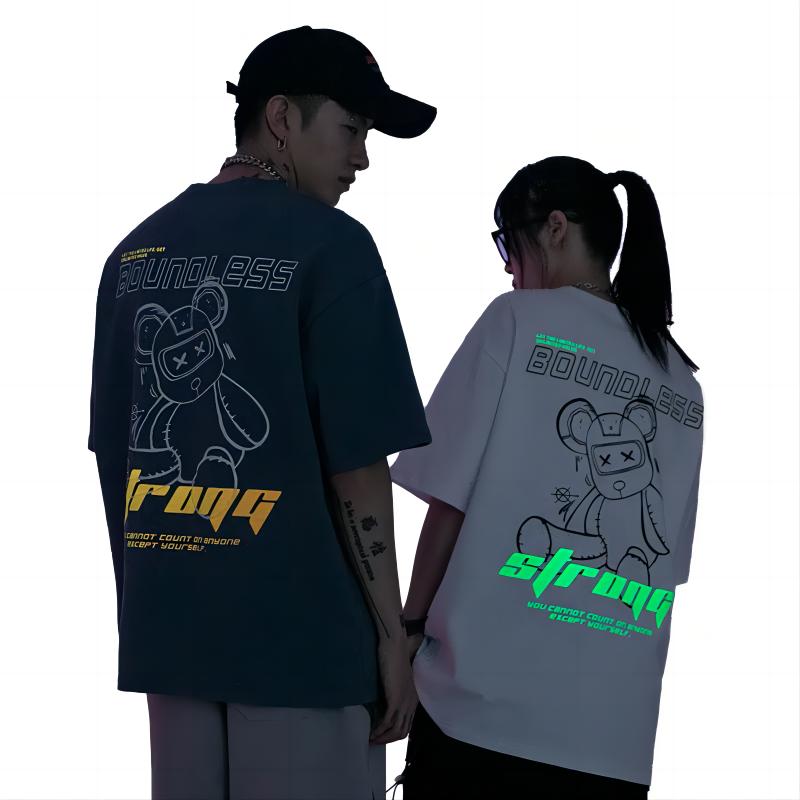
Custom Patches
Custom patches can be woven, embroidered, chenille, PVC, printed, or other specified formats. EDVORIN coordinates patch dimensions, color, backing, attachment method, and placement with the garment construction and approved artwork.
Get a Quote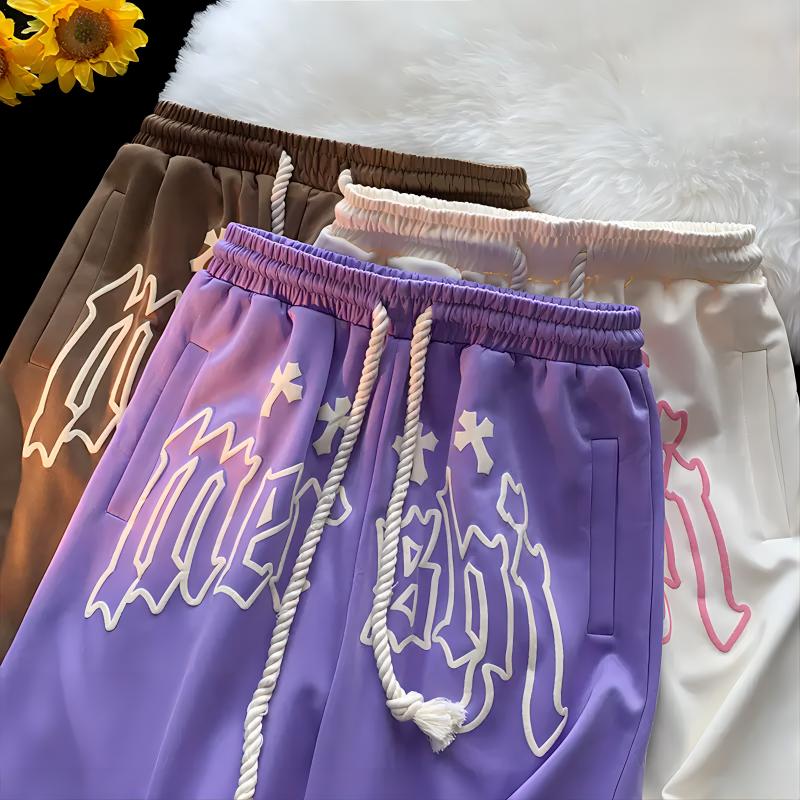
Chain Stitch Embroidery
Chain stitch embroidery provides a distinctive looped texture for heritage, workwear, and fashion applications. EDVORIN assesses artwork suitability, stitch direction, thread, placement, and fabric stability to ensure the decoration performs through sewing and wear.
Get a Quote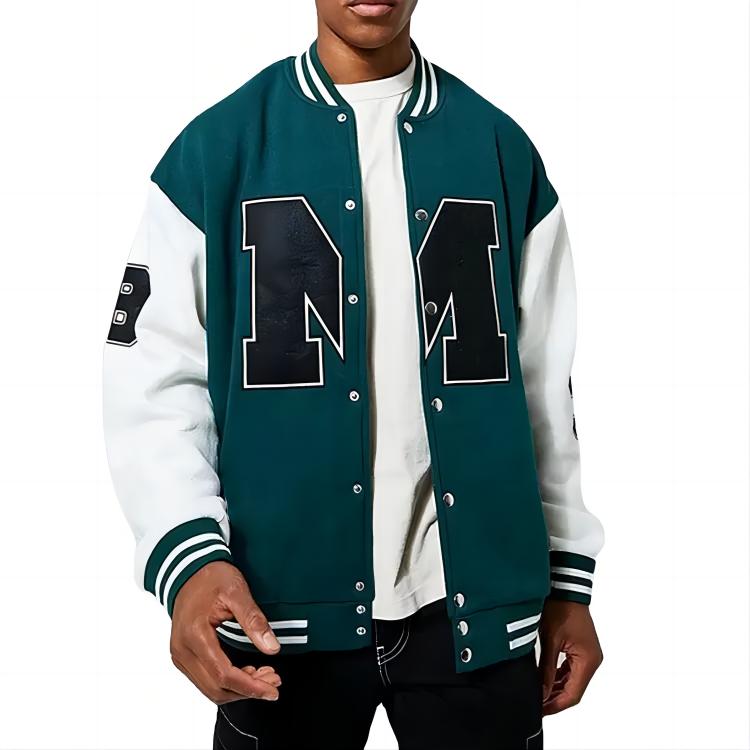
Sequin Embroidery
Sequin embroidery is developed for fashion garments requiring controlled shine and decorative texture. EDVORIN coordinates sequin type, color, stitch pattern, backing, placement, and garment handling so the embellished area remains secure and production-ready.
Get a Quote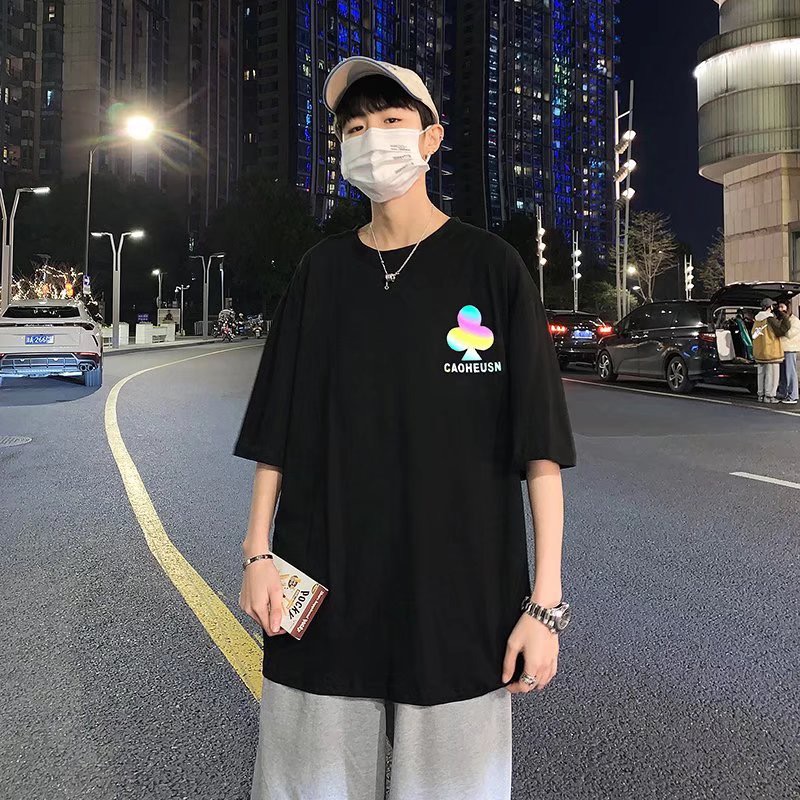
Embroidery Digitizing
Embroidery digitizing converts approved artwork into stitch files suited to the garment and decoration method. EDVORIN refines density, underlay, stitch direction, sequence, and thread changes through sampling before the file is released for bulk production.
Get a Quote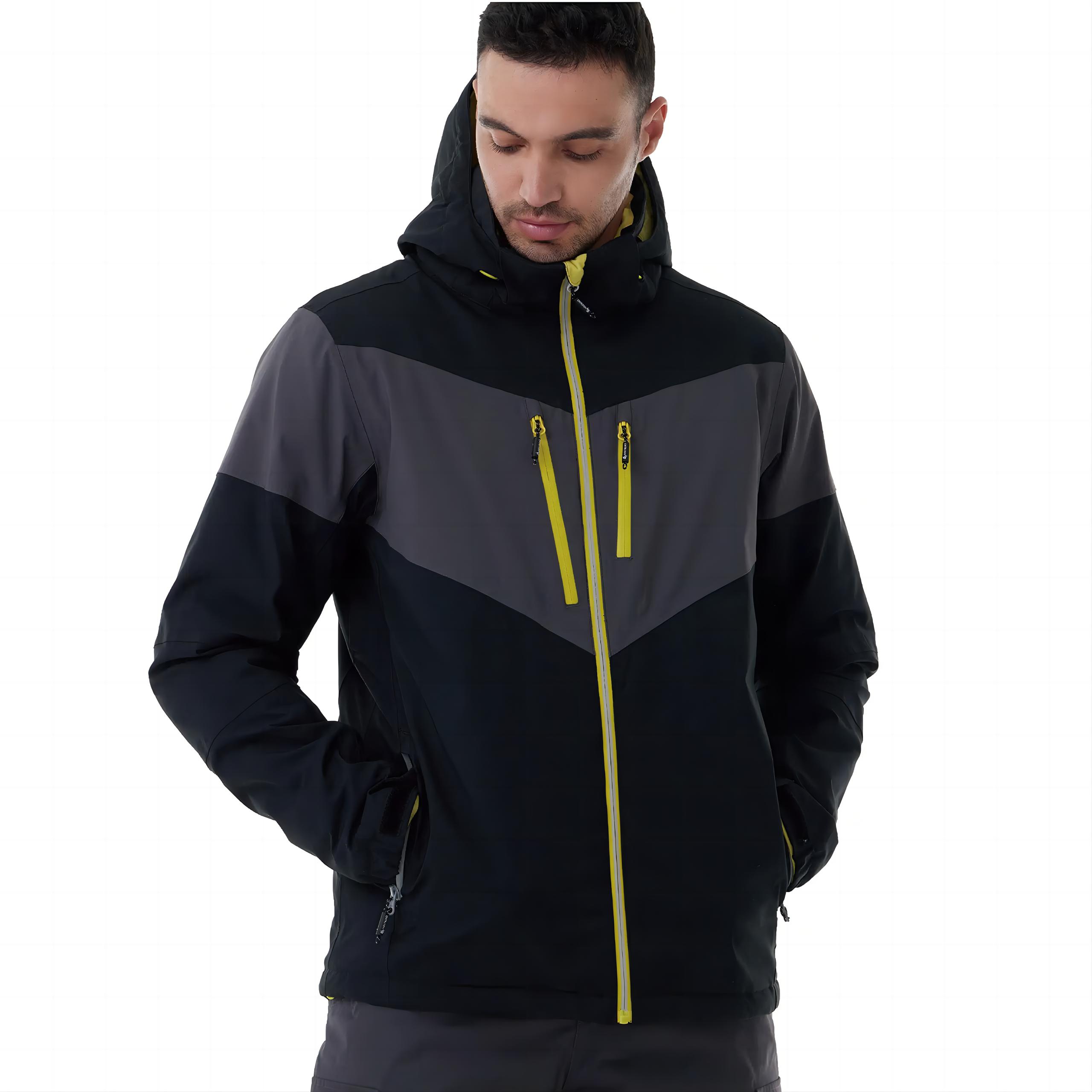
Washing and Dyeing
EDVORIN coordinates garment washing and dyeing to achieve the intended color, hand feel, texture, and aged appearance. Each treatment is tested against the fabric, trims, printing, embroidery, measurements, and final care requirements.
Get a Quote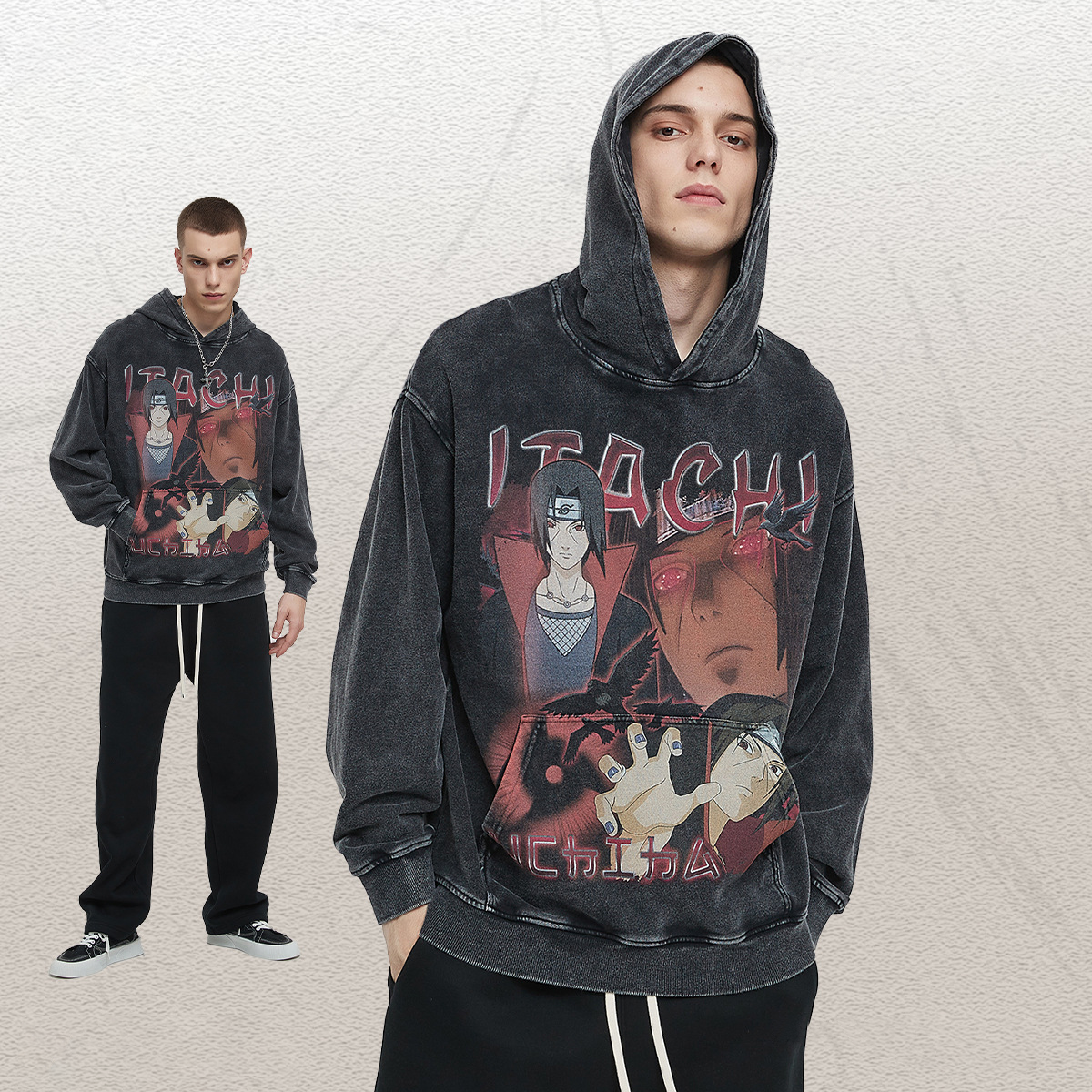
Garment Dyeing
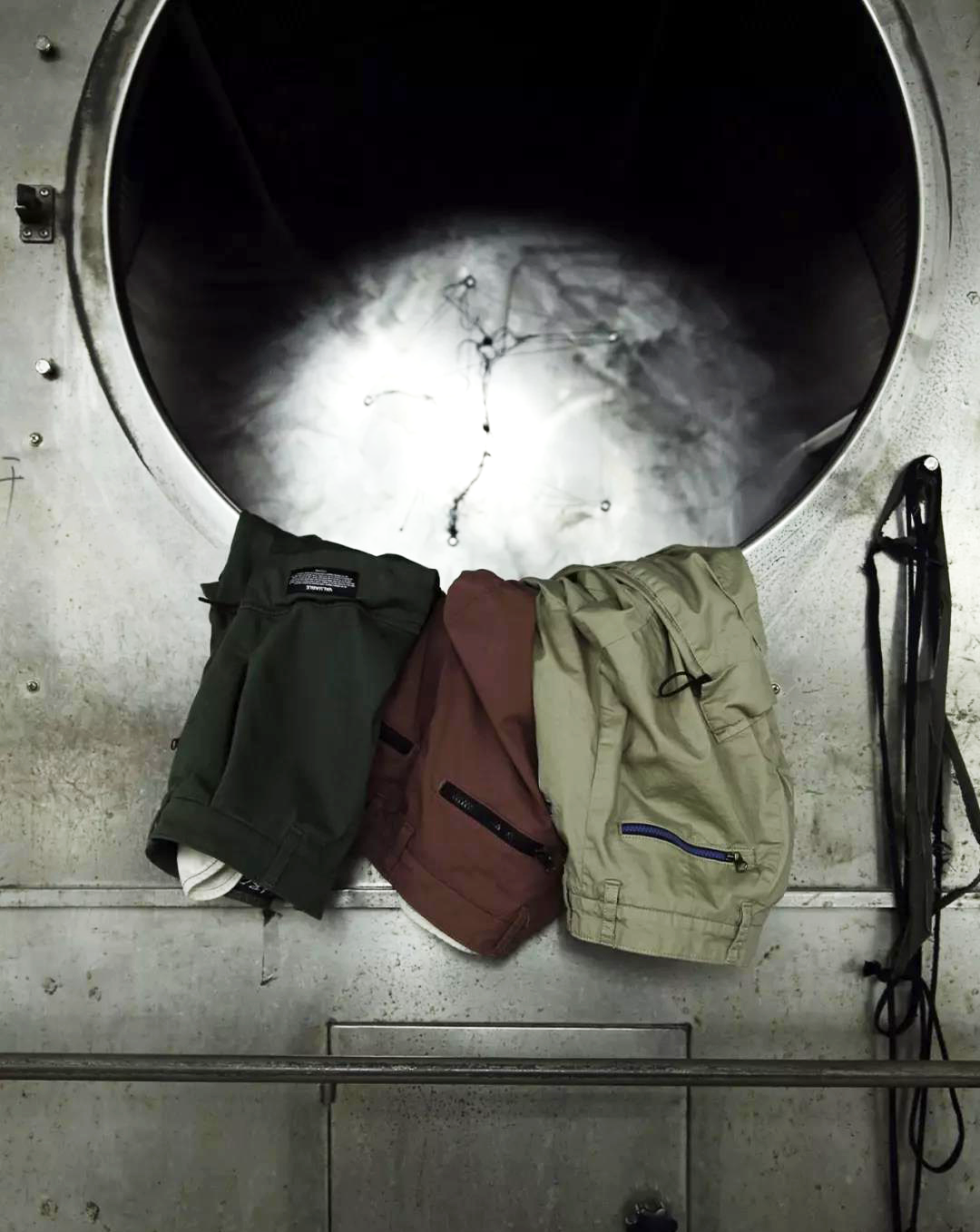
Garment dyeing colors completed garments for a lived-in, tonal appearance. EDVORIN plans dye compatibility, shrinkage, color variation, trim response, print timing, and measurement allowances so the approved look can be managed in production.
Get a Quote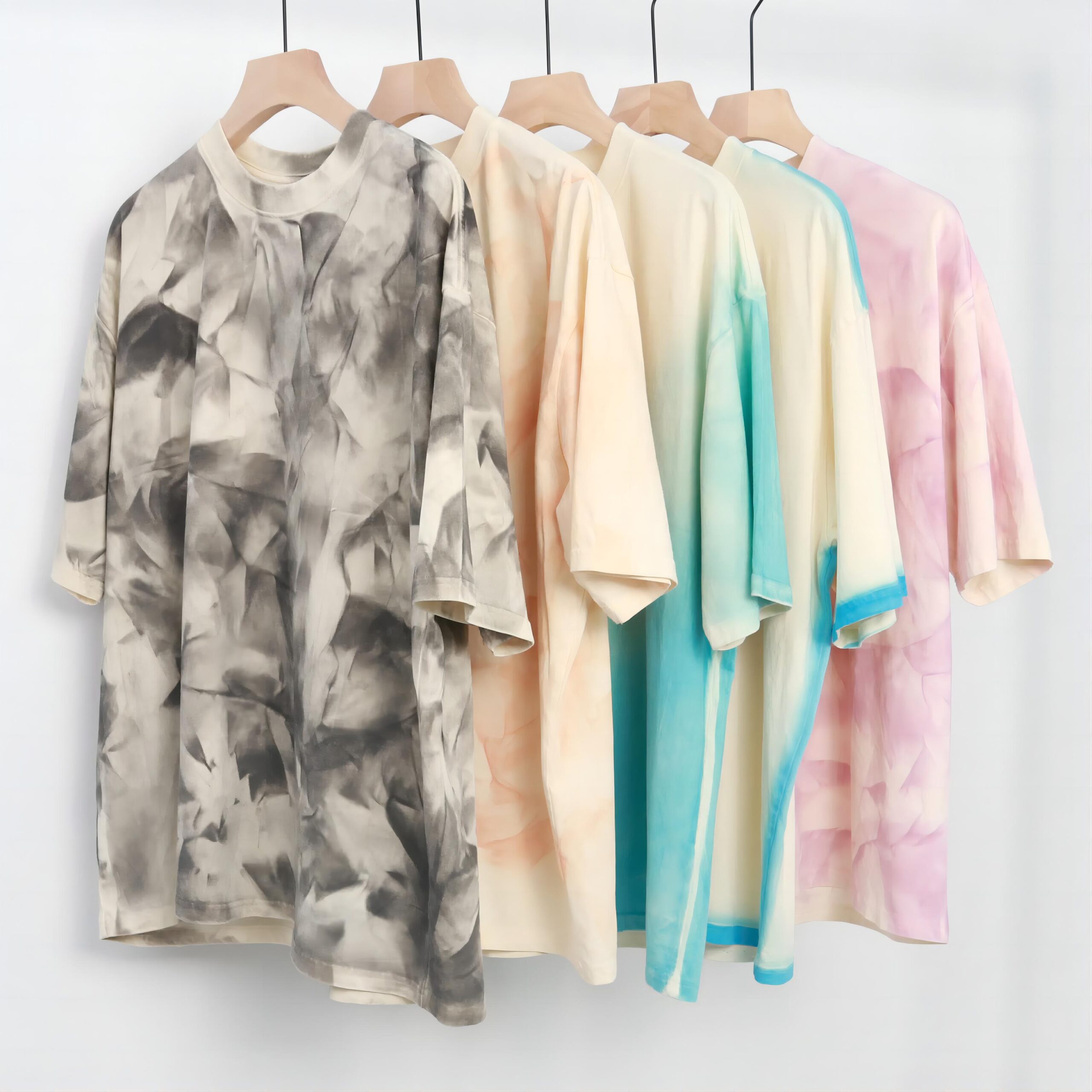
Pigment Dyeing
Pigment dyeing creates faded, vintage-inspired color effects with surface character. EDVORIN tests shade variation, rub resistance, wash behavior, print compatibility, and garment construction before bulk approval for streetwear and casualwear programs.
Get a Quote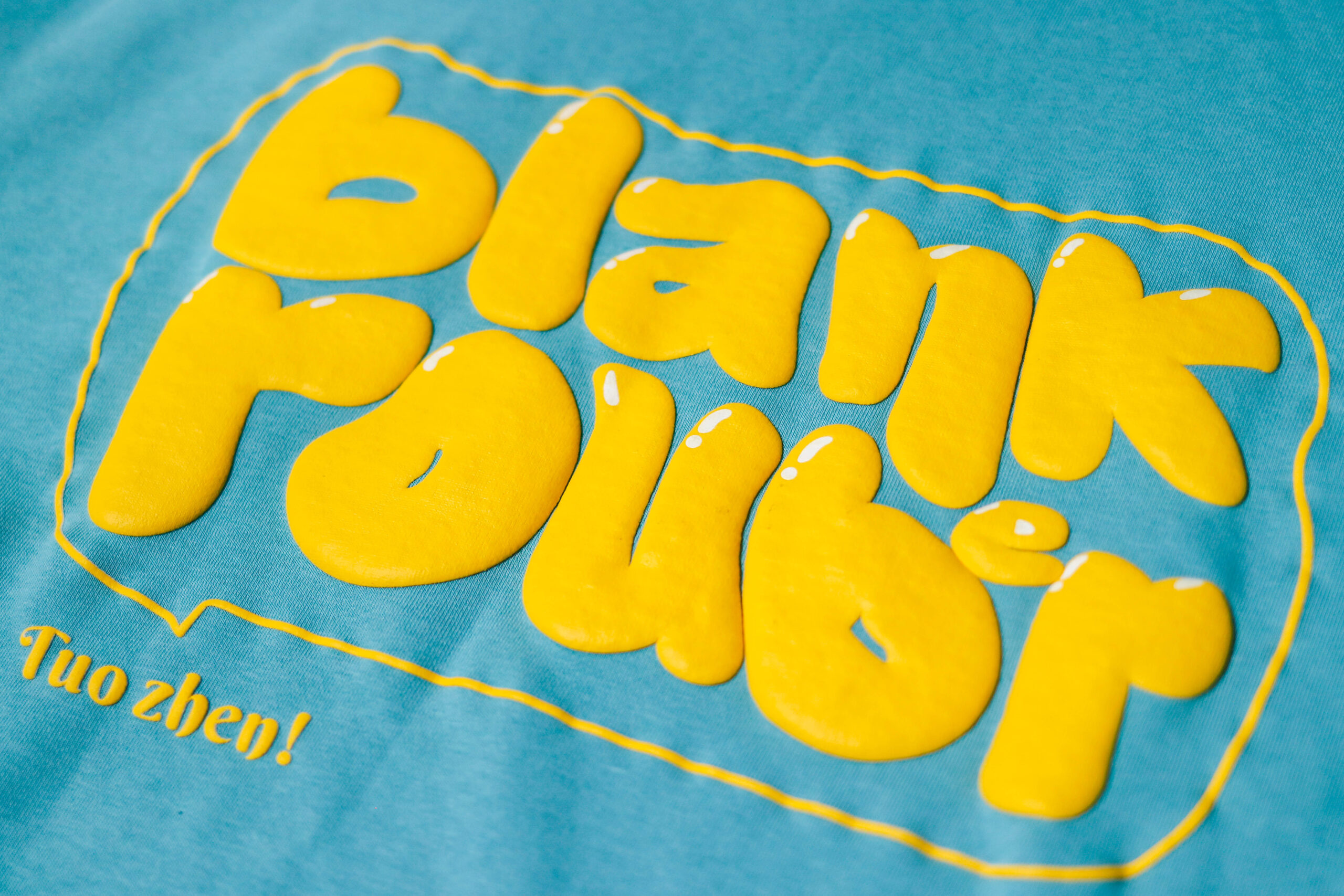
Tie Dye
Tie dye is developed through controlled color placement, pattern variation, and wash testing. EDVORIN establishes visual references and acceptable variation standards for each garment style, helping buyers manage a handcrafted effect within bulk production.
Get a Quote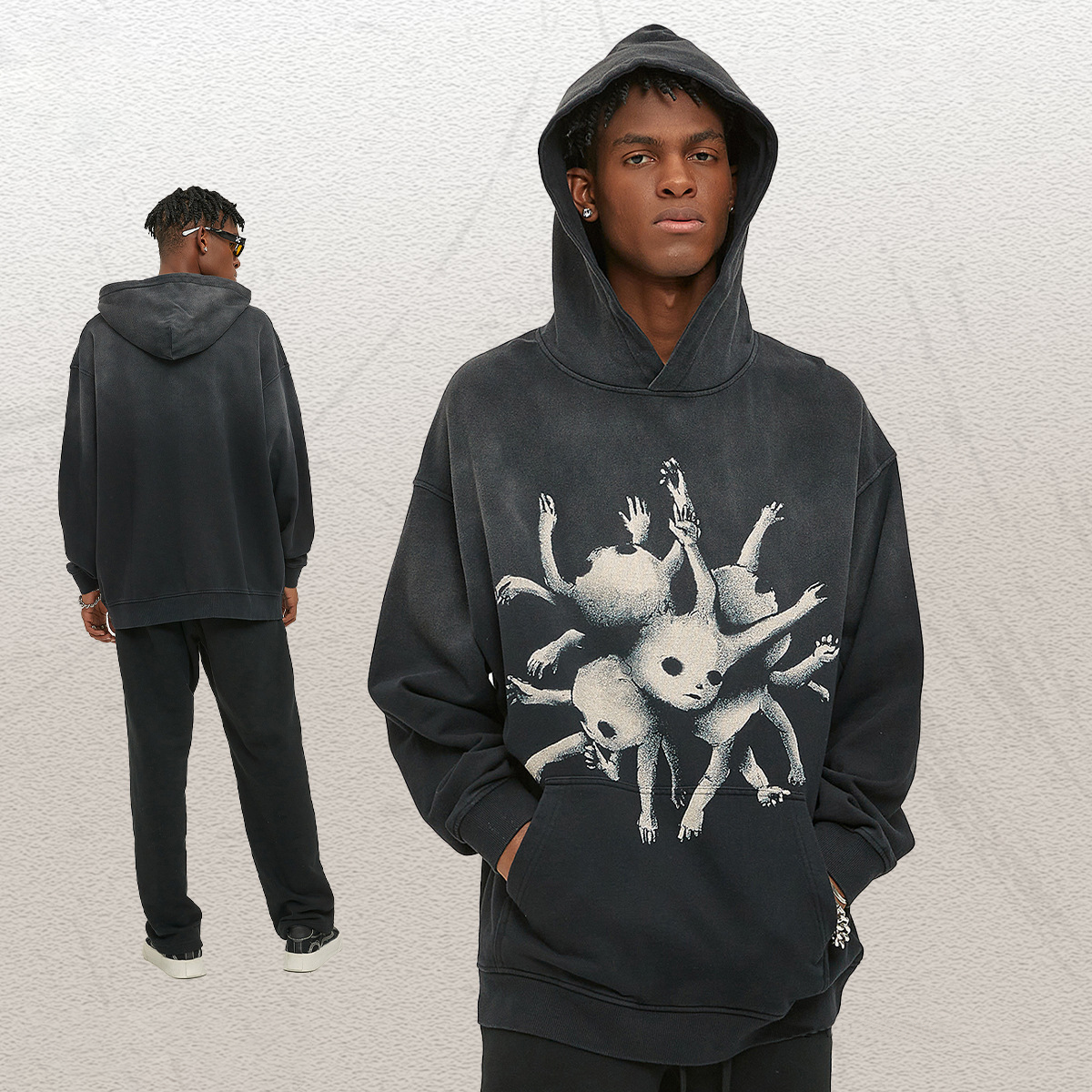
Acid Wash
Acid wash creates a distressed, high-contrast surface treatment for denim-inspired and streetwear apparel. EDVORIN tests fabric response, shade range, damage level, hardware compatibility, print timing, and garment measurements before production release.
Get a Quote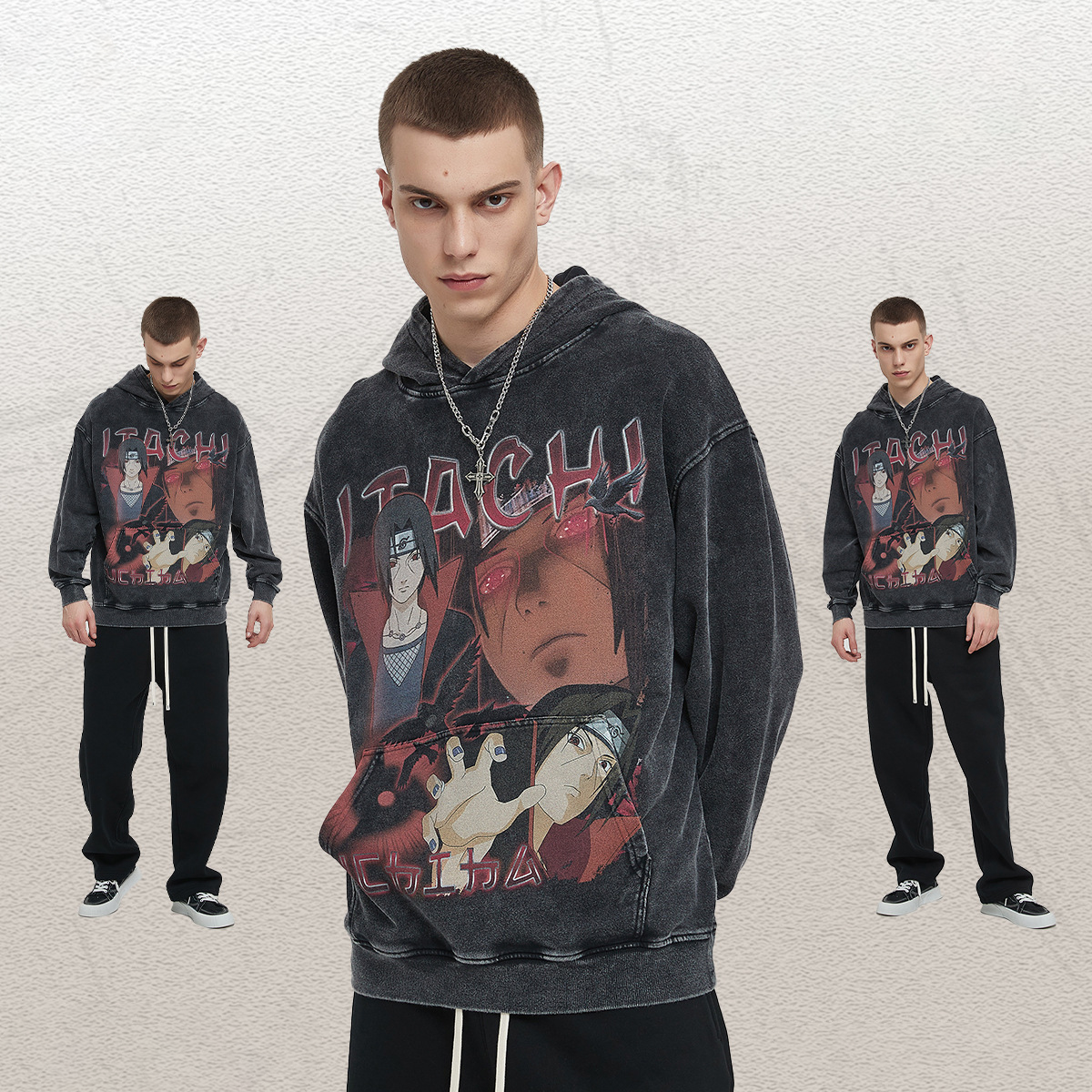
Enzyme Wash
Enzyme washing softens garments and can reduce surface fuzz or create a worn character. EDVORIN evaluates enzyme treatment against fabric composition, color, shrinkage, pilling, trims, and print or embroidery performance during sample development.
Get a Quote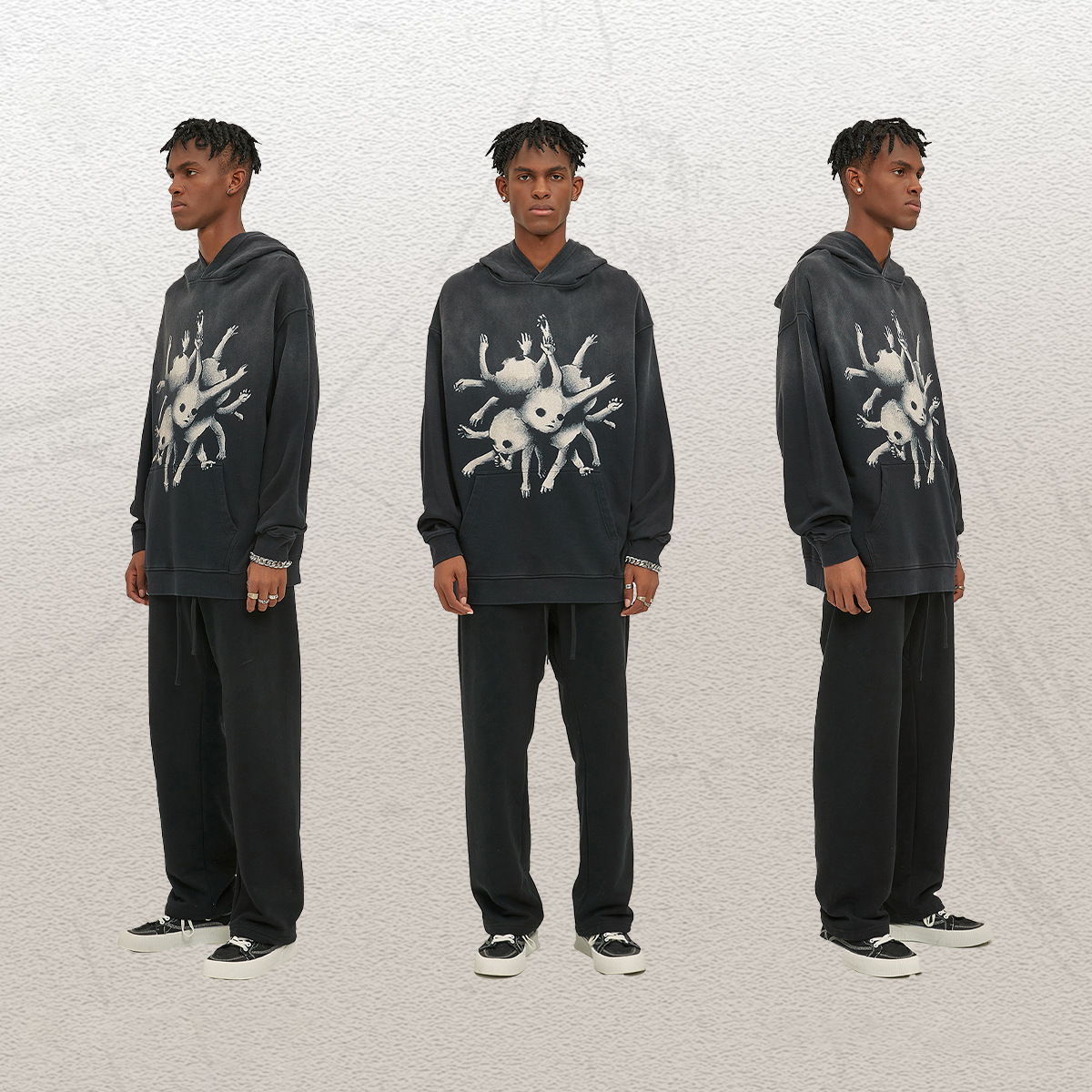
Stone Wash
Stone washing develops a softened, worn finish with controlled abrasion and color change. EDVORIN manages fabric selection, wash intensity, garment construction, trim protection, measurement tolerance, and visual standards for bulk consistency.
Get a Quote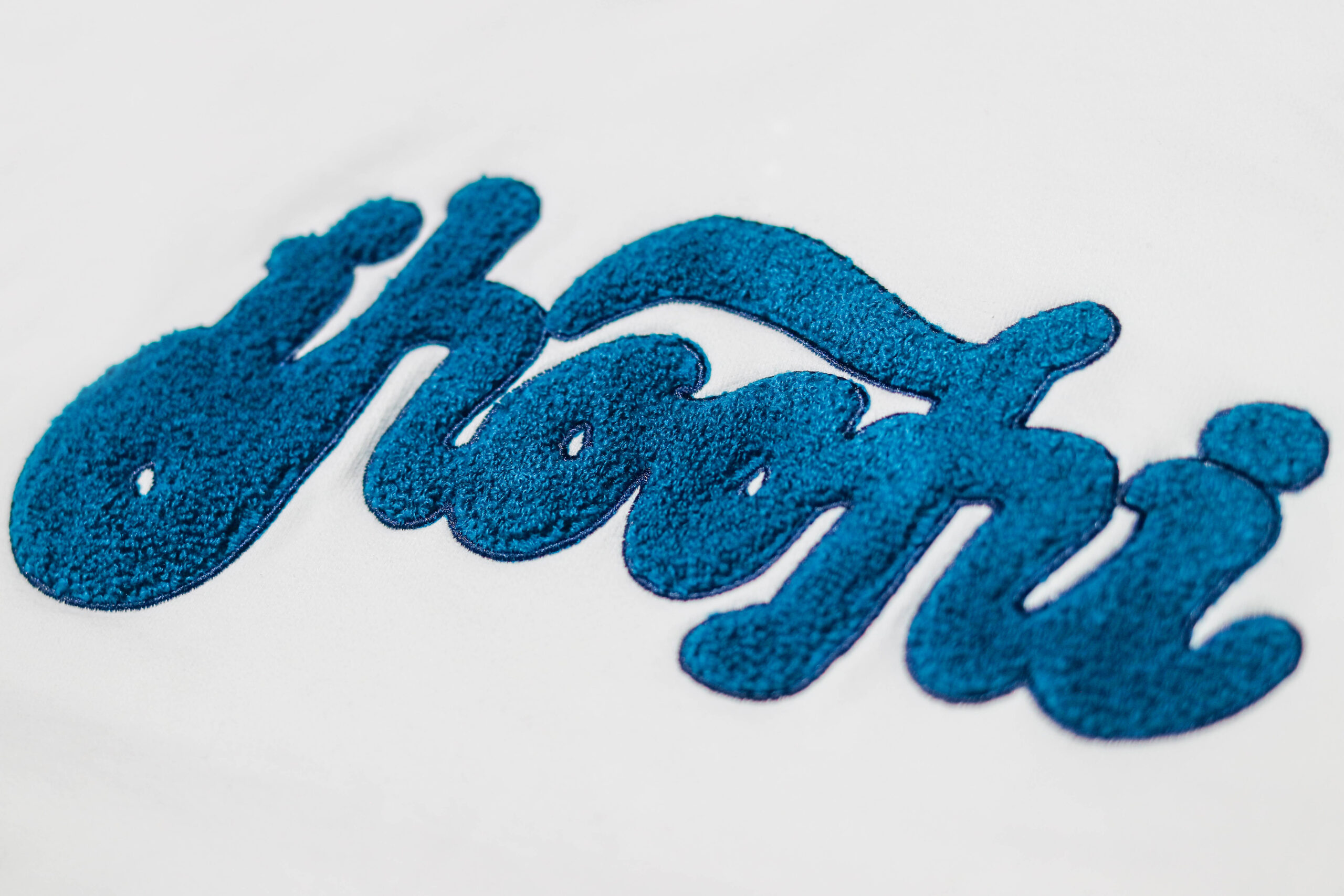
Silicone Wash
Silicone washing improves softness and smooth hand feel on compatible garments. EDVORIN tests the treatment with the selected fabric, color, print, embroidery, and measurement requirements, then documents the approved finish for production control.
Get a Quote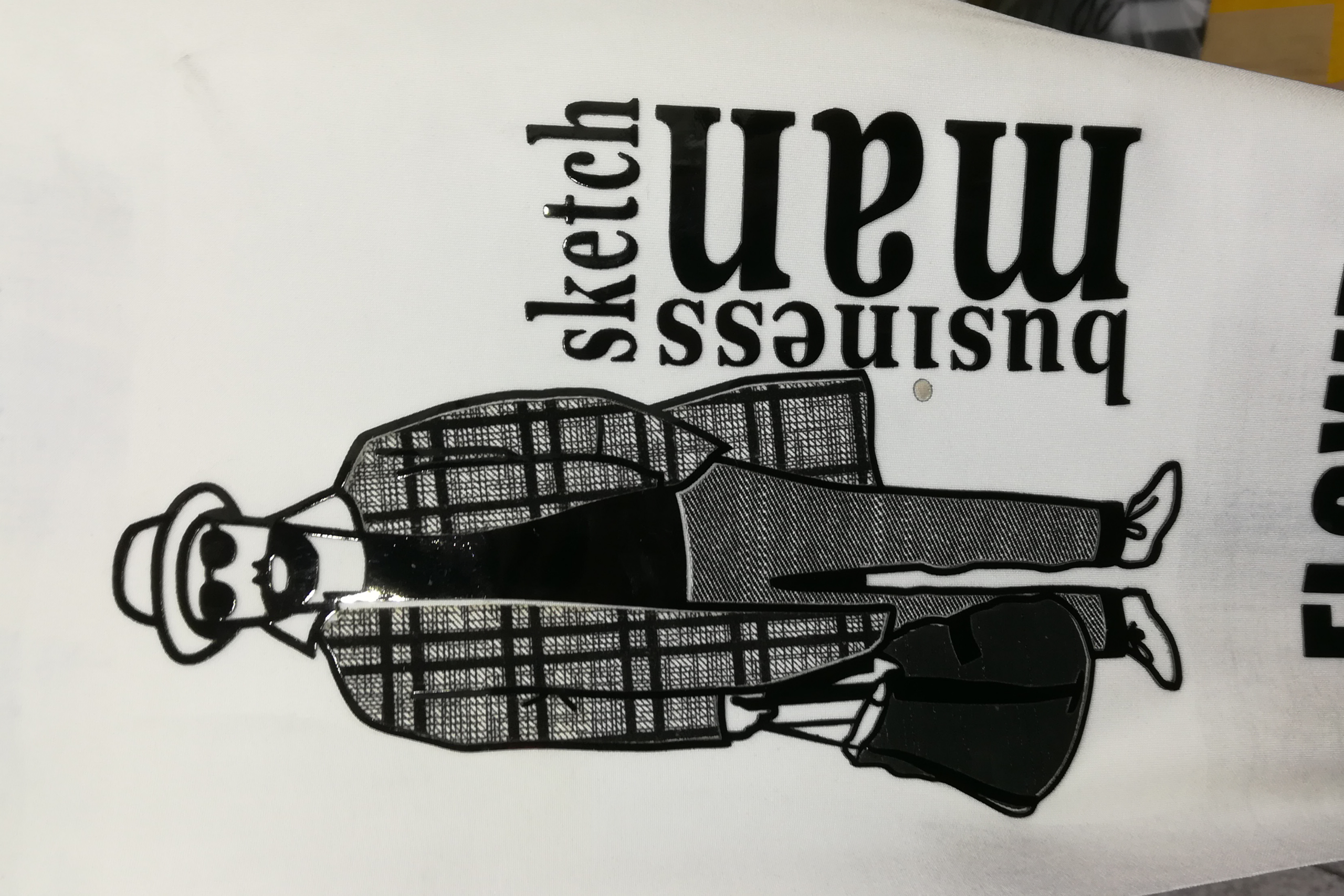
Ozone and Eco Washing
Ozone and eco washing methods can reduce water, chemical, or energy use depending on the treatment and facility process. EDVORIN evaluates feasible options against the desired appearance, fabric response, color, and applicable certification program requirements.
Get a Quote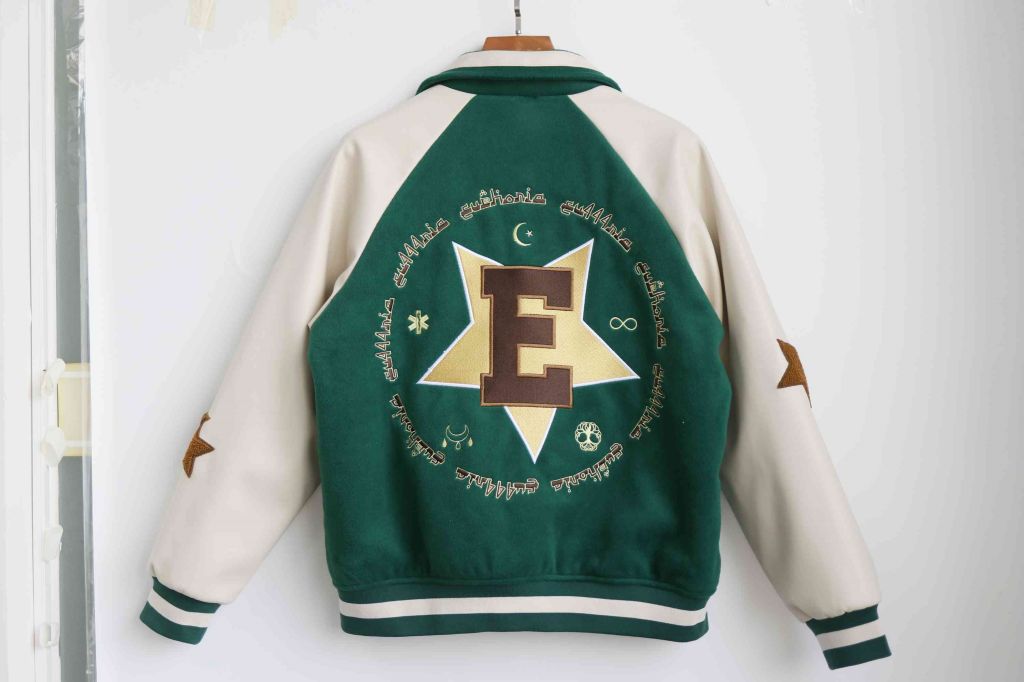
Trims and Packaging
EDVORIN coordinates trims and packaging as part of the garment specification, not as separate afterthoughts. Labels, hardware, drawcords, packaging, and carton details are checked against approved samples, branding requirements, and production packing standards.
Get a Quote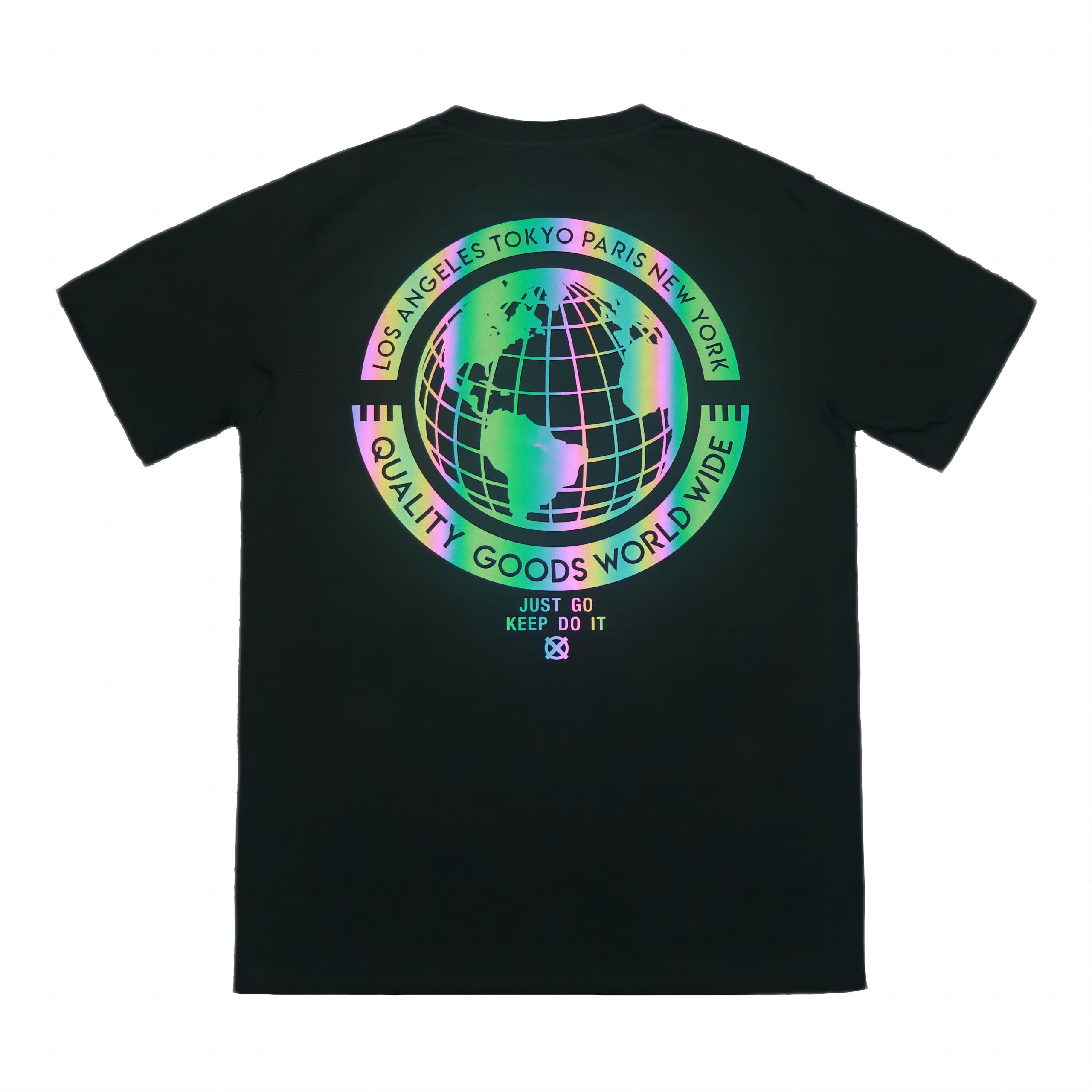
Woven and Printed Labels
Woven and printed labels are developed for brand identity, size, care, fiber content, and country-of-origin information. EDVORIN coordinates material, weave or print quality, fold, placement, attachment, and required compliance details for each style.
Get a Quote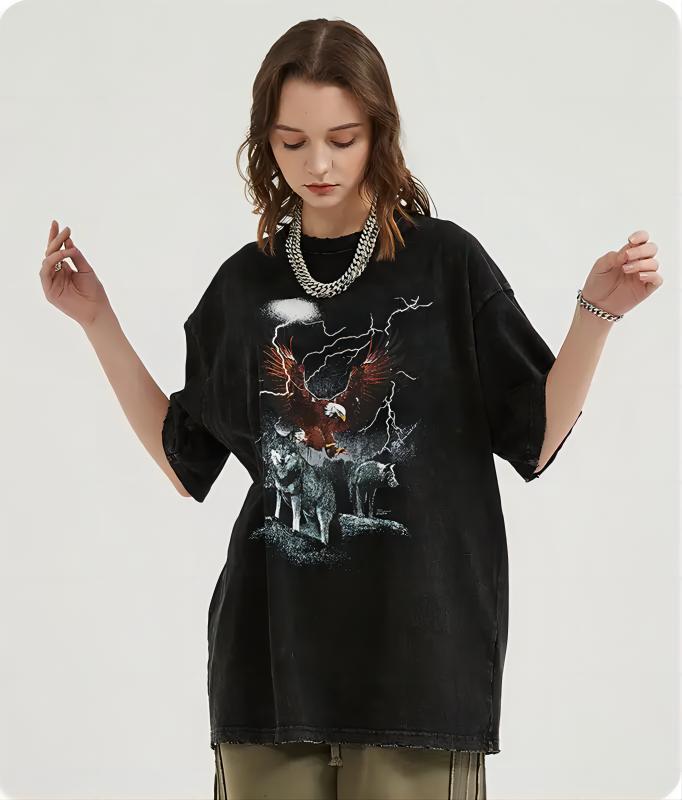
Custom Hangtags
Custom hangtags are specified by size, stock, finish, printing, string, barcode, and attachment point. EDVORIN coordinates hangtag production with garment labeling and packing requirements so units arrive presentation-ready for retail or wholesale distribution.
Get a Quote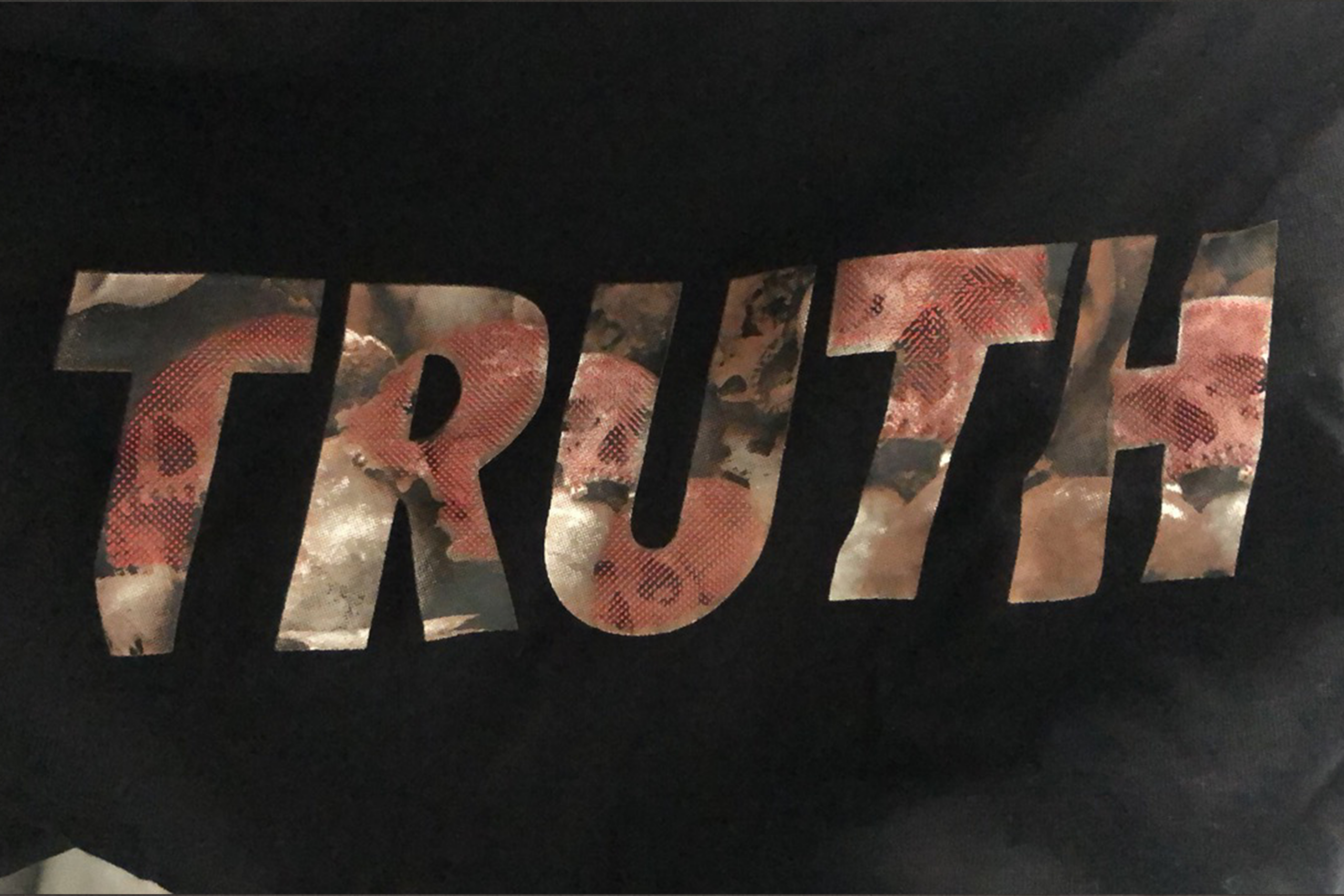
Zippers
Zipper sourcing is coordinated around garment function, length, finish, puller, tape color, strength, and sewing construction. EDVORIN supports custom jacket and outerwear zipper specifications, including sample testing before hardware is approved for bulk use.
Get a Quote
Buttons and Snaps
Buttons and snaps are selected for size, finish, logo treatment, attachment strength, and garment use. EDVORIN coordinates hardware for shirts, jackets, polos, outerwear, and uniforms, testing placement and durability through the sample process.
Get a Quote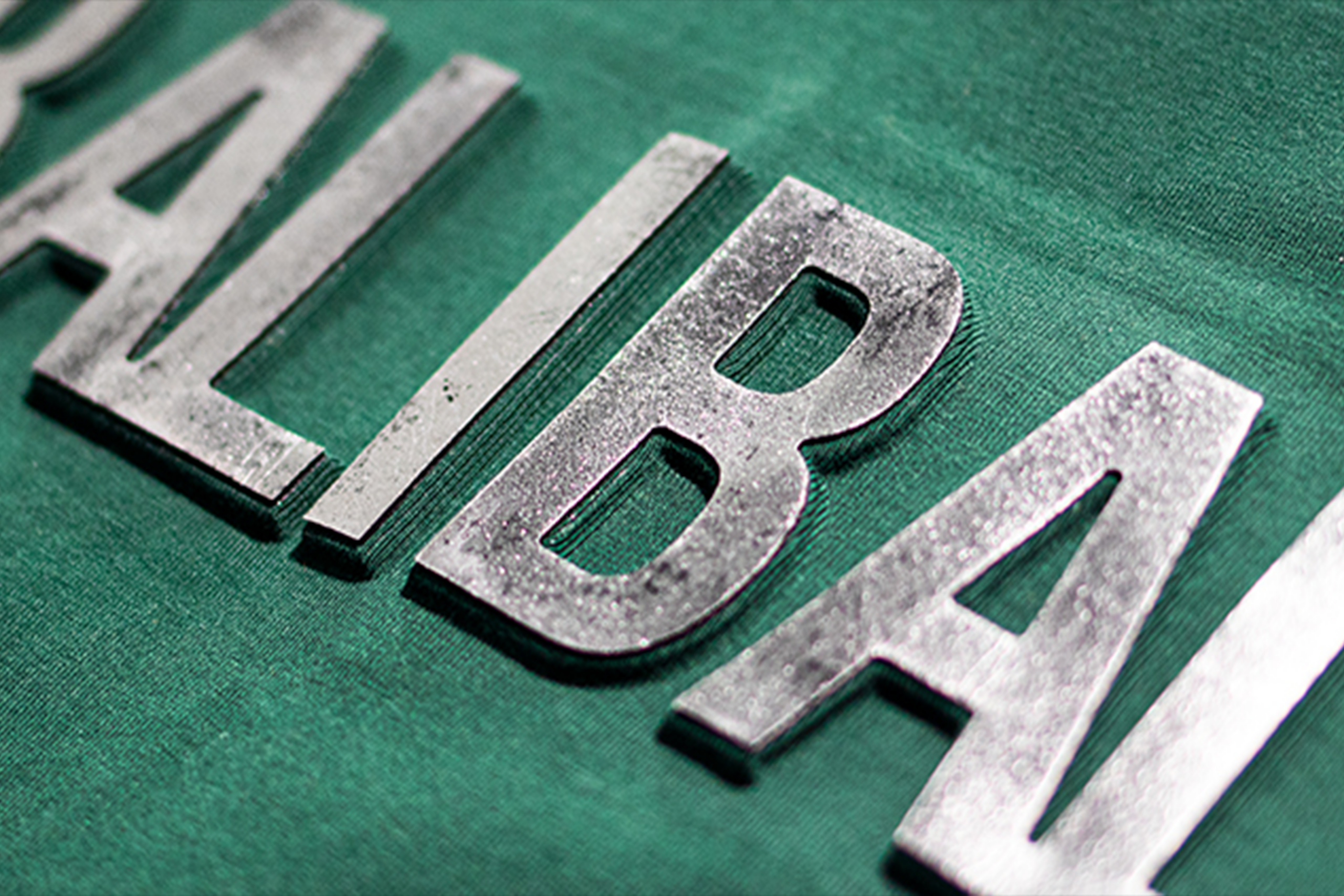
Drawstrings and Eyelets
Drawstrings and eyelets are developed for hoodies, joggers, shorts, and outerwear. EDVORIN specifies cord material, length, tip finish, eyelet type, color, placement, and reinforcement to match the garment’s construction and brand direction.
Get a Quote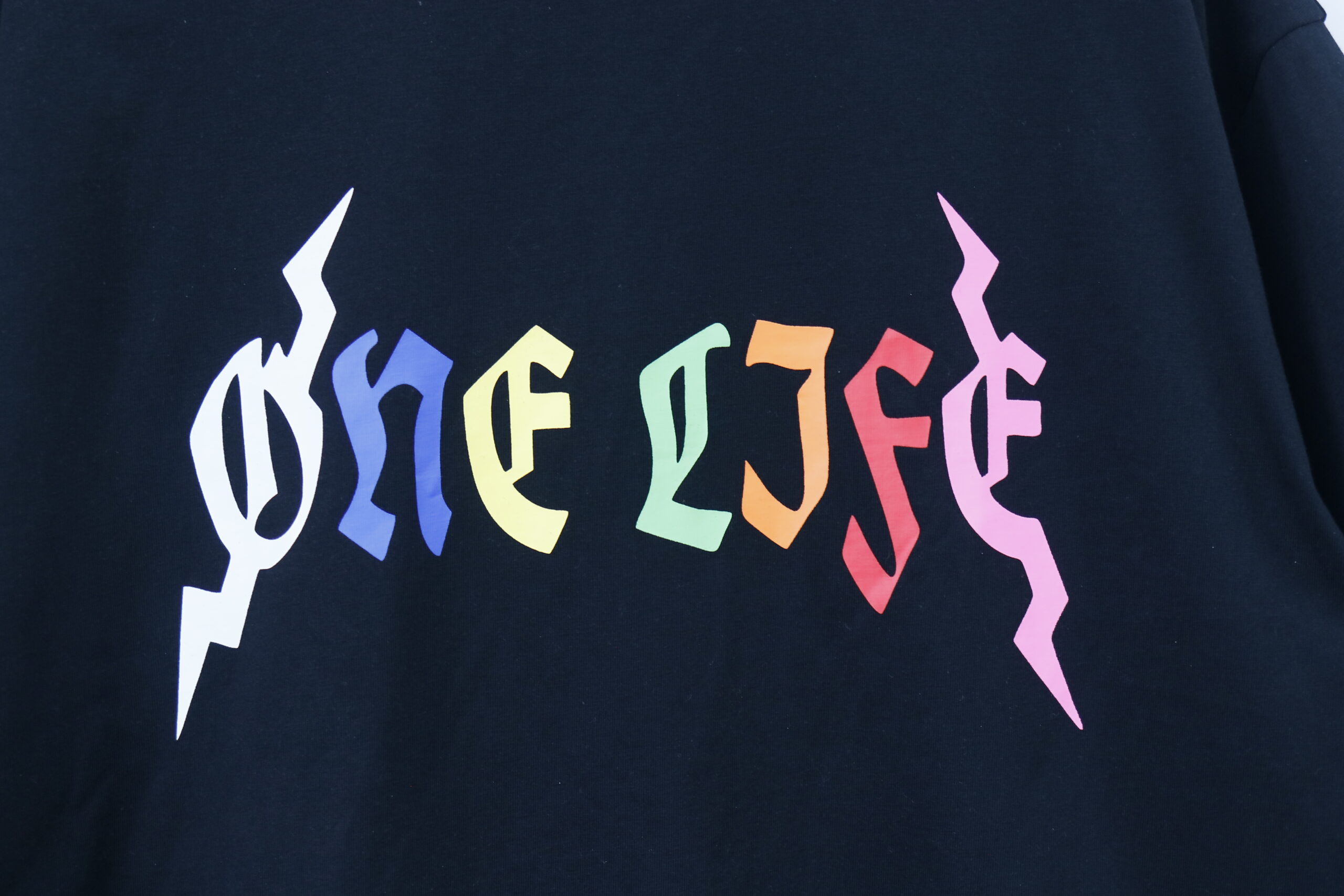
Rib, Cuffs and Collars
Rib components for cuffs, hems, collars, and waistbands are matched to the main fabric for weight, stretch, recovery, and color. EDVORIN tests rib performance during sampling to protect garment shape through production, washing, and wear.
Get a Quote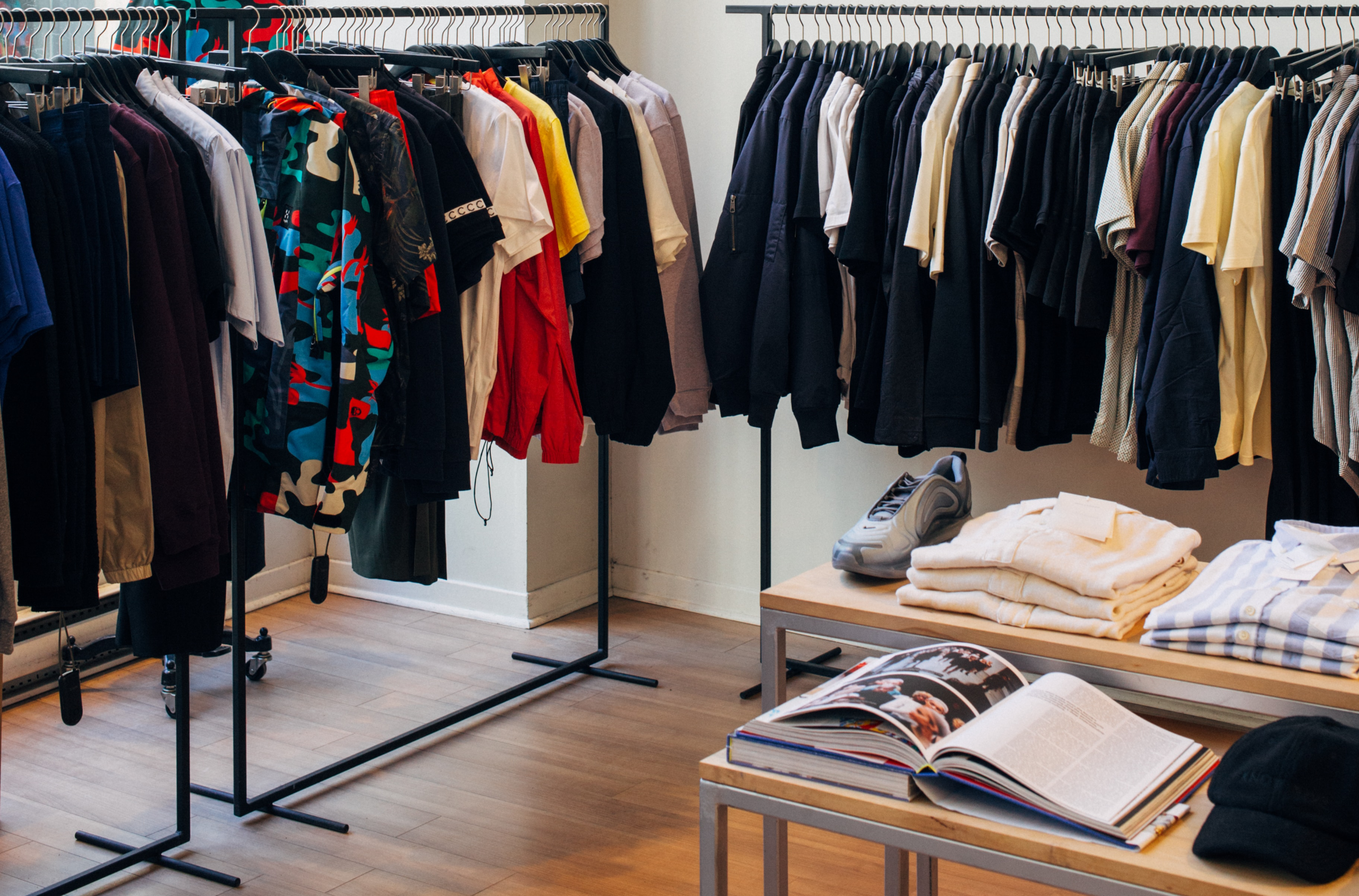
Elastic Components
Elastic components are specified by width, stretch, recovery, softness, and attachment method. EDVORIN coordinates elastic for waistbands, cuffs, underlayers, and performance garments, ensuring it works with the fabric, fit, and expected use of each style.
Get a Quote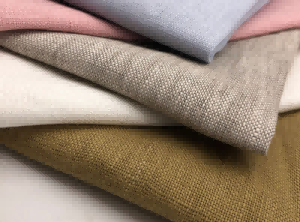
Custom Apparel Packaging
Custom apparel packaging is planned around garment protection, brand presentation, fulfillment needs, and shipping efficiency. EDVORIN coordinates polybags, tissue, boxes, stickers, size labels, inserts, carton marks, and packing ratios for each order.
Get a Quote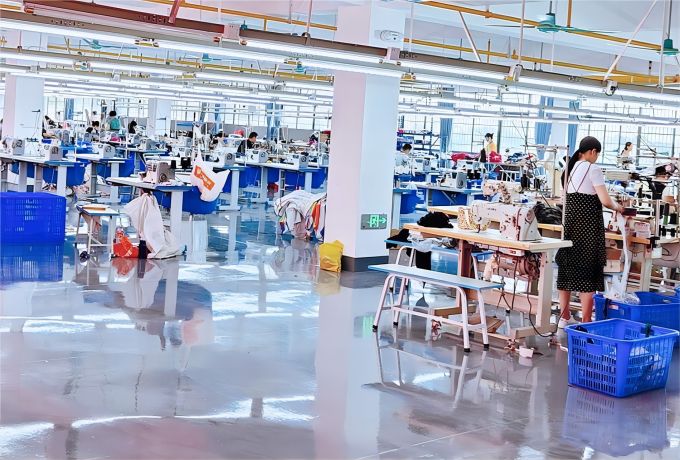
Development and Production
EDVORIN connects product development with cut-and-sew production, decoration, finishing, and quality control. Buyers can begin with a complete tech pack or an early concept, then build a documented standard for sampling and repeatable bulk orders.
Get a Quote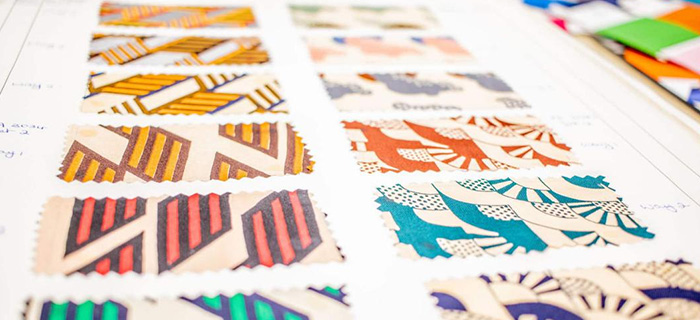
Tech Pack Development
Tech pack development turns a concept, sketch, or reference garment into production instructions. EDVORIN documents measurements, construction, materials, trims, artwork placement, labeling, and packaging details needed to review samples and guide bulk manufacturing.
Get a Quote
Pattern Making
Pattern making translates the intended silhouette into garment pieces that can be cut and sewn accurately. EDVORIN develops patterns around fit, construction, fabric behavior, and design details for men’s and women’s apparel programs across listed categories.
Get a Quote
Size Grading
Size grading expands an approved base pattern into a consistent size range. EDVORIN reviews measurement rules, proportions, fit intent, and category requirements so men’s and women’s garments maintain their intended shape across production sizes.
Get a Quote
Sampling and Prototyping
Sampling and prototyping test construction, fit, materials, trims, decoration, and finishing before bulk production. EDVORIN records revisions against the approved sample, giving buyers a physical and documented reference for the final manufacturing standard.
Get a Quote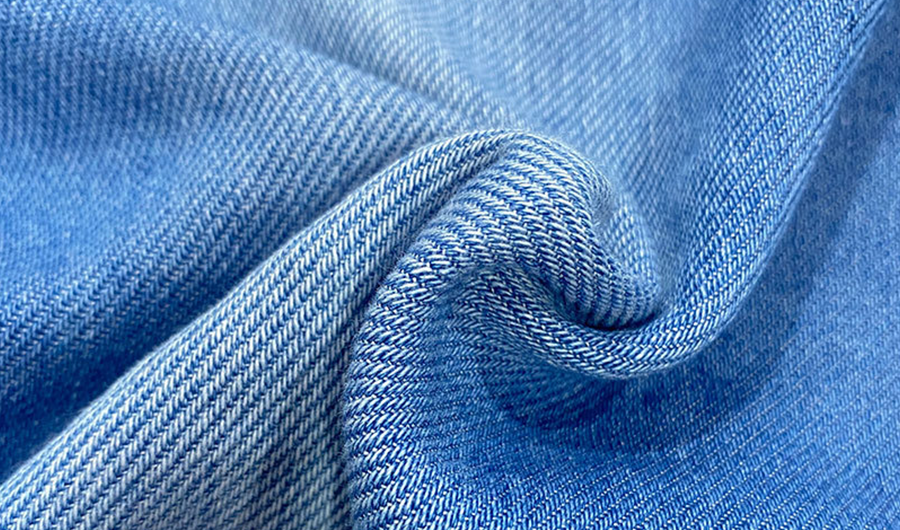
Fabric Sourcing
Fabric sourcing is coordinated with the garment’s fit, function, decoration, wash, target price, and certification needs. EDVORIN reviews available options during development so material decisions are confirmed before they affect bulk production timelines.
Get a Quote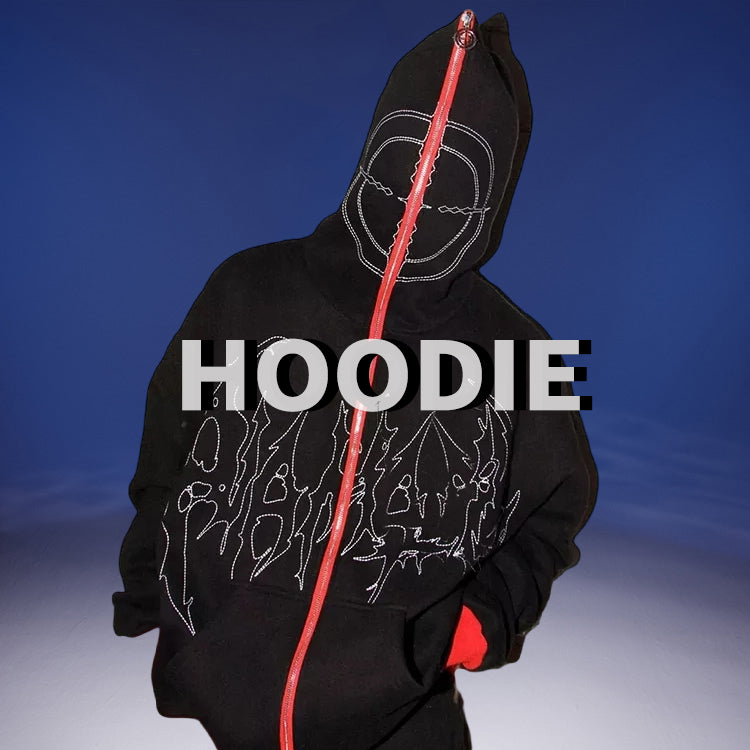
Quality Control and AQL
Quality control and AQL inspection are built around approved samples, measurement specifications, construction details, color, decoration, trims, and packing requirements. EDVORIN uses in-line and final checks to identify variation before the order is shipped.
Get a Quote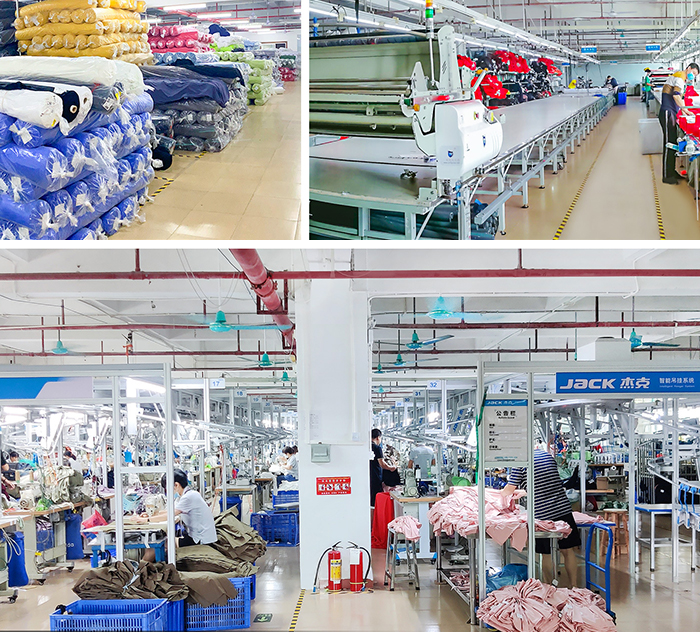
Production Planning
Production planning aligns materials, sample approval, cutting, sewing, decoration, washing, inspection, and packing into an accountable order flow. EDVORIN plans each style around its technical requirements, MOQ from 200 pieces, and agreed delivery sequence.
Get a QuoteApparel Manufacturing Capabilities Since 2000
EDVORIN was founded by Edvorin Zeng with a production-floor belief: an apparel idea only becomes valuable when it can be made accurately again and again. We turn concepts, sketches and complete tech packs into documented standards that guide development, sampling and bulk production.
Our apparel manufacturing capabilities connect OEM, ODM and private-label development across casualwear, streetwear, outerwear and teamwear. Fabric, patterns, trims, printing, embroidery, wash, labels and packaging are coordinated in one production path, with men’s and women’s development available across every listed category.
What sets EDVORIN apart is control after sample approval. We record measurements, artwork placement, material and trim details, then use in-line and final checks to protect the approved standard through packing. With MOQs from 200 pieces per style and certification programs including ISO 9001, BSCI, WRAP, SEDEX, OEKO-TEX Standard 100, GRS and GOTS, we support collections built to repeat and made to grow.
Where Product Development Meets Production Control
Technical Development and Patterns
We translate tech packs, sketches and reference garments into production-ready specifications. EDVORIN develops fit blocks, measurement charts, grading and construction details for men’s and women’s programs, so each approved style has a clear standard for repeat production.
- Tech-pack refinement and construction review
- Patterns, fit blocks and size grading
- Men’s and women’s specifications by category
- Revision records tied to sample approval
Fabric and Trim Coordination
Material decisions are coordinated with the garment’s intended construction, hand feel and end use. Across apparel manufacturing capabilities, EDVORIN aligns fabrics, ribs, linings, hardware, labels and packaging before bulk production, reducing avoidable gaps between design intent and factory execution.
- Fabric weights and performance requirements
- Ribs, linings and hardware matched to construction
- Labels, hangtags and packaging coordination
- Material and trim details documented for bulk
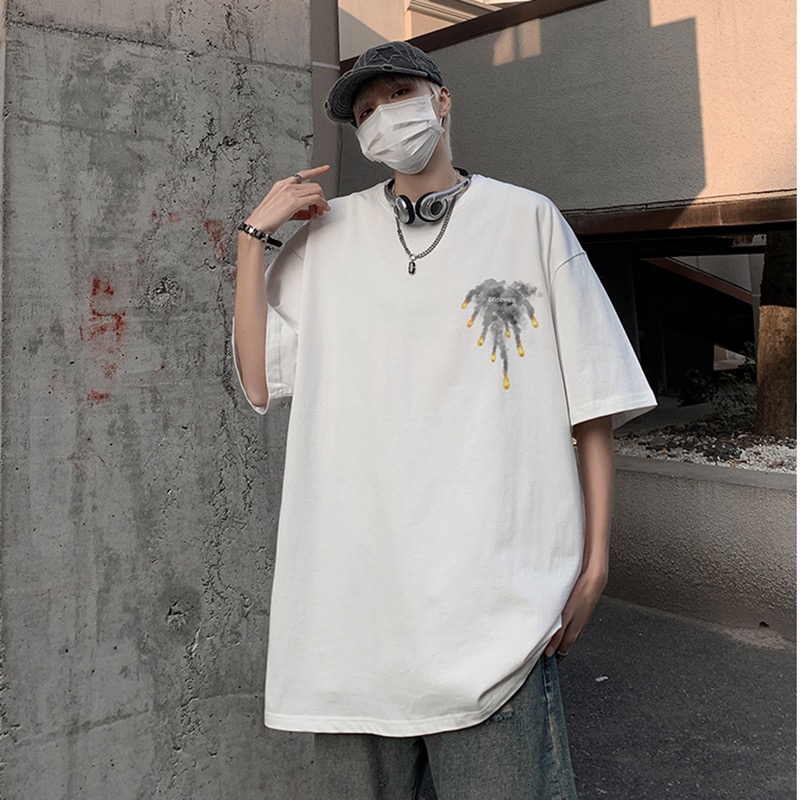
Decoration Built for the Garment
Printing, embroidery and washing are planned around the base fabric and product category rather than added as an afterthought. This helps fashion, streetwear and teamwear buyers protect artwork placement, finish expectations and garment character from development through repeat orders.
- Print methods matched to fabric and artwork
- Embroidery placement and backing considerations
- Wash effects reviewed with garment construction
- Team names, numbers and logo placement control
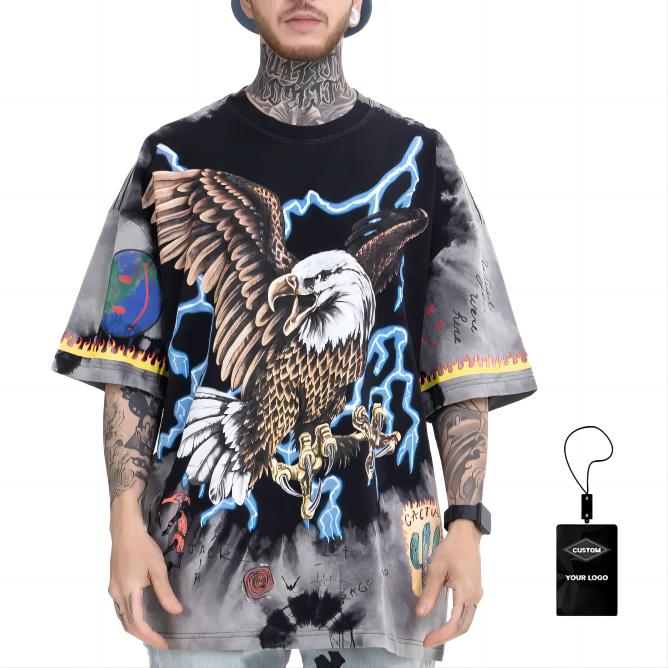
Sample-to-Bulk Quality Control
An approved sample becomes the working reference for bulk production, not a one-time milestone. EDVORIN uses documented measurements, materials, trims and artwork placement to support in-line checks and final inspection before packing, helping buyers maintain consistency as programs scale.
- Approved sample used as production reference
- In-line checks against documented specifications
- Final inspection before packing
- MOQ starts at 200 pieces per style
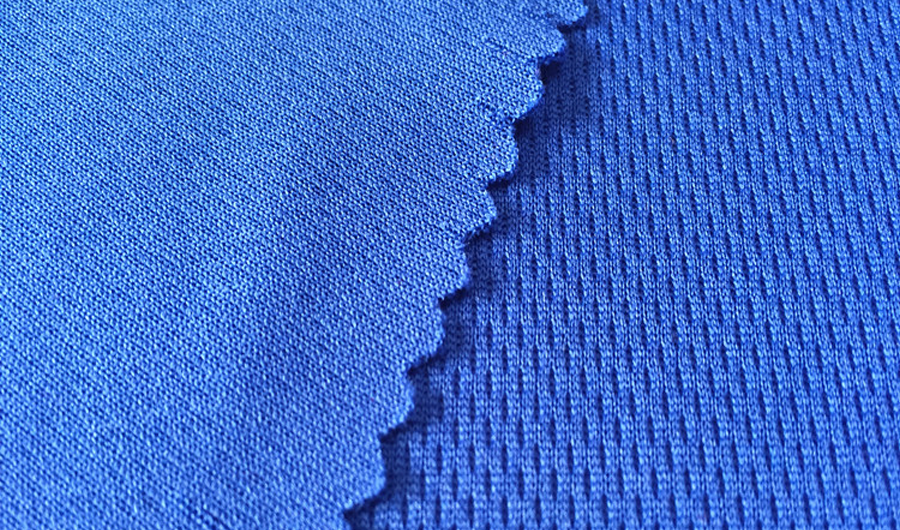
Apparel Manufacturing Capabilities for Production-Ready Collections
EDVORIN connects development, sourcing, decoration and quality control into one accountable production path.
← Swipe left or right to view →
From Concept to Packed Apparel: Our Production Flow
EDVORIN connects development, sourcing, production and quality control into one accountable path for repeatable apparel programs.
Review the Brief
We review your tech pack, reference garment or collection concept, then align fit, construction, artwork, quantities and target requirements before development begins.
Develop Materials and Patterns
Our team refines patterns, fit blocks, fabrics and trims around the product category, wearer and intended performance for men’s or women’s programs.
Approve the Sample
Samples bring construction, measurements, decoration and finishing together for review, allowing revisions to be resolved before the approved standard guides bulk production.
Set Up Bulk Production
We coordinate approved materials, trims, color references, placement measurements, labeling and production details, creating a clear pre-production standard for the order.
Produce and Inspect
Cutting, sewing, printing, embroidery and washing follow the approved specifications, with in-line checks monitoring workmanship, measurements and decoration consistency during production.
Pack for Delivery
Final quality control verifies the finished order against approved standards before labels, folding, polybags, cartons and buyer-specific packaging are completed.
How to Start Your Apparel Program
Bring a sketch, reference garment, or complete tech pack. EDVORIN turns approved details into a controlled path from quote to packed delivery.
Share Your Product Brief
Send your sketch, reference garment, or tech pack with measurements, artwork, target materials, trims, quantities, and intended market for a practical production review.
Confirm Specifications and Quote
EDVORIN’s MOQ starts at 200 pieces per style. Align fit, construction, fabric, decoration, labels, packaging, MOQ, and delivery requirements, then receive a quotation based on your defined apparel program.
Review and Revise Samples
Evaluate the developed sample for fit, materials, colors, artwork placement, and workmanship. Record revisions clearly until the product meets your approved standard.
Approve Bulk Production
Confirm the final sample and specifications before bulk production begins. EDVORIN coordinates materials, trims, decoration, sewing, and quality checks against the approval.
Receive Production Updates
Follow your order through production and final inspection, with packaging and labeling coordinated before delivery so the finished collection is ready for your next step.
What Buyers Value in Repeatable Production
EDVORIN corrected our hoodie grading during sampling and carried the approved measurements into a 1,200-piece run. Our men’s and women’s fits stayed consistent across sizes, which gave us a cleaner launch and fewer customer fit questions.
For our varsity jacket program, the embroidery placement and chenille patch scale matched the approved sample across 680 units. The production team documented every detail clearly, so we did not have to resolve artwork issues during bulk production.
We needed 24 soccer team kits with individual names and numbers managed accurately across 360 pieces. EDVORIN kept the roster, color references, and size breakdown organized, and our order arrived ready for distribution to every squad.
Frequently Asked Questions for B2B Apparel Buyers
Practical answers on development, production standards and repeat-order readiness from EDVORIN.
Which OEM, ODM and private-label apparel services does EDVORIN provide?
EDVORIN’s MOQ starts at 200 pieces per style. What is the minimum order quantity for your apparel manufacturing capabilities?
Can you develop a garment if I only have a sketch or reference sample?
Do your apparel manufacturing capabilities include separate men’s and women’s fit blocks?
How do you match fabric, printing, embroidery and wash finishes?
Can I combine hoodies, T-shirts, jackets and teamwear in one apparel program?
How do you control quality from sample approval to bulk production?
Can EDVORIN support private-label repeat orders and certification requirements?
The Complete Guide to Apparel Manufacturing Capabilities
Use this practical framework to assess production scope, materials, quality controls, customization, supplier fit, and launch economics—while avoiding the sourcing mistakes that create delays, inconsistent garments, and unexpected costs.
1. What Are Apparel Manufacturing Capabilities?
Founded in 2000, EDVORIN connects product development, sourcing, pattern work, sampling, decoration, washing, bulk production, quality control, labeling, packaging and delivery preparation. Apparel manufacturing capability is the controlled ability to translate an approved specification into repeatable goods—not merely access to a sewing line.
Three questions separate a stated product range from proven operational capacity: can the supplier build the garment’s construction, control its materials and trims, and repeat approved measurements, color, artwork placement and finishing at the required volume? A hoodie, varsity jacket and numbered soccer uniform demand different pattern, decoration and production controls.
Programs beginning at 200 pieces and larger repeat orders should be matched to category, complexity, target quality and delivery date before buyers request quotes. A documented approval path, realistic material timing and inspection checkpoints make price comparisons reflect an executable production plan.
2. Evolution of Apparel Manufacturing Capabilities
EDVORIN’s MOQ starts at 200 pieces per style. 2000s-era apparel sourcing moved beyond manual cut-and-sew and long standardized runs toward global supplier networks that separate fabric, trims, decoration and assembly. That model lowered unit costs, but it also made handoffs, approvals and material visibility central supplier-selection risks.
3D pattern systems, digital tech packs and automated cutting now let teams test fit, placement and marker efficiency before bulk production, while sewing remains highly construction-dependent. Buyers should assess whether a supplier can convert approved digital files, Pantone references and measurement revisions into controlled production records.
200-piece programs increasingly require smaller runs, personalized decoration and responsive replenishment alongside conventional bulk capacity. Made-to-order workflows reduce forecast exposure, so compare apparel manufacturing capabilities by sample turnaround, traceable material documentation, MOQ flexibility and the discipline used to repeat an approved standard.
3. Types of Apparel Manufacturing Capabilities
Six common models divide responsibility differently. Buyers should match apparel manufacturing capabilities to the maturity of their design files, sourcing control, intellectual-property ownership, and inventory tolerance.
CMT And OEM
CMT means the buyer supplies design, patterns, fabric, trims, and specifications; the factory cuts, sews, and finishes. Established brands retain IP and accept sourcing and fit risk.
OEM uses the buyer’s design direction while the manufacturer can develop patterns and source inputs. The buyer approves specifications and owns branded artwork; production risk is shared through approvals.
ODM And Private Label
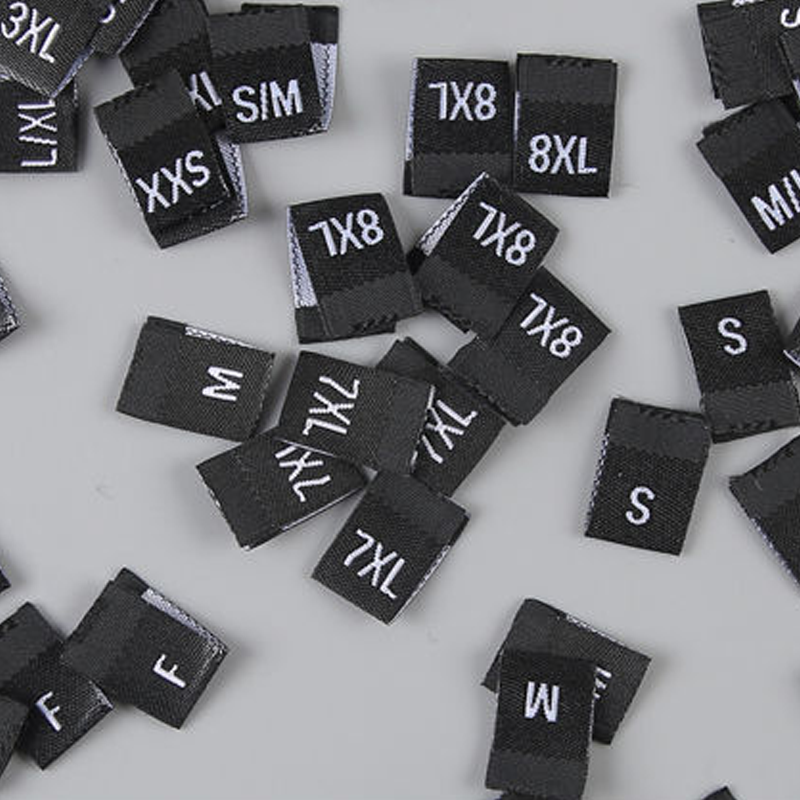
ODM starts from manufacturer-developed styles that buyers adapt with colors, trims, labels, or decoration. The manufacturer generally controls base patterns and development IP, making it practical for a first launch.
Private label applies a buyer’s brand to an existing or lightly customized product. It suits wholesale lines needing speed, but offers less design exclusivity.
Full Package And Technical
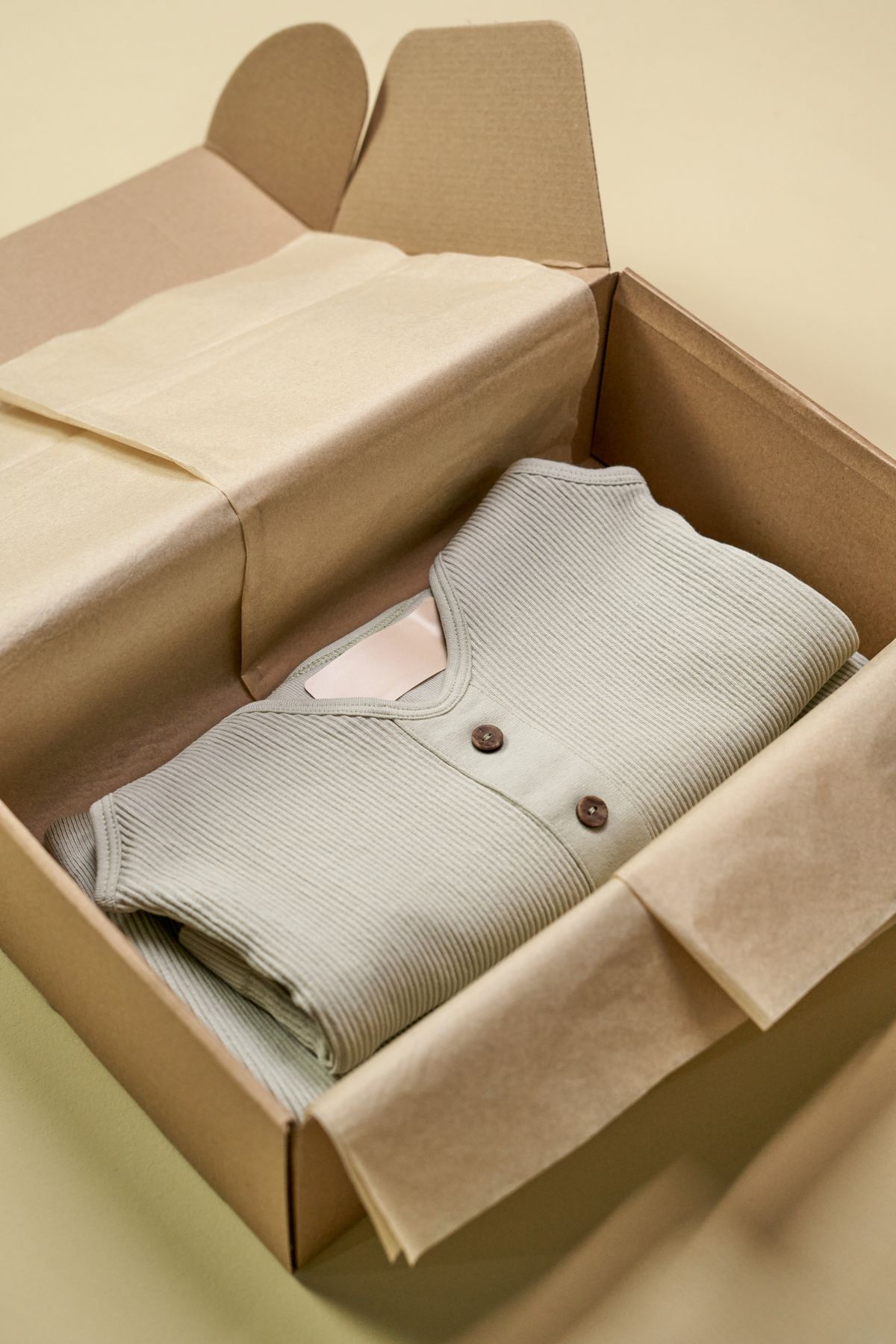
Full-package production connects development, sourcing, sampling, decoration, bulk production, quality control, and packing under one accountable workflow. It fits teams needing one manufacturing partner and clear approval gates.
Technical manufacturing adds performance requirements such as moisture management, bonded seams, or durable trims. Teamwear programs should retain artwork, numbering rules, color standards, and size specifications in writing.
4. Apparel Manufacturing Capabilities for Fabrics
Fabric decisions set a garment’s hand feel, drape, durability, and cost before cutting begins. EDVORIN aligns composition, construction, and finish to the approved fit and end use.
| Fabric Option | Typical GSM | Strength | Suitable Uses |
|---|---|---|---|
| Cotton jersey | 160–220 | Soft, breathable | T-shirts, tanks |
| French terry or fleece | 280–360 | Warm, substantial | Hoodies, joggers |
| Polyester pique | 180–240 | Durable, quick-drying | Polos, teamwear |
| Woven stretch | 180–280 | Structure and mobility | Shirts, outerwear |
| Performance knit | 140–220 | Stretch, moisture management | Jerseys, training wear |
Weight And Composition
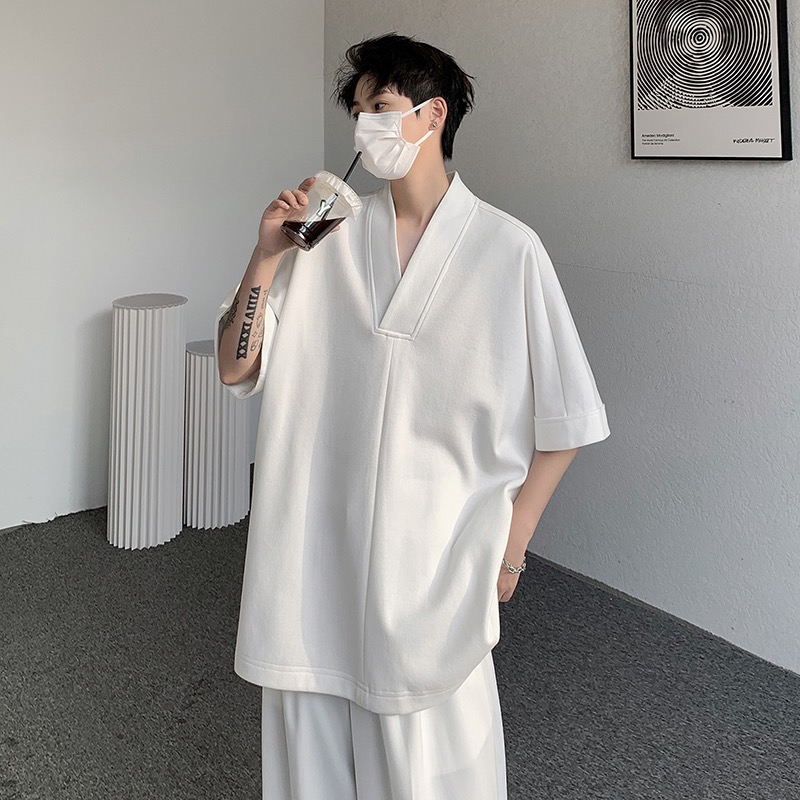
180–220 GSM jersey suits many T-shirts; 280–360 GSM fleece supports structured hoodies. Cotton feels natural, polyester improves durability and drying speed, and blends balance both.
3–5% elastane can improve recovery in activewear, but it changes stretch, pattern allowance, and sewing requirements.
Control Before Bulk
3%–5% shrinkage allowance is commonly checked through wash testing before finalizing measurements. Colorfastness, pilling, dimensional stability, and hand feel should be approved against a physical sample.
200-piece programs can require more practical sourcing choices than large runs because custom dye lots and specialty fabrics may carry mill minimums and longer lead times.
5. Apparel Manufacturing Capabilities for Customization
200-piece OEM programs need customization decisions locked before cutting. EDVORIN turns custom patterns, graded sizing, dye colors, labels, neck prints, hangtags, and packaging into production specifications.
| Method | Best Artwork | Durability | Placement | Setup And Volume |
|---|---|---|---|---|
| Embroidery | Logos | High | Chest, caps | Digitizing; efficient repeat runs |
| Screen print | Bold graphics | High | Flat panels | Screens; stronger volume economics |
| Heat transfer | Names, small runs | Medium-high | Flat panels | Low setup; flexible quantities |
| Sublimation | All-over polyester | High | Full panels | No screens; sportswear colorways |
| Patches | Badges, varsity | High | Chest, sleeves | Patch tooling; repeatable placement |
Fit And Identity Specifications

2 fit blocks—men’s and women’s—should use approved measurements, tolerances, and graded size ranges.
1 Pantone reference per colorway, plus label artwork and packaging dielines, prevents interpretation gaps.
Choose Decoration By Program
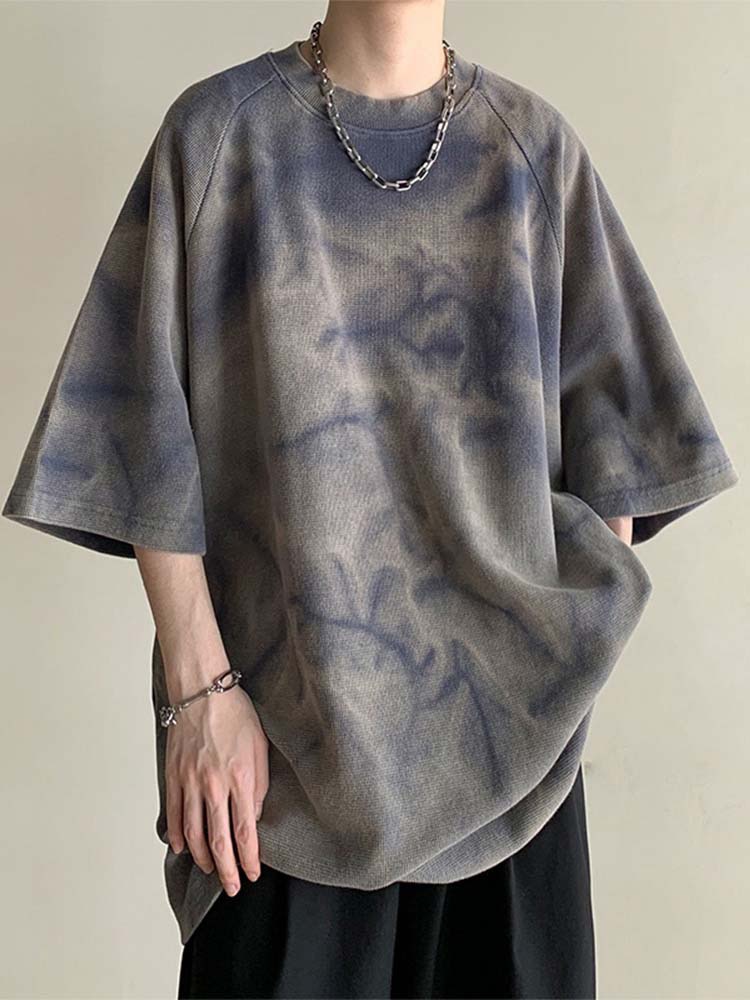
5 decoration routes behave differently across fabric, artwork, placement, and order volume.
1 approved strike-off or placement sample should precede bulk decoration.
Approve Production References
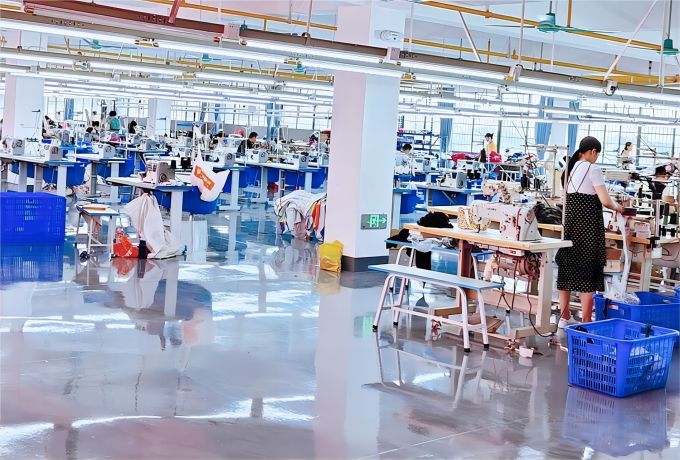
4 files must agree: vector artwork, Pantone color reference, placement measurement, and pre-production sample.
1 signed approval creates the bulk standard for print scale, patch position, embroidery density, and finishing.
6. Construction Details That Signal Quality
Two review stages—approved sample and bulk inspection—should use the same measurable standard. EDVORIN turns garment-specific decisions into production references rather than relying on a generic quality grade.
Fabric And Seam Control
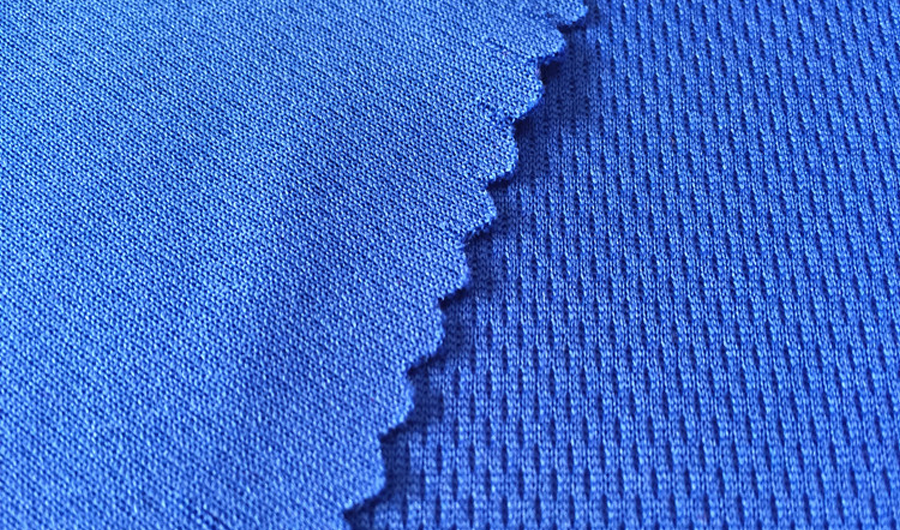
For 320 GSM fleece hoodies, compare hand feel, shade, shrinkage allowance, and surface appearance against the approved sample. Specify seam type, stitch density, binding width, and reinforcement locations—for example, shoulder tape or bar tacks at pocket stress points.
Fit, Rib, And Grading
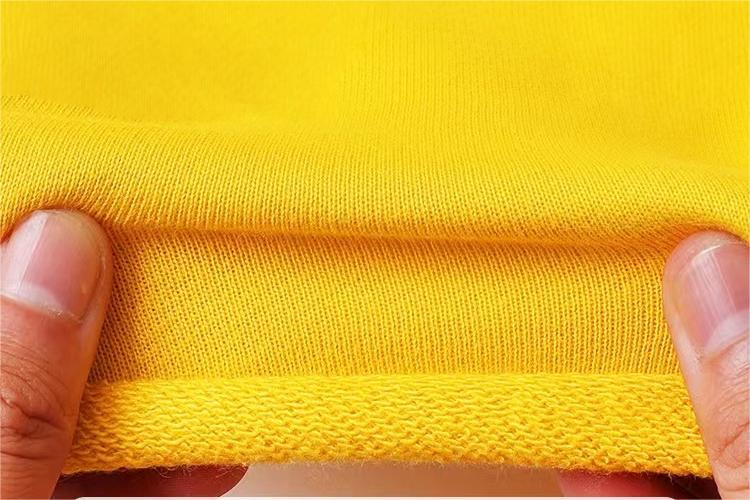
At each graded size, record point-of-measure tolerances, not only a finished size label. Test rib recovery after stretch, inspect waistband and cuff balance, and check that sleeve length, rise, and body proportions scale for the intended men’s or women’s fit block.
Decoration And Finishing
For a chest print, specify placement from a stable reference point, artwork dimensions, and acceptable alignment tolerance. List trim attachment method, label position, loose-thread standard, wash effect, and packing requirements so final inspection can compare every unit with the approved sample.
7. How to Choose an Apparel Manufacturer
Two suppliers can quote the same style yet include different fabric, trims, inspection, and freight terms. Evaluate apparel manufacturing capabilities through documented evidence, not a price sheet alone.
Match Category Experience
Three evidence requests clarify fit: sample photos, a measurement specification, and construction details for the relevant category. Brands should verify development support; clubs and schools should confirm roster, color, and size-set control.
Compare Like For Like
200-piece quotes should separate fabric composition and GSM, decoration, labels, packaging, sampling, duties, and shipping terms. Private-label buyers should compare approved specifications and revision counts before selecting the lowest unit price.
Test Production Readiness
EDVORIN’s MOQ starts at 200 pieces per style. One production timeline should show material booking, sample approval, bulk cutting, in-line inspection, final inspection, and shipping handoff. Request the MOQ by color and size, capacity window, quality process, carton markings, and export documents before issuing a purchase order.
8. Common Apparel Sourcing Mistakes
Apparel manufacturing capabilities matter only when the buyer controls the decisions around them. Most sourcing failures begin before cutting: unclear approvals, incomplete written specifications, or a budget that excludes the true landed cost.
Price-Only Decisions
A 10% lower quote can disappear through defects, delayed delivery, or rework. Compare construction, fabric, inspection scope, and freight assumptions in writing before selecting a supplier.
Incomplete Product Files
One missing measurement, trim code, or artwork placement forces production to interpret the design. Supply a tech pack, graded chart, BOM, and dated approval record before bulk release.
Skipped Fit And Fabric Checks
Two samples often prevent an expensive bulk correction: one for fit and one for final material and decoration. Test shrinkage, colorfastness, print adhesion, and wash appearance on the intended fabric.
Late Changes And Logistics
A post-approval change to color, label, packaging, or hardware can require new materials and reset timing. Confirm Pantone references from physical standards, carton requirements, freight, duties, and a rework contingency before production.
9. Steps to Launch Your Apparel Line
A launch moves fastest when each approval becomes the next production standard. EDVORIN can translate a complete tech pack or an early sketch into accountable apparel manufacturing capabilities.
Brief And Technical Development
1 product brief should lock target customer, category, fit, colorway, quantity and retail intent before sampling.
1 tech pack should then define measurements, construction, artwork placement, bill of materials and labeling.
Materials And Sample Revisions
200-piece programs benefit from early fabric and trim decisions: confirm GSM, composition, Pantone references, zipper, rib and decoration method.
1 prototype tests construction; allow time for fit revisions before approving a size set and pre-production sample.
Production Through Delivery
A purchase order should lock the approved sample, quantities, size breakdown, packaging, delivery terms and inspection standard.
Key production details should be checked against the approved record during cutting, sewing, decoration, final inspection and packing. Repeat programs should retain the approved specification, then document every approved change.
10. Apparel Manufacturing Pricing and Costs
Three cost layers determine a useful quote: one-time development, per-unit production, and landed costs after dispatch. Fabric weight and composition, trims, construction steps, decoration colors or stitches, patterns, samples, labels, packaging, inspection, freight, and import duties should each be shown separately.
200 pieces is a practical starting tier for many custom programs, but fixed costs are spread across fewer units. Request the same bill of materials, measurement chart, artwork specifications, Incoterm, destination, and inspection scope from every supplier; compare total landed cost, not only ex-factory price.
| Order quantity | Unit-cost direction | Setup-cost impact | Typical lead-time consideration |
|---|---|---|---|
| 200–499 | Higher | High per unit | Development and material booking dominate |
| 500–999 | Moderate | Better spread | Allow sample approval before bulk |
| 1,000+ | Lower | Lowest per unit | Confirm capacity, freight booking, and delivery window |
Put Apparel Manufacturing Capabilities to Work for Your Collection
Send your tech pack, reference garment, or brief for an OEM/ODM quote built around approved, repeatable production standards.